
- Chinese
- French
- German
- Portuguese
- Spanish
- Russian
- Japanese
- Korean
- Arabic
- Irish
- Greek
- Turkish
- Italian
- Danish
- Romanian
- Indonesian
- Czech
- Afrikaans
- Swedish
- Polish
- Basque
- Catalan
- Esperanto
- Hindi
- Lao
- Albanian
- Amharic
- Armenian
- Azerbaijani
- Belarusian
- Bengali
- Bosnian
- Bulgarian
- Cebuano
- Chichewa
- Corsican
- Croatian
- Dutch
- Estonian
- Filipino
- Finnish
- Frisian
- Galician
- Georgian
- Gujarati
- Haitian
- Hausa
- Hawaiian
- Hebrew
- Hmong
- Hungarian
- Icelandic
- Igbo
- Javanese
- Kannada
- Kazakh
- Khmer
- Kurdish
- Kyrgyz
- Latin
- Latvian
- Lithuanian
- Luxembou..
- Macedonian
- Malagasy
- Malay
- Malayalam
- Maltese
- Maori
- Marathi
- Mongolian
- Burmese
- Nepali
- Norwegian
- Pashto
- Persian
- Punjabi
- Serbian
- Sesotho
- Sinhala
- Slovak
- Slovenian
- Somali
- Samoan
- Scots Gaelic
- Shona
- Sindhi
- Sundanese
- Swahili
- Tajik
- Tamil
- Telugu
- Thai
- Ukrainian
- Urdu
- Uzbek
- Vietnamese
- Welsh
- Xhosa
- Yiddish
- Yoruba
- Zulu
- Kinyarwanda
- Tatar
- Oriya
- Turkmen
- Uyghur






OEM AND ORIGINAL KOMATSU PANEL ASSY 20Y-979-6141
Let's talk about that part number, 20Y-979-6141. If you're searching for it, you're likely in a bind—maybe a D375A-6 or a similar large dozer is down, and the operator's panel is fried. The immediate thought is to grab an original part. But here's the industry's open secret: the term OEM AND ORIGINAL in listings is where the confusion, and often the risk, begins. It's rarely both. A true original part comes in a Komatsu box, with a Komatsu label, from a Komatsu dealer's shelf. The OEM tag, while technically correct for parts made by the original equipment manufacturer, often signals a part that was produced for Komatsu but is now being sold through parallel channels, sometimes without the final branding or specific calibration. For a complex assembly like a panel, that distinction matters more than for a simple seal.
The Anatomy of a Panel Assy and the OEM Reality
This isn't just a plastic cover with some stickers. The 20Y-979-6141 is an integrated assembly. It houses the crucial monitor, potentially the key switch, warning lamps, and the wiring harness connectors. The failure point is often the display itself or a corroded connector at the back. When you source a so-called OEM part, you need to verify what you're getting. Is it the complete assembly with the correct Komatsu-specific monitor unit? Or is it the housing with aftermarket gauges? I've seen both.
Companies that operate within the Komatsu system, like Jining Gaosong Construction Machinery Co., Ltd., occupy a specific niche. They aren't the primary factory, but as an OEM product supplier, they have access to components produced for Komatsu's supply chain. Their role, as noted on their site https://www.takematsumachinery.com, is to help solve parts supply challenges in certain countries. This is critical. In many regions, getting a factory-sealed, dealer-original part for a model that's 15 years old can take months. A company like this can provide the genuine sub-components or a complete assembly that is functionally identical, often sourced from the same production lines, but delivered in a neutral box.
The risk with a pure aftermarket compatible panel is the communication protocol. The Komatsu monitor talks to the machine's ECM. A cheap replica might light up, but it won't display fault codes correctly, or the fuel gauge reading will be off. The value of a proper OEM-sourced assembly is that it uses the correct, factory-approved internal components. The housing might be unbranded, but the guts are right.
Case in Point: A Failed Original and a Practical Solution
We had a customer with a D375A-6 whose panel failed—blank screen. The local dealer quoted a 12-week lead time and a staggering price for the original part. Desperate, the customer bought a readily available OEM & Original unit from a different online supplier. It arrived looking perfect, even had a Komatsu-esque logo. Installed it, and the machine threw a communication error. The monitor was a visual copy but couldn't handshake with the system.
This is where the practical knowledge comes in. We pulled the part number and cross-referenced it with suppliers who clarify their position. We engaged with Jining Gaosong precisely because their description as a third-party sales company for Komatsu is honest. They didn't promise a Komatsu-boxed part. They promised the OEM assembly that would work. The unit they provided for the 20Y-979-6141 had subtle differences—no Komatsu logo on the bezel, a different part number sticker on the back—but the connector pinout was exact and the monitor module was the same Matsushita unit used by Komatsu.
The installation was straightforward, and the system recognized it immediately. The machine was back running in 10 days, not 12 weeks. The cost was about 60% of the dealer quote. The lesson wasn't to avoid OEM, but to understand what OEM means in context. It's a tier-1 component, not necessarily a tier-1 branded retail product.
When to Go This Route and What to Ask Your Supplier
I wouldn't recommend this for every part. For critical engine internals or ECMs, I'd wait for the dealer part. But for a panel assembly, which is largely electro-mechanical, a verified OEM source is a viable, cost-effective solution. Your questions to the supplier must be specific: Is the monitor unit inside the same manufacturer as the Komatsu original? Can you provide the technical spec sheet for the display? Does the wiring harness connector have the same part number stamped on it?
Avoid suppliers who just say yes, it fits. Look for those who explain the provenance, like the statement on Takematsu Machinery's site about solving supply challenges. It indicates they understand the problem isn't just price, but availability and technical compliance. Ask for photos of the actual item, specifically the back of the panel and the connector pins.
Also, check if the assembly includes all mounting brackets and hardware. Sometimes these OEM kits assume you're reusing your old frame, which can be rust-welded solid. A minor point, but it causes major installation headaches in the field.
The Grey Area of Warranty and Long-Term Reliability
This is the biggest hesitation for many fleets. A dealer part comes with a Komatsu warranty, backed by the distributor network. An OEM part from a third-party comes with the supplier's warranty. The warranty from a company like Jining Gaosong is only as good as their commitment to honor it. In our experience, reputable suppliers in this space stand by their products because their business depends on repeat orders from contractors.
In terms of reliability, if the internal components are truly from the original manufacturer, the lifespan should be identical. The failure point on these panels is usually the LCD screen or a capacitor on the control board, not the plastic housing. So, the core component is what matters. We've tracked some of these OEM panel assemblies for 3-4 years now with no higher failure rate than the branded ones.
The real test is environmental sealing. Does the gasket around the panel match the OEM spec? A poor seal lets in dust and moisture, killing any panel. A good supplier will ensure this detail is correct, as it's often a point of failure in the field.
Wrapping It Up: A Tool in the Box, Not a Replacement
So, for the KOMATSU PANEL ASSY 20Y-979-6141, the OEM AND ORIGINAL listing should be read as OEM-grade and functionally original. It's a pragmatic solution for older machines where dealer support is slow or prohibitively expensive. The key is supplier selection. You need a source that is transparent about its role in the ecosystem—neither pretending to be a Komatsu dealer nor a generic parts reseller.
The model of companies operating as OEM product supplier within the Komatsu system fills a necessary gap. They provide the legitimate engineering solution without the branded packaging and associated logistics chain markups. For a maintenance manager, having a trusted source like this for electrical assemblies, seals, and even hydraulic components can keep fleets moving.
Ultimately, it's about matching the part source to the operational urgency and the criticality of the component. For this panel, a verified OEM assembly from a specialist supplier is often the smartest play. Just do your homework on the supplier's reputation first. Don't just buy the part; buy the confidence that comes from their specific expertise in the Komatsu landscape.
Related Products
Related Products

Best Selling Products
Best Selling Products-
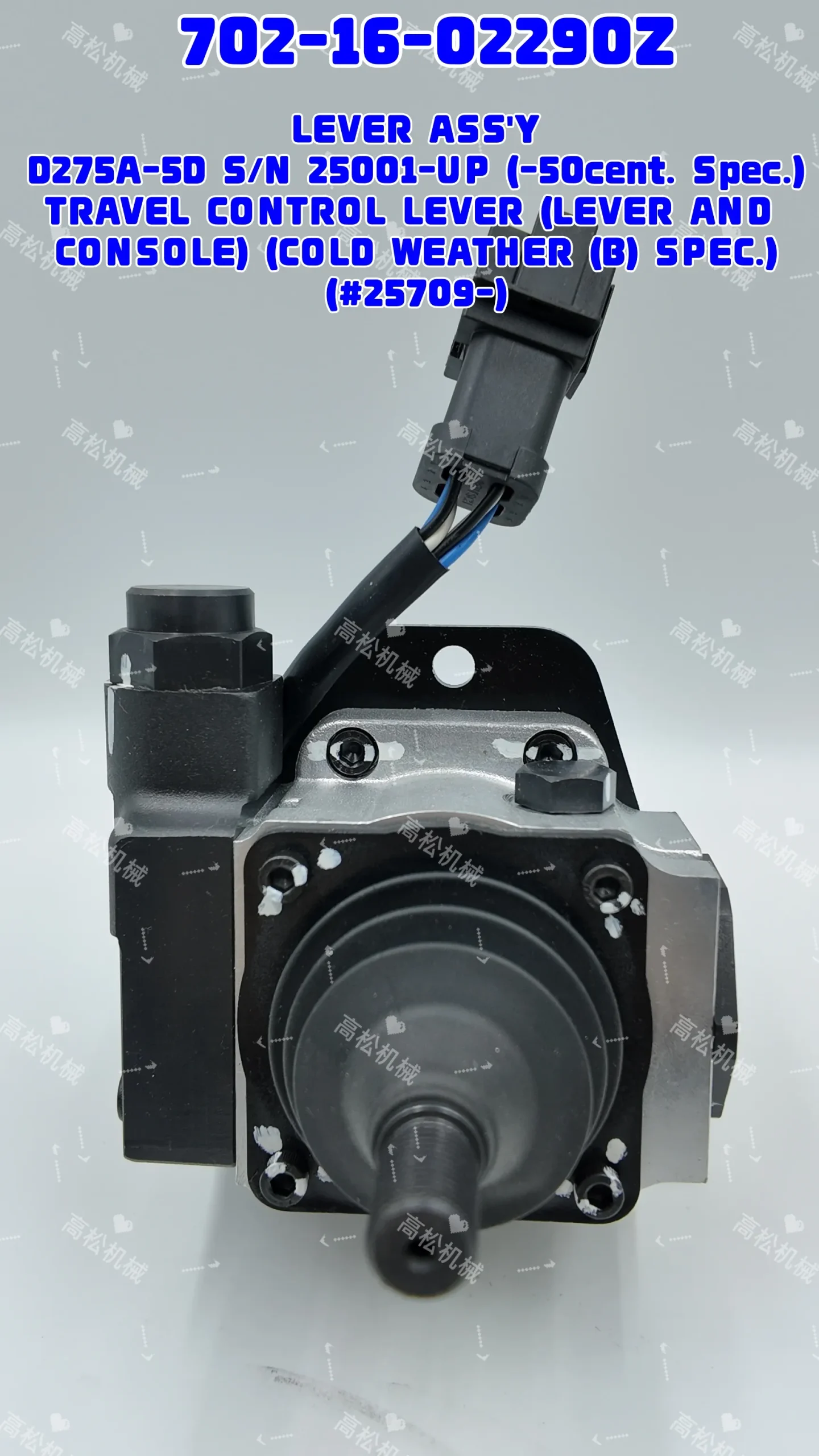 komatsu-part-702-16-02290 LEVER ASS’Y D65PX-15E0 D155AX-6 D155AX-8 D275A-5R D85EXI-18 FLOOR FRAME, TRAVEL CONTROL LEVER FLOOR FRAME, LEVER ROPS CAB, PCCS (PALM COMMAND CONTROL SYSTEM) LEVER
 -
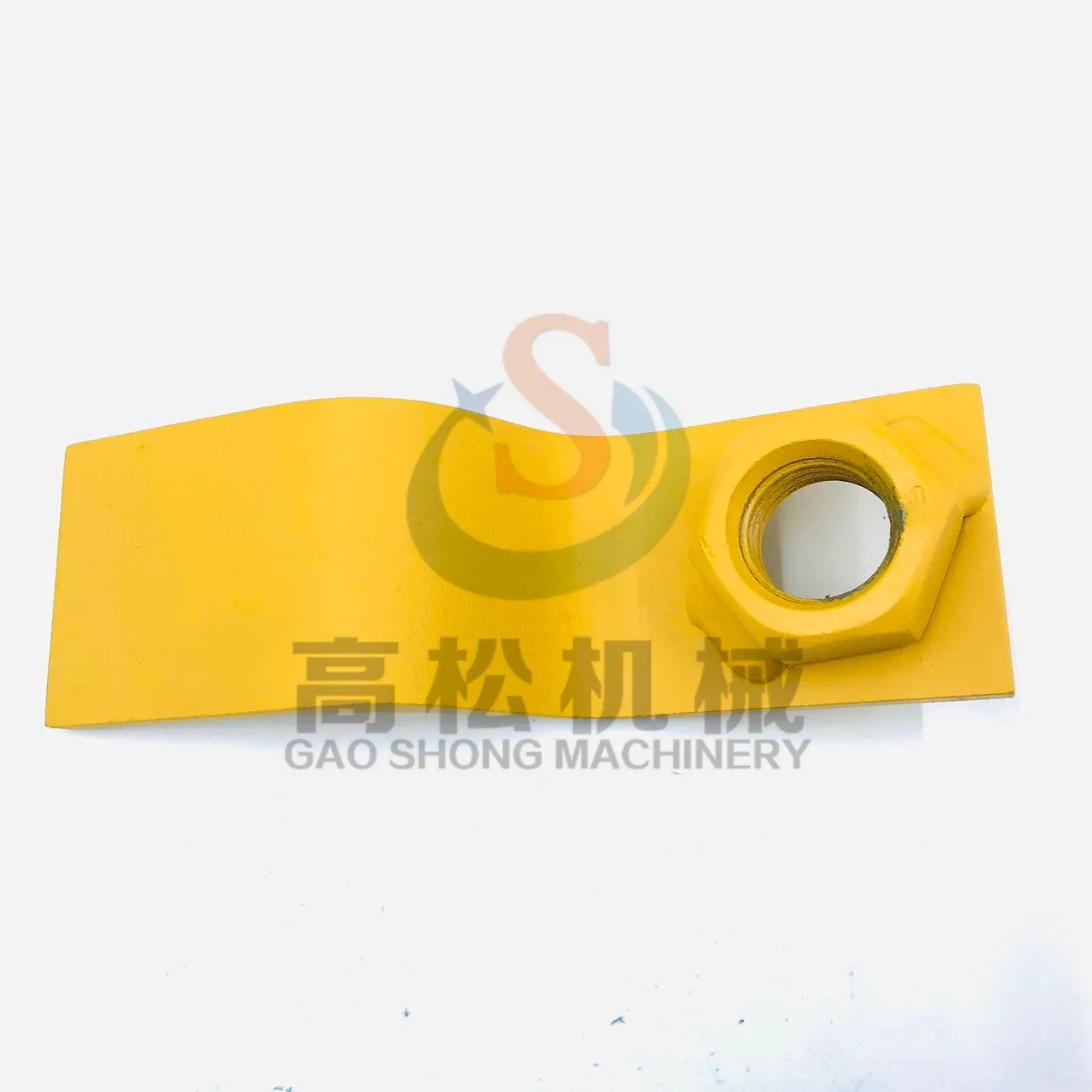 21T-00-67330 Plate (Komatsu)
 -
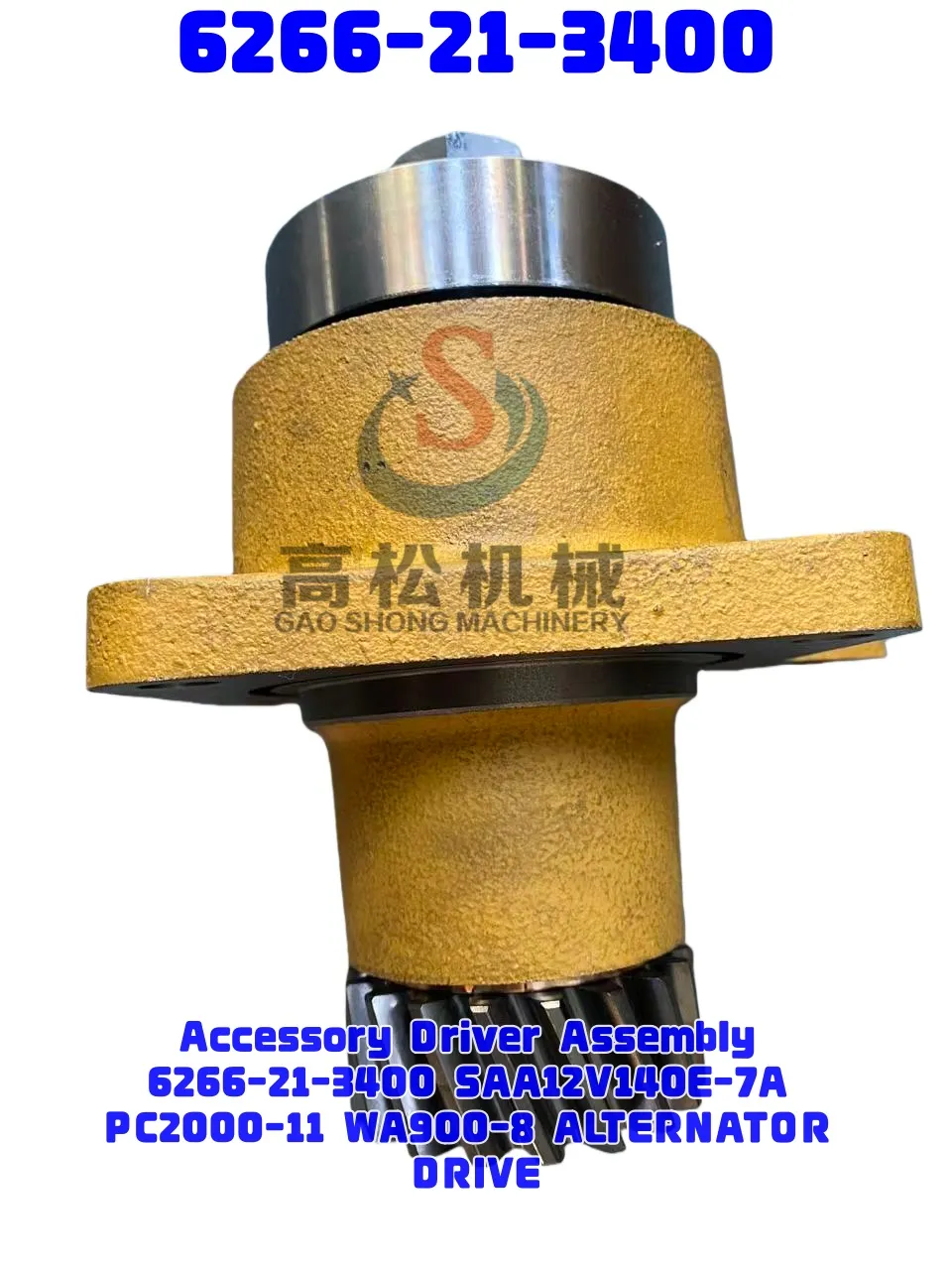 Accessory Driver Assembly 6266-21-3400 SAA12V140E-7A PC2000-11 WA900-8 ALTERNATOR DRIVE
 -
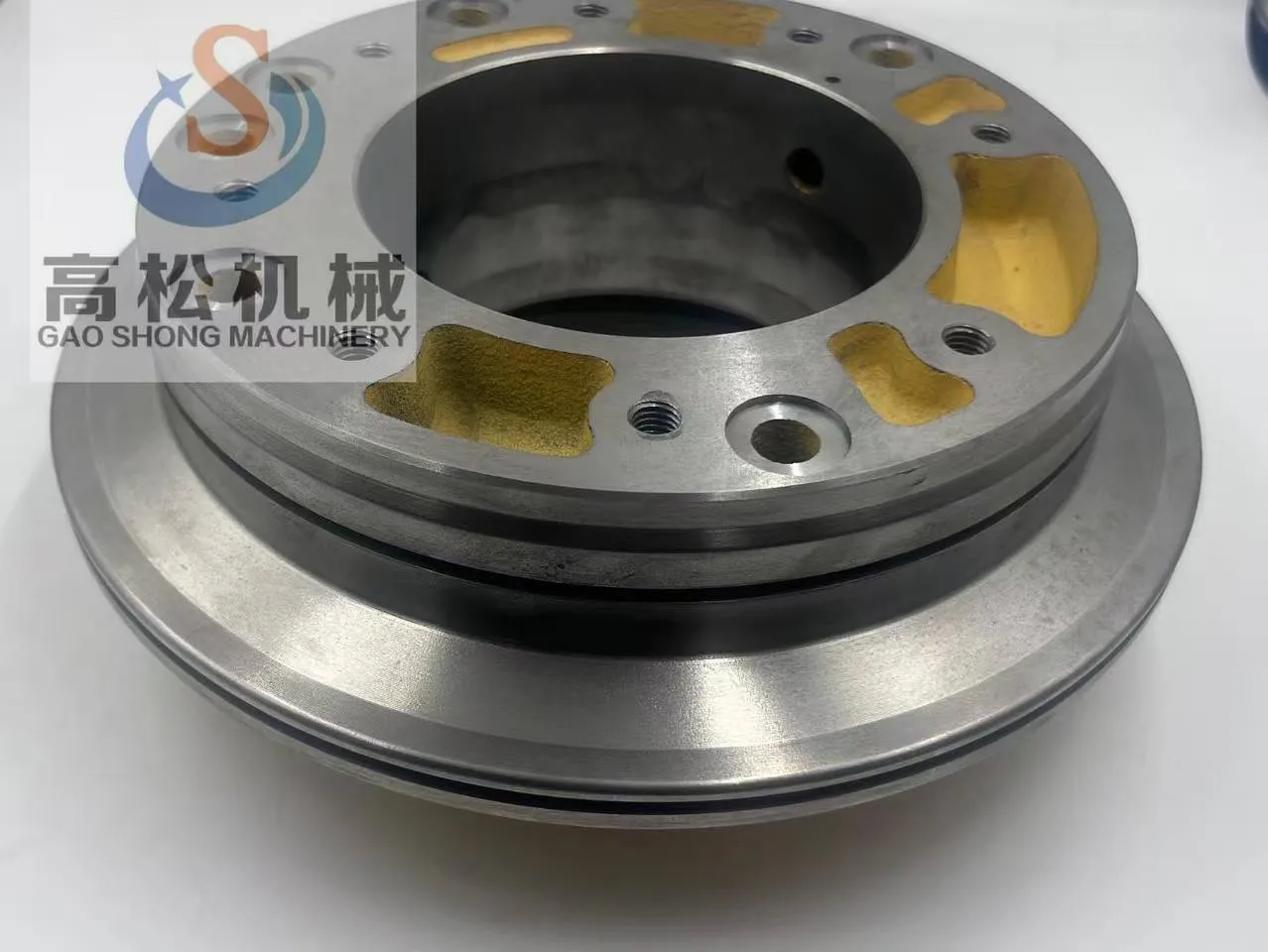 17A-22-11132 Komatsu Original Cylinder Compatible with Bulldozer 155
 -
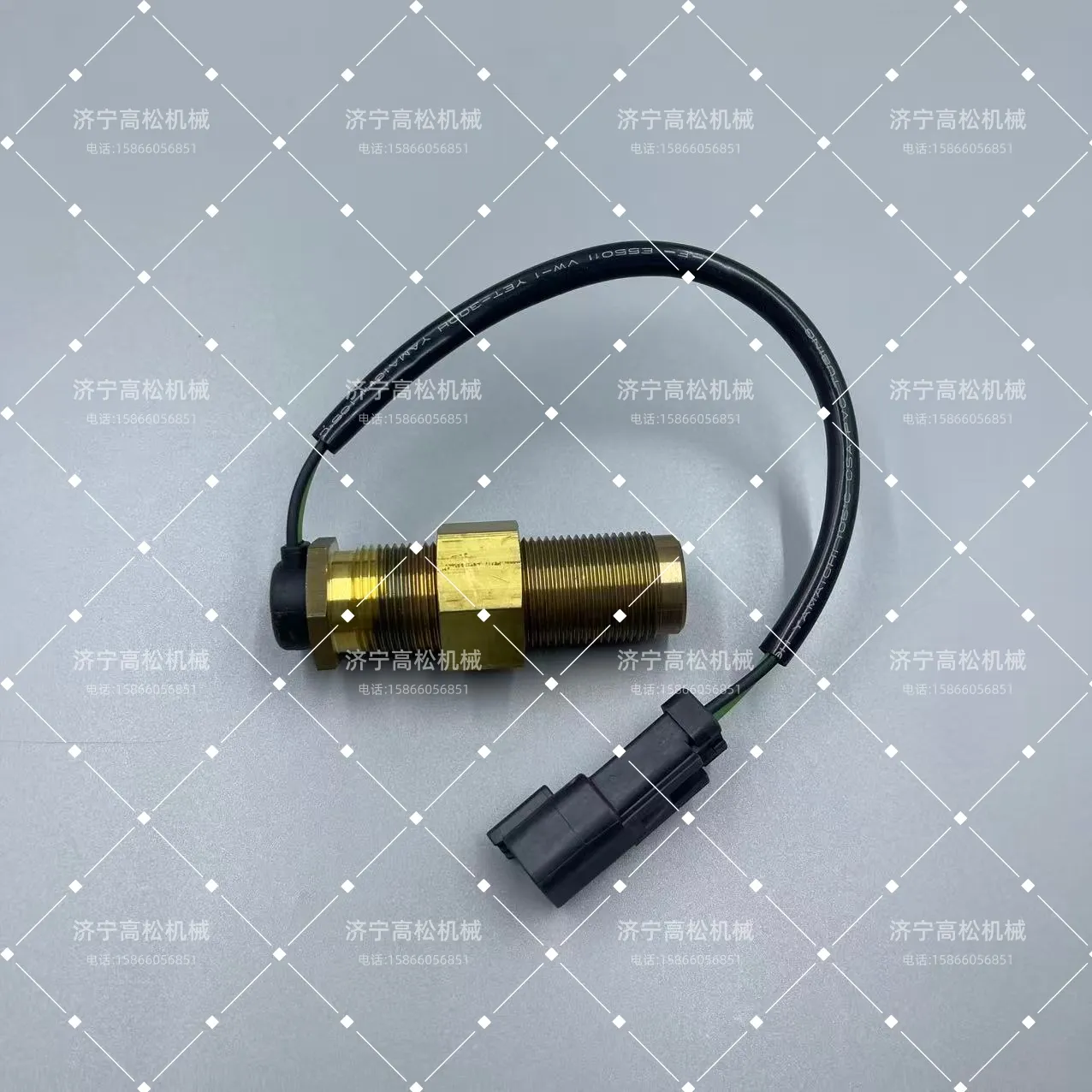 Revolution Sensor 7861-93-2330 for Bulldozer D85EX-15
 -
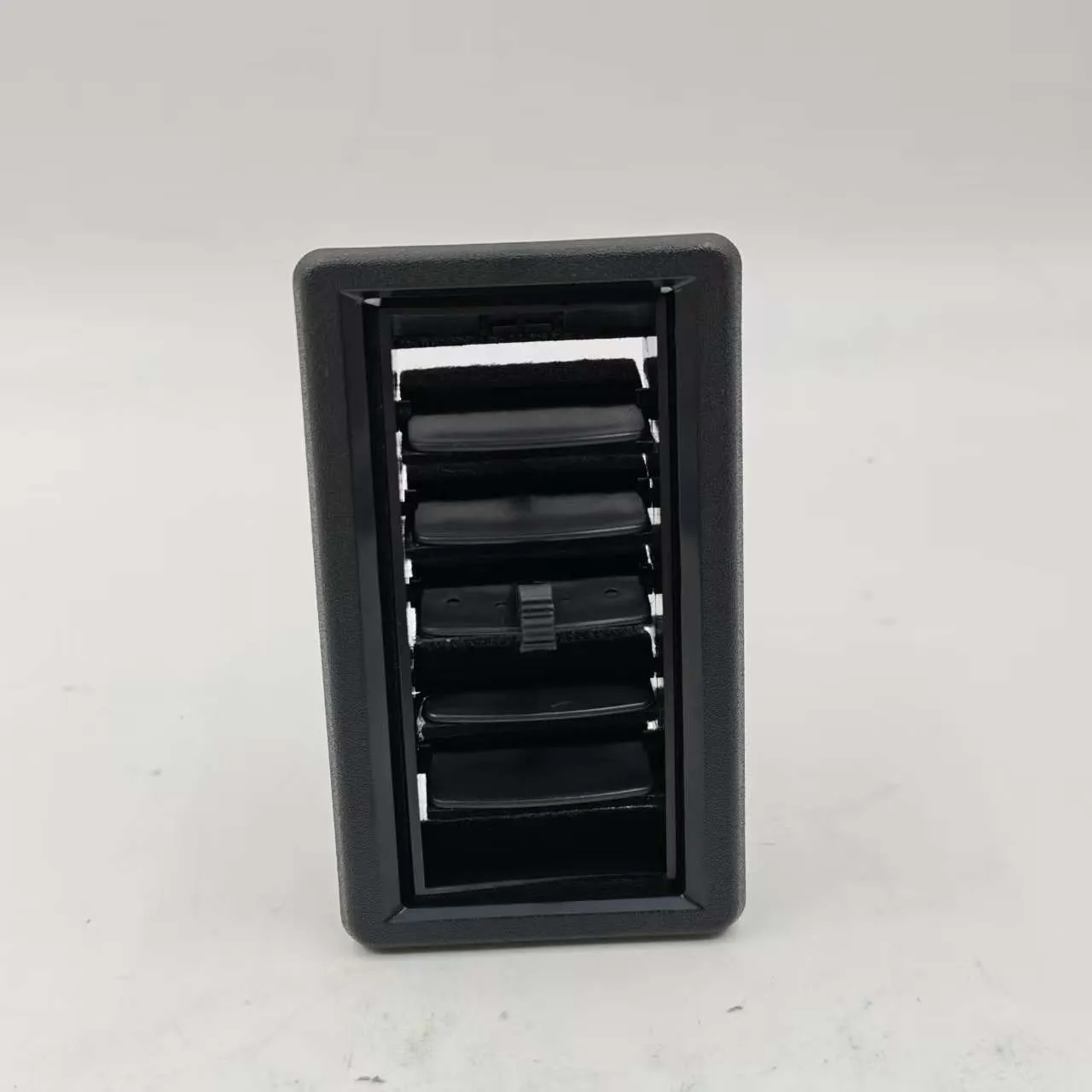 Komatsu Inside cover 17A-54-18270 for Bulldozer D155AX-5
 -
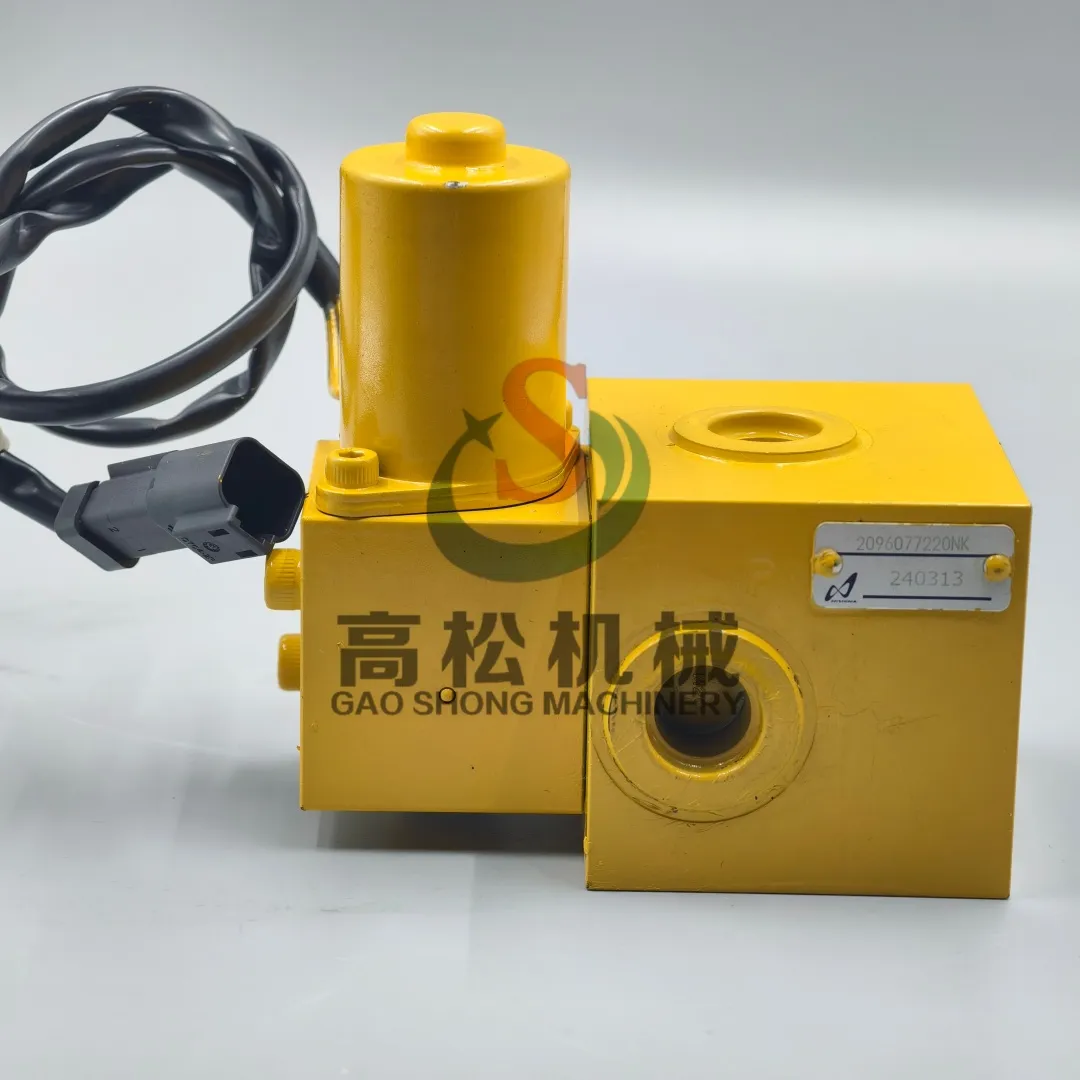 Solenoid Valve 209-60-77220 for PC1250-8 PC800-8 PC600-8 Excavator
 -
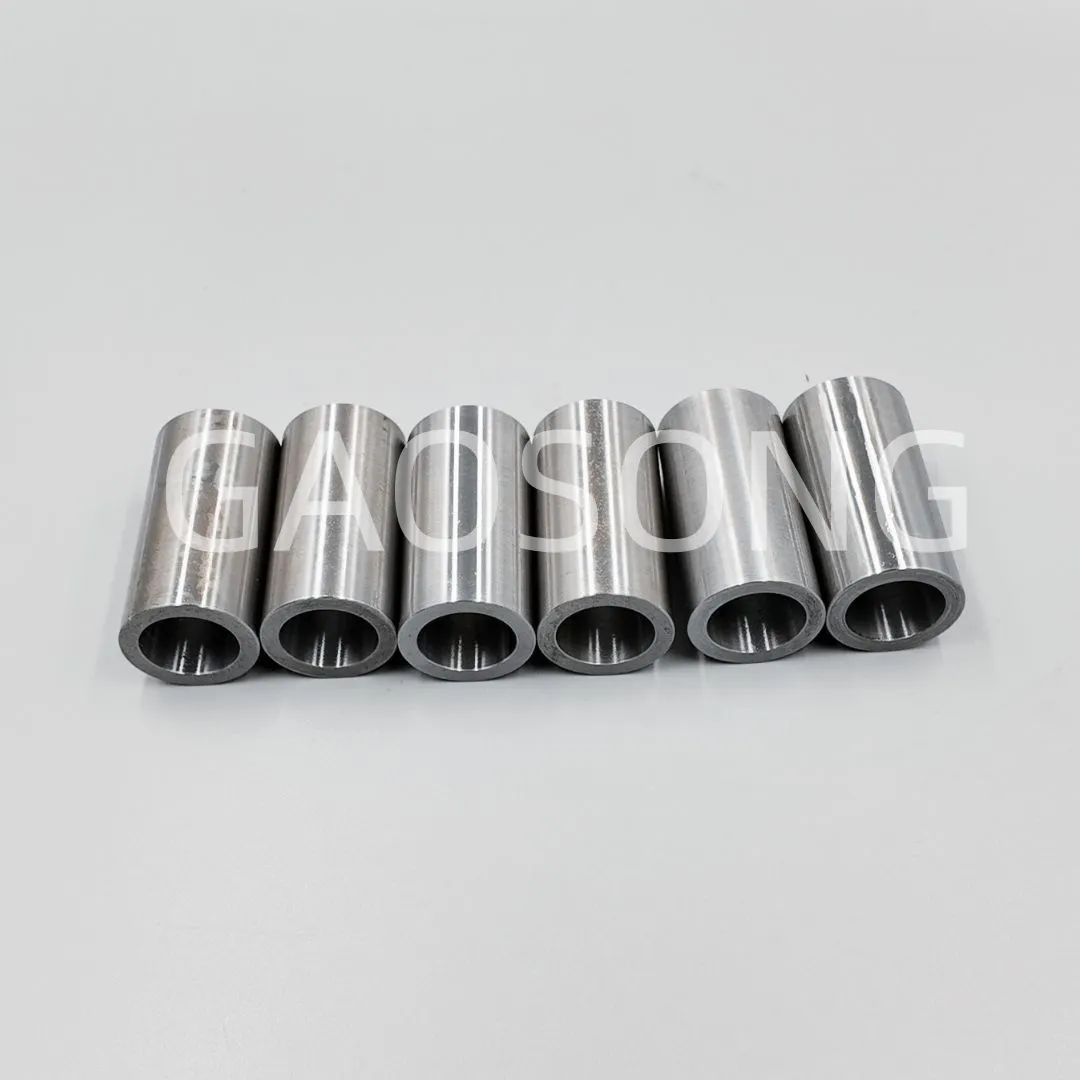 566-54-21910 BUSHING–Komatsu Original Factory
 -
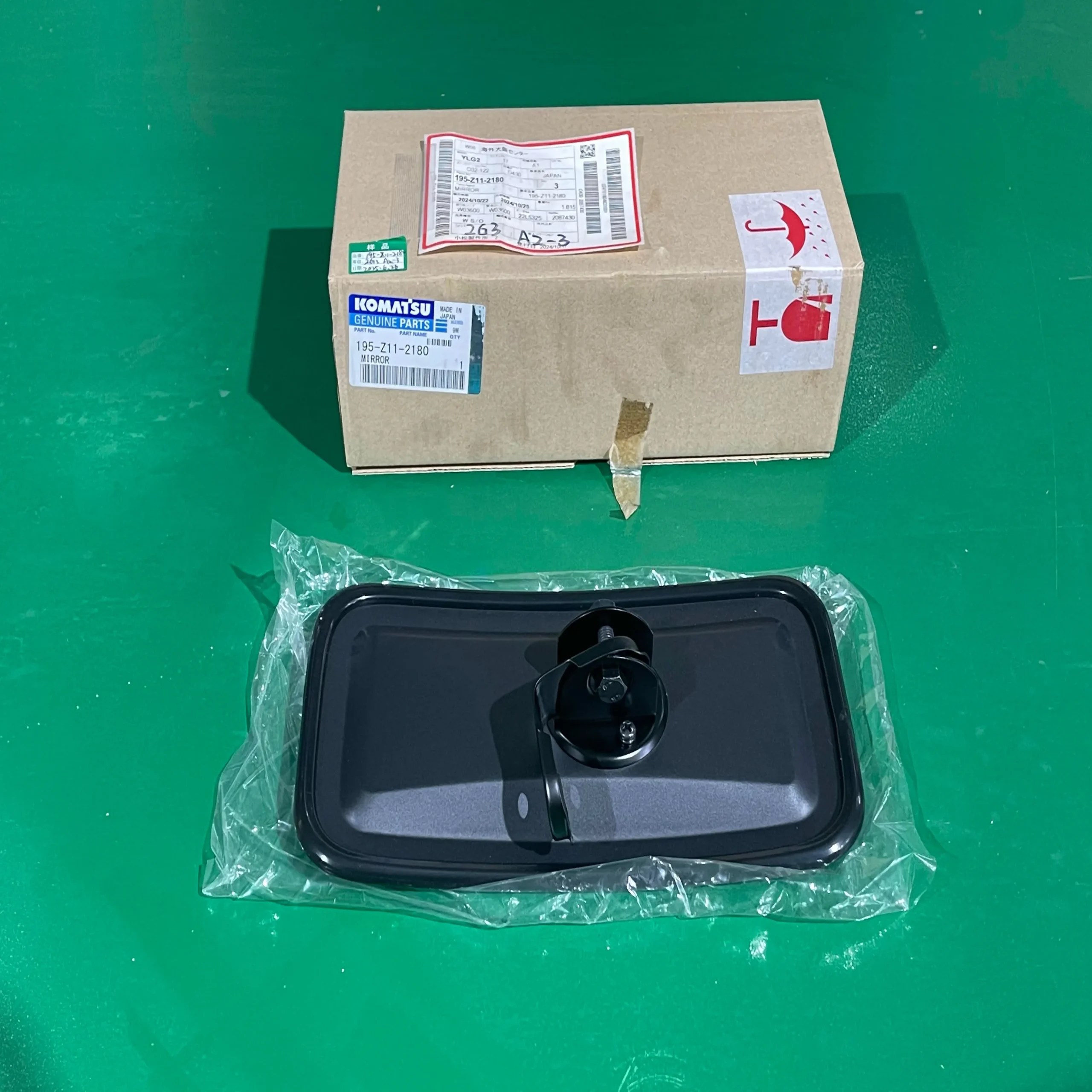 Komatsu bulldozer rearview mirror 195-Z11-2180
 -
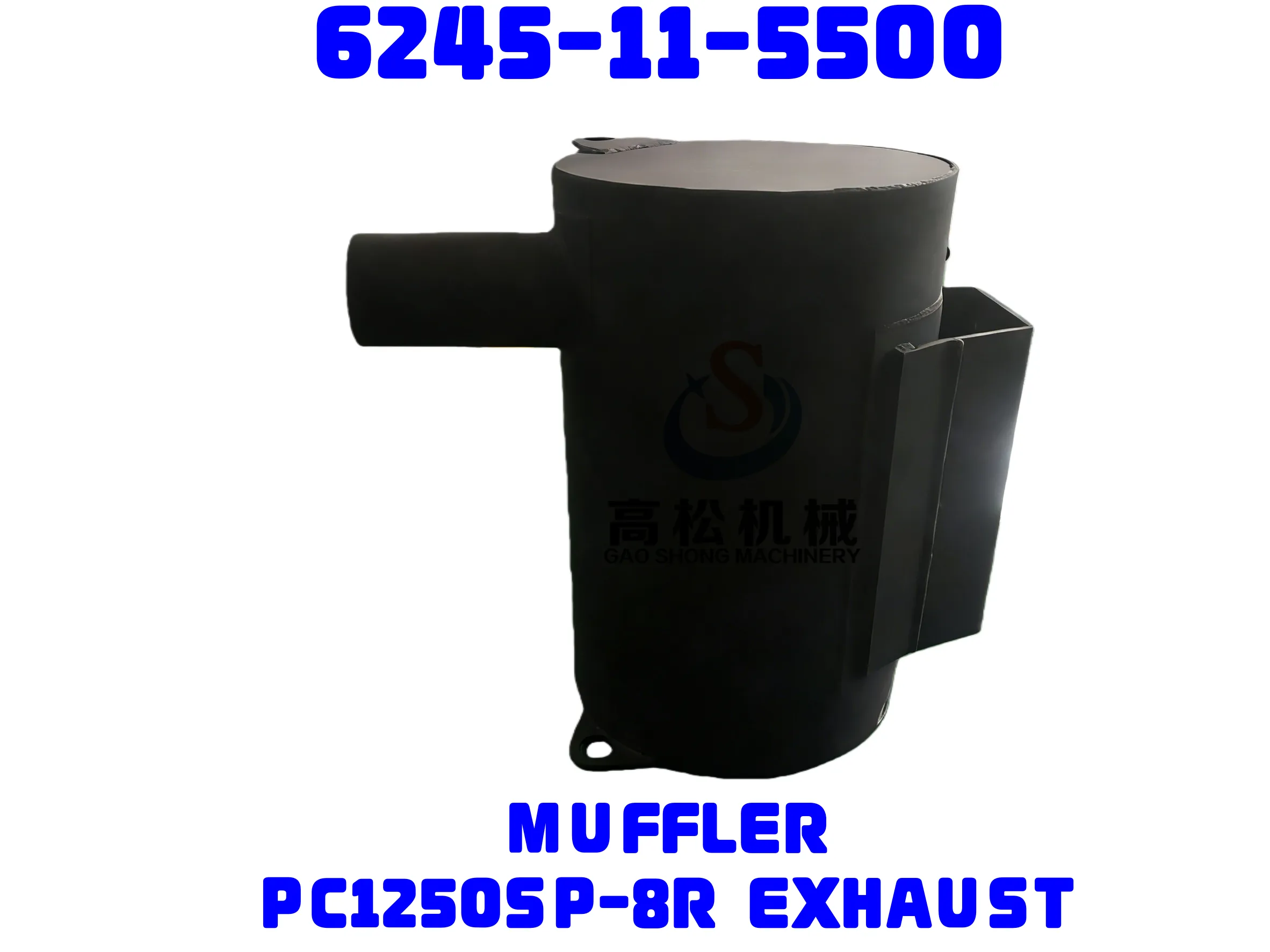 Muffler Silencer 6245-11-5500 for Komatsu Engine 6D170E-5 Excavator PC1250-8 PC1250-8R PC1250LC-8 PC1250SP-8 PC1250SP-8R
 -
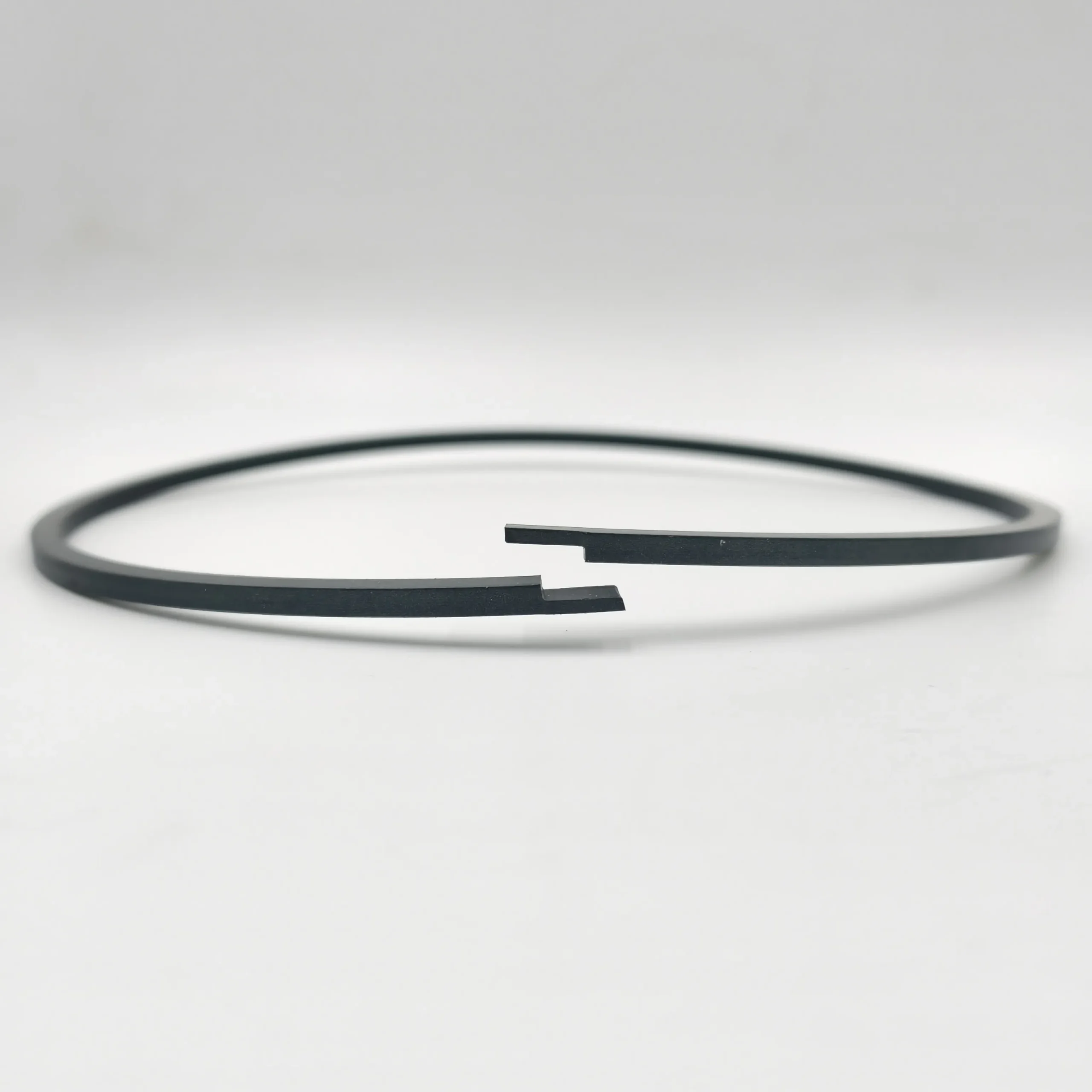 14X-15-29210 SEAL RING
 -
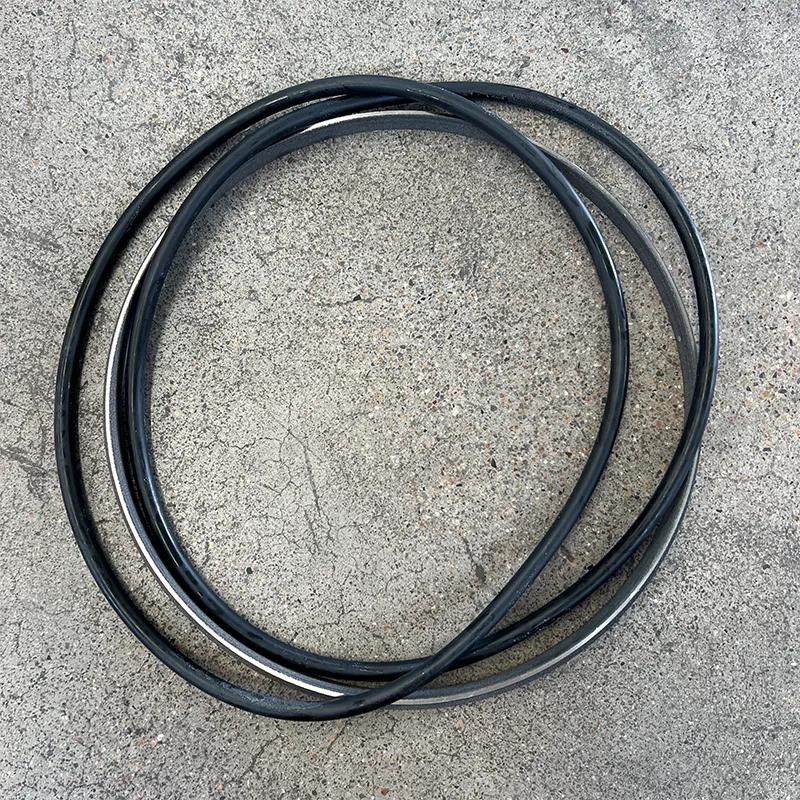 Original komatsu 425-33-00111 Floating oil seal WA600-6