
- Chinese
- French
- German
- Portuguese
- Spanish
- Russian
- Japanese
- Korean
- Arabic
- Irish
- Greek
- Turkish
- Italian
- Danish
- Romanian
- Indonesian
- Czech
- Afrikaans
- Swedish
- Polish
- Basque
- Catalan
- Esperanto
- Hindi
- Lao
- Albanian
- Amharic
- Armenian
- Azerbaijani
- Belarusian
- Bengali
- Bosnian
- Bulgarian
- Cebuano
- Chichewa
- Corsican
- Croatian
- Dutch
- Estonian
- Filipino
- Finnish
- Frisian
- Galician
- Georgian
- Gujarati
- Haitian
- Hausa
- Hawaiian
- Hebrew
- Hmong
- Hungarian
- Icelandic
- Igbo
- Javanese
- Kannada
- Kazakh
- Khmer
- Kurdish
- Kyrgyz
- Latin
- Latvian
- Lithuanian
- Luxembou..
- Macedonian
- Malagasy
- Malay
- Malayalam
- Maltese
- Maori
- Marathi
- Mongolian
- Burmese
- Nepali
- Norwegian
- Pashto
- Persian
- Punjabi
- Serbian
- Sesotho
- Sinhala
- Slovak
- Slovenian
- Somali
- Samoan
- Scots Gaelic
- Shona
- Sindhi
- Sundanese
- Swahili
- Tajik
- Tamil
- Telugu
- Thai
- Ukrainian
- Urdu
- Uzbek
- Vietnamese
- Welsh
- Xhosa
- Yiddish
- Yoruba
- Zulu
- Kinyarwanda
- Tatar
- Oriya
- Turkmen
- Uyghur





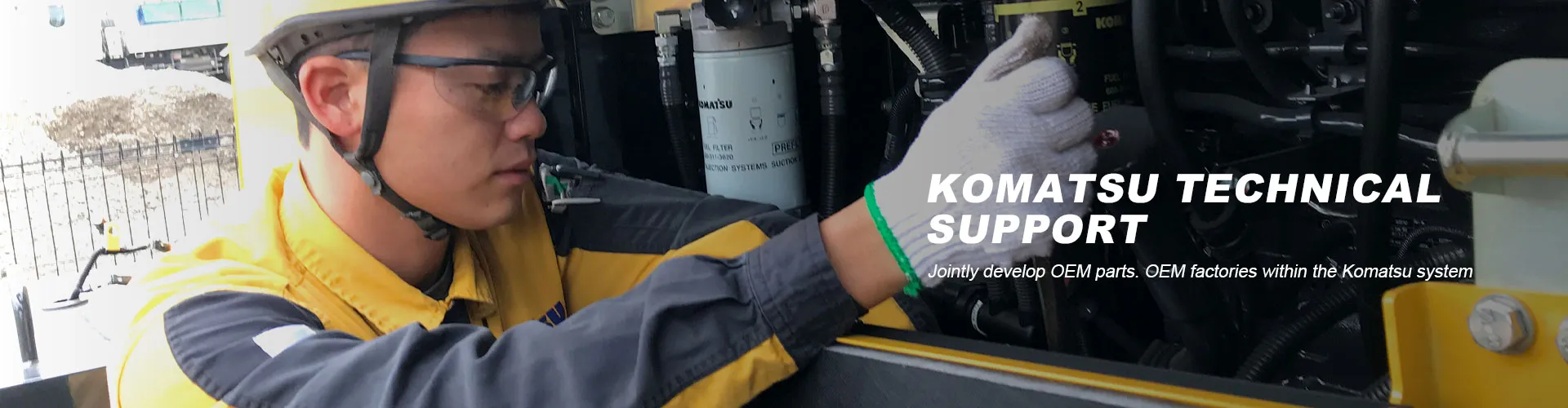
OEM AND ORIGINAL KOMATSU OIL FILTER 569-16-81100
Let's talk about the . If you're sourcing filters for Komatsu excavators or dozers, you've seen this number. The immediate assumption is that anything with this part number is a genuine Komatsu filter. That's where the first pitfall is. The term 'OEM AND ORIGINAL' gets thrown around loosely in parts listings, creating a fog. An 'OEM' part could mean it's made by the same factory that supplies Komatsu, but sold without the Komatsu logo and packaging—often identical in spec. 'Original' should mean it comes in the Komatsu box, through Komatsu's distribution. The confusion between these two states causes more headaches in the field than you'd think, leading to warranty disputes or, worse, premature wear because someone assumed compatibility meant identical quality.
The Core Difference: Factory Floor vs. Branded Box
I've handled both versions of the . The physical differences can be minimal to the untrained eye. The OEM version might lack the precise Komatsu stamping on the metal canister, or the pleat count in the filter media might be one or two off—something you only notice when you cut them open side-by-side. The gasket material is the real tell. The original Komatsu filter uses a specific nitrile compound that stays pliable in extreme temperature swings. Some OEM units I've tested had slightly harder gaskets. They sealed fine at first, but in a cold start after a week of downtime, you'd sometimes get a minor weep. Not a catastrophic failure, but enough to make you question the integrity.
This is where a supplier's role is critical. A company like Jining Gaosong Construction Machinery Co., Ltd. operates in that interesting space. Being an OEM product supplier within the Komatsu system means they have access to the production lines that manufacture to Komatsu's engineering drawings. Their value, as stated on their site https://www.takematsumachinery.com, is in solving parts supply challenges. In practice, this means they can provide the OEM-spec filter—the one from the factory floor—to markets where the official 'original' part is stuck in a 3-month backorder. It's a legitimate solution, but it requires the buyer to understand they are getting the OEM version, not the boxed original.
I learned this distinction the hard way years ago. We had a PC300-8 with persistent hydraulic system chatter. We'd changed the main hydraulic filter, but the problem resurfaced. Turns out, the fleet manager had bought a batch of 'OEM' filters that were priced right. When we finally put a true original Komatsu filter in, the chatter subsided. Cutting open the old one showed the bypass valve spring in the OEM unit had a different tension rating. It was opening too early under load, letting unfiltered oil cycle through. That experience made me a believer in traceability.
When Original Isn't an Option: The Reality of Supply Chains
The theory is always to use the original part. The reality on a job site in a remote region, or when a critical machine is down, is different. This is the scenario Jining Gaosong addresses. Their model as a third-party sales company for Komatsu isn't about undercutting the brand; it's about filling gaps. Say a mining operation in a country with import restrictions needs a filter for a D375 dozer. The official channel is bogged down. A supplier with direct factory links can get the OEM-spec part there in days, not months. The machine runs. That's the pragmatic value.
However, this demands rigorous quality control on the supplier's end. The risk is that the term 'OEM' becomes a blanket for any compatible filter. I've seen listings where a generic filter with the same thread size and gasket OD is advertised as 'OEM quality,' which is nonsense. The true OEM part, like the one from a system supplier, will have the correct micron rating (for this filter, it's critical for the Komatsu SAA6D114E engine), the correct anti-drain back valve design, and the specified burst pressure. The difference is in the certification paperwork, not just the physical fit.
You develop a checklist. For the , I check: 1) The presence of a factory code on the canister (even if it's not Komatsu's logo), 2) The weight (a genuine/OEM part has a specific heft due to media density), and 3) The packaging. A proper OEM supplier will still have professional, if unbranded, packaging—not just a plastic bag. When I look at a supplier's operations, their ability to explain these details matters more than a slick website.
Testing and Long-Term Performance Observations
We ran a non-scientific but revealing test on a fleet of Komatsu WA380 wheel loaders. We used original filters on half and OEM-spec filters from a trusted supplier (with verified factory credentials) on the other half. Oil samples were taken at every 250-hour interval. The results over 2000 hours? Negligible difference in silicon (dirt) or wear metal counts. The key was the supplier's verification. The OEM filters performed identically in this application. The failure point would be using a filter that merely 'fits,' without that verified lineage.
The extended drain interval myth is another trap. Komatsu might recommend a 500-hour change under certain conditions. Some think using an 'original' filter means you can push to 600. I wouldn't. The filter is designed for a specific contaminant load capacity. Whether OEM or original, the change interval should respect the machine's operating manual, not the part's branding. I've seen filters collapse internally because they were asked to hold twice the particulate they were designed for, regardless of origin.
One detail often overlooked is the filter's role in the total system pressure. The has a specific flow resistance designed into Komatsu's lubrication system model. A sub-par filter with higher resistance can trigger early bypass, or worse, a lower resistance can affect oil pressure regulation. It's not just about filtering; it's about being a calibrated component. This is why the OEM-original debate is technical, not just commercial.
The Supplier's Integrity: More Than a Parts Number
This brings us back to the supplier's role. A company's description like helping to solve parts supply challenges in certain countries is a real-world mandate. It implies they handle logistics, customs, and, most importantly, technical validation. When I evaluate a source, I ask: Can they provide the material datasheet for the filter media? Can they trace the batch back to a production run? For a part as critical as the OEM AND ORIGINAL KOMATSU OIL FILTER , this isn't overkill. It's due diligence.
A good supplier will also know the nuances. They might tell you that for serial numbers after a certain point, the gasket compound was updated, and their OEM stock reflects that. Or they'll advise that for a particular model year, there's a service bulletin recommending a different change interval. This level of detail separates a parts broker from a technical partner within the ecosystem.
In the end, the part number is a specification. The 'OEM AND ORIGINAL' label is a spectrum of fulfillment to that spec. The original Komatsu box is the gold standard, guaranteed. The true OEM part, sourced from a legitimate channel within the system like Jining Gaosong, is a functionally equivalent solution for when the gold standard is logistically out of reach. The danger lies in the vast gray area of 'compatible' parts that merely thread on. Your job is to know where your source falls on that spectrum. The machine's uptime depends on that judgment.
Final Take: A Pragmatic Filter Strategy
So, what's the move? For warranty-covered machines, always insist on the documented original part. No debate. For older machines, or in supply-constrained environments, a verified OEM part is a valid, cost-effective strategy. Verification is everything. It means working with suppliers who are transparent about their supply chain, not just their price list.
I keep a log now. For every batch of filters like the I buy, I note the supplier, any batch codes, and the machine serial numbers they go into. If an oil analysis comes back odd, I can cross-reference it. This data is more valuable than any marketing claim. It turns a consumable part into a tracked component.
The goal isn't to always buy the most expensive option, or to distrust all non-boxed parts. The goal is to match the part's provenance to the criticality of the application. For a filter protecting a $50,000 engine, the source matters as much as the part number. Understanding the real meaning behind 'OEM AND ORIGINAL' for the KOMATSU OIL FILTER is the first step in making that call correctly. It's a small part with a big job, and your choice in supplier is what backs it up.
Related Products
Related Products
Best Selling Products
Best Selling Products-
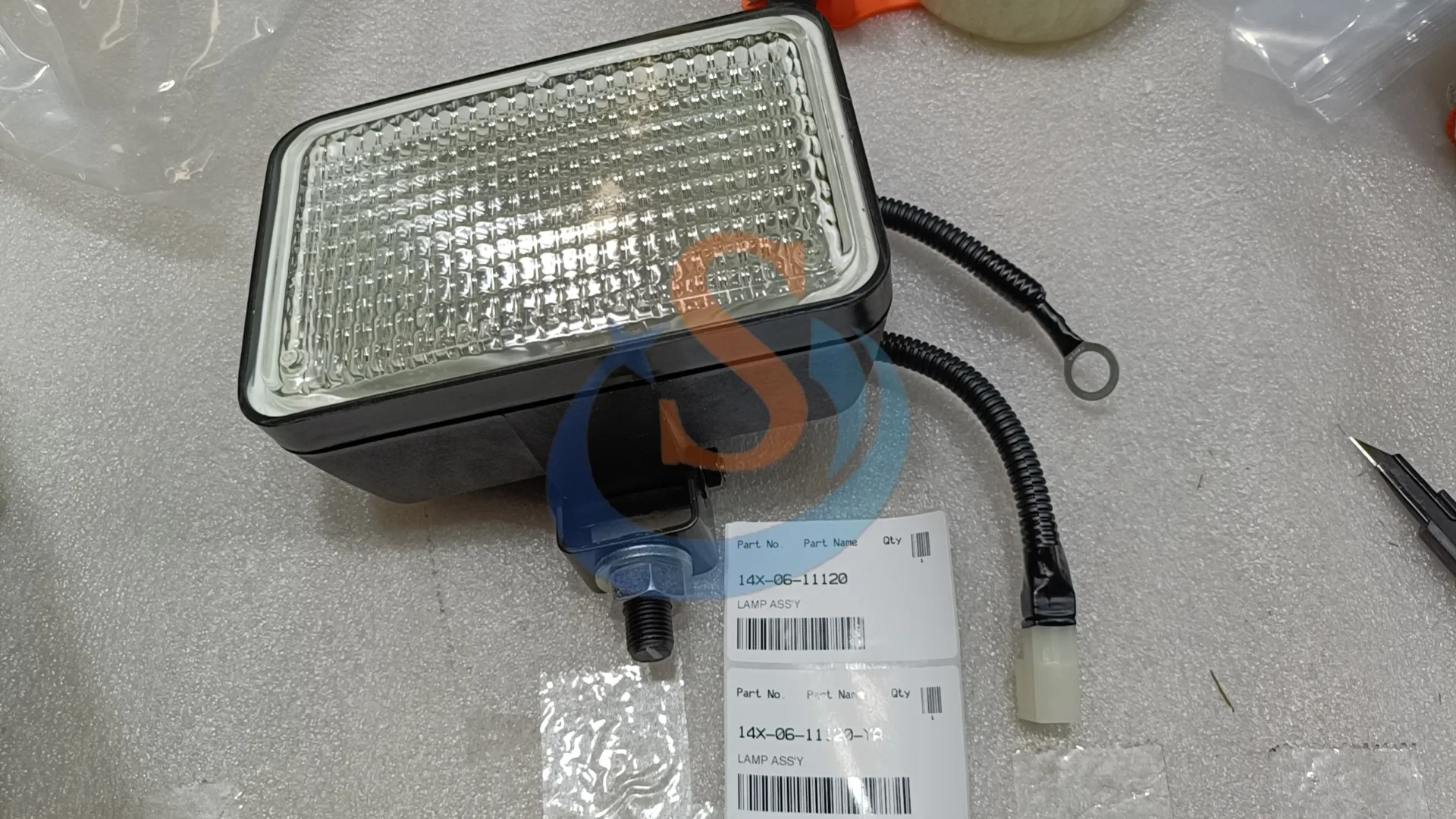 14X-06-11120 WORK LAMP ASS’Y D375A/D155A
 -
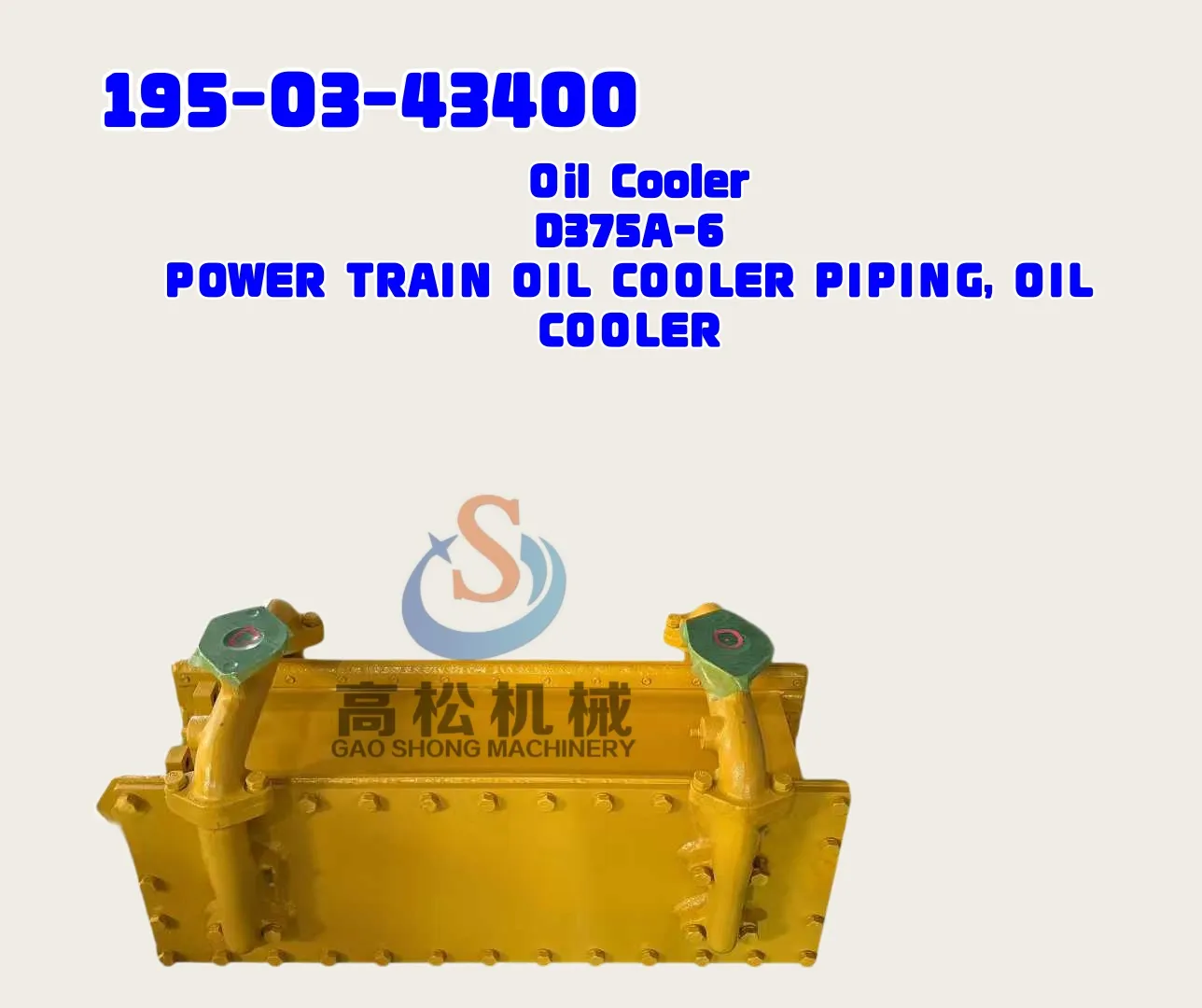 komatsu-part-195-03-43400 Oil Cooler D375A-6 D375A-6R POWER TRAIN OIL COOLER PIPING, OIL COOLER
 -
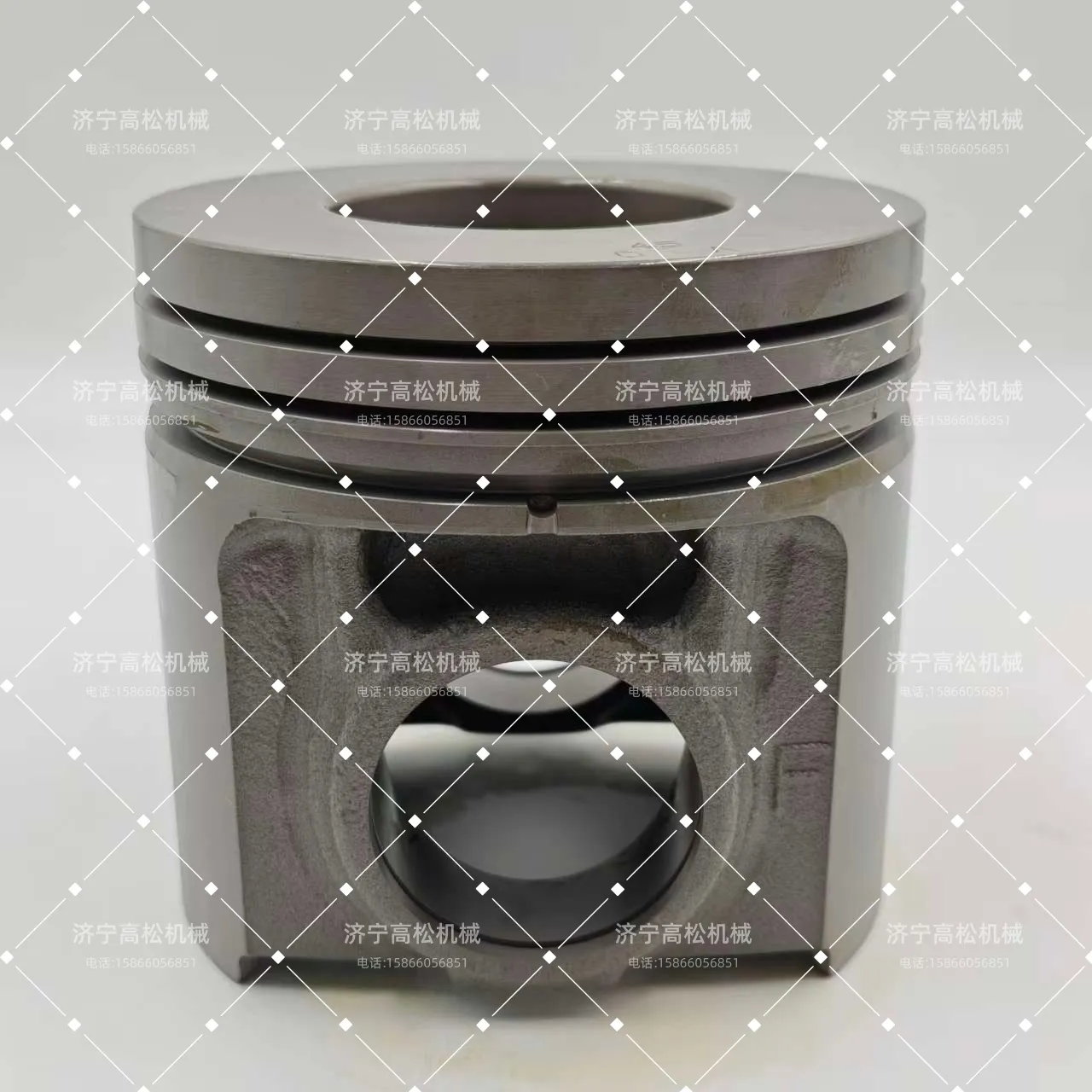 6152-32-2510 Piston for…
 -
 HD785-7 center exhaust manifold 6215-11-5172
 -
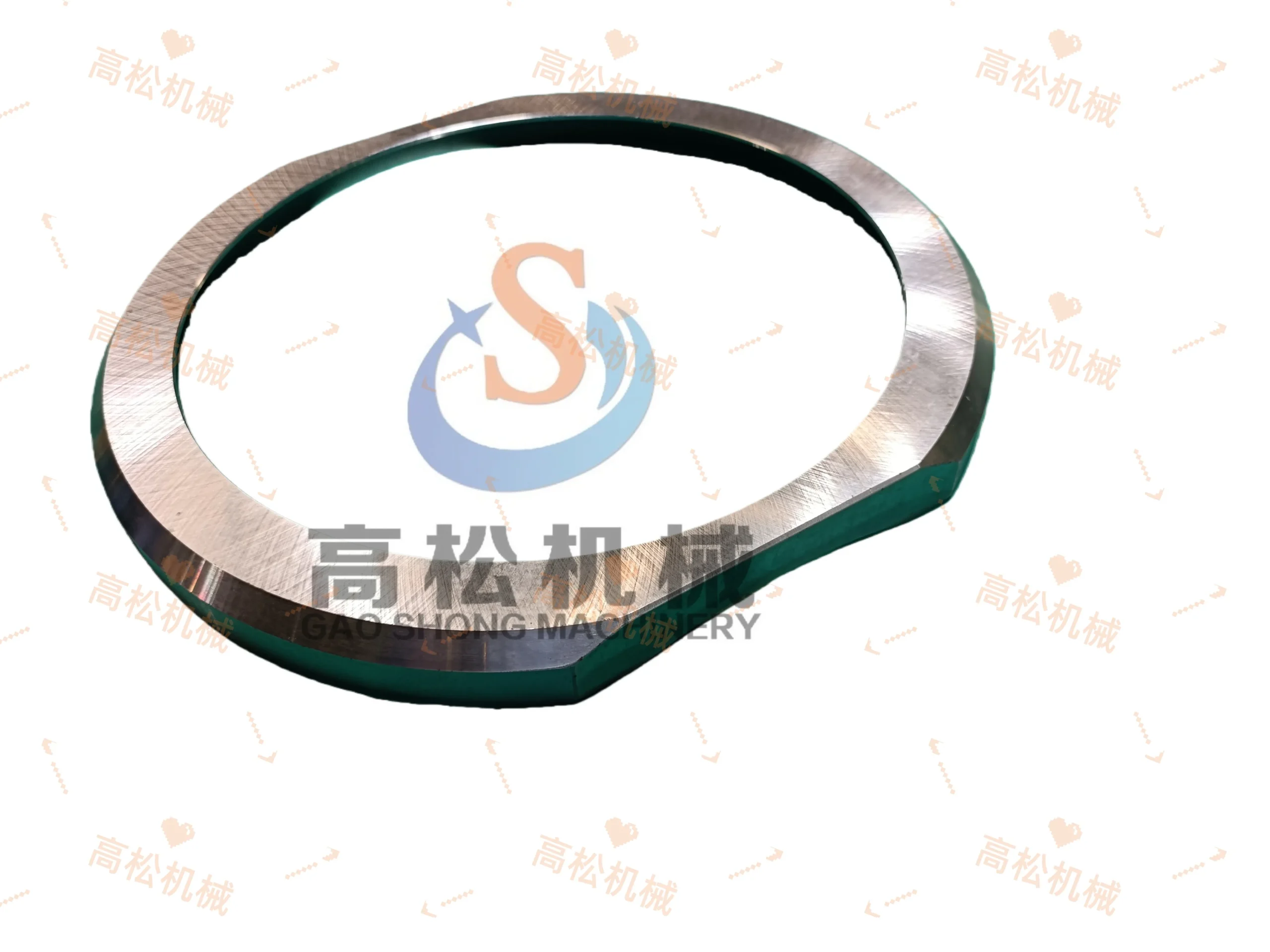 2A8-70-13410 Seal PC500LC-10M0 2A8-70-13420 Seal PC500LC-10R 2A8-70-13680Spacer PC500LC-10M0 2A8-70-13690Spacer PC500LC-10M0 2W71-21380 2WT27-72350
 -
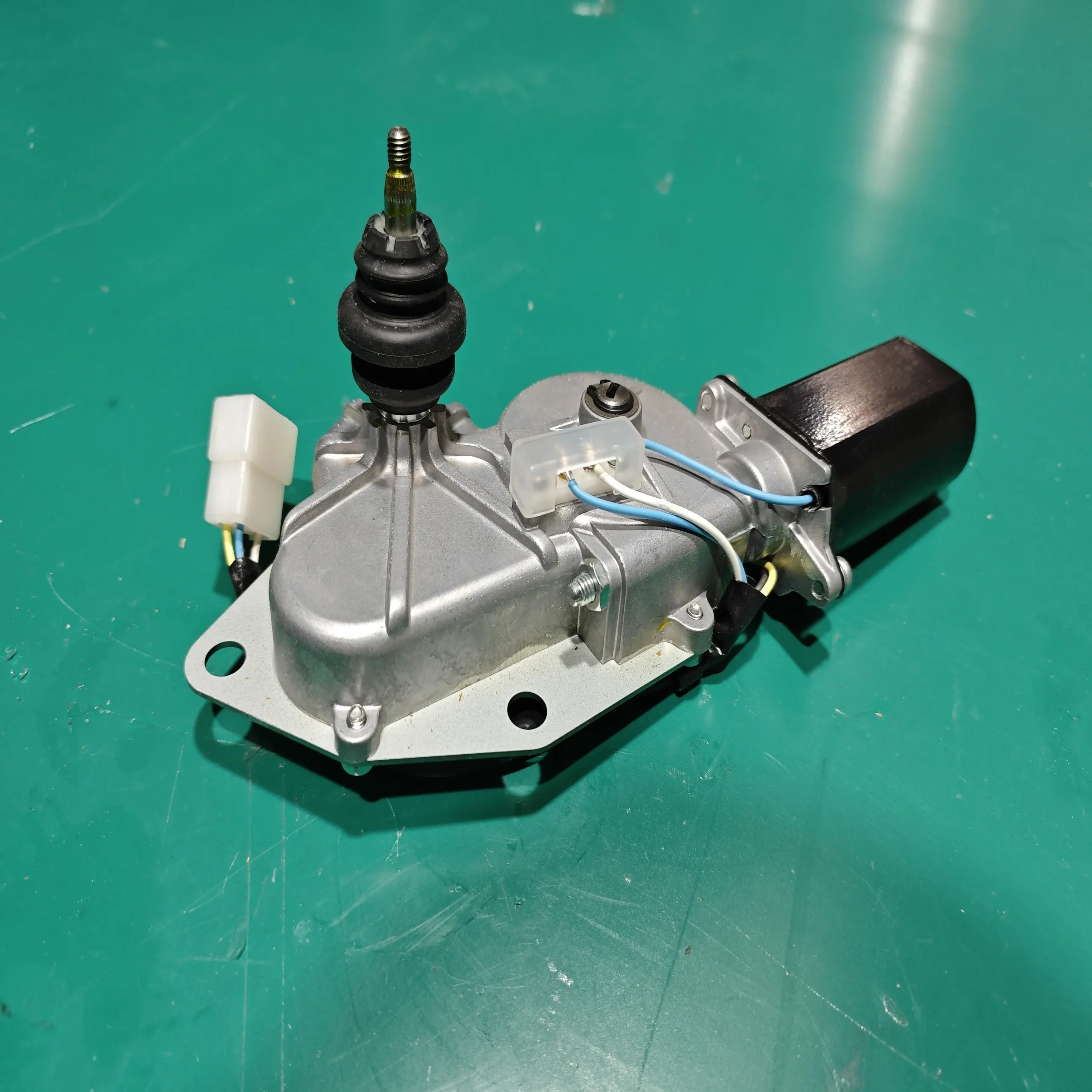 KOMATSUWIPERMOTOR23B-951-2610
 -
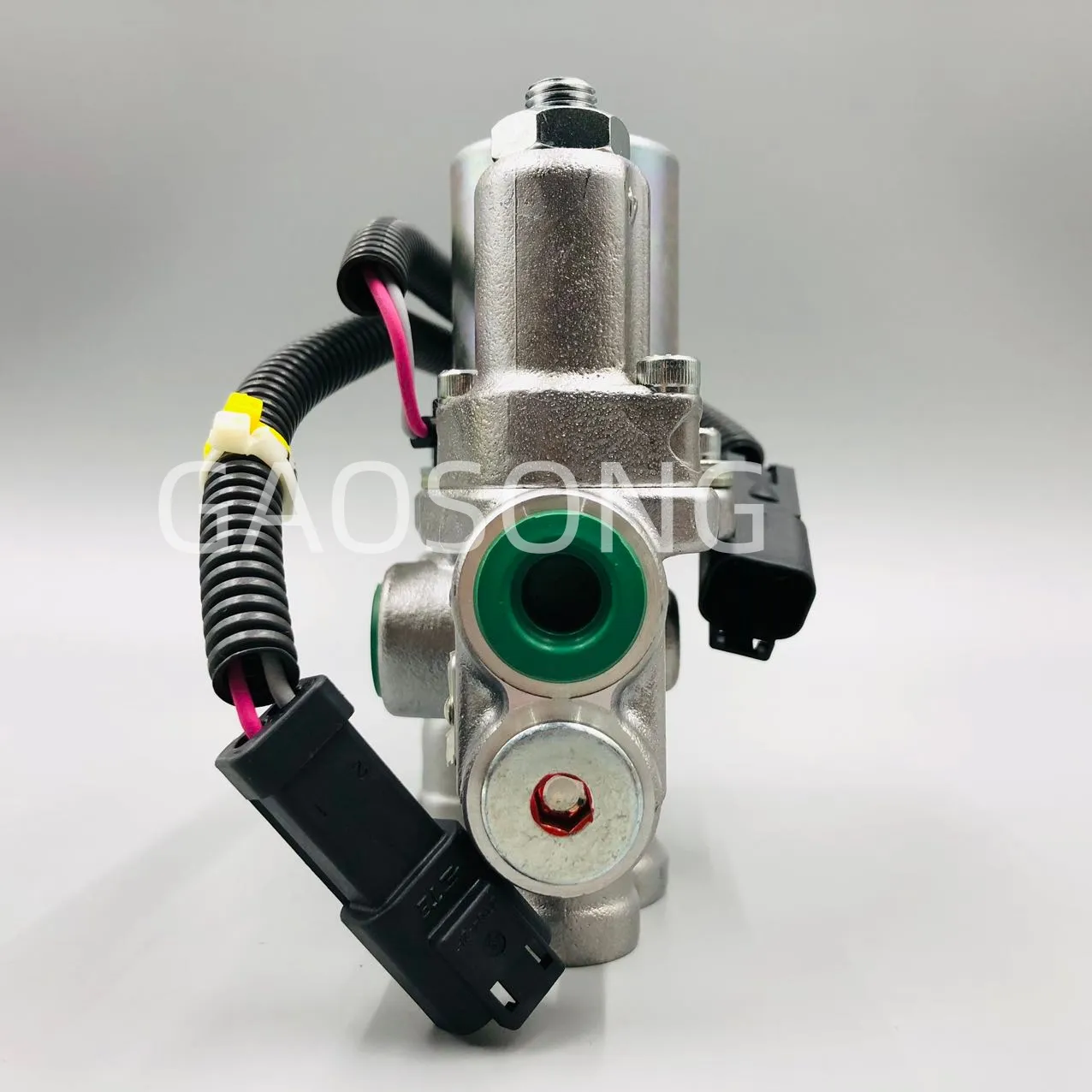 22F-60-31600 VALVE ASS’Y,(SEE FIG.Y1681-01A0).-Komatsu Original Factory
 -
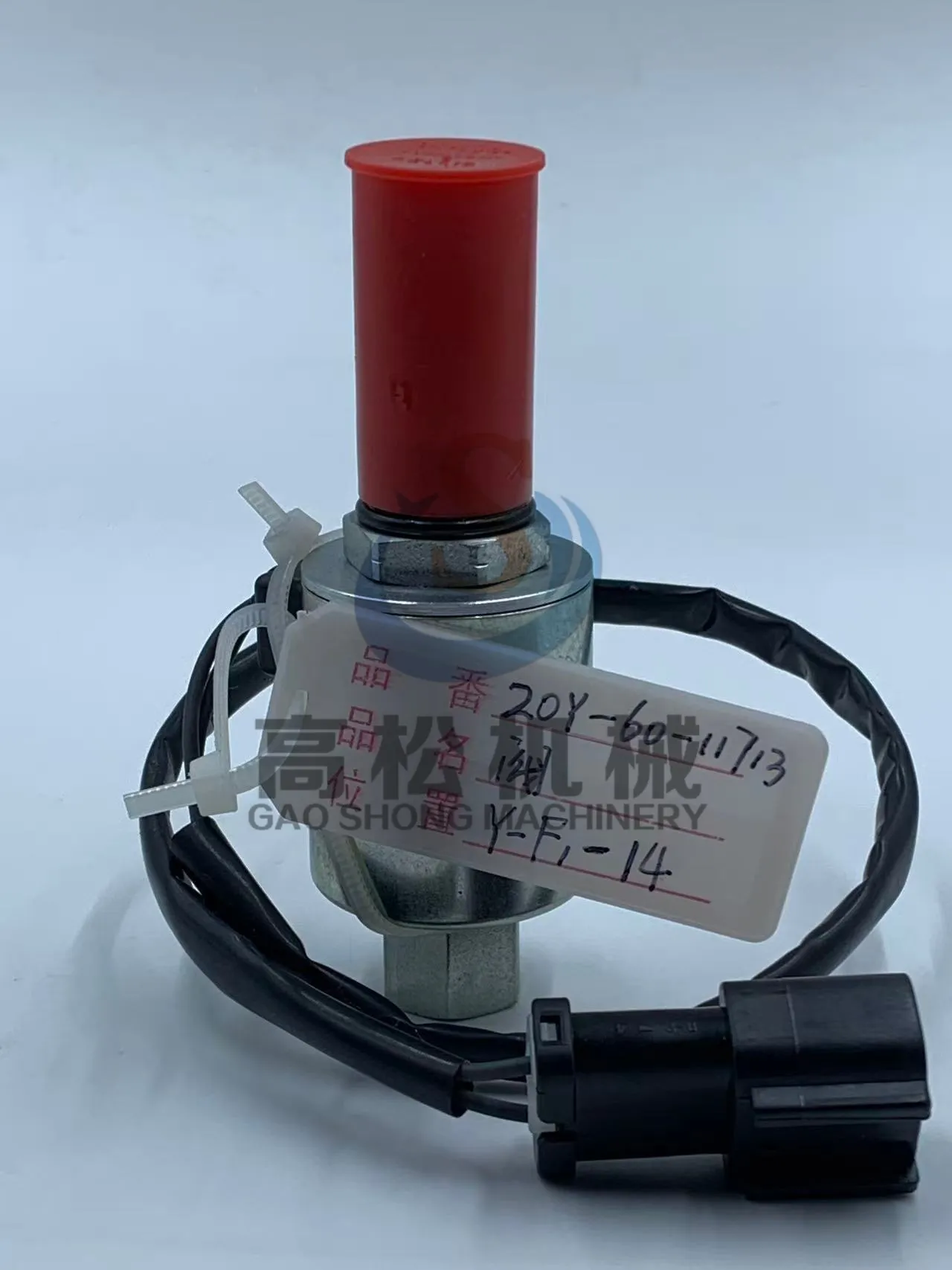 Swing Motor Solenoid Valve 20Y-60-11713
 -
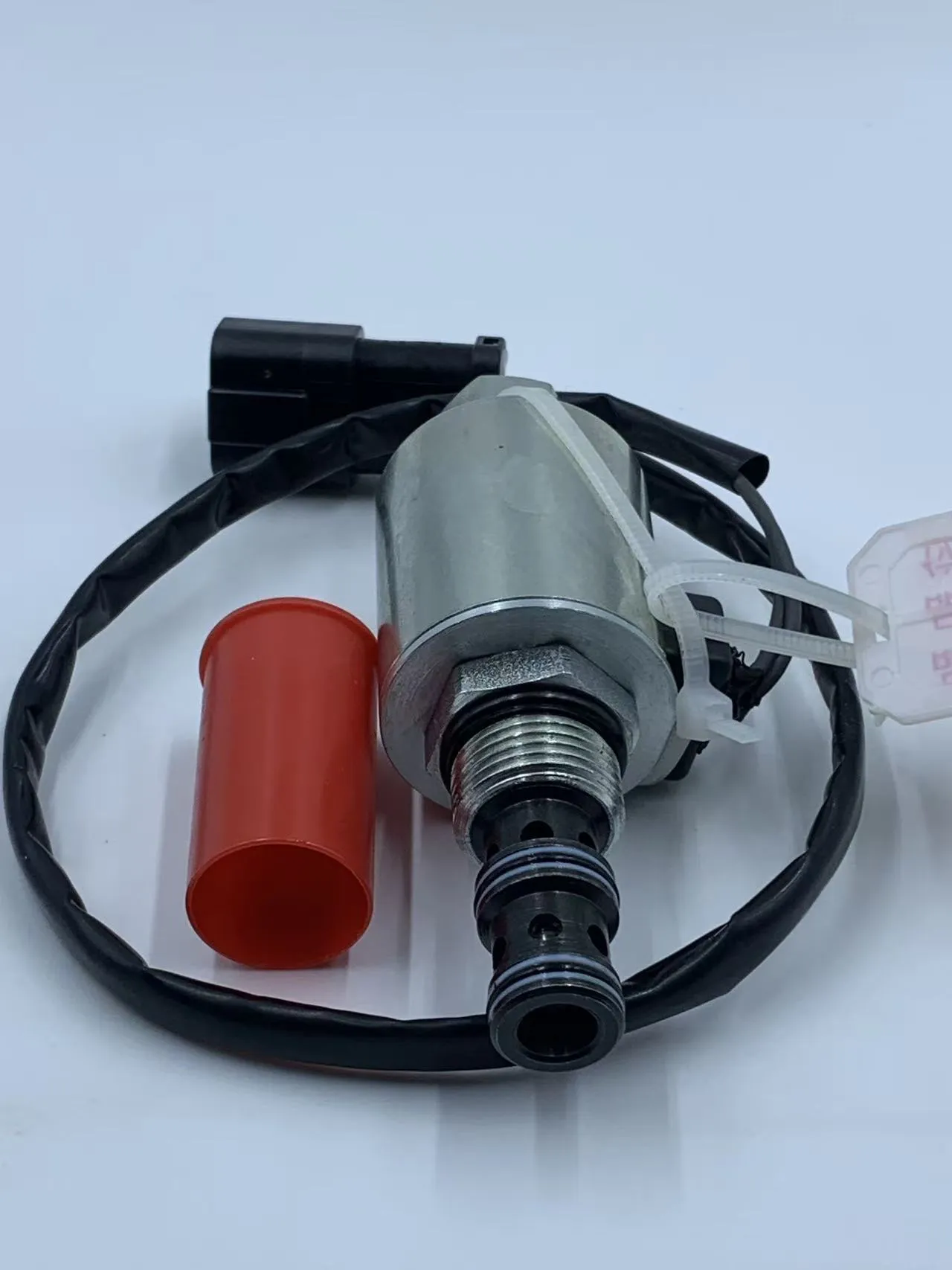 20Y6011713 excavator solenoid valve construction machinery parts suitable for Komatsu PC200-7 20Y-60-11713
 -
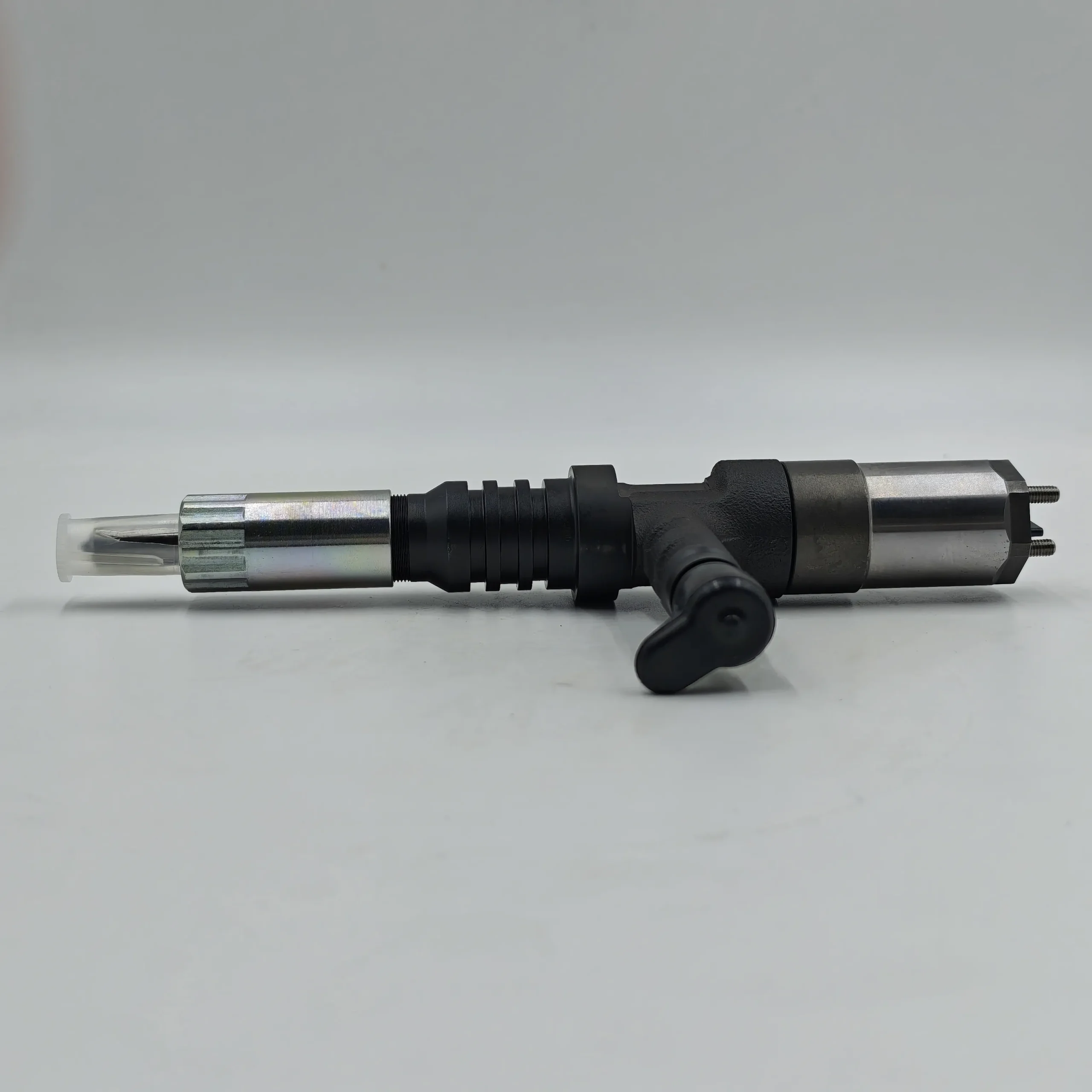 095000-0560 095000-0562 6218-11-3100 6218-11-3101 Diesel Fuel Injector 6PCS for Komatsu SA6D140E-3 Engine PC600-6 PC600-8 PC450-8 WA500-3 WA500-6 D275-A D155-AX5 HM350-1 DCA-400SSK2
 -
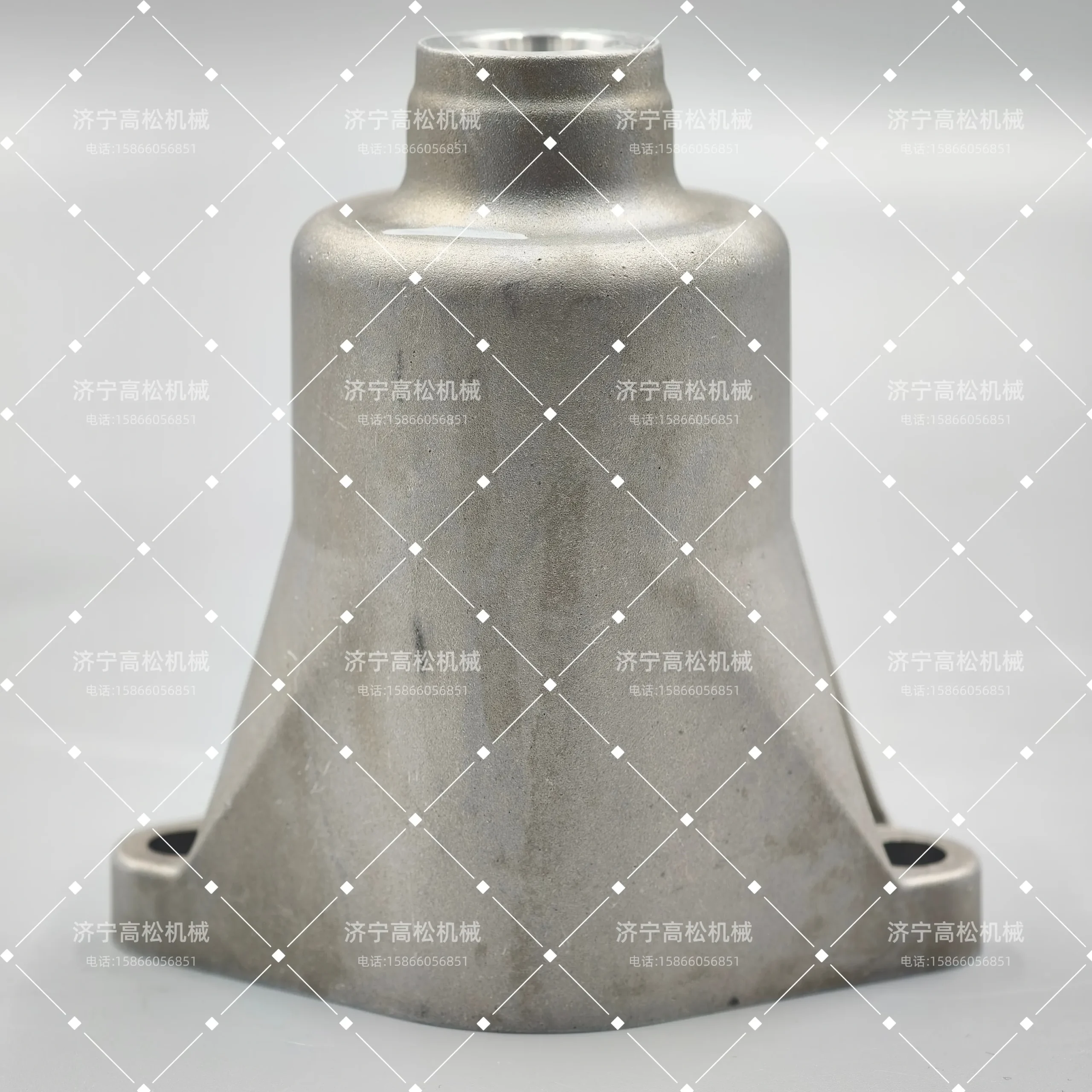 Excavator Valve Case 723-46-15111: Parts Search, High Quality…
 -
 561-27-61960 for Komatsu HD785-5LC HD985-5