
- Chinese
- French
- German
- Portuguese
- Spanish
- Russian
- Japanese
- Korean
- Arabic
- Irish
- Greek
- Turkish
- Italian
- Danish
- Romanian
- Indonesian
- Czech
- Afrikaans
- Swedish
- Polish
- Basque
- Catalan
- Esperanto
- Hindi
- Lao
- Albanian
- Amharic
- Armenian
- Azerbaijani
- Belarusian
- Bengali
- Bosnian
- Bulgarian
- Cebuano
- Chichewa
- Corsican
- Croatian
- Dutch
- Estonian
- Filipino
- Finnish
- Frisian
- Galician
- Georgian
- Gujarati
- Haitian
- Hausa
- Hawaiian
- Hebrew
- Hmong
- Hungarian
- Icelandic
- Igbo
- Javanese
- Kannada
- Kazakh
- Khmer
- Kurdish
- Kyrgyz
- Latin
- Latvian
- Lithuanian
- Luxembou..
- Macedonian
- Malagasy
- Malay
- Malayalam
- Maltese
- Maori
- Marathi
- Mongolian
- Burmese
- Nepali
- Norwegian
- Pashto
- Persian
- Punjabi
- Serbian
- Sesotho
- Sinhala
- Slovak
- Slovenian
- Somali
- Samoan
- Scots Gaelic
- Shona
- Sindhi
- Sundanese
- Swahili
- Tajik
- Tamil
- Telugu
- Thai
- Ukrainian
- Urdu
- Uzbek
- Vietnamese
- Welsh
- Xhosa
- Yiddish
- Yoruba
- Zulu
- Kinyarwanda
- Tatar
- Oriya
- Turkmen
- Uyghur






OEM AND ORIGINAL KOMATSU METAL ASSY 6162-23-8000
When you see a part number like , especially prefixed with OEM AND ORIGINAL, it immediately sets off my internal alarm. In this line of work, that phrasing is often the first red flag. It tries to be everything to everyone, promising both the legitimacy of OEM and the potential cost-savings of an original pattern part. For a critical component like a Metal Assy for Komatsu equipment, that ambiguity is dangerous. I've spent years on the ground, and the reality is, Komatsu doesn't typically sell its genuine parts with that hybrid label. So, what are you actually getting? The market is flooded with claims, and the burden of verification falls on us—the buyers, the mechanics, the project managers trying to keep a fleet running without catastrophic downtime.
The Reality Behind the Part Number
Let's break down . This isn't some generic bucket pin; it's a specific metal assembly. In my experience, it often relates to structural brackets or linkage assemblies on larger excavators or dozers. The failure point here is rarely the metal itself, but the precision of the bore holes, the welding integrity, and the exact grade of steel used. A pattern part might look identical on the outside, but the metallurgy can be off by a grade, leading to fatigue cracks in half the expected service life. I've seen it happen. A perfect fit part failing under full load, not in a controlled test, but on a remote site where the cost of machine retrieval dwarfs the part's price.
This is where the role of a specialized supplier becomes critical. A company like Jining Gaosong Construction Machinery Co., Ltd. positions itself uniquely. They state they are an OEM product supplier within the Komatsu system. Now, that's a nuanced claim. It doesn't mean they are Komatsu, but it suggests a formal manufacturing relationship, perhaps for specific regions or component lines. Their secondary role as a third-party sales company for Komatsu is what solves real-world problems. When official channels are blocked by sanctions, extreme logistics, or simply bureaucratic delay in certain countries, they become a vital bridge. You can check their approach at their portal, takematsumachinery.com. The key is transparency in sourcing.
The challenge for professionals is to interrogate that OEM claim. Does it mean the part is made in the same factory that supplies Komatsu's assembly line, to the same drawing? Or does it mean it's made to an OEM-approved drawing but in a different facility? The performance difference can be marginal or significant. For , I'd want to see material certification reports, not just a sales certificate. A trustworthy supplier should provide that, or at least have the technical knowledge to discuss the specs in detail.
Field Lessons and Costly Assumptions
Early in my career, I learned a hard lesson about the word original. We needed a replacement for a worn Komatsu Metal Assy on a PC300-6. The official dealer had a 12-week lead time. We found a supplier offering an original quality part with the same number, at 40% less cost. The price was tempting, the photos looked right. We installed it. For about 200 hours, it was fine. Then, we started getting abnormal wear on the connected hydraulic cylinder rod. The issue? The hardness and surface finish of the mating face on the new assembly were out of spec. It was creating micro-abrasions. The savings were wiped out by a cylinder rebuild and another downtime event.
That experience taught me to differentiate between original (meaning genuine Komatsu) and original specification (meaning made to match the print). The latter is not inherently bad—it's the core of the aftermarket—but its quality is entirely dependent on the manufacturer's rigor. This is where a supplier's reputation is built. A company like Jining Gaosong, by operating within the Komatsu ecosystem yet independently, has to walk that tightrope. If they supply sub-par parts labeled as OEM-related, they risk that privileged position. Their business model, as described, hinges on solving supply challenges reliably.
I now have a checklist. For a structural assembly: 1) Request the heat treat batch code. 2) Ask for the specific yield strength used. 3) Inquire about the QC process for weld penetration. If the seller can't or won't answer, that tells you everything. A good technical salesperson from a reputable firm will engage on these points. They might say, We use SM490YB steel for this application, here's our cert, or Our weld procedure is WPS certified. That conversation is more valuable than any glossy brochure.
The Logistics of Certain Countries
The website mention of certain countries is a massive, unspoken chapter in this industry. It's not just about conflict zones. It could be a country under trade restrictions, or one where customs clearance for branded goods is notoriously slow and corrupt. In these scenarios, the official parts pipeline seizes up. Local dealers might not exist. This creates a vacuum filled by outright counterfeiters or, if you're lucky, competent third-party facilitators.
I've worked in such a location. Getting a genuine, traceable OEM Komatsu part through official channels was a 6-month ordeal of paperwork. We turned to a third-party supplier with Komatsu system knowledge. The part that arrived—a different assembly, but similar scenario—came in plain packaging, but with all the necessary manufacturing traceability documents inside. It was a genuine part, diverted through a parallel, pragmatic supply chain. The machine was back online in 3 weeks. The supplier's role was less about manufacturing and more about complex logistics and local market knowledge. This is the practical value they offer.
For a part like , this logistical maze is the true cost driver. The price of the metal and labor is almost secondary. You're paying for the certainty of it arriving, clearing customs, and being the correct, functional item. A supplier specializing in this understands that their value is deliverability, not just a warehouse shelf.
Verification Over Marketing
So, how do you navigate this? Don't get hung up on the marketing phrase OEM AND ORIGINAL. Dig into the supplier's actual capability. For Jining Gaosong, I'd want to know: what specific components are they an OEM supplier for? Is it for complete assemblies or sub-components? Their website, takematsumachinery.com, should be a starting point for inquiry, not the final proof. A direct conversation is mandatory.
When evaluating a part, especially a metal assembly, the proof is in the documentation and the physical inspection. Does the casting or forging have identifying marks? Are the part numbers stamped cleanly, not etched? Does the paint match the OEM color and texture? These are tactile, visual checks that come from handling hundreds of parts. A pattern part often feels off—the paint is thinner, the edges are sharper, the weight might be slightly different.
Ultimately, the part number is just a code. The entity behind it—whether it's Komatsu, an authorized OEM, or a high-quality aftermarket manufacturer—determines its worth. The ideal supplier in this space blends formal system access with the agility to solve real, on-the-ground problems. They provide not just a widget, but the confidence that it will perform. In a world of blurred labels, that confidence, backed by verifiable data and transparent processes, is the only thing that matters. It turns a risky purchase into a calculated, professional decision.
Related Products
Related Products

Best Selling Products
Best Selling Products-
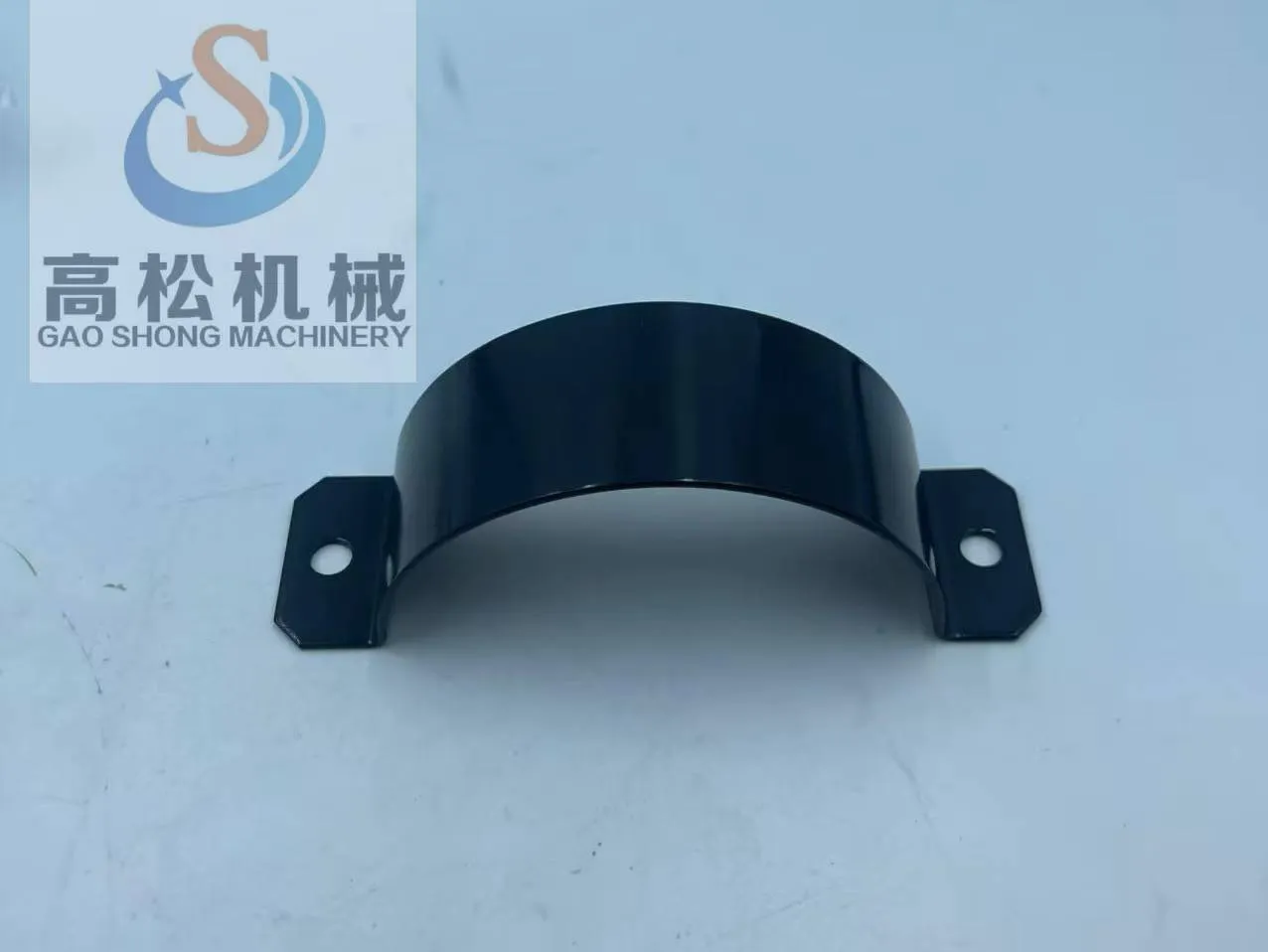 569-40-83470 Komatsu Genuine Bracket, Applicable Model: HD405-7, In-stock Promotional Price
 -
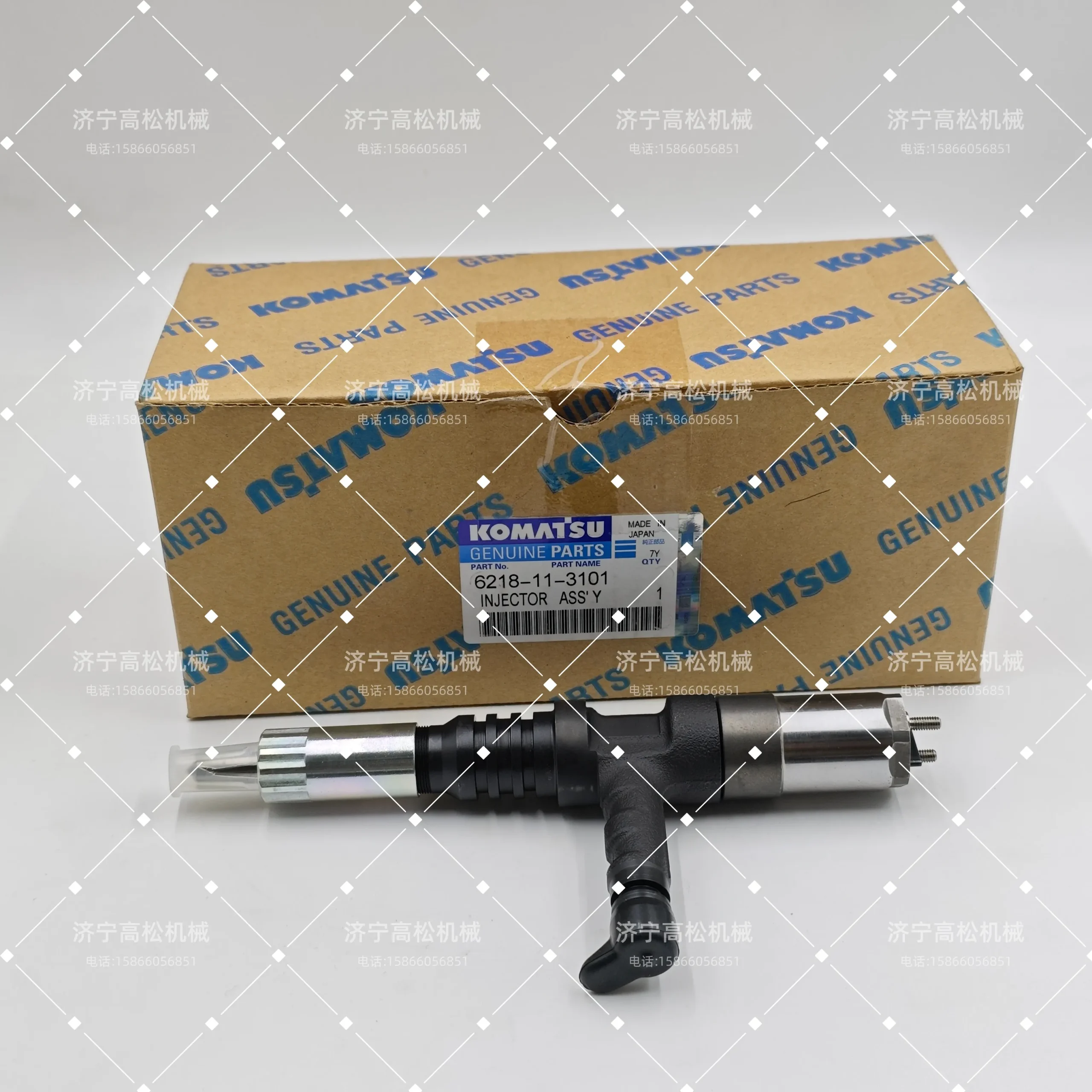 6218-11-3101 Injector Assembly
 -
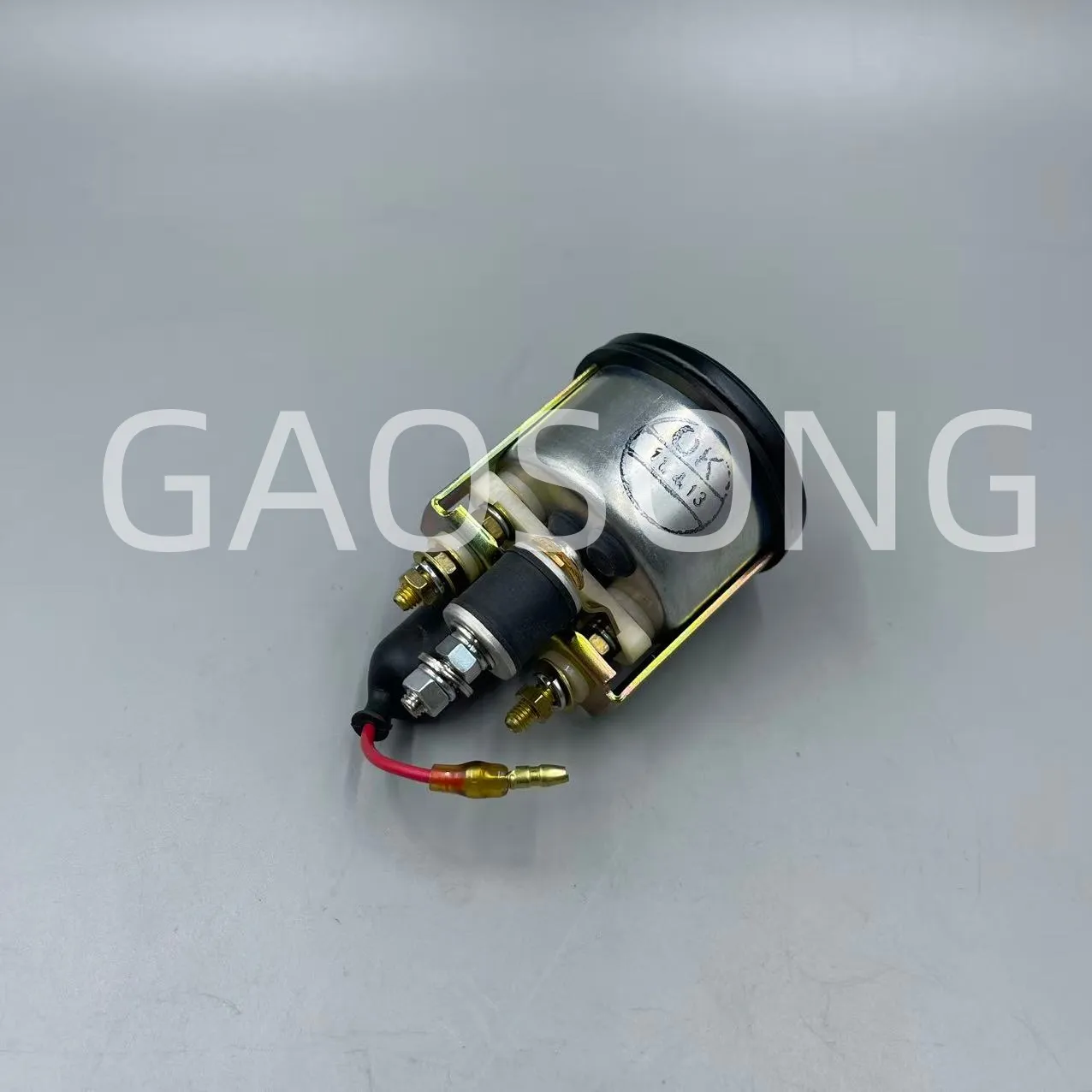 195-06-23110 GAUGE,WATER TEMPERATURE-Komatsu Original Factory
 -
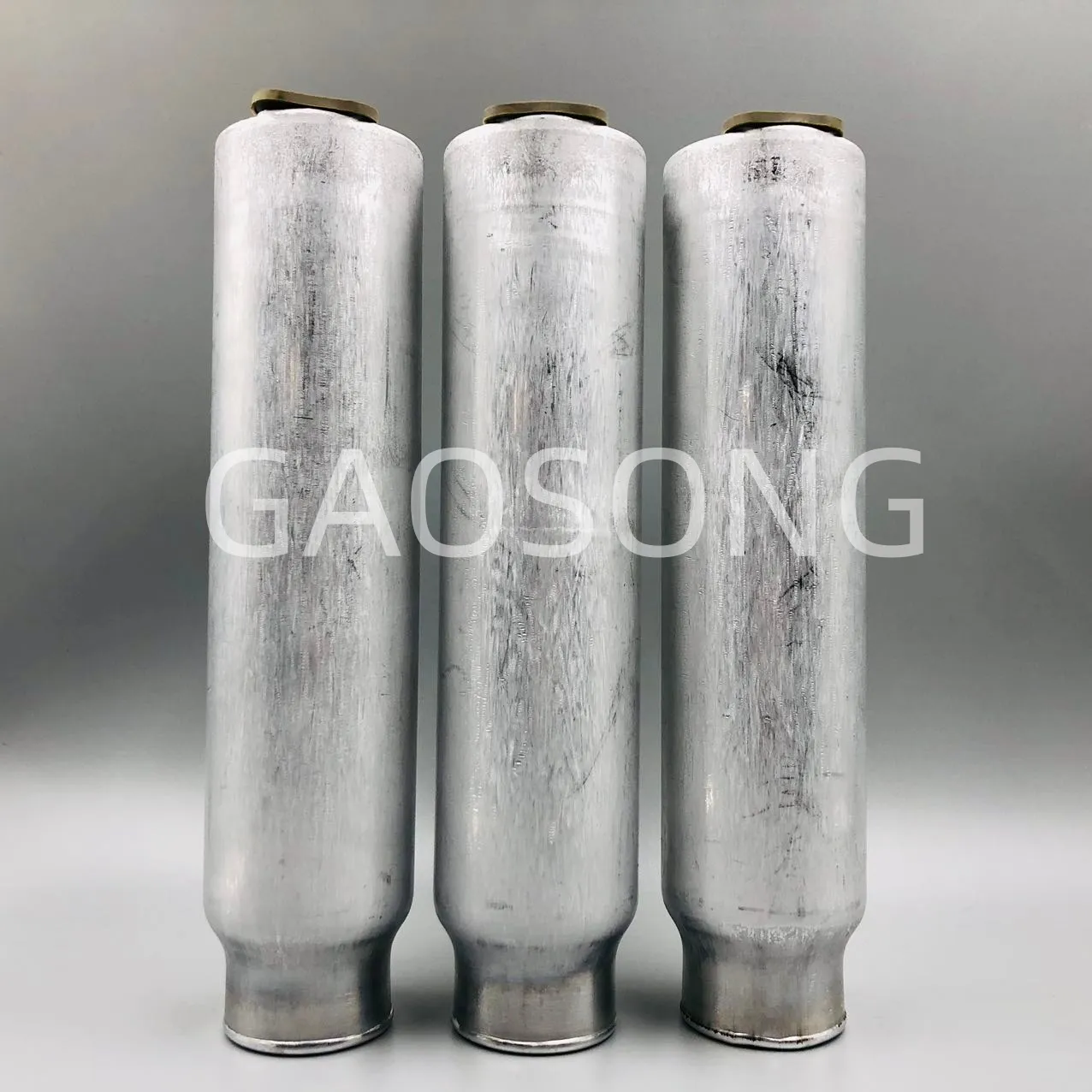 20Y-979-3120 TANK.-Komatsu Original Factory
 -
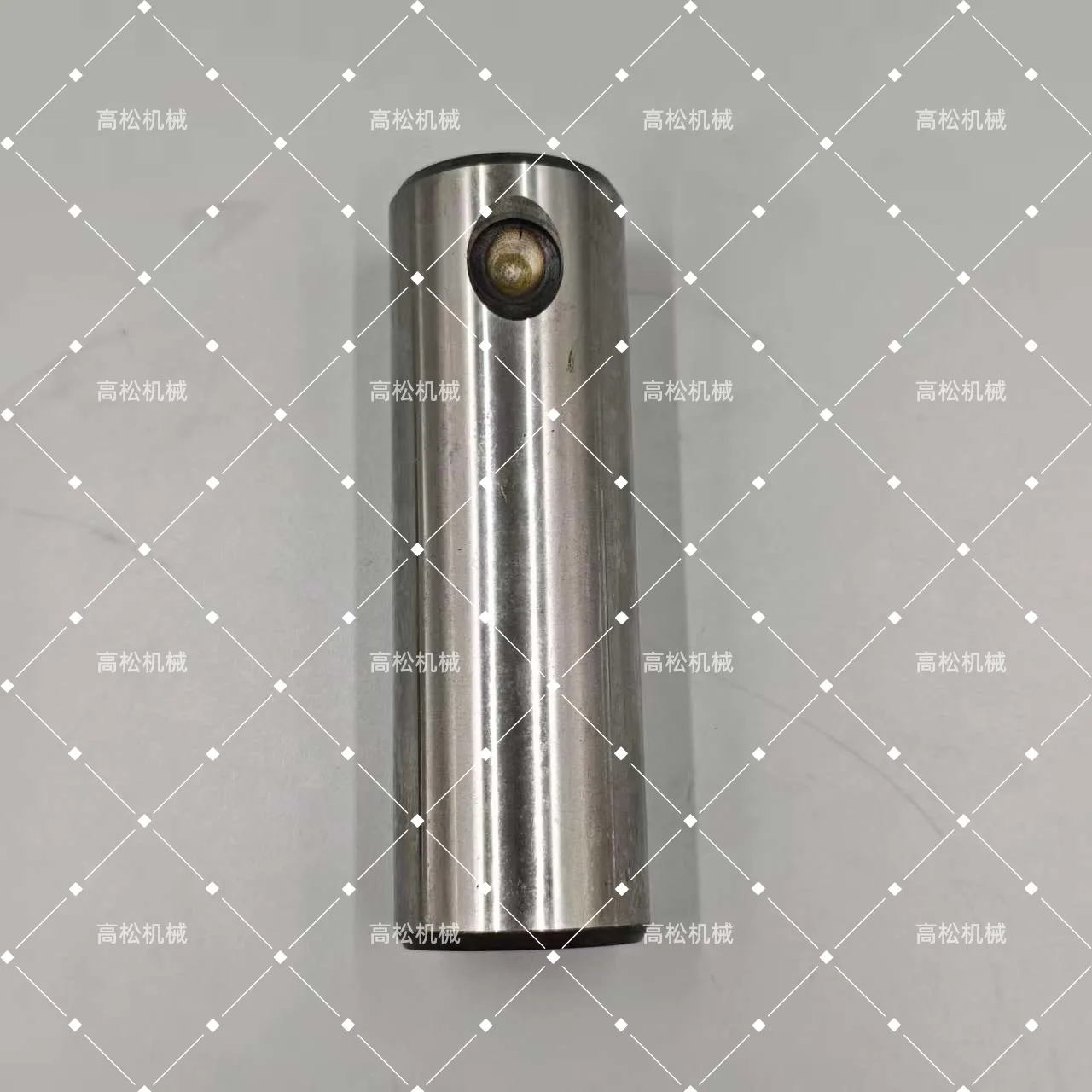 424-22-12510 •• PIN-Komatsu Original Factory
 -
 VALVE ASS’Y21T-68-67940
 -
 600-825-3151OEG Parts New Alternator Compatible With KOMATSU D65E Crawler & PC130 PC400 EXCAVATOR WA320 LOADER 6008253120, 6008253150, 6008253151, 6008253160, 6008253161, ANK0005, 40050015
 -
 SEAL RING 155-15-12811 Dump Truck Transmission Kit D85A-18 NT855
 -
 Komatsu Genuine Parts 56B-27-12361 Retainer
 -
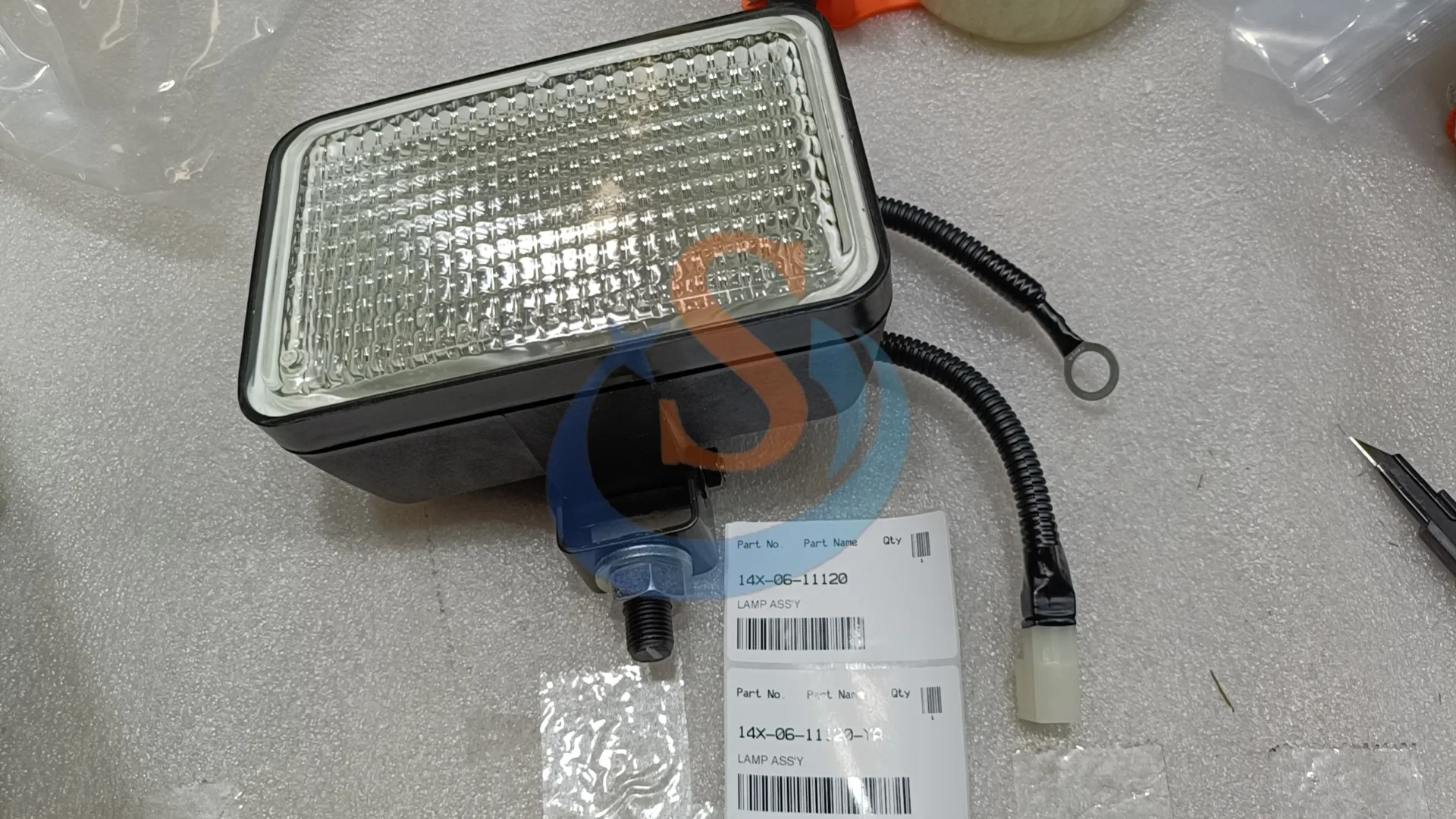 14X-06-11120 WORK LAMP ASS’Y D375A/D155A
 -
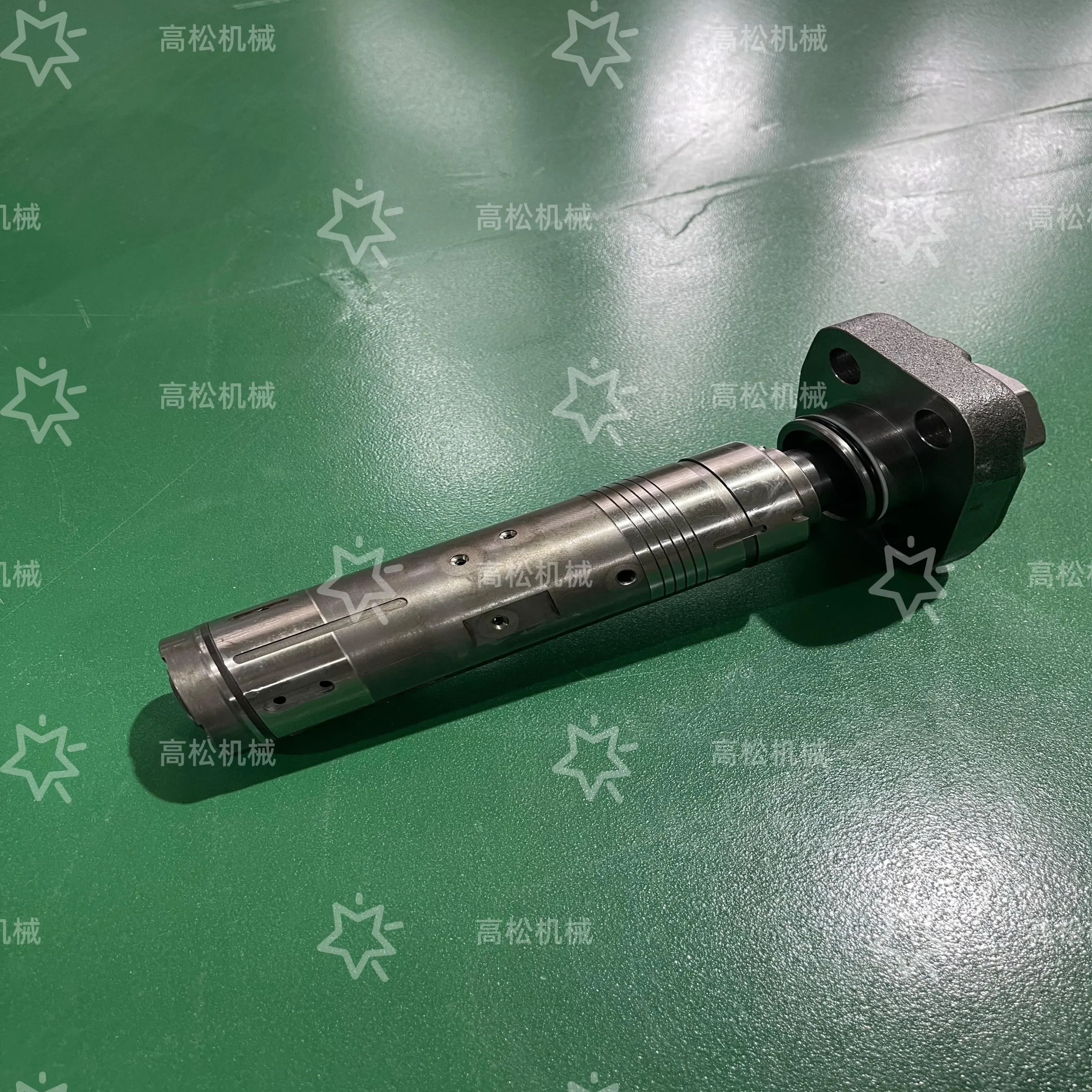 708-2H-03411valve ass’y,pc 708-2h-03411 – komatsu
 -
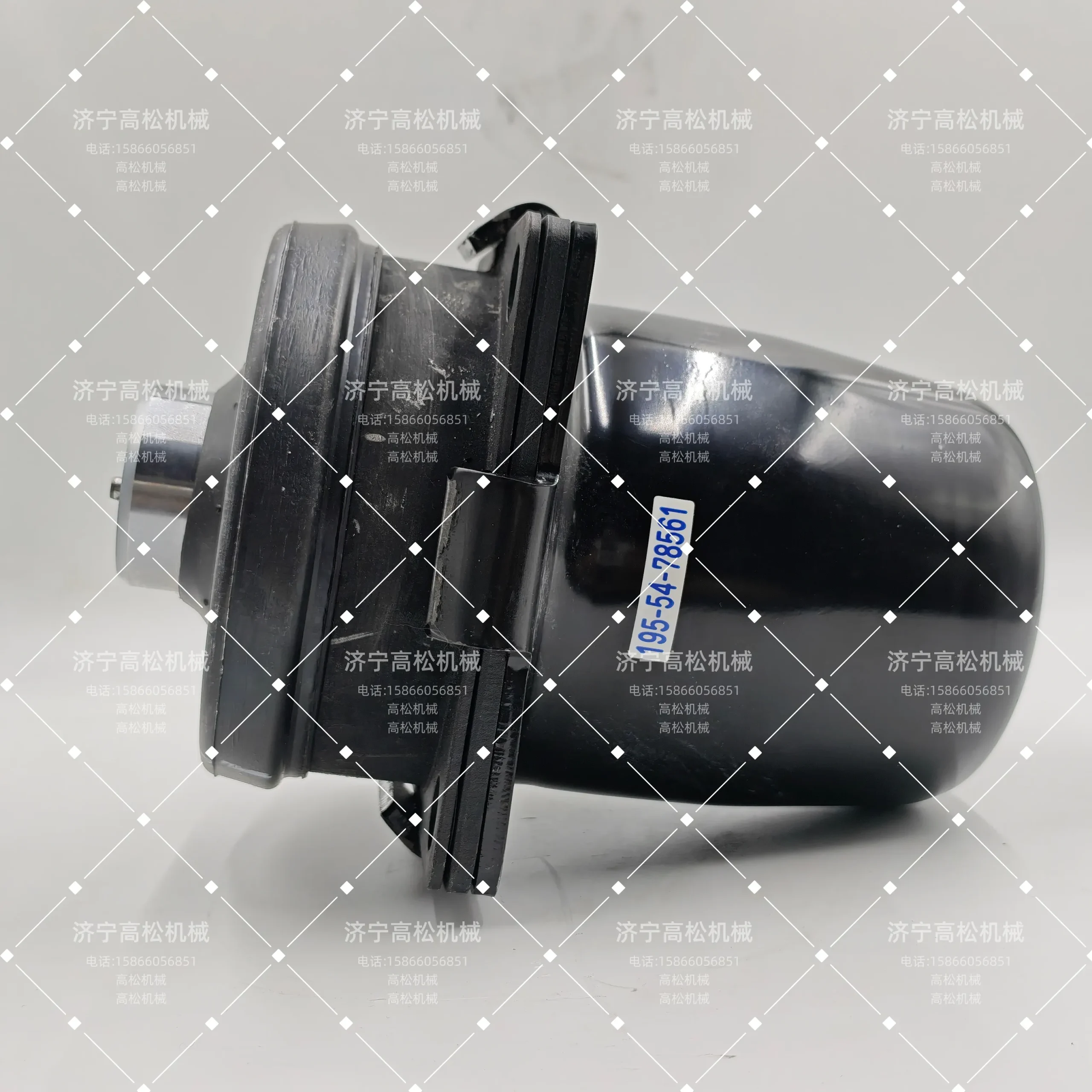 Komatsu Shock Absorbers 195-54-78412 195-54-78561 for D375A-6