
- Chinese
- French
- German
- Portuguese
- Spanish
- Russian
- Japanese
- Korean
- Arabic
- Irish
- Greek
- Turkish
- Italian
- Danish
- Romanian
- Indonesian
- Czech
- Afrikaans
- Swedish
- Polish
- Basque
- Catalan
- Esperanto
- Hindi
- Lao
- Albanian
- Amharic
- Armenian
- Azerbaijani
- Belarusian
- Bengali
- Bosnian
- Bulgarian
- Cebuano
- Chichewa
- Corsican
- Croatian
- Dutch
- Estonian
- Filipino
- Finnish
- Frisian
- Galician
- Georgian
- Gujarati
- Haitian
- Hausa
- Hawaiian
- Hebrew
- Hmong
- Hungarian
- Icelandic
- Igbo
- Javanese
- Kannada
- Kazakh
- Khmer
- Kurdish
- Kyrgyz
- Latin
- Latvian
- Lithuanian
- Luxembou..
- Macedonian
- Malagasy
- Malay
- Malayalam
- Maltese
- Maori
- Marathi
- Mongolian
- Burmese
- Nepali
- Norwegian
- Pashto
- Persian
- Punjabi
- Serbian
- Sesotho
- Sinhala
- Slovak
- Slovenian
- Somali
- Samoan
- Scots Gaelic
- Shona
- Sindhi
- Sundanese
- Swahili
- Tajik
- Tamil
- Telugu
- Thai
- Ukrainian
- Urdu
- Uzbek
- Vietnamese
- Welsh
- Xhosa
- Yiddish
- Yoruba
- Zulu
- Kinyarwanda
- Tatar
- Oriya
- Turkmen
- Uyghur






OEM AND ORIGINAL KOMATSU LEVER ASSY 702-16-02290
When someone searches for 'OEM AND ORIGINAL KOMATSU LEVER ASSY ', they're usually in a bind. A machine is down, pressure's on, and they need the right part, fast. But that AND in the search term always makes me pause. It reveals a common, costly assumption: that OEM and Original are always the same thing. In the trenches, especially with a critical control component like this lever assembly for a Komatsu excavator, that assumption can waste a week and several thousand dollars. I've seen it happen. The part number is specific, but the supply chain behind it isn't always straightforward.
The Nuance Behind OEM and Original
Here's the practical distinction, stripped of marketing fluff. For a part like the KOMATSU LEVER ASSY , Original means it came off the Komatsu production line, in Komatsu packaging, with Komatsu's full traceability. It's what the factory installed. OEM (Original Equipment Manufacturer) can mean two things. It could be the genuine article, yes. But more often in the aftermarket, it signifies a part made by a factory that is part of Komatsu's authorized supply chain, but it might be sold through different channels, sometimes in plain boxes, sometimes with different finishings. The core quality is there, but the pedigree paperwork might be lighter.
This isn't about quality deception. An authorized OEM part, from a supplier like Jining Gaosong Construction Machinery Co., Ltd., is functionally identical. They operate within the Komatsu system. The difference becomes critical when you're dealing with warranty claims from a rigid dealer network, or if you need absolute, documented provenance for a high-audit job site. I've had fleet managers insist on Original only, then balk at the 12-week backorder, not realizing the OEM-identical part from a certified supplier is on the shelf.
The lever assembly itself isn't a simple bracket. It's a precision control interface. The feel of the detents, the spring tension, the smoothness of the pivot—these affect operator feedback directly. A bad clone part gets this wrong; the lever feels mushy or sticky. A proper OEM-spec part from an authorized source replicates this exactly because it's made to the same prints, often on the same tooling. The website takematsumachinery.com frames it well: they are an OEM product supplier within the Komatsu system. That within the system bit is the key detail a pro looks for.
Why Specifically Can Be a Headache
This part isn't like a common filter. It's for specific Komatsu excavator models, think the PC200-8, PC220-8 series. Its failure mode is often wear in the internal micro-switches or corrosion in the wiring harness socket, not the lever itself. So, you get a guy ordering the whole LEVER ASSY when a contact cleaning or a switch replacement might have sufficed. But diagnosing that on a rainy site isn't always possible, so you swap the whole unit.
The headache comes from cross-referencing. Some non-OEM catalogs list a compatible part that bundles different switch specs or a slightly different connector shroud. It'll bolt on, but then you get phantom pilot control signals or a warning light on the monitor. I learned this the hard way a few years back trying to save a client two days on downtime. The compatible part caused intermittent forward/reverse swing issues. We lost three days diagnosing it before putting in the proper OEM-spec unit from a known supplier. The downtime cost dwarfed the part price difference.
This is where a supplier's role is crucial. A company that is also a third-party sales company for Komatsu, as noted in Jining Gaosong's description, typically has better access to clarify these nuances. They can tell you if the part they're offering has the updated seal for the connector or if it's the revision C or D of the assembly. That's the kind of detail that separates a parts seller from a solutions provider.
Real-World Sourcing and the Certain Countries Challenge
The line in Jining Gaosong Construction Machinery Co., Ltd.'s intro about solving parts supply challenges in certain countries is dead real. It's not just about remote locations. It's about regions where the official distributor network is thin, markups are extreme, or lead times are measured in months, not days. In these markets, the choice isn't between Original and OEM. It's between a proper OEM-spec part from a parallel channel and a questionable clone from the local market.
I've coordinated shipments to mining sites in Africa and South America where the local Komatsu dealer simply didn't stock this lever assembly. The official quote had a 90-day ETA. We sourced from an OEM-system supplier, who provided full manufacturing traceability back to an authorized factory, air-freighted it, and had it on site in 10 days. The machine was green again. The client didn't care about the color of the box; they cared about the machine running and the part not failing in 100 hours.
The process isn't seamless. You have to vet the supplier. Do they provide material certifications? Can they explain the origin? A site like takematsumachinery.com is a starting point, but a real conversation follows. You ask: Is this from the Shinagawa plant or the Oyama plant? Their answer (or lack thereof) tells you everything. A knowledgeable supplier will know what you're asking.
The Cost of Failure vs. The Cost of the Part
This is the ultimate calculation. The KOMATSU LEVER ASSY might cost $500 as an OEM-spec part versus $1800 as a boxed Original from the dealer, or $120 from a no-name alley shop. The machine's hourly rate might be $200. If the cheap part fails in two weeks, you're back to square one with another $2000 in downtime. If the OEM-spec part lasts the expected lifecycle, you've saved $1300 upfront with negligible risk.
The failure isn't always catastrophic. It's the inconsistency that kills productivity. An operator complaining about unresponsive controls or the machine doing something on its own is a nightmare to diagnose. Nine times out of ten, it's a failing pilot control component like this lever assembly. Putting in a sub-par unit just injects doubt. Is the new part bad, or is there a deeper valve issue? You start chasing ghosts.
So, my rule now is to source from the OEM-authorized pipeline for critical control parts. It doesn't have to be the dealer. It has to be a verified link in the chain. The peace of mind and the elimination of diagnostic ambiguity are worth the premium over the absolute cheapest option. For a wear item like a bucket tooth, maybe you can play the field. For this, you can't.
Final Take: Cutting Through the Noise
So, back to that search term: 'OEM AND ORIGINAL KOMATSU LEVER ASSY '. The person typing it needs a solution, not a semantics lesson. They need a part that works, arrives fast, and doesn't fail prematurely. The path isn't to get hung up on the AND, but to understand the OR. You can get an Original part with full pedigree, or you can get an OEM-identical part from within the system with a leaner paper trail but identical function.
The smart move is to find a supplier that bridges that gap—one that has the technical knowledge to confirm specifications and the logistics capability to deliver. Their value isn't just in inventory; it's in translating the complexity of the global Komatsu parts ecosystem into a simple, reliable solution for a guy with a downed machine. That's what solving supply challenges actually looks like.
In the end, the part number is just a code. The expertise is in knowing all the valid places that code can be fulfilled without compromising the machine's performance. That knowledge comes from getting it wrong a couple times, and then figuring out where to go to get it right, every time.
Related Products
Related Products

Best Selling Products
Best Selling Products-
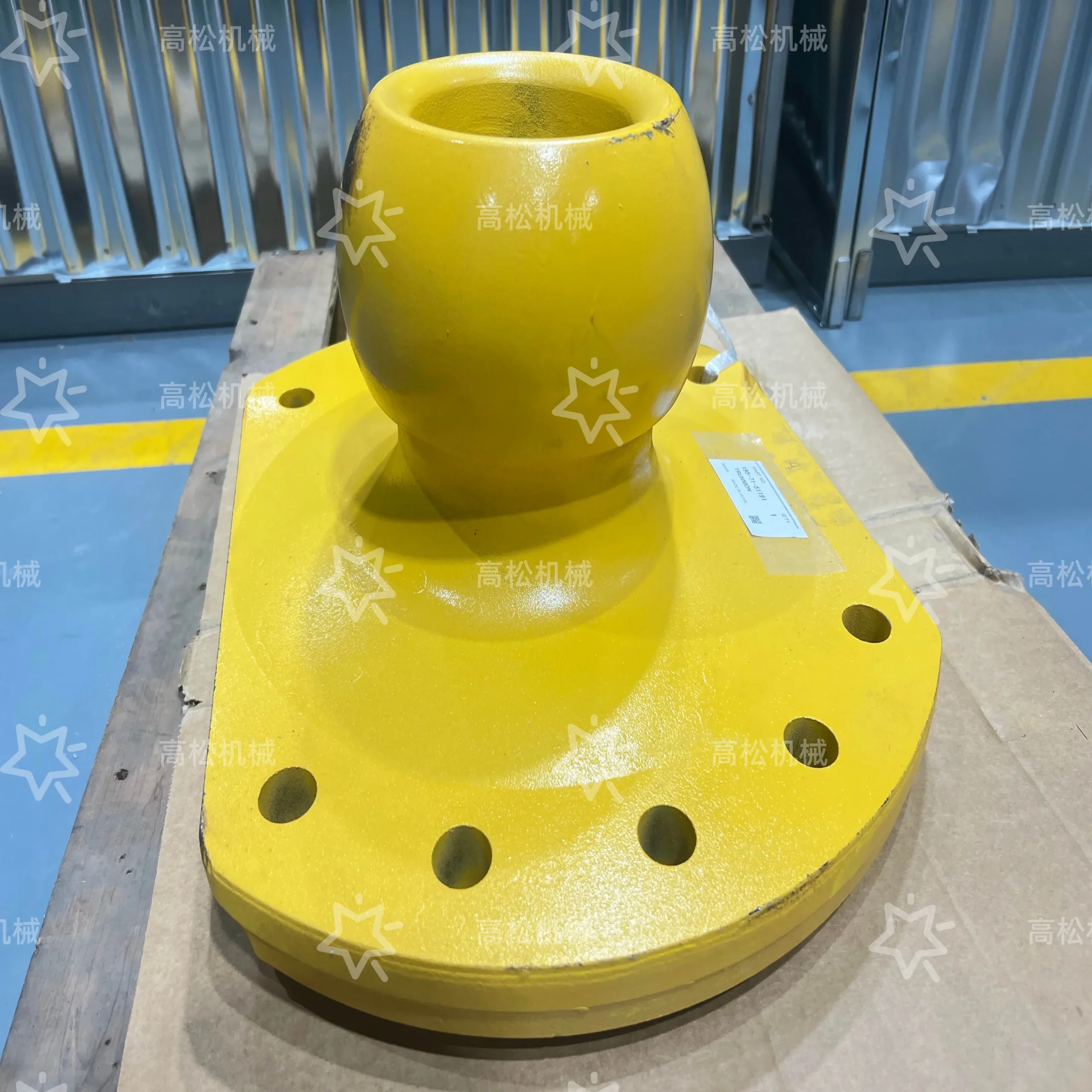 195-71-51191 TRUNNION – THIS TRUNNION HELPS MAINTAIN THE BALANCE OF THE MACHINE
 -
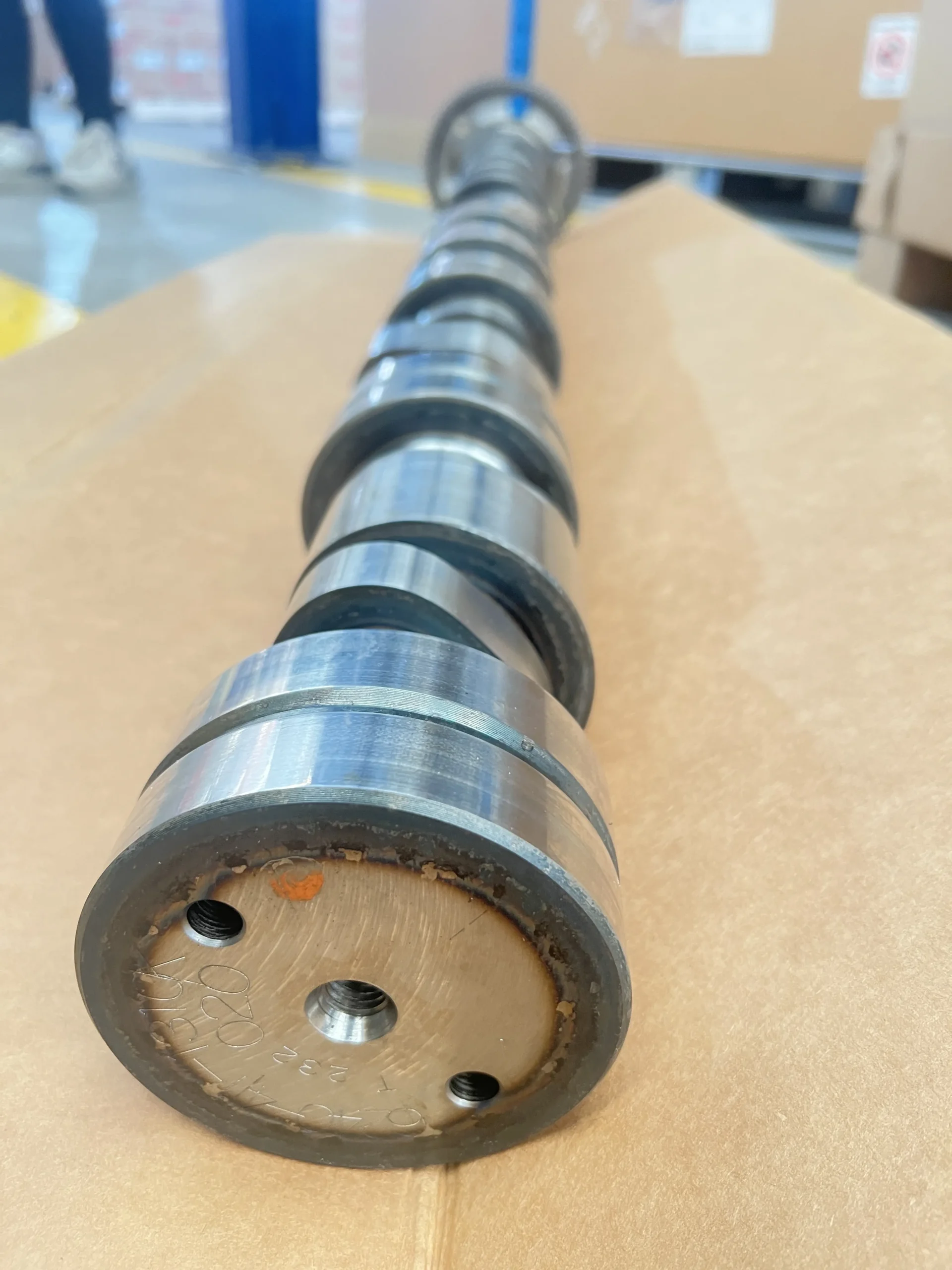 SAA6D170E-3F-8 Camshaft Assembly 6240-41-1300
 -
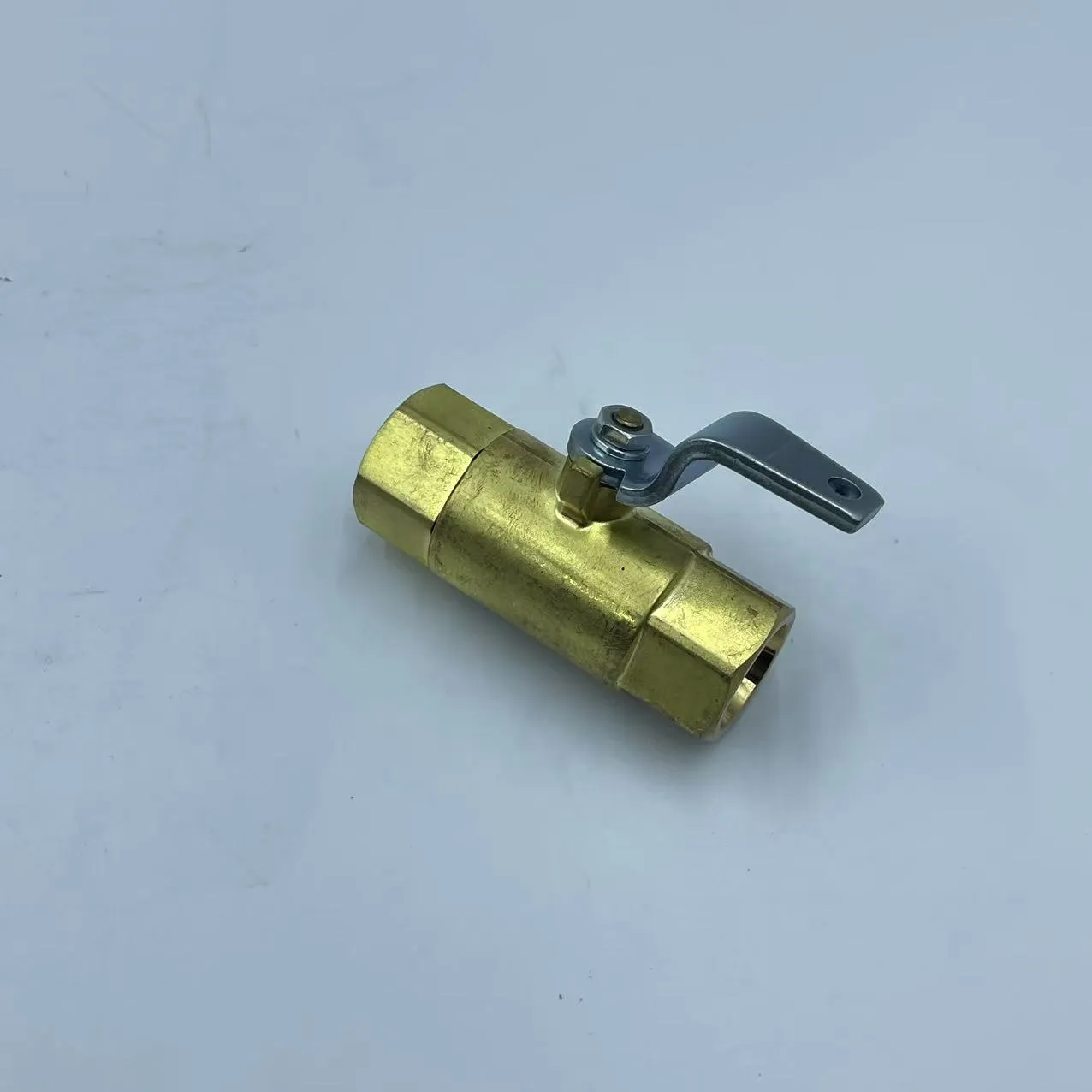 VALVE 20Y-62-15651 – KOMATSUBATTERY, D275A, D375A, FRONT, WA150, WA200, WA320
 -
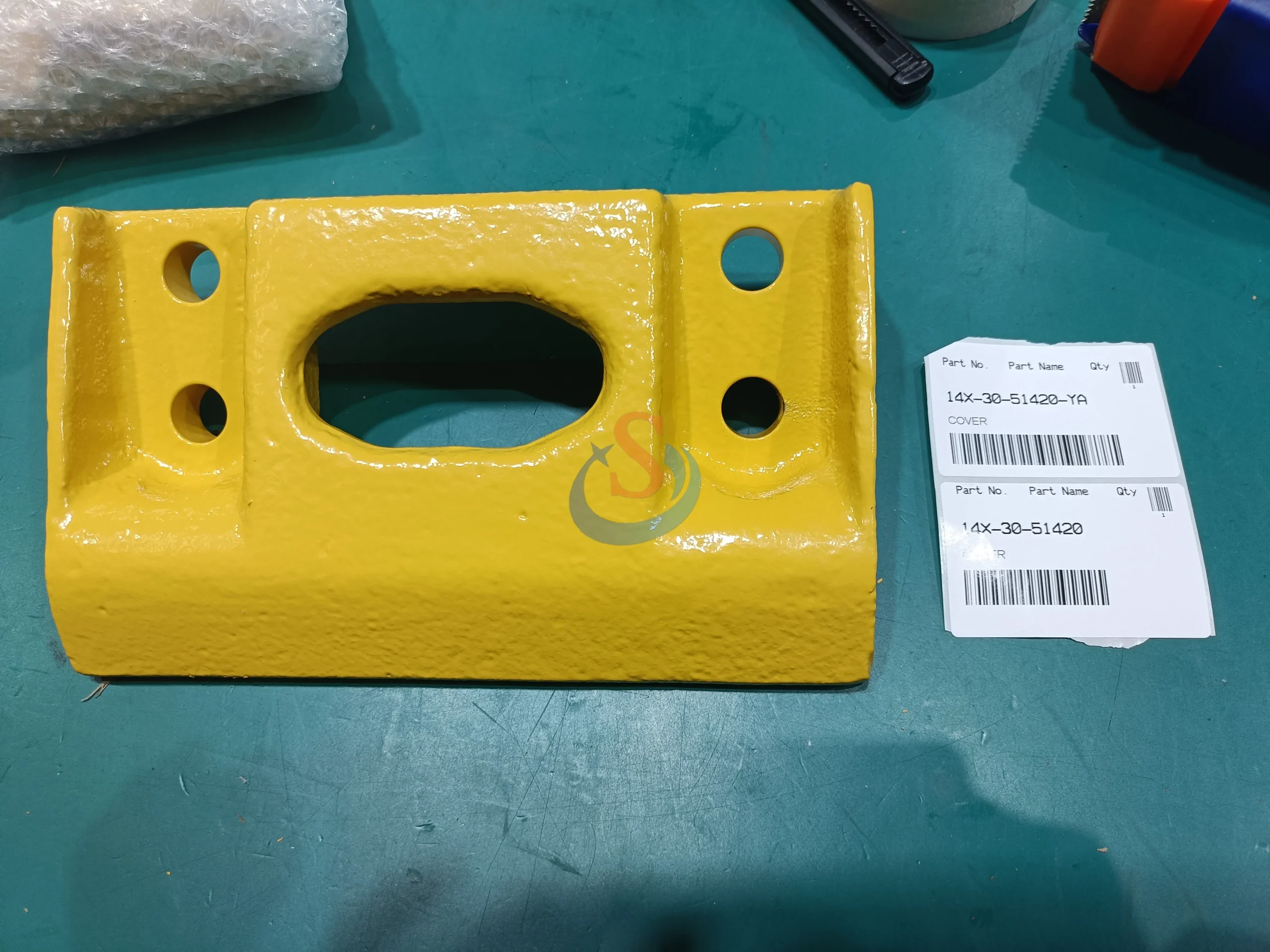 14X-30-51420,Cover,D65PX,D65WX,D65EX
 -
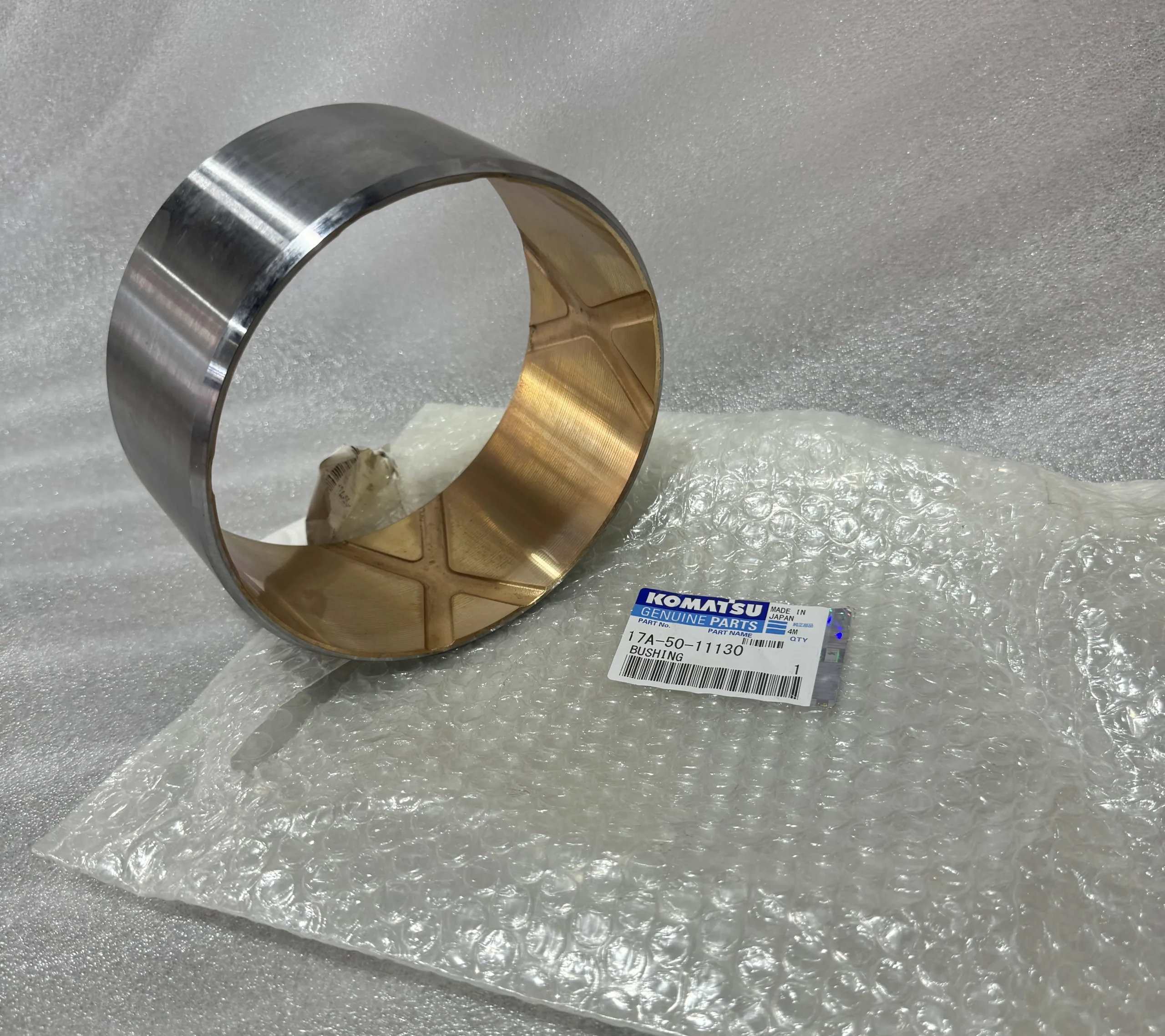 D155AX-3 Bushing 17A-50-11130
 -
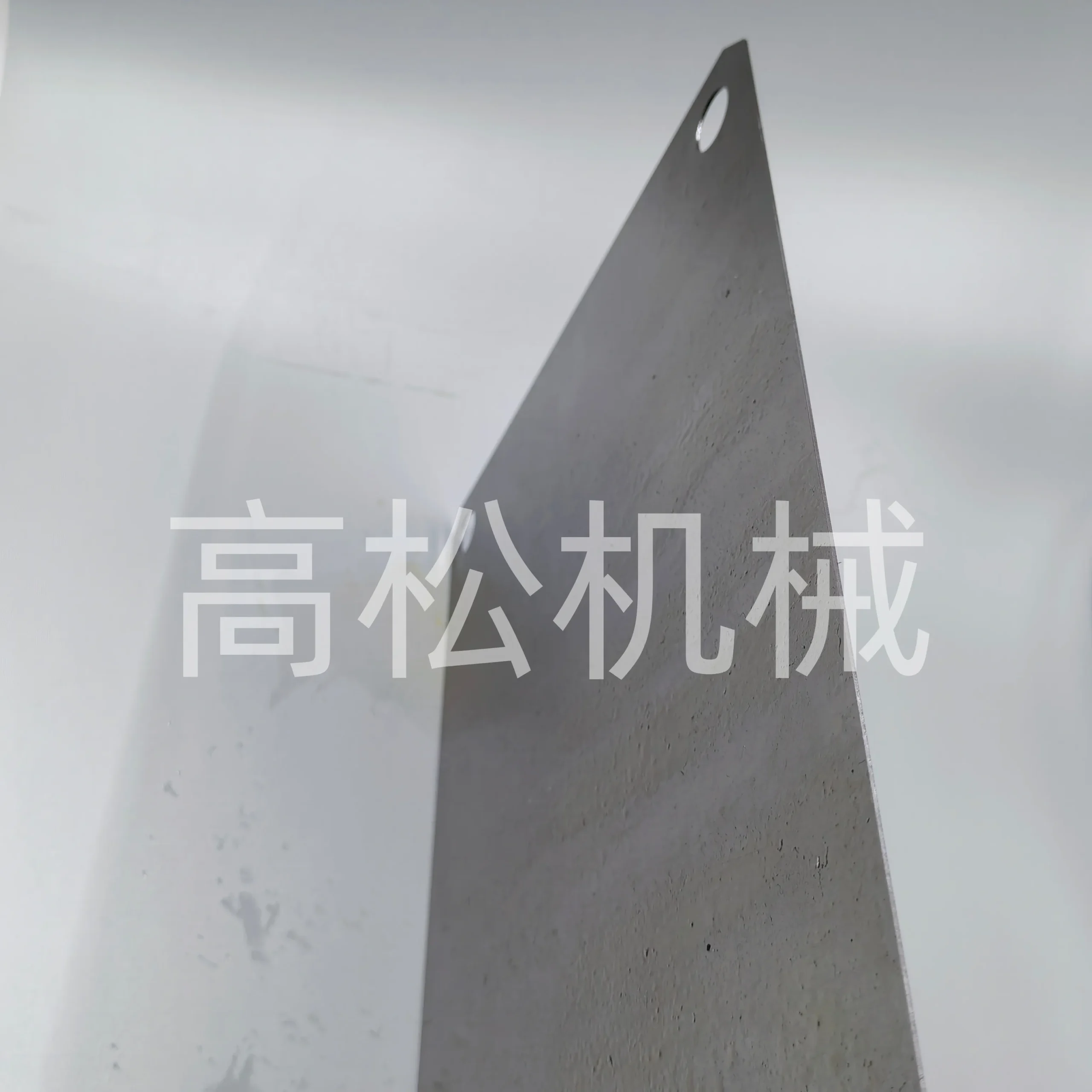 561-74-61540 SHIM¤ 1.0MM-Komatsu Original Factory
 -
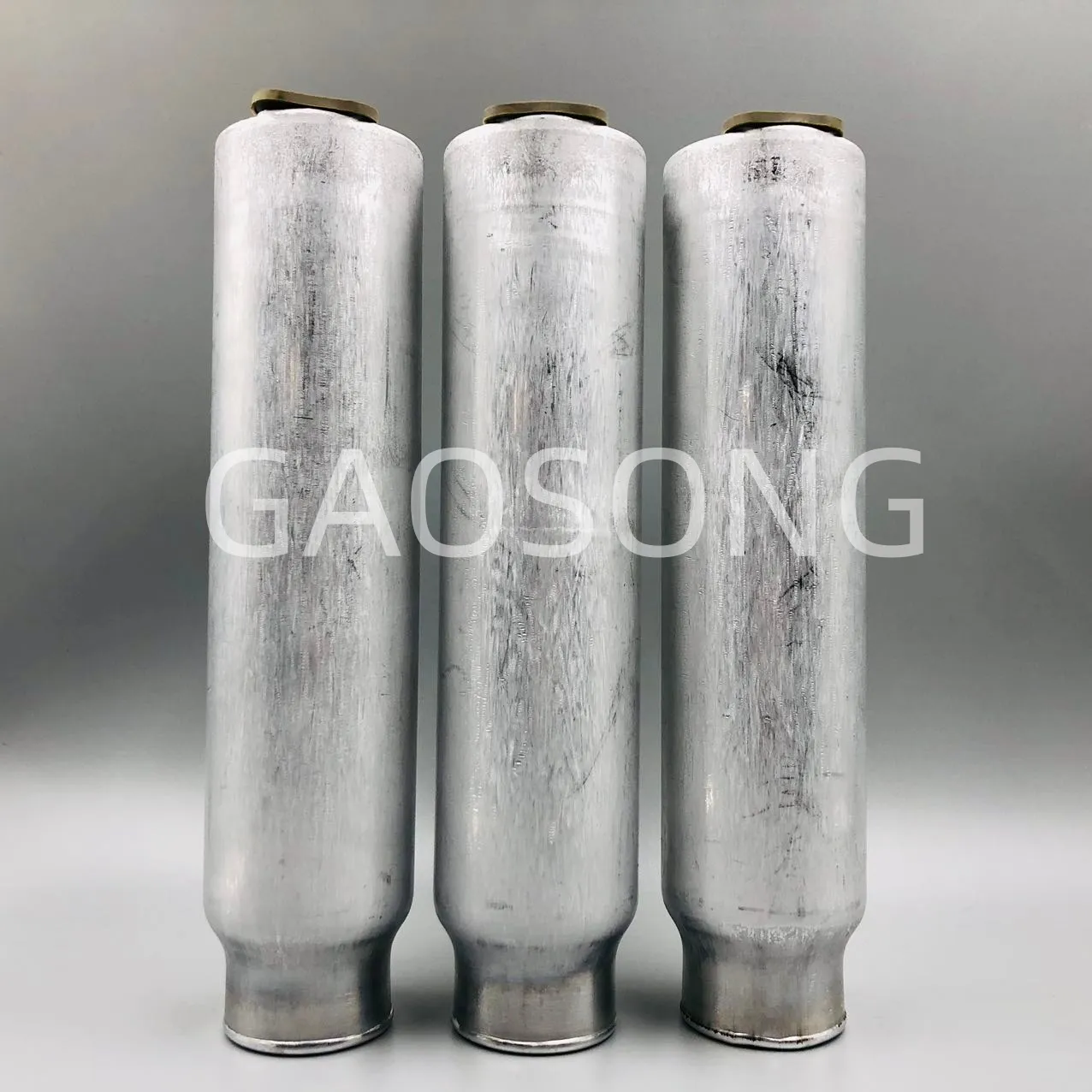 20Y-979-3120 TANK.-Komatsu Original Factory
 -
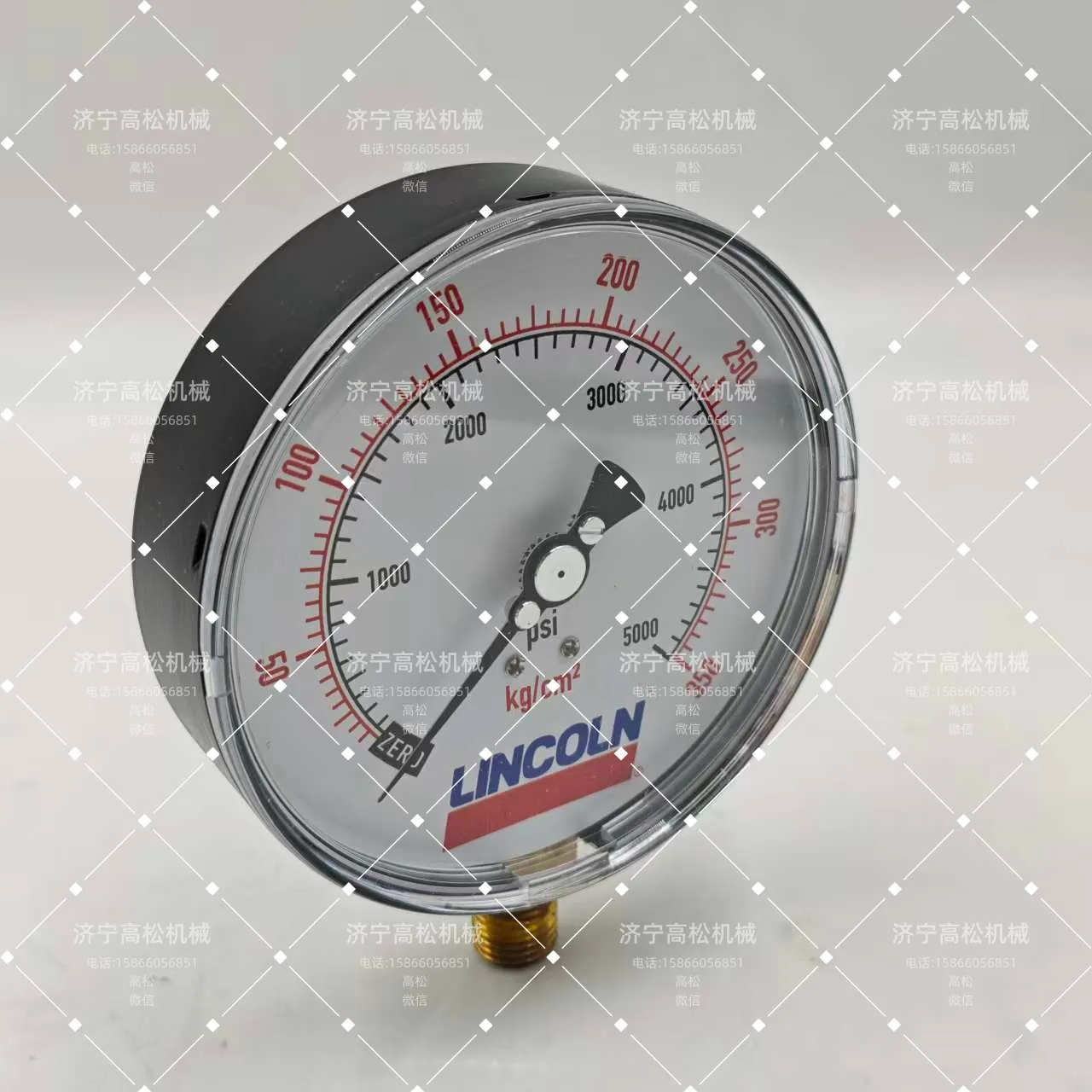 427-S95-2410 Komatsu Gauge, Pressure
 -
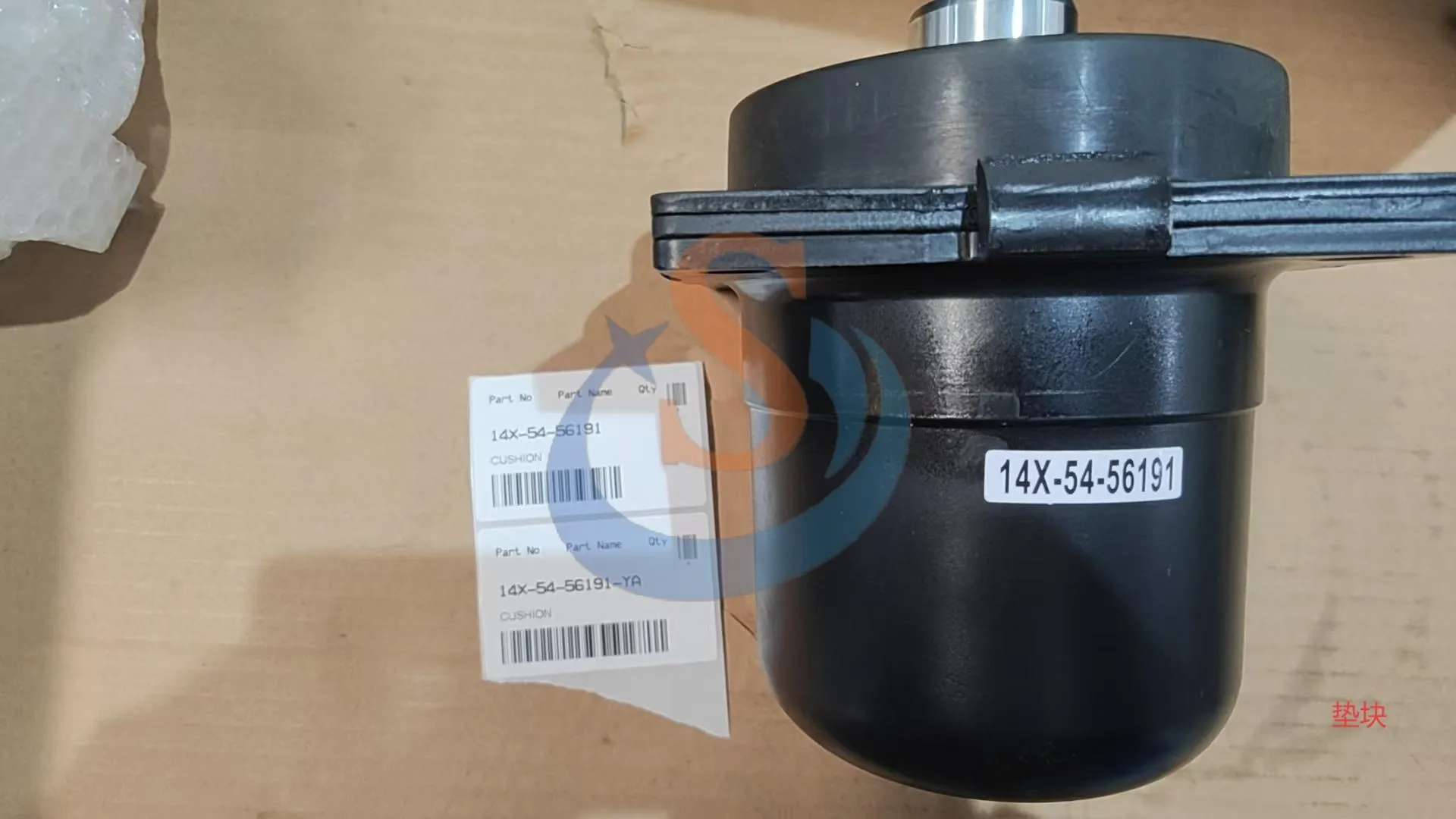 14X-54-56191,Cushion,D65PX,D65WX,D85EX
 -
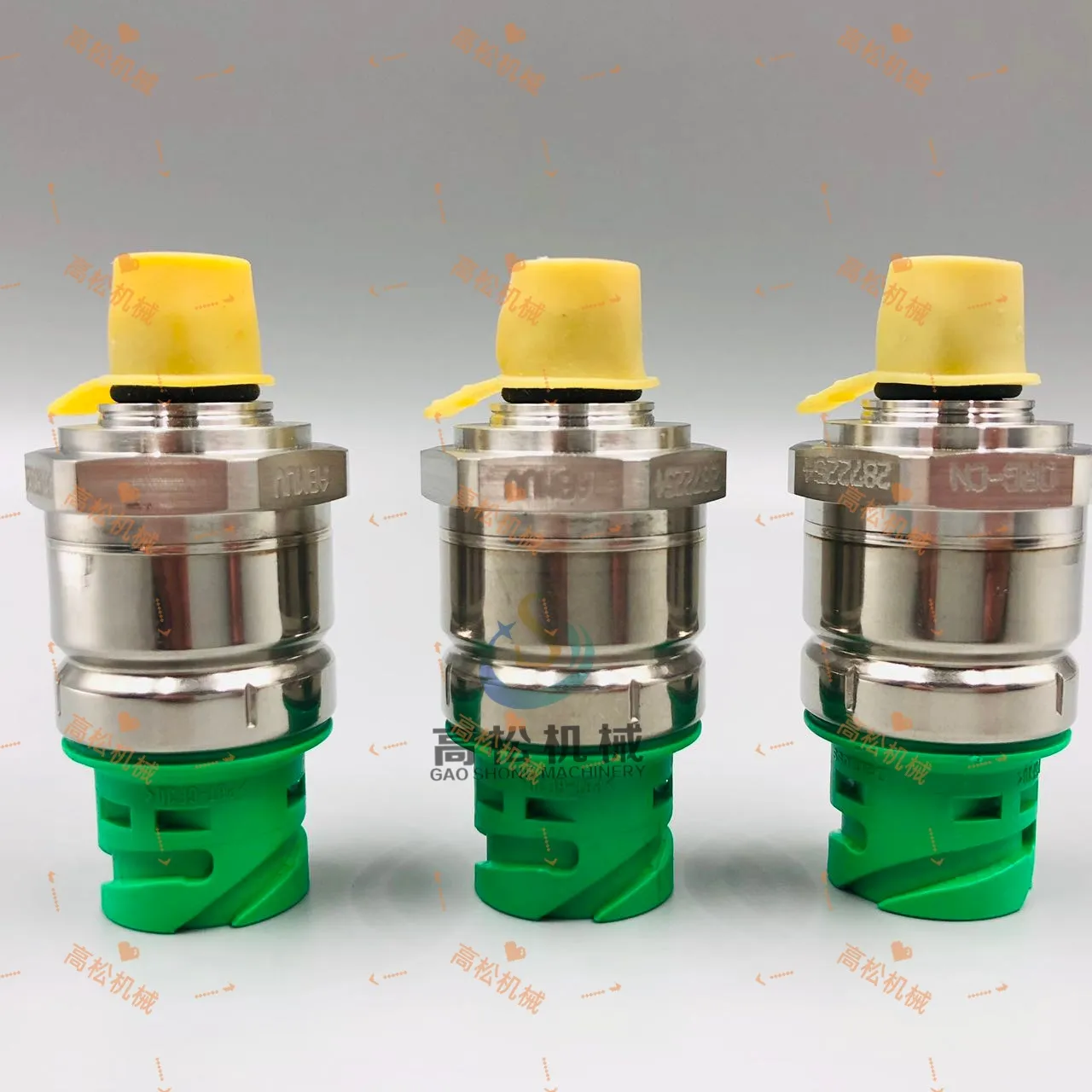 Komatsu, Sensor 6560-61-7202 Komatsu HM400 SAA6D140E WA500
 -
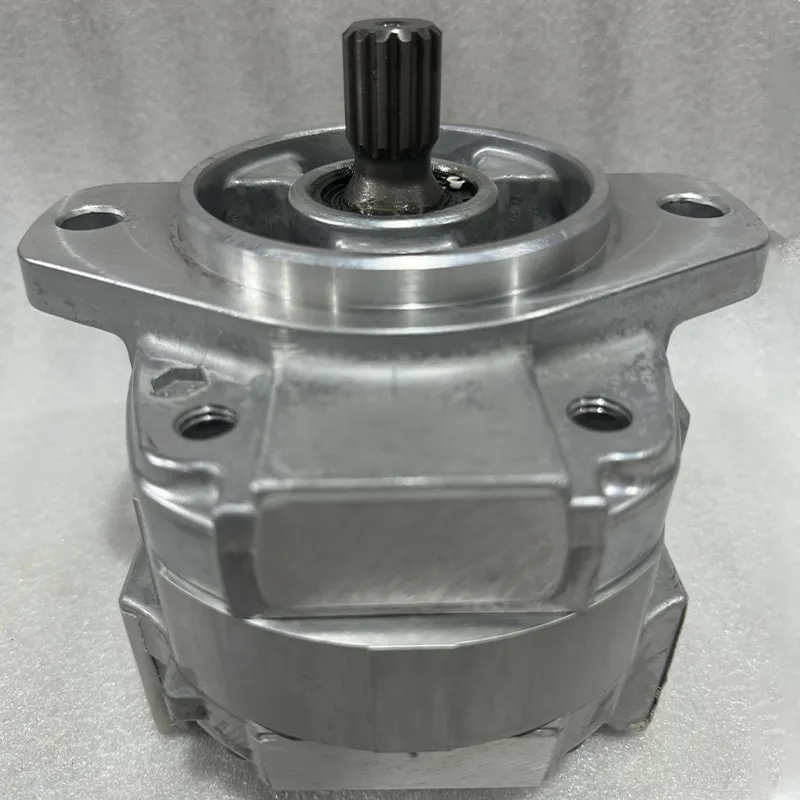 6156-71-1131 6156-71-1132Pump Compatible For 6D125 SA6D125E Engine Komatsu PC450-8 Excavator
 -
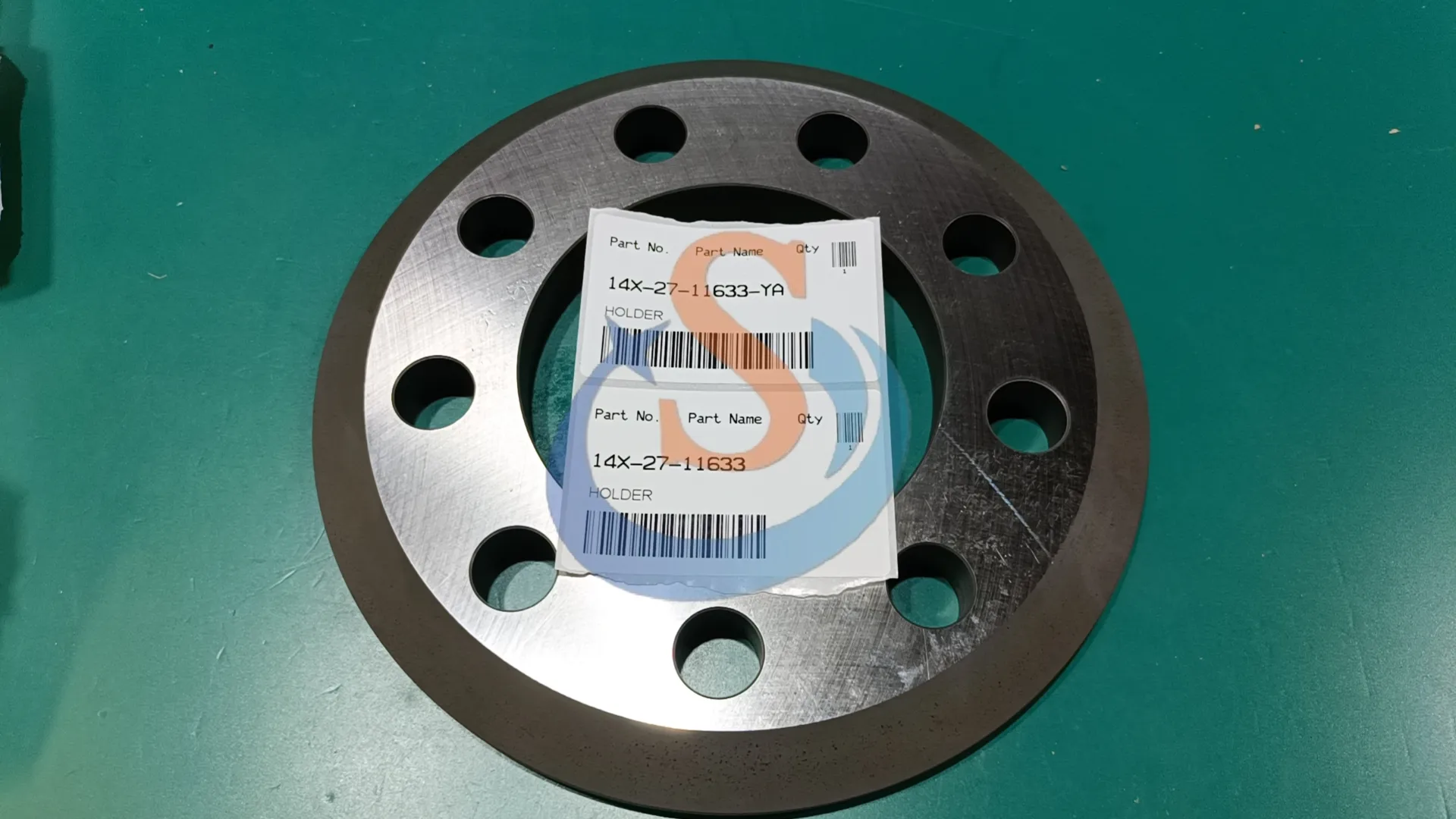 14X-27-11633,HOLDER,D65EX,D65WX,D85E