
- Chinese
- French
- German
- Portuguese
- Spanish
- Russian
- Japanese
- Korean
- Arabic
- Irish
- Greek
- Turkish
- Italian
- Danish
- Romanian
- Indonesian
- Czech
- Afrikaans
- Swedish
- Polish
- Basque
- Catalan
- Esperanto
- Hindi
- Lao
- Albanian
- Amharic
- Armenian
- Azerbaijani
- Belarusian
- Bengali
- Bosnian
- Bulgarian
- Cebuano
- Chichewa
- Corsican
- Croatian
- Dutch
- Estonian
- Filipino
- Finnish
- Frisian
- Galician
- Georgian
- Gujarati
- Haitian
- Hausa
- Hawaiian
- Hebrew
- Hmong
- Hungarian
- Icelandic
- Igbo
- Javanese
- Kannada
- Kazakh
- Khmer
- Kurdish
- Kyrgyz
- Latin
- Latvian
- Lithuanian
- Luxembou..
- Macedonian
- Malagasy
- Malay
- Malayalam
- Maltese
- Maori
- Marathi
- Mongolian
- Burmese
- Nepali
- Norwegian
- Pashto
- Persian
- Punjabi
- Serbian
- Sesotho
- Sinhala
- Slovak
- Slovenian
- Somali
- Samoan
- Scots Gaelic
- Shona
- Sindhi
- Sundanese
- Swahili
- Tajik
- Tamil
- Telugu
- Thai
- Ukrainian
- Urdu
- Uzbek
- Vietnamese
- Welsh
- Xhosa
- Yiddish
- Yoruba
- Zulu
- Kinyarwanda
- Tatar
- Oriya
- Turkmen
- Uyghur






OEM AND ORIGINAL KOMATSU LEVER ASSY 423-V91-4144
Let's cut through the noise. When you see a listing for OEM AND ORIGINAL KOMATSU LEVER ASSY 423-V91-4144, your first thought might be genuine Komatsu. But in this parts game, that slash, that AND, is where the real story is. It's not always a simple choice between OEM and aftermarket. Sometimes, it's about a specific channel within the OEM system itself, a nuance that trips up even seasoned buyers who think they're just getting a factory-sealed box.
The 423-V91-4144 in the Wild
This lever assembly isn't some obscure bracket; it's a critical interface on several mid-size Komatsu excavators, think the PC200-8, PC220-8 series. Operators feel it all day. The problem we see repeatedly is fatigue failure at the weld point on the lever shaft, not the bushings wearing out first. A cheap copy will get the geometry wrong by a millimeter or two, and suddenly the detent feel is mushy, or it binds when the cab heats up. I've had guys bring in OEM levers that were clearly cast from inferior steel—the machining marks were wrong, too perfect in some places, rough in others. The ORIGINAL KEMATSU part has a specific, almost bluish tint to the phosphate coating that the fakes never quite match.
Which brings me to a practical headache: cross-referencing. This part number, 423-V91-4144, sometimes gets substituted in systems with a newer number, or gets bundled with a control valve kit. If you're ordering just the lever assy, you need to confirm if the mounting bolt kit and the small O-rings for the pilot lines are included. The genuine one usually has them bagged and attached. The OEM ones? Hit or miss. I learned this the hard way on a rush job for a client in Indonesia; we got the lever in but had to ground the machine for two more days waiting for seal kits we assumed would be in the box. That's downtime money burning.
This is precisely where a supplier's position in the ecosystem matters. A company like Jining Gaosong Construction Machinery Co., Ltd. operates in that interesting space. From their platform at https://www.takematsumachinery.com, they articulate their role well: an OEM product supplier within the Komatsu system and a third-party sales company. In practice, this means they can often access the genuine stream—the ORIGINAL KOMATSU line—but also provide OEM-spec parts that are functionally identical, sometimes from the same factory line but for a different distribution path. Their mandate to solve parts supply challenges in certain countries is real. I've seen their packs in markets where the official distributor is absent or has insane lead times.
Decoding the OEM AND ORIGINAL Promise
So what does OEM AND ORIGINAL mean on their site or a similar supplier's? It's not fluff. It's a specific inventory statement. ORIGINAL means Komatsu-branded, in Komatsu packaging, with the Komatsu part number laser-etched or stamped. You're buying from the primary supply chain. OEM here means it's made to the original design specs, often in a facility that also produces for Komatsu, but it might not come in the branded box. The material certs and dimensional tolerances should be identical. The lever assy from such a source should have the same precise casting marks, the same hardness on the shaft, and the same anti-corrosion treatment as the ORIGINAL KOMATSU part.
The risk, of course, is the gray area. Some suppliers use OEM loosely to mean compatible. That's where you need to grill them. Ask for material certification, ask if the lever arm is forged or cast, ask about the supplier's relationship with Komatsu factories. A legitimate player like Gaosong, by virtue of their stated business model, can usually trace the lineage. A pure aftermarket parts trader cannot. I always tell my team: if the price for an OEM part is 40% below the genuine, be suspicious. If it's 15-25% below, you're probably looking at that parallel OEM channel.
I recall a batch of 423-V91-4144 levers we procured for a fleet renewal project in 2022. The initial batch was genuine, direct from Komatsu. The second batch, due to supply chain delays, came through an OEM-channel supplier. Side-by-side, the only visible difference was the packaging. We put both on a CMM (Coordinate Measuring Machine). The results were within microns. The performance in the field over the last two years? Identical. The failure point on one unit was due to a misaligned bracket, not the lever itself. That experience solidified my trust in that specific tier of supply, but only after we did the legwork to validate the source.
Practical Fitment and The Hidden Snags
Even with the right part in hand, fitment isn't always plug-and-play. The 423-V91-4144 interfaces with the pilot control valve. On machines with high hours, the valve body seat might be worn. Slapping a new, tight-tolerance lever on a worn seat can actually accelerate wear or cause stiffness. The pro move is to check the valve spool bore for scoring and the mating surface for flatness. Sometimes, you need a repair kit for the valve too. This is the kind of detail a parts-focused website can't tell you, but an experienced supplier's technical team might hint at if you ask.
Another snag is the pilot line connections. The original lever uses specific, low-friction composite seals. Some OEM-spec parts might use standard nitrile. In cold climates, that can make a difference in responsiveness. It's a small thing, but it matters. When evaluating a supplier, I look for these granular details in their product descriptions or ask their support. The good ones know. They've dealt with the comeback when a part fits but doesn't feel right.
This is where the value of a specialized intermediary shows up. A company that is both an OEM product supplier within the Komatsu system and a third-party sales agent, as Gaosong describes itself, typically has feet in both worlds. They understand the engineering specs because they work within the OEM framework, but they also understand the field realities and supply bottlenecks of being a third-party solver. They're more likely to know that for the 423-V91-4144, you should also check the health of the return spring in the old assembly and recommend replacing it proactively, a tip that comes from seeing hundreds of these replaced.
Why Source Matters More Than Ever
The post-2020 landscape scrambled everything. Komatsu's official supply chains got stretched. Lead times for a genuine 423-V91-4144 went from weeks to months in some regions. This vacuum was filled by a flood of copies of wildly varying quality. I've seen levers where the ball joint had a plastic insert instead of a sintered bronze one—it failed in under 200 hours. This chaos made the role of credible, authorized OEM-channel suppliers critical. They became the pressure relief valve.
When you look at a site like takematsumachinery.com, their stated focus on solving parts supply challenges isn't just marketing. It's a direct response to this market failure. For a part like this lever assy, they might have the genuine article in a warehouse in a different region, or they have a confirmed pipeline to an approved OEM factory that can produce and ship faster than the centralized distribution hub. Their dual identity allows that flexibility.
So, back to the original keyword: OEM AND ORIGINAL KOMATSU LEVER ASSY 423-V91-4144. It represents a choice, but more importantly, it represents a sourcing strategy. You're not just buying a lever. You're buying into a supply chain's integrity. The AND means the supplier is giving you the option based on urgency, budget, and your specific definition of genuine. Sometimes, the OEM-spec part from a verified system supplier is the smarter play than waiting for the branded box, with zero functional difference. Other times, for warranty or resale value, only the ORIGINAL KOMATSU stamp will do. Knowing which scenario you're in, and having a supplier that can service both needs transparently, is the real win.
The Bottom Line for Your Machine
If you're ordering this part, here's my field checklist. First, identify your need: is this for repair under a maintenance contract (might require genuine), a quick turnaround cash job (OEM-spec is fine), or a machine you're preparing for sale (genuine adds value). Second, interrogate your supplier. Ask for their relationship to Komatsu. Ask if the part is made on the same tooling. Third, inspect the part upon arrival. Look for the fine details—the quality of the casting under the paint, the stamping on the shaft, the packaging of the included hardware.
Don't just trust the listing title. The phrase OEM AND ORIGINAL should be a starting point for a conversation, not the end of your due diligence. A supplier worth their salt will welcome those questions because it shows you know what you're doing. The ones that get vague or defensive are the ones to avoid.
In the end, the 423-V91-4144 is a perfect example of a part that looks simple but tells a complex story about global manufacturing, distribution, and field maintenance. Getting the right one keeps a machine earning. Getting the wrong one, even if it bolts on, leads to callbacks, unhappy operators, and more downtime. The goal is to match the part's provenance to your specific operational reality, and that's a professional judgment call no algorithm can make for you.
Related Products
Related Products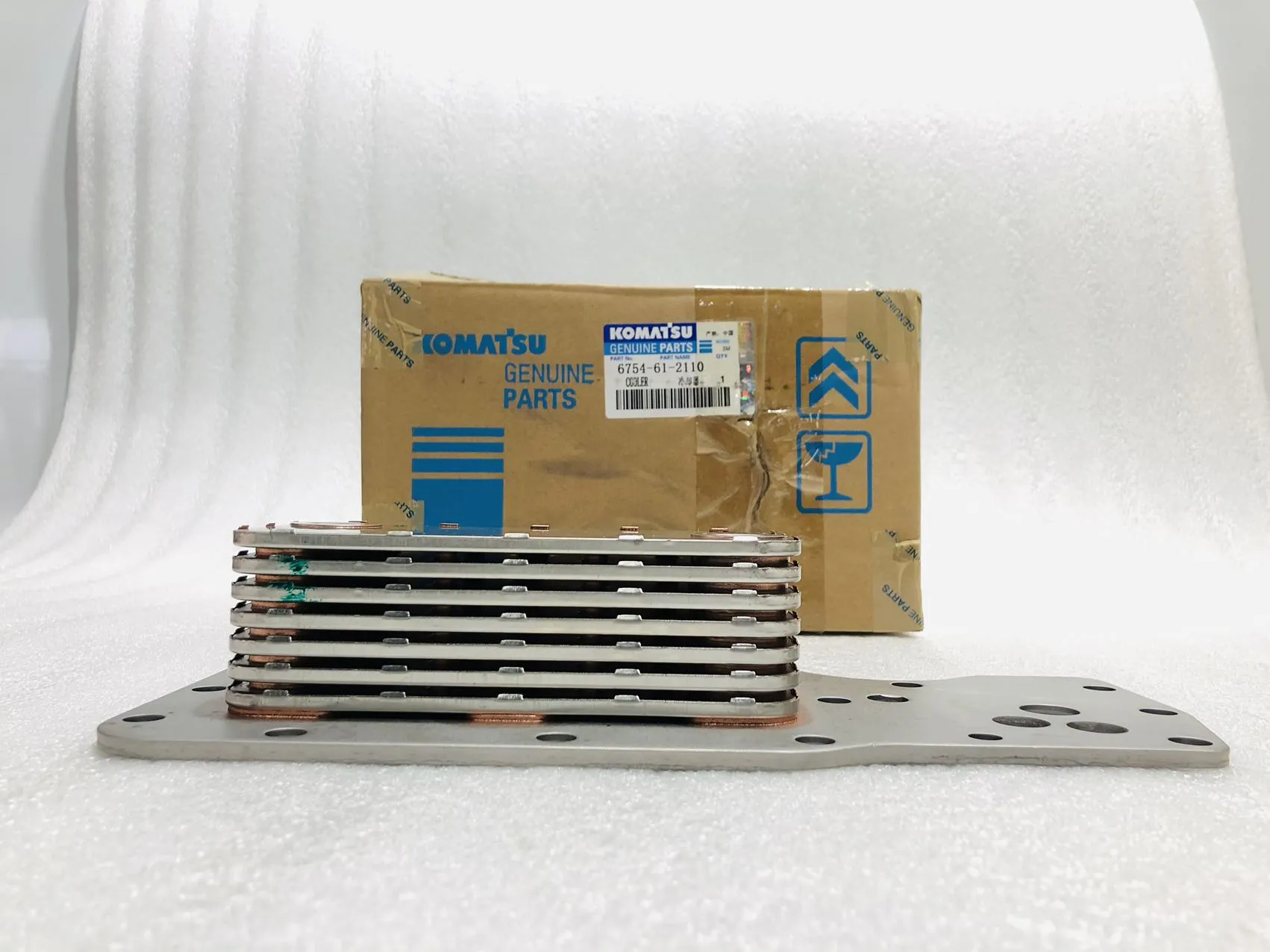

Best Selling Products
Best Selling Products-
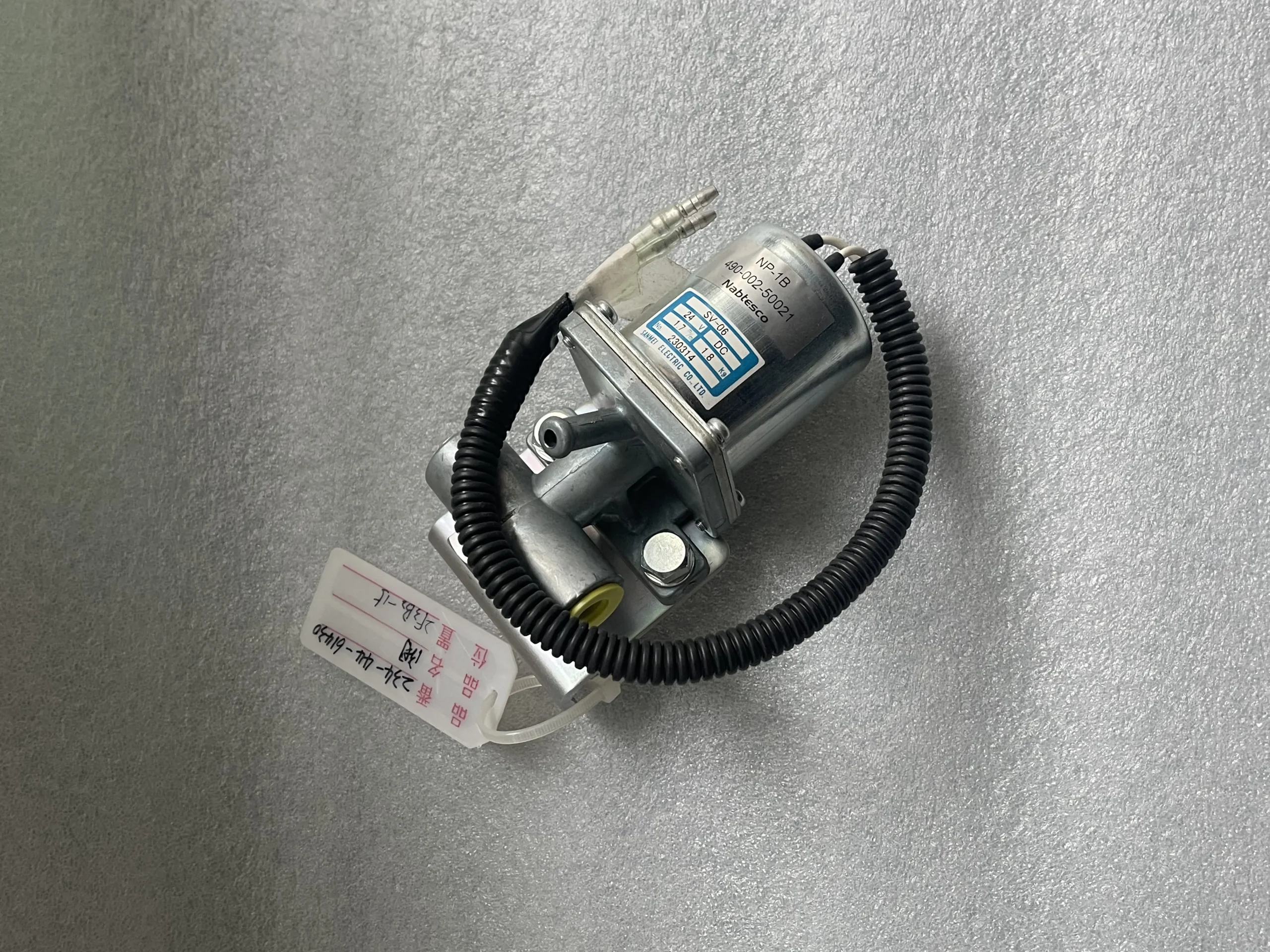 VALVE 234-44-61430
 -
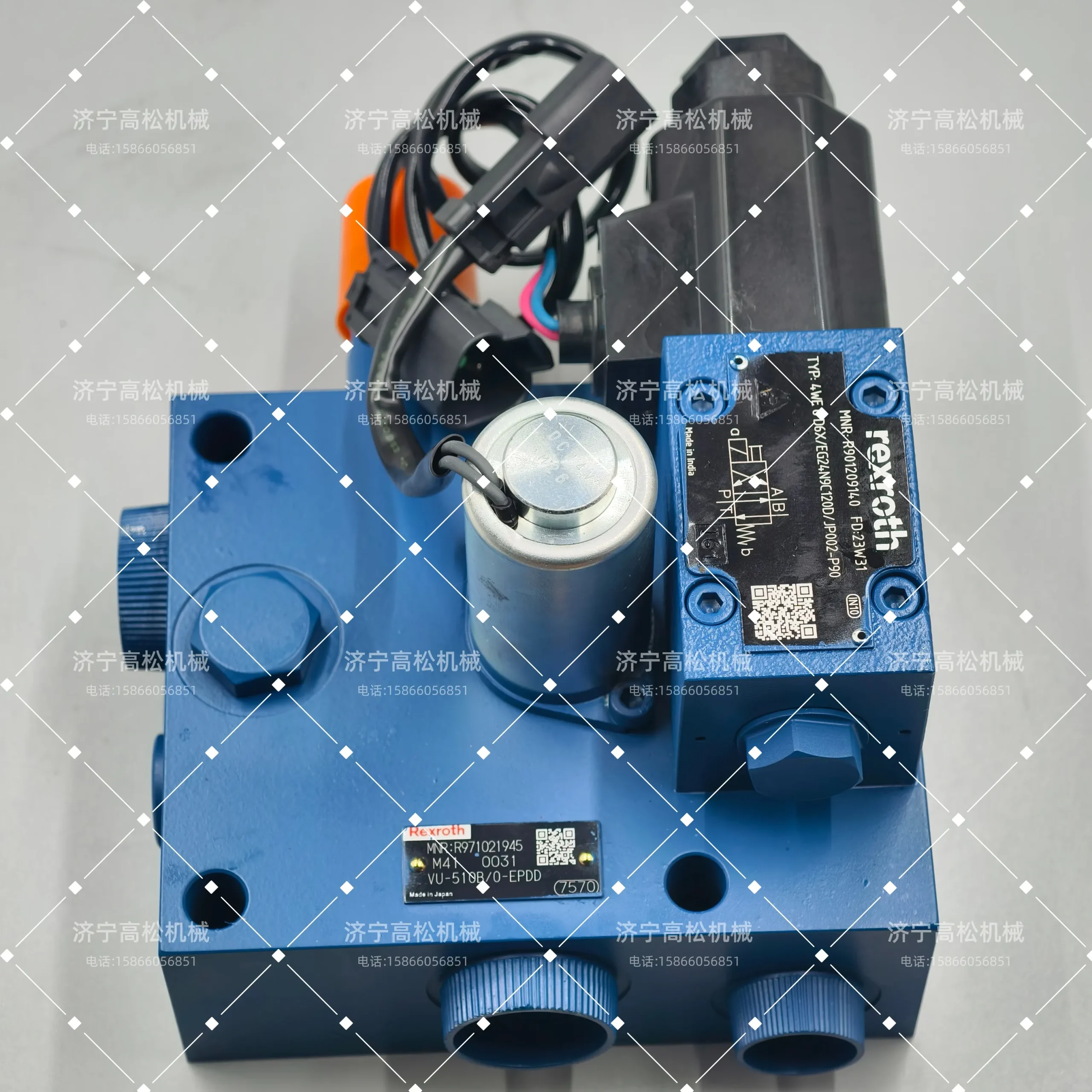 Dump Truck HD465-7EPC Valve Ass’y 56b-43-12402 56b4312402…
 -
 Direct sale, original fast delivery shaft 6212-21-2511 for parts of construction machinery komatsu
 -
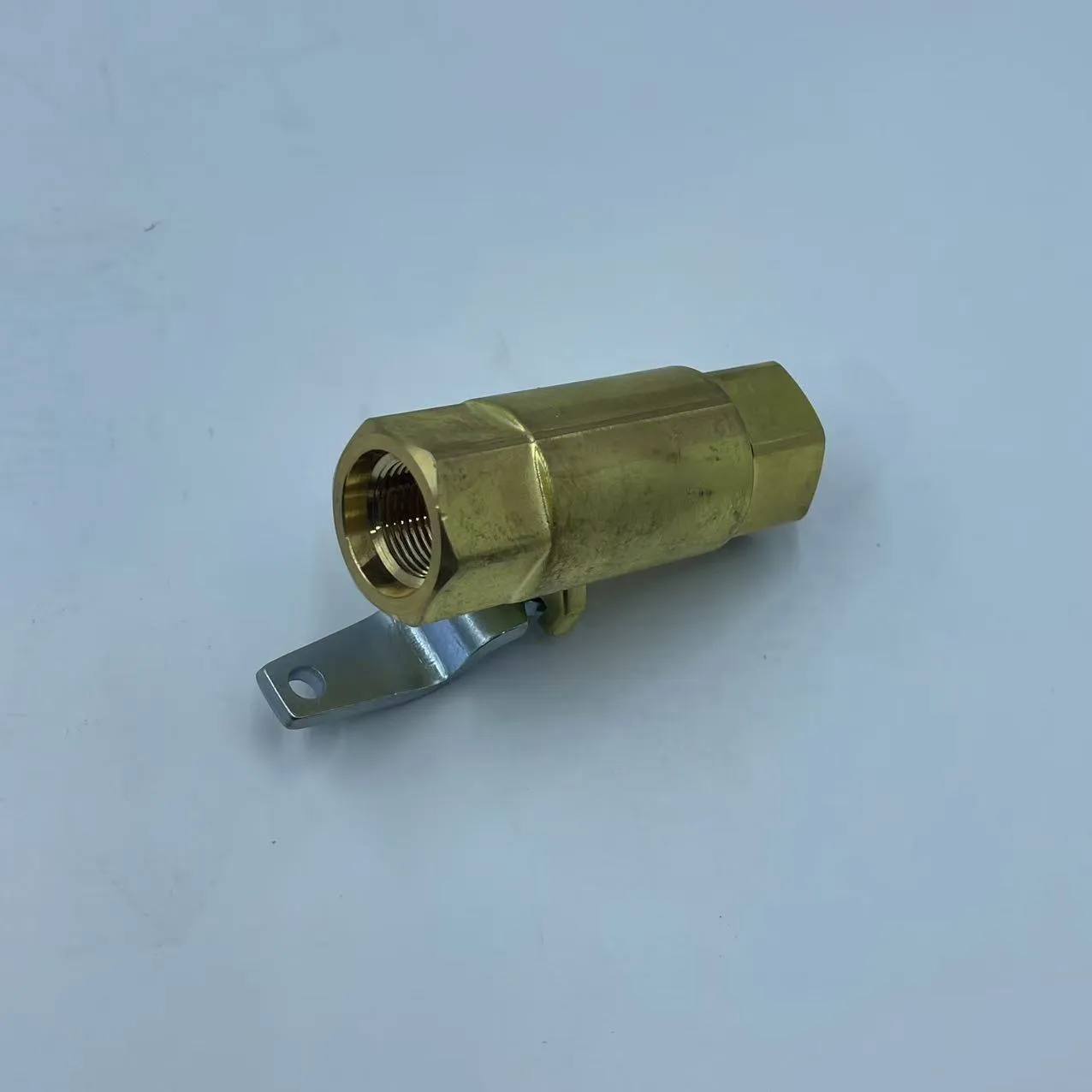 Komatsu Excavator PC200 Valve 20Y-62-15651
 -
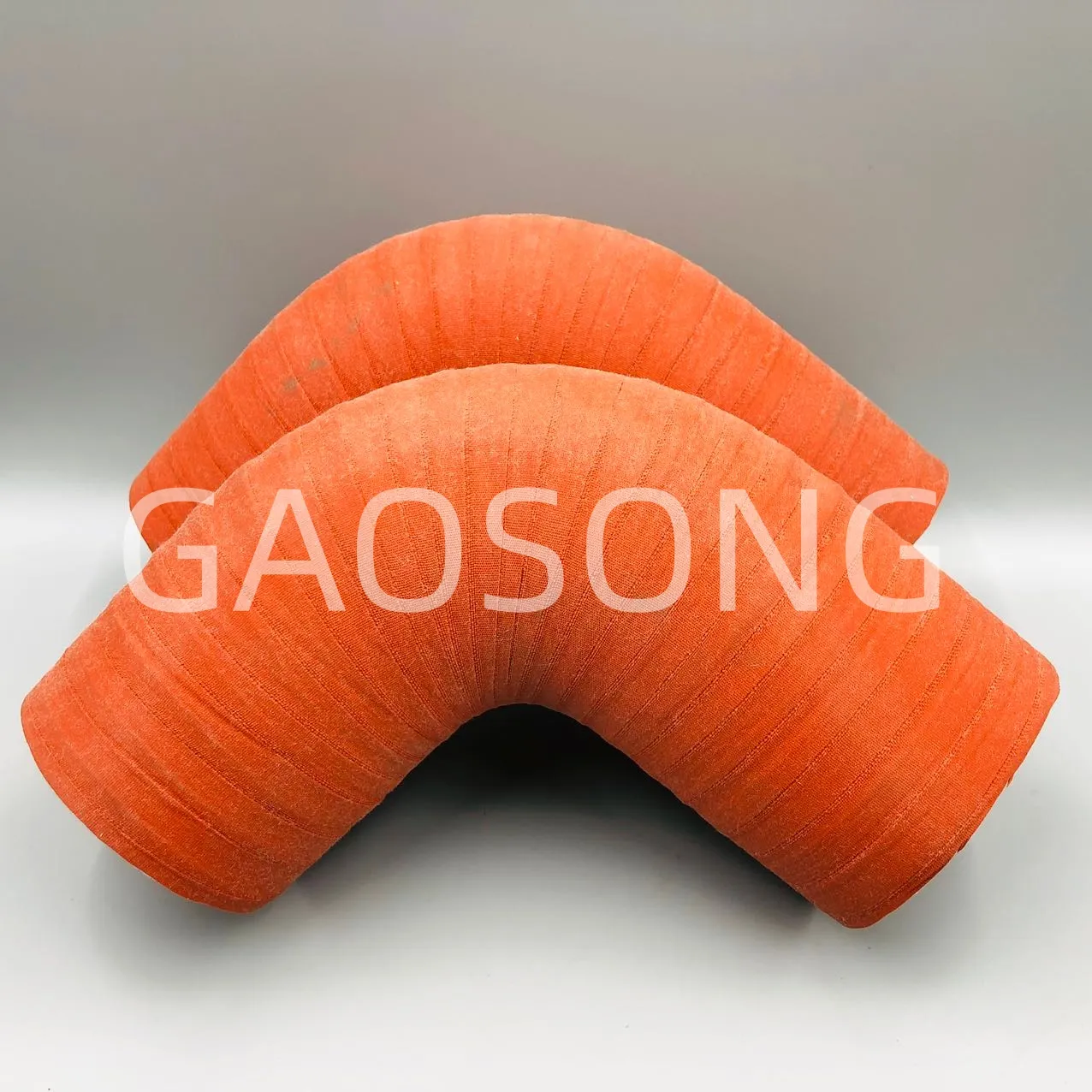 6743-11-4931 Komatsu HOSE
 -
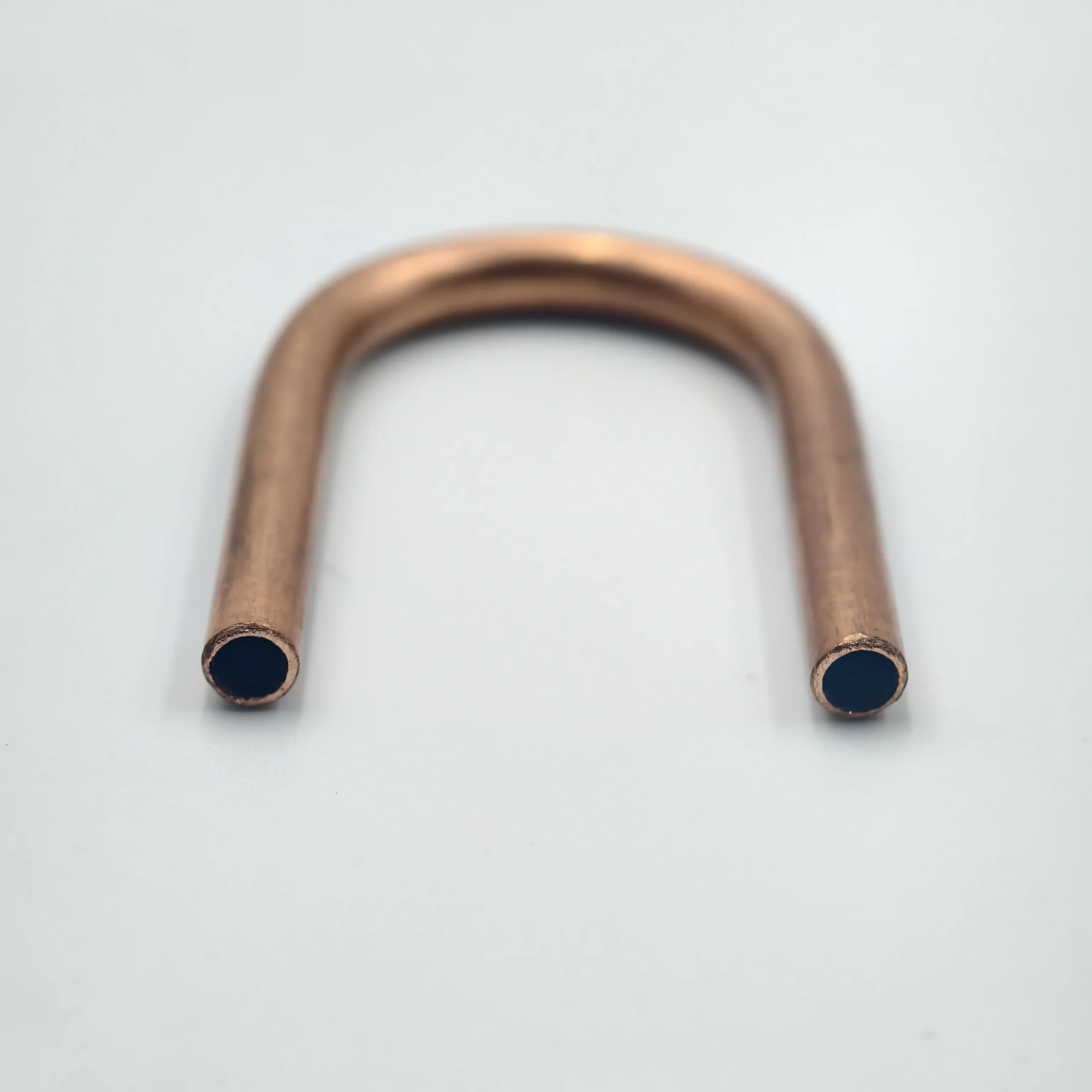 TUBE 21N-68-32360 – KOMATSU.
 -
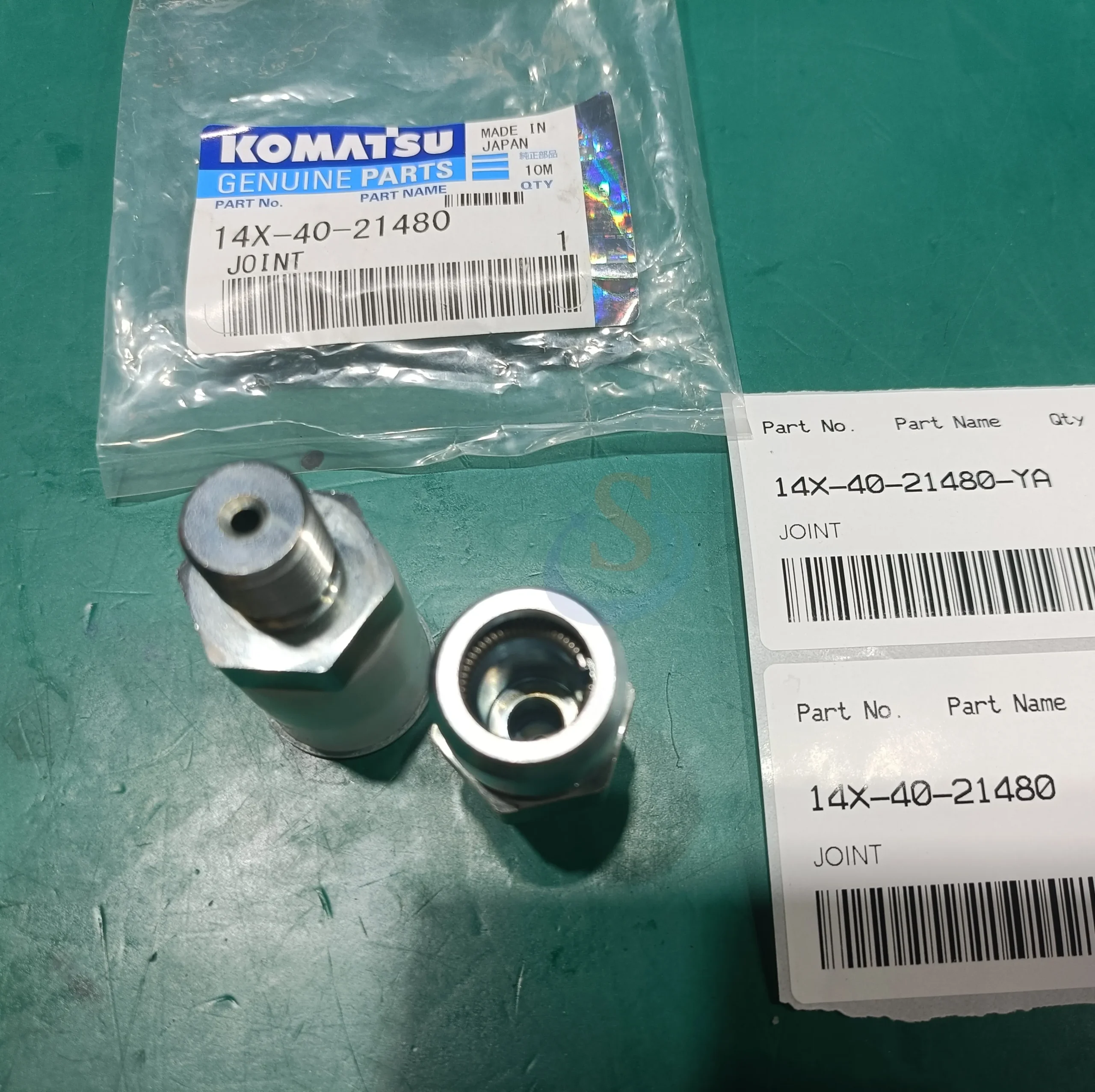 14X-40-21480,JOINT,D65P,D85E,D65E
 -
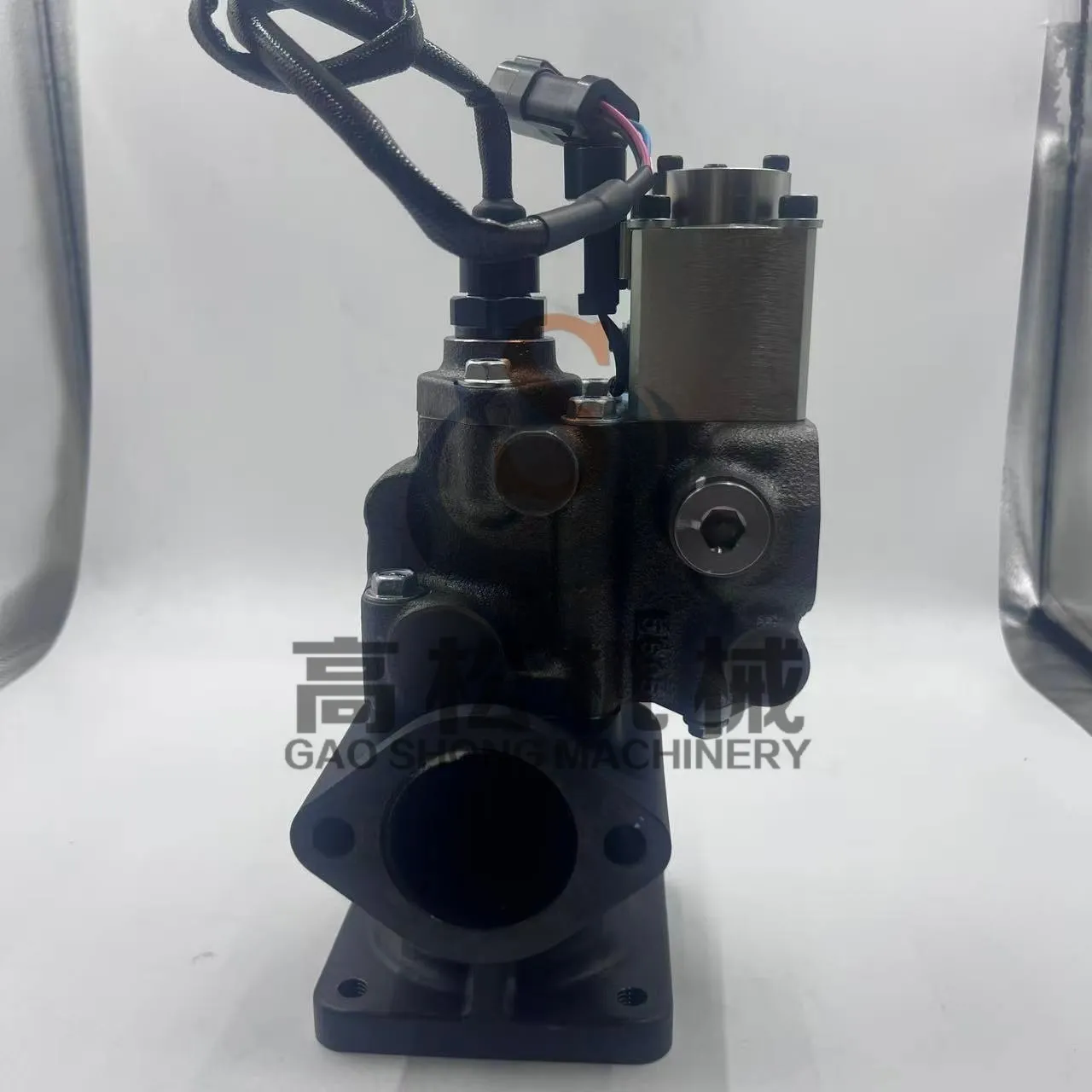 6261-41-9500 Komatsu Valve Assembly
 -
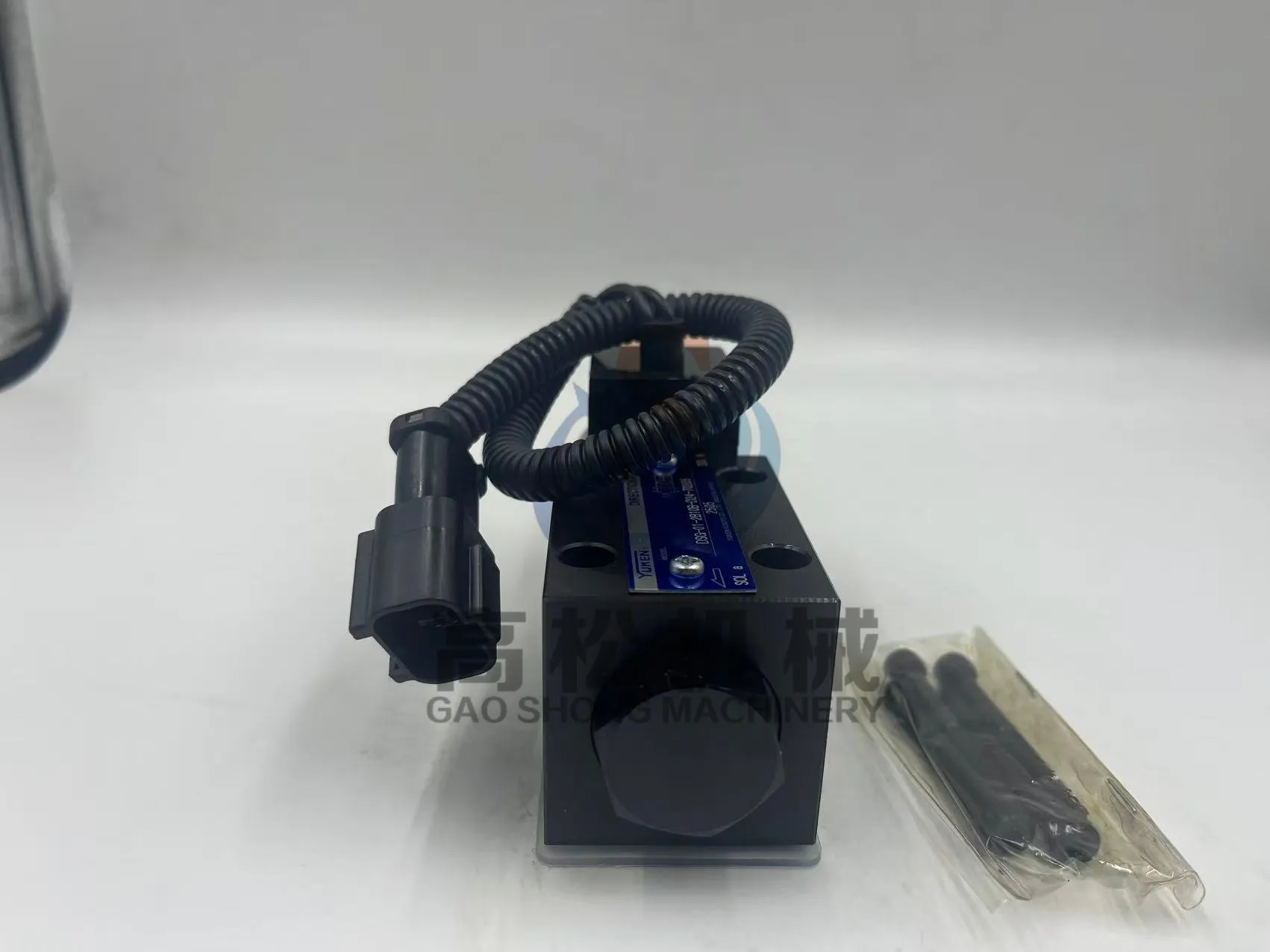 VALVE ASS’Y 23W-60-28230 – KOMATSU
 -
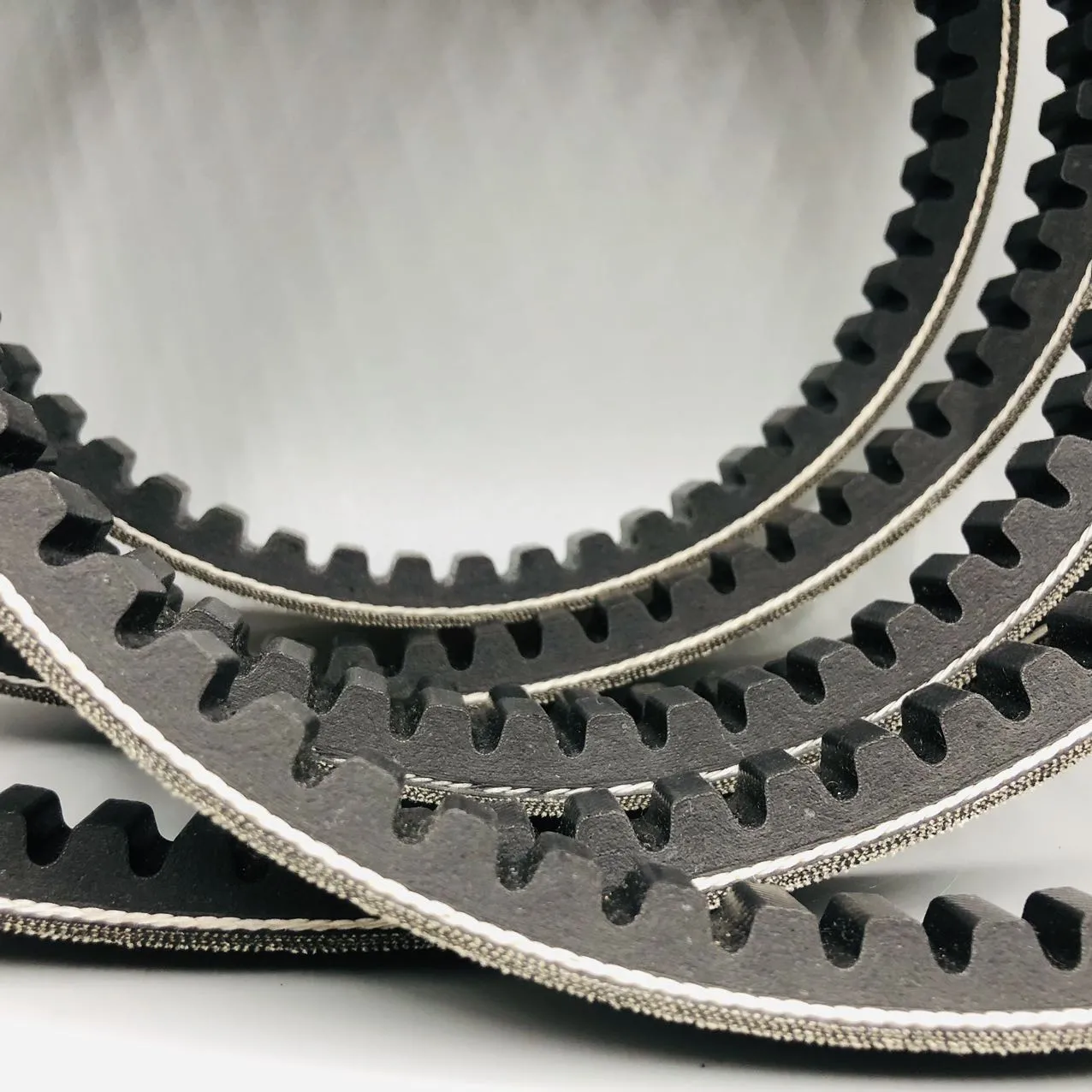 Komatsu mechanical belt6219-61-3420
 -
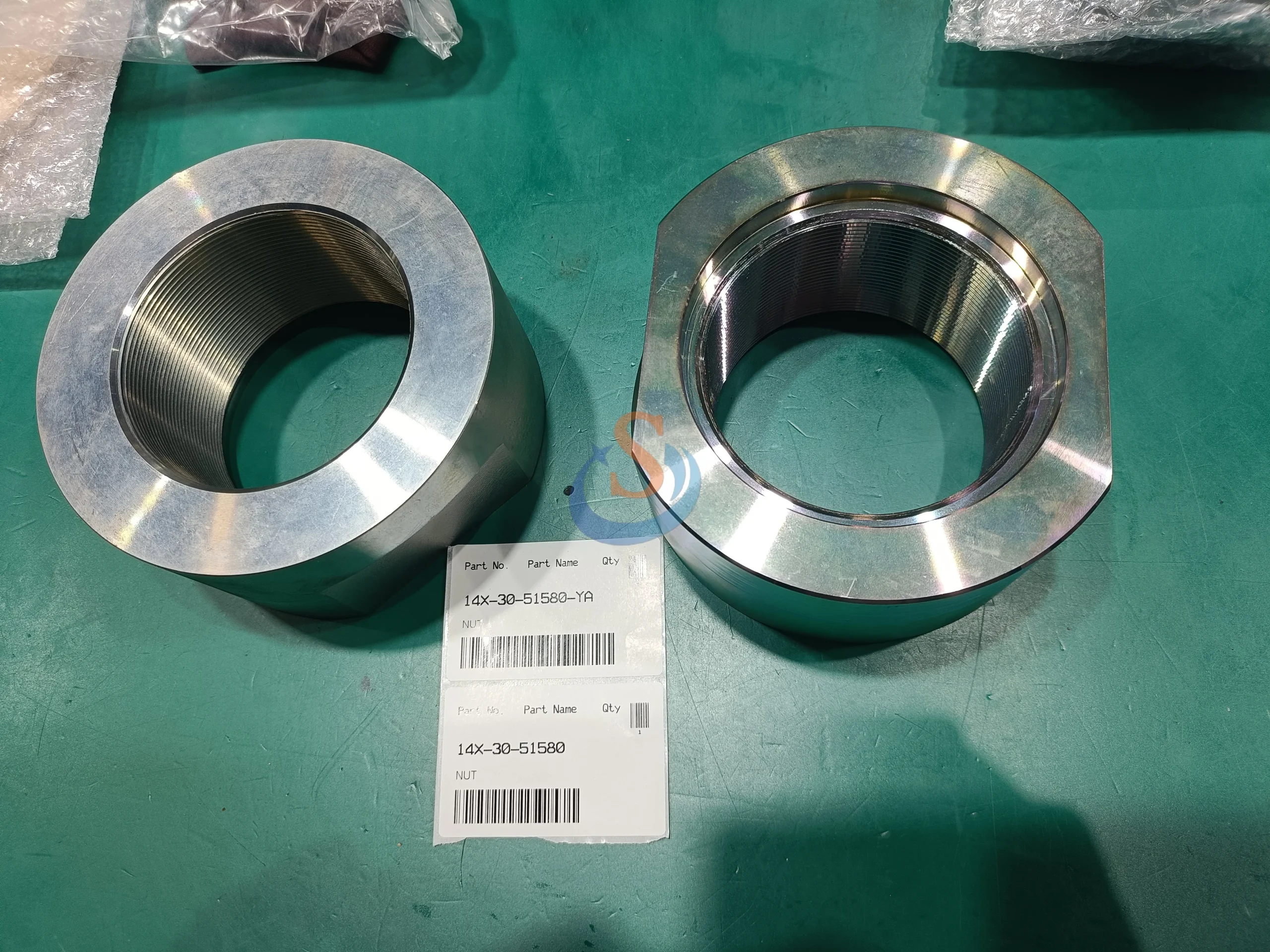 14X-30-51580,NUT,D65EX,D65PX,D65WX
 -
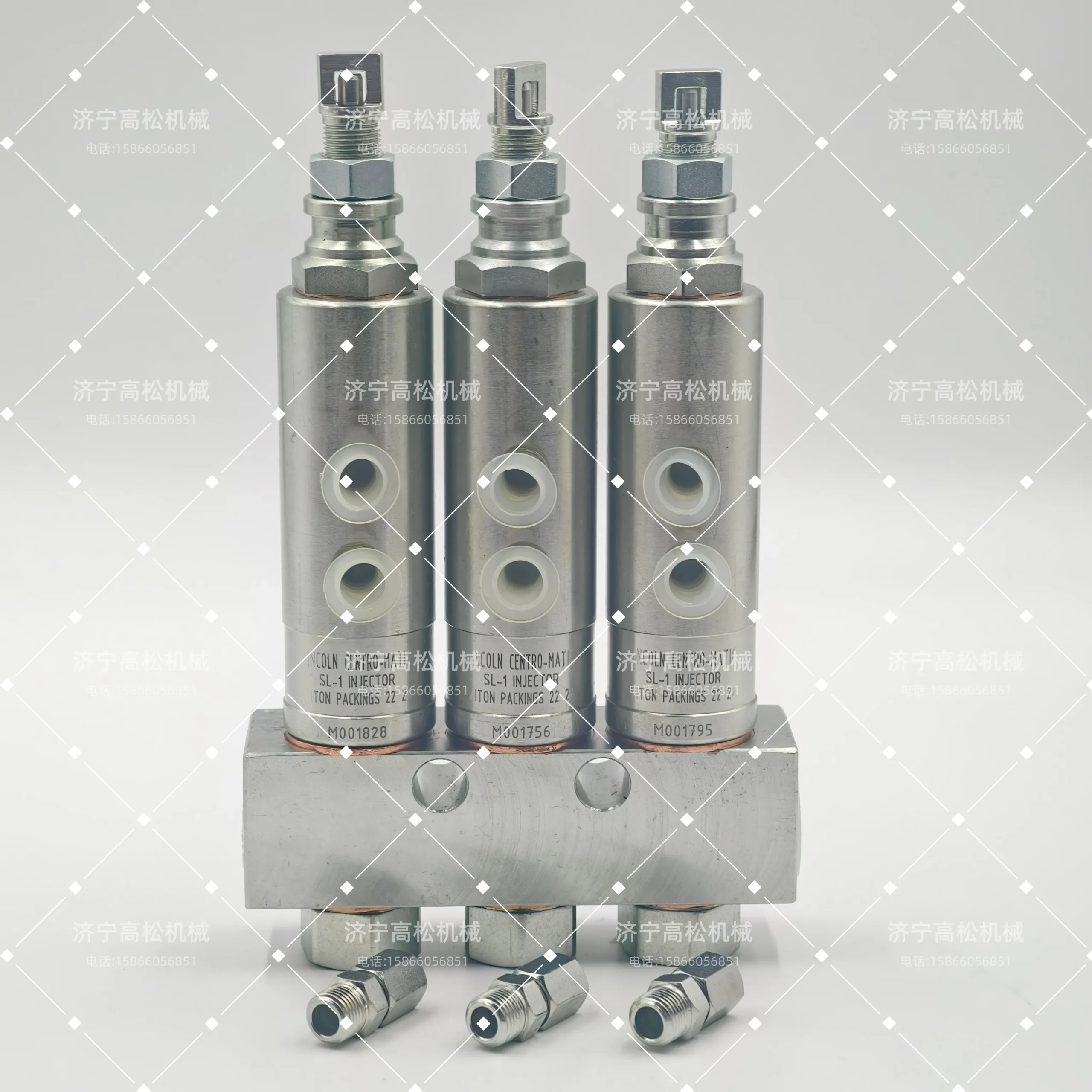 Ekskavatör PC1250-7 PC1250-8 enjektör 581-96-19520…