
- Chinese
- French
- German
- Portuguese
- Spanish
- Russian
- Japanese
- Korean
- Arabic
- Irish
- Greek
- Turkish
- Italian
- Danish
- Romanian
- Indonesian
- Czech
- Afrikaans
- Swedish
- Polish
- Basque
- Catalan
- Esperanto
- Hindi
- Lao
- Albanian
- Amharic
- Armenian
- Azerbaijani
- Belarusian
- Bengali
- Bosnian
- Bulgarian
- Cebuano
- Chichewa
- Corsican
- Croatian
- Dutch
- Estonian
- Filipino
- Finnish
- Frisian
- Galician
- Georgian
- Gujarati
- Haitian
- Hausa
- Hawaiian
- Hebrew
- Hmong
- Hungarian
- Icelandic
- Igbo
- Javanese
- Kannada
- Kazakh
- Khmer
- Kurdish
- Kyrgyz
- Latin
- Latvian
- Lithuanian
- Luxembou..
- Macedonian
- Malagasy
- Malay
- Malayalam
- Maltese
- Maori
- Marathi
- Mongolian
- Burmese
- Nepali
- Norwegian
- Pashto
- Persian
- Punjabi
- Serbian
- Sesotho
- Sinhala
- Slovak
- Slovenian
- Somali
- Samoan
- Scots Gaelic
- Shona
- Sindhi
- Sundanese
- Swahili
- Tajik
- Tamil
- Telugu
- Thai
- Ukrainian
- Urdu
- Uzbek
- Vietnamese
- Welsh
- Xhosa
- Yiddish
- Yoruba
- Zulu
- Kinyarwanda
- Tatar
- Oriya
- Turkmen
- Uyghur






OEM AND ORIGINAL KOMATSU JOINT 17M-71-21380
When you see a part number like 17M-71-21380 for a Komatsu joint, the immediate assumption is you're dealing with a genuine Komatsu part. That's where the first pitfall lies. In our line of work, the terms 'OEM' and 'Original' get thrown around so loosely they've almost lost meaning. I've seen countless purchase orders where buyers think they're getting the exact same part from the Komatsu factory line just because a supplier slaps 'OEM' on the description. The reality with a component like this joint—likely for an excavator or dozer linkage—is far messier and more interesting. It's a perfect case study in supply chain nuance.
The OEM Reality vs. The Aftermarket Mirage
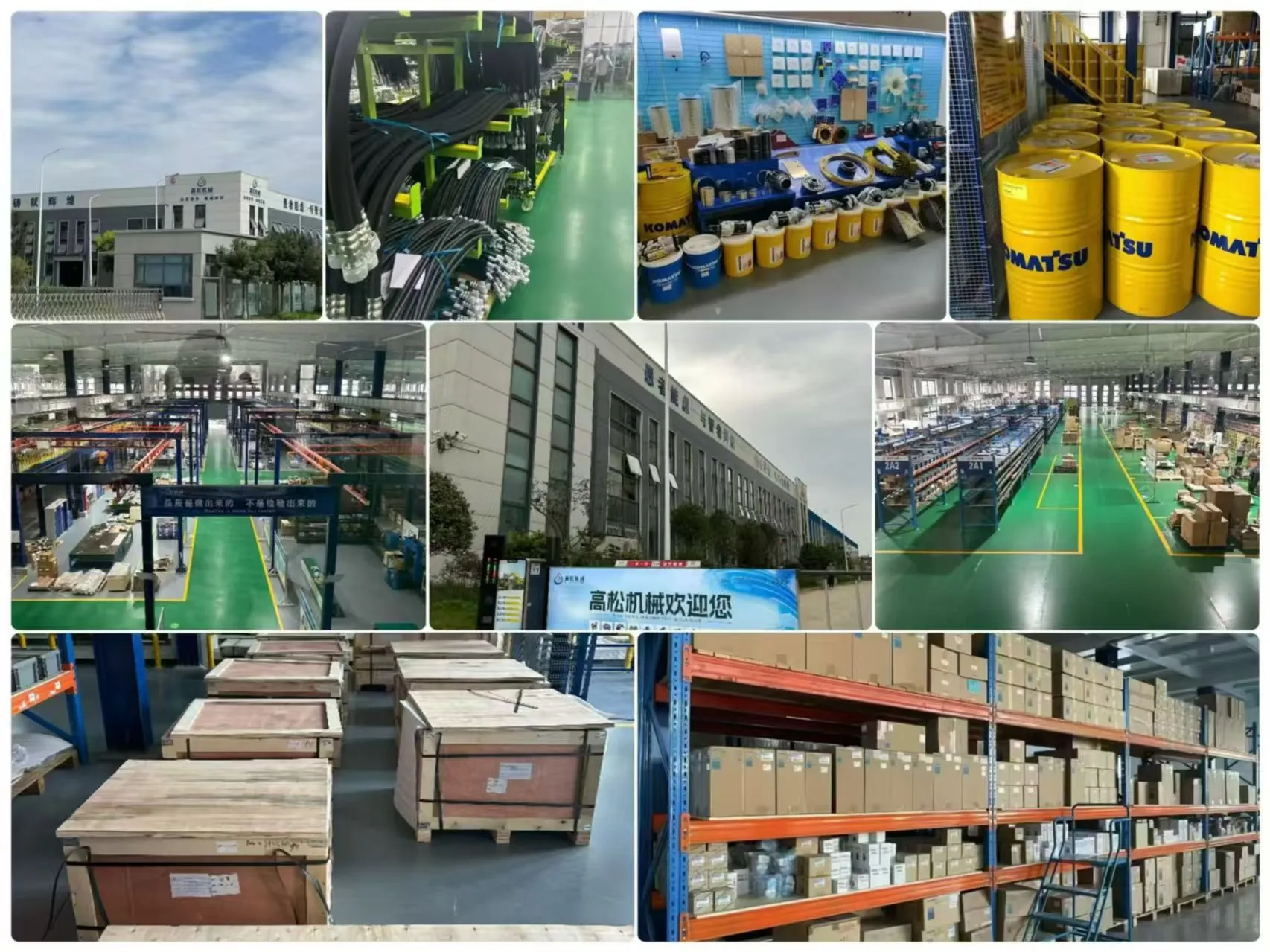
Let's break down what 'OEM within the Komatsu system' actually entails for a part like the 17M-71-21380. It doesn't mean Komatsu Ltd. in Japan is directly shipping you a box. It means the supplier, say a company like Jining Gaosong Construction Machinery Co., Ltd., is producing this joint to the exact material specs, engineering drawings, and quality protocols that Komatsu mandates. They are part of the authorized production network. The part coming off their line is functionally identical to one coming off Komatsu's own line or that of a primary first-tier supplier. The certificate of conformity and the traceability are what you're paying for.
Now, contrast that with an 'Original Komatsu' part. This is the one with the Komatsu logo on the box, distributed through the official dealer network. The irony? It might have been manufactured at the exact same facility as the 'OEM' part. The core difference is the branding, the packaging, and the distribution channel. For a maintenance manager in a remote region, the official channel might be backlogged for months. That's where the value of a direct OEM supplier becomes tangible.
I recall a project in Southeast Asia where we needed a batch of these 17M-71-21380 joints for a fleet of PC300s. The local Komatsu dealer quoted a 12-week lead time. We turned to a known OEM supplier. The parts arrived in 3 weeks, with full documentation. We cross-checked the hardness, the metallurgy, and the dimensional tolerances against the manual. They were spot on. The machine downtime saved was enormous. This is the practical reality that Takematsu Machinery addresses—solving supply challenges by providing that direct OEM link.
Why the 17M-71-21380 is a Litmus Test
Joints and pins are the consumables of the earthmoving world. They take the brute force, the shock loads, the constant abrasion. A part like the 17M-71-21380 isn't a fancy electronic control module; it's a piece of forged and machined metal. That simplicity is deceptive. It's precisely why it's a litmus test for supplier credibility. Any workshop can claim to make a 'replacement' joint. The difference is in the details: the grade of alloy steel, the precision of the heat treatment, the quality of the induction hardening on the bearing surfaces, and the finish of the grease channels.
A bad aftermarket copy will fail in predictable ways. It might not be the catastrophic failure you imagine. More often, it's premature wear. You'll see abnormal clearance develop after just a few hundred hours, leading to knock, which then accelerates wear on the bushings and the entire linkage assembly. Suddenly, your 'cheaper' part has cost you the joint, the bushing, and 40 hours of labor to re-pin the entire arm. The total cost dwarfs the premium for a proper OEM-spec part.
We learned this the hard way years ago. Trying to cut costs, we sourced a 'high-quality' alternative to the Komatsu joint 17M-71-21380 from a non-vetted supplier. The parts looked fine visually. They installed without issue. But within 350 operating hours, we had excessive play. Upon disassembly, we found the hardened layer was too shallow and had spalled off. The supplier's paperwork was vague. That experience cemented the rule: for high-stress, high-wear mechanical components, you either go verified OEM or you gamble with your machine's uptime.
Deciphering Supplier Claims and Documentation
This is where the professional discernment comes in. When a company like Jining Gaosong states they are an OEM product supplier within the Komatsu system, the key is verification. It's not about taking their word for it. It's about what they can provide. Can they show a quality management system certification that aligns with Komatsu's? For a specific batch of 17M-71-21380 joints, can they provide material test reports (MTRs) showing the chemical composition meets SCM440 or equivalent? Can they provide the heat treatment charts?
The website takematsumachinery.com positions them as a bridge. They're not just a reseller; they're part of the production ecosystem acting as a third-party sales channel. This model is crucial for markets where Komatsu's official distribution is thin or slow. Their value proposition is access to the OEM-quality pipeline without the official branding markup and logistical bottlenecks. For a fleet manager, this is a viable and often necessary path.
When evaluating, I don't just ask for a certificate. I ask for the specific test parameters for the part. For a joint, what was the surface hardness achieved (in HRC) after induction hardening? What was the core hardness? This level of detail separates a true technical partner from a parts broker. A broker will stumble or give generic answers. An integrated supplier, which an OEM-system company should be, will have this data or can get it from their production floor promptly.
The Logistics and Provenance Puzzle
Even with a verified OEM part, the journey isn't over. Provenance and logistics are half the battle. A part marked OEM AND ORIGINAL KOMATSU JOINT 17M-71-21380 needs a clean paper trail from the foundry to your warehouse. In certain countries, the challenge isn't just availability; it's customs, tariffs, and the risk of counterfeit infiltration in the shipping chain. This is the parts supply challenges mentioned in the company's description. An effective supplier manages this pipeline.
I've dealt with shipments where the documentation was unclear, leading to customs holds. The parts were genuine, but the paperwork didn't meticulously mirror the commercial invoice and the packing list. A single discrepancy in the part number description can cause a week's delay. A professional supplier understands this and ensures the documentation package is bulletproof, with clear harmonized system codes, accurate weights, and precise descriptions.
Furthermore, their role as a third-party sales company means they often consolidate orders. Instead of air-freighting a single joint at astronomical cost, they can consolidate with other orders for a region, making sea freight viable. This requires planning and local presence—things a simple online parts store can't offer. It turns a transaction into a supply chain solution.
Final Judgment: A Matter of Total Cost
So, circling back to the 17M-71-21380. The choice between an OEM-system part and an 'original' boxed part is rarely about technical performance if both sources are legitimate. It becomes a calculation of total cost: part cost + shipping cost + downtime cost + risk cost. In many scenarios, especially outside major industrial hubs, the OEM route via a specialized supplier provides the optimal balance.
The industry is moving this way. The rigid, purely brand-controlled distribution model is inefficient for global operations. Authorized OEM production with flexible sales channels, as exemplified by companies operating in this space, is the pragmatic response. It ensures machine availability without compromising on the core quality that prevents catastrophic downtime.
My take? Always specify by the exact part number. Demand technical documentation, not just a certificate. Vet the supplier on their ability to discuss the manufacturing details of the part, not just its price and availability. For workhorse components like the Komatsu 17M-71-21380 joint, that's the only way to sleep soundly. The right supplier doesn't just sell you a piece of metal; they sell you confidence in your machine's next thousand hours of operation.
Related Products
Related Products

Best Selling Products
Best Selling Products-
 6240-61-2120 Cover for Engine SAA6D170E-3F-8 Parts – Komatsu
 -
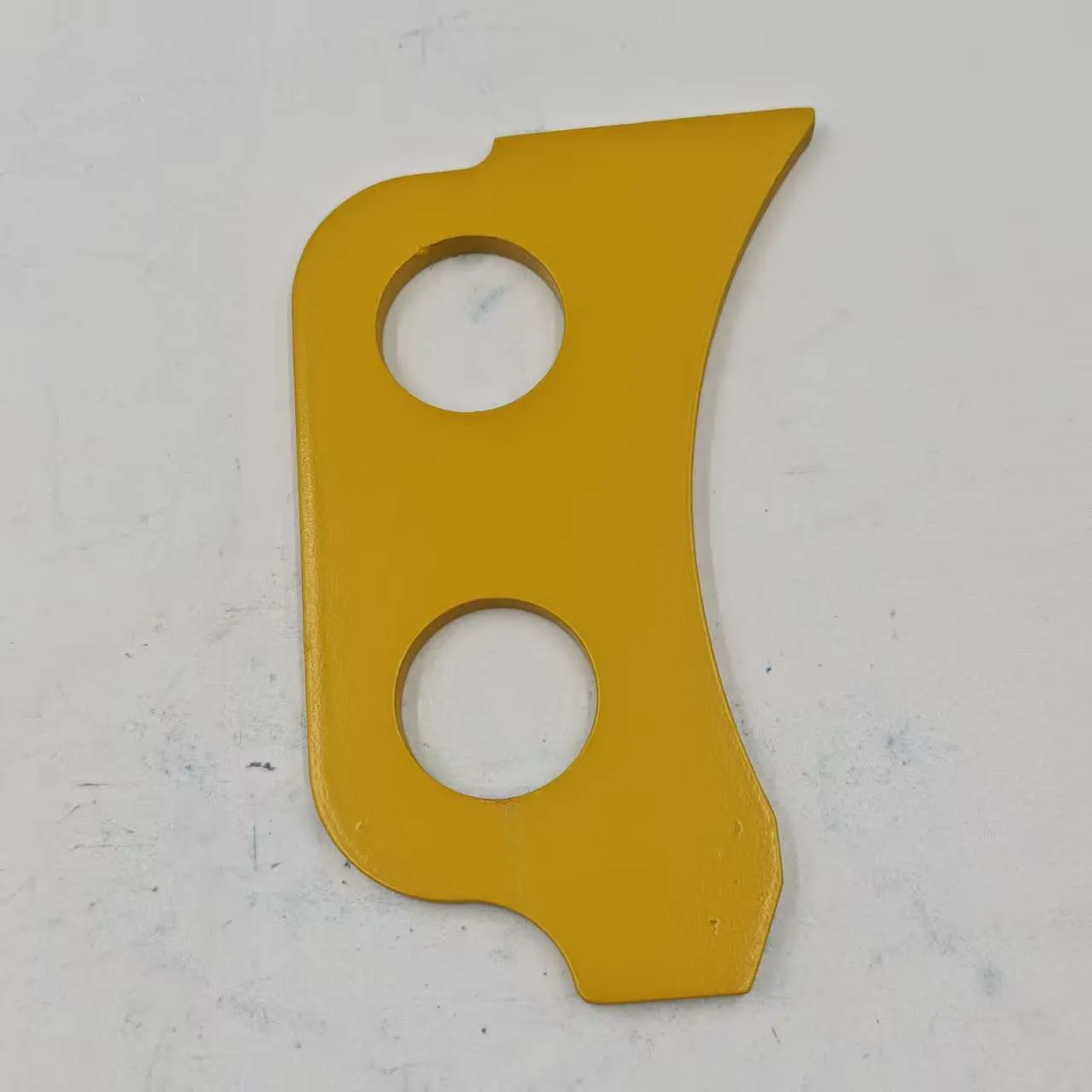 PLATE 195-71-74260 KOMATSU
 -
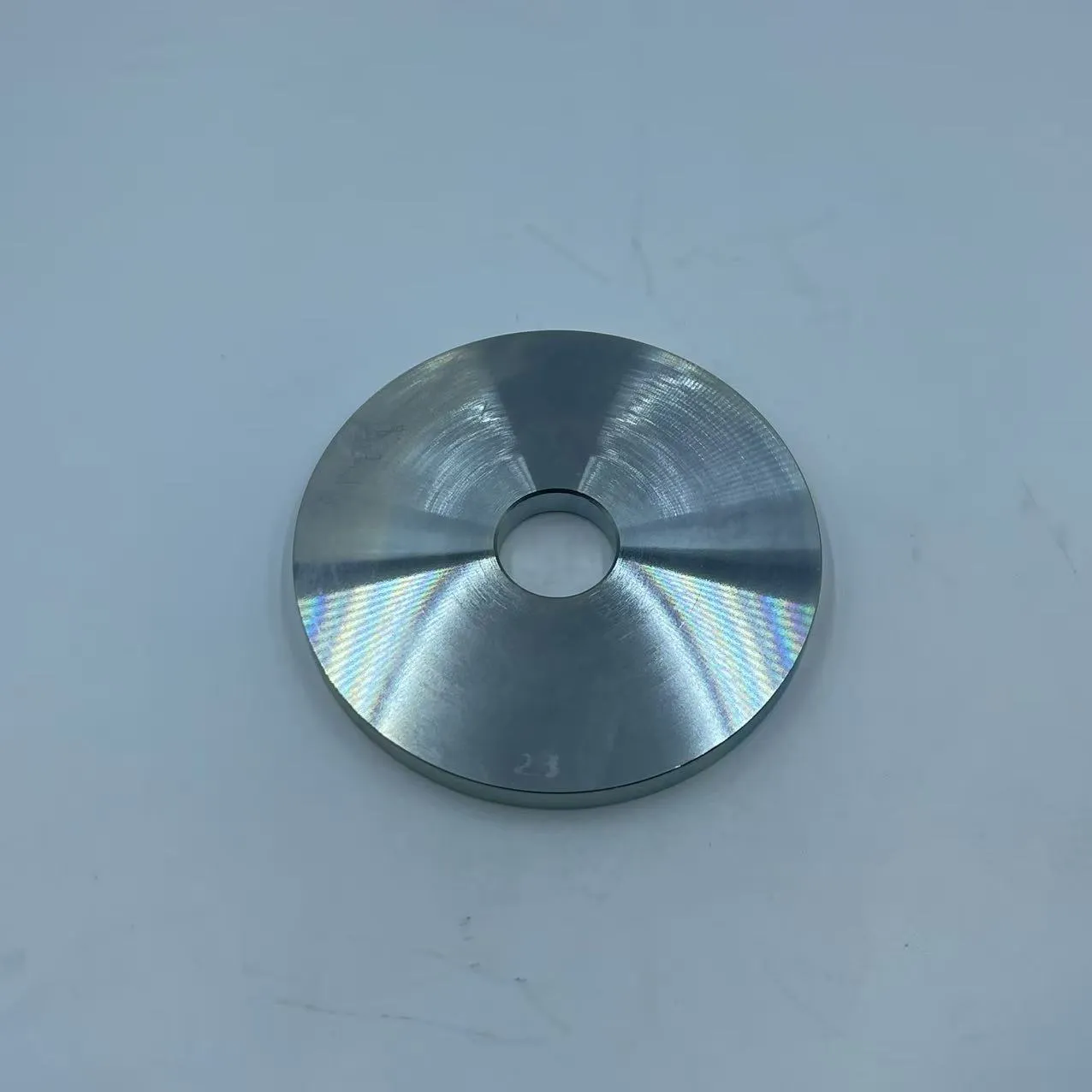 PLATE – 195-04-42170
 -
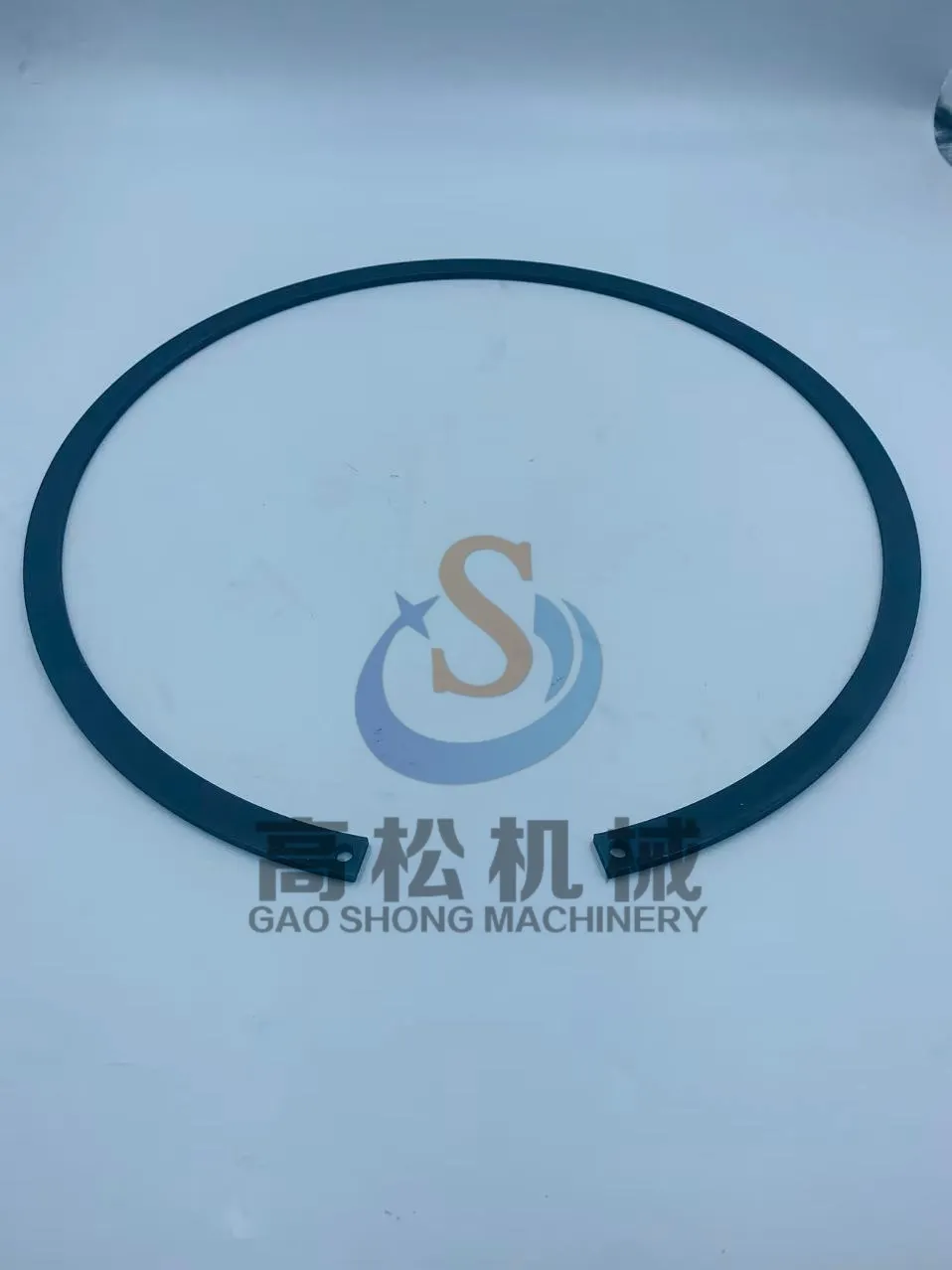 SNAP RING – 21T-26-11270
 -
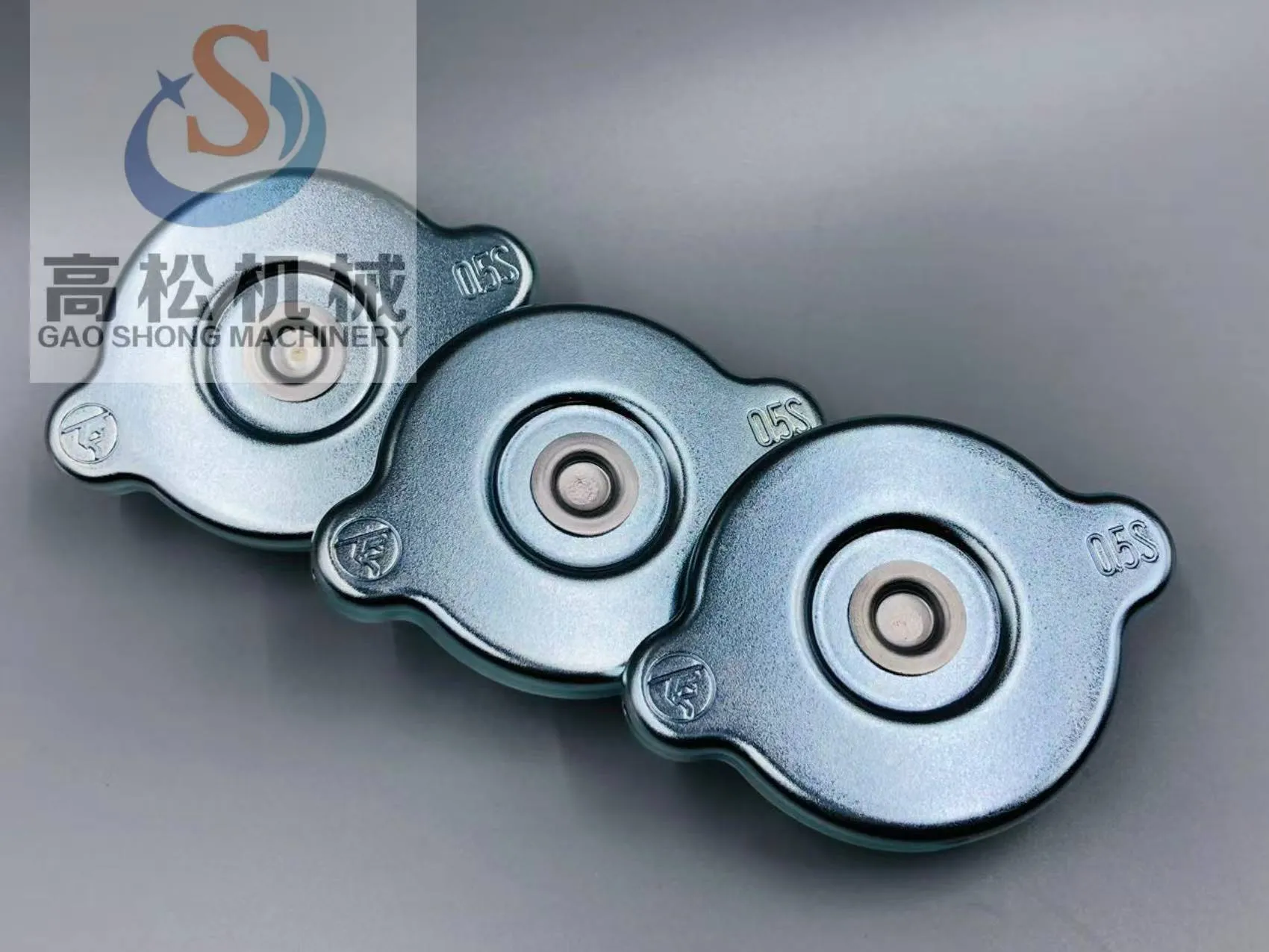 Cap of excavator radiator 20y-03-22110 for pc200-8 pc200-7
 -
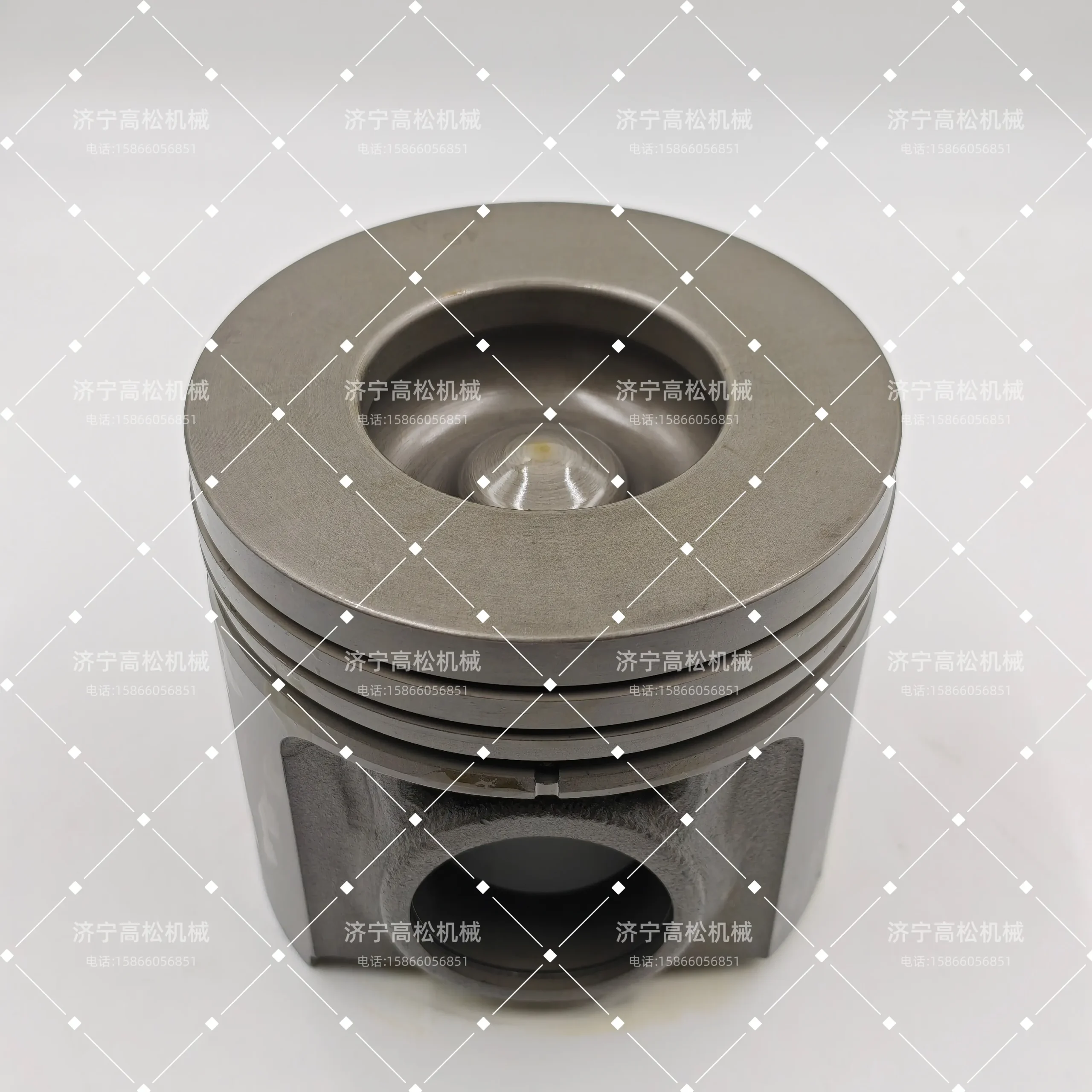 6152-32-2510 Piston for.
 -
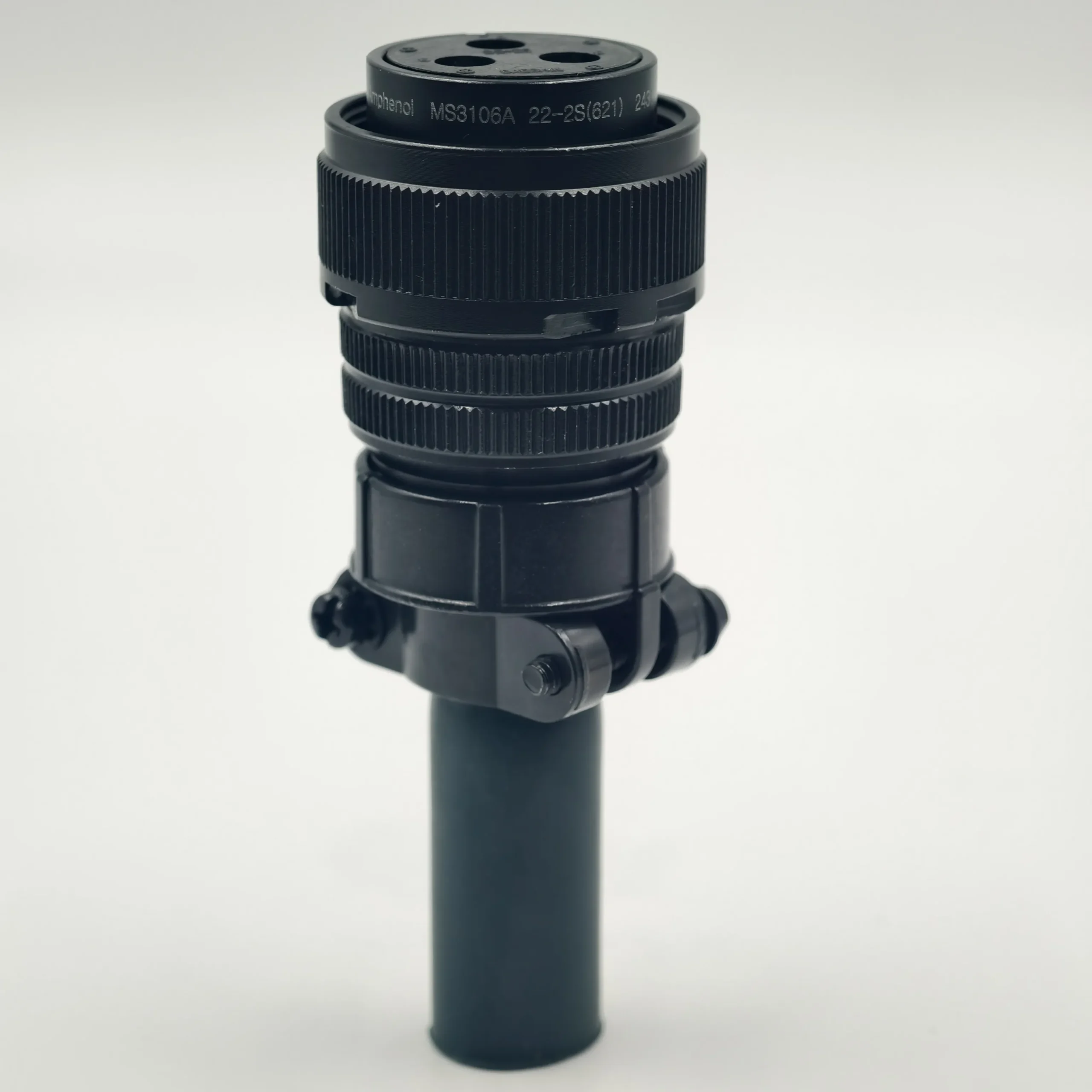 175-06-37871 PLUG(WITH HEATER) (Komatsu)
 -
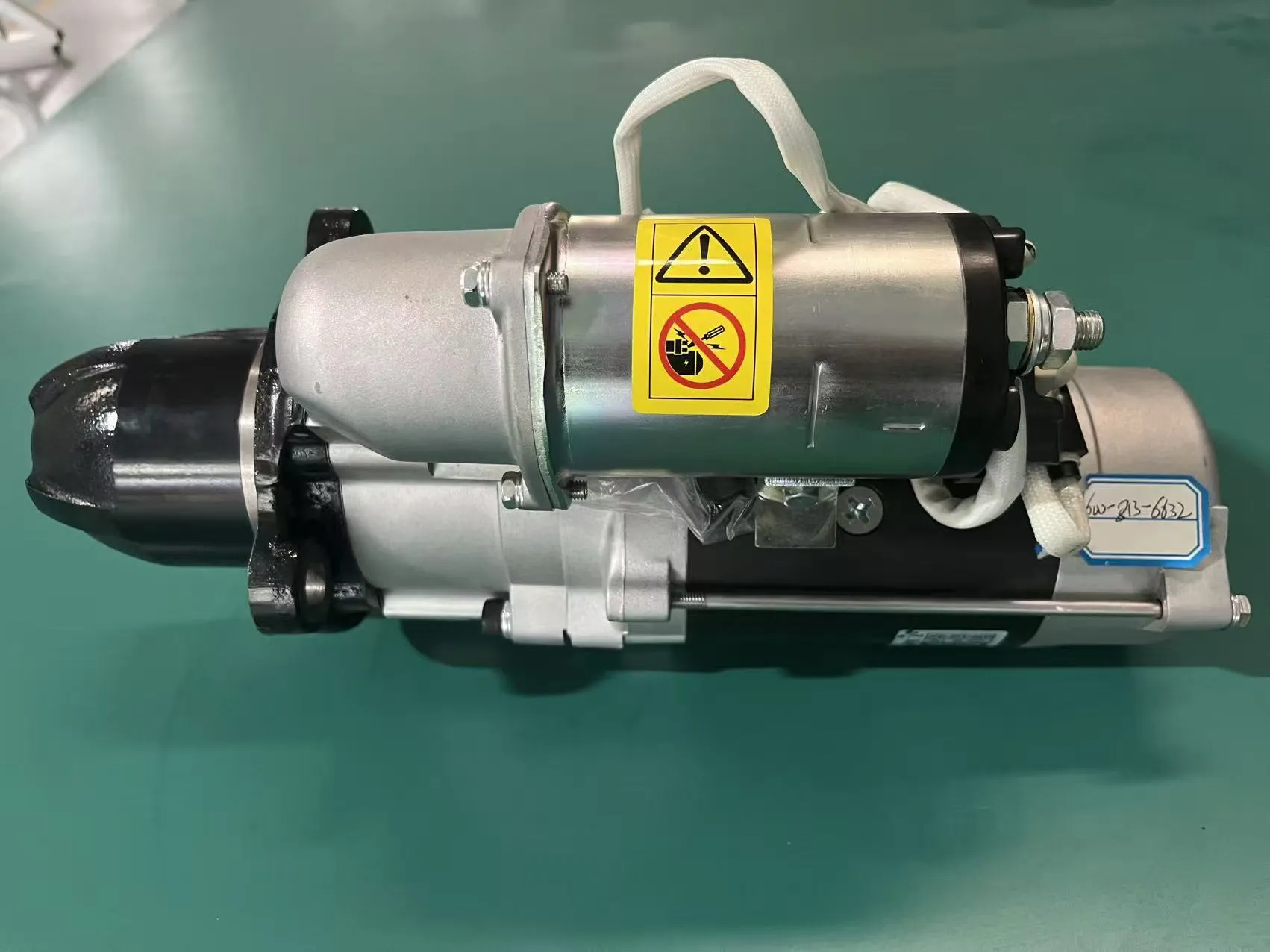 High Quality Excavator Spare Parts 600-813-6632 PC400-8 Start…
 -
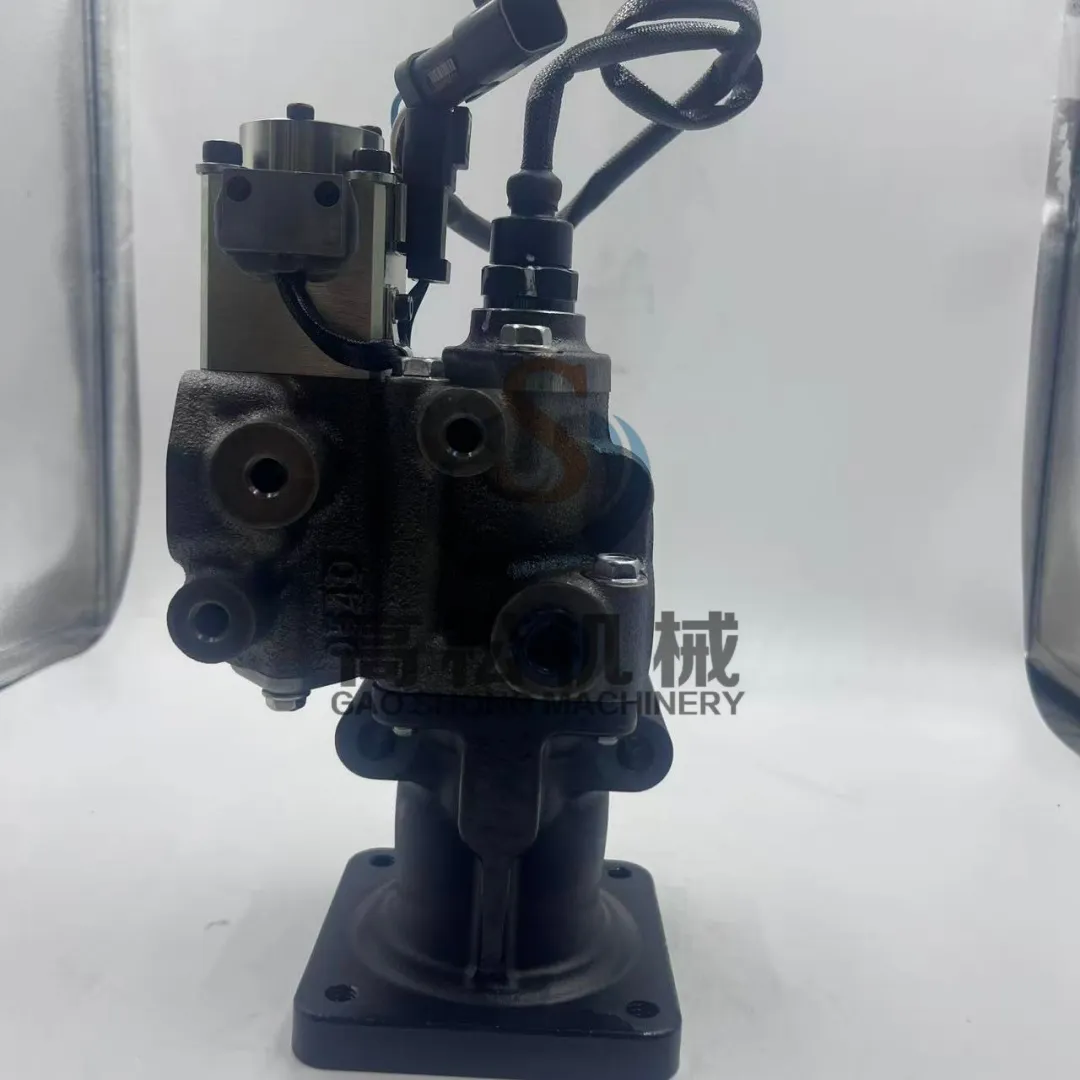 6261-41-9500 Komatsu Valve Assembly
 -
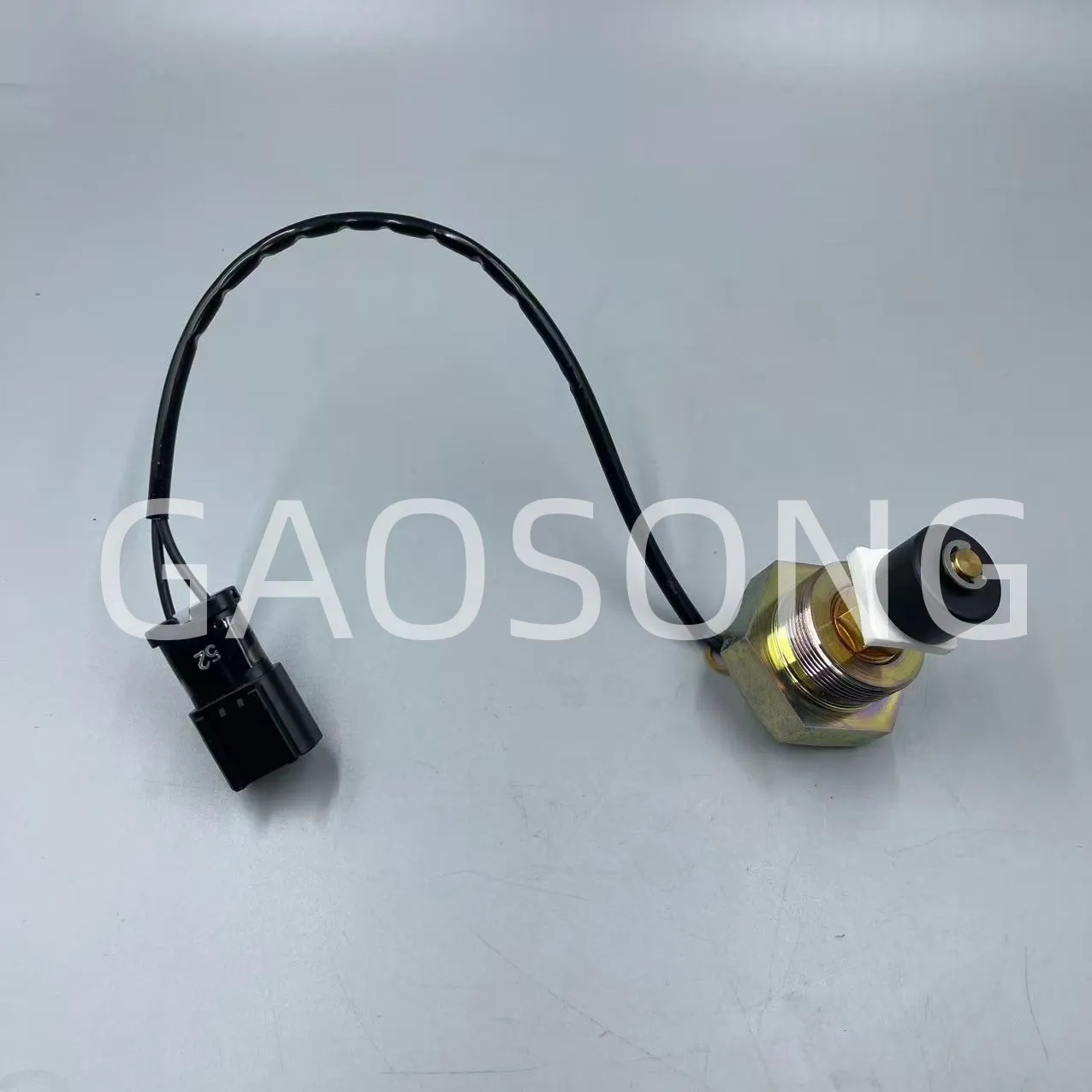 7861-92-4500 SENSOR,HYDRAULIC OIL LEVEL
 -
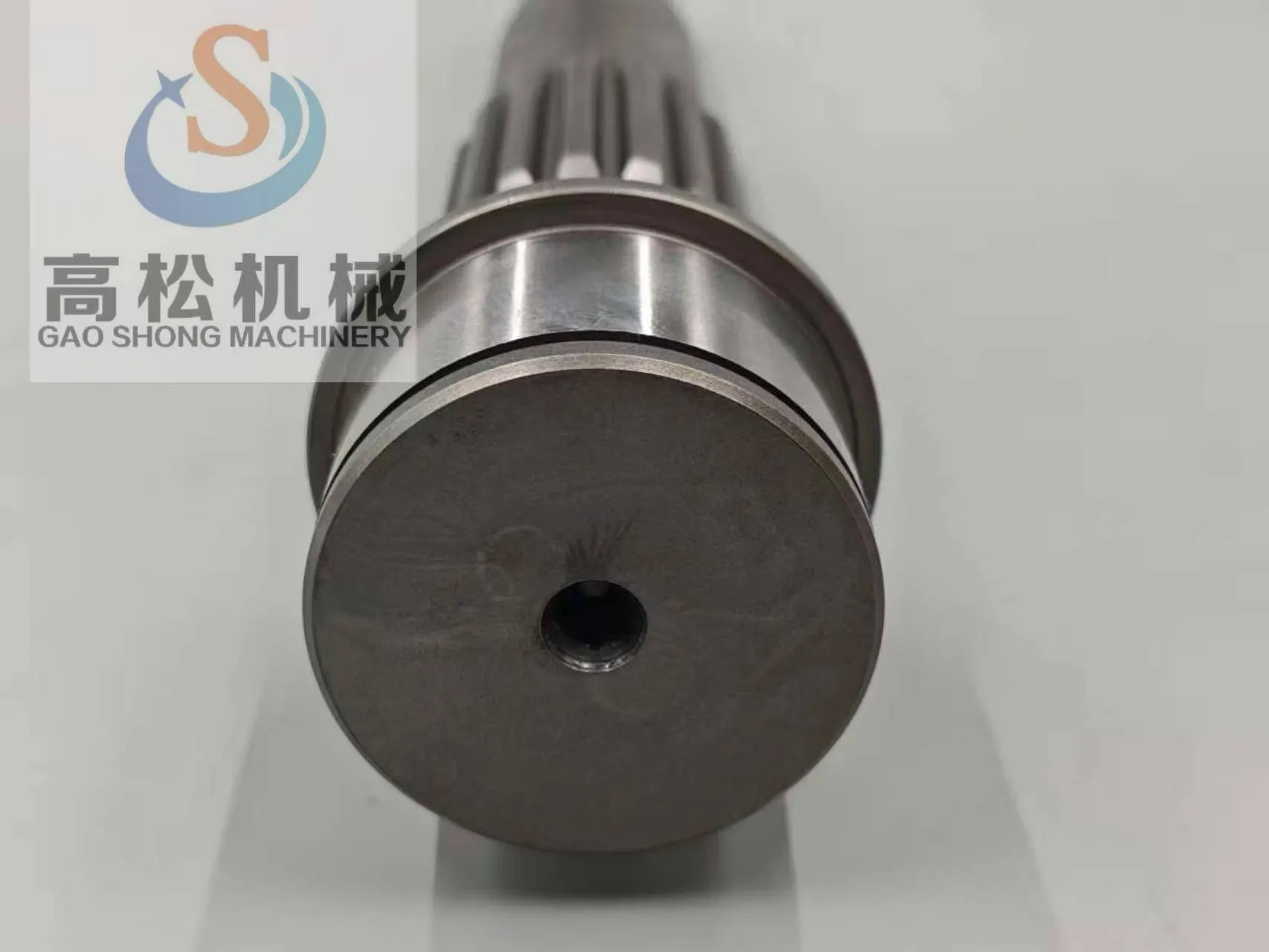 Hydraulic pump original parts 708-2g-12121 708-2g-04153 708-2g-04151 708-2g-03710 708-2g-03910 for pc300-7 excavator
 -
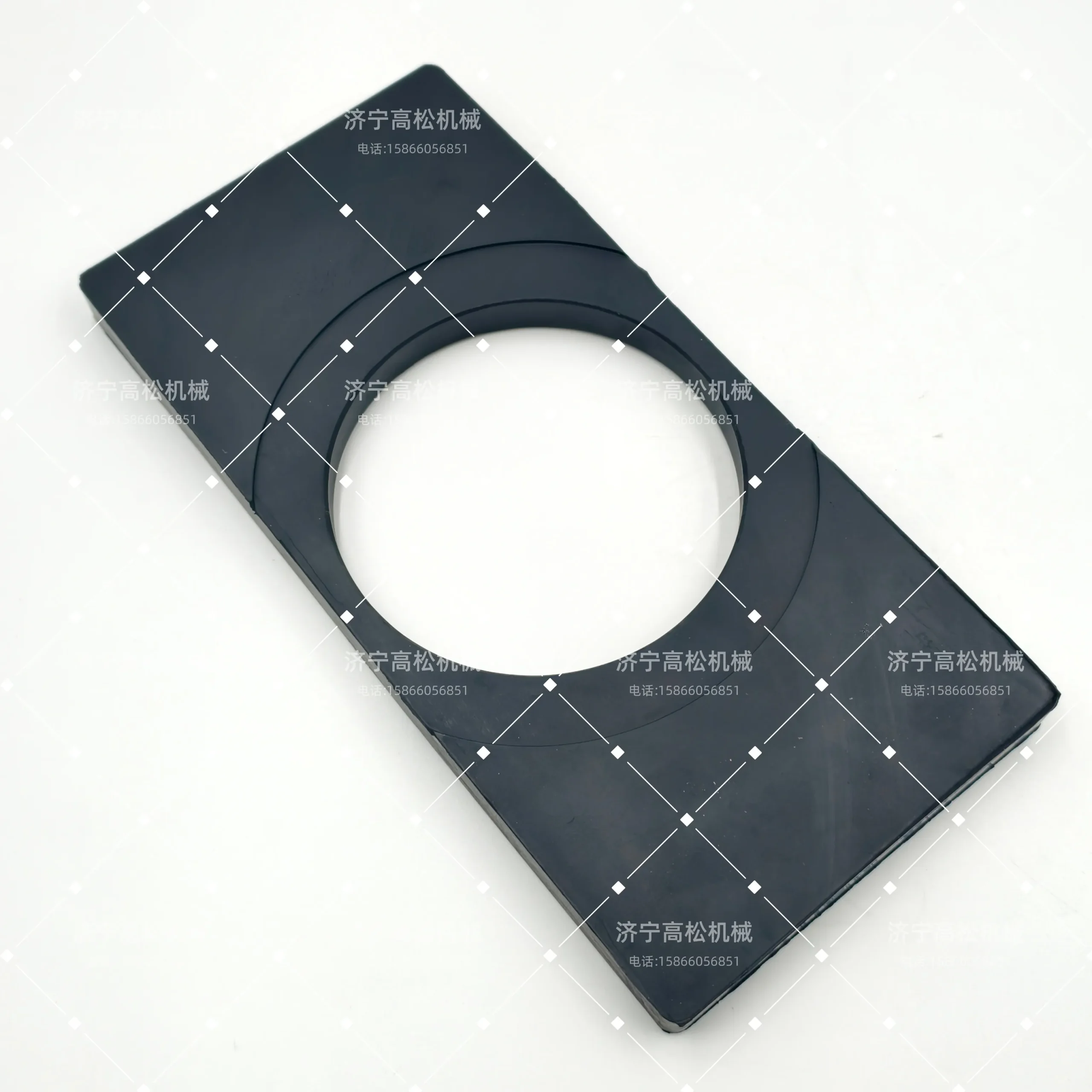 561-03-81550 High Quality Parts For Komatsu Hd465/hd785, High…