
- Chinese
- French
- German
- Portuguese
- Spanish
- Russian
- Japanese
- Korean
- Arabic
- Irish
- Greek
- Turkish
- Italian
- Danish
- Romanian
- Indonesian
- Czech
- Afrikaans
- Swedish
- Polish
- Basque
- Catalan
- Esperanto
- Hindi
- Lao
- Albanian
- Amharic
- Armenian
- Azerbaijani
- Belarusian
- Bengali
- Bosnian
- Bulgarian
- Cebuano
- Chichewa
- Corsican
- Croatian
- Dutch
- Estonian
- Filipino
- Finnish
- Frisian
- Galician
- Georgian
- Gujarati
- Haitian
- Hausa
- Hawaiian
- Hebrew
- Hmong
- Hungarian
- Icelandic
- Igbo
- Javanese
- Kannada
- Kazakh
- Khmer
- Kurdish
- Kyrgyz
- Latin
- Latvian
- Lithuanian
- Luxembou..
- Macedonian
- Malagasy
- Malay
- Malayalam
- Maltese
- Maori
- Marathi
- Mongolian
- Burmese
- Nepali
- Norwegian
- Pashto
- Persian
- Punjabi
- Serbian
- Sesotho
- Sinhala
- Slovak
- Slovenian
- Somali
- Samoan
- Scots Gaelic
- Shona
- Sindhi
- Sundanese
- Swahili
- Tajik
- Tamil
- Telugu
- Thai
- Ukrainian
- Urdu
- Uzbek
- Vietnamese
- Welsh
- Xhosa
- Yiddish
- Yoruba
- Zulu
- Kinyarwanda
- Tatar
- Oriya
- Turkmen
- Uyghur






OEM AND ORIGINAL KOMATSU JOINT 175-71-21261
Let's cut right to it. When you see a part number like OEM AND ORIGINAL KOMATSU JOINT listed, especially with both OEM and ORIGINAL slapped on it, your first thought might be that it's a guaranteed, direct-from-Komatsu factory piece. In my experience, that's where the confusion, and often the trouble, starts. The market is flooded with claims, and that specific phrasing is a battleground. Is it a genuine Komatsu part from their production line, or is it an OEM-grade part made by a supplier within Komatsu's system to the same blueprint? The difference isn't just semantic; it's about traceability, liability, and sometimes, machine uptime. I've seen too many guys order what they think is the original only to get a part that fits but lacks the precise metallurgy or the correct heat treatment stamp, leading to a premature failure down the line. It forces you to look beyond the listing title and into the actual supply chain.
The Nuance Behind the Label
Komatsu's own network is vast. They have first-tier suppliers who manufacture components like pins, bushings, and joints exclusively for them. These are true OEM parts. Then there are licensed or approved manufacturers who produce to Komatsu's engineering standards—these are often called OEM-quality or aftermarket equivalents. The joint is a perfect example. It's a critical wear component in linkage systems. A true original will have specific casting marks, a consistent case-hardening depth, and packaging that traces back to a Komatsu warehouse. The OEM AND ORIGINAL tag, when used correctly by a legitimate system supplier, should mean it originates from one of Komatsu's own contracted factories, not a reverse-engineered copy. But verifying that is the real job.
This is where a company's position in the ecosystem matters. A supplier like Jining Gaosong Construction Machinery Co., Ltd. explicitly states they are an OEM product supplier within the Komatsu system. That phrasing is key. It suggests direct access to the production channels that feed Komatsu's assembly lines, not just a warehouse of aftermarket parts. For a part like the , this could mean the joint you receive is from the same batch that would go to a Komatsu factory for new machine assembly, just routed through a different sales channel. Their role as a third-party sales company also hints at the reality of parts distribution—Komatsu's official network can't cover every region with equal efficiency, creating gaps that need filling.
I recall a situation in a Southeast Asian market where the official distributor had a 12-week lead time for a similar linkage joint. The site manager was desperate. We sourced from a company with a similar profile to Gaosong, listed as an OEM system supplier. The part arrived, and upon inspection, the machining tolerances and the steel grade stamp matched the OEM spec we had on file. It worked flawlessly. However, on another occasion, a different supplier used the same OEM AND ORIGINAL language, but the part's finish was rougher, and it wore out 30% faster. The lesson? The label is a starting point, not a guarantee. You must vet the supplier's claim. Checking their website, like https://www.takematsumachinery.com, for technical documentation or explicit statements about their supply relationship is part of the drill.
Practical Vetting and Common Pitfalls
So how do you practically assess a part like this? First, forget the shiny sales copy. Ask for material certifications or test reports for the specific batch. A genuine OEM-origin part from within Komatsu's system will have traceable documentation, even if it's sold through a third-party channel. Second, look at the physical attributes. For the , the grease channel machining should be smooth, the hardening should be even (a quick check with a file on a non-critical surface can tell you a lot), and the part number should be laser-etched or stamped cleanly, not dot-peened messily.
A major pitfall is assuming all OEM parts are equal. Some are produced on the same line but maybe from a different production run with slightly different quality control oversight for the non-Komatsu-branded channel. Others are made to print but in a different factory with different raw material sourcing. The company intro for Gaosong, stating they help solve parts supply challenges in certain countries, directly addresses this gray market reality. They aren't just selling parts; they're providing an alternative supply route for regions where the official pipeline is clogged or nonexistent, presumably with parts that meet the core OEM specification.
I've made the mistake of prioritizing price and lead time over provenance once. It was for a bucket pin, not this joint, but the principle is identical. The part sheared under normal load because the core hardness was wrong. The downtime cost eclipsed any savings. Now, my process is rigid: I cross-reference the supplier's claim with their company history, request sample inspection reports, and if possible, order a single unit for a tear-down comparison with a known-good, worn-out original before committing to a bulk purchase for a fleet.
The Value of a Specialized Supplier Channel
This brings us to the value of specialized suppliers. A company that focuses on being an integrated part of the Komatsu ecosystem, rather than a general aftermarket parts dealer, tends to have deeper technical knowledge. They understand that the OEM AND ORIGINAL KOMATSU JOINT isn't just a commodity; it's a precision component with a defined duty cycle. They're more likely to be able to explain why a certain batch has a different coating or can advise on the proper installation pre-load, which drastically affects service life.
Their website is often a tell. A generic parts catalog is a red flag. A site that provides clear company background, emphasizes its systemic role, and perhaps offers technical bulletins, inspires more confidence. It shows they are invested in the niche, not just flipping parts. For mechanics and procurement managers, this relationship is more valuable than a slight price discount. It becomes a resource, not just a vendor.
In practice, when you're dealing with a critical component, this specialized channel can mean the difference between a 48-hour turnaround from a regional warehouse and a months-long wait. It's about keeping machines moving with components you can trust to at least meet the OEM design intent, if not carry the Komatsu logo on the box. The reliability comes from the supply chain integrity, not just the part itself.
Concluding Thoughts on Sourcing Strategy
Ultimately, navigating the world of OEM AND ORIGINAL parts is about risk management. For non-critical, fast-wearing items, a verified high-quality aftermarket part might be perfectly economical. But for a core component like the joint, which sees high shear and impact loads, the sourcing strategy needs to be tighter. The claim of being an OEM product supplier within the Komatsu system is a strong signal, but it must be backed by consistent product performance and transparent communication.
My approach now is layered. I maintain relationships with official distributors for warranty work and major overhauls. For urgent needs or projects in remote locations, I rely on a shortlist of vetted system suppliers who have proven their mettle. The proof is always in the field performance and the lack of callbacks. A part that lasts its expected lifespan without causing collateral damage is the only real validation.
So, when you next evaluate a source for the Komatsu joint , look past the keywords. Scrutinize the supplier's stated role in the ecosystem, demand technical evidence, and start with a small, test order. The right supplier won't shy away from this; they'll welcome it, because their value is in providing a solution that stands up to the same scrutiny as the machine it goes into. It's a practical, sometimes messy process, but it's the only way to ensure that OEM AND ORIGINAL on the screen translates to reliability in the dirt.
Related Products
Related Products

Best Selling Products
Best Selling Products-
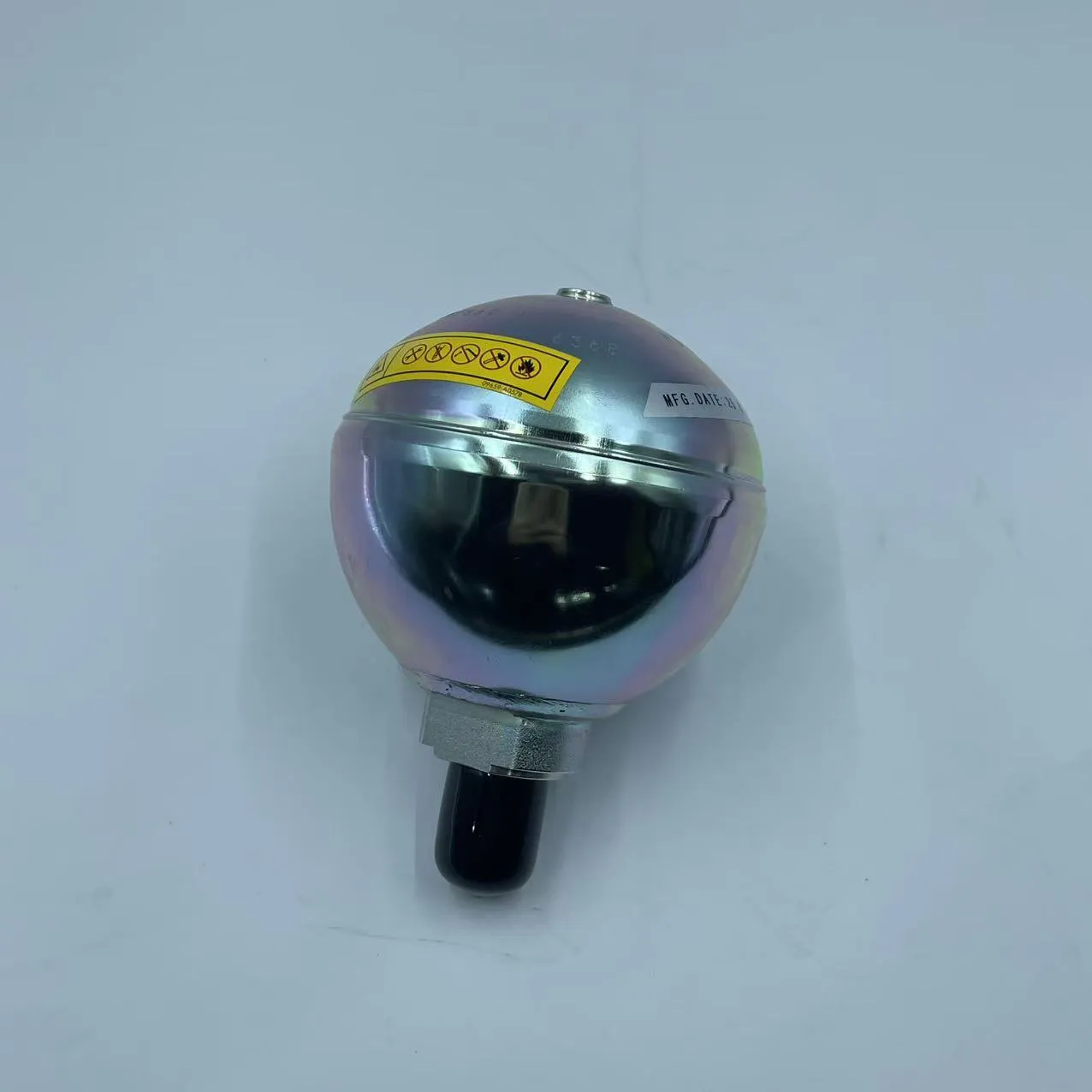 Accumulator 22U-60-21330 22U-60-21331 For Komatsu Excavator PC300-8 PC350-8 PC130-8 PC200-8 PC220LC-8
 -
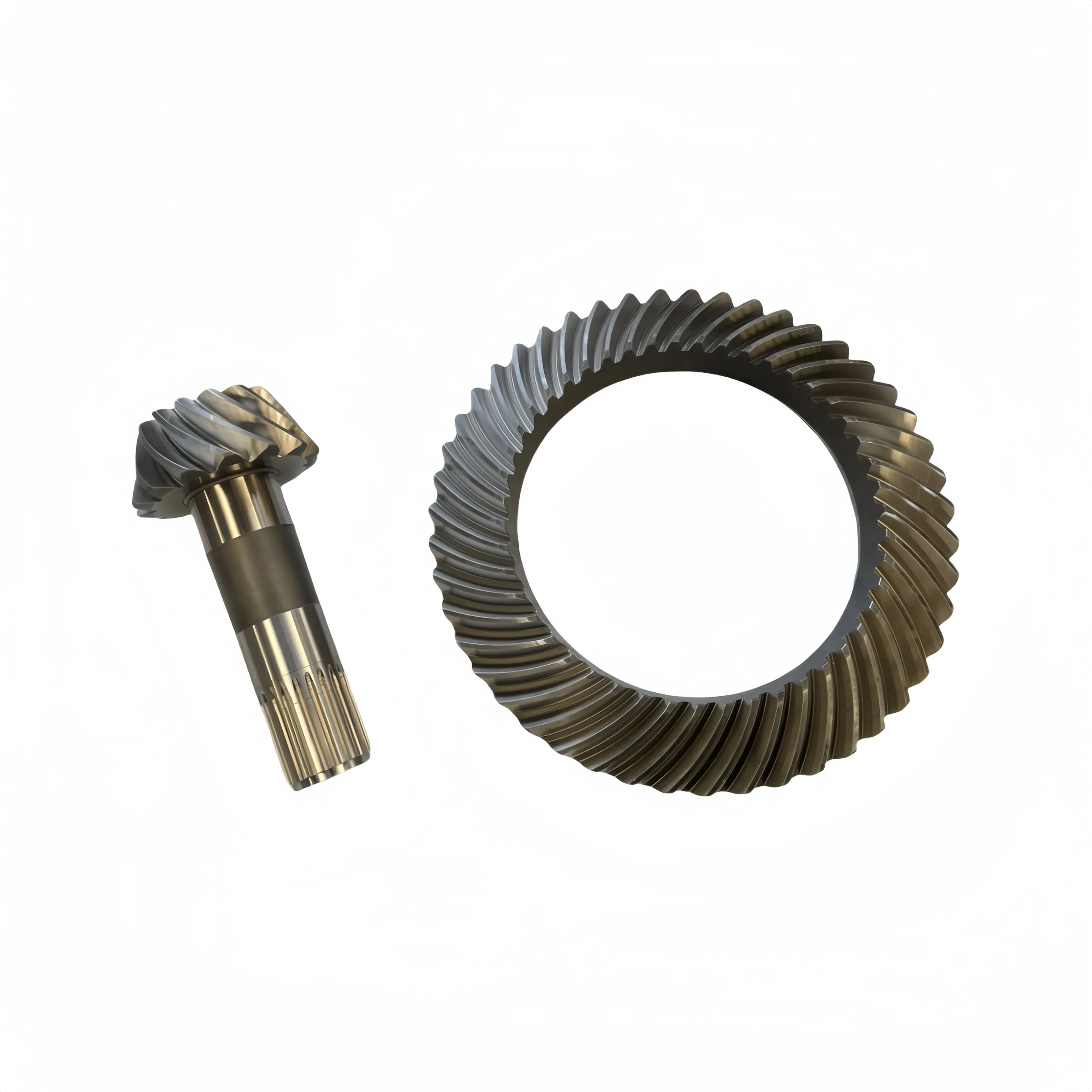 561-22-71207 Gear for komatsu HD785-7
 -
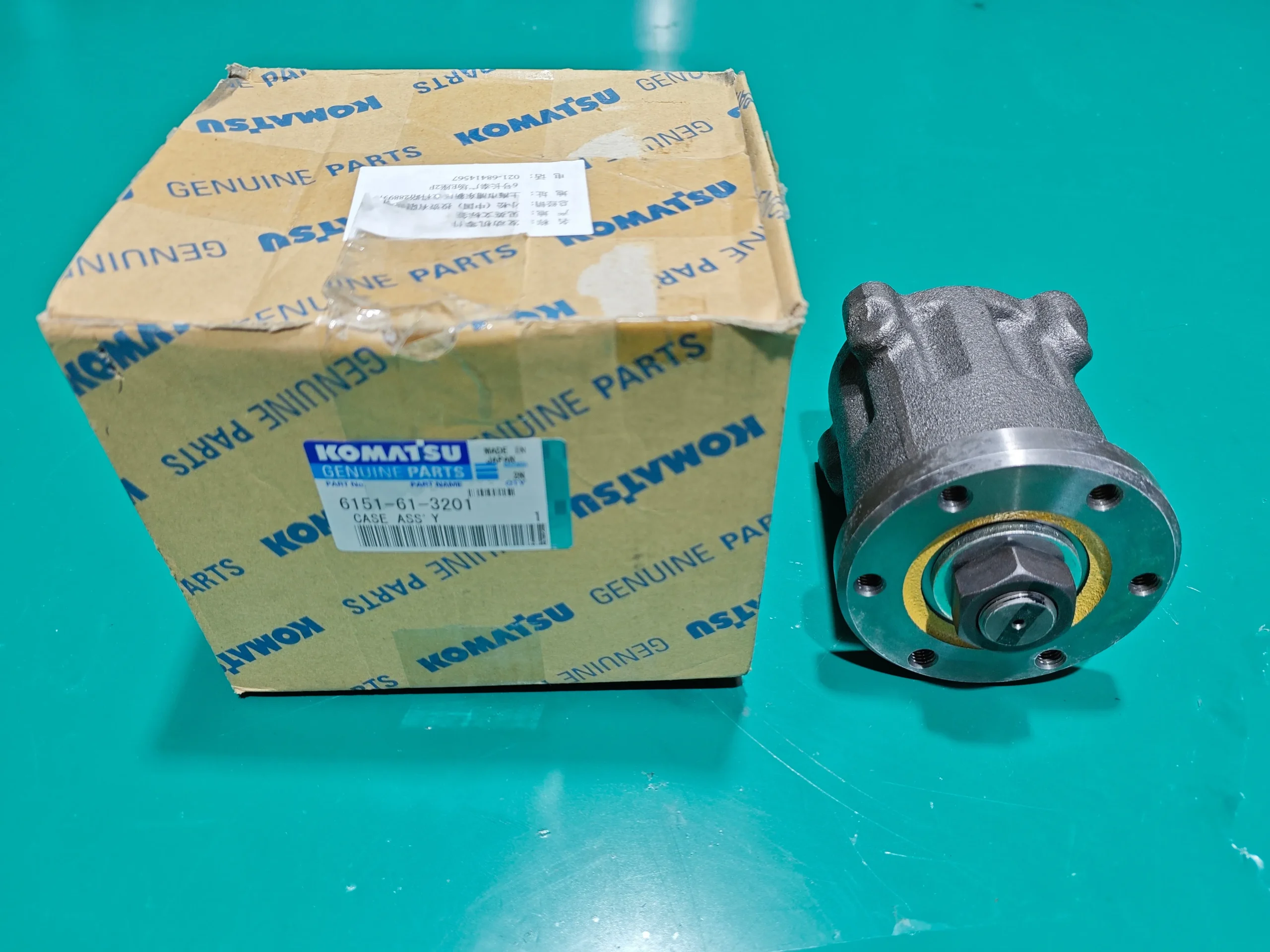 Fan Bracket 6151-61-3201 6151-61-3200 for Komatsu Engine 6D125 SAA6D125E Dozer D68ESS Excavator PC400-7 PC400LC-8
 -
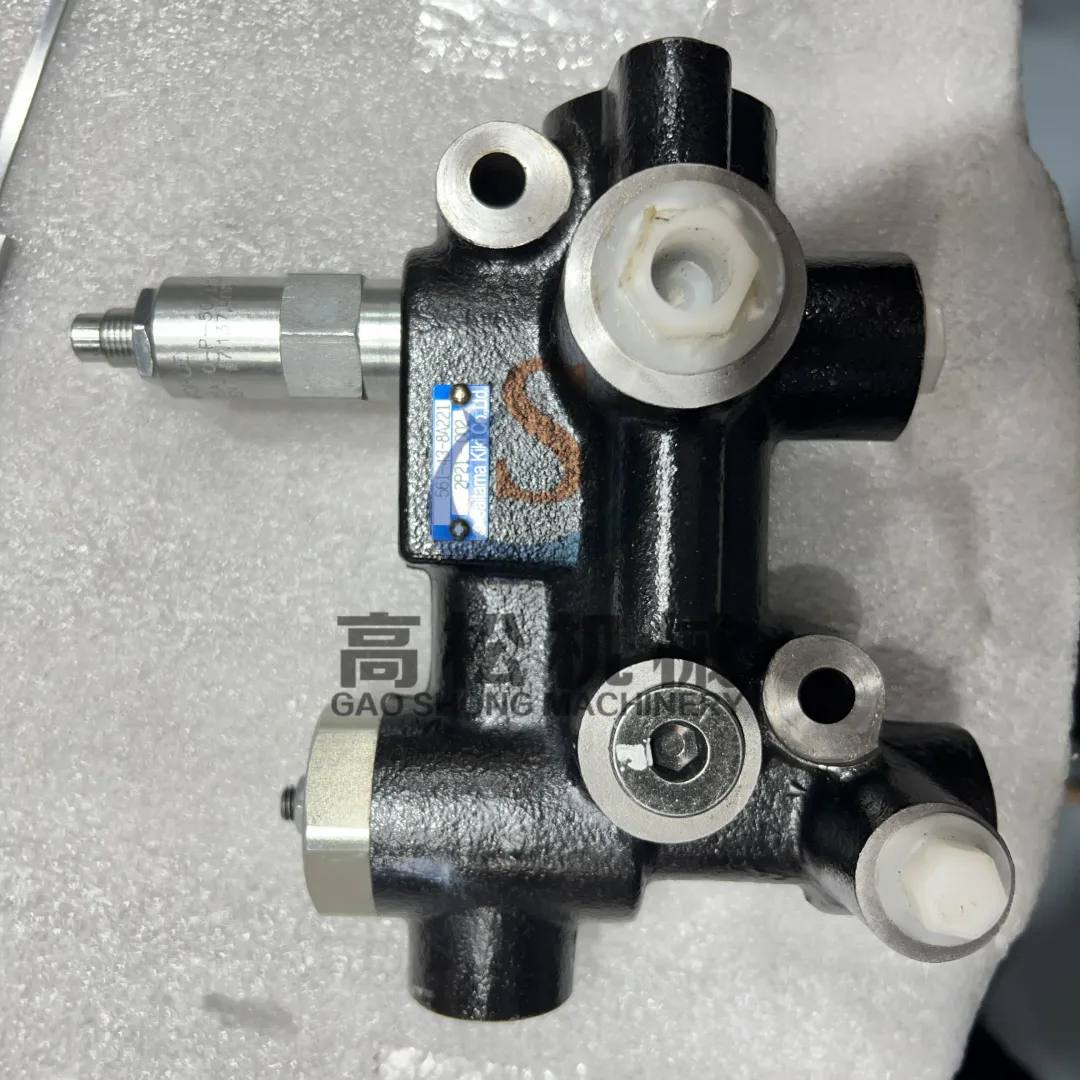 561-43-8A221 Komatsu Valve Assembly, Accumulator Charge
 -
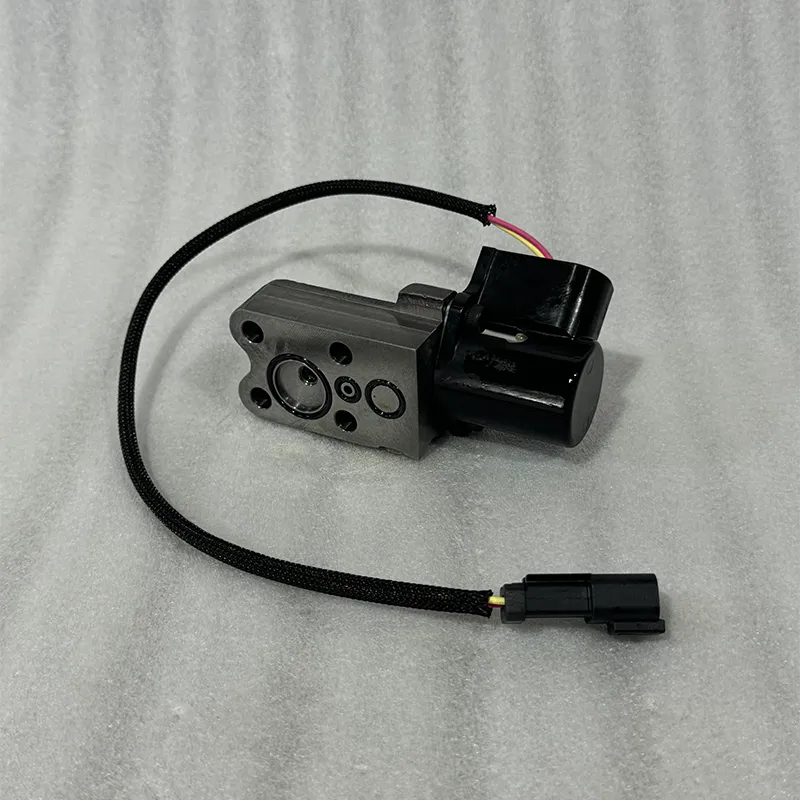 Original komatsu PC2000-8 Pilot Valve 708-7S-01330
 -
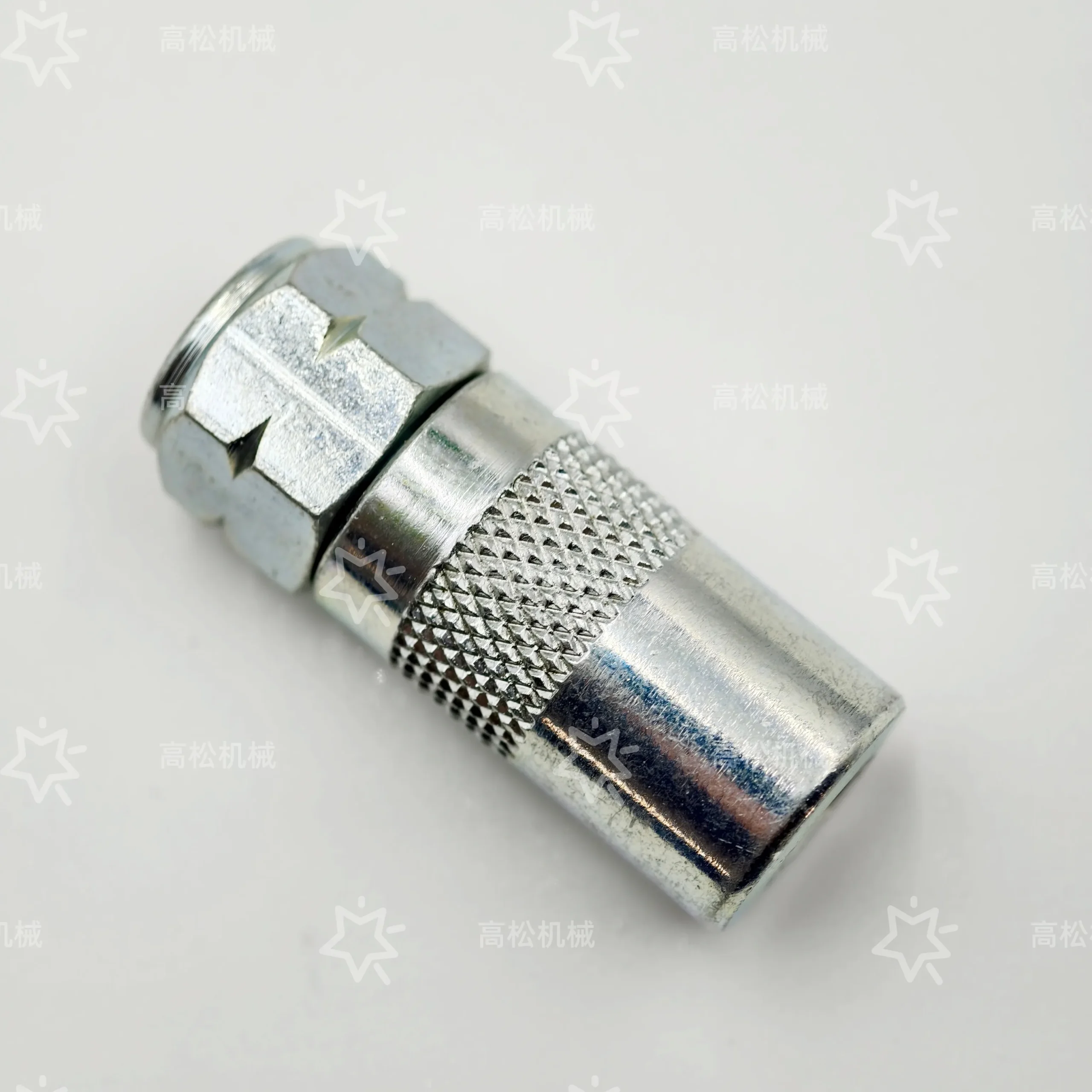 209-68-11640 Komatsu Coupling Assembly
 -
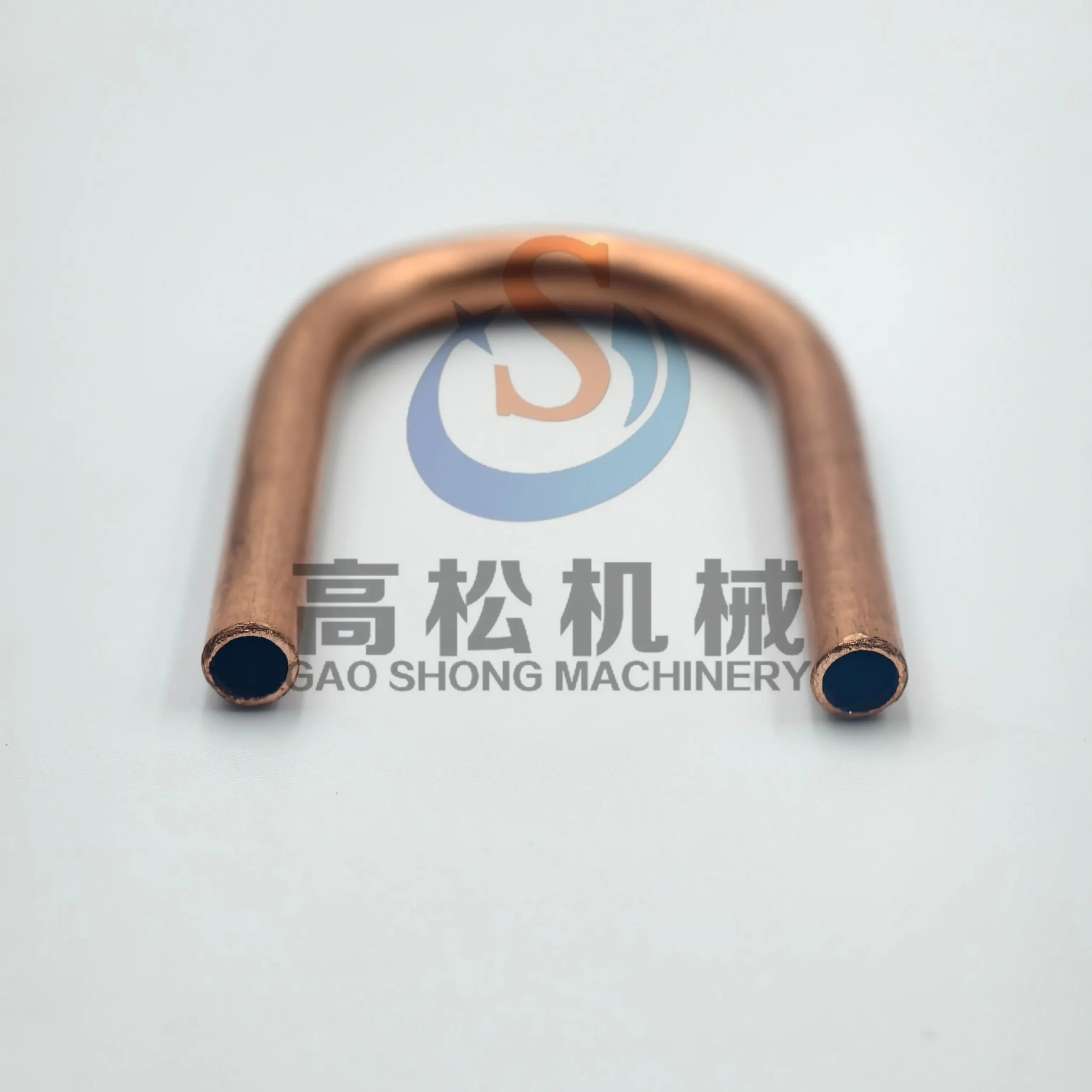 TUBE 21N-68-32360 – KOMATSU
 -
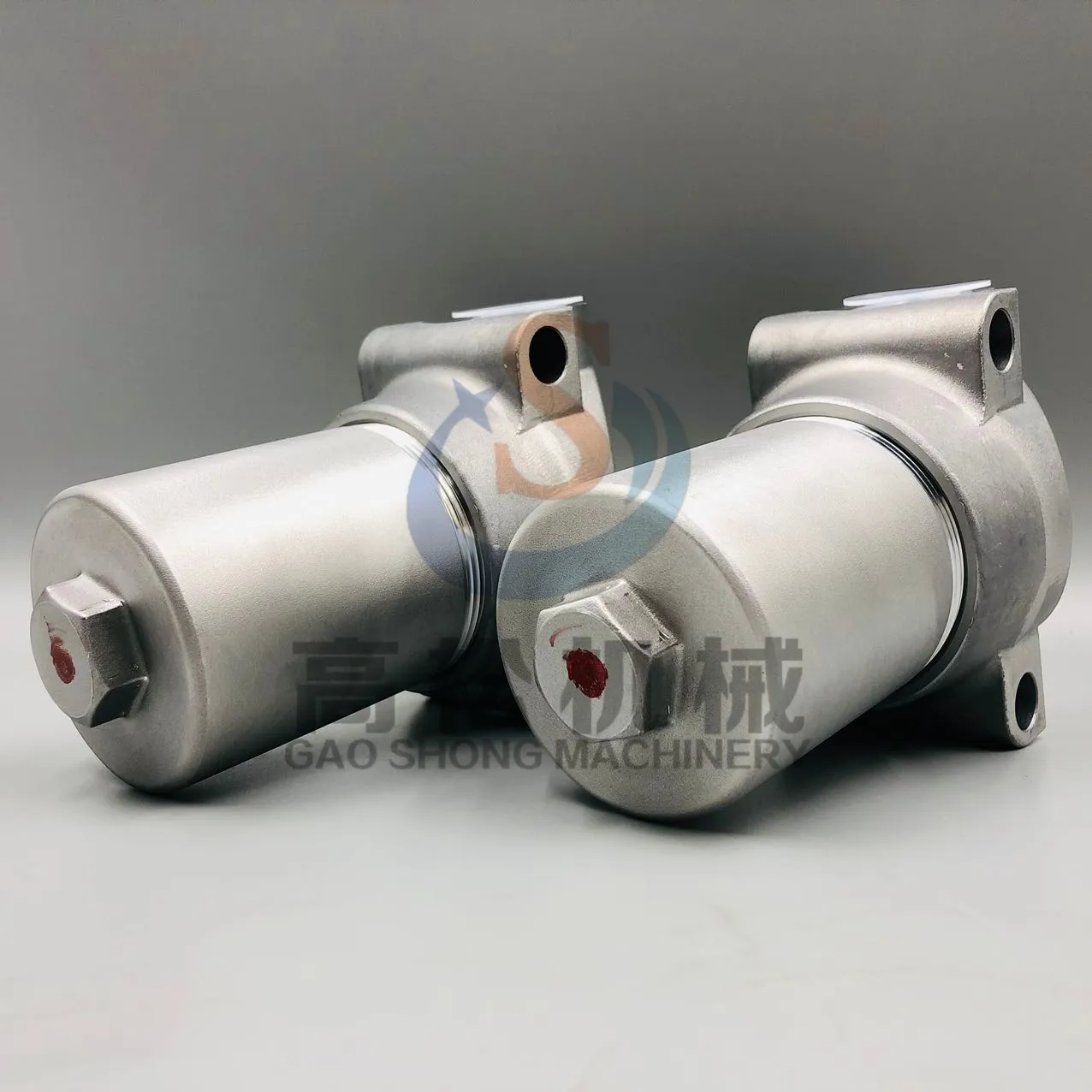 20Y-62-51681 Komatsu Filter Assembly
 -
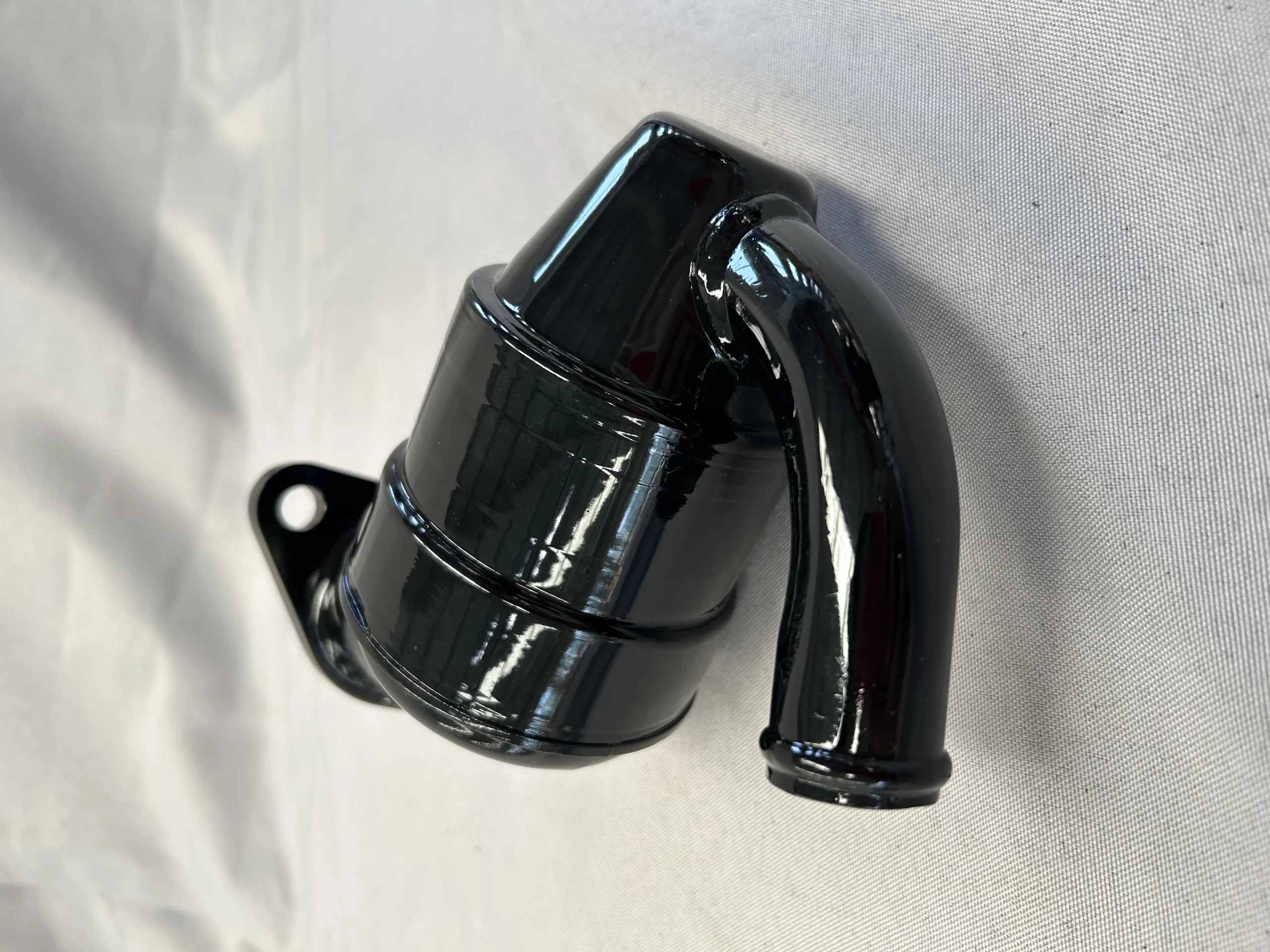 S6D170-1G Breathing Valve 6162-23-8510
 -
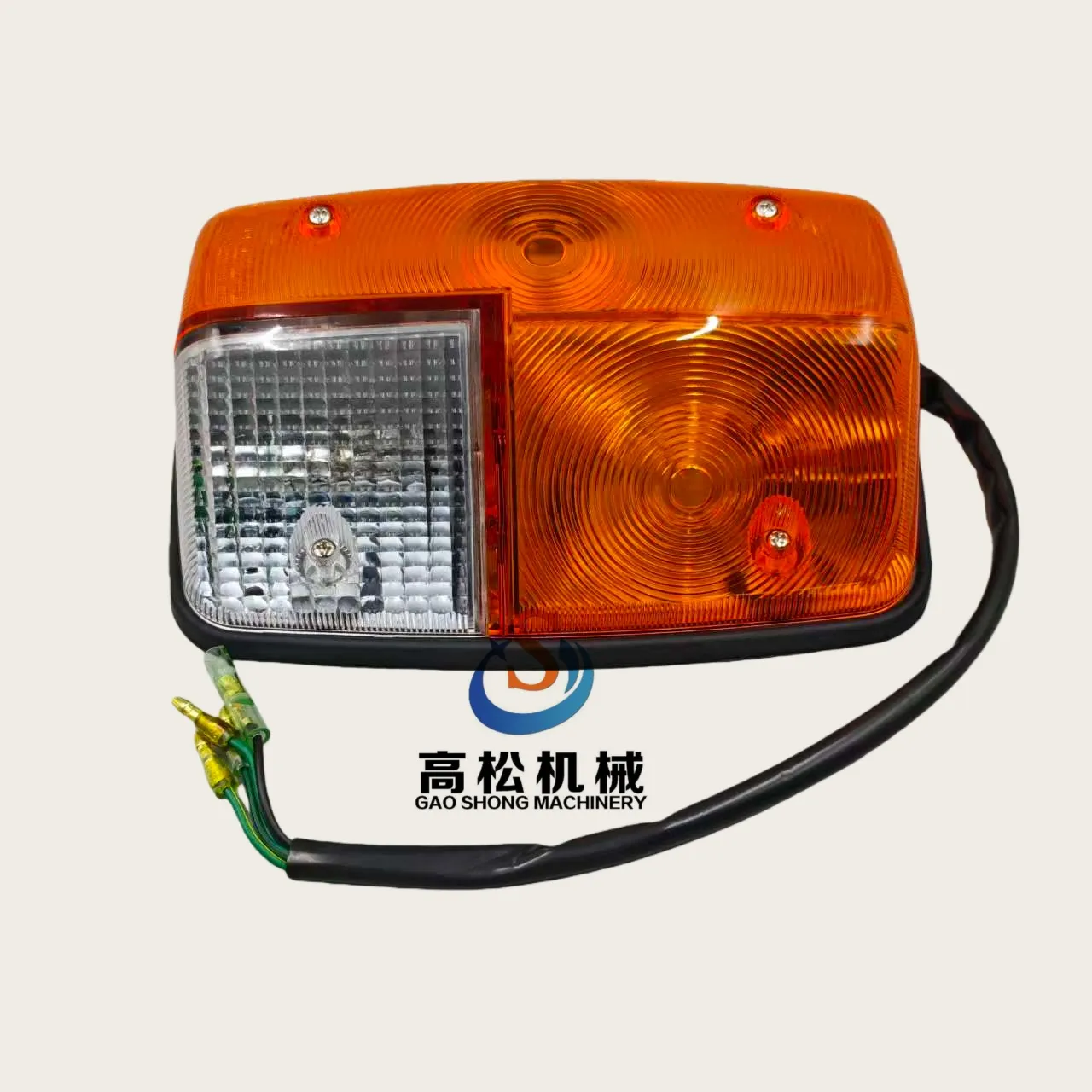 komatsu-part-421-06-13401 LAMP ASS’Y,R.H. HD255-5 HD255-5EO GS360-2 GD305A-1 GD355A-1 GD405A-2 GC380F-1 GD605A-5 HD325-6W HD605-5 HD605-7 HD465-7 HD465-5 HD785-3 HD985-5 WA100-1 WA120-1 WA150-1 WA100SS-1 WA350-1 WA420-1 WA600-1 WA470-1 WA450-1 WA500-1LC 330M LAMP AND FUSE ELECTRICAL SYSTEM (FRONT LAMP)
 -
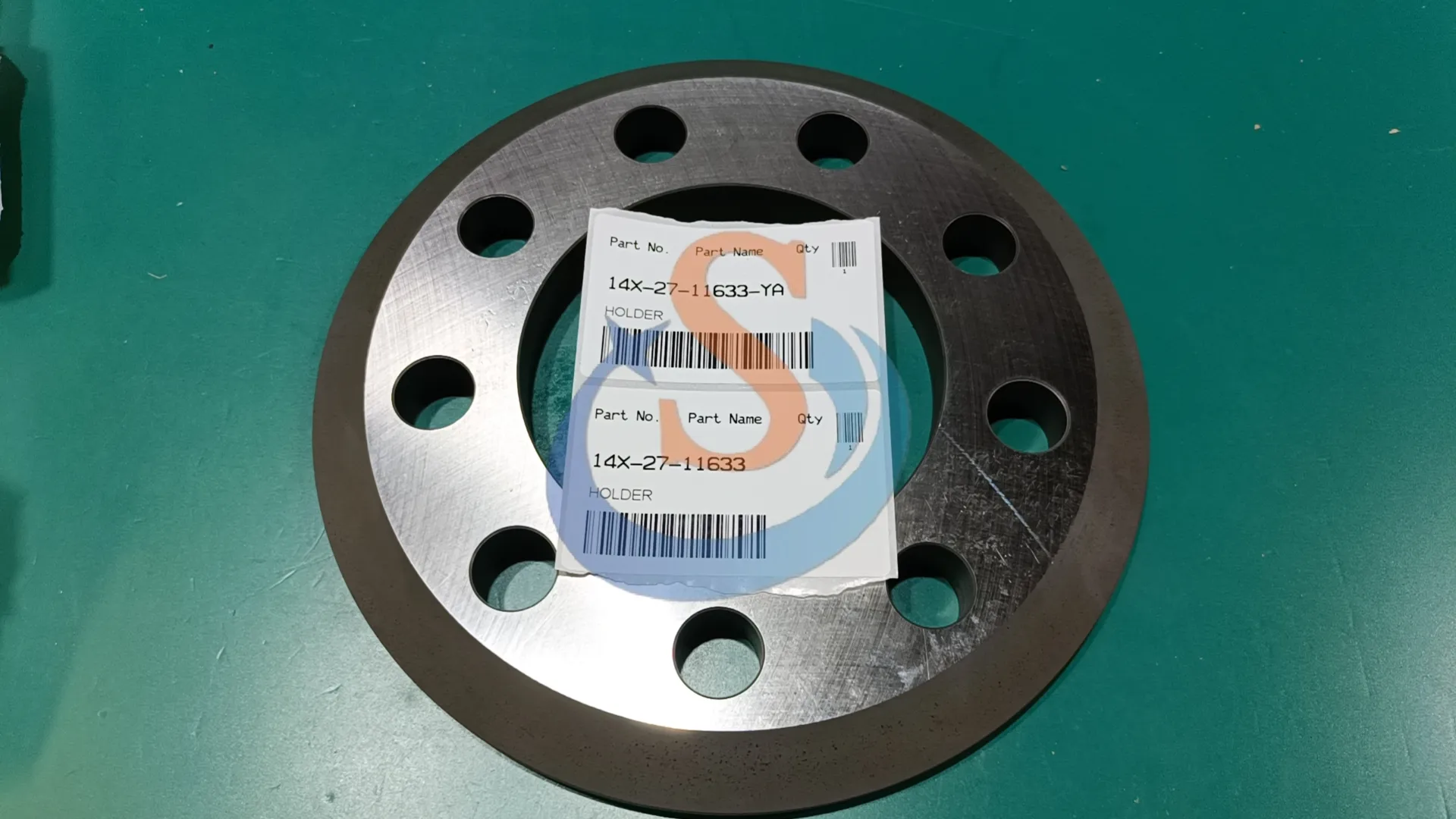 14X-27-11633,HOLDER,D65EX,D65WX,D85E
 -
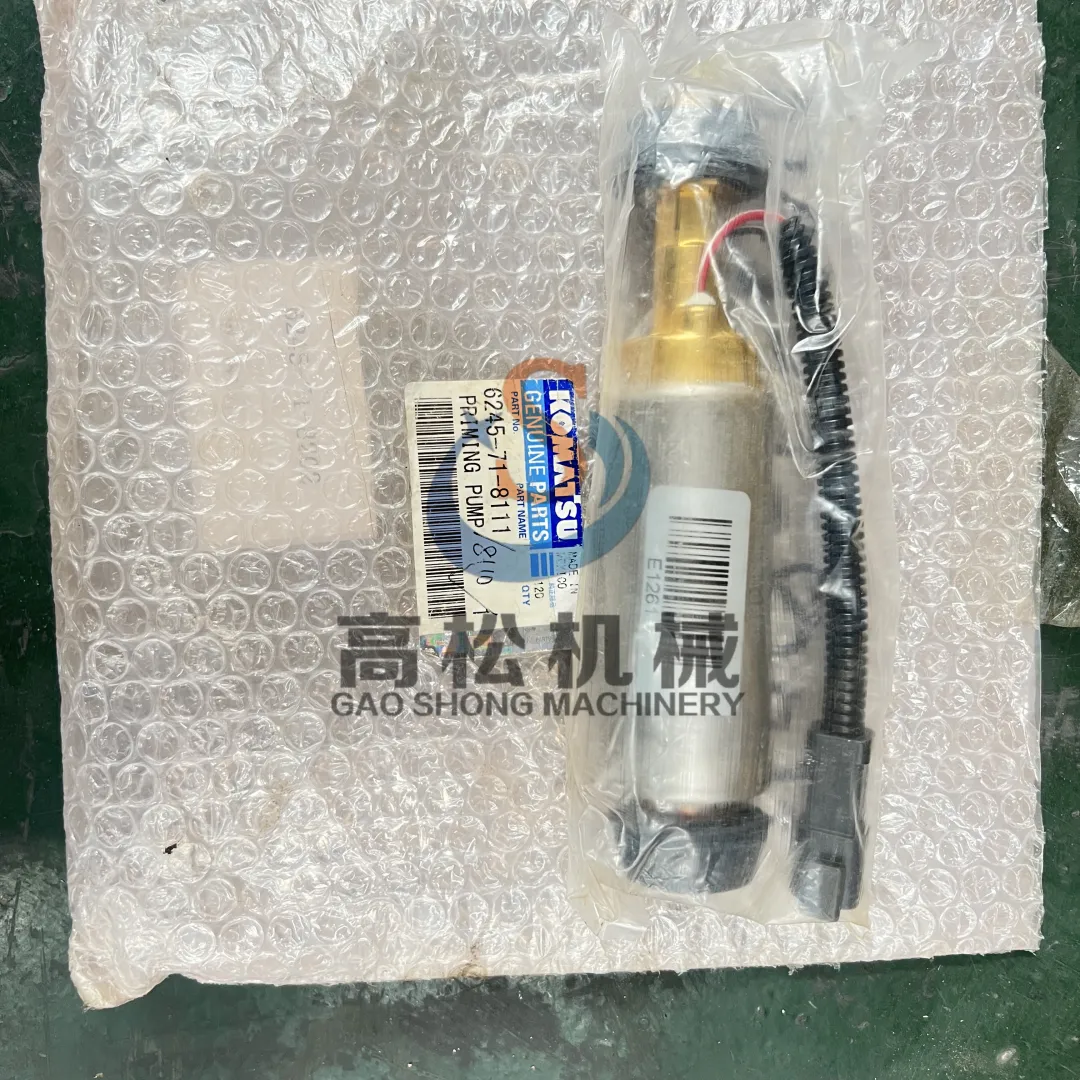 6245-71-8111 Komatsu Pump Assembly, Priming komatsu original