
- Chinese
- French
- German
- Portuguese
- Spanish
- Russian
- Japanese
- Korean
- Arabic
- Irish
- Greek
- Turkish
- Italian
- Danish
- Romanian
- Indonesian
- Czech
- Afrikaans
- Swedish
- Polish
- Basque
- Catalan
- Esperanto
- Hindi
- Lao
- Albanian
- Amharic
- Armenian
- Azerbaijani
- Belarusian
- Bengali
- Bosnian
- Bulgarian
- Cebuano
- Chichewa
- Corsican
- Croatian
- Dutch
- Estonian
- Filipino
- Finnish
- Frisian
- Galician
- Georgian
- Gujarati
- Haitian
- Hausa
- Hawaiian
- Hebrew
- Hmong
- Hungarian
- Icelandic
- Igbo
- Javanese
- Kannada
- Kazakh
- Khmer
- Kurdish
- Kyrgyz
- Latin
- Latvian
- Lithuanian
- Luxembou..
- Macedonian
- Malagasy
- Malay
- Malayalam
- Maltese
- Maori
- Marathi
- Mongolian
- Burmese
- Nepali
- Norwegian
- Pashto
- Persian
- Punjabi
- Serbian
- Sesotho
- Sinhala
- Slovak
- Slovenian
- Somali
- Samoan
- Scots Gaelic
- Shona
- Sindhi
- Sundanese
- Swahili
- Tajik
- Tamil
- Telugu
- Thai
- Ukrainian
- Urdu
- Uzbek
- Vietnamese
- Welsh
- Xhosa
- Yiddish
- Yoruba
- Zulu
- Kinyarwanda
- Tatar
- Oriya
- Turkmen
- Uyghur






OEM AND ORIGINAL KOMATSU HOSE 07085-01430
Let’s talk about that part number, . It’s a Komatsu hose, sure, but the prefix ‘OEM AND ORIGINAL’ in searches always makes me pause. In our world, that phrasing is often a red flag, a desperate attempt by some suppliers to bridge a gap in trust they know exists. True ‘original’ means it came off Komatsu’s own designated production line, packaged in their box with their label. ‘OEM’ is trickier—it should mean it’s made by the exact same factory that supplies Komatsu, just without the final branding. But for every legitimate OEM product supplier, there are ten others using the term loosely to mean ‘compatible’ or even ‘looks similar’. The , typically for hydraulic circuits on mid-sized excavators, is a perfect example of a part where the difference isn’t just in price, but in the burst pressure rating and the chemical composition of the inner tube that you can’t see. I’ve seen hoses that fit perfectly but fail under sustained high heat because the rubber compound was off-spec. That’s the real conversation here.
The OEM Pathway and Its Inherent Challenges
Working with a genuine OEM product supplier within the Komatsu system, like Jining Gaosong, is one of the few reliable ways to get these components without the Komatsu markup. But it’s not a simple plug-and-play. Their role is nuanced. They have access to the production channels, but the hoses they provide might come in neutral packaging. The critical point is the certification and the material traceability. For the , I’d want to see test sheets for the SAE 100R2AT standard it’s built to, not just a visual comparison.
I recall a project in Southeast Asia where we were servicing a fleet of PC300s. We sourced what was billed as OEM hoses for the main pump line, part number among them. They arrived in plain blue sleeves, no Komatsu stripe. The fit was fine, initial pressure tests passed. But six months in, we started getting leaks at the crimp fittings. The failure analysis pointed to a slight deviation in the wire braid angle. The supplier swore it was from the same factory. Maybe it was a Friday afternoon batch, maybe it wasn’t. The takeaway was that even within the OEM umbrella, there are grades. A supplier’s reputation is everything. A company like Jining Gaosong, which positions itself as solving parts supply challenges, stakes its business on consistency, because their clients are often large fleet operators who can’t afford downtime.
This is where the website https://www.takematsumachinery.com becomes more than just a catalog. For a professional, it’s a point of verification. You’re looking for evidence of deep system integration: do they list specific Komatsu series? Do they discuss engineering support? For a hose, it’s less about flashy specs and more about their willingness to provide the boring, technical documentation that proves lineage. A random parts trader can’t and won’t do that.
Original Parts: The Cost of Certainty
Now, the ‘ORIGINAL’ path. Ordering a Komatsu-branded from the dealer is the safest, but often most painful, route. The cost is prohibitive for many operations, and the lead times can be staggering, especially in regions not prioritized by the primary distribution network. This is exactly the gap that third-party sales companies for Komatsu aim to fill. They aren’t just selling a part; they’re selling a logistical solution.
The irony is that sometimes, the original part has its own issues. I remember a batch of genuine Komatsu hoses for a different model that had a manufacturing flaw in the end fittings. It happens. The difference was Komatsu’s response: a full recall, technical bulletins, and cross-shipped replacements at no cost. That’s the ecosystem you pay for. With an aftermarket part, you’re on your own. With a legitimate third-party sales company, you get a layer of accountability. They have a relationship with Komatsu to protect, so their vetting of the OEM channels is, in theory, more rigorous.
So when do you go original? For critical, high-pressure, high-vibration applications where failure means catastrophic system damage or safety risk. For the , if it’s on a machine doing heavy, continuous cycling like demolition, I’d lean original. For a machine in general quarry work, a verified OEM part from a trusted supplier is the economic sweet spot.
Field Verification and Practical Checks
Let’s get practical. You have a hose in hand, stamped with . How do you judge it? First, the markings. A genuine or top-tier OEM hose will have clear, laser-etched or indented markings that include the SAE standard, the manufacturer’s code (not just ‘Komatsu’), the date of manufacture, and often a sequential number. Faded ink-jet printing is a bad sign.
The feel of the rubber cover is another tell. It should be supple but tough, resistant to light scraping with a fingernail. Cheap substitutes use a harder, more plastic-like cover that cracks prematurely under UV and flex. The crimping is the most critical. The ferrule should be symmetrical, with a smooth transition to the hose. Any visible gaps, uneven metal, or sharp edges are immediate reject criteria. I’ve rejected shipments based on the crimp quality alone—it’s the single point of highest stress.
We implemented a simple incoming inspection for all hydraulic hoses, including the . It’s not lab testing, but it weeds out the obvious failures: measure length and end fitting angles against the old part, check marking permanency with a solvent rag, and do a visual cross-section of a cut sample if possible (looking for evenly spaced wire braid). A supplier who understands this process, who maybe even provides their own QC sheet with these points checked, is worth their weight in gold.
The Logistical Reality and Supplier Selection
This brings us to the core of the supply challenge. For many countries, the official Komatsu pipeline is thin or slow. Local dealers might stock only the top 20% of moving parts. A specialized hose for a 7-year-old machine? You could wait months. This is the value proposition of a company like Jining Gaosong Construction Machinery Co., Ltd.. Their entire model is built on navigating that void. They aren’t just a website; they are a conduit.
Selecting such a supplier requires a different kind of due diligence. You’re not just buying a product; you’re auditing their network. Ask them: Can you source this hose directly from the OEM factory with traceability? What is your failure rate on hydraulic lines? What’s your protocol if a batch fails in the field? Their answers should be specific and technical. Vague assurances about ‘quality’ are meaningless.
I’ve had the best luck with suppliers who are transparent about their limitations. One might say, “We can get the true OEM with a 4-week lead time, or we have a certified alternative from another SAE-compliant factory with same-week shipping.” That honesty allows me to make a risk-based decision. The worst experiences are with suppliers who promise the impossible—original parts at half price with overnight delivery. That’s a fantasy.
Concluding Thoughts: Beyond the Part Number
So, the keyword ‘OEM AND ORIGINAL KOMATSU HOSE ’ is really a question about risk management and supply chain intelligence. The part number is just the starting point. The real work is in understanding the provenance of the component that arrives at your shop.
The landscape is split. You have the official, expensive, slow-but-assured channel. You have the gray market of mixed quality. And in between, you have professional intermediaries who provide a vital service. Their role, as hinted at by Jining Gaosong’s description of helping to solve parts supply challenges, is to add a layer of verification and logistics to the OEM pipeline, making it accessible and somewhat de-risked.
For me, it boils down to this: For non-critical applications or older equipment, a well-vetted OEM hose from a transparent supplier is a smart business decision. For core systems on primary machines, the original part’s embedded support network still holds value. The key is to never assume the words ‘OEM AND ORIGINAL’ in a search result mean anything at all. You have to dig, question, and inspect. The hose, the or any other, is just a piece of reinforced rubber and metal until you know its full story. And knowing that story is what separates a functional repair from a reliable one.
Related Products
Related Products

Best Selling Products
Best Selling Products-
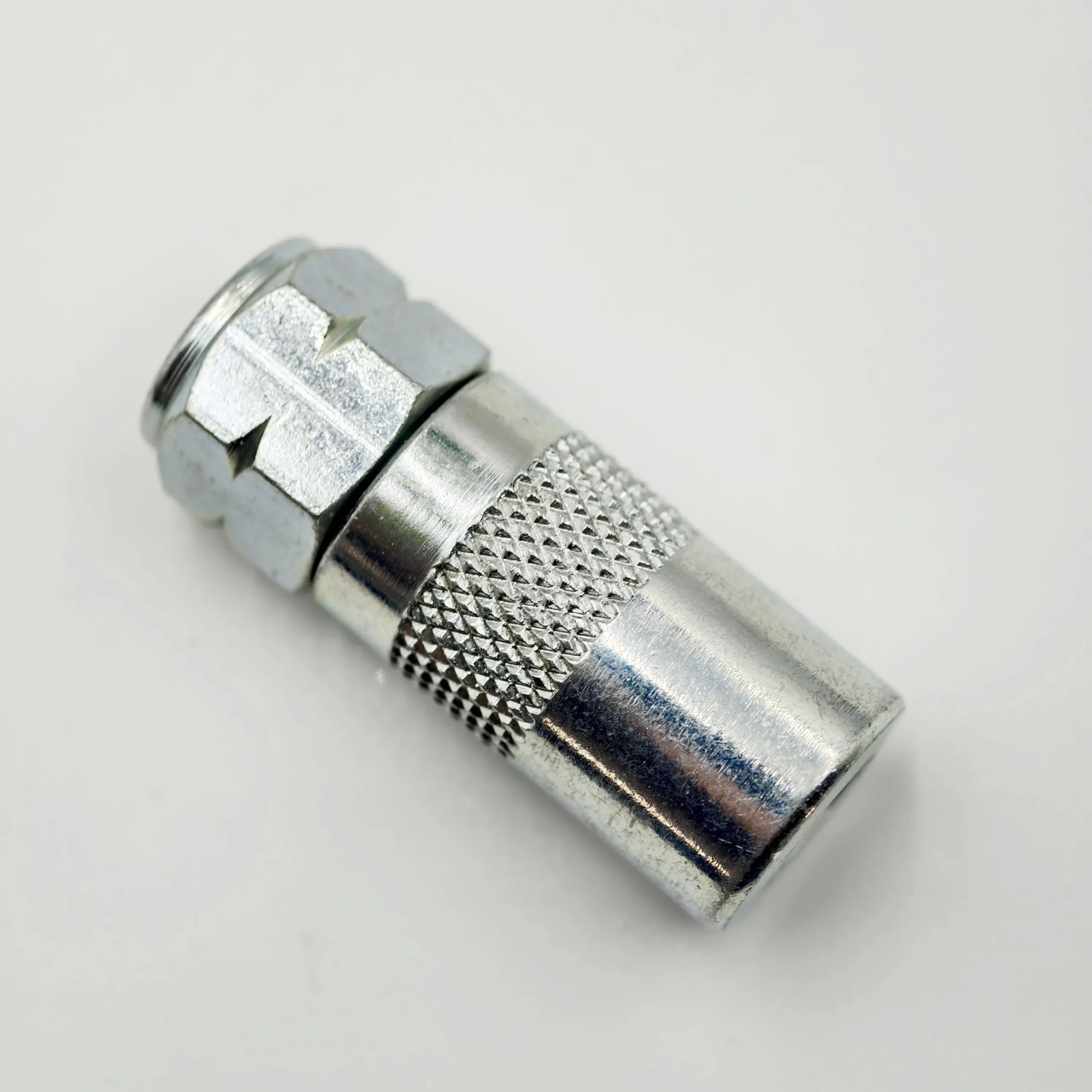 PC600-8/PC2000-8 Coupler 209-68-11640
 -
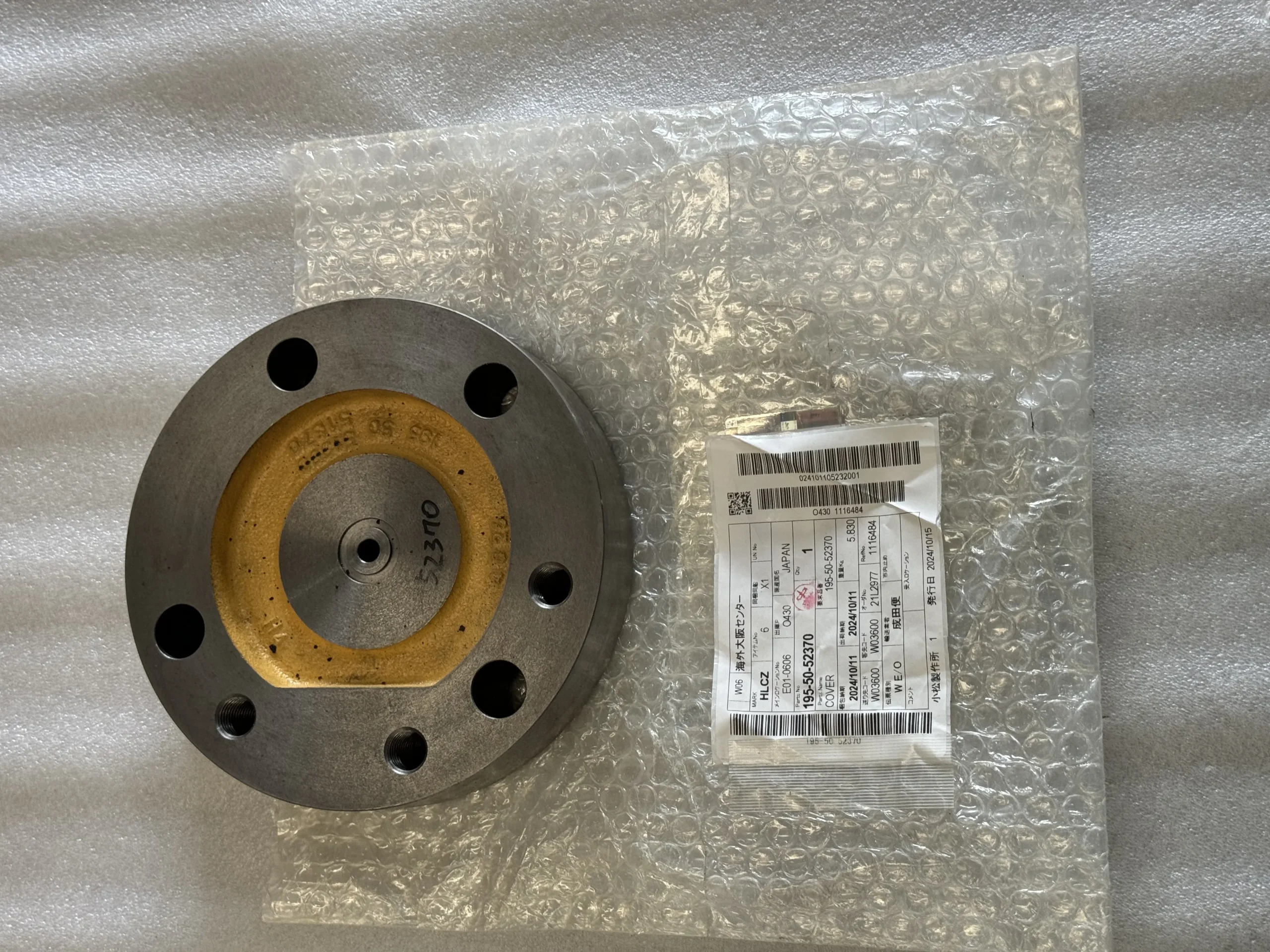 D375A-5 Cover 195-50-52370
 -
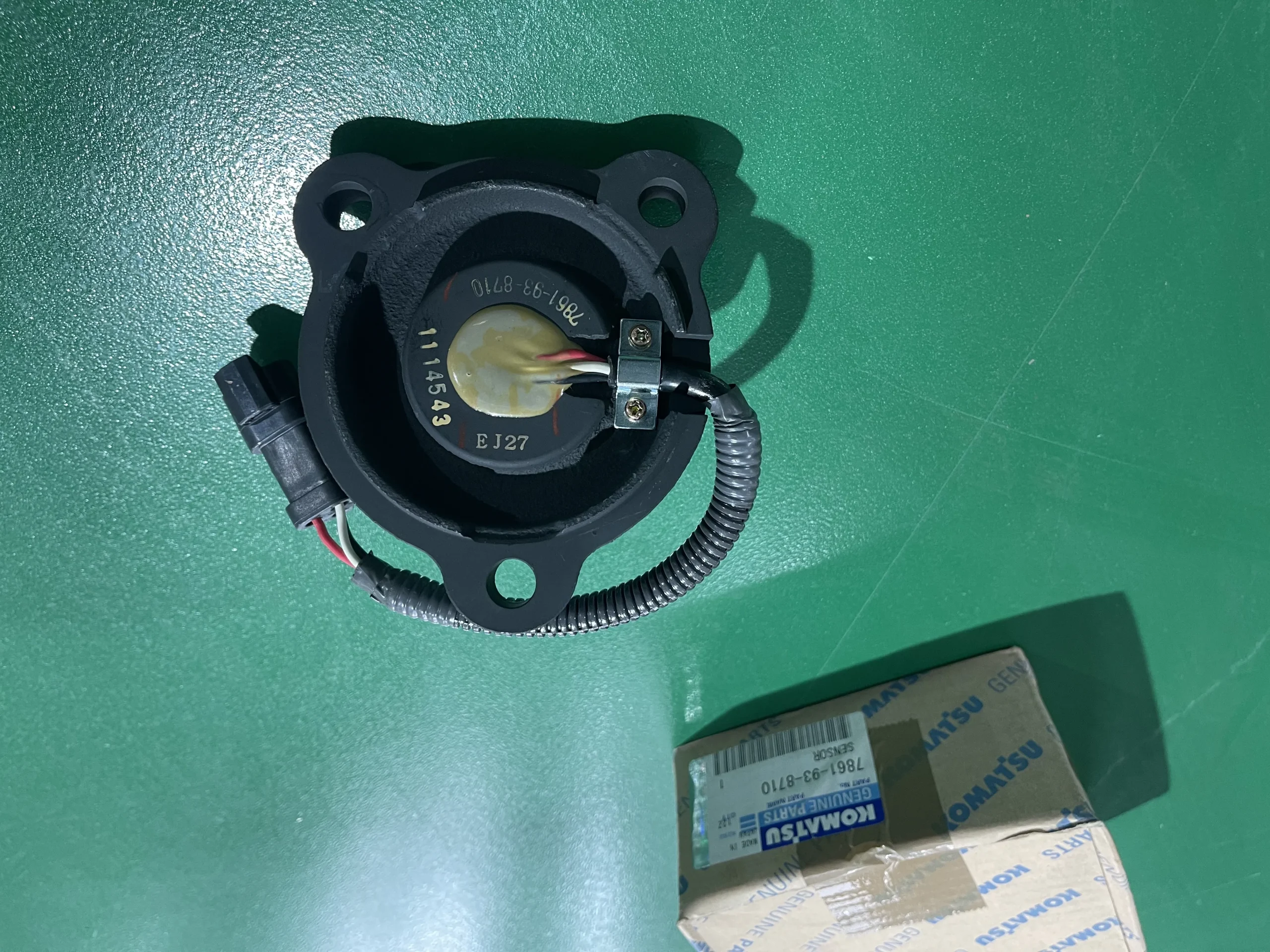 Angle Sensor 7861-93-8710 for Komatsu
 -
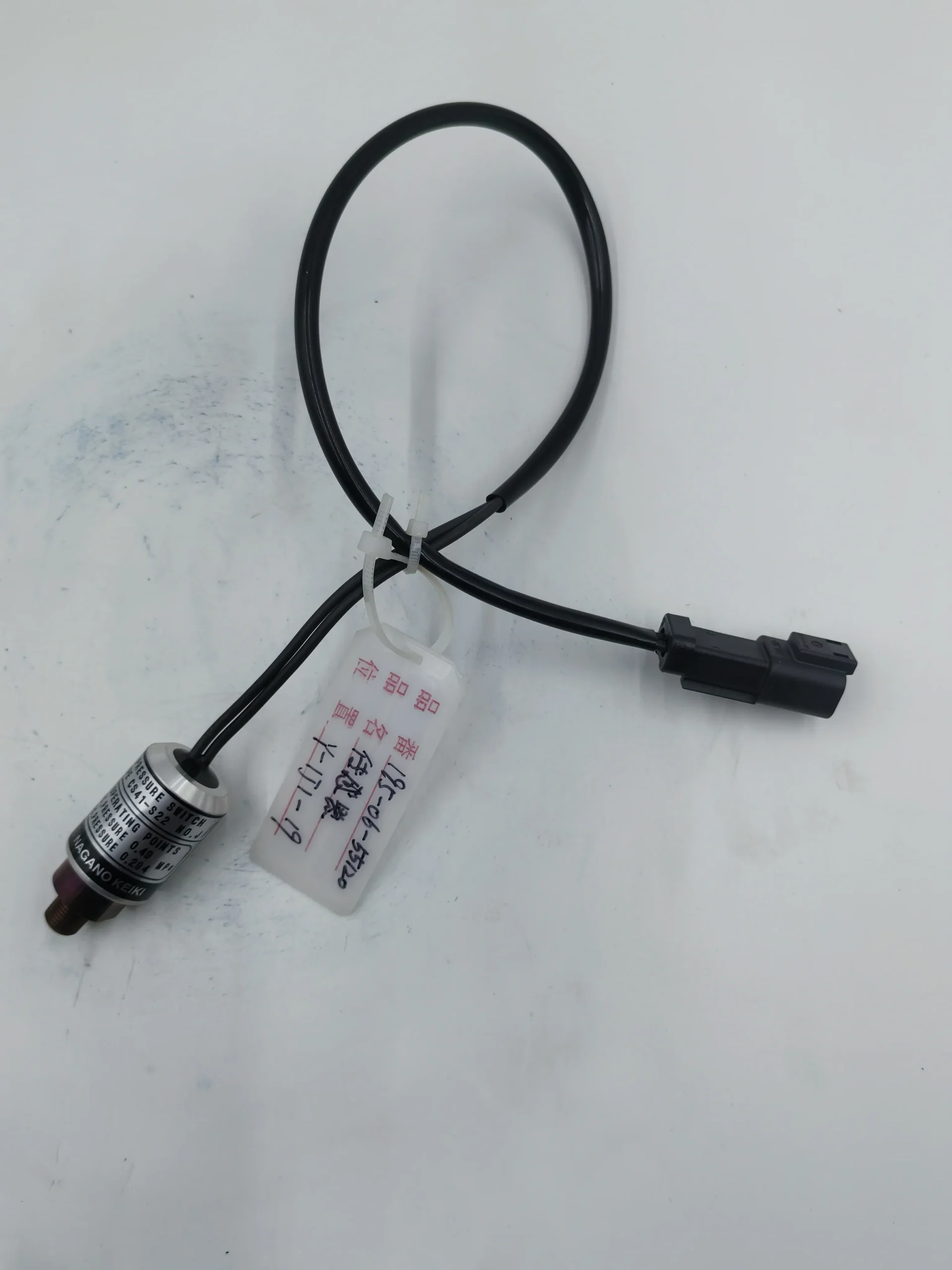 Electrical Parts 195-06-55120 Switch
 -
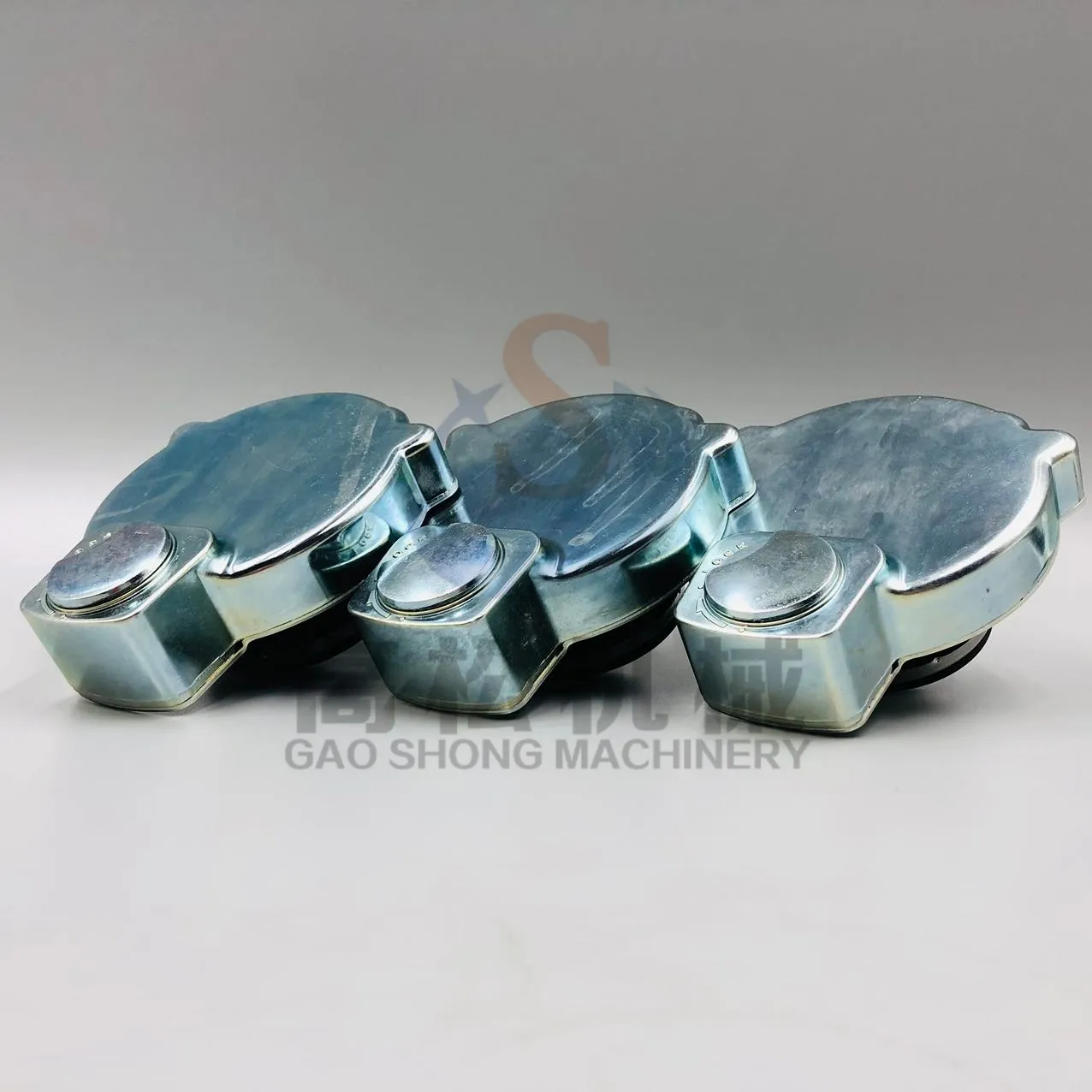 CAP ASS’Y 17A-60-11310 – KOMATSU
 -
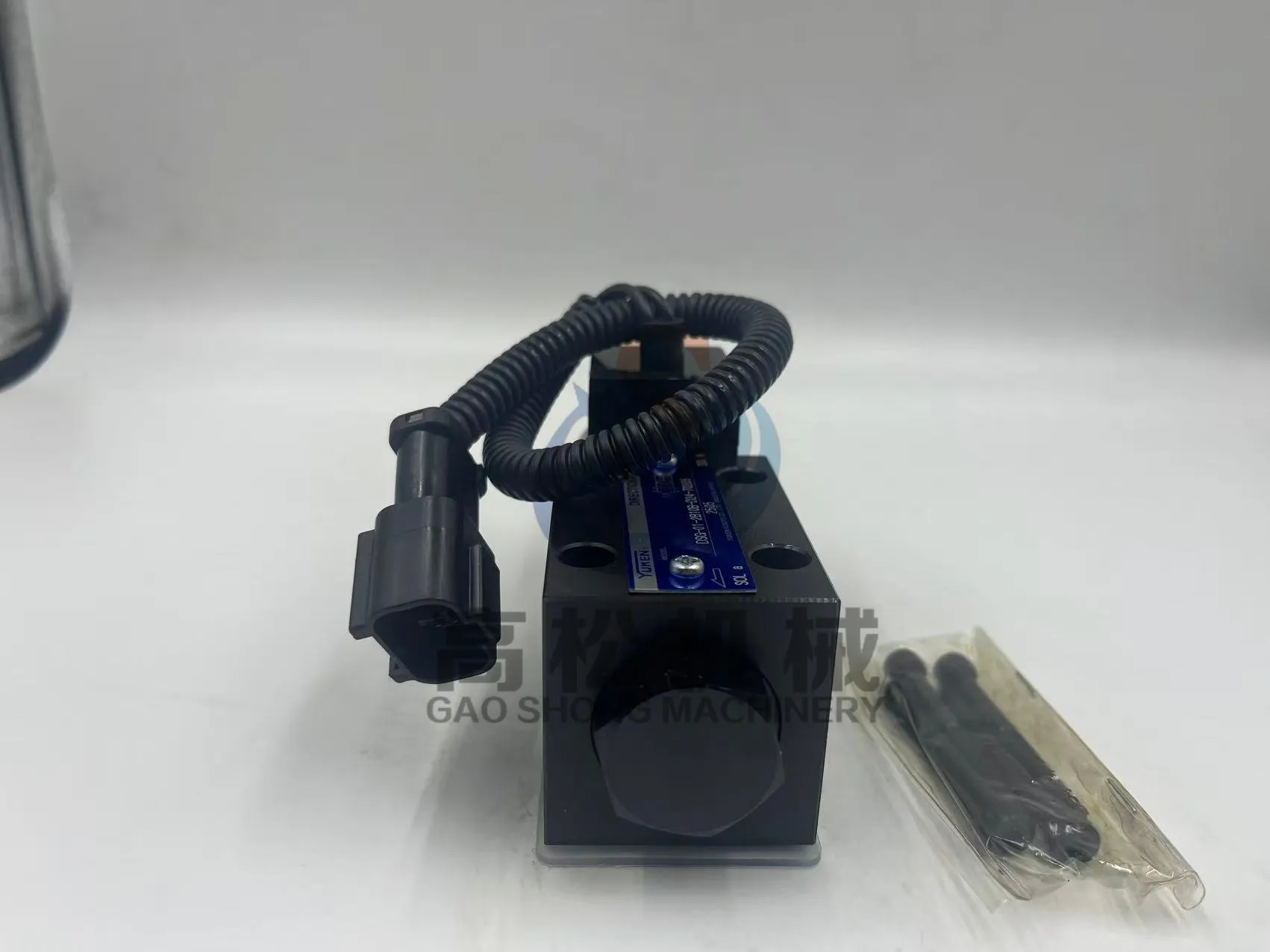 VALVE ASS’Y 23W-60-28230 – KOMATSU
 -
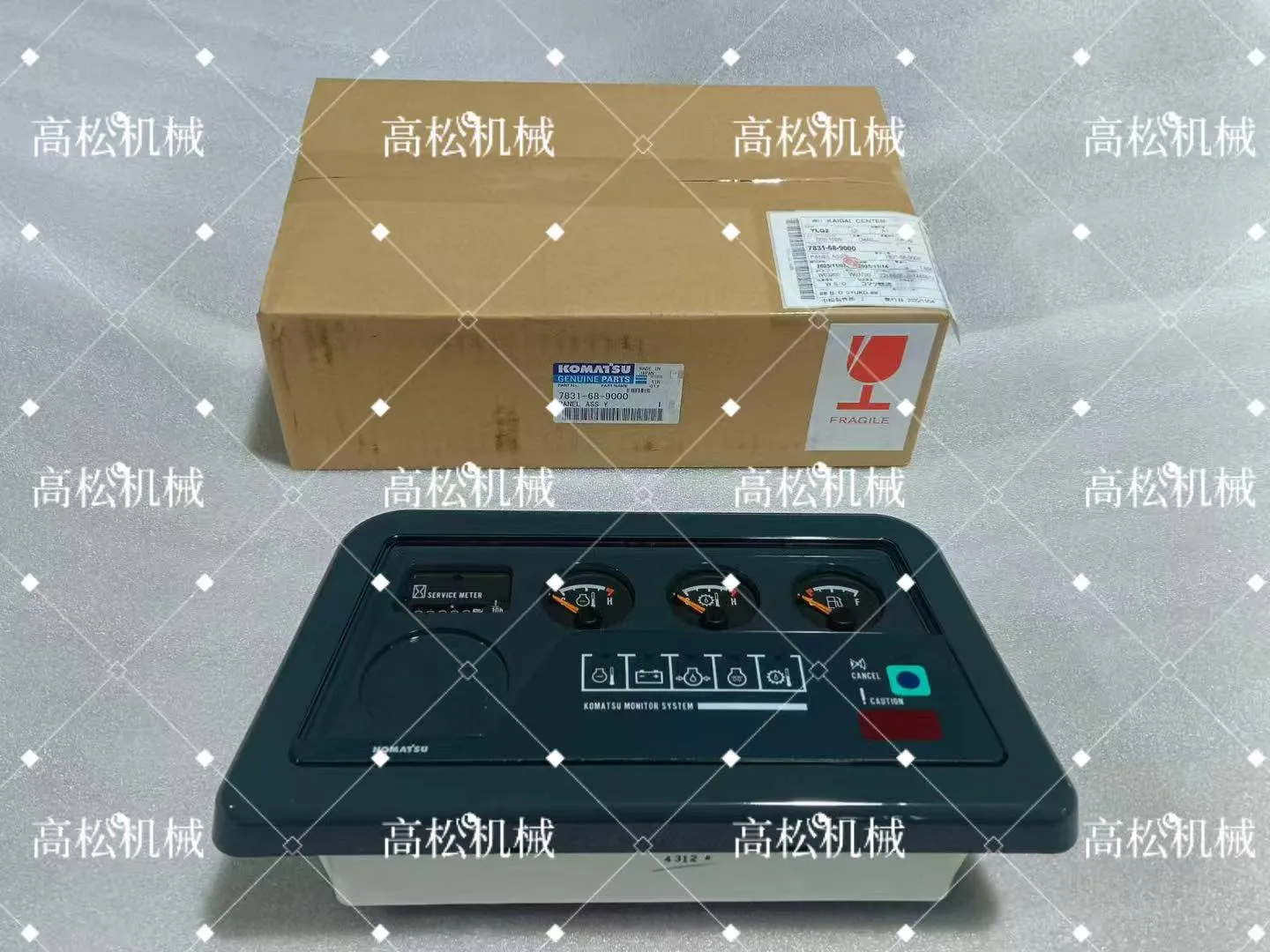 n-stock items. Part No.: 7831-68-9000. Genuine Komatsu panel. Suitable for D155 and D375 models.
 -
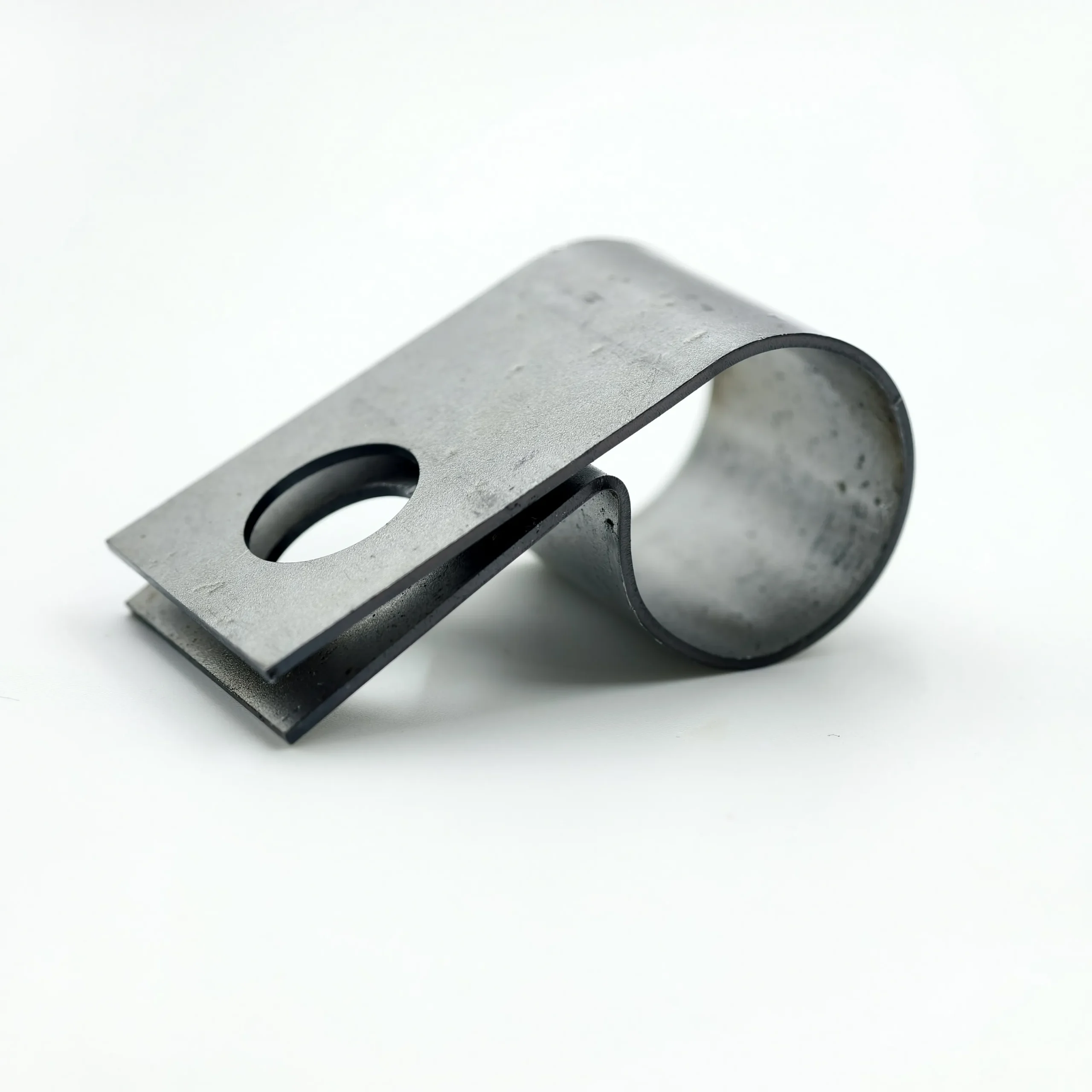 112-946-4170 Komatsu Clip
 -
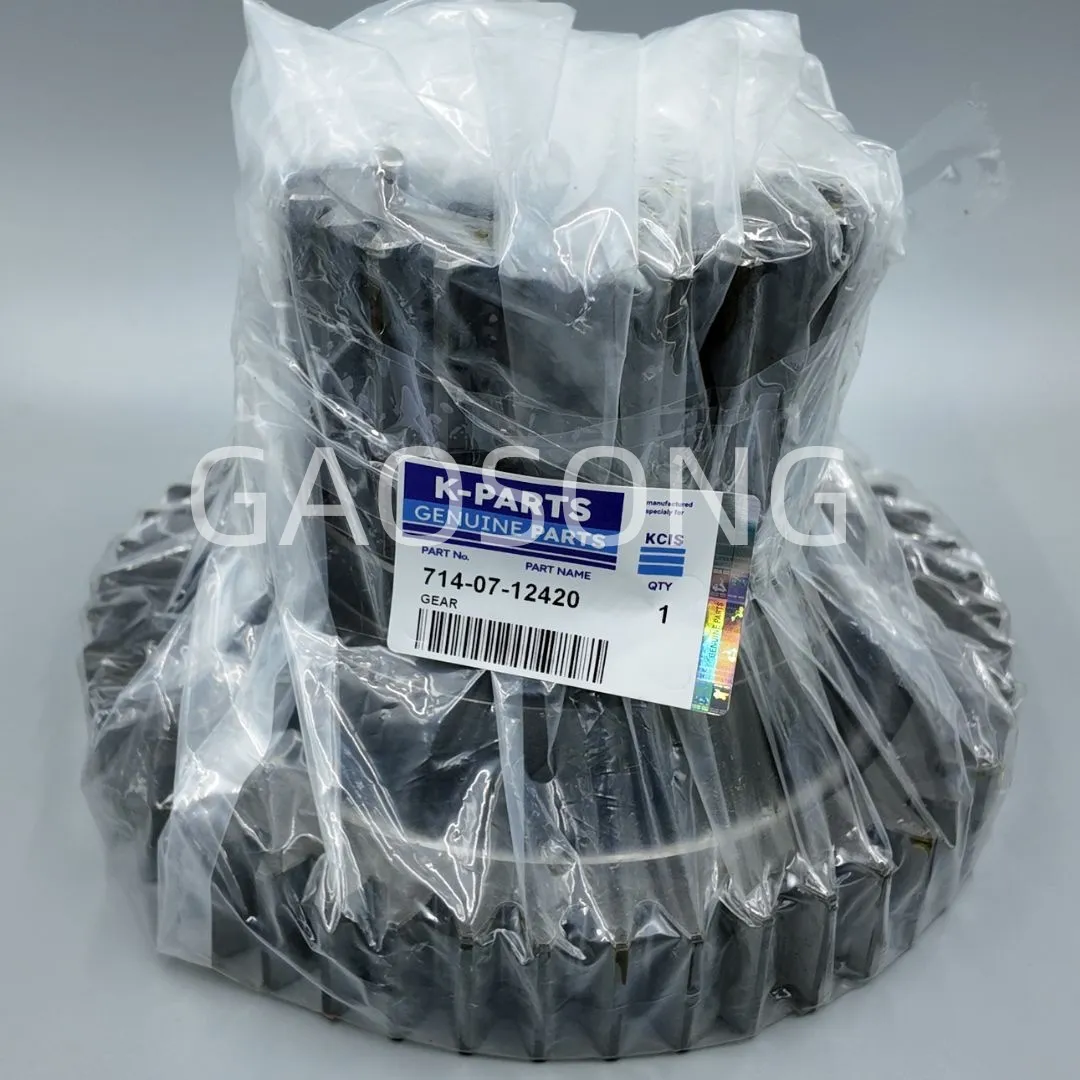 714-07-12420 •• GEAR¤ 48 TEETH,FORWARD-Komatsu Original Factory
 -
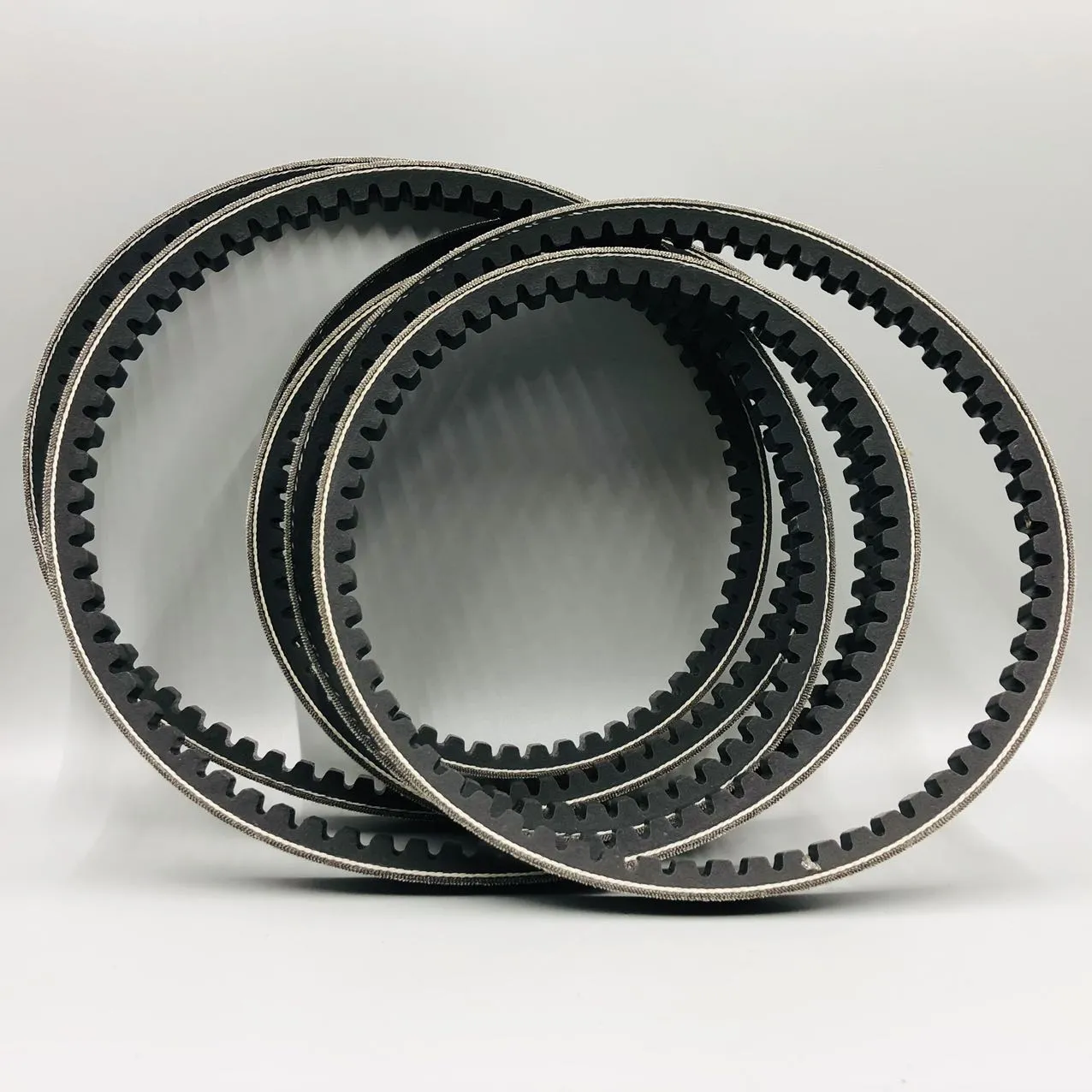 Komatsu mechanical belt6219-61-3420
 -
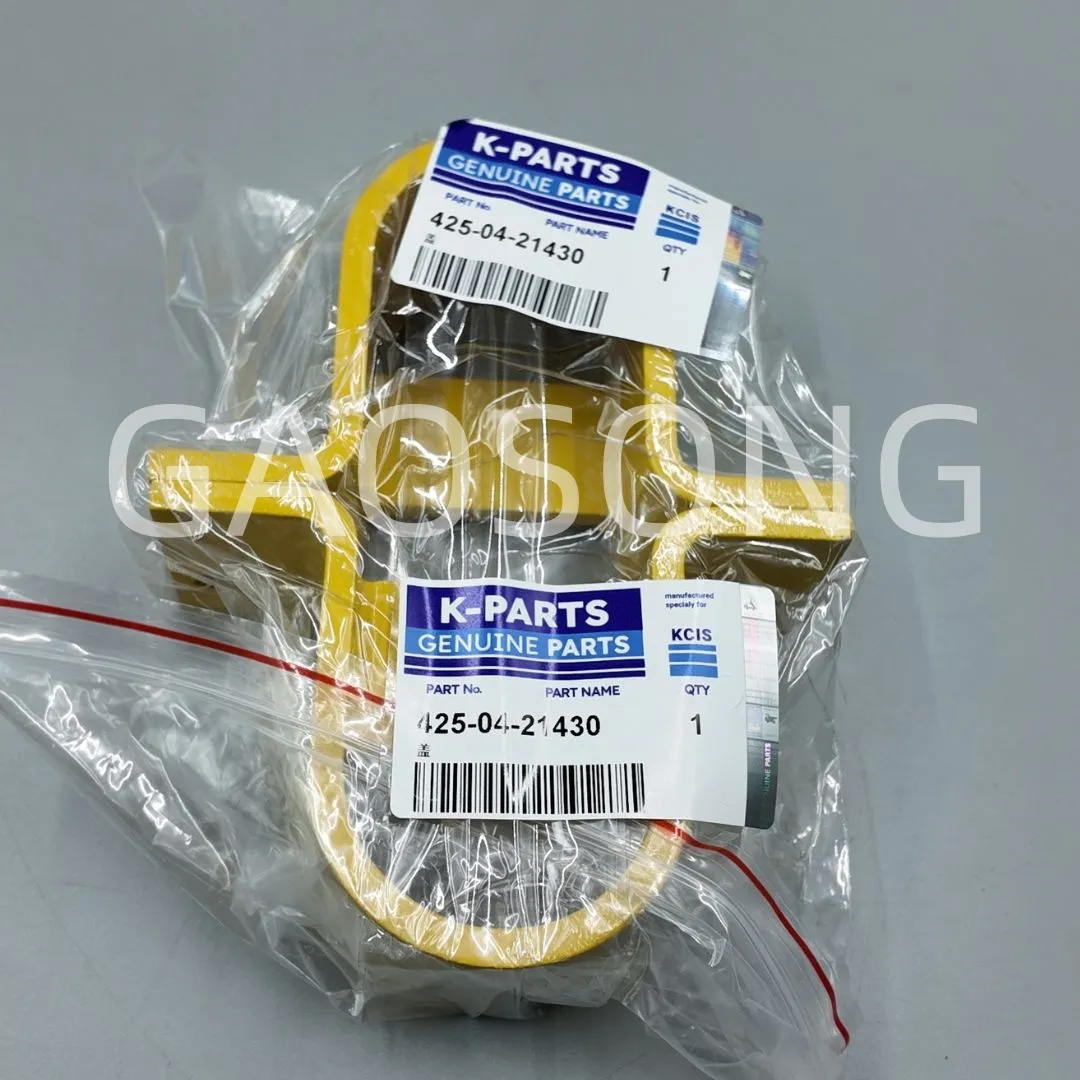 425-04-21430 COVER-Komatsu Original Factory
 -
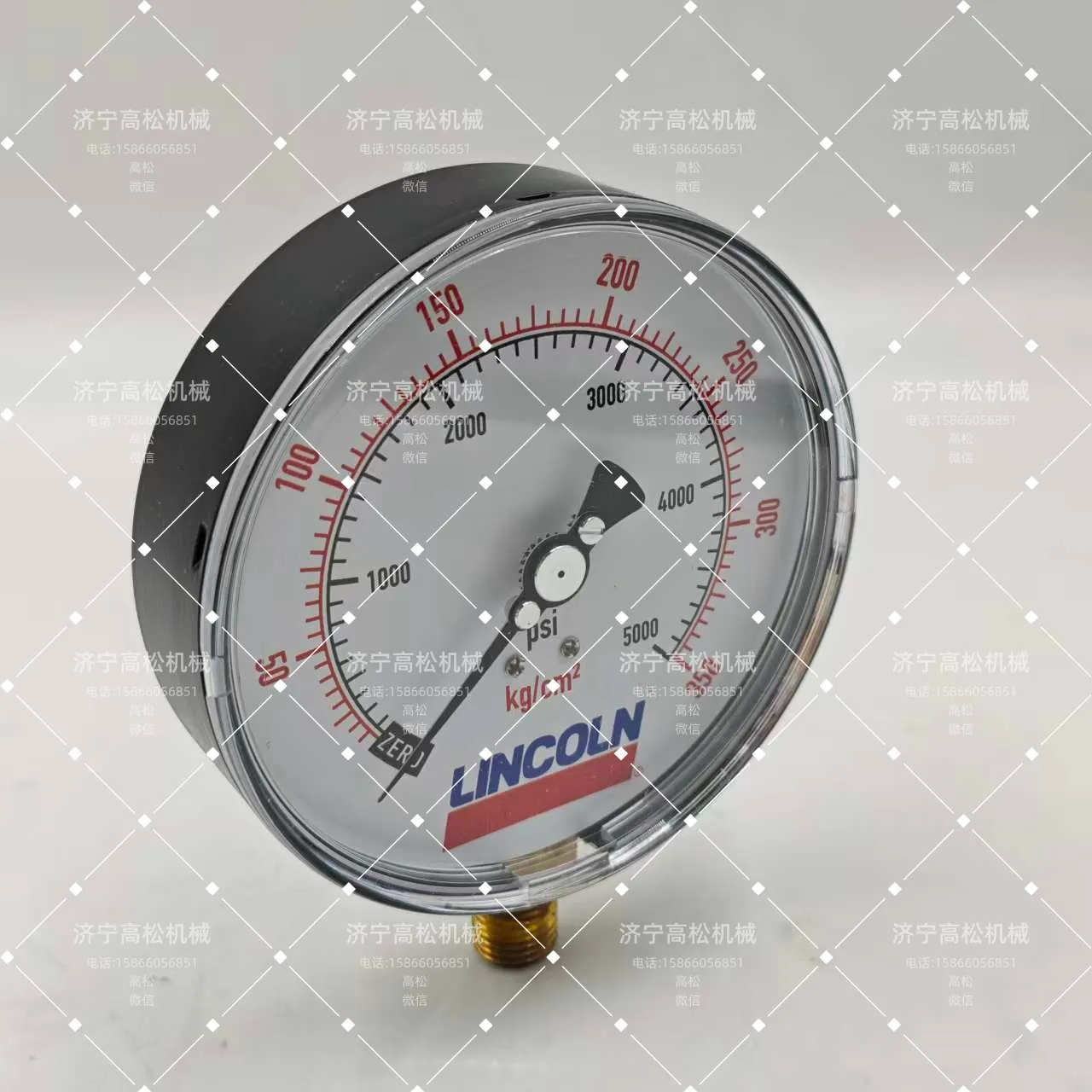 427-S95-2410 Komatsu Gauge, Pressure