
- Chinese
- French
- German
- Portuguese
- Spanish
- Russian
- Japanese
- Korean
- Arabic
- Irish
- Greek
- Turkish
- Italian
- Danish
- Romanian
- Indonesian
- Czech
- Afrikaans
- Swedish
- Polish
- Basque
- Catalan
- Esperanto
- Hindi
- Lao
- Albanian
- Amharic
- Armenian
- Azerbaijani
- Belarusian
- Bengali
- Bosnian
- Bulgarian
- Cebuano
- Chichewa
- Corsican
- Croatian
- Dutch
- Estonian
- Filipino
- Finnish
- Frisian
- Galician
- Georgian
- Gujarati
- Haitian
- Hausa
- Hawaiian
- Hebrew
- Hmong
- Hungarian
- Icelandic
- Igbo
- Javanese
- Kannada
- Kazakh
- Khmer
- Kurdish
- Kyrgyz
- Latin
- Latvian
- Lithuanian
- Luxembou..
- Macedonian
- Malagasy
- Malay
- Malayalam
- Maltese
- Maori
- Marathi
- Mongolian
- Burmese
- Nepali
- Norwegian
- Pashto
- Persian
- Punjabi
- Serbian
- Sesotho
- Sinhala
- Slovak
- Slovenian
- Somali
- Samoan
- Scots Gaelic
- Shona
- Sindhi
- Sundanese
- Swahili
- Tajik
- Tamil
- Telugu
- Thai
- Ukrainian
- Urdu
- Uzbek
- Vietnamese
- Welsh
- Xhosa
- Yiddish
- Yoruba
- Zulu
- Kinyarwanda
- Tatar
- Oriya
- Turkmen
- Uyghur






OEM AND ORIGINAL KOMATSU GUARD 198-27-51140
Let's cut straight to it. When you see that part number, , for a Komatsu guard, the immediate assumption is you need a genuine Komatsu box. That's the first trap. In the field, especially in markets with supply chain gaps, the binary choice between 'OEM' and 'Original' isn't just about price; it's about availability, application, and sometimes, pure necessity. I've seen too many projects stall waiting for a 'certified' part that, functionally, has a near-identical counterpart made within the same supplier ecosystem. The keyword here is OEM AND ORIGINAL KOMATSU GUARD . The 'AND' is crucial—it represents the gray area where most of the actual business happens.
The Supplier Ecosystem and the Original Myth
Komatsu doesn't forge every bolt and bend every plate in-house. They rely on a network of approved manufacturers—Original Equipment Manufacturers. These OEMs produce to Komatsu's blueprint, using specified materials and processes. The part that ends up in a Komatsu box with the Komatsu logo is 'original'. But what happens when that same OEM, operating the same production line, sells that same component without the Komatsu branding and through a different channel? That's the OEM part. The core of the debate for , a common guard for excavator undercarriages, lies right here.
I recall a situation in a Southeast Asian mine. A D375A dozer was down because the guard was shattered. The local Komatsu dealer quoted a 12-week lead time. The site manager was livid. We sourced an OEM version from a supplier deep within Komatsu's network, one like Jining Gaosong Construction Machinery Co., Ltd.. It arrived in 7 days. The fit? Spot on. The gauge of the steel, the welding points, the paint thickness—all matched the original it replaced. The machine was back running without a hiccup. That's the practical reality. The website https://www.takematsumachinery.com frames it well; they position themselves as an OEM product supplier within the Komatsu system, which exactly describes this niche. They're part of the solution for parts supply challenges, not just an alternative.
This isn't to say all OEM-sourced parts are perfect. I've had my share of headaches. Once, a batch of supposedly compliant guards had slightly misaligned bolt holes. Not enough to be obvious, but enough to require a mallet and extra manpower to fit. The issue was traced back to a worn jig at the OEM factory—a problem that would have been caught under Komatsu's stricter QA for their 'original' line. So, the distinction sometimes isn't in design, but in the rigor of final inspection and accountability.
Field Verification and Critical Fit Checks
So, you decide to go the OEM route. The paperwork says it's for . You can't just slap it on. The first thing we do is a visual and dimensional cross-check against the worn part or the technical drawing. For this guard, pay attention to the curvature where it meets the track frame and the reinforcement rib placement. A millimeter off here can cause vibration and premature failure.
Material certification is another checkpoint. A reputable OEM supplier should provide a Mill Test Certificate for the steel. For a wear part like a guard, the hardness and impact resistance matter. I've learned to be wary of suppliers who can't or won't share basic MTC data. It's a red flag. Companies that are transparent, like those emphasizing their OEM role within the Komatsu system, tend to be more reliable because their business model depends on that technical credibility, not just moving boxes.
The installation itself is the final test. If it bolts up without force, sits flush, and doesn't interfere with adjacent components like the track link or the sprocket, you're 90% there. The last 10% is observed under operational stress. Does it resonate? Does it collect debris differently? In one case, an OEM guard had a slightly different internal contour that actually shed mud better than the original. A small, unexpected advantage. The core takeaway is that the part number is a specification. Multiple sources can meet it, with varying degrees of adherence.
Cost-Benefit and Operational Philosophy
Financially, the OEM part can be 30-50% less. But the calculation isn't that simple. For a critical, safety-related component on a primary machine, the risk premium of the original part might be worth it. For a guard on a secondary machine in a lower-intensity application? The OEM part is often the economically rational choice. The mission of a company like Jining Gaosong, which acts as both an OEM supplier and a third-party sales channel, is to provide this exact flexibility. They help fill the gap when the primary supply chain falters.
I've advised clients to adopt a mixed strategy. For their flagship, high-utilization Komatsu excavators, they run full original kits for major assemblies. But for items like the Komatsu guard , filters, seals, and even some hoses, they maintain a vetted list of OEM suppliers. This hybrid approach controls costs without introducing undue risk. It requires having a trusted procurement partner who understands the technical nuances, not just the price list.
The biggest failure I've witnessed was a fleet manager who went 100% to the cheapest available alternatives, chasing short-term savings. The failure rate on components like guards and brackets skyrocketed. The downtime costs from ill-fitting parts completely erased the purchase savings and then some. It was a classic case of mistaking a price for a cost. The lesson is that the value of a proper OEM part lies in its predictable performance, not just its lower price point versus the original.
The Gray Market and Authentication Challenges
This brings us to the murkier side. Not every part marketed as 'OEM for Komatsu' is from an approved supplier. Some are pure reverse-engineered copies. The difference can be subtle—a cheaper grade of steel that fatigues faster, inferior paint that leads to rapid corrosion, or tolerances just loose enough to cause fitment issues over time. For the , corrosion resistance is key because of its exposure to mud and abrasives.
How do you filter? First, supplier pedigree. A company that openly states its role as an OEM supplier within the Komatsu system has more to lose by selling junk. They're leveraging a legitimate position. Second, ask for traceability. Can they link the part back to a production batch? Third, physical inspection upon arrival. Does the packaging look professional? Does the part have casting marks or logos that align with known OEMs? Over time, you build a mental library of what 'right' looks like.
There's no universal database to check this, which is why experience is irreplaceable. You develop a feel for it. The weight of the part in your hands, the sound it makes when struck lightly, the quality of the weld beads. These are the intangible checks that separate a seasoned parts manager from a novice. When you find a reliable source, you stick with them. It's why relationships with firms that have a clear technical identity, like the one described on Takematsu Machinery's site, are valuable. Their stated focus on solving supply challenges implies a deeper understanding of the operational need, not just a transactional one.
Concluding Thoughts: A Tool, Not a Doctrine
At the end of the day, the OEM AND ORIGINAL KOMATSU GUARD debate shouldn't be ideological. It's a practical tooling decision. The 'original' part offers maximum assurance and full warranty backing, at a premium. The vetted 'OEM' part offers a cost-effective, functionally equivalent solution for most scenarios, with a slightly different risk profile.
The industry is moving towards acknowledging this spectrum. The smart players are those who build a robust supply network that includes both channels. They use the original for warranty-sensitive or highly critical applications, and leverage trusted OEM suppliers for everything else to keep operations fluid and costs manageable. This is the nuanced approach that defines professional fleet management.
So, next time you're looking up , don't just think genuine or aftermarket. Ask, Who made it, and what's their proof? The answer to that question, more than any branding on the box, will tell you what you're really getting. And often, that answer leads you to the capable hands of the OEM suppliers working within the system.
Related Products
Related Products


Best Selling Products
Best Selling Products-
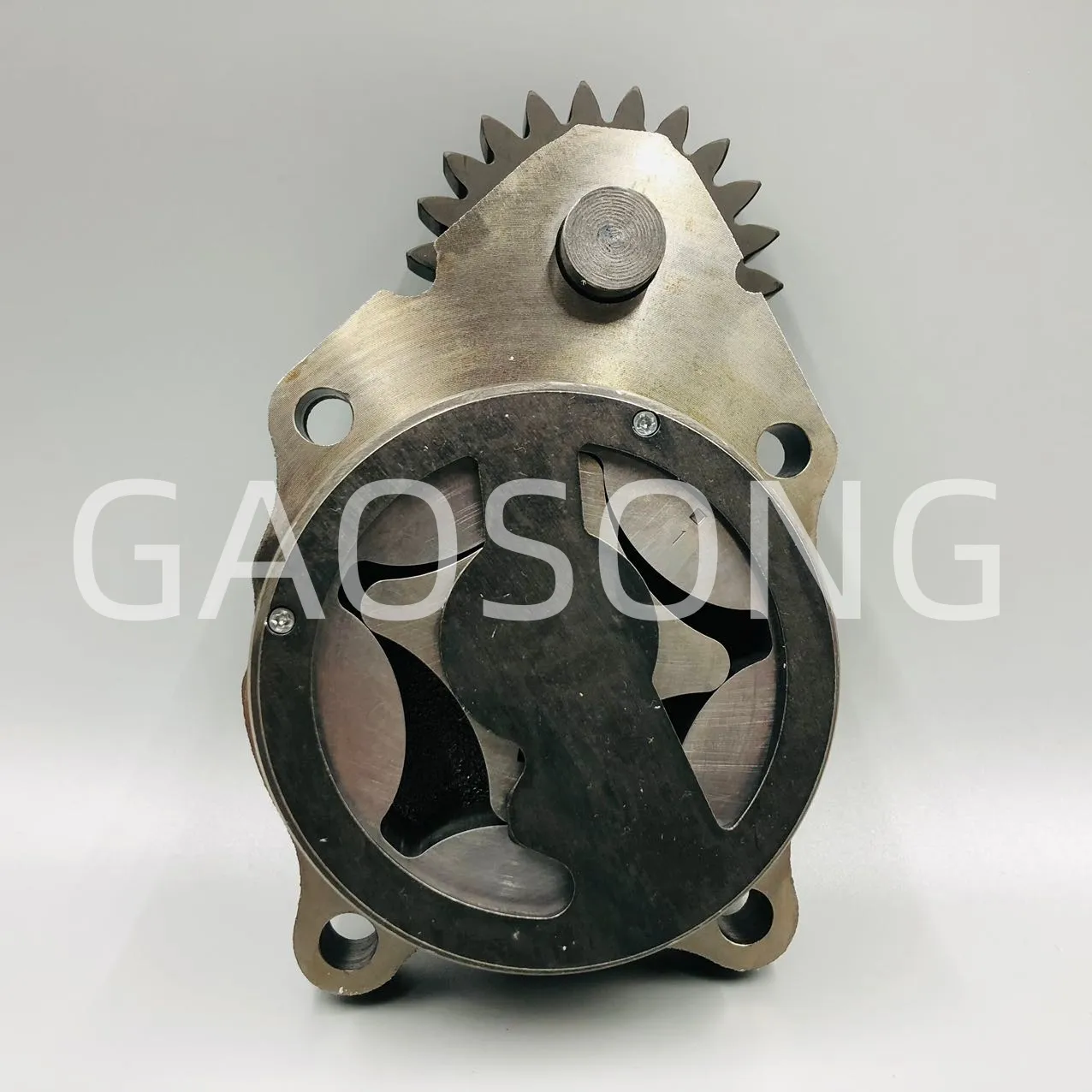 6754-51-1111 Pump Assembly
 -
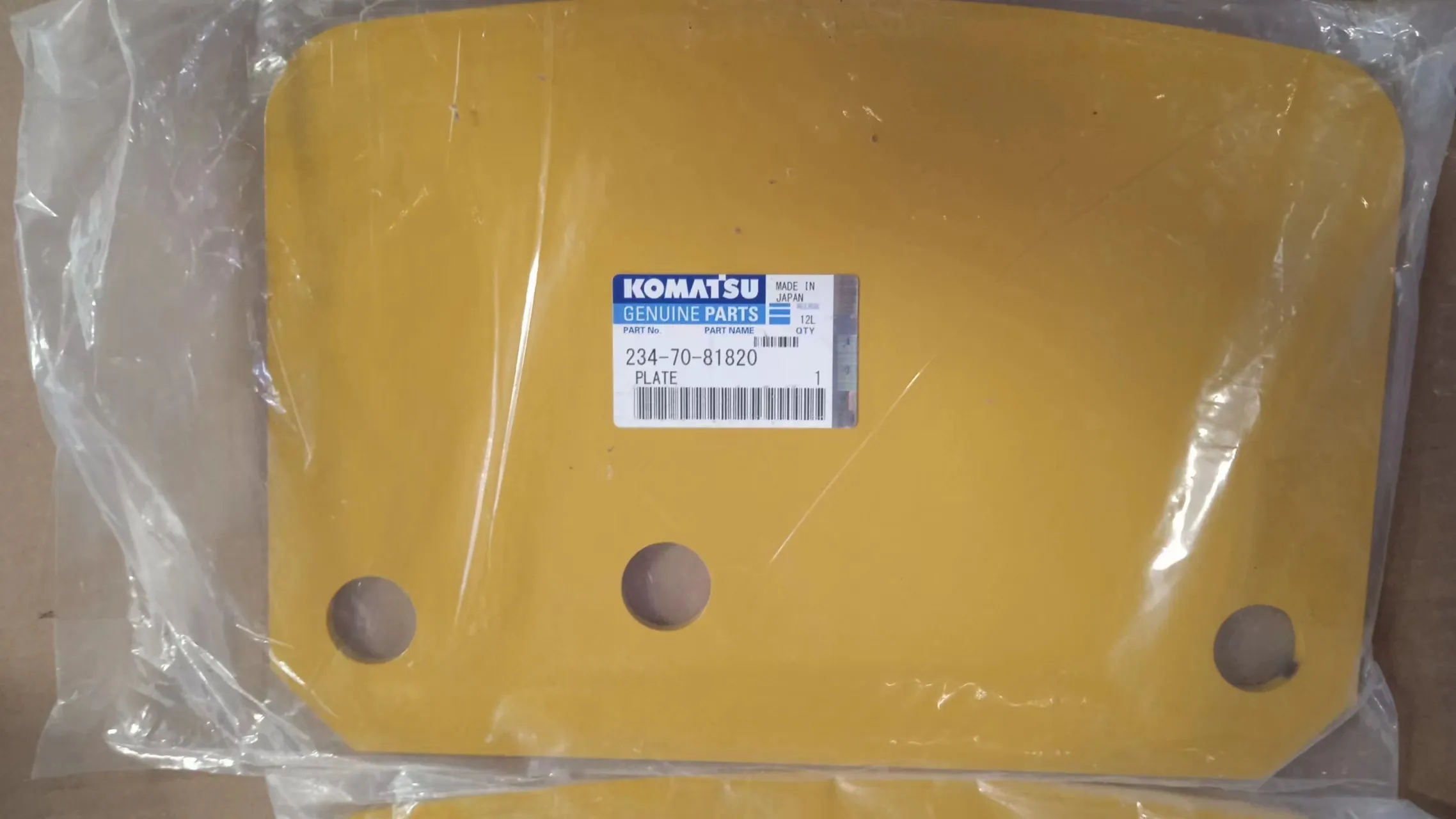 GD705-5 metal plate 234-70-81820
 -
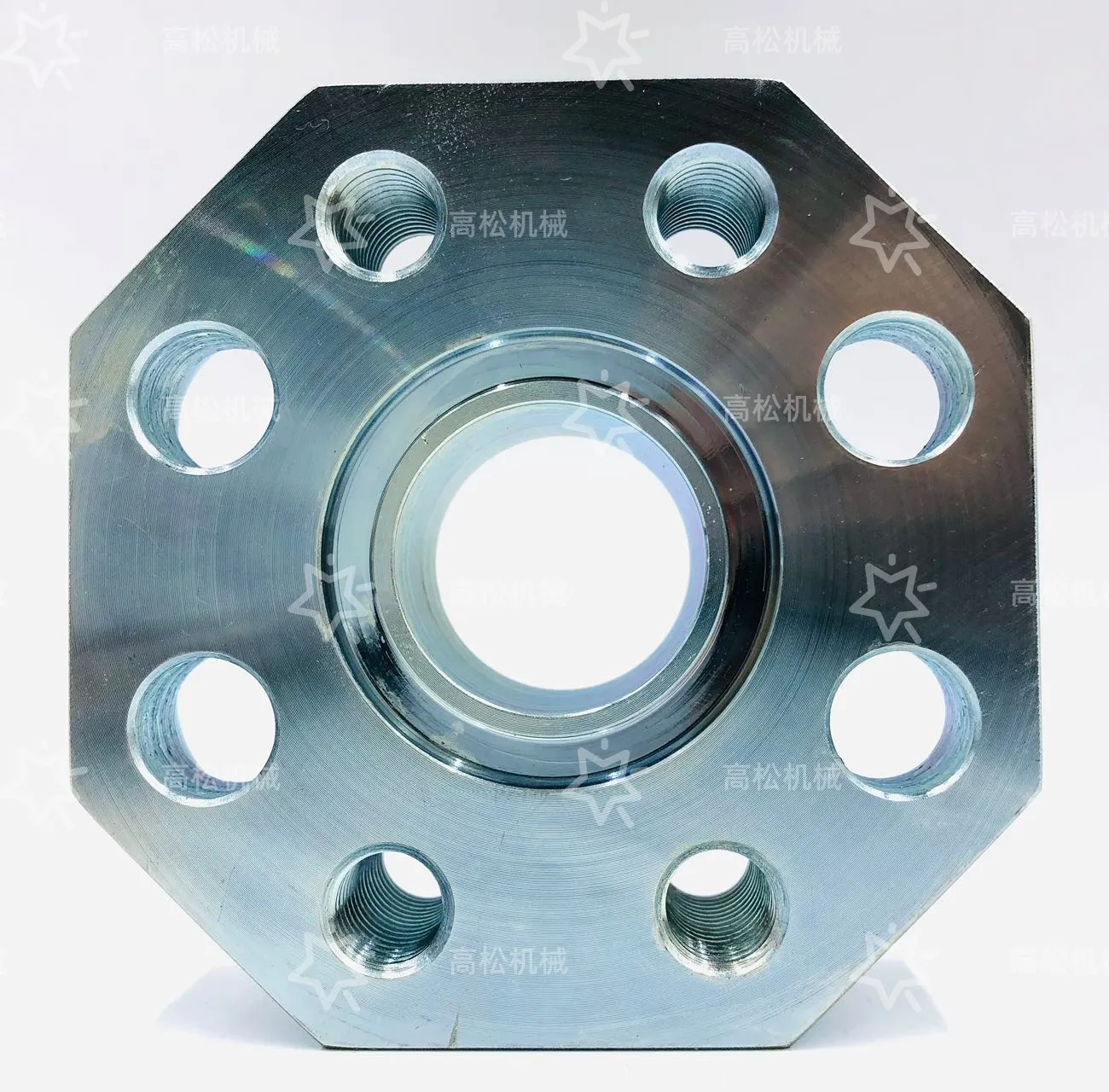 21N-62-11361 Komatsu FLANGE
 -
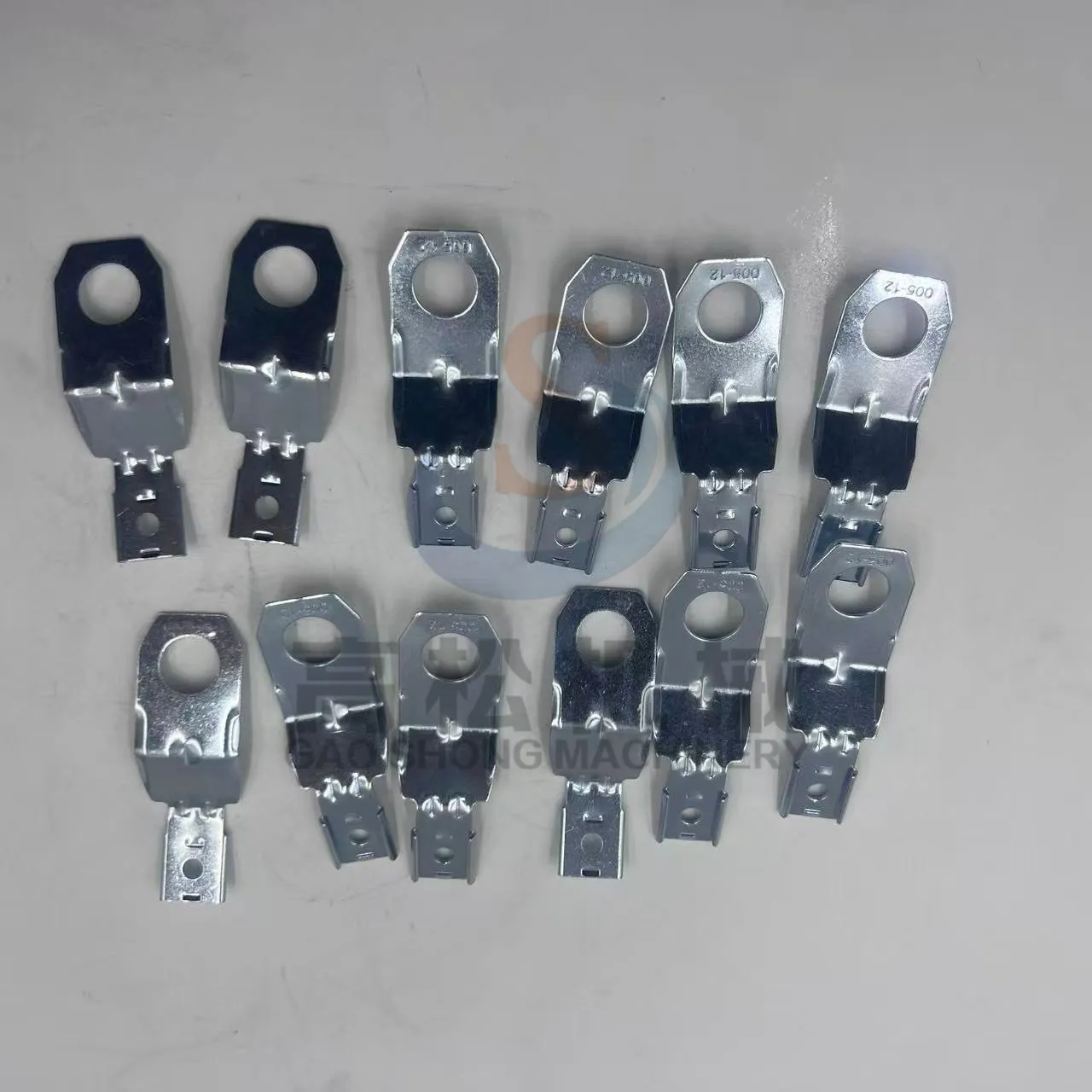 08193-21012 Clip (Komatsu)
 -
Kubota Excavator Receiver Drier 20Y-979-3120
-
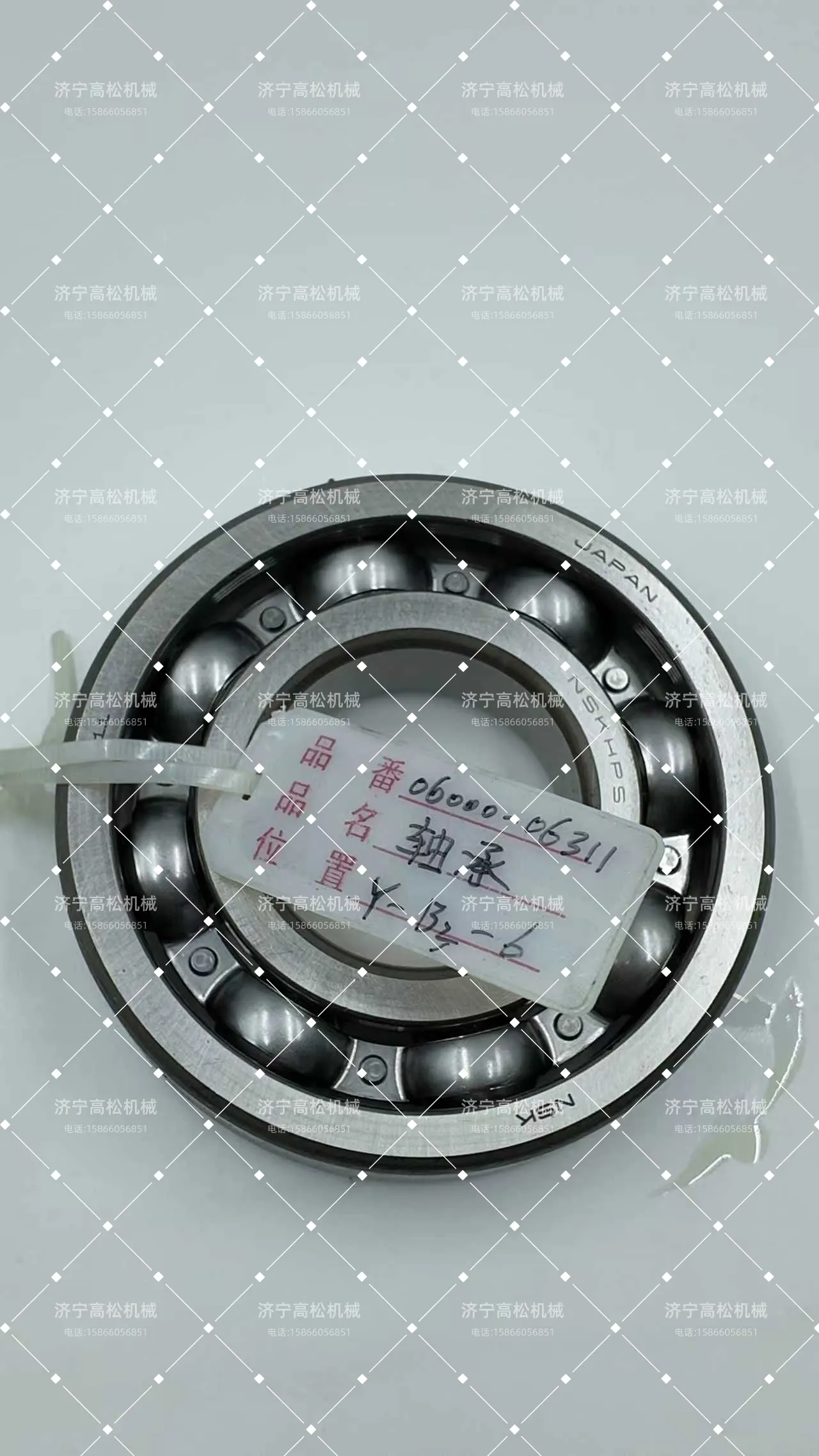 Custom KOMATSU Bulldozer Slewing Gearbox Bearing 06000-06311…
 -
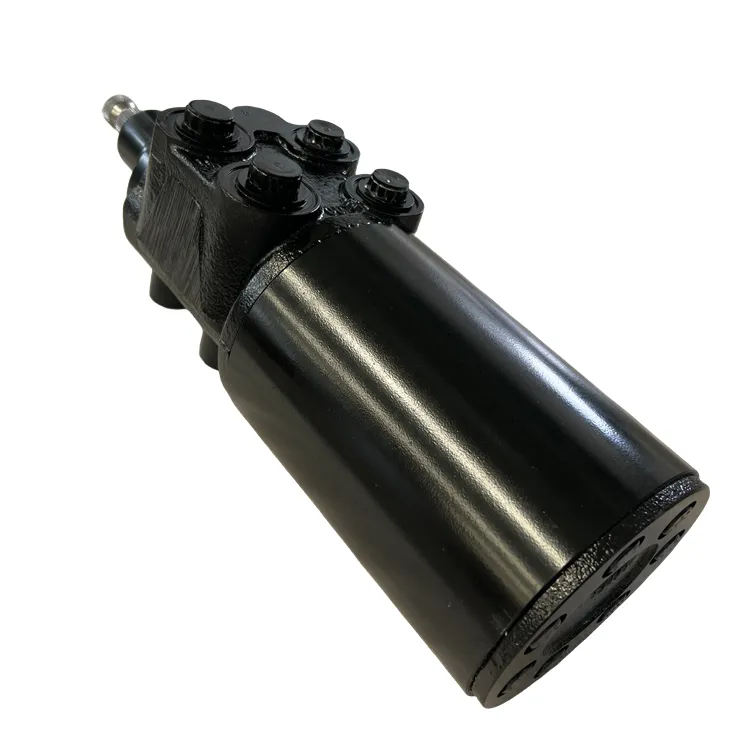 Hydraulic Steering Valve 561-40-83300 569-40-63302 for Komatsu HD785-7 HD465-7R Dump Trucks
 -
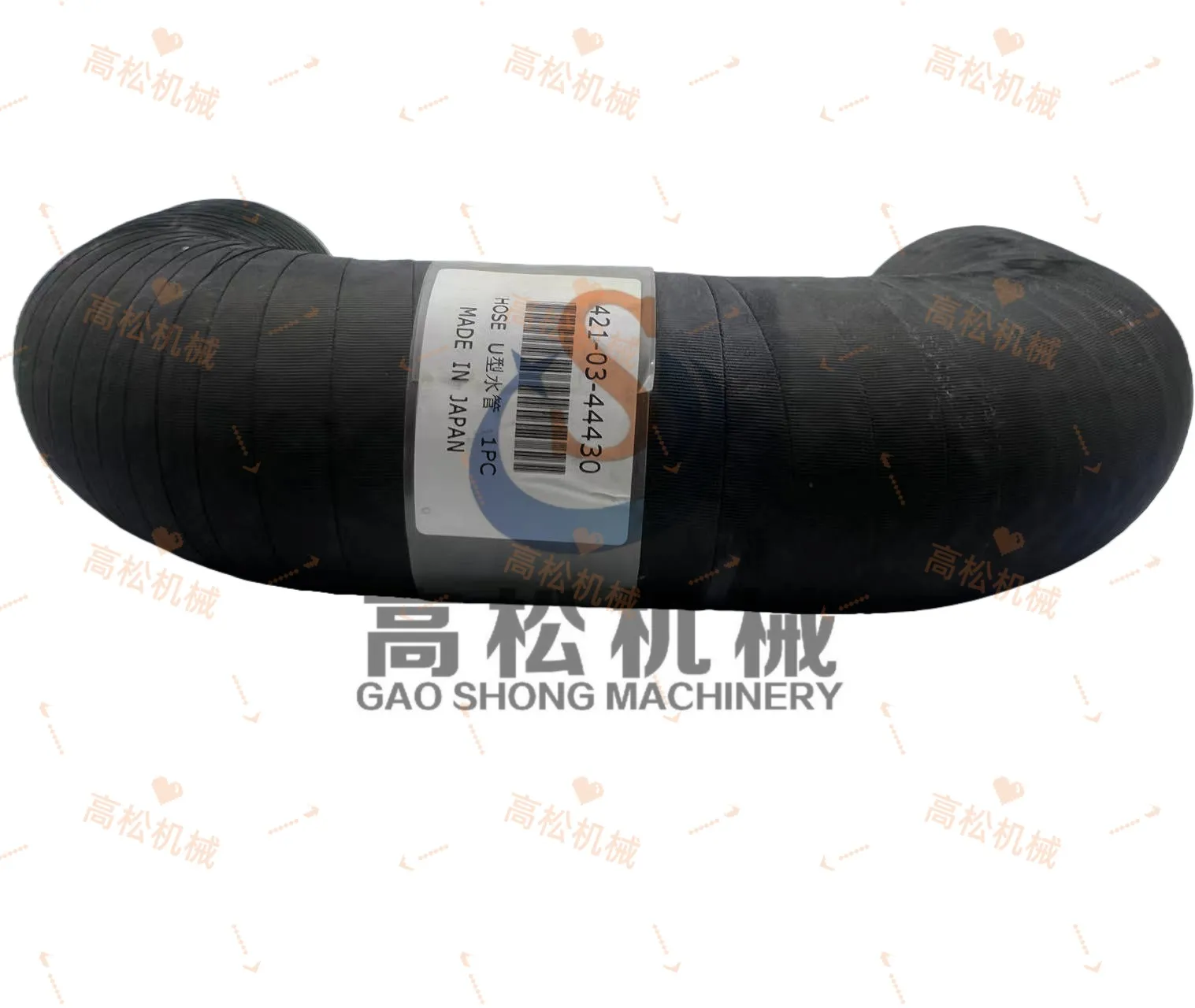 421-03-44430 HOSE WA480-6 S/N H60051 – H60462 RADIATOR Construction Machines Excavator Hose 421-03-44430 For WA380 WA450 WA470 WA480 Radiator
 -
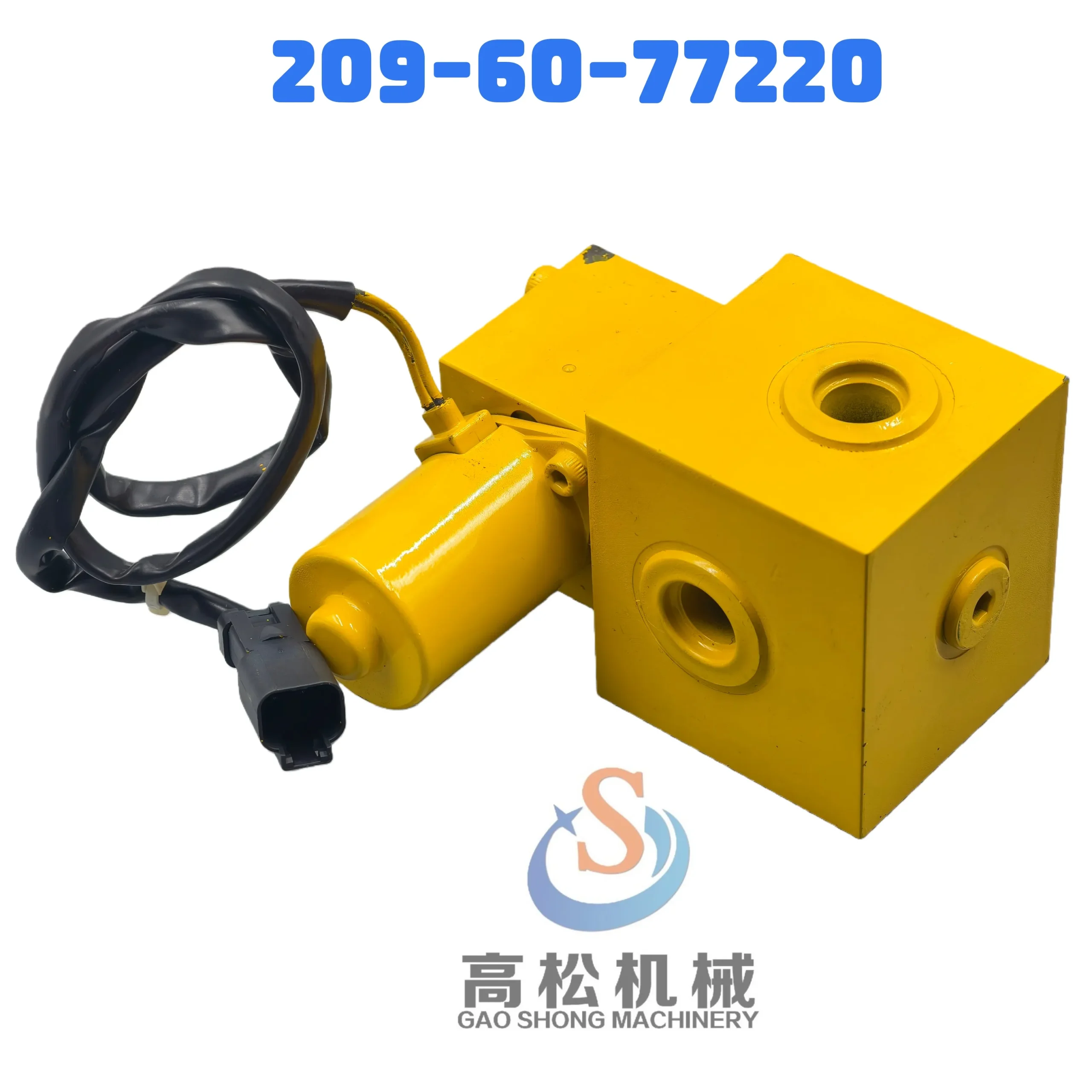 209-60-77220 VALVE ASS’Y KOMATSU parts BOTTOM, COOLANT, PC1250, PC1250SP, PC2000, PC600, PC650, PC700, PC800, PC800SE, PC850, PC850SE, TRAVEL
 -
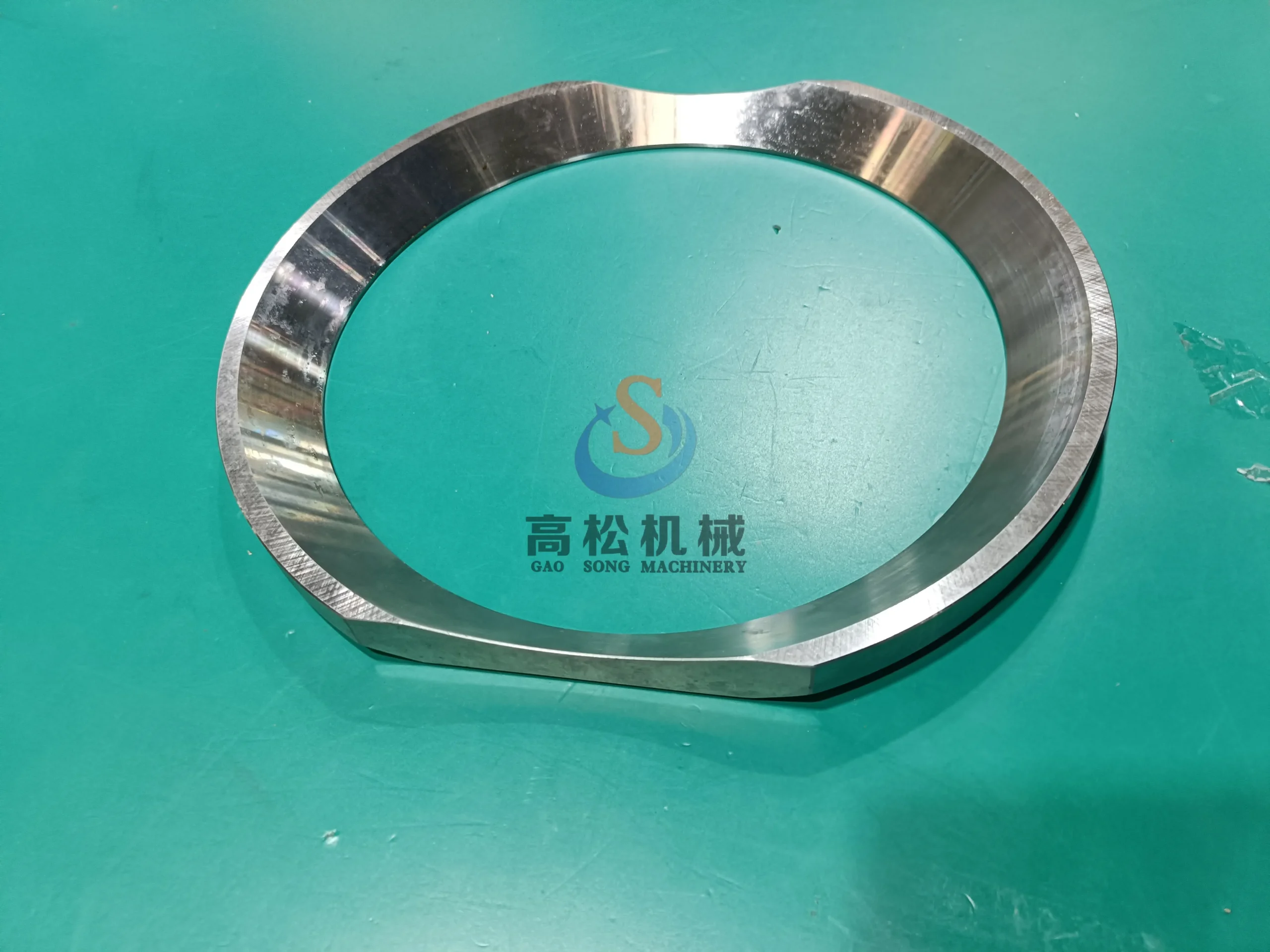 154-27-72350 komatsu COLLAR-D85
 -
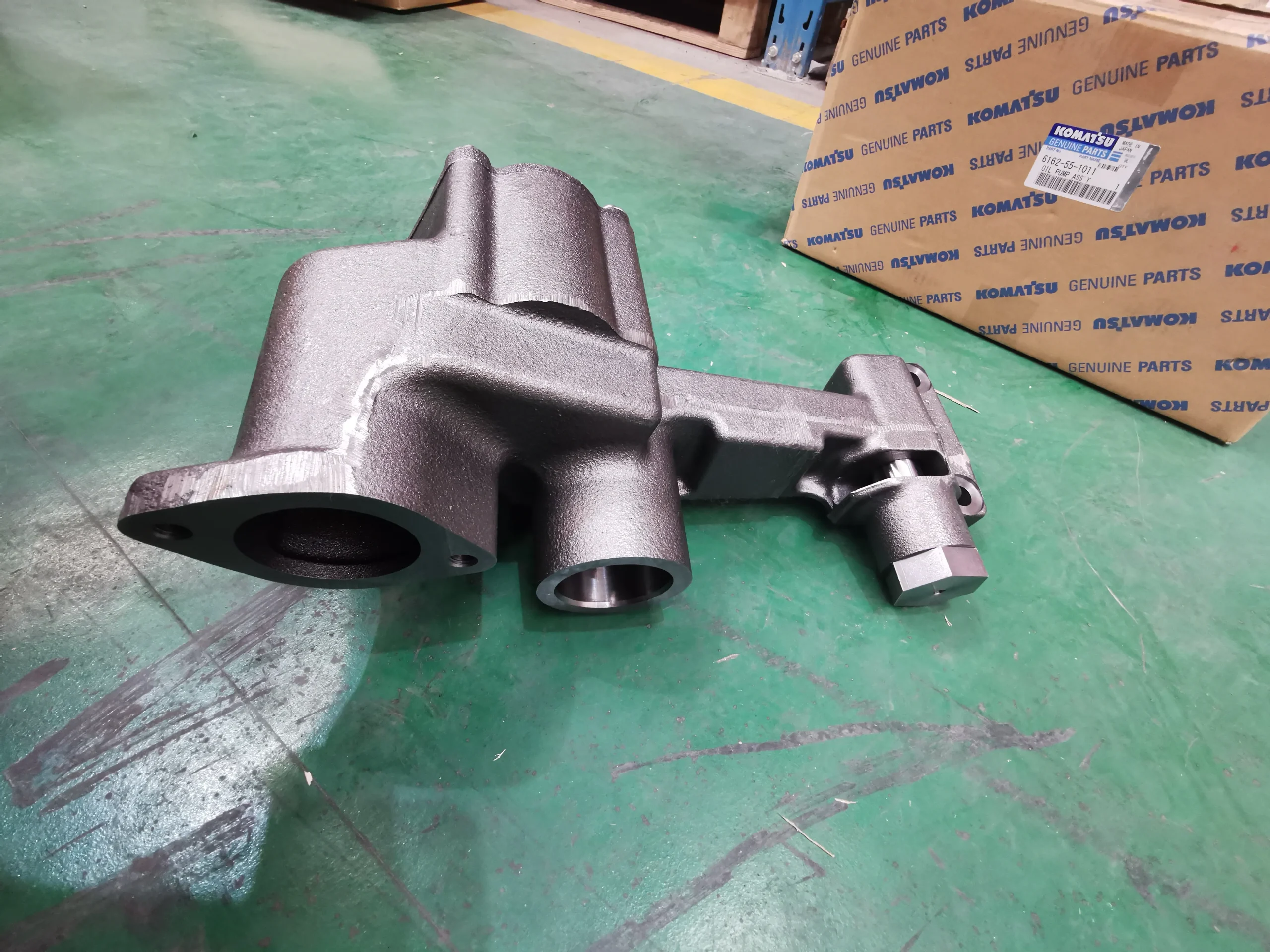 Supply Komatsu S6D170E-2A Oil Pump 6162-55-1011
 -
 56B-27-12361 Fixed ring Komatsu parts HM350, HM400