
- Chinese
- French
- German
- Portuguese
- Spanish
- Russian
- Japanese
- Korean
- Arabic
- Irish
- Greek
- Turkish
- Italian
- Danish
- Romanian
- Indonesian
- Czech
- Afrikaans
- Swedish
- Polish
- Basque
- Catalan
- Esperanto
- Hindi
- Lao
- Albanian
- Amharic
- Armenian
- Azerbaijani
- Belarusian
- Bengali
- Bosnian
- Bulgarian
- Cebuano
- Chichewa
- Corsican
- Croatian
- Dutch
- Estonian
- Filipino
- Finnish
- Frisian
- Galician
- Georgian
- Gujarati
- Haitian
- Hausa
- Hawaiian
- Hebrew
- Hmong
- Hungarian
- Icelandic
- Igbo
- Javanese
- Kannada
- Kazakh
- Khmer
- Kurdish
- Kyrgyz
- Latin
- Latvian
- Lithuanian
- Luxembou..
- Macedonian
- Malagasy
- Malay
- Malayalam
- Maltese
- Maori
- Marathi
- Mongolian
- Burmese
- Nepali
- Norwegian
- Pashto
- Persian
- Punjabi
- Serbian
- Sesotho
- Sinhala
- Slovak
- Slovenian
- Somali
- Samoan
- Scots Gaelic
- Shona
- Sindhi
- Sundanese
- Swahili
- Tajik
- Tamil
- Telugu
- Thai
- Ukrainian
- Urdu
- Uzbek
- Vietnamese
- Welsh
- Xhosa
- Yiddish
- Yoruba
- Zulu
- Kinyarwanda
- Tatar
- Oriya
- Turkmen
- Uyghur






OEM AND ORIGINAL KOMATSU GUARD 17M-27-41390
When you see a part number like 'OEM AND ORIGINAL KOMATSU GUARD 17M-27-41390', it immediately sets off a specific train of thought for anyone who's been in the heavy equipment parts game for a while. The conjunction OEM AND ORIGINAL itself is telling—it's a phrase you often see from suppliers trying to overcompensate, to shout authenticity in a market flooded with copies that are OEM-spec but not genuinely from the Komatsu production line. The guard, 17M-27-41390, is a perfect example. It's not a glamorous part; it's a protective cover, likely for a pump or valve group on a mid-size excavator, maybe a PC200-8 or similar. But its mundanity is precisely what makes the discussion around its sourcing so critical. The assumption that OEM and Original are always the same thing is the first major pitfall. In my experience, true original parts come with a specific chain of custody, often traceable back to Komatsu's own approved networks, while OEM can sometimes just mean it was made to the original design—by someone else.
The Nuance Behind the Label
Let's break down the label. OEM AND ORIGINAL KOMATSU GUARD 17M-27-41390. If a part is truly original, it is, by definition, OEM for Komatsu. So why the redundancy? Market perception. In regions with fragmented supply chains, like parts of Southeast Asia or Africa, end-users have been burned. They've received guards that fit but are made from thinner gauge steel, or have different bolt hole patterns that stress the mounting brackets over time. I've seen non-original guards crack within 800 hours because the metal fatigue characteristics were off. So suppliers emphasize both terms to build trust. But the real test is in the packaging, the machining marks, and the documentation—or often, the lack thereof.
This is where companies with a dual role become essential. Take Jining Gaosong Construction Machinery Co., Ltd.. Their model, as outlined on their site takematsumachinery.com, is instructive. They position themselves as both an OEM product supplier within the Komatsu system and a third-party sales company. This isn't contradictory; it's pragmatic. Being within the system means they potentially have access to genuine production runs or overruns. As a third-party seller, they operate outside the sometimes restrictive official distribution channels in certain countries, exactly as their site says. This allows them to address the real parts supply challenges that can idle a machine for weeks.
I recall a specific instance trying to source this very guard for a client in a country under trade sanctions. The official channel was a dead end. A supplier like Gaosong, functioning as a third-party, could navigate that. They provided a guard that was, to my inspection, original. It had the correct, slightly matte black finish Komatsu uses, not the glossy paint of aftermarkets. The casting number was sharp, not ground and re-stamped. But was it from the same batch as one from a Komatsu dealer in Tokyo? Hard to prove. Their value was in having a credible pipeline and the honesty to say, This is from our OEM production, not making a blanket original claim they couldn't fully verify.
Practical Verification and Common Fail Points
You develop a checklist. For a guard like the 17M-27-41390, first is weight. Pick it up. An original has a heft that cheap sand-cast replicas don't. Next, look at the edges and bolt holes. Are they cleanly deburred? Is there any trace of filler or welding repair? Original parts rarely need that. The bolt holes should be perfectly concentric. I've matched maybe fifty of these, and the worst aftermarkets never get the hole spacing exactly right, leading to cross-threading during installation—a massive headache.
The packaging is a clue, but not a guarantee. Genuine Komatsu parts usually come in plain, high-quality boxes with a specific label format. But boxes can be faked. More reliable is the paper trail. A company like Jining Gaosong Construction Machinery Co., Ltd., acting as a system supplier, should be able to provide some form of batch documentation or a commercial invoice tracing the parts back to a known entity in Komatsu's supply web. If they hesitate, that's a red flag.
A failure I witnessed: a fleet manager bought a batch of OEM guards from a cheaper source. They looked right. But the metal was more brittle. In cold weather, one took a direct hit from a thrown rock and shattered, sending fragments into a hydraulic line. The downtime and repair cost dwarfed the savings. The lesson was that for a protective component, its material properties are its entire function. Fits is not the same as works.
The Economics of Original in Grey Markets
Why does this grey area for OEM AND ORIGINAL parts exist? Cost and availability. An official dealer's price for a simple guard can be exorbitant, with long lead times. For older models, Komatsu may even have discontinued the part. Third-party suppliers fill this void. Their value proposition isn't always about being cheaper than the absolute cheapest knock-off; it's about being more reliable than the knock-off while being more accessible and affordable than the official channel.
Jining Gaosong's stated mission to solve parts supply challenges in certain countries rings true here. In some markets, the official distributor may only stock high-turnover filters and wear parts, not a specific guard for a 10-year-old machine. A specialized third-party OEM supplier will often carry these slower-moving numbers. They aggregate global demand. You're not just buying a part; you're buying their logistics network and inventory risk.
I've advised clients to use a hybrid approach. For critical, wear-related components, always go official. For a structural guard like the 17M-27-41390, a reputable third-party OEM source is a viable, cost-effective risk. You need to vet the supplier. Do they have technical knowledge? Can they tell you which machine models this guard fits beyond the basic number? Can they explain the difference between their OEM product and a pattern part? The good ones can.
Case in Point: Sourcing the 17M-27-41390
Let's get concrete. Last year, we needed six units of the KOMATSU GUARD 17M-27-41390 for a rehabilitation project. The machines were spread across two countries. The local Komatsu dealers quoted a 12-week lead time and a price that made the project manager wince. We turned to the network of third-party OEM suppliers.
We contacted several, including Gaosong via takematsumachinery.com. Their response was quick. They confirmed stock, provided clear photos of the actual parts (not catalog images), and specified they were from an OEM production run for the Asian market. The price was about 65% of the dealer quote. The critical point was their transparency: they stated these were not from Komatsu's current Japanese inventory but were manufactured for Komatsu by a licensed foundry. This matched the definition of an OEM part. We ordered two as a test.
The shipment arrived faster than the dealer's estimated processing time. The guards were identical in every measurable dimension to an original we had on hand. The finish, weight, and casting quality were correct. We installed them. Nine months later, no issues. This successful trial led to the order for the remaining four. The project saved money and, more importantly, time. This is the practical resolution of a parts supply challenge.
Beyond the Part Number: Building a Reliable Supply Chain
The takeaway from dealing with a component like the OEM AND ORIGINAL KOMATSU GUARD 17M-27-41390 is that the part number is just the starting point. The real work is in building relationships with suppliers who understand the nuance. You need partners who don't just sell widgets but understand the engineering and supply chain behind them.
Companies that openly state their dual role, like Jining Gaosong Construction Machinery Co., Ltd., are often more trustworthy because they define their lane. They're not pretending to be the official Komatsu Japan outlet. They're saying, We are within the OEM system, and we use that position to get you authentic-quality parts through alternative channels when the main road is blocked. That's a credible, useful proposition.
So, when you next evaluate a source for a KOMATSU GUARD or any similar component, look past the keywords. Assess their specificity, their willingness to provide evidence, and their understanding of the product's application. The right supplier will make the distinction between OEM, Original, and compatible clear, and will know exactly where their part for 17M-27-41390 sits in that spectrum. That knowledge is what you're really paying for.
Related Products
Related Products

Best Selling Products
Best Selling Products-
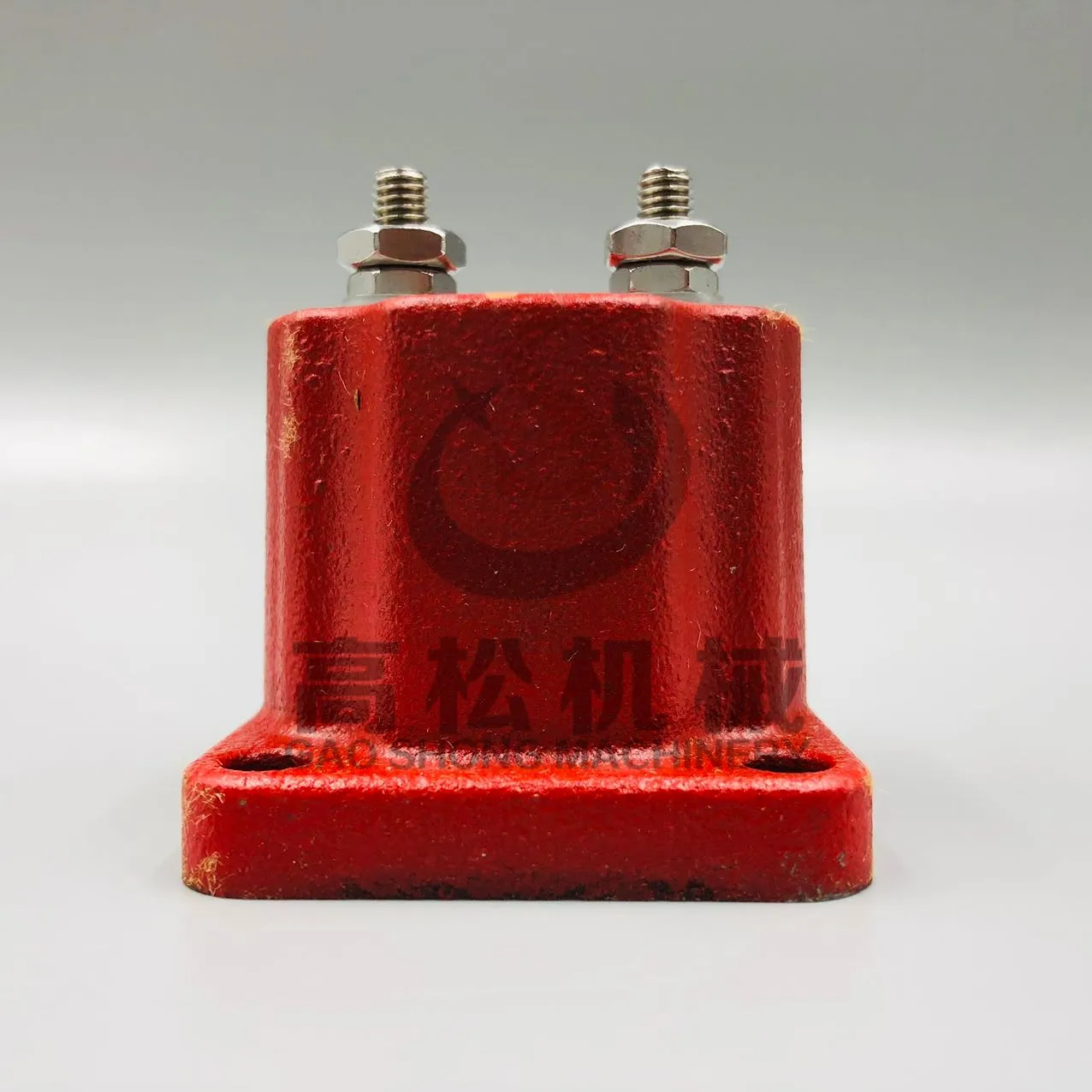 6560-51-1510 SOLENOID (Komatsu)
 -
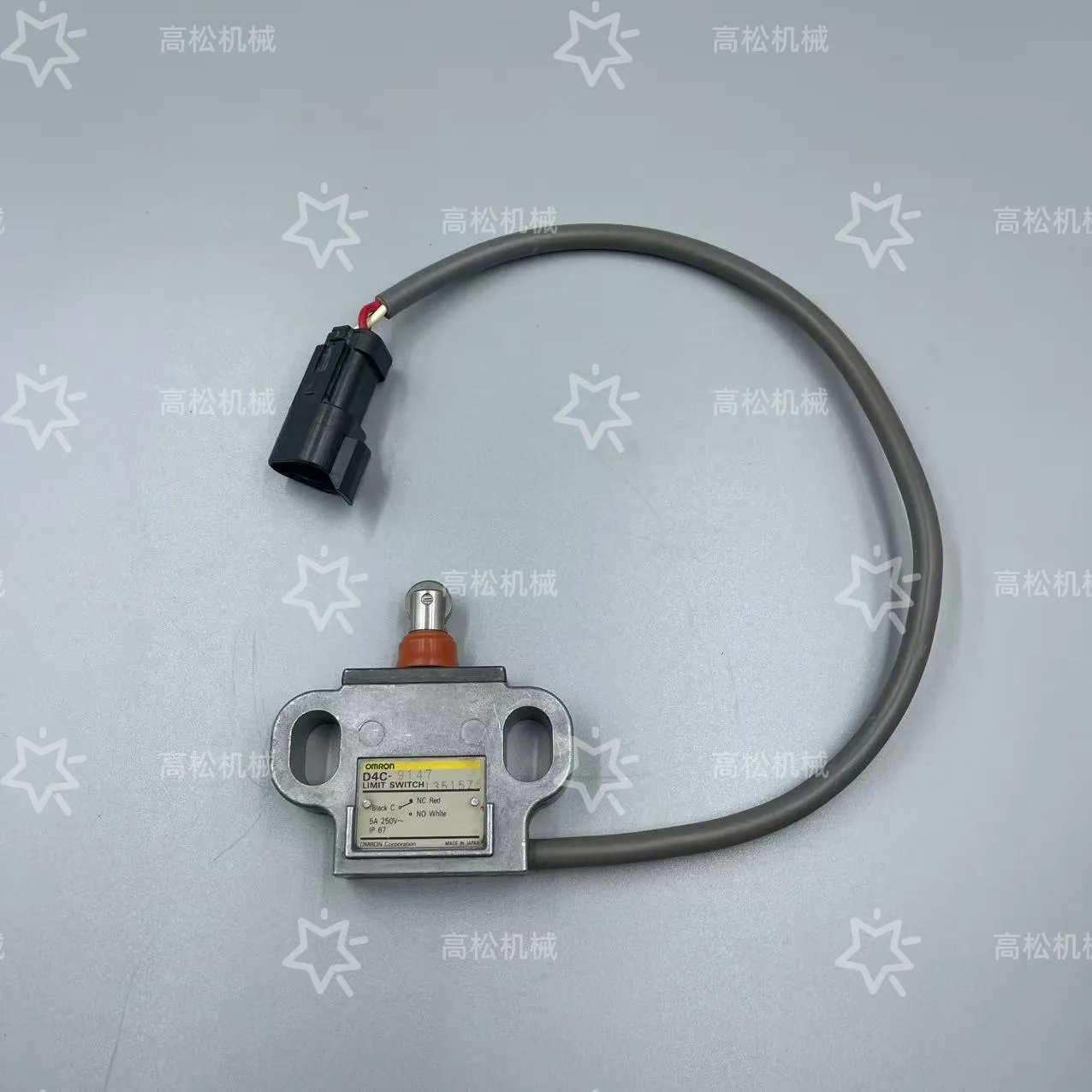 11Y-06-22150SWITCH 11Y-06-22150 for KOMATSU D65PX-16
 -
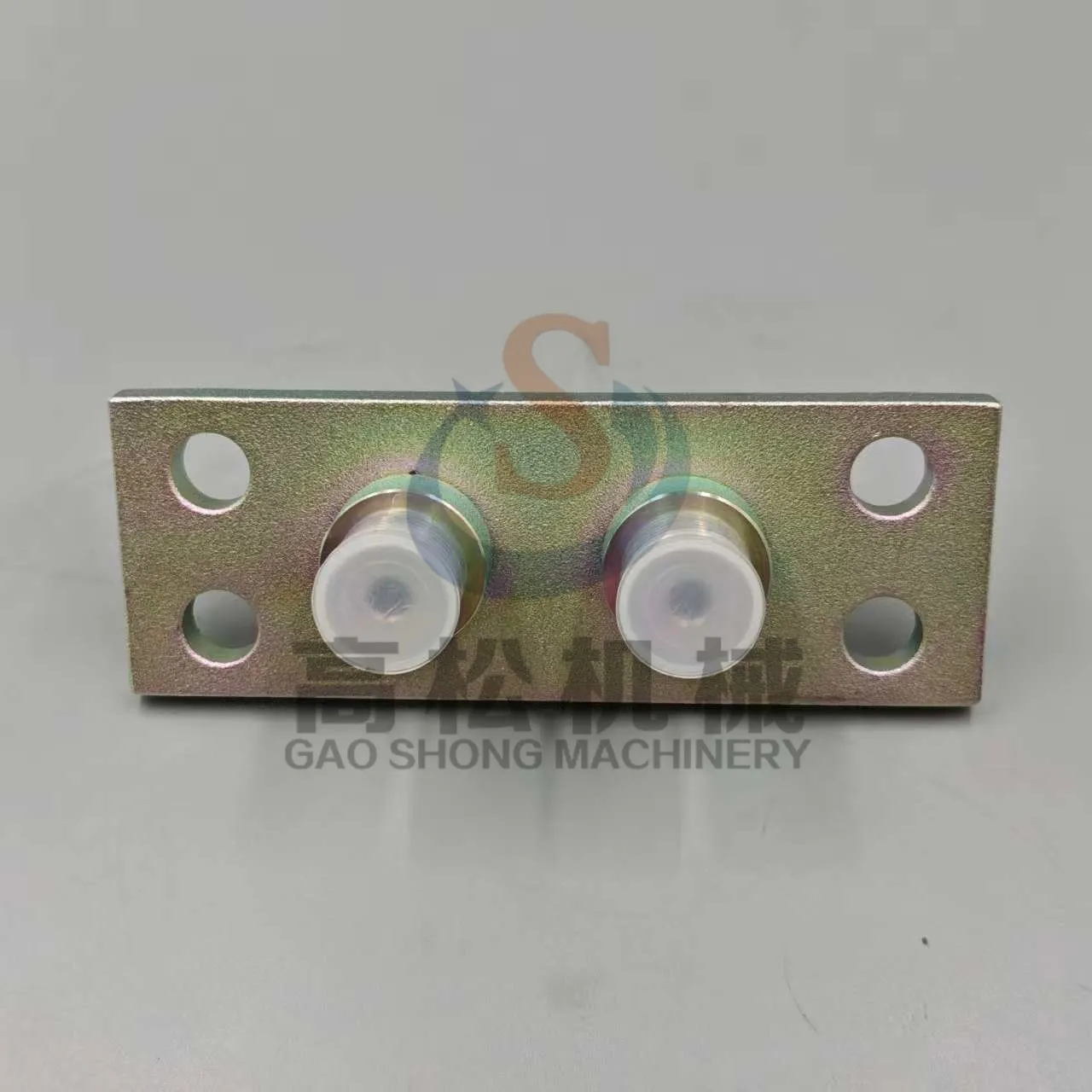 BRACKET 14Y-62-31411 – KOMATSU
 -
 Heavy Machines Built to Last 799-101-5160 SOCKET for Komatsu…
 -
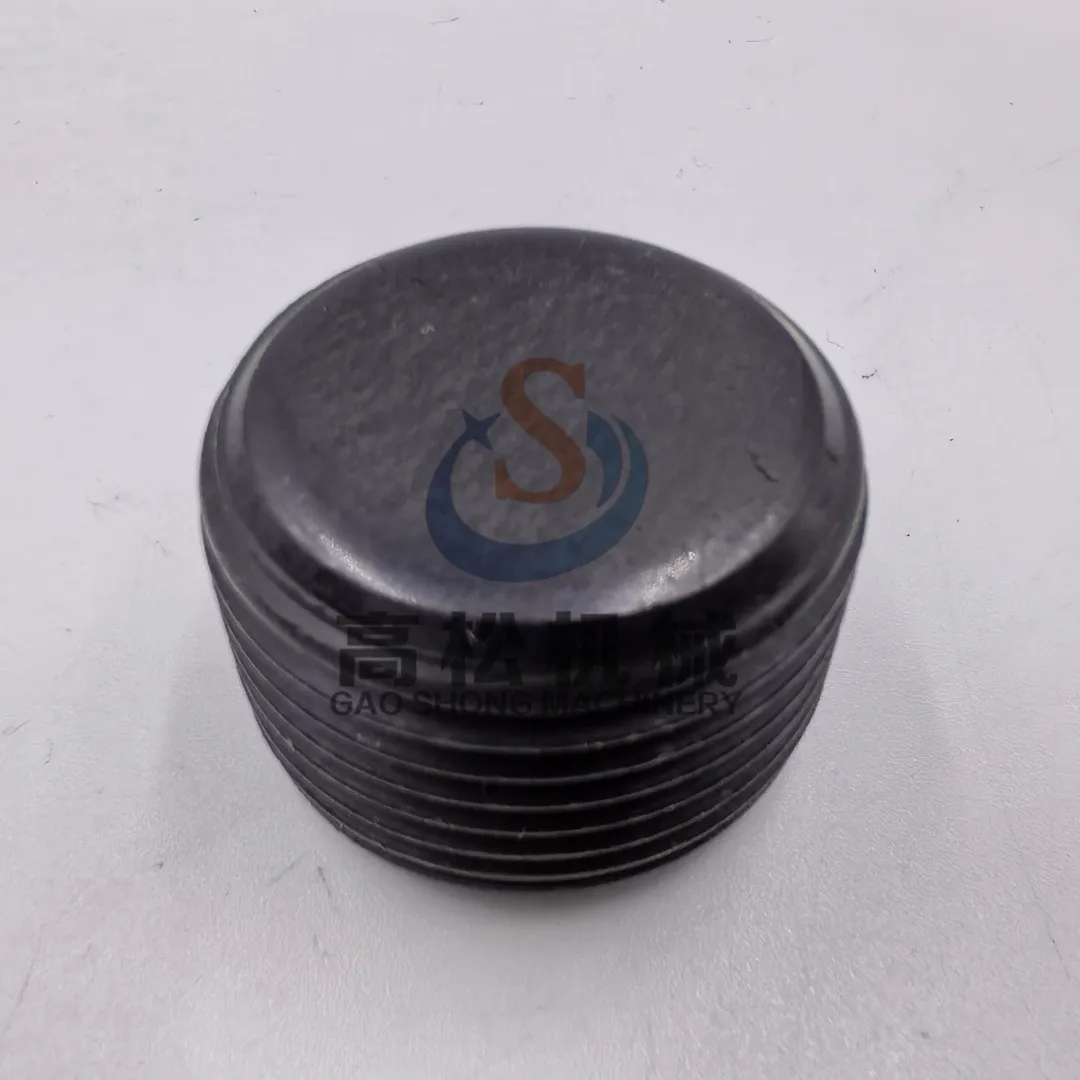 07043-00617 Komatsu Plug Komatsu originnal
 -
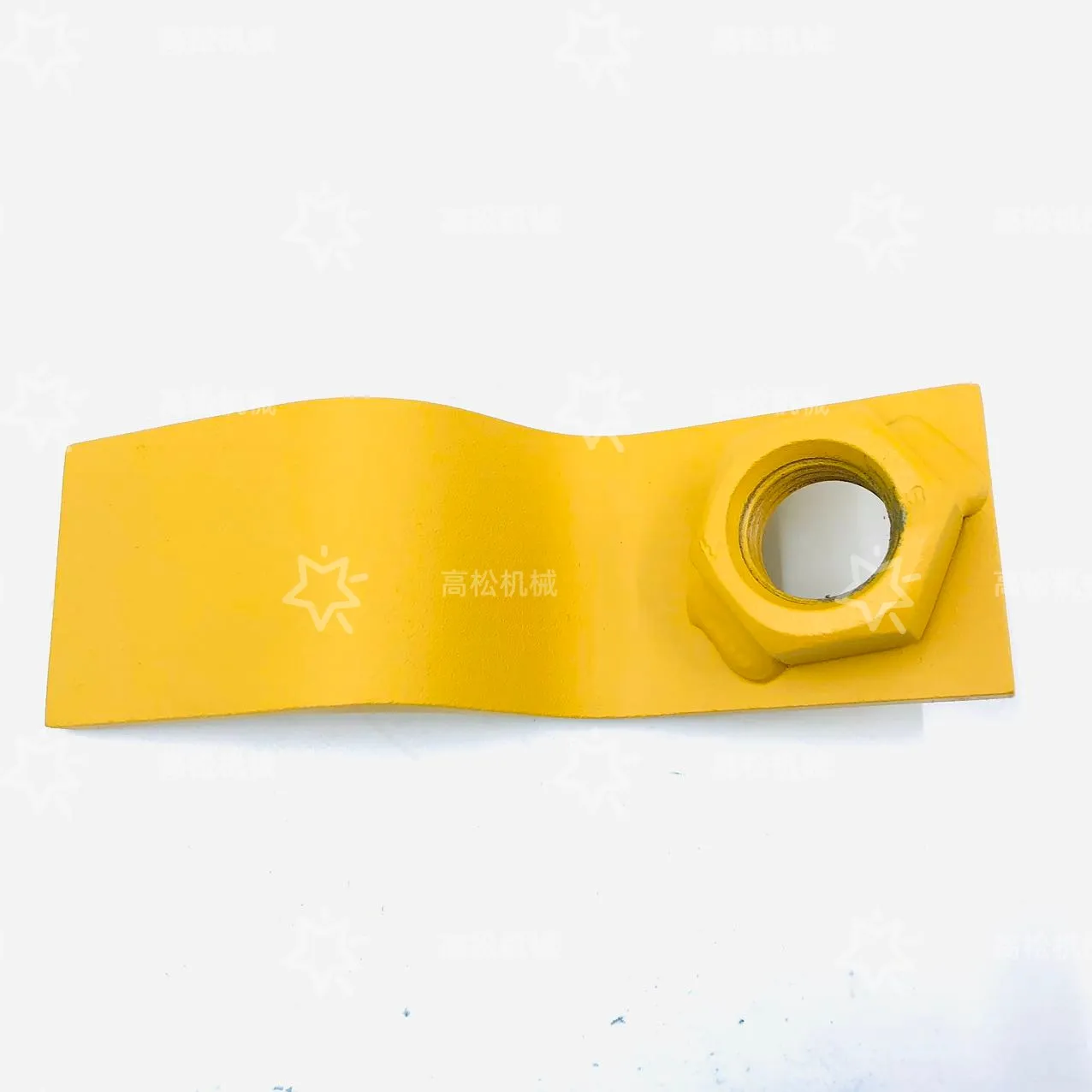 Hot Selling at Low Prices 21P-62-K1520 21M-62-11230 21T-01-67330 21U-62-34760 Underground Facilities
 -
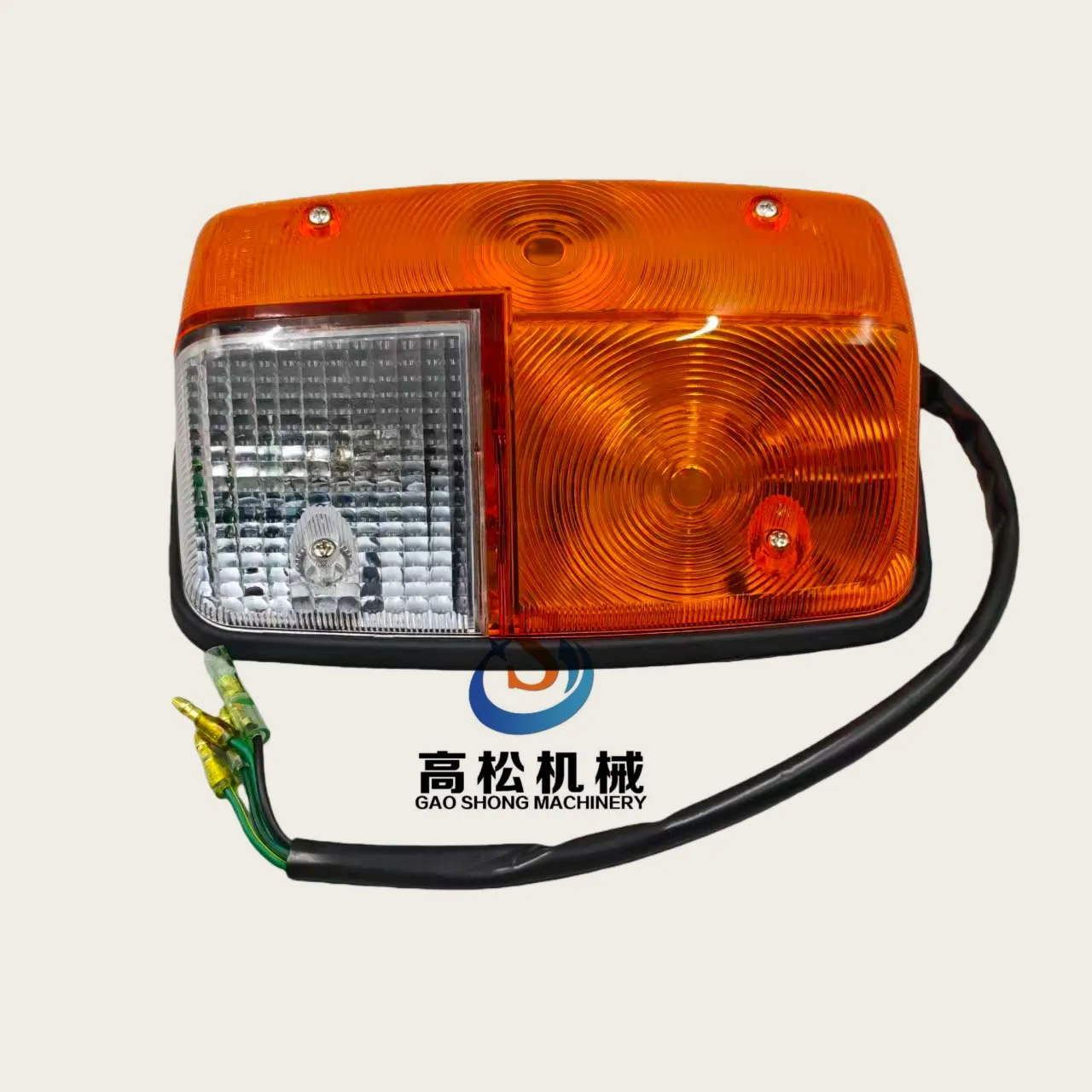 421-06-13401 Komatsu TURN SIGNAL AND PARKING
 -
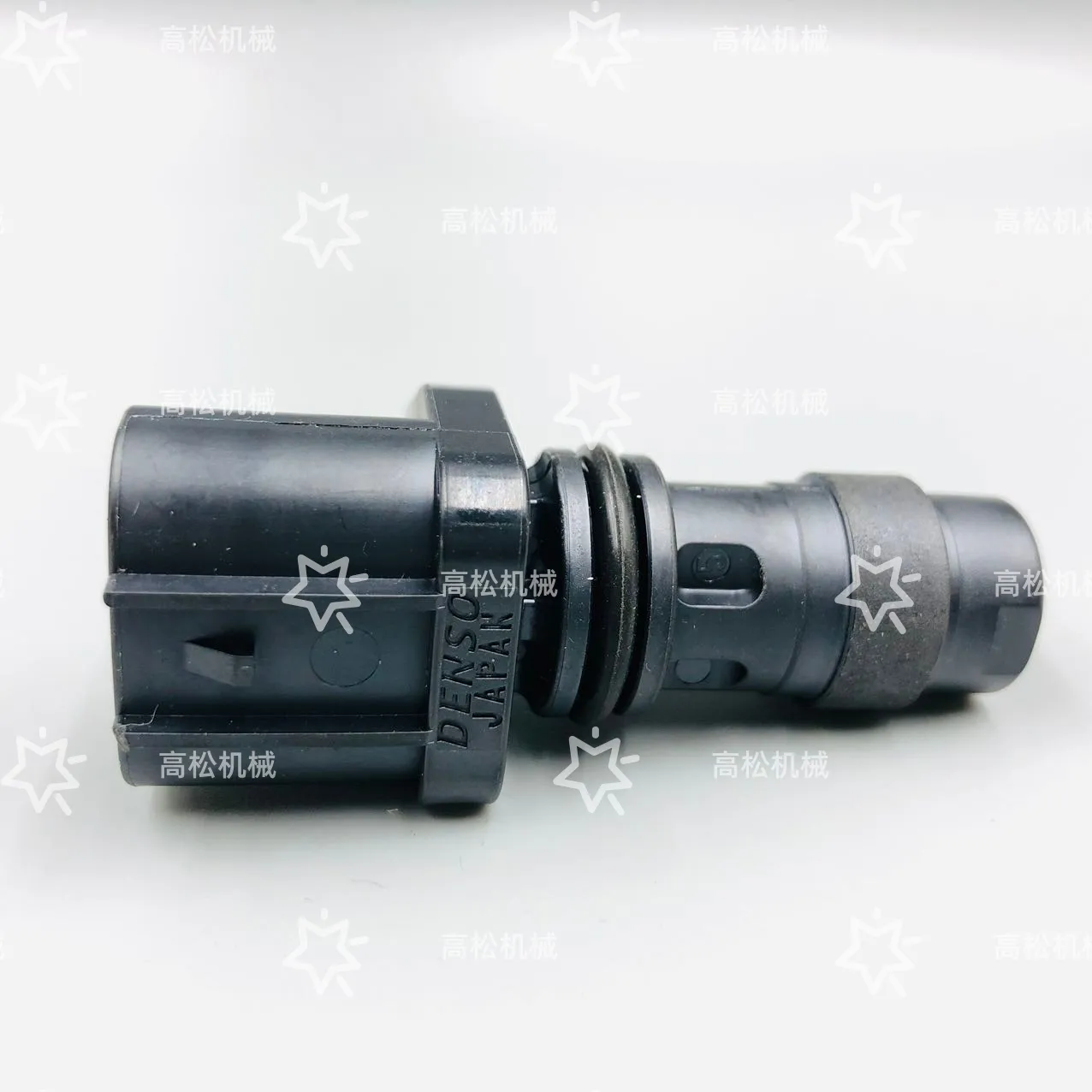 ND949979-1300 Camshaft Position Sensor for Komatsu Excavator PC400-8 PC450-8
 -
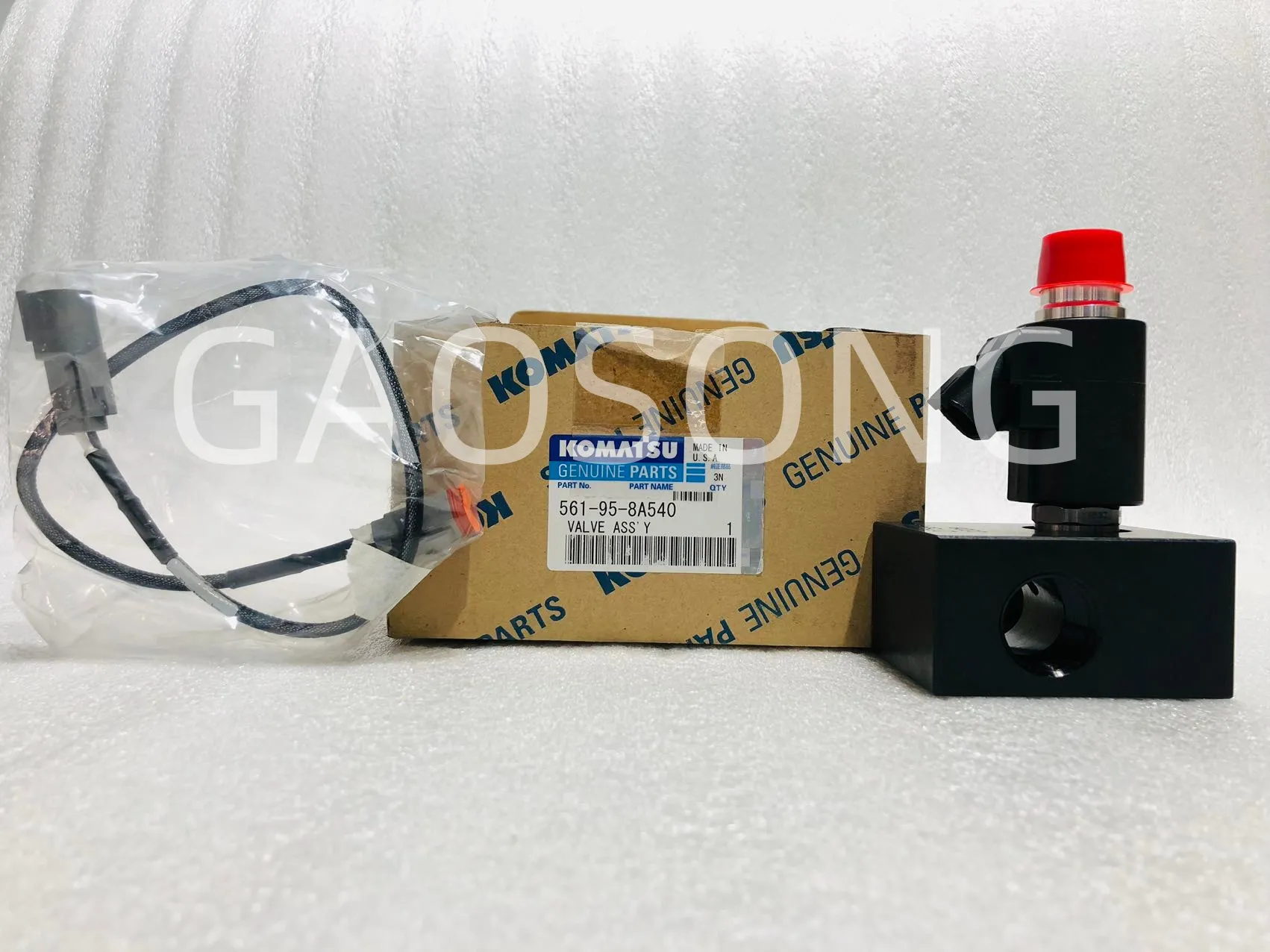 561-95-8A530 • PUMP ASSEMBLY-Komatsu Original Factory
 -
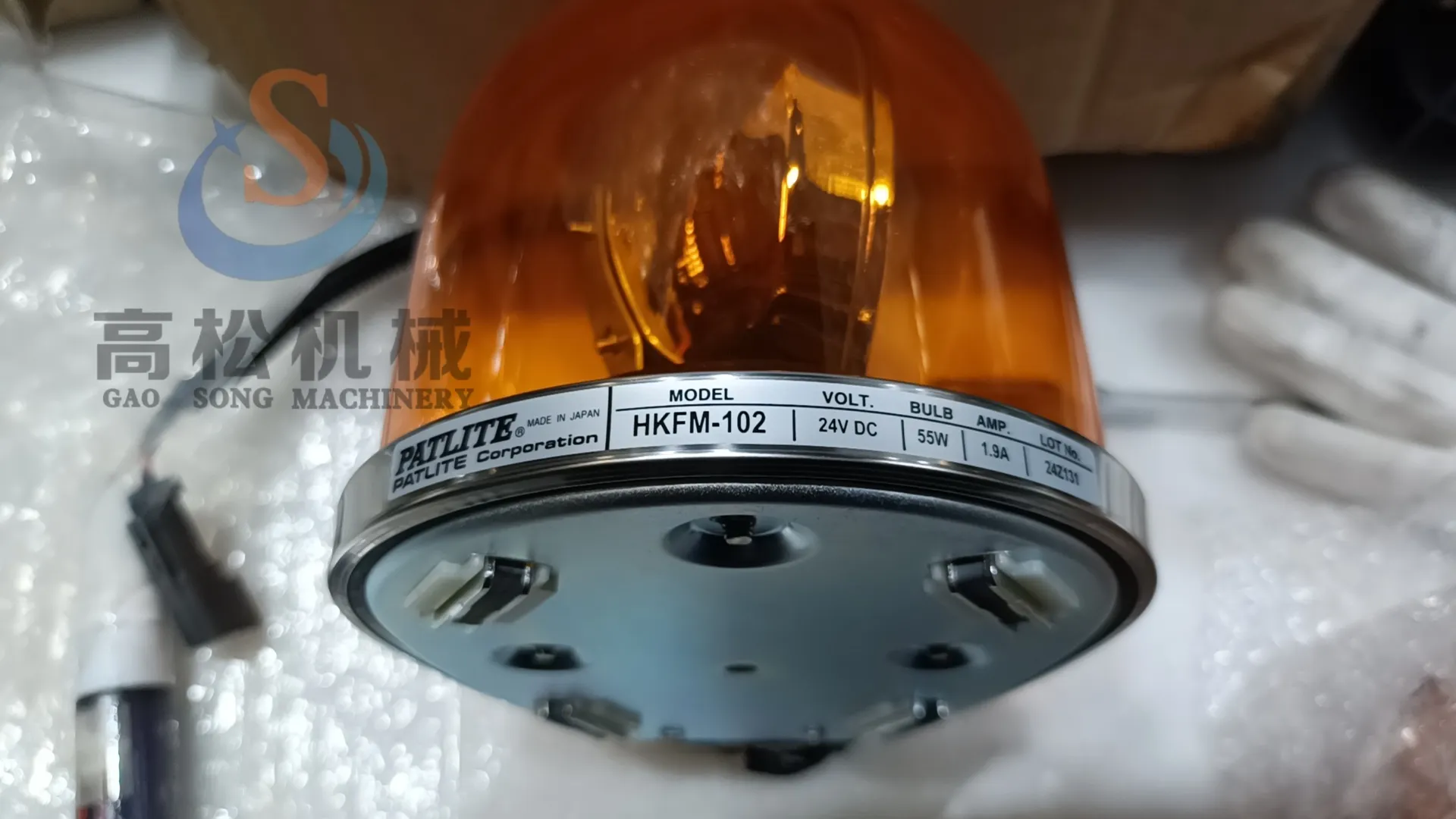 22B-54-17612 komatsu LAMP-PC200/PC300/PC400
 -
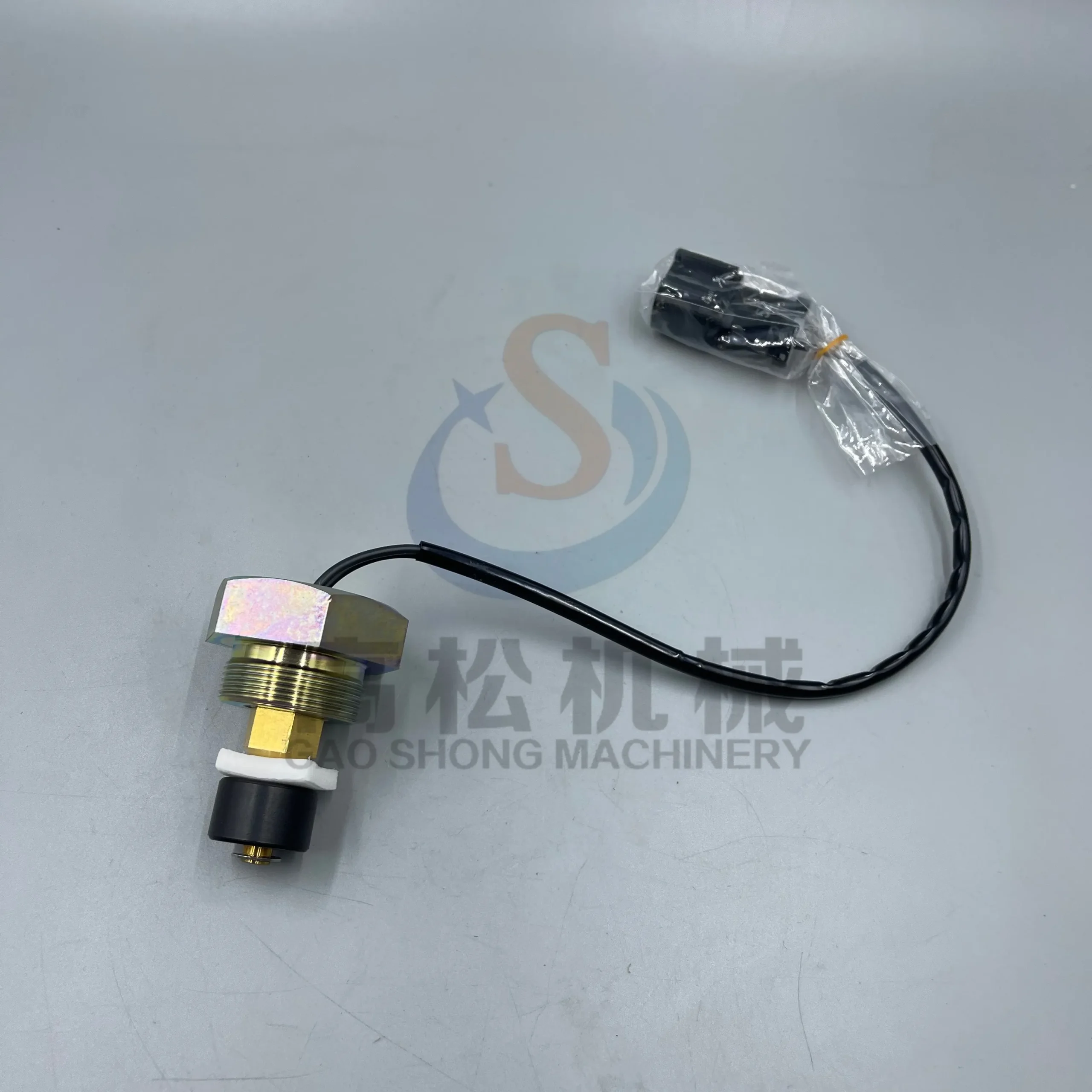 7861-92-4500 Komatsu SENSOR,HYDRAULIC OIL LEVEL
 -
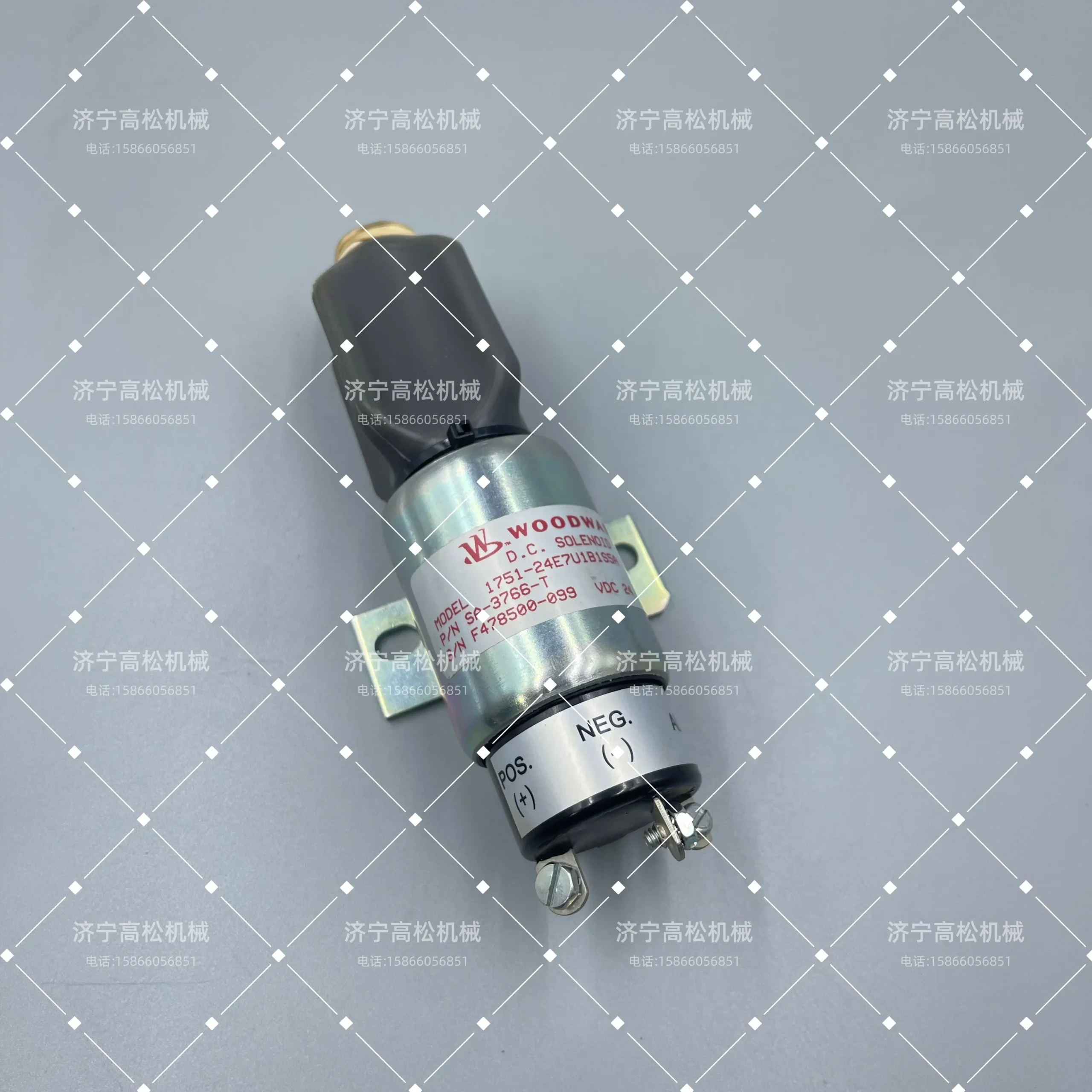 Solenoid Valve 600-815-7550 For Komatsu D41pf-6, High Quality…