
- Chinese
- French
- German
- Portuguese
- Spanish
- Russian
- Japanese
- Korean
- Arabic
- Irish
- Greek
- Turkish
- Italian
- Danish
- Romanian
- Indonesian
- Czech
- Afrikaans
- Swedish
- Polish
- Basque
- Catalan
- Esperanto
- Hindi
- Lao
- Albanian
- Amharic
- Armenian
- Azerbaijani
- Belarusian
- Bengali
- Bosnian
- Bulgarian
- Cebuano
- Chichewa
- Corsican
- Croatian
- Dutch
- Estonian
- Filipino
- Finnish
- Frisian
- Galician
- Georgian
- Gujarati
- Haitian
- Hausa
- Hawaiian
- Hebrew
- Hmong
- Hungarian
- Icelandic
- Igbo
- Javanese
- Kannada
- Kazakh
- Khmer
- Kurdish
- Kyrgyz
- Latin
- Latvian
- Lithuanian
- Luxembou..
- Macedonian
- Malagasy
- Malay
- Malayalam
- Maltese
- Maori
- Marathi
- Mongolian
- Burmese
- Nepali
- Norwegian
- Pashto
- Persian
- Punjabi
- Serbian
- Sesotho
- Sinhala
- Slovak
- Slovenian
- Somali
- Samoan
- Scots Gaelic
- Shona
- Sindhi
- Sundanese
- Swahili
- Tajik
- Tamil
- Telugu
- Thai
- Ukrainian
- Urdu
- Uzbek
- Vietnamese
- Welsh
- Xhosa
- Yiddish
- Yoruba
- Zulu
- Kinyarwanda
- Tatar
- Oriya
- Turkmen
- Uyghur






OEM AND ORIGINAL KOMATSU GEAR 426-22-32531
Let's cut straight to it. When you see that part number, , for a Komatsu gear, you're likely in the market for something critical—probably for a mid-sized excavator or a drivetrain component. The immediate instinct is to search for OEM or Original, and that's where the confusion, and frankly, the market games, begin. I've seen too many buyers think OEM stamped on a box means it rolled off Komatsu's own line. More often than not, it doesn't. It means it was made by a factory authorized by Komatsu to produce that part to their specs. That's a crucial distinction. The term OEM AND ORIGINAL KOMATSU GEAR gets thrown around loosely, and if you're not deep in the supply chain, you might pay a premium for what you assume is genuine, only to get a licensed copy. It's not necessarily bad, but you need to know what you're buying.
The Nuance of OEM in the Komatsu Ecosystem
Here's the reality from the ground. Komatsu, like all major OEMs, doesn't forge every single gear in-house. They have a network of certified foundries and machining plants. These are the true OEM suppliers. A part like the will have precise metallurgical specs, heat treatment protocols, and tooth profile tolerances that are non-negotiable. When a company like Jining Gaosong Construction Machinery Co., Ltd. positions itself as an OEM product supplier within the Komatsu system, it's claiming access to this authorized manufacturing pipeline. This isn't the same as a generic aftermarket factory reverse-engineering the part. The difference is in the paperwork, the material certificates, and the performance under stress.
I recall a project in Southeast Asia where a contractor insisted on only genuine but had a tight budget. They sourced a gear labeled Original Komatsu from a non-authorized seller. It failed within 400 hours. The post-mortem showed a substandard alloy that couldn't handle the cyclical loading. It wasn't a counterfeit in the crude sense; it was a part made to look right but without the core material science. That's the risk. An authentic OEM part from the system, even if not assembled by Komatsu Japan, should have traceability back to Komatsu's engineering approval.
This is where the dual role of a company like Gaosong becomes relevant. As they note on their site https://www.takematsumachinery.com, they are both an OEM supplier and a third-party sales channel. In practice, this means they can sometimes offer the same OEM AND ORIGINAL KOMATSU GEAR that goes into the official supply chain, but through parallel channels, often helping to solve parts supply challenges in certain countries. Translation: when official distribution is slow, expensive, or non-existent, they provide a legitimate alternative from the same source. But you have to vet them. Ask for the certificate of conformity. Ask which foundry.
Decoding the – More Than Just a Number
Focusing on this specific gear, the number tells a story. The 426- series often relates to swing or travel mechanisms. From hands-on experience, this isn't a wear item like a bucket tooth; it's a core transmission component. Failure here means downtime, not just a quick swap. I've installed this specific part number in Komatsu PC200-6 and PC220-6 models, usually related to the swing drive reduction. The fit has to be perfect. The backlash, the hardening depth on the tooth flank—it's all critical.
A common pitfall is ignoring the 22 in the middle. That can indicate a sub-variant or a revision level. I've seen mechanics order a 32531 and get a gear that physically fits but has a slightly different tooth count or pressure angle because they missed the revision. It'll mesh, it'll run, but it'll whine and wear out prematurely. Always quote the full part number. An OEM supplier worth their salt will catch that and confirm. A random parts trader might not.
The original claim is tested here. An original part will match not just the dimensions but the performance characteristics across its entire lifecycle. We did a comparison once: a gear from a known OEM partner (the type Gaosong might source from) versus a high-quality aftermarket clone. Under a strobe light, the engagement pattern was identical. Under a spectrograph, the metal composition was identical. The price difference was about 15%. The clone? The pattern was off by a hair, and the material had trace elements that could affect long-term fatigue. For a critical application, that 15% is insurance.
The Third-Party Role and Market Gaps
The statement about being a third-party sales company for Komatsu is interesting. It doesn't mean they're Komatsu; it means they operate in the ecosystem, often as a lubricant for a creaky global supply chain. In some regions, say parts of Africa or South America, getting a genuine gear through official channels can take months. Operations can't wait. Companies like Jining Gaosong Construction Machinery Co., Ltd. bridge that gap by holding stock or having fast-track access to the OEM production lines.
But this role requires deep trust. I've worked with similar suppliers. The good ones are transparent. They'll tell you, This is from the same Korean plant that supplies Komatsu's assembly line in Japan. The bad ones are evasive. The website https://www.takematsumachinery.com should be a starting point for due diligence, not the end. Look for contact details, technical support, willingness to provide material certs. A pure trading company often can't do that.
A failure I witnessed stemmed from ignoring this. A mine in Chile needed the urgently. They bought from a third-party seller who promised OEM. The gear arrived in Komatsu-style packaging but with vague markings. It was a rejected part from the OEM factory—failed final inspection, sold off as surplus. It lasted three weeks. The lesson? Third-party doesn't automatically mean inferior, but it increases the burden of proof on the buyer. The value of a supplier integrated into the OEM system is their ability to filter out that rejected stock.
Practical Sourcing and Final Judgement
So, how do you actually source a reliable OEM AND ORIGINAL KOMATSU GEAR like the ? First, clarify your need. Is this for a warranty repair where only traceable genuine parts are allowed? Then you might be stuck with the dealer. Is it for a machine out of warranty, where reliability is key but cost is a factor? Then the authorized OEM channel via a company like Gaosong is a prime candidate.
When you inquire, your questions should be technical. Don't just ask Is it original? Ask: Can you provide the mill certificate for the steel? Which heat treatment process was used—induction or carburizing? What is the case hardness depth specification? A genuine OEM supplier will have or can get these answers. A trader will stumble.
In the end, the keyword is system. The part number exists within the Komatsu system. An OEM AND ORIGINAL KOMATSU GEAR is a component produced within and approved by that system. The company profile of Jining Gaosong suggests they operate inside that system's periphery, which is often where the best value for money is found—if you do your homework. It's not about the cheapest price; it's about the lowest total cost of ownership. A gear that costs 30% less but fails and takes out a bearing and a shaft with it is no bargain. The real expertise is knowing how to navigate the space between the pure Komatsu dealer and the open aftermarket to find that authentic, system-approved component that keeps the machine running without the brand-name premium. That's the daily grind in this business.
Related Products
Related Products

Best Selling Products
Best Selling Products-
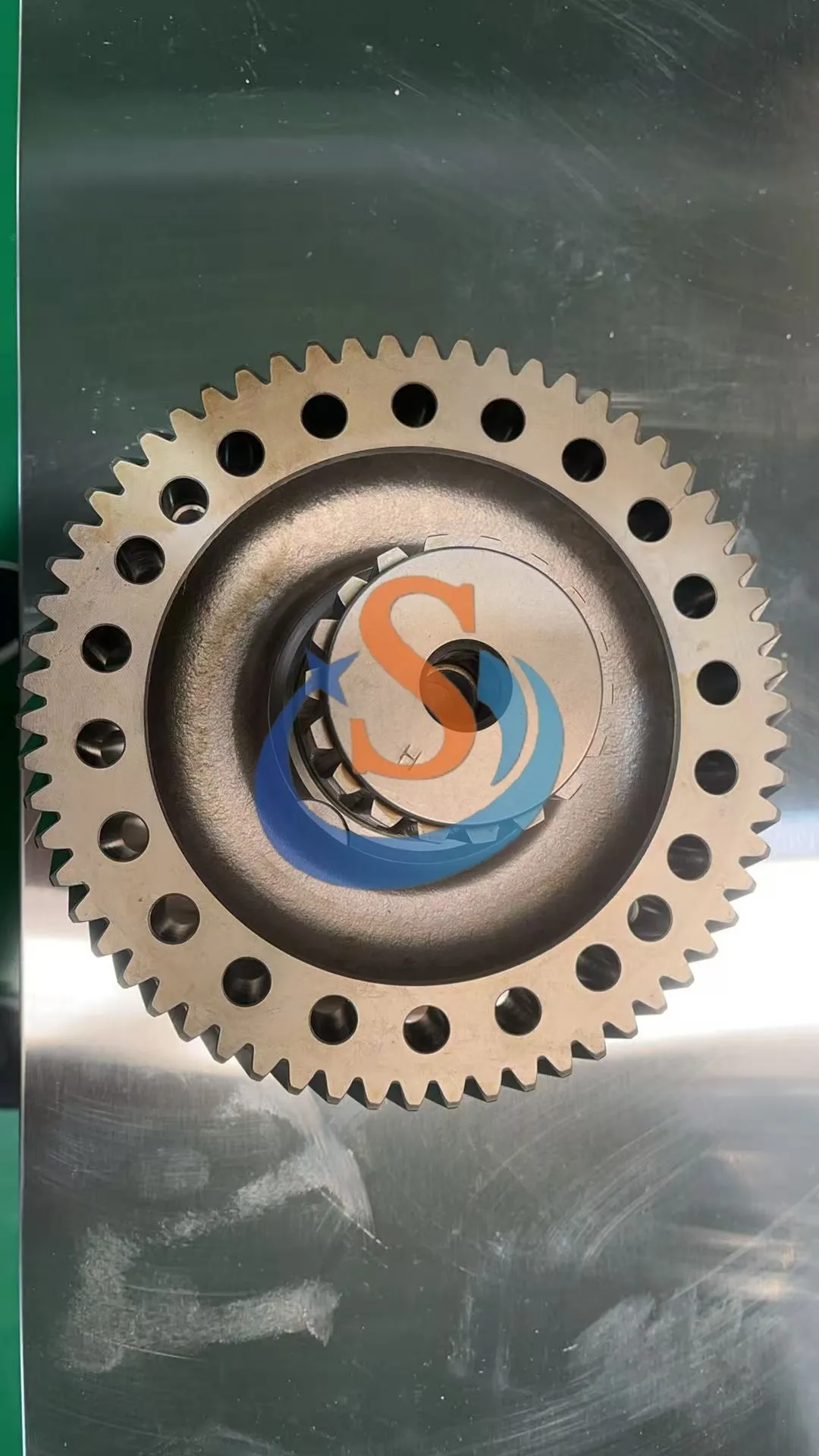 14X-13-51351 Shaft D65WX/D65PX/D65EX
 -
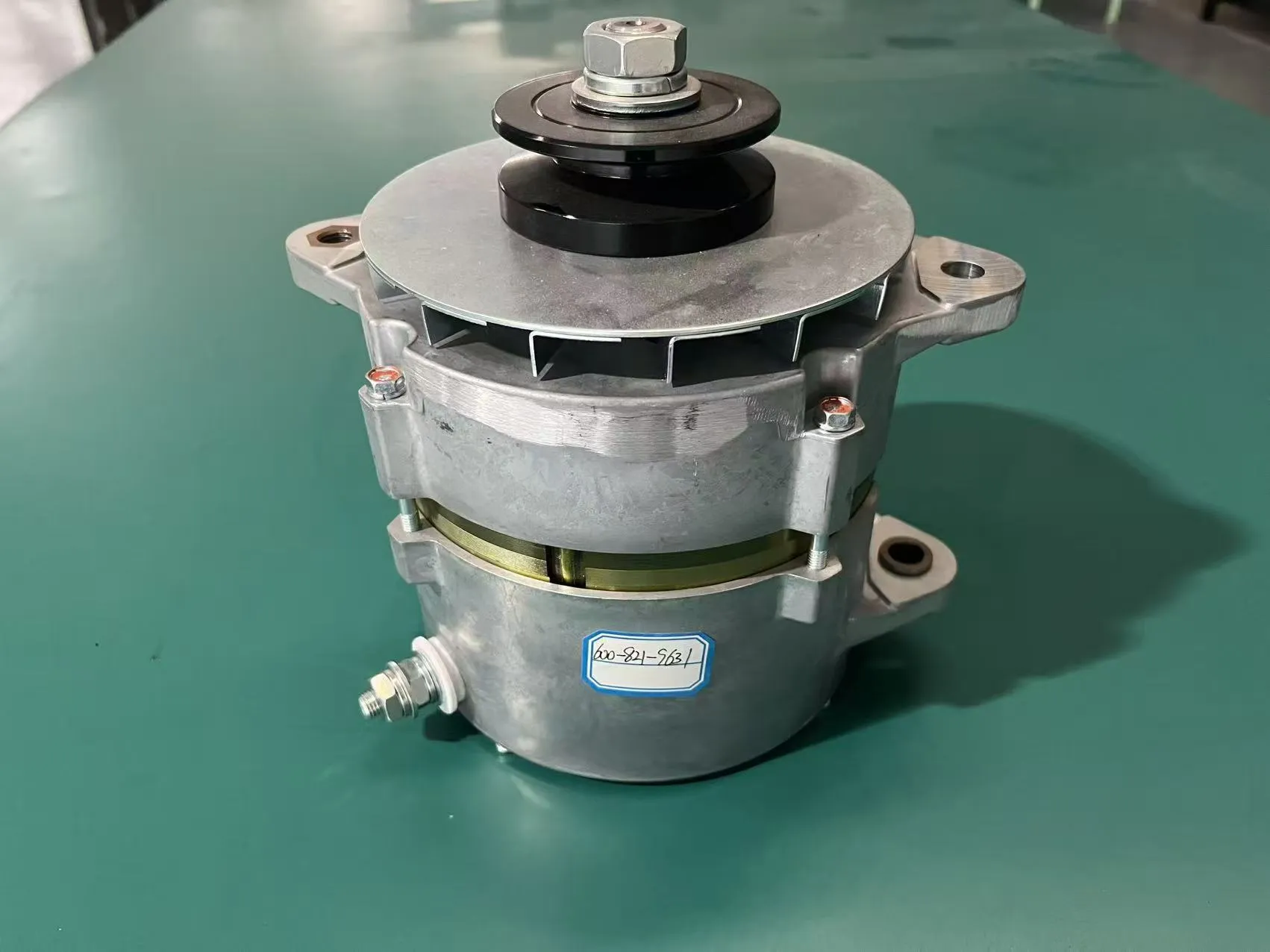
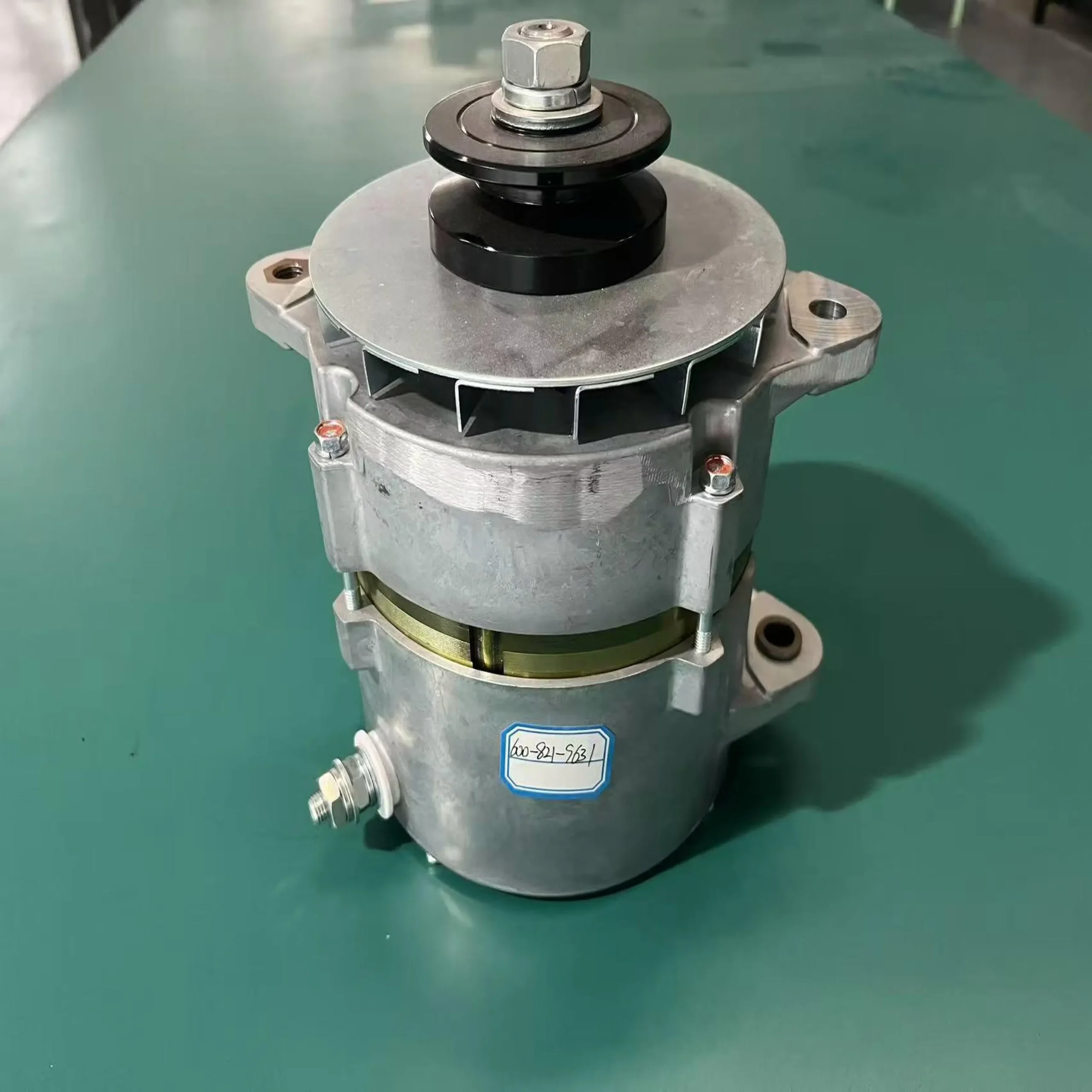 ATG20053 Alternator Compatible With Komatsu Cummins QSK23 600-821-9631 600-821-8260 600-821-9360 600-821-9550 600-821-9311 600-821-9511
 -
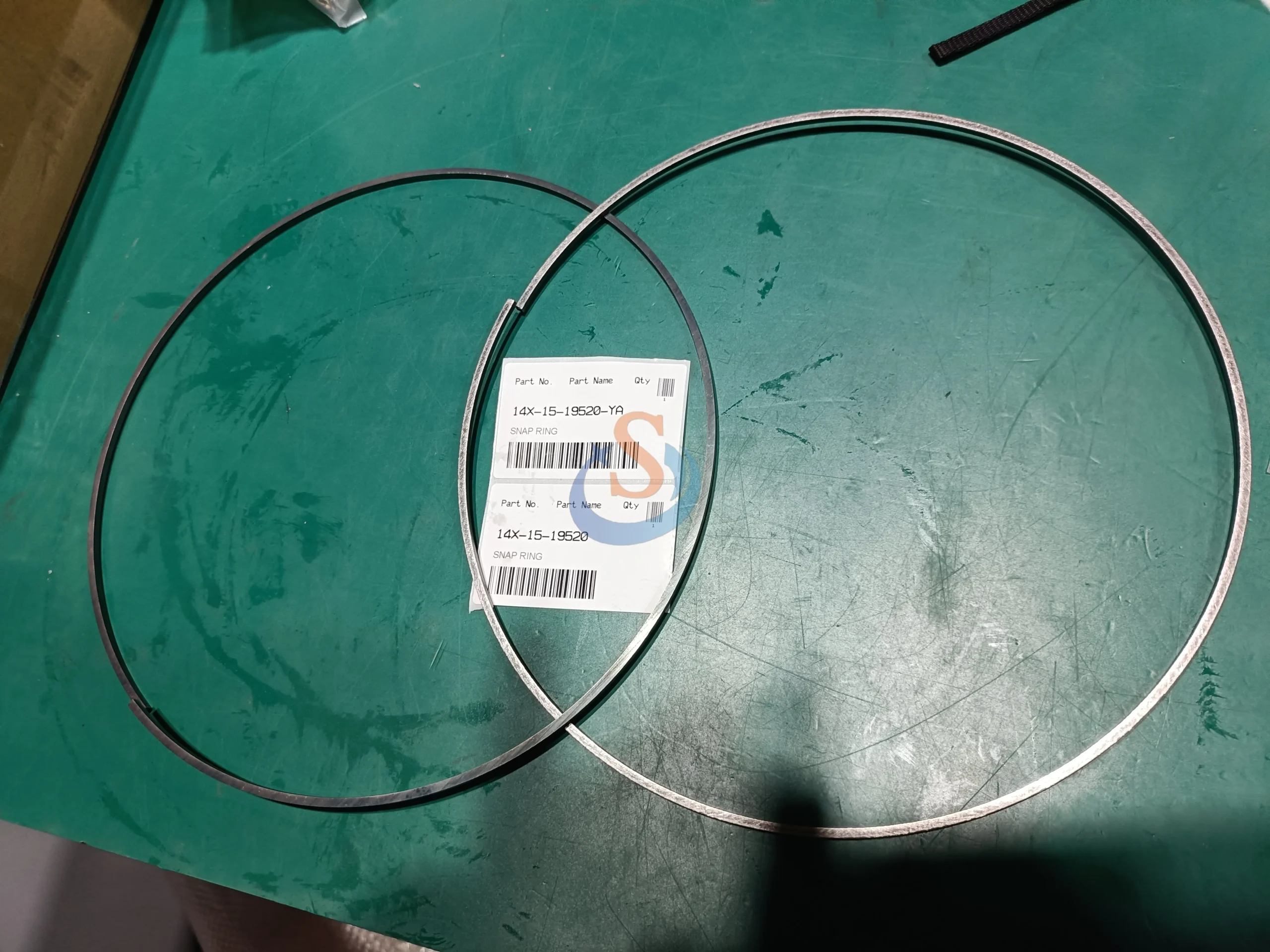 14X-15-19520 RING,SNAP D68ESS,D85PX,WA500
 -
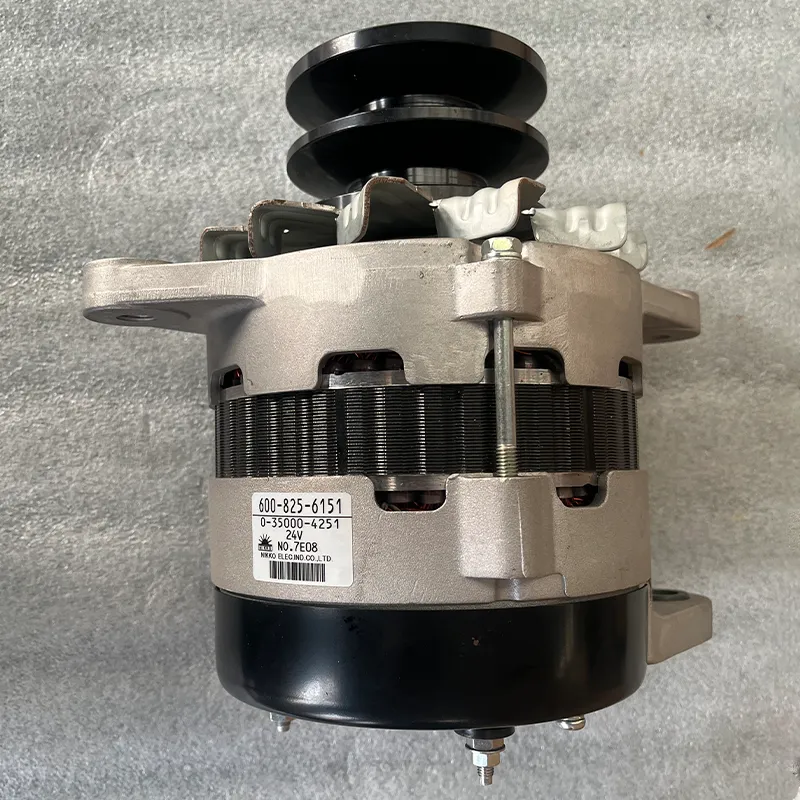 600-825-6151 Original komatsu alternator for PC300-7 PC360-7 PC400-78 PC450-8
 -
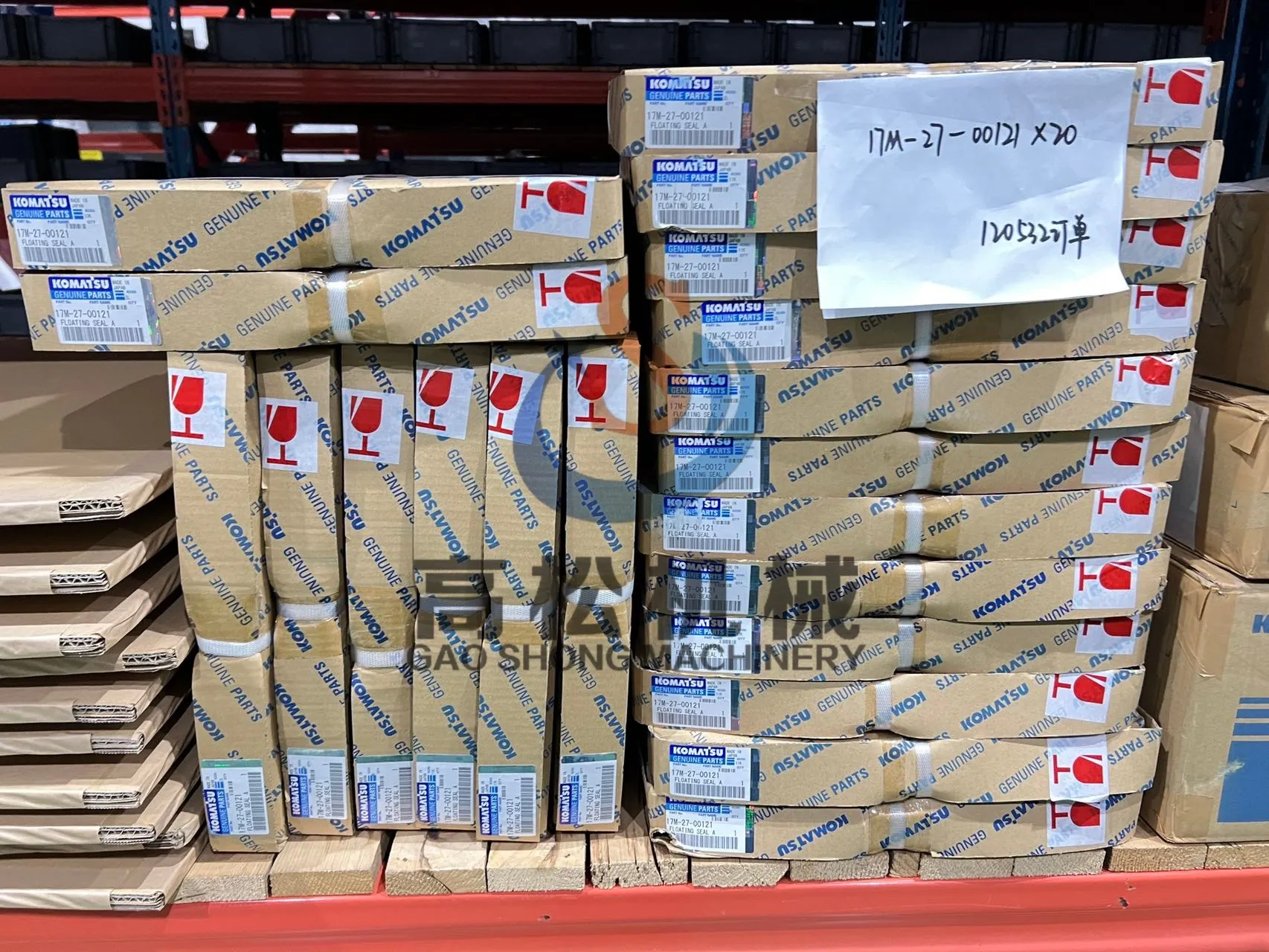 17M-27-00121 FLOATING SEAL ASSY
 -
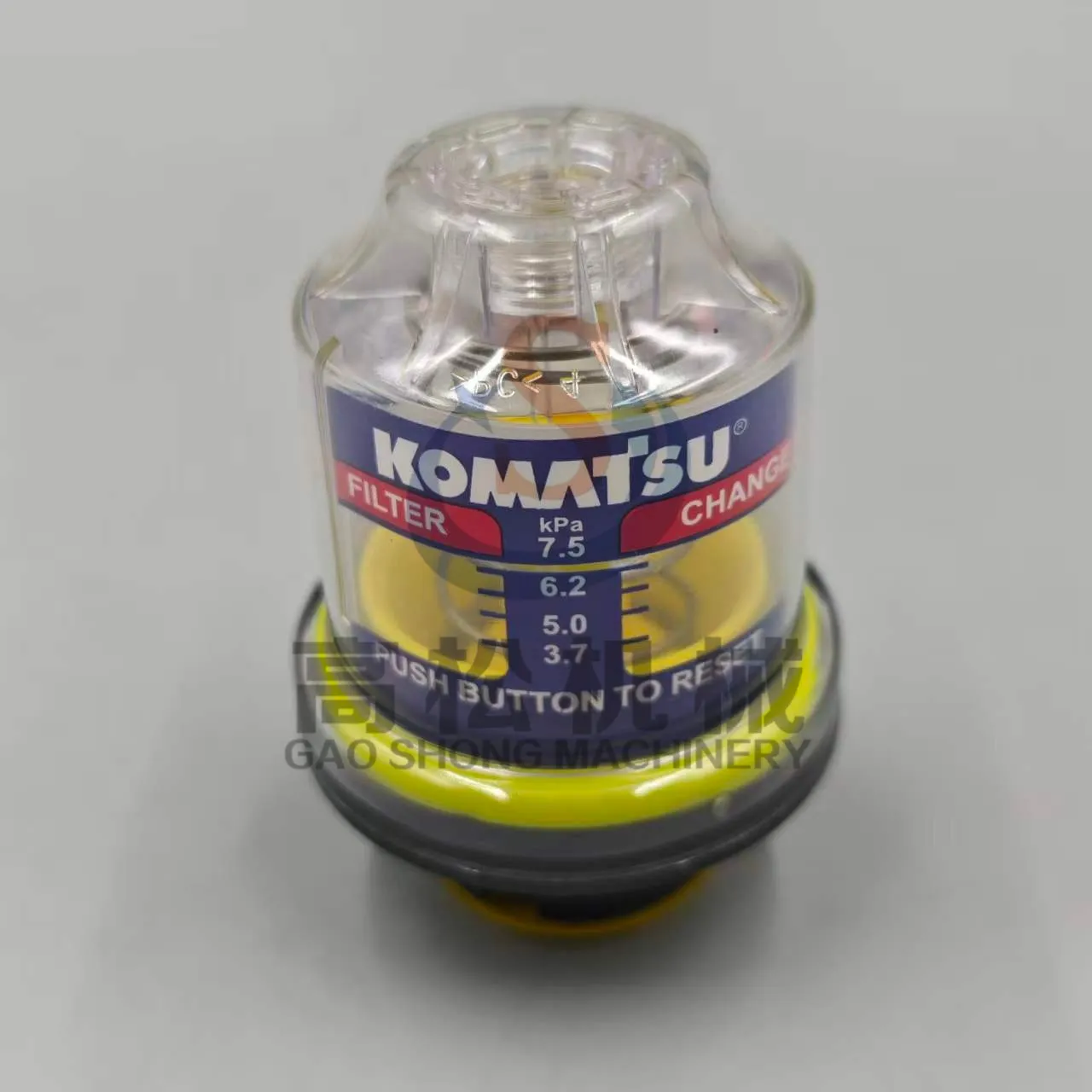 08672-01000 Indicator
 -
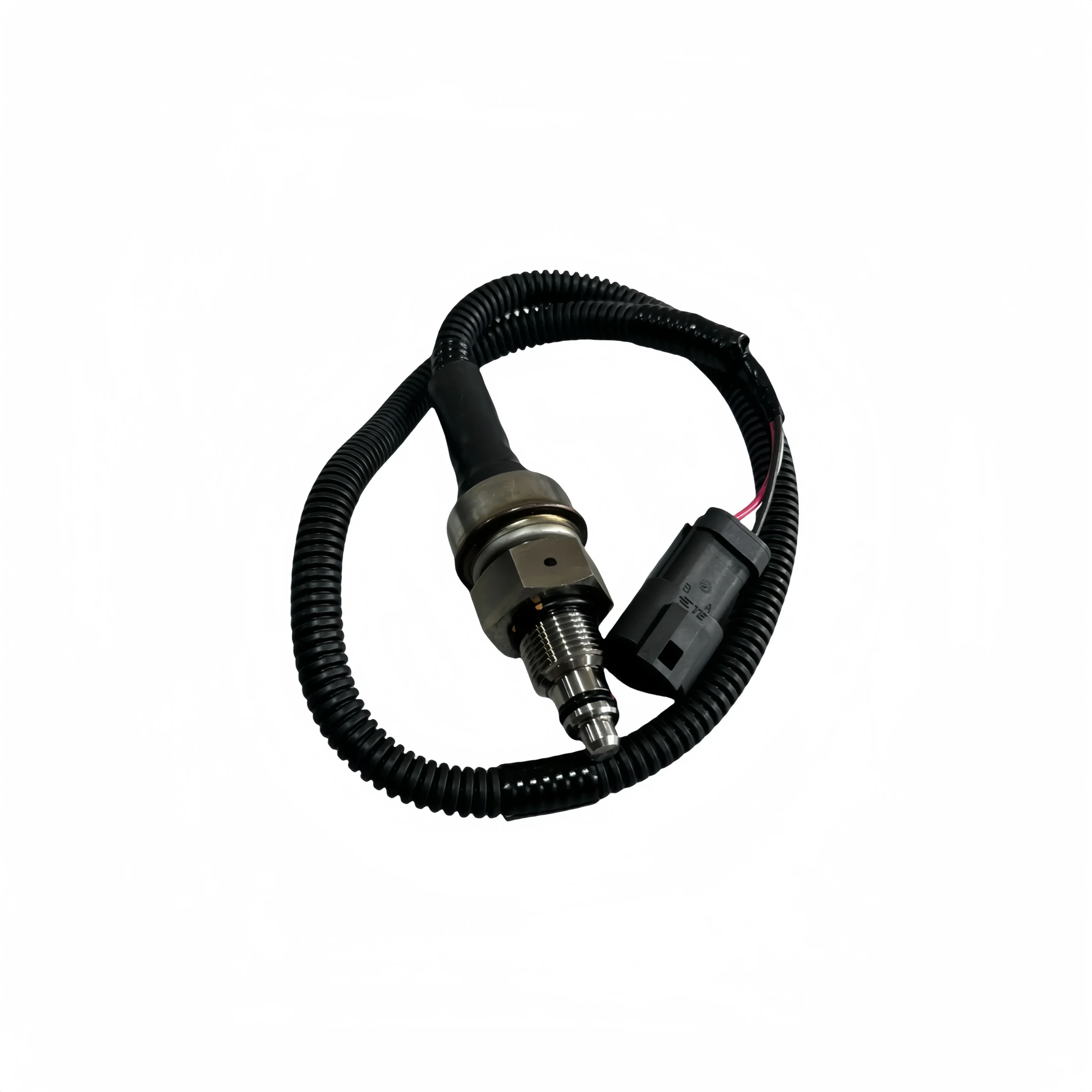 7861-93-1620 Suspension Pressure Sensor for Komatsu HD465-7
 -
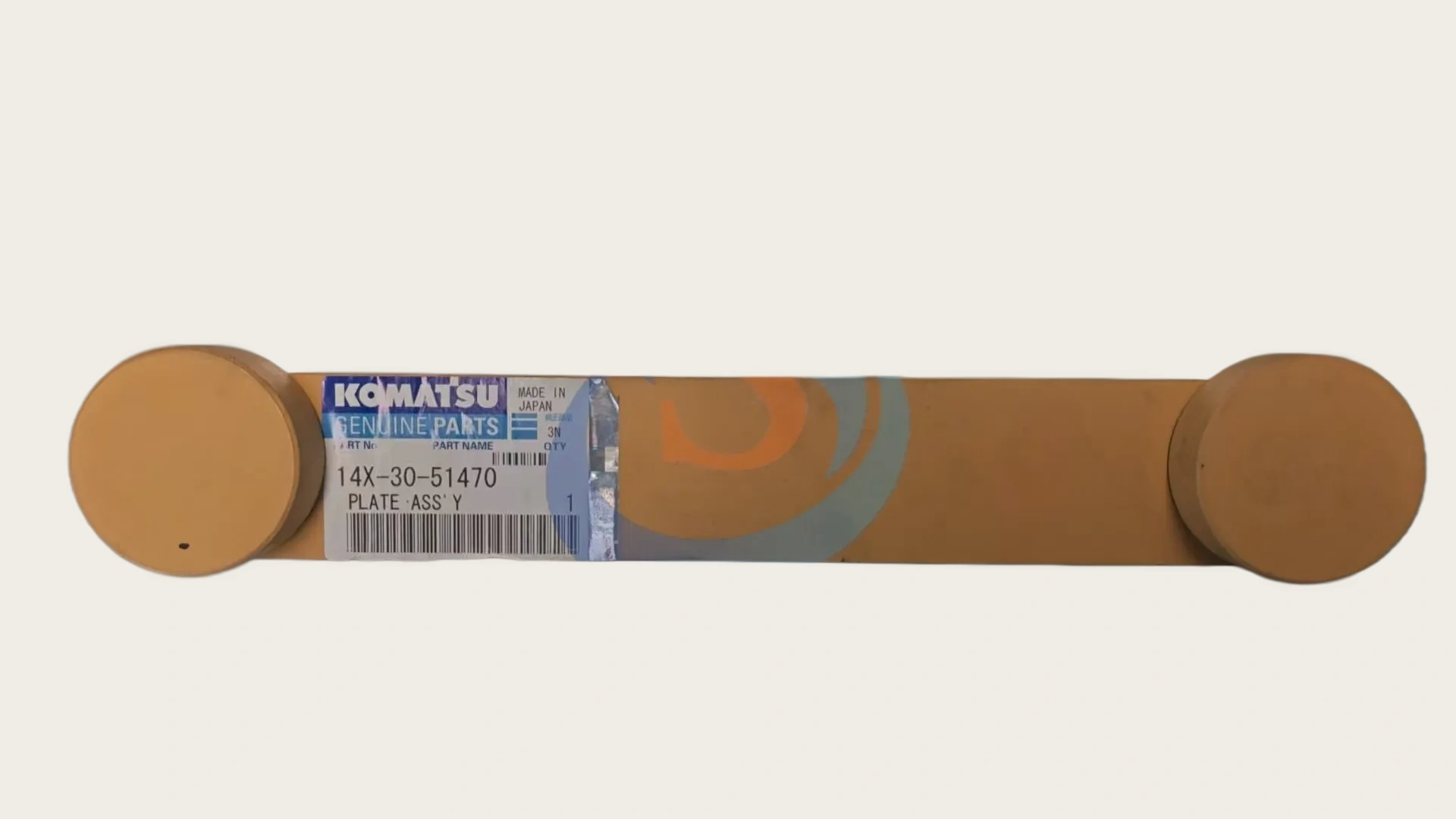 komatsu-part-14X-30-51470 Plate Assembly D65PX-16 D65WX-17 D65EXI-18 D65EX-18E0 FRONT IDLER
 -
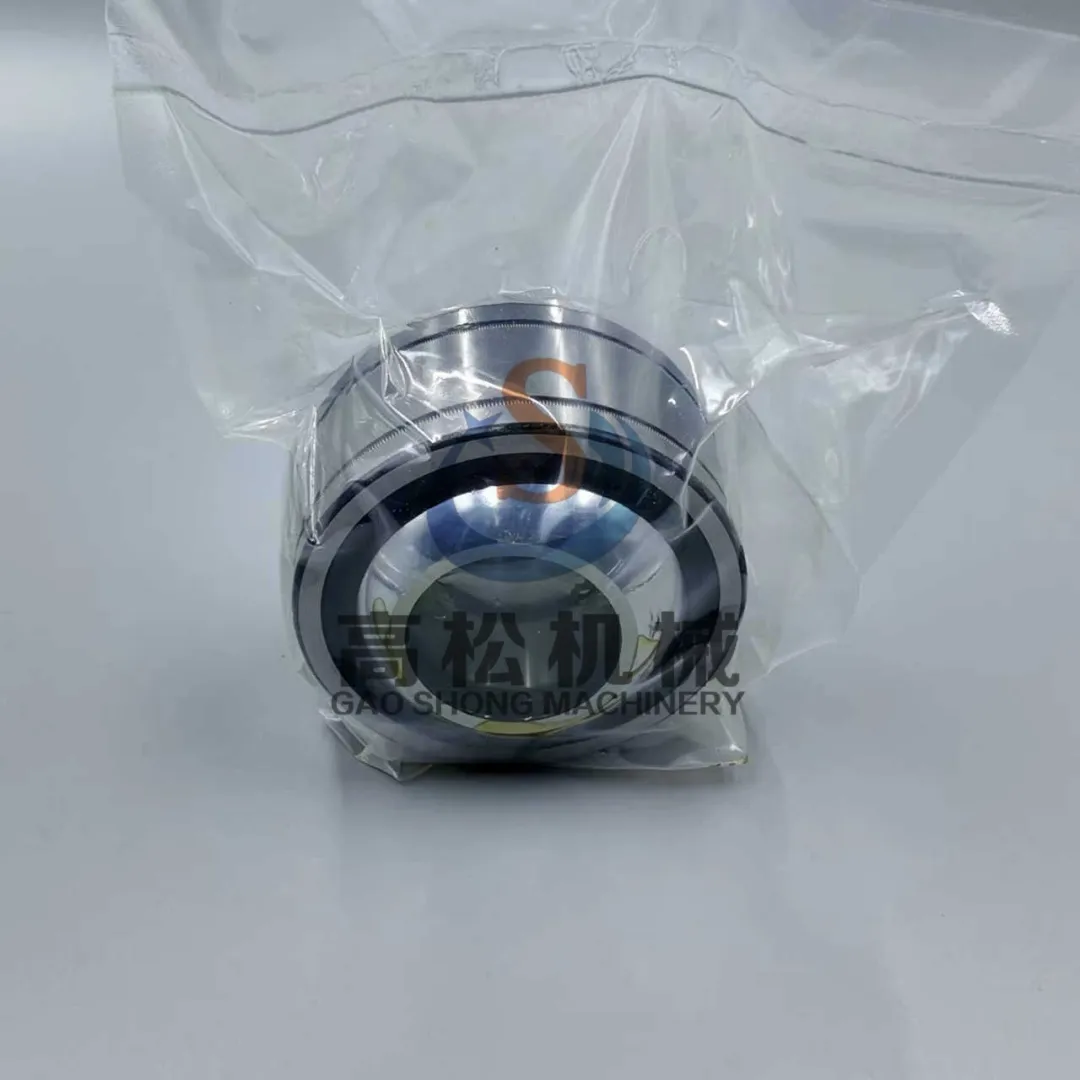 BUSHING 07137-04006 – KOMATSU Part
 -
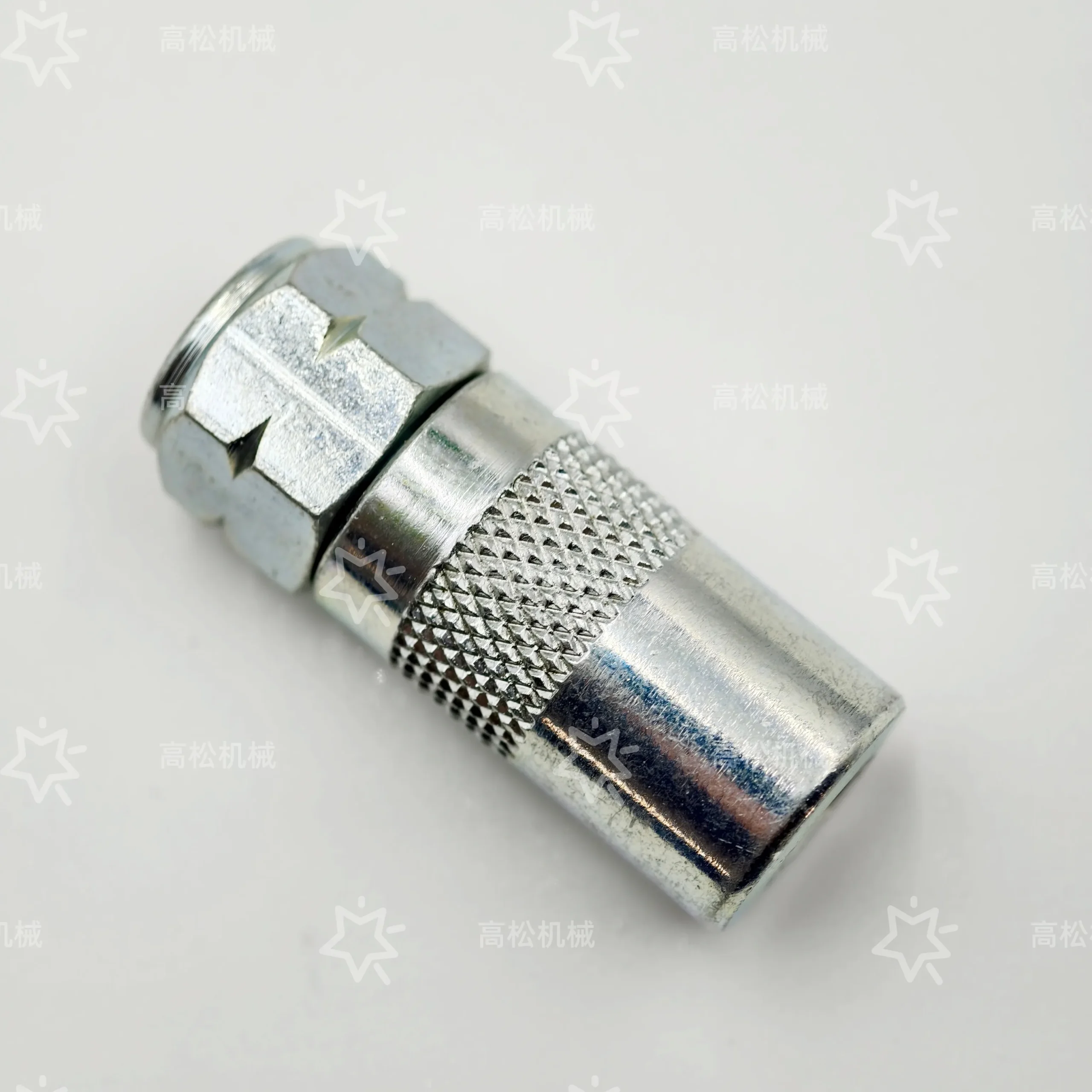 209-68-11640 Komatsu Coupling Assembly
 -
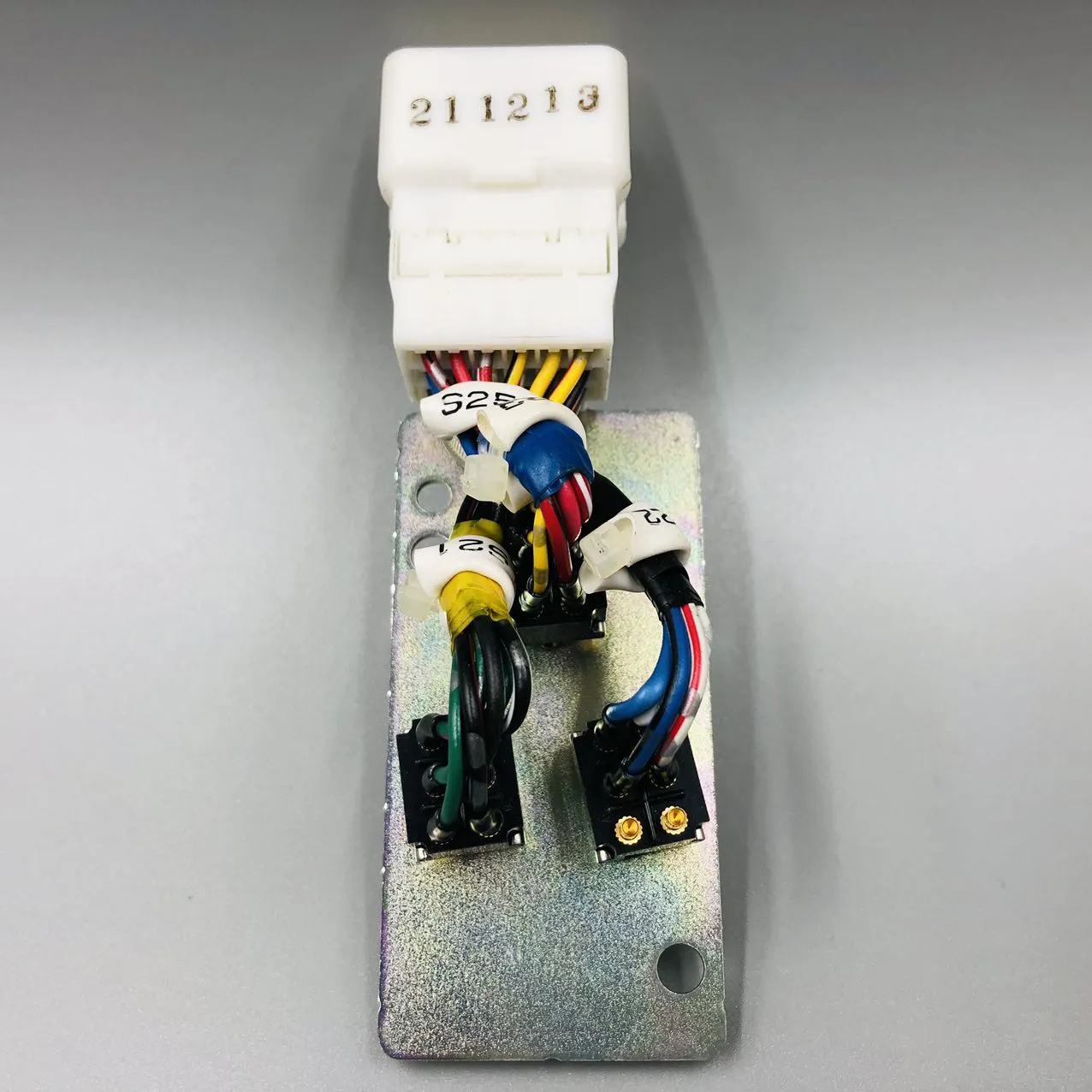 PC300-7 PC350-7 Switch Assy 22U-06-22370
 -
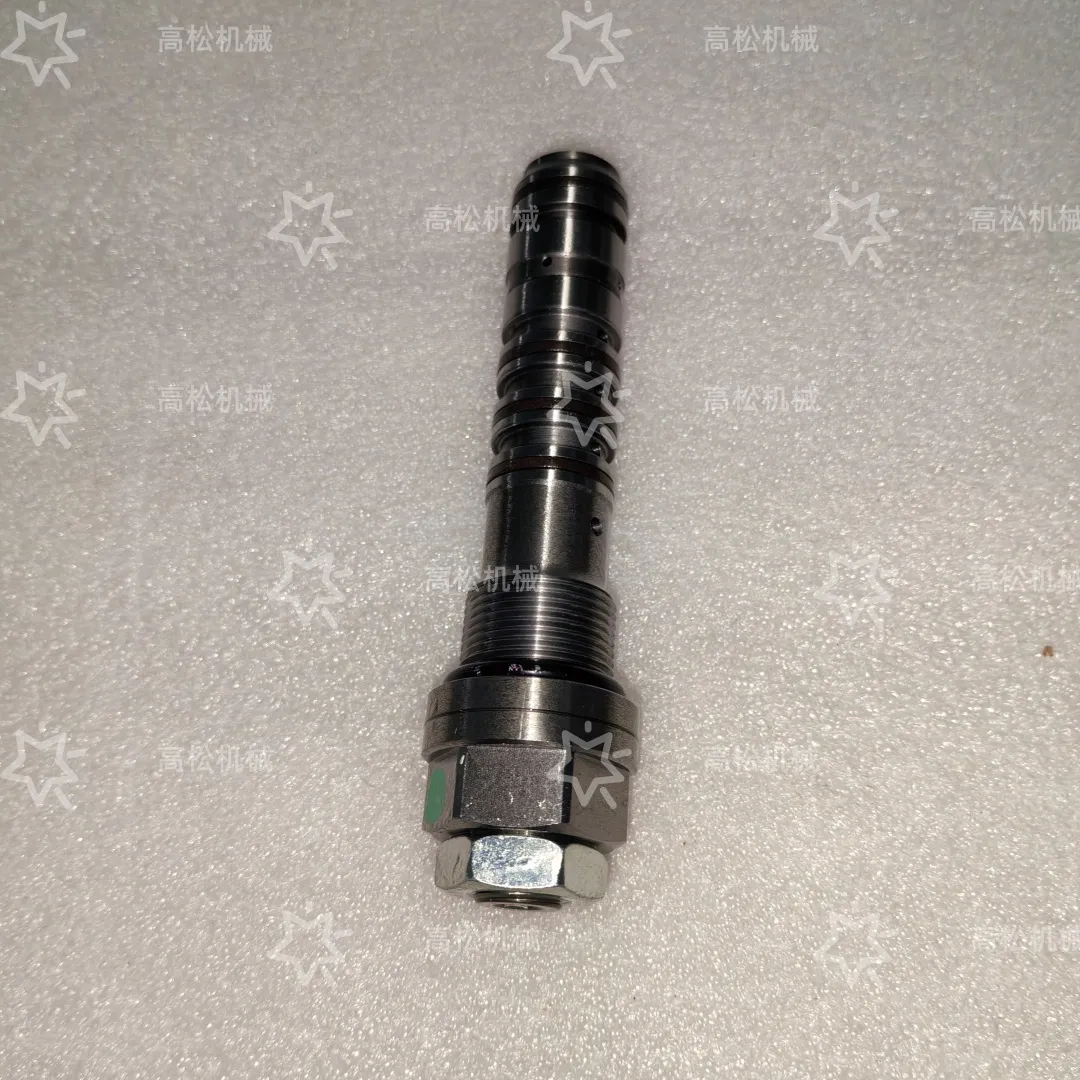 EXCAVATOR 708-2G-03720 7082G03720 VALVE ASSEMBLY 0.4KG for PC300 PC350 PC360 PC390 PC390LL CONSTRUCTION MACHINERY PARTS
Related Search
Related Search- komatsu aftermarket parts usa
- komatsu 4d105 5 engine
- OEM AND ORIGINAL KOMATSU VALVE 569-43-83171
- 425-33-11650
- komatsu 930e cummins engine
- OEM AND ORIGINAL KOMATSU PIN 427-70-11993
- 707-G1-03980
- OEM AND ORIGINAL KOMATSU COVER 206-54-21711
- 07063-11046
- Komatsu Genuine & OEM Parts Full Precision Match for All Global Hot Komatsu Models