
- Chinese
- French
- German
- Portuguese
- Spanish
- Russian
- Japanese
- Korean
- Arabic
- Irish
- Greek
- Turkish
- Italian
- Danish
- Romanian
- Indonesian
- Czech
- Afrikaans
- Swedish
- Polish
- Basque
- Catalan
- Esperanto
- Hindi
- Lao
- Albanian
- Amharic
- Armenian
- Azerbaijani
- Belarusian
- Bengali
- Bosnian
- Bulgarian
- Cebuano
- Chichewa
- Corsican
- Croatian
- Dutch
- Estonian
- Filipino
- Finnish
- Frisian
- Galician
- Georgian
- Gujarati
- Haitian
- Hausa
- Hawaiian
- Hebrew
- Hmong
- Hungarian
- Icelandic
- Igbo
- Javanese
- Kannada
- Kazakh
- Khmer
- Kurdish
- Kyrgyz
- Latin
- Latvian
- Lithuanian
- Luxembou..
- Macedonian
- Malagasy
- Malay
- Malayalam
- Maltese
- Maori
- Marathi
- Mongolian
- Burmese
- Nepali
- Norwegian
- Pashto
- Persian
- Punjabi
- Serbian
- Sesotho
- Sinhala
- Slovak
- Slovenian
- Somali
- Samoan
- Scots Gaelic
- Shona
- Sindhi
- Sundanese
- Swahili
- Tajik
- Tamil
- Telugu
- Thai
- Ukrainian
- Urdu
- Uzbek
- Vietnamese
- Welsh
- Xhosa
- Yiddish
- Yoruba
- Zulu
- Kinyarwanda
- Tatar
- Oriya
- Turkmen
- Uyghur





OEM AND ORIGINAL KOMATSU GEAR 21N-38-51210
If you're searching for 21N-38-51210, you're likely deep in a parts hunt for a Komatsu machine, probably dealing with a transmission or final drive issue. The immediate confusion, and it's a big one, is between 'OEM' and 'Original.' In our line of work, these aren't just marketing terms; they're commitments with very different implications for downtime, cost, and machine integrity. Many buyers, especially when under pressure, conflate the two, assuming an OEM part is identical to the one in the original Komatsu box. That assumption can be a costly shortcut.
The 21N-38-51210: More Than Just a Number
This specific gear isn't a generic component. It's a precision-forged part, often found in the power train of mid-sized Komatsu excavators like the PC200-8 or PC220-8 series. The failure pattern is usually gradual – you start hearing a whine under load, which progresses to a rhythmic knocking. I've seen machines where operators tried to 'run it out,' only to cause catastrophic damage to the entire planetary set. The OEM AND ORIGINAL KOMATSU GEAR debate becomes critical here because the metallurgy and heat treatment of this gear are what handle the immense, fluctuating torsional stress.
An original part, sourced directly through Komatsu's channels, comes with a traceable pedigree. You're paying for the guarantee that the steel alloy, the carburizing depth, and the tooth profile grinding match the exact engineering specifications from day one. The OEM label, however, is broader. It means the part was manufactured by a factory authorized by Komatsu, often the same one that produces the 'original' line. But here's the nuance: authorization can cover different quality tiers or production runs for different markets.
I recall a case where a contractor sourced an OEM gear for a PC200 from a non-authorized reseller. The part looked perfect, even had similar packaging. It failed in under 400 hours. The post-mortem showed a sub-standard case hardening depth. The supplier argued it was 'OEM-quality,' but the paperwork trail led to a factory batch that was rejected by Komatsu's own QC for that very reason. The savings were wiped out ten times over by the second repair and downtime.
The Supplier Landscape and the Jining Gaosong Role
This is where understanding your supplier's position in the ecosystem is non-negotiable. Komatsu's official network is robust, but gaps exist, especially in regions with complex logistics or older machine populations. This creates a legitimate space for specialized third-party companies that operate with transparency. A company like Jining Gaosong Construction Machinery Co., Ltd. presents an interesting hybrid model. They identify as an OEM product supplier within the Komatsu system, which suggests a direct manufacturing link, and also as a third-party sales channel. Their stated goal of solving parts supply challenges in certain countries rings true to the daily hurdles we face.
When evaluating such a source for a critical part like the 21N-38-51210, the questions are practical. Does their 'OEM' status mean they are a certified forging and machining partner? Or do they source from such partners? Their website, takematsumachinery.com, needs to be scrutinized for technical specifics, not just catalog listings. A credible supplier in this space should be able to discuss material certificates (like EN or JIS standards), not just have a price list.
The value of a supplier like this isn't just in potentially lower cost. It's in availability and logistical pragmatism. I've worked with similar entities when the official channel quoted a 12-week lead time for a gear. A reliable third-party OEM supplier with Komatsu system knowledge had a compliant part air-freighted in 10 days, with full documentation. It kept the project moving. The key was their upfront admission that while the part was OEM-manufactured, it was from a specific regional production allotment, and they provided the batch test reports to back up its spec compliance.
Practical Verification and Failure Points
You can't just install the part and hope. With gears, the verification starts before installation. For any OEM AND ORIGINAL claim, request the hardness test reports. A simple surface Rockwell test (like HRC) isn't enough for a gear tooth; you need core hardness data too. Visually, check the grinding marks on the tooth flanks. Original Komatsu gears have a consistent, fine cross-hatch pattern from a precise finishing process. Poor copies often show uneven, coarse grinding lines or even milling marks, which become stress concentrators.
Another practical tip is to check the part number stamping. Original Komatsu stamps are crisp, evenly deep, and located in a standard position. Faded, shallow, or oddly placed stamps are immediate red flags. I've even seen parts where the number was correct, but the font was slightly off – a sure sign of a replica, not an OEM-original. These are the hands-on checks that separate a parts manager from an order clerk.
Installation is the final test. A true OEM-spec gear should mesh with the existing planetary carrier and sun gear with near-zero runout when properly torqued. If you're having to force it or if there's noticeable 'tight spot' when rotating the assembly by hand, stop. The tooth profile is wrong. I learned this the hard way early in my career, assuming a slight bind would 'wear in.' It didn't. It spalled within 50 hours, and the cost of the learning experience came out of my department's budget.
Cost of Downtime vs. Cost of Part
The math is never just part A vs. part B. For a machine like a PC220, an hour of downtime can cost a project hundreds in labor and lost production. A $1,500 price difference on a gear becomes irrelevant if the cheaper option risks even one extra day of teardown and repair. The true cost calculation must include the supplier's reliability, the completeness of documentation, and the warranty support.
This is where the model of a company like Jining Gaosong, which positions itself to solve parts supply challenges, can make economic sense. If they can provide OEM-level traceability and technical support with faster turnaround in a constrained market, the premium over a generic aftermarket part is justified, and the savings over an official original part can be substantial without necessarily adding risk. The critical factor is their willingness to engage on the technical level.
Ultimately, the choice between an original Komatsu gear and a verified OEM one from a specialized supplier comes down to risk management and context. For a machine under full Komatsu warranty, you have no choice. For a critical machine on a remote site with no backup, the original part might be the only prudent option. But for a vast fleet of older, well-maintained machines, a transparent, technically-backed OEM part from a knowledgeable supplier is often the most operationally and financially intelligent path. The part number 21N-38-51210 doesn't change, but the source and the story behind it make all the difference.
Related Products
Related Products
Best Selling Products
Best Selling Products-
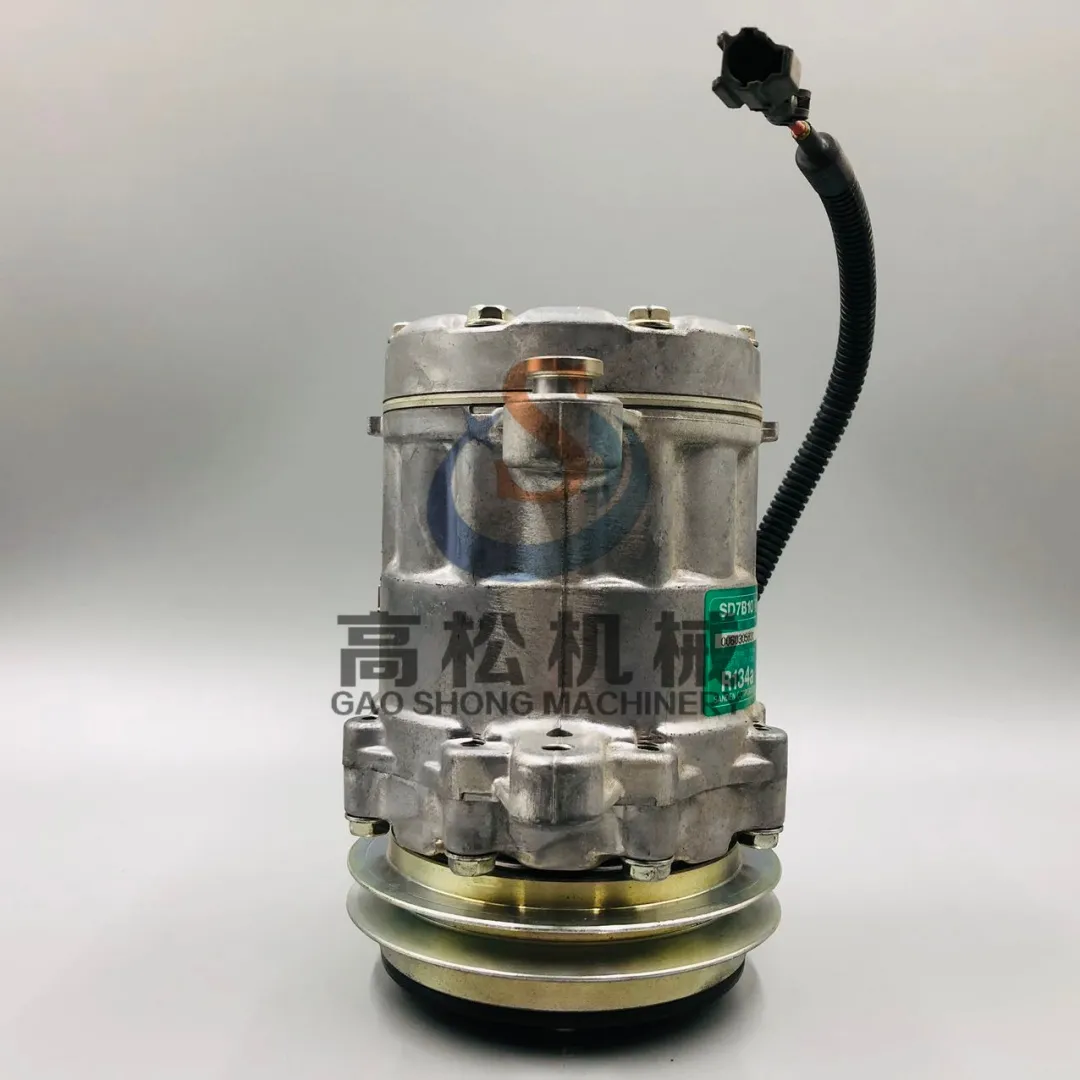 A/C Compressor 22L-979-2200 For Komatsu
 -
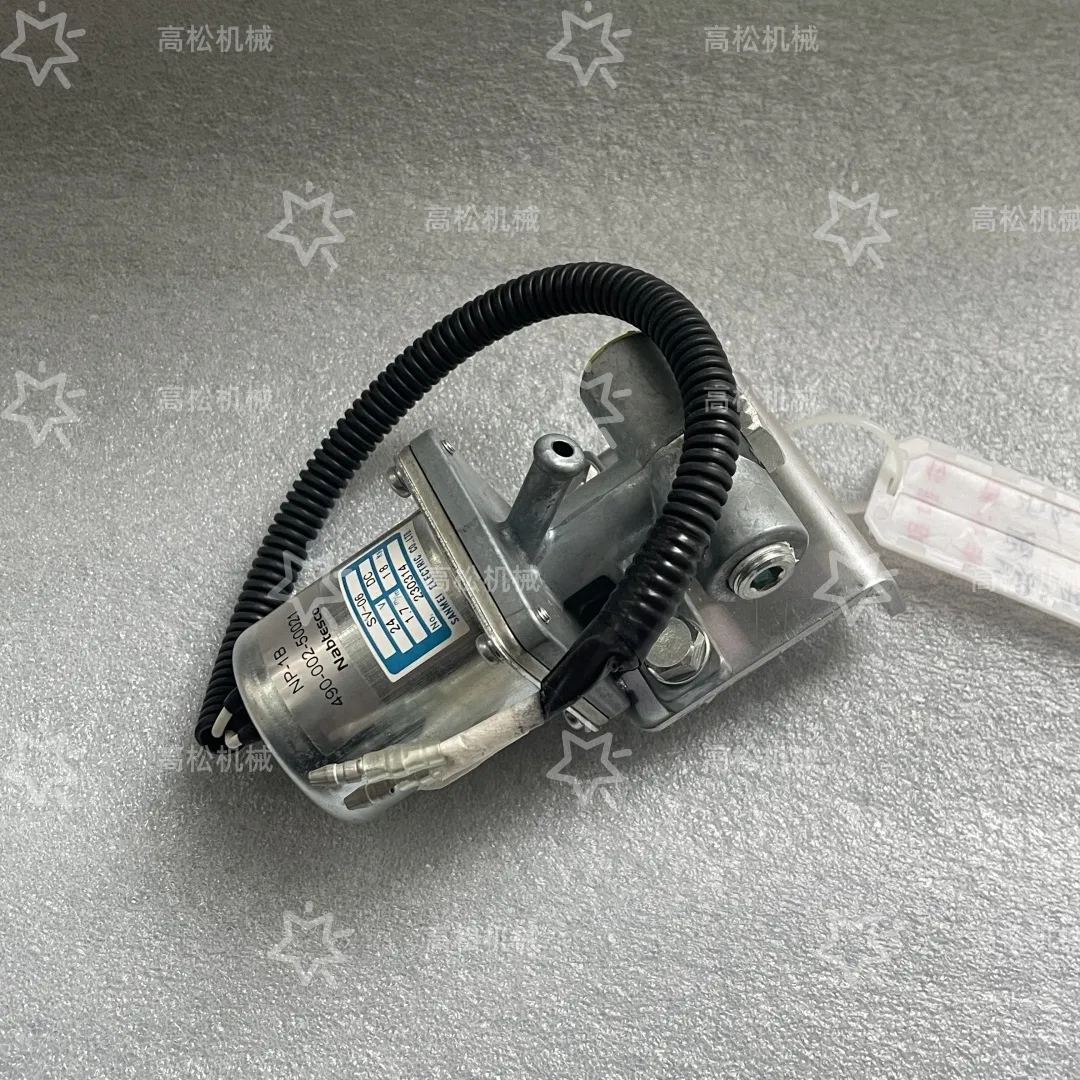 234-44-61430SOLENOID VALVE 234-44-61430 BANK CUTTING CONTROL PIPING AUTO TRANSMISSION SPEC for GD705/825
 -
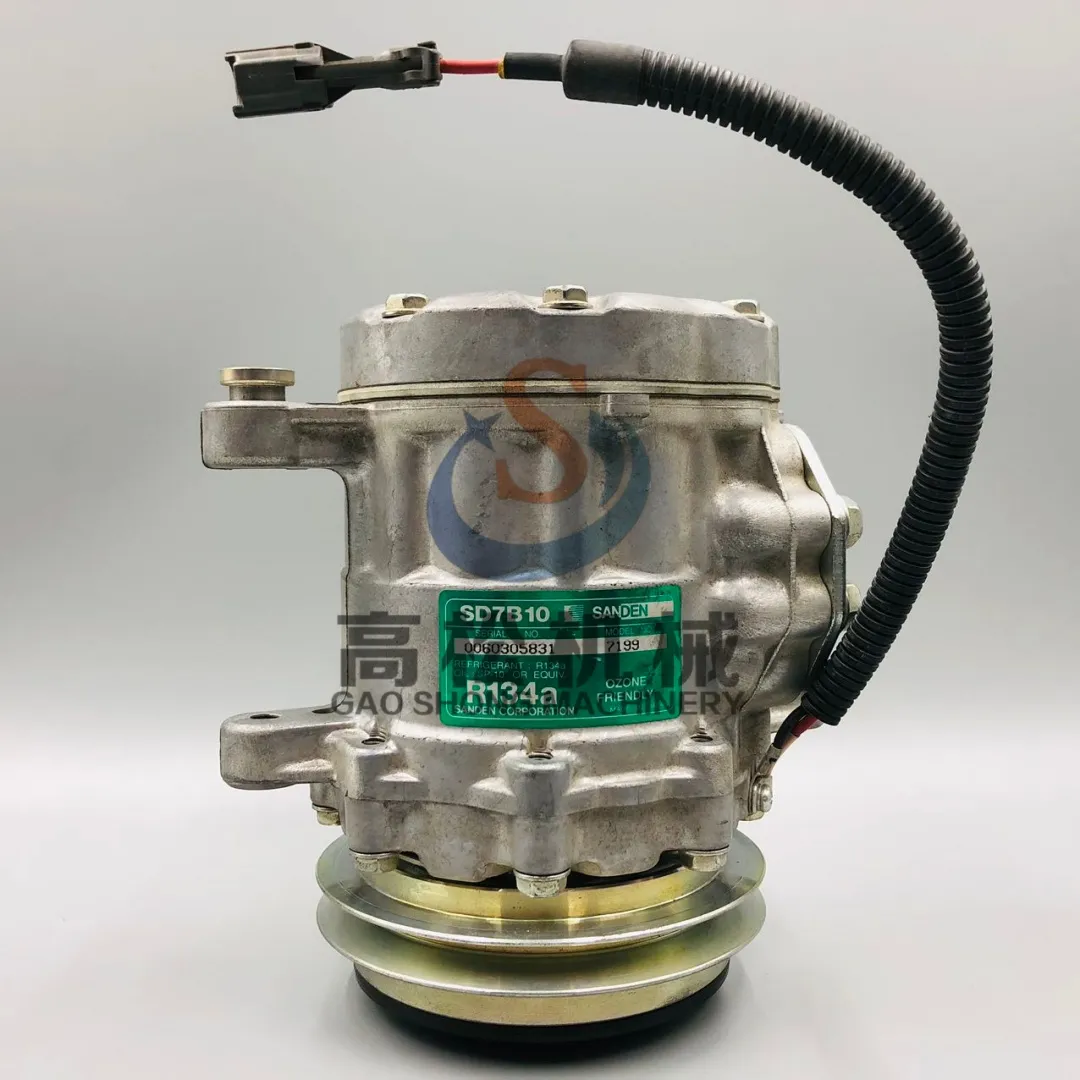 Disong 22L-979-2200 AIR CONDITIONER COMPRESSOR 22L-979-2200 for Excavator PC56-7
 -
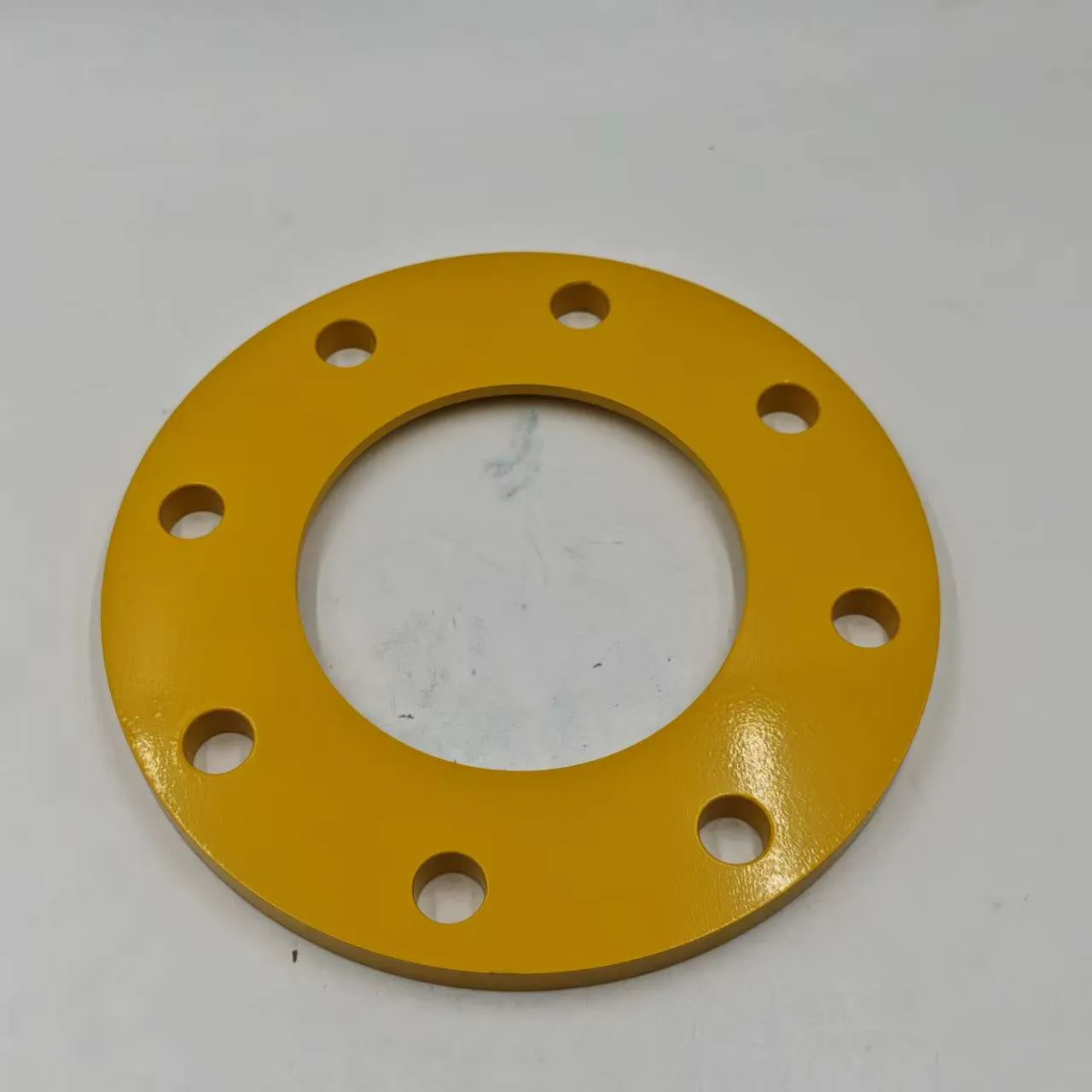 Komatsu 41E-70-15461 Plate
 -
 Original ND116410-9681 UNIT SUB ASS’Y for HM300-1 HM350-1 ND1164109681
 -
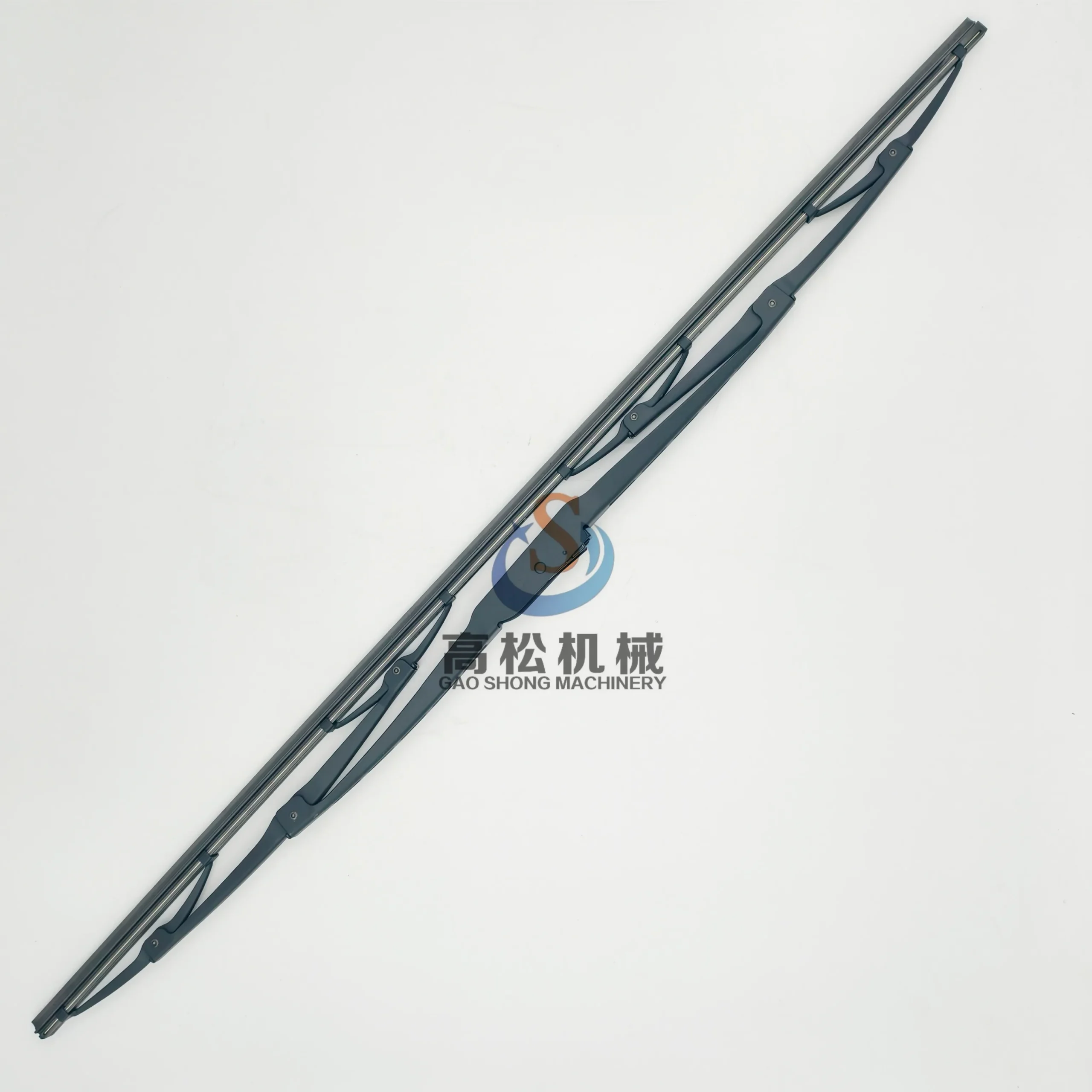 BLADE,FRONT 56B-54-13240 HM250-2 HM300-2 HM350-2 HM400-2 (ecot3) OPERATOR’S CAB (WIPER)
 -
 Komatsu Inside cover 17A-54-18270 for Bulldozer D155AX-5
 -
 Komatsu Relay 425-06-11150 for Wheel loader WA600-1 12V
 -
 (KOMATSU)19M-40-11160 PISTON
 -
 Original komatsu GD661A-1 Pull Rod 238-46-11810
 -
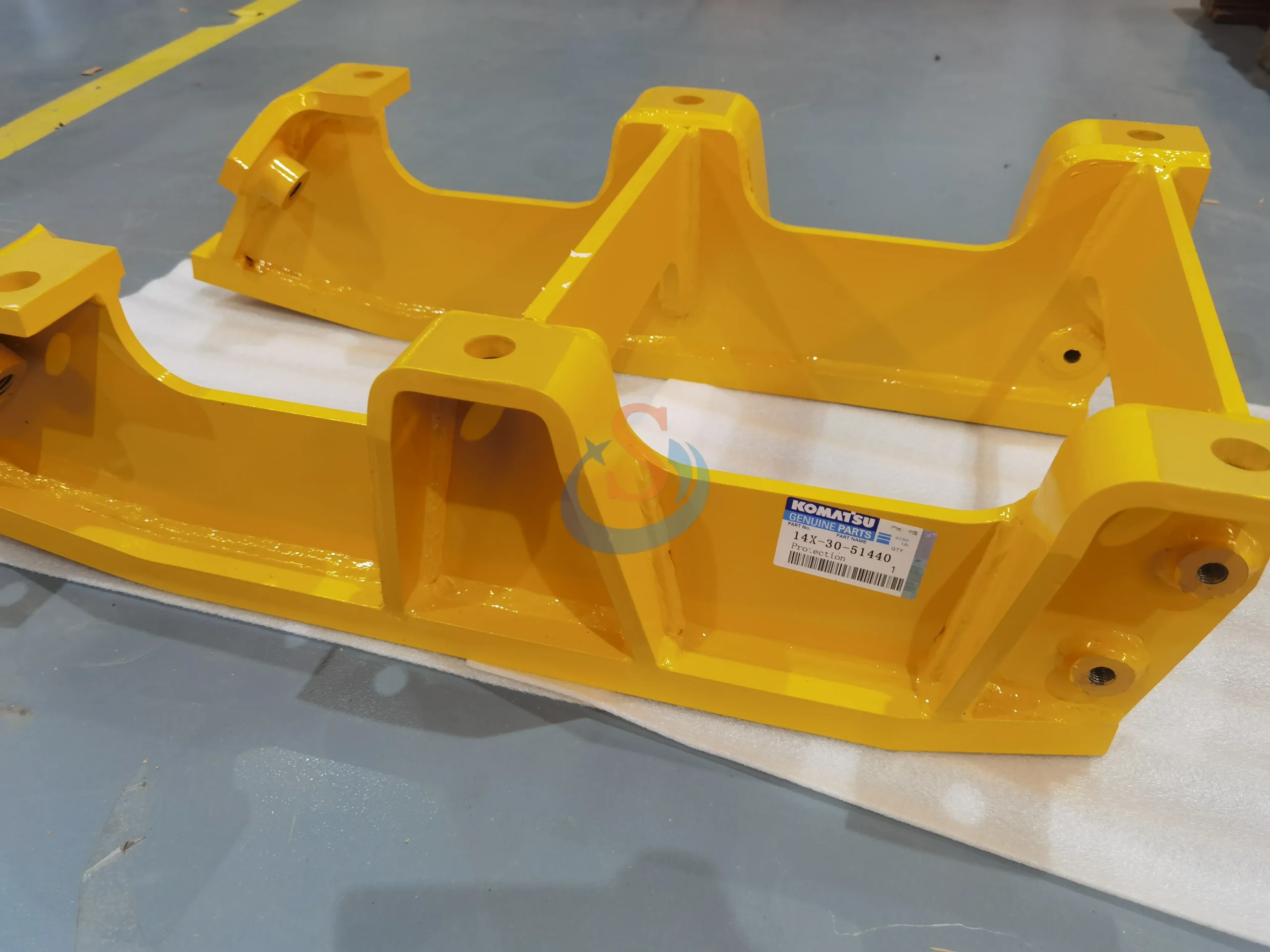 14X-30-51440,Guard,D65PX,D65EX,D65WX
 -
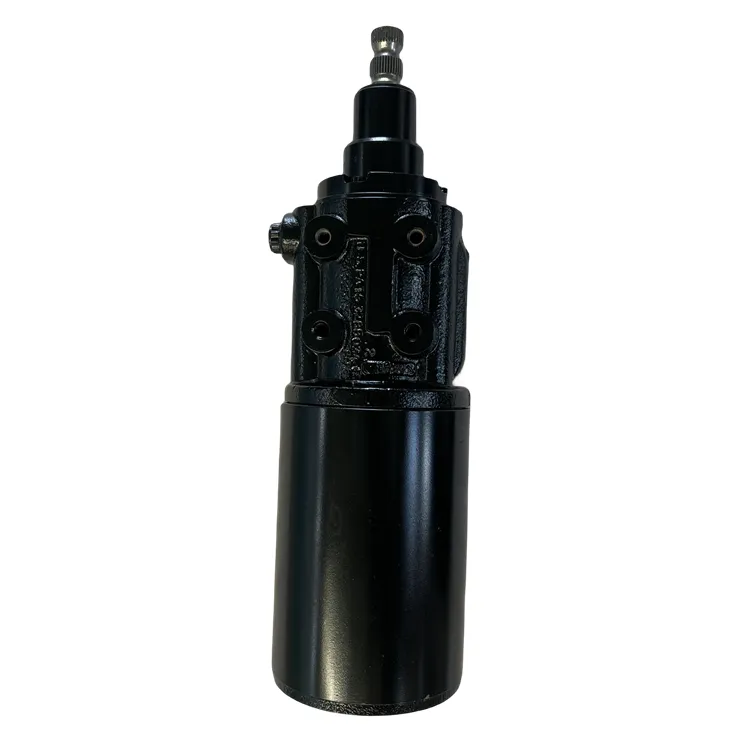 HD785-7 steering valve 561-40-83300