
- Chinese
- French
- German
- Portuguese
- Spanish
- Russian
- Japanese
- Korean
- Arabic
- Irish
- Greek
- Turkish
- Italian
- Danish
- Romanian
- Indonesian
- Czech
- Afrikaans
- Swedish
- Polish
- Basque
- Catalan
- Esperanto
- Hindi
- Lao
- Albanian
- Amharic
- Armenian
- Azerbaijani
- Belarusian
- Bengali
- Bosnian
- Bulgarian
- Cebuano
- Chichewa
- Corsican
- Croatian
- Dutch
- Estonian
- Filipino
- Finnish
- Frisian
- Galician
- Georgian
- Gujarati
- Haitian
- Hausa
- Hawaiian
- Hebrew
- Hmong
- Hungarian
- Icelandic
- Igbo
- Javanese
- Kannada
- Kazakh
- Khmer
- Kurdish
- Kyrgyz
- Latin
- Latvian
- Lithuanian
- Luxembou..
- Macedonian
- Malagasy
- Malay
- Malayalam
- Maltese
- Maori
- Marathi
- Mongolian
- Burmese
- Nepali
- Norwegian
- Pashto
- Persian
- Punjabi
- Serbian
- Sesotho
- Sinhala
- Slovak
- Slovenian
- Somali
- Samoan
- Scots Gaelic
- Shona
- Sindhi
- Sundanese
- Swahili
- Tajik
- Tamil
- Telugu
- Thai
- Ukrainian
- Urdu
- Uzbek
- Vietnamese
- Welsh
- Xhosa
- Yiddish
- Yoruba
- Zulu
- Kinyarwanda
- Tatar
- Oriya
- Turkmen
- Uyghur






OEM AND ORIGINAL KOMATSU GEAR 21N-38-31130
When someone searches for 'OEM AND ORIGINAL KOMATSU GEAR 21N-38-31130', they're usually in a bind—a machine is down, and they need the right part, fast. But here's the immediate confusion: the term 'OEM' gets thrown around so loosely it's lost meaning. Is it a part made by Komatsu? Or by a factory authorized by Komatsu? Or just a compatible part? With a critical component like the 21N-38-31130 gear, which is often tied to a final drive or transmission assembly in a PC300 or similar model, getting this wrong isn't an option. The cost of a few days' downtime dwarfs any part savings. I've seen too many orders where the buyer thought they were getting genuine Komatsu, only to receive a part in a plain brown box with a certificate that looked... off. The serialization was inconsistent, the case hardening seemed superficial. That's the gamble.
The Reality of OEM in the Komatsu Ecosystem
Let's be clear. True Komatsu-original parts for the 21N-38-31130 come through Komatsu's official distribution channels. They have the Komatsu logo, specific packaging, and traceable documentation. However, within the industry, 'OEM' often refers to parts produced by the original design manufacturer—the actual factory that forged and machined these gears for Komatsu under contract. This is where companies like Jining Gaosong Construction Machinery Co., Ltd. operate. They are, as their site https://www.takematsumachinery.com states, an OEM product supplier within the Komatsu system. This isn't just marketing speak. It means they have the technical drawings, the material specs (like the specific alloy steel grade), and the heat-treatment protocols for this gear. The part is functionally identical because, in many cases, it came off the same production line.
The critical difference is the supply path and the branding. When Komatsu's global parts network faces constraints—which happens more often than you'd think in certain regions—these OEM suppliers can legally fill the gap. Their role as a third-party sales company for Komatsu, helping solve parts supply challenges, is legitimate. But you have to vet them. I once worked with a project in Southeast Asia where the local Komatsu dealer had a 12-week lead time for a 31130 gear. We sourced through an OEM supplier, got it in 3 weeks, and it's been running for 8,000 hours without a hiccup. The metallurgy report matched the spec sheet we got from a Komatsu service manual.
But here's the nuance that only comes from handling these parts: the original finish. A genuine Komatsu gear has a very particular machining finish on the tooth flanks and a distinct color from the nitriding or carburizing process. Some aftermarket parts get the hardness right but the finish wrong, leading to premature wear on the mating gear. When you order, you should ask for close-up photos of the tooth profile and the bore. An established supplier like Gaosong will provide these without hesitation. If they don't, walk away.
Where the Failures Happen: A Case on Tolerances
Not all stories have happy endings. I recall a rebuild where we used a non-OEM sourced 21N-38-31130. It was sold as meets or exceeds OEM spec. The gear meshed, but there was a persistent whine under load. We pulled it after 500 hours. The pattern check showed contact was too close to the heel. The issue? The tooth profile geometry was minutely off—maybe a few microns in the involute curve. This wasn't a material failure; it was a manufacturing tolerance stack-up issue. The gear itself was high quality, but it wasn't a perfect match for the specific wear pattern of the existing pinion in that assembly. This is the hidden risk.
This is why provenance matters. An authorized OEM supplier typically has tighter batch control. They know which production runs supplied Komatsu directly and can often match the lot characteristics. When you're dealing with Jining Gaosong, their value is in this systemic knowledge. They're not just a parts box mover; they understand the application. Their website intro isn't fluff—solving parts supply challenges means they navigate these tolerances and compatibility issues daily. They can tell you, This batch is suitable for a PC300-8, but for a -6 model, you should check the serial number break. That's operational intelligence.
The lesson? Always request the inspection report. A proper report will detail the hardness depth (CHD), surface hardness, core hardness, and magnetic particle inspection results for cracks. If you're just given a certificate that says passed, it's worthless. A real supplier's report will have graphs and numbers that you can cross-reference with the WES (Komatsu's internal standard) if you have access.
The Price vs. Cost Calculation for the 31130 Gear
Everyone looks at the price first. A genuine Komatsu part might be listed at $X. An OEM version from a supplier like Gaosong might be 40-60% of that. The aftermarket clone might be 30%. The temptation is obvious. But the real cost includes downtime, labor for installation, and the risk of collateral damage. If an inferior gear fails, it can take the pinion, bearings, and even the housing with it. Suddenly, that 70% savings turns into a repair bill 5 times the cost of the genuine part.
My rule of thumb for critical drive components: if the machine is under warranty, use only genuine Komatsu. No debate. Out of warranty, for a machine you plan to keep long-term, use a verified OEM part from a transparent supplier. The OEM AND ORIGINAL KOMATSU GEAR 21N-38-31130 from a source like https://www.takematsumachinery.com fits here. You're paying for the engineering and the quality control, not the brand markup and the global logistics of the official network. For a machine you're looking to sell soon, the calculus changes, but I'd still avoid the cheapest no-name option.
Inventory is another factor. Official channels can be slow in remote locations. I've seen Jining Gaosong Construction Machinery Co., Ltd. effectively act as a regional buffer stock. They can move parts quickly because they're plugged into the manufacturing base. This logistical advantage is a huge part of their value proposition as a third-party sales company. It turns a cost center (downtime) into a manageable variable.
Verifying Your Source: More Than a Website
So, you've decided to go the OEM route. How do you verify a supplier? First, the website. A professional one is a good sign, but it's just a start. Takematsumachinery.com is clearly structured around Komatsu parts, which is good. Look for technical data sheets, not just catalogs. Call them. Ask specific technical questions: What is the core hardness range for your 21N-38-31130? Do you use SCM420H steel? Can you provide the gear's lead and profile error measurement data? A trading company will stumble; a technical OEM supplier will answer or get an engineer on the line.
Request a physical sample or a video call to inspect the part before shipping. A reputable company will agree. Check the packaging and marking. Even if it doesn't have the Komatsu logo, it should have the part number, supplier code, and heat lot number laser-etched or stamped clearly. Faded inkjet printing is a red flag.
Finally, lean on network references. This industry runs on reputation. Ask the supplier for a contact at a mine or construction site they've supplied in your region. A real operator will give you a straight answer. In my experience, the companies that survive long-term, like the one mentioned here, build their business on these repeat, reference-able relationships, not just one-time sales.
Wrapping It Up: A Pragmatic Approach
There's no single right answer for every situation. The key is informed pragmatism. The 21N-38-31130 gear is a precision component. OEM and Original should mean it is materially, dimensionally, and functionally interchangeable with the part Komatsu installs at the factory. For a critical application, your due diligence must confirm that.
Companies filling the niche that Jining Gaosong describes are vital to keeping global fleets running. They provide an alternative that maintains quality while improving availability and cost. But the onus is on you, the buyer, to validate that the alternative is truly equivalent. Don't just buy a part number; buy the pedigree, the data, and the supplier's expertise behind it.
Next time you need that gear, start with the technical conversation, not the price quote. Ask for the evidence of equivalence. If you get it, you've likely found a resource that will save you money and headaches for years to come. If you get evasion, you've dodged a bullet. It's that simple, and that complicated.
Related Products
Related Products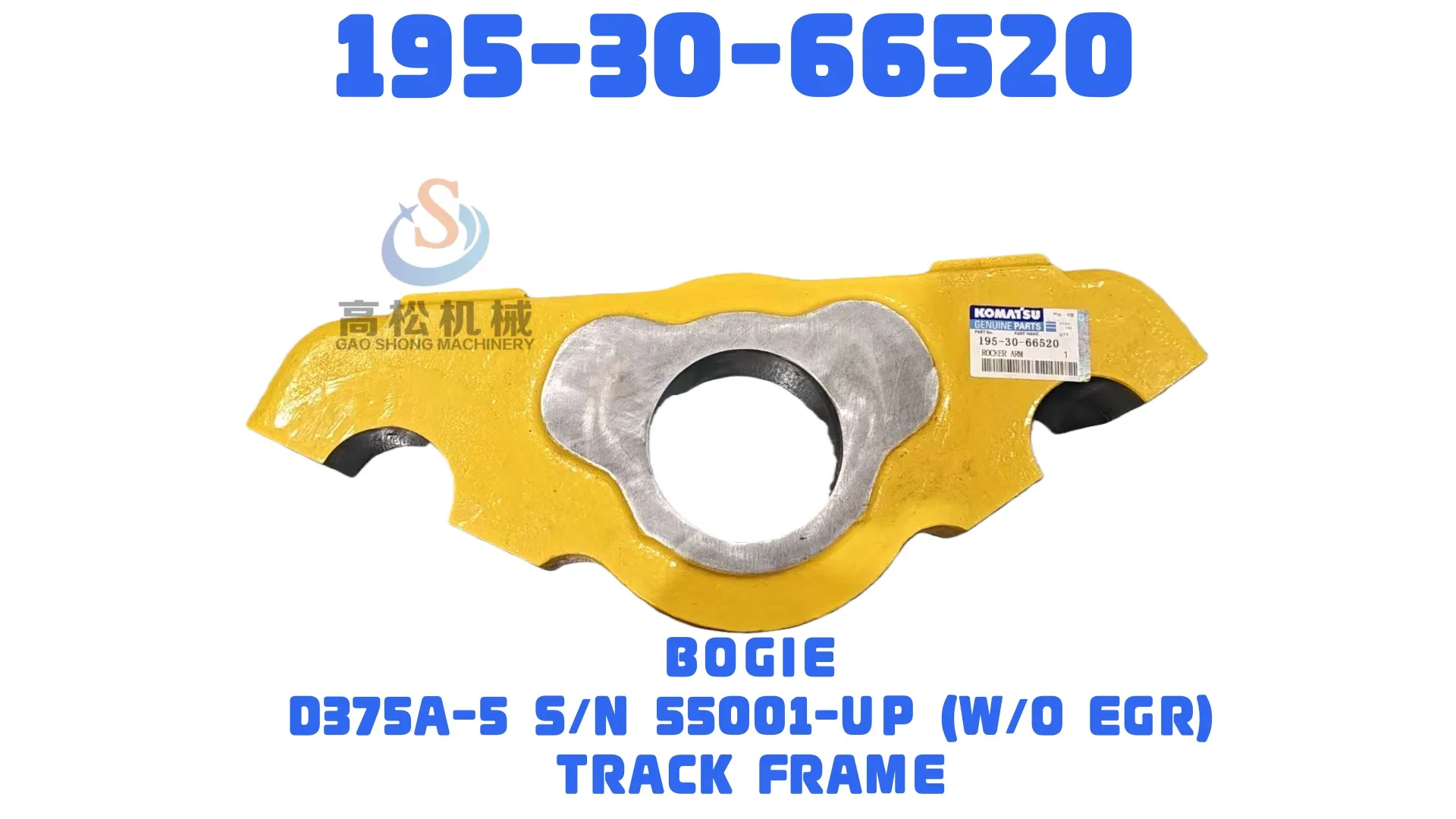
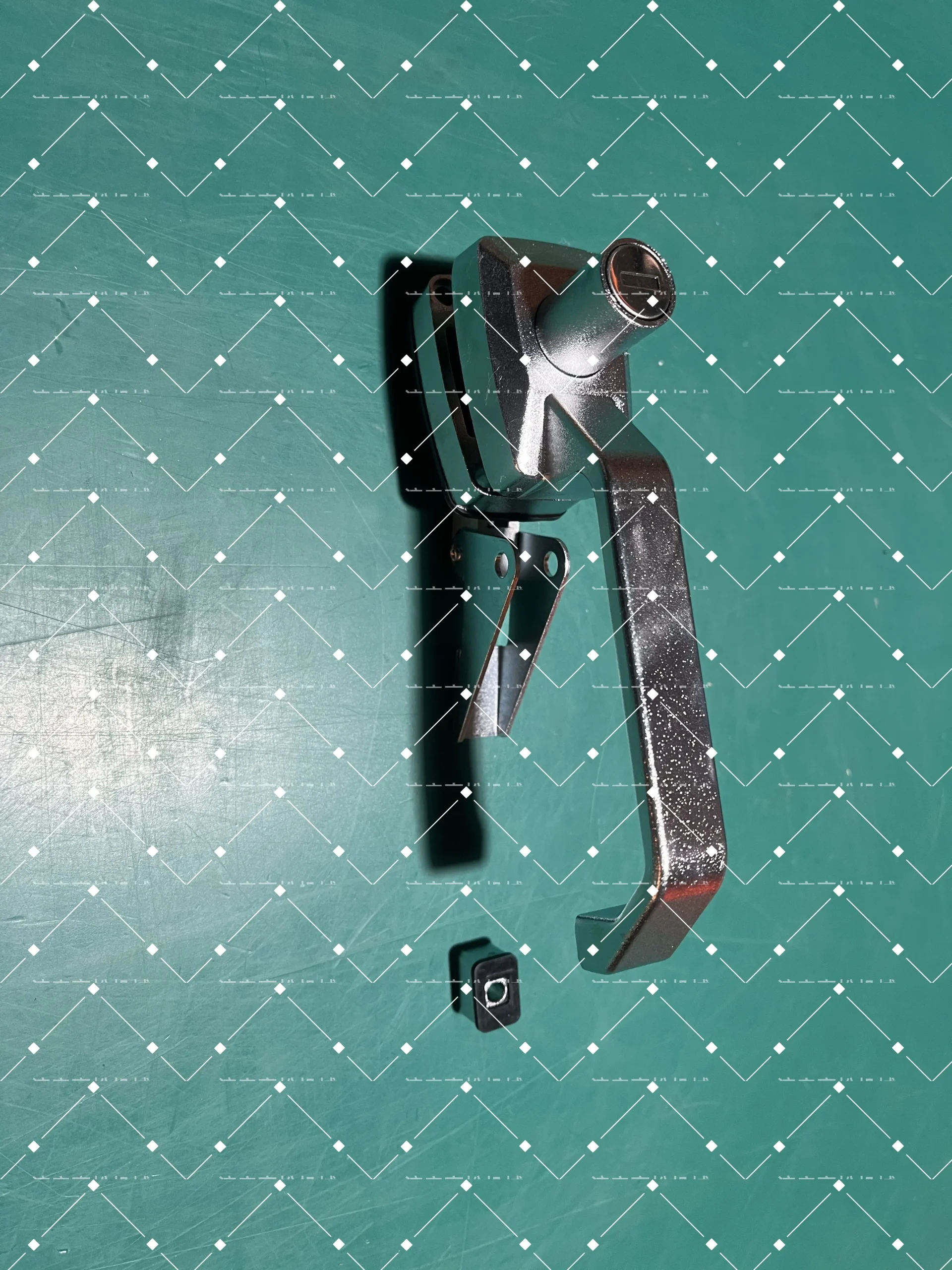
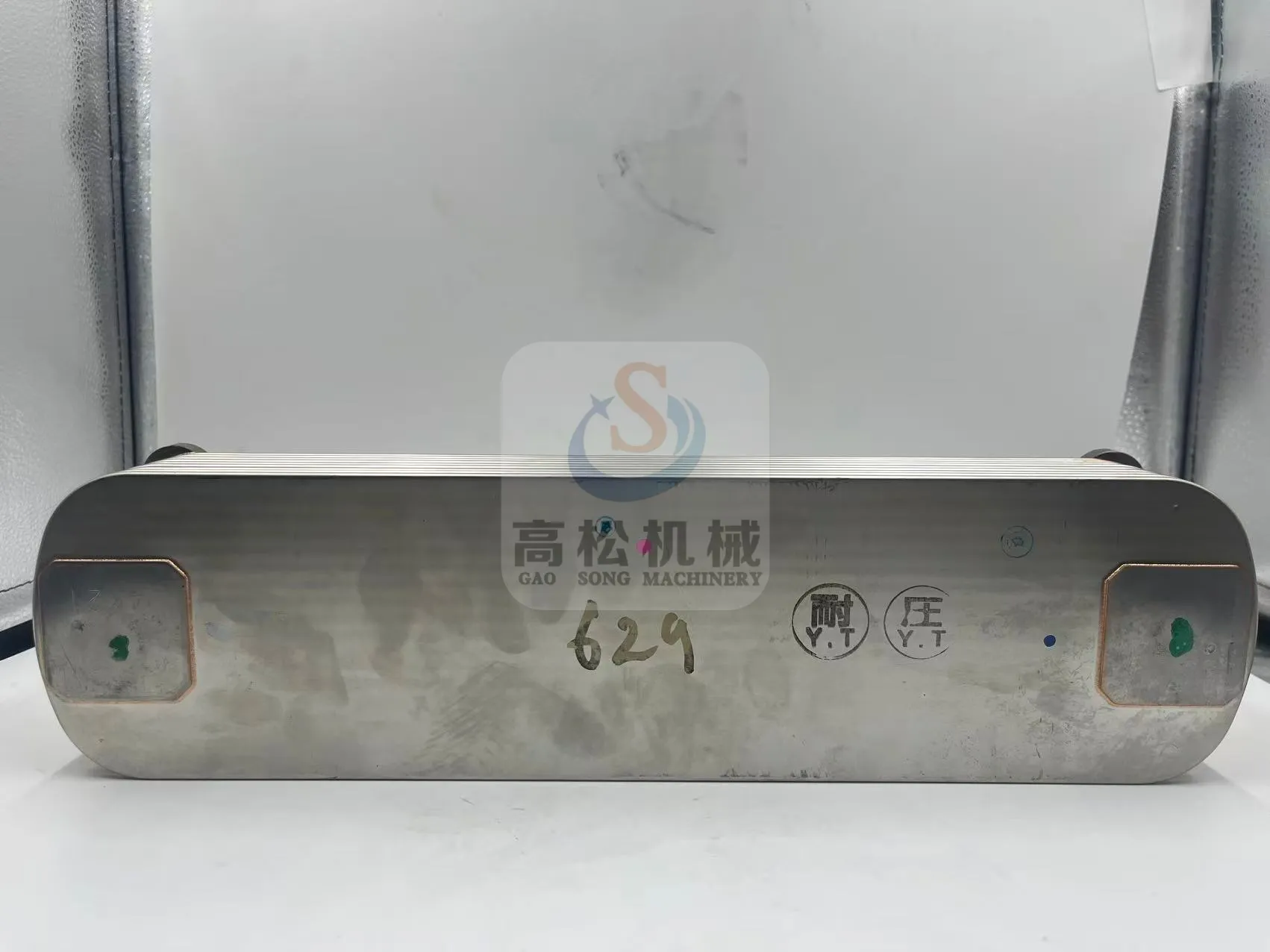
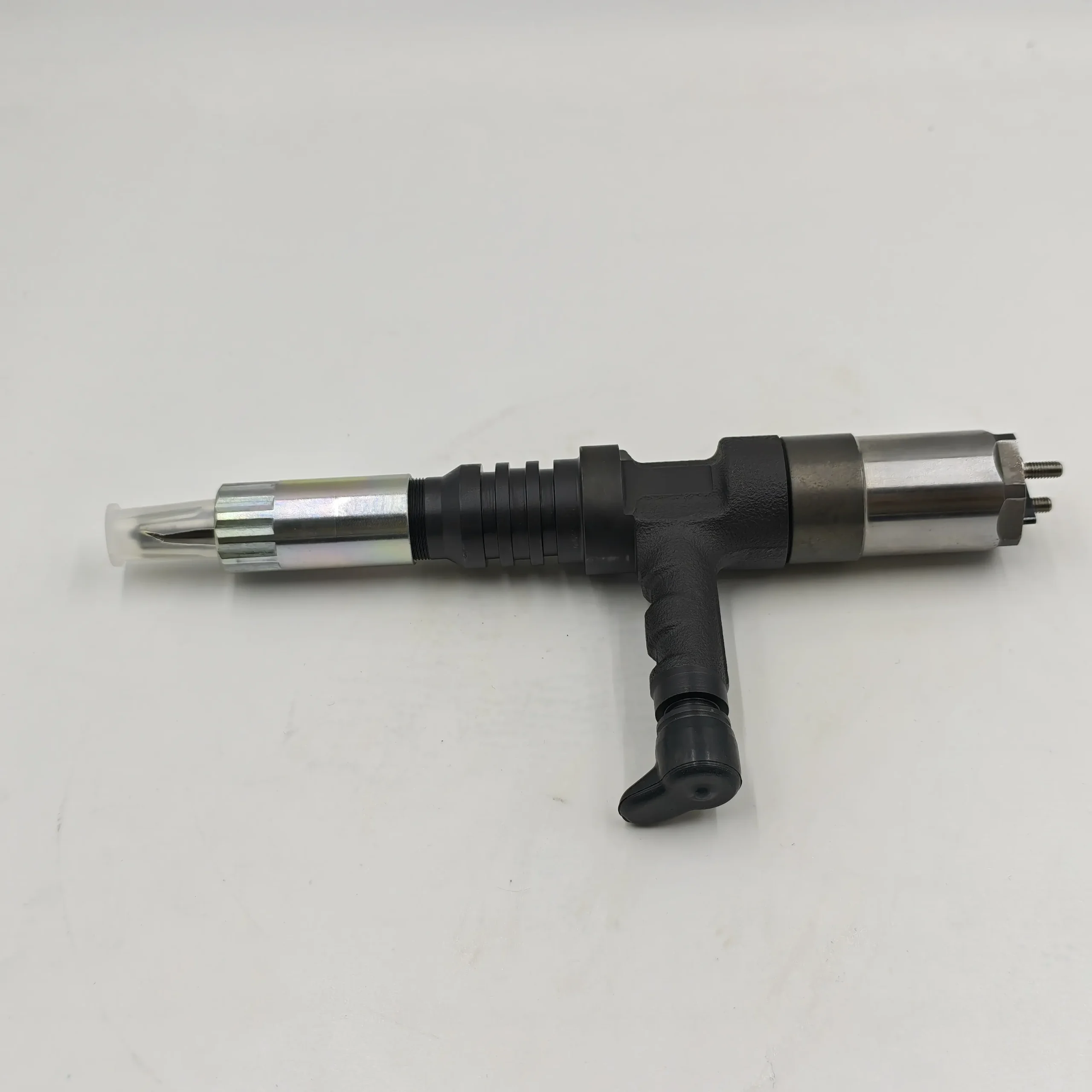

Best Selling Products
Best Selling Products-
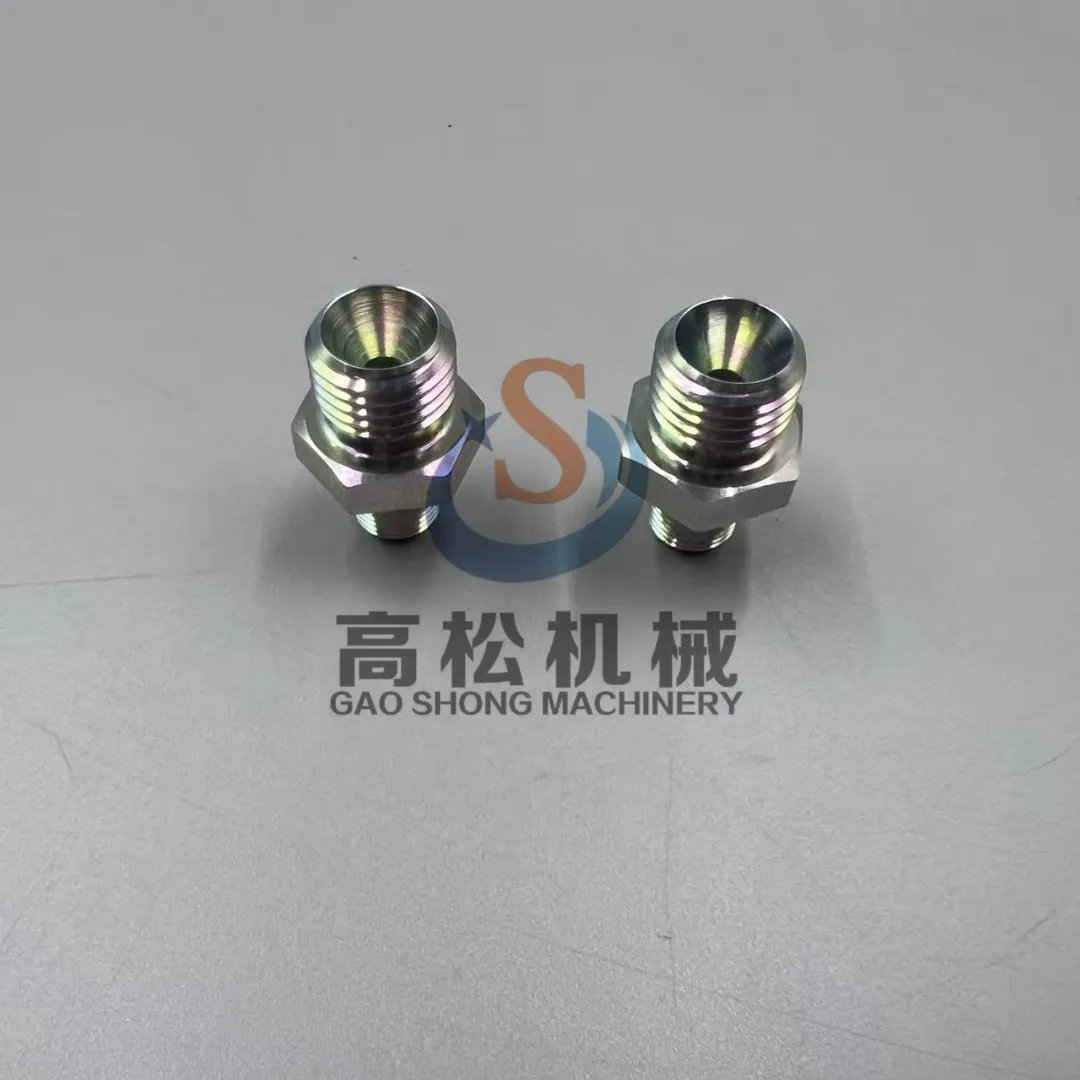 07213-50710 Connector for Komat Su D275A/D375A/D475A/PC600/PC1250
 -
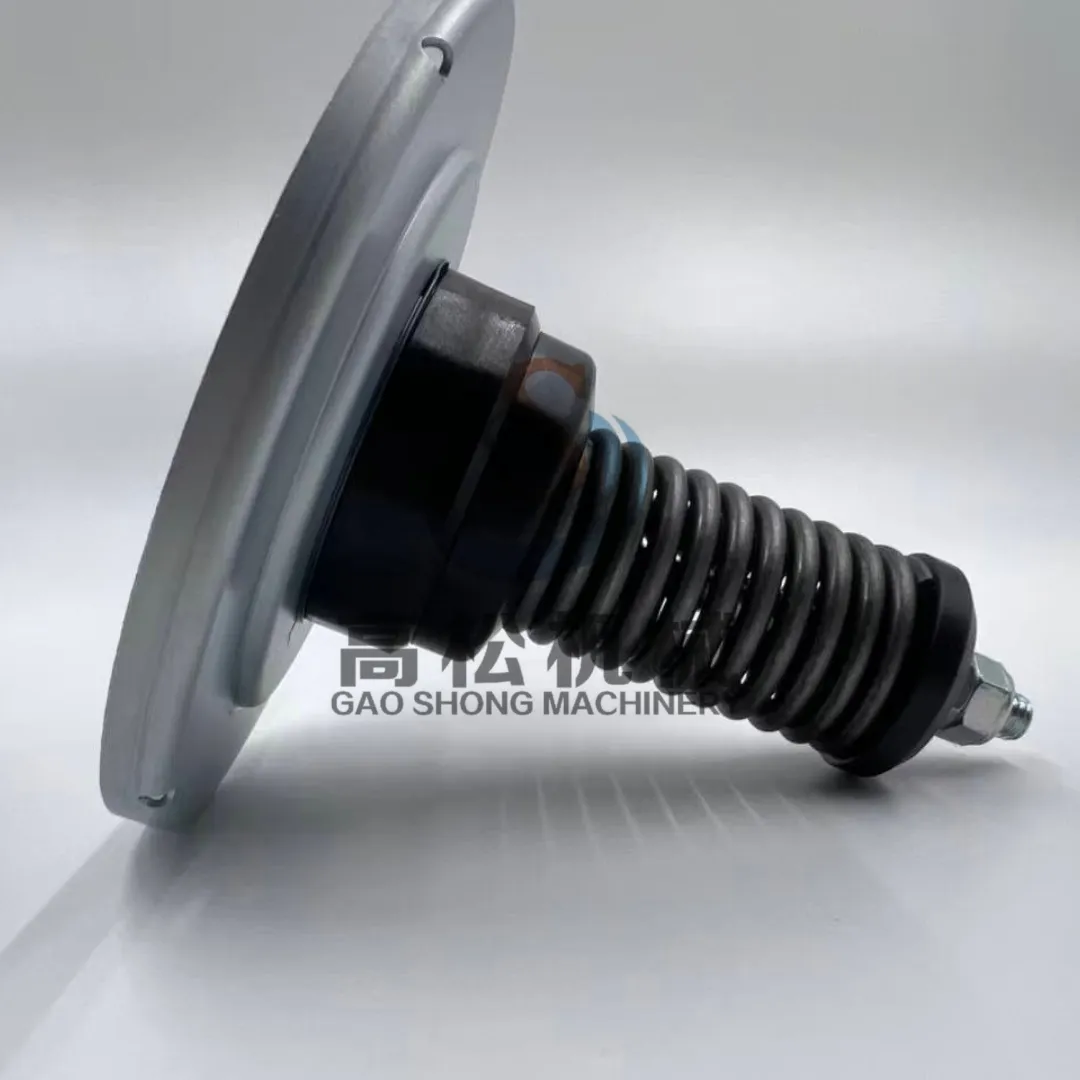 20Y-60-31450 Valve Assembly Komatsu For Hydraulic Tank PC300-8MO Excavator Parts
 -
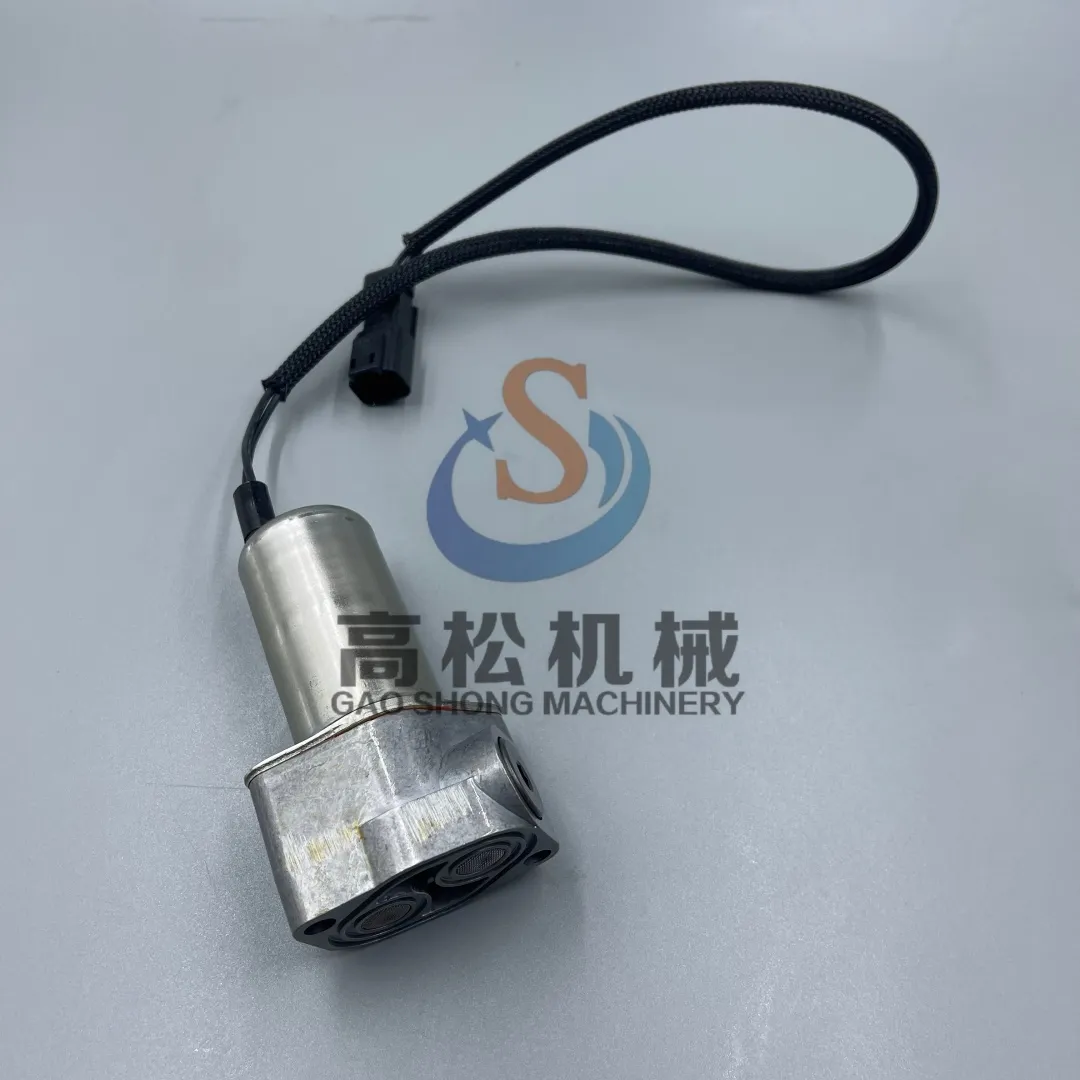 702-21-07620 Solenoid Valve for Komatsu PC450-8 PC300-8 PC350-8 7022107620
 -
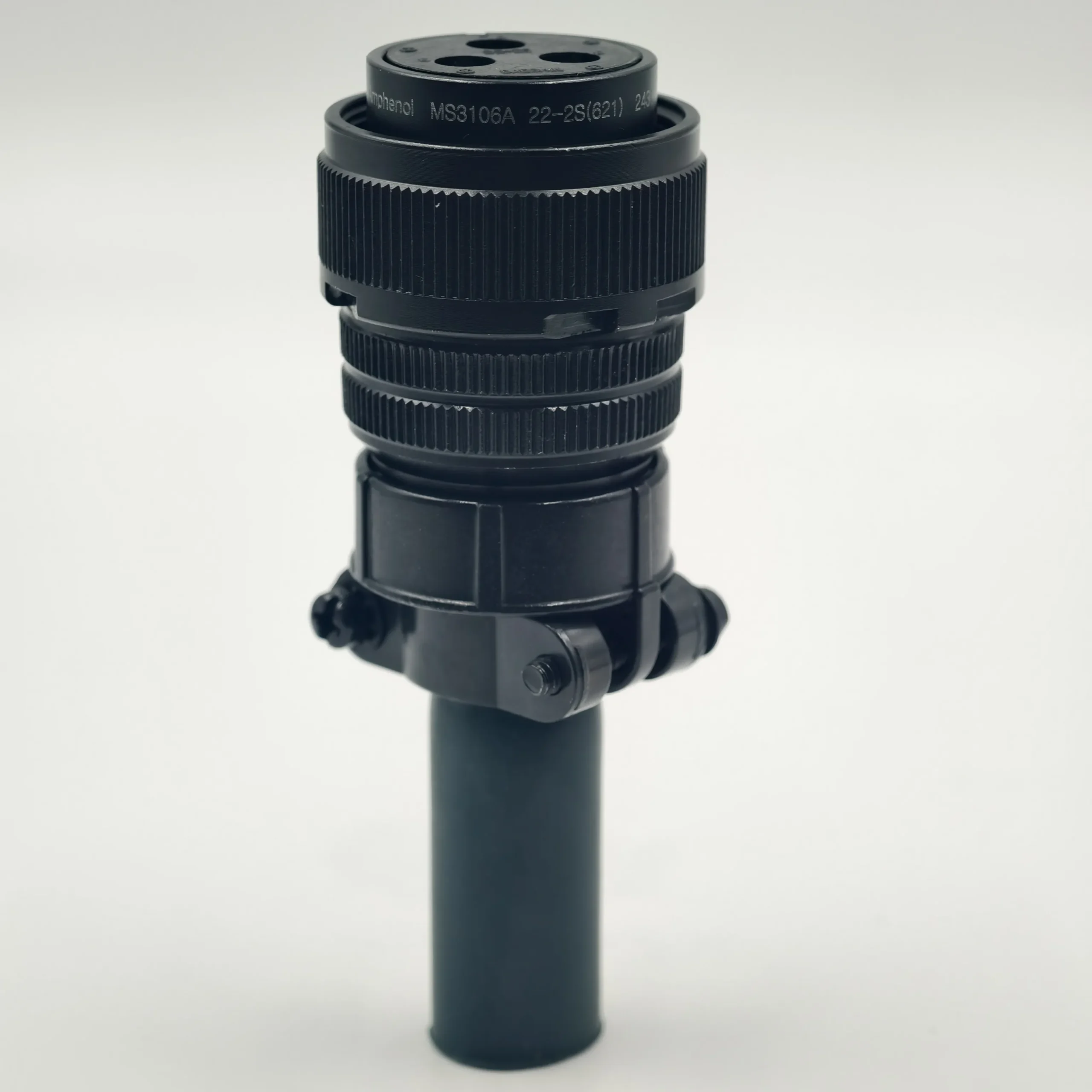 175-06-37871 PLUG(WITH HEATER) (Komatsu)
 -
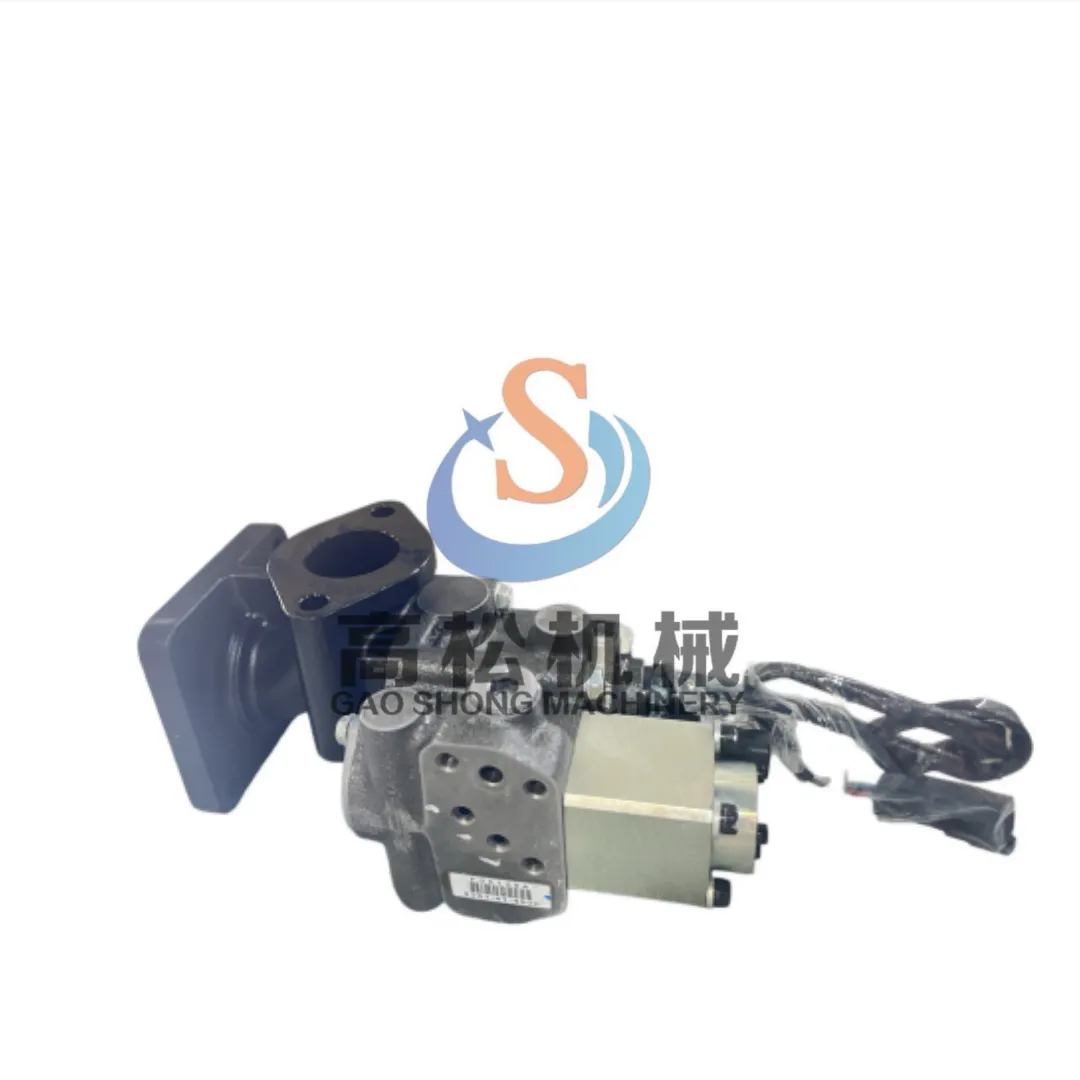 Excavator For Komatsu PC400-7 PC450-7 Control Solenoid Valve 6261-41-4900
 -
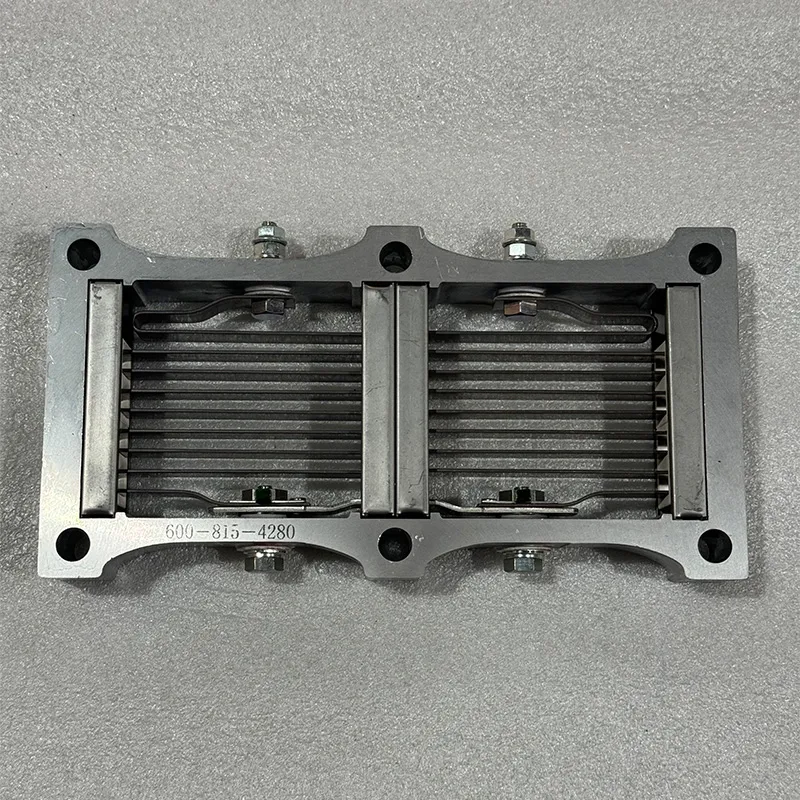 600-815-4280 Original komatsu Heater Ribbon for komatsu SAA6D engines
 -
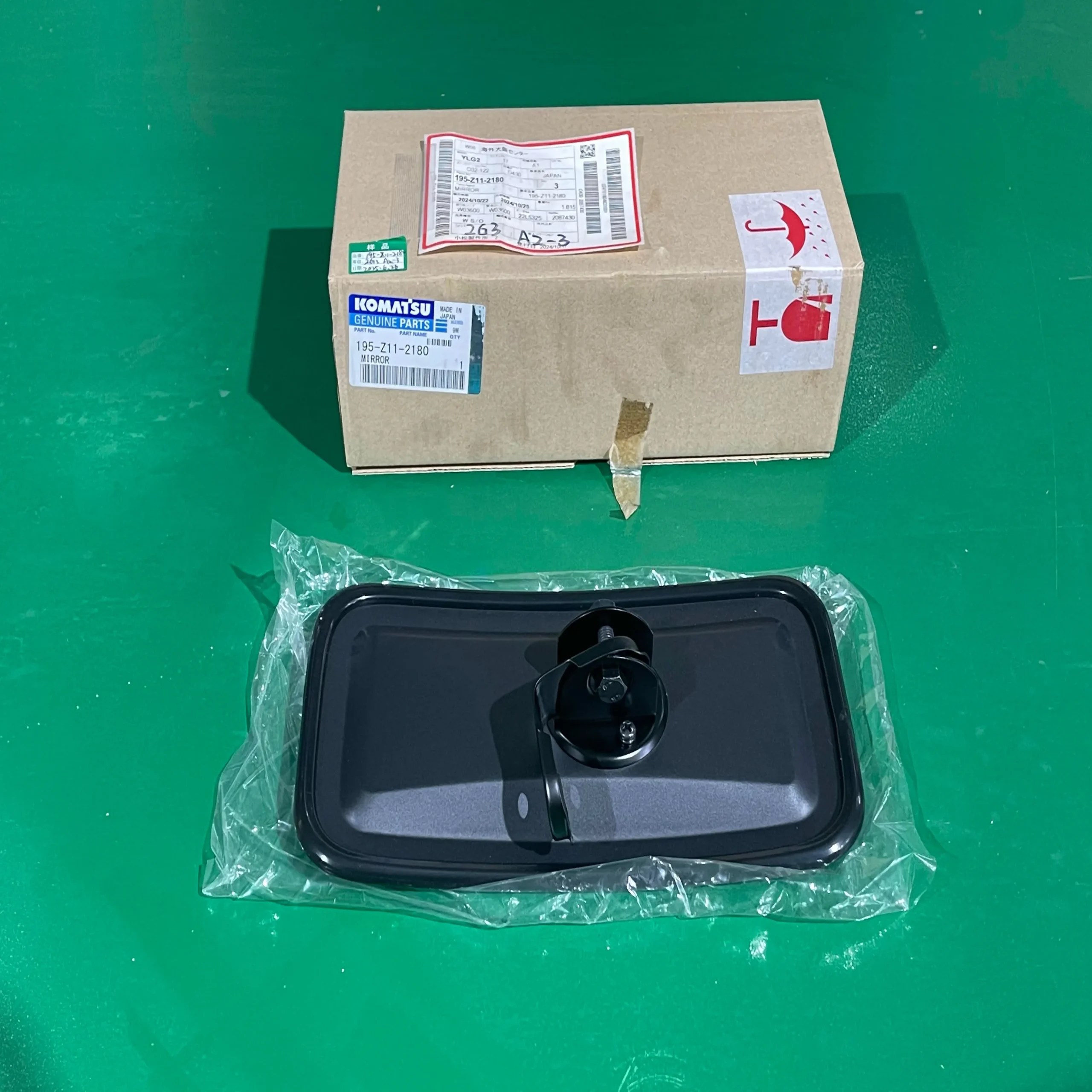 195-Z11-2180Fits Komatsu 195-Z11-2180 Dozer Replacement Mirror
 -
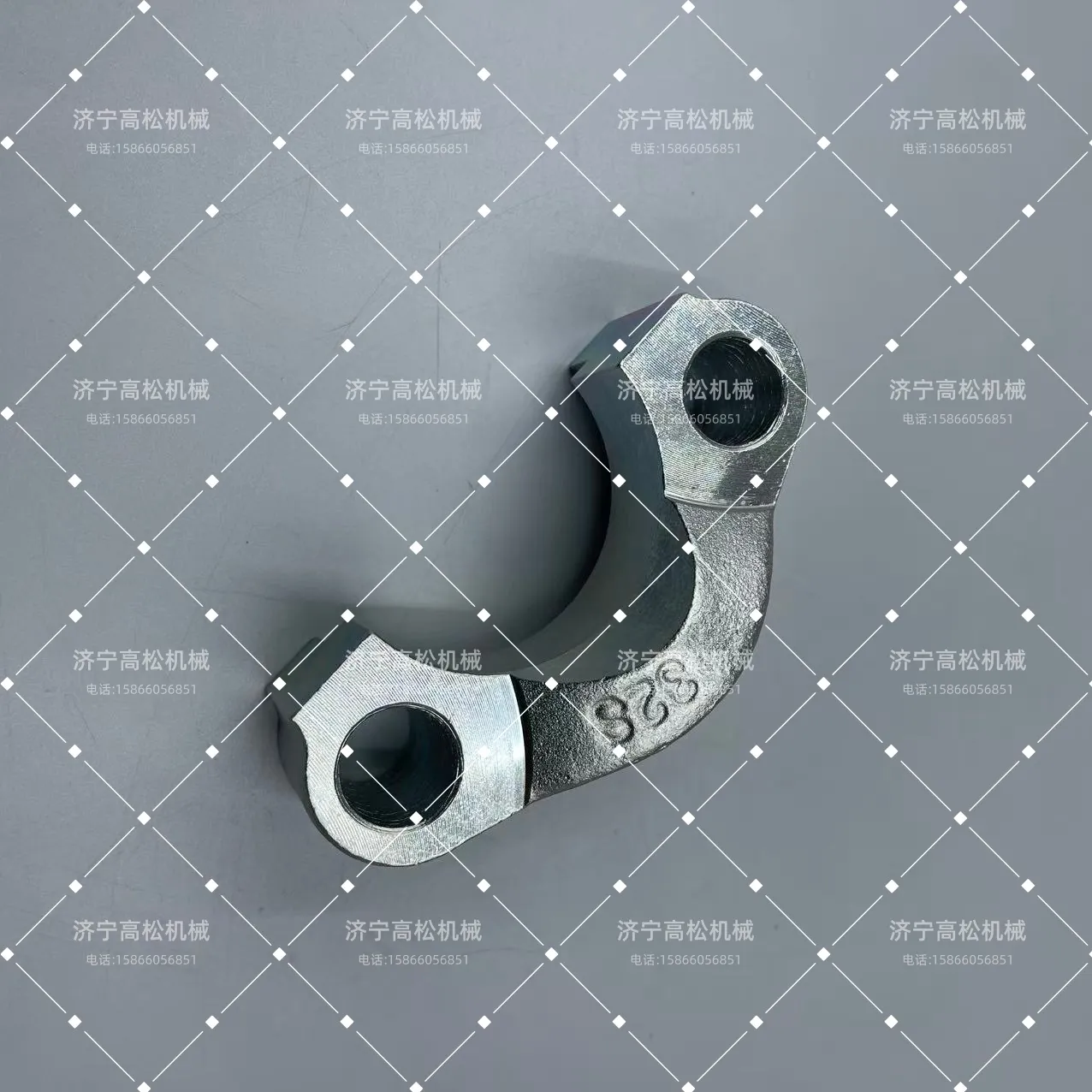 07371-52080 Komatsu FLANGE | AGA Parts
 -
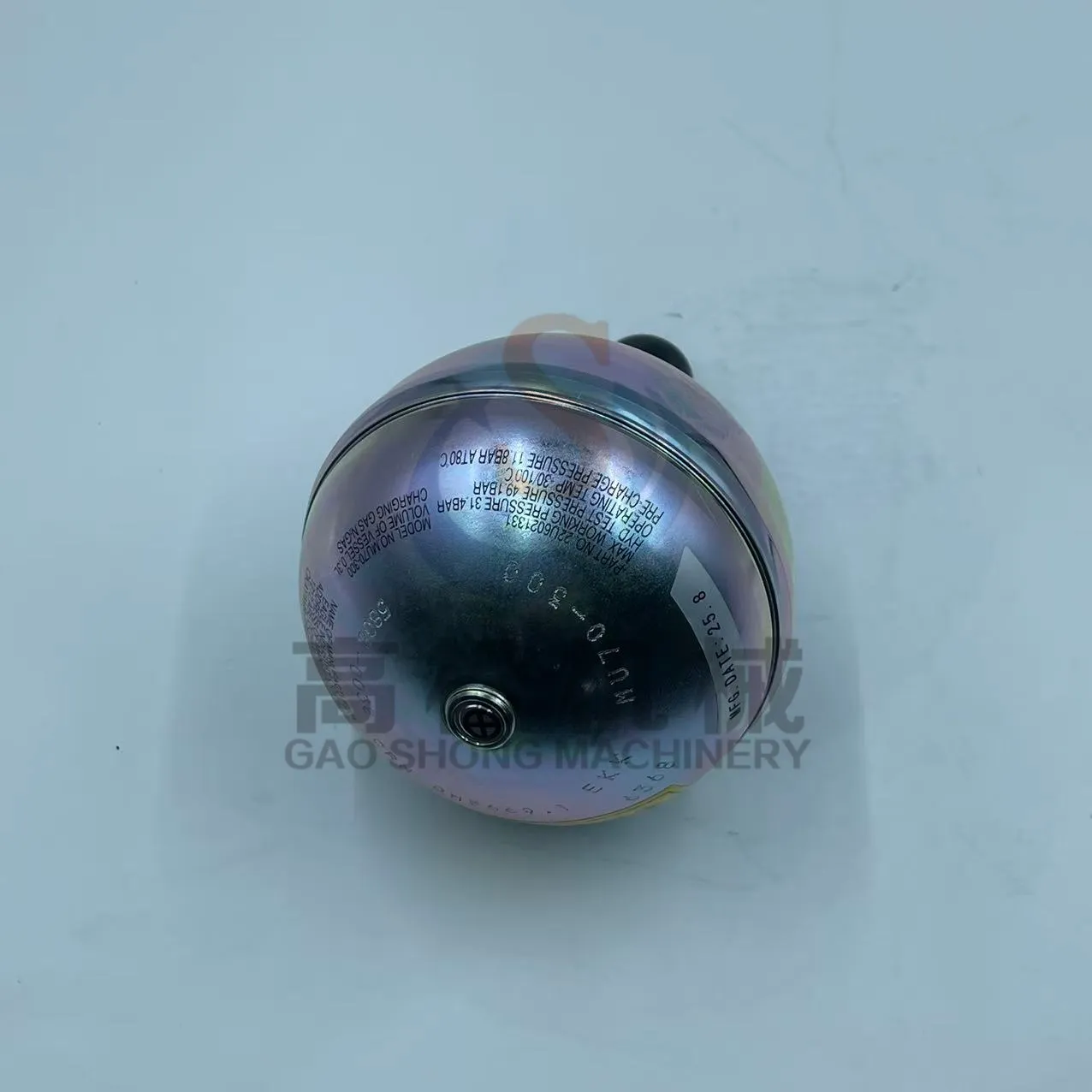 PC210 Excavator Accumulator 22U-60-21331 22U6021331 for Excavator PC300-8 PC350-8 PC130-8 PC200-8 PC220LC-8
 -
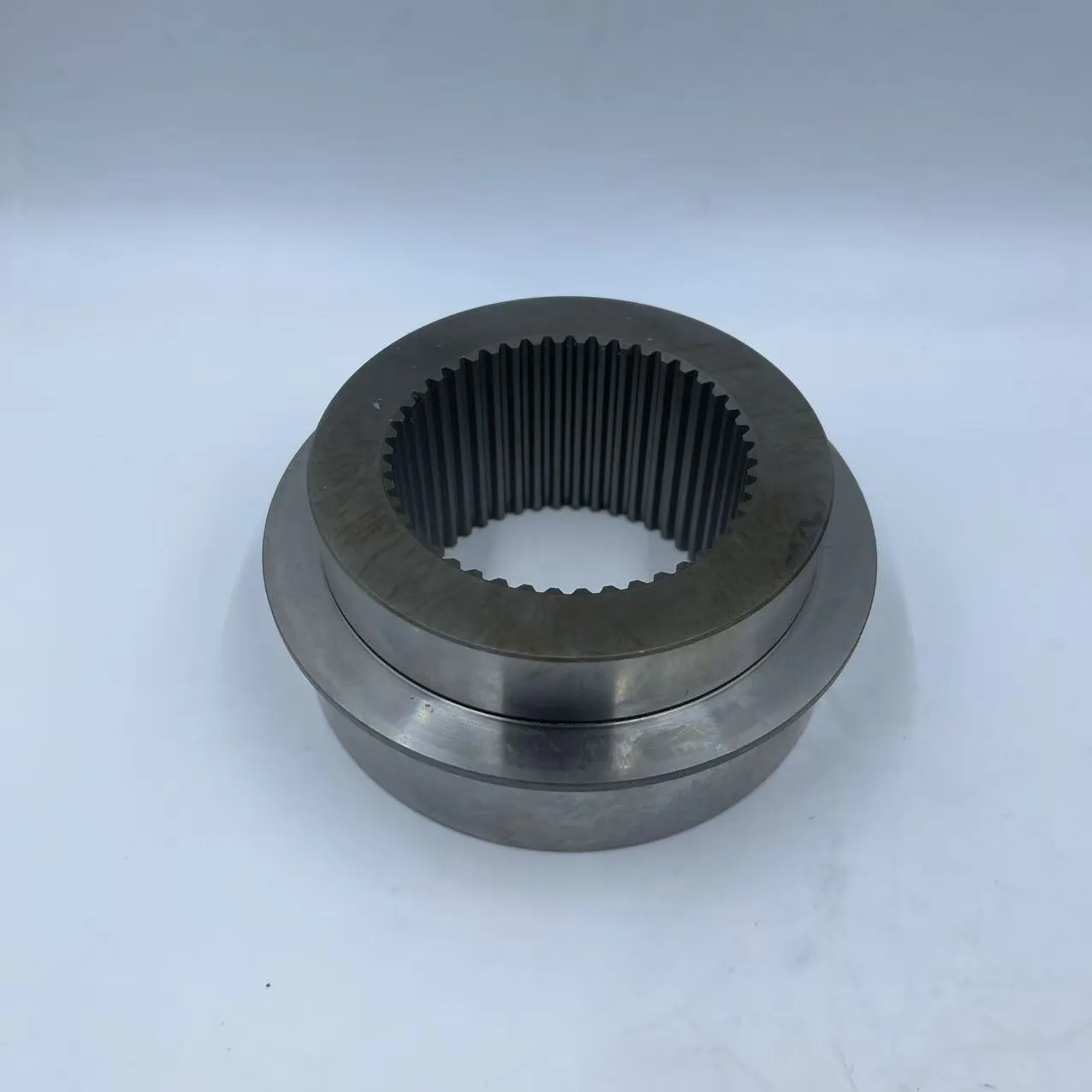 Standard D375A-5 Spacer 195-15-82570 for Komatsu Mining Equipment
 -
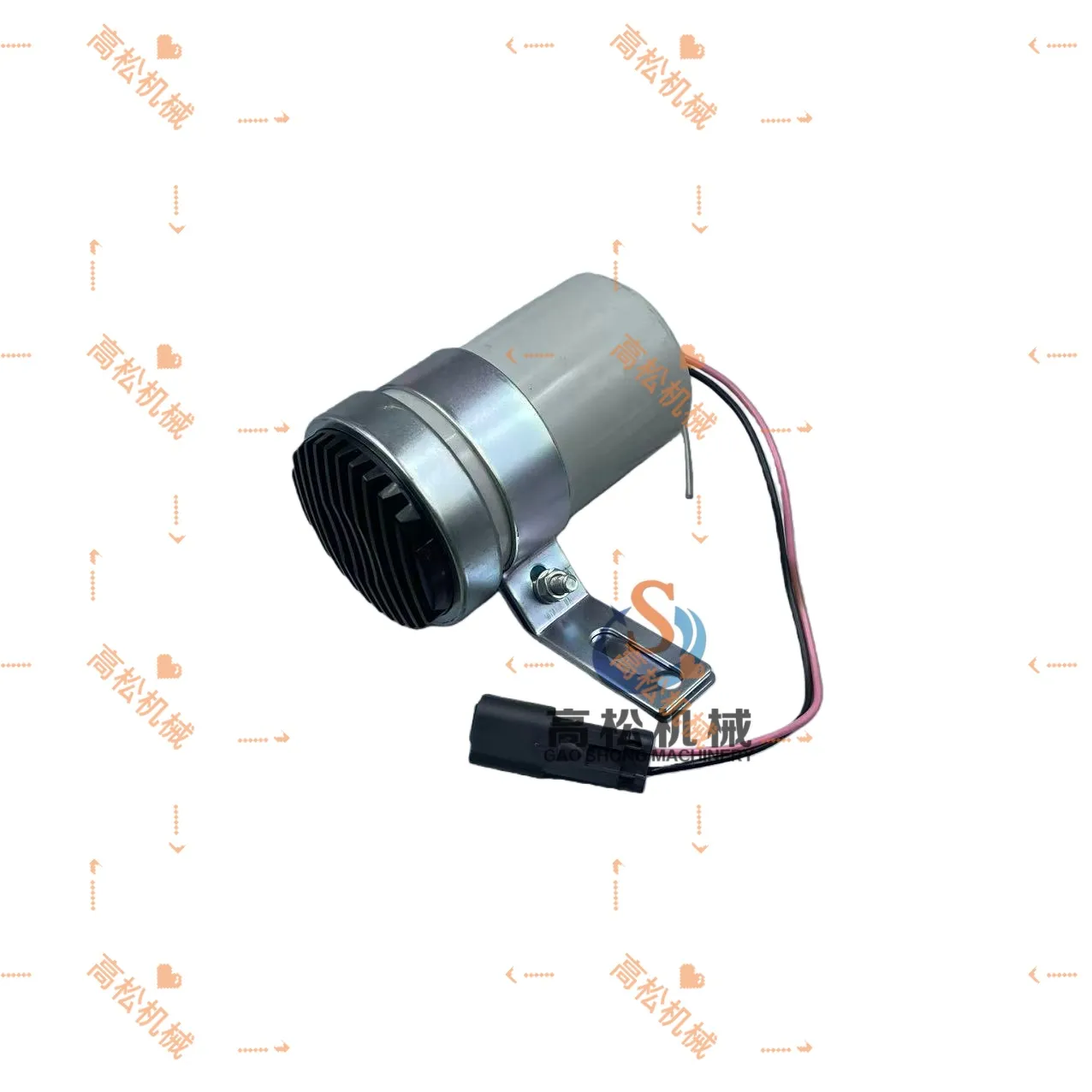 198-06-56570 BUZZER KOMATSU parts D155AX, D275A, D275AX, D375A, D475A, D475ASD, D85EX, D85MS, D85PX, DRAWBAR
 -
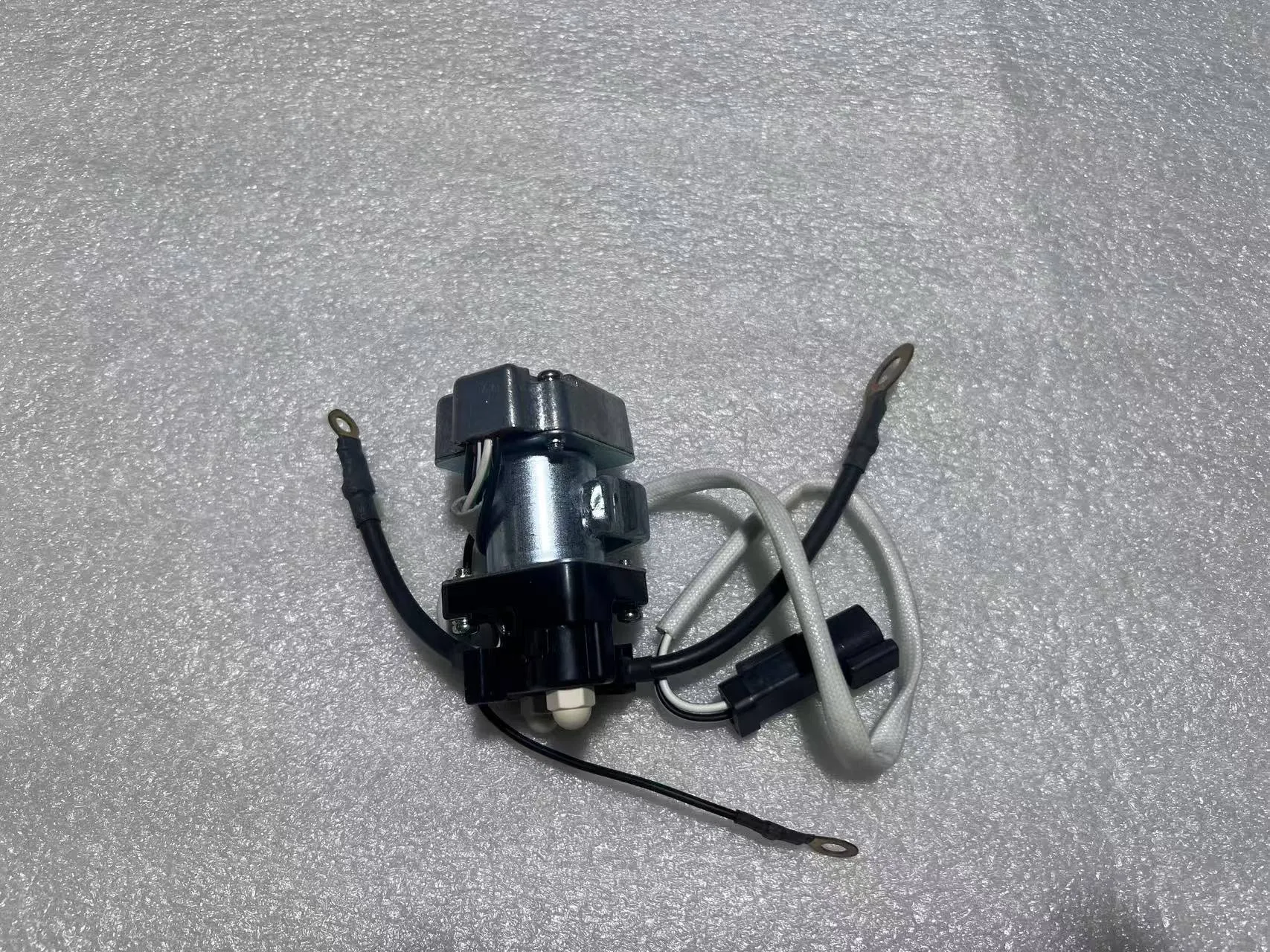 BREAKER 421-06-11440 – KOMATSU