
- Chinese
- French
- German
- Portuguese
- Spanish
- Russian
- Japanese
- Korean
- Arabic
- Irish
- Greek
- Turkish
- Italian
- Danish
- Romanian
- Indonesian
- Czech
- Afrikaans
- Swedish
- Polish
- Basque
- Catalan
- Esperanto
- Hindi
- Lao
- Albanian
- Amharic
- Armenian
- Azerbaijani
- Belarusian
- Bengali
- Bosnian
- Bulgarian
- Cebuano
- Chichewa
- Corsican
- Croatian
- Dutch
- Estonian
- Filipino
- Finnish
- Frisian
- Galician
- Georgian
- Gujarati
- Haitian
- Hausa
- Hawaiian
- Hebrew
- Hmong
- Hungarian
- Icelandic
- Igbo
- Javanese
- Kannada
- Kazakh
- Khmer
- Kurdish
- Kyrgyz
- Latin
- Latvian
- Lithuanian
- Luxembou..
- Macedonian
- Malagasy
- Malay
- Malayalam
- Maltese
- Maori
- Marathi
- Mongolian
- Burmese
- Nepali
- Norwegian
- Pashto
- Persian
- Punjabi
- Serbian
- Sesotho
- Sinhala
- Slovak
- Slovenian
- Somali
- Samoan
- Scots Gaelic
- Shona
- Sindhi
- Sundanese
- Swahili
- Tajik
- Tamil
- Telugu
- Thai
- Ukrainian
- Urdu
- Uzbek
- Vietnamese
- Welsh
- Xhosa
- Yiddish
- Yoruba
- Zulu
- Kinyarwanda
- Tatar
- Oriya
- Turkmen
- Uyghur






OEM AND ORIGINAL KOMATSU GEAR 21N-27-31260
Let's talk about that part number, 21N-27-31260. If you're searching for it, you're likely in a bind—maybe a PC300-6 or similar machine is down, and you need that final drive gear, fast. The immediate thought is often find the cheapest OEM option. That's the first mistake. In the Komatsu world, OEM gets thrown around so loosely it's lost meaning. Is it a genuine part from Komatsu Ltd., or is it an OEM-authorized substitute? The price difference is huge, but so is the risk. I've seen too many guys order what they think is an original, only to get a part that fits like a glove but fails in 800 hours. The stamping might look perfect, but the grain structure in the steel? That's where the story changes.
The Murky Waters of OEM in the Aftermarket
Here's the reality check. Komatsu Ltd. authorizes certain foundries and machining houses to produce components. These are true OEM parts, built to the exact material and heat-treatment specs. Then there's the other tier—companies that reverse-engineer the part. They might even have once been in the official supply chain. Their product can be called OEM quality or OEM specification, but it's not the same as the original Komatsu gear. The 21N-27-31260 is a perfect example. It's a high-stress component. A clone might pass a visual and dimensional inspection, but under constant load, micro-fractures can propagate faster if the carburizing depth is off by just a few tenths of a millimeter.
I recall a contractor in Chile who bought a set of these gears from a certified supplier at a 40% discount. They failed within six months, taking the planetary carrier with them. The post-mortem showed a lower core hardness. The supplier argued it was within acceptable range, but Komatsu's spec isn't a range—it's a target. The total cost of downtime and secondary damage dwarfed the initial savings. That's the hidden math most buyers don't do.
This is precisely where a company like Jining Gaosong Construction Machinery Co., Ltd. positions itself. They're not just another parts reseller. Operating as takematsumachinery.com, they function within the Komatsu system. Their stated role as an OEM product supplier within Komatsu and a third-party sales company isn't marketing fluff—it's a specific operational model. It means they have legitimate access to the authentic supply chain for certain components, while also helping to bridge gaps in regions where official distribution is tight or slow. They solve the access problem without always having to default to the gray market.
Decoding the Original Stamp: More Than a Logo
So, what are the tangible signs? With a gear like the 21N-27-31260, the original will have very specific, crisp stampings. The font and depth are consistent. The packaging, if it's truly original, will be Komatsu-branded with a matching part number label. But here's a pro tip: the packaging is easier to fake than the part. You need to look at the part itself. The finish on the tooth flank has a particular grind pattern—almost a cross-hatch under a magnifying glass. The oil channels are deburred to a specific standard; you can run your finger along and feel no sharp edges whatsoever.
Many suppliers will offer a genuine part but in plain brown box. That's a red flag for a part of this criticality. It could be a surplus part, a rejected part that passed a secondary QA, or a refurb. For a final drive gear, I'd never install a refurb. The heat treatment is a one-time process; re-machining and re-heating changes the material properties. You're buying a geometry, not a metallurgy.
This is where the sourcing clarity from a supplier matters. A company like Jining Gaosong, by being an integrated part of the system, can often trace the lineage of the component. They can tell you which plant it came from, the production lot if needed. That traceability is what you're paying for. It's the difference between a part and an insured asset.
Practical Sourcing and the Fitment Trap
Let's get practical. You need the gear now. You call around. Supplier A has it for $1,200, Supplier B for $2,500, both claiming OEM. The cheap one says it's made to original specs. The expensive one says it is original. Who do you believe? Ask one question: Can you provide the Material Certification Sheet for this batch? The reaction is telling. The true OEM source will have it, or can get it from the foundry. The spec-cloner will waffle, talk about quality reports, but not a CofC tracing back to the steel mill.
Another trap is assuming fitment equals quality. I've installed a 21N-27-31260 that slid onto the shaft perfectly, meshed beautifully, but had a slightly different pressure angle on the tooth profile. It ran quiet for 200 hours, then developed a whine, and accelerated wear on the pinion. The machine didn't fail catastrophically, but the efficiency drop was real, and the next teardown showed abnormal wear patterns. The diagnostic cost to find that quiet problem was more than the part itself.
In regions with complex import duties or limited official support, the model used by Jining Gaosong Construction Machinery Co., Ltd. becomes crucial. As they note, they help solve parts supply challenges in certain countries. This often means they can navigate local logistics and customs to get the correct, traceable part on site faster than the official channel, which might be burdened by regional franchise agreements. They're a pragmatic solution, not a theoretical one.
Cost of Ownership vs. Purchase Price
The final analysis always comes down to total cost. For a Komatsu gear 21N-27-31260, the purchase price is a line item. The real cost includes: downtime during installation, fluid changes, and the risk of collateral damage. An original part carries the manufacturer's warranty and, more importantly, the expectation of achieving the designed service life. A non-original part transfers all that risk to you, the buyer.
We tried a high-quality aftermarket set on a fleet of three machines years ago, thinking we'd run a test. One gear lasted nearly as long as the original. Two failed prematurely. The inconsistency was the killer. With OEM, the consistency is the product. You're buying predictability. For a critical drive component, that predictability is the foundation of your maintenance schedule and your project's cash flow.
Therefore, when evaluating a supplier, their value isn't just in inventory. It's in their transparency. Can they explicitly state if the part is Komatsu Ltd.-branded or system-OEM-authorized? A site like takematsumachinery.com should make that distinction clear for each part. For 21N-27-31260, the listing should leave no doubt about its provenance. If it's ambiguous, walk away. The machine's uptime is too valuable to gamble on a single gear's pedigree.
Closing Thought: It's a Gear, Until It Isn't
At the end of the day, the 21N-27-31260 is just a chunk of machined and treated steel. But in operation, it's the linchpin of a massive capital asset. The choice between OEM and original isn't semantics; it's a technical and financial specification. The aftermarket is filled with good, serviceable parts for many applications. For this one, given the stress and the cost of failure, the risk calculus rarely favors deviation from the genuine article.
The key is finding a supply partner that understands this distinction and operates with the integrity to uphold it. They exist not to blur the lines between OEM and original, but to clarify them and provide a reliable path to the correct part. That's the service that actually saves money, even when the invoice looks higher at first glance.
So next time you order, look past the title and the price. Ask for the proof. Check the stamp, ask for the paperwork, and know your supplier's actual position in the supply chain. It's the only way to be sure the gear you're holding is the one your machine was designed to run with.
Related Products
Related Products

Best Selling Products
Best Selling Products-
 RETARDER VALVE ASS’Y HD785-5 RETARDER VALVE ASS’Y HD985-5 RETARDER VALVE ASS’Y HD255-5
 -
 Hd 6d170 12v140 Engine Alternator Parts 600-821-9631…
 -
 PC57-7 traveling motor assembly 22H-60-13112 in stock for sale #komatsu #komatsuparts #komatsuexcavator #pc57-7 #22H6013112
 -
 Komatsu KD0-23700-0130 Bracket
 -
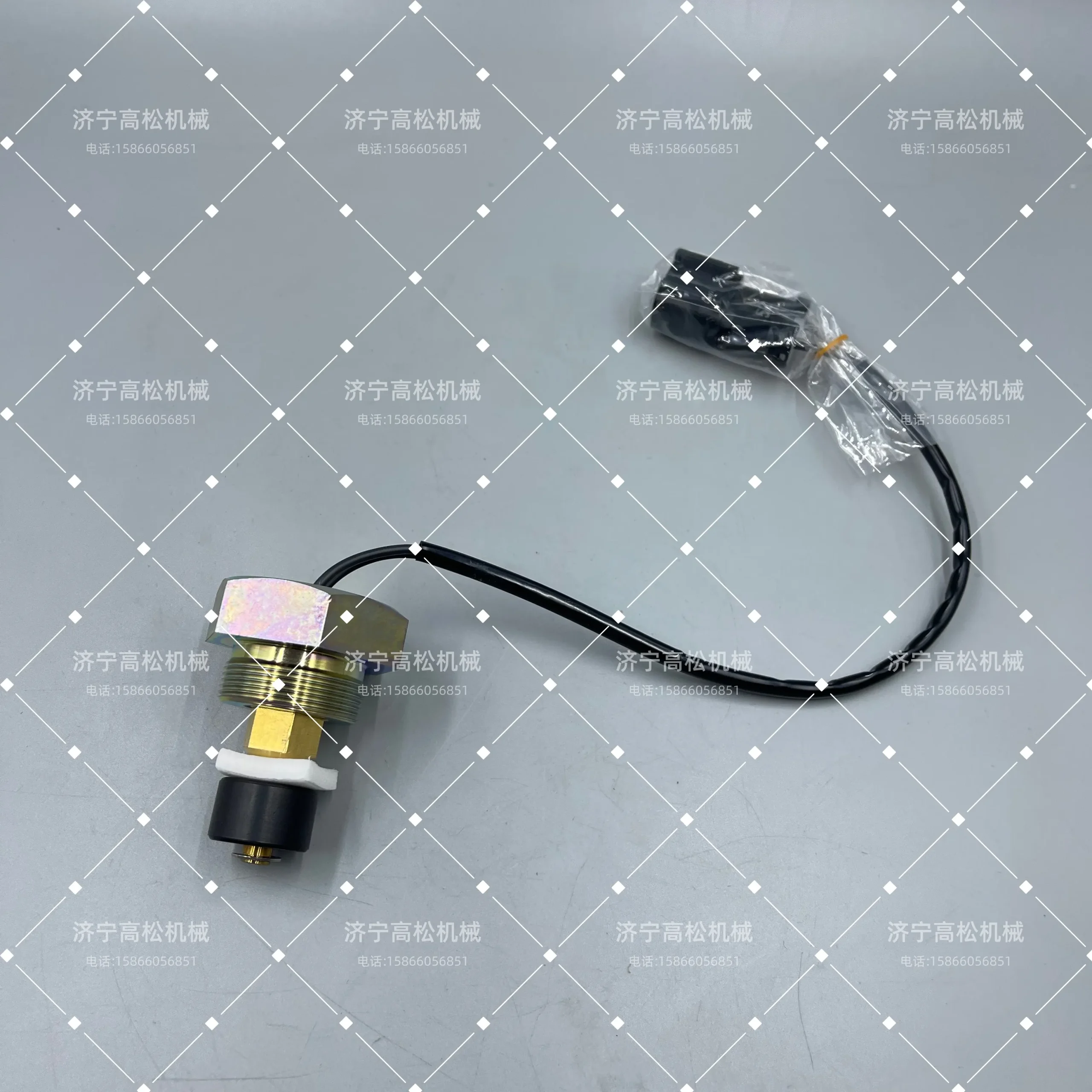 Sensor 7861-92-4500 for KOMATSU WA350-3A-S China…
 -
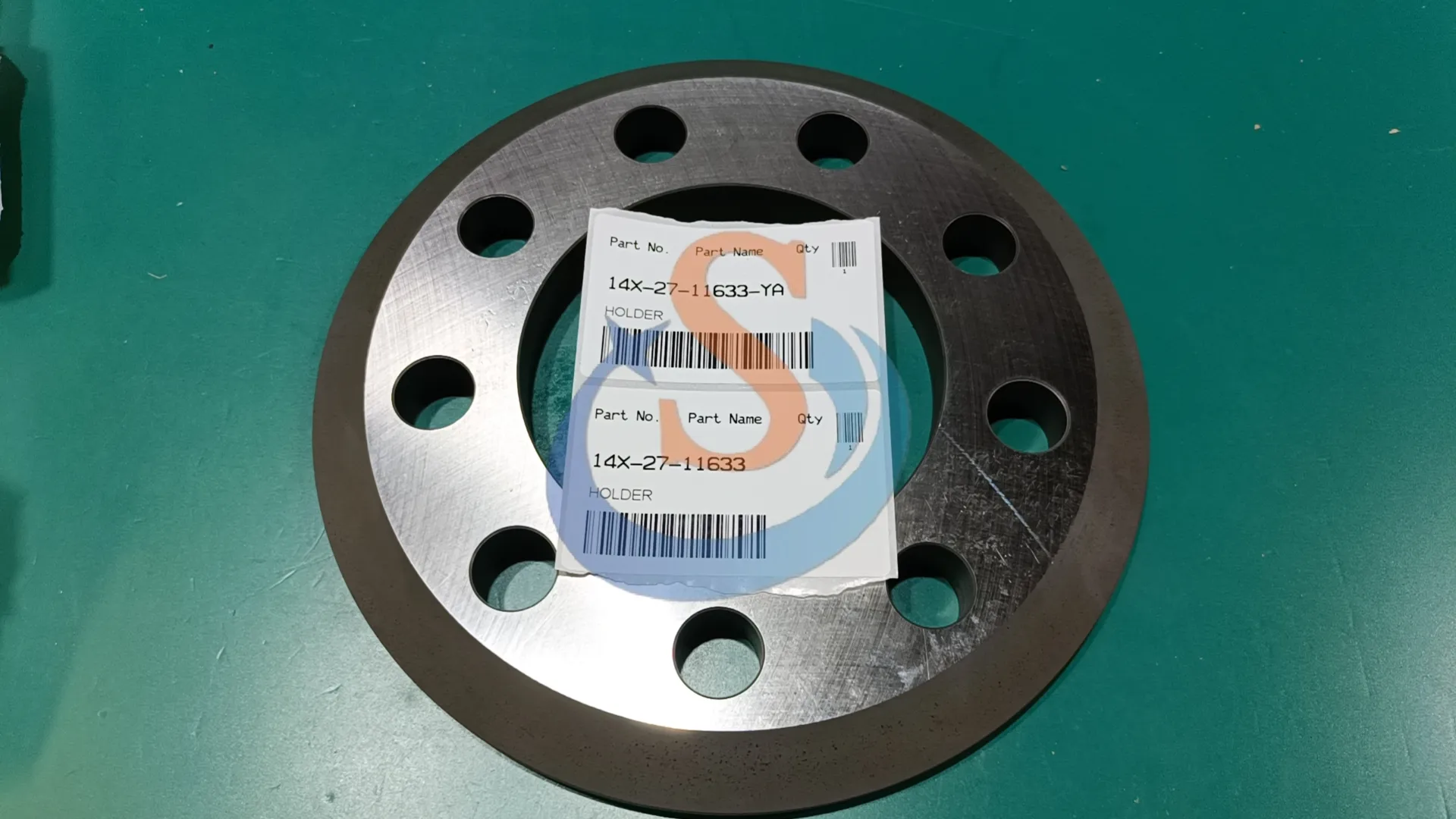 14X-27-11633,HOLDER,D65EX,D65WX,D85E
 -
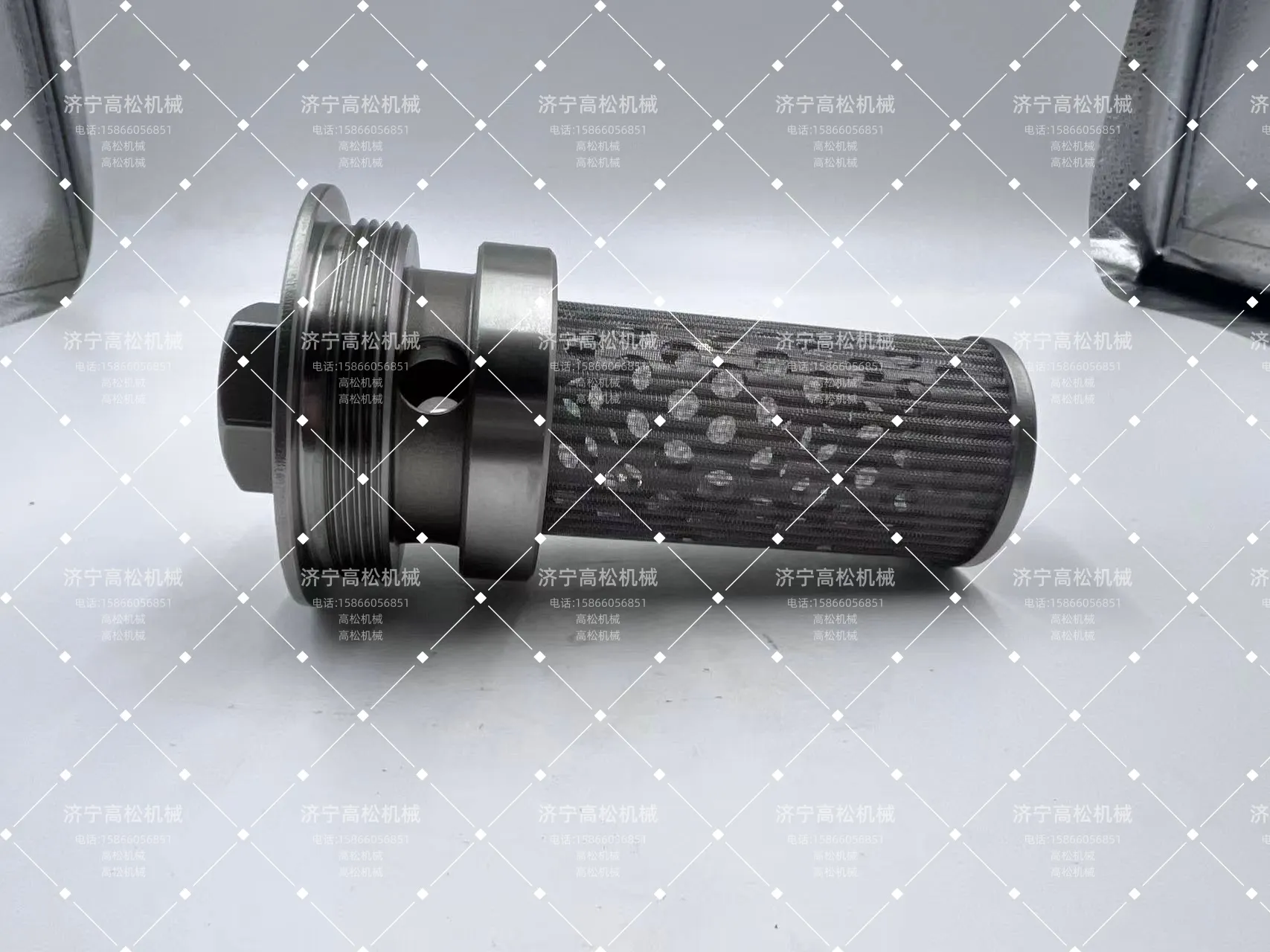 Original Brand New Filter element 195-04-11150 Filter Suitable for…
 -
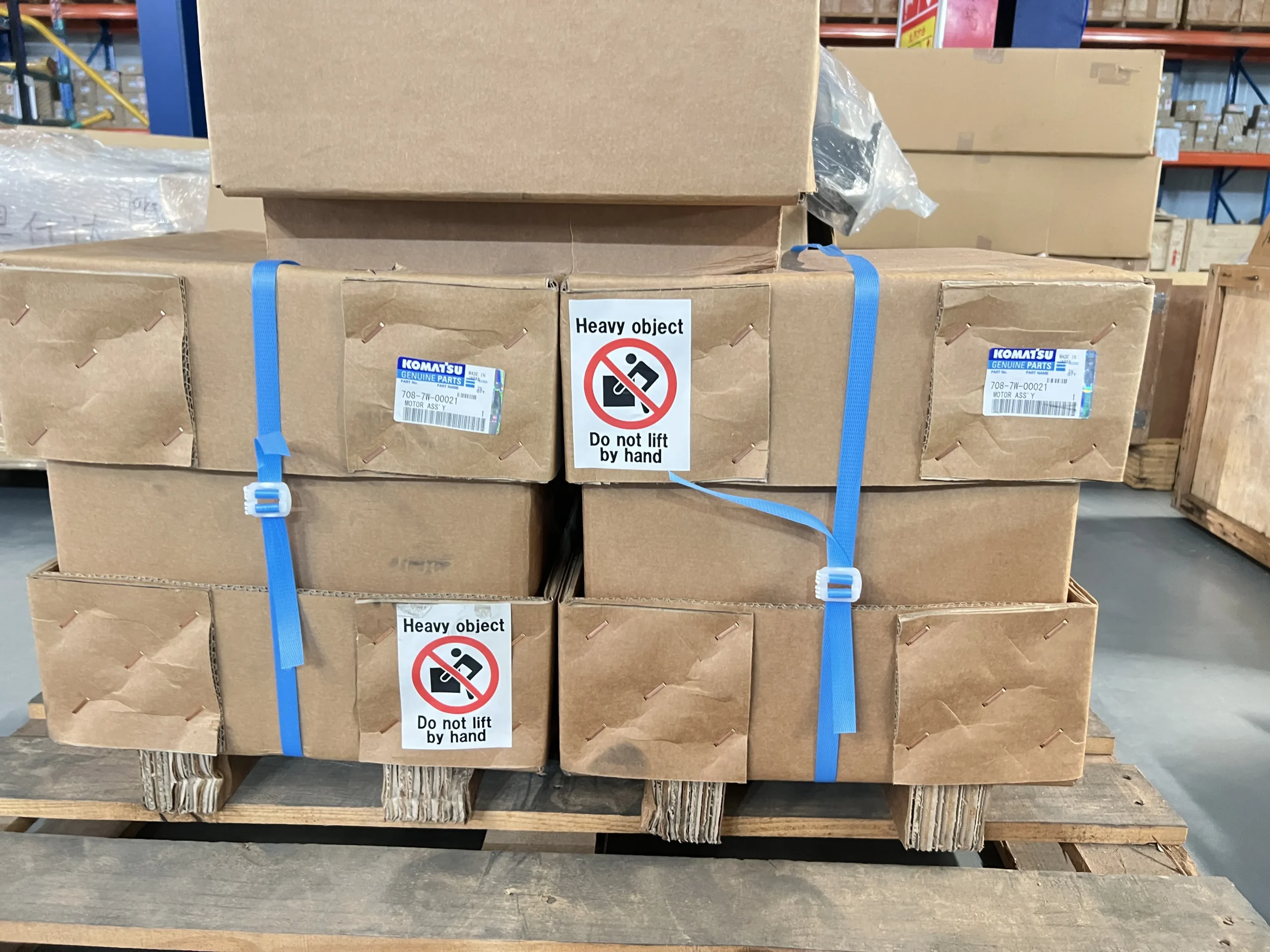 New Hydraulic Fan Motor 708-7W-00021
 -
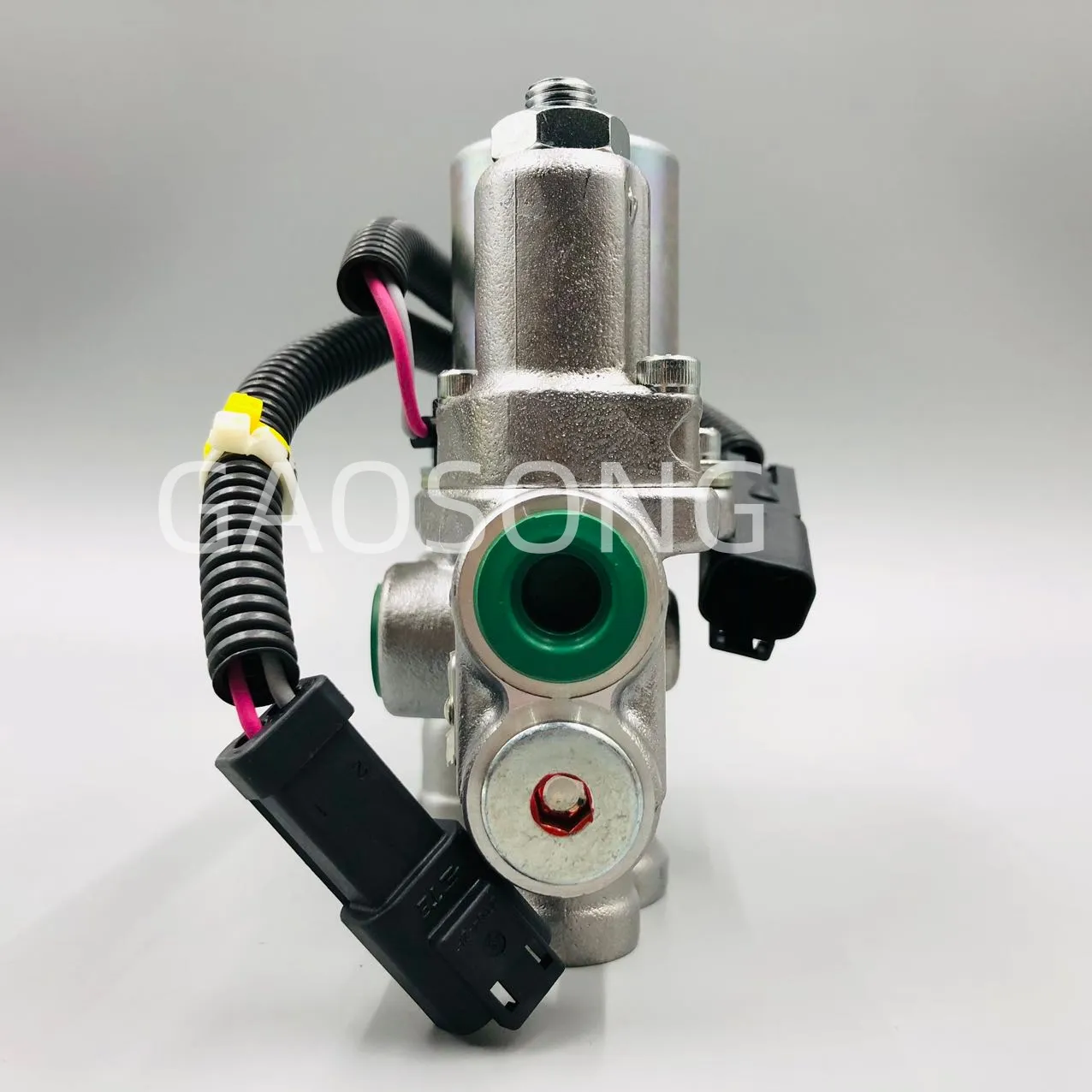 22F-60-31600 VALVE ASS’Y,(SEE FIG.Y1681-01A0).-Komatsu Original Factory
 -
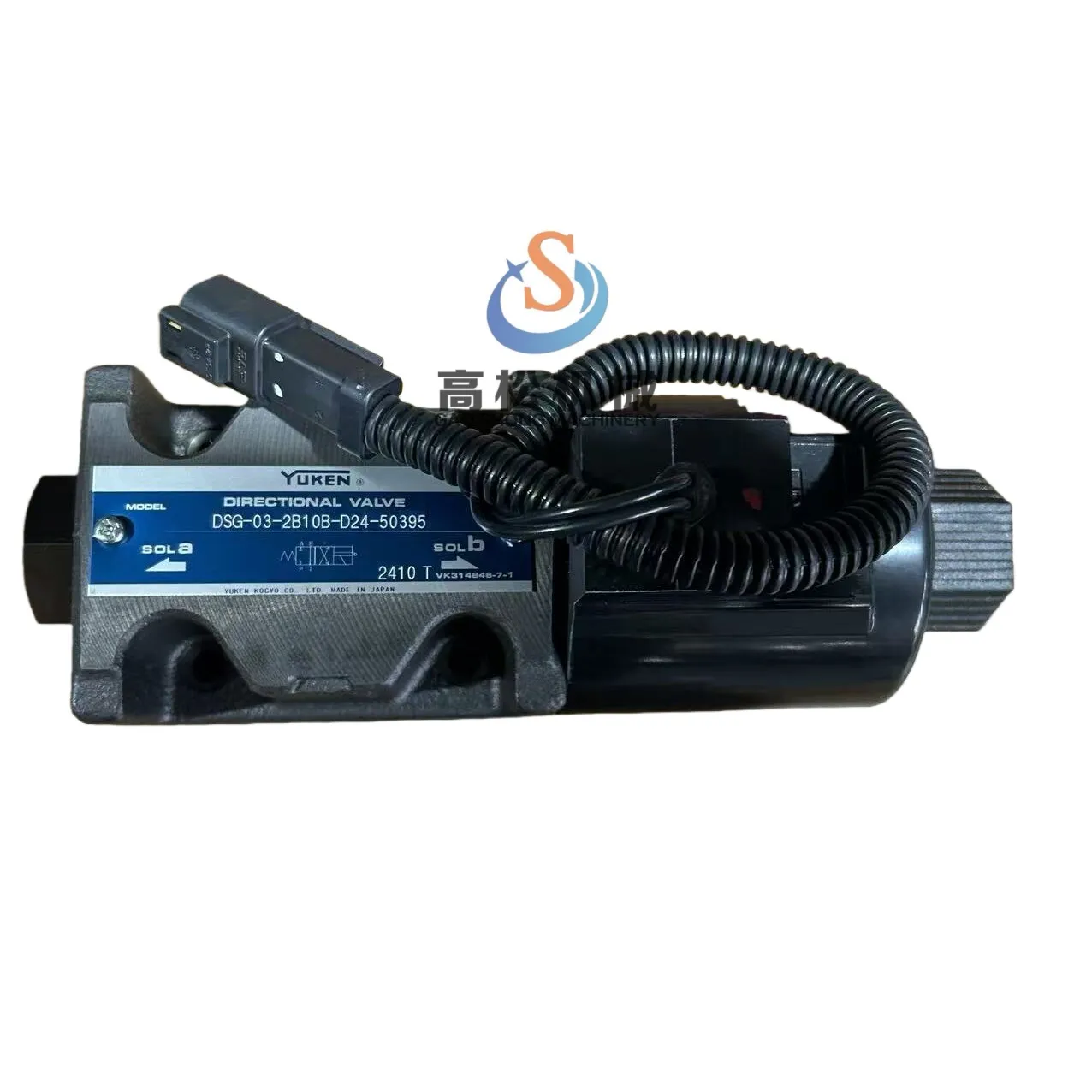 SOLENOID VALVE 561-43-8A881 HD785-7 BRAKE PIPING (PARKING BRAKE VALVE) Solenoid Valve For Komatsu Dump Truck HD785 561-43-8A881 561438A881
 -
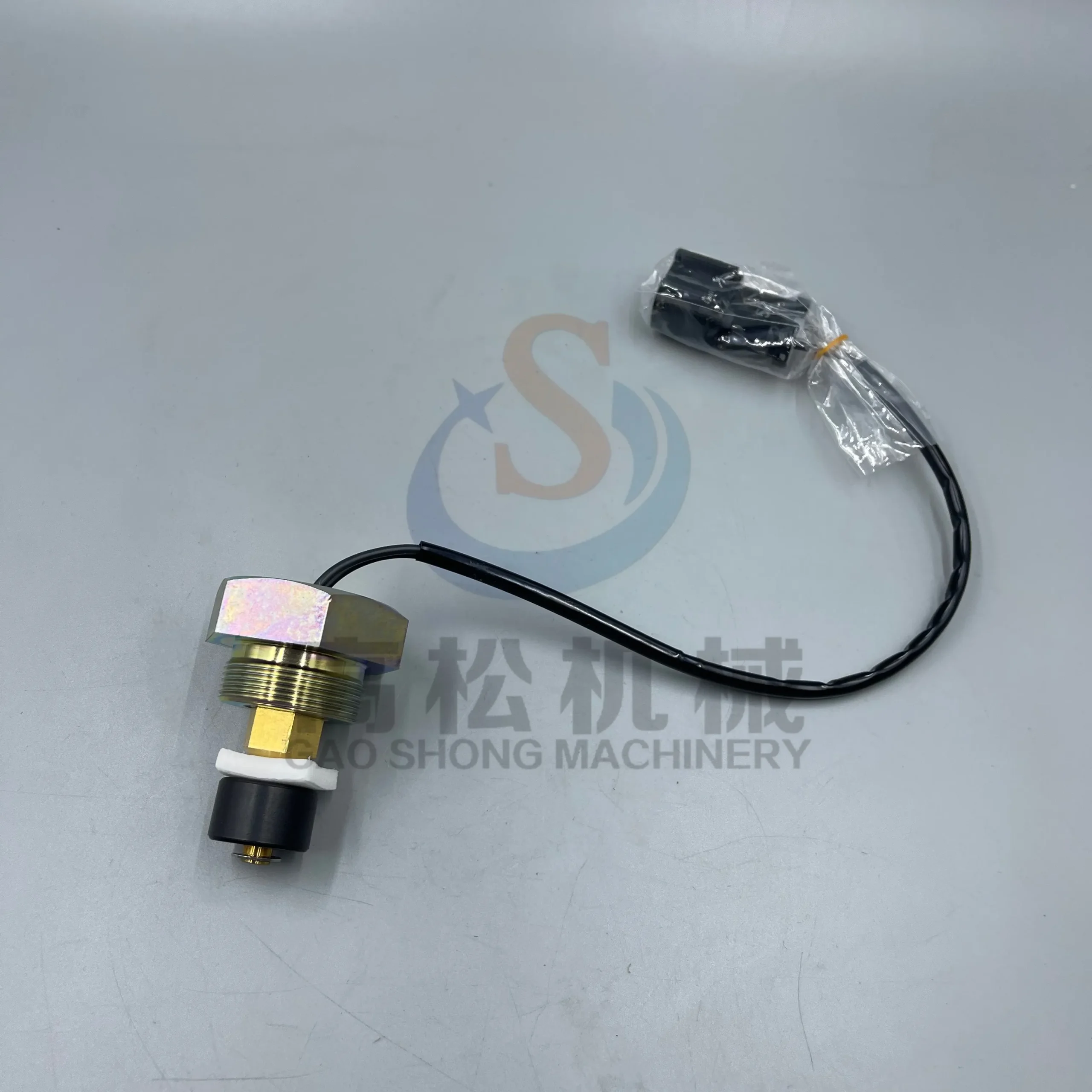 7861-92-4500 Komatsu SENSOR,HYDRAULIC OIL LEVEL
 -
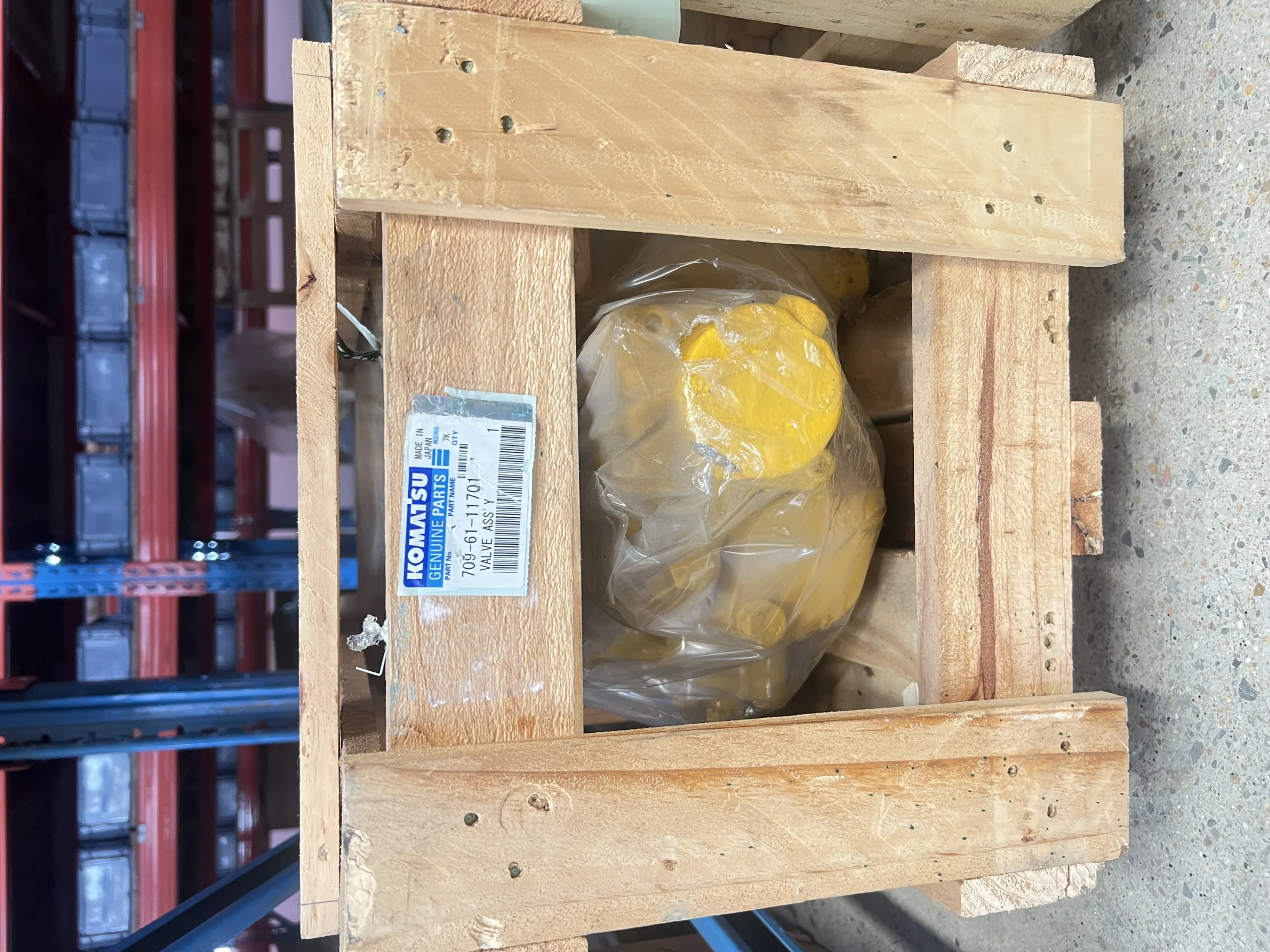 D375A-3D Valve Assembly 709-61-11701