
- Chinese
- French
- German
- Portuguese
- Spanish
- Russian
- Japanese
- Korean
- Arabic
- Irish
- Greek
- Turkish
- Italian
- Danish
- Romanian
- Indonesian
- Czech
- Afrikaans
- Swedish
- Polish
- Basque
- Catalan
- Esperanto
- Hindi
- Lao
- Albanian
- Amharic
- Armenian
- Azerbaijani
- Belarusian
- Bengali
- Bosnian
- Bulgarian
- Cebuano
- Chichewa
- Corsican
- Croatian
- Dutch
- Estonian
- Filipino
- Finnish
- Frisian
- Galician
- Georgian
- Gujarati
- Haitian
- Hausa
- Hawaiian
- Hebrew
- Hmong
- Hungarian
- Icelandic
- Igbo
- Javanese
- Kannada
- Kazakh
- Khmer
- Kurdish
- Kyrgyz
- Latin
- Latvian
- Lithuanian
- Luxembou..
- Macedonian
- Malagasy
- Malay
- Malayalam
- Maltese
- Maori
- Marathi
- Mongolian
- Burmese
- Nepali
- Norwegian
- Pashto
- Persian
- Punjabi
- Serbian
- Sesotho
- Sinhala
- Slovak
- Slovenian
- Somali
- Samoan
- Scots Gaelic
- Shona
- Sindhi
- Sundanese
- Swahili
- Tajik
- Tamil
- Telugu
- Thai
- Ukrainian
- Urdu
- Uzbek
- Vietnamese
- Welsh
- Xhosa
- Yiddish
- Yoruba
- Zulu
- Kinyarwanda
- Tatar
- Oriya
- Turkmen
- Uyghur






OEM AND ORIGINAL KOMATSU GEAR 21N-27-31110
When you see a part number like 21N-27-31110 pop up on a work order, it’s usually not a good sign. It means something’s worn down, probably on a PC300 or a similar mid-sized Komatsu excavator, and the machine is sitting. The immediate reaction for many is to search for “OEM” or “Original Komatsu,” and that’s where the real conversation starts. There’s a pervasive, almost stubborn belief that if it doesn’t come in that iconic Komatsu box, it’s a compromise. Having sourced gears for over a decade, I can tell you that binary thinking will cost you time and money. The reality of the OEM AND ORIGINAL KOMATSU GEAR market is a spectrum, not a simple choice between genuine and fake.
The Part Number Reality Check
Let’s talk about 21N-27-31110 specifically. It's a gear in the swing drive assembly. The failure pattern is usually uneven wear or chipping on the teeth, often linked to poor lubrication or shock loads from aggressive swinging. The first pitfall is assuming all parts with this stamp are created equal. I’ve seen so-called “original” gears from different channels with visible metallurgical differences. One batch might have a smoother finish in the tooth root radius—a critical stress point—while another feels rougher to the touch. That’s not a cosmetic issue; it’s a fatigue life indicator.
This is where the official OEM system, like the one Jining Gaosong Construction Machinery Co., Ltd. operates within, shows its value. They are an OEM product supplier within the Komatsu system. That designation isn’t just a marketing term. It typically means the parts are produced to Komatsu’s engineering drawings, material specs, and heat-treatment processes. The gear for 21N-27-31110 from such a source should have the correct case hardening depth, something a generic replacement often gets wrong, leading to premature pitting.
I recall a job in Indonesia where a fleet owner bought “original” gears from a local vendor at a 40% discount. They failed within 800 hours. The post-mortem showed a shallow case depth. The cost of two downtime episodes and rework far exceeded the price of a proper OEM-spec part from the start. It was a classic false economy.
The Supplier Landscape and Practical Sourcing
Navigating suppliers is an art. You have the official Komatsu network, then you have companies like Jining Gaosong who wear two hats: an OEM supplier and a third-party sales company for Komatsu. Their role in helping to solve parts supply challenges in certain countries is crucial. In places where official distribution is thin or logistics are a nightmare, a reliable third-party with OEM lineage is a lifeline. Their website, https://www.takematsumachinery.com, often becomes a practical resource for checking availability and cross-references, not just a storefront.
The challenge is verification. When a supplier claims “OEM,” what does that mean? For me, it starts with paperwork—material certificates, especially for the alloy steel. Then, it’s about the packaging and the subtle markings. A true OEM-spec part will have precise laser etching of the part number, not a dot-peen mark that looks hand-applied. The packaging should be robust, with proper anti-corrosion coating (VCI paper) on the gear itself. If it arrives in a flimsy box with a sheen of grease, that’s a red flag.
I’ve had good experiences with suppliers who are transparent about their position in the chain. They’ll straight-up tell you, “This is from our OEM line for the aftermarket,” or “This is from the same factory but a different production run.” That honesty allows for a risk assessment. For a critical gear like the swing drive, I’d lean toward the OEM line. For a less critical idler gear in a secondary system, maybe the vetted aftermarket option is viable.
Technical Nuances and Fitment Trials
Even with a part that checks all the boxes, installation is the final test. The OEM AND ORIGINAL KOMATSU GEAR should be a drop-in fit. No hammering, no heating (unless specified), and certainly no machining. The backlash, when meshed with its paired gear, should be within spec immediately. I remember one instance where a gear labeled as 21N-27-31110 required shimming that was outside the manual’s recommendation to achieve proper contact pattern. That was a sign the tooth profile was off—likely a tooling wear issue at the manufacturing stage. We sent it back.
The heat treatment is everything. A proper gear will have a tough, hard exterior and a ductile core. You can sometimes get a hint by doing a simple file test on a non-critical area (like the hub face). The file should skate off the hardened surface. If it bites in easily, the hardness is likely insufficient. It’s a crude test, but on-site, it has saved us from installing a dud.
Another detail is the lubrication groove. On the original, the channels are machined smoothly to promote oil flow. On lower-tier copies, these grooves can have sharp edges or burrs, which act as stress concentrators and can even scrape off metal particles into the oil system. It’s these microscopic details that separate a part that lasts 10,000 hours from one that fails at 3,000.
Cost vs. Value in the Long Run
The price debate is eternal. A pure aftermarket 21N-27-31110 might cost 1/3 of the Komatsu-list price. An OEM-spec part from a system supplier like Jining Gaosong Construction Machinery Co., Ltd. might come in at 2/3. The math isn’t just about the part cost. It’s about the cost of downtime, the labor for replacement (which is significant for a swing drive), and the risk of collateral damage if a failing gear sends metal through the entire planetary set.
For a contractor with a single machine, a failure is a crisis. For a large fleet, it’s about predictability and total cost of ownership. Using traceable, quality OEM-spec gears allows for planned maintenance. You can run them to their engineered life limit. With unknown parts, you’re always waiting for the other shoe to drop, often forcing you to do premature teardowns “just in case,” which wastes good component life.
This is the value proposition of a professional supplier in this space. They aren’t just selling a chunk of metal; they’re selling reliability data, technical support, and a supply chain you can count on. When their brief includes helping to solve parts supply challenges, it means they understand that a part number isn’t just a SKU—it’s a piece of a machine that needs to move dirt tomorrow.
Closing Thoughts on the Original Mindset
So, back to 21N-27-31110. The term “Original” has been diluted. In my view, “Original” should mean it meets the original design intent in form, fit, function, and life. That can come from Komatsu’s main factory, or it can come from a certified OEM supplier within their ecosystem. The key is provenance and proof.
Blindly paying for the brand name can be wasteful, but blindly chasing the lowest price is reckless. The smart path is in the middle: identifying and building relationships with technically competent suppliers who have legitimate OEM credentials and a track record. They exist to fill the very real gaps in the global parts network.
At the end of the day, when you install that gear, you want to forget about it. You want it to disappear into the machine and just work for thousands of hours. That peace of mind—the ability to close the cover plate and not have a nagging doubt—is what you’re really paying for when you navigate the OEM and original landscape correctly. It’s never just about the part; it’s about the trust that it’s the right part.
Related Products
Related Products

Best Selling Products
Best Selling Products-
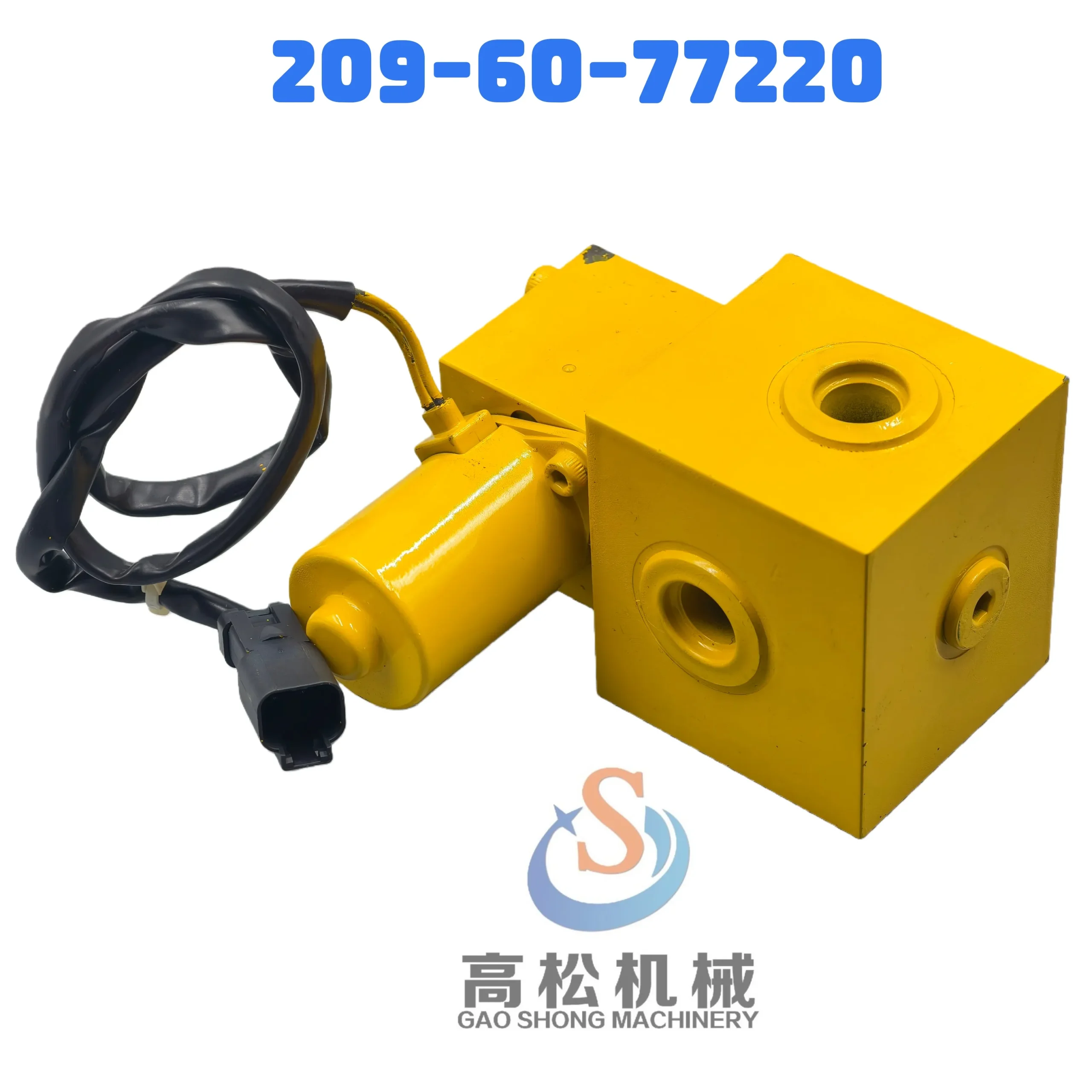 209-60-77220 VALVE ASS’Y KOMATSU parts BOTTOM, COOLANT, PC1250, PC1250SP, PC2000, PC600, PC650, PC700, PC800, PC800SE, PC850, PC850SE, TRAVEL
 -
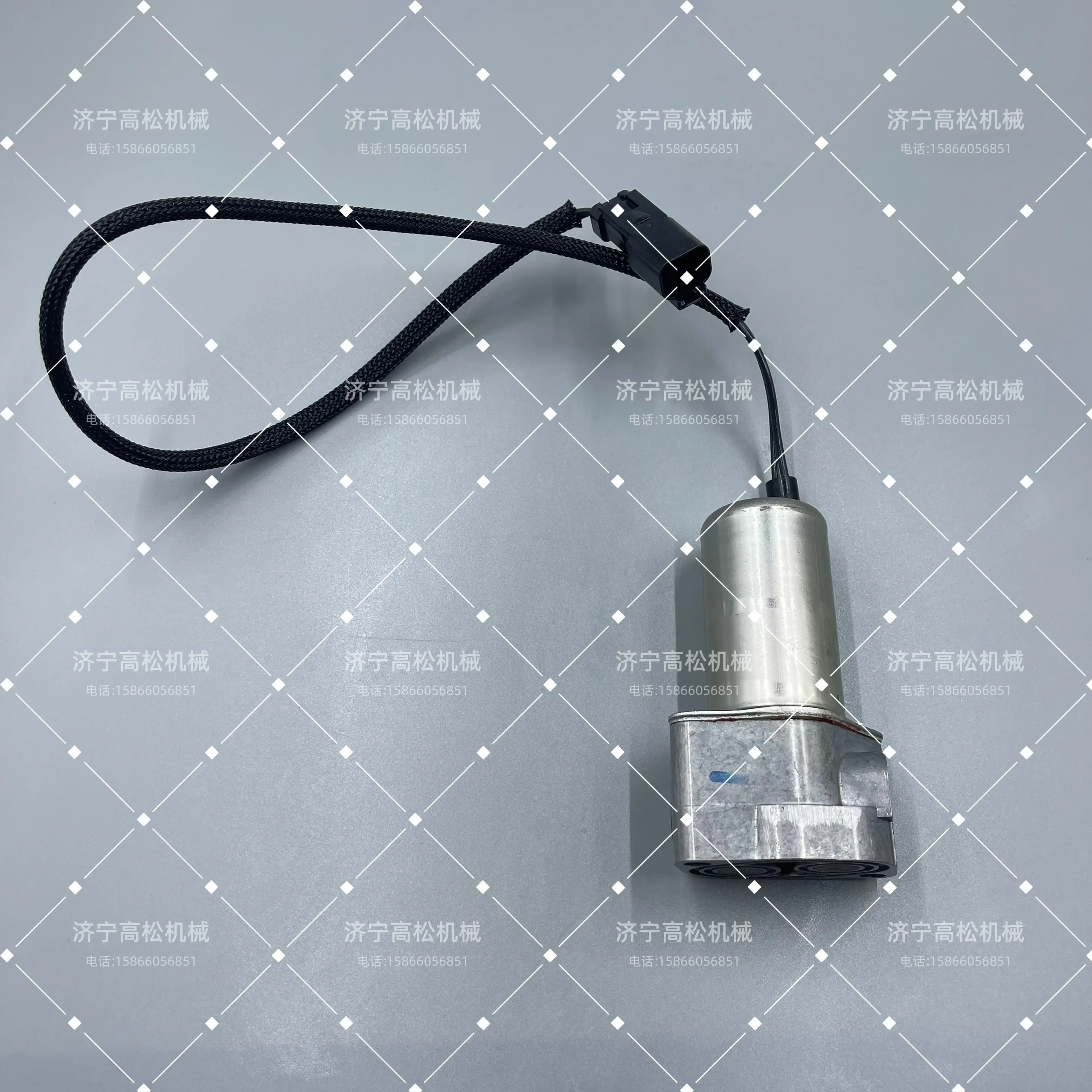 For Komatsu 702-21-07620 7022107620 High Quality Hydraulic…
 -
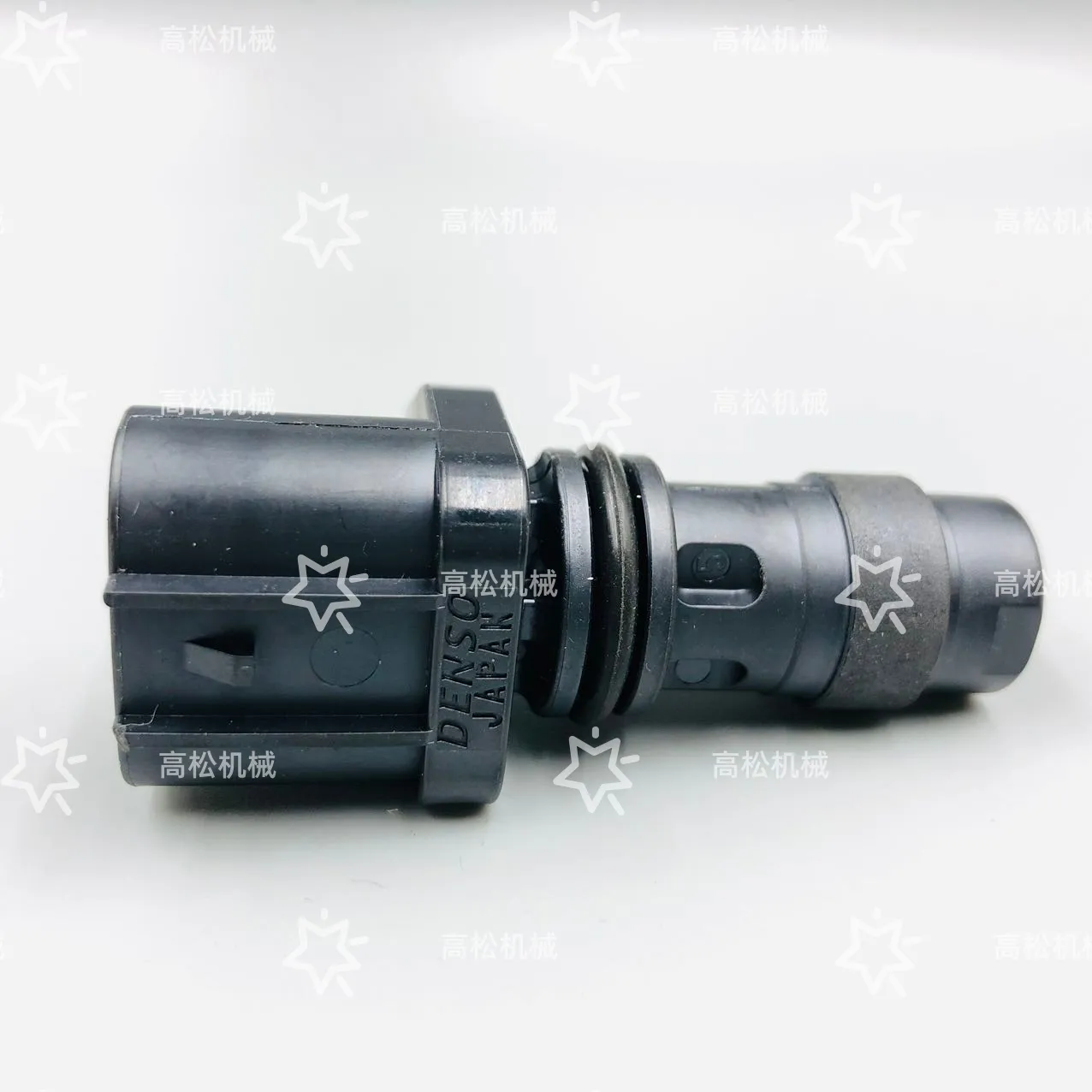 ND949979-1300 Camshaft Position Sensor for Komatsu Excavator PC400-8 PC450-8
 -
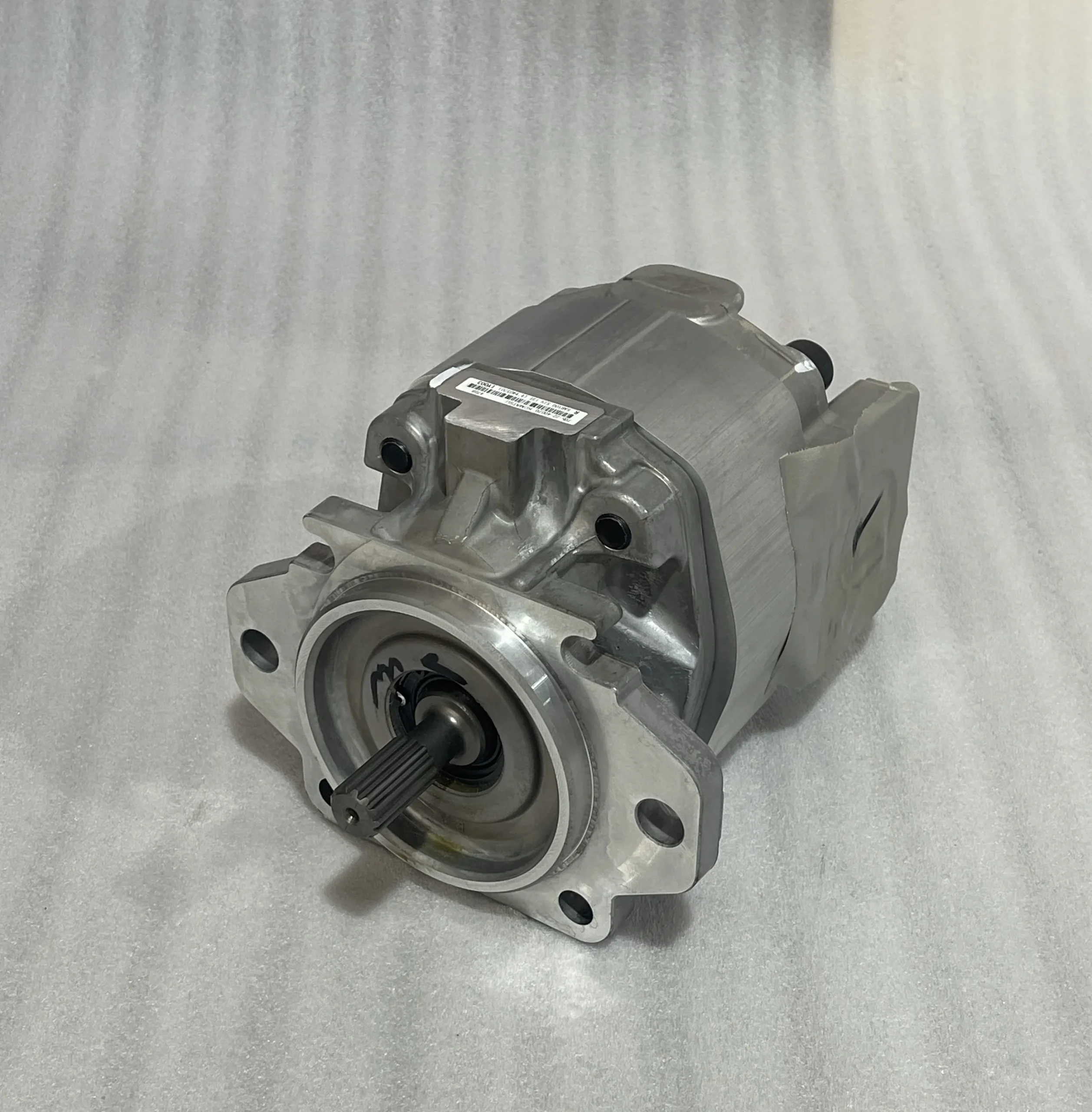 WA470-3 Gear Pump 705-22-40070
 -
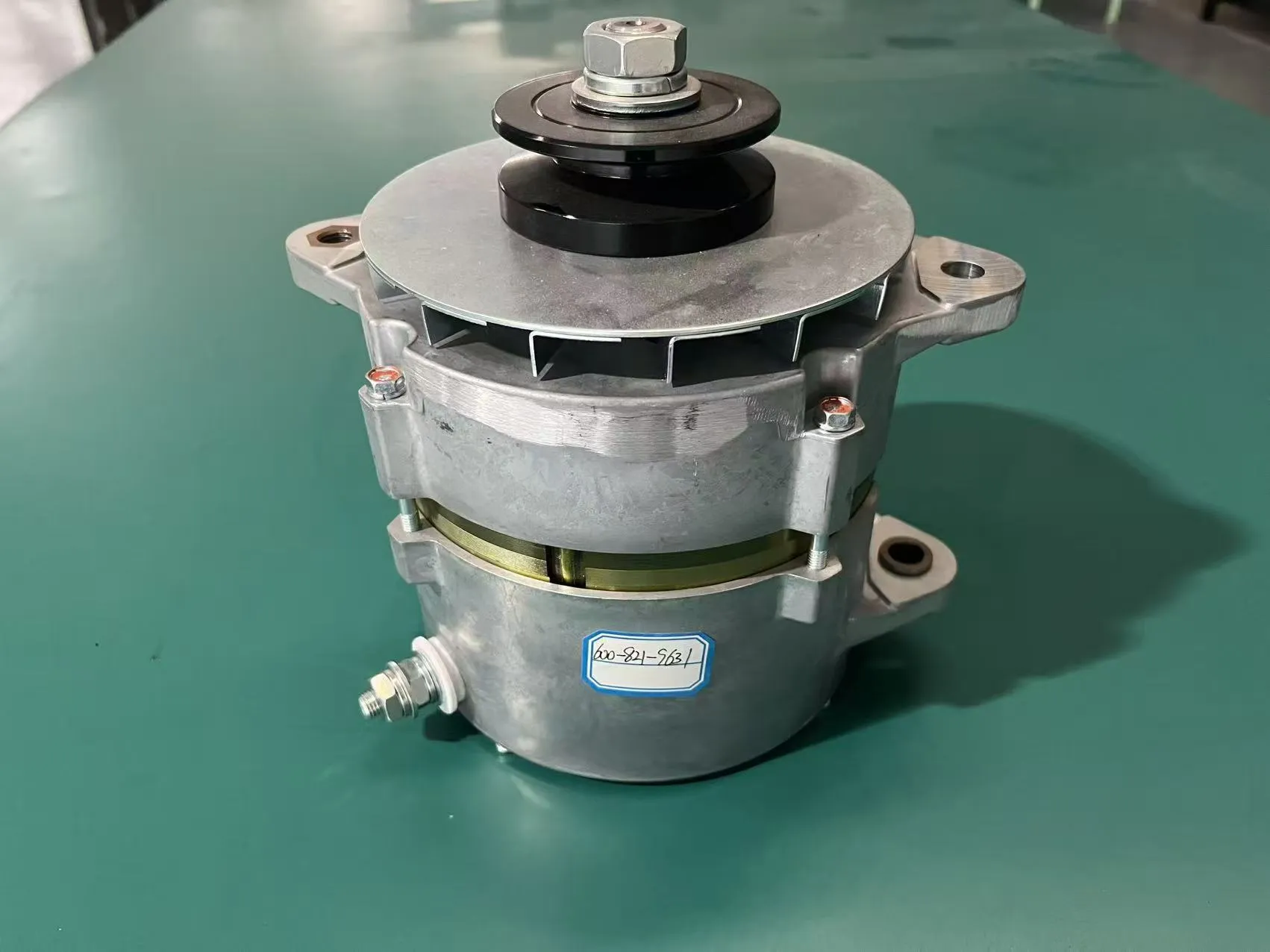 600-821-9631 Komatsu SA12V140 ALTERNATOR
 -
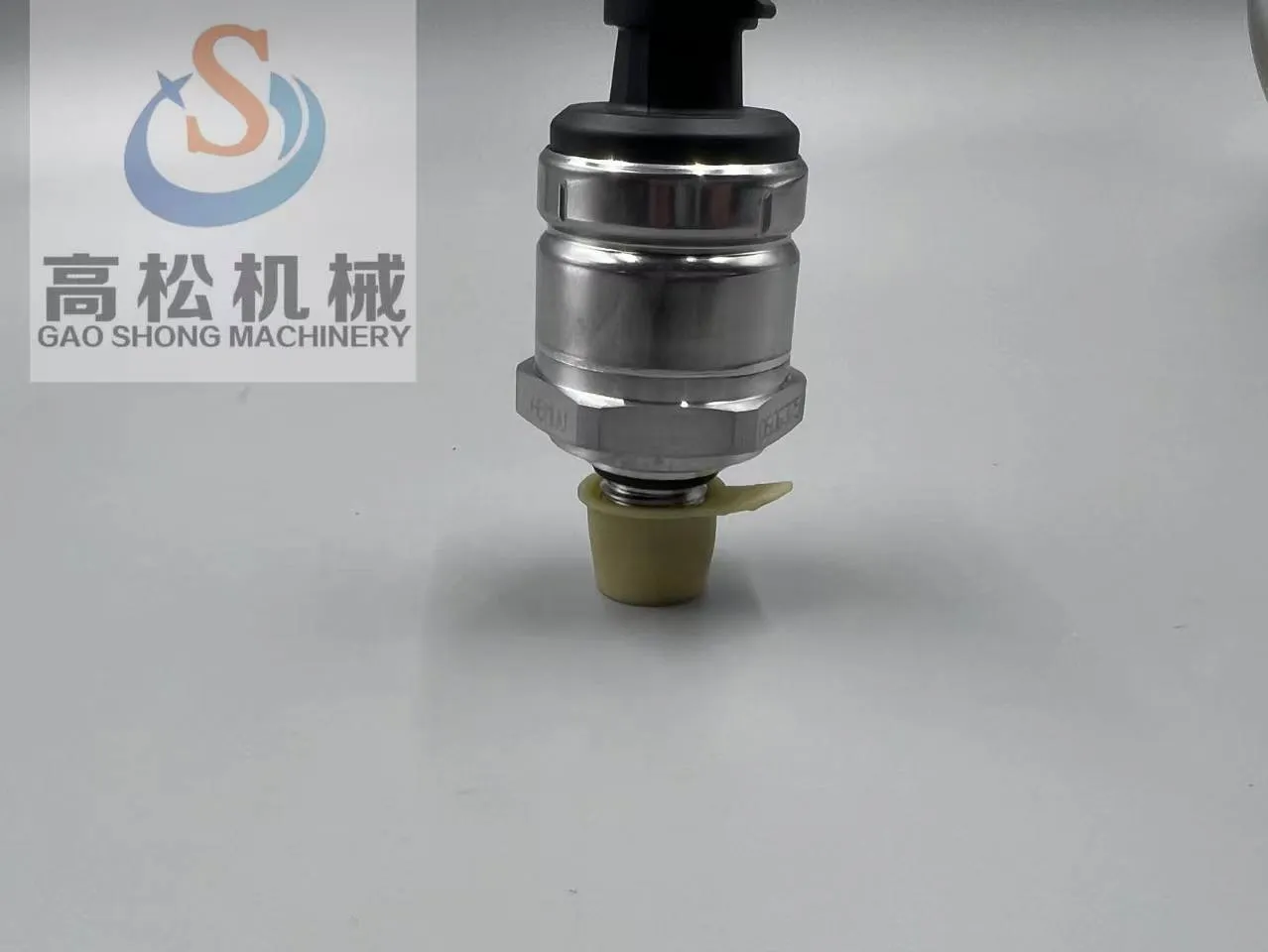 New fuel adjustment sensor sa6d170e-3 6560-51-6201 for komatsu heavy machinery spare parts
 -
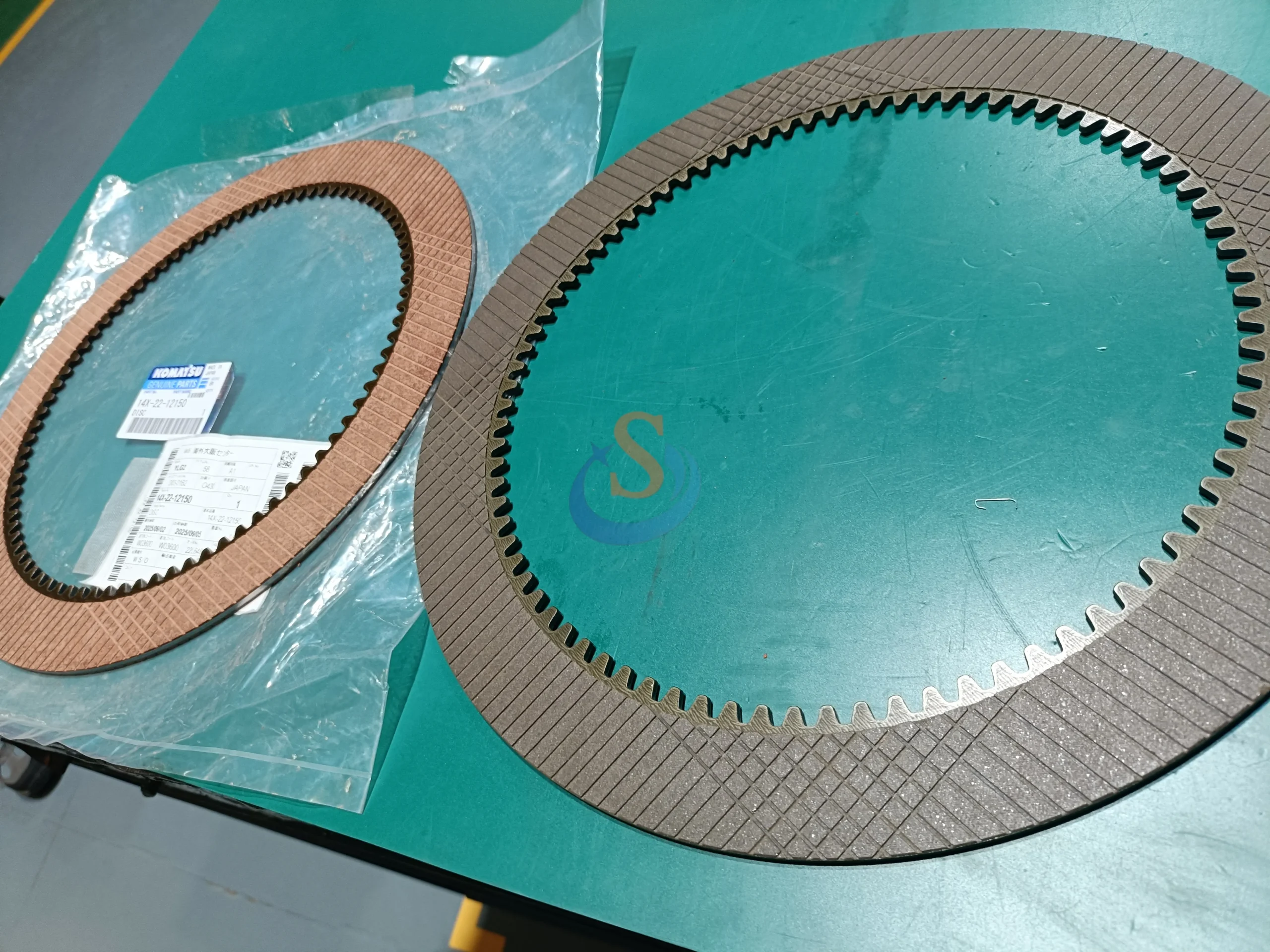 Komatsu frosted sheet 23S-15-12710
 -
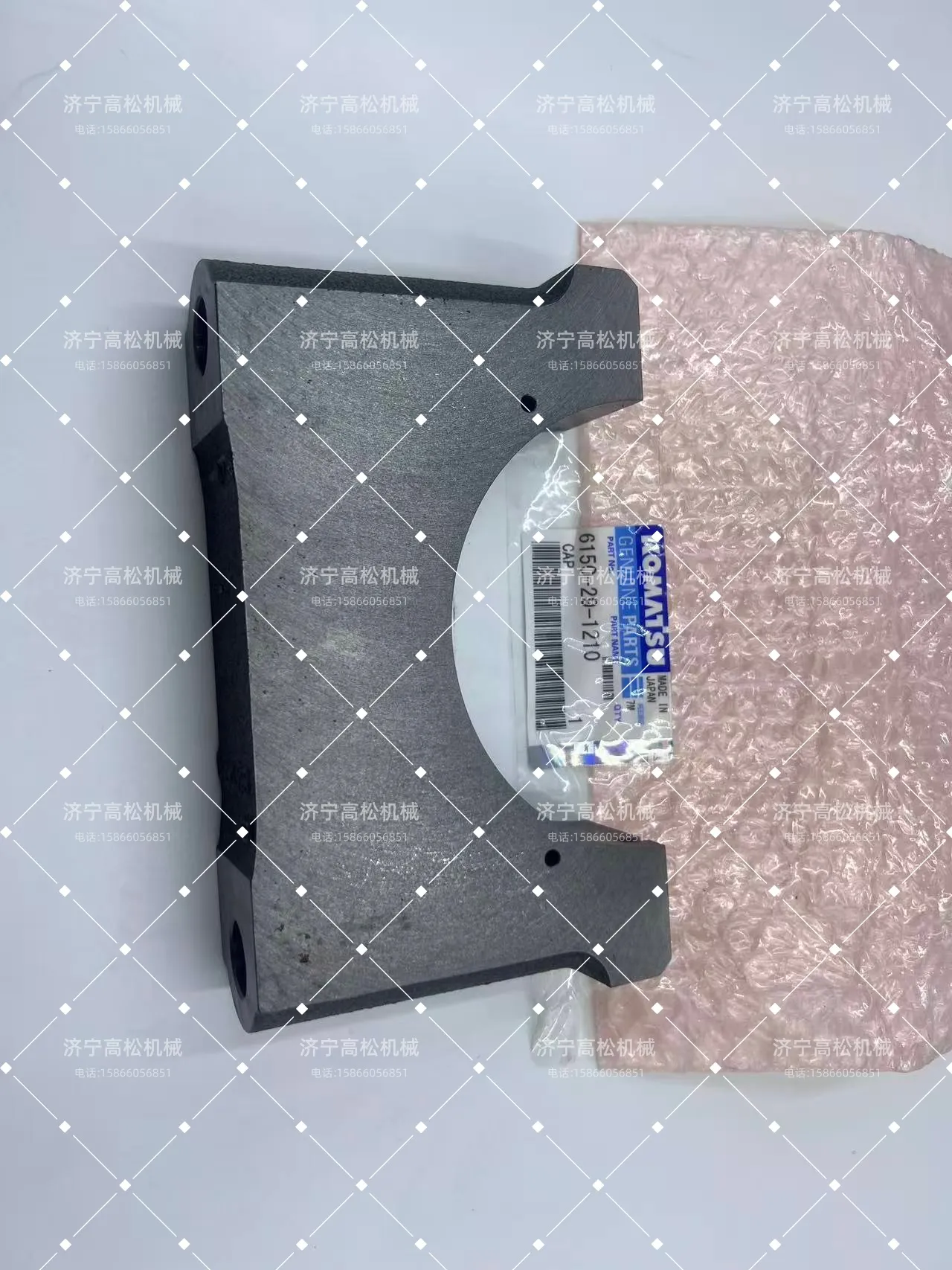 6150-29-1210 Komatsu Cap, Main, No.1.2,3,4,5,6
 -
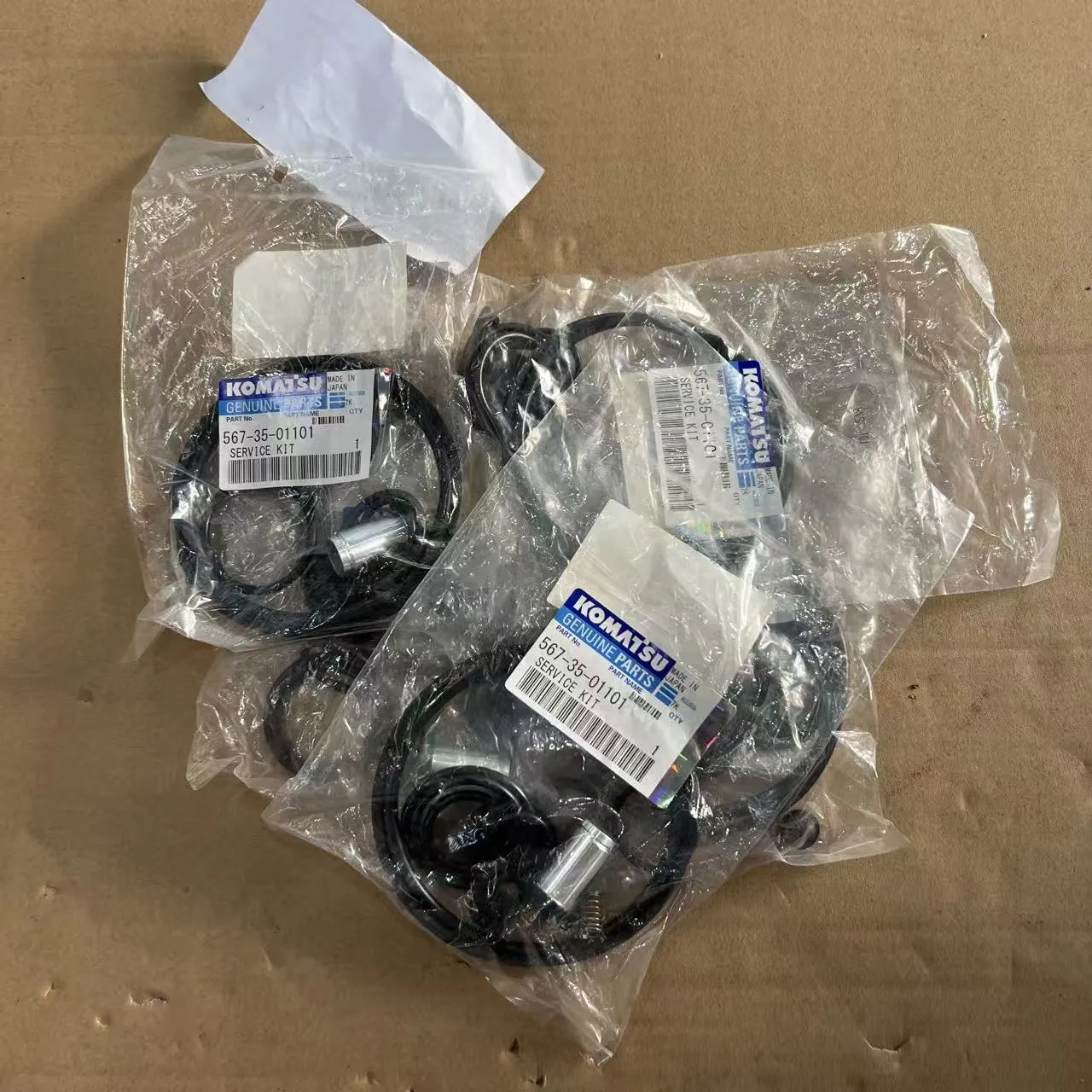 Komatsu 567-35-01101 Service Kit
 -
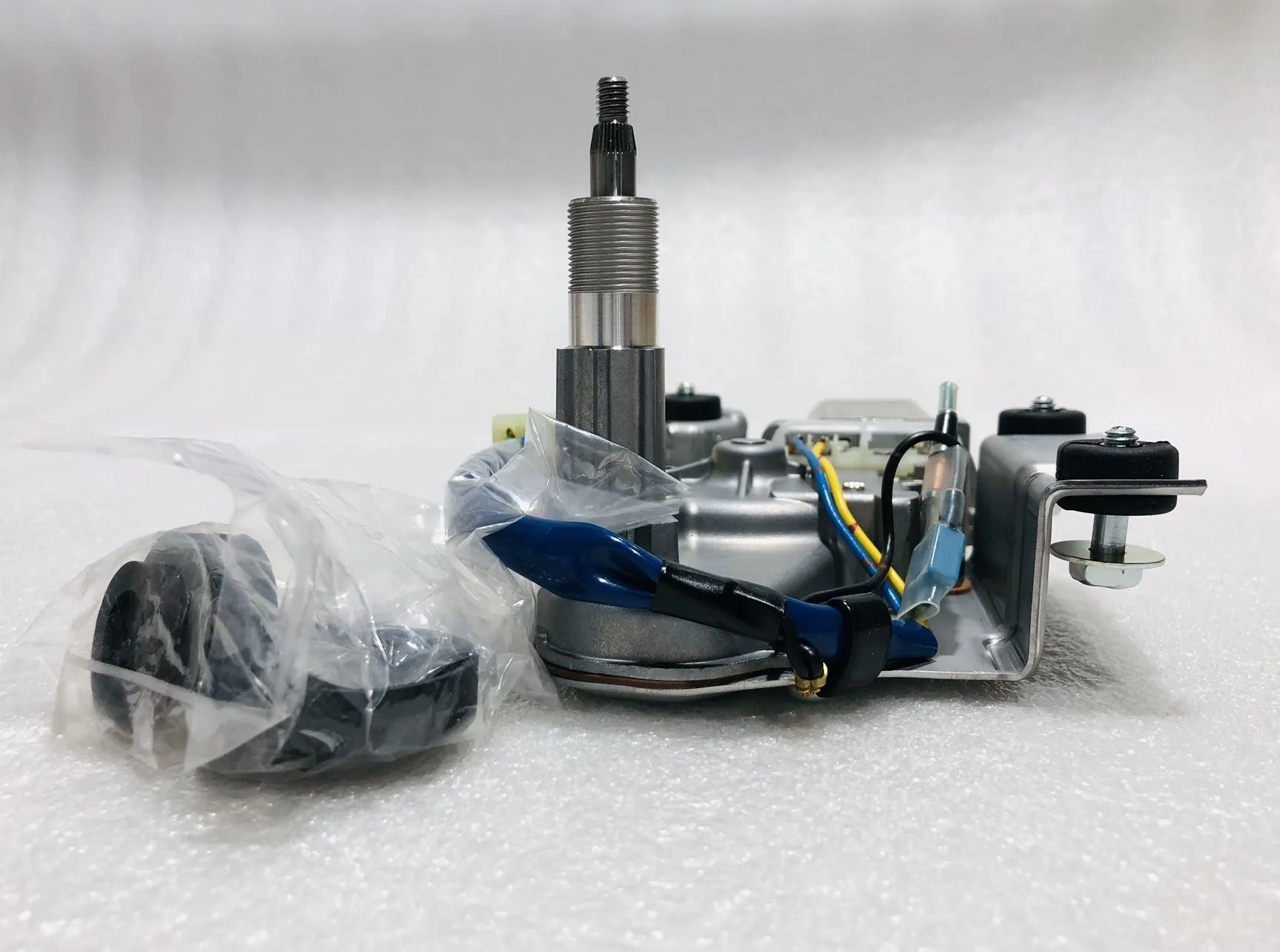 23B-951-2610 Komatsu MOTOR,WIPER
 -
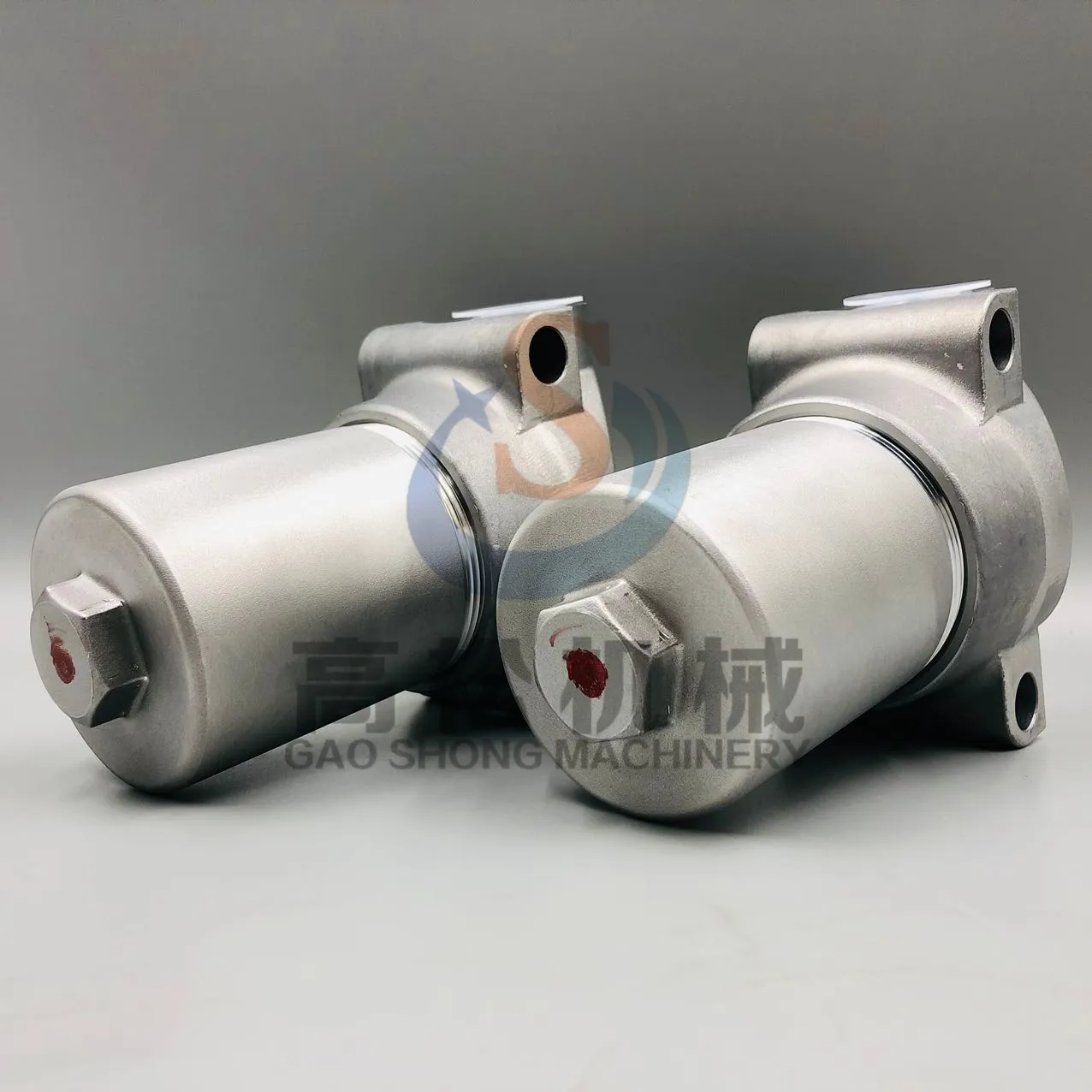 20Y-62-51681 Komatsu Filter Assembly
 -
 144-70-15251 Komatsu Pin, Dowel