
- Chinese
- French
- German
- Portuguese
- Spanish
- Russian
- Japanese
- Korean
- Arabic
- Irish
- Greek
- Turkish
- Italian
- Danish
- Romanian
- Indonesian
- Czech
- Afrikaans
- Swedish
- Polish
- Basque
- Catalan
- Esperanto
- Hindi
- Lao
- Albanian
- Amharic
- Armenian
- Azerbaijani
- Belarusian
- Bengali
- Bosnian
- Bulgarian
- Cebuano
- Chichewa
- Corsican
- Croatian
- Dutch
- Estonian
- Filipino
- Finnish
- Frisian
- Galician
- Georgian
- Gujarati
- Haitian
- Hausa
- Hawaiian
- Hebrew
- Hmong
- Hungarian
- Icelandic
- Igbo
- Javanese
- Kannada
- Kazakh
- Khmer
- Kurdish
- Kyrgyz
- Latin
- Latvian
- Lithuanian
- Luxembou..
- Macedonian
- Malagasy
- Malay
- Malayalam
- Maltese
- Maori
- Marathi
- Mongolian
- Burmese
- Nepali
- Norwegian
- Pashto
- Persian
- Punjabi
- Serbian
- Sesotho
- Sinhala
- Slovak
- Slovenian
- Somali
- Samoan
- Scots Gaelic
- Shona
- Sindhi
- Sundanese
- Swahili
- Tajik
- Tamil
- Telugu
- Thai
- Ukrainian
- Urdu
- Uzbek
- Vietnamese
- Welsh
- Xhosa
- Yiddish
- Yoruba
- Zulu
- Kinyarwanda
- Tatar
- Oriya
- Turkmen
- Uyghur






OEM AND ORIGINAL KOMATSU GEAR 209-38-73140
When you see a part number like , especially with OEM and Original slapped on it, my first instinct is to dig deeper. In our line, that combination often signals a messy reality—it's either a genuine article moving through unofficial channels, or a high-spec copy hoping to blur the lines. The gear , a component I've handled for Komatsu excavator final drives, sits right in that crossfire. Many buyers think OEM automatically means it rolled off Komatsu's own line, but that's not always the full picture. Some suppliers use OEM to indicate manufacturing to original specs, which isn't the same as genuine Komatsu-packaged parts. That distinction causes real headaches in the field.
The Tangled Web of OEM in the Komatsu Ecosystem
Here's where it gets practical. Komatsu, like other majors, licenses designs to certified factories—these are true OEM partners. Their output, bearing Komatsu branding and packaging, is original. However, the same factory might run extra batches post-contract, selling identical gears without the Komatsu logo. These are often called OEM quality or OEM equivalent. The gear is a classic case. I've seen units that are metallurgically identical to what's in genuine kits, down to the heat treatment marks, but come in plain boxes. The risk? Traceability. If that gear fails in a catastrophic drive train event, proving its origin for a warranty claim through Komatsu is nearly impossible without their serialized tags.
This is where a company's positioning matters. Take Jining Gaosong Construction Machinery Co., Ltd.. They state they are an OEM product supplier within the Komatsu system. In my reading, this likely means they have access to these licensed factory runs—the true OEM gears. Their role as a third-party sales company for Komatsu suggests they help distribute these parts, maybe even genuine ones, in regions where Komatsu's official supply chain is thin or priced prohibitively. It's a necessary niche. I've sourced from similar channels when a customer's machine was down in a remote quarry and the official distributor quoted a 12-week lead time.
The challenge is verification. When I first encountered their site, https://www.takematsumachinery.com, I looked for clues: detailed product galleries showing machining surfaces, clear markings, and importantly, their willingness to provide factory audit trails. Their stated mission of helping to solve parts supply challenges in certain countries rings true to my experience. The gap they fill is real, but it demands a high level of technical discernment from the buyer.
Field Realities and the Test
Let's talk about this specific gear. It's not a simple spacer; it's a critical driven gear in the final reduction stage. I remember a job in Indonesia where a fleet owner bought OEM & Original gears from a local vendor at half the dealer price. They looked perfect—clean hobbing, proper hardness. We installed them. Six weeks later, three failed with tooth spalling. The post-mortem showed a subtle difference in case depth compared to a known-genuine gear we had as a control. The material certification was vague. The cost of downtime and rework wiped out any savings. That was a hard lesson on the original claim.
After that, my process changed. Now, for a critical gear like this, I'd likely engage a supplier like Gaosong with a direct question: Can you confirm this is from Komatsu's licensed OEM factory and carries the same material certs as the Genuine part? Their answer tells you everything. A reputable supplier will say Yes, from Factory X, same batch as Genuine, but unbranded or We have the Genuine option, here is the part number and price difference. The blurry middle is where danger lies.
Another practical note: packaging. Genuine Komatsu parts for such components come in specific, foam-cut boxes with humidity control. Many OEM-equivalent parts use simpler vacuum-sealed bags. It's a small detail, but for a gear that needs to sit on a shelf in a humid port warehouse for months, it matters. I've seen surface rust on an otherwise perfect gear because of inferior packaging. It's something I now always check in the spec sheet or ask about.
Why the Gray Market Exists and When to Use It
It's not all doom and gloom. The non-genuine OEM supply chain exists for a reason. Sometimes, Komatsu phases out support for older models, but machines are still running. Licensed factories may continue production informally. The gear might be for a model like the PC300-6 or PC400-5—machines that are workhorses in developing markets but are legacy products for Komatsu. Official parts stock dwindles. This is where a company with Gaosong's profile is vital. They can tap into that residual OEM production to keep machines alive.
My rule of thumb: For a critical, high-torque transmission component like this gear, if the machine is under warranty or in a high-productivity, zero-tolerance site, I push for the genuine part, full stop. The risk is too high. But for an older machine in a lower-intensity application, or as a backup part, a verified OEM-spec gear from a transparent supplier is a valid, cost-effective choice. You're trading some warranty security for availability and cost.
The key is the verified part. It means asking for and understanding the material certificates (not just a COA, but the actual mill certs for the steel), the gear profile inspection report, and the heat treatment chart. If a supplier can't or won't provide that, walk away, no matter how OEM they claim to be.
Navigating Supplier Claims and Building a Reliable Source
Over time, you build a shortlist. A website like takematsumachinery.com is a starting point. Their claim of being within the Komatsu system is promising, but it needs pressure-testing. I'd start with a low-volume, non-critical order. See how they handle logistics, documentation, and technical support. Do they have engineers who can talk about the sub-component, or just salespeople? When I asked one such supplier about the bore tolerance on the and whether it's matched for a selective fit with the shaft, a good technical rep knew immediately and offered the inspection data. That builds confidence.
It's also about managing expectations. I never sell an OEM-spec gear as 100% identical to genuine to my own clients. I say, This is sourced from a licensed OEM facility, meets the original engineering specs, and comes with material certification. It is not covered by Komatsu's warranty, but we back it with our own 12-month warranty against manufacturing defects. That honesty prevents blowback. A supplier that encourages this transparency, like Gaosong's straightforward description of their role, is usually more reliable.
In the end, the part number is just a code. The substance is in the supply chain behind it. The market needs both the pristine, traceable genuine part and the robust, verified OEM alternative. Companies that clearly define which lane they are in, and back it up with technical proof, are the ones that last. They solve the real problem—getting a quality gear into a broken machine so it can get back to work—without pretending to be something they're not. That's the professional's way to navigate this gray, necessary zone.
Related Products
Related Products

Best Selling Products
Best Selling Products-
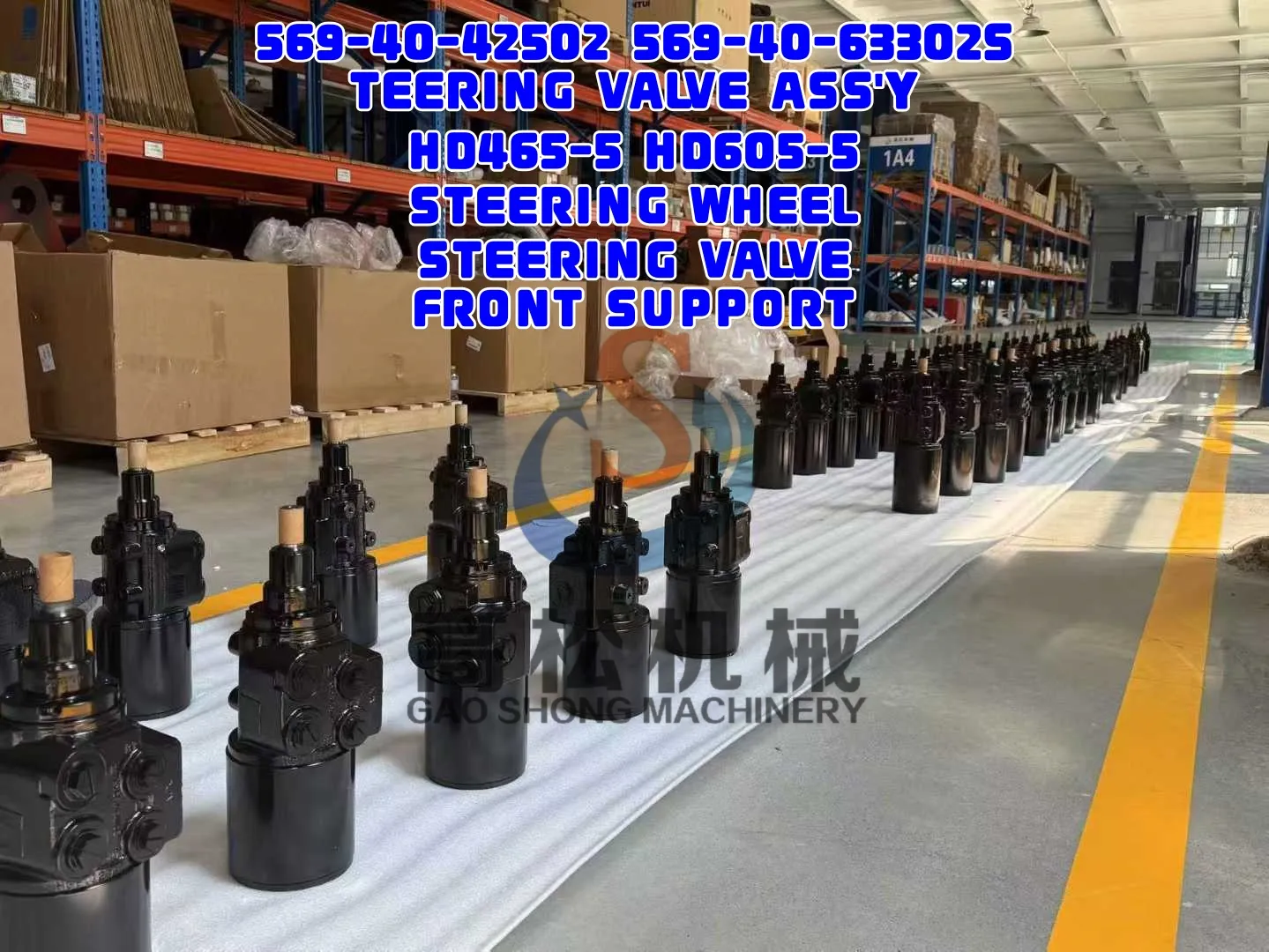 HD465-7-komatsu-part-569-40-42502 569-40-63302 STEERING VALVE ASS’Y HD465-5 HD465-7 HD605-7 HD605-5 FRONT SUPPORT (STEERING VALVE MOUNTING PARTS) STEERING WHEEL STEERING VALVE
 -
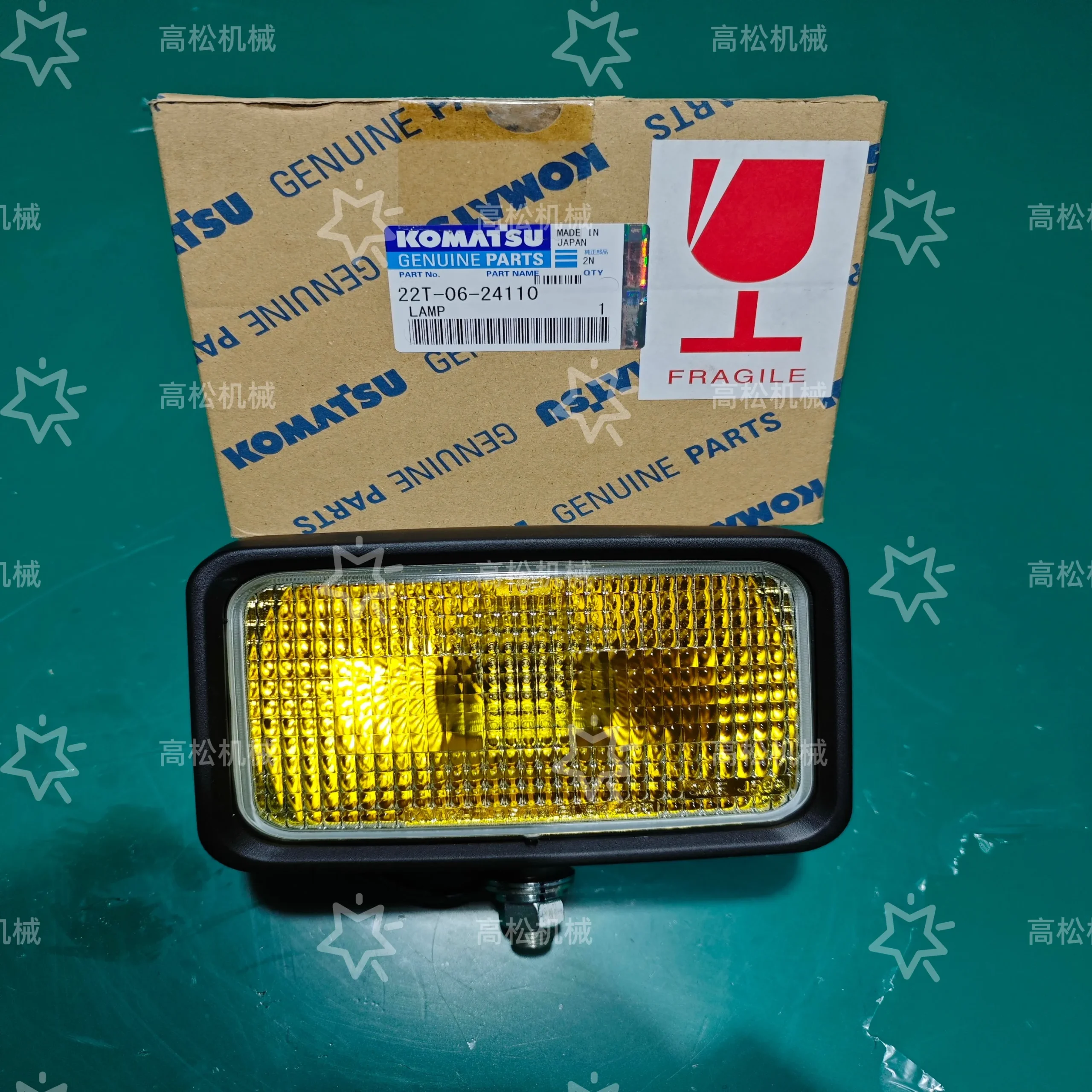 LAMP 22T-06-24110 – KOMATSU
 -
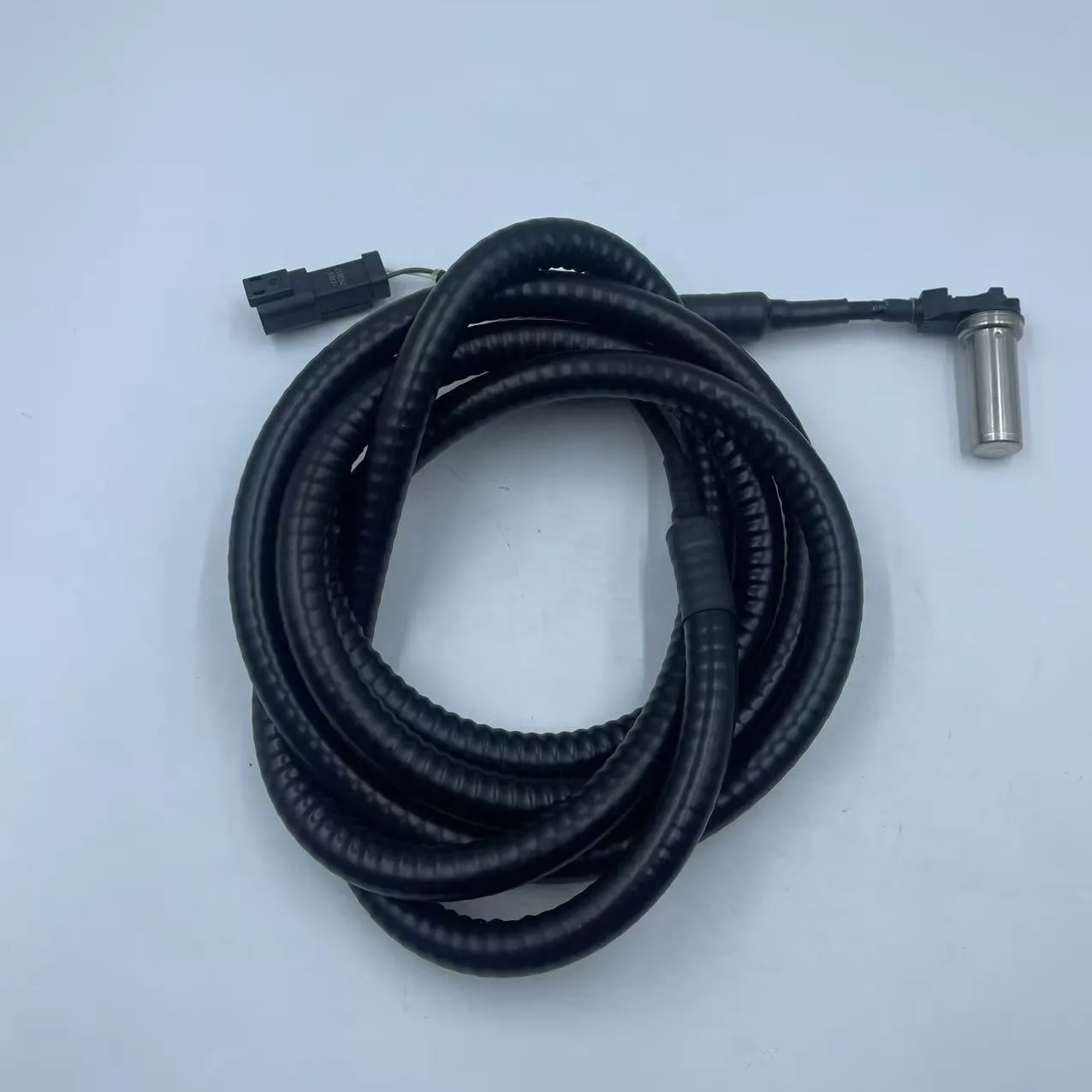 ZGZJYBL Sensor for Komatsu HD785-7 Dump Truck 566-88-66143 5668866143
 -
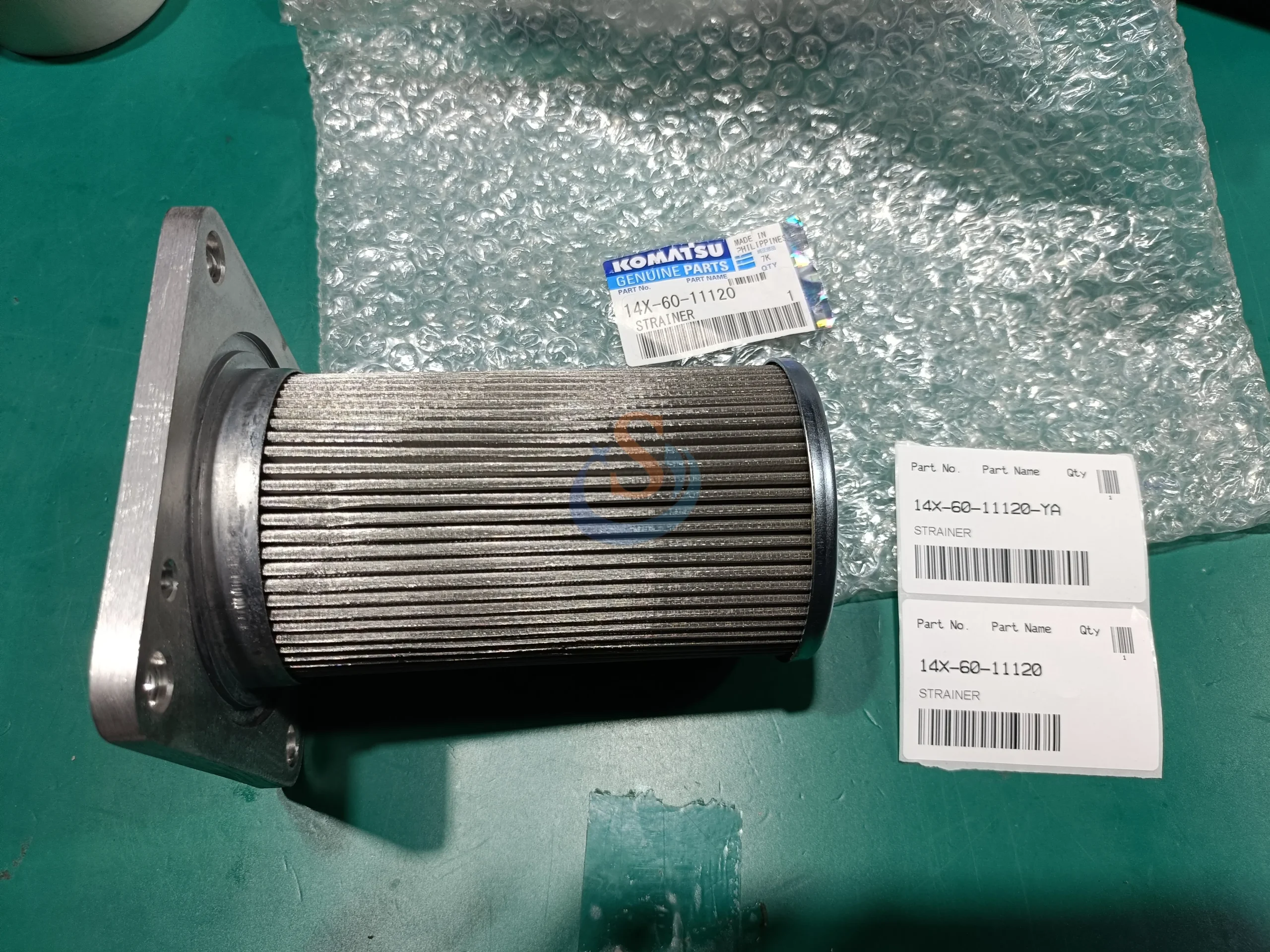 14X-60-11120,STRAINER,D31PX,D31EX,D65PX
 -
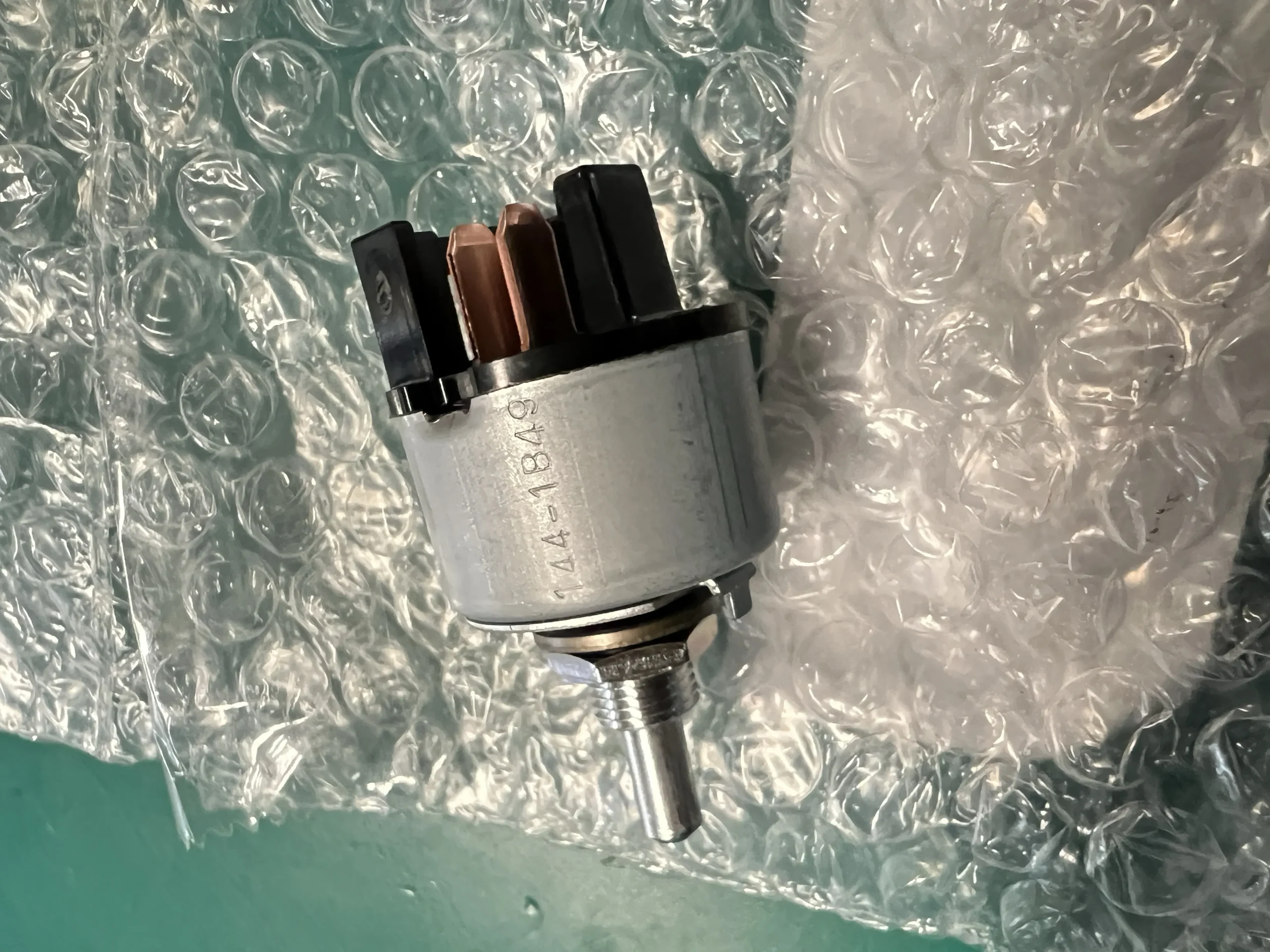 205-06-71380 Switch
 -
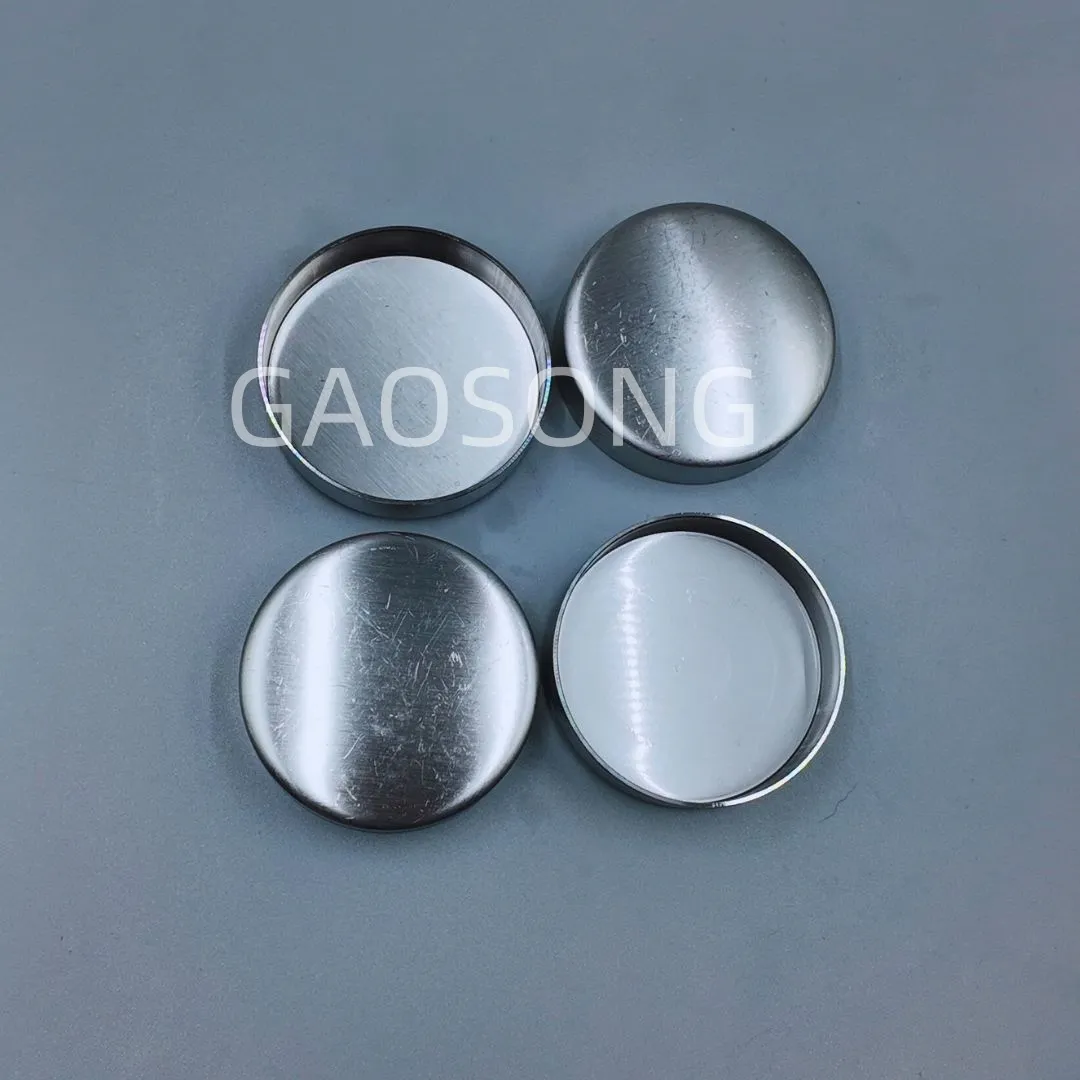 195-49-75280 O-ring–Komatsu Original Factory
 -
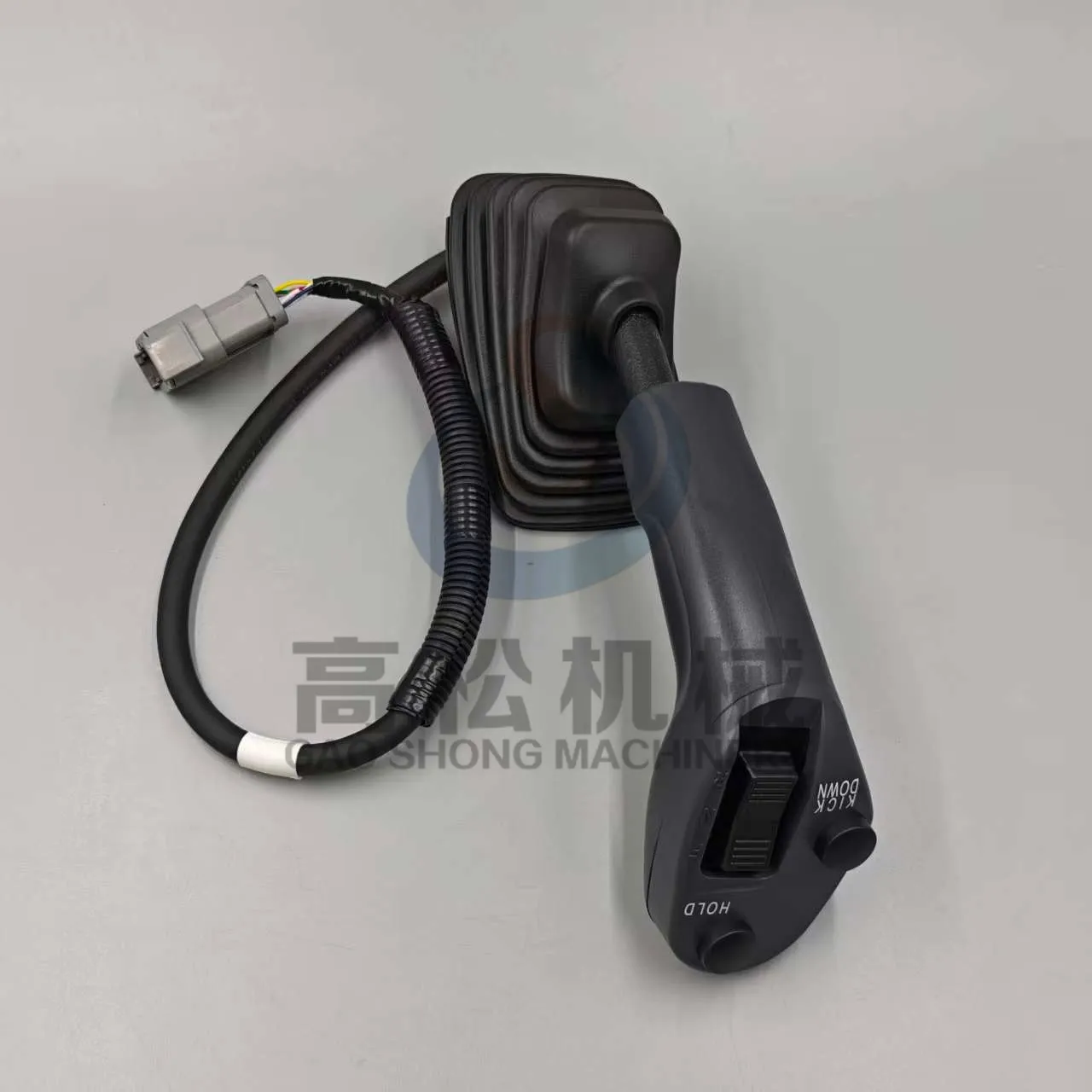 423-V91-4144 Komatsu Lever Assembly
 -
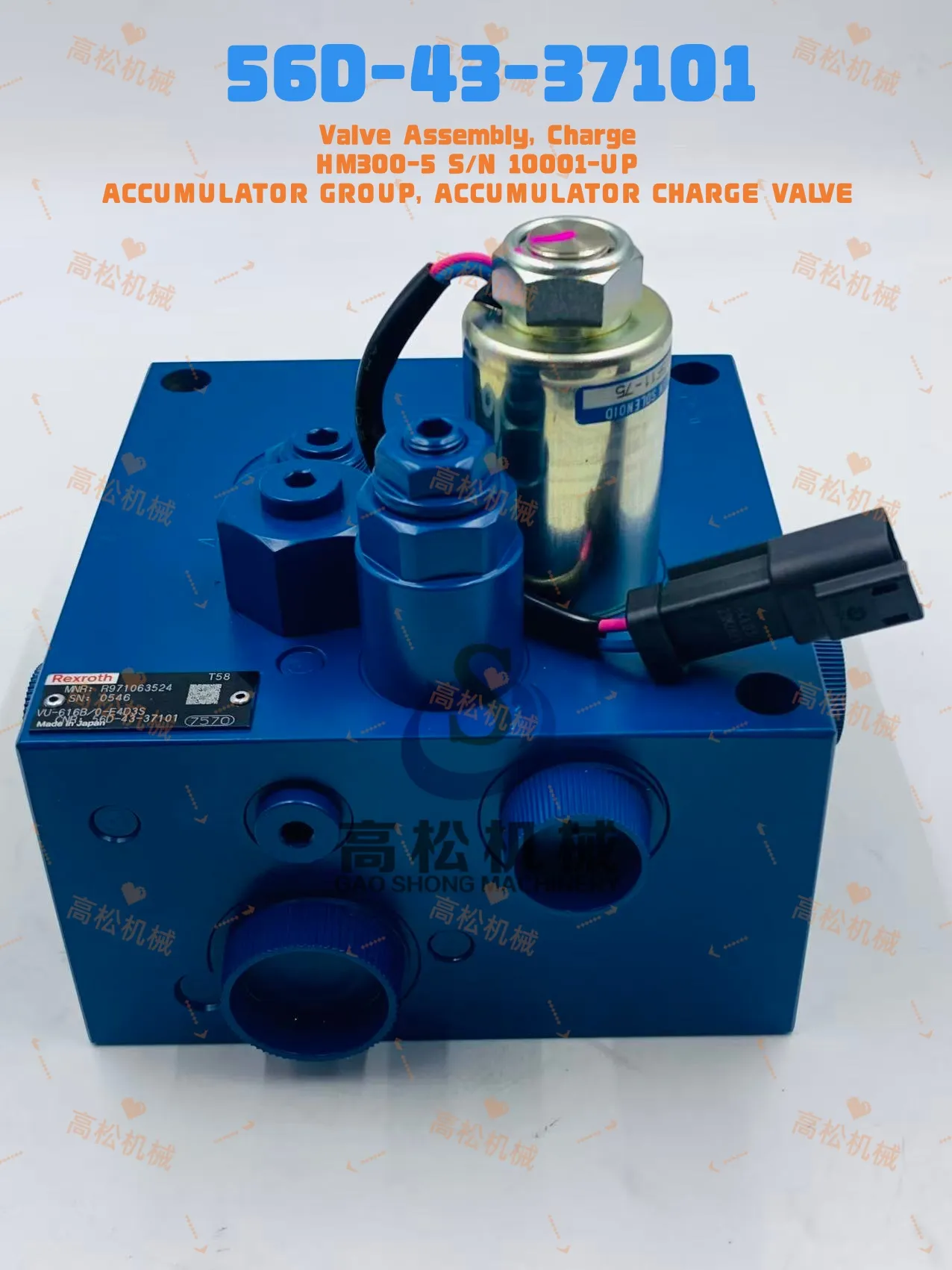
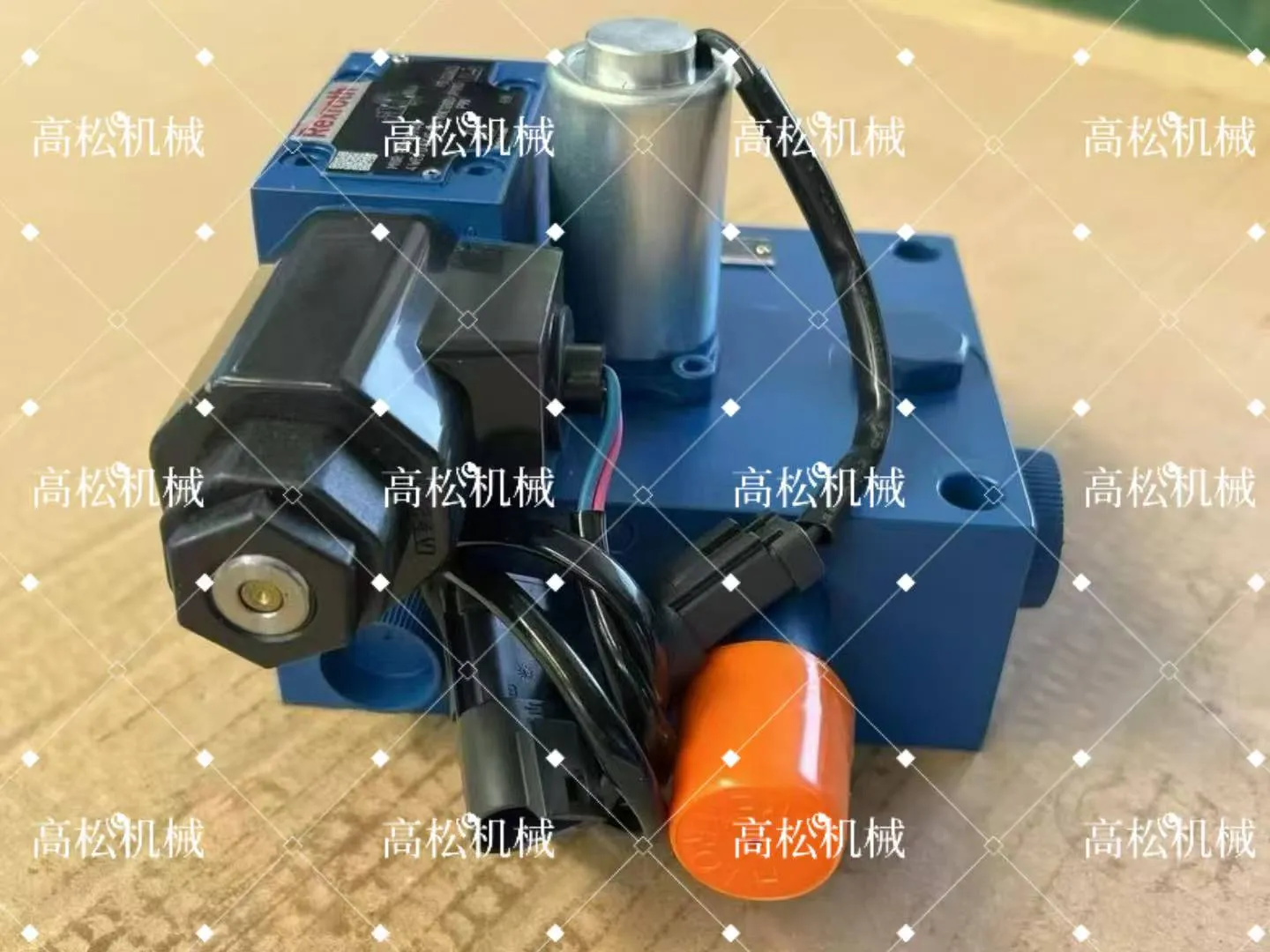 New available valve assembly hm300-5 for charging the hydraulic battery 56d-43-37101 for earth-digging machinery of komatsu
 -
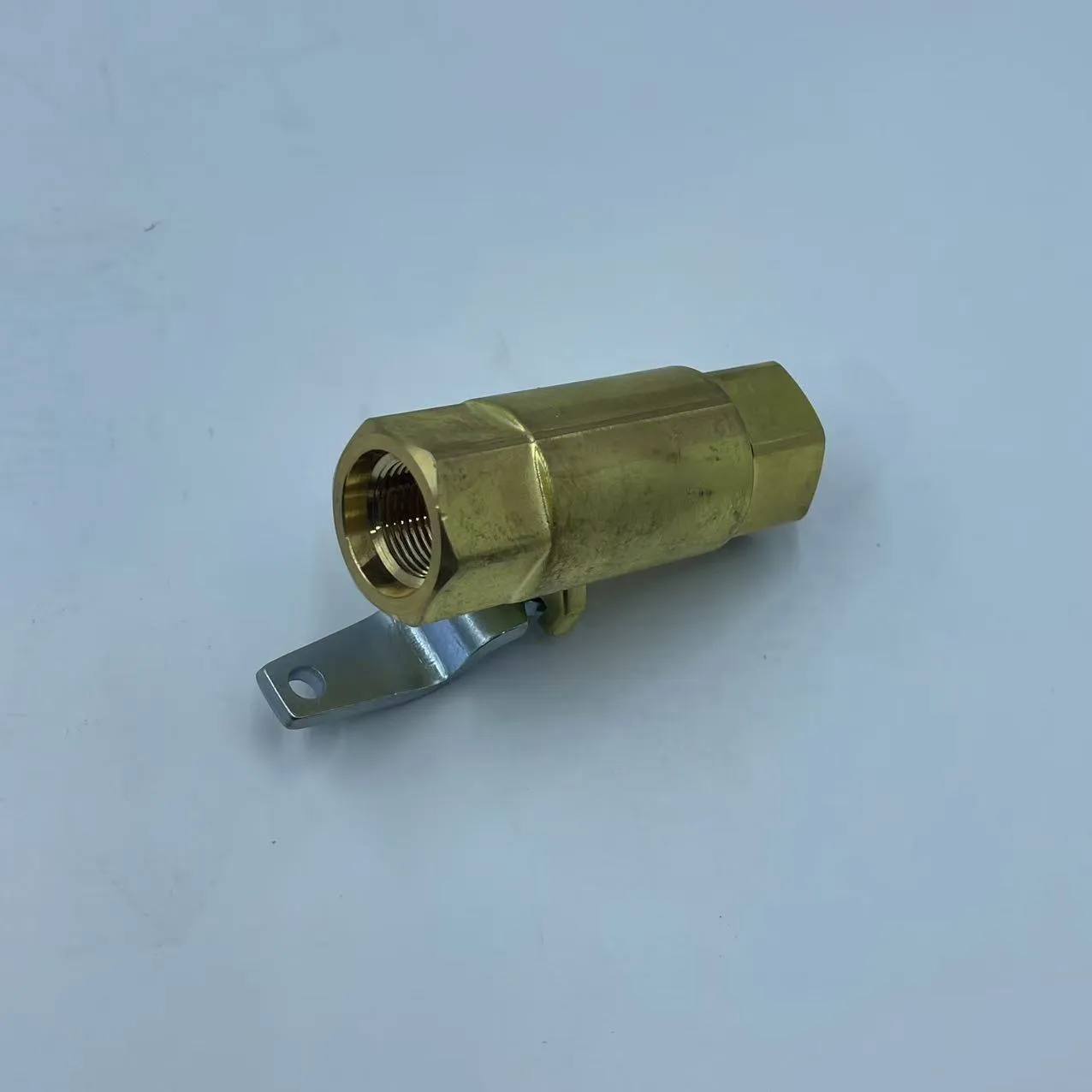 Komatsu Excavator PC200 Valve 20Y-62-15651
 -
 HD785-7 Temperature Sensor 6219-11-8810
 -
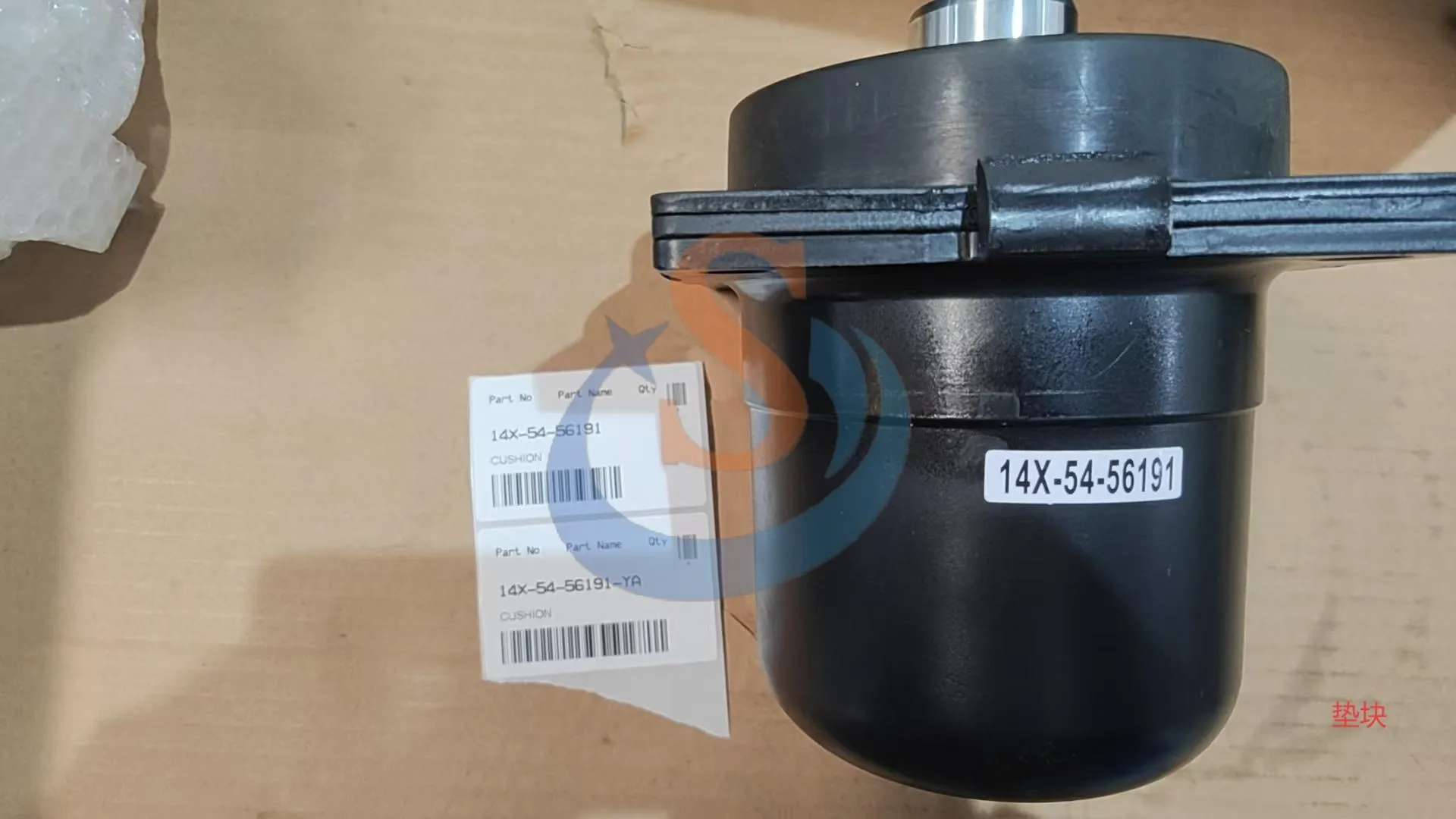 14X-54-56191,Cushion
 -
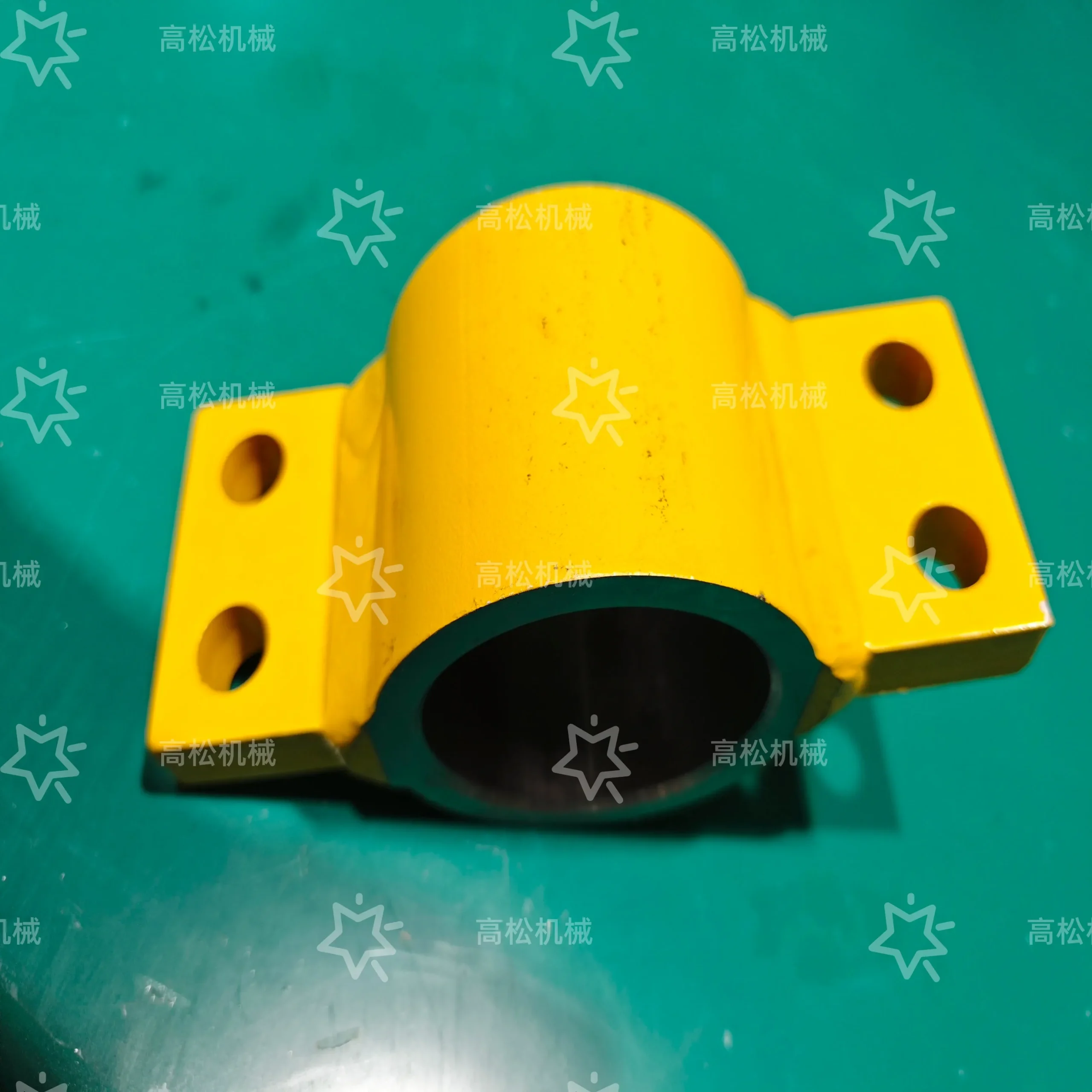 part 566-14-41160 Bracket (Komatsu)