
- Chinese
- French
- German
- Portuguese
- Spanish
- Russian
- Japanese
- Korean
- Arabic
- Irish
- Greek
- Turkish
- Italian
- Danish
- Romanian
- Indonesian
- Czech
- Afrikaans
- Swedish
- Polish
- Basque
- Catalan
- Esperanto
- Hindi
- Lao
- Albanian
- Amharic
- Armenian
- Azerbaijani
- Belarusian
- Bengali
- Bosnian
- Bulgarian
- Cebuano
- Chichewa
- Corsican
- Croatian
- Dutch
- Estonian
- Filipino
- Finnish
- Frisian
- Galician
- Georgian
- Gujarati
- Haitian
- Hausa
- Hawaiian
- Hebrew
- Hmong
- Hungarian
- Icelandic
- Igbo
- Javanese
- Kannada
- Kazakh
- Khmer
- Kurdish
- Kyrgyz
- Latin
- Latvian
- Lithuanian
- Luxembou..
- Macedonian
- Malagasy
- Malay
- Malayalam
- Maltese
- Maori
- Marathi
- Mongolian
- Burmese
- Nepali
- Norwegian
- Pashto
- Persian
- Punjabi
- Serbian
- Sesotho
- Sinhala
- Slovak
- Slovenian
- Somali
- Samoan
- Scots Gaelic
- Shona
- Sindhi
- Sundanese
- Swahili
- Tajik
- Tamil
- Telugu
- Thai
- Ukrainian
- Urdu
- Uzbek
- Vietnamese
- Welsh
- Xhosa
- Yiddish
- Yoruba
- Zulu
- Kinyarwanda
- Tatar
- Oriya
- Turkmen
- Uyghur






OEM AND ORIGINAL KOMATSU GEAR 209-38-73130
When you see that part number, , pop up on a screen or a requisition form, it’s one of those moments. You know it’s a Komatsu gear, likely for a transmission or final drive assembly in a mid-sized excavator or dozer. But the immediate next thought isn't usually about the gear itself—it’s about the prefix and suffix that aren't written down: is this request for an OEM-sourced part, or is it open to alternatives? That’s where the entire conversation about OEM AND ORIGINAL KOMATSU GEAR gets real. Too many procurement guys, even some mechanics, conflate OEM with original Komatsu. In the strictest sense, Komatsu doesn't sell OEM parts to the aftermarket; they sell genuine Komatsu parts. OEM in our lingo often refers to the original equipment manufacturer of that specific component for Komatsu, which is a different entity altogether. This gear might have been forged and machined by a dedicated supplier in Japan or Thailand, which Komatsu then approves, boxes in blue, and sells as genuine. So when someone says they want an OEM , they're usually asking for the genuine article, but the terminology already sets the stage for confusion and, frankly, for sourcing challenges.
The Spec is Everything, and It's Never Just a Drawing
I remember a project a few years back where a fleet manager insisted on sourcing a cheaper alternative to the genuine for a PC300-8. The pitch was about saving 40% on the part cost. We got a sample from a reputed aftermarket manufacturer. On the surface, it looked perfect—dimensions checked out with calipers, the tooth profile matched the template. But the devil was in the details you don't see on a spec sheet. The case hardening depth was off by about 0.2mm, and the post-heat-treatment tempering process wasn't quite right. It felt different when you tapped it. We installed it under protest. It lasted about 1200 hours. The failure wasn't catastrophic; it was a gradual wear on the tooth flanks that led to increased noise and then slippage under high torque. The downtime and the labor to do the job twice wiped out any savings. That’s the thing with gears: the metallurgy and the treatment are the IP. Komatsu’s spec for that gear isn't just about shape; it's about the precise grain structure that can handle the shock loads from a dig cycle.
This is where a company's position within the ecosystem matters. Take Jining Gaosong Construction Machinery Co., Ltd., for instance. Their stated role is interesting. They position themselves as an OEM product supplier within the Komatsu system. In practice, this often means they might have access to production from the same foundries or forges that supply Komatsu’s assembly lines, perhaps even the same line producing to the same drawing. But—and this is a critical but—these parts might not go through Komatsu’s final branding and packaging. They could be technically identical, but without the Komatsu part number laser-etched and the blue box. For a part like the , this could be a viable path if the provenance is absolutely transparent. Their website, takematsumachinery.com, frames it as solving parts supply challenges, which is a real pain point in many regions. A genuine part might be on a 12-week backorder from the official channel, halting a critical machine.
So, the judgment call. When you're faced with a broken gear and a downed machine, you evaluate. If the machine is under warranty or in a critical, high-productivity application with no backup, you bite the bullet and wait for the genuine part from the Komatsu dealer. If it's an older machine, maybe a PC220-7, and the alternative is a months-long wait, you start looking at these hybrid sources. You call a place like Gaosong. You grill them: Is this from the original forging die? Can you provide the material certification? What's the batch traceability? Their ability to answer those questions concretely separates a legitimate supplier from a parts broker. The phrase OEM product supplier within the Komatsu system needs to be backed by hard evidence—lot numbers, factory audit reports, not just words.
On the Ground: The Original vs. Identical Debate
Let's get into the weeds on original. The ORIGINAL KOMATSU GEAR comes with a pedigree. It has a Komatsu tag, it's delivered through a certified logistics chain, and its failure (if it happens) becomes Komatsu's problem. The supply chain, however, is brittle. Natural disasters, geopolitical issues, or even shifts in Komatsu's own supplier strategy can create sudden droughts. I've seen markets where genuine parts for common models just disappear for quarters. This creates a vacuum filled by three tiers: 1) Premium aftermarket (Japanese or European, with their own rigorous QA), 2) Standard aftermarket (variable quality), and 3) These system-OEM suppliers. The third category is the most nuanced. They aren't making copies; they might be supplying the same item from the same source, but the contractual and branding path is different.
A practical scenario. We had a client in a Southeast Asian country with import restrictions on finished genuine parts due to local content rules. They needed a . The official Komatsu distributor couldn't fulfill it without a lengthy approval process. We worked with a supplier, similar to Gaosong in function, who could provide the gear as an OEM component without the Komatsu branding, shipped under a different HS code. It cleared customs in days. We matched the micro-hardness and magnetic particle inspection results with a genuine gear we had in stock. They were statistically identical. The machine is still running with it three years later. This isn't always the case, but it shows that the original quality can exist outside the official blue box, provided you have the means and knowledge to verify.
The failure mode I'm more wary of isn't the outright breakage, but the compatibility issue. Sometimes, a gear like the might have undergone a silent revision—a change in the radius of a root fillet, a slight adjustment to the shot peening intensity. Komatsu updates its master drawing, but the part number stays the same. If your OEM supplier is working from an older spec or a reverse-engineered model, the part might fit but create a stress riser that leads to premature failure. This is the insidious risk. You only discover it after a teardown, comparing the failed part to a newly purchased genuine one and seeing subtle geometric differences. This is why relationships with suppliers who have direct, current lines to the actual manufacturing plant are crucial. Their claim of being within the Komatsu system needs to mean they get the engineering change notices.
Verification and the Limits of Trust
You can't just take a website description at face value. The overview for Jining Gaosong Construction Machinery Co., Ltd. says they help solve parts supply challenges in certain countries. That's a very specific and honest pain point they're addressing. When evaluating such a source for a critical component like our subject gear, the process is forensic. First, you ask for a high-resolution photo of the actual part, not a stock image. You look for the casting marks, the machining finish. The often has specific grinding marks on the bore and a particular finish on the tooth surface. Then, you ask for certification. A genuine Komatsu part comes with a certificate of conformity. An OEM-system part should come with a material certificate from the mill (e.g., verifying SCM440H steel), a heat-treatment chart, and a dimensional report.
I'll share a less successful try. Early on, tempted by the lead time, we sourced a batch of what was claimed to be OEM-system pins and bushings for a different model. The certs looked good, but they were generic. The parts worked, but their wear rate was 30% higher. The cost-saving was illusory. The lesson was that for highly stressed, precision components like gears, the certification needs to be part-specific, not just material-batch-specific. It needs to show the results for the specific processes applied to that gear blank. For a gear, the cert should include case depth profile data, core hardness, and perhaps even residual stress analysis. If a supplier can't or won't provide that, the risk escalates dramatically, regardless of their system claims.
This verification step is where the professional's experience is spent. It's hours on the phone, cross-referencing factory names, understanding the supply web. Sometimes, the supplier is legitimate, but the specific part you need, like the , might be from a sub-contractor to the main OEM. That adds another layer of variability. The question becomes: did Komatsu qualify that sub-contractor for this specific gear? If the answer is unclear, you're back to square one, relying on physical testing, which most end-users can't do. So, you develop a trusted shortlist. You might use the official channel for 80% of your needs and turn to a verified, transparent system-OEM supplier like what Gaosong portrays itself to be for the remaining 20%—the emergency, the obsolete, or the logistically stranded cases.
Closing the Loop on
So where does this leave us with this specific gear? It's a component that embodies the entire tension in the heavy equipment parts world. The demand for OEM AND ORIGINAL KOMATSU GEAR is a demand for certainty in an uncertain supply chain. The original is the gold standard, the known quantity. The OEM path, as defined by suppliers operating within or adjacent to Komatsu's manufacturing ecosystem, presents a potential alternative that can be technically equivalent but requires a much higher burden of proof from the buyer.
The value of a company in this space isn't just in having the part. It's in having the traceability. It's in having the technical staff who can explain why this batch of is acceptable. It's in acknowledging when they don't have that traceability and saying so. The market is flooded with parts that fit. The premium is for parts that work, for the long haul, under the same conditions the machine was designed for. That’s the real challenge these suppliers aim to solve, as noted in the intro for Takematsu Machinery—addressing supply gaps in certain countries isn't about dumping cheap alternatives; it's about providing a viable, quality-assured pathway to keep equipment running when the primary channel is blocked.
In the end, there's no universal answer. For each failed gear, you make a fresh decision based on machine criticality, available budget, lead time, and the depth of trust you have in your supplier's claims. The part number is just a code. The substance is in everything behind it—the steel, the heat, the precision, and the paperwork. Getting that combination right, whether from a Komatsu warehouse or a qualified system supplier, is what keeps the iron moving. And that's the only metric that truly matters on site.
Related Products
Related Products

Best Selling Products
Best Selling Products-
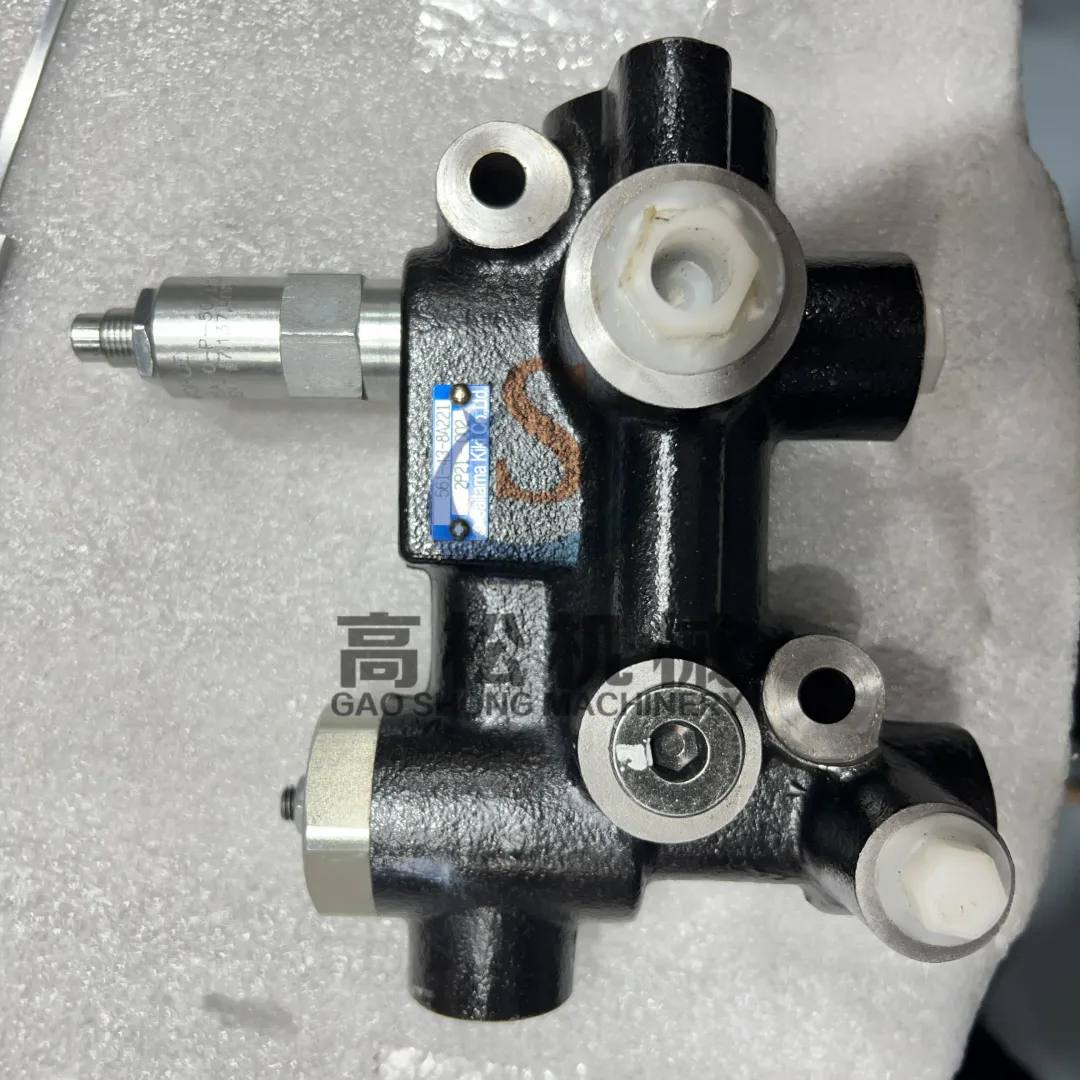 561-43-8A221 Komatsu Valve Assembly, Accumulator Charge
 -
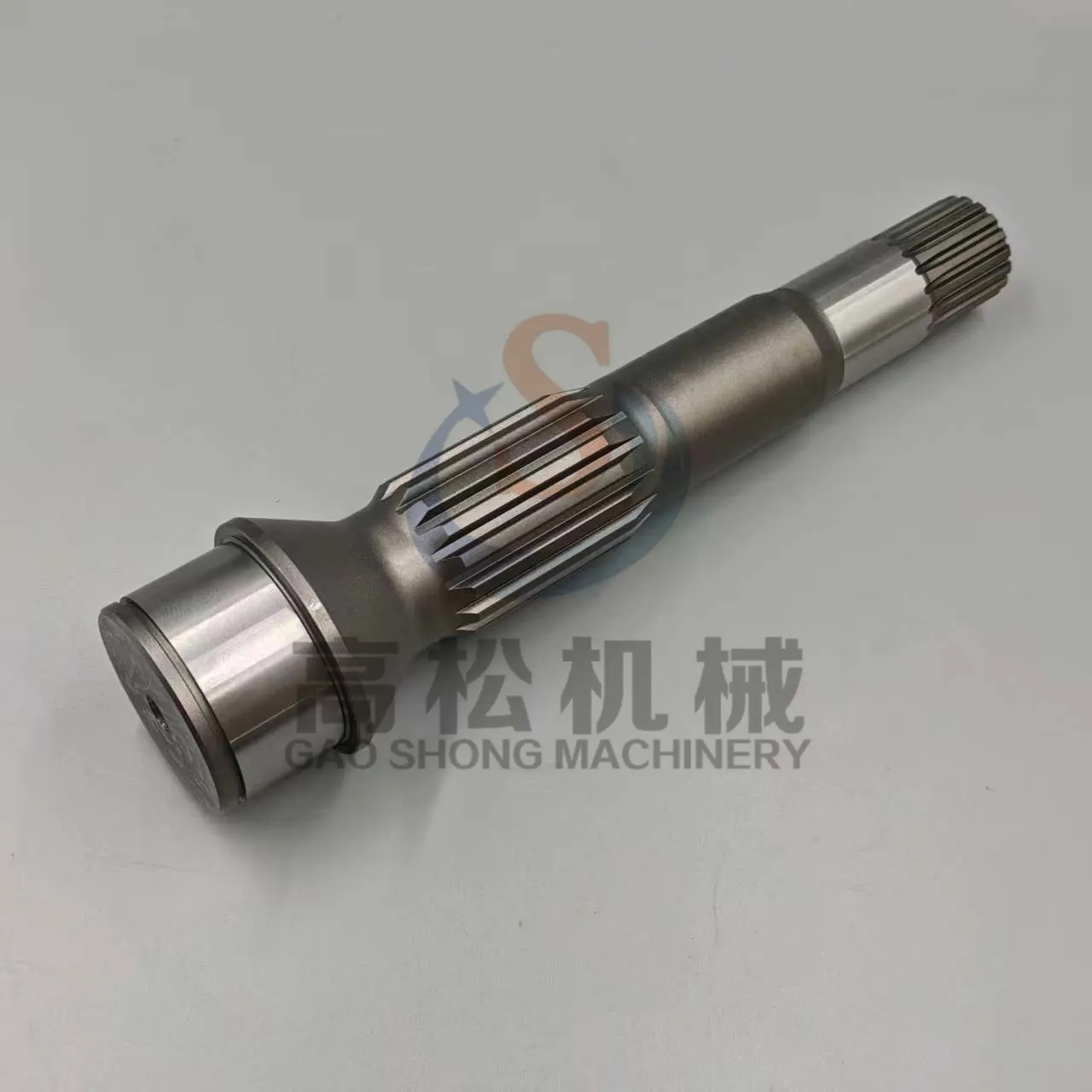 SHAFT 708-2G-12121 – KOMATSU
 -
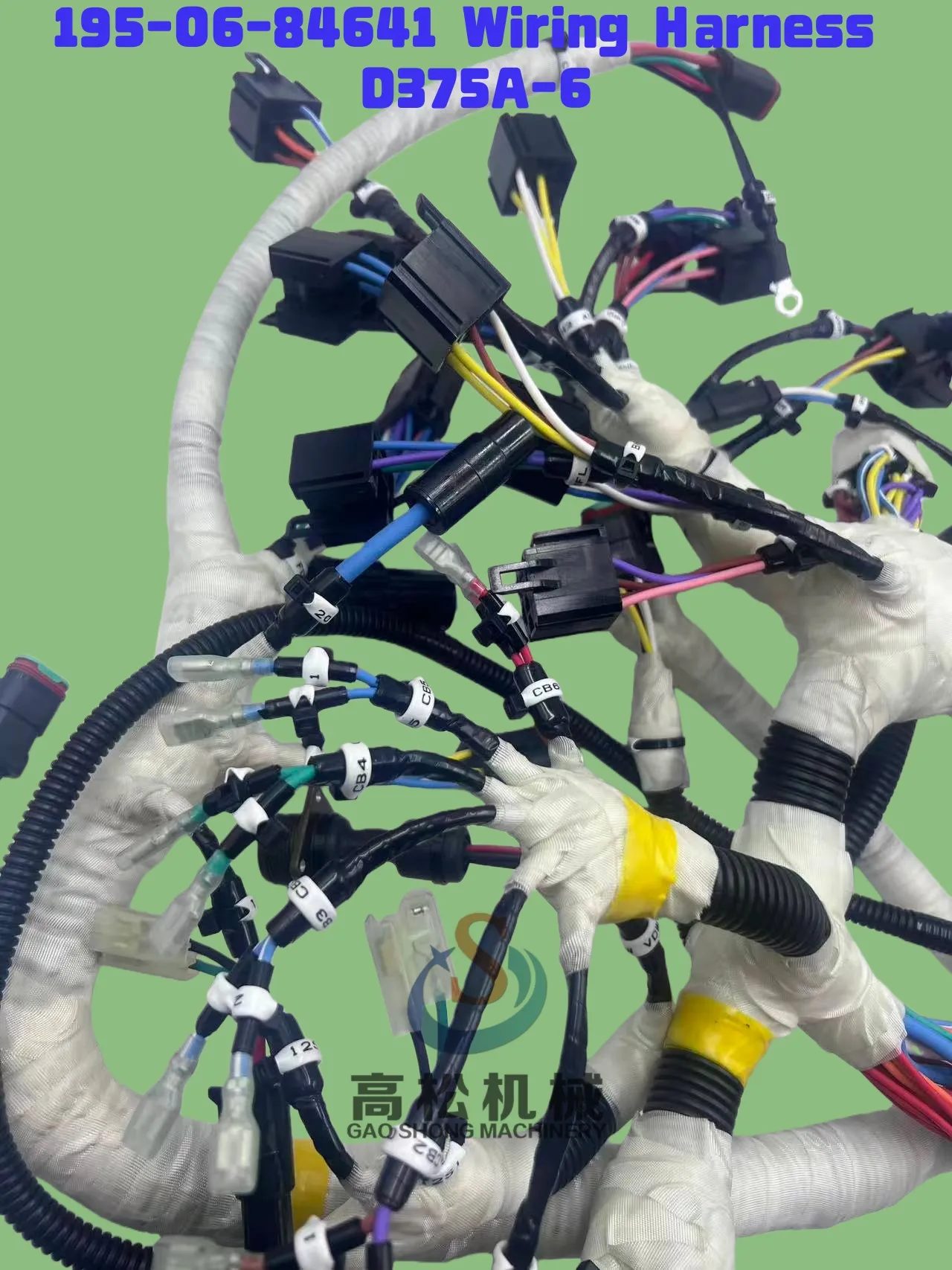 D375A-6Wiring harness 195-06-84641
 -
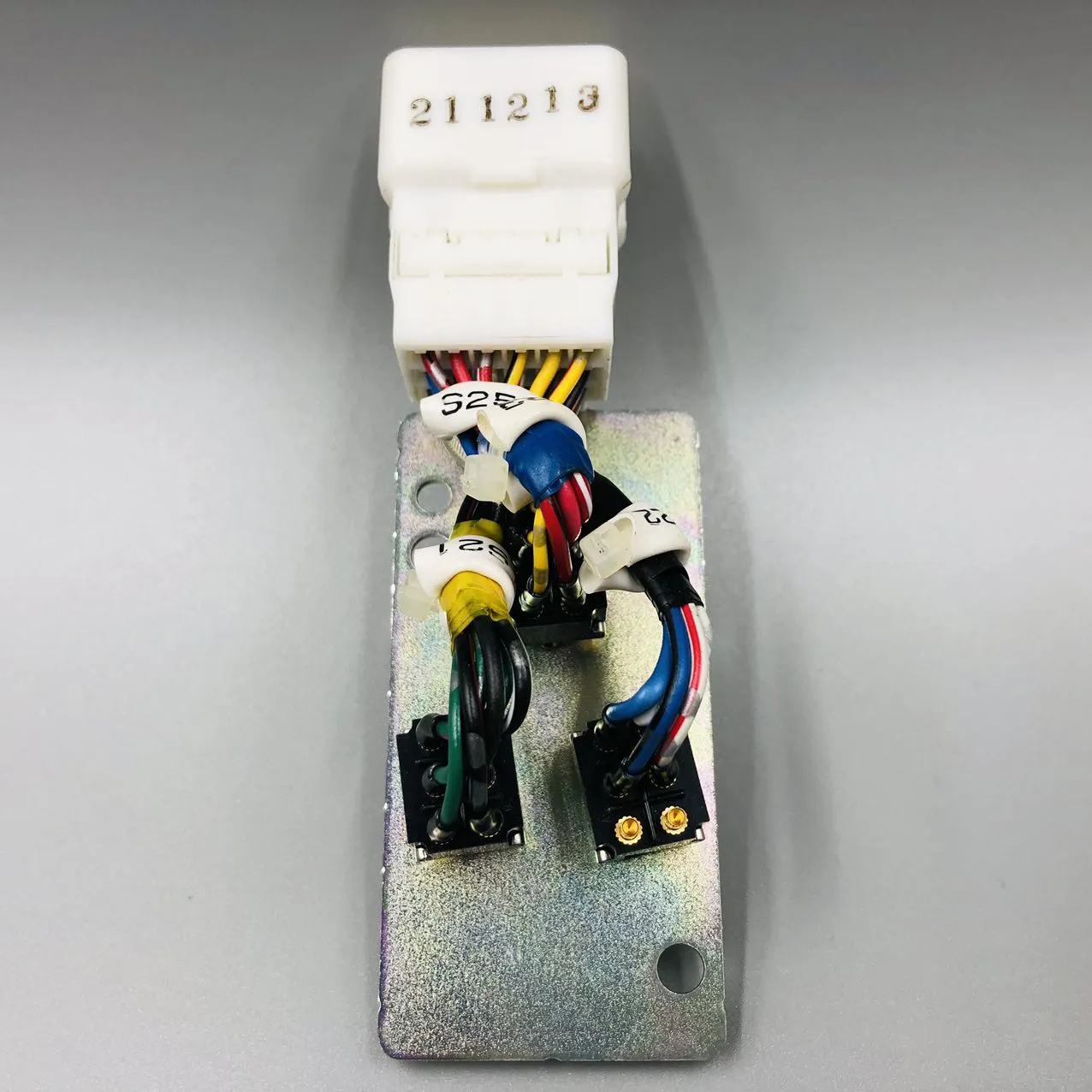 PC300-7 PC350-7 Switch Assy 22U-06-22370
 -
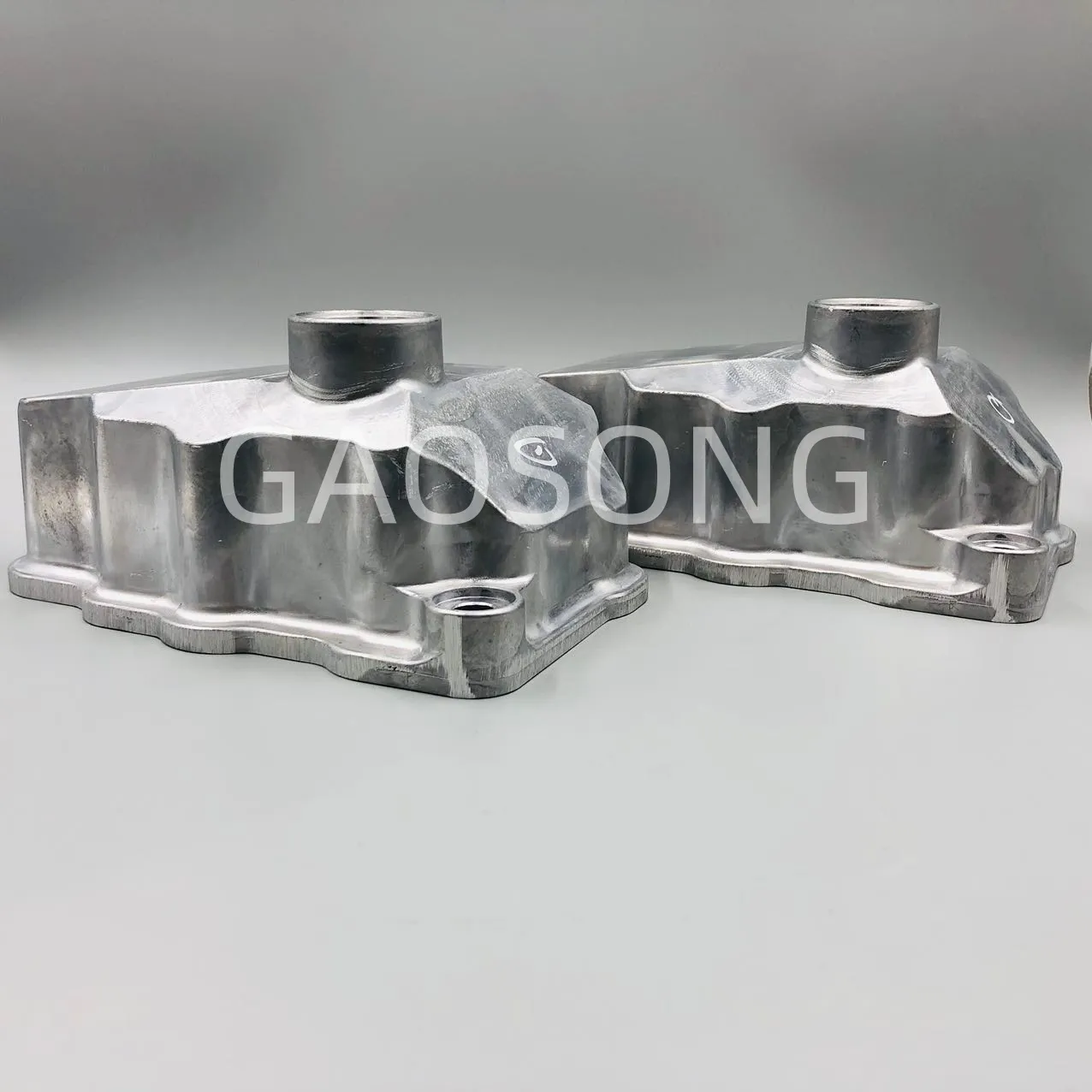 6251-11-8150 Komatsu Cover, Rocker Arm Housing
 -
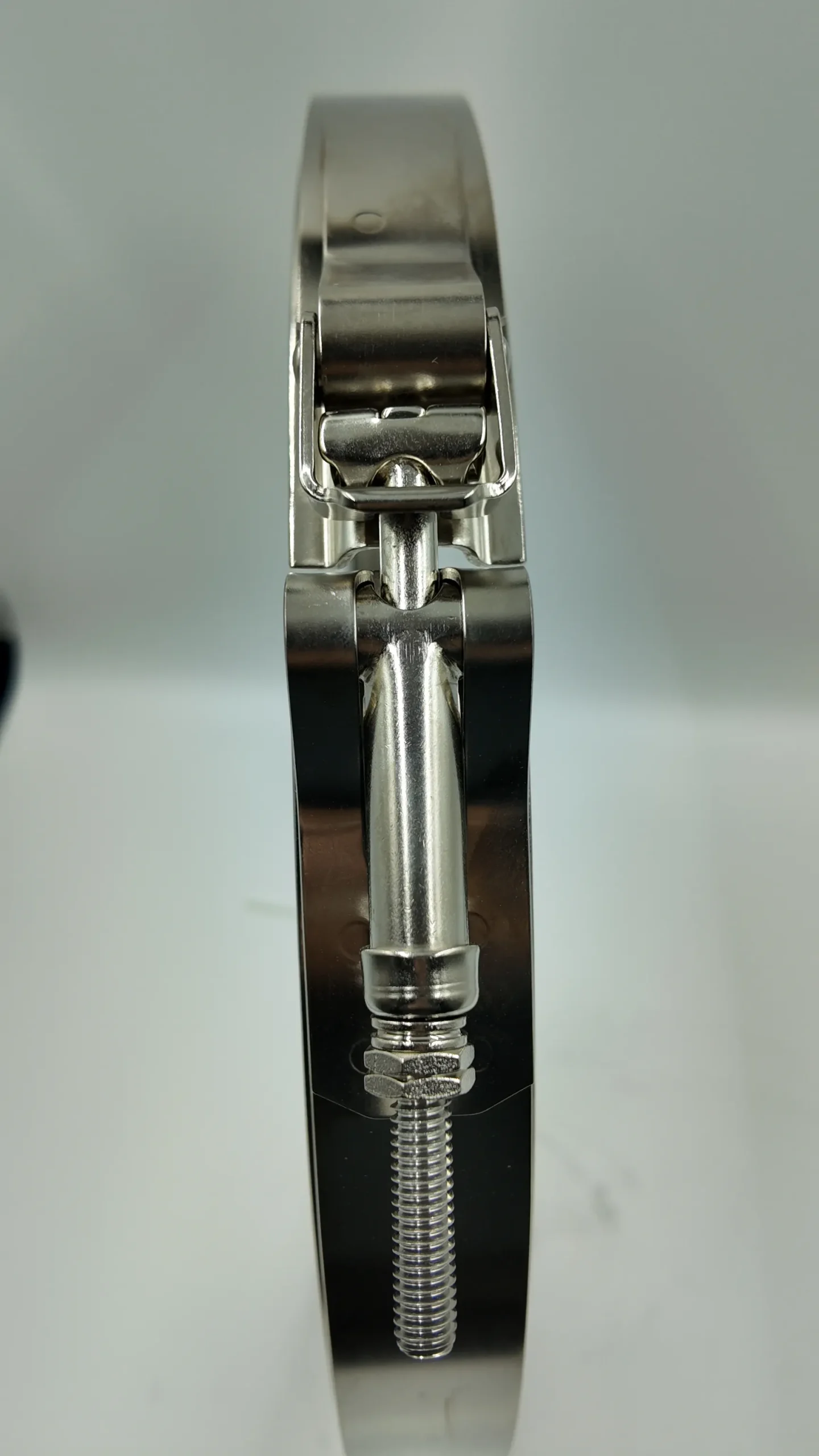 195-21-32821 COUPLING HEAVY DUTY Komatsu
 -
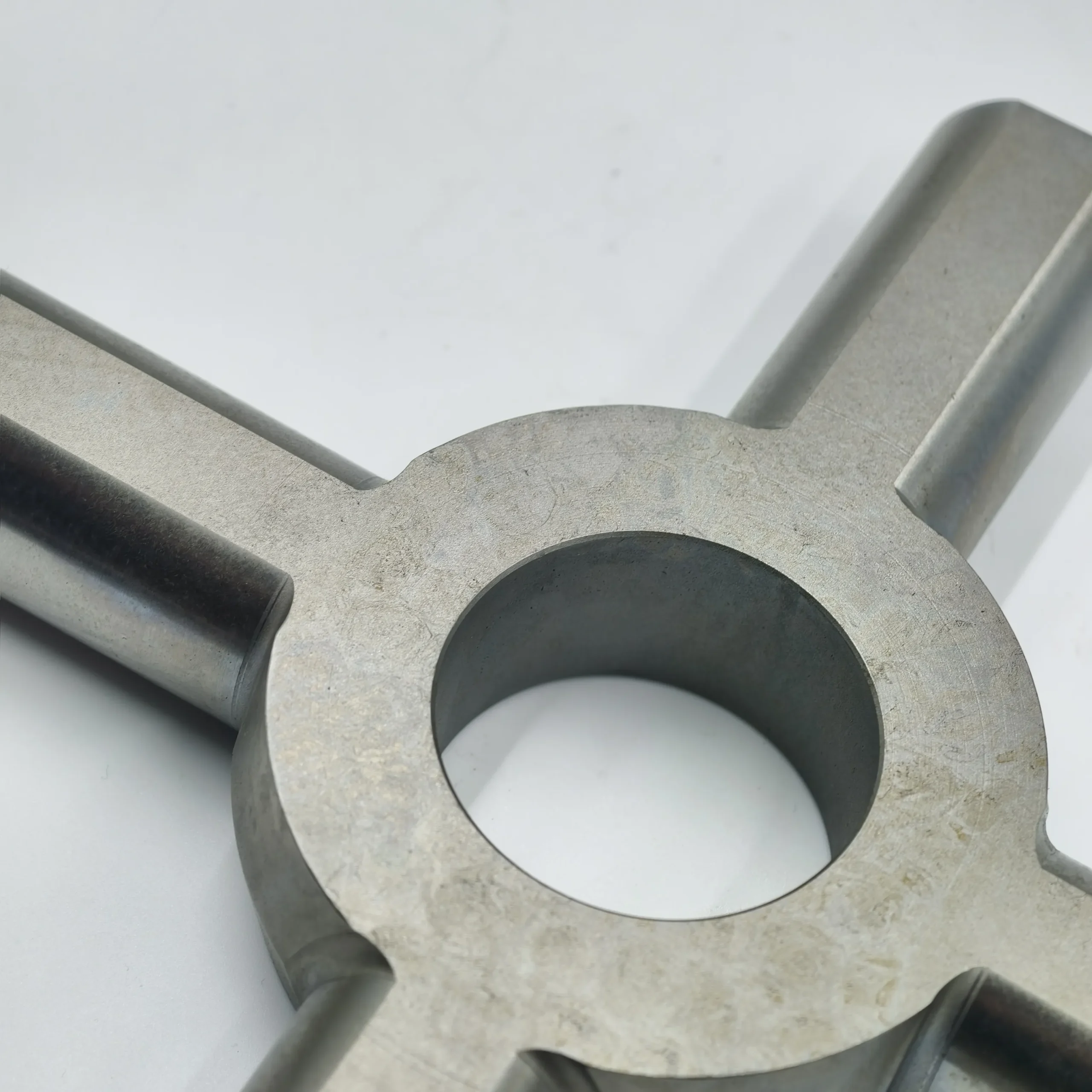 Komatsu Construction Machinery Full Series Accessories 421-22-11440 Loading Parts
 -
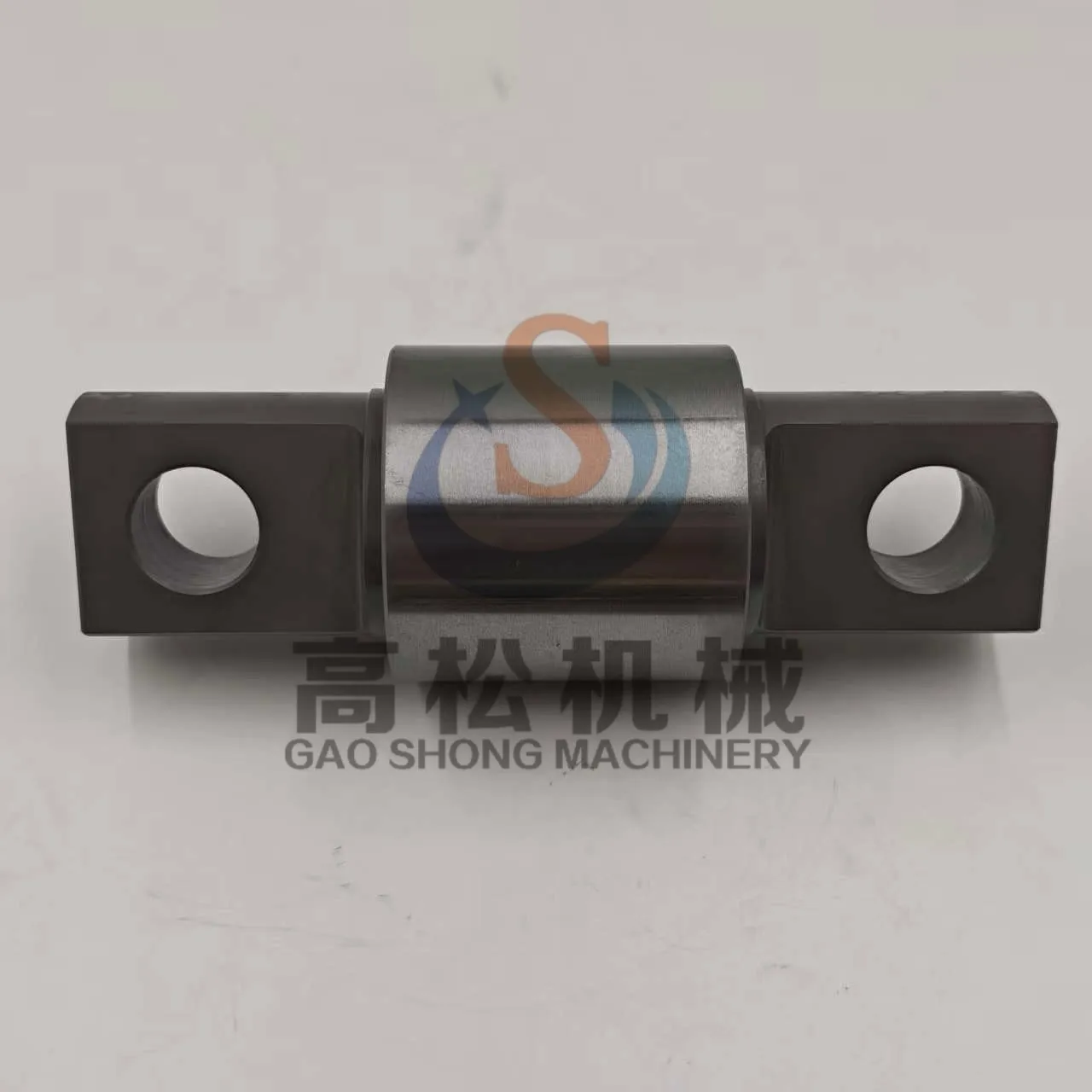 CUSHION 56B-16-11211 – KOMATSU
 -
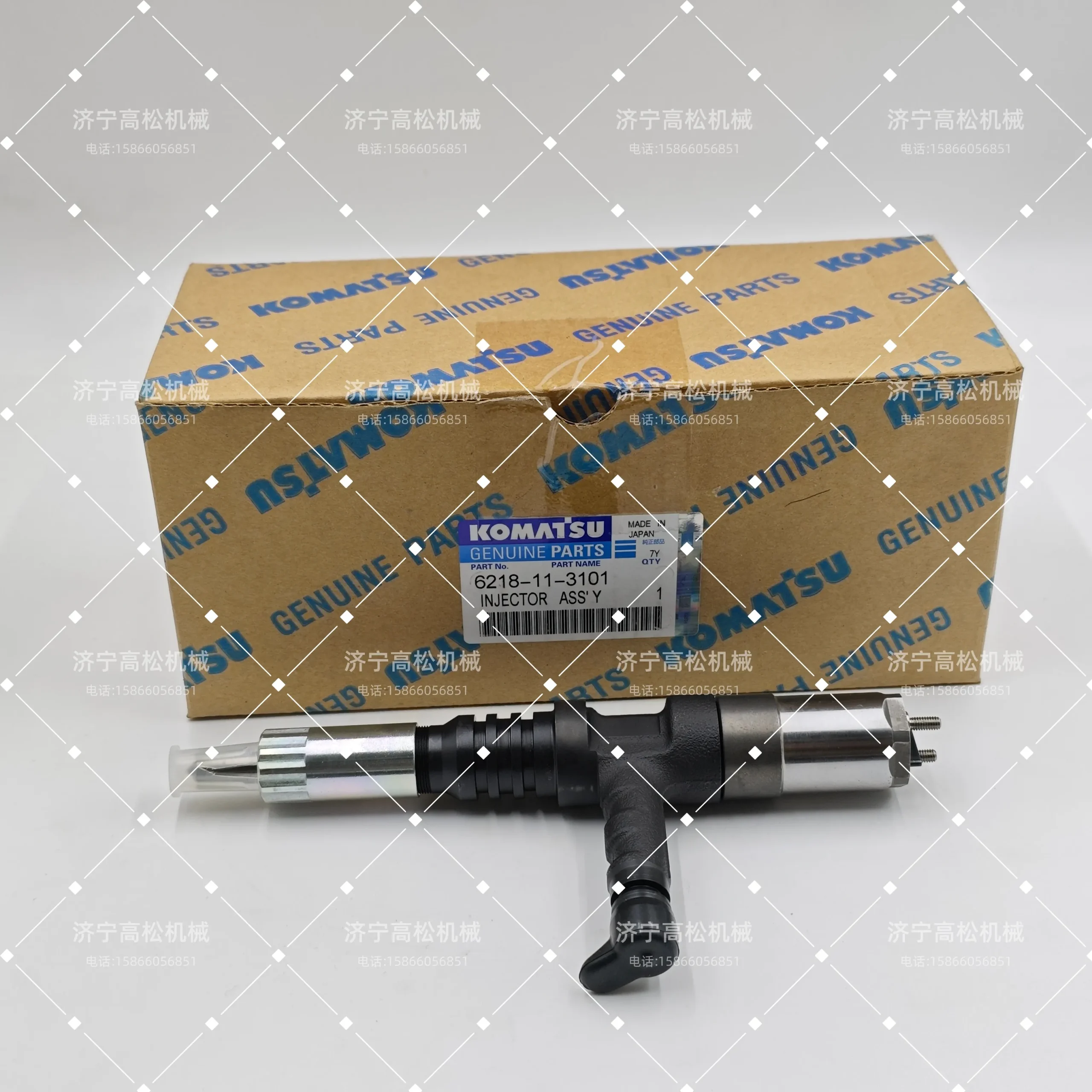 6218-11-3101 Injector Assembly
 -
 626141-9500komatsu parts
 -
 21N-26-33240Komatsu original factory accessories
 -
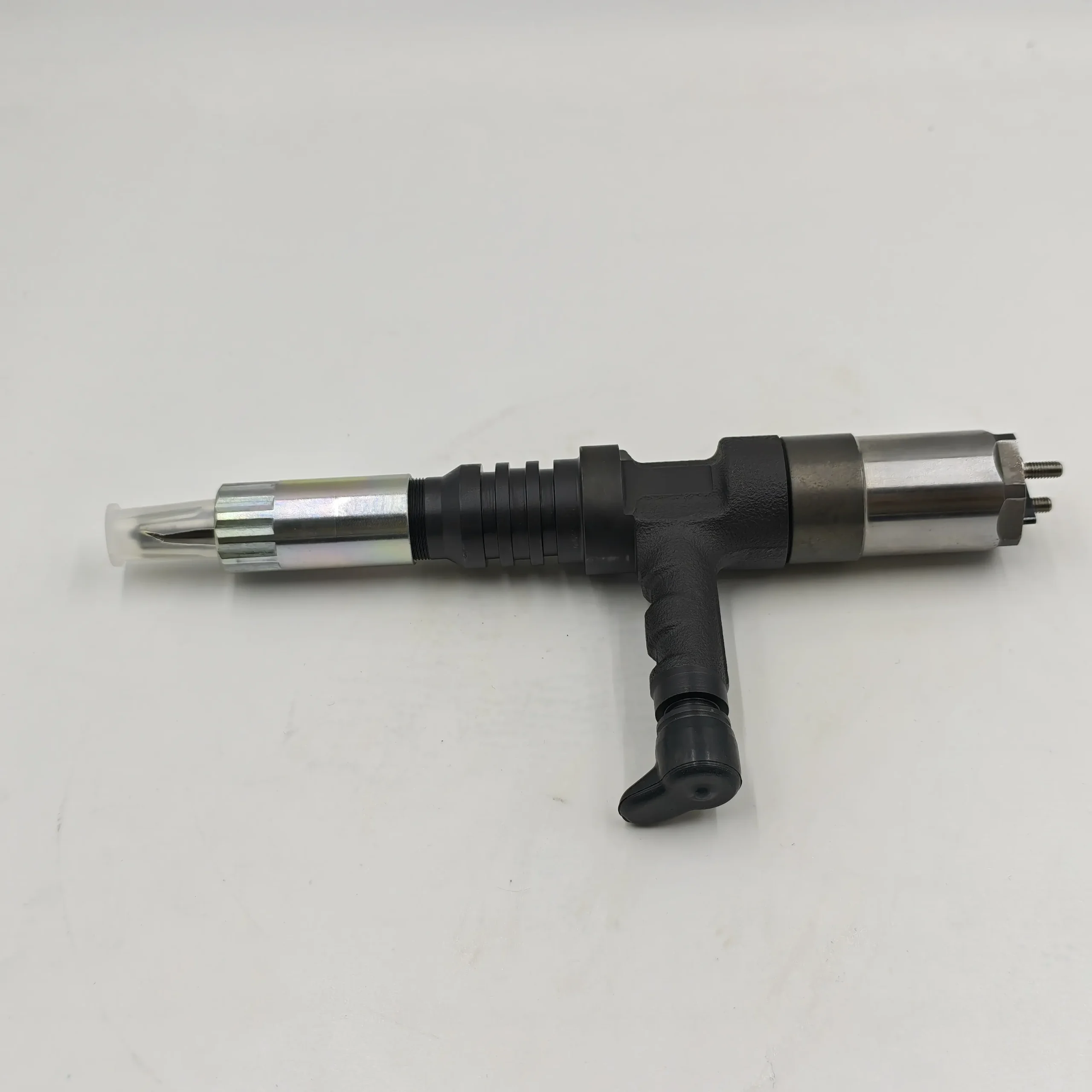 6218-11-3101 INJECTOR ASS’Y-Komatsu Original Factory