
- Chinese
- French
- German
- Portuguese
- Spanish
- Russian
- Japanese
- Korean
- Arabic
- Irish
- Greek
- Turkish
- Italian
- Danish
- Romanian
- Indonesian
- Czech
- Afrikaans
- Swedish
- Polish
- Basque
- Catalan
- Esperanto
- Hindi
- Lao
- Albanian
- Amharic
- Armenian
- Azerbaijani
- Belarusian
- Bengali
- Bosnian
- Bulgarian
- Cebuano
- Chichewa
- Corsican
- Croatian
- Dutch
- Estonian
- Filipino
- Finnish
- Frisian
- Galician
- Georgian
- Gujarati
- Haitian
- Hausa
- Hawaiian
- Hebrew
- Hmong
- Hungarian
- Icelandic
- Igbo
- Javanese
- Kannada
- Kazakh
- Khmer
- Kurdish
- Kyrgyz
- Latin
- Latvian
- Lithuanian
- Luxembou..
- Macedonian
- Malagasy
- Malay
- Malayalam
- Maltese
- Maori
- Marathi
- Mongolian
- Burmese
- Nepali
- Norwegian
- Pashto
- Persian
- Punjabi
- Serbian
- Sesotho
- Sinhala
- Slovak
- Slovenian
- Somali
- Samoan
- Scots Gaelic
- Shona
- Sindhi
- Sundanese
- Swahili
- Tajik
- Tamil
- Telugu
- Thai
- Ukrainian
- Urdu
- Uzbek
- Vietnamese
- Welsh
- Xhosa
- Yiddish
- Yoruba
- Zulu
- Kinyarwanda
- Tatar
- Oriya
- Turkmen
- Uyghur





OEM AND ORIGINAL KOMATSU GEAR 209-27-71390
Let's cut through the noise. When someone searches for 'OEM AND ORIGINAL KOMATSU GEAR ', they're usually in a bind, trying to navigate the murky waters of parts sourcing. The immediate assumption is that 'OEM' and 'Original' are the same thing. In the real world, especially with a part number this specific for a Komatsu machine, that's where the confusion—and often, costly mistakes—begin. I've seen too many guys order what they thought was a genuine Komatsu box, only to get a part that might be OEM-spec but lacks the traceability and the exact metallurgical certs. The gear isn't some generic sprocket; it's a critical transmission component. The difference isn't just a sticker.
The OEM vs. Original Conundrum in Practice
Here's the practical distinction that matters on the shop floor. 'Original' means it came off the Komatsu production line, packaged in Komatsu-branded boxes, with Komatsu's part number stamped on it. The supply chain is direct. OEM AND ORIGINAL KOMATSU GEAR , when truly original, has a pedigree. You can trace its heat lot. Now, 'OEM' can mean it was manufactured by a company authorized by Komatsu to produce that part to their blueprint. This is where companies like Jining Gaosong Construction Machinery Co., Ltd. operate. They are an OEM product supplier within the Komatsu system. The gear they produce as an OEM supplier should be dimensionally and functionally identical. But the nuance is in the should be. I've measured OEM gears that were within spec, but the surface finish on the teeth was just a bit rougher, leading to premature wear in high-torque applications. It's these subtleties that separate a perfect fit from a good enough fit that fails 500 hours earlier.
This ambiguity is exactly why their role as a third-party sales company is crucial. They're not just another parts reseller. Their website, takematsumachinery.com, frames it well: they help solve parts supply challenges in certain countries. I've been in situations in remote mining sites where the official channel had a 12-week lead time for the . A supplier like this, with direct OEM factory links, can often cut that to 3 weeks. They're plugging a gap in the logistics chain, not just undercutting on price.
The failure mode I've witnessed? A contractor opted for a cheaper OEM-compatible gear from a non-authorized foundry. It wasn't from an approved supplier within the Komatsu system. It sheared teeth under a full load cycle because the core hardness was inconsistent. The downtime cost dwarfed the savings. That's the gamble. When Jining Gaosong says they are an OEM supplier within the system, it implies a level of accountability and technical oversight that random aftermarket outfits lack. They have access to the engineering tolerances and material specs.
Decoding the Part Number and Its Real-World Implications
The isn't just a random string. Breaking it down, the '209' series often points to a specific machine family or transmission assembly. In my experience, this one crosses over into certain mid-sized excavators and dozers. Knowing this is key because sometimes the aftermarket will list a fits model that is borderline. The gear might physically bolt on, but the tooth profile or hardness rating might be for a different torque curve. I always cross-reference the serial number break with the machine's S/N, something a knowledgeable supplier should help you do, not just sell you the part number you asked for.
When you're holding the actual gear, the tells are in the details. An original Komatsu part will have the part number etched or stamped cleanly, often with other manufacturing codes. The OEM version from a certified supplier like the one mentioned should have an identical marking, though sometimes with their own internal lot code added. The finish should be uniform, with no tooling marks or casting flash in the root of the teeth. The color of the metal—a specific kind of grey from the phosphate coating—is also a visual cue I've learned to trust over the years. A cheap copy often has a bluer or blacker, sometimes oily, finish.
Weight is another quick check. Grab a known original and a candidate. A significant weight difference, even a few grams, signals a different material density or internal structure. I had a batch once where the OEM gears were slightly heavier. Turned out the foundry used a different alloy mix that still met the strength spec but had different wear characteristics. It passed the static test but failed in dynamic fatigue. The supplier, to their credit, worked with us and the factory to rectify the batch. That's the kind of backend support you need.
Sourcing and the Logistics Reality
The ideal world is always buying original from the dealer. The real world involves budgets, machine age, and location. For machines operating in regions with poor official support, the model Jining Gaosong describes is vital. They act as a conduit. They can supply the OEM AND ORIGINAL KOMATSU GEAR from their own production as a system supplier, or they can facilitate the sale of genuine Komatsu stock. This dual role is what solves challenges.
I recall a project in South America where we had three D65 dozers down for the same transmission gear. The local dealer had one in the country and a 90-day ETA for the rest. We sourced two units through a third-party sales company with OEM links—the logistics were handled from a warehouse in East Asia directly to the port. We had them on-site in 18 days. We ran all three machines: the original, and the two OEM-sourced gears. After 2000 hours, teardown inspection showed nearly identical wear patterns. The key was the supplier's legitimacy within the Komatsu ecosystem.
The risk, always, is the gray market. Parts that fell off the back of a truck or are mislabeled. A professional supplier's website, like takematsumachinery.com, should provide clear contact paths, technical documentation, and a verifiable company background. If they're vague about their OEM authorization or can't provide material certifications, walk away. For a critical rotating component like the , the paper trail is as important as the part itself.
Cost vs. Value Analysis for the Fleet Manager
It's never just the price on the invoice. The calculation is: Part Cost + Downtime Cost + Risk of Premature Failure. An original Komatsu gear has the lowest risk but the highest upfront cost. A certified OEM part from a supplier like Jining Gaosong offers a middle ground—lower upfront cost than original, with a managed risk profile because of their formal relationship with Komatsu. The value is in the reliability of the supply chain and the technical fidelity of the part.
The cheapest aftermarket option has the highest risk multiplier. For a non-critical, wear-and-tear part, maybe it's a calculated risk. For the , which requires precise meshing and carries high loads, failure is catastrophic. It can take out the mating gear, shafts, and even the housing. The repair bill jumps from a few thousand to tens of thousands. The OEM route, through a verified system supplier, often represents the best total cost of ownership for older fleets or in constrained markets.
My rule has become: if the machine is under warranty or in a critical, zero-downtime application (like a mining shovel), pay for original. For everything else, a reputable, transparent OEM supplier is a financially and operationally sound strategy. You're not just buying a gear; you're buying access to a system, engineering support, and a reliable pipeline.
Final Thoughts on Verification and Trust
So, when you're looking at that part number, your first question shouldn't just be how much? It should be who's behind it? Ask the supplier for their proof of OEM affiliation. Can they provide a certificate of conformity? Can they trace the material origin? A company that is genuinely an OEM product supplier within the Komatsu system will have this, not get defensive.
The landscape is filled with brokers. You want a partner with technical depth. The description of helping solve parts supply challenges in certain countries rings true based on my experience. They aren't magicians, but they have the maps to navigate a complex global supply web. For the and parts like it, that navigational skill—coupled with legitimate manufacturing credentials—is what turns a potential nightmare into a routine maintenance swap. It's the difference between getting a component and getting a solution that keeps your iron running.
In the end, the part number is just a code. The value is in the integrity of the supply chain that delivers it. Whether it comes in a Komatsu box or a plain box from a certified OEM factory, the assurance of quality and fit is what you're really paying for. Everything else is just hoping you get lucky, and hope is a terrible maintenance strategy.
Related Products
Related Products
Best Selling Products
Best Selling Products-
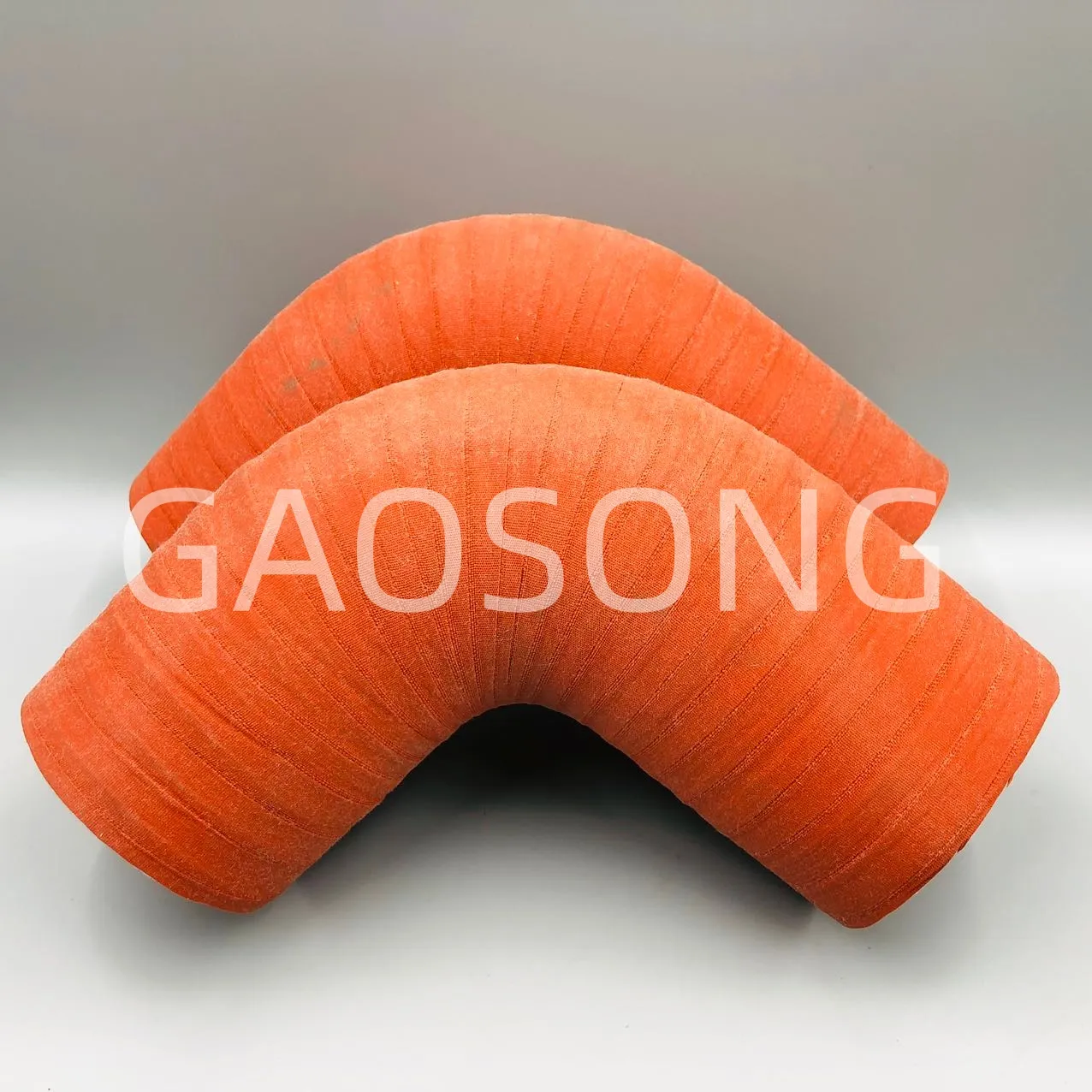 6743-11-4931 HOSE-Komatsu Original Factory
 -
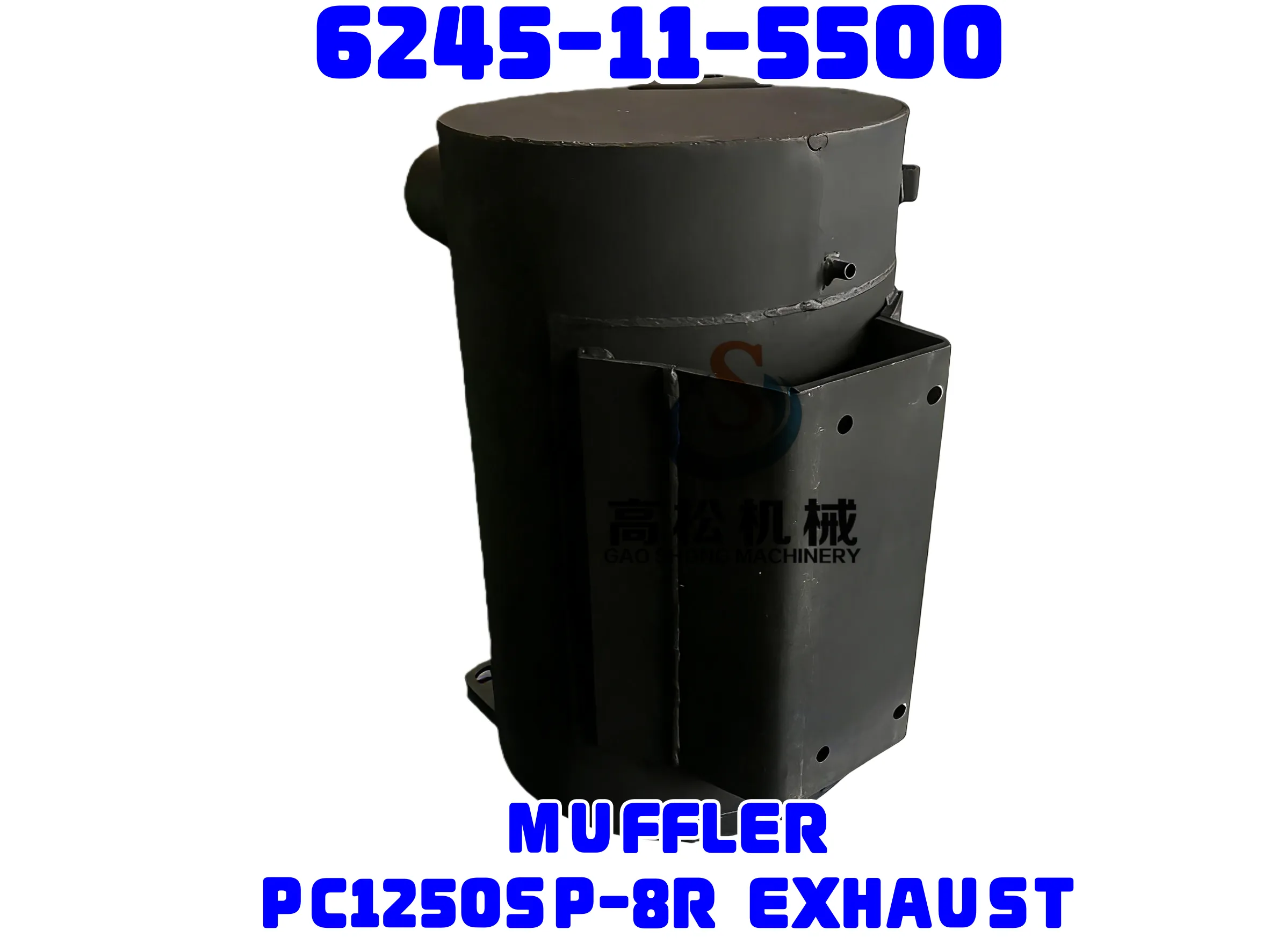 Muffler Silencer 6245-11-5500
 -
 232-15-19220 – SEAL RIN
 -
 Original Brand New LEVER ASSEMBLY 423-V91-4144 for Komatsu…
 -
 Komatsu Original Factory Brand New PC1250-8 Excavator Rotary Motor 21N-26-00110
 -
 21N-30-14170 21N3014170 Spare Ring for Komatsu Excavator PC1250 PC1250SP
 -
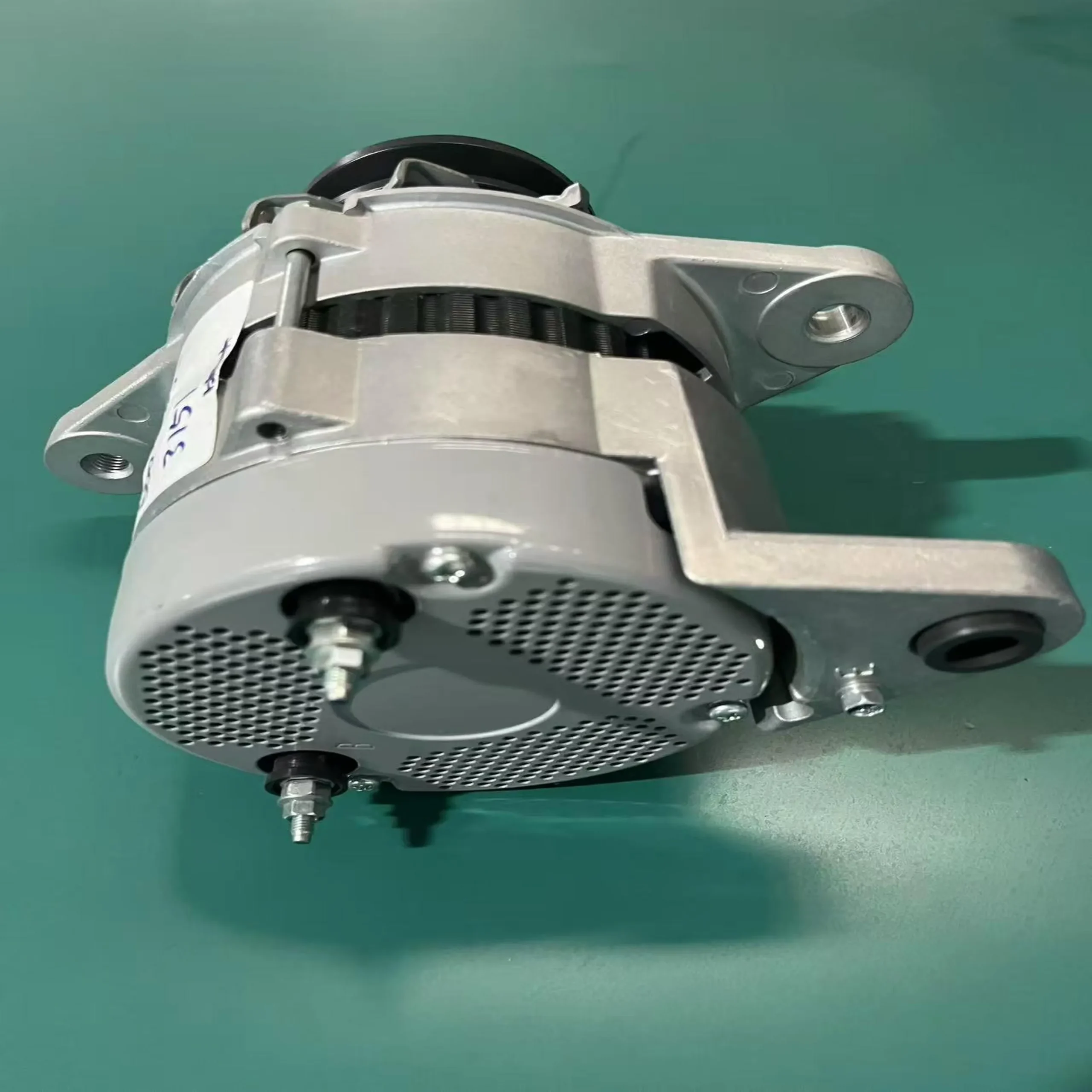 Komatsu D53a D53p Alternator Is Compatible600-825-3250 600-825-3260
 -
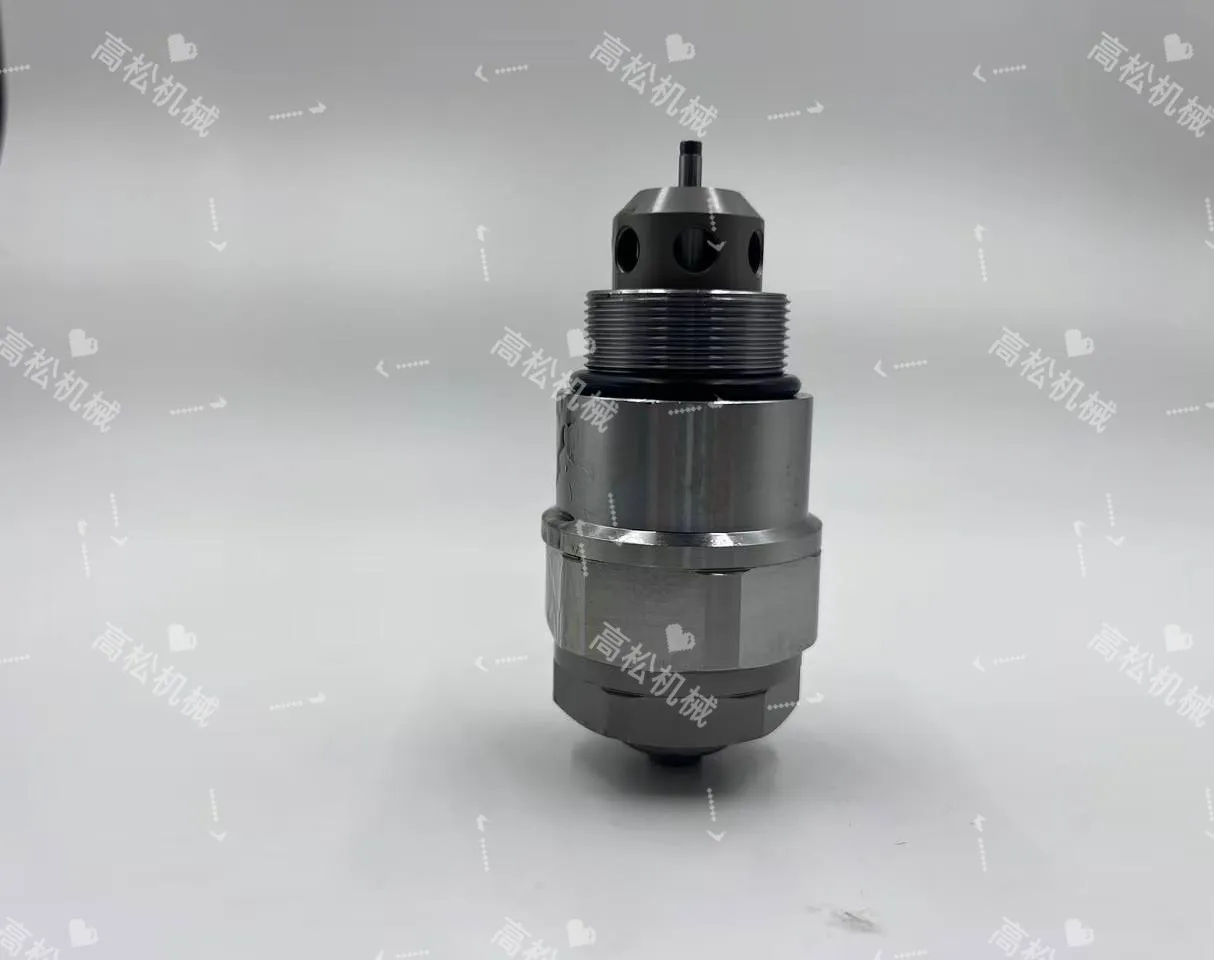 709-90-71700VALVE ASS’Y,SUCTION AND SAFETY D155A-2A CONTROL VALVE VALVE ASS’Y,SUCTION AND SAFETY PC1250SP-8R MAIN VALVE
 -
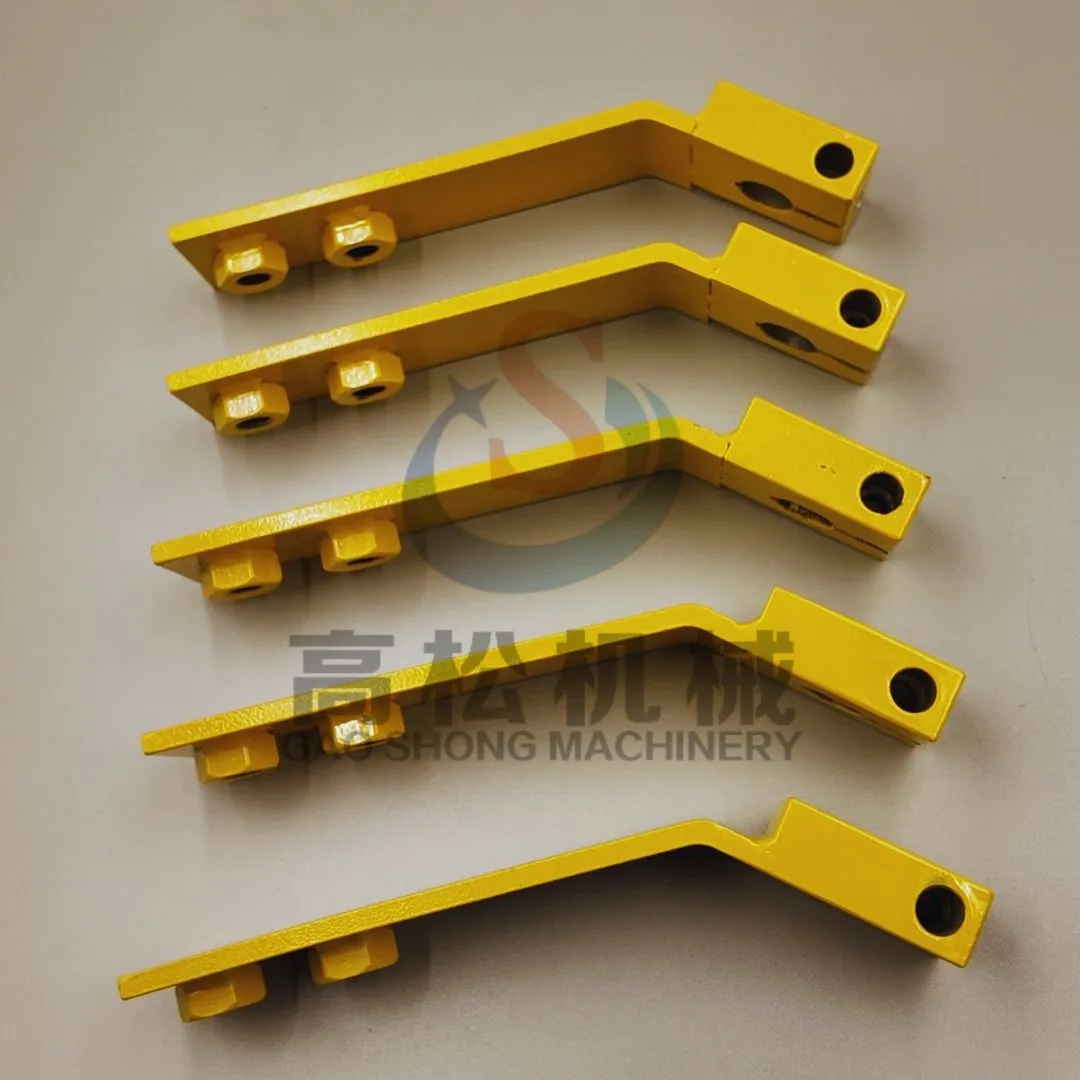 KOMATSU 566-86-6K430 BRACKET
 -
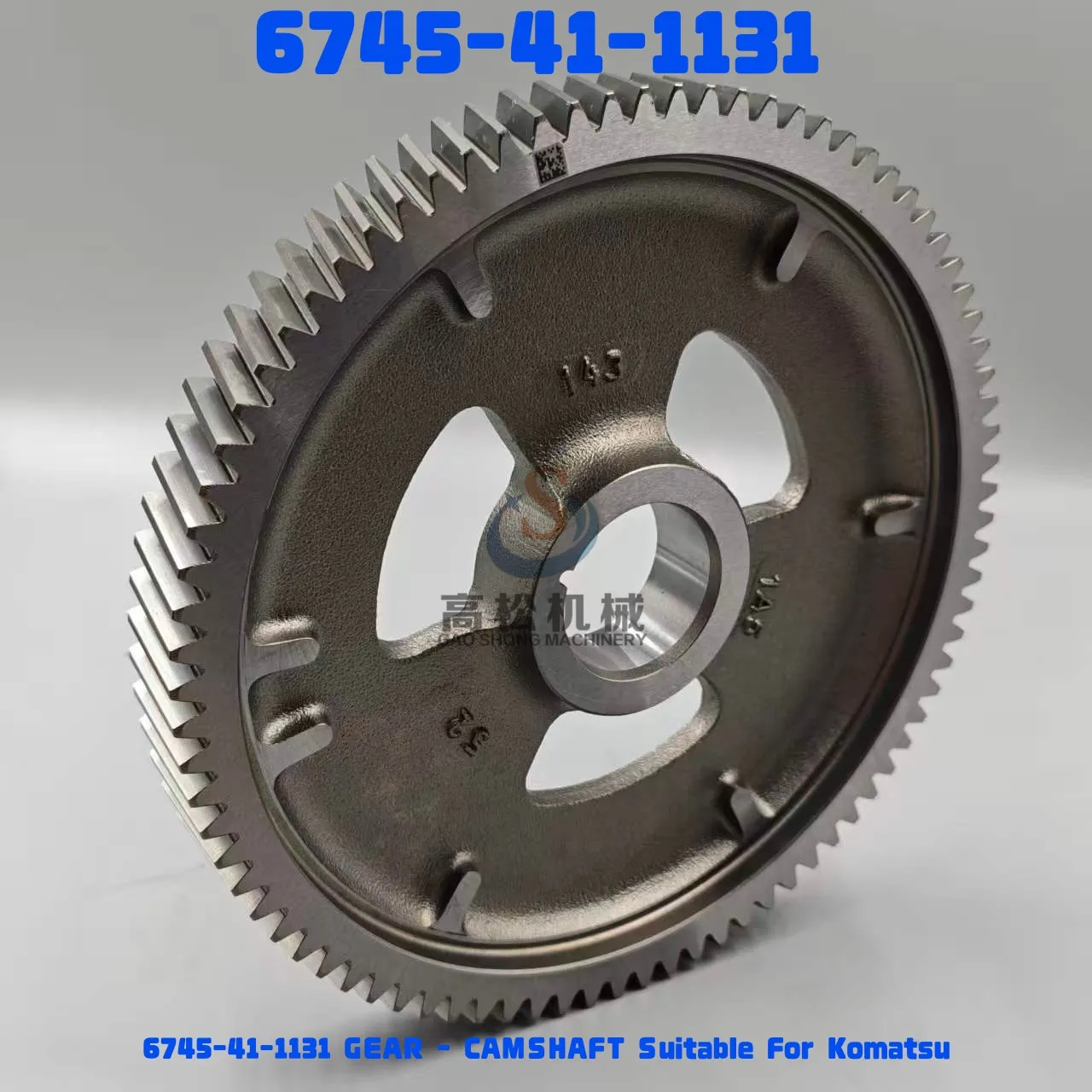 6745-41-1131 GEAR – CAMSHAFT Suitable For Komatsu 6745411131Compatible Models: SAA6D114E-3B-WT (BUILD 9K), SAA6D114E-3E (BUILD 9L), SAA6D114E-6A & SAA6D114E-6B (BUILD 9J)
 -
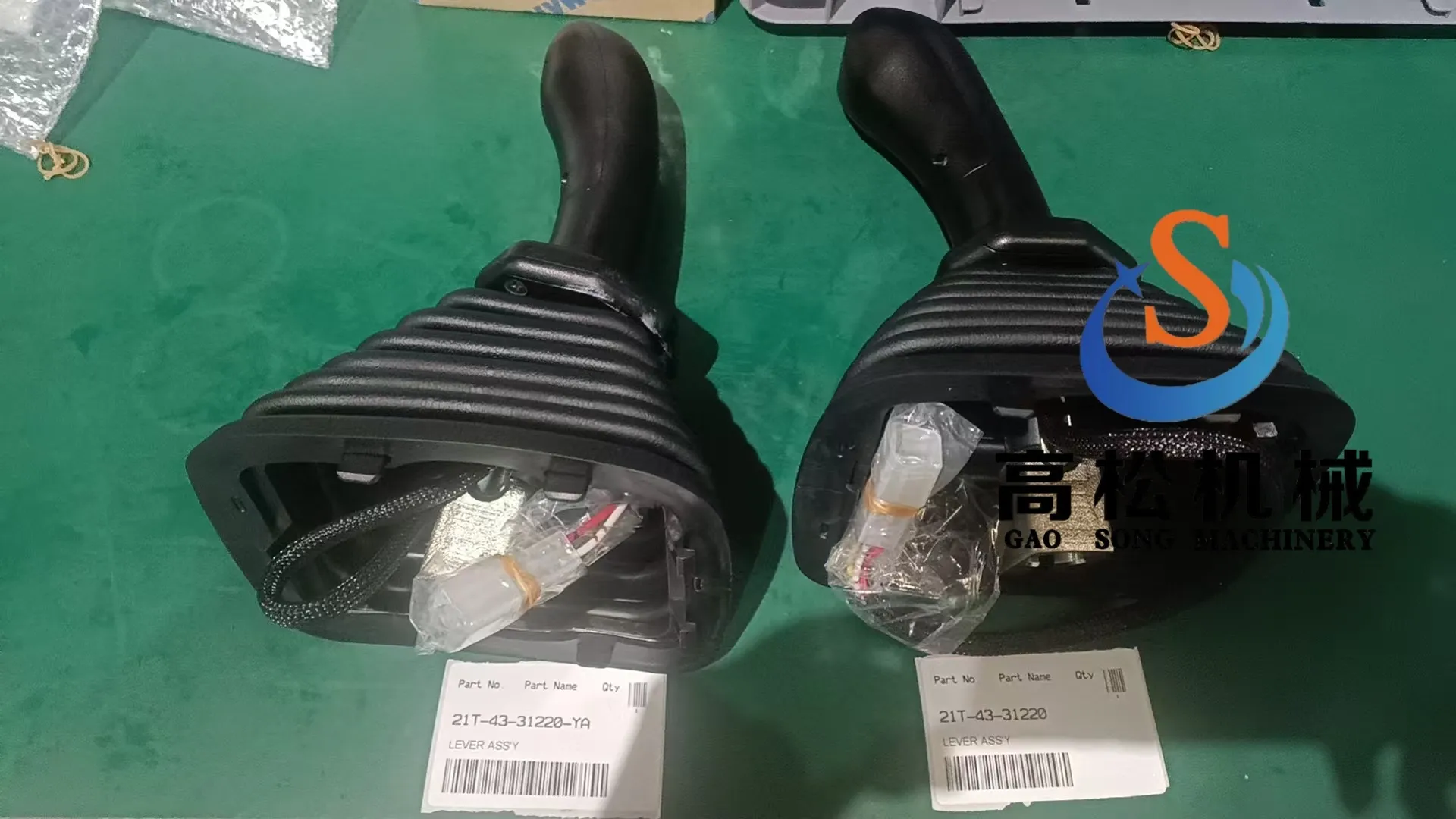 21T-43-31220 komatsu LEVER ASS’Y-PC2000-8
 -
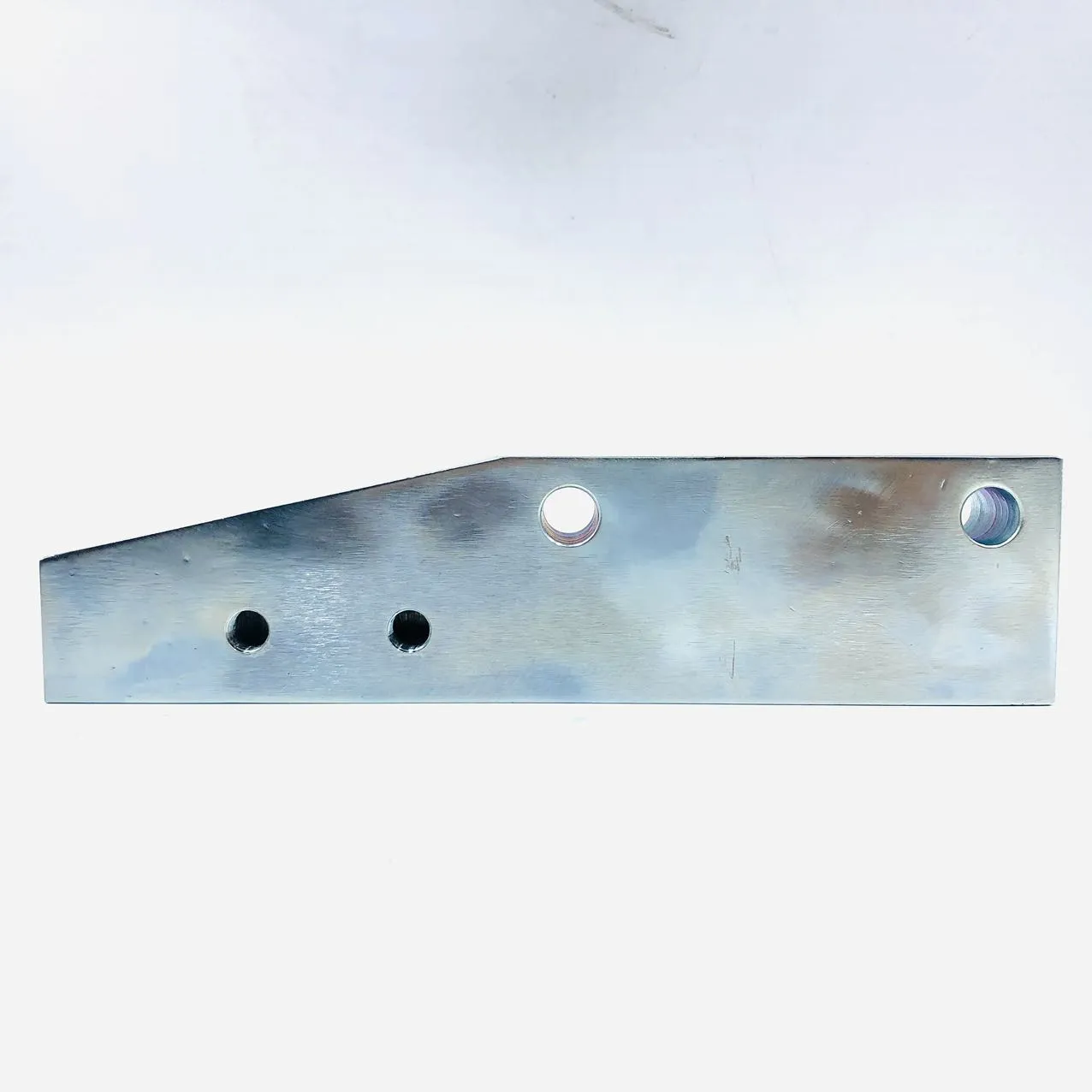 209-38-73281-BLOCK Komatsu Original Factory