
- Chinese
- French
- German
- Portuguese
- Spanish
- Russian
- Japanese
- Korean
- Arabic
- Irish
- Greek
- Turkish
- Italian
- Danish
- Romanian
- Indonesian
- Czech
- Afrikaans
- Swedish
- Polish
- Basque
- Catalan
- Esperanto
- Hindi
- Lao
- Albanian
- Amharic
- Armenian
- Azerbaijani
- Belarusian
- Bengali
- Bosnian
- Bulgarian
- Cebuano
- Chichewa
- Corsican
- Croatian
- Dutch
- Estonian
- Filipino
- Finnish
- Frisian
- Galician
- Georgian
- Gujarati
- Haitian
- Hausa
- Hawaiian
- Hebrew
- Hmong
- Hungarian
- Icelandic
- Igbo
- Javanese
- Kannada
- Kazakh
- Khmer
- Kurdish
- Kyrgyz
- Latin
- Latvian
- Lithuanian
- Luxembou..
- Macedonian
- Malagasy
- Malay
- Malayalam
- Maltese
- Maori
- Marathi
- Mongolian
- Burmese
- Nepali
- Norwegian
- Pashto
- Persian
- Punjabi
- Serbian
- Sesotho
- Sinhala
- Slovak
- Slovenian
- Somali
- Samoan
- Scots Gaelic
- Shona
- Sindhi
- Sundanese
- Swahili
- Tajik
- Tamil
- Telugu
- Thai
- Ukrainian
- Urdu
- Uzbek
- Vietnamese
- Welsh
- Xhosa
- Yiddish
- Yoruba
- Zulu
- Kinyarwanda
- Tatar
- Oriya
- Turkmen
- Uyghur





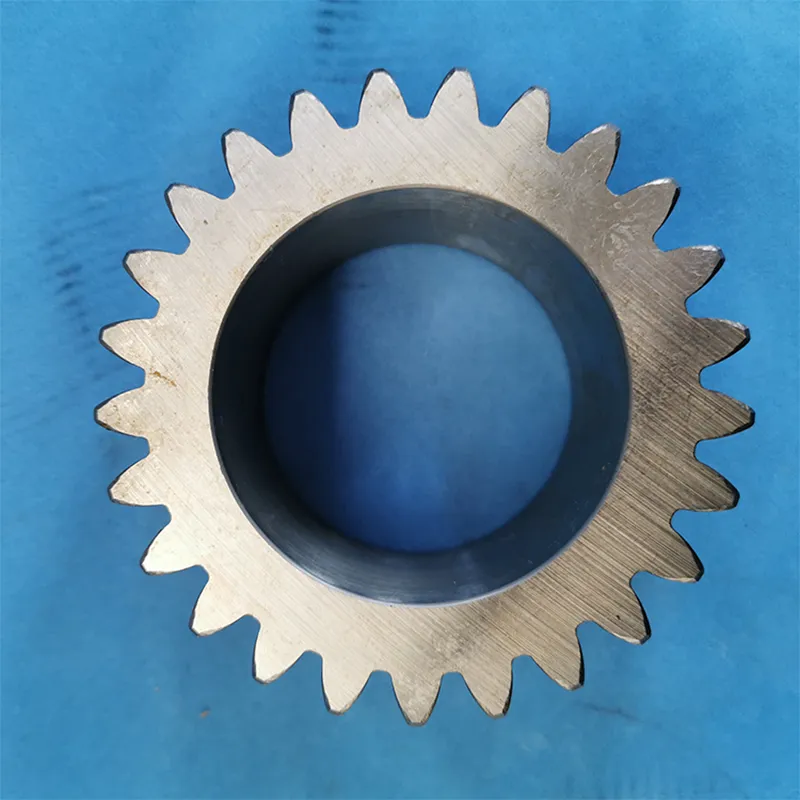
OEM AND ORIGINAL KOMATSU GEAR 208-27-71151
You see that part number, , pop up in a search, and immediately you're faced with the choice: OEM or 'original'? Here's the thing – in our line of work, that distinction is everything, and it's where most of the confusion and costly mistakes happen. Many buyers think 'OEM' just means a cheaper, generic copy. But if you're dealing with a legitimate supplier within the Komatsu system, it's not that simple. The gear itself, a critical transmission component for certain mid-range models, has a specific heat treat profile and a tooth geometry that's deceptively simple. I've seen guys try to save a few bucks on a non-spec part, only to face a cascade failure six months later that wiped out the entire savings ten times over. The real question isn't just about the stamp on the box; it's about the pedigree of the steel, the certification trail, and whether the supplier has any actual standing with the factory.
The Supplier Landscape and System Access
This is where context matters. Not every company claiming to supply OEM Komatsu parts has direct access. Some are just resellers of surplus or, worse, clever replicas. I recall a situation a few years back where a contractor in South America was stuck because the official channel for this specific gear was backlogged for months. They needed a solution that wasn't just a 'maybe'. That's when working with a recognized entity makes a difference. A company like Jining Gaosong Construction Machinery Co., Ltd. positions itself uniquely – they state they are an OEM product supplier within the Komatsu system and also act as a third-party sales channel. You can find their portal at https://www.takematsumachinery.com. Their stated mission, to solve parts supply challenges in certain countries, isn't just marketing fluff; it addresses a real, chronic pain point in regions with complex import logistics or limited official distributor networks.
What does that mean in practice? It suggests they might have access to production runs or allocated inventory that the global parts system sometimes can't efficiently redistribute. They're not just a warehouse; they're a plug into the manufacturing pipeline. For a part like the , which isn't a super-common wear item like a filter but a dedicated gear for specific assemblies, this kind of access is critical. It's the difference between getting a part that was made on the same line as the one in your machine and getting one that was made to 'look like' it.
I've dealt with their type of operation before. The verification process is key. You have to ask for more than just a commercial invoice. You ask for the material certs, the batch traceability. A genuine OEM supplier, even a third-party sales company within the system, will have that paperwork or can get it. If they hesitate, that's your red flag. For them, helping to solve supply challenges means providing the full technical reassurance, not just moving a box.
Decoding the Original Claim
Now, let's talk about the word 'original'. In the aftermarket, it's become dangerously blurred. A part can be 'original' in the sense that it's a brand-new, physical object, but not 'Original' in the Komatsu capital-O sense. The gear is a perfect example. The aftermarket versions often get the basic dimensions right, but the subsurface hardness or the precision of the gear hobbing can be off by a few microns. Doesn't sound like much, but under load, that mismatch creates harmonic vibrations and accelerated wear.
I learned this the hard way early on. We installed a beautifully packaged, 'original-quality' gear into a PC300-6 transmission. It fit, it ran. But within 400 hours, we started getting a high-frequency whine under certain torque conditions. Tore it down again, and the wear pattern on the flank was all wrong. The replacement was sourced through a system-authorized channel, and the problem vanished. The cost of the second repair? Far more than just buying the right part the first time. The lesson was that for core drivetrain components, 'original' without the factory-backed provenance is a gamble.
This is why the model of a company that is both an OEM supplier and a third-party sales company is interesting. They theoretically cut out the ambiguity. The part they supply as OEM should be, for all intents and purposes, the same as the one you'd get from a Komatsu dealer. Their value-add is availability and logistics, not a different product tier. They're selling the genuine article, just through a different route to market to address geographic or bureaucratic bottlenecks.
Practical Verification and Field Checks
So, you're considering a source like Takematsumachinery.com for your . What do you do? Don't just order. Engage. Ask specific, technical questions. Can you provide the CMM report for the tooth profile on this batch? or What is the core hardness specification for this gear according to the Komatsu engineering drawing? Their response time and the substance of their answer will tell you more than any website copy.
When the part arrives, the inspection is non-negotiable. Look beyond the shiny surface. Check for the factory machining marks – Komatsu has certain patterns for their gear grinding. The part number should be laser-etched, not stamped or tagged loosely. The packaging, while not definitive, often has tell-tale signs. Authentic OEM parts usually come in a specific, high-quality box with factory part number labels that include manufacturing date codes and source plant information.
I always do a simple, non-destructive check with a trusted hardness tester (a portable one will do) on a non-critical surface. Compare the reading to the known spec range for that component. It's a quick, dirty, but surprisingly effective field test. If it's way off, you've caught a problem before installation. A legitimate supplier won't balk at you performing these checks; they expect it from professional buyers.
When Good Enough Isn't Good Enough
There's a persistent argument for using non-OEM parts in non-critical applications or in machines near the end of their life. For a bucket tooth, maybe. For a transmission gear like the ? Almost never. The failure mode is too catastrophic and too expensive. It's not just the cost of the gear itself; it's the labor to split the machine, the potential damage to mating gears and bearings, and the massive downtime.
This is the niche that a supplier operating as both OEM and third-party sales fills. They aren't typically competing on the ultra-low-cost, 'good enough' end of the market. They're competing on reliability and authenticity, offering a solution when the primary dealer network is unable to deliver in a required timeframe. Their customer is the one who can't afford a six-week wait but also can't afford a parts-induced breakdown.
In the end, the keyword OEM AND ORIGINAL KOMATSU GEAR represents a decision point. 'Original' alone is a minefield. 'OEM' from a true system supplier is a specification. It's a promise that the metallurgy, the tolerances, and the performance are identical to what left the Komatsu factory. For operations where machine uptime is directly tied to profitability, that distinction isn't academic – it's financial. Sourcing from a dedicated entity like Jining Gaosong, which bridges the factory and the field, is often less about finding a cheaper part and more about finding the right part, at the right time, with the right proof.
Related Products
Related Products
Best Selling Products
Best Selling Products-
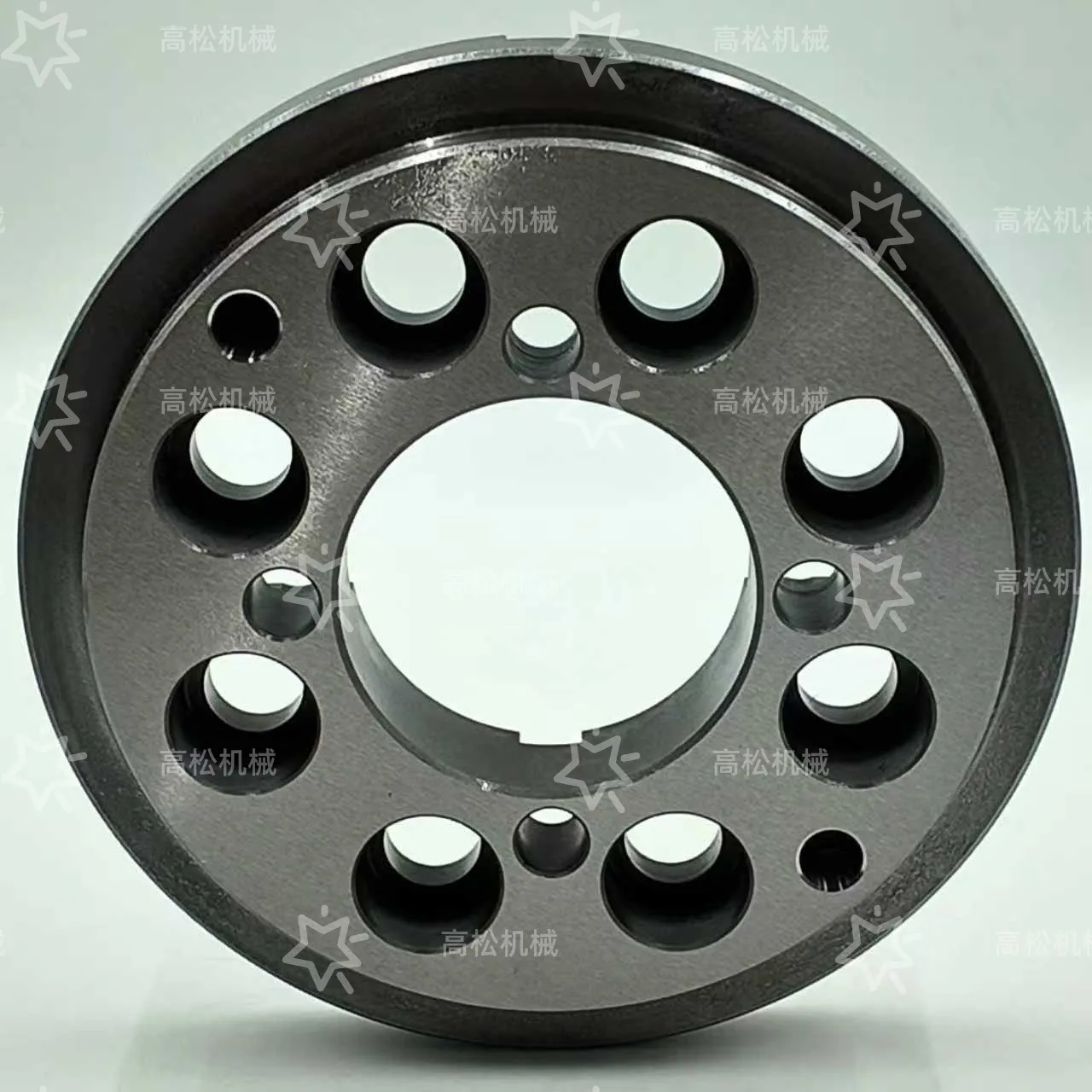 Komatsu Genuine Parts 56B-27-12361 Retainer NOP
 -
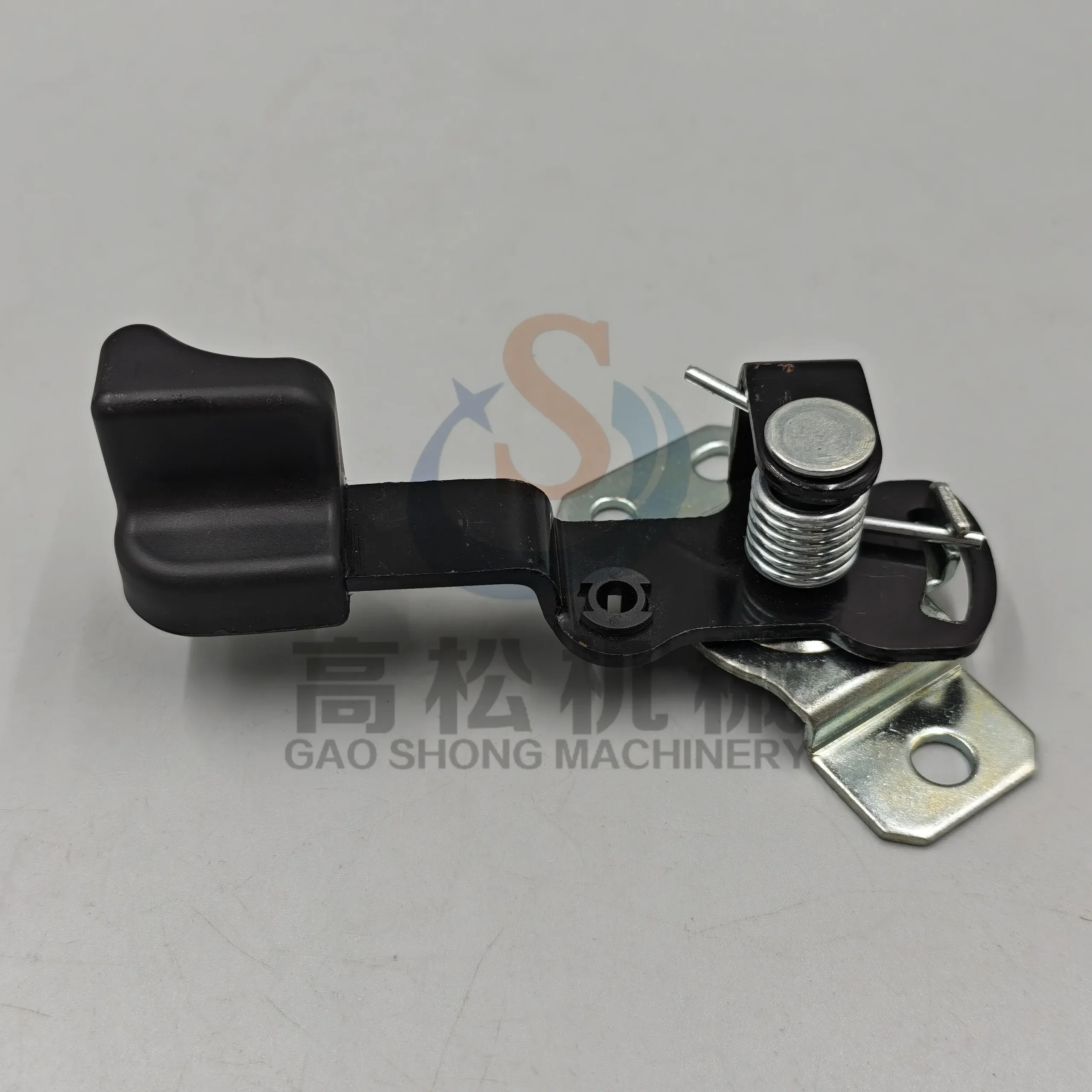 20Y-54-52300 Komatsu Handle Assembly
 -
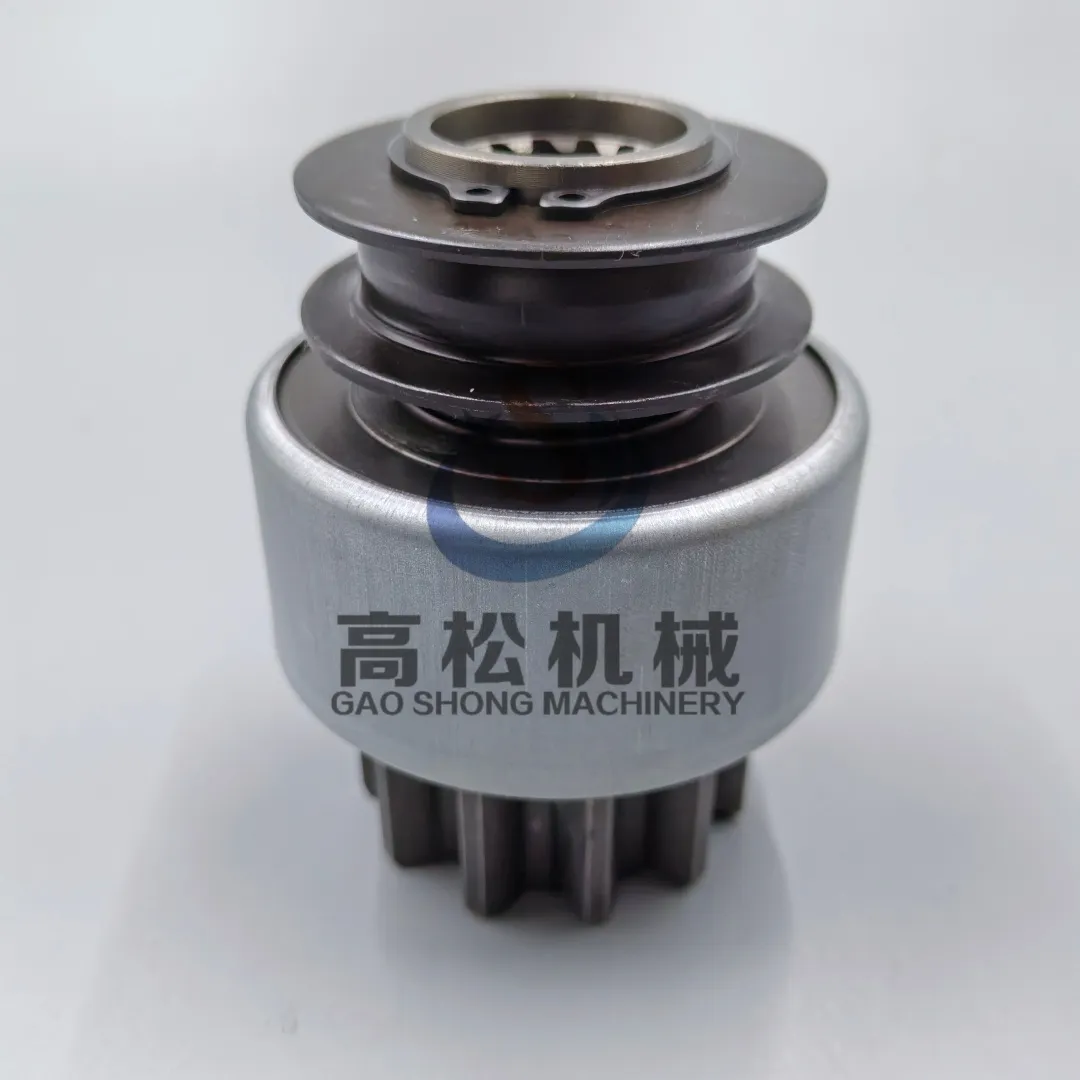 KD0-23500-1024 Komatsu CLUTCH ASS’Y
 -
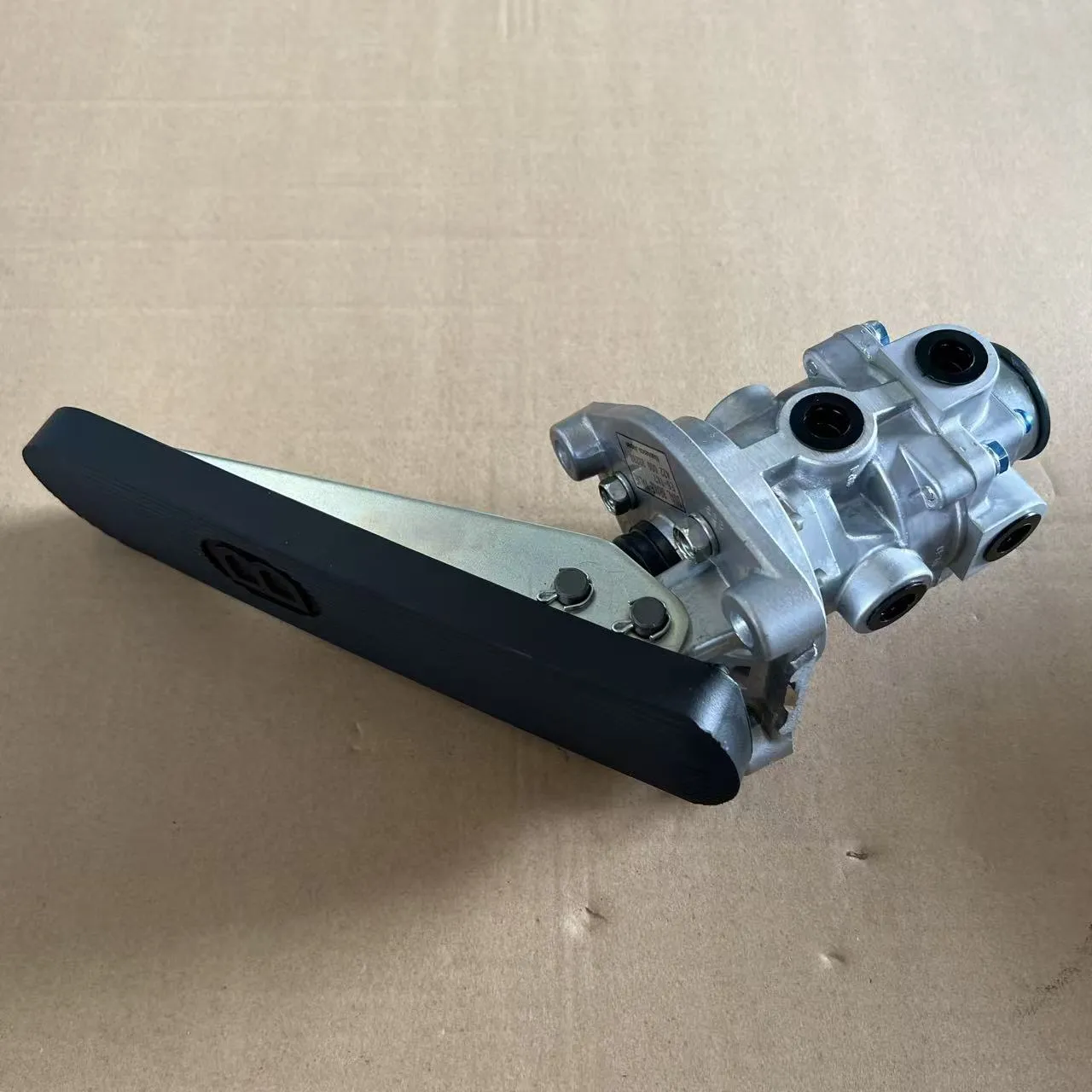 566-35-44110 Komatsu VALVE ASSEMBLY
 -
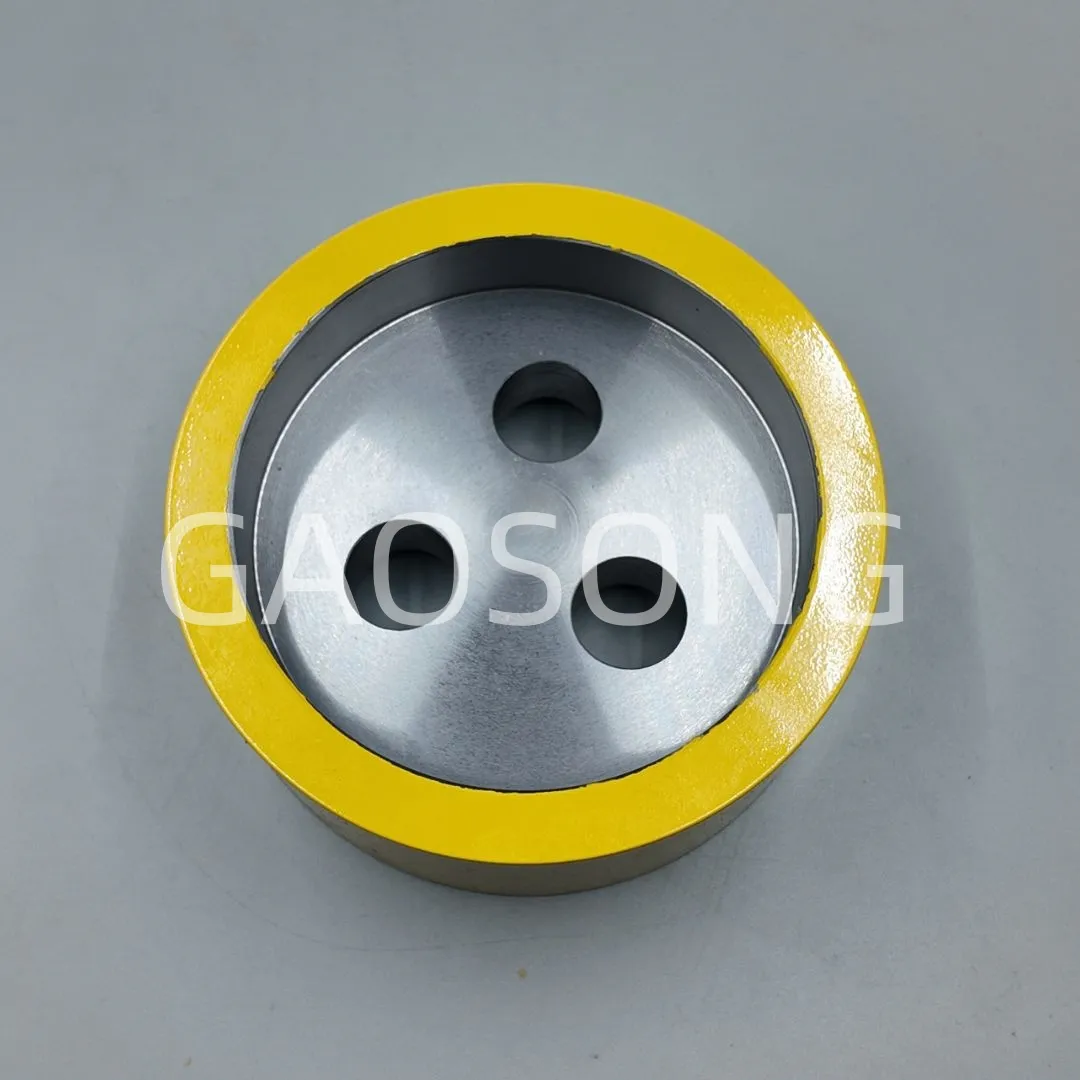 2A8-70-13570 Komatsu Cover
 -
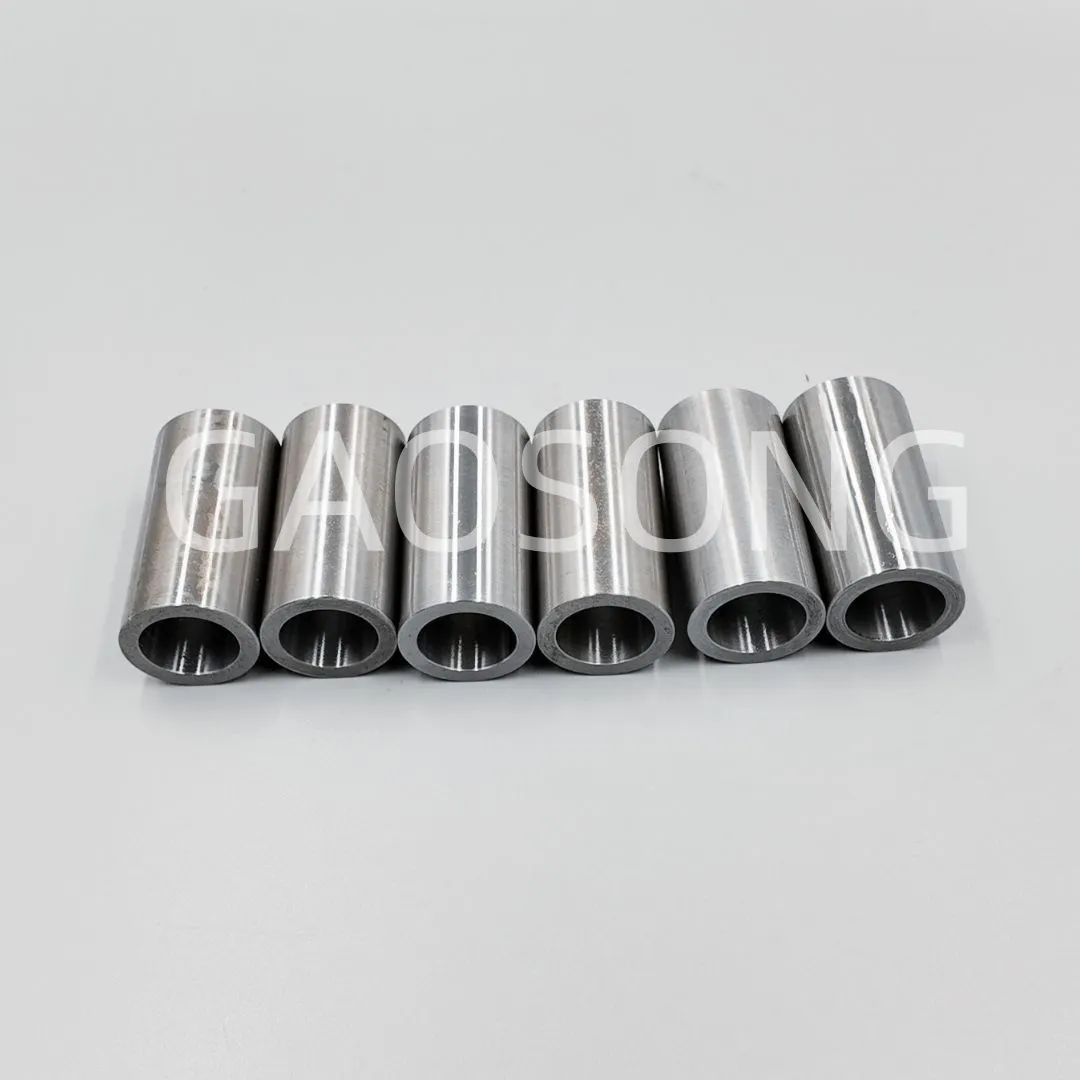 566-54-21910 BUSHING–Komatsu Original Factory
 -
 Komatsu original D155A-3 Valve Assembly 17A-49-21100
 -
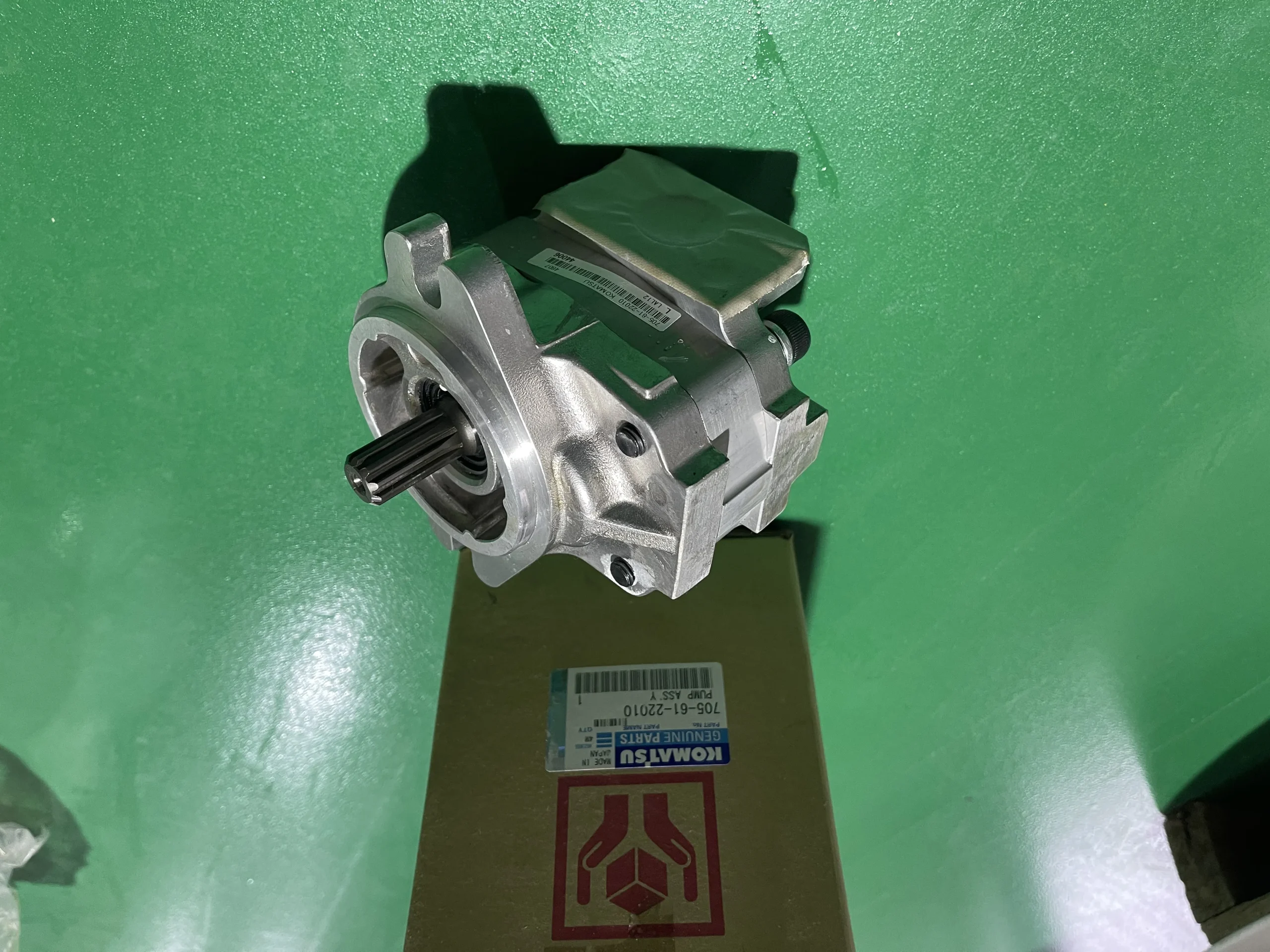 PUMP ASS’Y 705-61-22010 – KOMATSU
 -
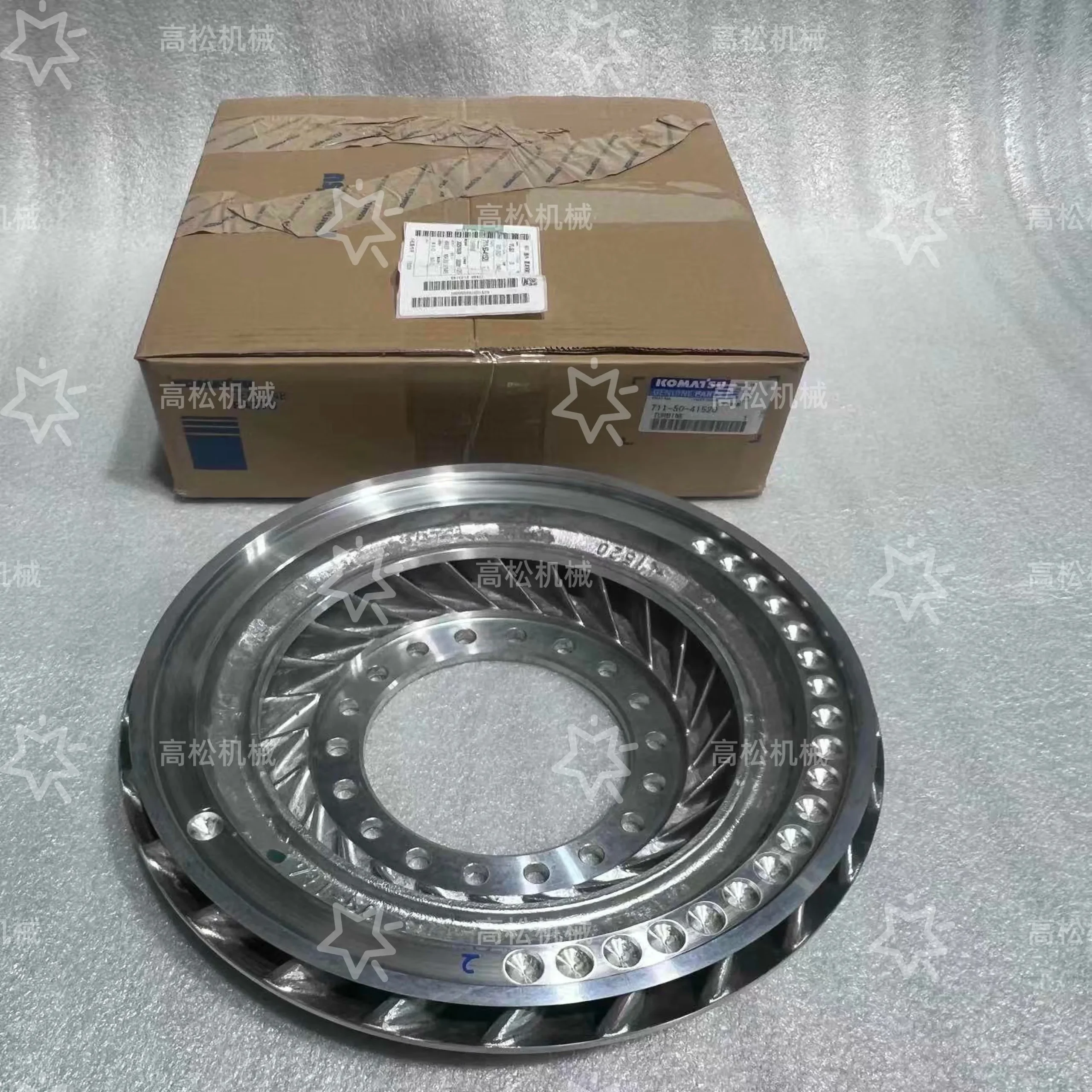 711-50-41520 TURBINE fits KOMATSU
 -
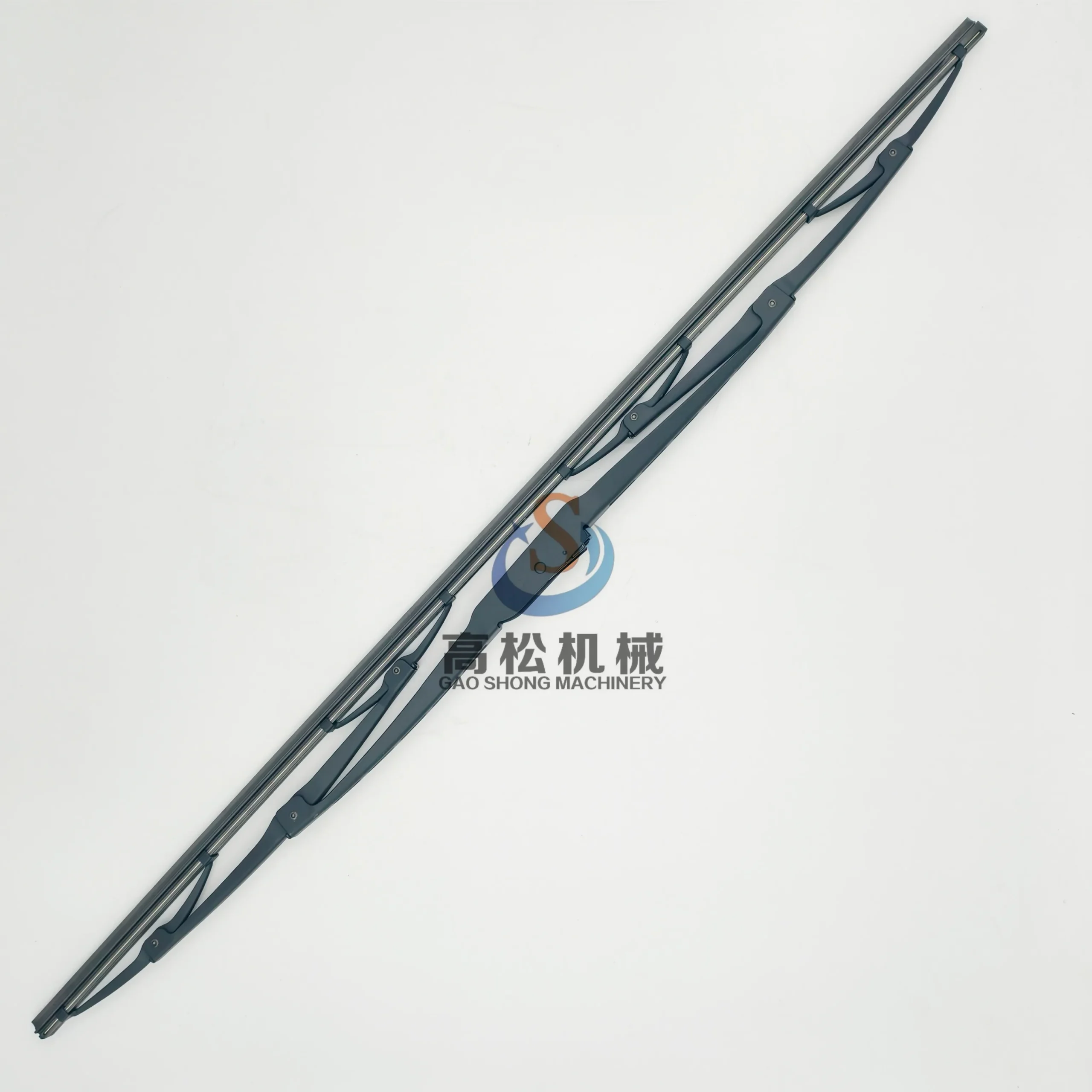 BLADE,FRONT 56B-54-13240 HM250-2 HM300-2 HM350-2 HM400-2 (ecot3) OPERATOR’S CAB (WIPER)
 -
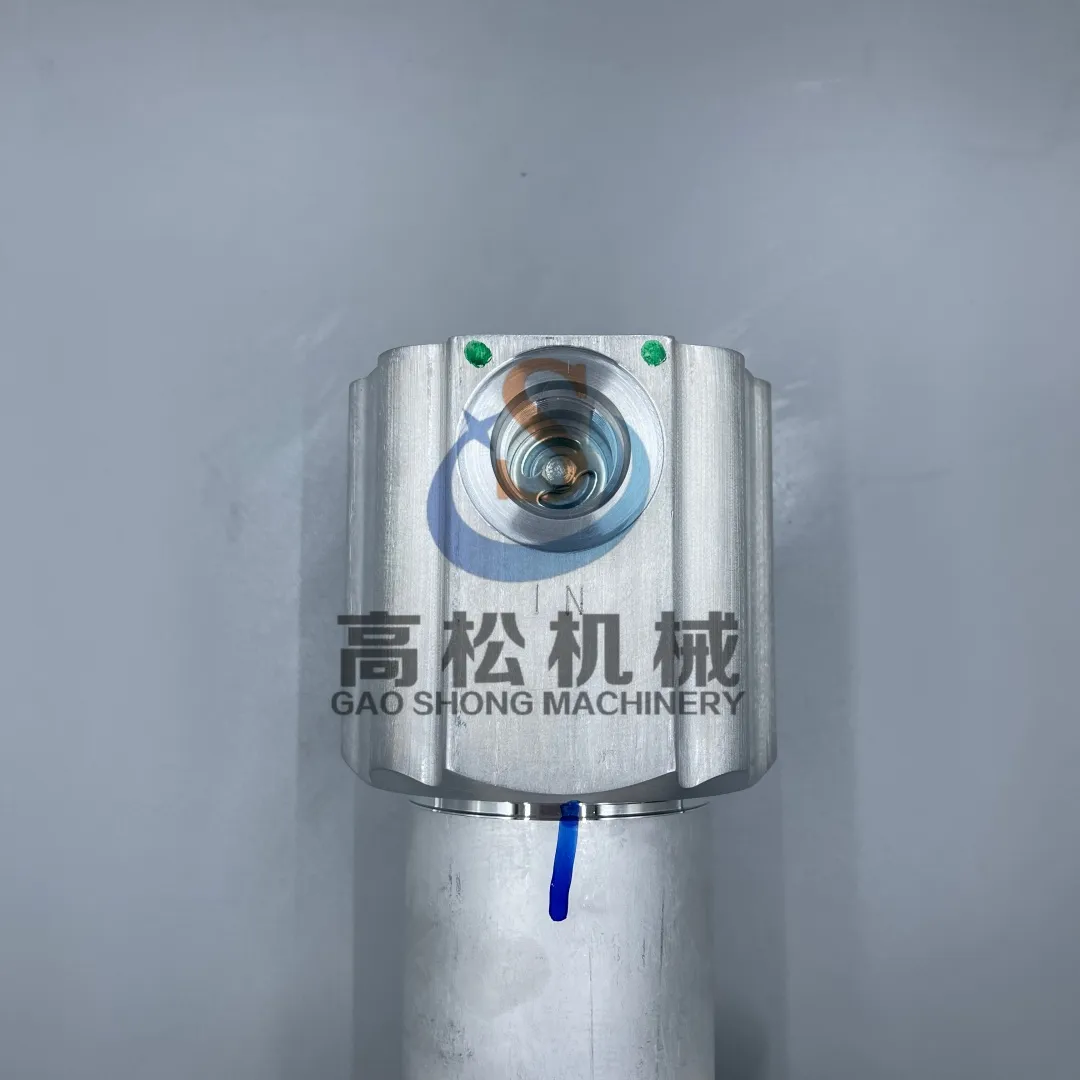 569-43-83911 Komatsu Filter Assembly
 -
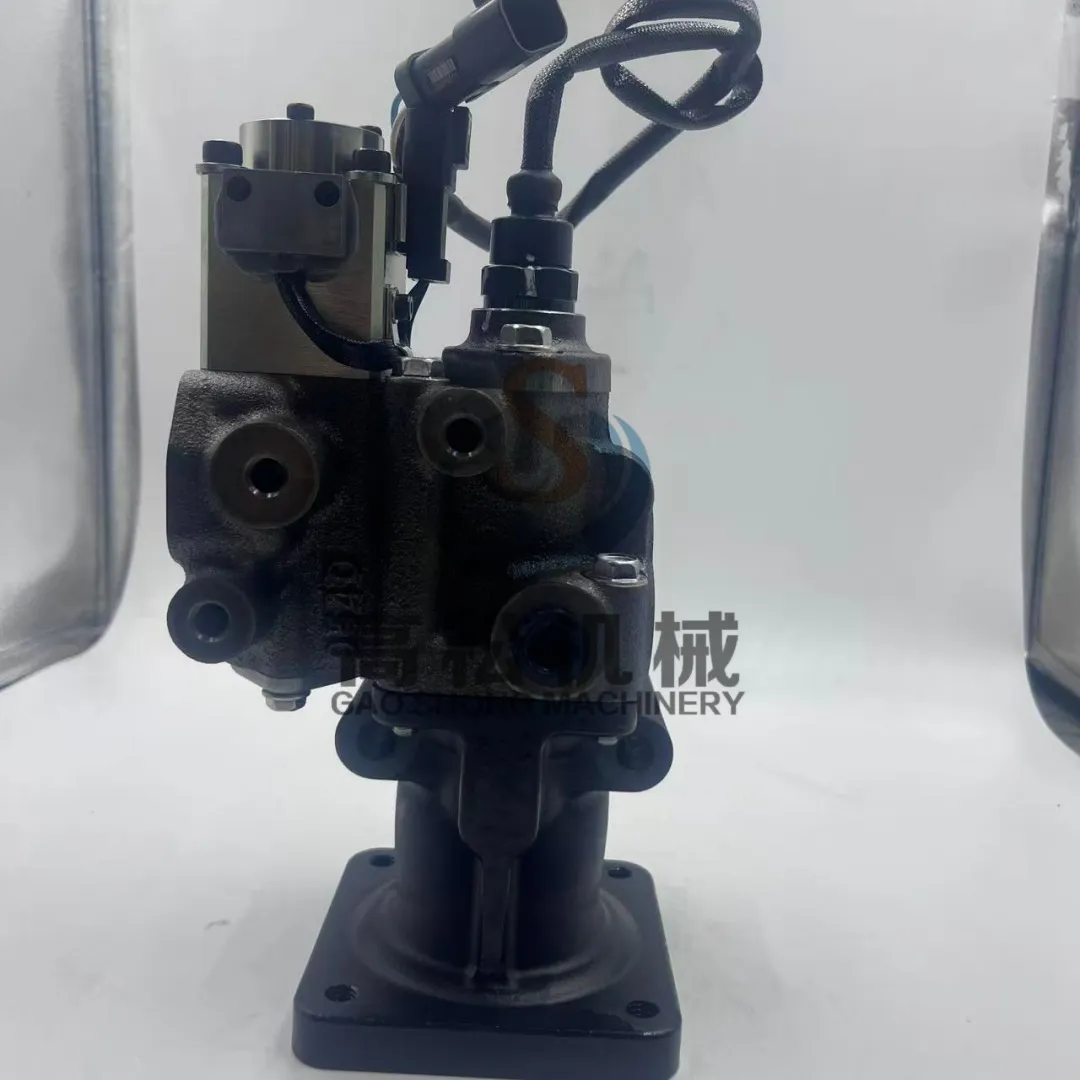 6261-41-9500 Komatsu Valve Assembly, Bypass
Related Search
Related Search- komatsu forklift engine
- komatsu 4d95s engine
- OEM AND ORIGINAL KOMATSU BEARING 06000-32056
- OEM AND ORIGINAL KOMATSU RING 561-34-71661
- OEM AND ORIGINAL KOMATSU GEAR 426-22-32531
- OEM AND ORIGINAL KOMATSU PIN 427-70-11942
- OEM AND ORIGINAL KOMATSU STARTER 600-813-9911
- 206-60-11430
- komatsu 4d95l engine for sale
- OEM AND ORIGINAL KOMATSU CLUTCH 2A7-01-21543