
- Chinese
- French
- German
- Portuguese
- Spanish
- Russian
- Japanese
- Korean
- Arabic
- Irish
- Greek
- Turkish
- Italian
- Danish
- Romanian
- Indonesian
- Czech
- Afrikaans
- Swedish
- Polish
- Basque
- Catalan
- Esperanto
- Hindi
- Lao
- Albanian
- Amharic
- Armenian
- Azerbaijani
- Belarusian
- Bengali
- Bosnian
- Bulgarian
- Cebuano
- Chichewa
- Corsican
- Croatian
- Dutch
- Estonian
- Filipino
- Finnish
- Frisian
- Galician
- Georgian
- Gujarati
- Haitian
- Hausa
- Hawaiian
- Hebrew
- Hmong
- Hungarian
- Icelandic
- Igbo
- Javanese
- Kannada
- Kazakh
- Khmer
- Kurdish
- Kyrgyz
- Latin
- Latvian
- Lithuanian
- Luxembou..
- Macedonian
- Malagasy
- Malay
- Malayalam
- Maltese
- Maori
- Marathi
- Mongolian
- Burmese
- Nepali
- Norwegian
- Pashto
- Persian
- Punjabi
- Serbian
- Sesotho
- Sinhala
- Slovak
- Slovenian
- Somali
- Samoan
- Scots Gaelic
- Shona
- Sindhi
- Sundanese
- Swahili
- Tajik
- Tamil
- Telugu
- Thai
- Ukrainian
- Urdu
- Uzbek
- Vietnamese
- Welsh
- Xhosa
- Yiddish
- Yoruba
- Zulu
- Kinyarwanda
- Tatar
- Oriya
- Turkmen
- Uyghur






OEM AND ORIGINAL KOMATSU GEAR 208-27-61150
You see that part number, , and immediately think it's straightforward—either you get a genuine Komatsu box or a knockoff. But that's where most people, even some seasoned buyers, trip up. The term 'OEM' gets thrown around so loosely it's lost meaning. Is it a part made by the same factory that supplies Komatsu? Is it a licensed reproduction? Or is it just a marketing term for a decent aftermarket copy? With a critical component like a gear, specifically this one for certain Komatsu excavator models, the distinction isn't academic; it's the difference between a machine running for another 10,000 hours or a catastrophic failure in six months. I've spent years untangling this web, and the reality is rarely black and white.
The Illusion of the Original Box
Let's start with the original promise. A true original gear comes in Komatsu packaging, with Komatsu part number stamps, and a price that makes your finance guy wince. The metallurgy, the heat treatment, the grinding tolerances—it's all to a spec that's borderline obsessive. But here's the catch: Komatsu doesn't forge every single gear in-house. They rely on a network of dedicated suppliers, who are, for all intents and purposes, the OEMs. These suppliers operate under strict licensing and quality protocols. So when a company like Jining Gaosong Construction Machinery Co., Ltd. says they are an OEM product supplier within the Komatsu system, it's a specific claim. It suggests they have access to this authorized supply chain, not just the open market. Their site, https://www.takematsumachinery.com, frames their role clearly: helping solve parts supply challenges. That's code for navigating the gap between official distribution (which can be slow or non-existent in some regions) and the urgent need on the ground.
I've seen original parts from unauthorized channels that looked perfect. The packaging was replicated down to the hologram. But the gear's tooth profile was off by a few microns—enough to cause uneven wear and a whining noise that drove operators crazy before it led to bigger issues. The failure wasn't immediate, which is what makes these parts dangerous. They create a false sense of security. The only way we caught it was by comparing the wear pattern side-by-side with a gear we knew was sourced directly from a Komatsu distributor. The difference was subtle but definitive.
This is where the practical knowledge kicks in. You learn to look beyond the box. For gear , check the machining marks on the bore and the finish on the tooth flanks. The genuine/OEM-spec part has a very particular grind pattern, almost a cross-hatch, that's consistent. Cheaper copies often have circular machining marks or a smoother, polished finish in the wrong places, indicating a different (and cheaper) manufacturing process. It's not foolproof, but it's a start.
OEM as a Spectrum, Not a Binary
So if original is a minefield, what does OEM really mean here? In my experience, it's a spectrum. At the top, you have the parts from Komatsu's certified suppliers, produced on the same lines as the parts going into new machines. These might not come in a Komatsu box, but they are physically identical. A supplier like Gaosong, positioning itself within the Komatsu system, is likely dealing in this space. They aren't just a third-party seller; they're a conduit from that certified manufacturing base to markets where the official pipeline is clogged or overpriced.
Then there's the middle ground: parts made by former suppliers or factories with the technical drawings and capability, but without the current contract or quality oversight. These can be hit or miss. I once sourced a batch of gears from such a factory. The material certificate looked good, the dimensions checked out on the CMM. But they skipped a sub-zero tempering process. The gears performed fine under normal load but shattered under high-impact, cold-weather conditions. The failure was a stark reminder that the spec isn't just about shape and size; it's about the entire production recipe.
At the bottom are the outright copies. They get the basic shape right but mess up the material grade (using a cheaper alloy steel) or the hardening depth. These are the parts that fail predictably and often spectacularly. The problem is, they're sold with the same OEM label. This is the industry's dirty secret—the term has been diluted to the point of being almost useless without verification of the source's provenance.
Practical Sourcing and the Role of Specialized Suppliers
This brings me to the practical side: how do you actually get a reliable ? For years, the default was either the Komatsu dealer (expensive, slow) or rolling the dice on the local aftermarket bazaar. Companies that explicitly state they are an OEM product supplier within the Komatsu system, and also a third-party sales company for Komatsu, like the one mentioned earlier, are filling a crucial niche. They're not the first-party, but they're not the unverified third-party either. They exist in that intermediary layer that understands both the quality requirements and the logistical realities of getting parts to a site in, say, West Africa or Central Asia where the official dealer network is thin.
I recall a project in Mongolia where we had a PC300-8 down because of a failed . The local dealer quoted a 12-week lead time. We reached out to a couple of specialized suppliers, including Gaosong. Their process was telling. They didn't just say yes, we have it. They asked for the machine serial number range to confirm the exact sub-variant. They discussed the shipping options (air vs. expedited sea) with realistic timelines. And they provided traceability documentation—not just a generic cert, but one linked to a specific production batch from a foundry we recognized as a known Komatsu vendor. That's the level of detail that builds trust. We got the part in 10 days, and it's been running without issue for three years now.
The alternative was a guaranteed OEM part from another online vendor that was 40% cheaper and promised 5-day delivery. We ordered one as a test. It arrived quickly, but the oil channels on the gear hub were not fully machined. It was a casting flaw that should have been caught. That part never went into a machine; it sits on my desk as a paperweight and a reminder. Speed and price are meaningless if the part is junk.
Beyond the Part Number: The System Context
Focusing solely on the gear is a mistake. It's a component in a system. When you use a non-conforming part, you're not just risking that gear. You're risking the mating gear, the bearings, the shafts, and the entire final drive assembly. A slight deviation in hardness can turn a gear into a file that wears down its counterpart. I've seen a failed aftermarket gear take out a perfectly good planetary set, multiplying the repair cost tenfold. This systemic risk is why the cost argument for cheap parts is so flawed. The downtime and collateral damage from one failure wipe out any savings from ten cheap purchases.
This is where the expertise of a supplier matters. A good one won't just sell you the gear. They'll ask about the failure mode of the old one. Was it tooth breakage? Pitting? Scuffing? The answer can hint at whether the issue was a one-off part failure or a symptom of a larger problem (like contaminated oil or misalignment). Sometimes, the right move isn't just replacing , but also checking the alignment of the housing or flushing the system. A parts seller who understands this is providing a service, not just moving inventory.
For a company operating as a third-party sales channel for Komatsu, this systemic understanding is implied. Their business is built on reliability. If they consistently supply parts that cause downstream failures, their reputation—and their relationship with the factories they source from—would collapse. Their value proposition is solving supply challenges, not creating bigger maintenance challenges.
Conclusion: Verification Over Assumption
So, what's the takeaway on OEM and original Komatsu gear ? Assume nothing. The labels are marketing tools until proven otherwise. Your due diligence needs to shift from just comparing prices to verifying the supply chain. Can the supplier explain where the part comes from in a specific, credible way? Do they understand the technical nuances of the component? Will they provide material and hardness certifications that are traceable?
Suppliers who are transparent about their position in the ecosystem—like those who clarify they work within the Komatsu system to alleviate parts shortages—are often a safer bet than those who make vague, grandiose claims. The part number is just the entry point. The real work is in vetting the source. In this business, trust is built on details, not discounts. And sometimes, paying the premium for absolute certainty from the dealer is the correct business decision. Other times, a knowledgeable intermediary is the perfect solution. Knowing which scenario you're in is the mark of experience. For gear , and parts like it, that judgment call is the most important tool in your box.
Related Products
Related Products

Best Selling Products
Best Selling Products-
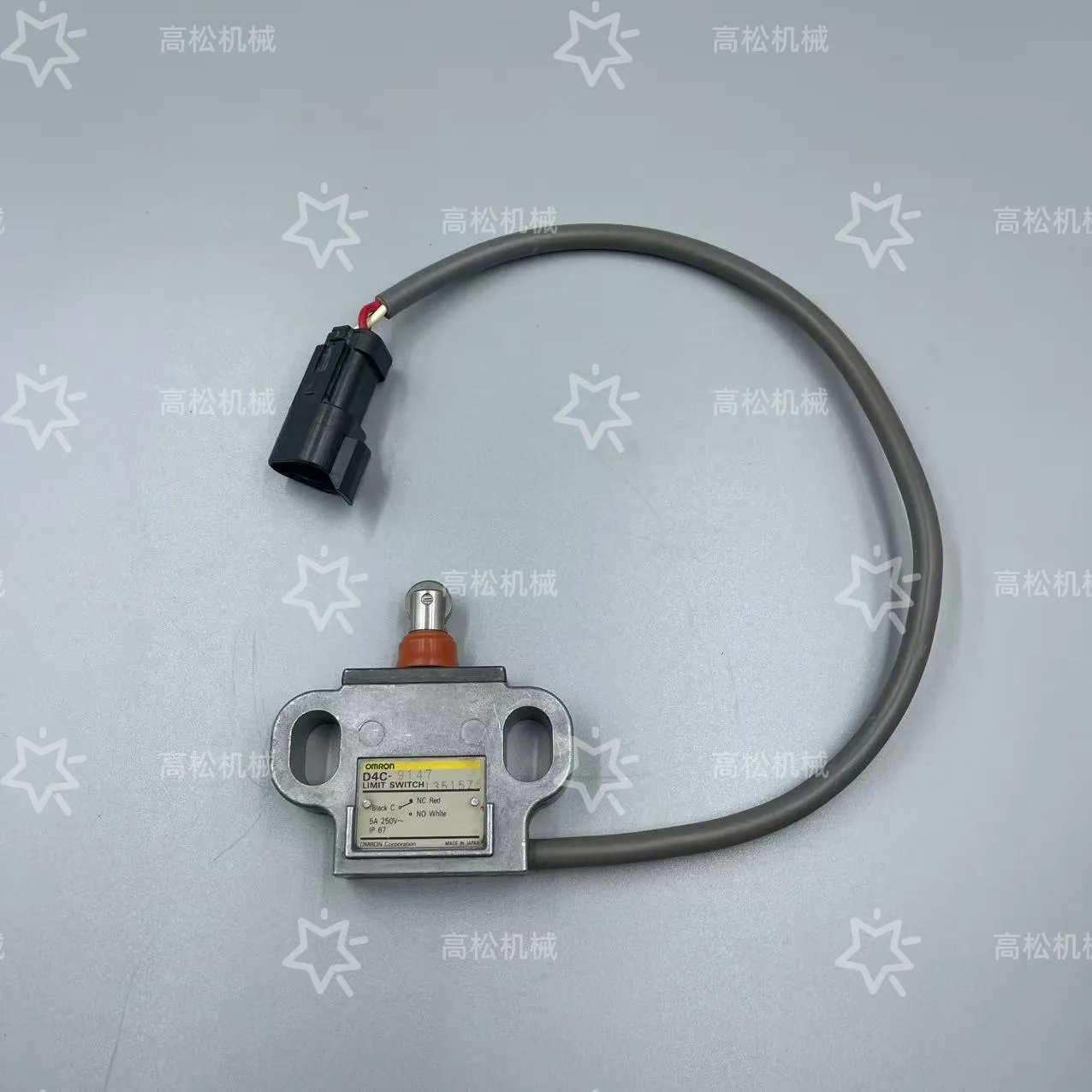 11Y-06-22150SWITCH 11Y-06-22150 for KOMATSU D65PX-16
 -
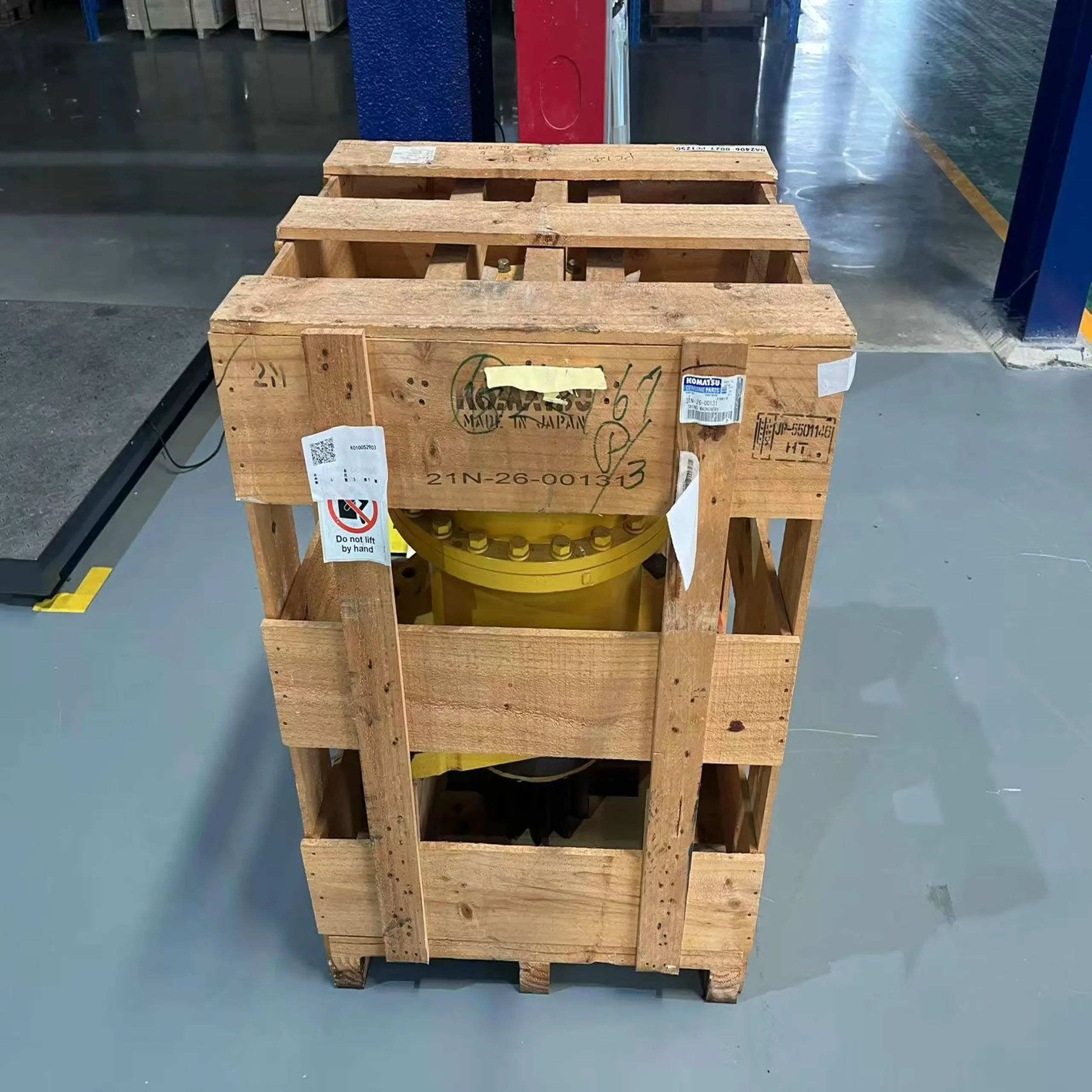 21N-26-00131 Rotary reducer, suitable for PC1250-11 #komatsu #komatsuparts #PC1250 #komatsurotaryreducer
 -
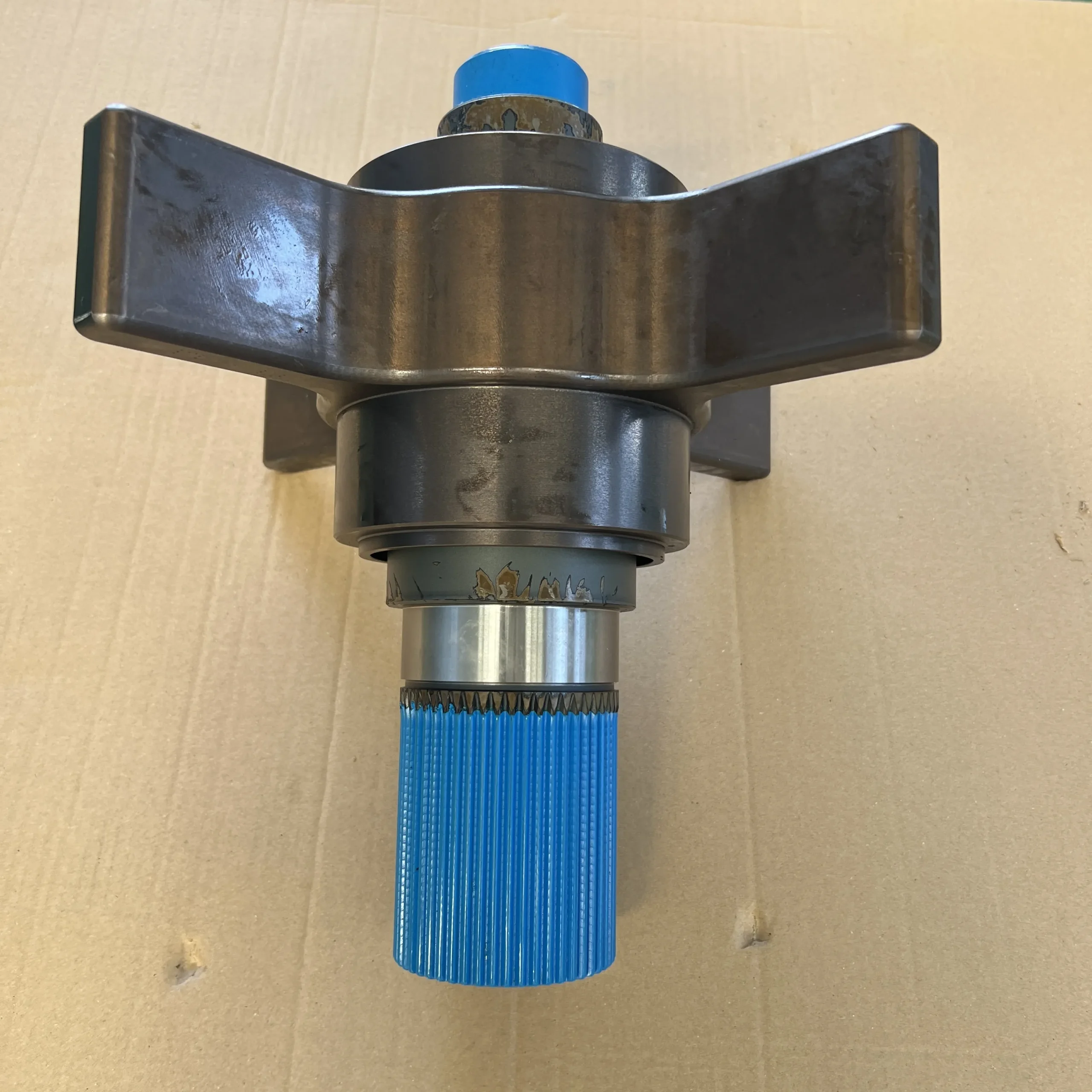 Shaft 569-01-72600 for Komatsu HD465-7
 -
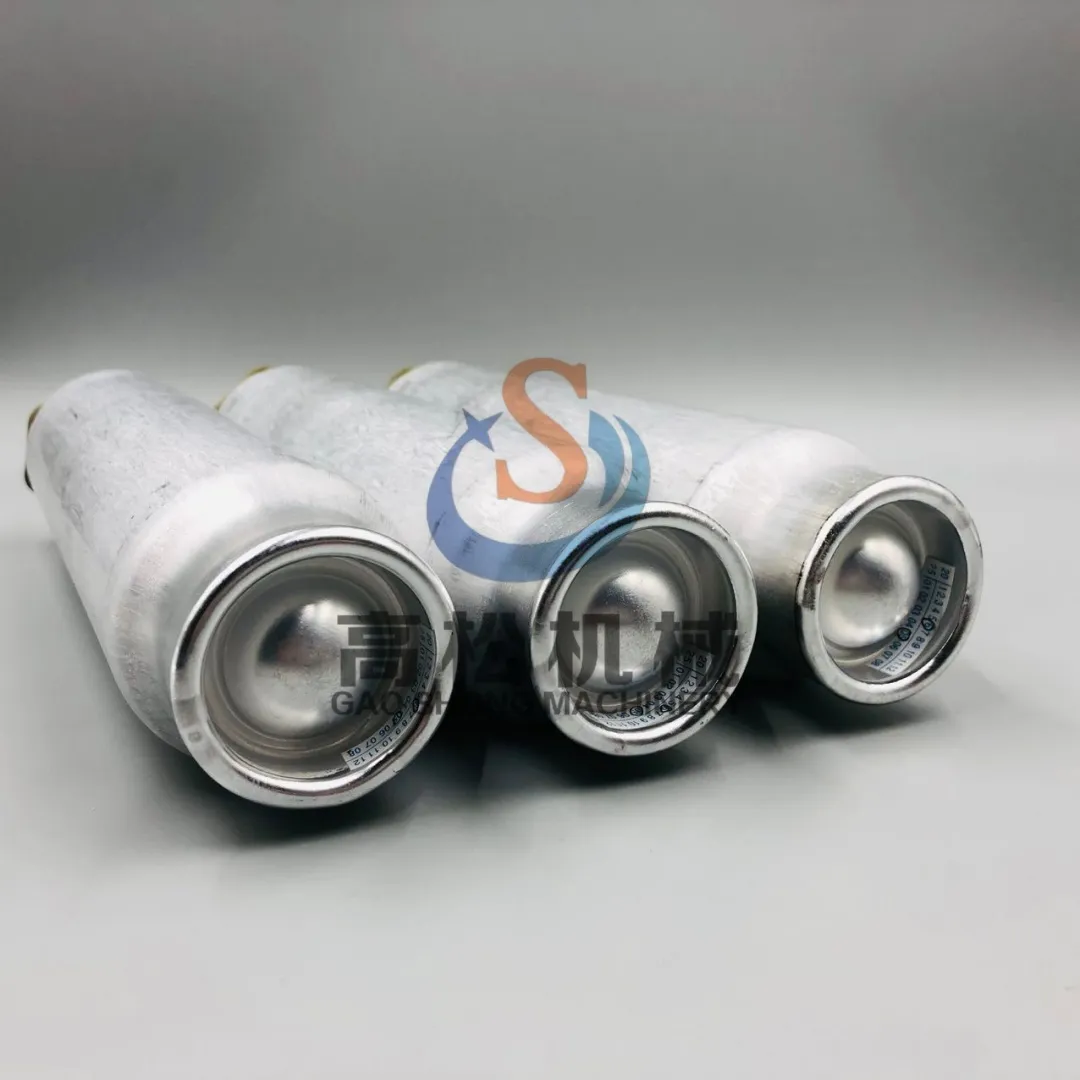 Receiver Drier 20Y-979-3120
 -
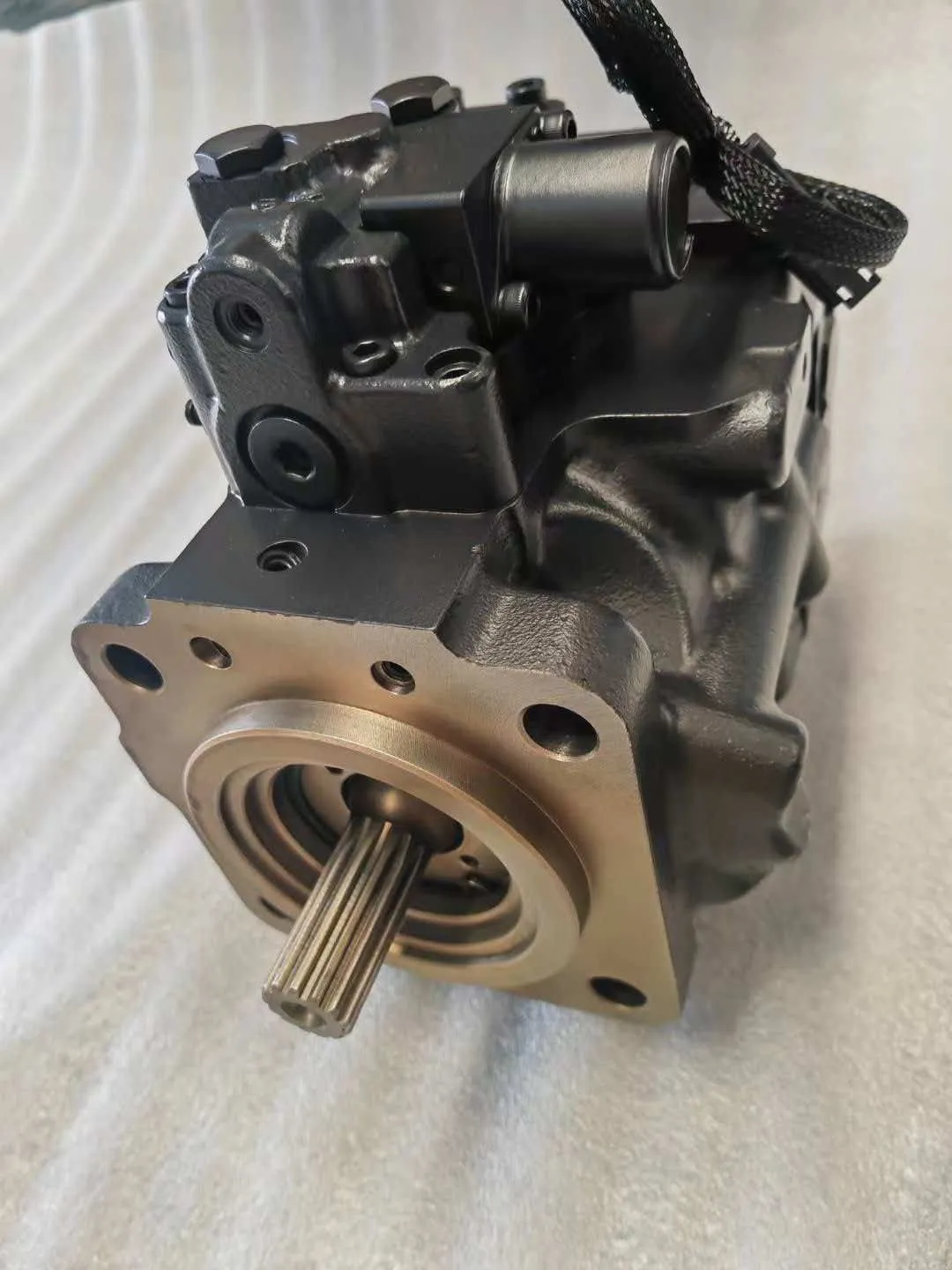 Compatible for Komatsu D61EX-16 D61PX-16 D65PX-17 D65EX-17 GD755-5R Bulldozer Fan Pump 708-1S-00460
 -
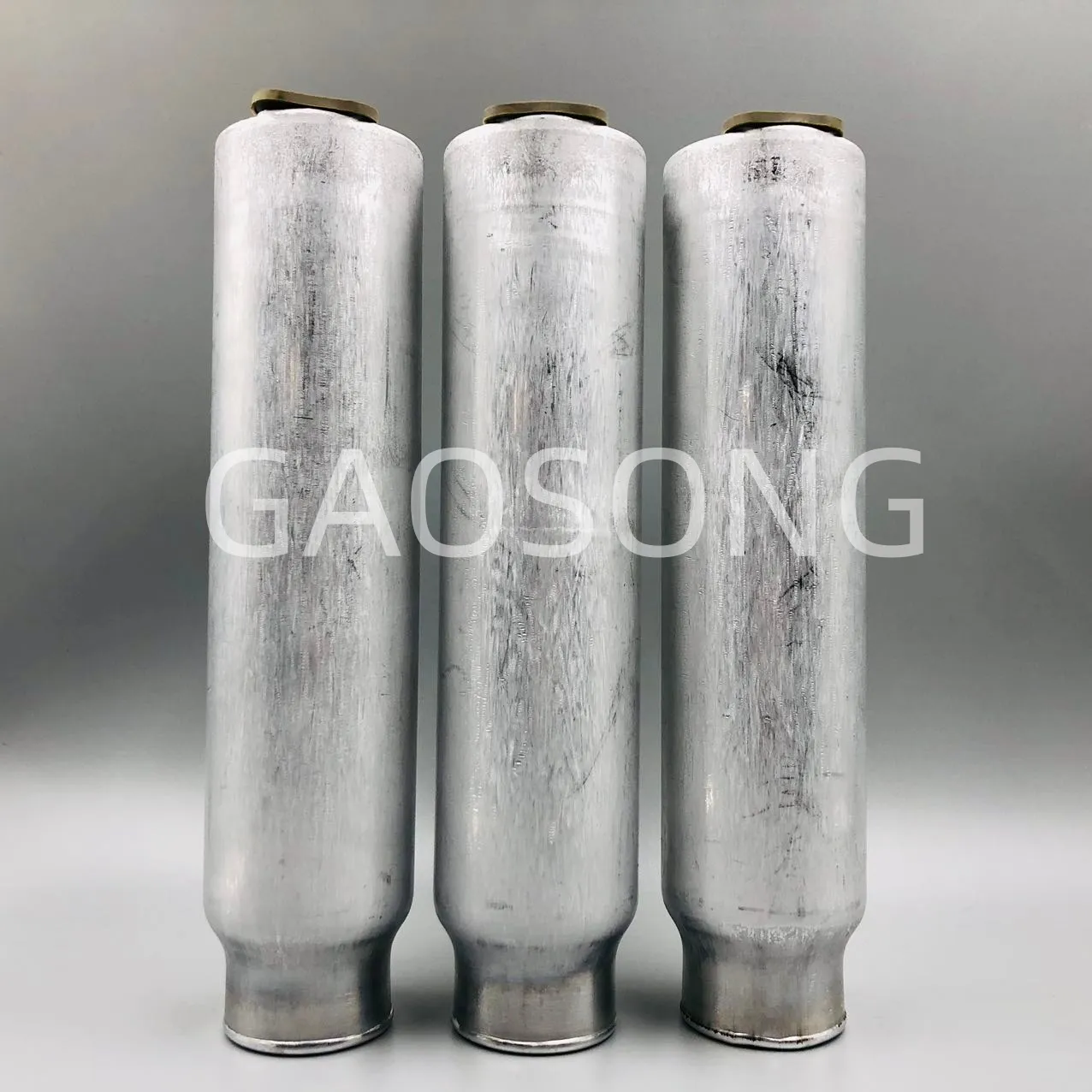 20Y-979-3120 TANK.-Komatsu Original Factory
 -
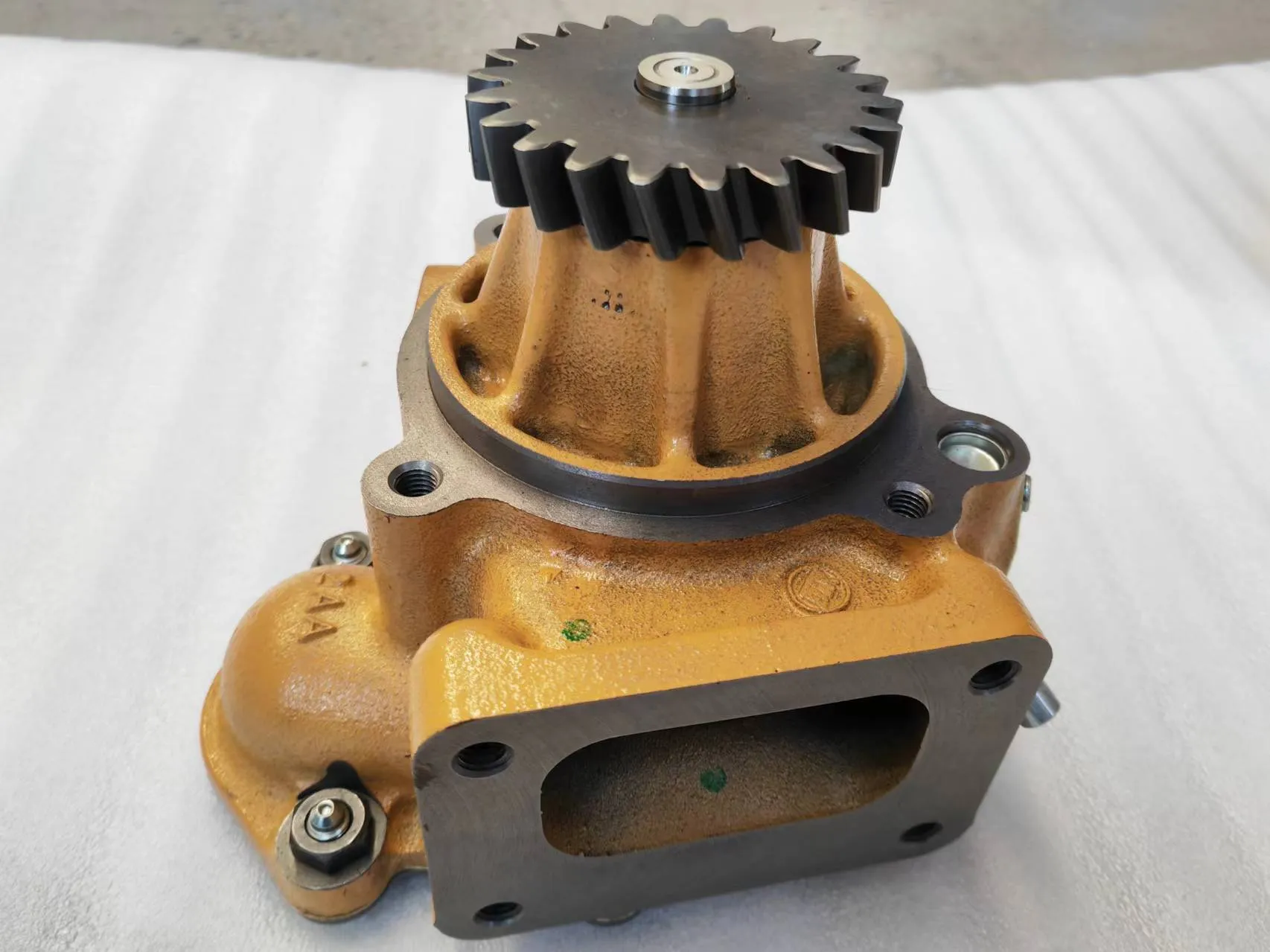 WA480-6 engine water pump 6251-61-1101
 -
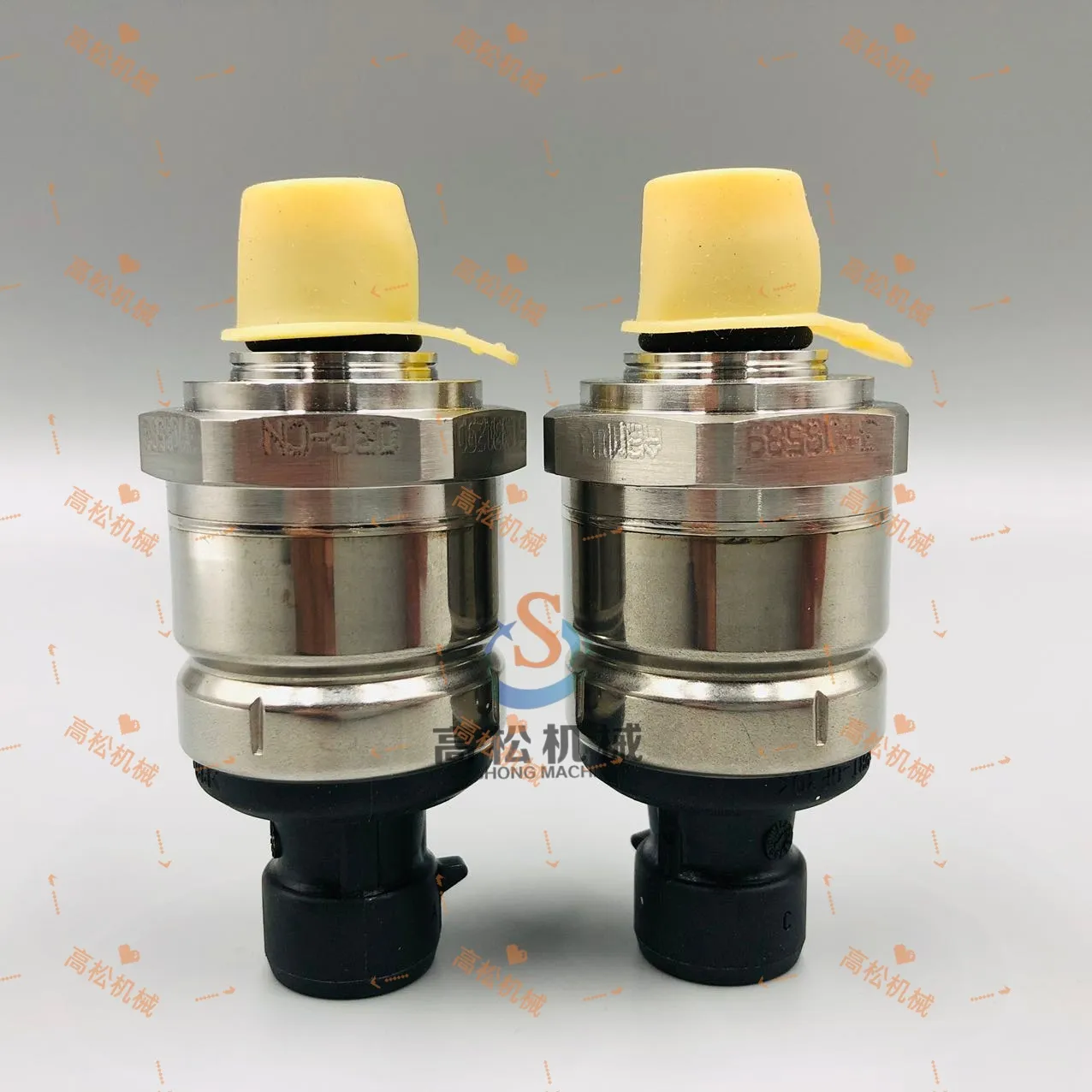 Pressure Sensor for Komatsu HM400 SAA6D140E WA500 6560-61-7201 6560617201
 -
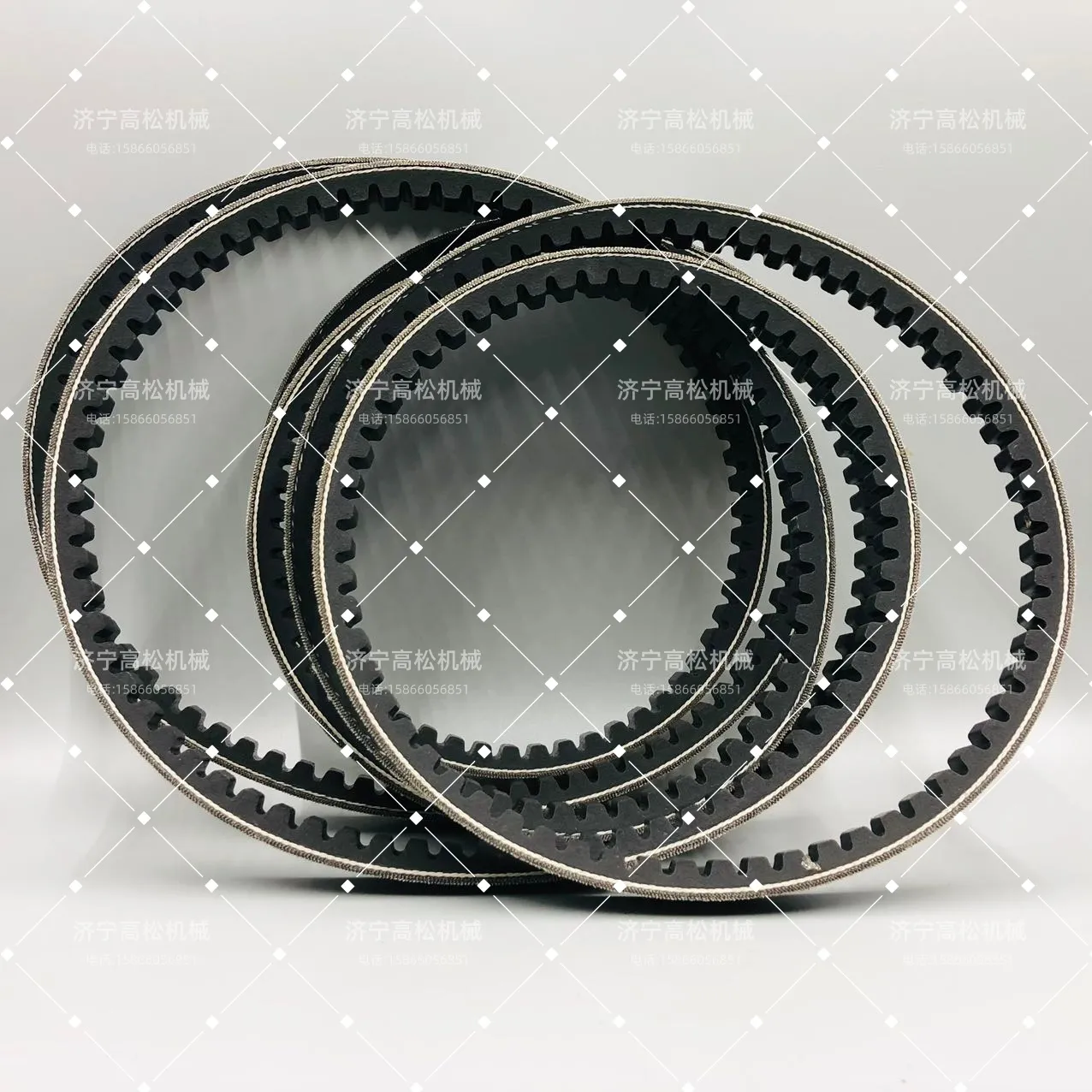 Genuine Komatsu V-Belt 6219-61-3420 for…
 -
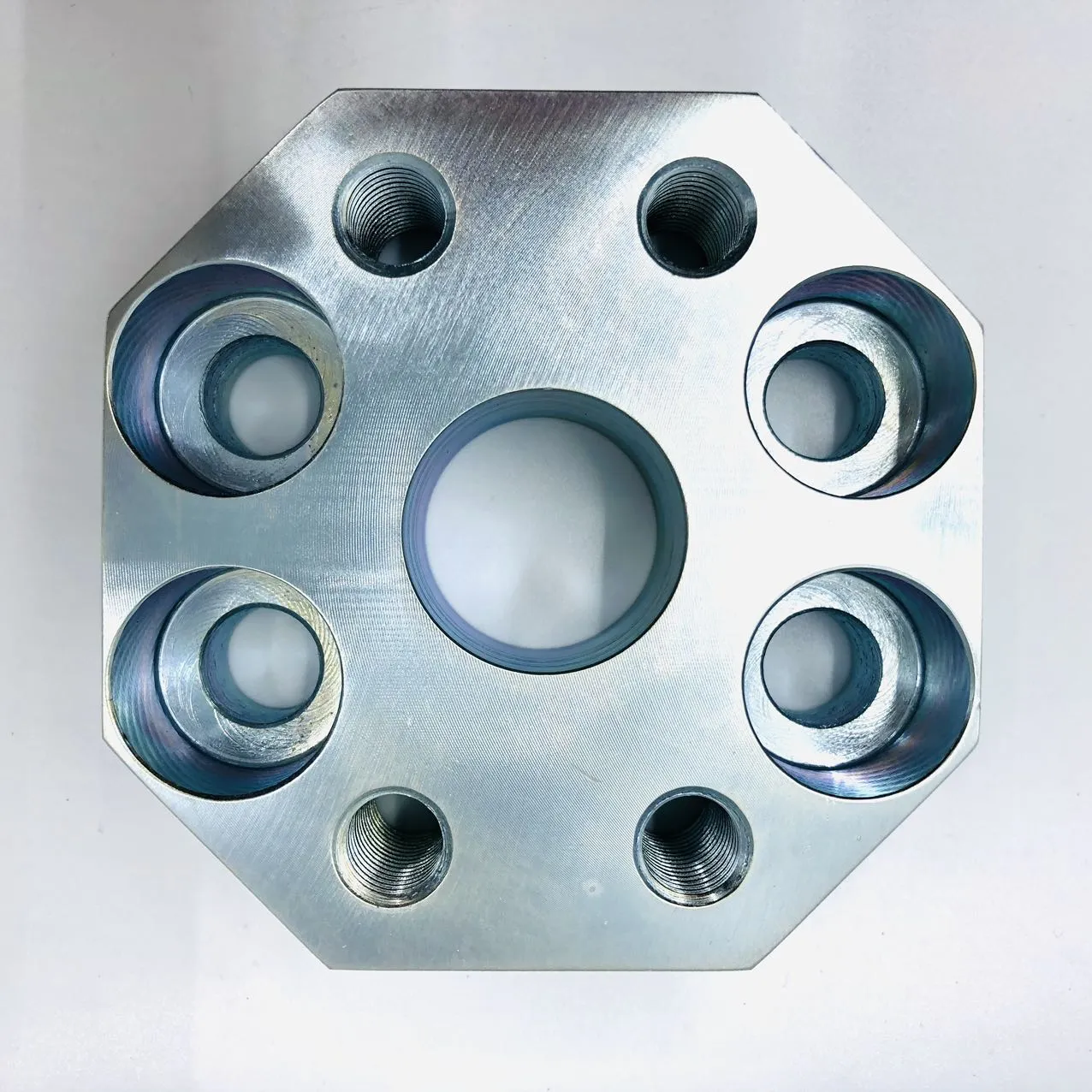 21N-62-11361 Komatsu Flange
 -
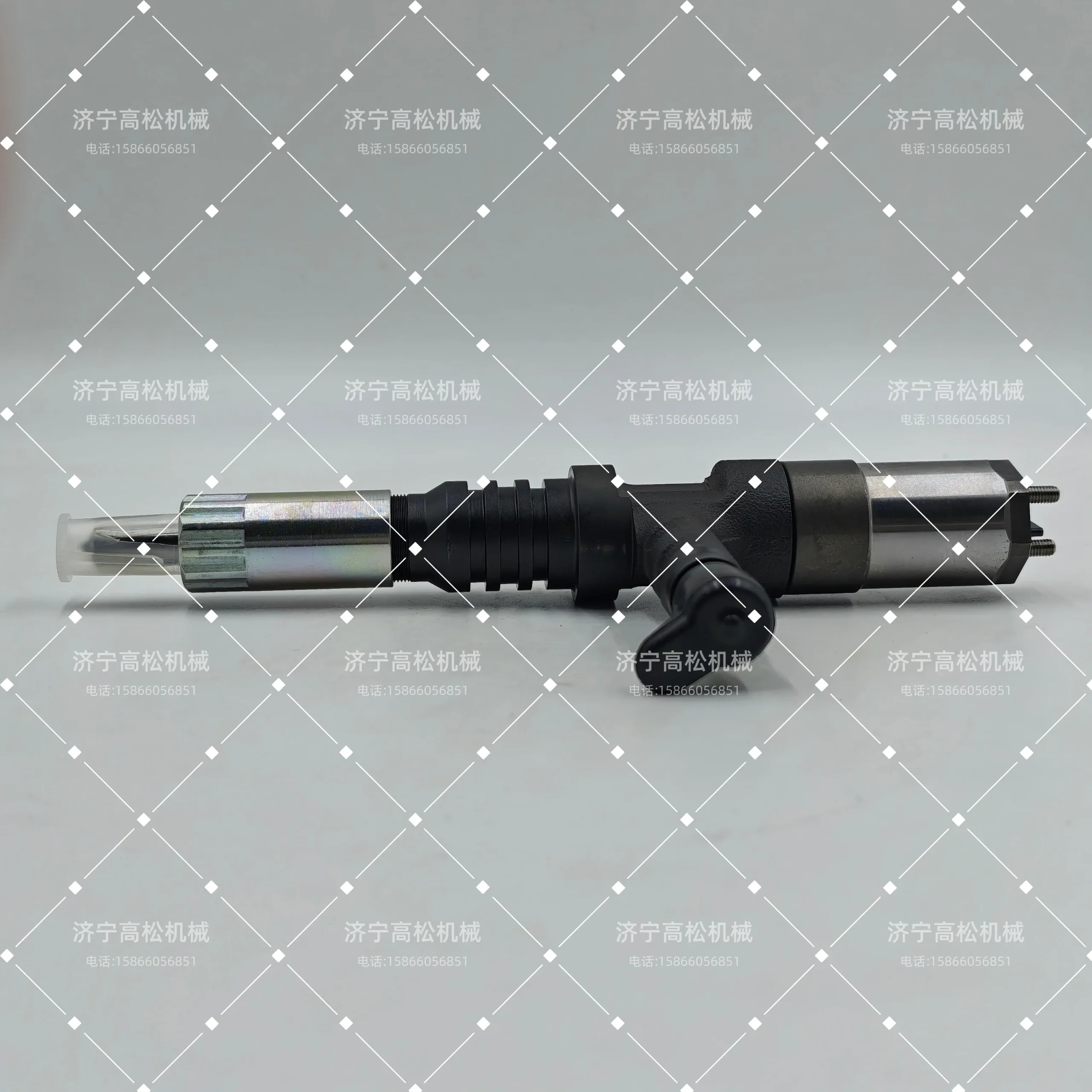 Original Injector Assembly 6218-11-3101 6218-11-3100 for Diesel…
 -
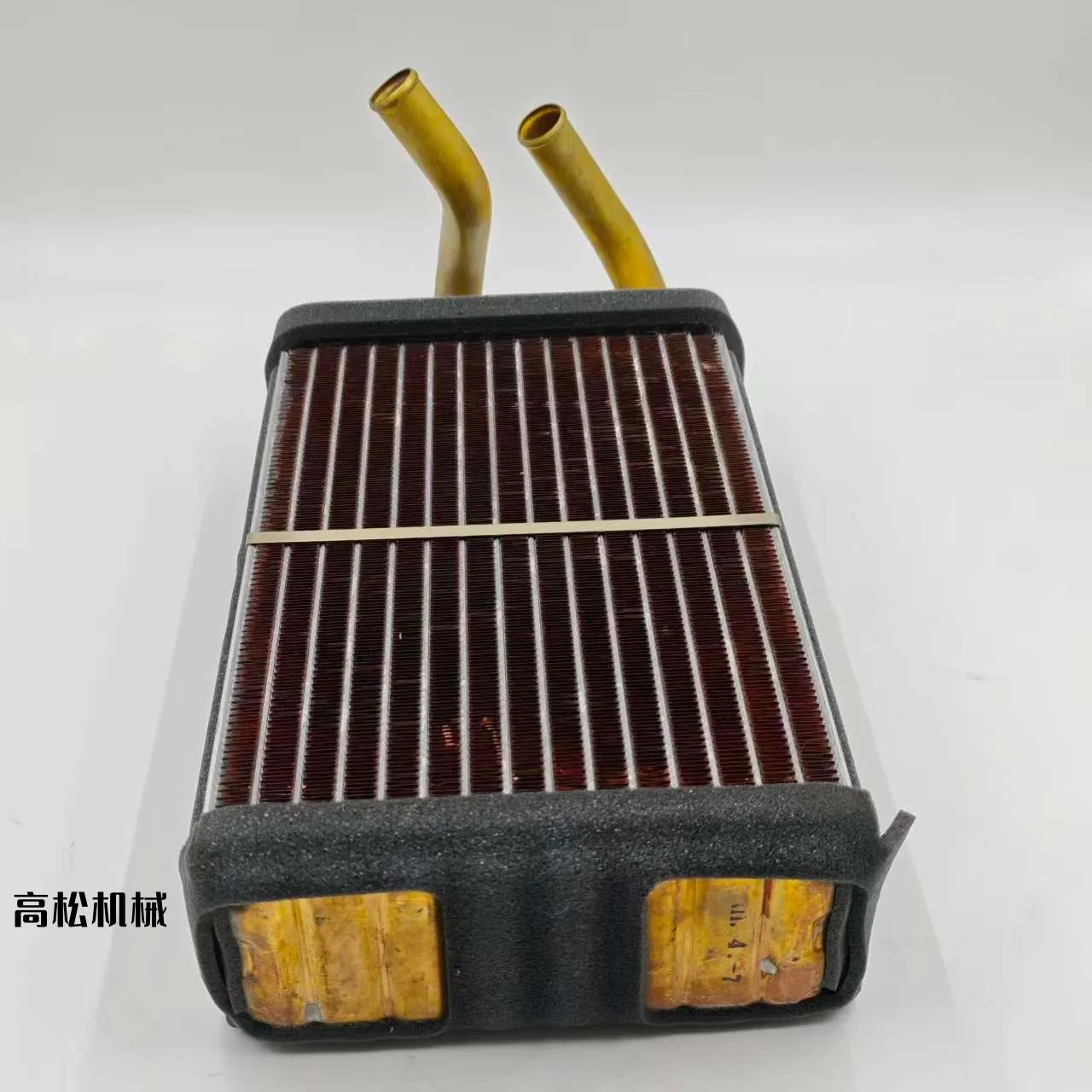 ND116410-9681 •• UNIT SUB ASS’Y-Komatsu Original Factory