
- Chinese
- French
- German
- Portuguese
- Spanish
- Russian
- Japanese
- Korean
- Arabic
- Irish
- Greek
- Turkish
- Italian
- Danish
- Romanian
- Indonesian
- Czech
- Afrikaans
- Swedish
- Polish
- Basque
- Catalan
- Esperanto
- Hindi
- Lao
- Albanian
- Amharic
- Armenian
- Azerbaijani
- Belarusian
- Bengali
- Bosnian
- Bulgarian
- Cebuano
- Chichewa
- Corsican
- Croatian
- Dutch
- Estonian
- Filipino
- Finnish
- Frisian
- Galician
- Georgian
- Gujarati
- Haitian
- Hausa
- Hawaiian
- Hebrew
- Hmong
- Hungarian
- Icelandic
- Igbo
- Javanese
- Kannada
- Kazakh
- Khmer
- Kurdish
- Kyrgyz
- Latin
- Latvian
- Lithuanian
- Luxembou..
- Macedonian
- Malagasy
- Malay
- Malayalam
- Maltese
- Maori
- Marathi
- Mongolian
- Burmese
- Nepali
- Norwegian
- Pashto
- Persian
- Punjabi
- Serbian
- Sesotho
- Sinhala
- Slovak
- Slovenian
- Somali
- Samoan
- Scots Gaelic
- Shona
- Sindhi
- Sundanese
- Swahili
- Tajik
- Tamil
- Telugu
- Thai
- Ukrainian
- Urdu
- Uzbek
- Vietnamese
- Welsh
- Xhosa
- Yiddish
- Yoruba
- Zulu
- Kinyarwanda
- Tatar
- Oriya
- Turkmen
- Uyghur






OEM AND ORIGINAL KOMATSU GEAR 208-26-71151
When you see a part number like , especially with the terms 'OEM' and 'Original' attached, it's easy to assume it's a straightforward purchase. But in the world of Komatsu parts, particularly for gears in final drives or swing systems, that's rarely the whole story. I've seen too many guys get tripped up thinking 'OEM' automatically means it came off the same line as the part in their machine, when often it signifies a licensed pattern or specification. The 'original' tag can be even murkier. For a gear like the , which is critical for power transmission, this distinction isn't academic—it's the difference between a machine running for another 10,000 hours or a catastrophic failure in six months.
The Core Confusion: OEM vs. Original in the Komatsu Ecosystem
Let's break this down from the ground up. Komatsu as the manufacturer designs and specs the gear. True Komatsu-original parts are produced under their direct control, with their metallurgy, heat treatment, and quality gates. The term OEM, however, has been stretched. Within the official system, it can refer to companies authorized by Komatsu to produce certain components to their exact blueprint. These aren't aftermarket; they are part of the official supply chain, often to diversify production or optimize logistics. Outside of that system, the term gets borrowed loosely, which is where the trouble starts.
I recall a project in Southeast Asia where a fleet manager insisted on 'OEM' for a batch of gears, believing it guaranteed authenticity. He sourced from a supplier claiming OEM status. The parts arrived in convincing packaging, but the tooth profile was just a hair off spec. The result? Unacceptable noise and accelerated wear in the mating gear. The supplier was technically an OEM—but for a different product line, not for Komatsu. The gear was a copy, not a licensed production. This is the daily gamble.
This is precisely where a company's positioning matters. A supplier like Jining Gaosong Construction Machinery Co., Ltd. clarifies their role upfront: they are an OEM product supplier within the Komatsu system. This phrasing is key. It suggests a formal relationship, producing to Komatsu's standard, which is a different league from a generic parts reseller. Their parallel role as a third-party sales agent for Komatsu also hints at their function: they help move genuine inventory and potentially system-OEM parts to markets where the official distribution is thin or slow, which is a common headache in remote mining or construction sites.
Why the Isn't Just Another Part Number
Focusing on this specific gear, it's not a simple pinion or spacer. From my experience, this number typically belongs to a crucial gear in a power train assembly, likely for a mid-sized excavator or dozer. The failure modes here are instructive. I've seen cases where a non-conforming gear, even with correct hardness on paper, failed due to subpar carburizing depth. The core couldn't handle the torsional stress, leading to a shear fracture. The machine didn't just stop; it took out the housing with it, turning a $3,000 part problem into a $30,000 repair.
The devil is in the processes like shot peening and grinding after heat treatment. An original Komatsu or a proper system-OEM part will have a controlled tooth root finish and residual stress profile to combat fatigue. Many failures I've autopsied showed machining marks that acted as stress concentrators. When you're sourcing, asking for certification on material traceability and heat treatment reports isn't pedantic—it's basic due diligence for a part like this.
This is where leveraging a supplier with direct system links can cut through the noise. If Takematsu Machinery (their online portal) truly operates as described, their value isn't just in having the box. It's in being able to provide the technical pedigree, or at least, direct access to the Komatsu technical bulletins related to the installation and service of this gear. That backend knowledge is what separates a parts vendor from a solutions provider.
Practical Sourcing and the Third-Party Advantage
The theory is one thing, but the warehouse floor is another. The biggest practical issue with a critical gear is availability. Komatsu's main distribution centers might have long lead times for specific regions. This is the 'supply challenge' that Jining Gaosong mentions. In my work, I've used similar channels not just for cost, but for speed. A reliable system-OEM supplier can often bypass regional bottlenecks.
However, 'third-party sales' requires scrutiny. It should mean they are an authorized non-exclusive distributor for Komatsu parts, not that they sell third-party copies. The distinction is everything. A good test is to ask for the Komatsu part number's full interchange and the country of origin for the specific batch. A genuine channel will have this transparently. For the , the origin might be Japan, but it could also be from a licensed facility in another country. That's still original spec.
I learned this through a failed expediency attempt. Needing a urgently, we took a 'genuine' part from a local stockist without checking the provenance paperwork. The gear failed pre-maturely. Later, we traced it to a surplus lot that had been improperly stored, leading to surface corrosion that initiated pitting. A supplier integrated into the system would have better inventory rotation and storage standards, mitigating that risk. It's these operational details that matter.
Cost-Benefit and the Total Cost of Ownership
Let's talk money, because that's always the push. Yes, a system-OEM part from a supplier like Jining Gaosong might carry a lower price tag than one ordered through a Komatsu flagship dealer. The immediate savings are attractive. But the real calculation is Total Cost of Ownership. For a gear, this includes installation labor, potential downtime from failure, and collateral damage.
A cheaper, non-conforming might save $500 upfront. But if it causes a secondary failure that requires a teardown, you've lost days of machine revenue and paid for double the labor. I've run the numbers for fleets: using verified, traceable parts from authorized channels, even at a 15-20% premium, almost always wins on a 3-year cycle. The role of a competent supplier is to provide that verified, traceable part within the system's framework, offering a legitimate cost advantage without the risk gamble.
Their company model—being both an OEM supplier and a sales agent—positions them to potentially offer this. They aren't just brokering unknown parts; they are (if their claim holds) embedded in the production and distribution web. This means they might have access to overruns, regional stock adjustments, or other inventory streams that pure dealers don't. For a maintenance manager, that's a credible source worth vetting.
Final Thoughts: Verification Over Assumption
So, what's the takeaway on sourcing an OEM AND ORIGINAL KOMATSU GEAR ? The part number is just the starting point. The terms 'OEM' and 'Original' are signals, not guarantees. You have to dig into what they mean for that specific supplier. A company stating they are an OEM product supplier within the Komatsu system is making a specific, verifiable claim. The next step is to verify it: ask for their Komatsu supplier code, request material certificates for a past shipment, or inquire about their direct contacts at Komatsu's procurement office.
In practice, for a critical rotating component like this gear, I'd lean towards suppliers who openly discuss these specifications and challenges. The ones who talk about case depth, AGMA quality grades, or the importance of proper run-in procedures after installation are usually the ones who've seen what happens when it's done wrong. They're thinking like engineers, not just salespeople.
Ultimately, the goal is machine uptime. Whether you go through a major dealer or a specialized company like Jining Gaosong, the principle is the same: transparency and traceability are non-negotiable. The part number has to be more than a number on a box; it needs to represent a known history from furnace to finished gear tooth. That's the only thing that qualifies as 'original' in the real, grinding world of heavy equipment maintenance.
Related Products
Related Products

Best Selling Products
Best Selling Products-
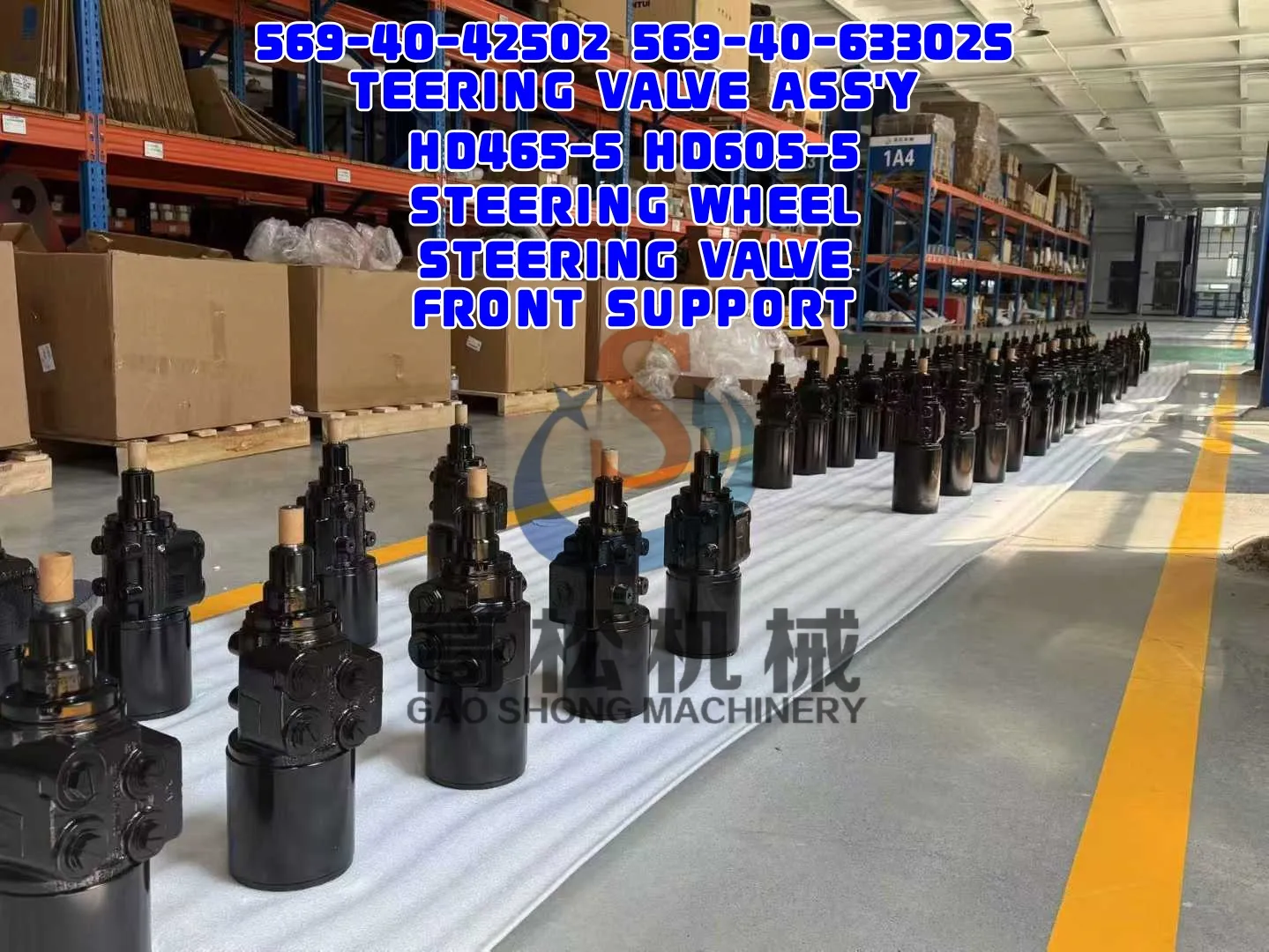 STEERING VALVE ASS’Y HD465-7 HD465-7R HD605-7E0 HD605-5 VALVE 569-40-42502 569-40-63302 FRONT SUPPORT (STEERING VALVE MOUNTING PARTS) STEERING WHEEL STEERING VALVE FRONT SUPPORT, INNER PARTS, STEERING VALVE
 -
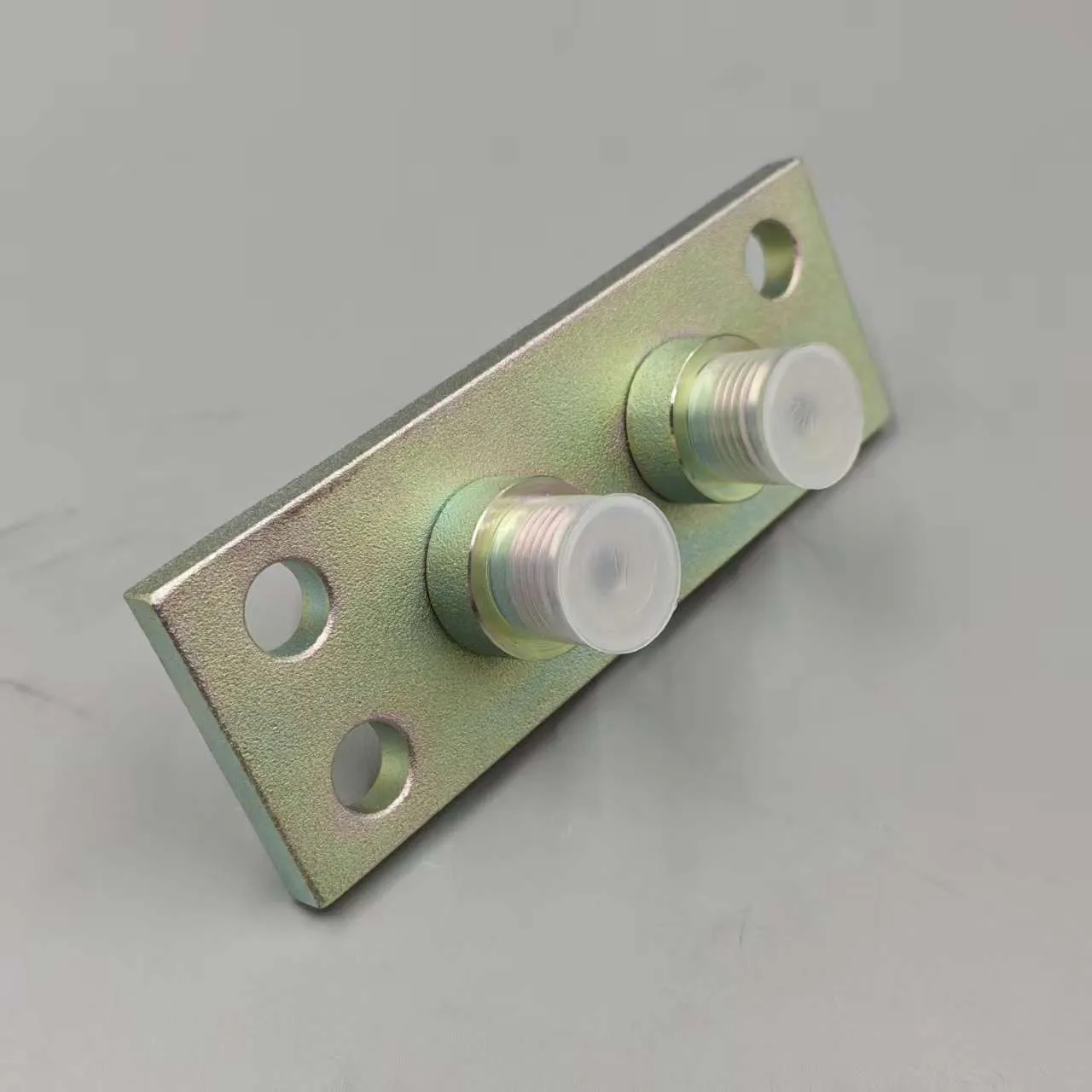 14Y-62-31411 BRACKET KOMATSU parts D60P, D65E, D65EX, D65P, D65PX, D65WX, D85E, D85ESS
 -
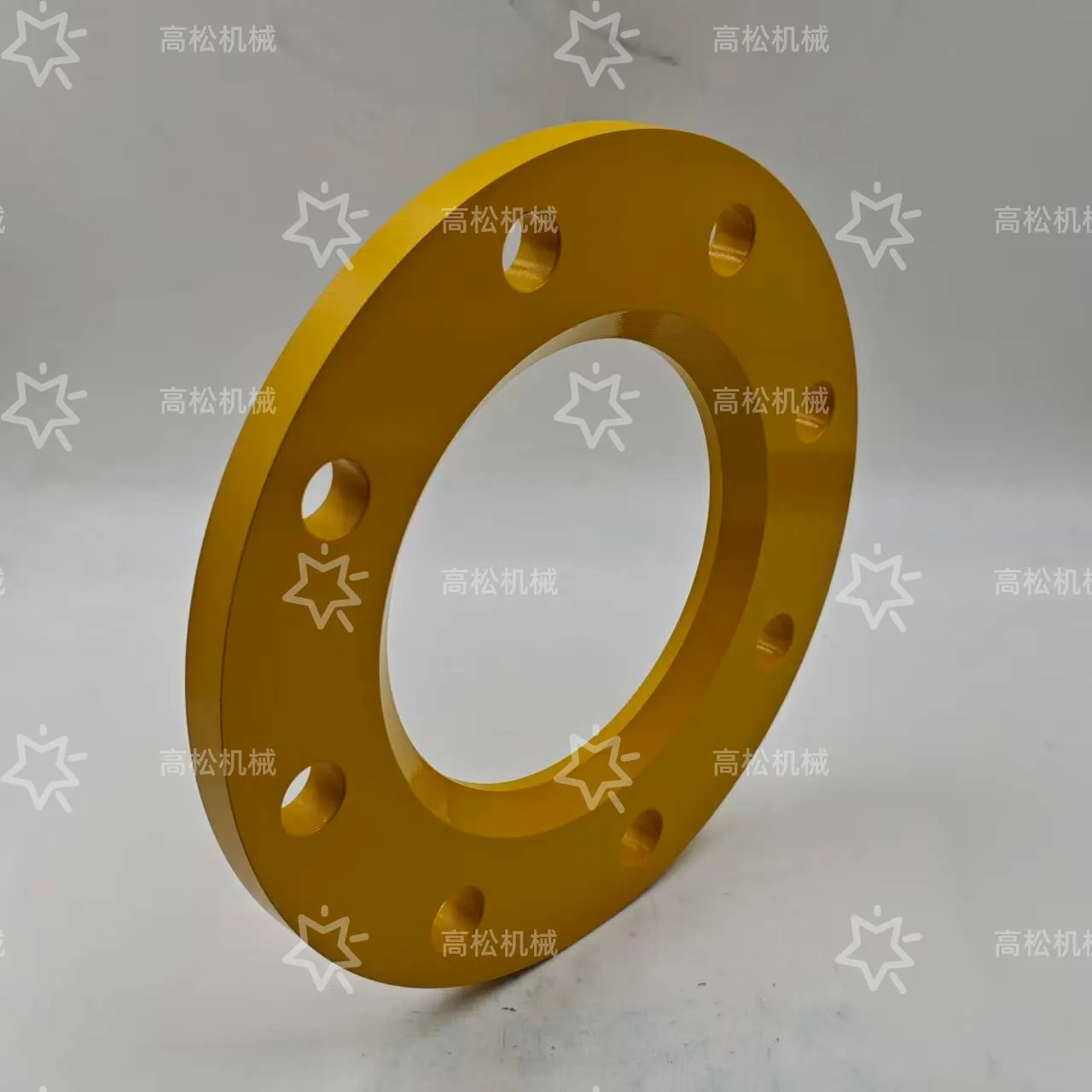 41E-70-15221 Komatsu Edge
 -
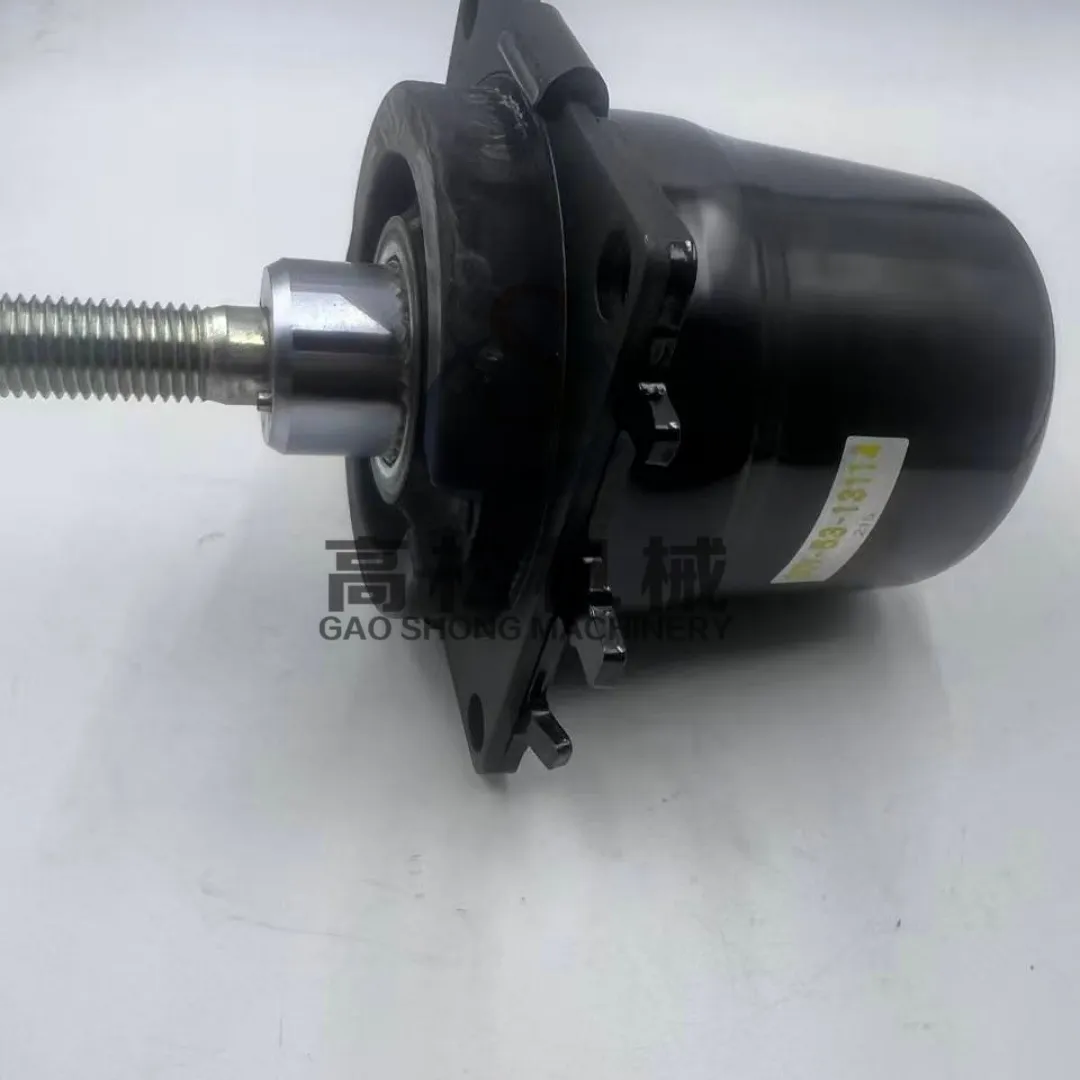 20Y-53-13114 SILENTBLOCK komatsu parts
 -
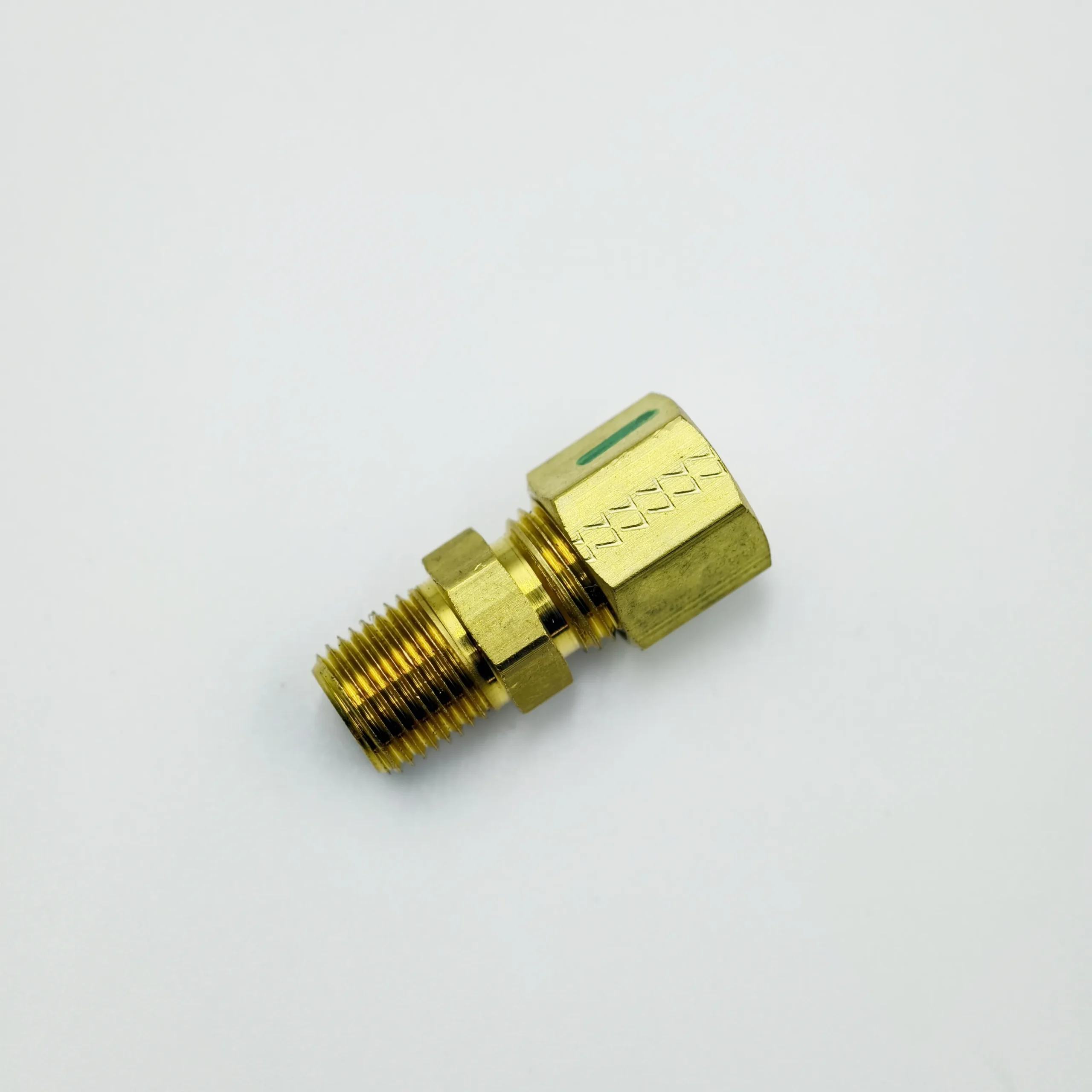 The PC1250SP-8 connector 21N-68-32320 is used for automotive grease in various countries ..
 -
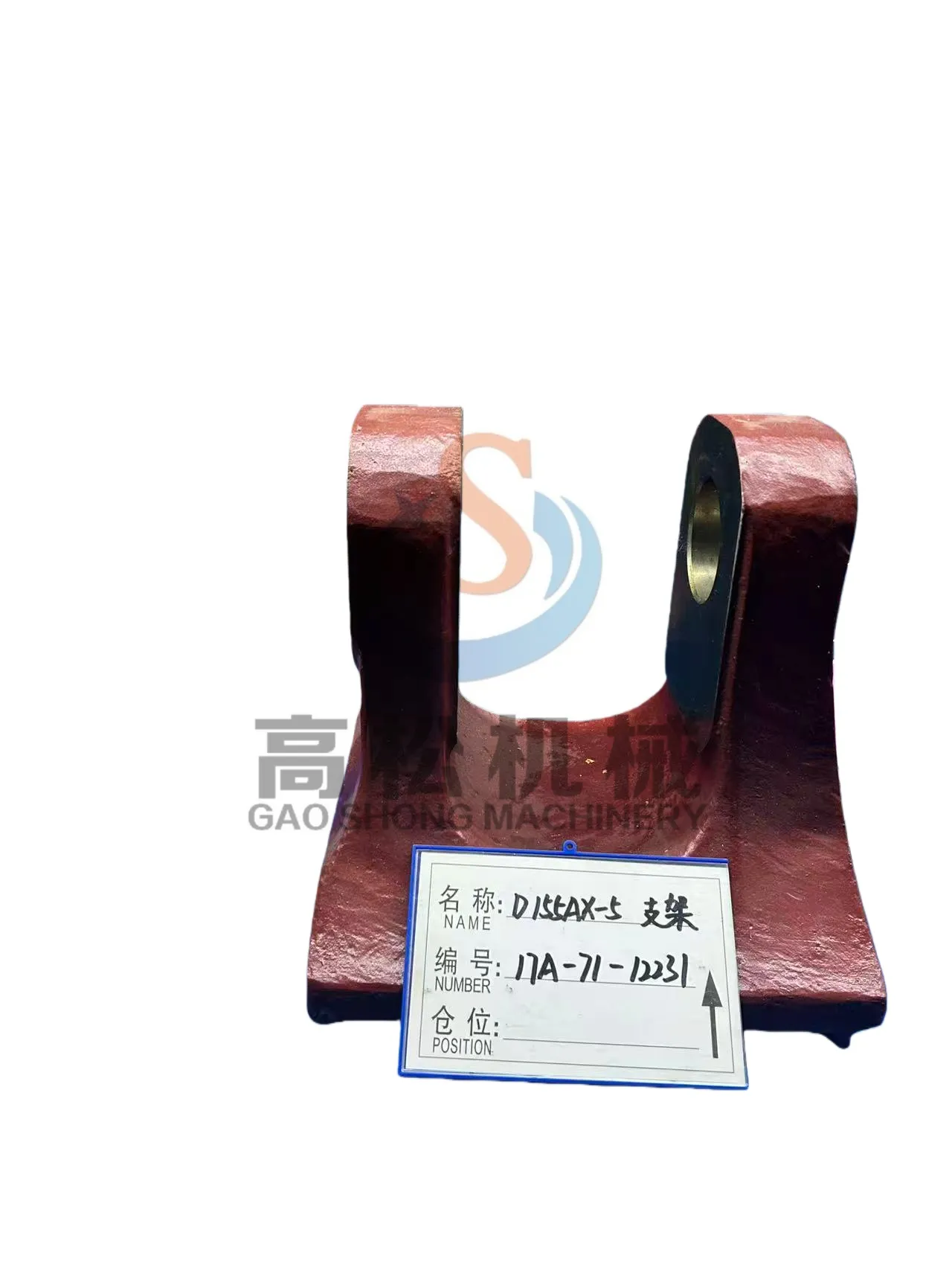 17A-71-12231 BRACKET (WELDED) D155AX-5 DOZER FRAME
 -
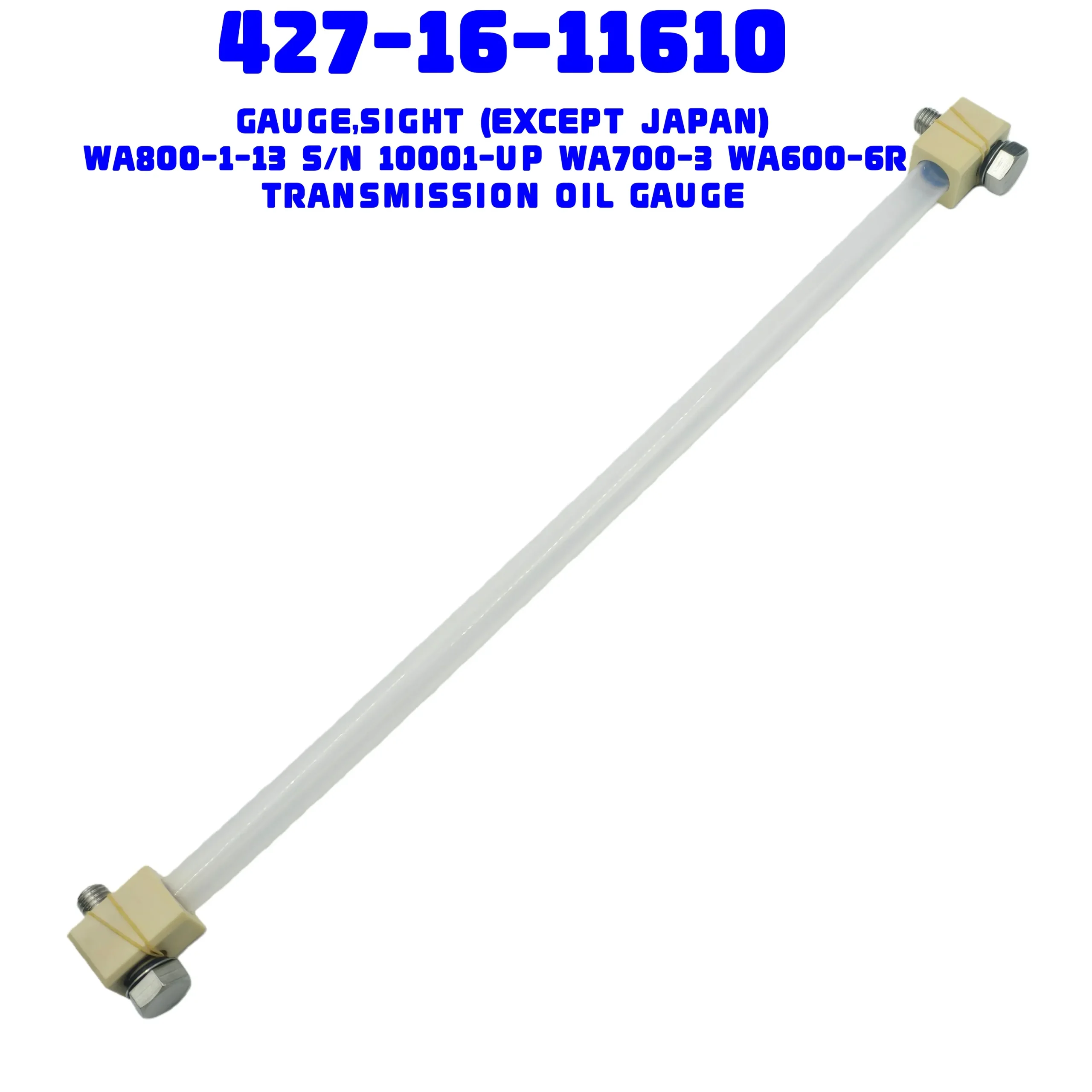 komatsu parts427-16-11610 GAUGE,SIGHT (EXCEPT JAPAN) WA800-1-13 S/N 10001-UP TRANSMISSION OIL GAUGE427-16-11610 GAUGE,SIGHT KOMATSU parts WA1200, WA600, WA700, WA800, WA800L, WA900, WA900L, WD600, WD900
 -
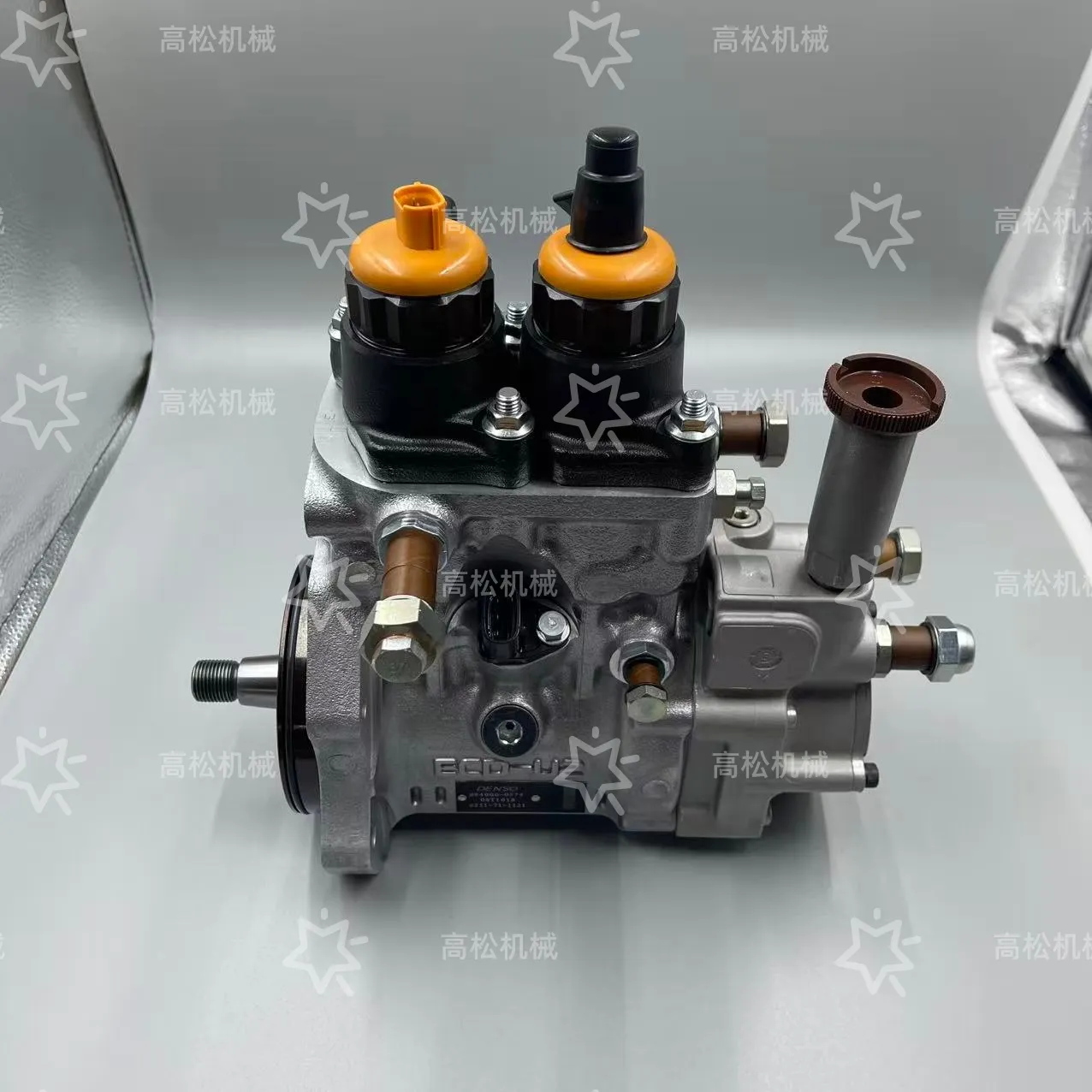 Fuel Injection Pump For Komatsu PC400-8 6251-71-1120 6251-71-1121 094000-057
 -
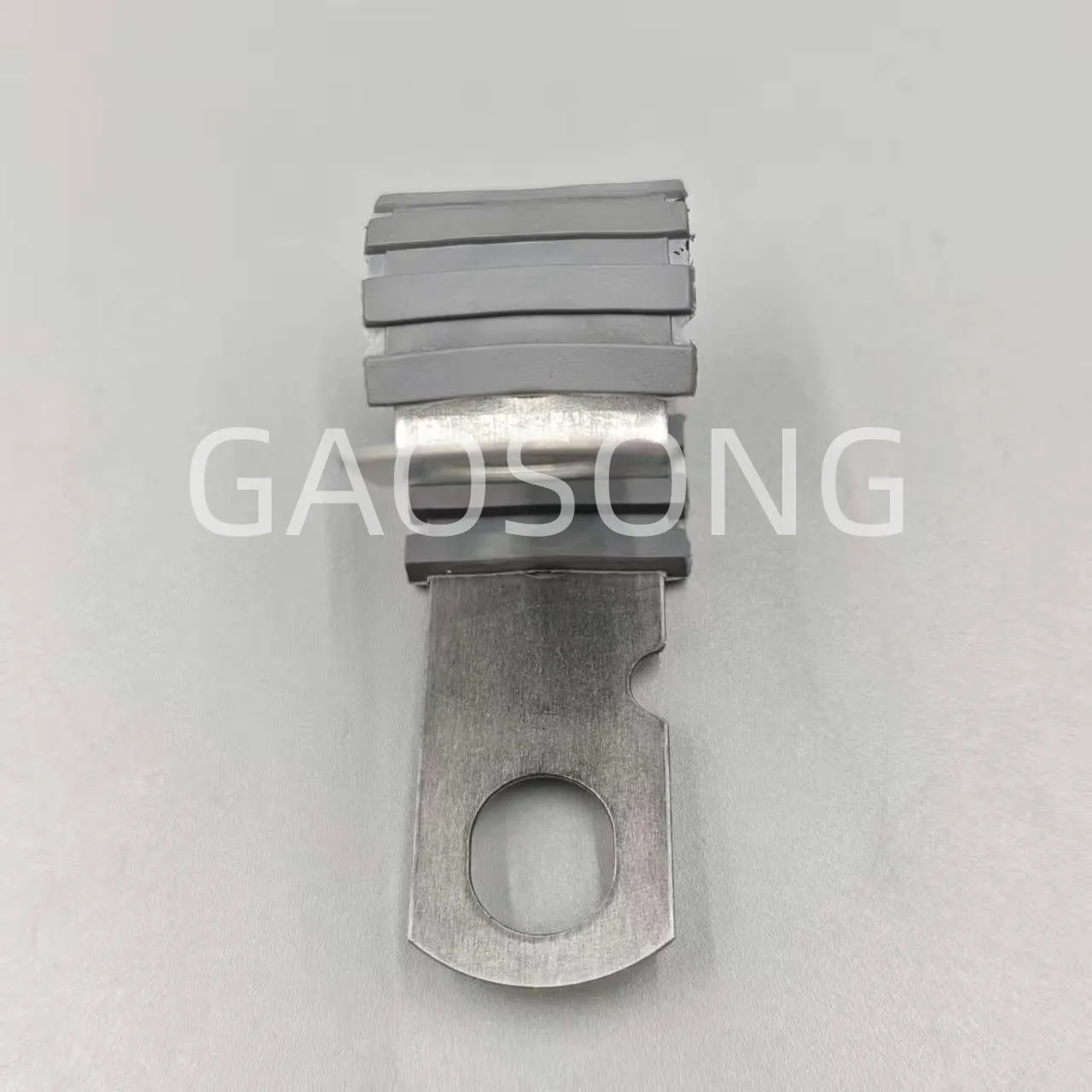 600-051-2180 CLIP-Komatsu Original Factory
 -
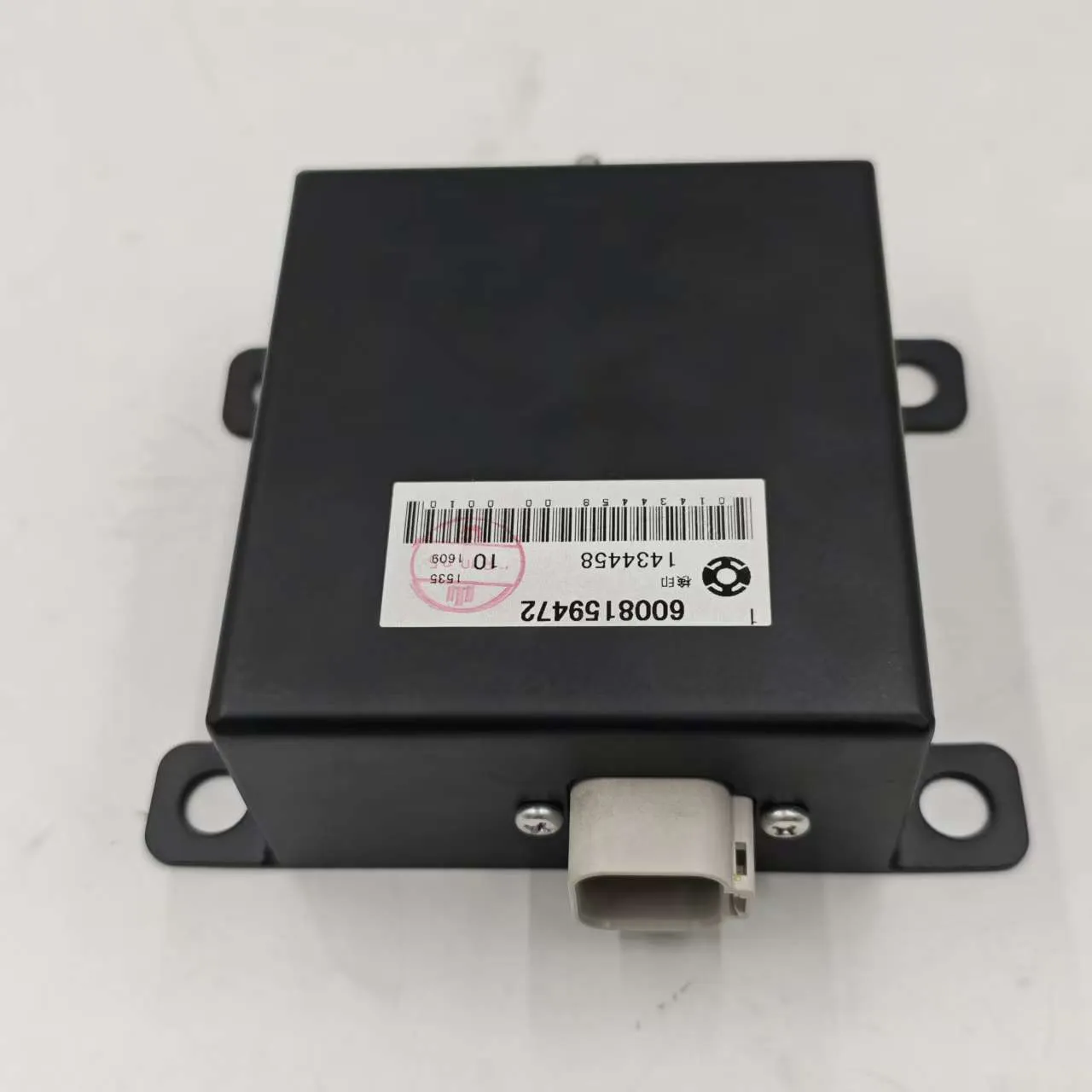 Switch 600-815-9472 HD785 Dump Truck Spare Parts
 -
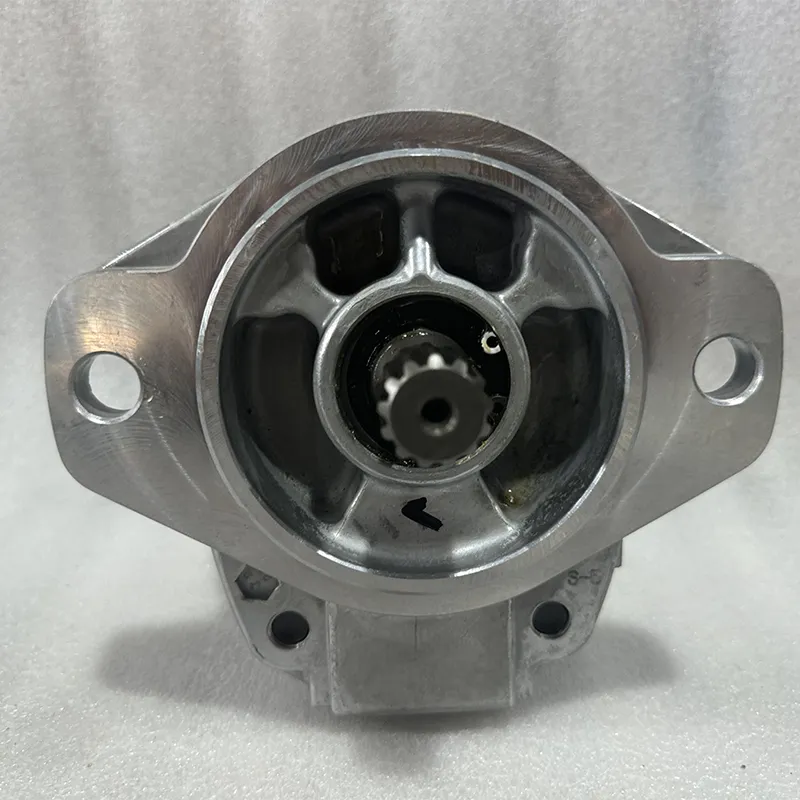 Original komatsu GD825A-2 Pump Assembly 705-61-22010
 -
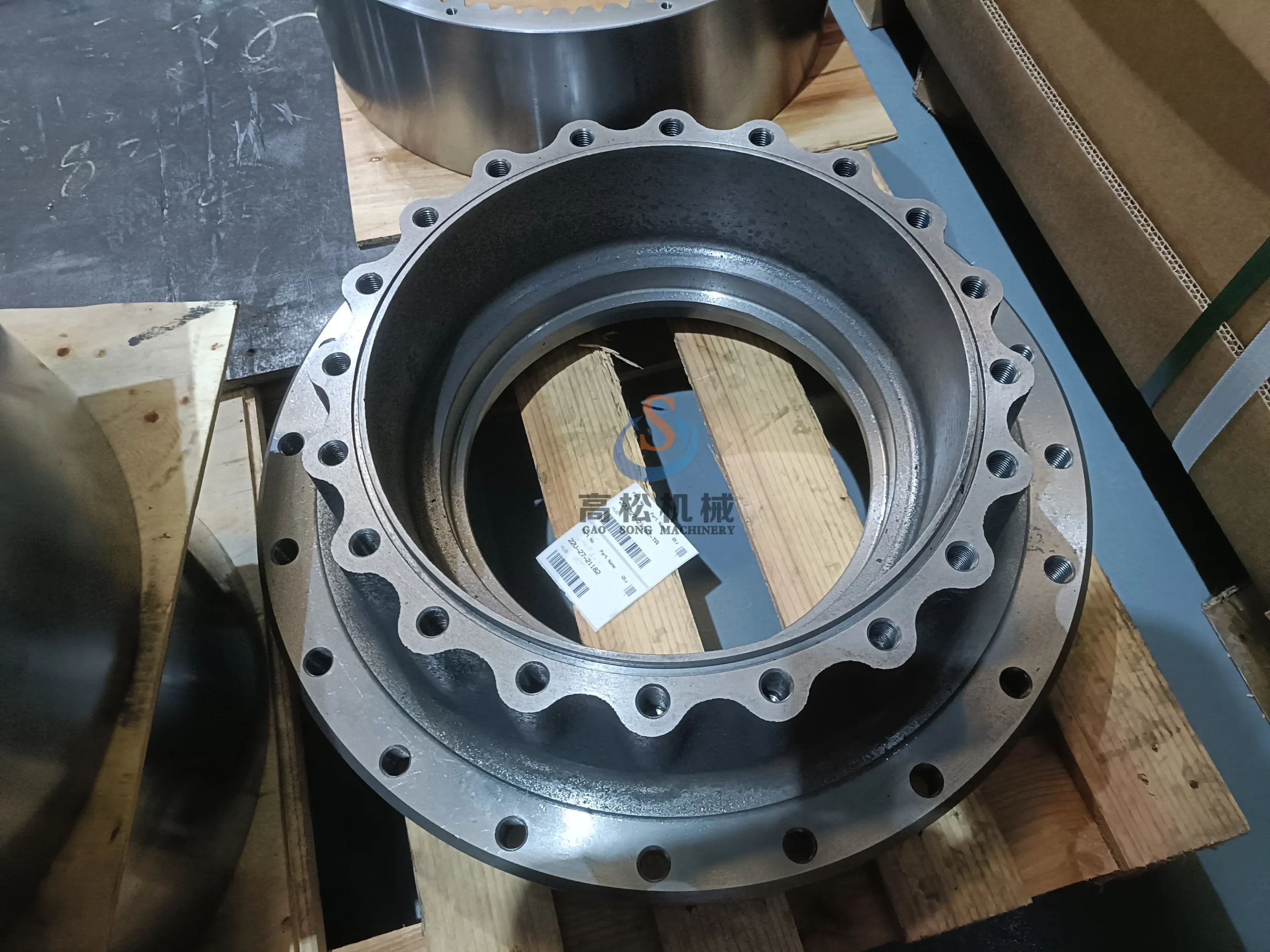 22U-27-21182 komatsu HUB-PC200/PC220/PC228