
- Chinese
- French
- German
- Portuguese
- Spanish
- Russian
- Japanese
- Korean
- Arabic
- Irish
- Greek
- Turkish
- Italian
- Danish
- Romanian
- Indonesian
- Czech
- Afrikaans
- Swedish
- Polish
- Basque
- Catalan
- Esperanto
- Hindi
- Lao
- Albanian
- Amharic
- Armenian
- Azerbaijani
- Belarusian
- Bengali
- Bosnian
- Bulgarian
- Cebuano
- Chichewa
- Corsican
- Croatian
- Dutch
- Estonian
- Filipino
- Finnish
- Frisian
- Galician
- Georgian
- Gujarati
- Haitian
- Hausa
- Hawaiian
- Hebrew
- Hmong
- Hungarian
- Icelandic
- Igbo
- Javanese
- Kannada
- Kazakh
- Khmer
- Kurdish
- Kyrgyz
- Latin
- Latvian
- Lithuanian
- Luxembou..
- Macedonian
- Malagasy
- Malay
- Malayalam
- Maltese
- Maori
- Marathi
- Mongolian
- Burmese
- Nepali
- Norwegian
- Pashto
- Persian
- Punjabi
- Serbian
- Sesotho
- Sinhala
- Slovak
- Slovenian
- Somali
- Samoan
- Scots Gaelic
- Shona
- Sindhi
- Sundanese
- Swahili
- Tajik
- Tamil
- Telugu
- Thai
- Ukrainian
- Urdu
- Uzbek
- Vietnamese
- Welsh
- Xhosa
- Yiddish
- Yoruba
- Zulu
- Kinyarwanda
- Tatar
- Oriya
- Turkmen
- Uyghur






OEM AND ORIGINAL KOMATSU GEAR 198-27-45411
When you see a part number like pop up, especially paired with terms like 'OEM' and 'Original', it's easy to assume it's a straightforward Komatsu box. But that's where the first trap lies. In our line, 'Original' can mean the genuine article from Komatsu's own production line, while 'OEM' often points to a part made by the original equipment manufacturer for Komatsu, which is technically identical but may follow a different supply chain. For a gear this specific, used in certain Komatsu excavator swing drives, the distinction isn't just academic—it's about fit, metallurgy, and long-term wear. I've seen too many guys order what they thought was an original, only to get a part that was OEM-spec but lacked the final Komatsu QA stamp, leading to debates over warranty and performance. The number itself is precise, but the path to sourcing it is full of forks.
The Reality of the Supply Chain
This is where companies like Jining Gaosong Construction Machinery Co., Ltd. come into the picture. They operate in a niche that's crucial but often misunderstood. Their site, https://www.takematsumachinery.com, states they are an OEM product supplier within the Komatsu system and a third-party sales company. That dual role is key. It means they likely have access to production from factories that are part of Komatsu's authorized manufacturing network, producing the OEM AND ORIGINAL KOMATSU GEAR to exact blueprints. However, they might be selling it outside Komatsu's official regional distribution channels. This isn't black market stuff; it's more about filling gaps where official channels are slow, expensive, or simply non-existent in certain countries, exactly as their description says.
I recall a project in Southeast Asia where we were stuck for weeks waiting for a swing gear. The local Komatsu dealer had a massive backlog. We turned to a supplier with a profile similar to Gaosong. The part that arrived, marked with the number, was visually perfect, down to the machining marks. It was almost certainly from an OEM line. But the packaging was plain, and the certificate of conformity was from the foundry, not Komatsu Ltd. We had to make a judgment call. We measured every tooth, checked the hardness, and compared it to a worn-out original we had. It matched. We installed it. That was three years ago, and the machine is still running without issue. That's the practical reality.
The risk, of course, is the almost certainly. There are tiers within the OEM world. Some suppliers have tighter quality controls that mirror Komatsu's own, while others might let tolerances slide on a batch meant for the alternative market. A genuine original Komatsu part comes with a traceable pedigree and a guarantee that it's been validated for the specific stress cycles of Komatsu machinery. The OEM-equivalent from a reputable intermediary might be 99% there, but that 1% could be a heat treatment nuance that only shows up after 5,000 hours of operation. You have to know what you're buying, and more importantly, who you're buying it from.
Judging Quality Beyond the Label
So how do you assess a part like this when it's not in the familiar yellow box? First, forget the marketing words. Ask for material certifications. For a gear like , you want to see the steel grade—something like SCM440 or equivalent. The carburizing and quenching process reports are even more telling. A good supplier should be able to provide these, or at least reference the standard they adhere to. I've had conversations with Gaosong's technical contacts where they could immediately reference the JIS or Komatsu internal standard for that specific gear, which builds confidence. If a vendor just keeps saying OEM quality but can't talk about tooth profile accuracy or core hardness, walk away.
Second, look at the physical evidence. An original Komatsu gear will have specific casting marks or part number engravings in a designated location. A high-tier OEM copy will replicate this exactly. I've compared them side-by-side. Sometimes the difference is literally the absence of a small K stamp. The machining finish on the bore and the tooth flanks should be smooth, without tooling chatter marks. A subtle but telling point is the edge of the gear teeth—they should have a consistent, slight chamfer to prevent stress cracking. Poor copies often have sharp, uneven edges.
We learned this the hard way once. Sourced a guaranteed OEM gear for a different model from a new vendor. It looked fine on the bench. Under load, however, it developed a whine that the original never had. Post-mortem showed a slight deviation in the pressure angle of the teeth. It was within generic industrial tolerances but not within Komatsu's tighter spec. The machine was down again, and we ate the cost. That experience made us ritualize pre-installation checks with precision gauges, even for parts that claim to be OEM AND ORIGINAL.
The Practical Niche of Third-Party Suppliers
This is why the role of a company like Jining Gaosong is practical. They aren't trying to be the primary dealer. They are a solution for specific pain points. Think about a mining operation in a country with import restrictions or a fleet owner running older Komatsu models that are phased out of active support in their region. The official channel might quote a 90-day lead time and a premium price. A specialized third-party supplier within the Komatsu ecosystem can often mobilize that same Komatsu gear faster and at a competitive cost because they are tapping into a different logistical pipeline.
Their website positioning as a problem-solver for parts supply challenges in certain countries rings true. I've used such channels not for convenience, but out of necessity. The value they add is not just the part, but the understanding of cross-border logistics, customs codes for construction machinery parts, and having technical staff who speak the language of both the factory floor and the end mechanic. It's a bridge.
However, it requires due diligence. I always check: Can they provide the full part number lineage? For , has it ever been superseded? Can they share a recent shipping record to a region similar to mine? The good ones are transparent. They'll tell you straight if the part is from the latest production run or from older, but unused, stock. This honesty is what separates a legitimate operator from a parts peddler.
Cost vs. Value in the Long Run
The eternal debate: pay 60% more for the Komatsu-boxed original with full warranty, or 30-40% less for the OEM-spec part from a supplier like https://www.takematsumachinery.com? There's no universal answer. For a critical component in a high-utilization machine—a gear in the main drive train certainly qualifies—the premium for the undisputed original can be cheap insurance. The warranty isn't just on the part, but often on the consequential labor if it fails.
But for a machine with lower annual hours, or in a situation where downtime itself has an astronomical cost (that 90-day wait), the calculated risk on a verified OEM part makes business sense. The key is verified. We've built relationships with a shortlist of suppliers who have consistently delivered parts that perform. We treat them as an extension of our parts department. They know we will do the checks, and they ensure their source is solid. It's a professional understanding built on proven performance, not just a transaction.
In the end, a part number like is more than a code to be purchased. It's a decision point that involves judging supply chains, assessing tangible quality, and understanding the total cost of ownership. The market for these parts is complex and gray, but it's filled with legitimate, professional operators who provide an essential service. The trick is knowing how to navigate it, using both micrometers and good judgment.
Related Products
Related Products

Best Selling Products
Best Selling Products-
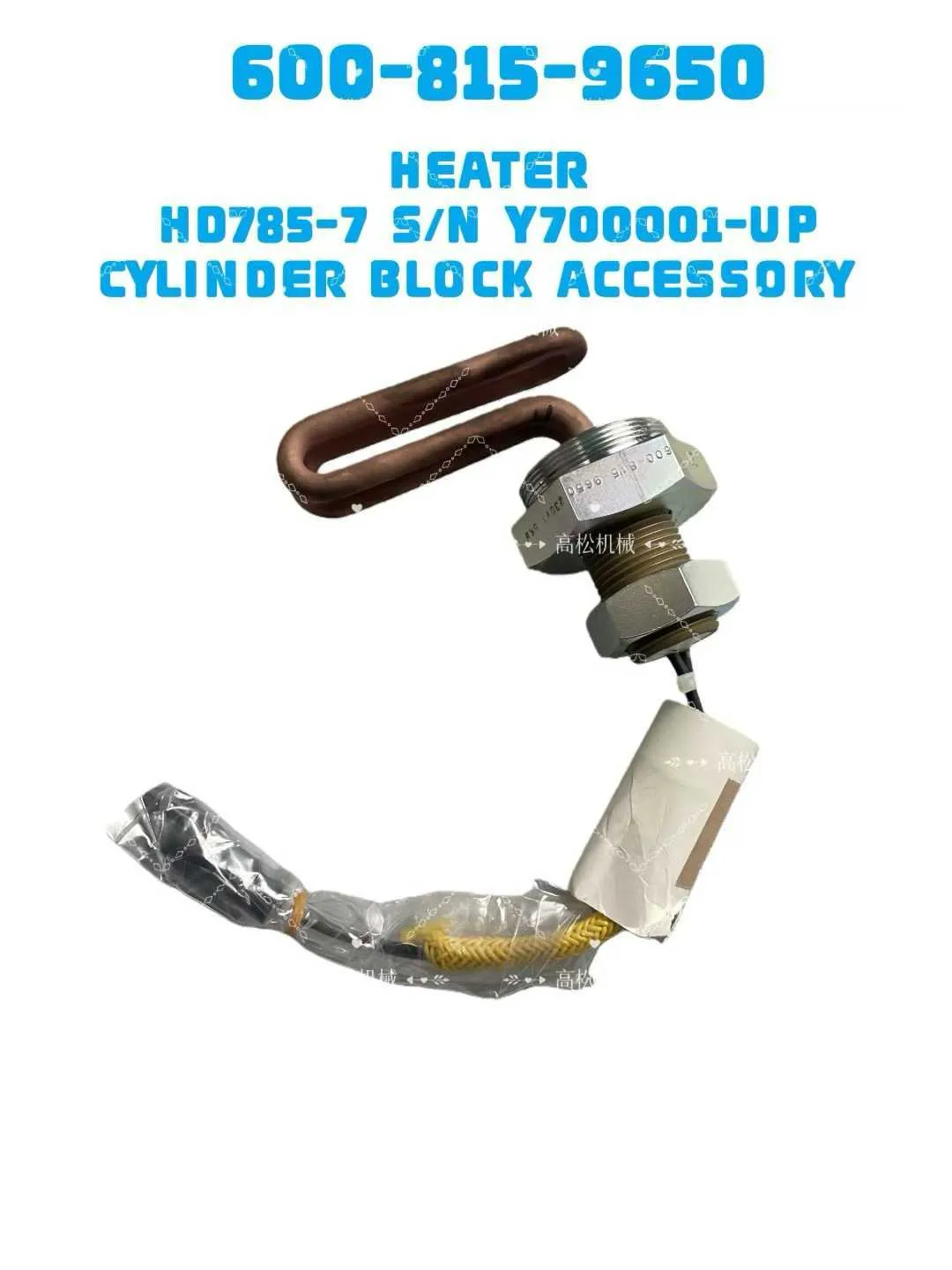 600-815-96504 HEATER HD785-7 5/N Y700001-UP6CYLINDER BLOCK ACCESSORY
 -
 Seal 21N-30-14180 – KOMATSU
 -
 KD0-23500-1024 Komatsu CLUTCH ASS’Y
 -
 7861-93-1620 Suspension Pressure Sensor for Komatsu HD465-7
 -
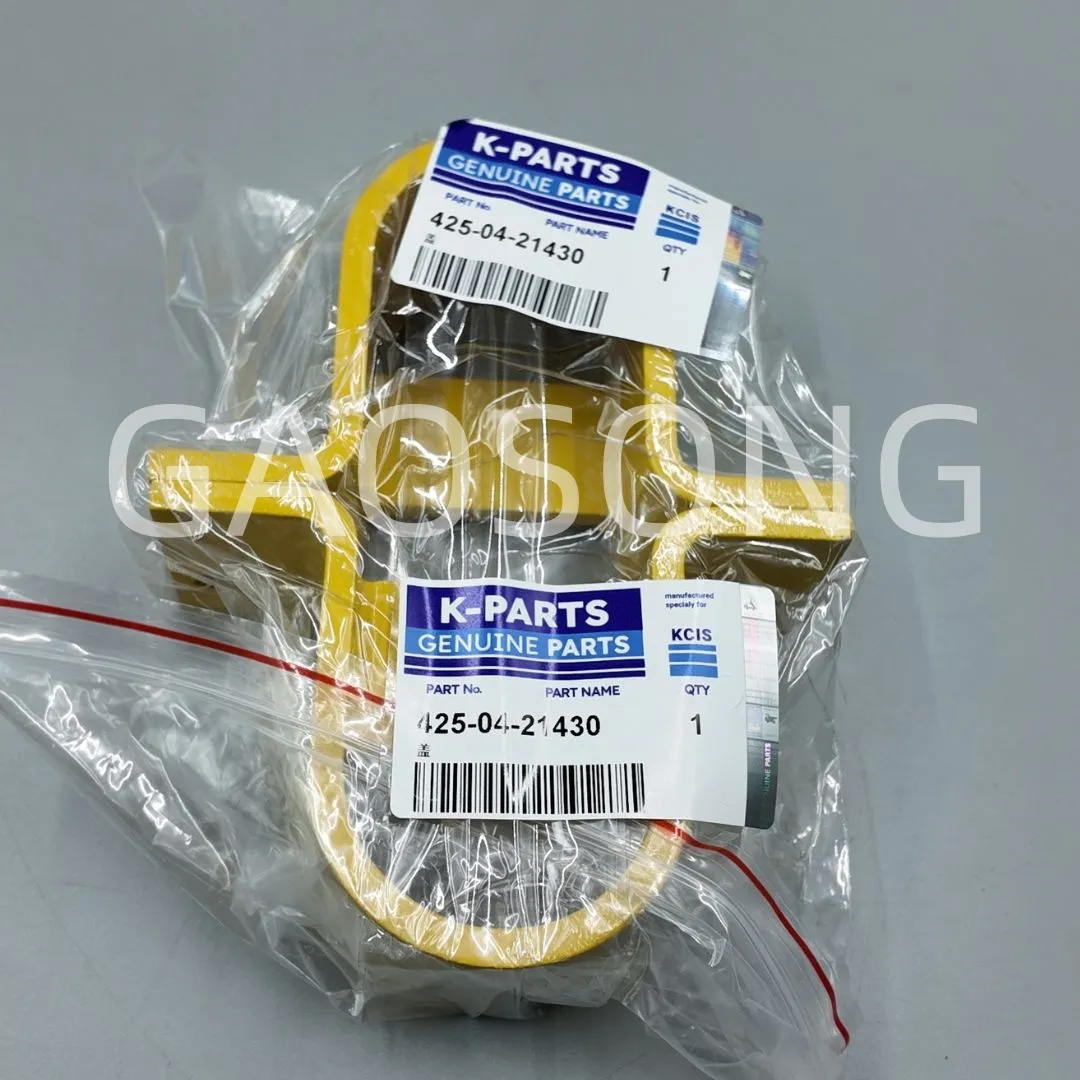 425-04-21430 COVER-Komatsu Original Factory
 -
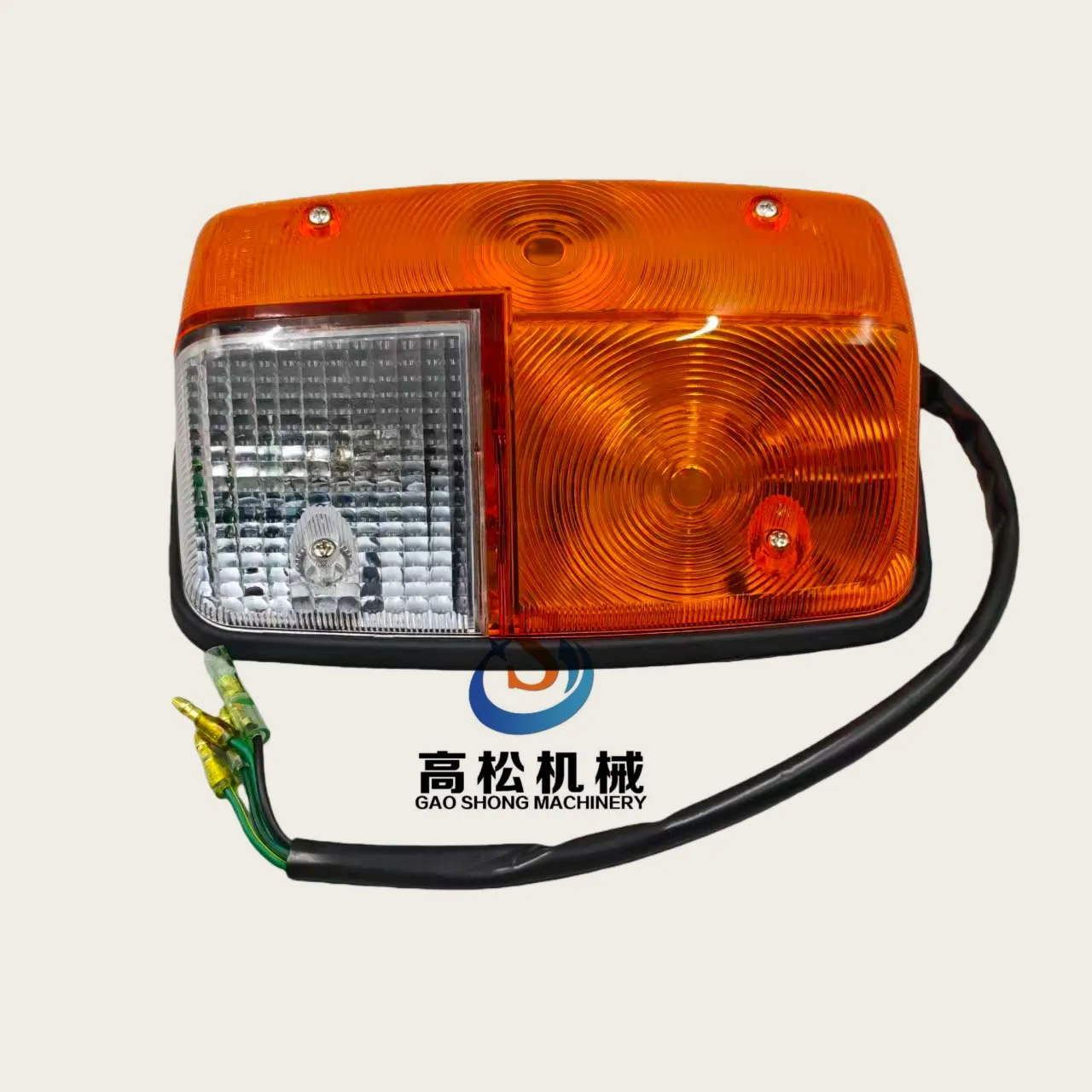 421-06-13401 LAMP ASS’Y,R.H. ELECTRICAL SYSTEM HD255-5 GS360-2 GD405A-2 GD355A-1 HD605-7 HD465-7 HD785-5 HD985-5
 -
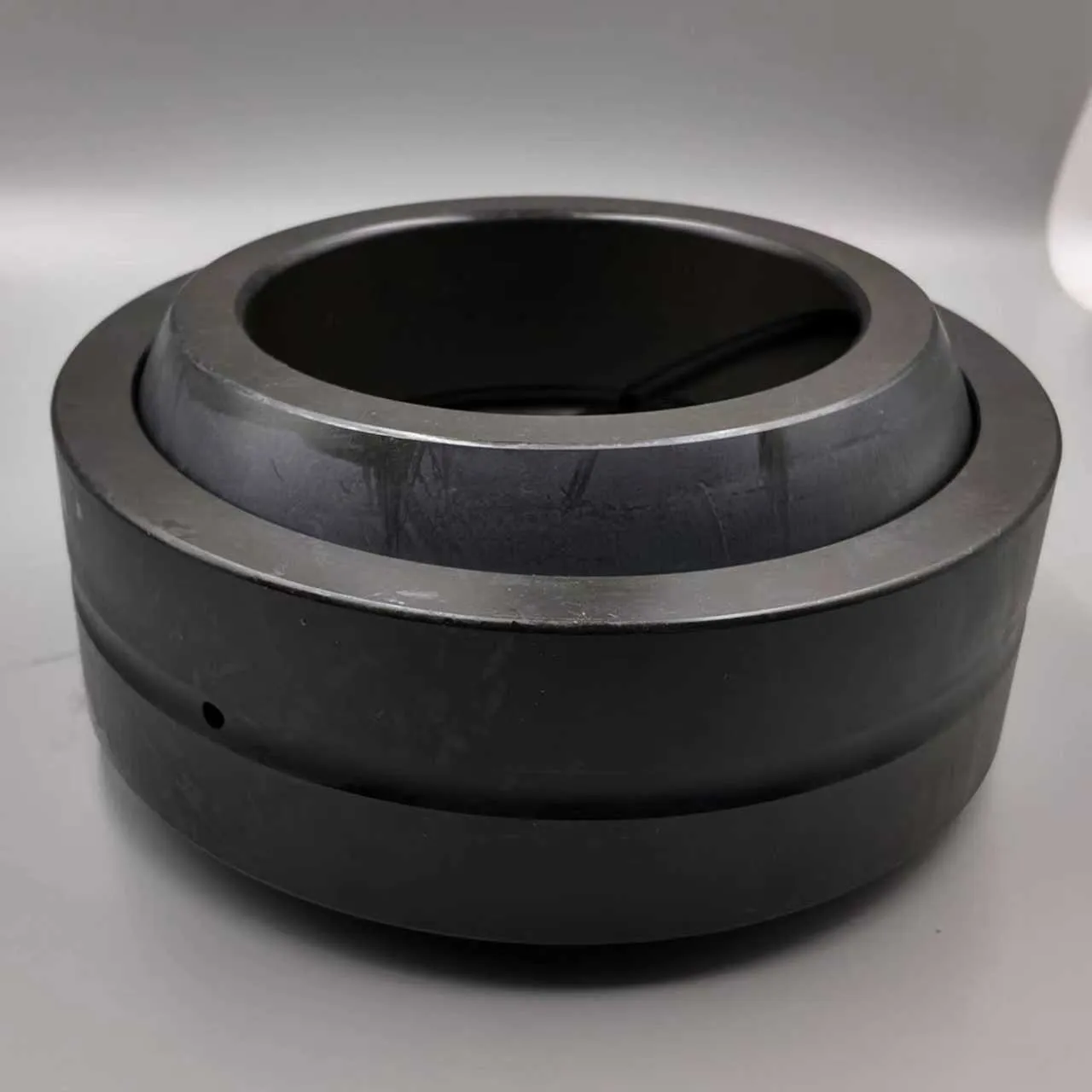 707-46-14010 • BUSHING-Komatsu Original Factory
 -
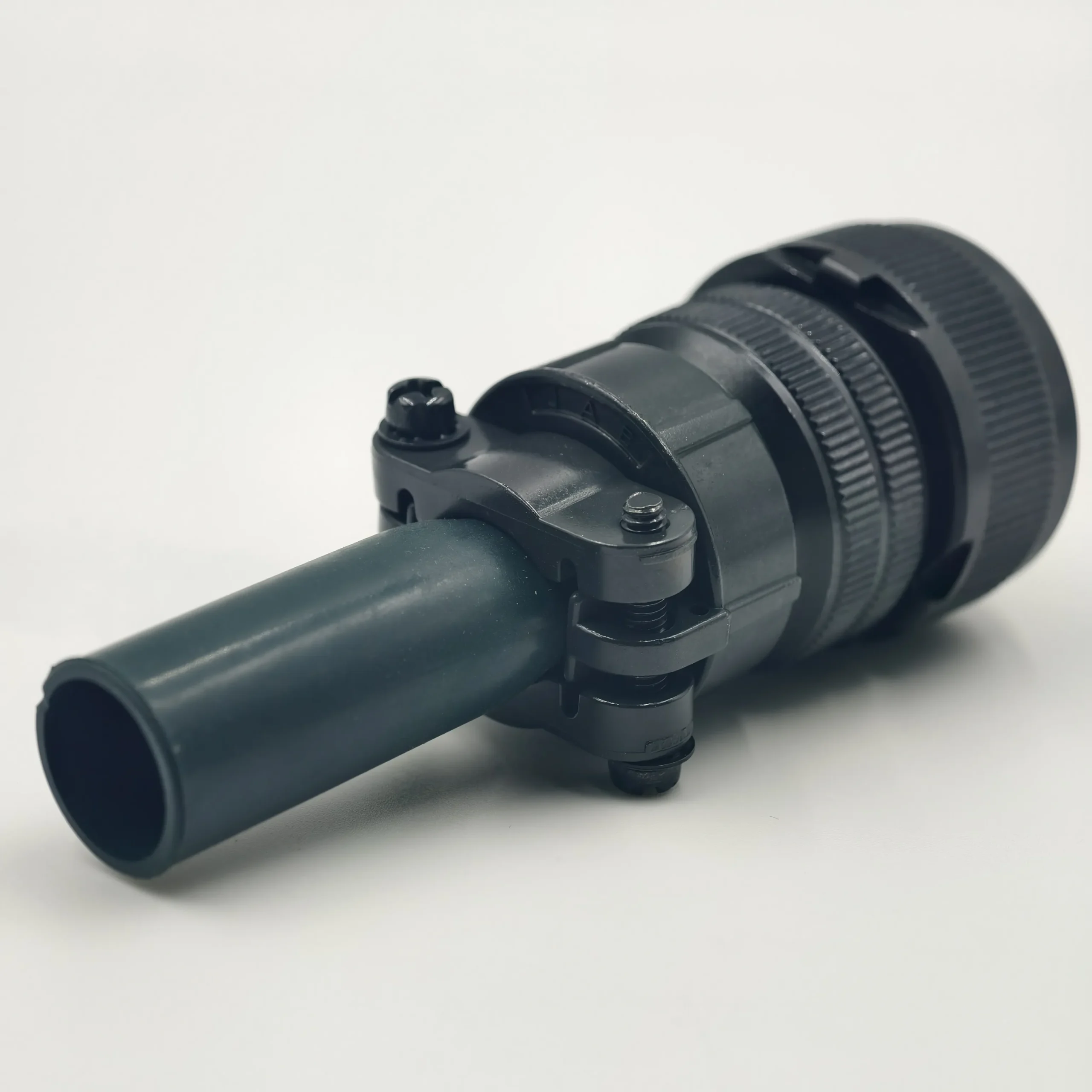 Komatsu PC1250 PLUG 175-06-37871 Original Parts
 -
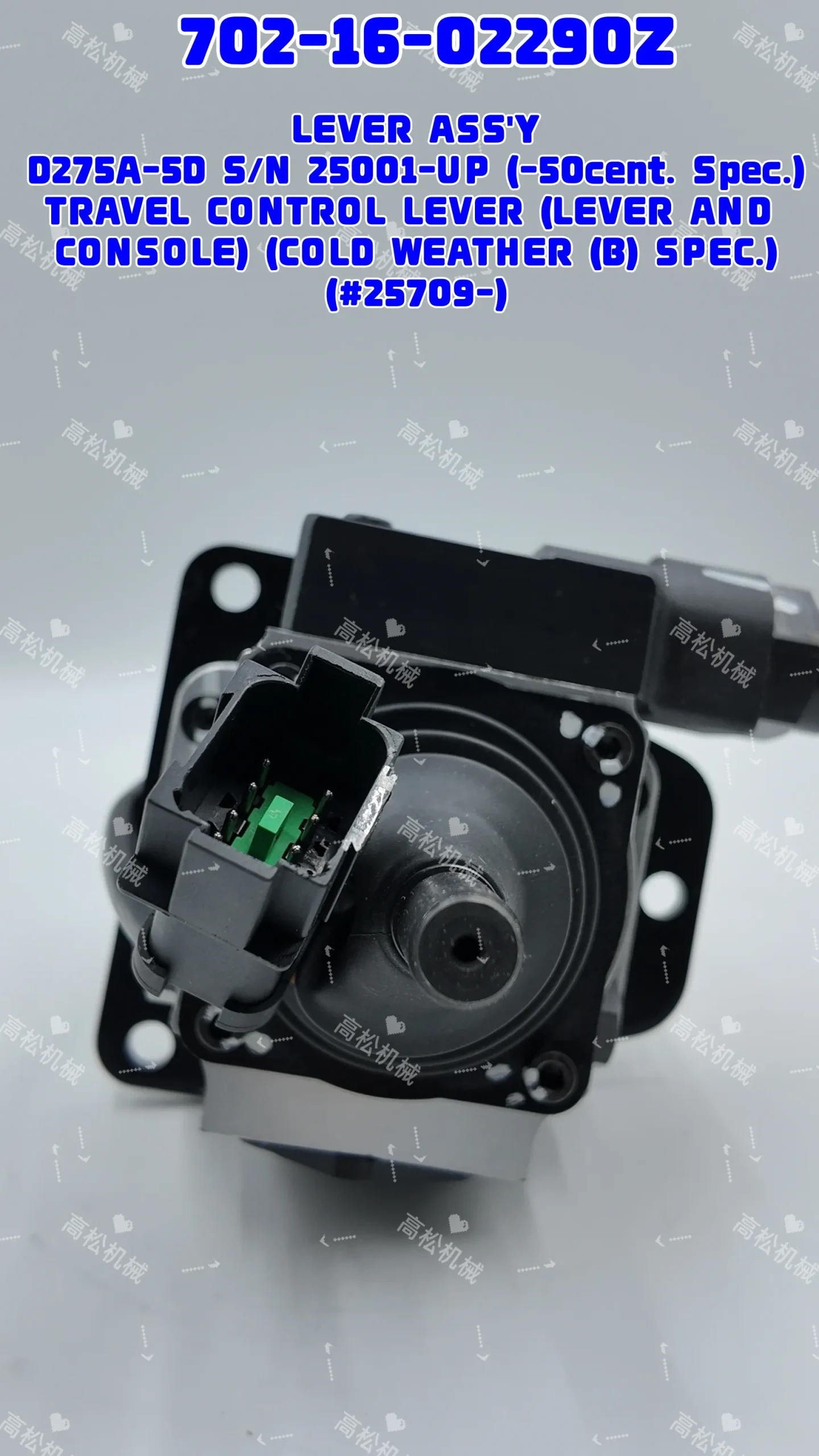 LEVER ASS’Y 702-16-02290 D275A-5D D65PX-15E0 D85EX-15 D65PX-16 D155AX-8 TRAVEL CONTROL LEVER ELECTRIC LEVER FLOOR FRAME
 -
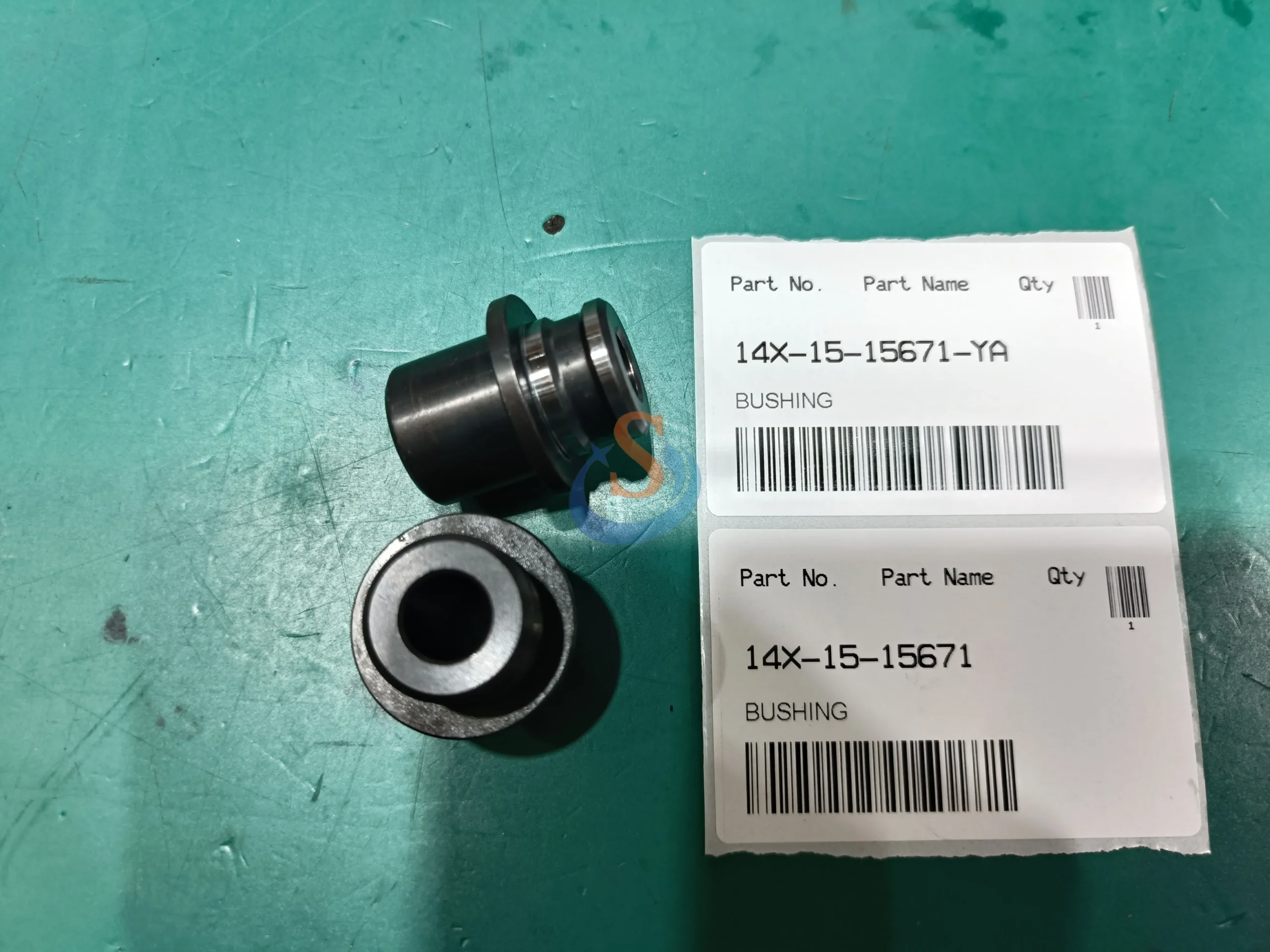 14X-15-15671 komatsu BUSHING D155A/D65EX
 -
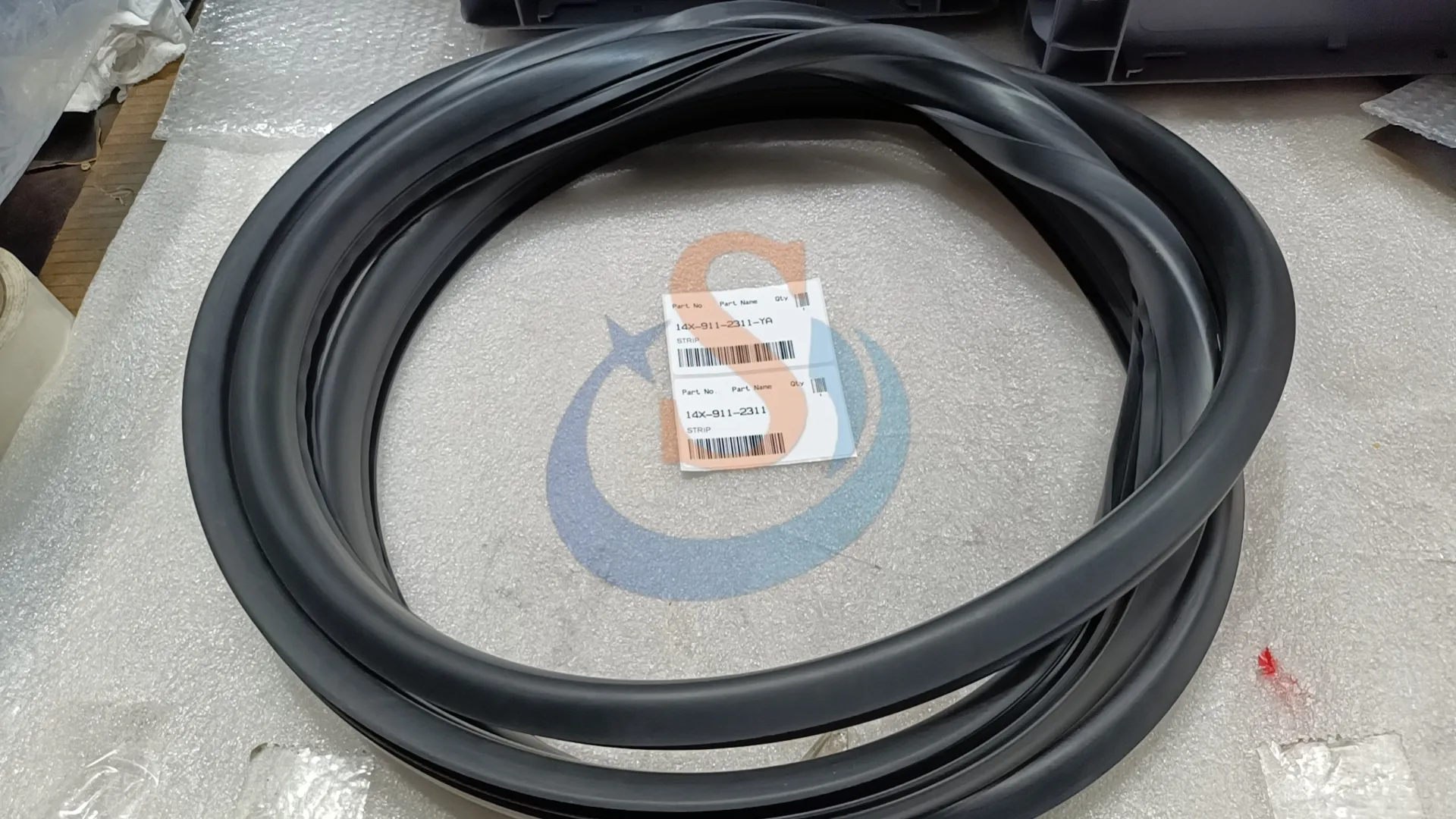 14X-911-2311,STRIP WEATHER,D155A,D375A,D65E
 -
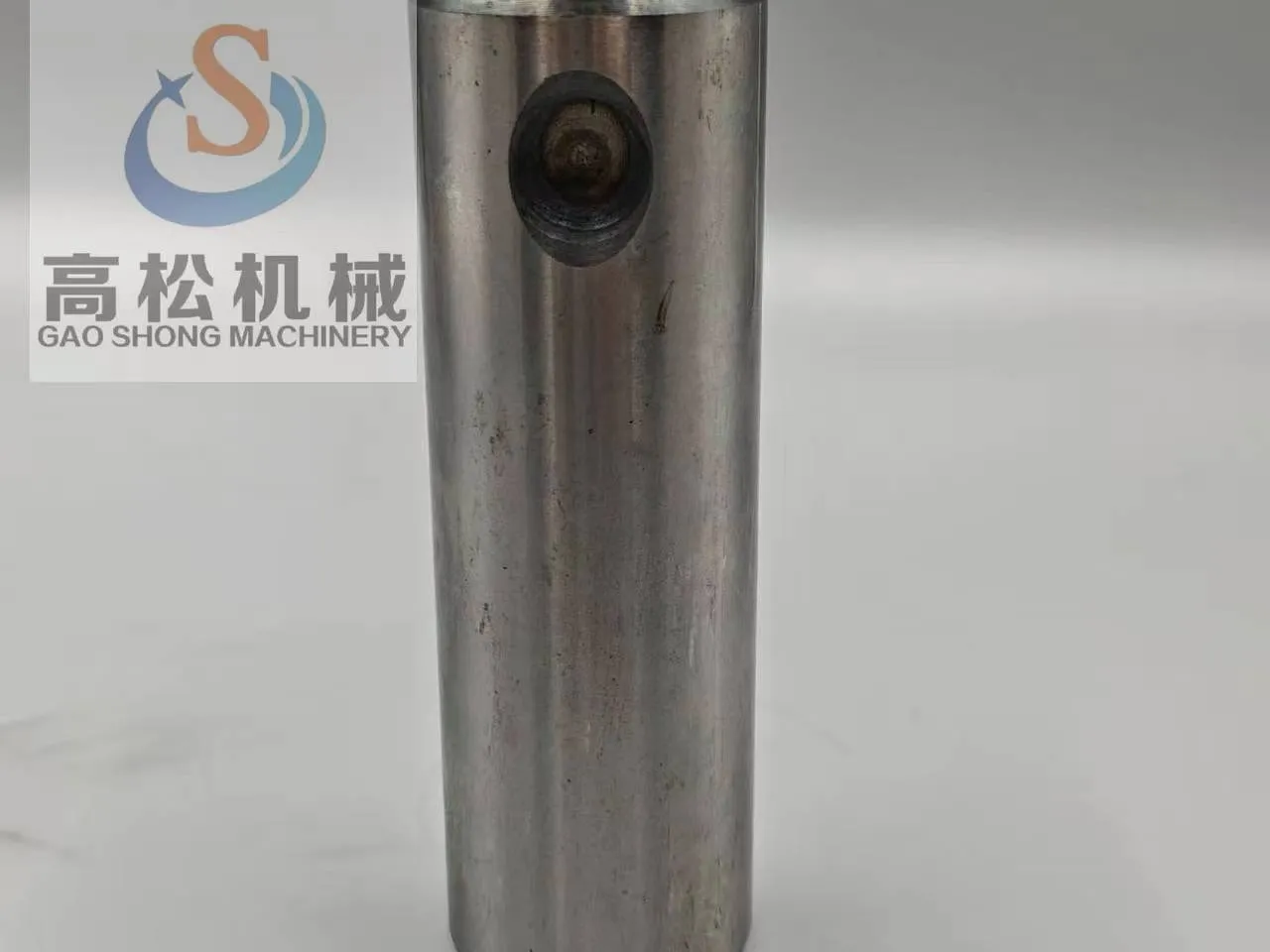 Komatsu Pin, 20Y-27-31160 Komatsu Sales, 20Y-27-31160