
- Chinese
- French
- German
- Portuguese
- Spanish
- Russian
- Japanese
- Korean
- Arabic
- Irish
- Greek
- Turkish
- Italian
- Danish
- Romanian
- Indonesian
- Czech
- Afrikaans
- Swedish
- Polish
- Basque
- Catalan
- Esperanto
- Hindi
- Lao
- Albanian
- Amharic
- Armenian
- Azerbaijani
- Belarusian
- Bengali
- Bosnian
- Bulgarian
- Cebuano
- Chichewa
- Corsican
- Croatian
- Dutch
- Estonian
- Filipino
- Finnish
- Frisian
- Galician
- Georgian
- Gujarati
- Haitian
- Hausa
- Hawaiian
- Hebrew
- Hmong
- Hungarian
- Icelandic
- Igbo
- Javanese
- Kannada
- Kazakh
- Khmer
- Kurdish
- Kyrgyz
- Latin
- Latvian
- Lithuanian
- Luxembou..
- Macedonian
- Malagasy
- Malay
- Malayalam
- Maltese
- Maori
- Marathi
- Mongolian
- Burmese
- Nepali
- Norwegian
- Pashto
- Persian
- Punjabi
- Serbian
- Sesotho
- Sinhala
- Slovak
- Slovenian
- Somali
- Samoan
- Scots Gaelic
- Shona
- Sindhi
- Sundanese
- Swahili
- Tajik
- Tamil
- Telugu
- Thai
- Ukrainian
- Urdu
- Uzbek
- Vietnamese
- Welsh
- Xhosa
- Yiddish
- Yoruba
- Zulu
- Kinyarwanda
- Tatar
- Oriya
- Turkmen
- Uyghur






OEM AND ORIGINAL KOMATSU GEAR 198-27-45212
When you see a part number like pop up, especially for a Komatsu gear, the immediate instinct for many in procurement or maintenance is to search for the 'original' tag. But here's the thing I've learned over the years: that term 'original' can be a minefield. It's not just about the box having the Komatsu logo. In many markets, what you get as 'original' from a dealer might actually be an OEM part sourced from the manufacturer that supplies Komatsu, but without the final branding and markup. The real confusion, and frankly where money gets left on the table or machines get damaged, is in not understanding the relationship between OEM and what the distribution chain sells as Original Komatsu. For a critical rotating component like this gear, the distinction isn't academic—it's about metallurgy, heat treatment tolerances, and ultimately, uptime.
The Core Confusion: OEM vs. Original
Let's break down this specific part: Komatsu Gear . It's likely for a transmission or final drive assembly in a mid-sized excavator, maybe a PC200-8 or similar series. The OEM—the Original Equipment Manufacturer—is the factory contracted by Komatsu to produce this gear to their exact engineering specifications. They make the same physical part. The 'Original Komatsu' part is that same item, sent to Komatsu's packaging line, put in a Komatsu box, and distributed through their official network. The performance is identical, but the cost and availability are not. I've seen price differentials of 40% or more, which for a fleet manager is impossible to ignore.
This is where companies like Jining Gaosong Construction Machinery Co., Ltd. come into the picture. They position themselves within that gray area—or perhaps the practical area. They are an OEM product supplier within the Komatsu system. In my dealings, this typically means they have a direct channel to the manufacturing OEM, allowing them to source the identical gear, the very same coming off the same production line, before it goes to Komatsu for branding. Their role, as they state, is to solve parts supply challenges in certain countries. And I can attest to that. Trying to get an 'original' through official channels in some regions can mean a 12-week lead time. A project doesn't have that luxury.
The common mistake is equating 'non-original' with 'aftermarket' or 'counterfeit'. An aftermarket gear might have a different material spec or tooth profile to avoid patent issues. A counterfeit is a fake. What we're talking about with a legitimate OEM supplier is genuine sameness. The hesitation is understandable—you're bypassing the trusted dealer. But the due diligence shifts from the brand on the box to the credibility of the supplier's sourcing. Does their OEM claim hold water? For a part this critical, you need proof of origin, material certificates, and ideally, a history of successful installs.
Practical Verification and The Feel Test
You can't just take a website's word for it. When we first explored sourcing this gear from alternative channels, the process was hands-on. We ordered a single unit of from a supplier, not Gaosong initially, for evaluation. The first check is visual and tactile. The machining finish on the tooth faces, the sharpness of edges on oil channels, the consistency of the surface treatment—it should mirror the part you pull out of a Komatsu box. Any grinding marks, discoloration from uneven heat treatment, or rough casting surfaces are immediate red flags.
We then moved to measurement. This isn't just about calipers; it's about specific features. The bore diameter, the keyway width and depth, the tooth profile using a basic gear profile checker. We even weighed it. The OEM part should be within grams of the 'original'. A significant weight difference suggests different material density or missing material. The part we got from that first test supplier was off on the keyway depth by about 0.15mm. Not much, but enough to cause a fitment issue under high torque. It was a rejected batch from the OEM, sold off as 'grade B'. That was a lesson learned: 'OEM-sourced' doesn't always mean 'OEM-quality-approved'.
This is where a supplier's transparency matters. A company like Jining Gaosong, if they are legitimate, should be able to provide traceability. When I later inquired about their process, the ability to reference the production batch and provide material certification (like a mill certificate for the steel alloy) became my non-negotiable checkpoint. It's the difference between a parts seller and a technical partner. Their website, https://www.takematsumachinery.com, frames them as a problem-solver for supply challenges, which aligns with the core pain point. The real test is if they engage on these technical specifics when asked.
Case in Point: A Field Failure That Wasn't
I recall a situation about two years back. A PC200-7 (different series, but similar part logic) had a repeated failure of a pinion gear. The dealer replaced it with an 'original' part twice, and it failed within 400 hours each time. They started blaming operator abuse or contamination. As a last resort, the owner sourced an OEM gear from a third-party supplier—not the branded original. We installed it with meticulous cleaning and alignment. That gear ran for over 3000 hours without a hint of trouble.
What was the difference? The working theory, which we could never prove conclusively but I believe to be true, was that the official dealer part was from a newer, cost-optimized production run by the OEM, approved by Komatsu, but with a marginally different heat treatment process. The third-party supplier happened to have stock from an older, more robust batch. The part number was the same, the form and fit were identical, but the function differed. This anecdote underscores that 'original' isn't a guarantee of optimal performance; it's a guarantee of specification compliance at a point in time. Sometimes, older stock is better.
This experience directly informs how I view a part like Gear . It's not a commodity. You need to know not just what it is, but when it was made and under what quality audit. A supplier's value is in providing that lineage. A blanket statement like we are an OEM product supplier needs the backup of and here is how we verify and document that for every critical component.
Logistics and The Real-World Cost Equation
Let's talk money and time. The official price for an original Komatsu might be, say, $1,200 with a 90-day lead time from Japan. An OEM-sourced unit from a company like Gaosong might be $750 with a 15-day lead time from their warehouse in China. The math is compelling. But the hidden costs are in risk mitigation. You need to factor in the cost of your technical verification process, potential downtime if the part is wrong (even if replaced under warranty, downtime is a killer), and the relationship cost with your official dealer.
For us, the strategy became hybrid. For non-critical, wear-and-tear parts, we might stick with the dealer for convenience. For high-cost, high-impact rotating components like this gear, we built relationships with 2-3 verified OEM suppliers. We'd qualify them with a small order, do the full inspection, and then scale. It's more management overhead, but the savings on a single major repair can fund the entire parts qualification program for a year. The website for Jining Gaosong Construction Machinery Co., Ltd. mentions helping solve supply challenges. In practice, that means they should understand these logistics pain points—offering clear Incoterms, reliable shipping with tracking, and sensible packaging to prevent the part from being damaged in transit, which is a real issue with finished gears.
The worst outcome is receiving a perfectly manufactured OEM gear with a chipped tooth because it was rattling in a box with insufficient padding. It sounds trivial, but it happens. A professional supplier gets these details right. The packaging should be firm, with the gear mounted on a wooden pallet or secured in a custom foam insert. It's a sign they respect the product and understand its journey to the job site.
Closing the Loop on Sourcing Strategy
So, where does this leave us with ? It's a part number that represents a precise engineering requirement. The physical part that meets that requirement can come through multiple channels. The official Komatsu channel offers maximum assurance with maximum cost and sometimes problematic availability. The aftermarket channel offers variety with variable risk. The legitimate OEM supplier channel, populated by companies operating as third-party sales companies for Komatsu systems, offers a potential sweet spot of genuineness, cost, and speed.
The key is moving from a parts-buying mindset to a vendor-qualification mindset. For a critical gear, your checklist should be: 1) Request and verify material/heat treat certs. 2) Conduct a first-article inspection on initial orders. 3) Validate the supplier's claimed relationship with the OEM—can they name the factory? 4) Assess their logistical competence. A supplier's website, like Takematsumachinery.com, is just a starting point. Their stated mission to solve supply challenges is the right pitch. The proof is in their response to a detailed technical inquiry about a specific Komatsu Gear.
In the end, the industry runs on trust built through verified performance. The label on the box matters less than the integrity of the component inside and the knowledge of the people who supplied it. For a part this central to machine function, finding a reliable source for the OEM version isn't just cost-saving; it's a strategic move for maintaining control over your equipment's lifecycle and uptime. It turns a supply challenge into a managed variable.
Related Products
Related Products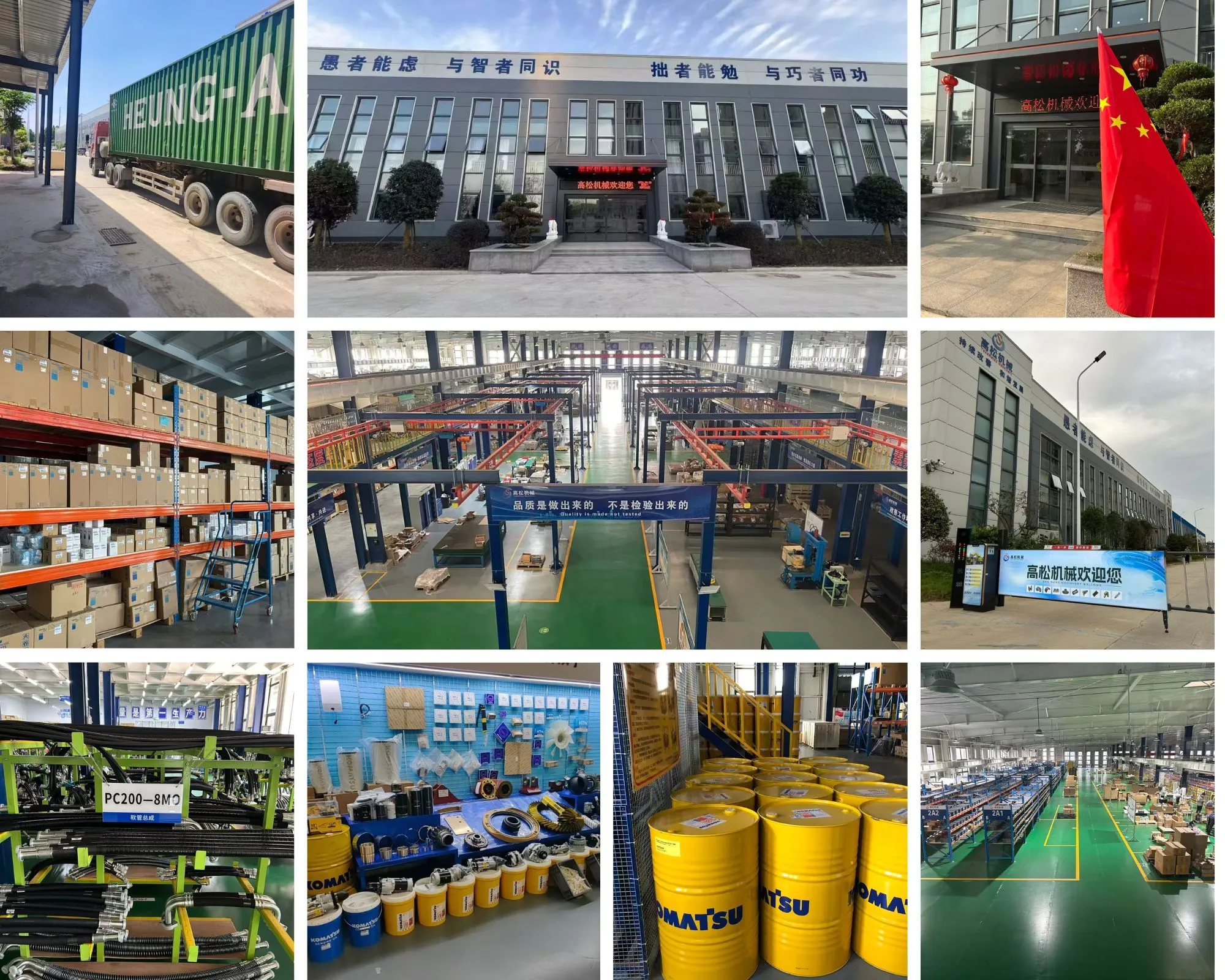

Best Selling Products
Best Selling Products-
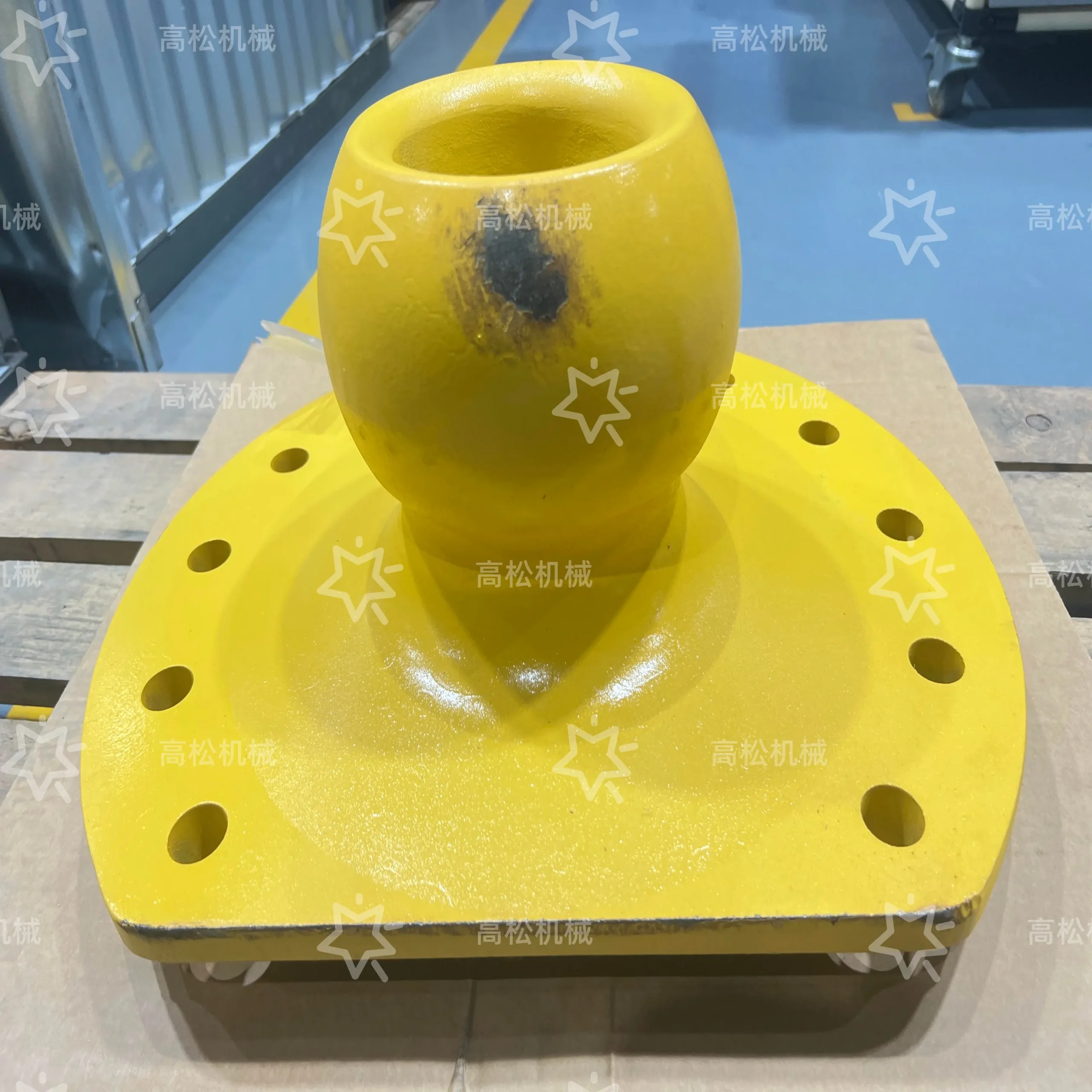 Trunnion 195-71-51191 for Bulldozer D375A-1/3/5/6
 -
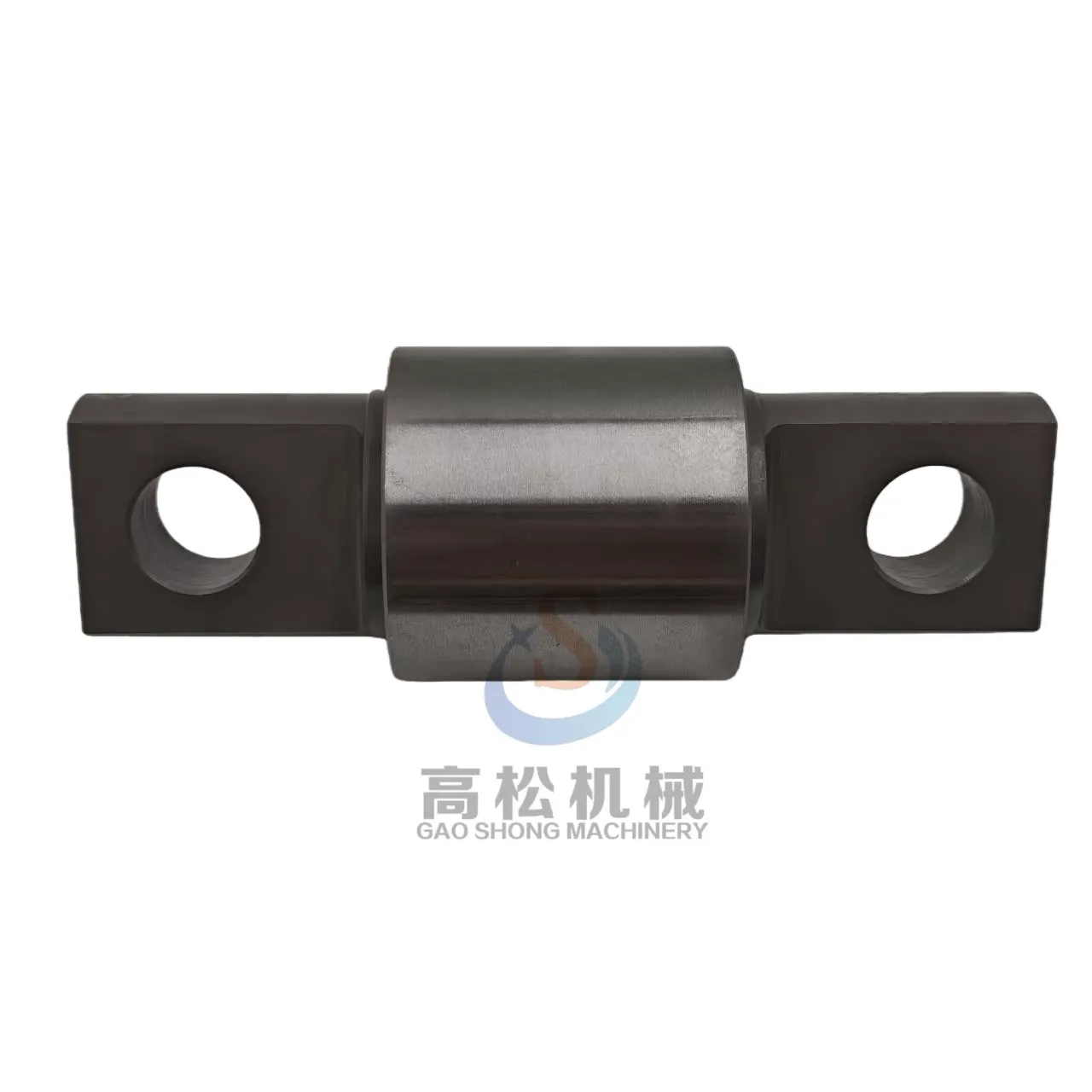 56B-16-11211 CUSHION HM350-2 HM350-2R HM400-3R HM400-2 HM400-1 FRONT DIFFERENTIAL MOUNTING
 -
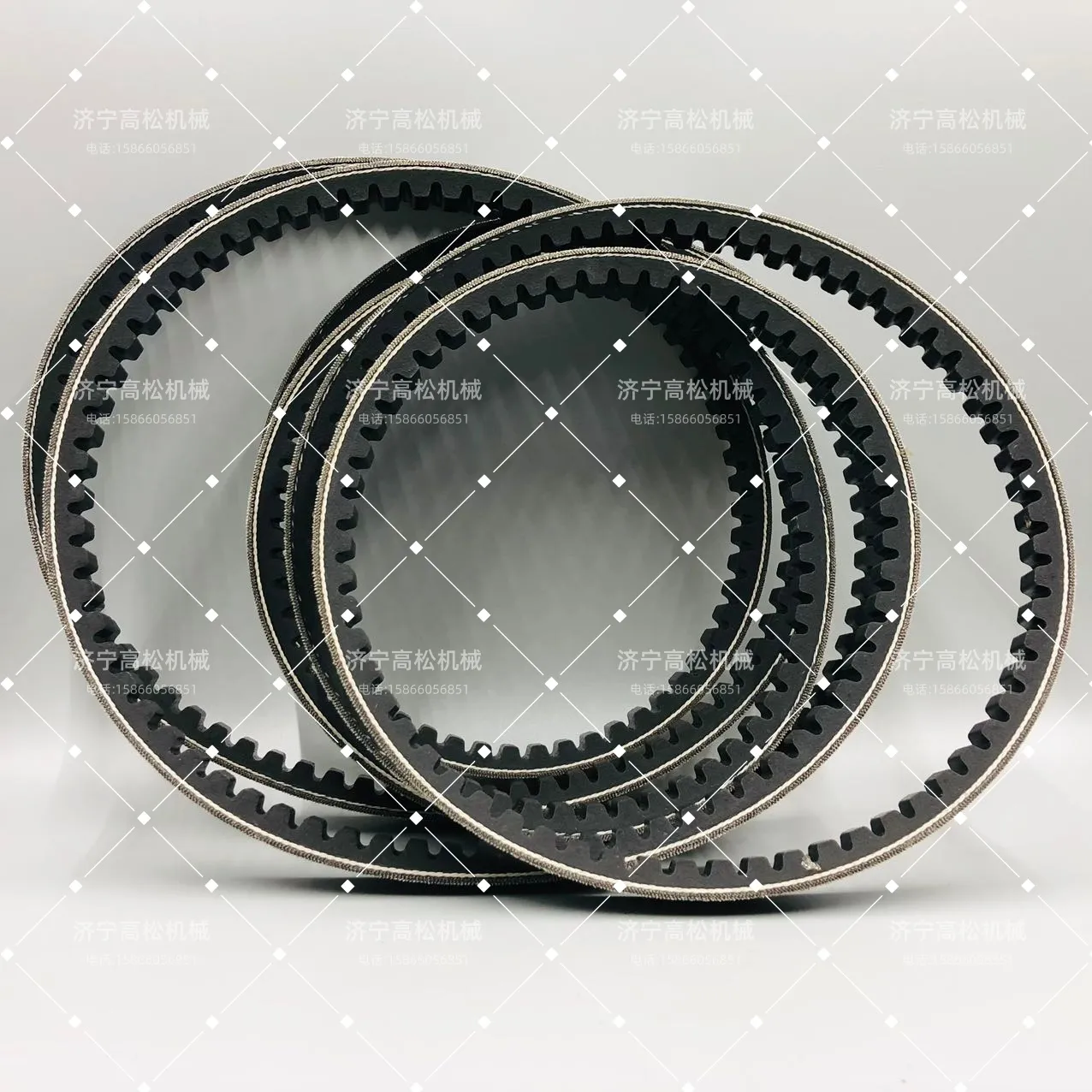 Genuine Komatsu V-Belt 6219-61-3420 for…
 -
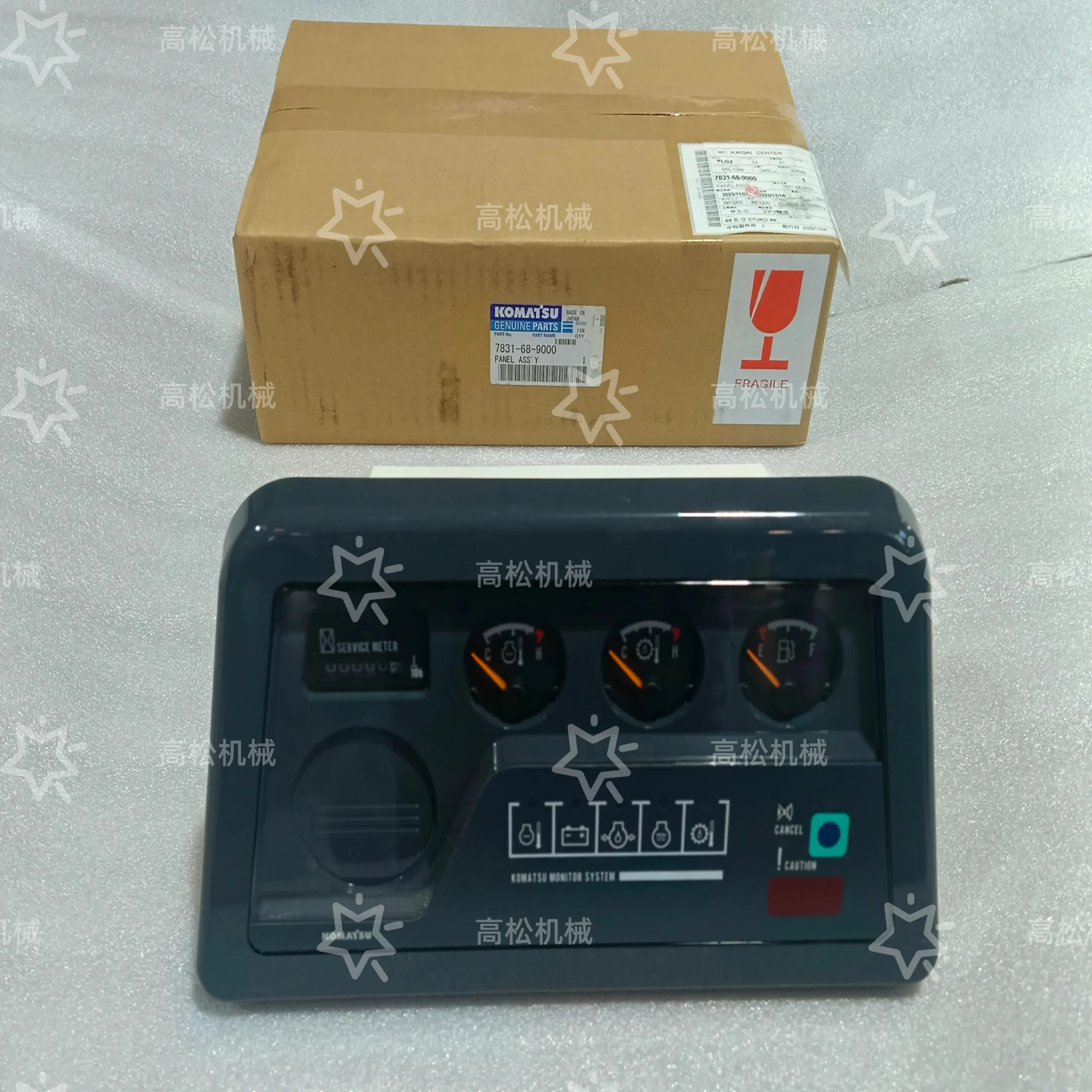 Original New Stock Panel 7831-68-9000 Instrument Panel Assembly Suitable for Komatsu D375A-3/5 Bulldozer
 -
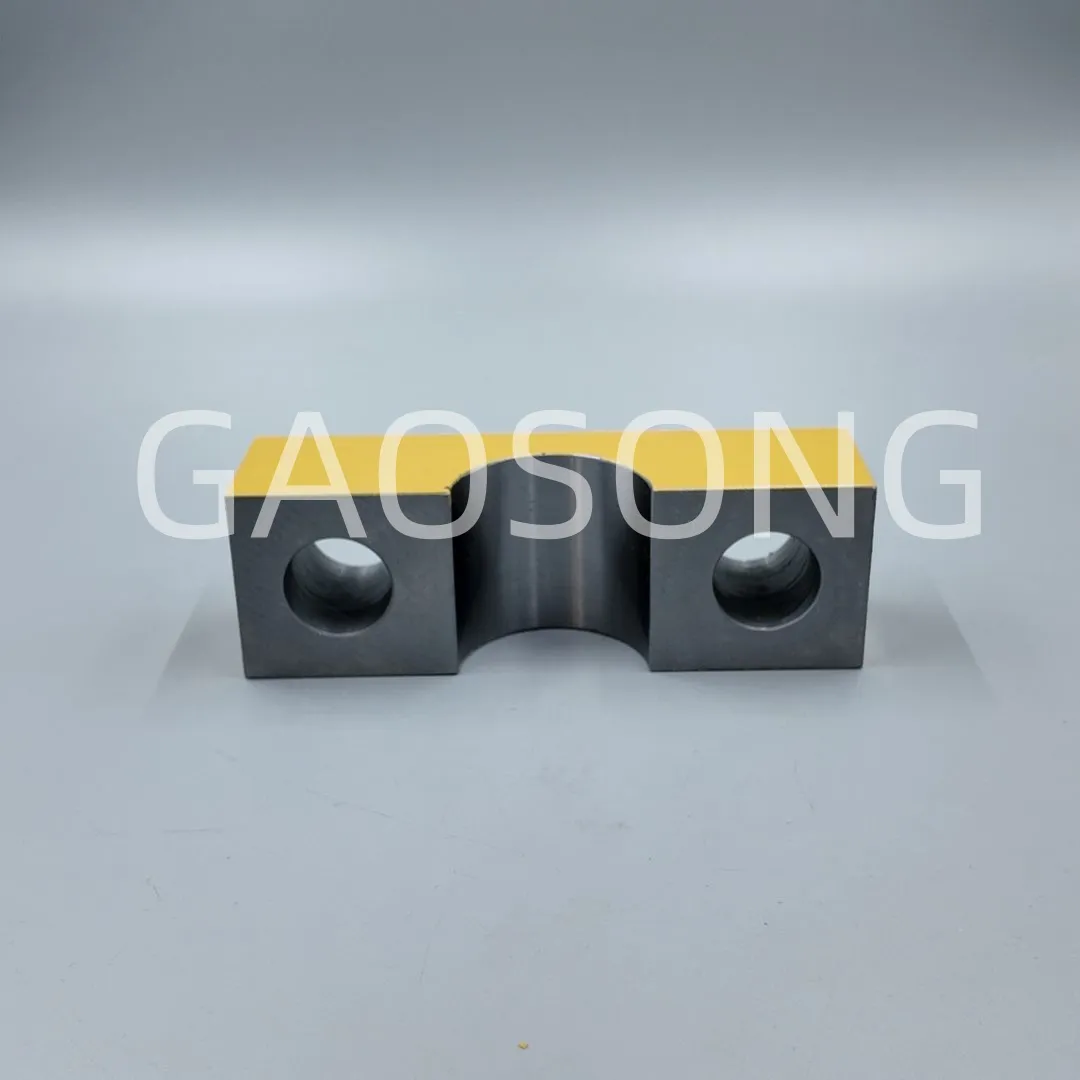 56B-50-12150 Komatsu Plate
 -
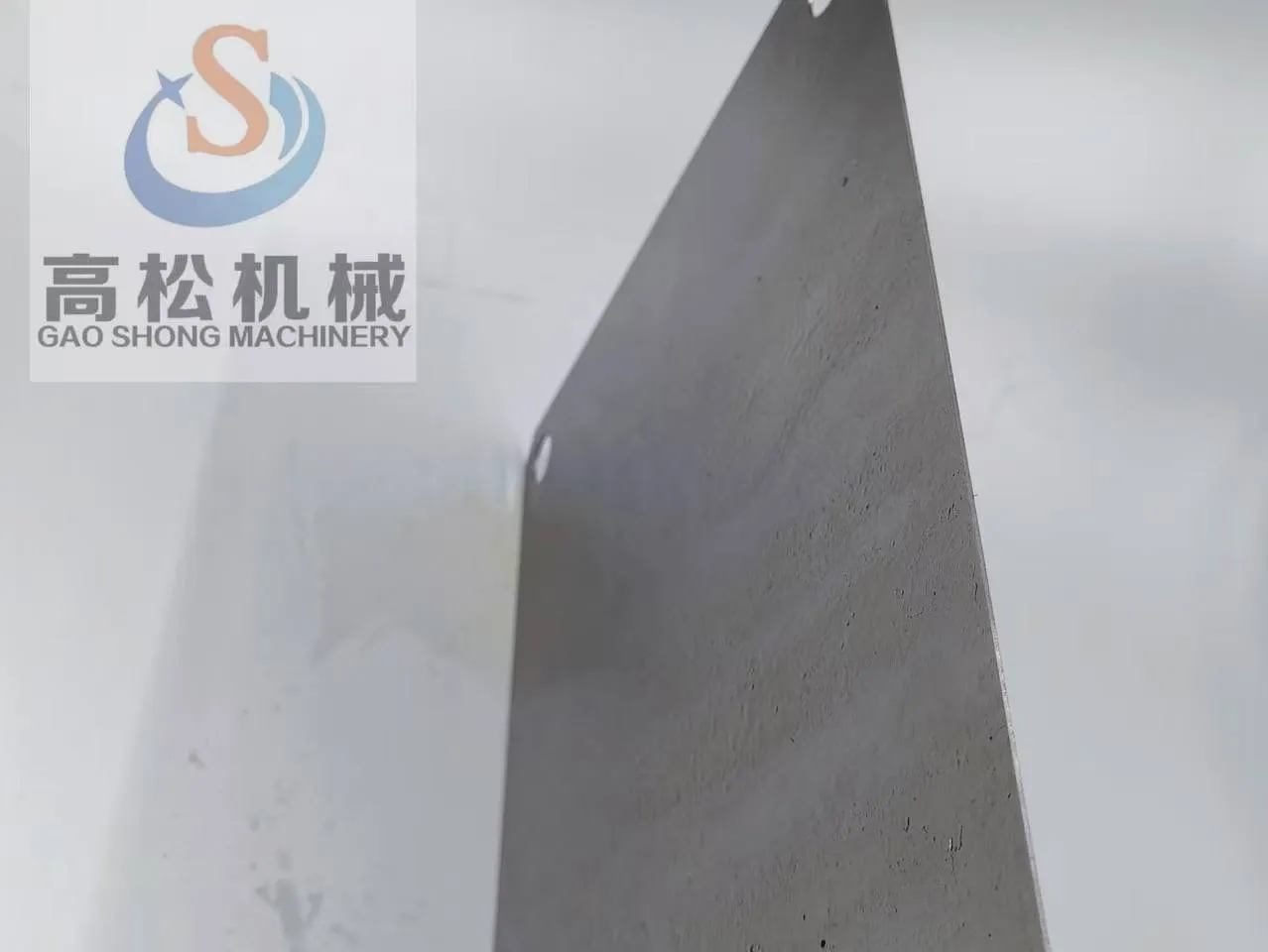 561-74-61540 Komatsu Shim Compatible Model: HD985. Available for immediate shipment.
 -
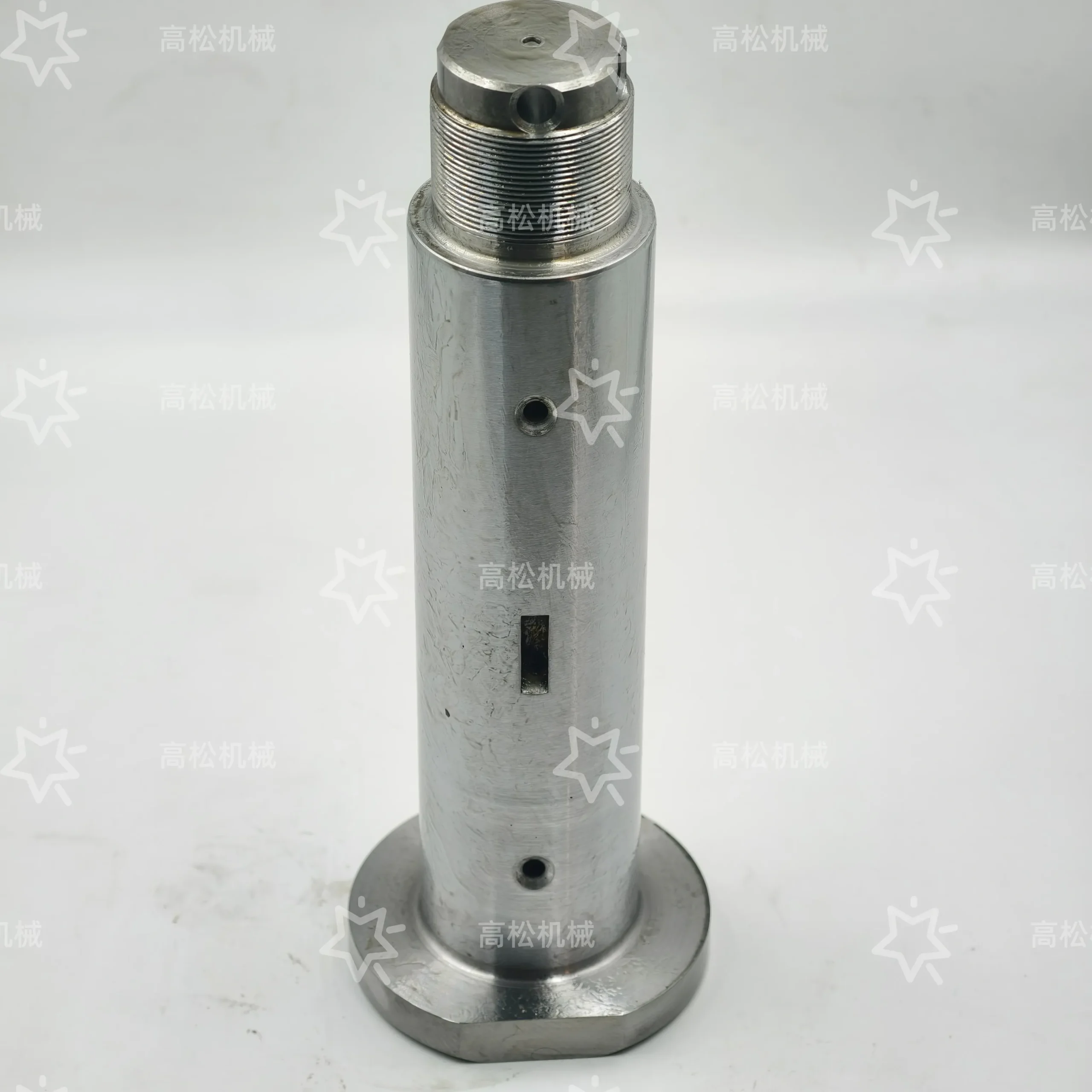 235-27-31330Grader Gd825A-2 Pin 235-27-31330 2352731330
 -
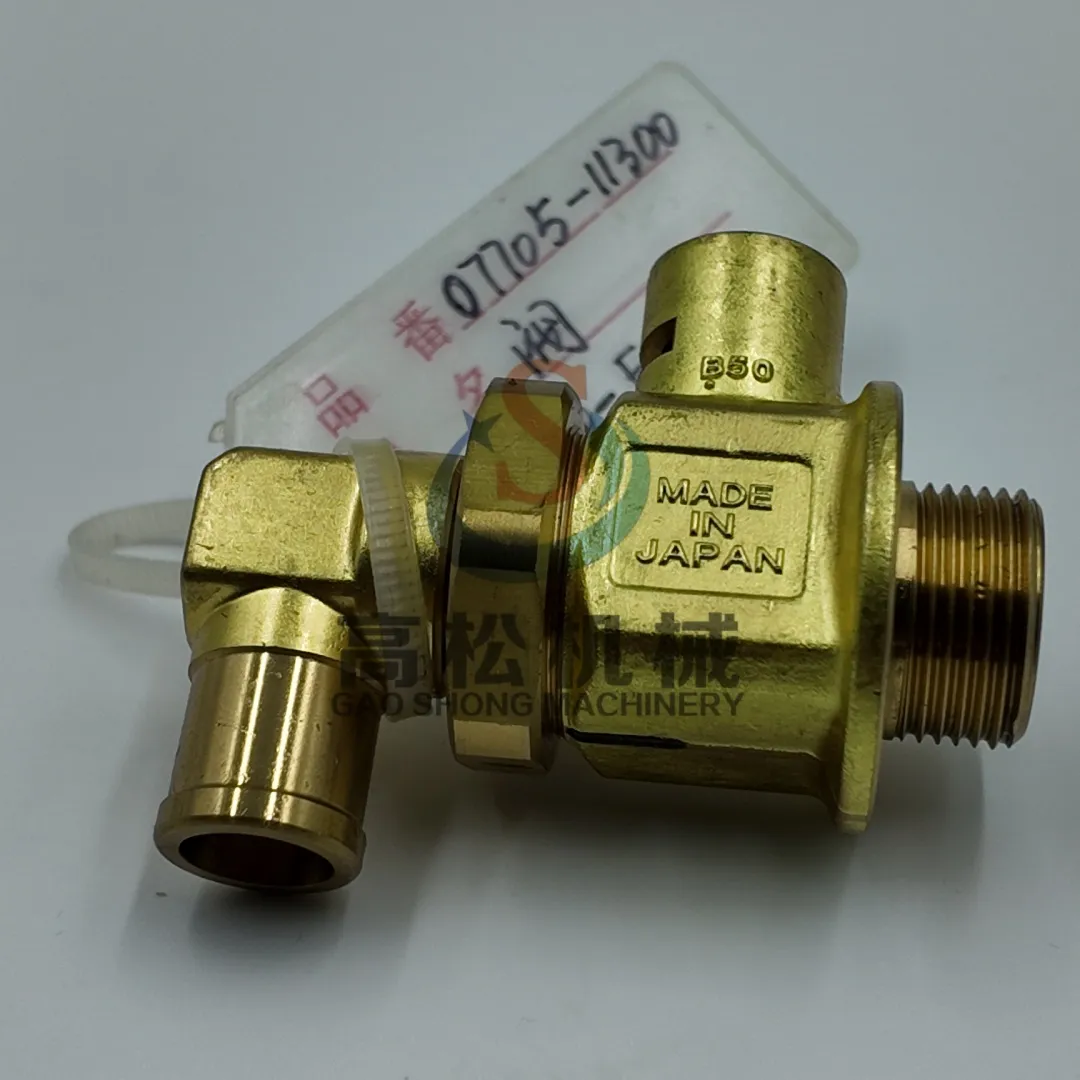 VALVE DRAIN 07705-11300 Komatsu Parts
 -
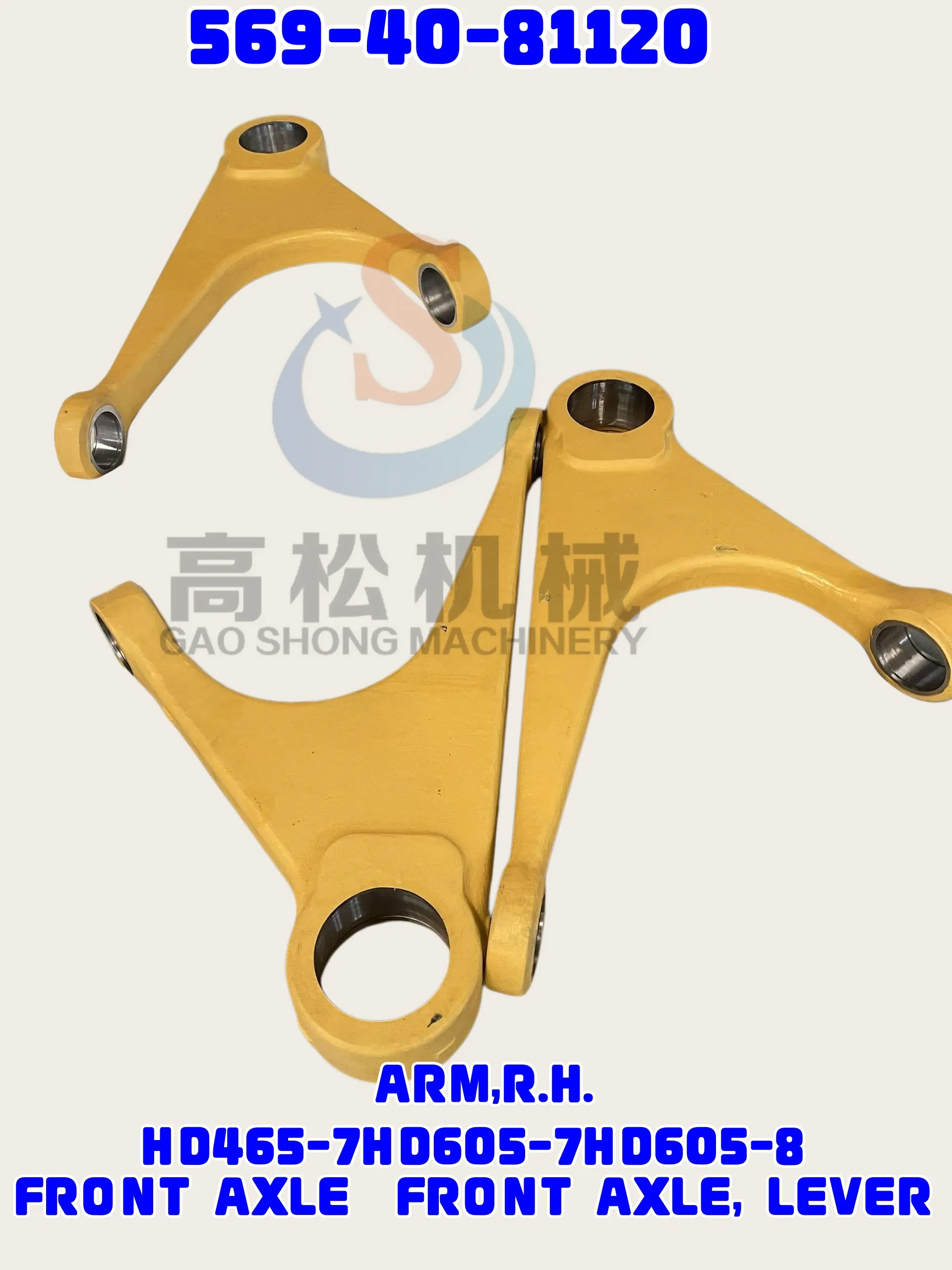 HD465-7 komatsu-part-569-40-81120 ARM,R.H. HD605-7 HD465-7 HD605-7E HD605-7E1 HD465-8 HD465-7R FRONT AXLE (R.H.) (KNUCKLE AND ARM LEVER)
 -
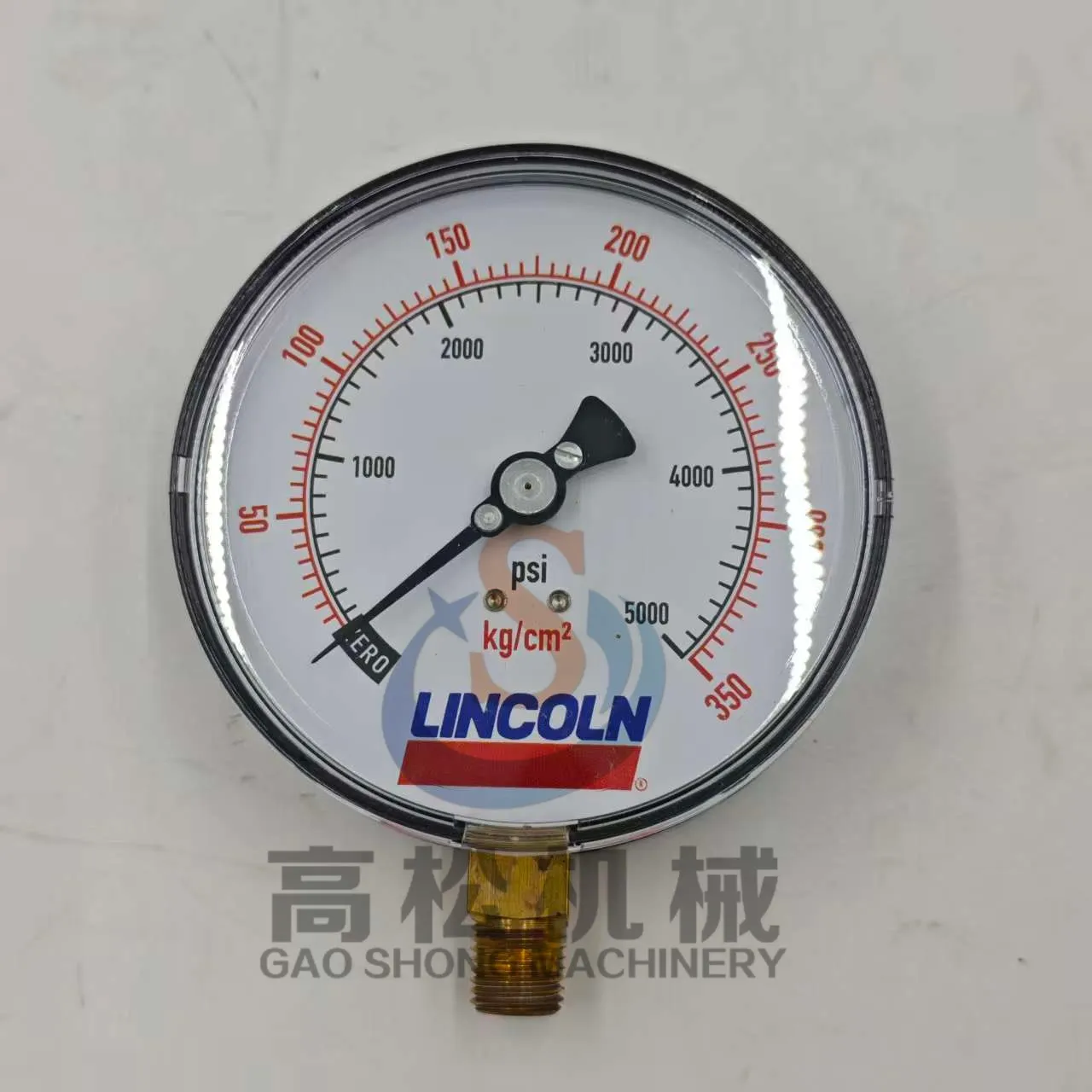 427-S95-2410 Komatsu Gauge, Pressure
 -
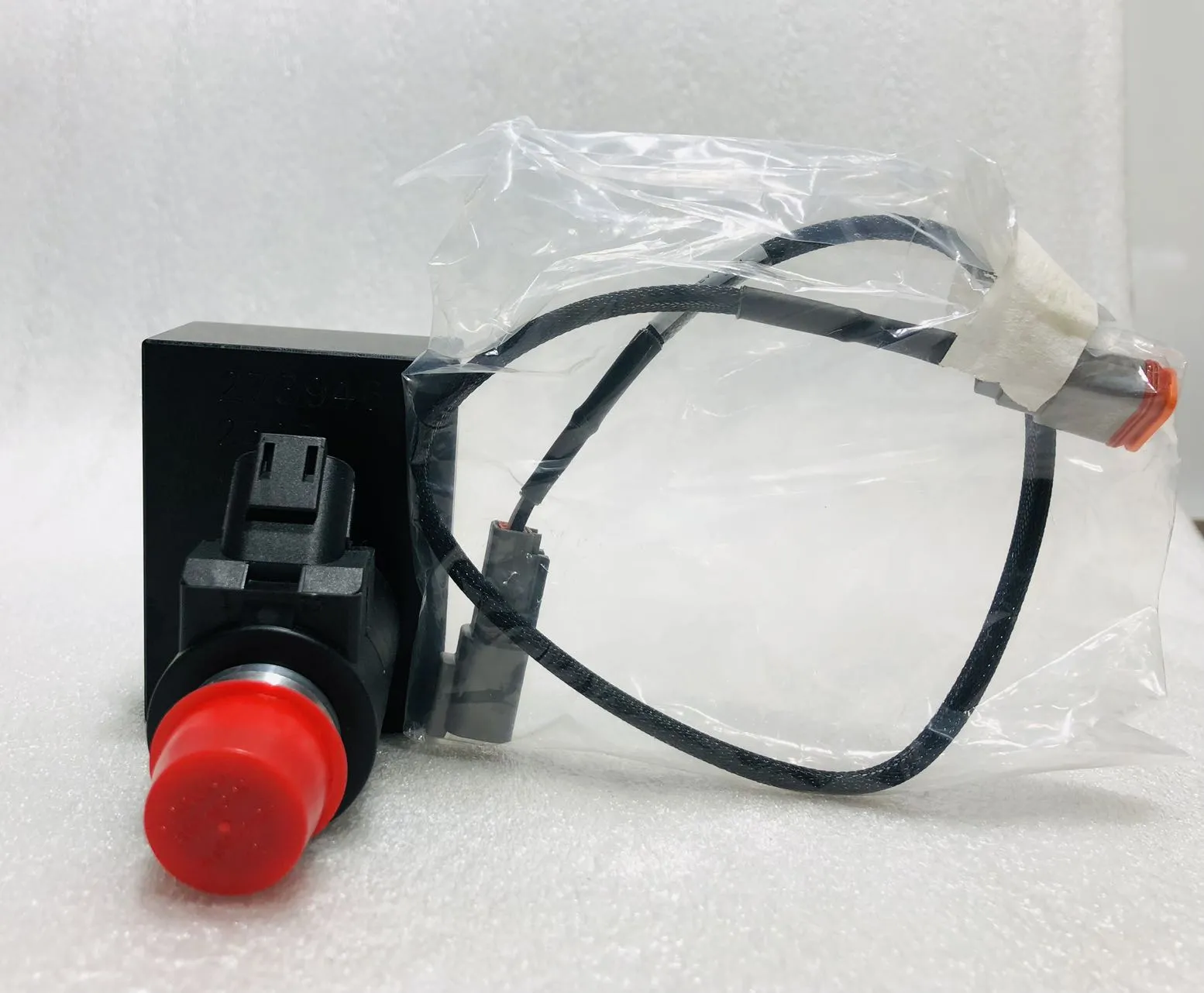 561-95-8A530• PUMP ASSEMBLY Applicable: Komatsu self-unloading truck HD series
 -
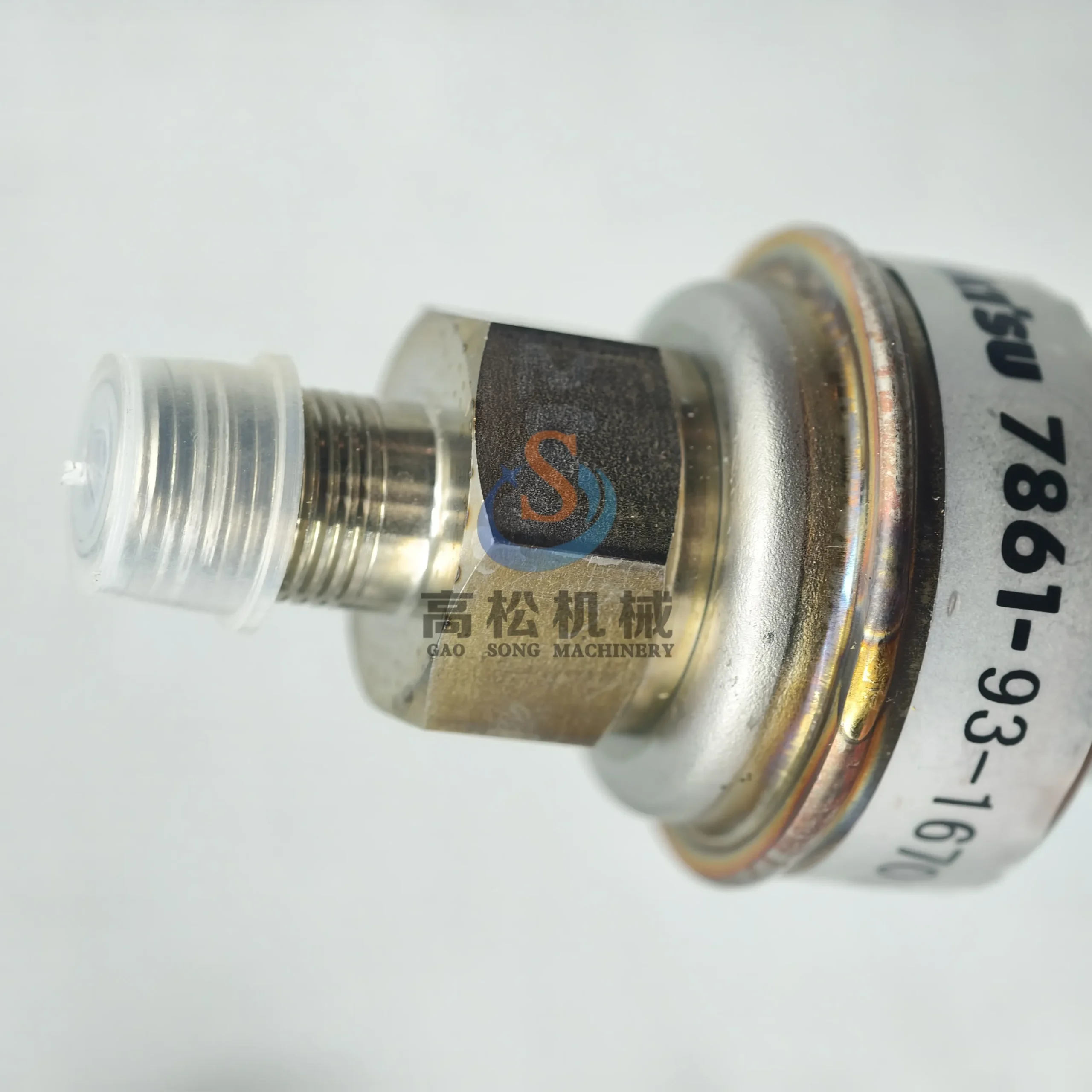 7861-93-1670 komatsu SENSOR