
- Chinese
- French
- German
- Portuguese
- Spanish
- Russian
- Japanese
- Korean
- Arabic
- Irish
- Greek
- Turkish
- Italian
- Danish
- Romanian
- Indonesian
- Czech
- Afrikaans
- Swedish
- Polish
- Basque
- Catalan
- Esperanto
- Hindi
- Lao
- Albanian
- Amharic
- Armenian
- Azerbaijani
- Belarusian
- Bengali
- Bosnian
- Bulgarian
- Cebuano
- Chichewa
- Corsican
- Croatian
- Dutch
- Estonian
- Filipino
- Finnish
- Frisian
- Galician
- Georgian
- Gujarati
- Haitian
- Hausa
- Hawaiian
- Hebrew
- Hmong
- Hungarian
- Icelandic
- Igbo
- Javanese
- Kannada
- Kazakh
- Khmer
- Kurdish
- Kyrgyz
- Latin
- Latvian
- Lithuanian
- Luxembou..
- Macedonian
- Malagasy
- Malay
- Malayalam
- Maltese
- Maori
- Marathi
- Mongolian
- Burmese
- Nepali
- Norwegian
- Pashto
- Persian
- Punjabi
- Serbian
- Sesotho
- Sinhala
- Slovak
- Slovenian
- Somali
- Samoan
- Scots Gaelic
- Shona
- Sindhi
- Sundanese
- Swahili
- Tajik
- Tamil
- Telugu
- Thai
- Ukrainian
- Urdu
- Uzbek
- Vietnamese
- Welsh
- Xhosa
- Yiddish
- Yoruba
- Zulu
- Kinyarwanda
- Tatar
- Oriya
- Turkmen
- Uyghur






OEM AND ORIGINAL KOMATSU GEAR 198-27-45172
If you're searching for the Komatsu gear part number , you've already hit the core dilemma: OEM or Original? The distinction isn't just academic; it's where cost, availability, and machine uptime collide. Many assume 'OEM' means inferior, a cheap copy, but that's a dangerous oversimplification in the Komatsu ecosystem. Having sourced this specific gear for D375A-6 and D475A-5 dozers, I've seen the confusion firsthand. The reality is more nuanced, and sometimes, the OEM route isn't just an alternative—it's the only viable path to keeping a site running.
The Part Number Tells Only Half the Story
. It's stamped on the part, it's in the system, but what does it actually represent? In Komatsu's world, this number signifies a specific gear set within the final drive transmission group. The critical detail often missed is the application variance. A gear for a machine operating in Canadian oil sands faces different stress profiles than one in a Malaysian quarry, even if the part number is identical. Original Komatsu parts are built to a universal spec, which is excellent, but doesn't always account for localized wear patterns we see in the field.
This is where a knowledgeable supplier becomes crucial. I recall a project in Chile where we installed an original , only to see premature pitting after 1,200 hours. The failure analysis pointed to abrasive contamination, sure, but the metallurgy of the original part was optimized for a different kind of impact fatigue. We had to look beyond the standard catalog.
That's when we engaged with Jining Gaosong Construction Machinery Co., Ltd.. Their position is unique: they are an OEM product supplier within the Komatsu system. This isn't a back-alley workshop; it means they manufacture components to Komatsu's engineering drawings and quality protocols, often for the aftermarket or specific regional distribution channels. For them, the part number isn't just a SKU to replicate; it's a blueprint with room for informed adaptation.
When Original Isn't an Option: The Supply Chain Reality
Here's the gritty truth everyone in this business knows but rarely discusses openly: genuine Komatsu part supply can be a logistical nightmare in certain regions. Allocation priorities, port delays, and sheer cost can ground a multi-million dollar machine for weeks. The promise of original means little when the part is on a container ship stuck offshore. This isn't a criticism of Komatsu; it's the reality of global heavy equipment logistics.
Jining Gaosong operates precisely in this gap. As they state, they are also a third-party sales company for Komatsu, helping to solve parts supply challenges in certain countries. I've used their channel via their portal at https://www.takematsumachinery.com for urgent requests. The process isn't always as seamless as ordering from a central warehouse—you need to provide more machine history, serial numbers, application details—but they deliver when the official pipeline is dry. For the , they could often provide a lead time 3-4 weeks shorter than the standard route to our operations in West Africa.
The compromise? You must do your own validation. Their OEM gear might have a slightly different surface finish or come in non-Komatsu branded packaging. The material certificates and hardness test reports are there, but you need an engineer who knows how to read them, comparing them to the original spec sheet. It's not a blind purchase; it's a technical procurement decision.
Failure Analysis and the OEM Advantage
Let's talk about a failed . The teeth sheared off clean. An original part failure typically leads to a warranty claim and a replacement of the same item. But with an OEM supplier like Gaosong, the conversation can be different. Because they manufacture, they can participate in the forensic side. I've sent them broken gears, and their feedback wasn't just here's a new one. They pointed out potential misalignment in the housing we'd missed, based on the wear pattern unique to their gear's break-in profile.
This feedback loop is an underrated value of a technical OEM partner. They have a vested interest in the part's performance because their business model relies on repeat, informed clients, not just one-time sales. For a critical component like a final drive gear, this post-mortem analysis is worth as much as the part itself. It turns a parts replacement into a minor system correction.
Does this mean their OEM gear is better? Not necessarily. It means it can be more appropriate. If your operation consistently sees a certain type of stress, they can sometimes adjust the heat treatment process on subsequent batches. You can't request that from Komatsu central. This is the practical, hands-on level where the OEM vs. Original debate gets real.
Cost vs. Value: The Total Lifecycle Calculation
The upfront price difference for an OEM can be 30-40% lower. The immediate instinct is to see pure savings. The seasoned instinct is to calculate risk. The value isn't in the cheaper price tag; it's in the reduced downtime and the potential for technical collaboration. However, this only holds if the OEM supplier is legitimate and integrated into the system.
A company like Jining Gaosong, by being an OEM product supplier within the Komatsu system, mitigates much of that risk. They aren't a reverse-engineering outfit. The risk shifts from will this part fit? to is this part's specification optimized for my exact duty cycle? That's a higher-level, more manageable risk for a fleet manager.
We ran a trial on two similar D475A-5 machines: one with a genuine , one with Gaosong's OEM version. We tracked hours, fuel consumption, and oil analysis. At the 5,000-hour mark, the wear metal counts in the transmission oil were statistically identical. The cost-per-operating-hour for the OEM part was lower, purely on acquisition cost. The caveat? The trial only worked because we vetted the supplier's credentials and manufacturing audit reports thoroughly first. Not all OEM claims are equal.
The Verdict: It's About the Partner, Not Just the Label
So, back to the original search: OEM AND ORIGINAL KOMATSU GEAR . The AND in that query is the most important word. It shouldn't be an OR. The optimal strategy is to have both options vetted and available. The original part is the benchmark, the gold standard for reliability under known conditions. But a competent, system-integrated OEM supplier is your strategic backup and sometimes your primary source for tailored solutions.
My practical advice? Know your machine's history. If it's running standard cycles in a well-supported region, go original. If you're in a remote location, facing long lead times, or battling a recurring failure mode, a supplier like Jining Gaosong is worth integrating into your supply chain. Use their site, takematsumachinery.com, not just for ordering, but as a point of contact for technical dialogue. Send them your failure reports.
Ultimately, the part number is just a code. The real product is the combination of the physical gear and the technical support behind it. Whether that comes in a Komatsu box or a plain one from a certified OEM supplier matters less than the confidence you have in its provenance and the expertise of the people who stand behind it. For and other critical drivetrain components, that confidence is built on transparency, not just branding.
Related Products
Related Products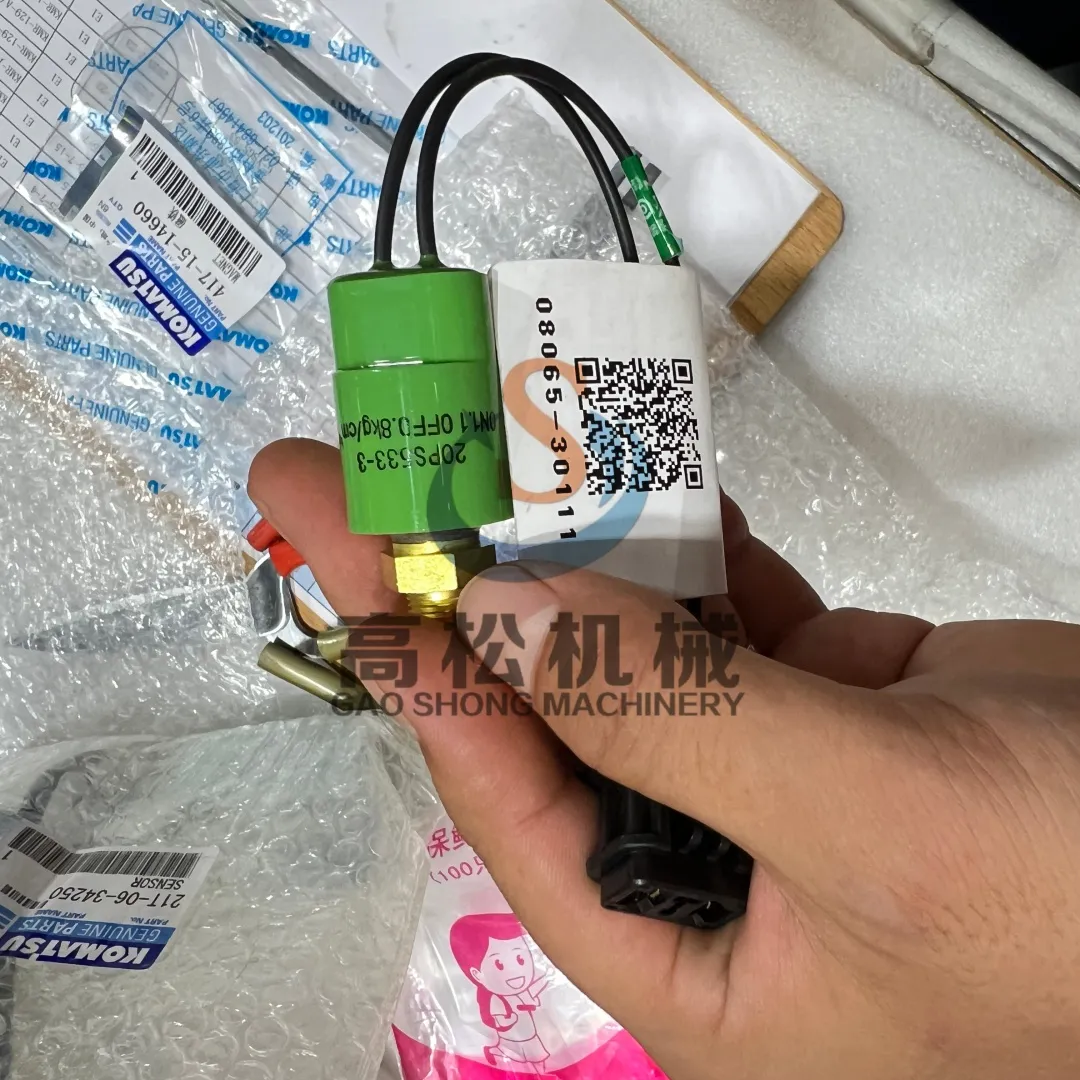

Best Selling Products
Best Selling Products-
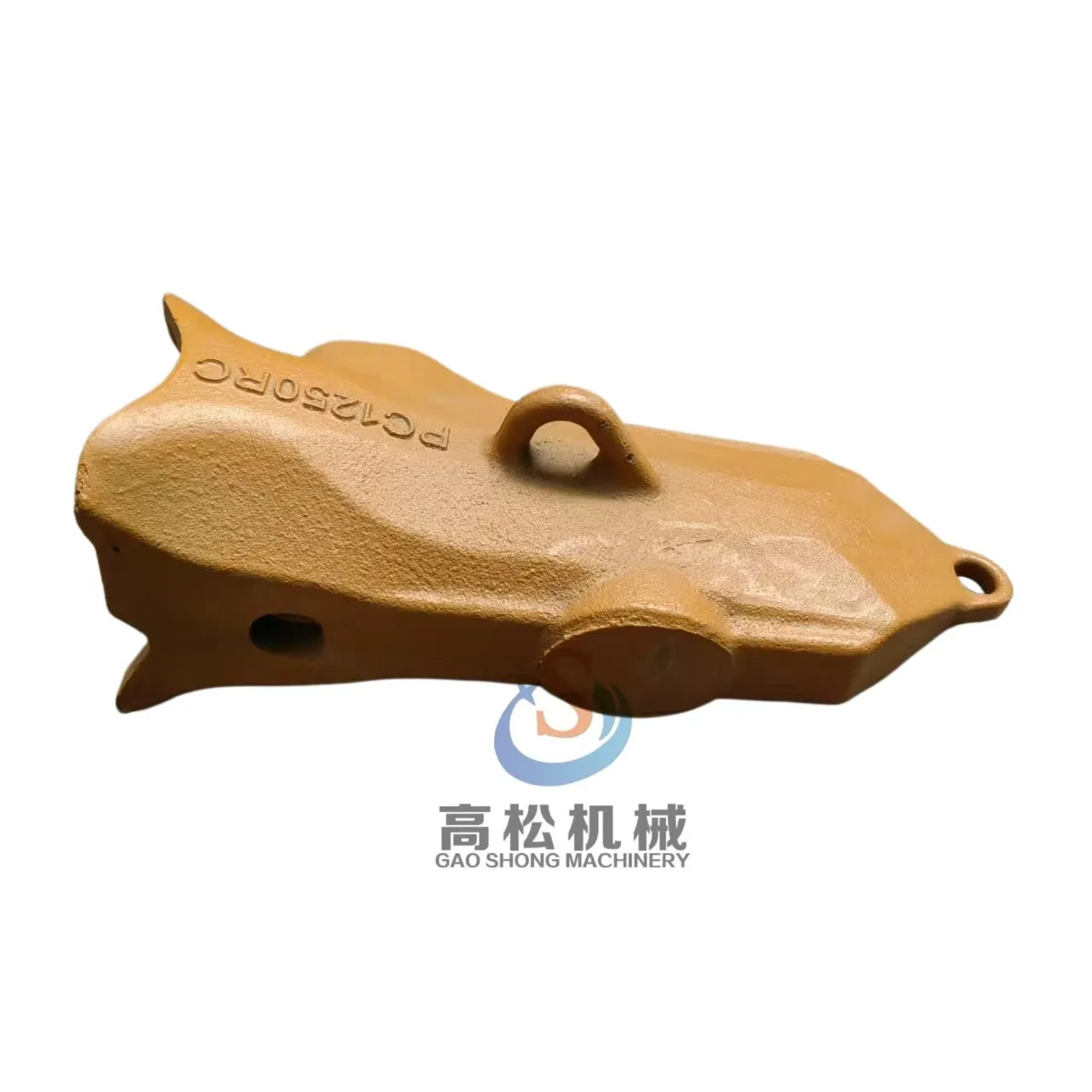 PC1250-8 Bucket Tooth 21N-70-37721 XS115RC
 -
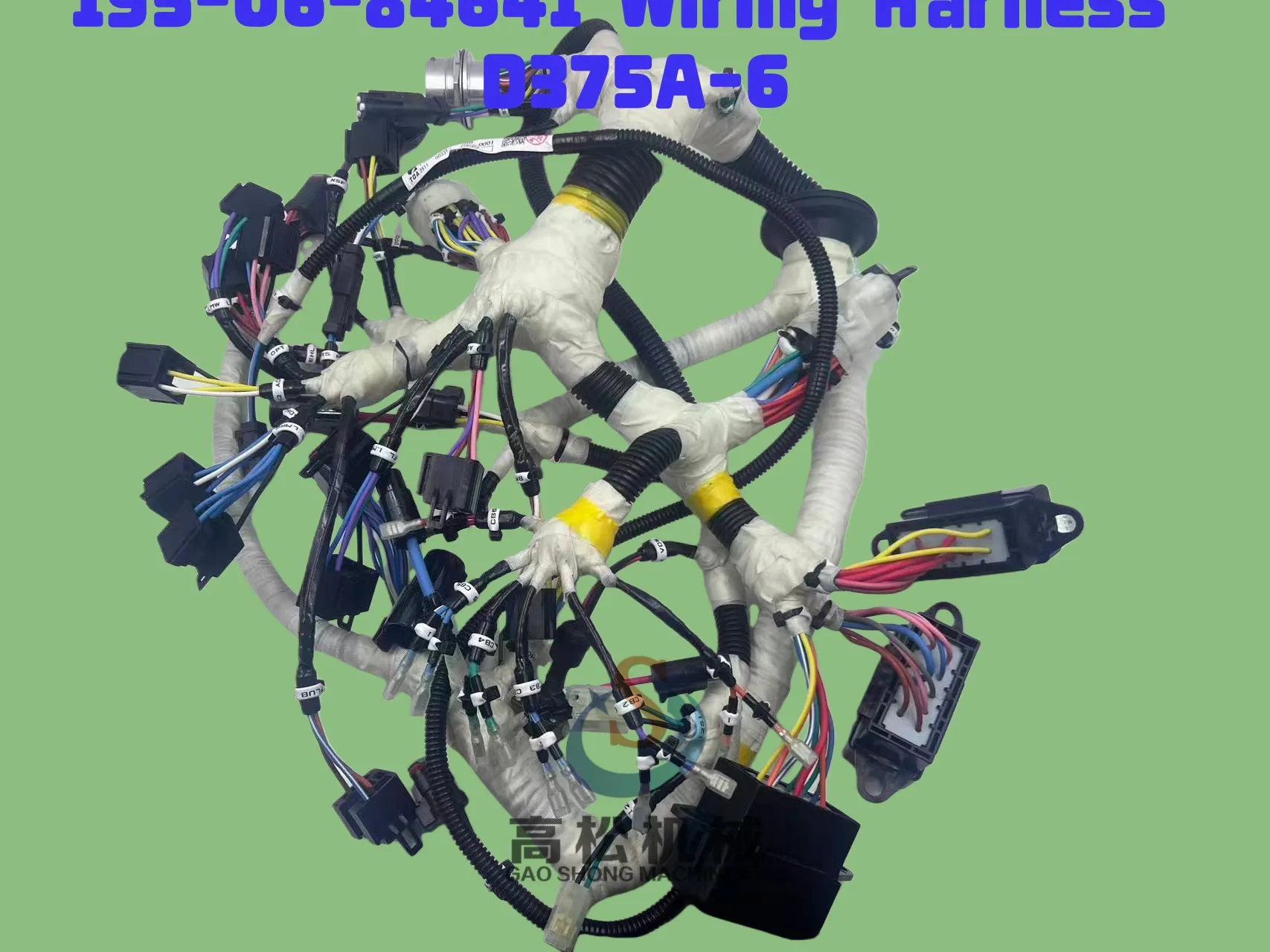 Wiring Harness 195-06-84641 D375A-6 S/N 60001-UP (Extreme Cold Area Arrangement (-40 deg C)) FLOOR FRAME, FUSE BOX AND RELAY
 -
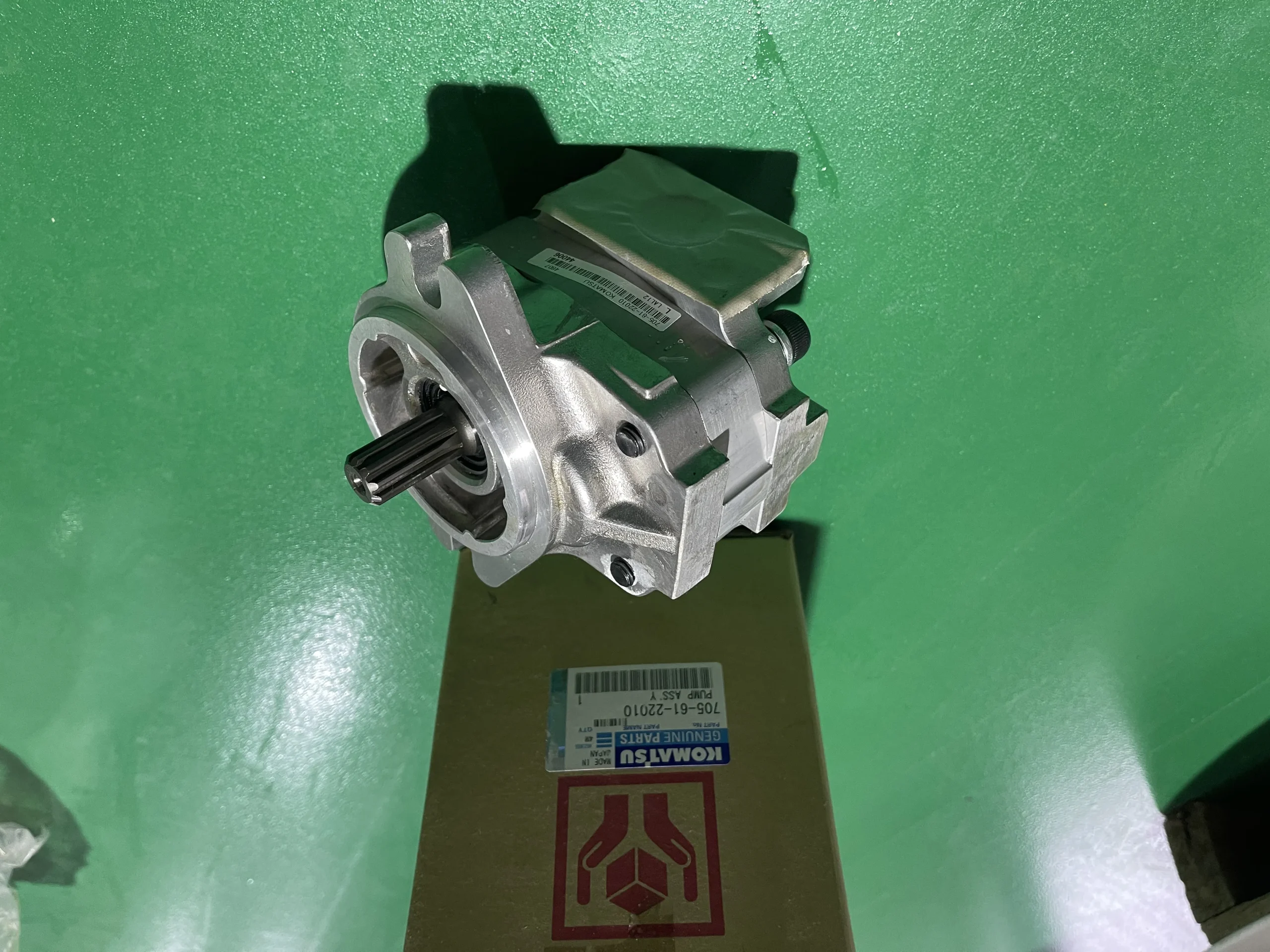 PUMP ASS’Y 705-61-22010 – KOMATSU
 -
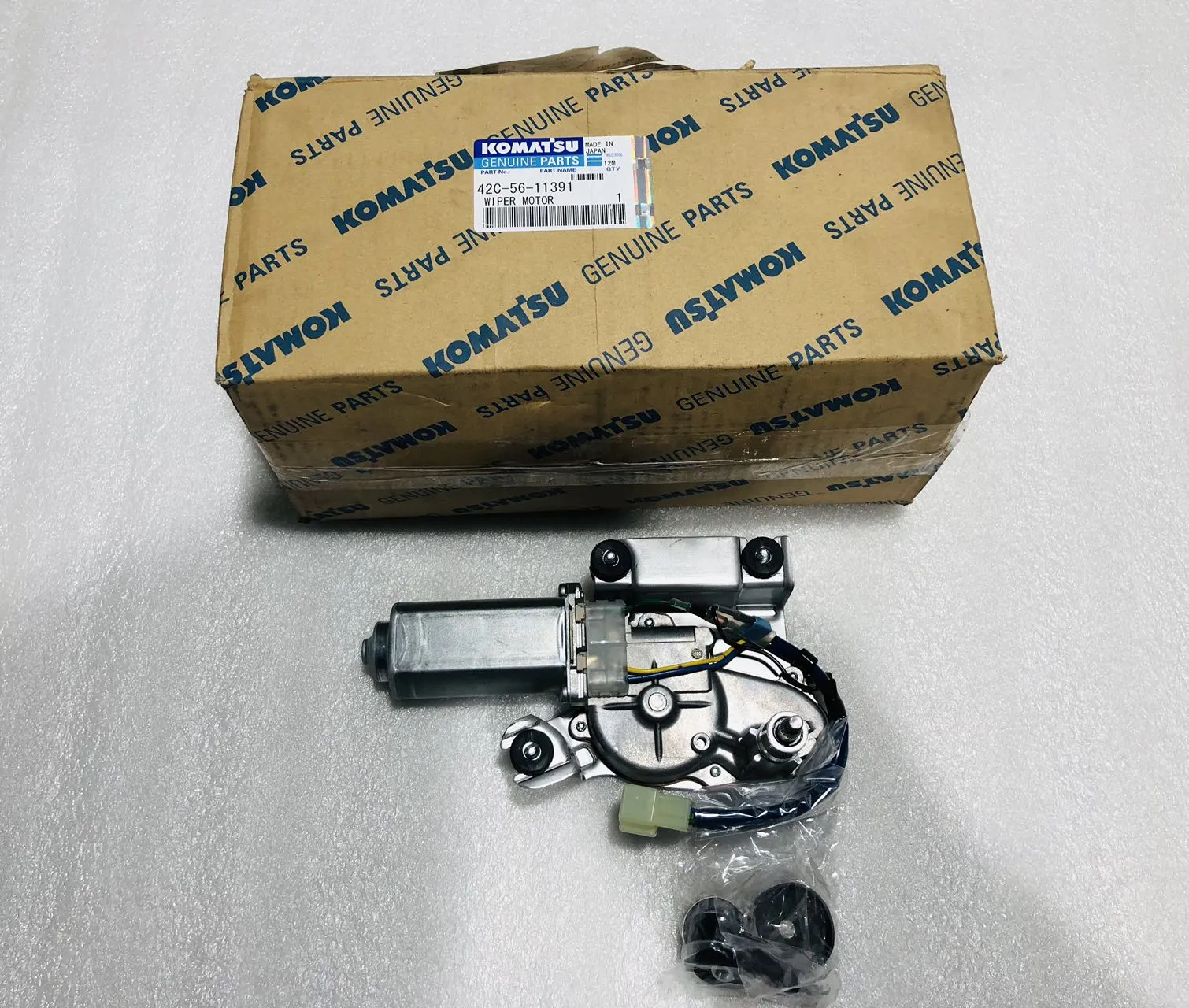 Komatsu 42C-56-11391 WIPER MOTOR
 -
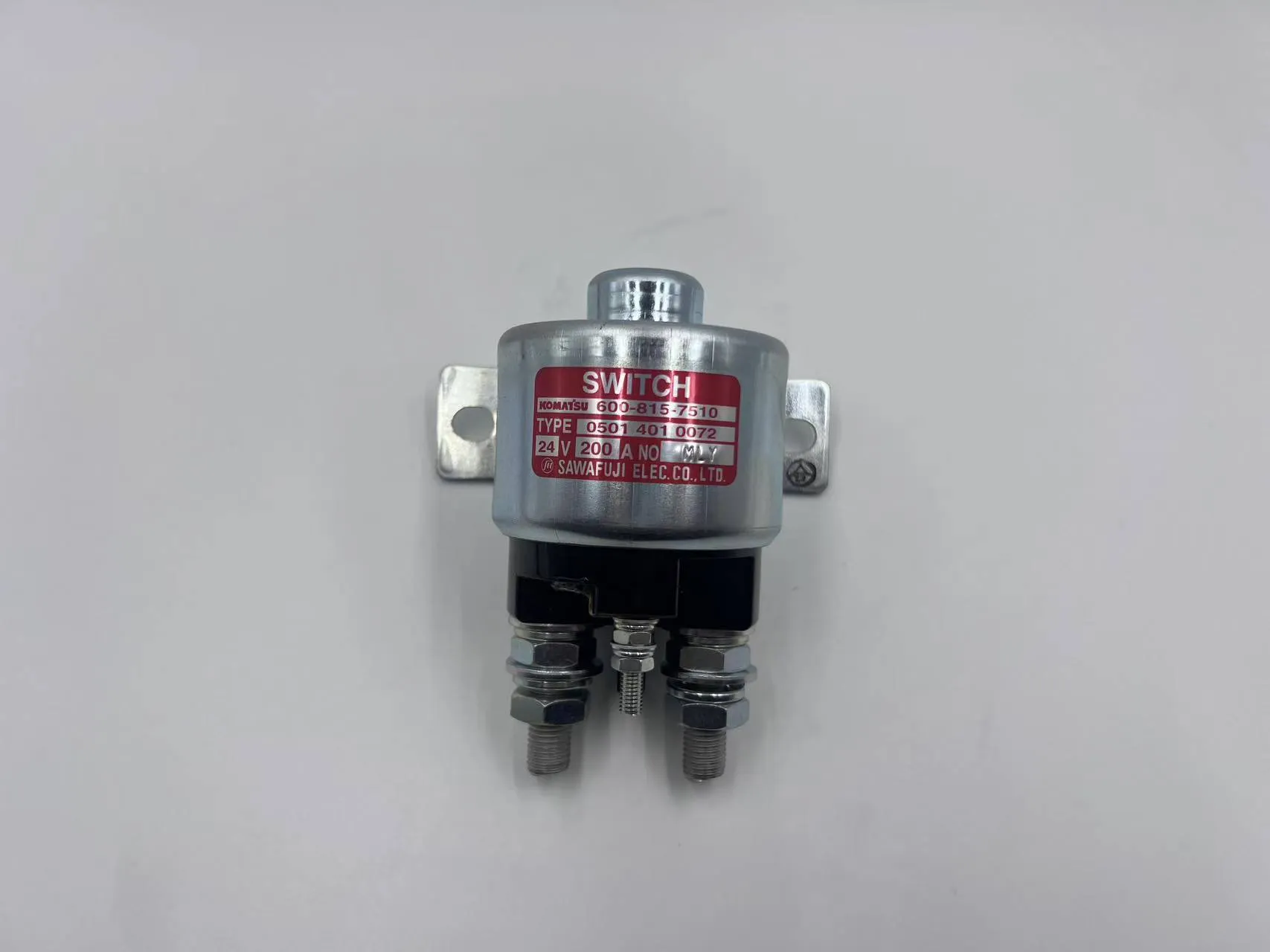 600-815-7510- SWITCH-Komatsu Original Factory
 -
 Engine Oil Cooler Cover for Cummins QSK23 SA6D170 Engine 4096006 6240-61-2120 Oil Cooler Cover 6240612120
 -
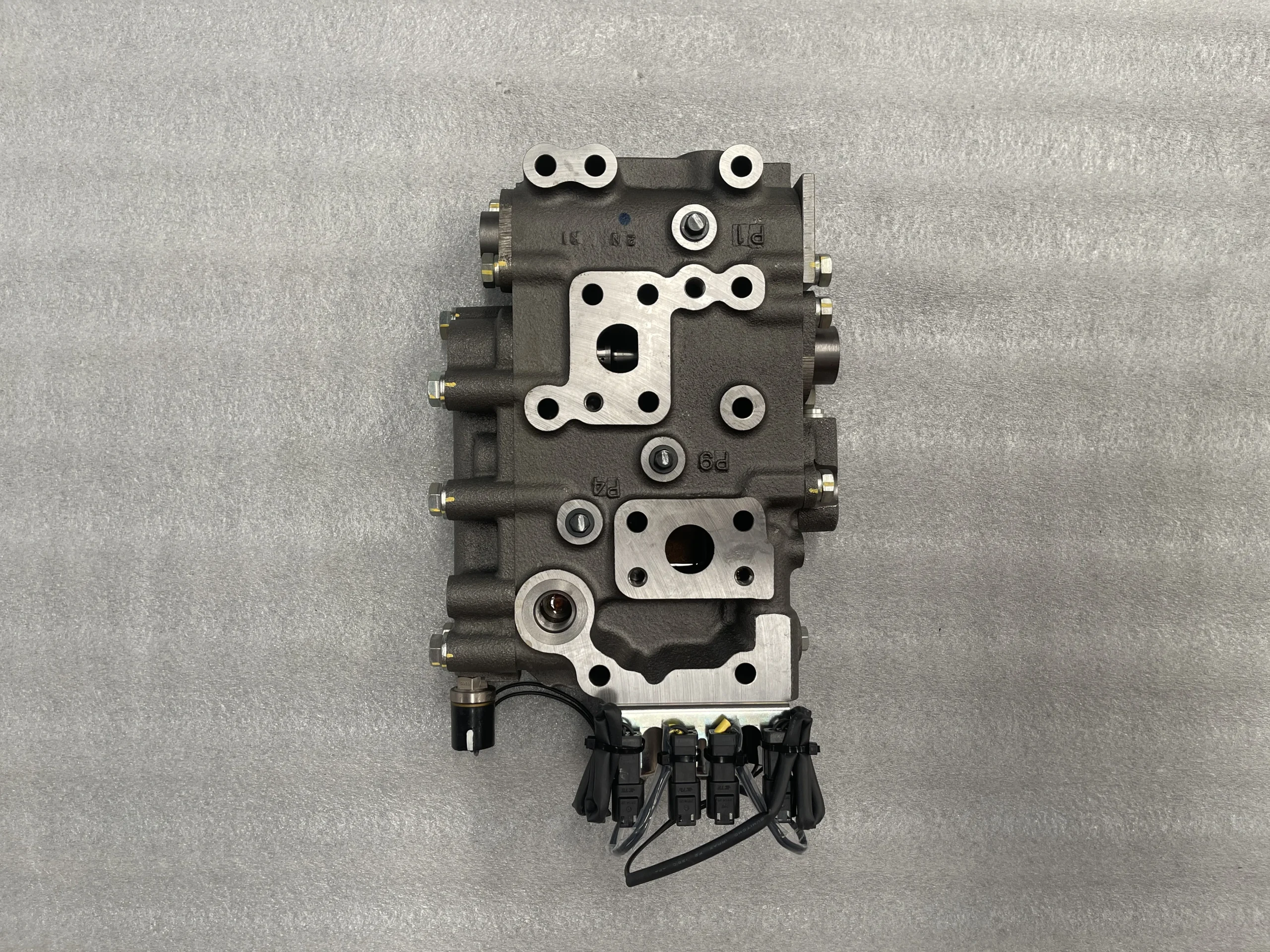 HD785-7 converter valve 561-13-76700
 -
 Original komatsu WA900-3 pad 569-14-41130
 -
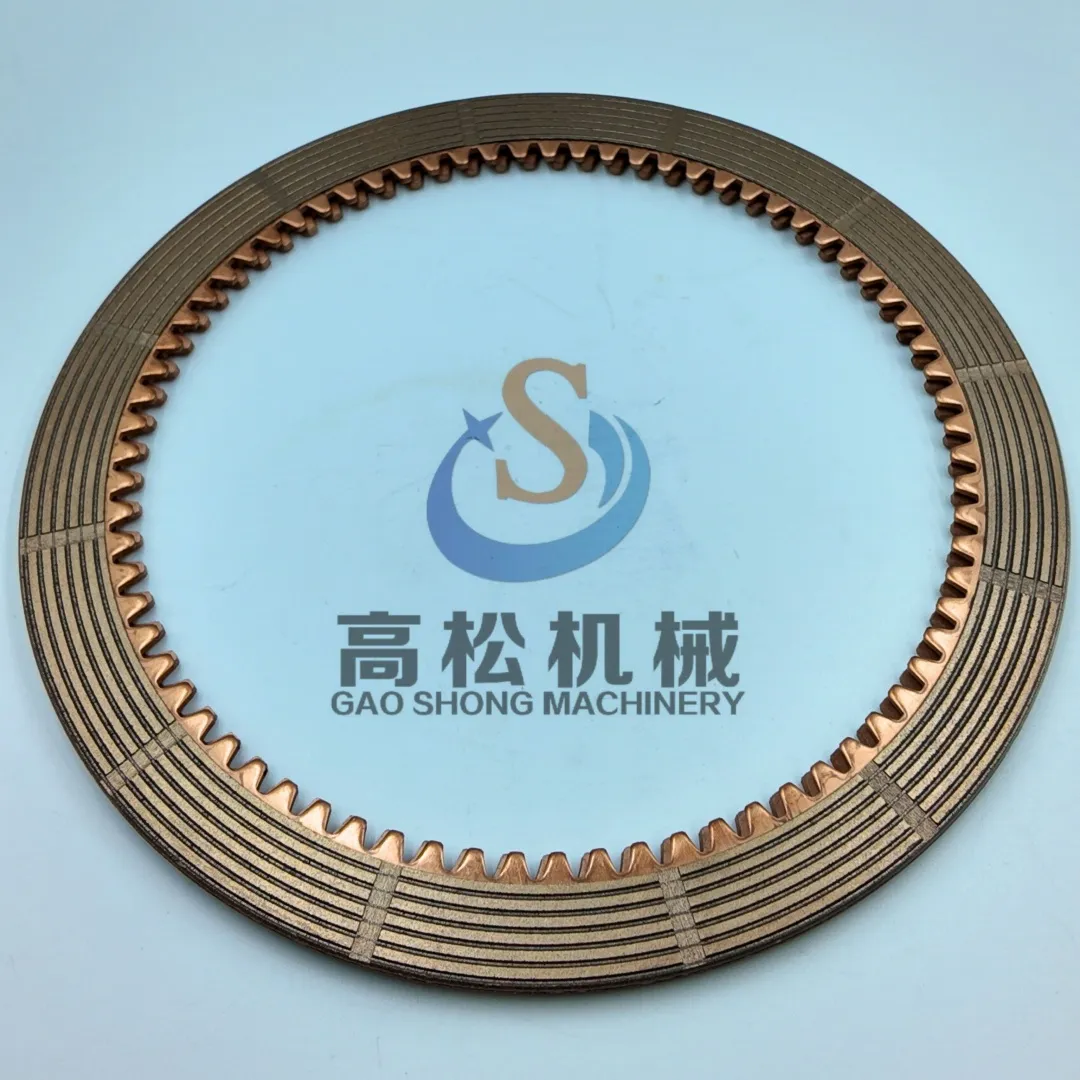 23S-15-12710 – DISC FRICTION – FITS KOMATSU
 -
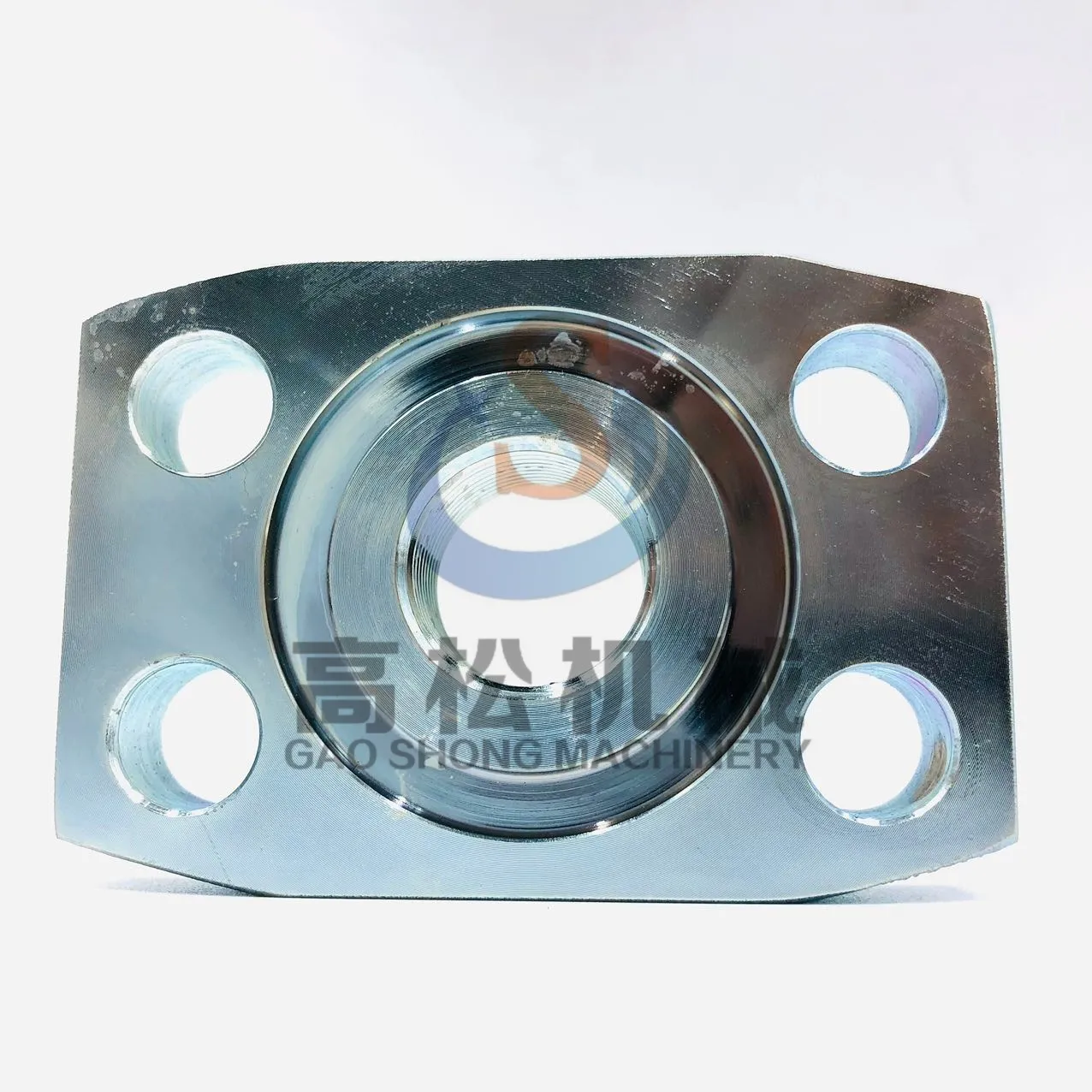 Spare part 21N-38-12310 Flange (Komatsu)
 -
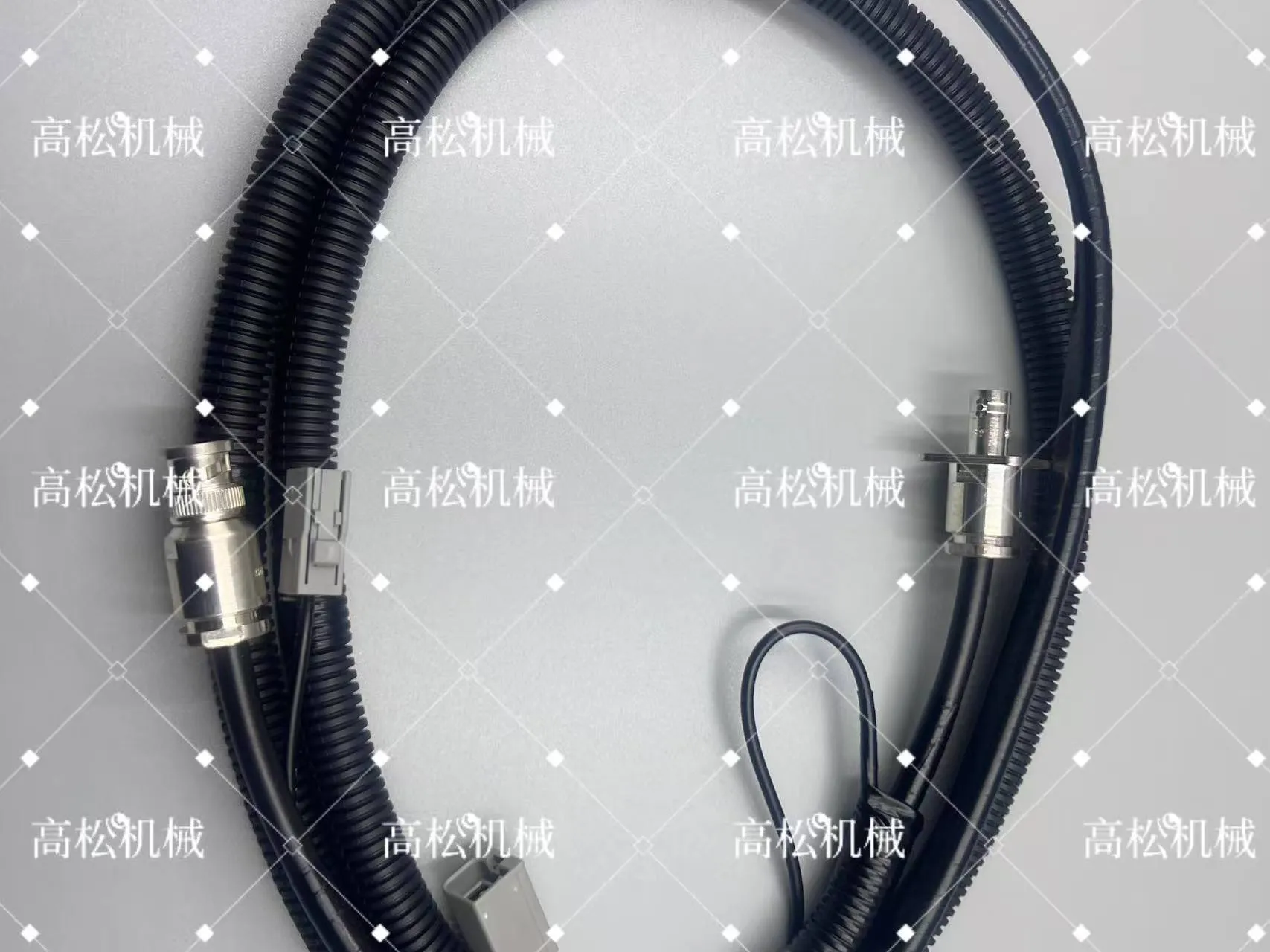 426-06-33750 Komatsu Wiring Harness Parts WA600, WD600
 -
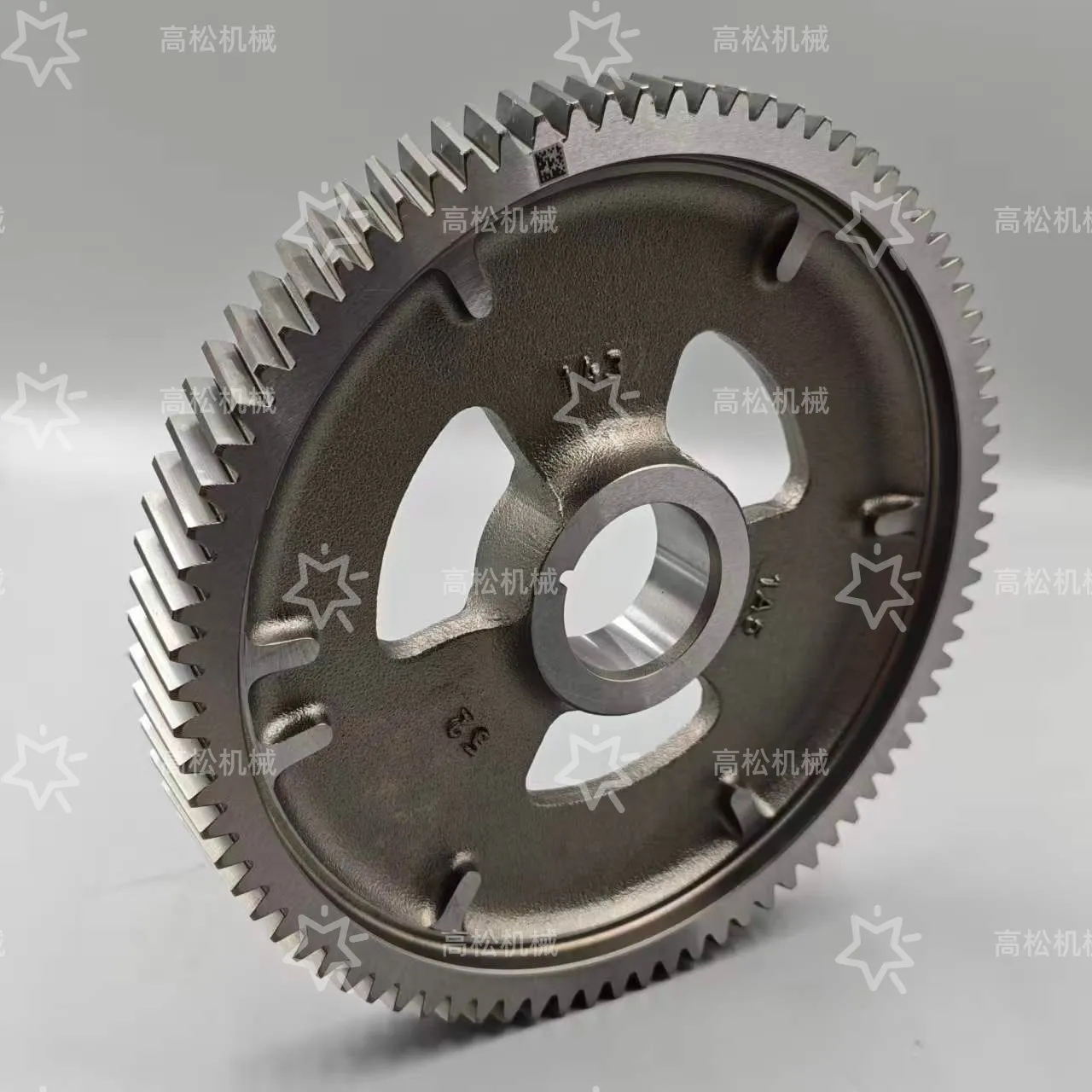 6745-41-1131 GEAR – CAMSHAFT Suitable for komatsu