
- Chinese
- French
- German
- Portuguese
- Spanish
- Russian
- Japanese
- Korean
- Arabic
- Irish
- Greek
- Turkish
- Italian
- Danish
- Romanian
- Indonesian
- Czech
- Afrikaans
- Swedish
- Polish
- Basque
- Catalan
- Esperanto
- Hindi
- Lao
- Albanian
- Amharic
- Armenian
- Azerbaijani
- Belarusian
- Bengali
- Bosnian
- Bulgarian
- Cebuano
- Chichewa
- Corsican
- Croatian
- Dutch
- Estonian
- Filipino
- Finnish
- Frisian
- Galician
- Georgian
- Gujarati
- Haitian
- Hausa
- Hawaiian
- Hebrew
- Hmong
- Hungarian
- Icelandic
- Igbo
- Javanese
- Kannada
- Kazakh
- Khmer
- Kurdish
- Kyrgyz
- Latin
- Latvian
- Lithuanian
- Luxembou..
- Macedonian
- Malagasy
- Malay
- Malayalam
- Maltese
- Maori
- Marathi
- Mongolian
- Burmese
- Nepali
- Norwegian
- Pashto
- Persian
- Punjabi
- Serbian
- Sesotho
- Sinhala
- Slovak
- Slovenian
- Somali
- Samoan
- Scots Gaelic
- Shona
- Sindhi
- Sundanese
- Swahili
- Tajik
- Tamil
- Telugu
- Thai
- Ukrainian
- Urdu
- Uzbek
- Vietnamese
- Welsh
- Xhosa
- Yiddish
- Yoruba
- Zulu
- Kinyarwanda
- Tatar
- Oriya
- Turkmen
- Uyghur






OEM AND ORIGINAL KOMATSU GEAR 198-27-45163
Let’s talk about that part number, . If you’ve been sourcing Komatsu parts for a while, you’ve seen this gear pop up for various mid-range excavators, maybe a PC200-8 or similar. The immediate thought is always OEM or aftermarket? but that’s where it gets messy. The term OEM itself is one of the most misunderstood in our field. People often think it means made by Komatsu, but in the Komatsu system, it can also mean made by a certified supplier to exact specs—the genuine article, just not from the main assembly line. Then there’s original, which adds another layer. Is it original to the machine, or original Komatsu design? This gear is a perfect case study.
The Reality of the OEM Supply Chain
I remember a project in Southeast Asia where we had a machine down for weeks waiting for this exact gear. The local dealer’s lead time was insane, and the price was even worse. That’s when you start looking deeper into the supply chain. Companies like Jining Gaosong Construction Machinery Co., Ltd. operate in that specific niche. They’re not just another parts reseller; their pitch is being an OEM product supplier within the Komatsu system. That’s a key distinction. It implies access to the same manufacturing sources that feed Komatsu’s genuine parts network, but through a parallel channel. Their site, https://www.takematsumachinery.com, explicitly states they help solve parts supply challenges in certain countries. That’s the real pain point they address.
So, for a part like , they might offer what they call an OEM version. In practice, this could be a gear produced in the same factory, on the same tooling, as the one that gets a Komatsu logo stamped on it later. The material certs, heat treatment process, and tolerances should be identical. But here’s the professional hesitation: should be is the operative phrase. Without the Komatsu branding and the full traceability that comes with the official box, you’re relying on the supplier’s integrity and documentation. I’ve seen fantastic OEM-spec parts from such channels, and I’ve also seen ones where the case hardening depth was off by a few tenths, leading to premature pitting.
The value proposition from a supplier like Gaosong is clear: availability and cost. When the official channel is blocked or delayed, they provide an alternative that claims the same pedigree. For a maintenance manager with a budget and downtime pressure, it’s a compelling option. You’re not buying a reverse-engineered aftermarket part; you’re theoretically buying the genuine item without the brand tax and logistics bottleneck. But you have to verify. It always comes down to verification.
Field Experiences and Failure Analysis
I’ll share a concrete case. We installed an OEM gear for from a similar system supplier on a PC220LC-8. The machine was in a quarry, high-impact, cyclical loading. The part looked perfect—clean machining, correct tooth profile, proper markings. It ran for about 1,200 hours before we started hearing a whine under specific load conditions. Upon teardown, the gear showed early signs of micropitting on the flank, not catastrophic, but concerning. The official Komatsu part we replaced it with? We pulled it at 2,500 hours for a different issue, and its wear pattern was normal.
Was it the gear? Maybe. Was it a slight misalignment in our installation, compounded by a material that was 99% to spec but not 100%? More likely. That’s the grey zone. The failure wasn’t outright breakage; it was a subtle performance divergence. This is where the original debate hits home. An original Komatsu gear comes with a chain of quality checks that are brutal. The OEM-spec part might skip the final audit that catches a batch with a minor metallurgical variance. The supplier’s role as a third-party sales company for Komatsu is critical here—their reputation hinges on filtering out those sub-spec batches before they ship.
Another practical issue is packaging and documentation. The official part arrives with a full dossier. The OEM part often comes in a plain box with a basic inspection sheet. For some operations, that’s fine. For others, especially under warranty or strict compliance, it’s a non-starter. You need to know your own tolerance for risk. Gaosong’s model of solving supply challenges implies they understand this risk spectrum and cater to those who need a technically correct part faster, even if the paperwork is lighter.
Identifying True OEM vs. Compatible
This is the daily grind. When you’re presented with a part labeled OEM AND ORIGINAL KOMATSU GEAR , you have to dig. First, ask for the source factory code. Many Komatsu system suppliers use a network of foundries and gear cutters in Japan, Korea, and sometimes Eastern Europe. A reputable supplier will tell you, or at least show you mill test reports that trace back. Second, look for the secondary markings. Genuine Komatsu parts have specific casting numbers or laser etches beyond the main part number. A true OEM part from the system often retains these, just without the final branding stamp.
I’ve been burned by assuming OEM meant complete parity. Once, a batch of gears had the wrong relief on the tooth root—a tiny detail that affected stress concentration. They were OEM in the sense they came from a Komatsu-approved vendor, but they were from a production run that Komatsu QA had rejected. The vendor sold them off through secondary channels. That’s why the supplier’s integrity is everything. A company positioning itself as part of the system, like the one mentioned, has more to lose by moving rejected stock. Their business is access, not liquidation.
Price is a signal, but a noisy one. A price 40% below dealer net? Probably too good to be true—likely a clone. A price 15-25% below? That fits the OEM-no-brand model. You’re paying for the part and the supplier’s due diligence, not the global logistics and marketing of the brand. Always cross-reference the physical sample. We keep a genuine on the shelf as a master. Comparing gear tooth profile under a profile projector, checking the bore finish, even weighing it—these are quick checks that separate the real OEM contender from a good imitation.
The Logistics and Geopolitical Angle
The website intro hits on a key point: solving parts supply challenges in certain countries. This isn’t marketing fluff. In some regions, trade policies, sanctions, or simple logistics chaos make getting parts from Komatsu’s regional distribution center a months-long ordeal. Local dealers might not have the allocation. In these scenarios, an agile OEM product supplier within the Komatsu ecosystem becomes a lifeline. They can often move parts through different freight corridors or have stock positioned in neutral territories.
For , which is a common but not ubiquitous wear item, this availability is crucial. A machine down in a remote mining operation can’t wait. The supplier acts as a pressure relief valve for the official system. However, this comes with a caveat: the part you get might be from a different production year than your machine. Gear designs have silent revisions—material tweaks, coating updates. An OEM part from 2020 might be technically correct for a 2012 machine, but it might not have the latest surface treatment. It’s something to ask about.
This model also creates a bit of tension with local dealers. They see it as cannibalization. But from a customer perspective, it’s about keeping assets running. The smart suppliers work with, not against, the service ecosystem. They might supply the part directly to an independent workshop, keeping the service revenue local while solving the hardware problem. It’s a pragmatic solution for a fragmented global market.
Concluding Thoughts for the Practitioner
So, what’s the verdict on sourcing something like the gear? It’s not a binary choice. The landscape has three tiers: 1) Genuine Komatsu-boxed, 2) True system-OEM (from companies like Gaosong that have the network access), and 3) Quality aftermarket. For critical applications with no margin for error, you still go genuine. For most field repairs where downtime is the primary cost driver, a verified system-OEM part is a rational, professional choice. You’re trading a sliver of absolute certainty for massive gains in speed and cost.
The key is moving from a parts buyer to a parts evaluator. Build relationships with suppliers who are transparent. Ask for the evidence behind the OEM claim. Inspect the first part of any batch meticulously. Companies that state their role clearly—as part of the system and as a third-party solver—are often more reliable because their business model depends on repeat, informed clients, not one-time sales.
In the end, the part number is just a code. The real product is reliability. Whether it comes in a blue box or a plain white one, the gear has to mesh, transfer load, and last. Understanding the nuanced path it took to get to your shelf—through Komatsu’s main gate or a side door managed by a specialized supplier—is what separates a simple purchase from a professional procurement decision. That’s the reality of keeping these machines moving today.
Related Products
Related Products

Best Selling Products
Best Selling Products-
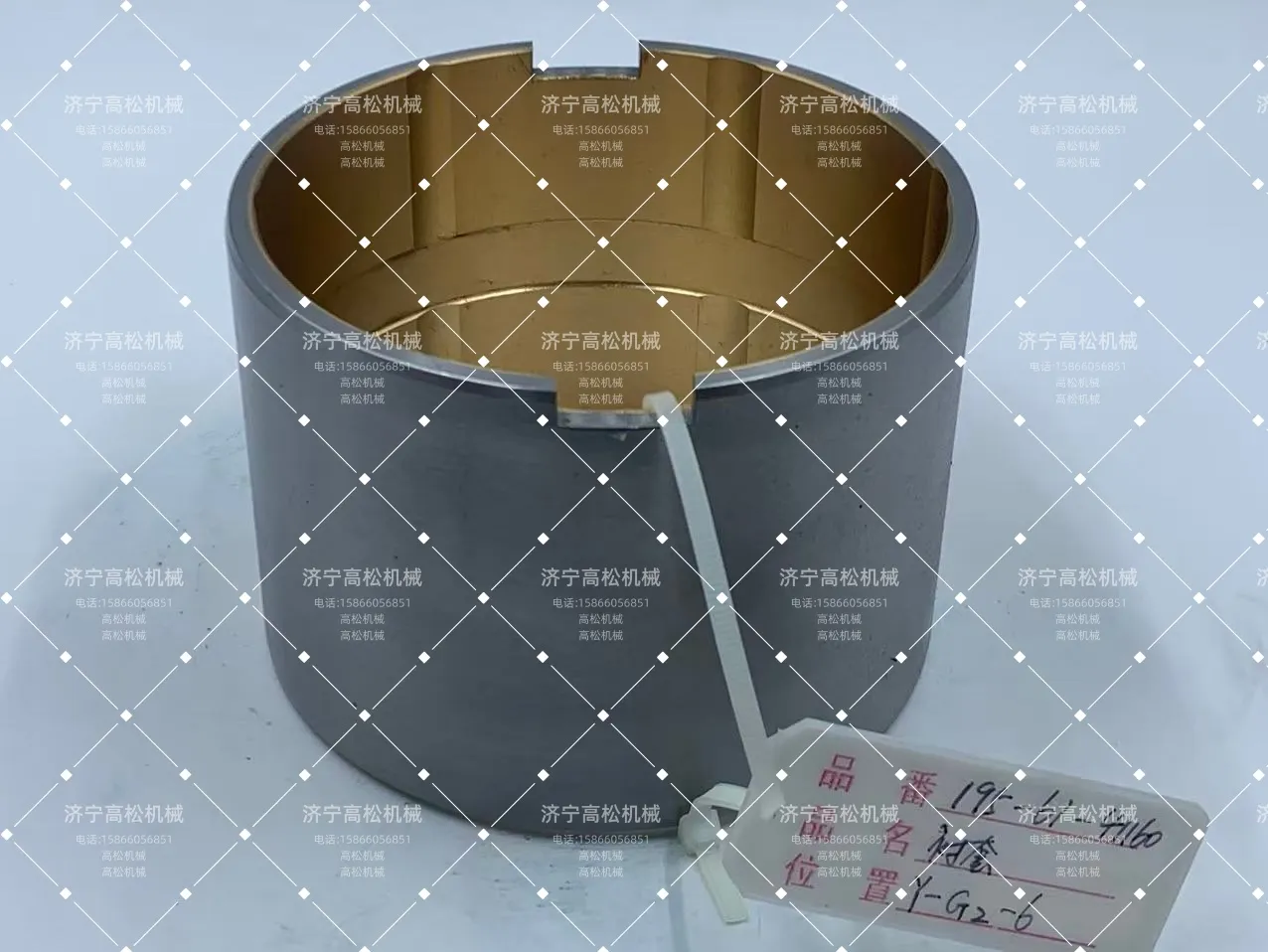 Komatsu original D375A-1 Sleeve 195-61-41160 – Jining Gaosong…
 -
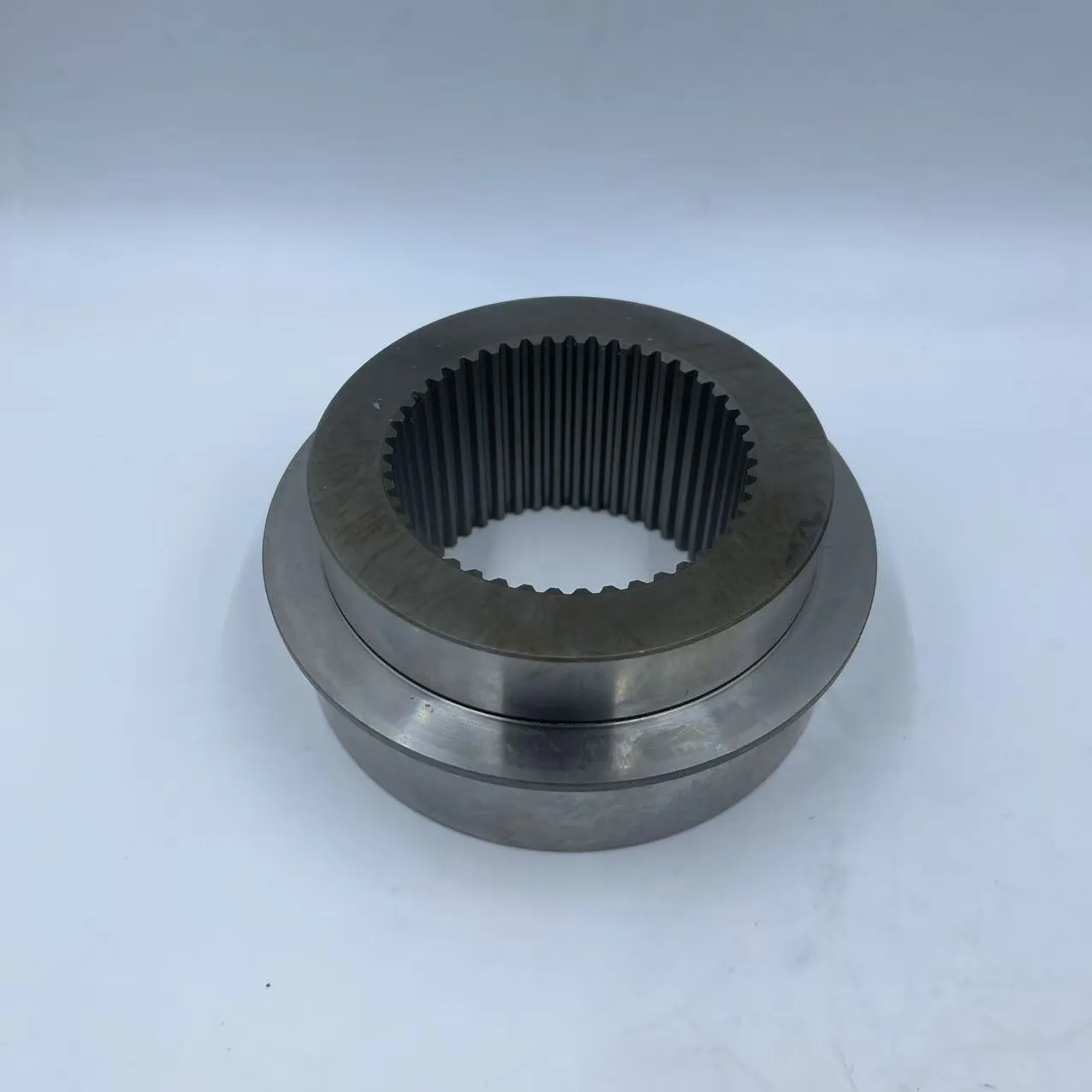 Standard D375A-5 Spacer 195-15-82570 for Komatsu Mining Equipment
 -
 22W-70-16120 WASHER (50A ALTERNATOR) – 22w7016120
 -
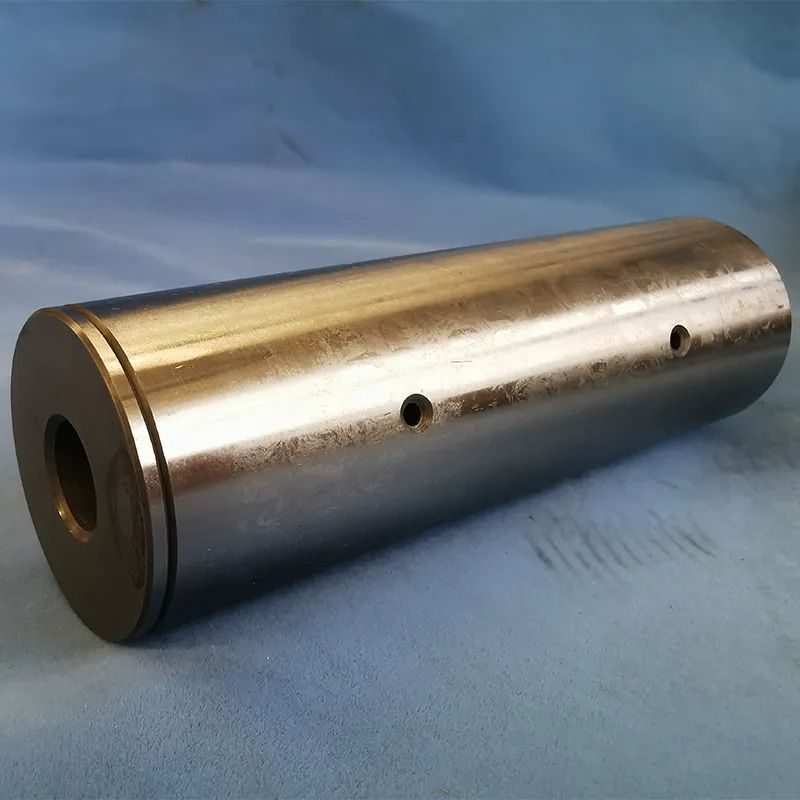 Komatsu original D375A-5 axis 195-15-72520
 -
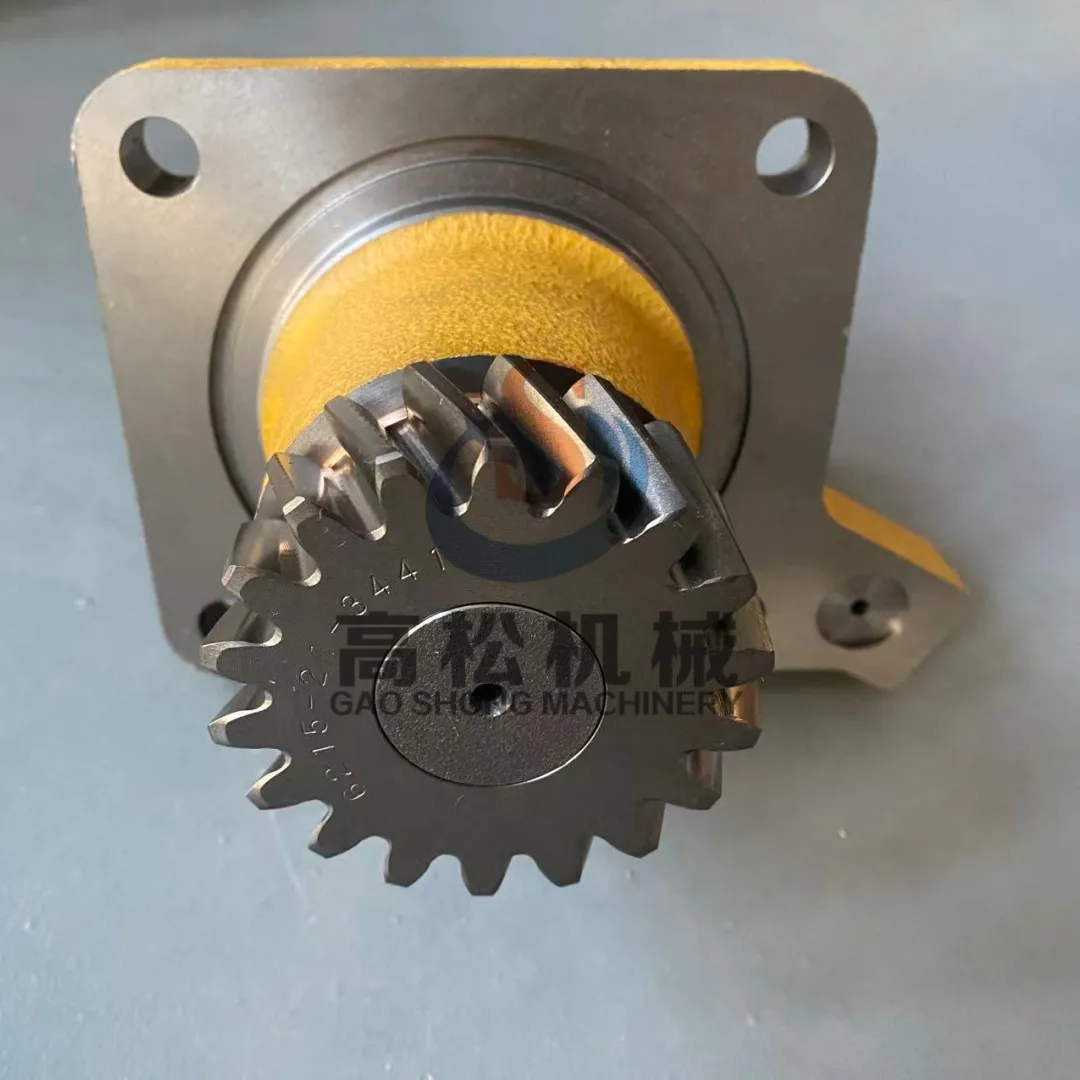 6266-21-3400Accessory Driver Assembly SAA12V140E ENGINE
 -
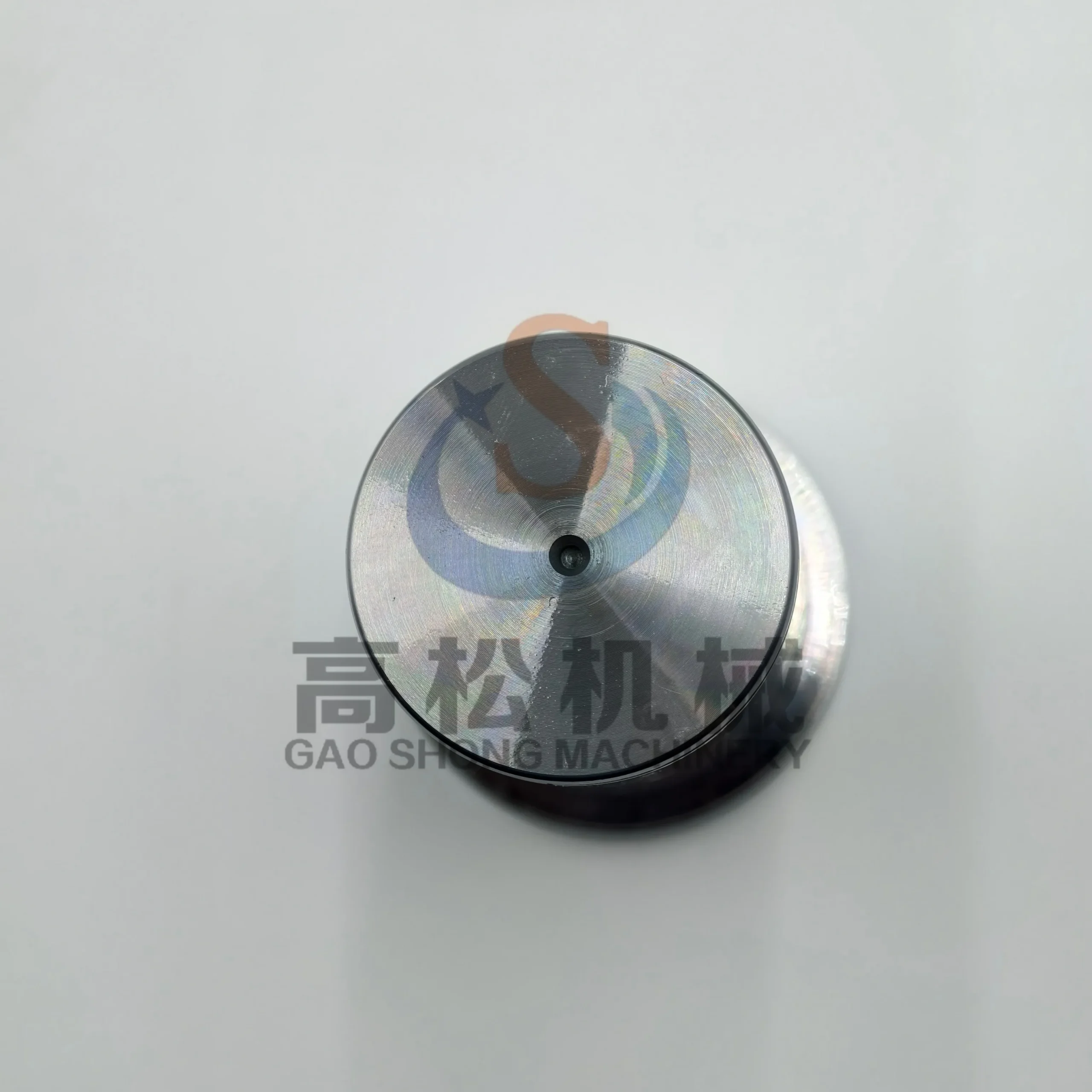 21N-26-33240 Komatsu Pin
 -
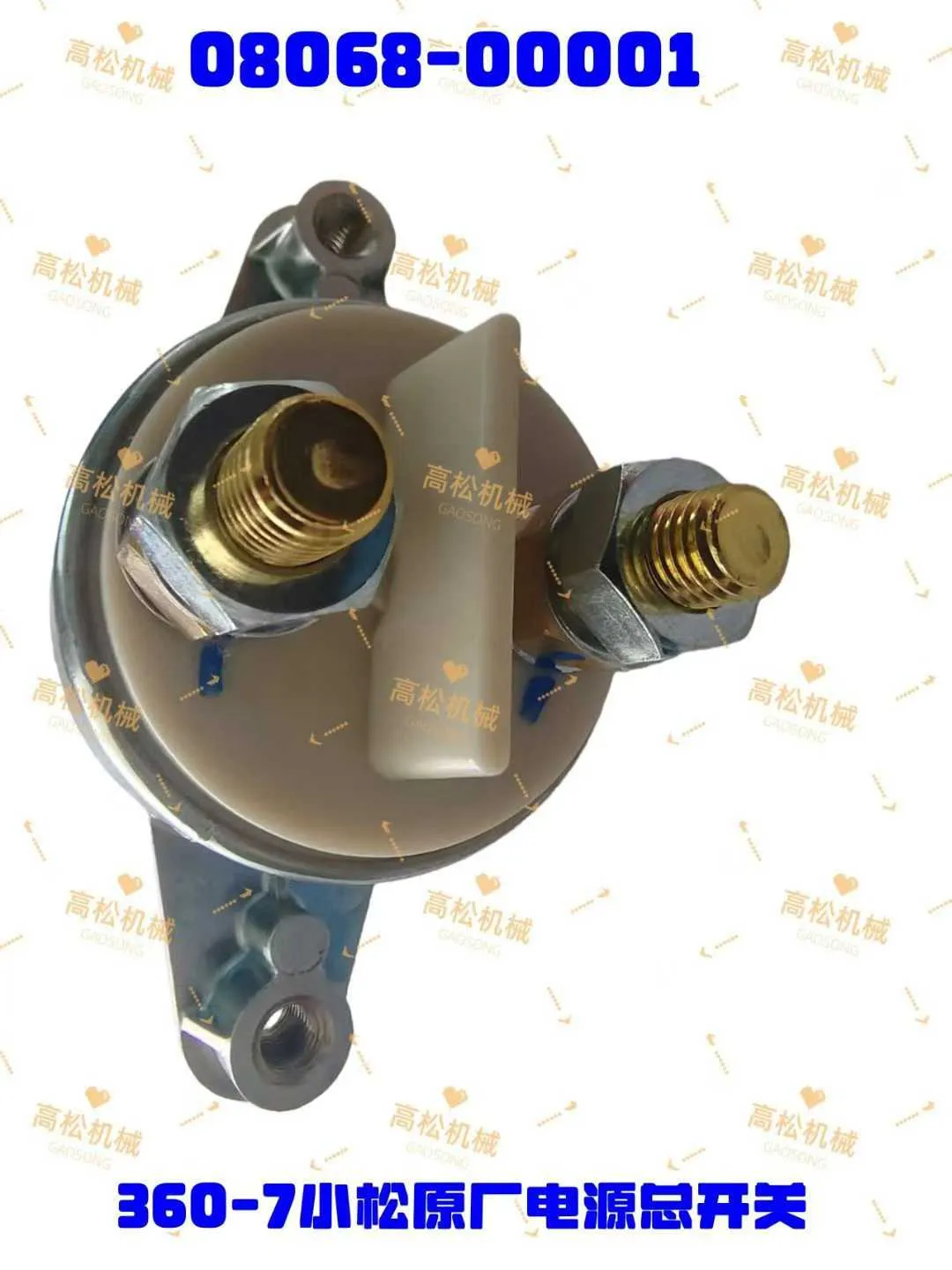 Part Number: 08068-00001 S; Applicable Model: PC360-7
 -
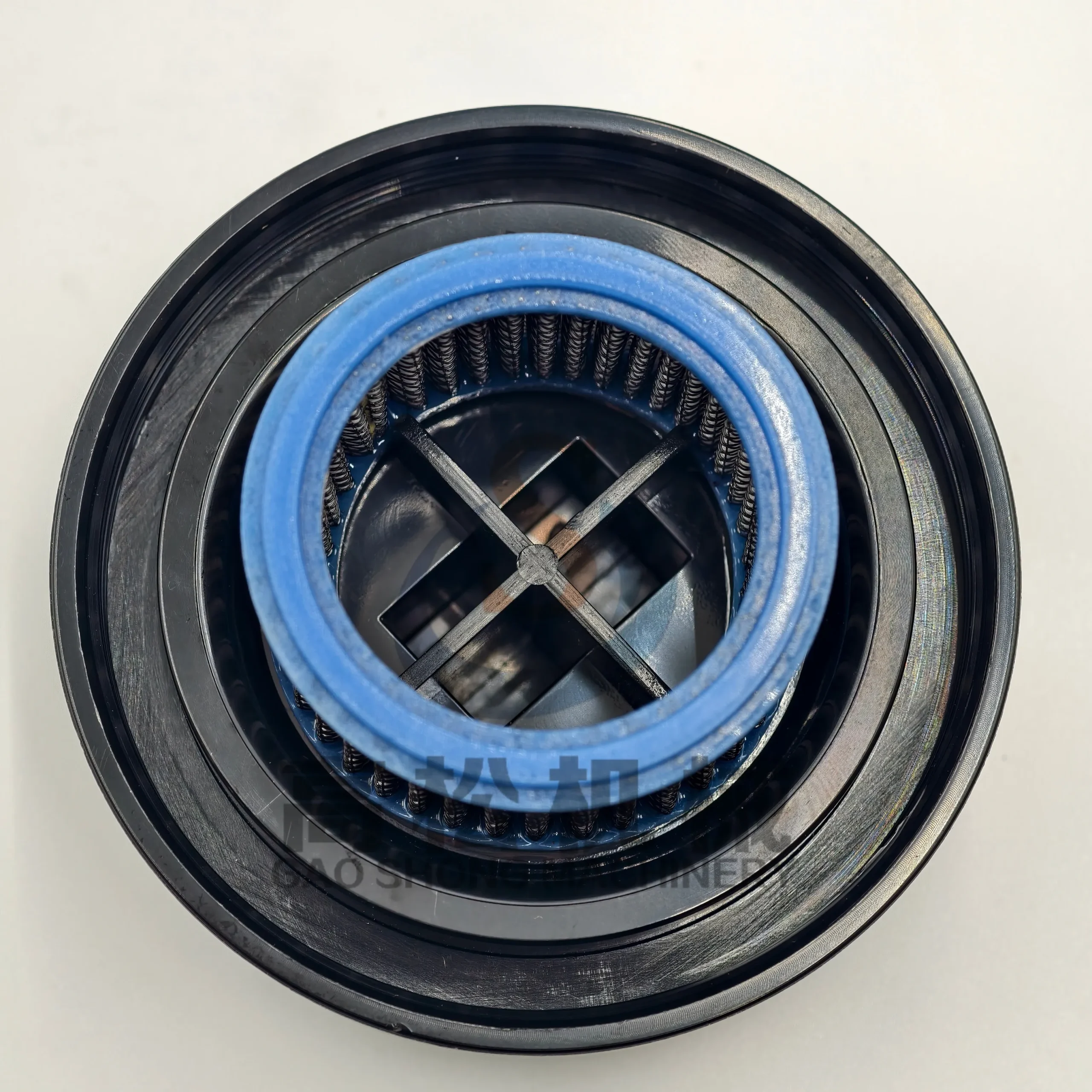 21T-04-31170 Komatsu fuel tank filter vent pipe
 -
 17M-30-26620BUSHING 17M-30-26620 – KOMATSU Part catalog
 -
 209-38-73281-BLOCK Komatsu Original Factory
 -
 22u-60-21331 Accumulator
 -
 14X-60-11225,COVER,D65PX,D85ESS