
- Chinese
- French
- German
- Portuguese
- Spanish
- Russian
- Japanese
- Korean
- Arabic
- Irish
- Greek
- Turkish
- Italian
- Danish
- Romanian
- Indonesian
- Czech
- Afrikaans
- Swedish
- Polish
- Basque
- Catalan
- Esperanto
- Hindi
- Lao
- Albanian
- Amharic
- Armenian
- Azerbaijani
- Belarusian
- Bengali
- Bosnian
- Bulgarian
- Cebuano
- Chichewa
- Corsican
- Croatian
- Dutch
- Estonian
- Filipino
- Finnish
- Frisian
- Galician
- Georgian
- Gujarati
- Haitian
- Hausa
- Hawaiian
- Hebrew
- Hmong
- Hungarian
- Icelandic
- Igbo
- Javanese
- Kannada
- Kazakh
- Khmer
- Kurdish
- Kyrgyz
- Latin
- Latvian
- Lithuanian
- Luxembou..
- Macedonian
- Malagasy
- Malay
- Malayalam
- Maltese
- Maori
- Marathi
- Mongolian
- Burmese
- Nepali
- Norwegian
- Pashto
- Persian
- Punjabi
- Serbian
- Sesotho
- Sinhala
- Slovak
- Slovenian
- Somali
- Samoan
- Scots Gaelic
- Shona
- Sindhi
- Sundanese
- Swahili
- Tajik
- Tamil
- Telugu
- Thai
- Ukrainian
- Urdu
- Uzbek
- Vietnamese
- Welsh
- Xhosa
- Yiddish
- Yoruba
- Zulu
- Kinyarwanda
- Tatar
- Oriya
- Turkmen
- Uyghur






OEM AND ORIGINAL KOMATSU GEAR 195-27-31360
You see that part number, , pop up in a search or on a spec sheet, and immediately the debate starts: OEM or original? In this line of work, that's not just semantics—it's the difference between a machine running for another 10,000 hours and a costly, unexpected downtime next month. A lot of folks, even some seasoned buyers, conflate OEM with genuine Komatsu. But within the Komatsu system, an OEM product supplier is a certified entity manufacturing components to the exact blueprints and material specs, while original often means it came off Komatsu's own assembly line. For a gear like this, that distinction is everything.
The Anatomy of a Gear: More Than Just a Number
Let's talk about specifically. It's not a flashy part, but it's a critical power transmission component, likely for a mid-range excavator or dozer. The failure points I've seen are almost never in the tooth profile—any decent machine shop can copy that. It's in the sub-surface hardening depth, the grain structure of the alloy, and the precision of the heat treatment. An OEM product supplier that's legitimately within Komatsu's network has access to that proprietary process sheet. I recall a batch from a non-certified source a few years back; the gears passed a basic caliper check but failed under cyclical loading because the case hardening was a millimeter too shallow. The machine didn't blow up, it just started whining, then leaking metal dust into the oil. A slow, expensive death.
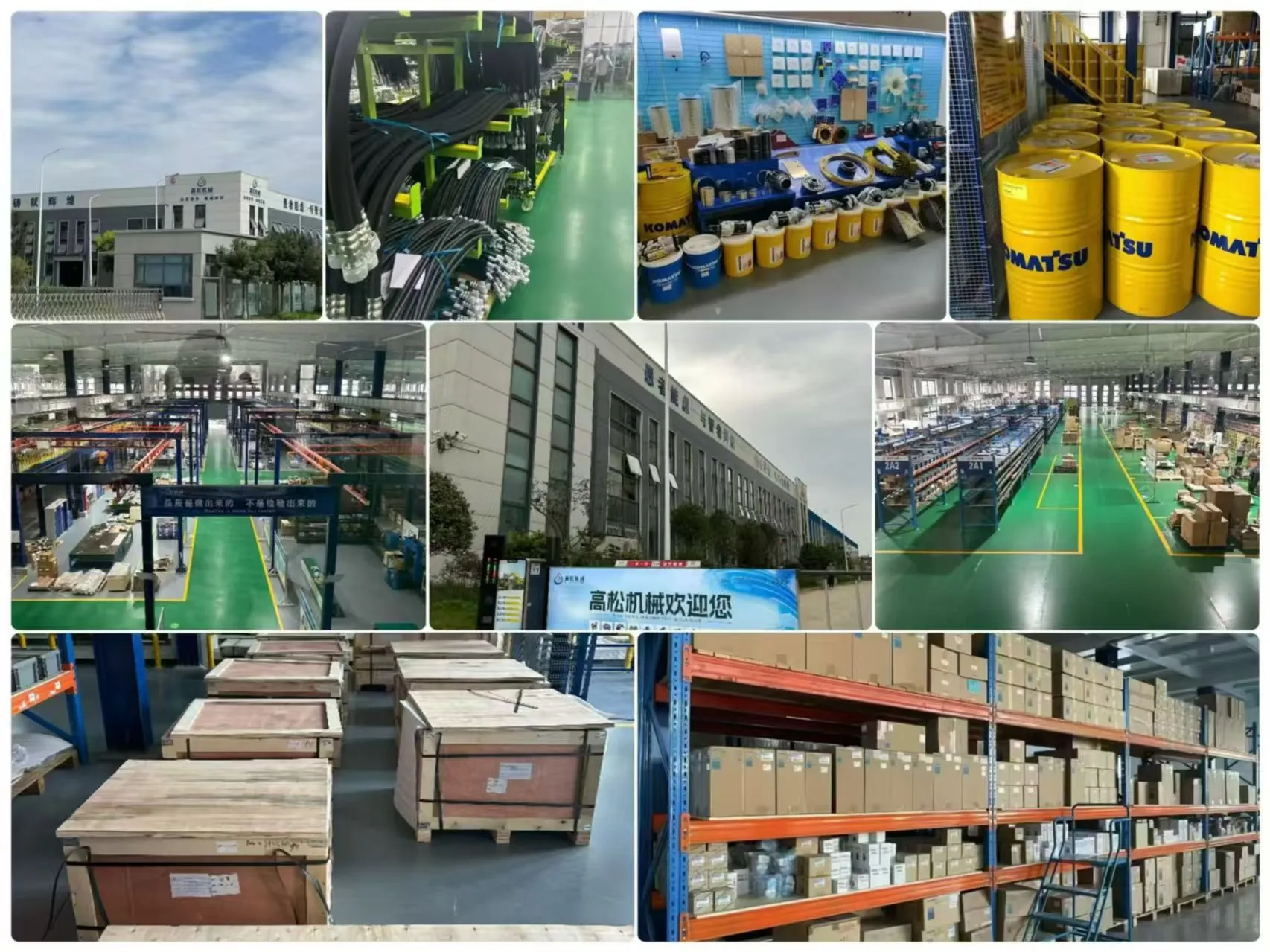
This is where a company's role becomes tangible. Take Jining Gaosong Construction Machinery Co., Ltd.. Their positioning is interesting and reflects a modern supply chain reality. They state they are an OEM product supplier within the Komatsu system and also act as a third-party sales channel. This isn't contradictory. It means they have the manufacturing certification for certain components (possibly including gears or their forgings), and they also leverage that position to distribute genuine parts in markets where Komatsu's direct logistics are strained. Their stated goal of helping to solve parts supply challenges in certain countries is exactly the niche they fill. You're not just buying a box; you're buying their access to the system.
So, for our gear , if sourced through a channel like theirs, the question isn't is it genuine? It's which path of genuineness? Did it come from Komatsu's central warehouse? Or did it come from the foundry and machining line of their certified OEM product supplier, under audit, and then into their third-party sales inventory? The performance should be identical. The paperwork and the route it took are different. In many regions, the latter is the only way to get a reliable part within a reasonable timeframe.
Field Verifications and Costly Assumptions
I learned the hard way to never assume. Early on, I ordered what was advertised as an original Komatsu gear for a PC300-6, a different part number but a similar story. The supplier had convincing catalogs. The part arrived in plain yellow wax paper, not the branded blue Komatsu packaging. The metal stamping was crisp, but the lot code font was slightly off. That was the red flag. We installed it under time pressure. It lasted 800 hours. The post-mortem showed a brittle core, indicative of a cooling process shortcut. The lesson? Packaging and minor markings are part of the spec. A true OEM product supplier understands the entire presentation is part of the quality chain.
This is why the dual role of a company like Jining Gaosong is practical. As a manufacturer within the system, they are bound by the material and process audits. As a third-party seller, they have the incentive to protect that reputation. If you're sourcing from their portal, takematsumachinery.com, you're effectively asking them to validate the provenance. They can tell you if gear is in their OEM-manufactured stock or if it's genuine inventory they're redistributing. That transparency is the value.
Another practical point: lead times. For a true original part from Japan, you might wait 12 weeks. For an OEM-spec part from a certified regional supplier, it might be 4. In a mining operation, that 8-week difference is hundreds of thousands in revenue. The calculus becomes about certified equivalence versus absolute origin. The gear needs to be a drop-in replacement, with no field modification, and it must match the wear pattern of the mating gear. If the OEM supplier's metallurgy is correct, it will.
The Grey Market and the Too Good to Be True Price
Let's address the elephant in the room: the price that's 40% below market. For a precision gear, that's not a discount; it's a diagnosis. The cost drivers for are the alloy (specific grades of nickel, chromium, molybdenum), the multi-stage heat treatment, and the post-grind inspection. A cheaper part invariably compromises on one of these. Sometimes it's a lower-grade steel; sometimes it's a batch heat treat instead of individual piece control, leading to inconsistent hardness.
I've seen clever fakes. They take a used, genuine gear, re-machine the worn teeth, re-harden (often with a flame or induction process that only hardens the surface), and re-package it. It might even have a legitimate-looking old lot code. It will fail catastrophically because the re-hardening doesn't restore the proper core toughness. A certified OEM product supplier doesn't deal in this. Their business model is based on repeat, bulk orders from the network itself. Their third-party sales arm is an extension of that reliable pipeline.
So, how do you vet? First, ask for the Material Test Certificate (MTC) and the Certificate of Conformity (CoC). A reputable supplier like the one mentioned will have these, often traceable back to the mill and the heat treat batch. Second, ask about the packaging. Is it Komatsu-branded or neutral? Both can be legitimate depending on the sales agreement. Third, and most importantly, establish a relationship. One-off purchases are high-risk. The goal is to find a partner in the supply chain, like a company that both manufactures and distributes within the ecosystem, so your gear isn't just a transaction, but a link in a traceable chain of custody.
Application Nuances and the Fit-Form-Function Trap
Even with a perfectly manufactured gear, installation is the final test. The OEM AND ORIGINAL KOMATSU GEAR assumes a clean, in-spec housing and proper shimming. I've watched mechanics force a genuine gear because the housing had minor wear or thermal distortion, creating a pre-load the bearing couldn't handle. The gear was blamed, but the root cause was assembly practice. This is where the supplier's technical depth matters. A pure distributor might just ship the part. A supplier with OEM manufacturing insight might have application notes or be able to advise on wear limits for the mating components.
There's also the fit-form-function clone. These are parts made to physically fit and look identical, with no regard for the functional specs. They might use a cheaper, softer steel that's easier to machine. They'll install and even run quietly for a short while, until the teeth begin to plastically deform under load. The failure mode is a gradual loss of power and increasing noise, not a sudden fracture. It's insidious. This is the primary risk of straying from either Komatsu direct or their certified OEM channels.
In the end, your safeguard is provenance. When you engage with a source, you're not just assessing a part. You're assessing their position in the hierarchy. A company that is an OEM product supplier within the Komatsu system has a contractual and technical obligation that a general aftermarket parts trader does not. Their website, their documentation, their willingness to provide traceability—these are the practical indicators. For a workhorse component like gear , that traceability is the real product.
Concluding Thoughts: Beyond the Purchase Order
It's tempting to see procurement as a cost-center exercise. For something like the OEM AND ORIGINAL KOMATSU GEAR , that's a dangerous view. It's a risk-management exercise. The total cost includes the price, the downtime risk of failure, and the safety liability. Sourcing from an embedded player, whether for their manufactured or distributed genuine parts, mitigates the latter two massively.
The landscape is shifting. Komatsu, like all majors, is rationalizing its supply chain. They rely on trusted OEM product supplier partners for volume and regional efficiency. These partners, in turn, develop their own direct channels to optimize logistics. This creates a hybrid model that can be confusing but, if understood, is highly advantageous for the end user. You get OEM-spec quality with potentially better availability.
So, when that part number comes across your desk, don't just search for a supplier. Look for a partner with a clear, credible link back to the source. Check if they are a recognized entity within the system, like Jining Gaosong describes itself. Ask the hard questions about certification and traceability. The right gear will come with a story—a paperwork trail from the mill to your bench. That story is what you're really paying for, and it's the only thing that guarantees the number stamped on the part, , means what it's supposed to mean.
Related Products
Related Products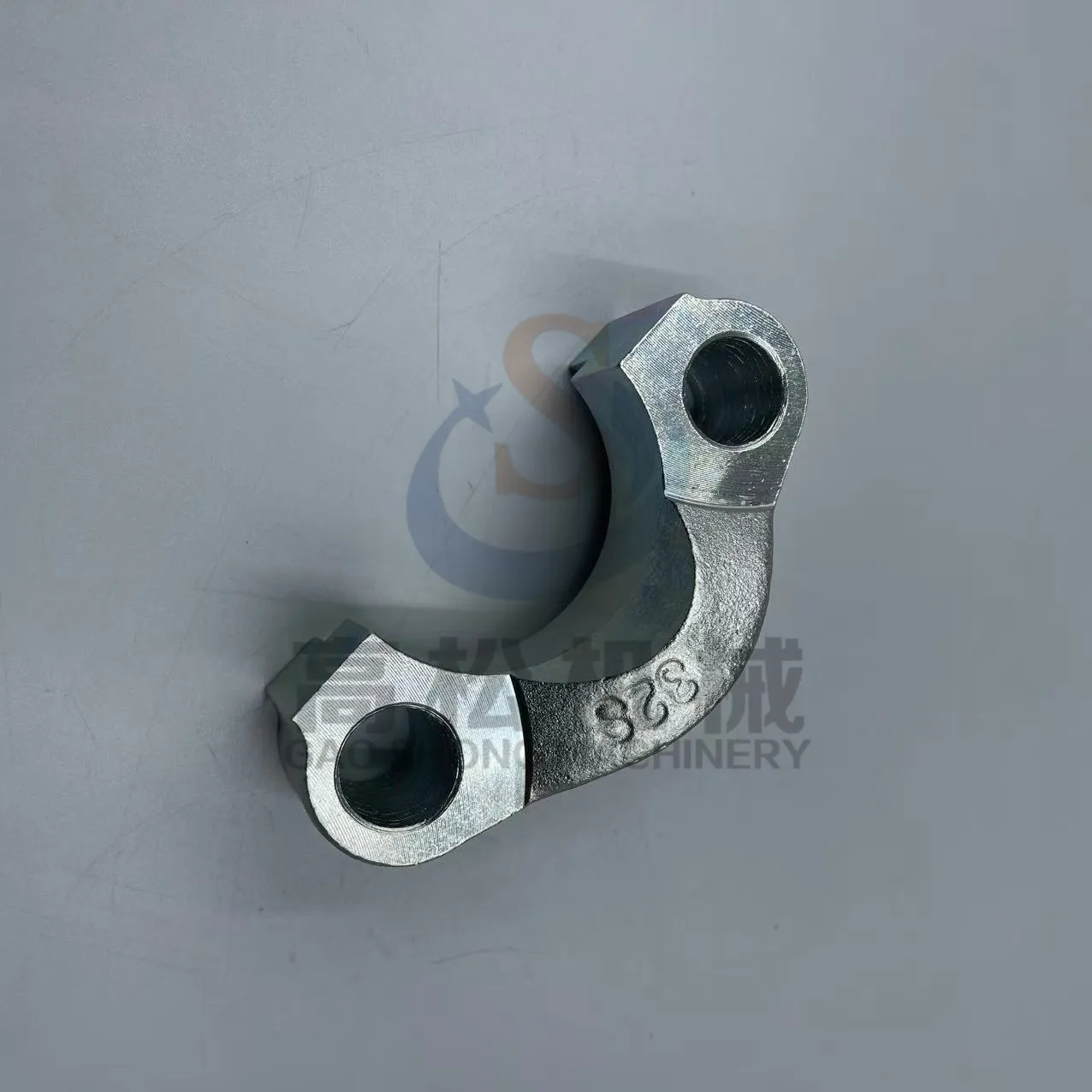
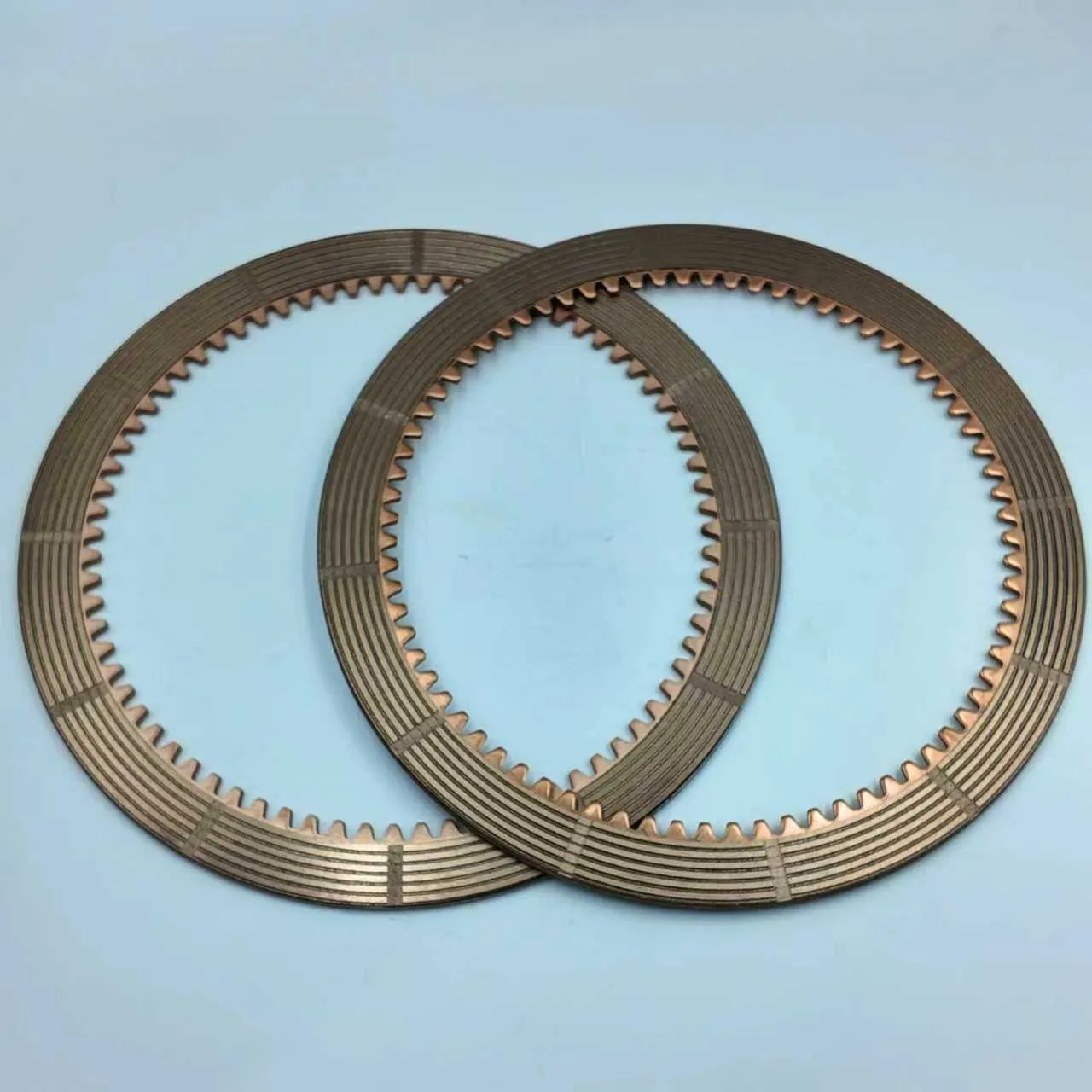
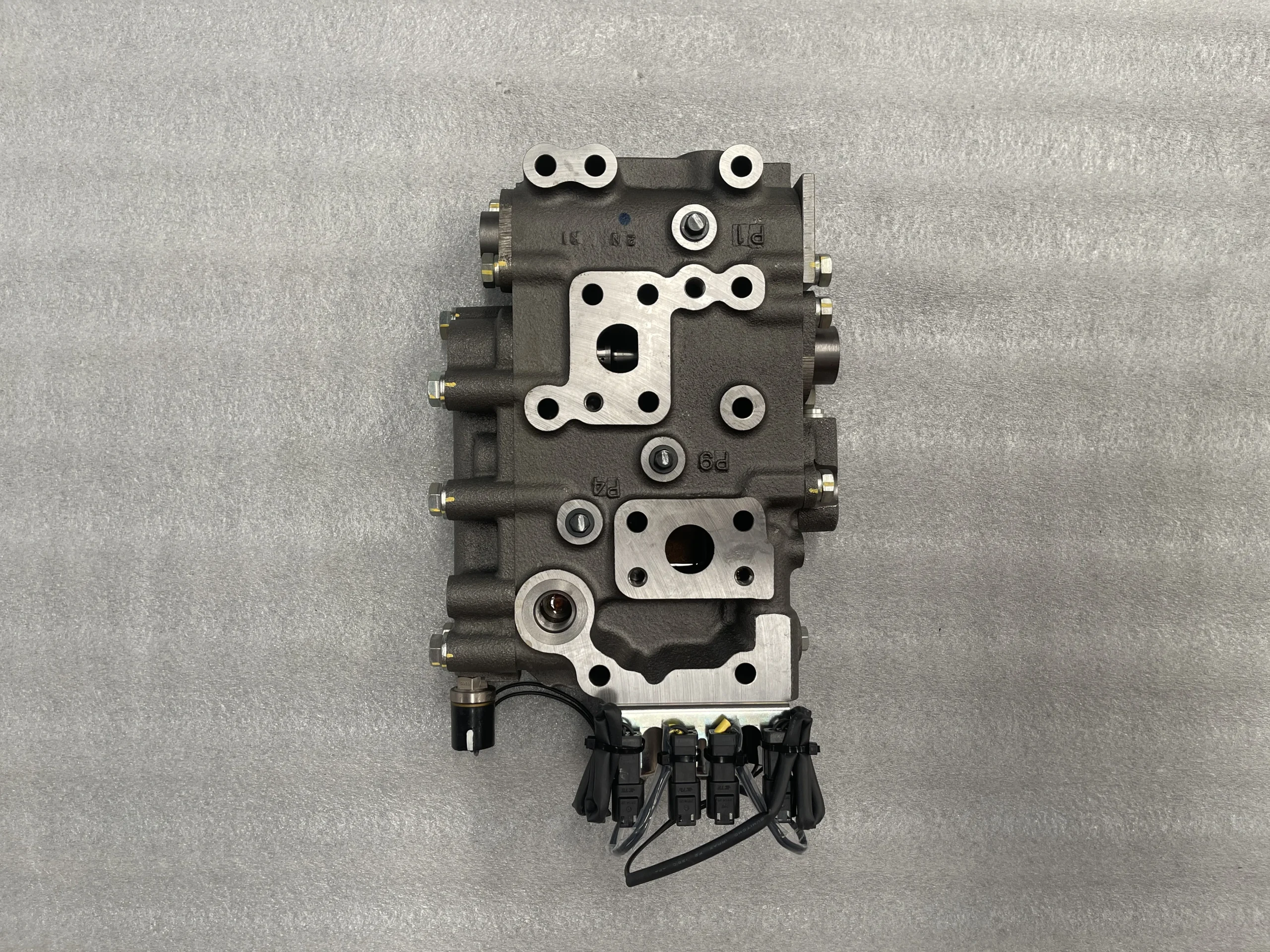
![[Hot Item] Generator Engine Part 600-825-3151 for PC400-6-7](https://www.takematsumachinery.com/wp-content/uploads/微信图片_20251224093522_43_1619-1.webp)

Best Selling Products
Best Selling Products-
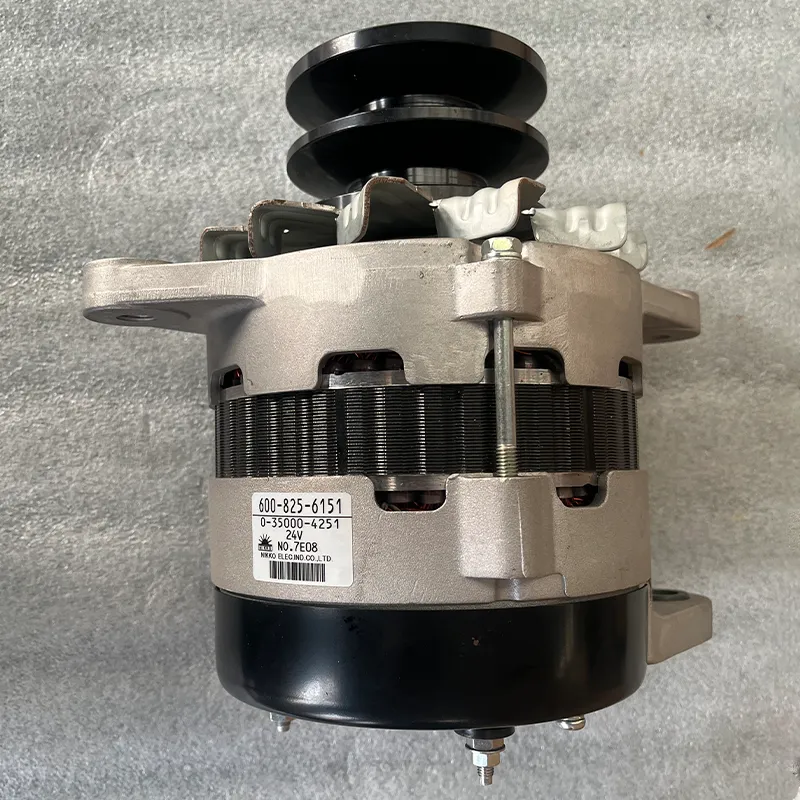 600-825-6151 Original komatsu alternator for PC300-7 PC360-7 PC400-78 PC450-8
 -
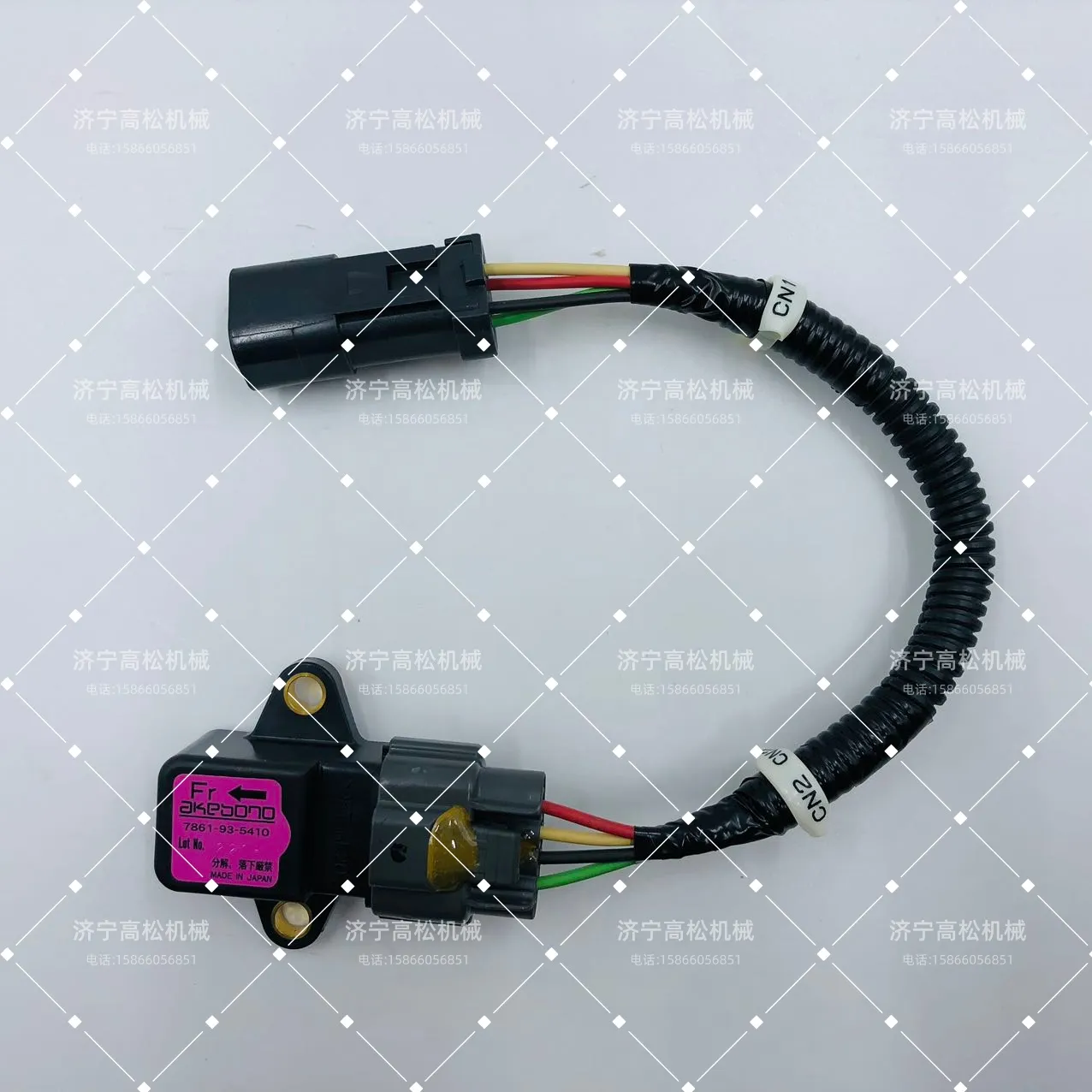 7861-93-5410 Komatsu Sensor, Acceleration
 -
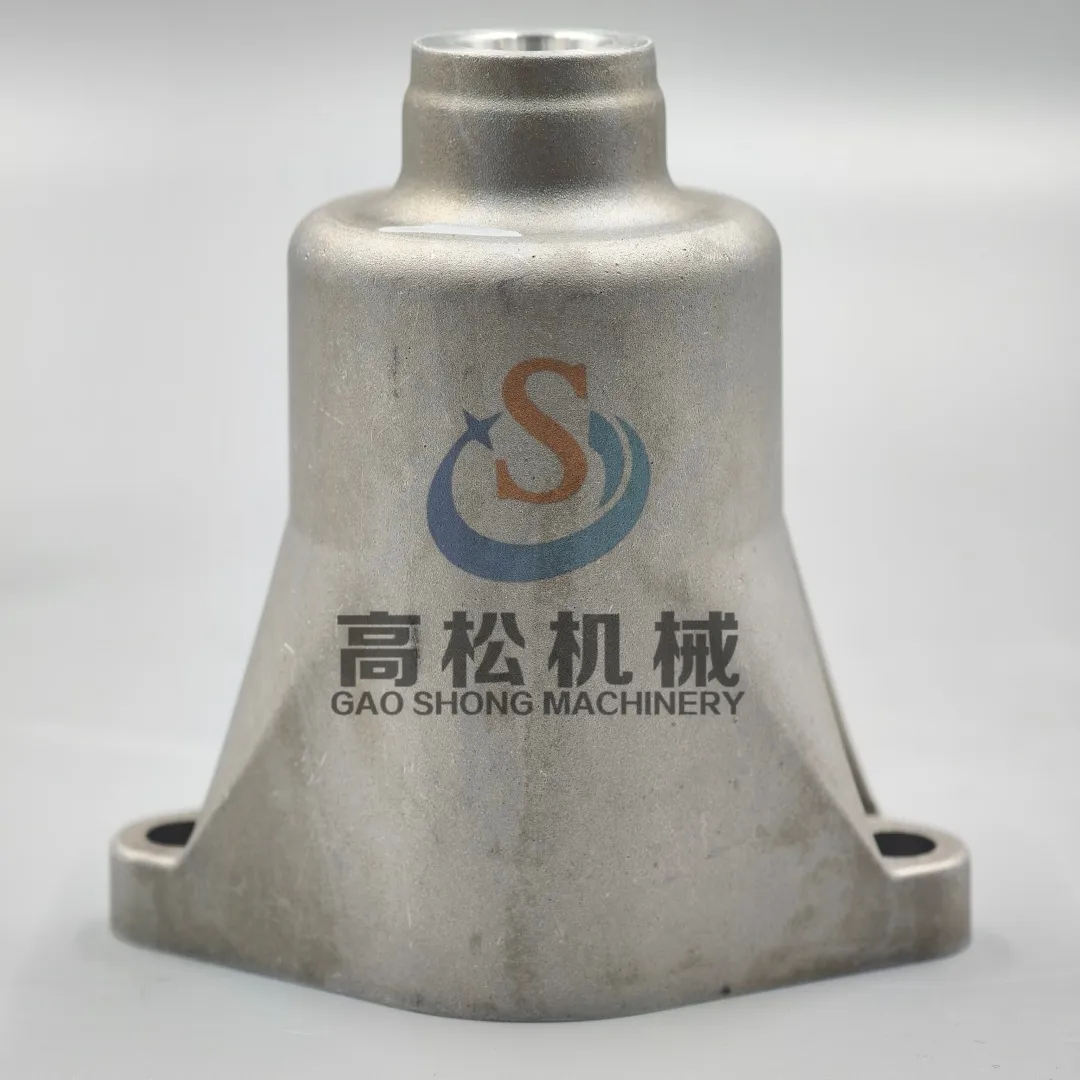 723-46-15111 Control Valve Case for Komatsu PC300 PC350 PC400 Excavator Diesel Fuel Cap Model Engine Parts
 -
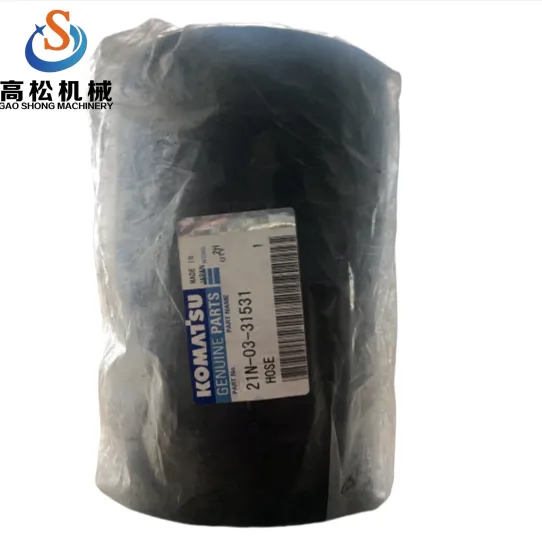 HOSE PC1250 EXCAVATOR 21N-03-31531
 -
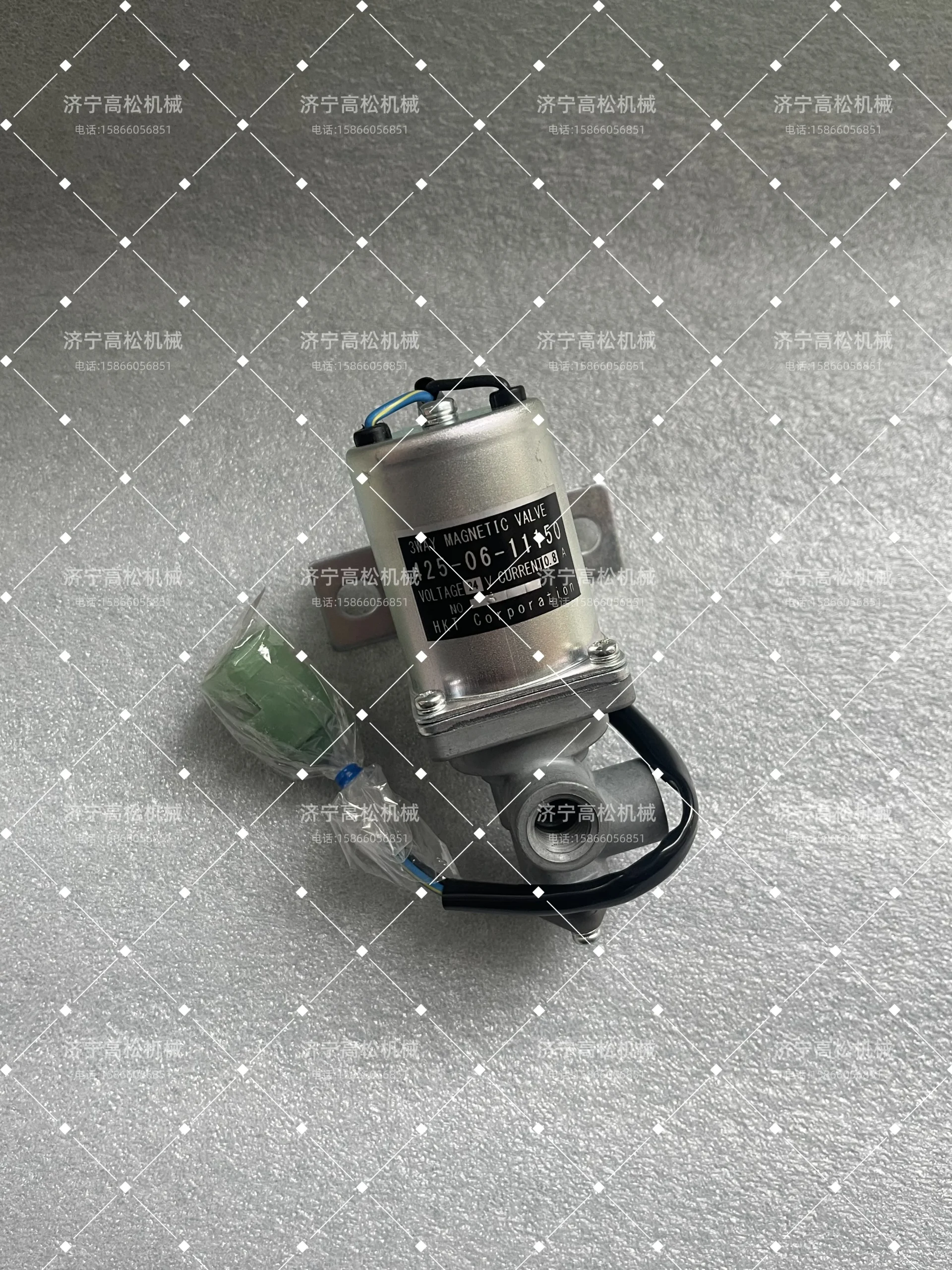 Reliable Cost-Effective Original New 425-06-11150 VALVE for…
 -
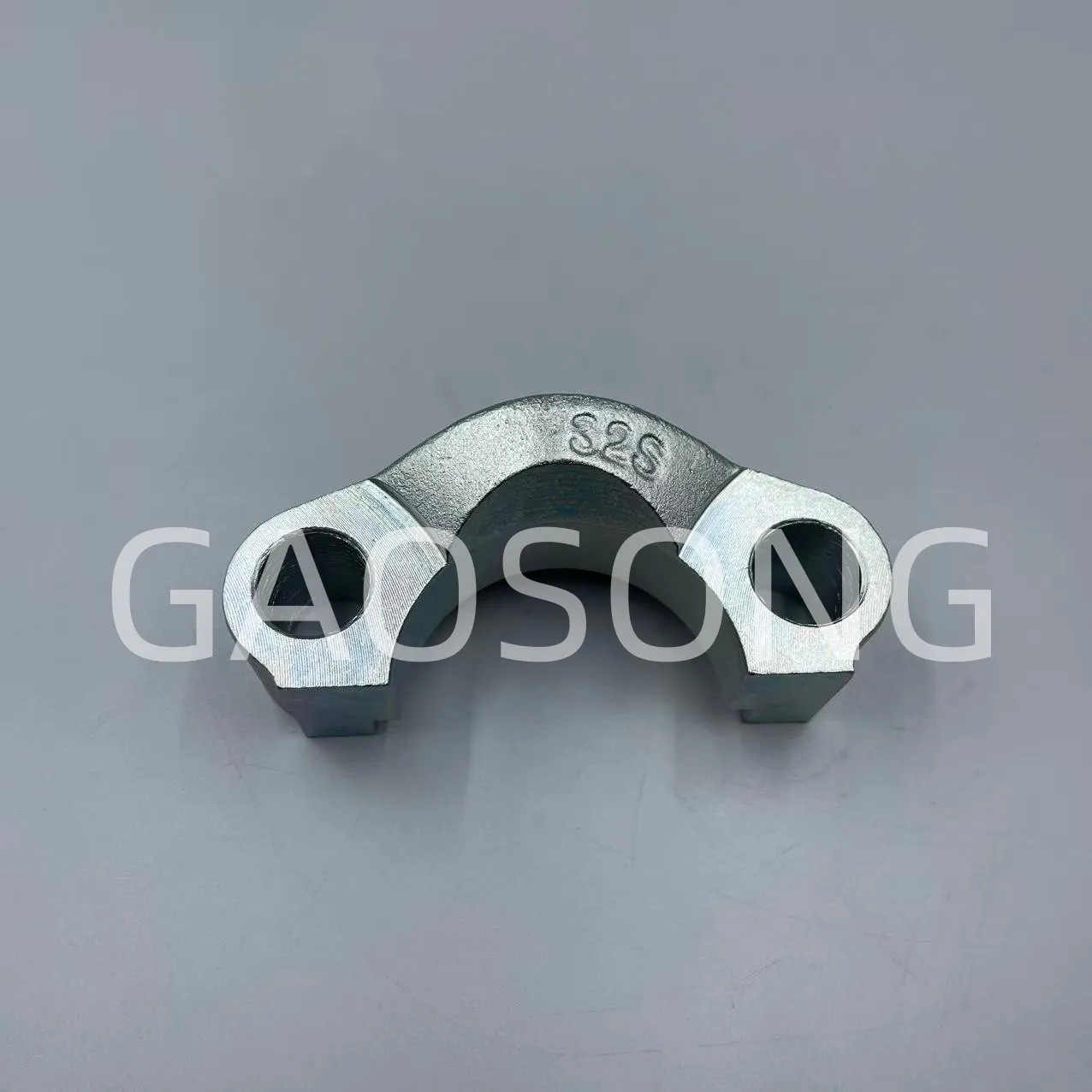 707-40-28020 • SPACER-Komatsu Original Factory
 -
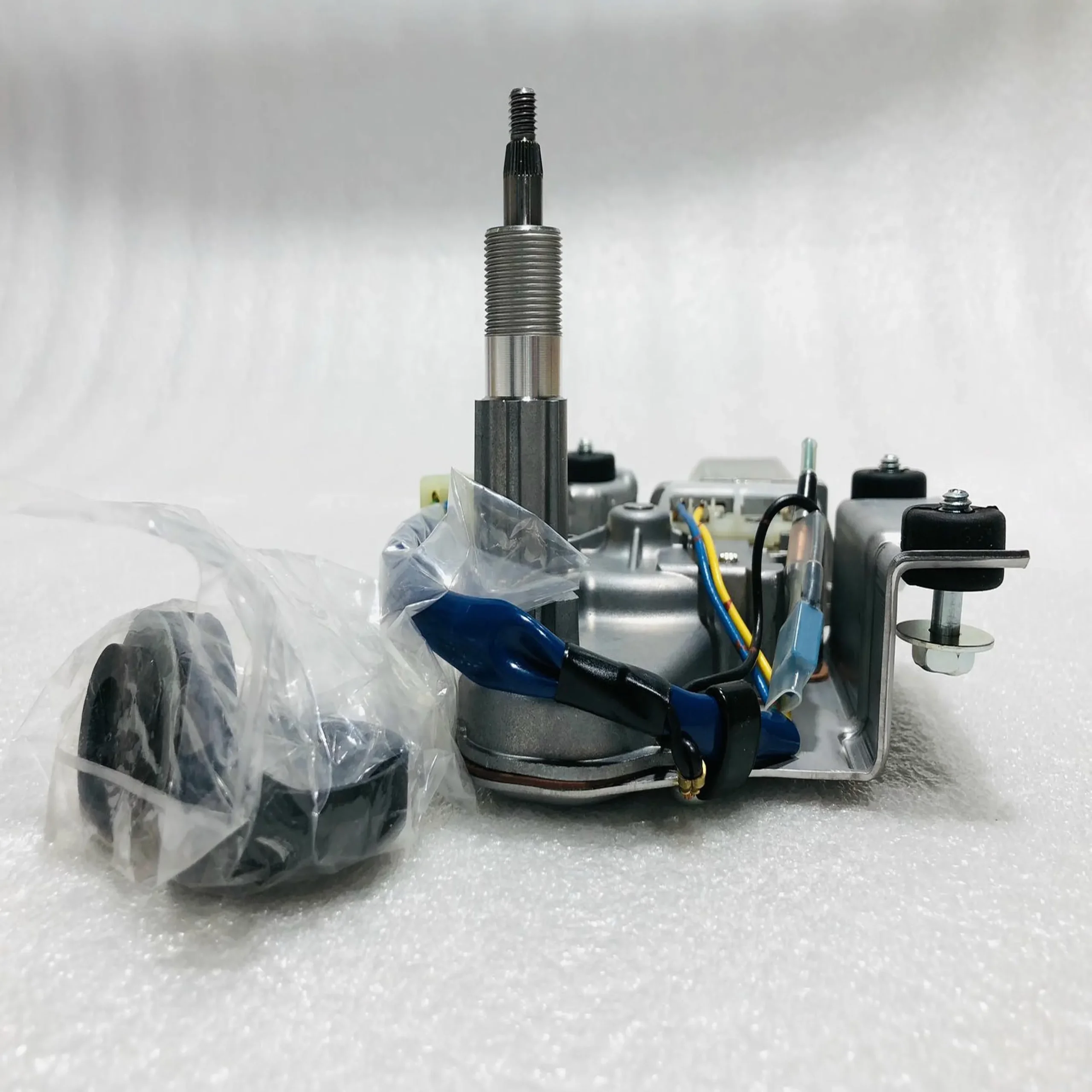 Komatsu grader GD555 wiper motor 42C-56-11391
 -
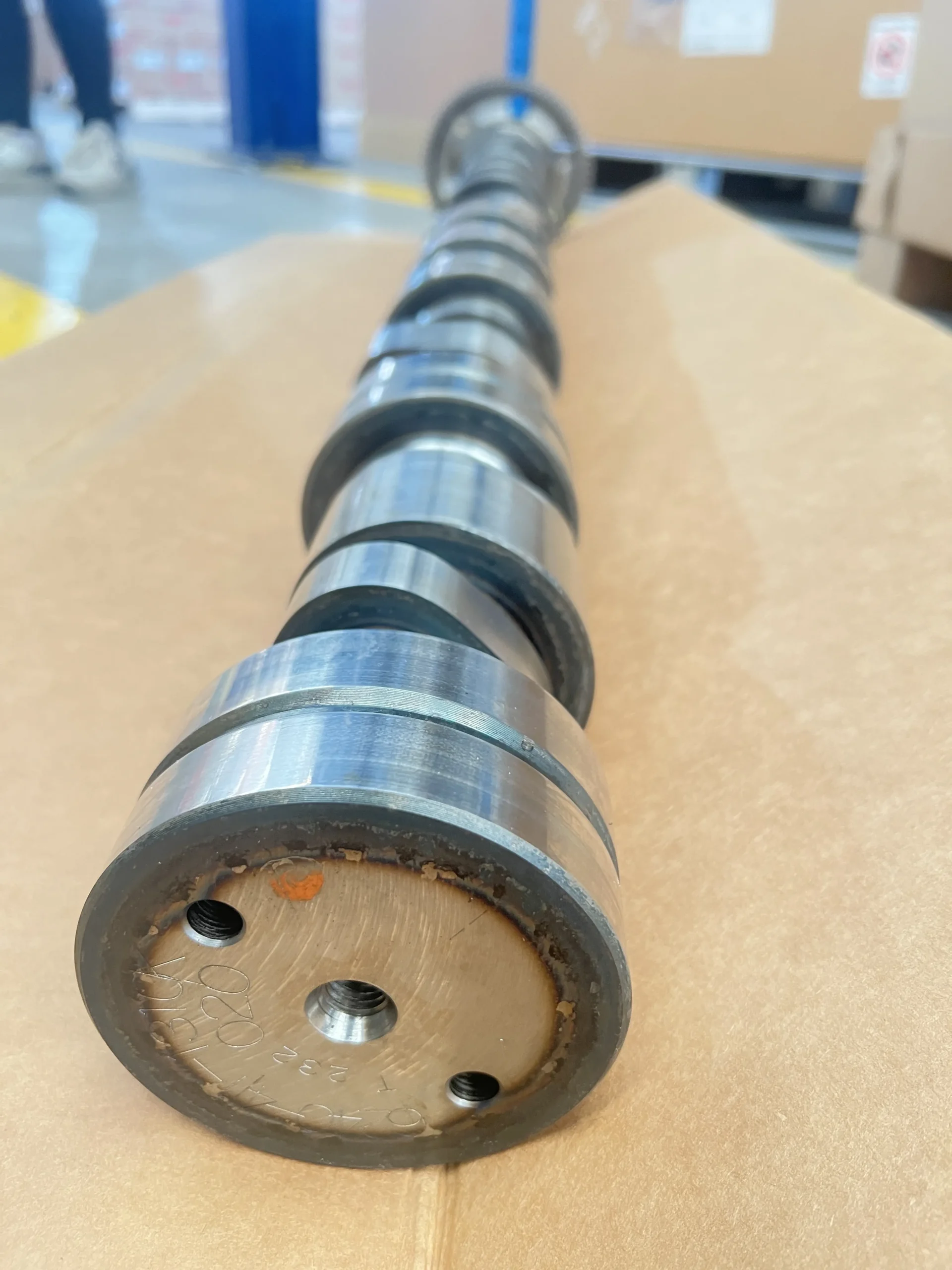 SAA6D170E-3F-8 Camshaft Assembly 6240-41-1300
 -
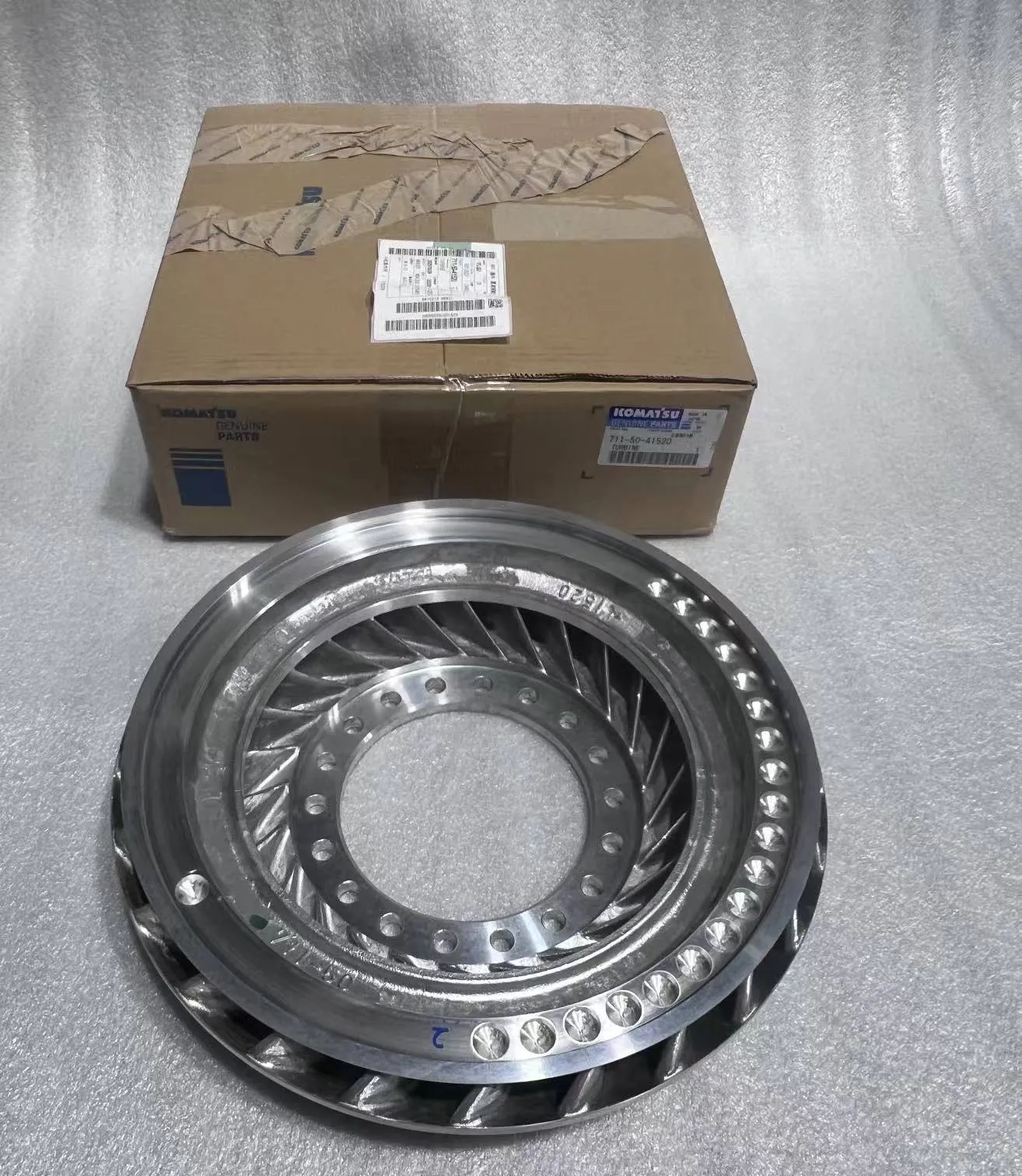 711-50-41520 Komatsu TURBINE
 -
 21N-01-11120 21T-01-11150 Komatsu PC600-8 PC1250-7 PC750-7
 -
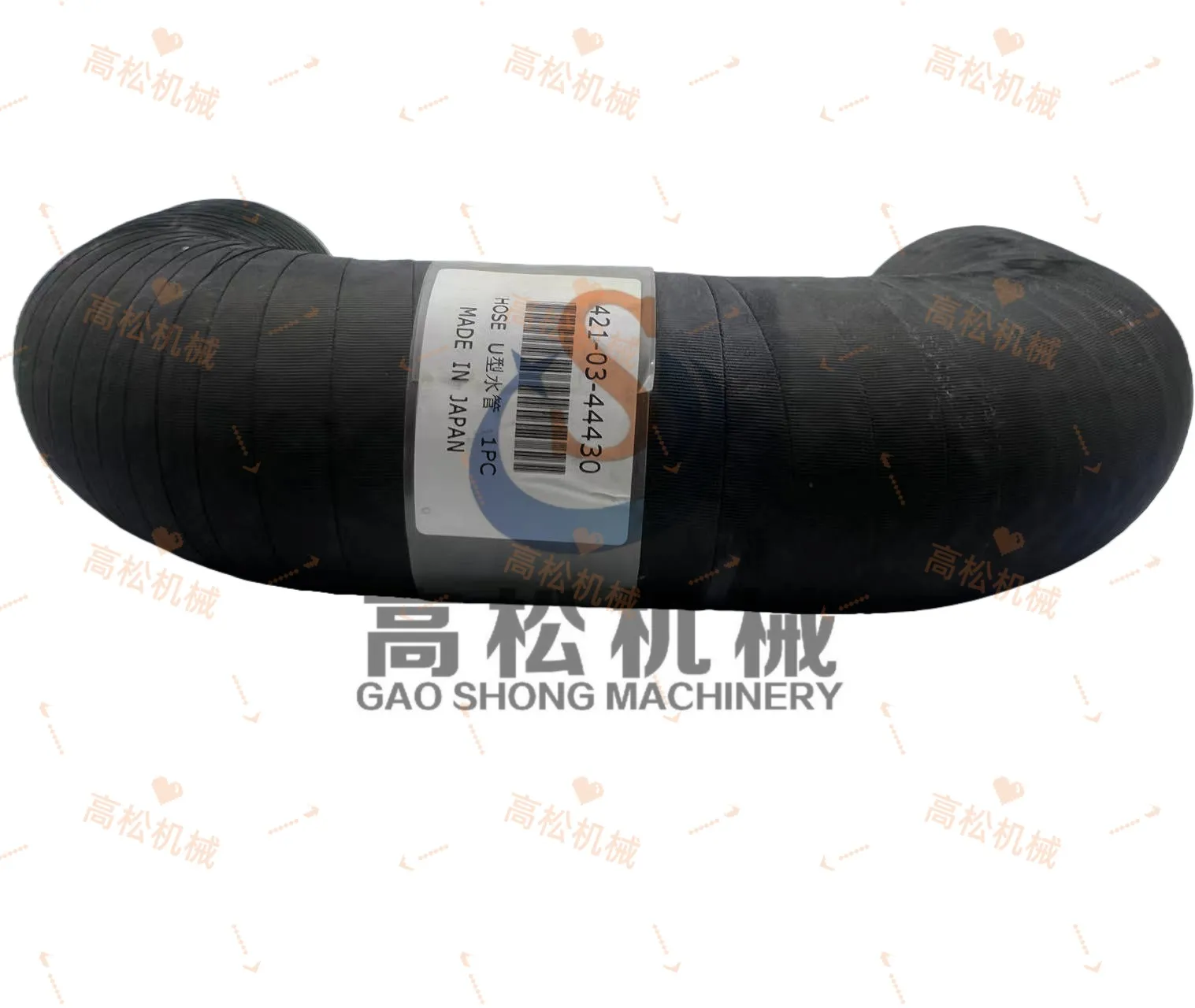 421-03-44430 HOSE WA480-6 S/N H60051 – H60462 RADIATOR Construction Machines Excavator Hose 421-03-44430 For WA380 WA450 WA470 WA480 Radiator
 -
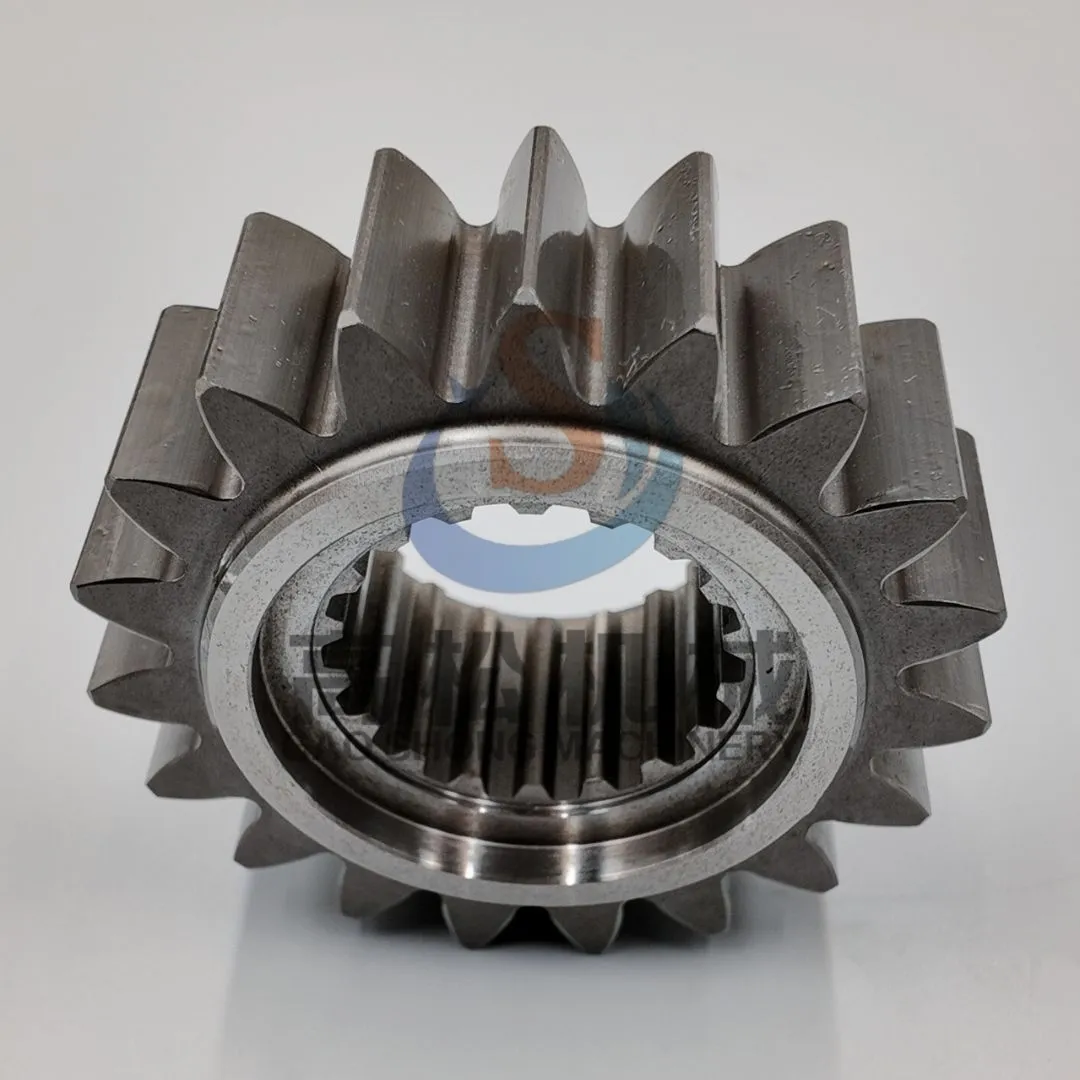 GEAR 207-26-71510 – KOMATSU