
- Chinese
- French
- German
- Portuguese
- Spanish
- Russian
- Japanese
- Korean
- Arabic
- Irish
- Greek
- Turkish
- Italian
- Danish
- Romanian
- Indonesian
- Czech
- Afrikaans
- Swedish
- Polish
- Basque
- Catalan
- Esperanto
- Hindi
- Lao
- Albanian
- Amharic
- Armenian
- Azerbaijani
- Belarusian
- Bengali
- Bosnian
- Bulgarian
- Cebuano
- Chichewa
- Corsican
- Croatian
- Dutch
- Estonian
- Filipino
- Finnish
- Frisian
- Galician
- Georgian
- Gujarati
- Haitian
- Hausa
- Hawaiian
- Hebrew
- Hmong
- Hungarian
- Icelandic
- Igbo
- Javanese
- Kannada
- Kazakh
- Khmer
- Kurdish
- Kyrgyz
- Latin
- Latvian
- Lithuanian
- Luxembou..
- Macedonian
- Malagasy
- Malay
- Malayalam
- Maltese
- Maori
- Marathi
- Mongolian
- Burmese
- Nepali
- Norwegian
- Pashto
- Persian
- Punjabi
- Serbian
- Sesotho
- Sinhala
- Slovak
- Slovenian
- Somali
- Samoan
- Scots Gaelic
- Shona
- Sindhi
- Sundanese
- Swahili
- Tajik
- Tamil
- Telugu
- Thai
- Ukrainian
- Urdu
- Uzbek
- Vietnamese
- Welsh
- Xhosa
- Yiddish
- Yoruba
- Zulu
- Kinyarwanda
- Tatar
- Oriya
- Turkmen
- Uyghur






OEM AND ORIGINAL KOMATSU GEAR 195-27-31284
You see that part number, , and immediately think it's just another gear. But in the world of Komatsu excavators, especially the older PC models, it's a hinge point. The real debate starts with OEM AND ORIGINAL. Most guys on the ground conflate them, but they're not the same animal. OEM can mean the part is made for Komatsu by a licensed supplier—sometimes the very same factory—but the ORIGINAL tag and packaging are what you pay the premium for. The 31284 gear is a classic case where going for the pure original box from a dealer might not be the only smart play, especially when lead times blow out to 12 weeks and your machine is down.
The Anatomy of a Part Number and the OEM Reality
Let's break down . The '195' series often ties back to final drive or swing transmission assemblies. This specific gear is a critical component in the power train, and failure usually means catastrophic downtime. I've seen machines sidelined for months waiting for this part. The instinct is to call the nearest Komatsu dealer, and that's valid. But the sticker shock and wait time force you to look at the OEM pathway.
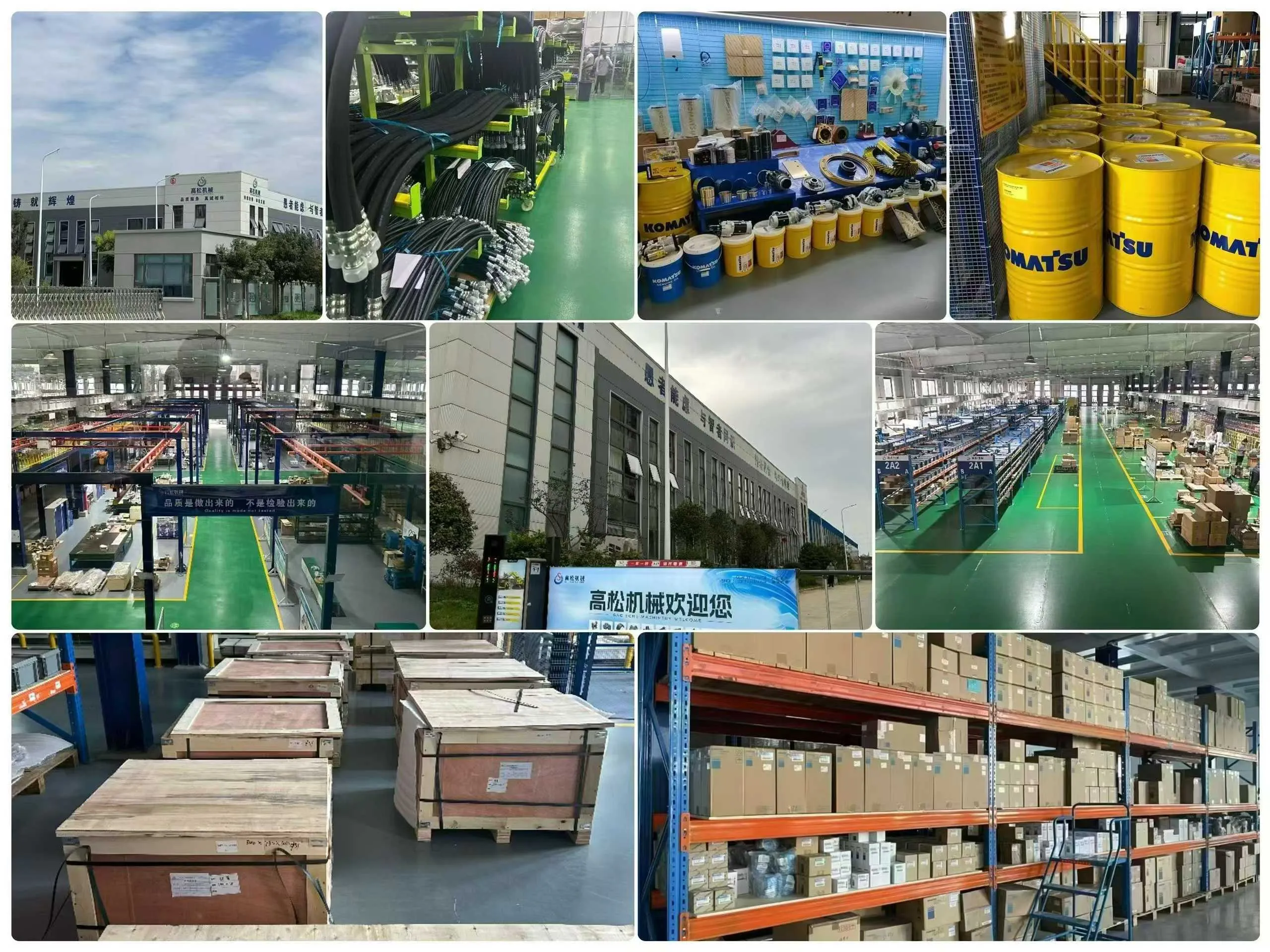
This is where companies operating within the Komatsu system, like Jining Gaosong Construction Machinery Co., Ltd., come into the picture. Their stated role as an OEM product supplier within the Komatsu system is key. It doesn't mean they're Komatsu, but it suggests they have the legitimate engineering specs and potentially the same manufacturing source for this gear. Their website, https://www.takematsumachinery.com, frames them as a solution for parts supply challenges, which is exactly the pain point with a part like 31284.
The nuance is in the metallurgy and heat treatment. A true OEM-spec part from a certified supplier should have identical material grades (think SCM440H or similar) and case-hardening depth. I've held a gear from a source like Gaosong next to a dealer-original one. Visually, the tooth profile and machining marks were indistinguishable. The proof, however, is always in the hours of operation under load.
Field Trials and the Good Enough Paradox
We took a gamble on an OEM-spec for a PC300-6 that was bleeding money sitting idle. The source was a trusted intermediary, not the main dealer. The cost was about 40% less. Installation was standard, no fitment issues. The initial 500-hour check showed normal wear patterns.
But here's the catch—the original part comes with a Komatsu warranty that ties directly to the machine's overall system warranty. Using an OEM part, even if technically identical, can sometimes create friction with your local service shop if unrelated downstream failures occur. They'll point fingers. You need a supplier who provides robust documentation and their own warranty. A company that positions itself as helping solve parts supply challenges in certain countries needs to back that up with clear liability terms, not just a sales pitch.
The gear ran for nearly 3800 hours before we did a major overhaul. It was still within spec, but we noticed a very slight, early pitting on a few teeth that perhaps wouldn't be present on the original. Was it the material? The hardening? Impossible to say definitively. But for the cost and time saved, it was a calculated risk that paid off. It was good enough, and in many operational contexts, that's the pragmatic benchmark.
Identifying the Truly Compatible vs. the Knock-Off
The market is flooded with outright counterfeit parts stamped with . The difference between a legitimate OEM-channel part and a fake is night and day. The fakes often fail spectrographic analysis; they use inferior steel that's more brittle or softer. I've seen teeth shear off within 200 hours.
A reliable supplier's value is in traceability. They should be able to provide mill certificates for the steel or at least detail the manufacturing standard. When evaluating a source like Jining Gaosong Construction Machinery Co., Ltd., their claim of being an OEM supplier is the first filter. The second is asking for specific material certifications for the gear you're buying. If they're just a third-party sales company with no technical backup, walk away.
Packaging is a tell, but not the only one. Genuine OEM parts from system suppliers often come in plain white boxes with the part number and basic specs. They won't have the Komatsu logo. The fakes sometimes poorly replicate the official logo and colors, which is a huge red flag.
Logistics and the Hidden Cost of Availability
Everyone focuses on unit price. The real cost is Total Cost of Ownership (TCO): price + downtime + freight + risk of failure. An original part with a 3-month wait has an infinite TCO if your machine is critical. An available OEM-spec part from a credible source has a definable, often lower, TCO.
This is the niche companies like the one mentioned fill. They aren't competing with Komatsu on brand; they're competing on supply chain agility. For a part like the OEM AND ORIGINAL KOMATSU GEAR , having a vetted alternative source is business continuity planning. I've used channels like this not for every part, but for high-wear, long-lead-time components where the engineering is mature and stable.
Air freight from a regional hub can turn a 12-week ordeal into a 10-day fix. You pay more for shipping, but the machine earns. The supplier's location and logistics network become as important as their product catalog.
Concluding Thoughts: A Tool in the Box, Not a Replacement
So, would I always use an OEM-spec 31284 gear over an original? No. For new machines under warranty, or in extreme applications, I'd bite the bullet and go dealer-original every time. The system integration and warranty peace of mind are worth it.
But for a fleet of older workhorses, where uptime is currency and budgets are tight, a verified OEM supplier is an indispensable partner. The part number becomes a test case. It forces you to understand your supply chain, vet your suppliers beyond price, and make judgments based on technical data and risk assessment, not just brand loyalty.
Ultimately, OEM AND ORIGINAL isn't a binary choice. It's a spectrum of quality, assurance, and availability. Knowing where a supplier like Jining Gaosong sits on that spectrum—through their documentation, material proofs, and post-sales support—is what separates a smart procurement decision from a costly mistake. They are one tool in the box for solving the persistent puzzle of keeping iron moving.
Related Products
Related Products

Best Selling Products
Best Selling Products-
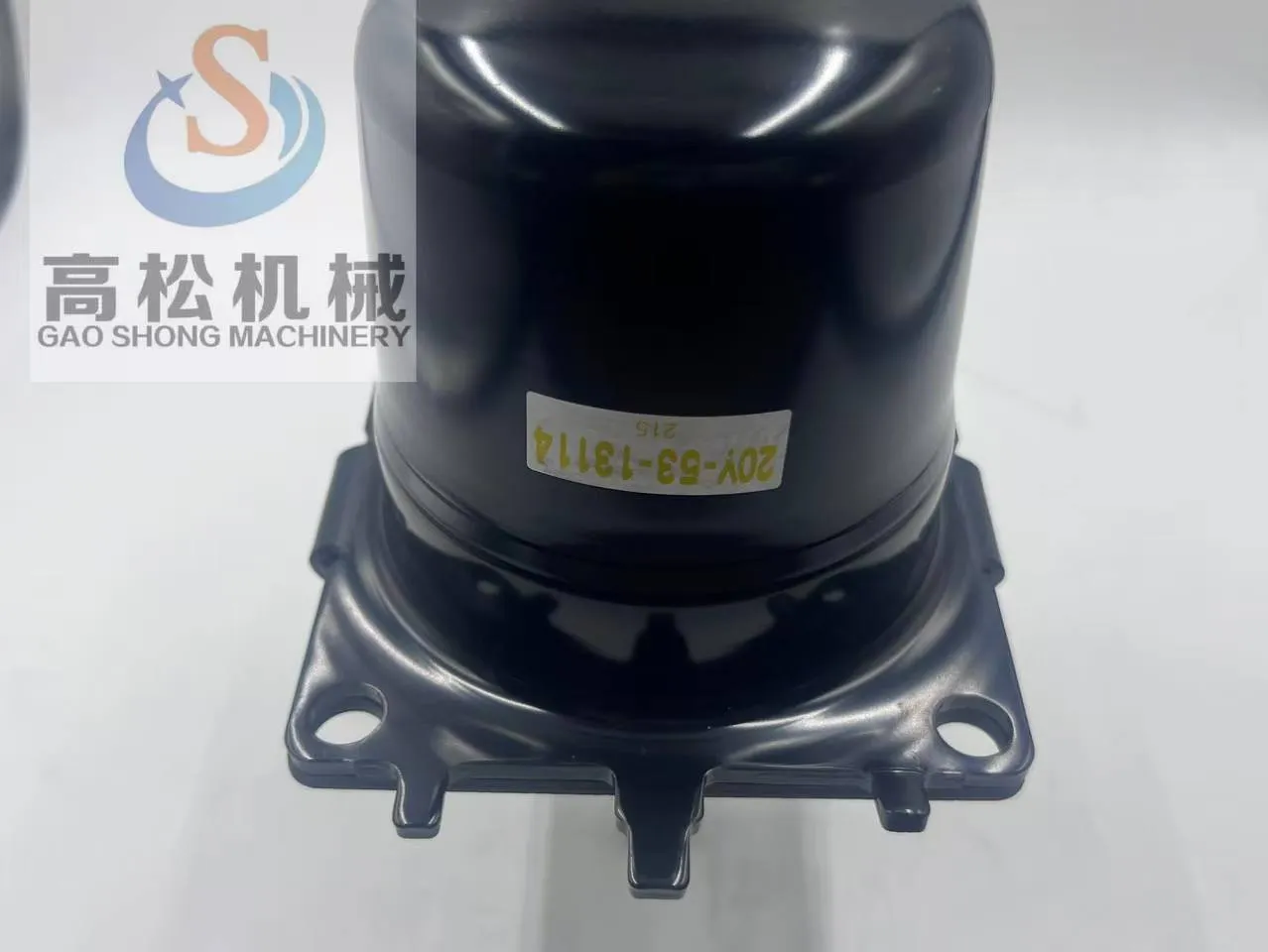 20Y-53-13114/20Y5313114 Buffer pad suitable for excavator PC200-8
 -
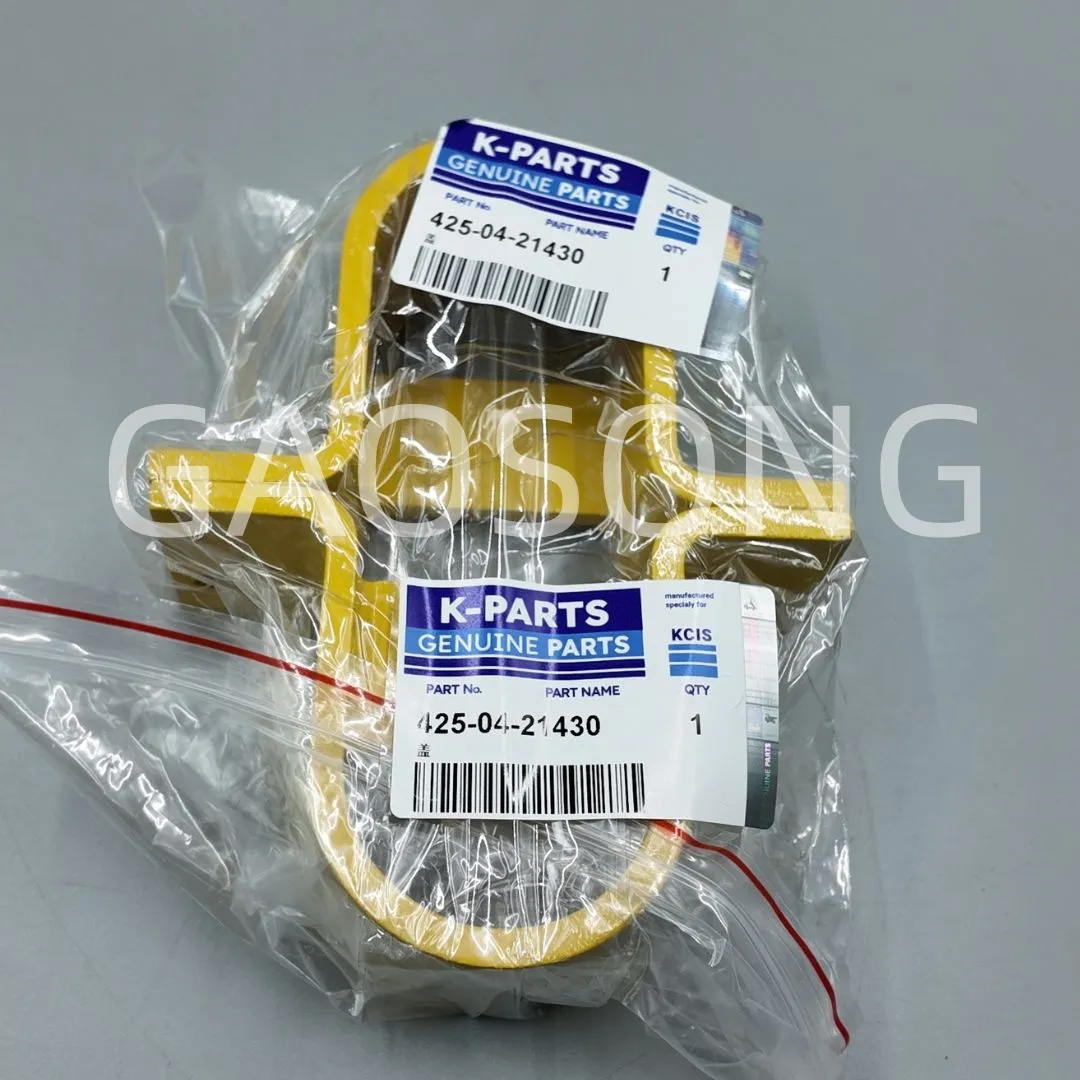 425-04-21430 COVER-Komatsu Original Factory
 -
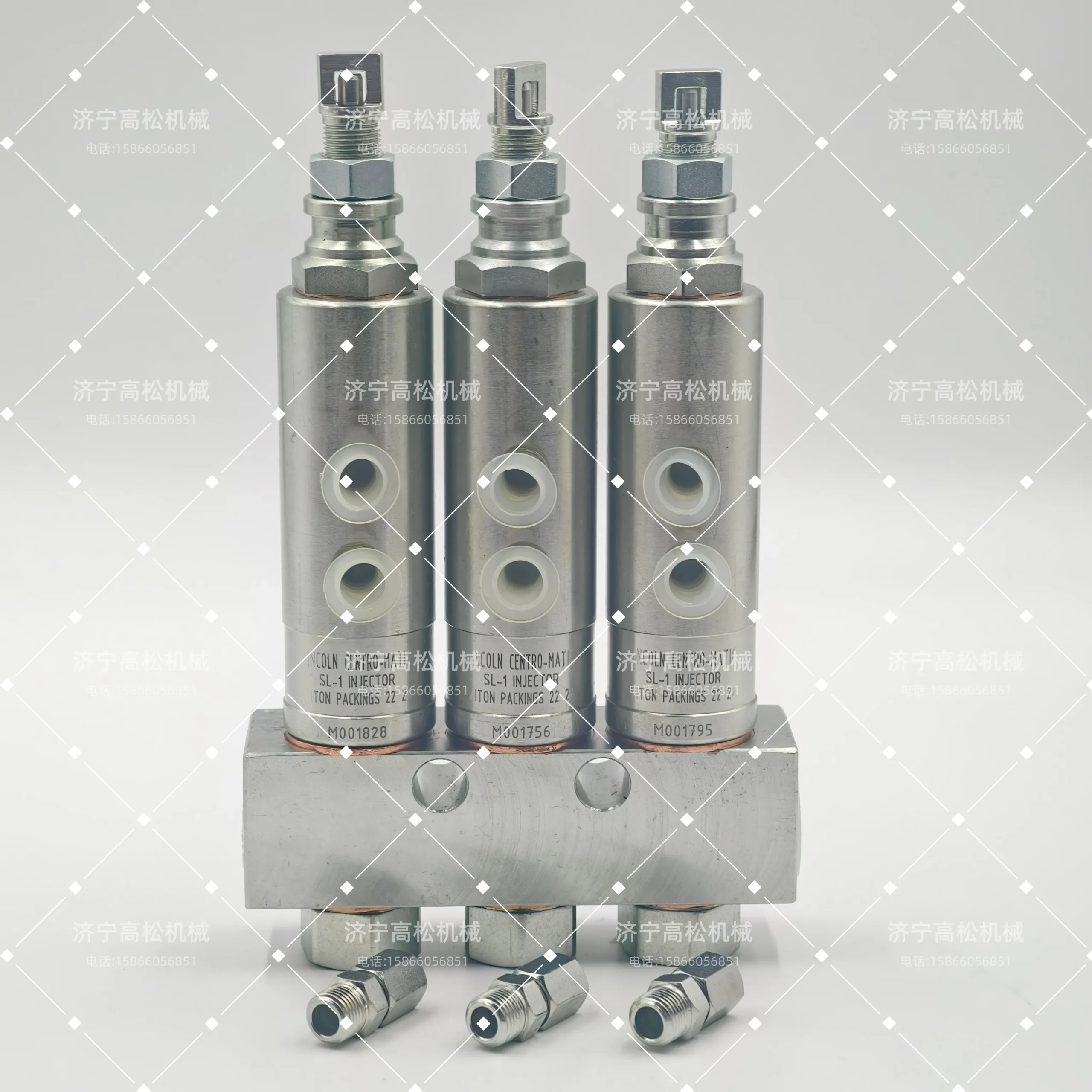 Ekskavatör PC1250-7 PC1250-8 enjektör 581-96-19520…
 -
 56D-15-19250 RING
 -
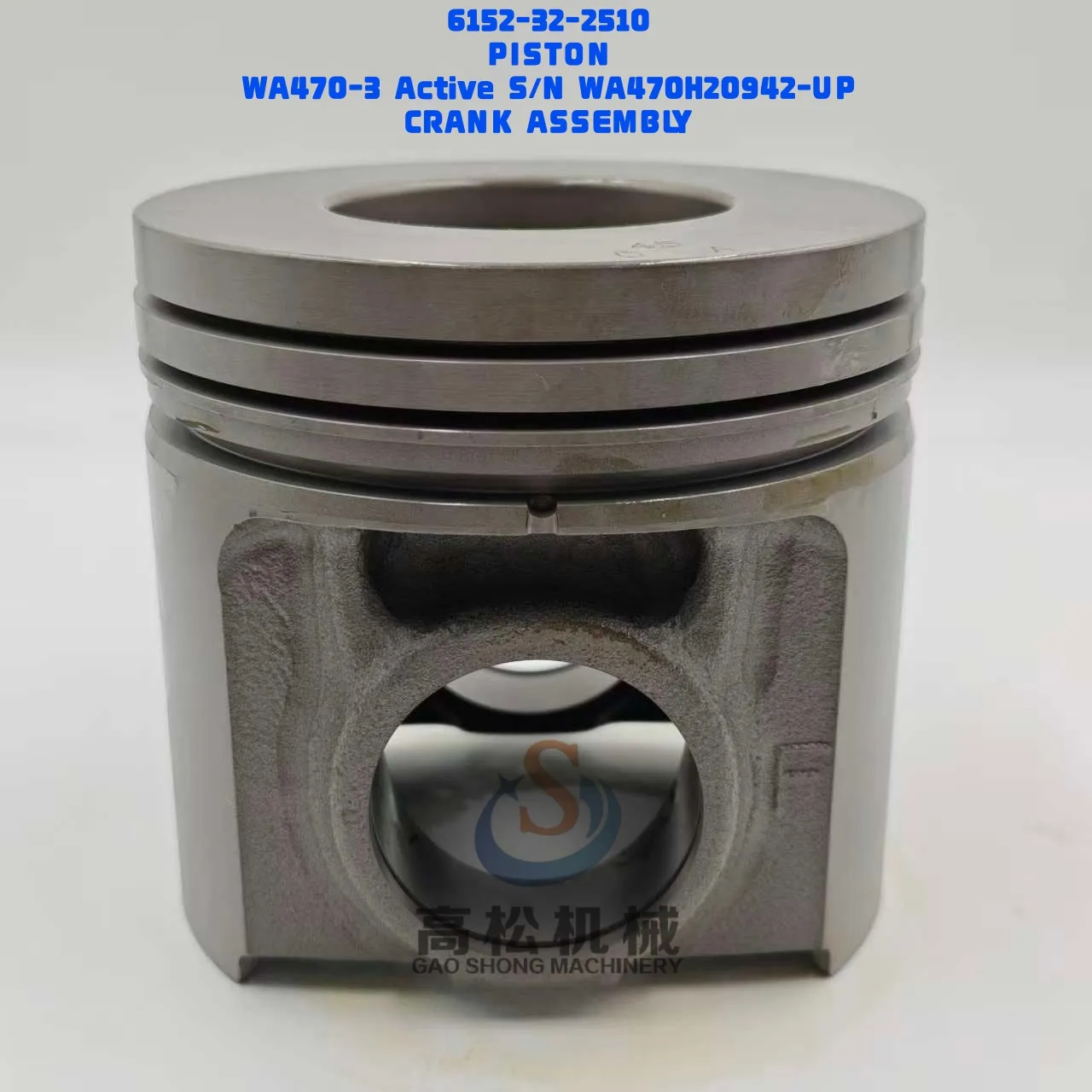 6152-32-2510 PISTON KOMATSU parts D87E, D87P, DCA, EGS360,380, PC400, PW400MH, S6D125E, SA6D125E, SAA6D125E, WA450, WA470, WA480
 -
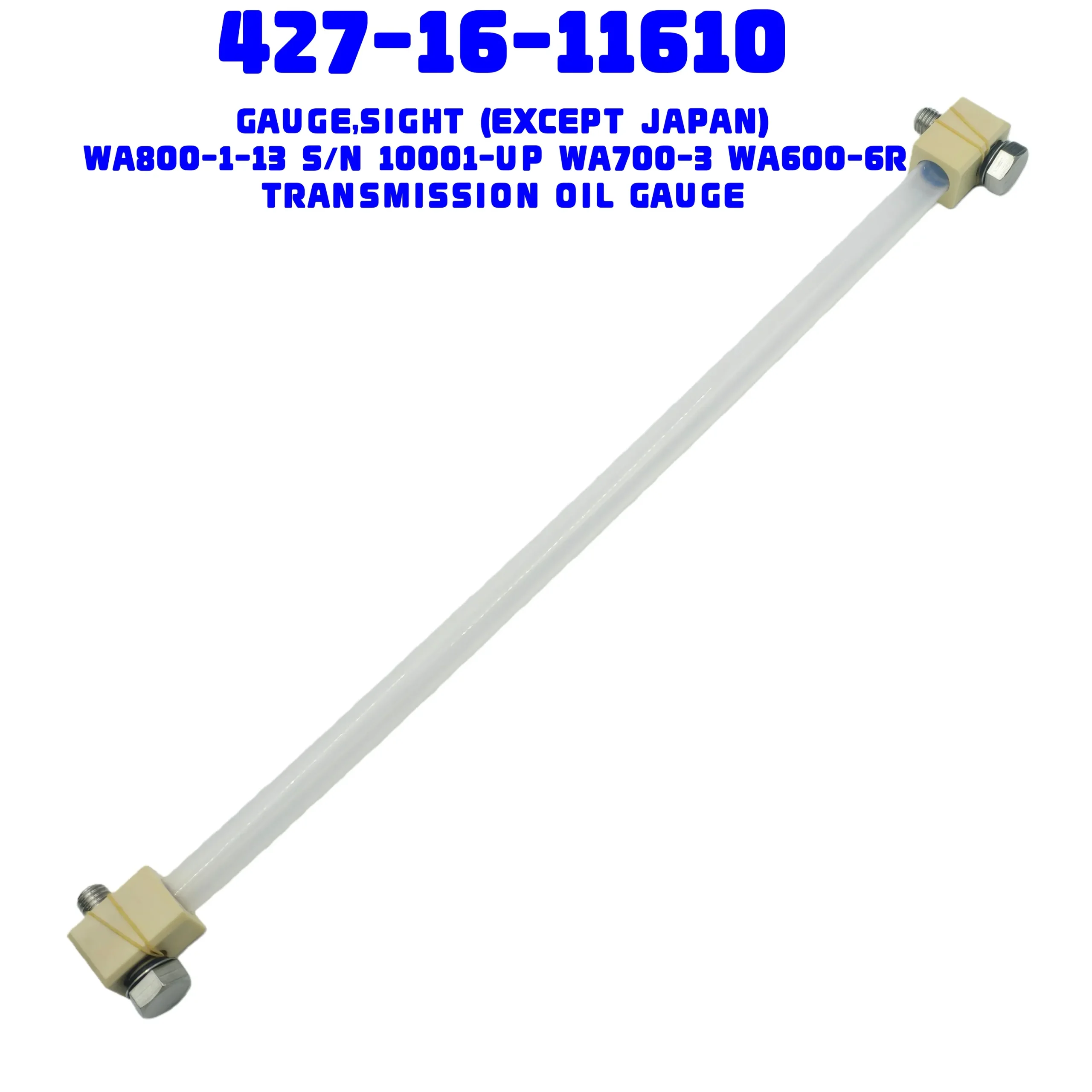 komatsu parts427-16-11610 GAUGE,SIGHT (EXCEPT JAPAN) WA800-1-13 S/N 10001-UP TRANSMISSION OIL GAUGE427-16-11610 GAUGE,SIGHT KOMATSU parts WA1200, WA600, WA700, WA800, WA800L, WA900, WA900L, WD600, WD900
 -
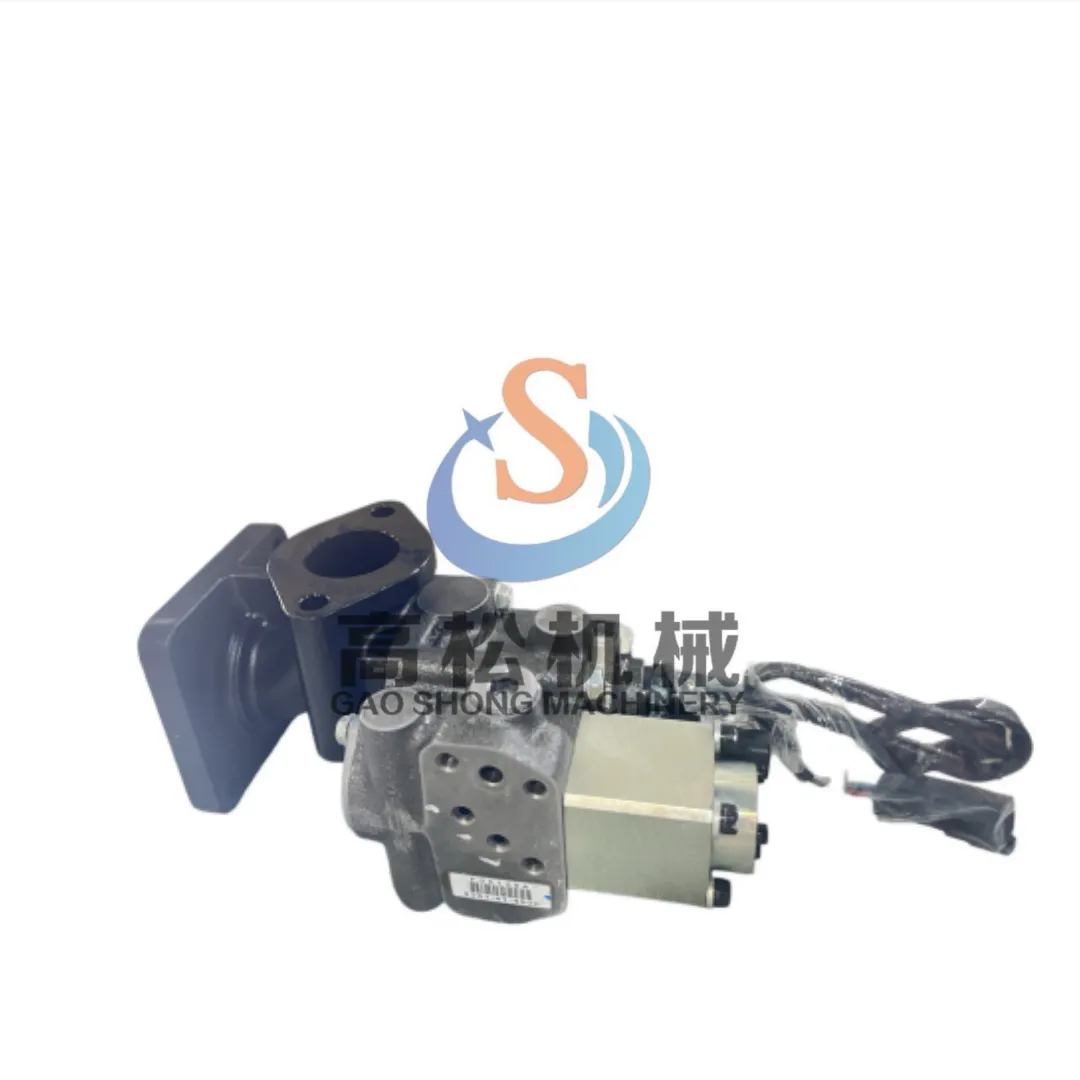 Excavator For Komatsu PC400-7 PC450-7 Control Solenoid Valve 6261-41-4900
 -
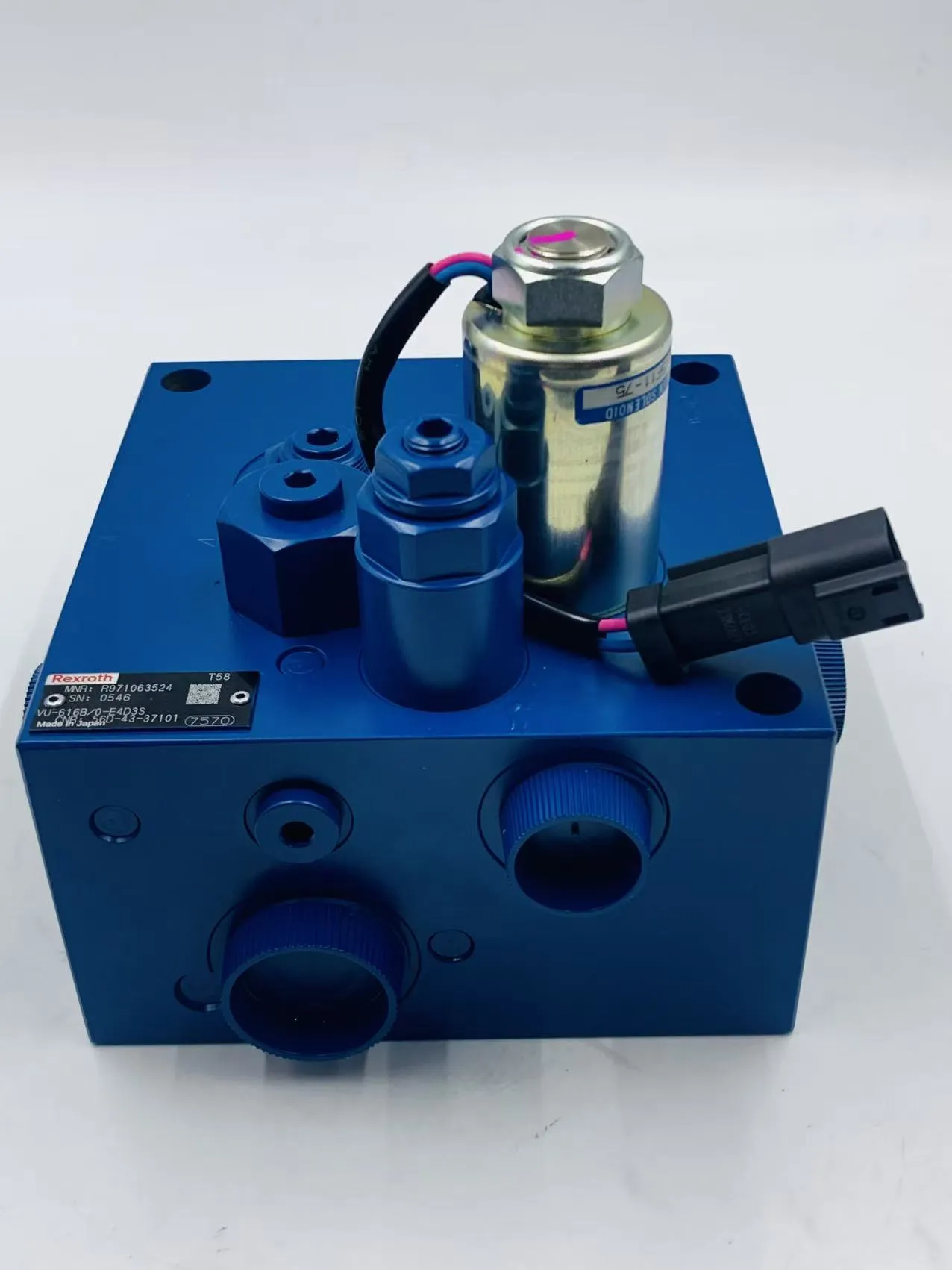 56D-43-37101 Valve Assembly, Charge for HM300 Komatsu Dump Truck Parts High Quality Original Factory
 -
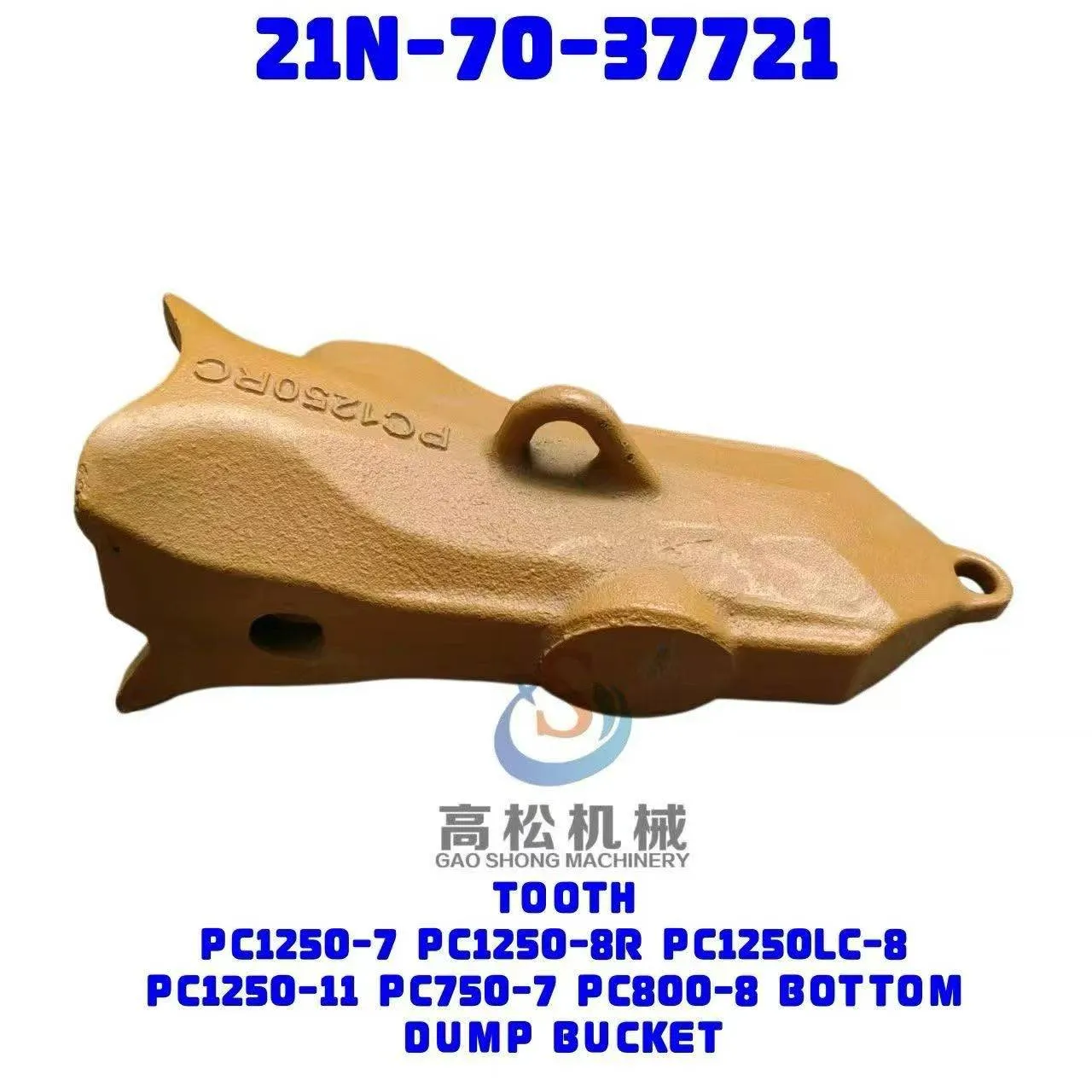 21n-70-37721 Bucket teeth, suitable for the following vehicle models. PC1250-7 PC1250-8R PC1250LC-8 PC1250-11 PC750-7 PC800-8 BOTTOM TOOTH PC1250-7 PC1250-8R PC1250LC-8 PC1250-11 PC750-7 PC800-8 BOTTOM DUMP BUCKET
 -
 6156-71-1131 6156-71-1132 Fuel Injection Pump Compatible For Komatsu PC450-8 Excavator
 -
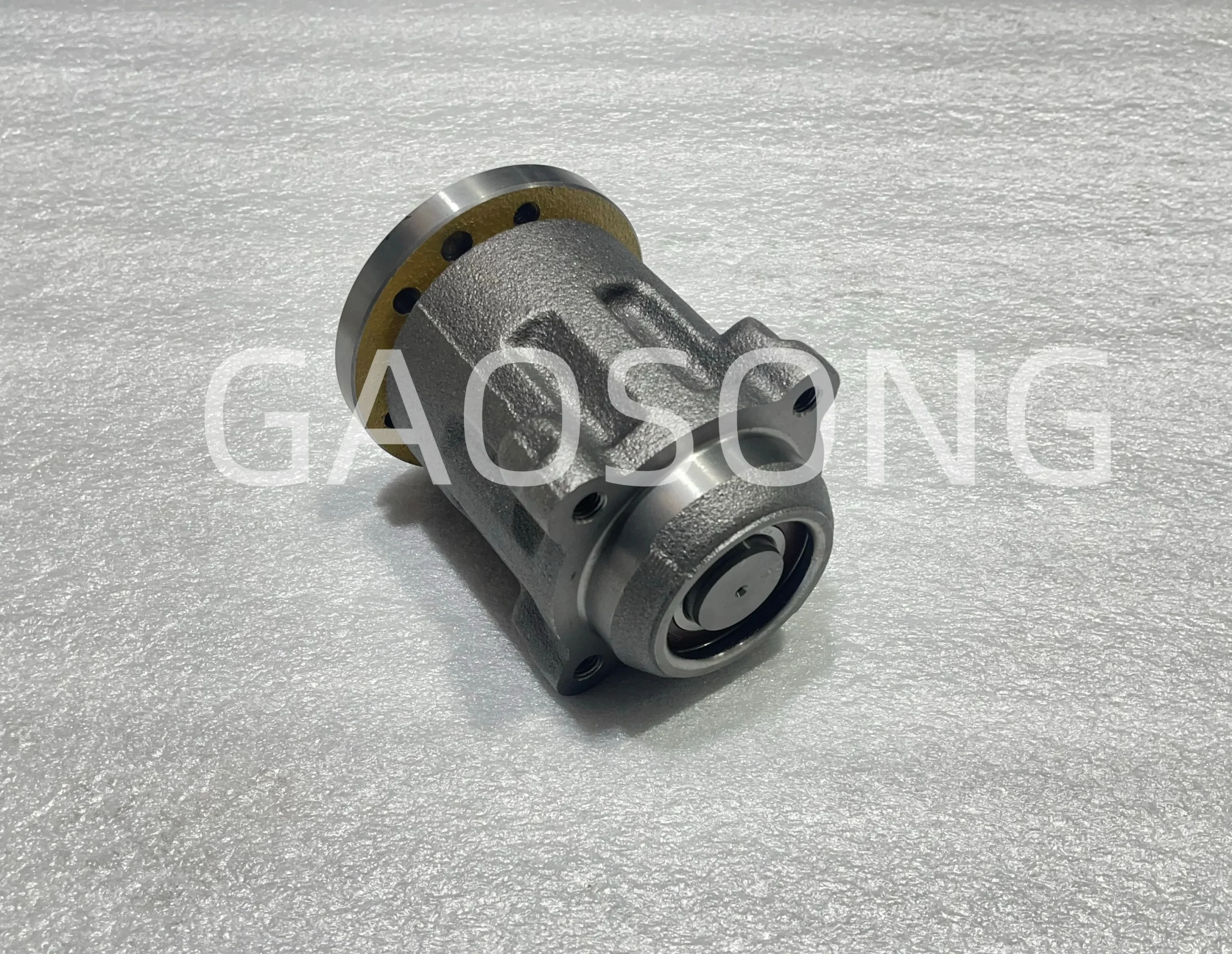 6151-61-3201 CASE ASS’Y-Komatsu Original Factory
 -
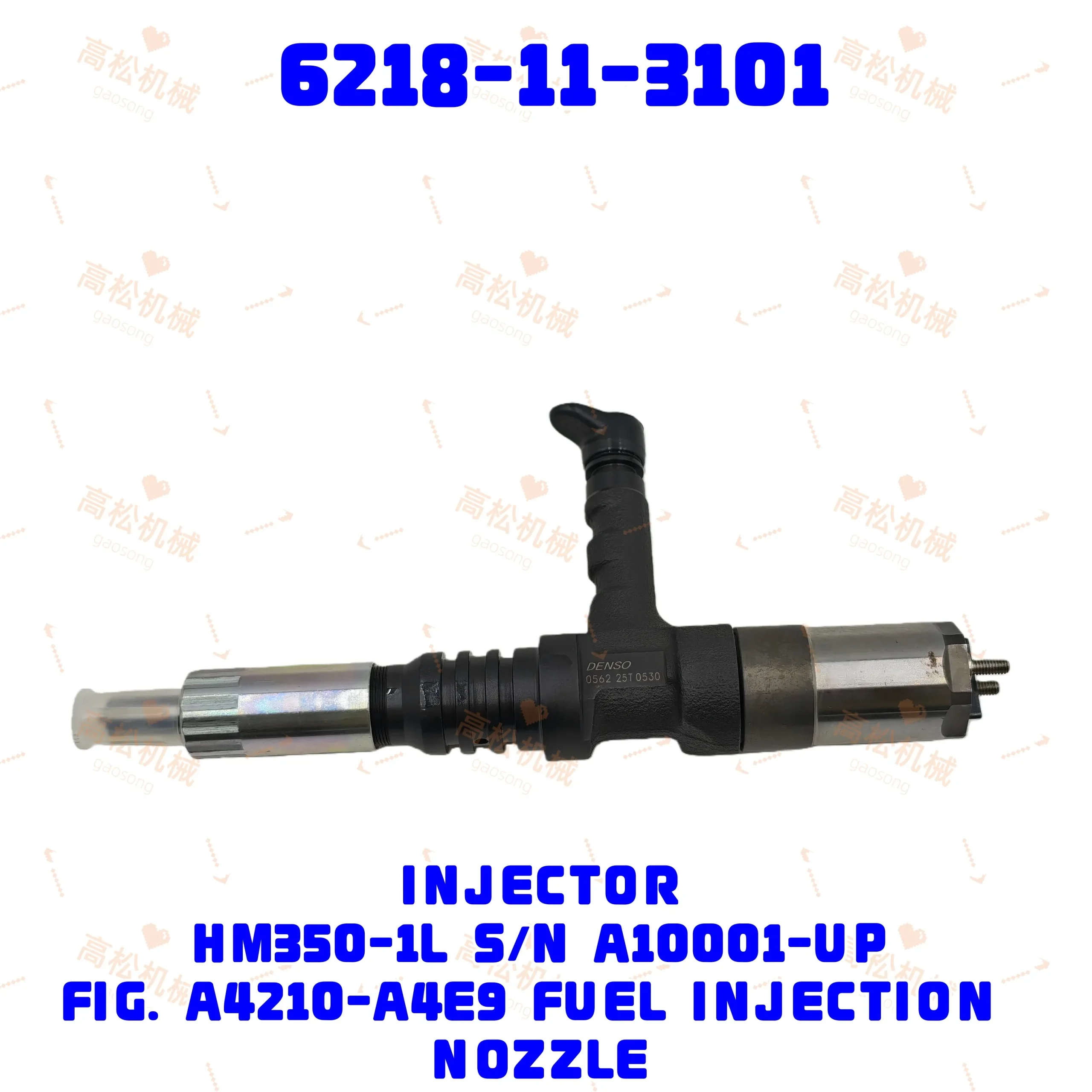 komatsu-part-6218-11-3101 6127-11-3104 6734-11-3110 6732-11-3300 6738-11-3090 6209-11-3100 6743-11-3320 6215-11-3620 6211-12-3520 6211-12-3500 INJECTOR ASS’Y SA6D140E-3J-7 SA6D140E-3CM-7 SA6D140E-3H-7 SA6D140E-3G-7 HM350-1L FUEL INJECTOR FUEL INJECTOR