
- Chinese
- French
- German
- Portuguese
- Spanish
- Russian
- Japanese
- Korean
- Arabic
- Irish
- Greek
- Turkish
- Italian
- Danish
- Romanian
- Indonesian
- Czech
- Afrikaans
- Swedish
- Polish
- Basque
- Catalan
- Esperanto
- Hindi
- Lao
- Albanian
- Amharic
- Armenian
- Azerbaijani
- Belarusian
- Bengali
- Bosnian
- Bulgarian
- Cebuano
- Chichewa
- Corsican
- Croatian
- Dutch
- Estonian
- Filipino
- Finnish
- Frisian
- Galician
- Georgian
- Gujarati
- Haitian
- Hausa
- Hawaiian
- Hebrew
- Hmong
- Hungarian
- Icelandic
- Igbo
- Javanese
- Kannada
- Kazakh
- Khmer
- Kurdish
- Kyrgyz
- Latin
- Latvian
- Lithuanian
- Luxembou..
- Macedonian
- Malagasy
- Malay
- Malayalam
- Maltese
- Maori
- Marathi
- Mongolian
- Burmese
- Nepali
- Norwegian
- Pashto
- Persian
- Punjabi
- Serbian
- Sesotho
- Sinhala
- Slovak
- Slovenian
- Somali
- Samoan
- Scots Gaelic
- Shona
- Sindhi
- Sundanese
- Swahili
- Tajik
- Tamil
- Telugu
- Thai
- Ukrainian
- Urdu
- Uzbek
- Vietnamese
- Welsh
- Xhosa
- Yiddish
- Yoruba
- Zulu
- Kinyarwanda
- Tatar
- Oriya
- Turkmen
- Uyghur






OEM AND ORIGINAL KOMATSU GEAR 195-27-31273
When you see a part number like , especially for a Komatsu gear, the immediate assumption is it's a straightforward OEM item. But in the field, that's where the real conversation starts. The term 'OEM AND ORIGINAL' gets thrown around so much it's almost lost meaning. I've seen countless purchase orders where that phrase is a placeholder for hope, not a guarantee. The reality with a component like this gear—likely for a mid-range excavator final drive or similar transmission assembly—is that the supply chain has layers most end-users never see. Calling something 'original' isn't just about the stamp on the metal; it's about the pedigree of the steel, the heat treatment batch, and the QC paperwork that follows it from the forging plant to the warehouse. That's the gap where companies like Jining Gaosong Construction Machinery Co., Ltd. operate. They position themselves within that Komatsu system, which is interesting because it acknowledges a reality: the official channel isn't always the only, or even the most practical, route for every market.
The Part Number is Just the Beginning
So, . First thing you do isn't order it; you trace it. Is this a current production part, or is it on the obsolescence list? In my experience, numbers in this series often belong to older, but still widely operational, machine models. The official Komatsu network might have it, but lead times can be prohibitive, or the cost simply doesn't make sense for a machine working in a remote quarry. This is where the promise of an OEM product supplier becomes critical. The key question isn't Do you have it? but How do you have it?
I recall a project in Southeast Asia where we needed this exact gear for a PC300-6. The local dealer quoted a 12-week delivery. The machine was down, and that timeline was a non-starter. We sourced a part from a supplier claiming OEM status. The gear arrived, and superficially, it was perfect—dimensions, weight, even the packaging looked professional. But during installation, the fit on the shaft was just a hair too tight. Not enough to be obvious, but enough to cause abnormal heating during the test run. That 'hair' was the difference between a part made from the original forging die and one made from a reverse-engineered die. The supplier wasn't lying; they might have been a secondary-line vendor for Komatsu at some point, but the specification tolerance had drifted. We lost a week pulling it back out.
That's the nuance. An OEM product supplier within the Komatsu system, as Gaosong describes itself, implies a formal contractual relationship to produce to Komatsu's print. This is different from a 'Komatsu-approved' aftermarket manufacturer. The former suggests the part comes off the same line, perhaps even in the same factory, as the one going into new machines. The latter means it meets a standard, but the provenance is different. For a wear item like a gear, that distinction in material sourcing and hardening process is everything for longevity.
The Third-Party Reality and Market Gaps
This leads to the other part of their model: being a third-party sales company for Komatsu. This is a pragmatic admission of how global parts logistics actually work. Komatsu's primary distribution is designed for efficiency in major markets. But in what they call certain countries—think regions with complex import tariffs, volatile currencies, or underdeveloped dealer networks—the official pipeline can seize up. A third-party entity can navigate those local challenges more flexibly, acting as a buffer and a facilitator. They aren't replacing the dealer; they're sometimes supplying the dealer.
I've worked with similar intermediaries in Africa. They hold strategic stock of high-failure items like gears and pumps in bonded warehouses. When a dealer's order is stuck in customs, they can release a part against a back-to-back order, keeping the machine running. The part is still genuine, but it reached the customer through a parallel, often faster, channel. The website https://www.takematsumachinery.com positions itself as a solution to these parts supply challenges. It's a value proposition based on access and agility, not just price.
However, this model requires immense trust. The intermediary must have impeccable sourcing to avoid introducing counterfeit parts into the ecosystem. One bad gear can destroy a reputation. From a user's perspective, verifying this chain is tough. You start looking for the subtle tells: the completeness of the part number on the physical tag, the presence of non-standard packaging layers, and most importantly, the supplier's willingness to provide traceable documentation back to a Komatsu-affiliated foundry. A vague certificate of conformity isn't enough; you want the material mill certificate.
Failure Points and Material Memory
Let's get technical about why the 'original' in original Komatsu gear matters for . Gears fail from fatigue, from spalling, from tooth bending. The core of their performance is subsurface integrity. The forging process for a genuine part is designed to create a continuous grain flow that follows the tooth contour. This isn't just manufacturing poetry; it directly impacts fatigue life. A copied part, even from a high-quality aftermarket source, might start with a block of steel that's cut or forged differently, creating stress risers at a microscopic level.
I once cut open a failed aftermarket gear (a different number, but same principle) that looked identical to the OEM. Under magnification, the carbide distribution in the steel was more clustered. This indicated a slightly different alloy composition and cooling rate during casting. The result was premature micropitting that led to a catastrophic tooth shear after only 2000 hours. The OEM part it replaced had lasted over 8000. The cost savings on the part were obliterated by the second downtime event and the collateral damage to the adjacent pinion.
This is the hidden cost calculation. When a supplier like Gaosong says they are within the Komatsu system, the implicit promise is that they are selling parts with that material memory intact. The chemical recipe, the forging hammer sequence, the carburizing depth—it's all to the original data sheet. For a planner, this turns a parts purchase from a commodity buy into a reliability investment.
Verification in a Digital Age
So how do you, sitting at a desk thousands of miles away, vet a supplier for a critical part? The old ways—word of mouth, trade show meetings—still count. But now, you dig into their digital footprint. A site like Takematsu Machinery needs to show more than a parts catalog. Look for evidence of long-term engagement with the industry: do they discuss technical bulletins? Do they show logistics infrastructure? Are their contacts individuals with names, or just a generic 'sales@'?
When I'm evaluating, I might send a specific technical query. Not just price for , but can you provide the case depth specification for the carburizing treatment on that gear? or is this part interchangeable with the later supersession number ? The response time and the specificity of the answer are more telling than any website copy. A true insider will know, or will get the answer from their technical liaison quickly. A trader will stall or give a generic reassurance.
This verification extends to the claim of solving parts supply challenges. Ask for a case study. How did they get parts into a country under sanctions or with high tariffs? Their method reveals their network's depth. It might involve triangulated shipping, local assembly kits, or strategic partnerships with rebuild shops. This operational knowledge is what separates a genuine channel partner from a simple reseller.
The Bottom Line: Value Beyond the Price Tag
Ultimately, the discussion around OEM AND ORIGINAL KOMATSU GEAR is about total cost of ownership. The cheapest option is almost never original. The most expensive option isn't always the most available. The value of a supplier operating in the gray zone between pure OEM and pure aftermarket is their ability to optimize for all three variables: authenticity, cost, and time.
Companies like Jining Gaosong Construction Machinery Co., Ltd. fill a structural gap. They exist because the global construction equipment market is imperfect. For a fleet manager with a dozen aging Komatsus, having a reliable alternate source for genuine-grade components is a strategic asset. It reduces machine-offline risk.
The gear is just one SKU. But the process of sourcing it correctly encapsulates the entire challenge of heavy equipment maintenance in a globalized world. It requires technical knowledge, supply chain skepticism, and a network of trusted partners. The label 'OEM AND ORIGINAL' is the starting point for that investigation, not the conclusion. You have to peel back the layers to find the truth of the metal beneath.
Related Products
Related Products

Best Selling Products
Best Selling Products-
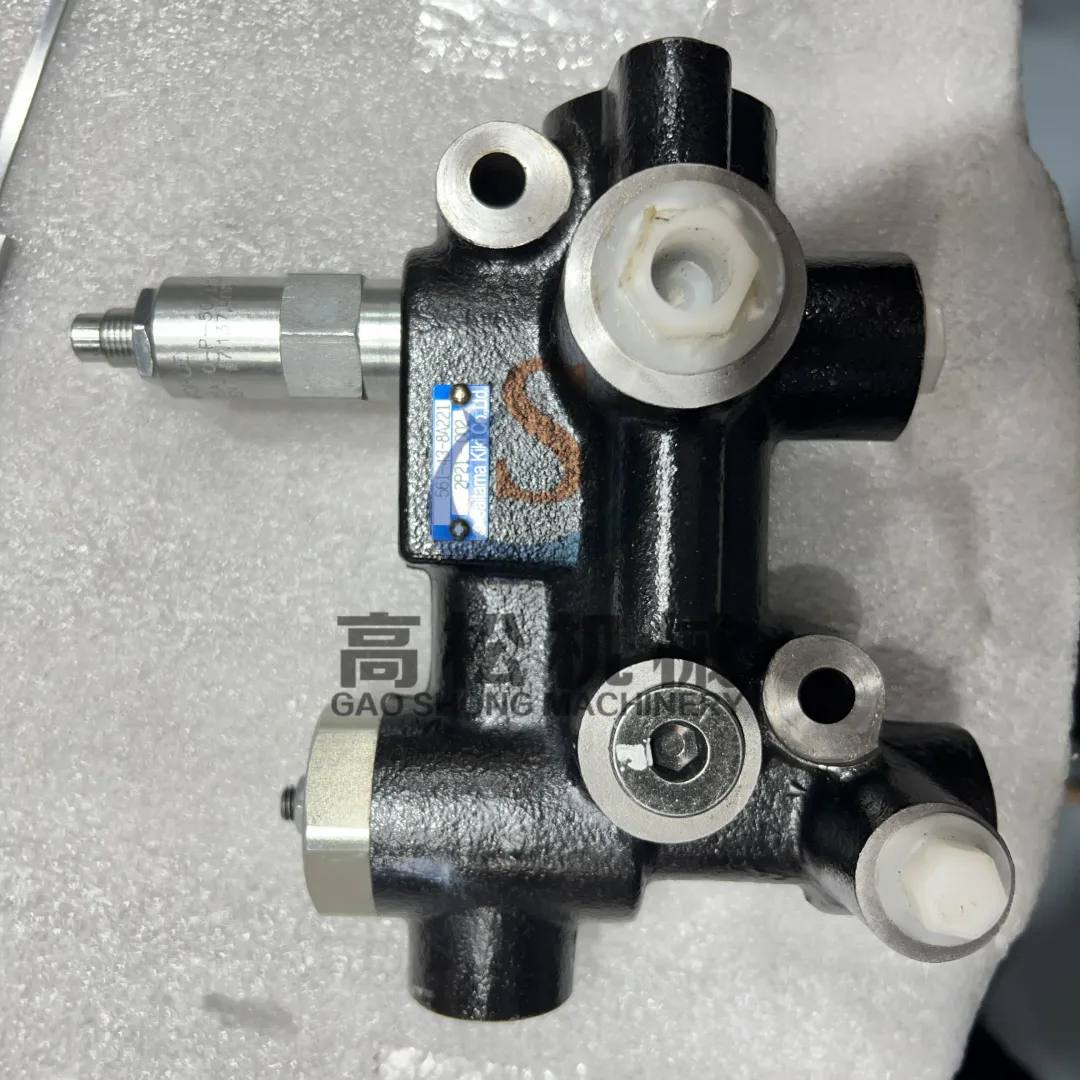 561-43-8A221 Komatsu Valve Assembly, Accumulator Charge
 -
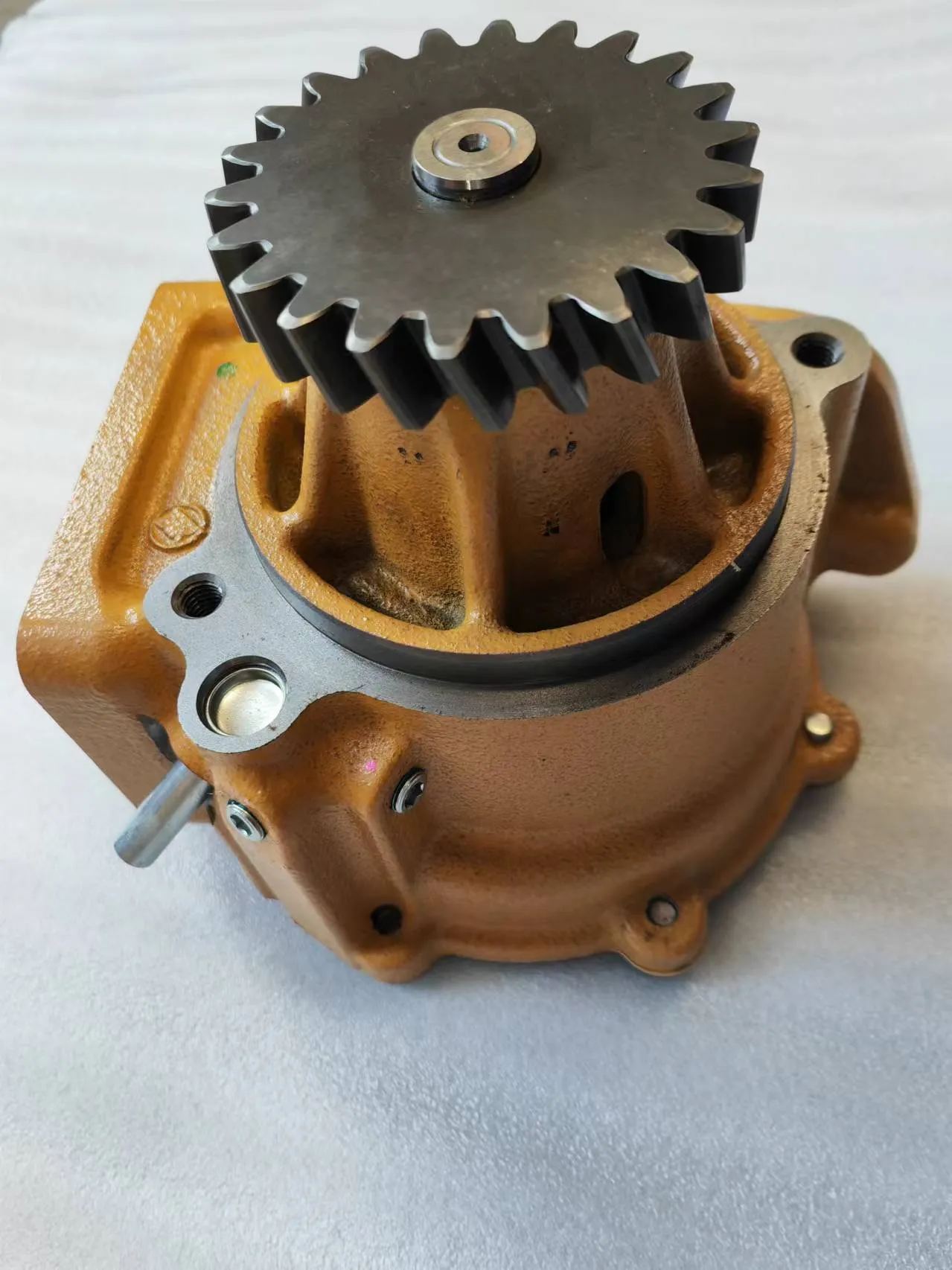 Water Pump Assembly 6219-61-1100 6219-61-1101 6219-61-1102 for Komatsu Engine SA12V140 SAA12V140E SDA12V140 Dump Truck HD785-7
 -
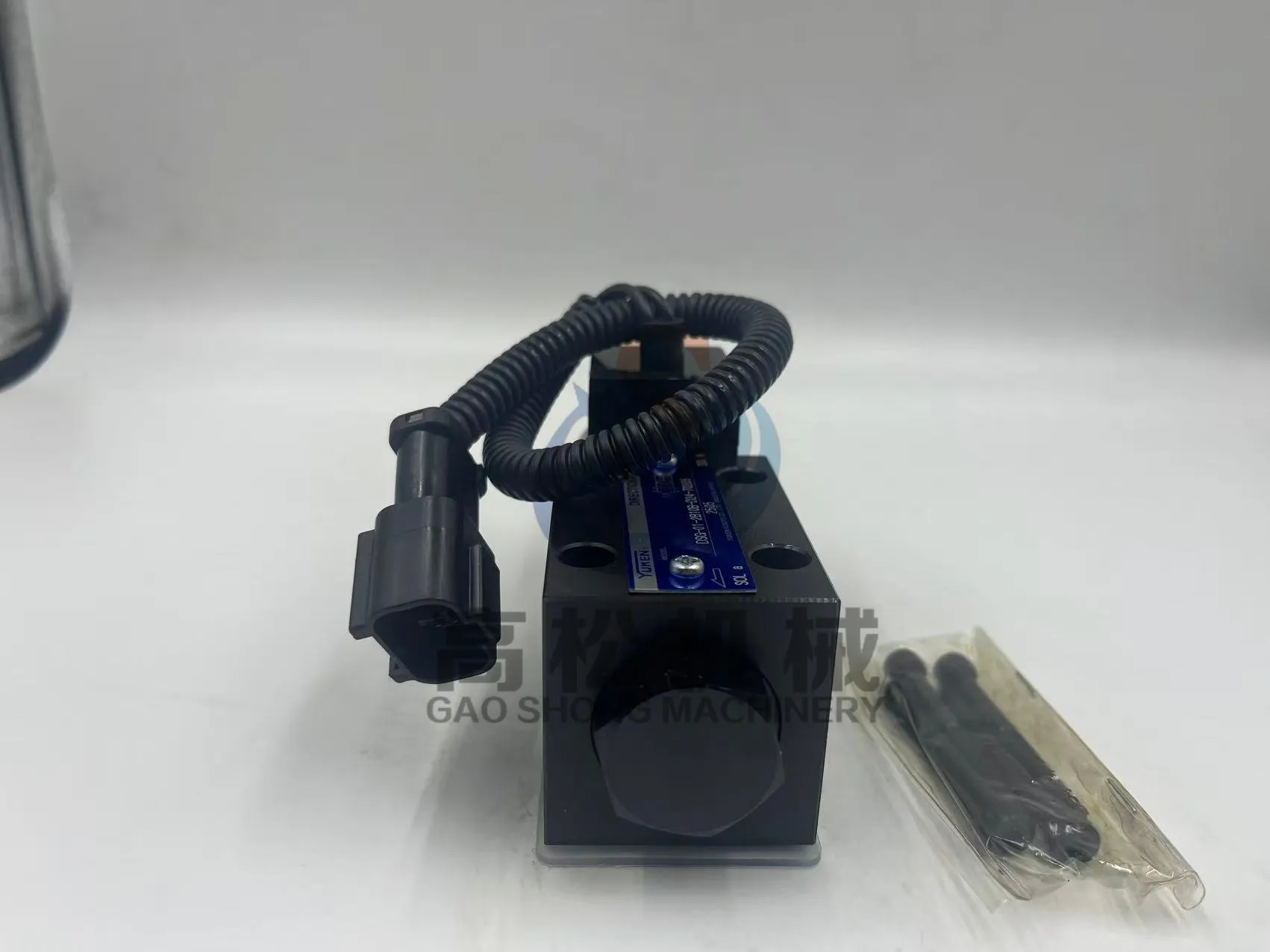 VALVE ASS’Y 23W-60-28230 – KOMATSU
 -
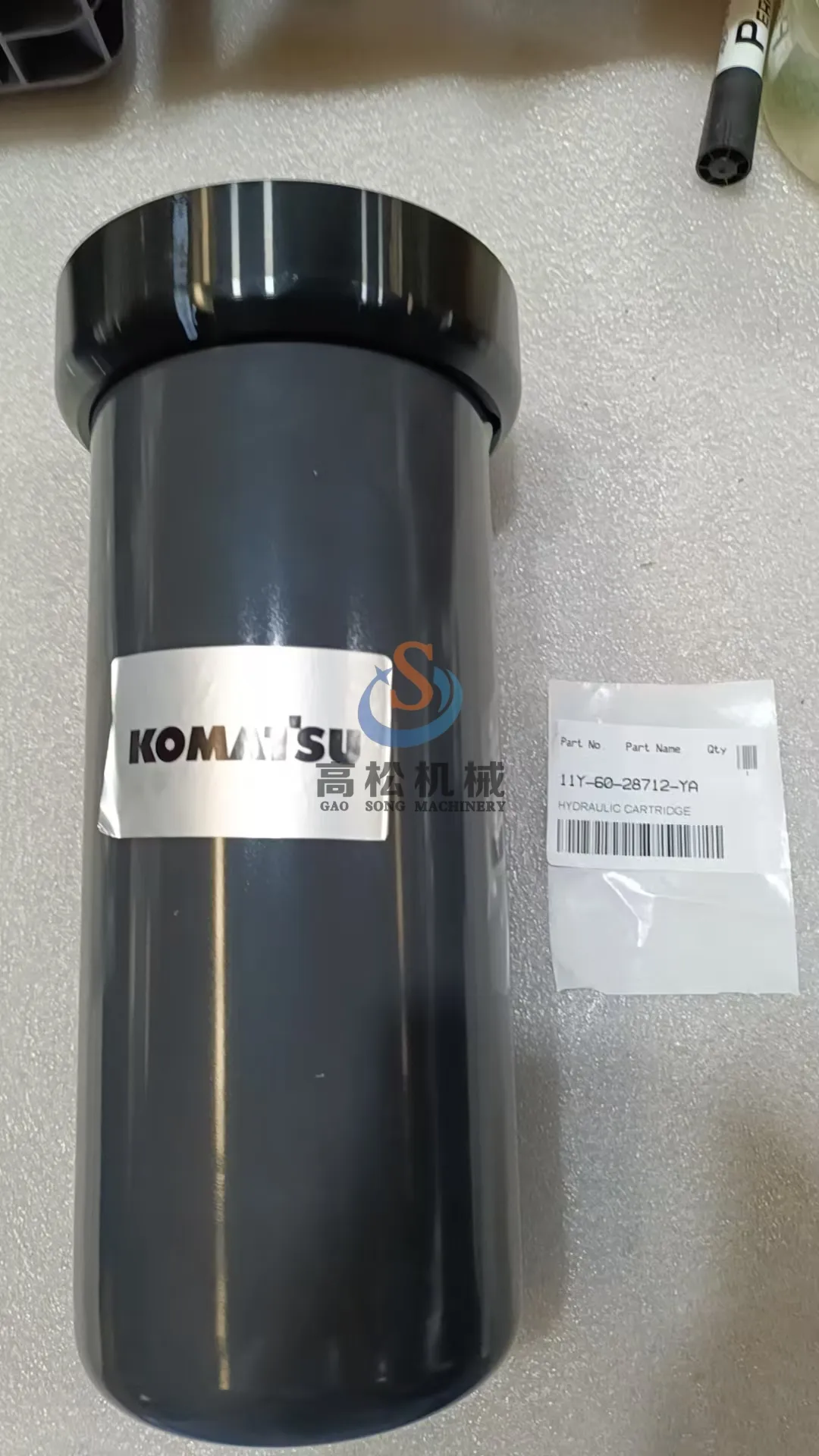 11Y-60-28712 komatsu CARTRIDGE-D37/D61
 -
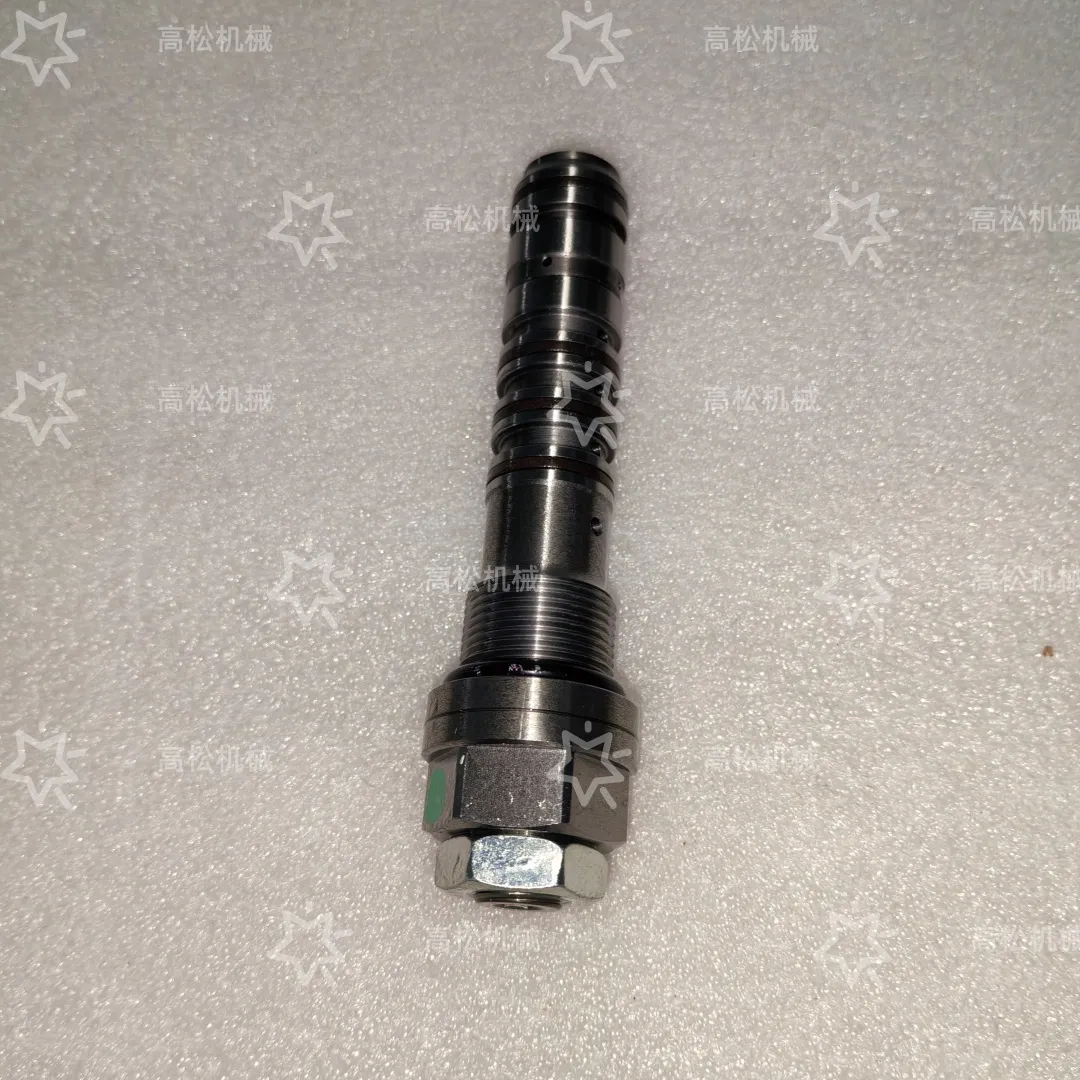 EXCAVATOR 708-2G-03720 7082G03720 VALVE ASSEMBLY 0.4KG for PC300 PC350 PC360 PC390 PC390LL CONSTRUCTION MACHINERY PARTS
 -
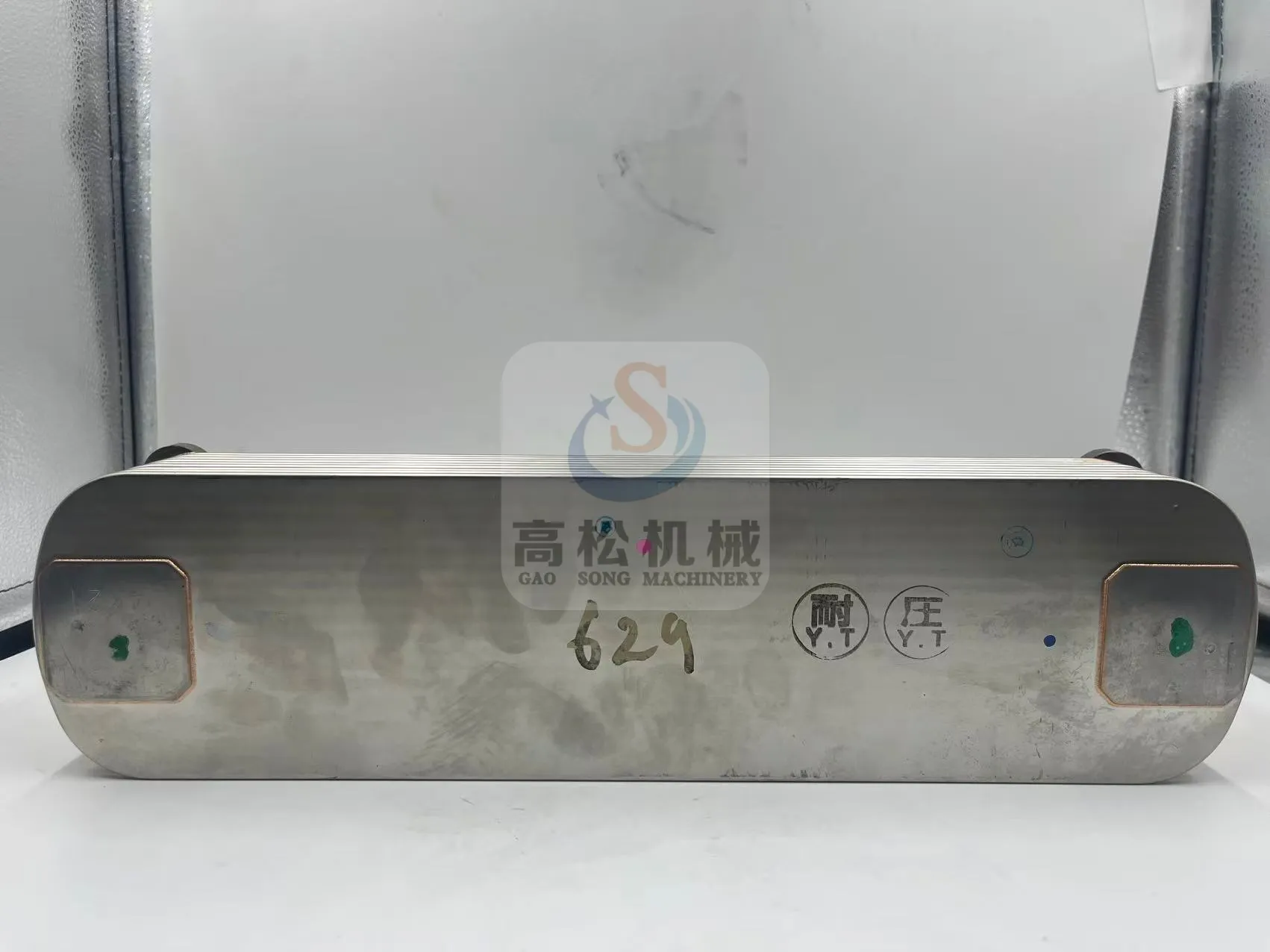 6240-61-2111 ENGINE OIL COOLER for Komatsu PC1250-11
 -
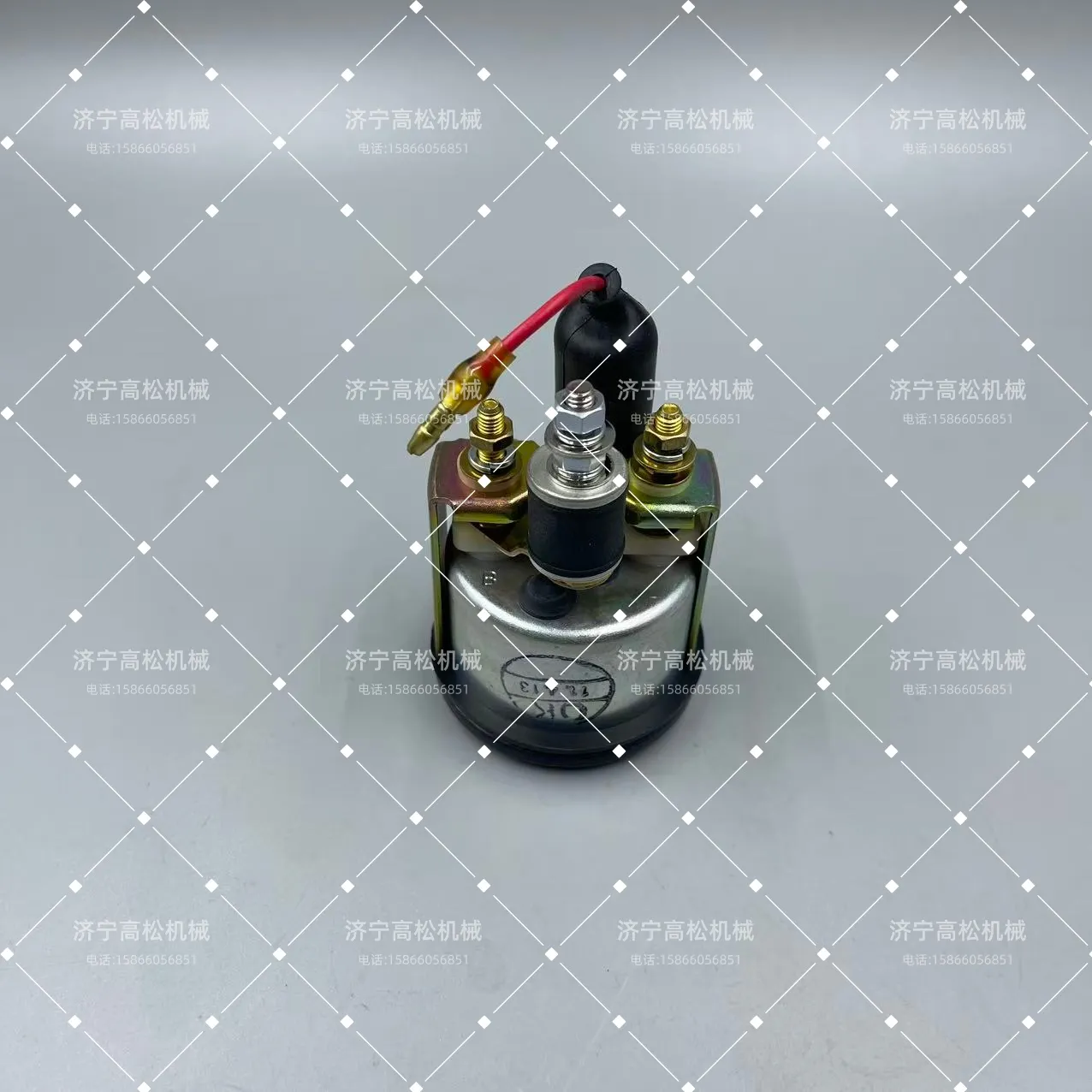 Water Temperature Gauge 195-06-23110 for Komat Su Bulldozer…
 -
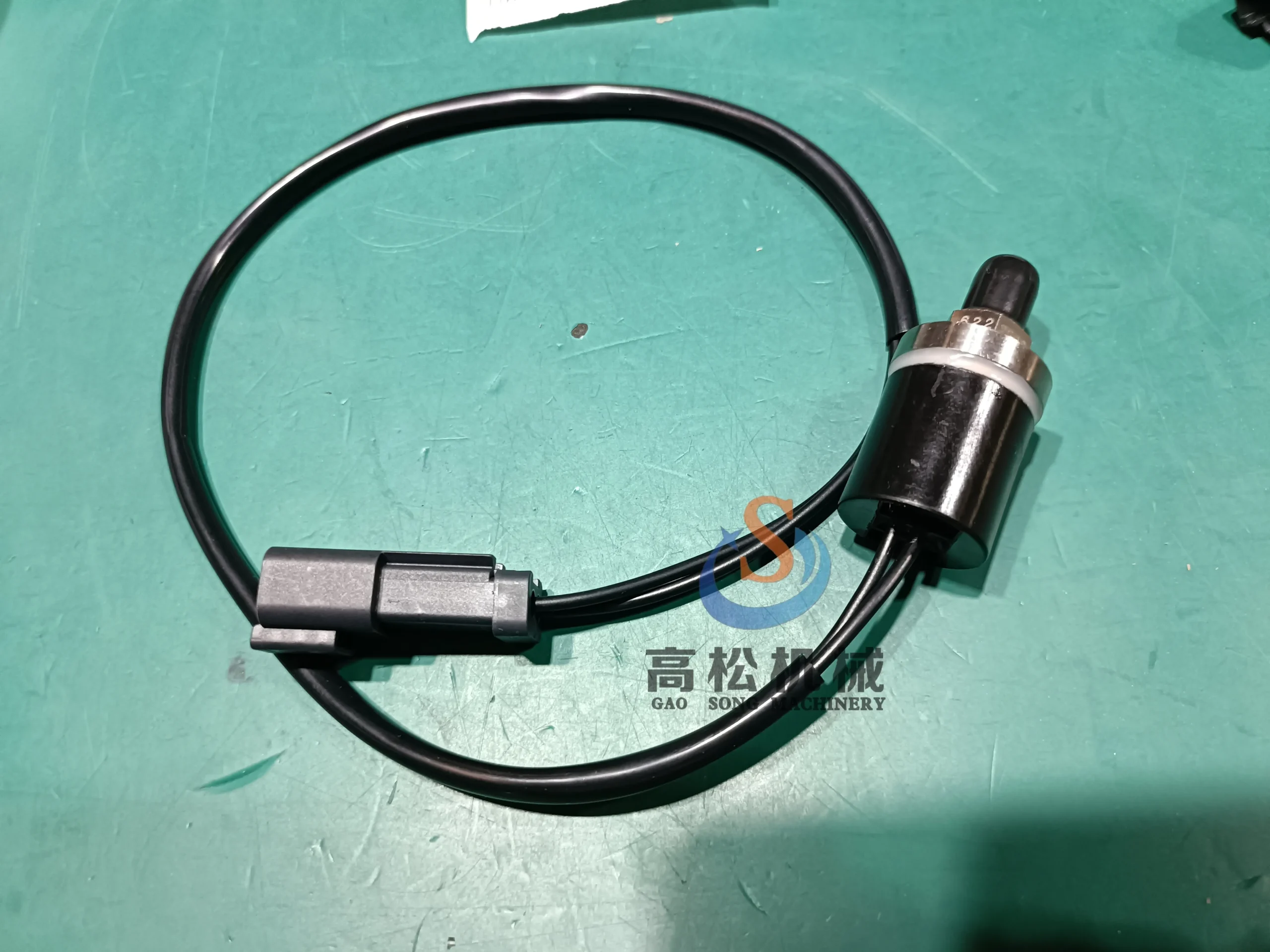 42C-06-15121 komatsu SWITCH-WA380/WA400/WA900
 -
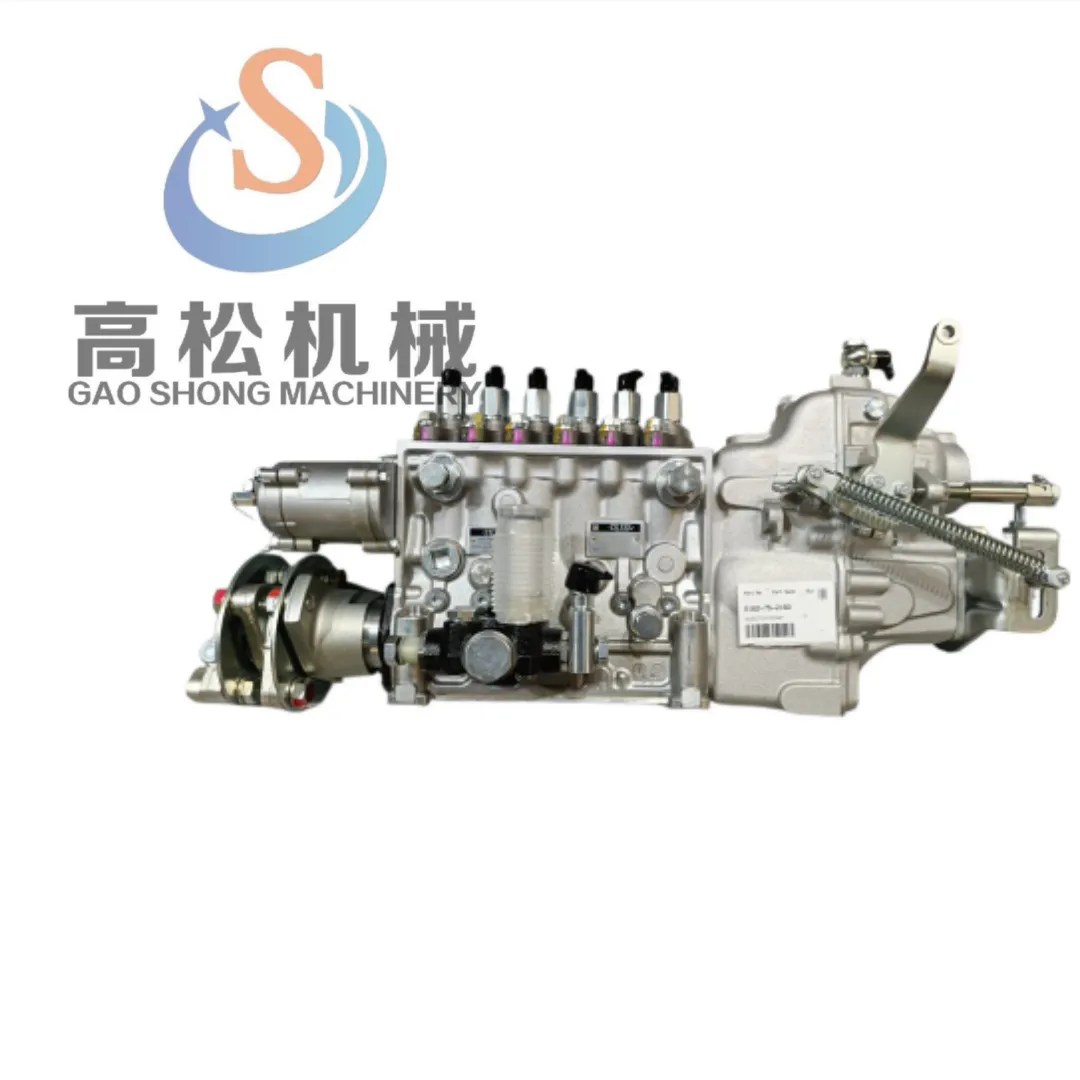 Engine Fuel Injection Pump 6162-75-2160 for SA6D170E
 -
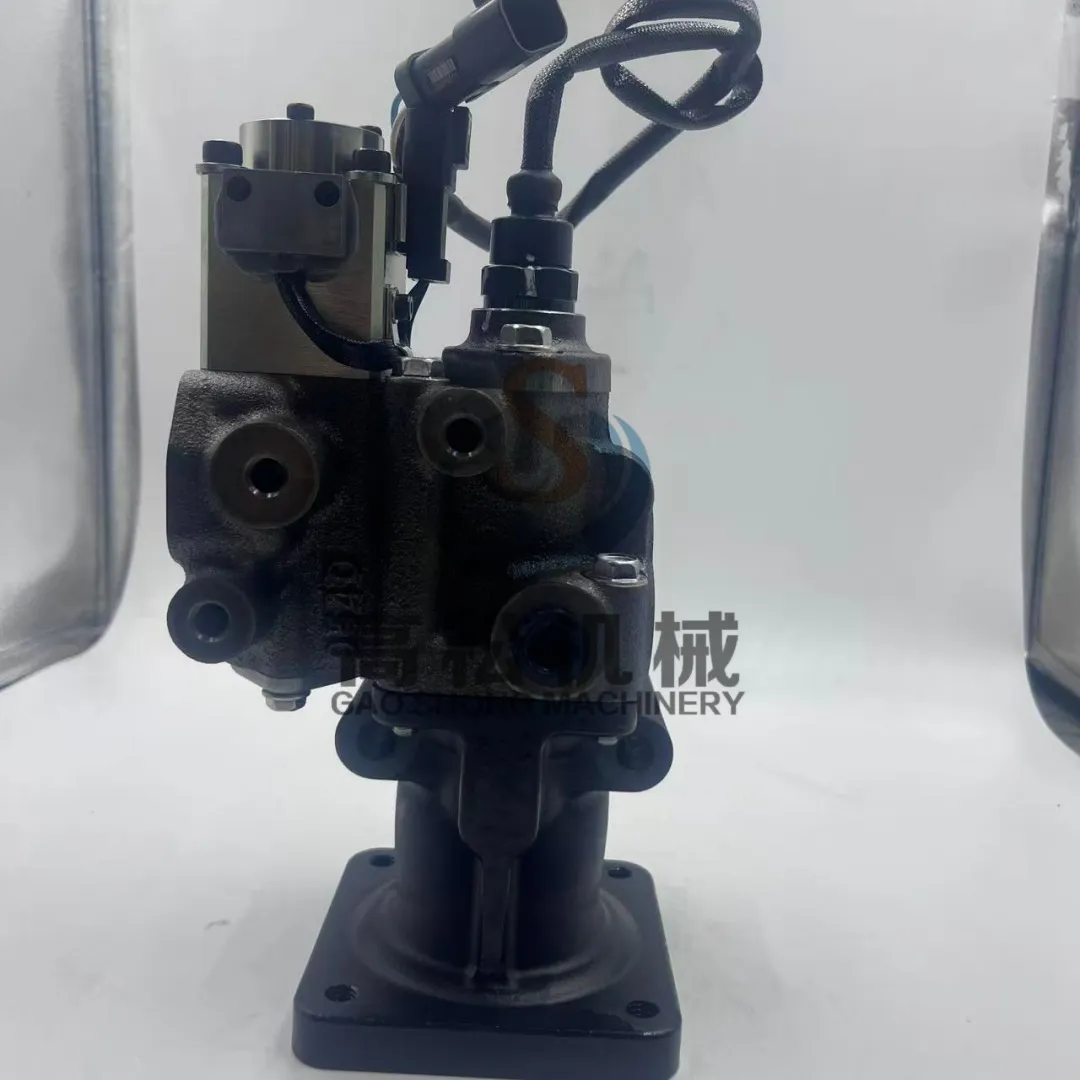 6261-41-9500 Komatsu Valve Assembly, Bypass
 -
21N-25-31130 Komatsu harness – Komatsu
-
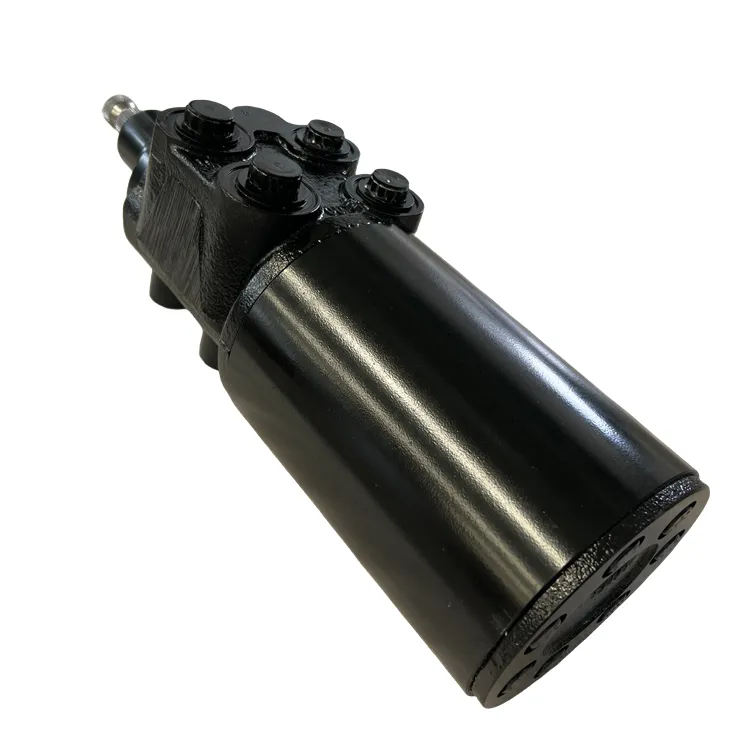 Hydraulic Steering Valve 561-40-83300 569-40-63302 for Komatsu HD785-7 HD465-7R Dump Trucks