
- Chinese
- French
- German
- Portuguese
- Spanish
- Russian
- Japanese
- Korean
- Arabic
- Irish
- Greek
- Turkish
- Italian
- Danish
- Romanian
- Indonesian
- Czech
- Afrikaans
- Swedish
- Polish
- Basque
- Catalan
- Esperanto
- Hindi
- Lao
- Albanian
- Amharic
- Armenian
- Azerbaijani
- Belarusian
- Bengali
- Bosnian
- Bulgarian
- Cebuano
- Chichewa
- Corsican
- Croatian
- Dutch
- Estonian
- Filipino
- Finnish
- Frisian
- Galician
- Georgian
- Gujarati
- Haitian
- Hausa
- Hawaiian
- Hebrew
- Hmong
- Hungarian
- Icelandic
- Igbo
- Javanese
- Kannada
- Kazakh
- Khmer
- Kurdish
- Kyrgyz
- Latin
- Latvian
- Lithuanian
- Luxembou..
- Macedonian
- Malagasy
- Malay
- Malayalam
- Maltese
- Maori
- Marathi
- Mongolian
- Burmese
- Nepali
- Norwegian
- Pashto
- Persian
- Punjabi
- Serbian
- Sesotho
- Sinhala
- Slovak
- Slovenian
- Somali
- Samoan
- Scots Gaelic
- Shona
- Sindhi
- Sundanese
- Swahili
- Tajik
- Tamil
- Telugu
- Thai
- Ukrainian
- Urdu
- Uzbek
- Vietnamese
- Welsh
- Xhosa
- Yiddish
- Yoruba
- Zulu
- Kinyarwanda
- Tatar
- Oriya
- Turkmen
- Uyghur






OEM AND ORIGINAL KOMATSU GEAR 195-27-31211
When you see a part number like , especially for a Komatsu gear, the immediate thought is often about sourcing a genuine piece. But here's the rub: the term 'OEM' gets thrown around so loosely in this industry that it's created a fog of confusion. Many assume OEM means it's made by Komatsu in their own factory. In reality, within the Komatsu system, an OEM product supplier is a certified manufacturer producing components to the exact blueprints and material specs, but not necessarily within Komatsu's own plant walls. That distinction is everything when you're trying to keep a machine running without blowing the budget on what's marketed as 'original'. The gear is a perfect case study for this. It's a specific transmission component, and I've seen the chaos that ensues when a site manager orders what they think is original, only to receive a part that's dimensionally identical but fails on metallurgy or heat treatment within months. That's where the real conversation begins.
The Blurred Line Between OEM and Original
Let's get concrete. I recall a project in Indonesia where we had a PC300-8 down for nearly five weeks waiting for a main pump gear. The local dealer quoted a 12-week lead time and a staggering price for the 'original' part. The machine was just sitting there, costing money every day. We started digging into alternatives. This is where companies like Jining Gaosong Construction Machinery Co., Ltd. come into the picture. Their stated role as an OEM product supplier within the Komatsu system is precisely the kind of channel you need in these situations. They aren't just a random aftermarket parts shop; they operate within the sanctioned supply chain. For a part like the , this means they have access to the technical drawings and the approved manufacturing process. The part they supply should, in theory, be a drop-in replacement with the same performance profile. The key word is 'should'.
I've had mixed results, to be honest. One batch of these OEM gears from a different supplier a few years back had a slight variance in the tooth profile finish. It wasn't visible to the naked eye, but it created a persistent whine under load that the operator complained about. It didn't fail catastrophically, but it wasn't right. It taught me that 'OEM' isn't a magic bullet. You have to vet the supplier's quality control history. Does their facility get audited by Komatsu? What's their batch testing protocol? With Gaosong, their pitch is that they help solve parts supply challenges in certain countries, which implies they're plugging a gap in Komatsu's official distribution network. That's a valuable function, but it puts the onus on the buyer to verify the pedigree of each shipment.
The other trap is assuming all non-dealer parts are counterfeit. They're not. There's a spectrum: outright fakes, decent quality reverse-engineered copies, and then these system-OEM parts. The gear , due to its position and stress load, sits in a category where material integrity is non-negotiable. A genuine original part from Komatsu's own line has a traceable certificate for its alloy. An OEM part from a certified supplier should have an equivalent certificate. I always ask for the material cert first thing. If a supplier hesitates or provides something vague, that's a red flag. Jining Gaosong's website, https://www.takematsumachinery.com, explicitly positions them within the Komatsu system, which is a stronger starting point than a completely independent fabricator.
Field Realities and Failure Modes
Speaking from the field, the failure of a gear like this is rarely sudden. It starts with pitting, then spalling, and finally, tooth shear. I've torn down transmissions where an aftermarket gear had visibly finer grain structure on the fractured surface compared to a known-original part, indicating inferior forging or heat treatment. That's the silent killer with these components. You can't inspect for it upon delivery. You only find out 1,800 operating hours later.
We attempted once to use a very well-reviewed aftermarket brand for the on an older PC220-7. The price was about 40% of the dealer's quote. The installation went smoothly, and it ran fine for the first 500 hours. Then, the oil analysis started showing a subtle but steady increase in iron particles. We pulled the inspection cover and saw early signs of micropitting on the load-bearing flanks. We replaced it preemptively. The cost savings were wiped out by the second downtime and the labor. It was a lesson in total cost of ownership versus upfront price. This experience made me much more receptive to the OEM supplier model. It's a middle path—not as expensive as the pure original, but with a mandated link to the original specifications.
This is the practical value of a supplier operating as a third-party sales company for Komatsu. They aren't bound by the same regional distribution locks that can cause those insane lead times. They can move parts across borders to where the need is acute. For a mine in a remote location or a port project with tight deadlines, this logistical flexibility is sometimes more critical than a 2% difference in material hardness. The part needs to be good enough, and it needs to be there tomorrow.
Verification and The Due Diligence Process
So how do you actually verify a part from a company like Jining Gaosong? First, I don't just take the website description at face value. I request specific documentation for the part in question. For gear , I want to see: 1) A dimensional inspection report, preferably from a third-party lab, 2) The material certificate (like a Mill Test Certificate) for the steel grade, and 3) Evidence of their status within the Komatsu system. This could be a letter of certification, a reference to a supplier code, or even case studies of previous bulk supply to Komatsu-authorized service centers.
I also cross-reference the physical part markings. Komatsu originals have very specific casting marks and lot numbers. An OEM part might have a different marking, but it should be clean, precise, and professional—not ground off and re-stamped. The packaging is another tell. Is it generic brown box or does it have Komatsu-branded security tapes and part number labels? While OEM suppliers may not use full Komatsu packaging, their packaging should still be robust and professional, not flimsy.
Ultimately, the relationship is key. I treat the first order from any new supplier, even one claiming OEM status, as a trial. I'll use it in a less critical machine or in a situation where planned downtime is easier to manage. I track its performance meticulously—noise, vibration, temperature, and oil debris. It's a test bench. If a supplier like Gaosong is confident in their product being a true system-OEM part, they should understand and support this cautious approach. Their willingness to provide technical data and stand behind the part is part of the product.
The Cost-Benefit Equation in Context
Let's talk numbers, but not just the price tag. The official Komatsu original gear might cost $X. A reputable OEM-supplier part might be 0.6X to 0.8X. A generic aftermarket copy could be 0.3X. The downtime cost for a machine like a PC300 is measured in thousands per day. If the OEM part from a verified source has a 98% probability of lasting the full component life, and the aftermarket has a 70% probability, the math changes dramatically. The risk of a premature failure—which includes not just the part cost but secondary damage to the housing, bearings, and other gears—makes the middle option the rational choice for most operational fleets.
This is the niche Jining Gaosong Construction Machinery Co., Ltd. is aiming to fill. They're not selling the cheapest option. They're selling a vetted, specification-compliant option with better availability. For a fleet manager in a region with poor official support, finding a supplier that explicitly states they are helping to solve parts supply challenges in certain countries on their site https://www.takematsumachinery.com is a significant lead. It means they recognize the market pain point.
In the end, the part number is just a code. The physical object that arrives on your dock is what matters. The industry's move towards authorized OEM suppliers is a pragmatic response to globalized equipment and localized supply problems. It requires more homework from the buyer, but it breaks the monopoly of slow, expensive channels without plunging into the wild west of unverified aftermarket parts. You trade some brand purity for availability and reasonable cost, but you keep the engineering integrity. That's a trade-off worth making, as long as you do the verification legwork first.
Related Products
Related Products

Best Selling Products
Best Selling Products-
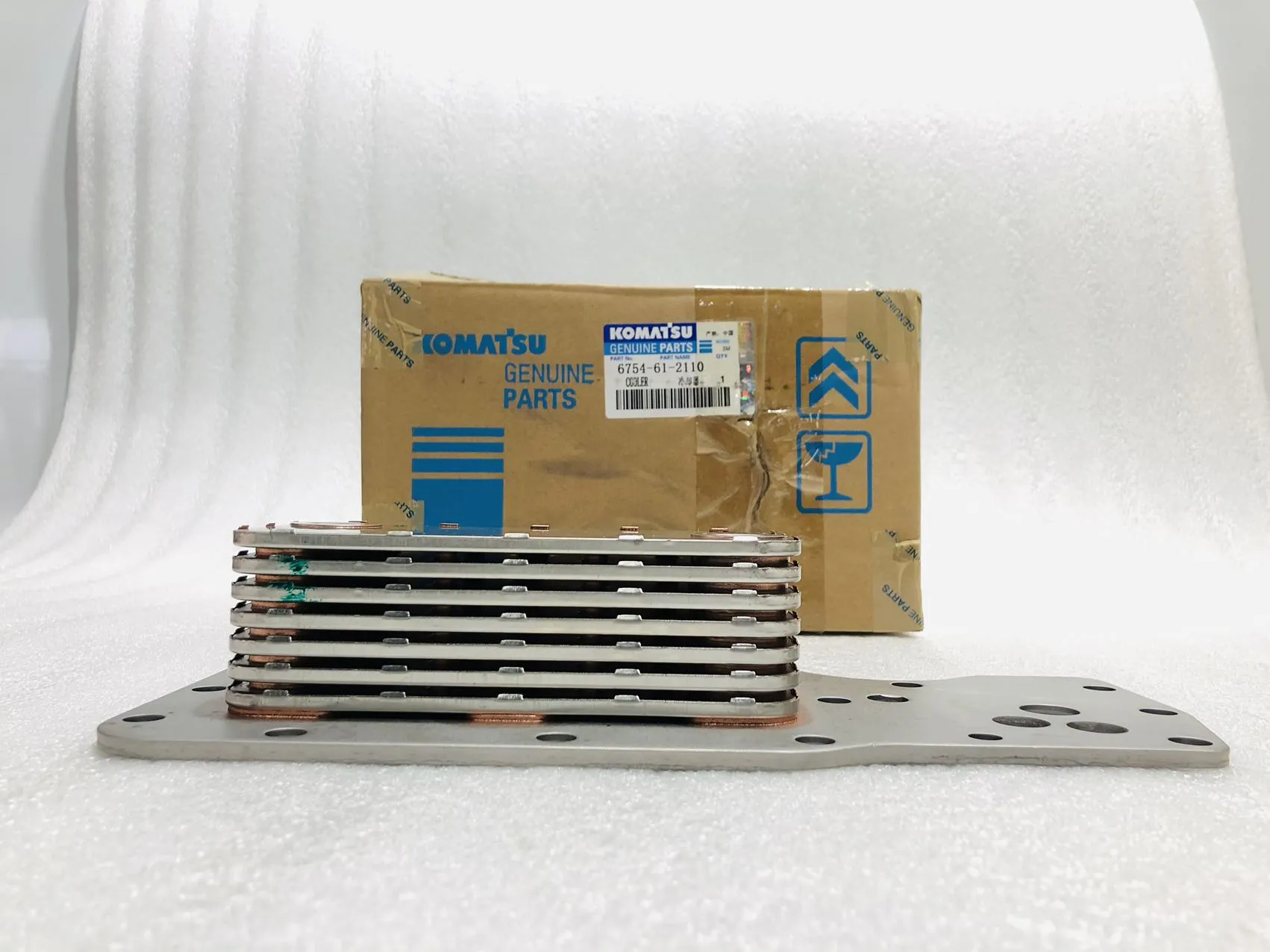 Oil Cooler Core 6240-61-2110 6240-61-2111 for Komatsu Engine SA6D170E-3A SAA6D170E-5A SAA6D170E-7 Excavator PC1250SP-8R
 -
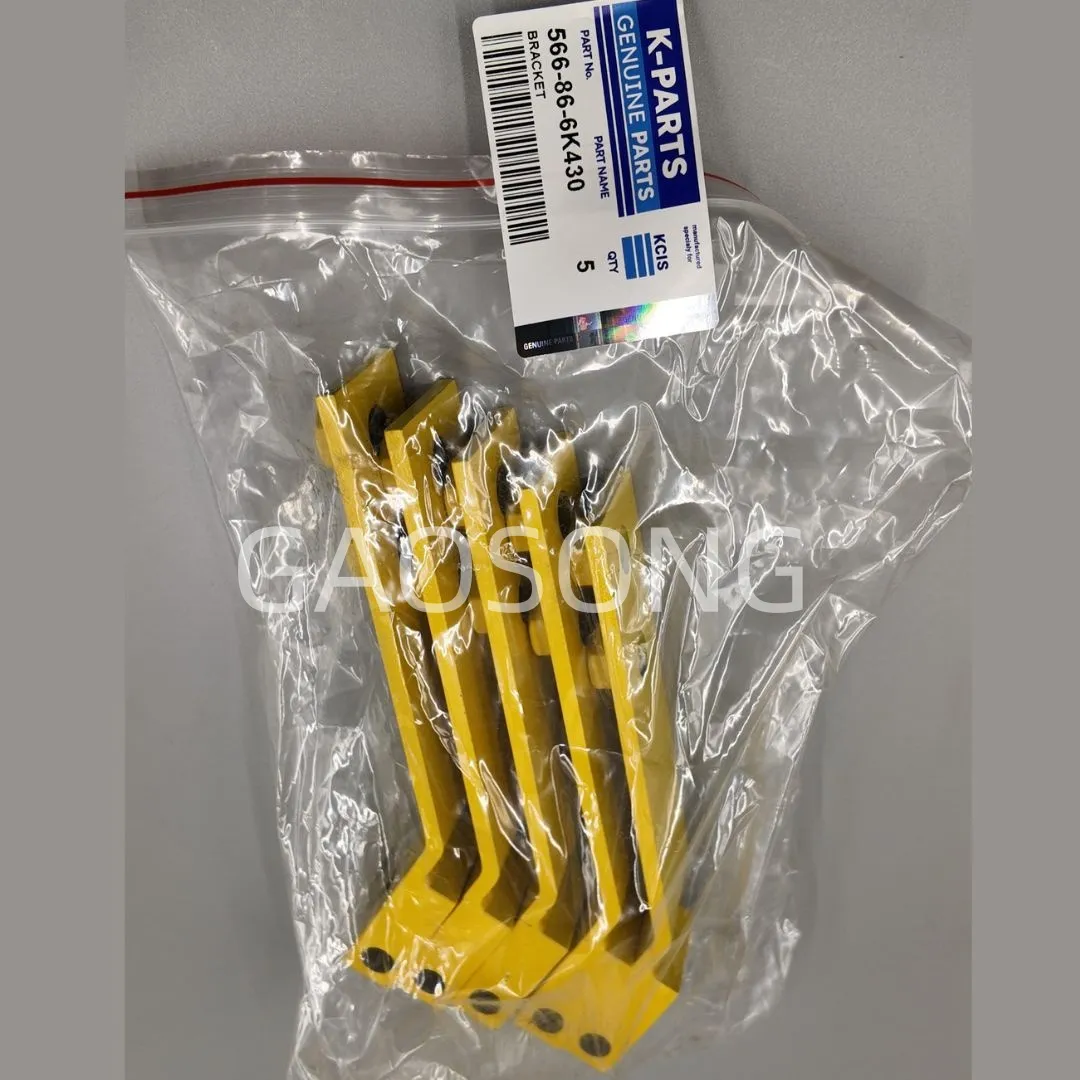 566-86-6K430 BRACKET–Komatsu Original Factory
 -
 6241-K6-9900
 -
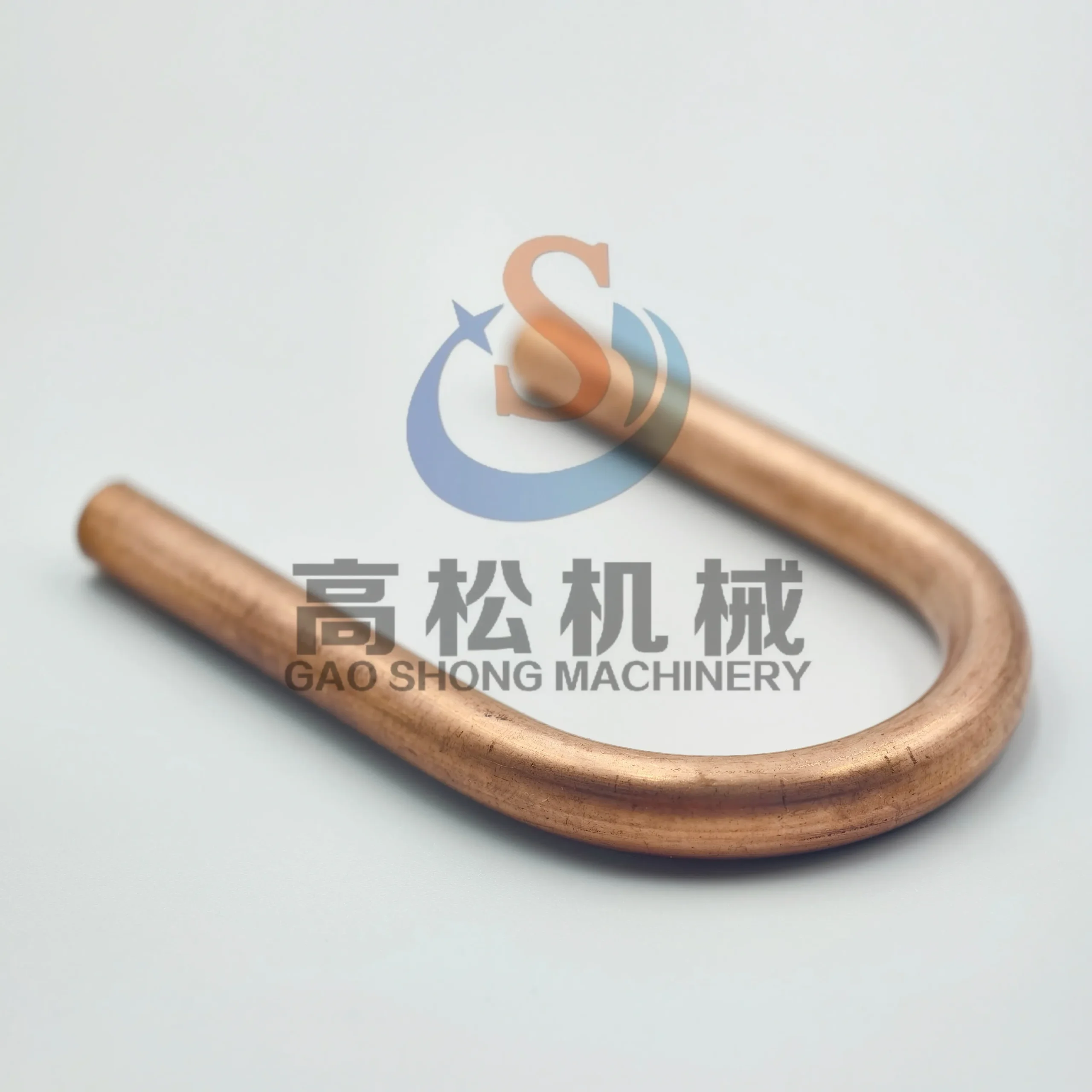 21N-68-32360 Komatsu Tube
 -
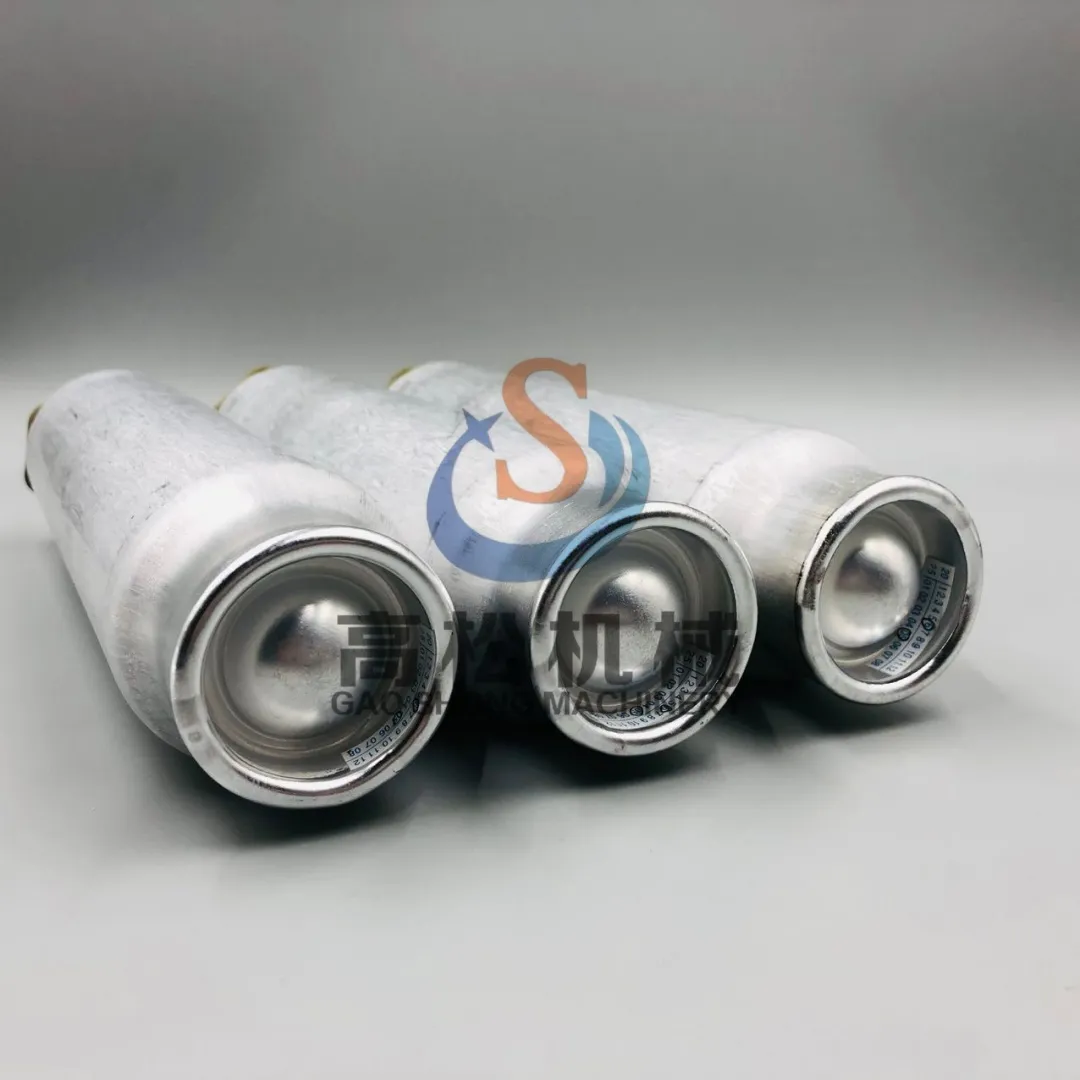 Receiver Drier 20Y-979-3120
 -
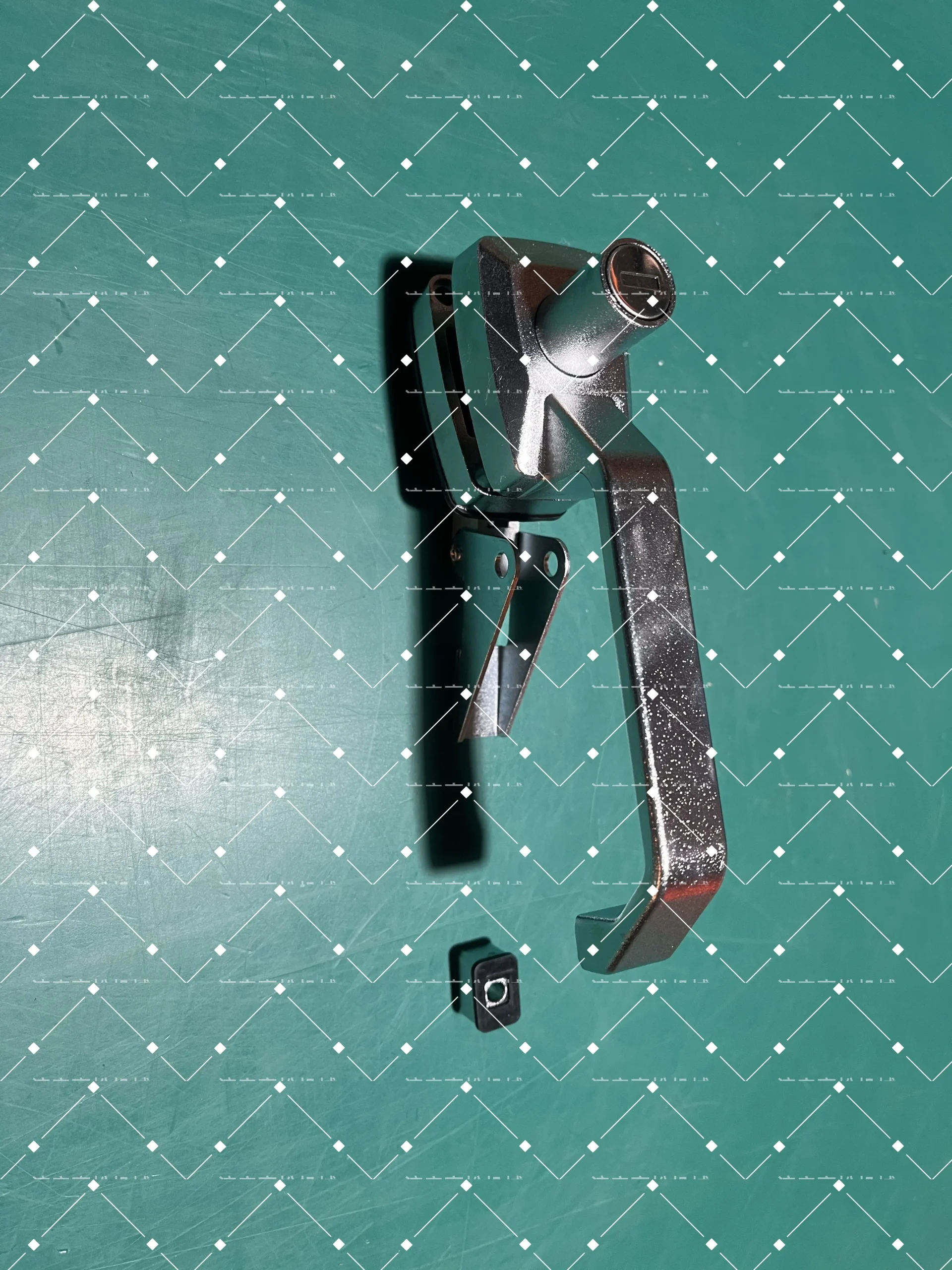 198-Z11-3710 Komatsu Handle Assembly
 -
OIL COOLER 6754-61-2110 For Komatsu Engine SAA6D107E PC200-8
-
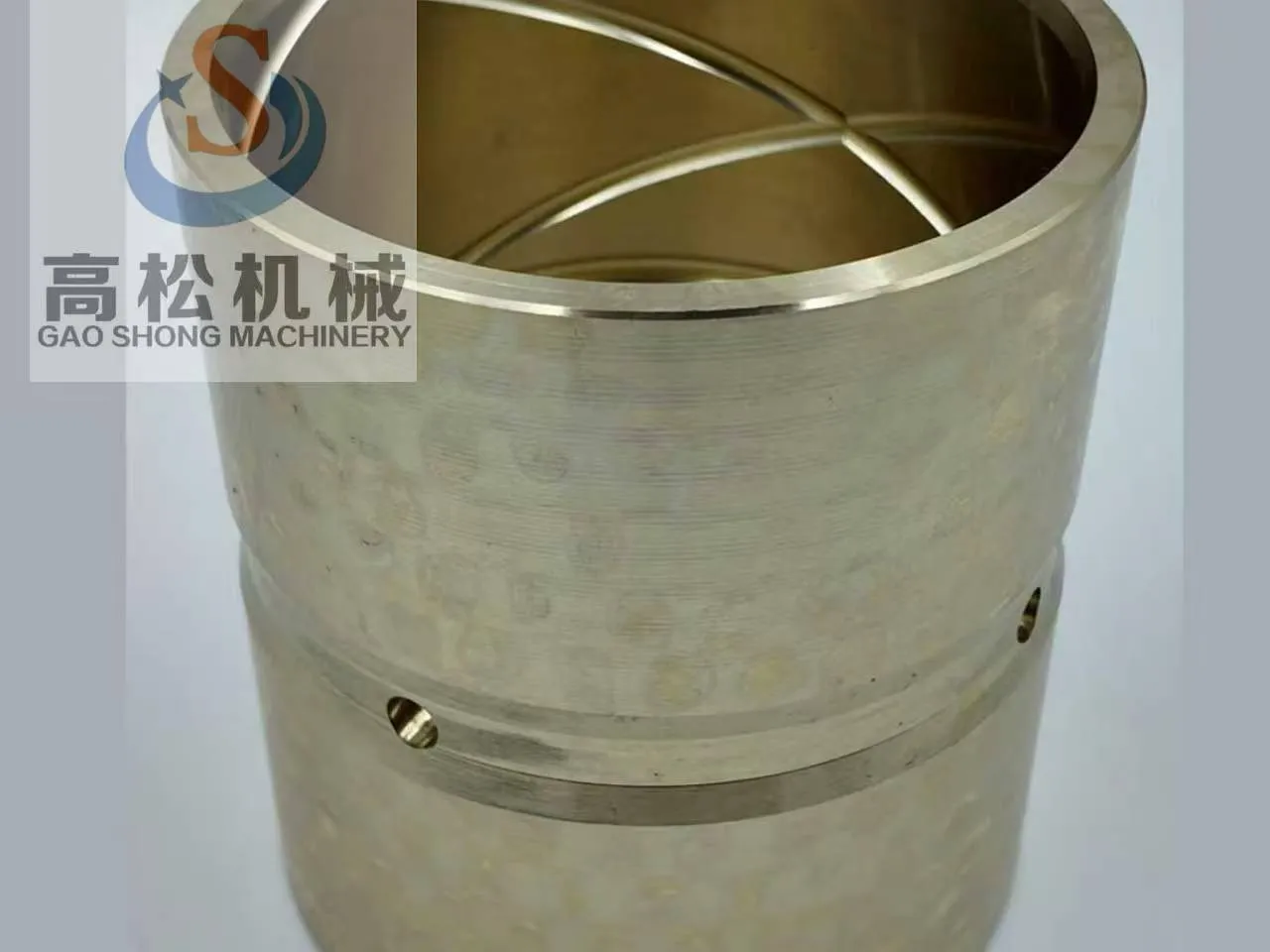 207-70-61610 Bushing For Excavator Komatsu PC300LC-7 PC300-8 PC300LC-7L PC300-7 PC350-7
 -
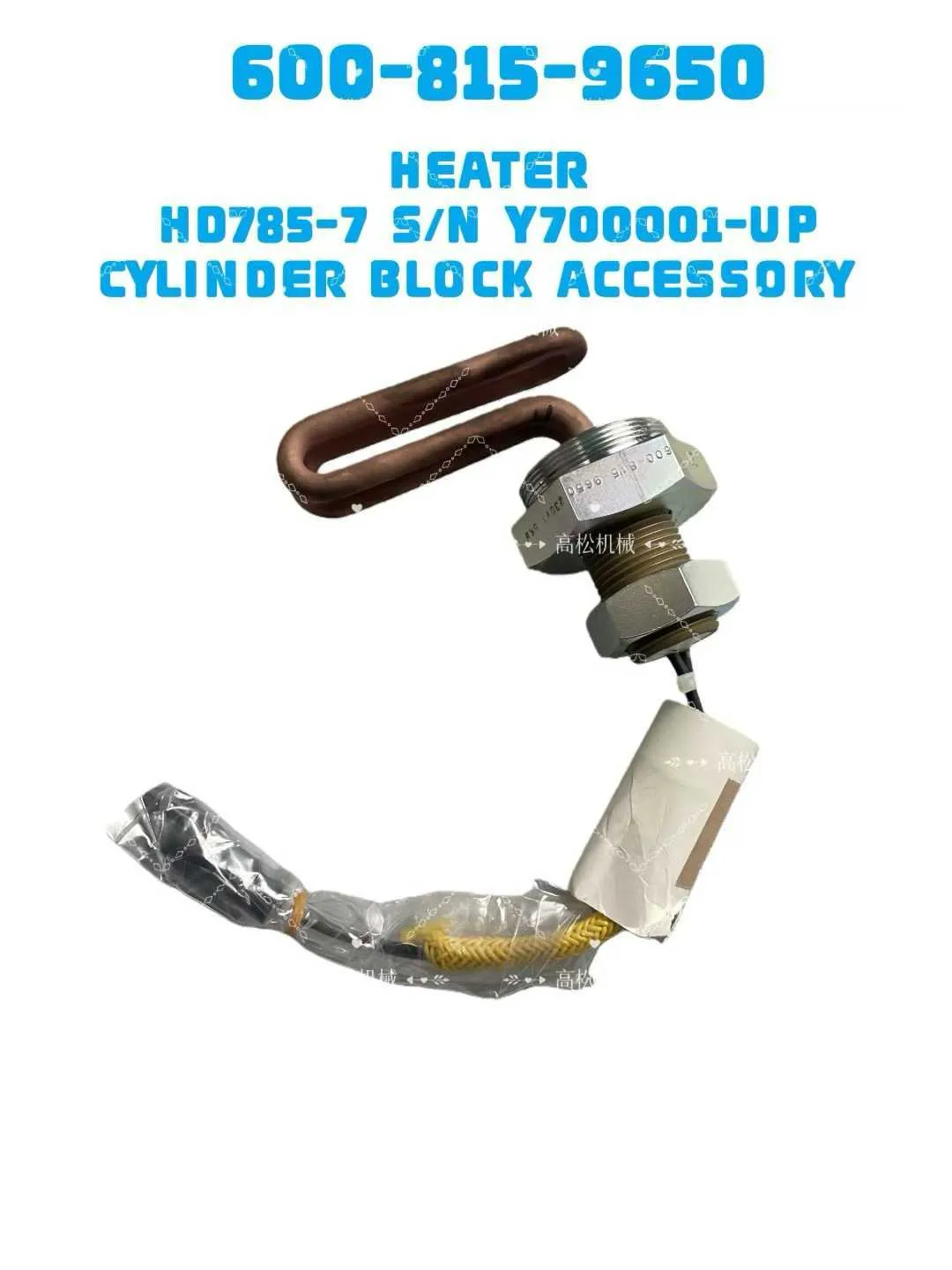 600-815-96504 HEATER HD785-7 5/N Y700001-UP6CYLINDER BLOCK ACCESSORY
 -
 195-06-84471 Komatsu Wiring Harness
 -
 22B-54-17612 komatsu LAMP-PC200/PC300/PC400
 -
 14X-40-11491,GASKET,D155A,D375A,D475A