
- Chinese
- French
- German
- Portuguese
- Spanish
- Russian
- Japanese
- Korean
- Arabic
- Irish
- Greek
- Turkish
- Italian
- Danish
- Romanian
- Indonesian
- Czech
- Afrikaans
- Swedish
- Polish
- Basque
- Catalan
- Esperanto
- Hindi
- Lao
- Albanian
- Amharic
- Armenian
- Azerbaijani
- Belarusian
- Bengali
- Bosnian
- Bulgarian
- Cebuano
- Chichewa
- Corsican
- Croatian
- Dutch
- Estonian
- Filipino
- Finnish
- Frisian
- Galician
- Georgian
- Gujarati
- Haitian
- Hausa
- Hawaiian
- Hebrew
- Hmong
- Hungarian
- Icelandic
- Igbo
- Javanese
- Kannada
- Kazakh
- Khmer
- Kurdish
- Kyrgyz
- Latin
- Latvian
- Lithuanian
- Luxembou..
- Macedonian
- Malagasy
- Malay
- Malayalam
- Maltese
- Maori
- Marathi
- Mongolian
- Burmese
- Nepali
- Norwegian
- Pashto
- Persian
- Punjabi
- Serbian
- Sesotho
- Sinhala
- Slovak
- Slovenian
- Somali
- Samoan
- Scots Gaelic
- Shona
- Sindhi
- Sundanese
- Swahili
- Tajik
- Tamil
- Telugu
- Thai
- Ukrainian
- Urdu
- Uzbek
- Vietnamese
- Welsh
- Xhosa
- Yiddish
- Yoruba
- Zulu
- Kinyarwanda
- Tatar
- Oriya
- Turkmen
- Uyghur





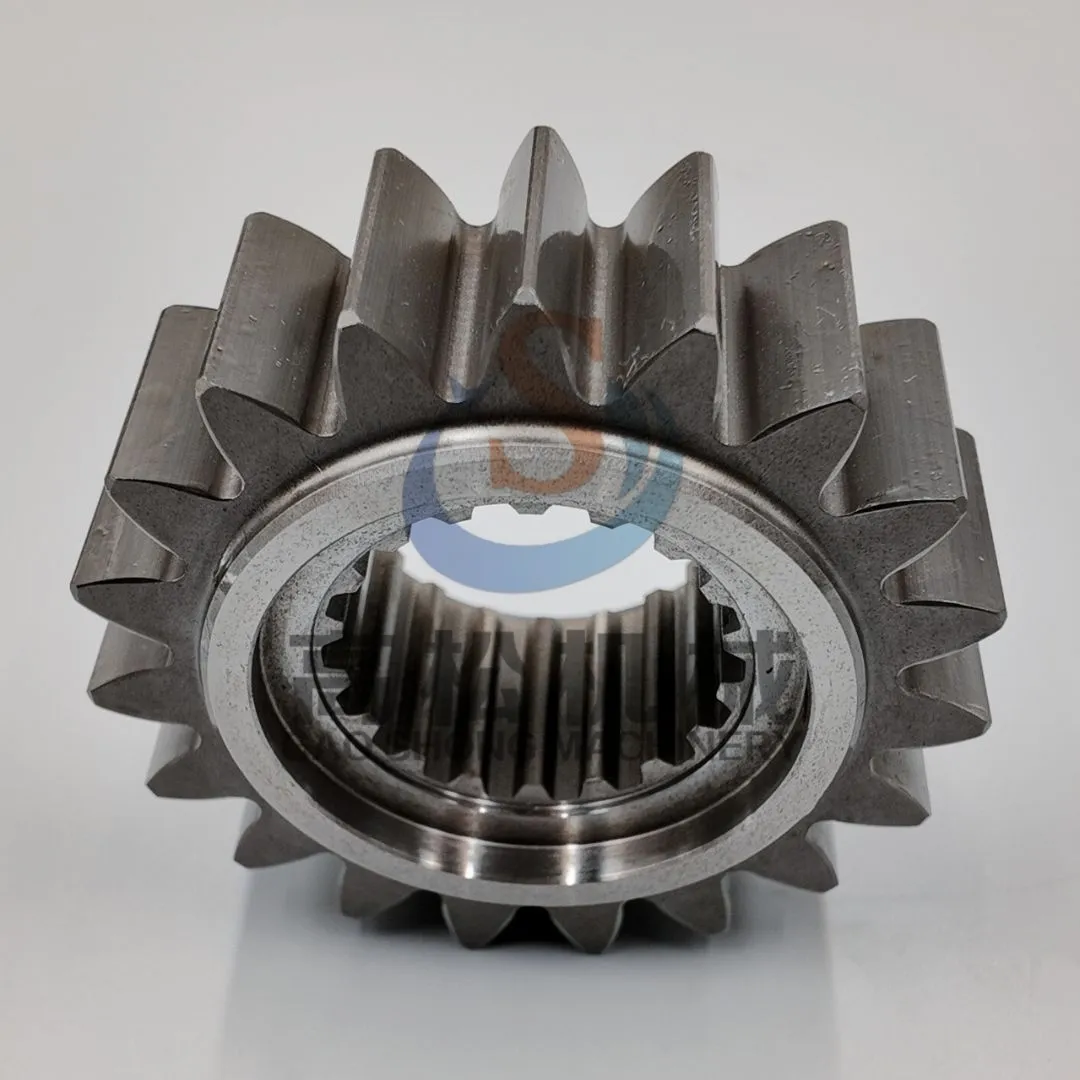
OEM AND ORIGINAL KOMATSU GEAR 17M-27-41210
When you see a listing for 'OEM AND ORIGINAL KOMATSU GEAR 17M-27-41210', the immediate assumption is often that it's a genuine part straight from Komatsu. That's where the confusion starts. In our line of work, that phrase can mean two very different things, and the distinction isn't just semantic—it's about the supply chain you're tapping into. Having handled this specific gear for PC200-8 and similar models, I've seen the good, the bad, and the outright misleading. The term 'OEM' gets thrown around loosely, but within the Komatsu system, it has a specific context that outfits like Jining Gaosong Construction Machinery Co., Ltd. operate in. They're an OEM product supplier within that system, which is a different beast from just selling aftermarket copies. This gear, 17M-27-41210, is a perfect case study. It's a crucial component in the final drive assembly, and its failure usually isn't subtle. You'll know. The chatter, the heat, the eventual lock-up. I've ordered what was promised as 'original' from suppliers who didn't have the network, only to find the hardening process was off, leading to premature spalling. That's the risk when the sourcing isn't clear.
The Nuance of 'OEM' in the Komatsu Ecosystem
Let's break down this 'OEM' label. Komatsu doesn't forge every single gear in its own foundries. They rely on a network of certified manufacturers who produce to exact Komatsu drawings, tolerances, and material specs. These manufacturers are the true OEMs (Original Equipment Manufacturers) for that component. When Jining Gaosong states they are an OEM product supplier within the Komatsu system, it implies they have access to this authorized production channel, not just the Komatsu-branded warehouse. This is critical. For a part like the 17M-27-41210 gear, the metallurgy and tooth profile are everything. An authorized OEM part will have the correct case hardening depth—something like 0.8-1.2mm on the teeth—and the precise involute profile to mesh perfectly with its counterpart. A non-certified factory might get the dimensions 99% right, but that 1% in heat treatment will cost you a final drive in six months.
I recall a situation in a mining operation in West Africa. They'd bought 'OEM' gears from a general parts reseller at a tempting price. The parts looked identical, even had similar packaging. But within 800 hours, two machines were down with catastrophic final drive failure. The root cause? The core hardness of the gear teeth was too high, making them brittle. They shattered under high torque. The genuine OEM-sourced part has a tough core with a hard surface, a balance that's the result of controlled processes. This is the practical difference. It's not about a logo; it's about the documented pedigree of the material and the process.
This is where the role of a company like the one behind https://www.takematsumachinery.com becomes tangible. They're not just a vendor; they function as a bridge. They help solve parts supply challenges in certain countries by providing a legitimate path to these system-OEM parts. If you're in a region where the official Komatsu distribution is thin or slow, knowing a supplier is tapped into that authorized manufacturing network is a lifeline. It turns a potential 12-week wait into a 3-week solution with the same functional integrity.
Spotting the Real from the Replica: A Hands-On Guide
So, you have a gear in a box labeled 17M-27-41210. How do you, in the yard, make a preliminary judgment? First, forget the packaging. It's the easiest thing to fake. Look at the part itself. The genuine/OEM-sourced gear will have crisp, clean machining marks. The edges of the gear teeth shouldn't feel sharp; they should have a consistent, slight break (a chamfer) to prevent stress risers. A common flaw in copies is a rough, almost torn finish in the root of the tooth, a sign of poor tooling or rushed machining.
Next, look for the markings. A genuine Komatsu part will have the part number etched or stamped cleanly. But an OEM part from the authorized factory might have a different casting mark or a batch code. This is where experience comes in. I've seen gears from a known certified supplier have a small 'K' followed by a series of numbers, not the full 'KOMATSU' logo. The absence of the main logo doesn't mean it's not legitimate within the system. The weight is another quick check. Grab a known good one and compare. Inferior materials, like lower-grade steel, often result in a slightly different weight.
The most telling test, though, is often in the performance during the first 50 hours of operation. A true part will seat in smoothly. The noise profile will be consistent. With a counterfeit or low-tier aftermarket, you might hear a cyclical whine or a slight increase in gearbox temperature that the manuals say is 'normal' but your experience tells you isn't right. I've learned to trust that gut feeling. It's saved us from installing a full set of questionable gears that passed the visual test but just didn't 'feel' right when dry-fitting the assembly.
When Original Isn't an Option: The Practical Calculus
There are scenarios where a pure, boxed Komatsu original part is either unavailable or economically unfeasible for the machine's remaining life. This is the gray area. Do you opt for a reputable aftermarket brand, or do you seek out the OEM product supplier channel? For critical drive components, my bias is strongly toward the latter. The failure cost is too high.
I managed a fleet of older PC200-6s where the official original parts were discontinued. Our choice was between a well-known aftermarket brand and sourcing through a company like Gaosong, which claimed access to the original production line. We tried one of each on two similar machines. The aftermarket gear failed at just under 2,000 hours. The one from the OEM-system supplier is still running at over 4,500 hours. The cost was higher than the aftermarket, but lower than if we could have found NOS (New Old Stock) genuine. This is the value proposition: it's not the cheapest, but it's the most reliable alternative when the official channel is closed.
The challenge is verification. You have to ask specific questions: Can you provide the material certification? Which foundry produced this batch? A legitimate supplier in this space, like the one described as a third-party sales company for Komatsu, will often have that traceability. They're not just moving boxes; they're providing a technical solution. If they get defensive or vague, that's your red flag.
The Supply Chain Reality and Gaosong's Role
Let's talk about the real-world bottleneck. Komatsu's global parts network is robust, but it's not omnipresent. In some countries, import duties, logistics, or simply low market presence create massive lead times. A machine down for a final drive gear can bankrupt a small contracting firm. This is the gap that companies like Jining Gaosong Construction Machinery Co., Ltd. explicitly aim to fill. Their model of being a third-party sales company isn't about undercutting Komatsu; it's about supplementing the supply in challenging markets with components from the approved OEM base.
From my dealings, this means they often have these parts—like the 17M-27-41210—on the shelf or can procure them from the factory faster than the official route for certain destinations. It bypasses several layers of distribution. The part might ship directly from the OEM factory to the port, with Gaosong handling the documentation and logistics. This efficiency is their product as much as the gear itself.
However, it requires trust. You are trusting that their claim of being within the system is valid. The best way to vet this is through their documentation and their willingness to stand behind the part with a warranty that isn't full of loopholes. A technical datasheet matching Komatsu's specs is a good start. Over time, you build a shortlist of such suppliers who have proven reliable. For us, they've become a go-to for obsolete or urgently needed drive train components, precisely because they address those parts supply challenges in certain countries.
Concluding Thoughts: Beyond the Part Number
At the end of the day, the keyword string 'OEM AND ORIGINAL KOMATSU GEAR 17M-27-41210' is a query for reliability, not just a part. It represents a need for a component that will perform identically to what left the Komatsu factory in Japan. Understanding that 'OEM' in this context can legitimately refer to the authorized manufacturing pipeline is key to finding a viable solution, especially when the classic 'original' part is out of reach.
The industry is full of noise. My rule is this: for non-critical, wear-and-tear parts, the aftermarket is fine. For something like this gear, which is at the heart of the machine's mobility, you either buy genuine, or you buy from a verified, system-integrated OEM supplier. There's no safe middle ground. The cost of a misstep is measured in thousands of dollars of downtime and repair, not just the price of the gear.
So, when you're evaluating a source, look past the website. Look for the technical proof, the traceability, and the specificity of their role in the Komatsu ecosystem. Companies that clearly define their role, as https://www.takematsumachinery.com does, are at least starting from a place of transparency. It's then on you to validate that claim with the first order. Start small if you can, or with a less critical part. Build the relationship. Because in this business, your supplier network is just as important as your wrench.
Related Products
Related Products
Best Selling Products
Best Selling Products-
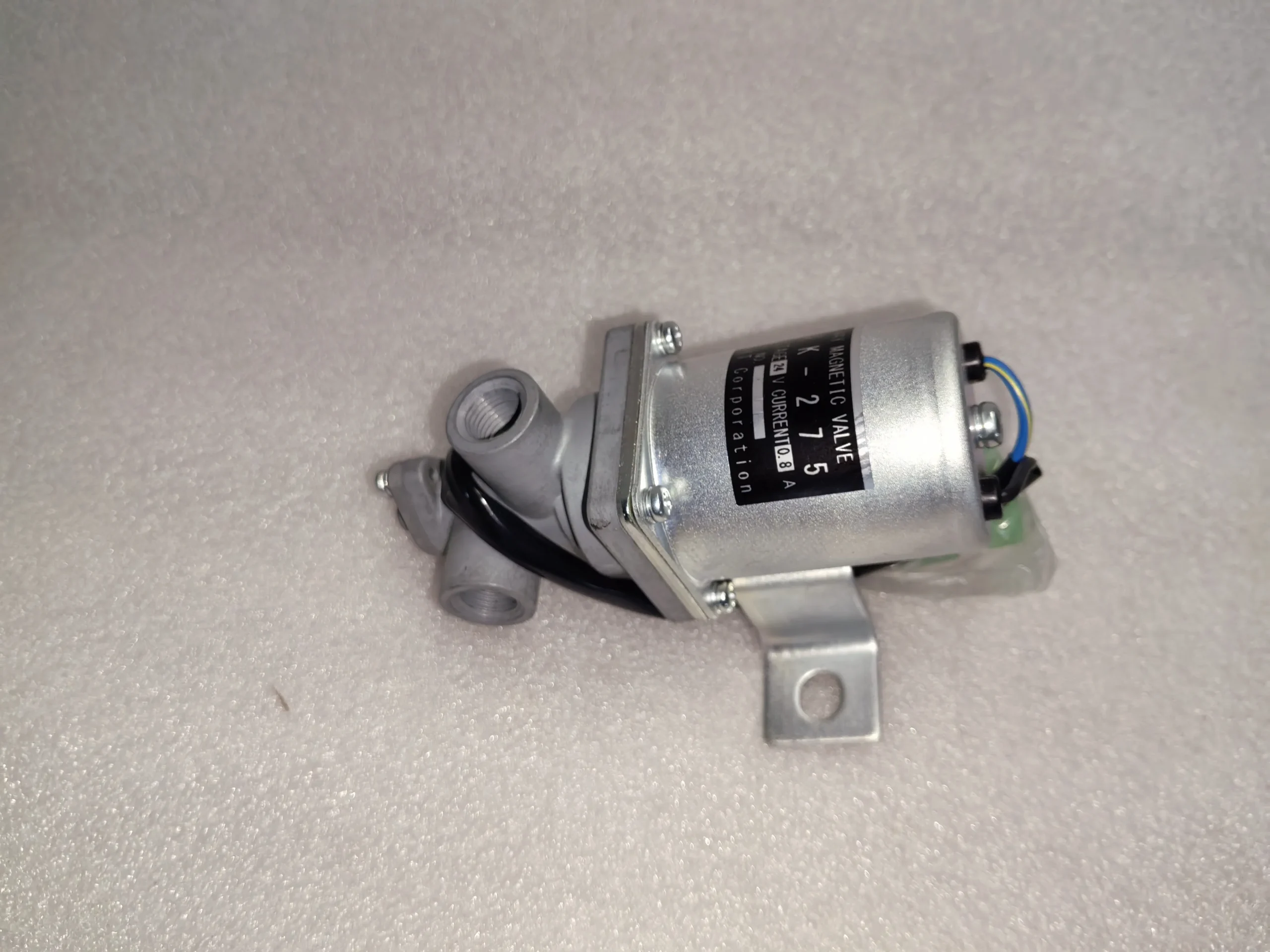 425-06-11150 VALVE Komatsu Original Factory
 -
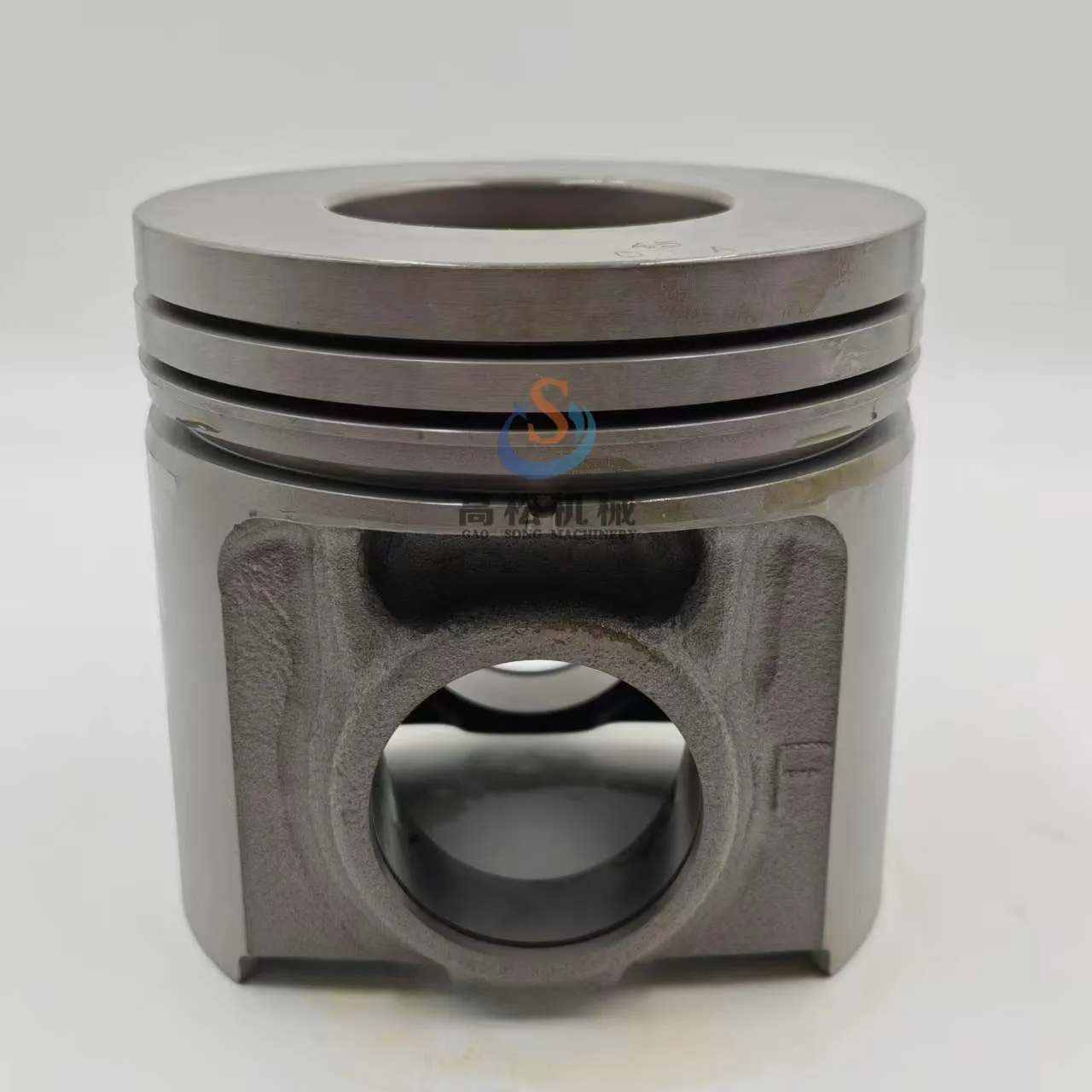 6152-32-2510 komatsu-parts piston
 -
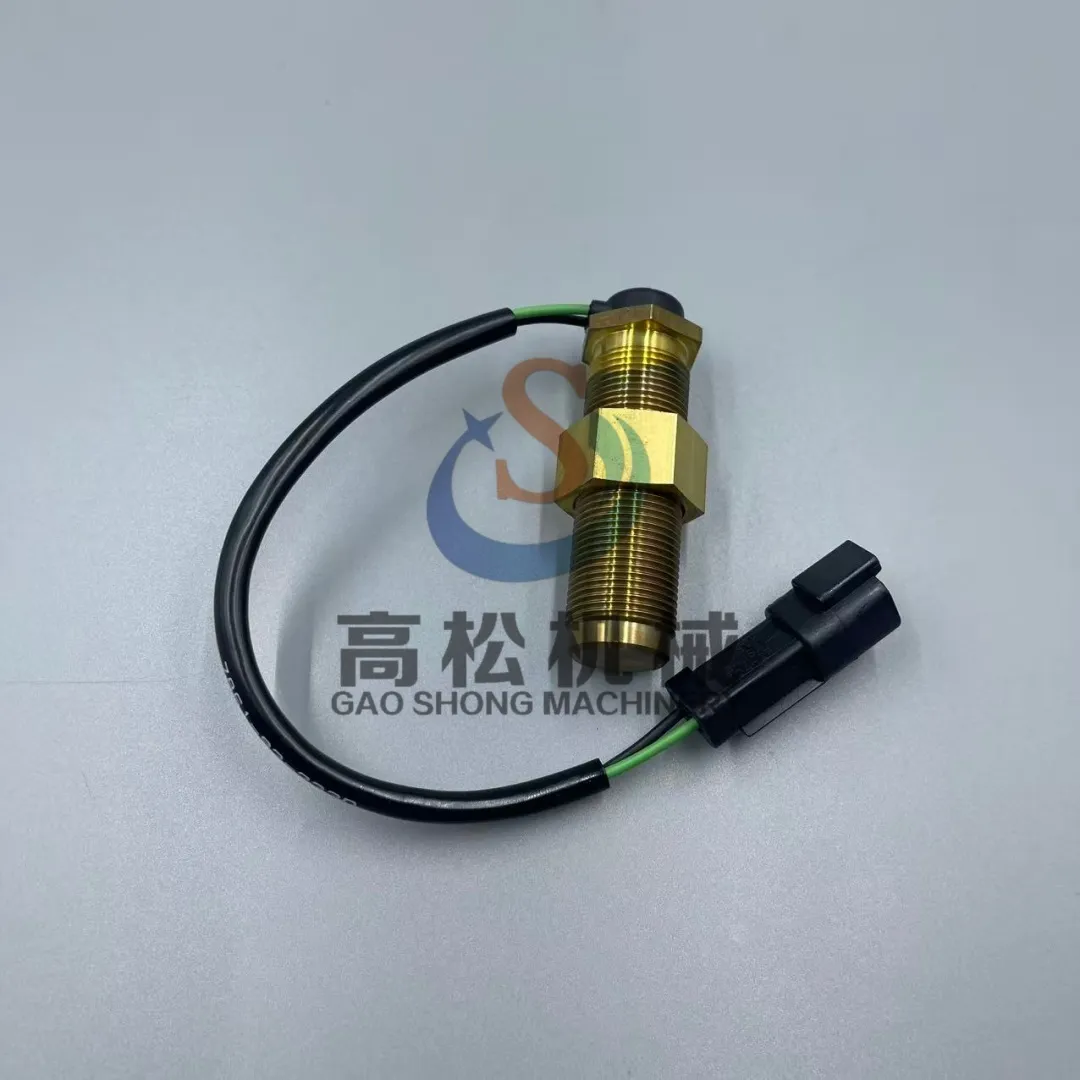 Speed Revolution Sensor 7861-92-2340 7861-93-2330 Fits for Komatsu PC200-3
 -
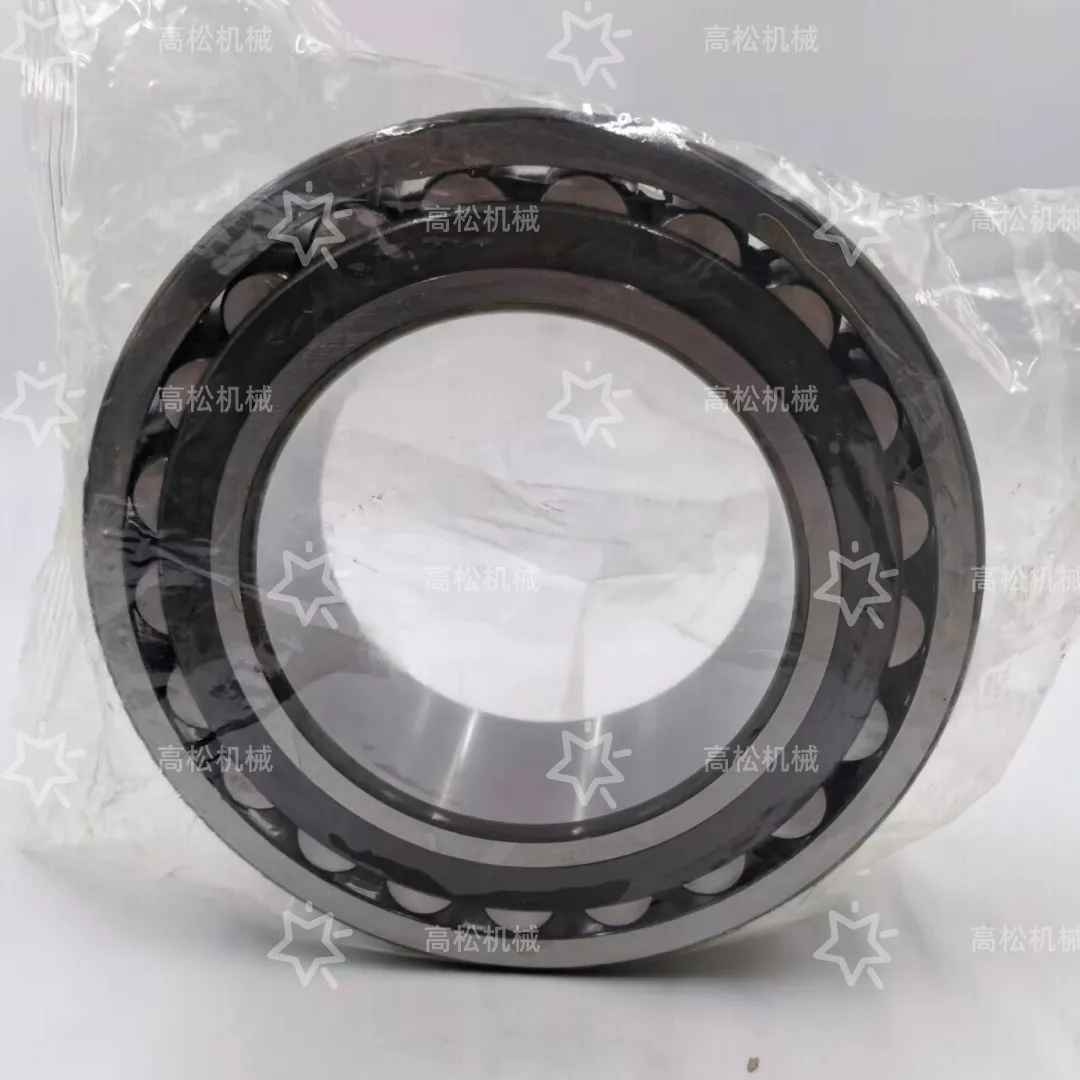 208-26-71530 2082671530 Bearing for Komatsu PC450 PC460 PC500 Excavator Swing Drive Bearing Reducer Bearing
 -
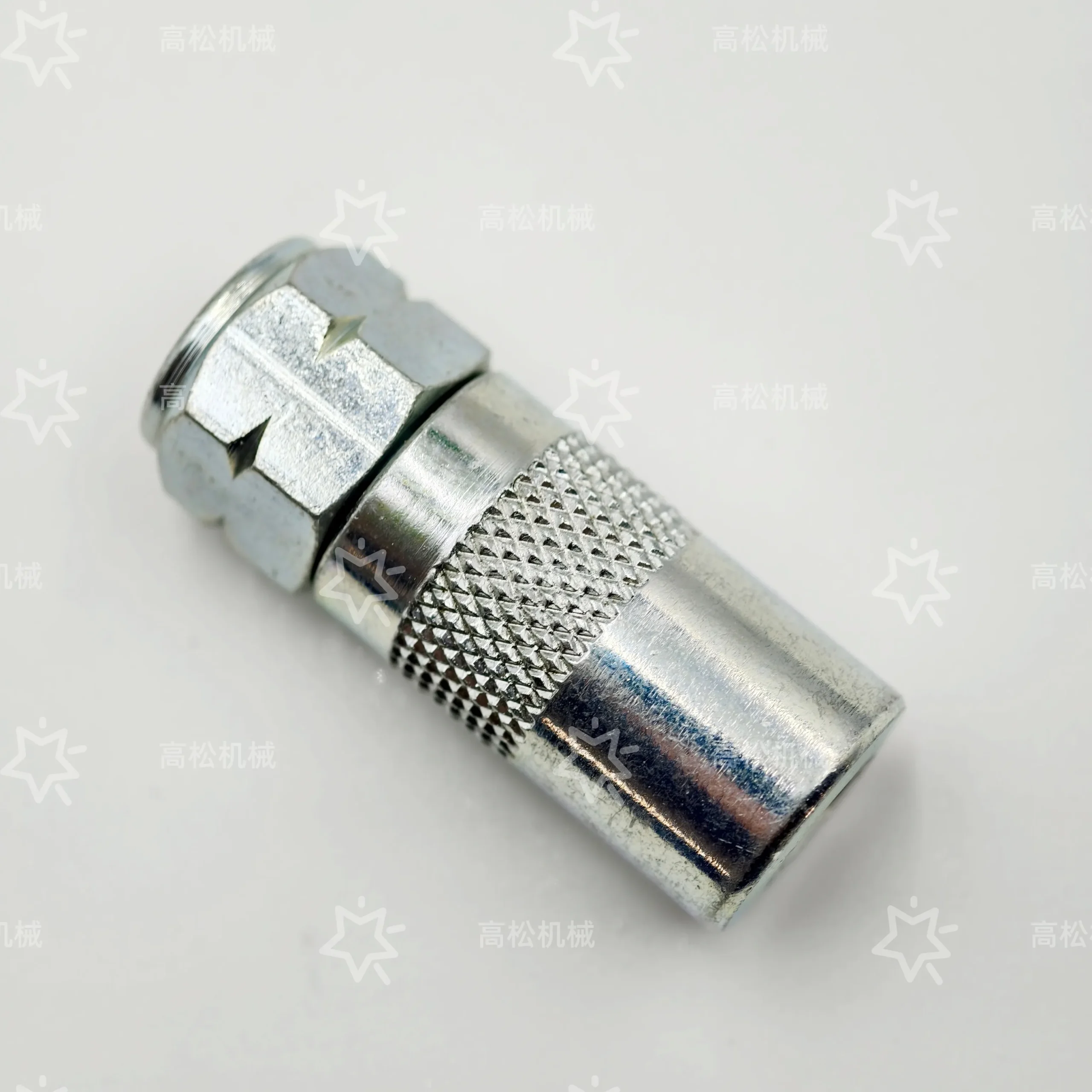 209-68-11640 Komatsu Coupling Assembly
 -
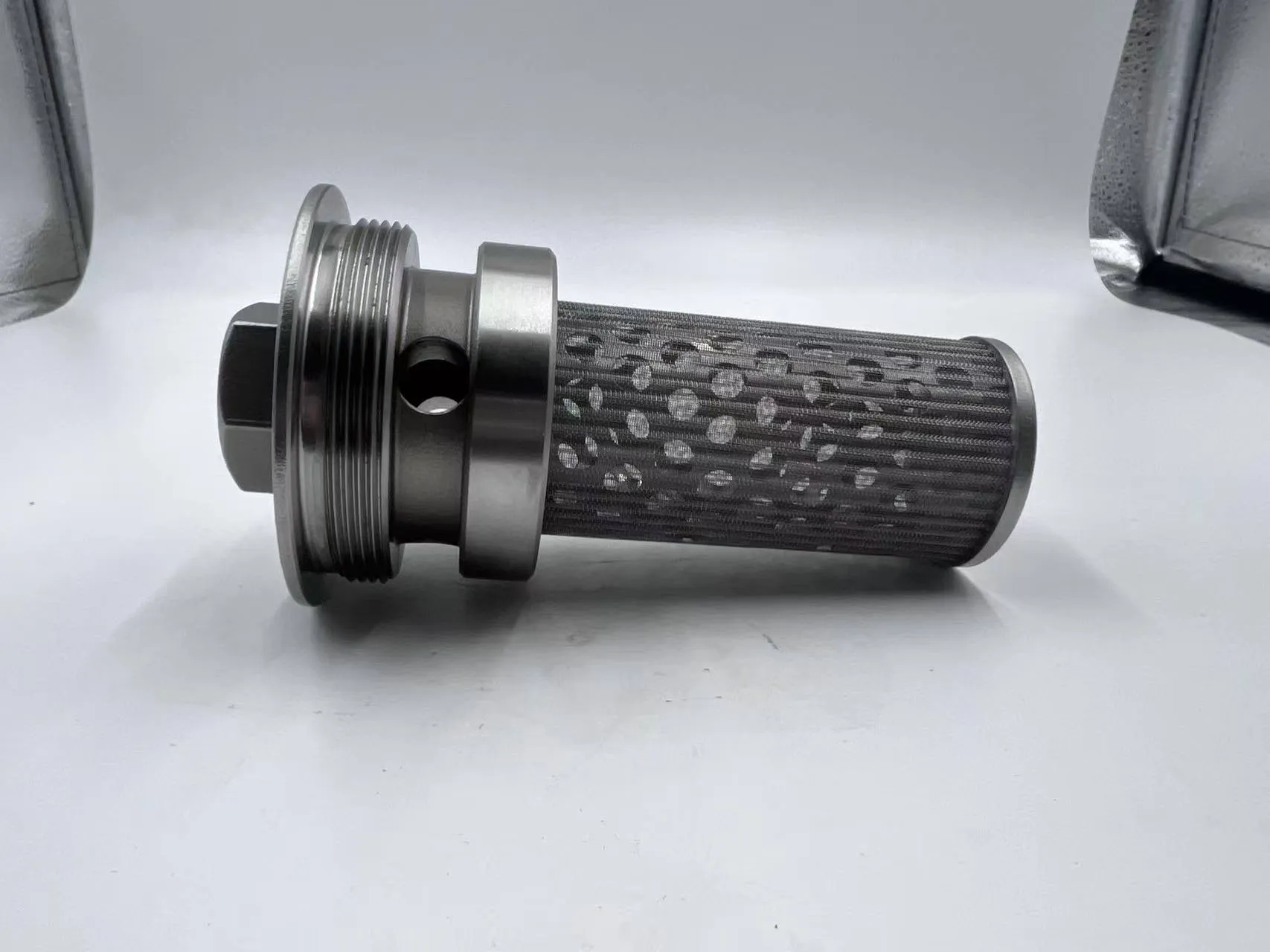 195-04-11150 STRAINER Suitable For Komatsu
 -
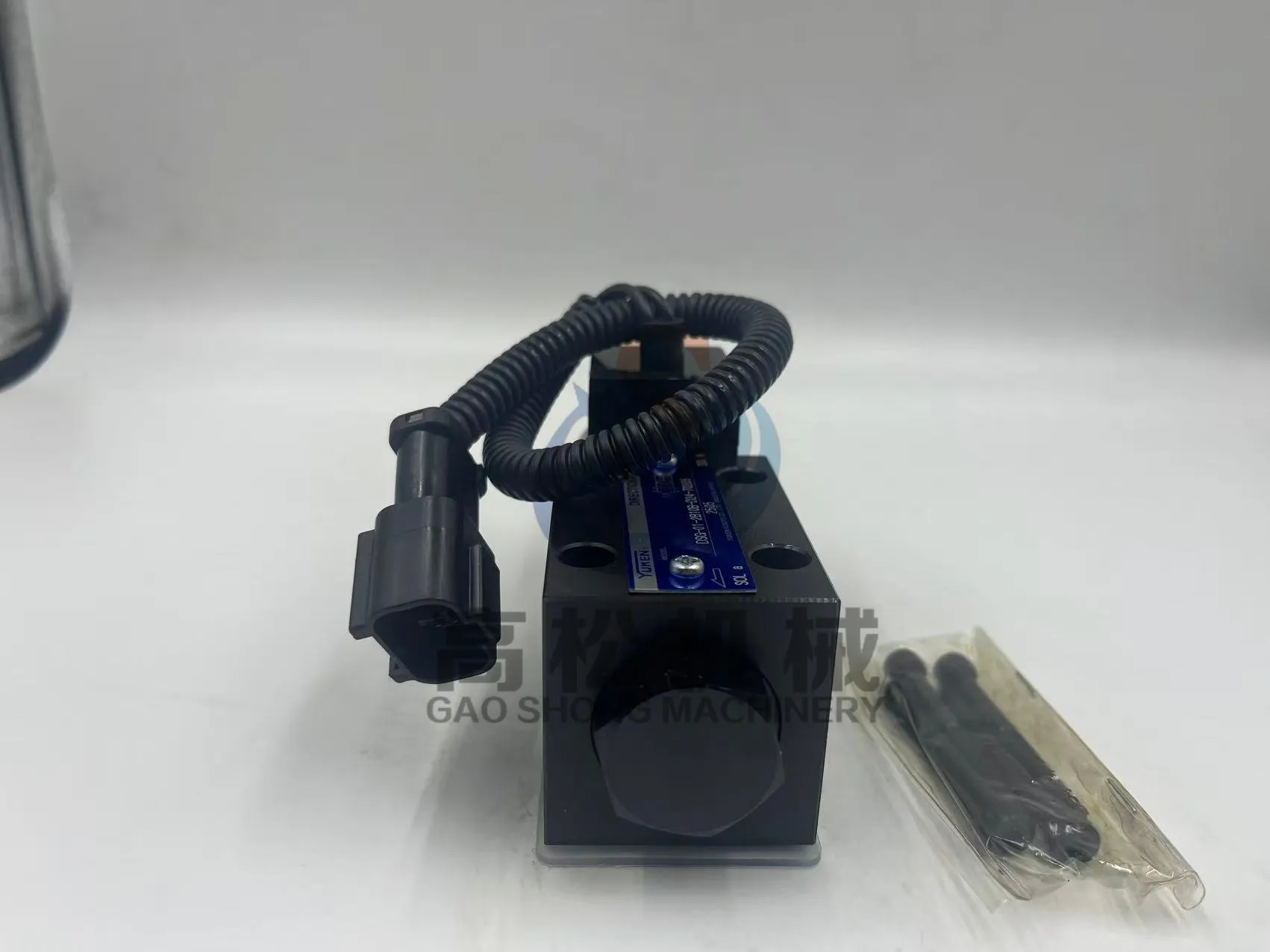 VALVE ASS’Y 23W-60-28230 – KOMATSU
 -
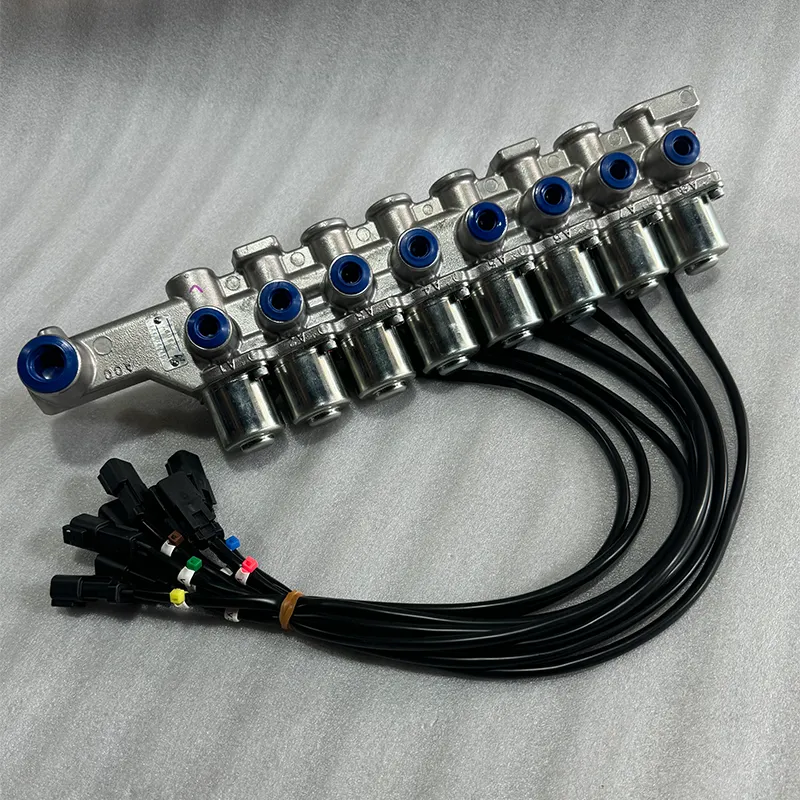 Original komatsu PC800-8 Solenoid Valve Assembly 209-60-41310
 -
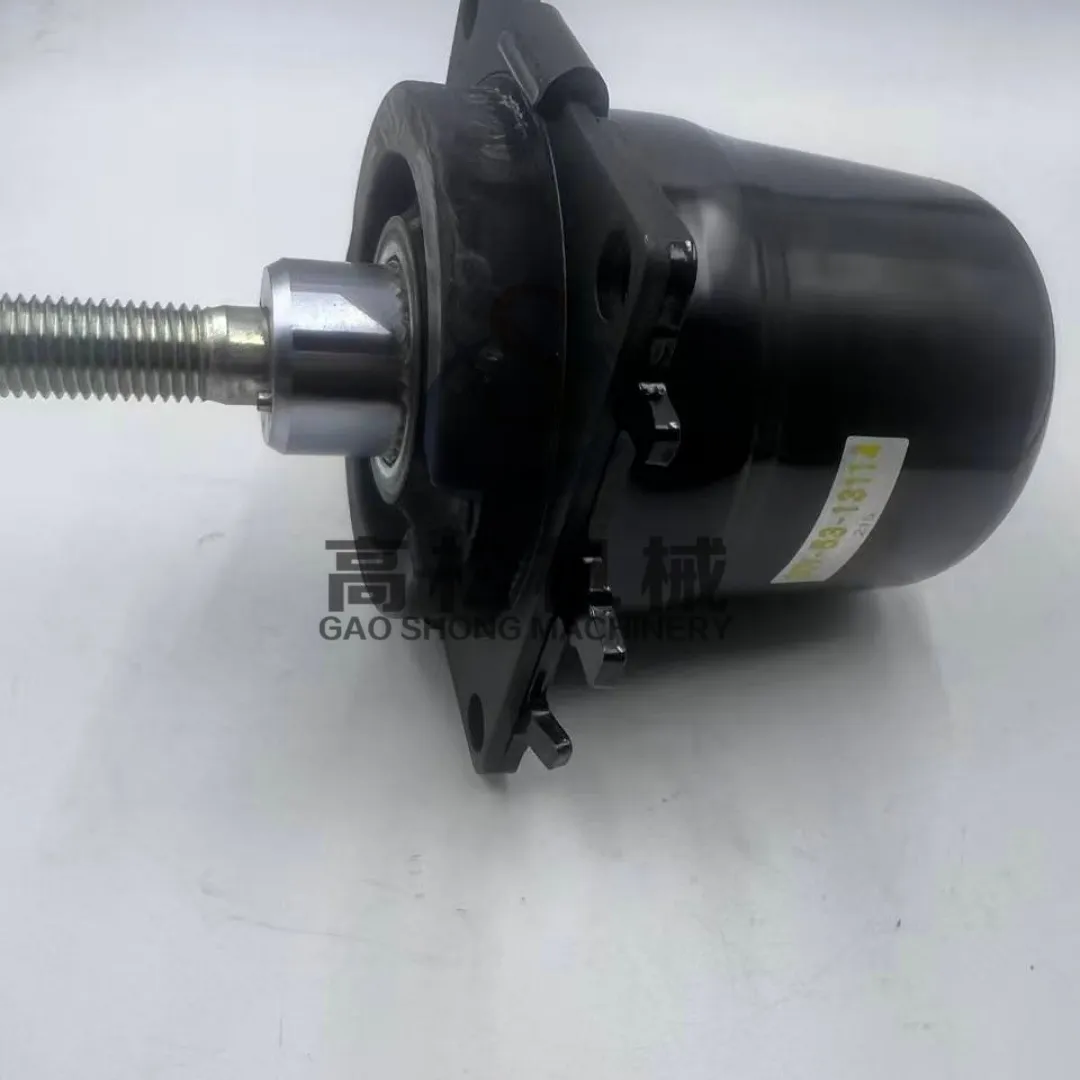 20Y-53-13114 SILENTBLOCK komatsu parts
 -
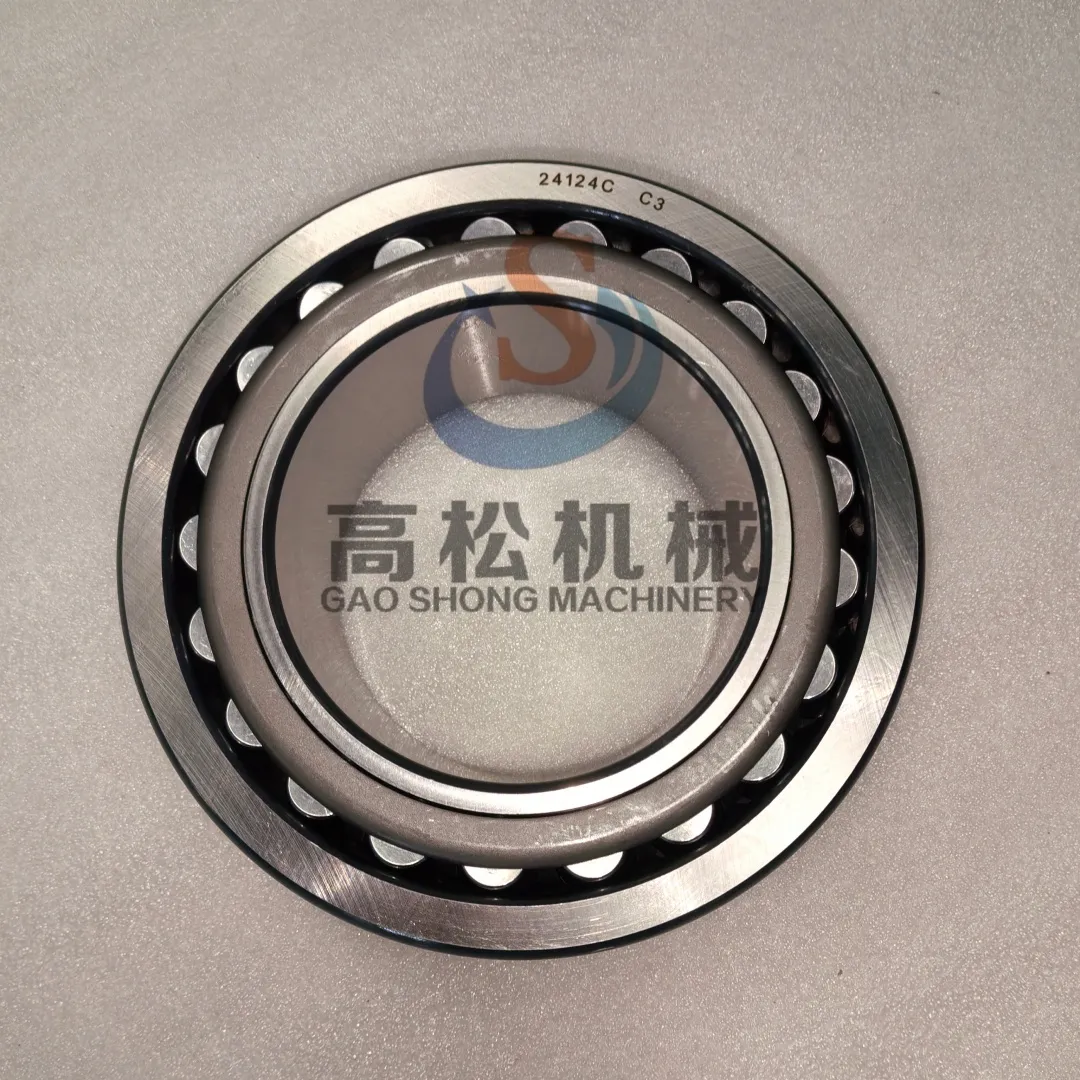 170-09-13250 Bearing for komatsu Dozer D85P-21 D85P-18 D85E-21 D85A-21
 -
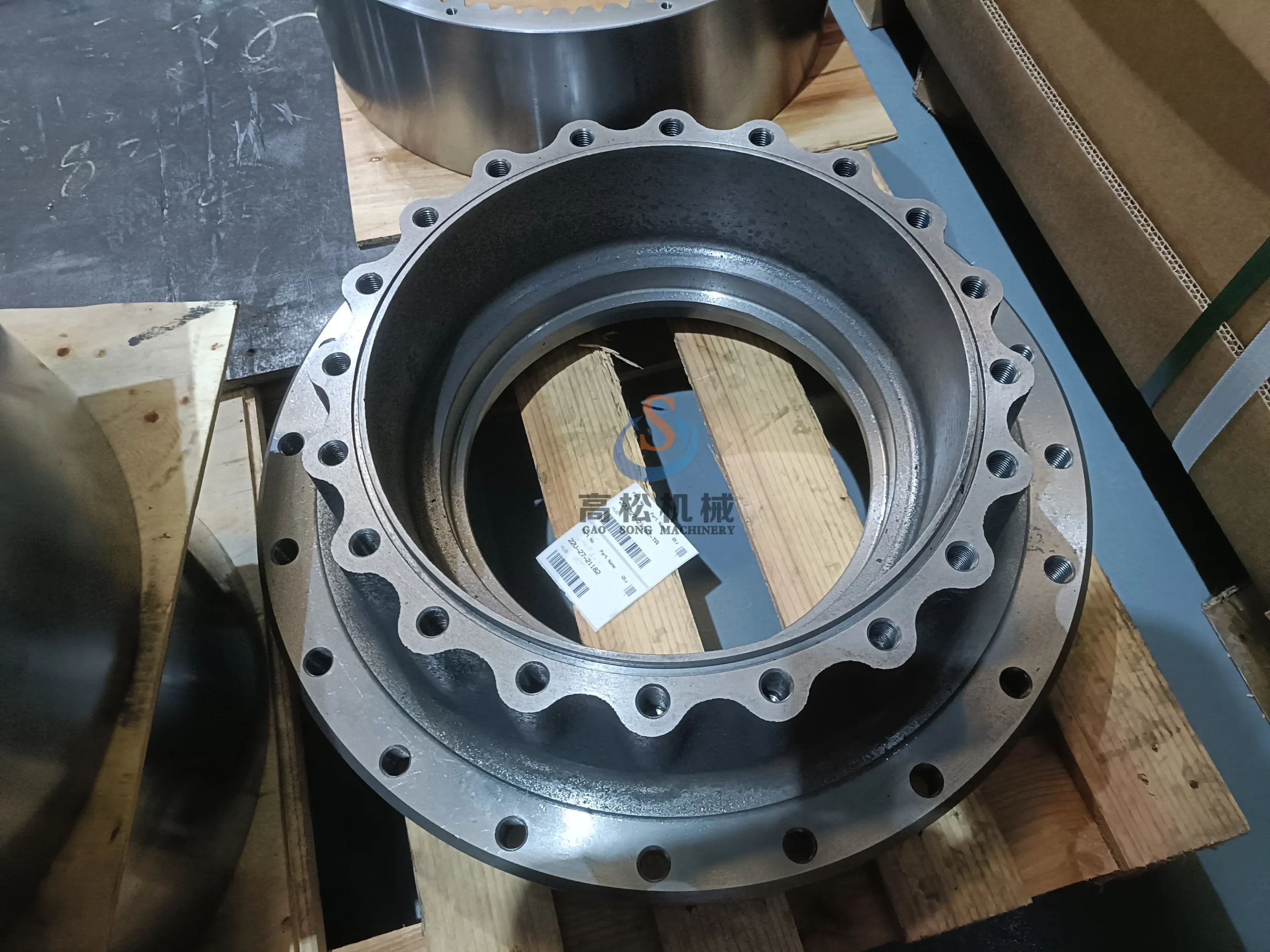 22U-27-21182 komatsu HUB-PC200/PC220/PC228
 -
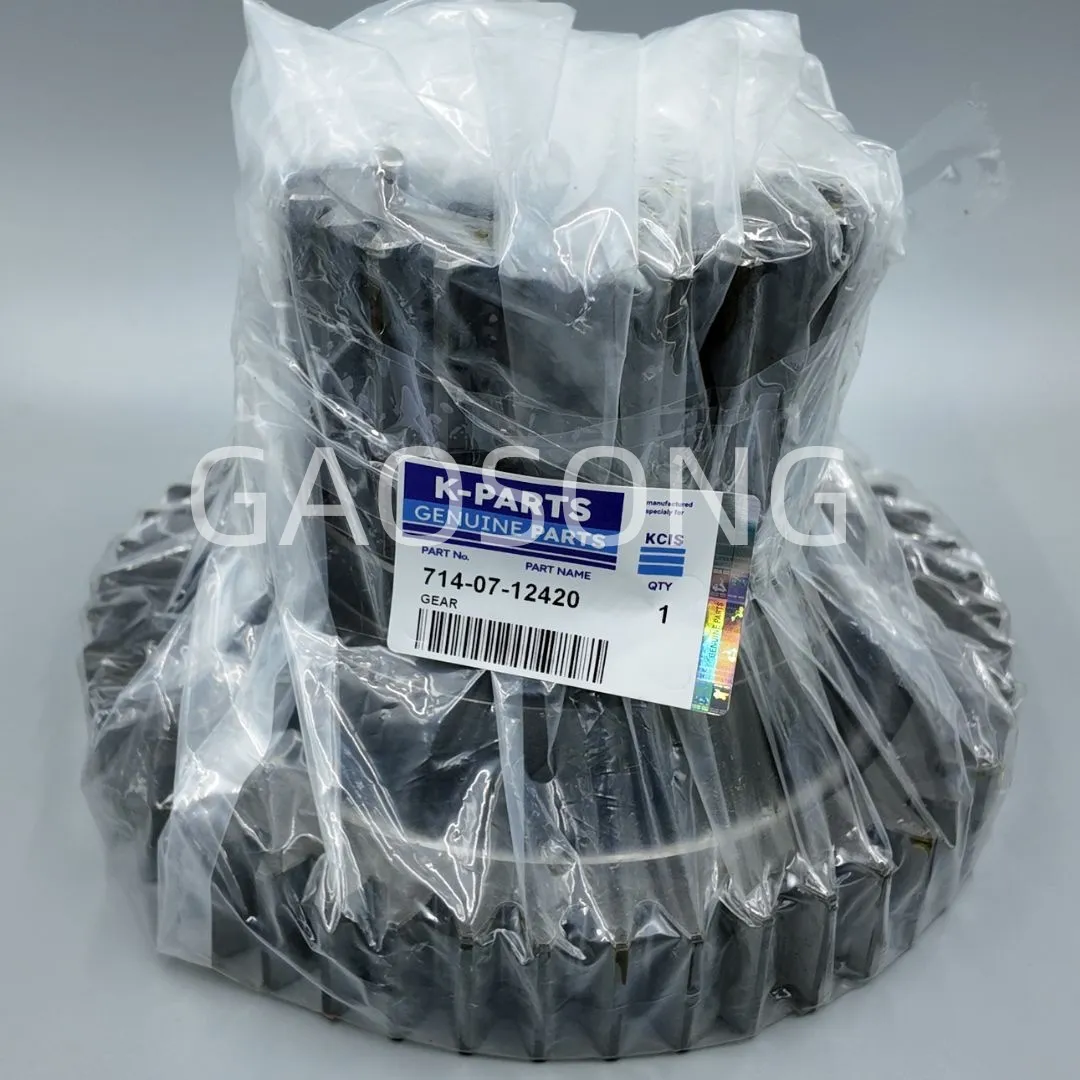 714-07-12420 •• GEAR¤ 48 TEETH,FORWARD-Komatsu Original Factory