
- Chinese
- French
- German
- Portuguese
- Spanish
- Russian
- Japanese
- Korean
- Arabic
- Irish
- Greek
- Turkish
- Italian
- Danish
- Romanian
- Indonesian
- Czech
- Afrikaans
- Swedish
- Polish
- Basque
- Catalan
- Esperanto
- Hindi
- Lao
- Albanian
- Amharic
- Armenian
- Azerbaijani
- Belarusian
- Bengali
- Bosnian
- Bulgarian
- Cebuano
- Chichewa
- Corsican
- Croatian
- Dutch
- Estonian
- Filipino
- Finnish
- Frisian
- Galician
- Georgian
- Gujarati
- Haitian
- Hausa
- Hawaiian
- Hebrew
- Hmong
- Hungarian
- Icelandic
- Igbo
- Javanese
- Kannada
- Kazakh
- Khmer
- Kurdish
- Kyrgyz
- Latin
- Latvian
- Lithuanian
- Luxembou..
- Macedonian
- Malagasy
- Malay
- Malayalam
- Maltese
- Maori
- Marathi
- Mongolian
- Burmese
- Nepali
- Norwegian
- Pashto
- Persian
- Punjabi
- Serbian
- Sesotho
- Sinhala
- Slovak
- Slovenian
- Somali
- Samoan
- Scots Gaelic
- Shona
- Sindhi
- Sundanese
- Swahili
- Tajik
- Tamil
- Telugu
- Thai
- Ukrainian
- Urdu
- Uzbek
- Vietnamese
- Welsh
- Xhosa
- Yiddish
- Yoruba
- Zulu
- Kinyarwanda
- Tatar
- Oriya
- Turkmen
- Uyghur






OEM AND ORIGINAL KOMATSU GEAR 17A-27-11261
When you see that part number, 17A-27-11261, pop up on a screen or a quote, the immediate reaction is to check the prefix. Is it Komatsu genuine, or is it an OEM part? That distinction isn't just academic—it's where cost, availability, and sometimes, a whole lot of headache, come into play. I've seen too many guys, especially in markets where genuine supply is tight, just hear OEM and assume it's a perfect 1:1 swap. It's not always that simple. The gear itself, for a Komatsu excavator final drive if I recall correctly from the last time I handled one, is a critical component. Getting it wrong means downtime, and downtime is just money burning. So, let's talk about what that label really means on the ground.
The OEM Reality vs. The Genuine Promise
Here's the core of it: OEM for Komatsu doesn't mean it rolled off the Komatsu assembly line in Japan. It means it was manufactured by a company that is part of the Komatsu supply chain, a factory that holds the blueprints and the material specs to produce that exact gear 17A-27-11261. The quality can be, and often is, functionally identical. The metallurgy, the heat treatment, the grinding tolerances—they have to hit Komatsu's marks. But the Original tag, that's for the parts packaged in the Komatsu box, with the Komatsu part number laser-etched, distributed through the official channels. The price difference is significant. The performance difference? In my experience, often negligible for the OEM-sourced unit, provided your source is legitimate.
This is where companies like Jining Gaosong Construction Machinery Co., Ltd. come into the picture. They operate in that specific niche they mention on their site, https://www.takematsumachinery.com. Being an OEM product supplier within the Komatsu system is a specific credential. It suggests they have access to the same manufacturing sources Komatsu uses, but they can route those parts outside the official, often slower and more expensive, distribution network. Their role as a third-party sales company addresses a real pain point: supply challenges in certain countries. If you're in a region where the official Komatsu dealer has a six-week lead time on a final drive gear, a reliable OEM supplier isn't just an alternative; it's the only way to keep the machine moving.
But—and there's always a but—the risk is in the certain countries part. The aftermarket is flooded with copies. A part can be OEM-spec but not from the OEM factory Komatsu uses. The difference might be in a secondary process, like a coating or a specific testing protocol that gets skipped. I've installed gears that looked perfect, met all caliper checks, but developed a harmonic whine after 200 hours that the genuine part never had. Tracing it back, it was likely a sub-tier foundry that the supplier was using, still calling it OEM. That's the gamble.
Identifying the Source: More Than a Part Number
So, how do you vet it? The part number 17A-27-11261 is just the start. You need to ask the supplier for the manufacturing traceability. A proper OEM supplier, one truly embedded in the system, should be able to provide batch codes or even factory identifiers. When I deal with a company like the one mentioned, I'd probe directly: Is this from the HCP factory or the SKF bearing unit that Komatsu sources for this assembly? Their answer tells you everything. If they're vague, it's a red flag. If they can specify, it builds trust.
The physical inspection is telling. A genuine Komatsu part will have crisp, clean markings. The OEM part from the sanctioned factory will too, but it might lack the Komatsu logo or have a different branding on the raw casting. The finish on the gear teeth is a dead giveaway—a polished, consistent finish versus a rougher, machined look. The packaging is another clue. Official Komatsu parts come in specific, high-quality boxes with multilingual manuals. OEM parts might come in simpler, unbranded or supplier-branded boxes. That doesn't mean the part is inferior; it just means you're not paying for the packaging and the global logistics markup.
I remember a case for a PC300-8 where we needed this exact gear. The dealer quote was astronomical and the wait was 8 weeks. We sourced an OEM version through a channel similar to Gaosong's model. The part arrived in a plain box, but the paperwork included a material certification that matched the JIS standard Komatsu calls for. We measured it against the worn gear we pulled out—dimensions were spot on. Installed it, ran it. That was three years ago, and the machine is still running fine on that gear. That's a successful OEM story. It requires due diligence on the front end.
When Original is Non-Negotiable
There are scenarios where I would never recommend deviating from the genuine original Komatsu part. The biggest one is warranty status. If the machine is under Komatsu warranty, installing a non-genuine part on a major component like a final drive gear can void the entire related system warranty. It's not worth the risk. The dealer will scan the part's RFID or check the markings, and if it doesn't match their system, you're on the hook.
Another is for very new models. The 17A-27-11261 number has been around, but when a completely new model series launches, the OEM supply chain takes time to ramp up. The first year or so, the only OEM parts available might be reverse-engineered copies, not true OEM-spec. In that window, genuine is the only safe bet. Also, if the failure mode of the original gear was unusual—not just wear, but a catastrophic shear or pitting from a suspected heat treat issue—you want the genuine replacement. Komatsu's genuine part might have a silent running change or improvement that the open-market OEM hasn't adopted yet.
This is the nuanced advice you won't get from a generic parts listing. It comes from having to make the call in the yard, with a machine down and a project manager breathing down your neck. The description from Jining Gaosong Construction Machinery Co., Ltd. about solving parts supply challenges rings true here. Their value is in providing the OEM-spec option when it is appropriate, with the transparency to let you make an informed decision, not just pushing a cheaper box.
The Logistics and Cost Equation
Let's talk numbers and time. A genuine Komatsu gear 17A-27-11261 might have a list price of, say, $1,200. The OEM equivalent from a certified supplier might land at $750. That's a substantial saving. But you must factor in the logistics. A genuine part ordered through a local dealer has a defined, if sometimes long, delivery path. An OEM part from an international supplier like Gaosong might come via air freight or sea freight. You need to manage customs, potential delays, and import duties. The $450 saving can evaporate if you need it air-freighted in an emergency.
The smart play, which we've adopted, is to use suppliers like this for planned maintenance or when you see a wear pattern developing. Order the OEM part with plenty of lead time via sea freight. The cost saving is real, and you have the part on the shelf when you need it. Their business model, as a third-party sales company, often works best on these bulk or planned orders. They can consolidate shipments and offer better terms. Trying to use them for a 48-hour emergency part across continents is usually a mismatch of expectations.
I've also seen failed attempts. A contractor once bought a OEM gear for a Komatsu dozer from a purely online vendor with no stated system affiliation. The price was too good to be true. The gear teeth hardness was off; it spalled within 50 hours. The cost of the second repair, plus the downtime, far exceeded just buying the genuine part first. The vendor disappeared. This is why the supplier's reputation as part of the Komatsu system matters. It implies accountability and a direct line back to a known factory.
Closing Thoughts on the 17A-27-11261
So, circling back to that part number. It's not just a gear. It's a decision point. The choice between OEM and original Komatsu for the 17A-27-11261 hinges on your specific situation: machine status, downtime cost, budget, and most critically, the reliability of your supplier.
Companies that position themselves as OEM product supplier within the Komatsu system are targeting a real need in the market. They aren't selling mystery metal; they're offering a parallel, often identical, supply chain. But the onus is on you, the buyer, to validate that claim. Ask for certifications. Ask for references on that specific part number. Check if they have a physical presence and technical support.
In the end, the goal is uptime. Whether the gear comes in a Komatsu box or a plain brown wrapper from a supplier like https://www.takematsumachinery.com, if it meets the spec, lasts the lifespan, and gets the machine back to work, it has done its job. The keyword is if. That's where experience, a bit of healthy skepticism, and choosing partners who are transparent about their place in the ecosystem make all the difference. Don't just buy a part number. Buy the provenance behind it.
Related Products
Related Products

Best Selling Products
Best Selling Products-
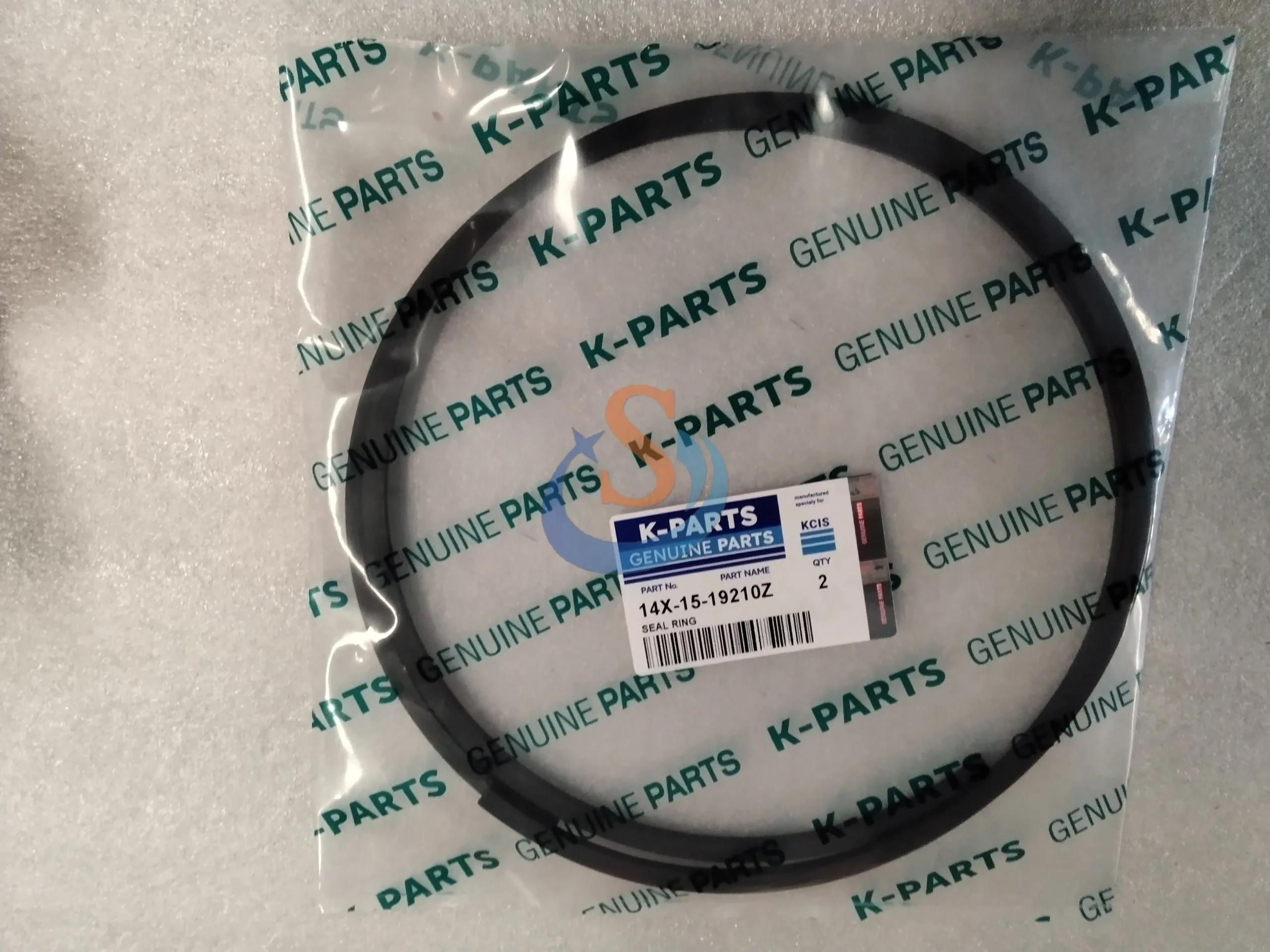 14X-15-19210 SEAL RING D65/WA500/D85
 -
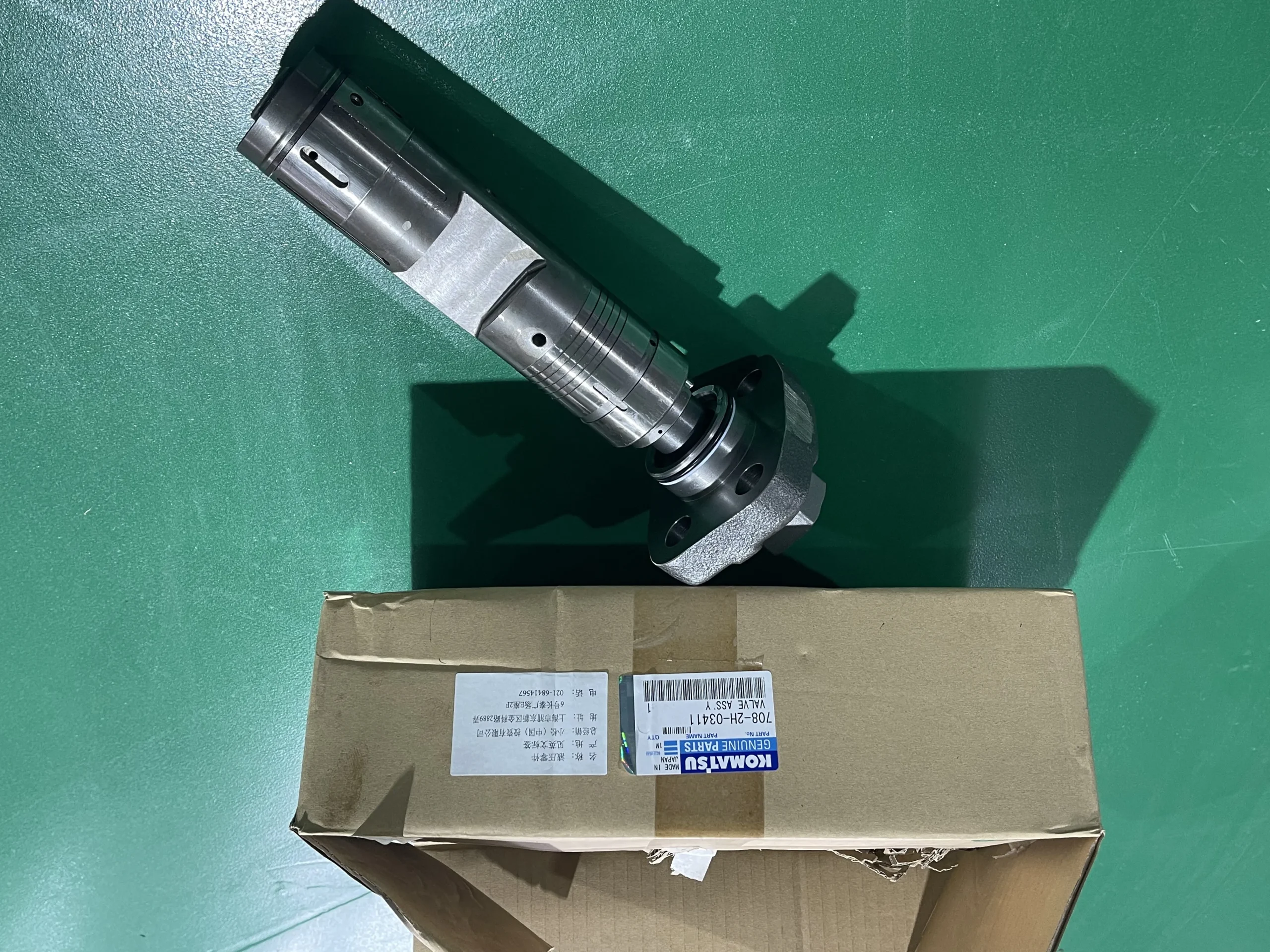 Relief Valve 708-2H-03411
 -
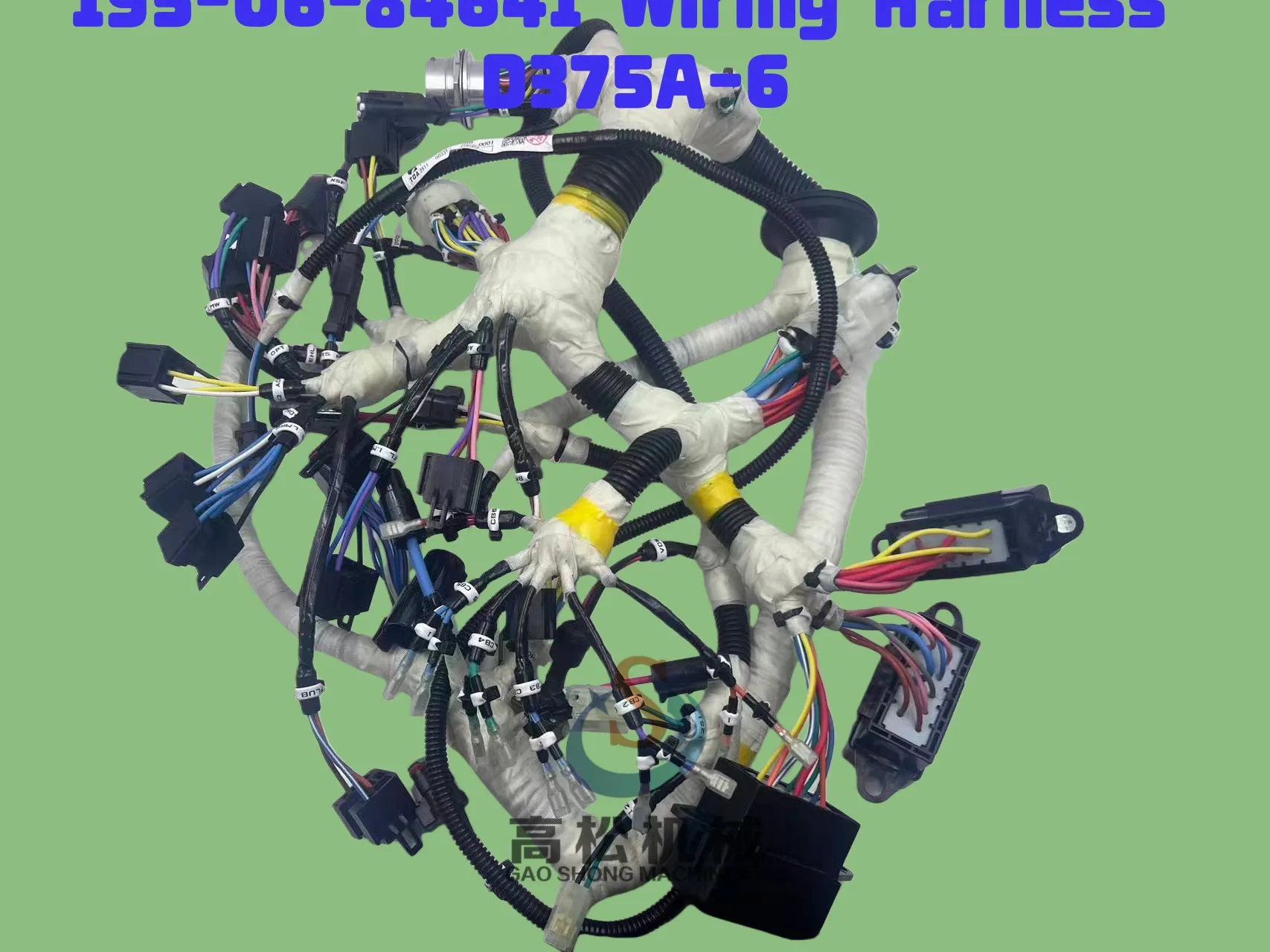 Wiring Harness 195-06-84641 D375A-6 S/N 60001-UP (Extreme Cold Area Arrangement (-40 deg C)) FLOOR FRAME, FUSE BOX AND RELAY
 -
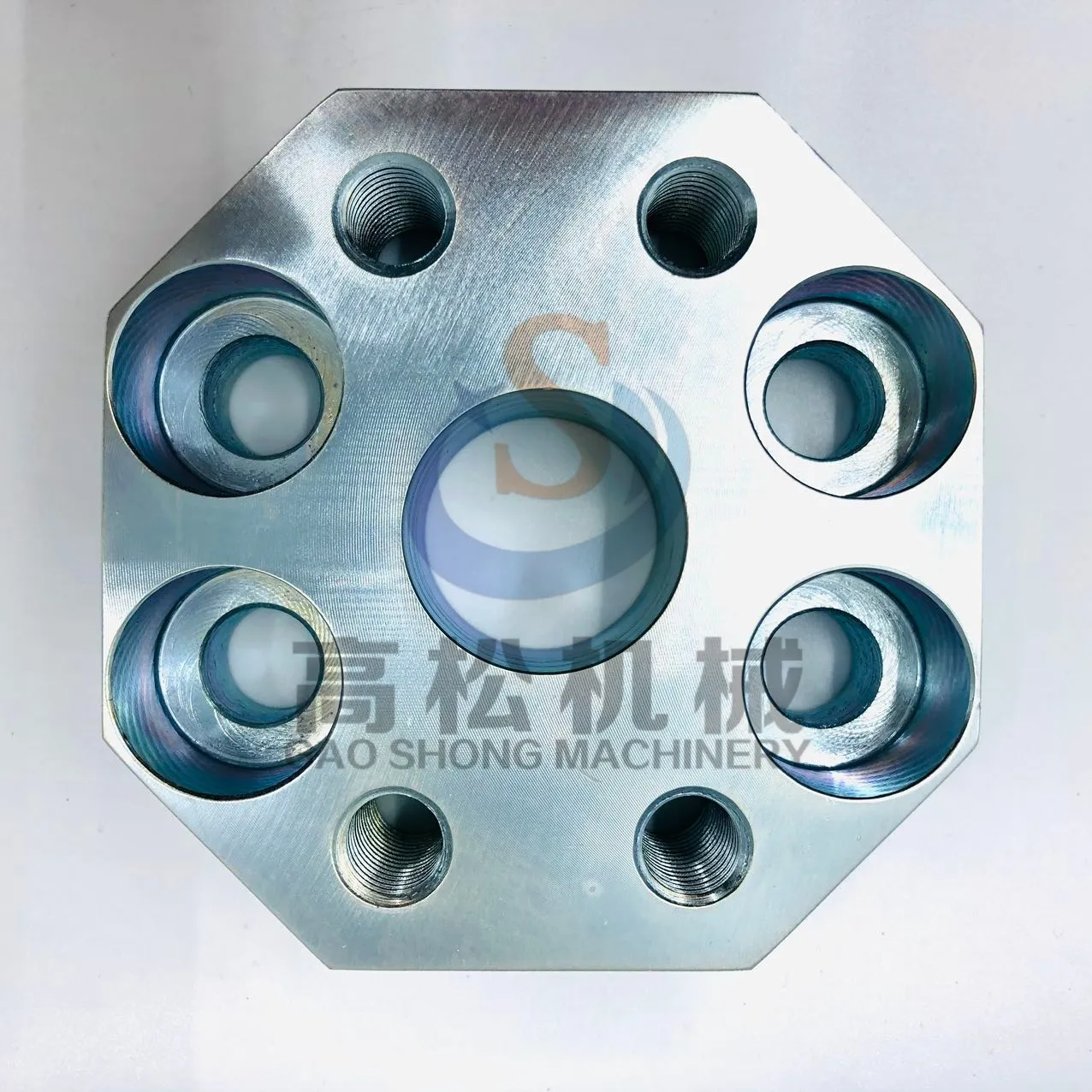 21N-62-11361 Komatsu Flange
 -
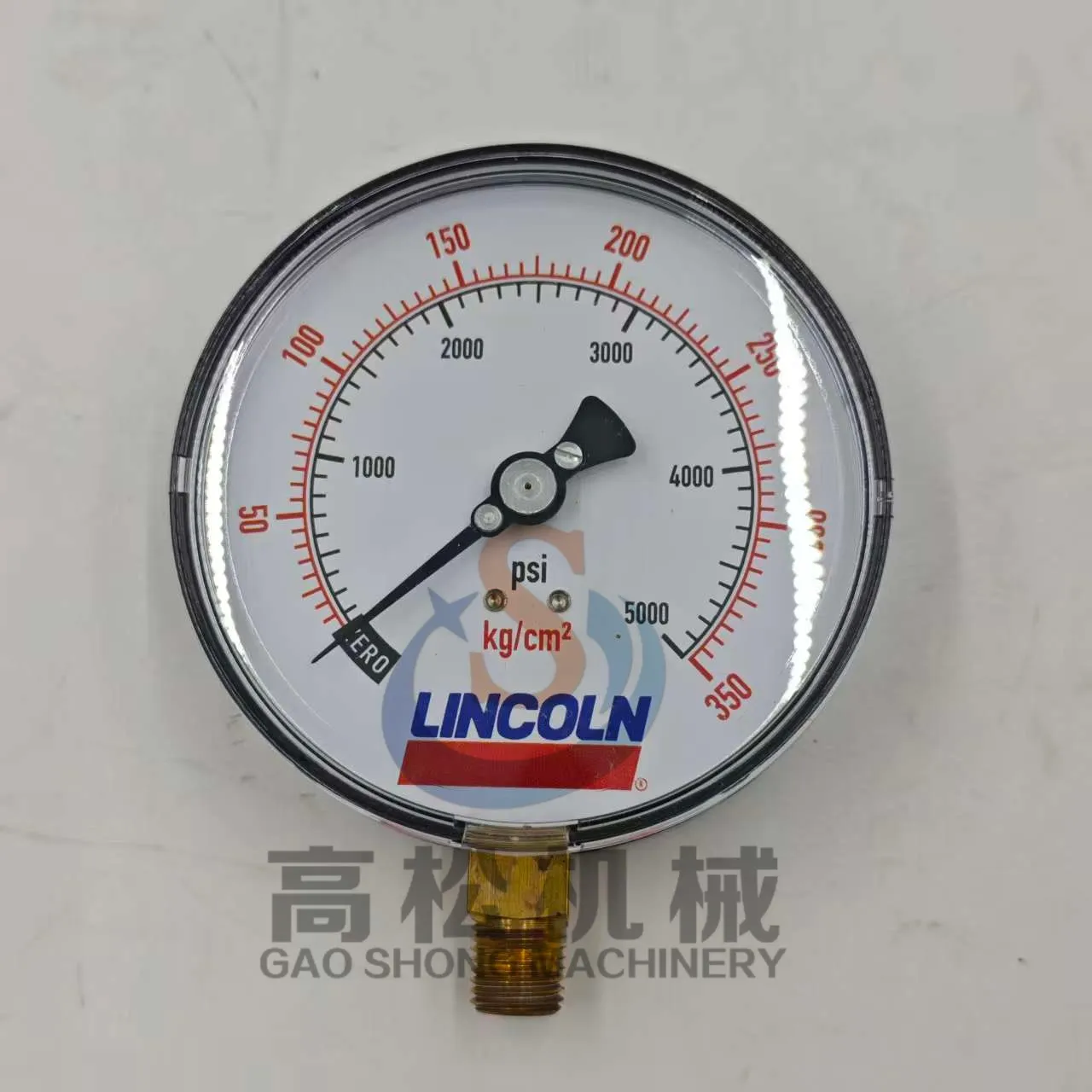 427-S95-2410 Komatsu Gauge, Pressure
 -
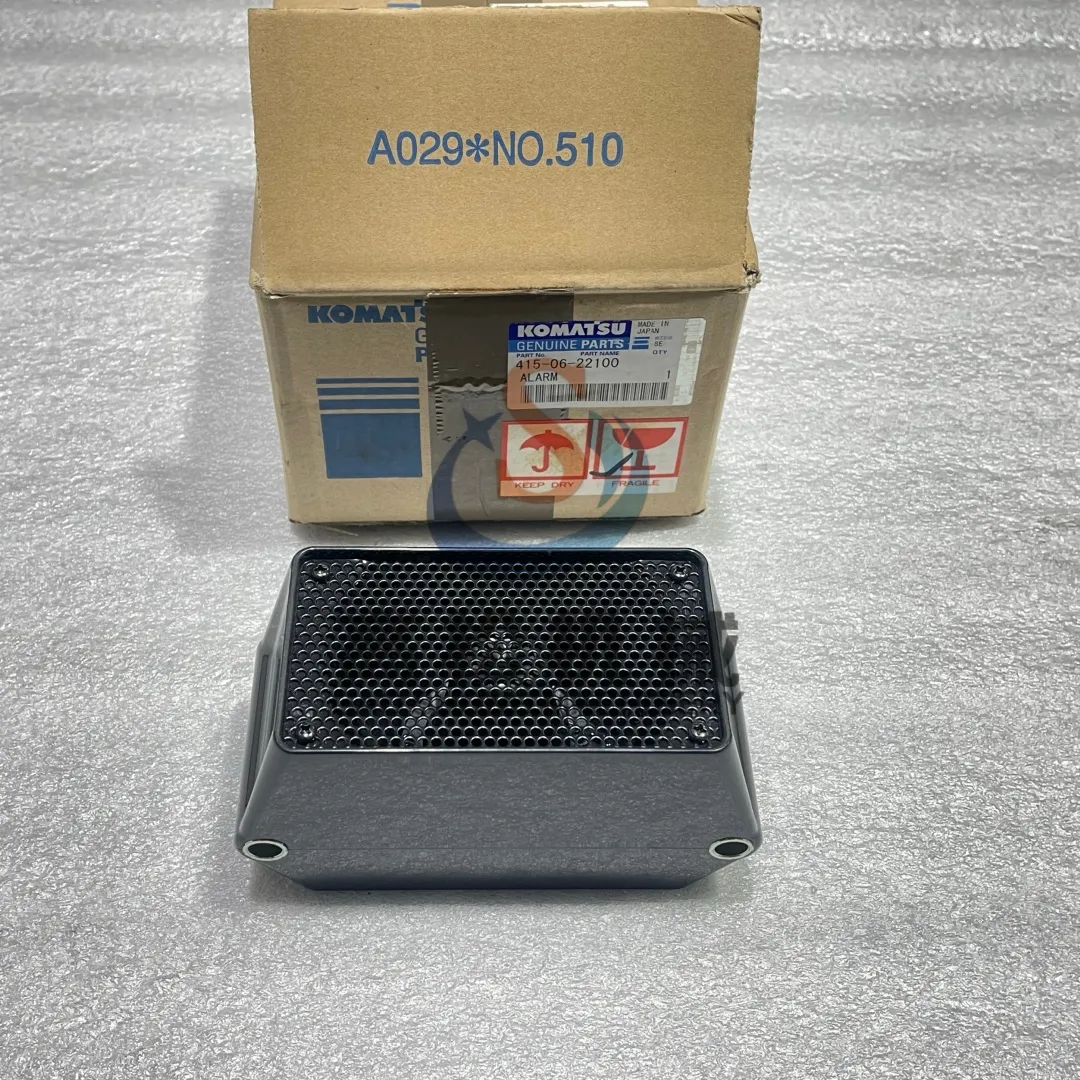 alarm 415-06-22100 – komatsu
 -
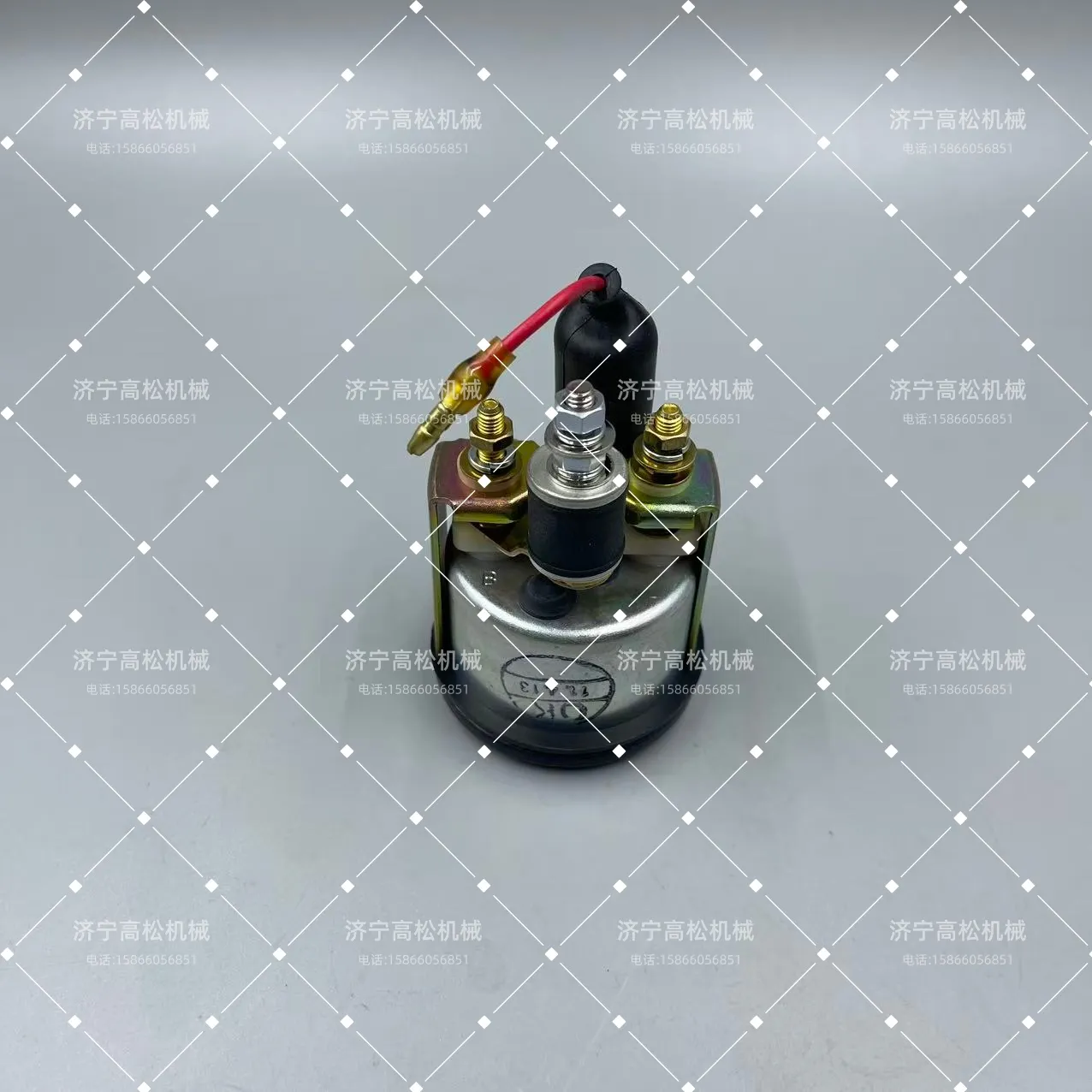 Water Temperature Gauge 195-06-23110 for Komat Su Bulldozer…
 -
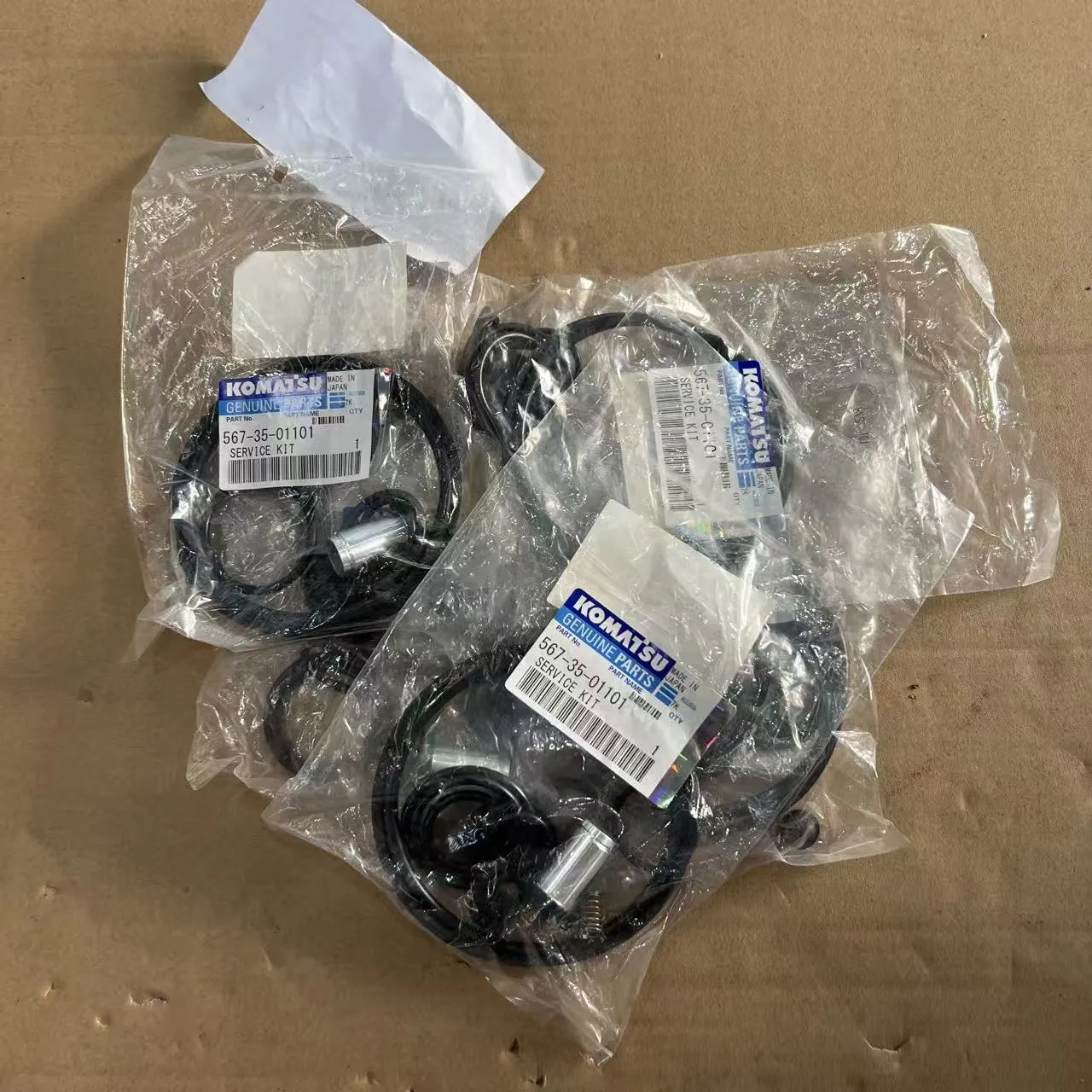 Komatsu 567-35-01101 Service Kit
 -
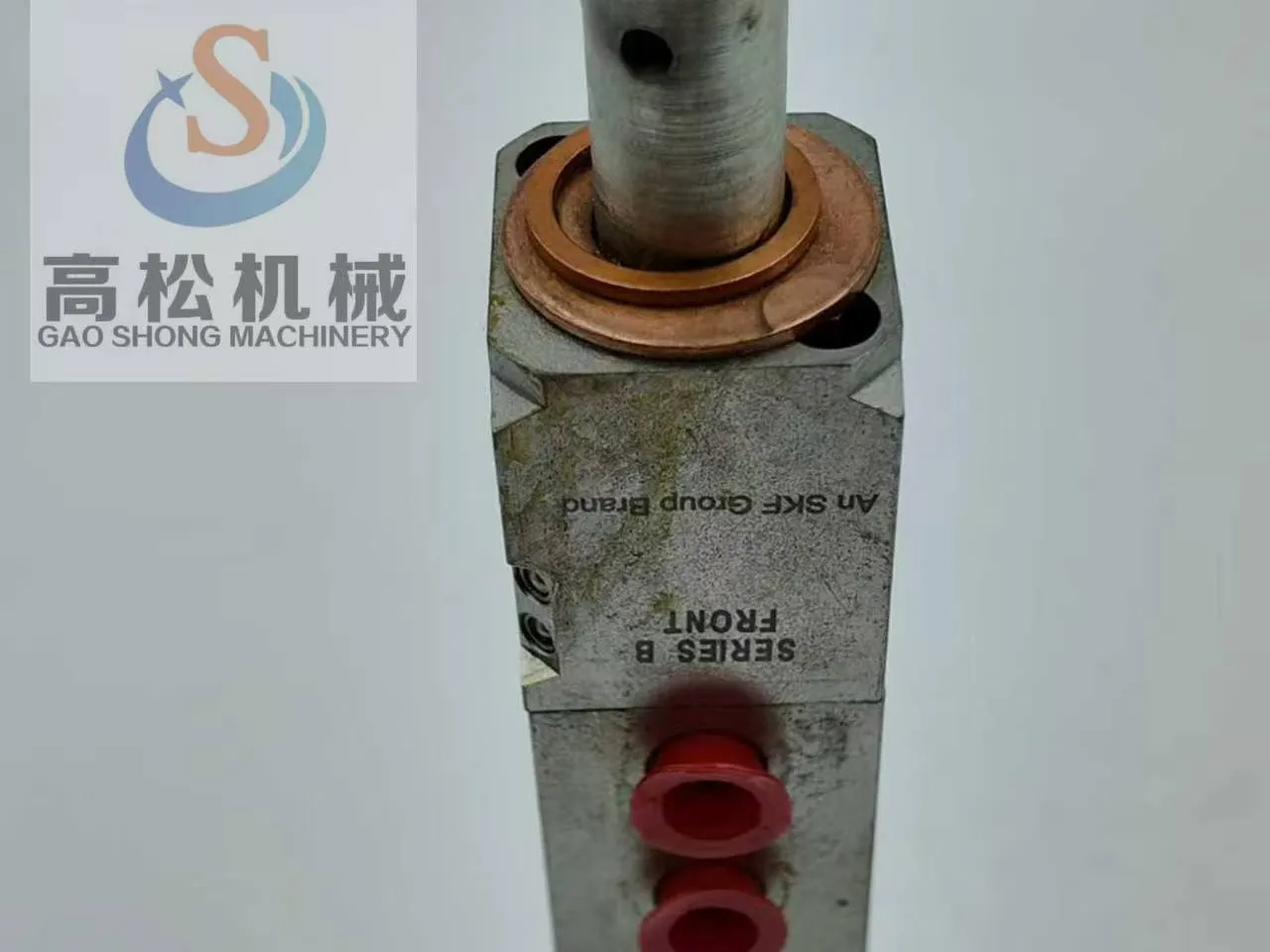 561-95-83030 561-95-84080 injector assembly for hd785-7 injectors
 -
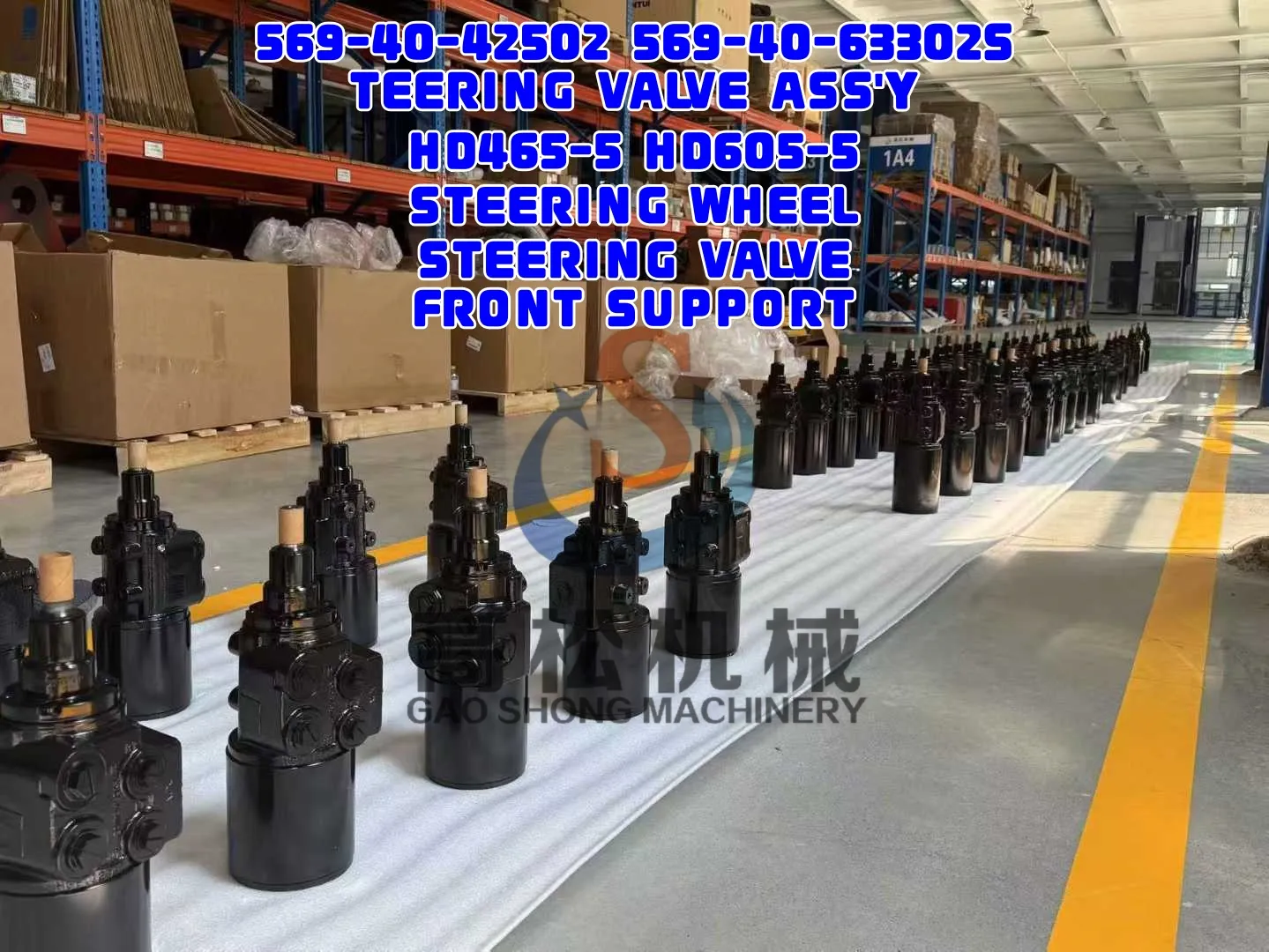 HD465-7-komatsu-part-569-40-42502 569-40-63302 STEERING VALVE ASS’Y HD465-5 HD465-7 HD605-7 HD605-5 FRONT SUPPORT (STEERING VALVE MOUNTING PARTS) STEERING WHEEL STEERING VALVE
 -
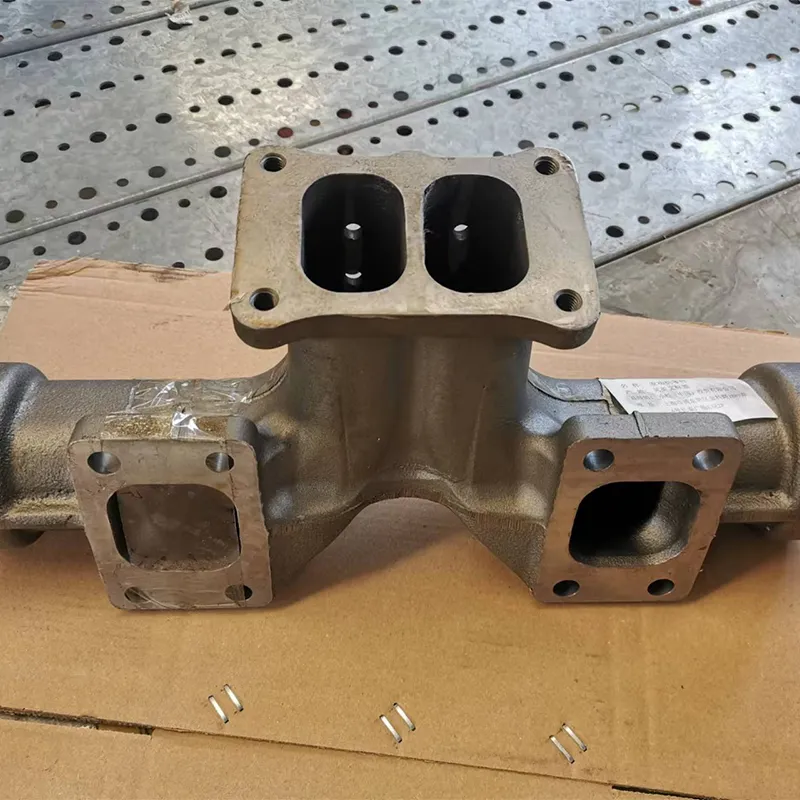 Original komatsu 6215-11-5182 HD785-7 Exhaust Manifold
 -
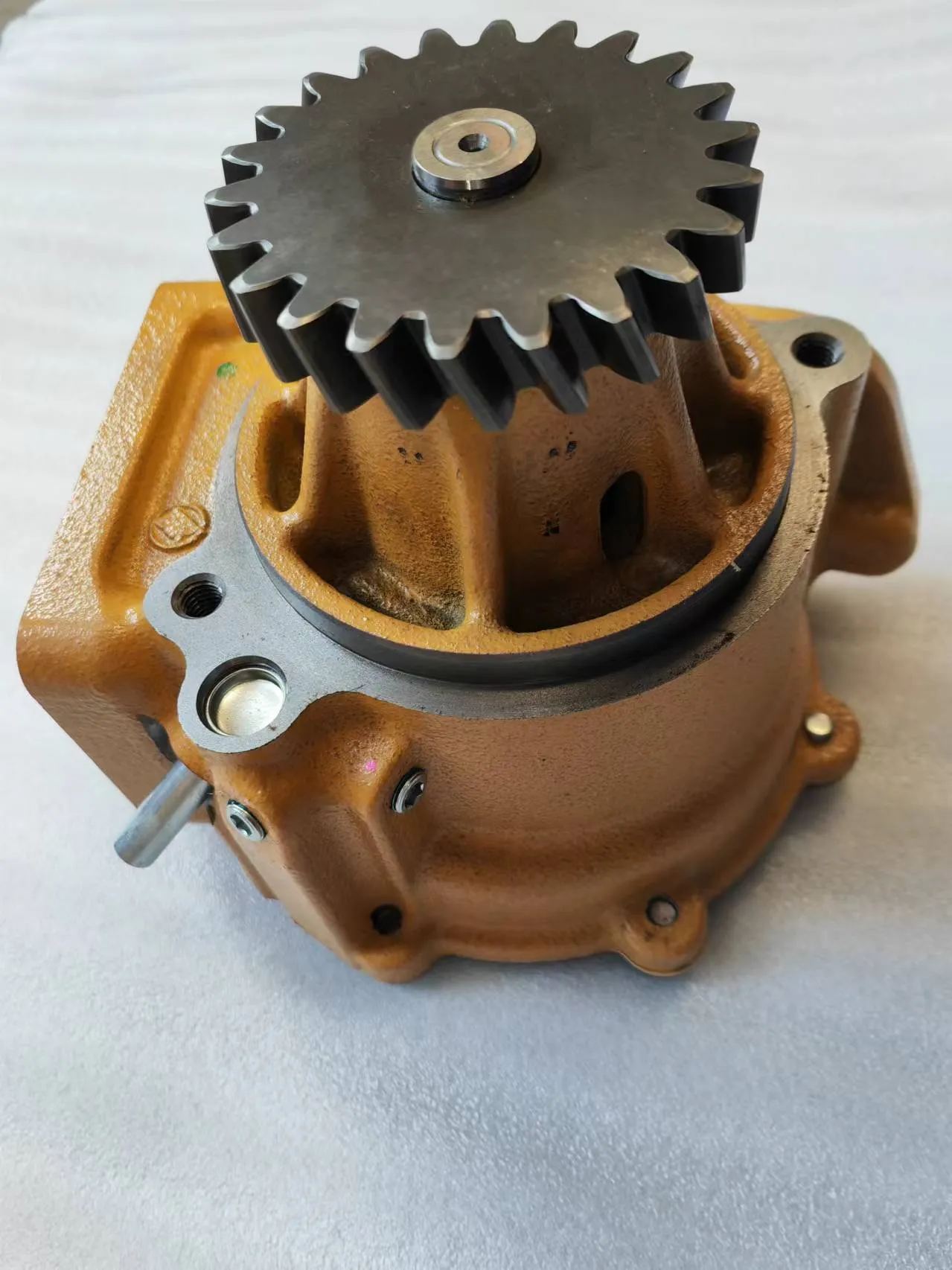 Water Pump Assembly 6219-61-1100 6219-61-1101 6219-61-1102 for Komatsu Engine SA12V140 SAA12V140E SDA12V140 Dump Truck HD785-7