
- Chinese
- French
- German
- Portuguese
- Spanish
- Russian
- Japanese
- Korean
- Arabic
- Irish
- Greek
- Turkish
- Italian
- Danish
- Romanian
- Indonesian
- Czech
- Afrikaans
- Swedish
- Polish
- Basque
- Catalan
- Esperanto
- Hindi
- Lao
- Albanian
- Amharic
- Armenian
- Azerbaijani
- Belarusian
- Bengali
- Bosnian
- Bulgarian
- Cebuano
- Chichewa
- Corsican
- Croatian
- Dutch
- Estonian
- Filipino
- Finnish
- Frisian
- Galician
- Georgian
- Gujarati
- Haitian
- Hausa
- Hawaiian
- Hebrew
- Hmong
- Hungarian
- Icelandic
- Igbo
- Javanese
- Kannada
- Kazakh
- Khmer
- Kurdish
- Kyrgyz
- Latin
- Latvian
- Lithuanian
- Luxembou..
- Macedonian
- Malagasy
- Malay
- Malayalam
- Maltese
- Maori
- Marathi
- Mongolian
- Burmese
- Nepali
- Norwegian
- Pashto
- Persian
- Punjabi
- Serbian
- Sesotho
- Sinhala
- Slovak
- Slovenian
- Somali
- Samoan
- Scots Gaelic
- Shona
- Sindhi
- Sundanese
- Swahili
- Tajik
- Tamil
- Telugu
- Thai
- Ukrainian
- Urdu
- Uzbek
- Vietnamese
- Welsh
- Xhosa
- Yiddish
- Yoruba
- Zulu
- Kinyarwanda
- Tatar
- Oriya
- Turkmen
- Uyghur






OEM AND ORIGINAL KOMATSU GEAR 17A-27-11221
When you see a part number like 17A-27-11221, especially with the terms 'OEM' and 'Original Komatsu' attached, the immediate assumption in many procurement offices is that it's a straightforward, high-quality gear for a Komatsu machine, likely a final drive or transmission component. That's the surface. The reality, which you only learn after handling dozens of shipments and fielding calls from frustrated mechanics, is that this part number sits at the center of a complex Venn diagram of genuine supply, authorized reproduction, and outright counterfeit markets. The term 'OEM' itself has become dangerously diluted. Some think it always means 'made by Komatsu,' but in the aftermarket, it often signifies 'made for Komatsu to original specifications'—a critical distinction that affects everything from metallurgy to warranty claims. I've seen too many projects delayed because someone bought a 'Komatsu OEM gear' that was, in fact, a decent-quality clone that failed to mesh correctly with the mating part, which was a true original. The devil is in the traceability, not just the packaging.
The Anatomy of a Part Number and Supplier Reality
Let's break down 17A-27-11221. The '17A' prefix typically ties it to a specific machine family or assembly group—in this case, it's a well-known code for certain mid-sized excavators and dozers. You don't memorize these; you live with them. When a customer calls with this number, the first thing I do isn't just check stock; I mentally cross-reference the machine model. Is this for a PC300-6, or maybe a D85? Getting that wrong, even with the 'correct' part number, can lead to a catastrophic fitment issue. The gear's dimensions might be identical, but heat treatment specs or a slight chamfer difference can cause premature failure.
This is where the role of a supplier with actual system integration matters. A company like Jining Gaosong Construction Machinery Co., Ltd. operates in a unique space. Their site, https://www.takematsumachinery.com, states they are an OEM product supplier within the Komatsu system and a third-party sales company. In practice, this means they have access to genuine Komatsu supply chains for certain components and assemblies, but they also leverage authorized manufacturing channels to produce parts that meet the original engineering specifications. For a component like the 17A-27-11221 gear, they might be sourcing the genuine article from Komatsu's own network or producing it under a licensed agreement. The value isn't just in having the part; it's in knowing which version of the part—genuine original or licensed OEM—is the correct solution for the customer's specific situation, budget, and downtime tolerance.
I recall a situation in a Southeast Asian mine. They had a PC300-7 down for a final drive issue. The local dealer quoted a 12-week lead time and an astronomical price for the complete assembly. The site manager sourced a 'OEM' 17A-27-11221 gear from a generic exporter. It looked perfect, even had what seemed like legitimate markings. After installation, it ran for about 80 hours before producing a horrific grinding noise. Post-mortem showed the carburizing depth was off-spec; the surface hardness was fine, but the core couldn't handle the shear stress. The cost of the secondary damage far exceeded the 'savings.' This is the daily gamble.
Licensed Production vs. Aftermarket Copies: A Material Difference
The term 'Original Komatsu' should be sacrosanct. It means the gear was produced in a Komatsu-affiliated factory, with Komatsu-controlled steel stock, machining processes, and quality gates. The grain structure of the steel is verified. The 'OEM' version, when sourced from a legitimate channel like Gaosong's described operation, should mean it is produced to the exact same drawing, with approved material certificates, often in the same region as the original factory. The difference might be the absence of the Komatsu logo or a different packaging line. The performance should be identical.
Then there's the copy. The market is flooded with them. They often start with a reverse-engineered genuine part. The problem is, they reverse-engineer the geometry, not the material science. They don't know the exact alloy composition (like SNCM420H or similar), the precise tempering temperature, or the shot peening intensity. I've held a genuine 17A-27-11221 and a high-quality copy side-by-side. The weight was nearly identical. The color of the metal was slightly different—a bluish tinge on the genuine part from its specific nitriding or carbonitriding process. The copy was a uniform grey. Under a glass, the tooth profile looked perfect, but the root fillet radius was subtly sharper on the copy, a classic stress concentration point.
For a supplier acting as a third-party sales company for Komatsu, their core mission is to cut through this noise. They're not just order-takers. Their job, as their site says, is to 'solve parts supply challenges in certain countries.' This often means they provide the licensed OEM version where genuine is unavailable or prohibitively slow, but they provide the full technical pedigree to back it up. They can tell you the mill certificate number for the steel. A random trader on Alibaba cannot.
Field Verification and the Importance of Traceability
You can't judge a gear by its box. We've all seen the convincing fake Komatsu boxes with holograms. The verification happens during installation and the first 50 hours of operation. A telltale sign of a sub-par gear is an unusual wear pattern on the tooth flank almost immediately. It shouldn't look 'polished' in specific spots after a short run-in period. The gear mesh should be quiet, with a consistent, low hum. Any 'chirping' or cyclical variation in sound often points to a pitch error introduced during the copy's machining process.
Traceability is the only defense. When we work with a structured supplier, we demand and receive a documentation pack: material certs, hardness report (both surface and core), dimensional inspection report, and sometimes a spectrographic analysis. For the OEM AND ORIGINAL KOMATSU GEAR 17A-27-11221, this pack is non-negotiable. If a supplier hesitates to provide this, walk away. It's that simple. The website of Jining Gaosong Construction Machinery Co., Ltd. implicitly promises this level of traceability by positioning itself within the Komatsu system. It's not a guarantee of perfection, but it establishes a chain of accountability that simply doesn't exist in the open gray market.
I learned this the hard way early on. We installed a set of gears, including a 11221, in a contractor's machine. They failed within a month. We had no documentation from our source to prove the part met spec, so we ate the cost of the repair and the replacement parts—this time, sourced with full paperwork. The paperwork isn't bureaucracy; it's your insurance policy.
Strategic Sourcing: Balancing Cost, Time, and Machine Criticality
Not every machine, and not every application, demands a genuine Komatsu part stamped with the logo. The strategic decision comes down to criticality. Is this gear for a primary production machine in a 24/7 mining operation, or is it for a backup dozer used for occasional site cleanup? The former demands the genuine original, regardless of cost or lead time. The latter might be a perfect candidate for a verified, licensed OEM part from a trusted intermediary.
This is the nuanced service a company like Gaosong provides. They aren't just a cheaper alternative to the dealer; they are a logistics and technical solution. For a country under trade restrictions or with a weak official dealer network, they become the essential bridge. They can often provide the licensed OEM part faster than the official channel can deliver the genuine one, with a known and acceptable quality delta. For the 17A-27-11221, this might mean a production run from a factory in Japan or Thailand that supplies Komatsu, but the parts are routed through a different sales channel.
The key is transparency. A good supplier will tell you, This is genuine Komatsu, here's the Komatsu packing list, or This is our licensed OEM production, here are the certs showing it meets Komatsu spec DANT-5-72. The bad ones just say, Yes, it's OEM, and leave you to discover the truth the hard way.
Conclusion: Beyond the Part Number
So, when you're searching for OEM AND ORIGINAL KOMATSU GEAR 17A-27-11221, you're not really searching for a piece of metal. You're searching for confidence. Confidence that the metallurgy is right, that the heat treatment will hold, that the tooth profile will carry the load for its intended service life. The part number is just the key to a door; what's behind it—a well-documented, traceable component or a box of potential trouble—depends entirely on the supplier you choose.
Entities that embed themselves in the manufacturer's ecosystem, like the described model of https://www.takematsumachinery.com, offer a viable path. They understand that 'OEM' has value only when it's backed by engineering integrity and supply chain transparency. They solve the challenge by providing options with clear provenance.
Ultimately, managing parts like this is about risk management. You weigh the cost of the part against the cost of machine downtime and secondary damage. The cheapest 17A-27-11221 is almost always the most expensive one in the long run. The goal is to find the source that gives you the right part, with the right paperwork, for the right application—not just the one with the lowest price on a spreadsheet. That's the real game in this industry.
Related Products
Related Products

Best Selling Products
Best Selling Products-
 Valve Assembly 21T-68-67940 for Komatsu PC2000-8 Excavator
 -
 Original komatsu WA900-3 pad 569-14-41130
 -
 6152-32-2510 komatsu-parts piston
 -
 235-27-11330-PIN Komatsu Original Factory
 -
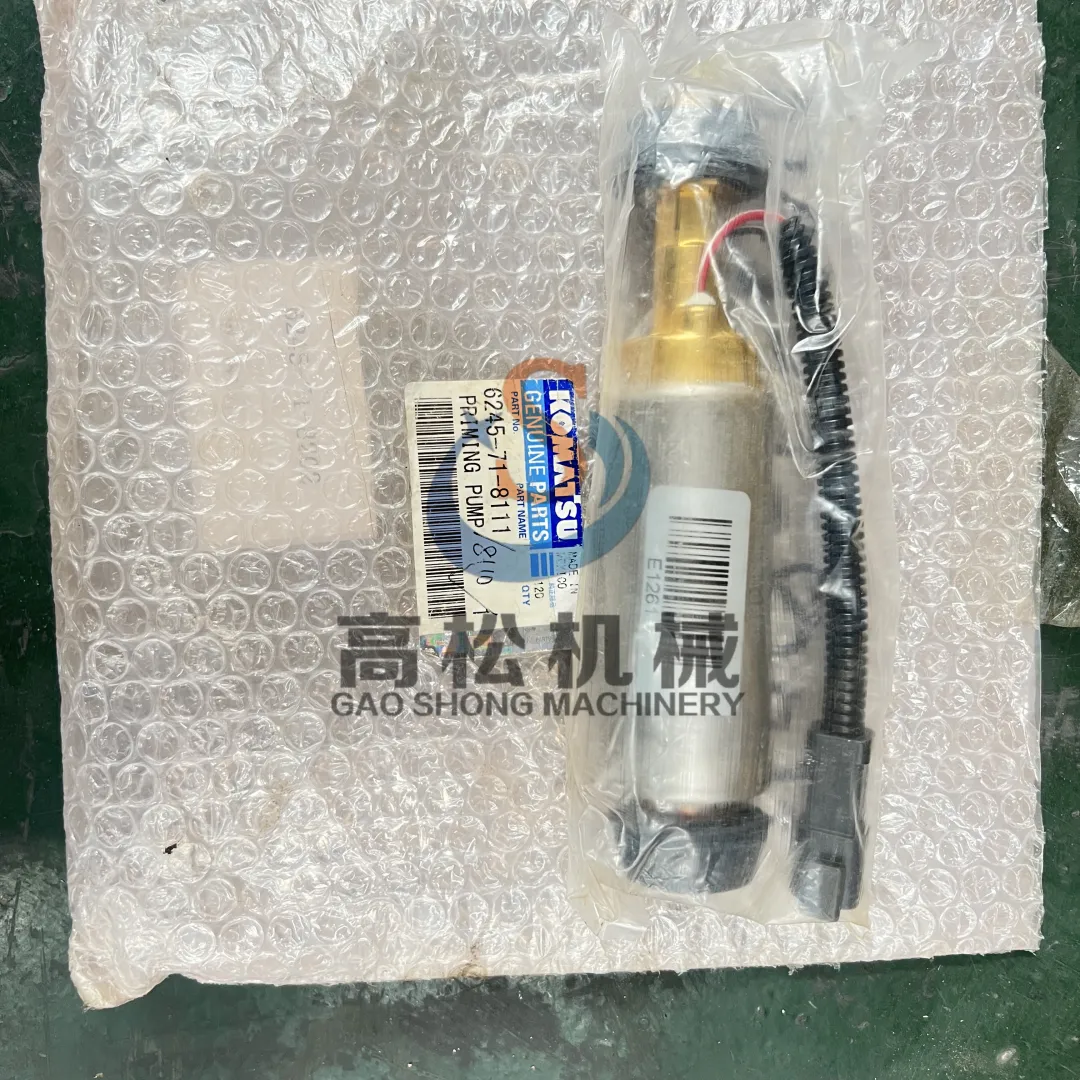 6245-71-8111 Komatsu Pump Assembly, Priming komatsu original
 -
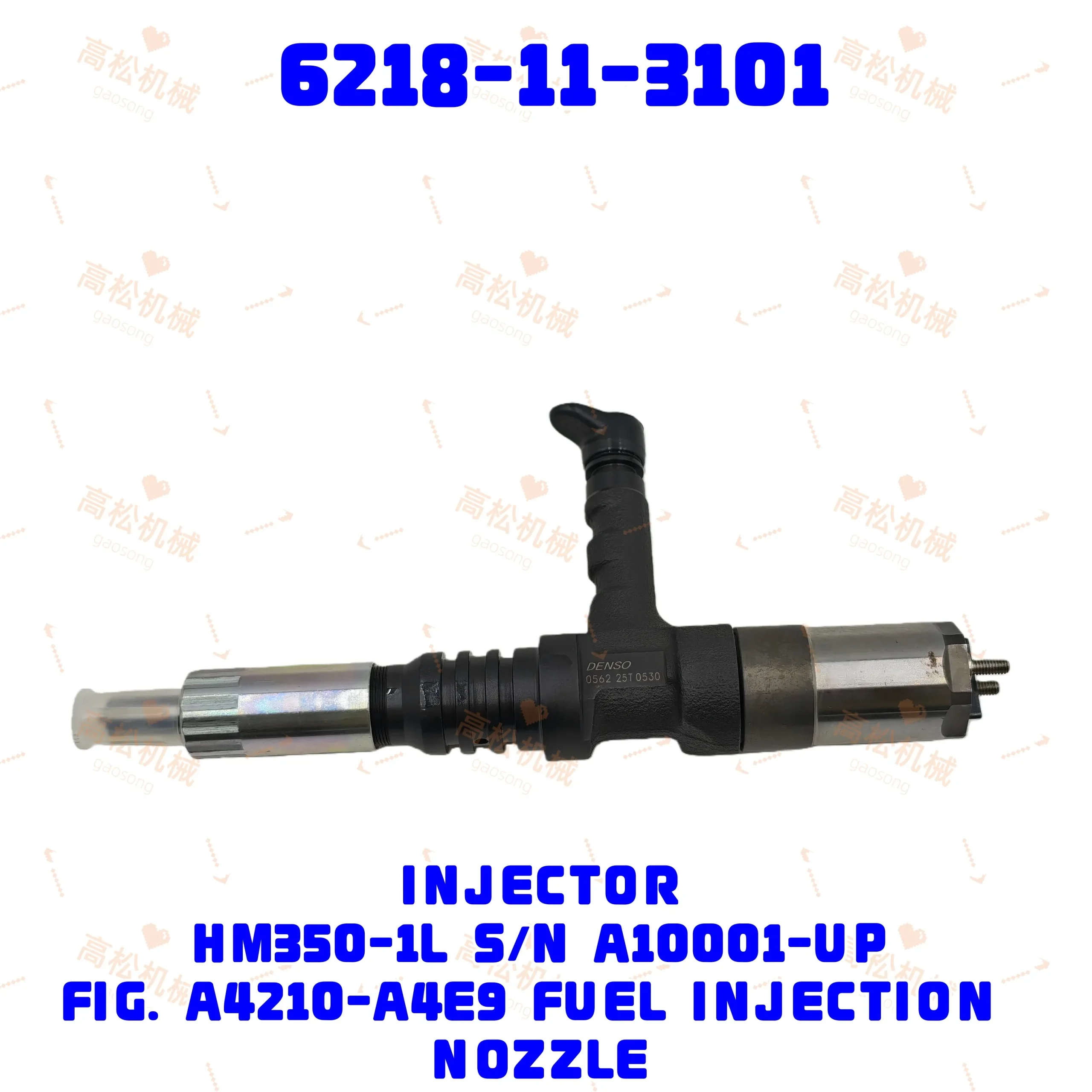 komatsu-part-6218-11-3101 6127-11-3104 6734-11-3110 6732-11-3300 6738-11-3090 6209-11-3100 6743-11-3320 6215-11-3620 6211-12-3520 6211-12-3500 INJECTOR ASS’Y SA6D140E-3J-7 SA6D140E-3CM-7 SA6D140E-3H-7 SA6D140E-3G-7 HM350-1L FUEL INJECTOR FUEL INJECTOR
 -
 14Y-21-13242 Chainsaw Drive Sprocket Kit Alloy Steel 7-Tooth for…
 -
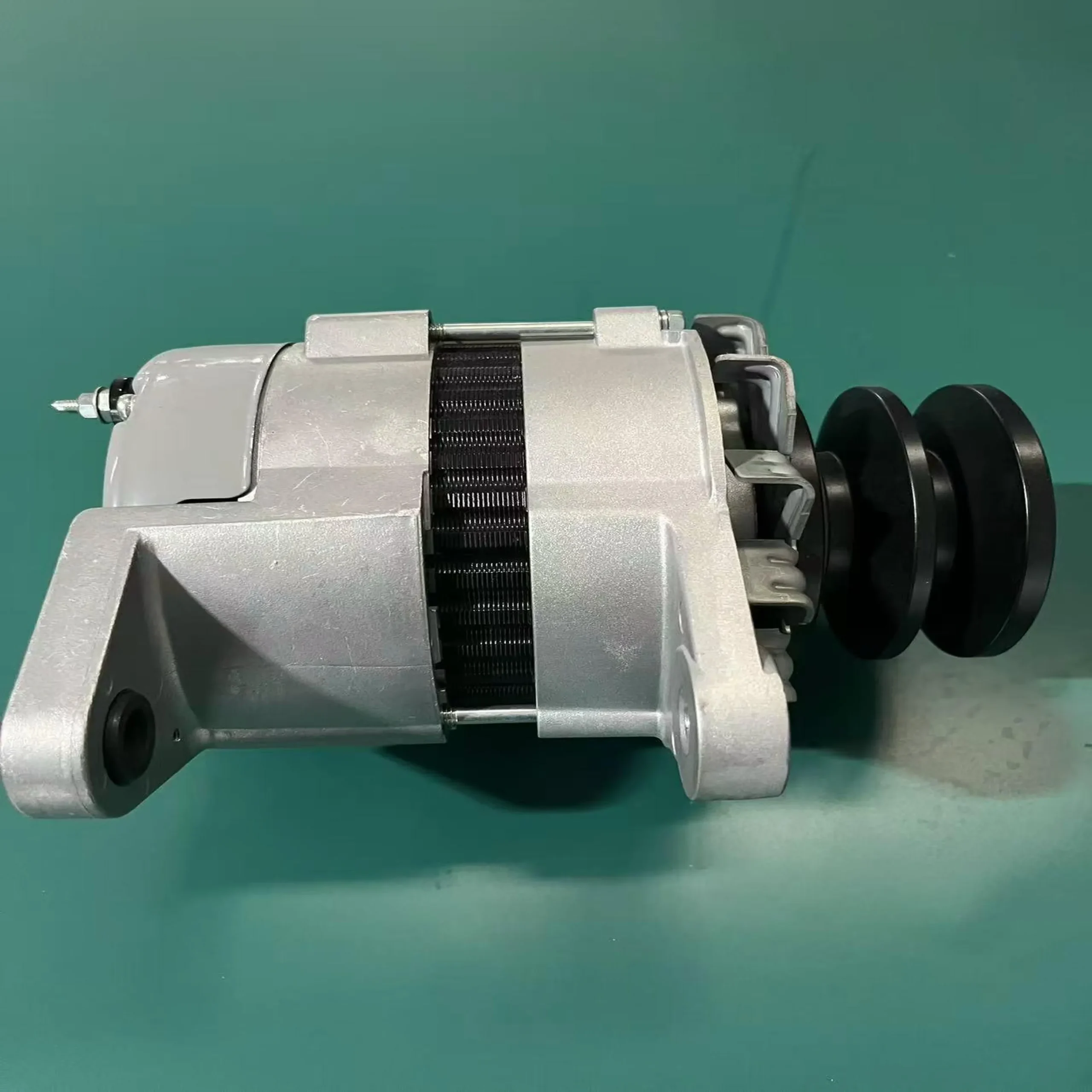 600-825-3151OEG Parts New Alternator Compatible With KOMATSU D65E Crawler & PC130 PC400 EXCAVATOR WA320 LOADER 6008253120, 6008253150, 6008253151, 6008253160, 6008253161, ANK0005, 40050015
 -
707-56-14740 Komatsu D155-3/-5
-
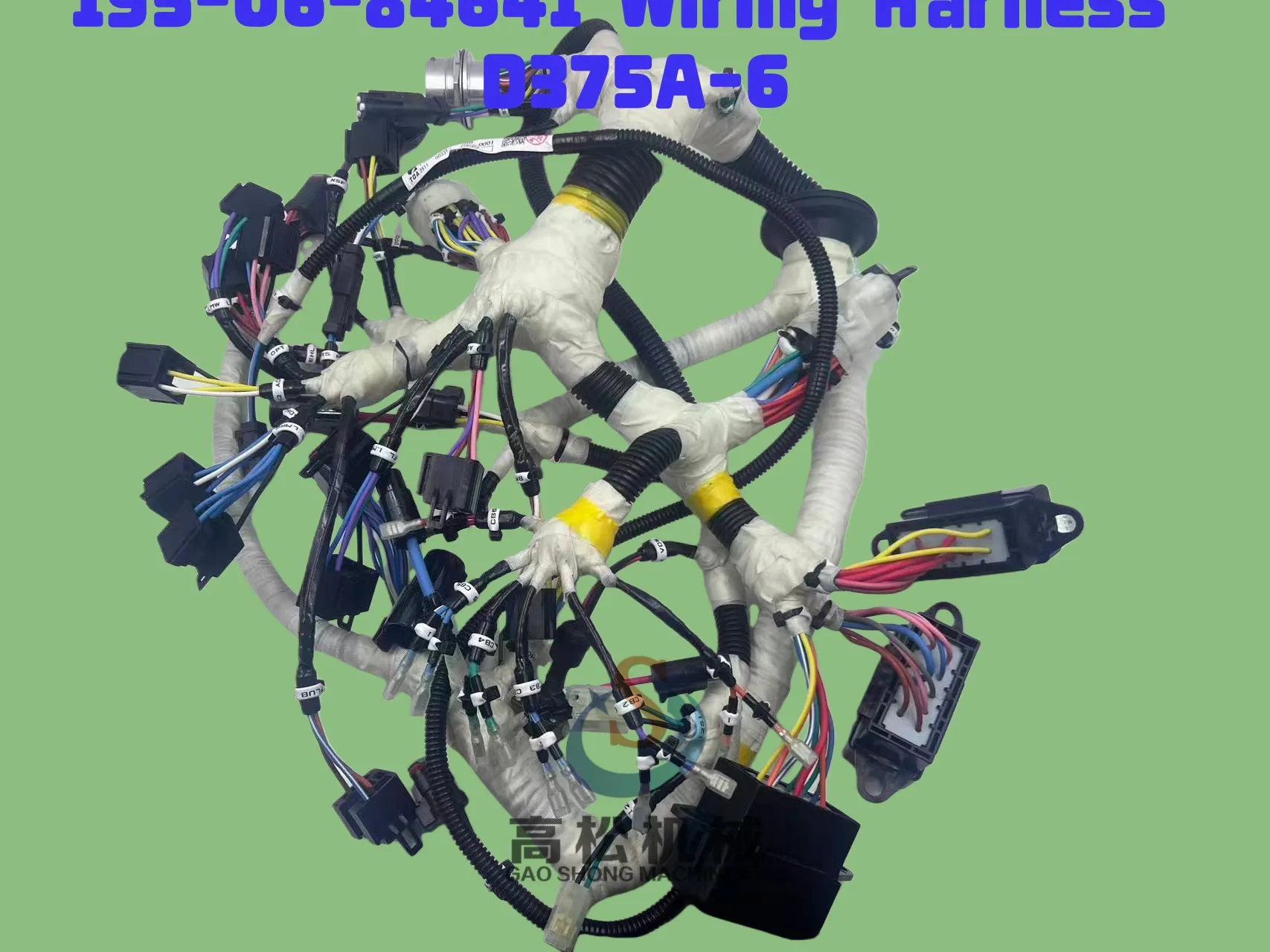 Wiring Harness 195-06-84641 D375A-6 S/N 60001-UP (Extreme Cold Area Arrangement (-40 deg C)) FLOOR FRAME, FUSE BOX AND RELAY
 -
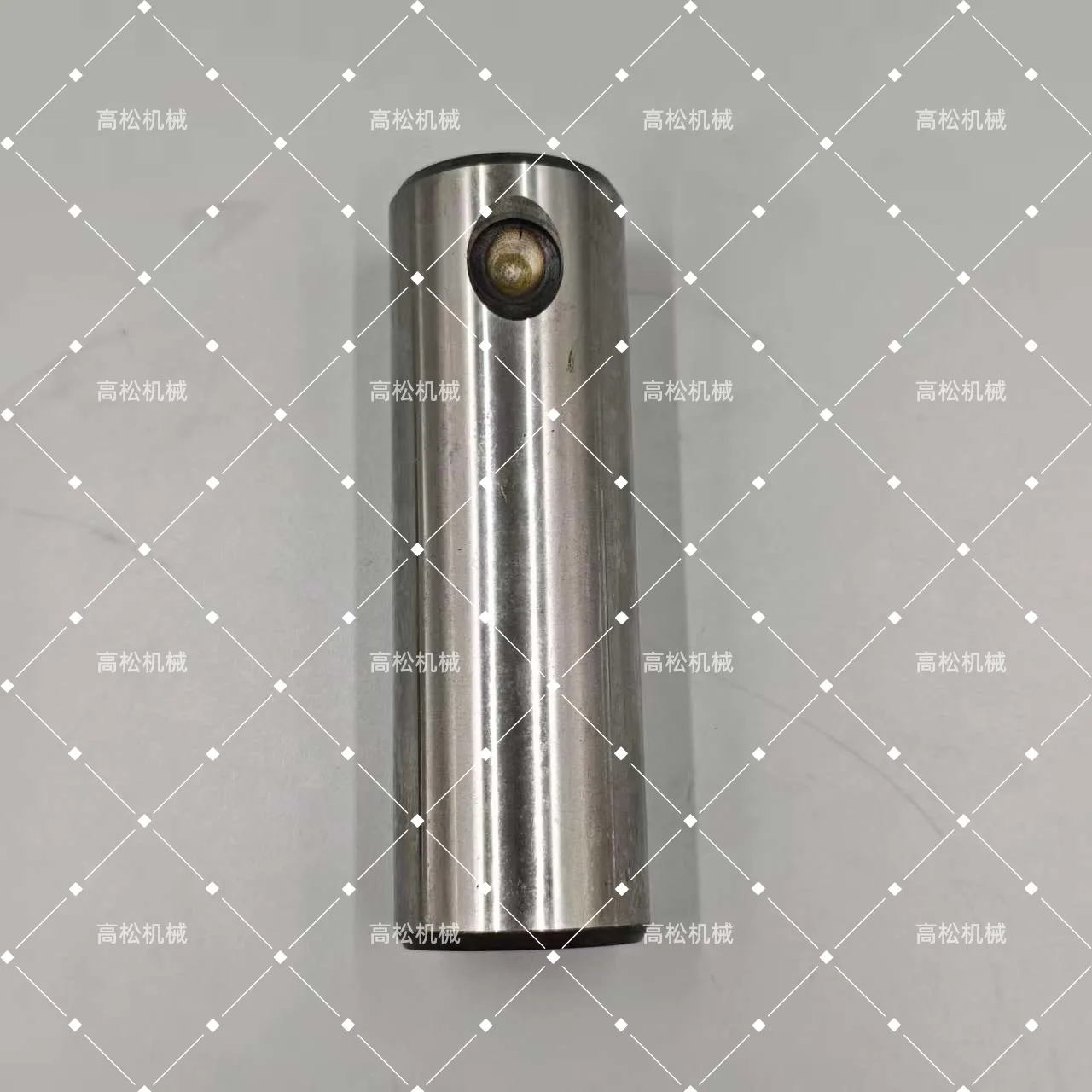 424-22-12510 •• PIN-Komatsu Original Factory
 -
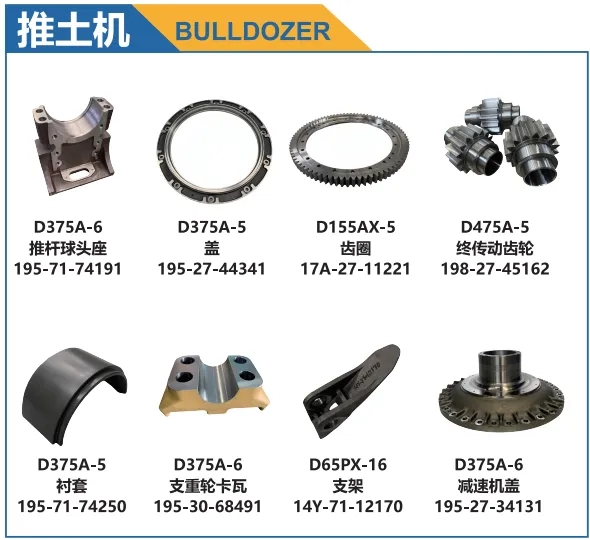 GAOSONG-Komatsu Full Range Parts Supply