
- Chinese
- French
- German
- Portuguese
- Spanish
- Russian
- Japanese
- Korean
- Arabic
- Irish
- Greek
- Turkish
- Italian
- Danish
- Romanian
- Indonesian
- Czech
- Afrikaans
- Swedish
- Polish
- Basque
- Catalan
- Esperanto
- Hindi
- Lao
- Albanian
- Amharic
- Armenian
- Azerbaijani
- Belarusian
- Bengali
- Bosnian
- Bulgarian
- Cebuano
- Chichewa
- Corsican
- Croatian
- Dutch
- Estonian
- Filipino
- Finnish
- Frisian
- Galician
- Georgian
- Gujarati
- Haitian
- Hausa
- Hawaiian
- Hebrew
- Hmong
- Hungarian
- Icelandic
- Igbo
- Javanese
- Kannada
- Kazakh
- Khmer
- Kurdish
- Kyrgyz
- Latin
- Latvian
- Lithuanian
- Luxembou..
- Macedonian
- Malagasy
- Malay
- Malayalam
- Maltese
- Maori
- Marathi
- Mongolian
- Burmese
- Nepali
- Norwegian
- Pashto
- Persian
- Punjabi
- Serbian
- Sesotho
- Sinhala
- Slovak
- Slovenian
- Somali
- Samoan
- Scots Gaelic
- Shona
- Sindhi
- Sundanese
- Swahili
- Tajik
- Tamil
- Telugu
- Thai
- Ukrainian
- Urdu
- Uzbek
- Vietnamese
- Welsh
- Xhosa
- Yiddish
- Yoruba
- Zulu
- Kinyarwanda
- Tatar
- Oriya
- Turkmen
- Uyghur






OEM AND ORIGINAL KOMATSU FILTER ASSY 209-60-79100
When you see a part number like , especially with the terms 'OEM' and 'Original' slapped on it, the immediate assumption is clarity. But in the field, that's where the confusion often starts. I've seen too many guys—good mechanics—order what they think is the genuine Komatsu filter assembly for, say, a PC300 or similar mid-size excavator hydraulic system, only to get a box that looks right but feels... off. The core issue isn't just counterfeits; it's the murky space between system-supplied OEM parts and what the market often labels as 'original'. This filter assy is a perfect case study.
The Part Itself: More Than Just a Canister
Let's break down . It's not just a spin-on filter. It's an assembly, which typically includes the housing, the filter element itself, seals, and sometimes mounting hardware. For Komatsu machines, this is critical for maintaining hydraulic purity. The OEM specification isn't just about filtration rating—it's about the bypass valve pressure, the anti-drain back valve function, and the burst pressure of the canister. A mismatch here doesn't just mean slightly dirtier oil; it can lead to cavitation, pump wear, and catastrophic system failure down the line. I've pulled apart aftermarket versions where the spring in the bypass valve was a different grade, opening too early under cold start conditions. The machine would run, but the protection was gone.
This is where a supplier's position within the Komatsu ecosystem matters. A company like Jining Gaosong Construction Machinery Co., Ltd. explicitly states they are an OEM product supplier within the Komatsu system. In practice, this should mean they have access to the same supply chain that produces the filters Komatsu puts in their factory crates. It's different from a generic parts reseller. Their role, as noted on their site takematsumachinery.com, in solving parts supply challenges in certain regions speaks directly to the logistical nightmare of getting true OEM parts to every jobsite on time.
I remember a project in a remote area where we had a PC360-8 down waiting for this exact filter. The local supplier had a 'compatible' unit. It threaded on, but the port threads were machined to a slightly different tolerance, leading to a seep we didn't catch immediately. Two days later, we had a major leak and contamination. The downtime cost eclipsed the price difference ten times over. That's the hidden cost of 'close enough'.
OEM Within the System vs. The Aftermarket Free-for-All
The term 'OEM' gets thrown around loosely. True OEM for Komatsu means the part is made by Komatsu or a contracted manufacturer to Komatsu's exact design and material specs, often with the Komatsu logo and part number laser-etched or stamped. The 'original' in the keyword suggests this. However, many third-party companies manufacture to the same dimensional spec but with material substitutions. They might call it 'OEM-quality' or 'OEM-equivalent', which is marketing, not engineering.
Jining Gaosong's claim is specific: they are an OEM supplier within the system and a third-party sales company. This dual role is interesting. It implies they can supply the true system-OEM part (likely without the Komatsu box in some cases, depending on agreements) but also operate independently to fill gaps. For a filter like the , this could be the difference between getting a part with the correct micro-glass media and synthetic rubber seals versus one with cellulose media and nitrile. The former handles higher temperatures and longer intervals.
We tested this once, sourcing the same part number from three different channels: the Komatsu dealer, a known aftermarket brand, and a system-OEM supplier like the type described. The dealer unit was, of course, perfect. The aftermarket filter showed a 15% higher pressure drop when new on our test rig. The system-OEM unit? Performance was identical to the dealer part, but the packaging was plain white box. That's the reality of the supply chain. The website takematsumachinery.com essentially formalizes this gray-but-necessary channel.
Identifying the Real Deal: Field Checks and Trust
You can't run a spectrometry test in the field. So how do you judge? First, look for the fine details. A genuine or proper system-OEM Komatsu filter assy will have crisp, clean stamping on the metal housing. The paint is even and resistant to solvents. The rubber gasket is pliable but firm, often a specific shade of blue or black, and comes coated with a thin film of silicone, not just bagged dry. The filter media, if you can see the pleats through the ports, is evenly spaced and tight.
Second, and this is crucial, trust comes from the supplier's transparency. A supplier that explains their position in the supply chain, rather than just shouting 'genuine!', is more credible. When a company states they help solve supply challenges in certain countries, they're acknowledging the broken logistics that force many to use inferior parts. They're positioning themselves as the solution to that specific problem. It’s a more honest starting point for a conversation.
I've had better luck with suppliers who can tell me the manufacturing batch or source factory, even if it's not Komatsu-branded, than with those who just guarantee 'fit'. For a critical hydraulic filter, fit is the bare minimum; function is everything.
The Cost-Benefit Equation in Practice
Everyone wants to save money. But the calculus for a filter assembly is different than for, say, a step plate. A failed filter can take out a main pump, which costs tens of thousands. The price premium for a verifiable system-OEM part versus a generic is insurance. The value of a supplier like Jining Gaosong is they might offer that insurance at a point between the high dealer price and the risky aftermarket discount.
In one fleet management trial, we standardized our filter source for all Komatsu equipment to a single system-OEM supplier (not this one specifically, but a similar entity). We tracked fluid analysis reports over 12 months. The key metric—silicon count (indicating seal wear) and particle counts—stayed remarkably stable and within spec longer than when we used a mix of 'compatible' brands. This directly translated to extended oil change intervals on some components, paying back the upfront part cost difference.
The failure mode is slow. You won't see an immediate explosion. You'll see gradual increases in operating temperature, maybe a little less responsiveness from the hydraulics, and then a major component gives out at the worst possible time. Sourcing the right is preventative maintenance in the truest sense.
Conclusion: Navigating the Label
So, back to the keyword: 'OEM AND ORIGINAL KOMATSU FILTER ASSY '. It's a search term born out of need and frustration. The buyer is looking for authenticity but is likely swimming in a sea of ambiguous listings. The takeaway isn't to only buy from Komatsu dealers—that's not always feasible due to cost or geography. The takeaway is to identify suppliers who are embedded in the technical supply chain, not just the retail one.
Companies that define themselves as part of the OEM system, like Jining Gaosong Construction Machinery Co., Ltd. as per their online presence, represent a specific tier of supplier. They are worth engaging with, asking pointed questions about origin and specifications for the filter. Their stated mission on takematsumachinery.com to solve supply challenges aligns with a major pain point in the industry.
Ultimately, for this part number, the goal is to get the performance Komatsu engineered, not just a piece that screws on. That requires moving beyond the keywords and into the specifics of the supply channel. The right supplier provides not just the part, but the confidence that comes with it. And in this business, confidence is what keeps machines—and projects—running.
Related Products
Related Products

Best Selling Products
Best Selling Products-
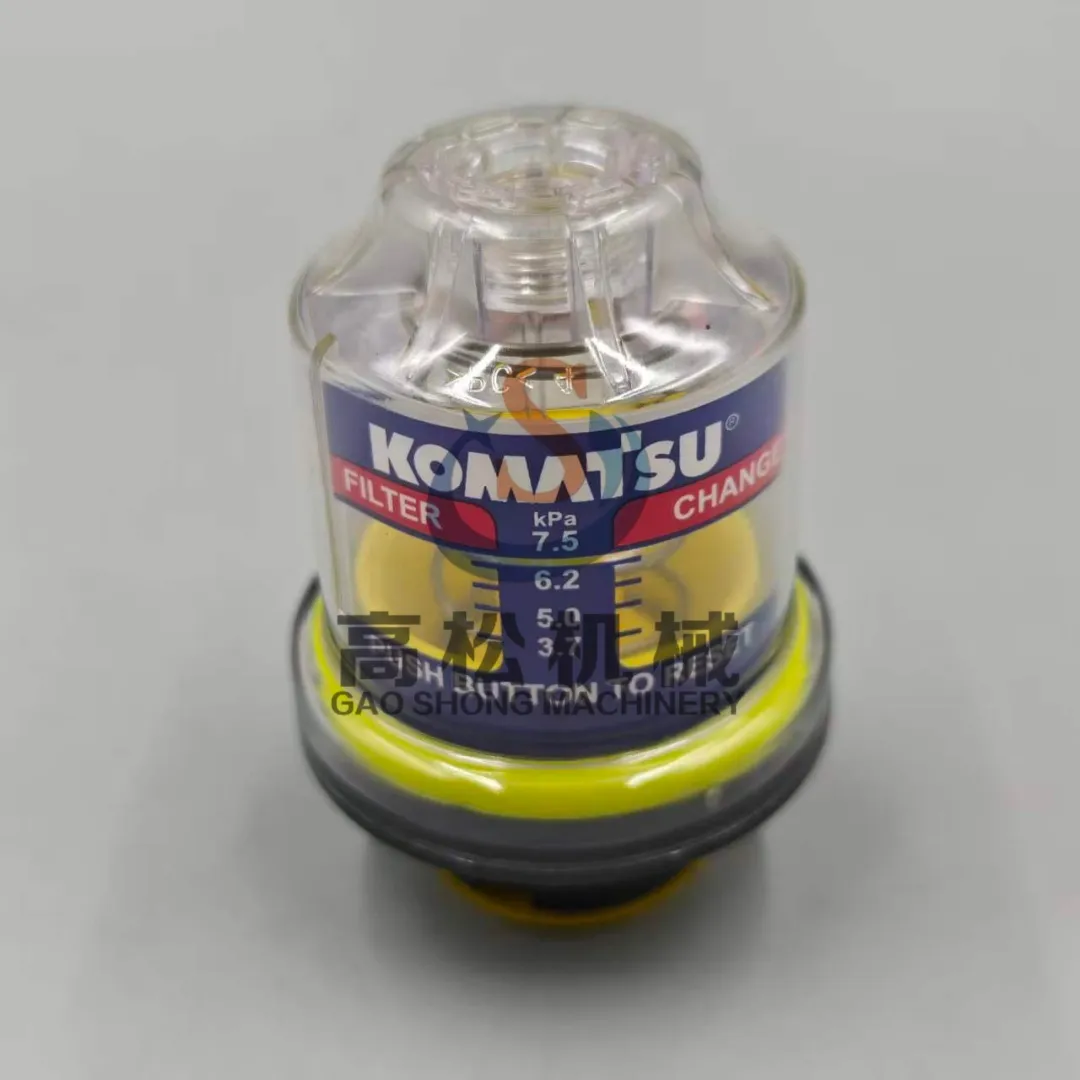 08672-01000 Indicator for D155A D155AX D275A D375A
 -
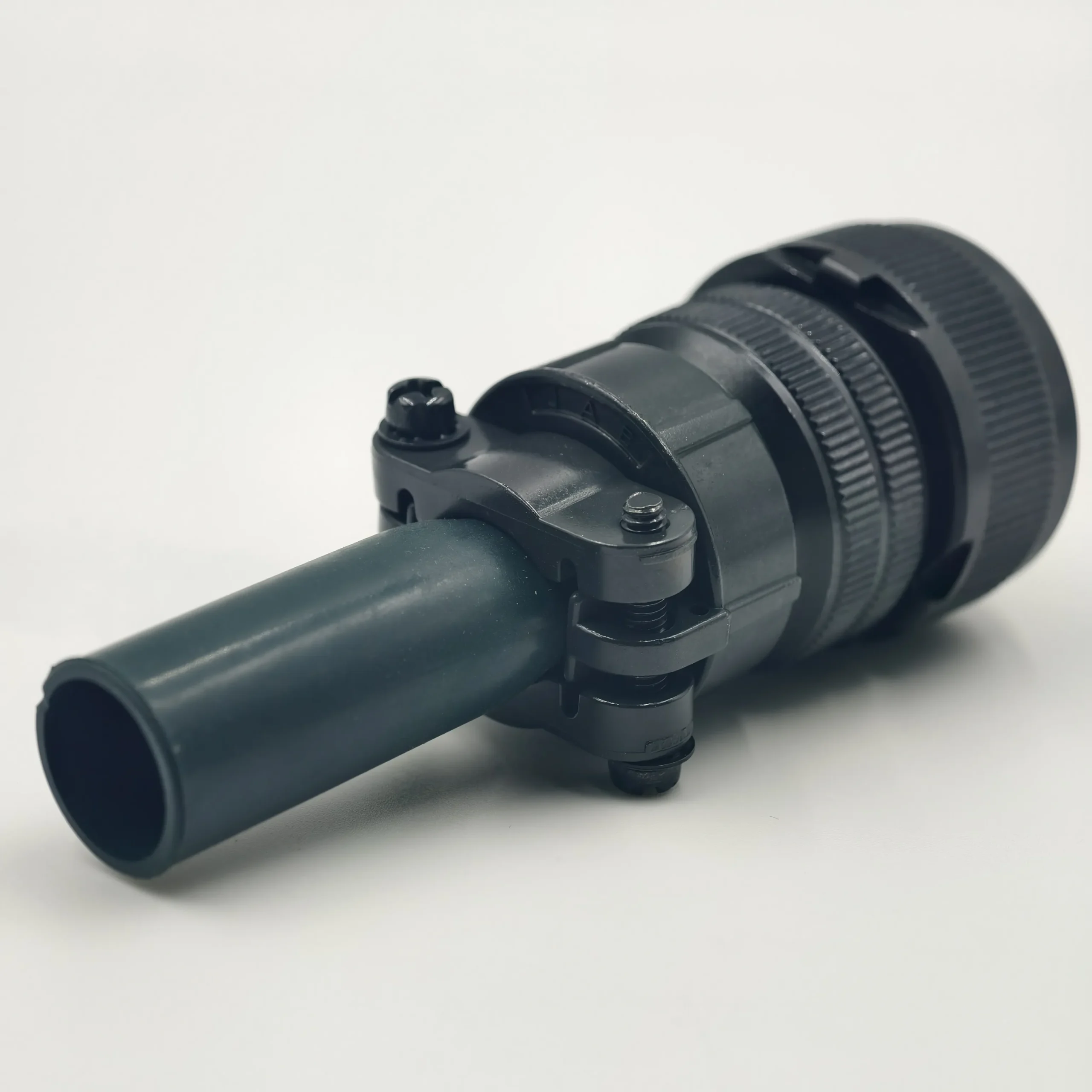 Komatsu PC1250 PLUG 175-06-37871 Original Parts
 -
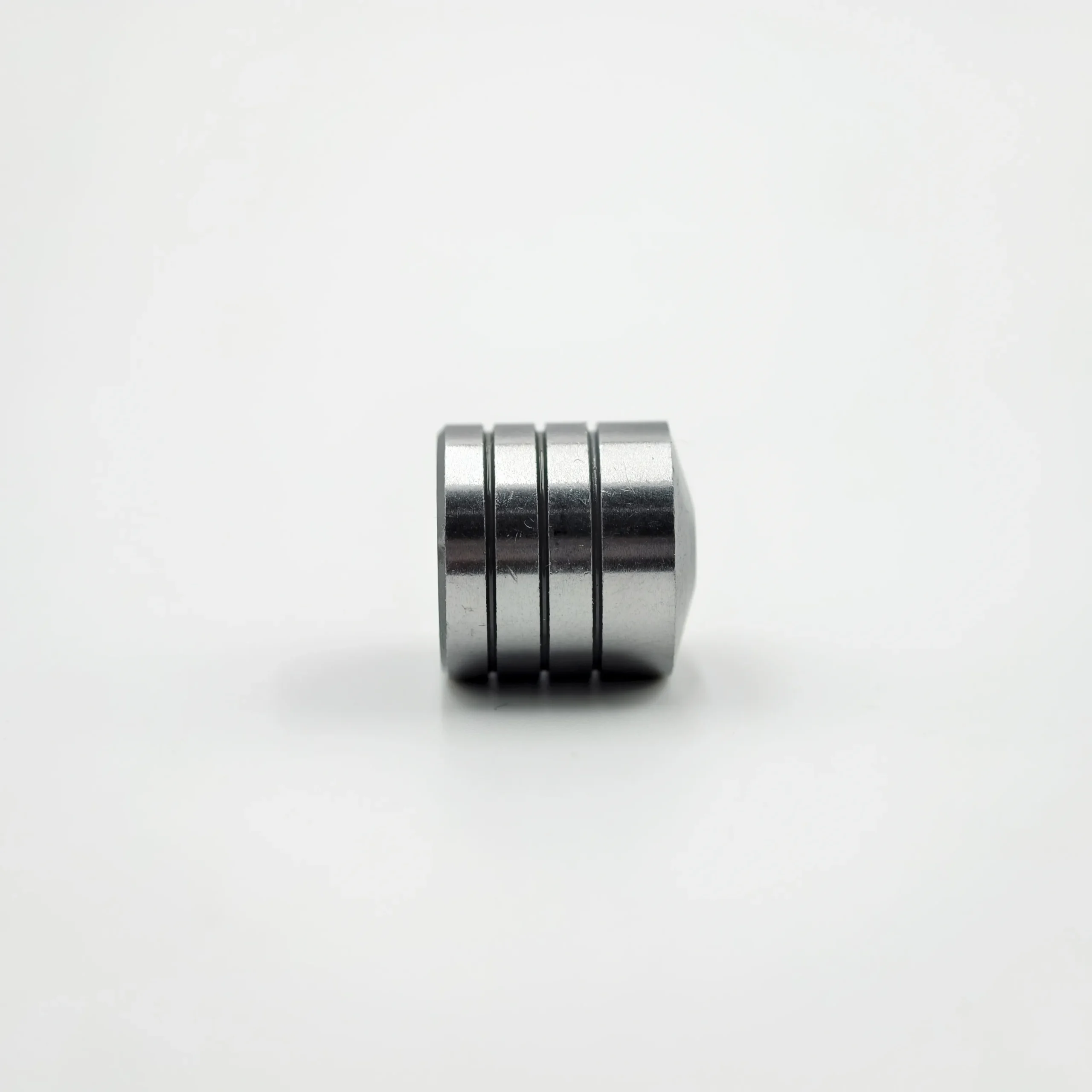 104-15-25480• VALVE Komatsu Original Factory
 -
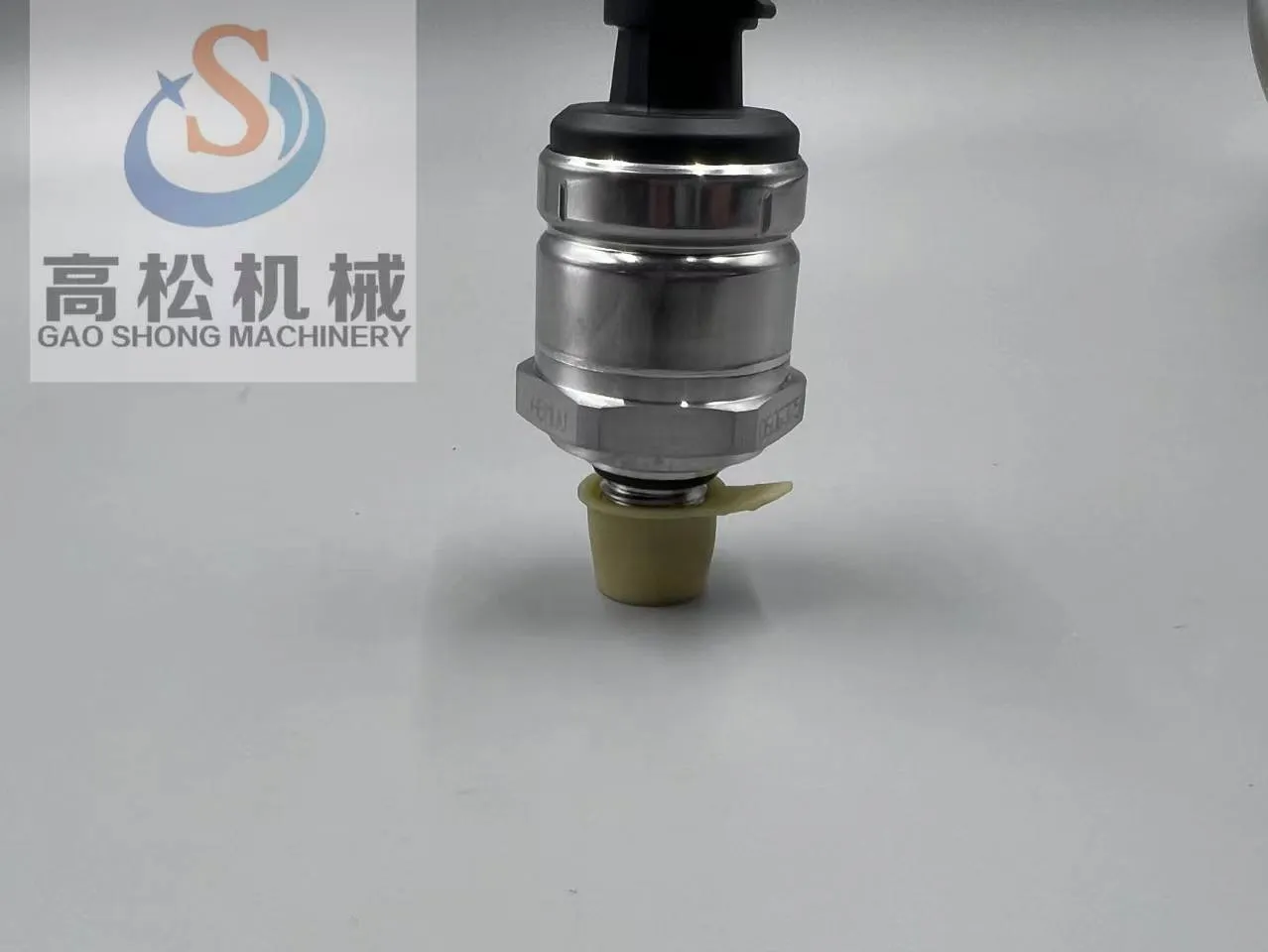 New fuel adjustment sensor sa6d170e-3 6560-51-6201 for komatsu heavy machinery spare parts
 -
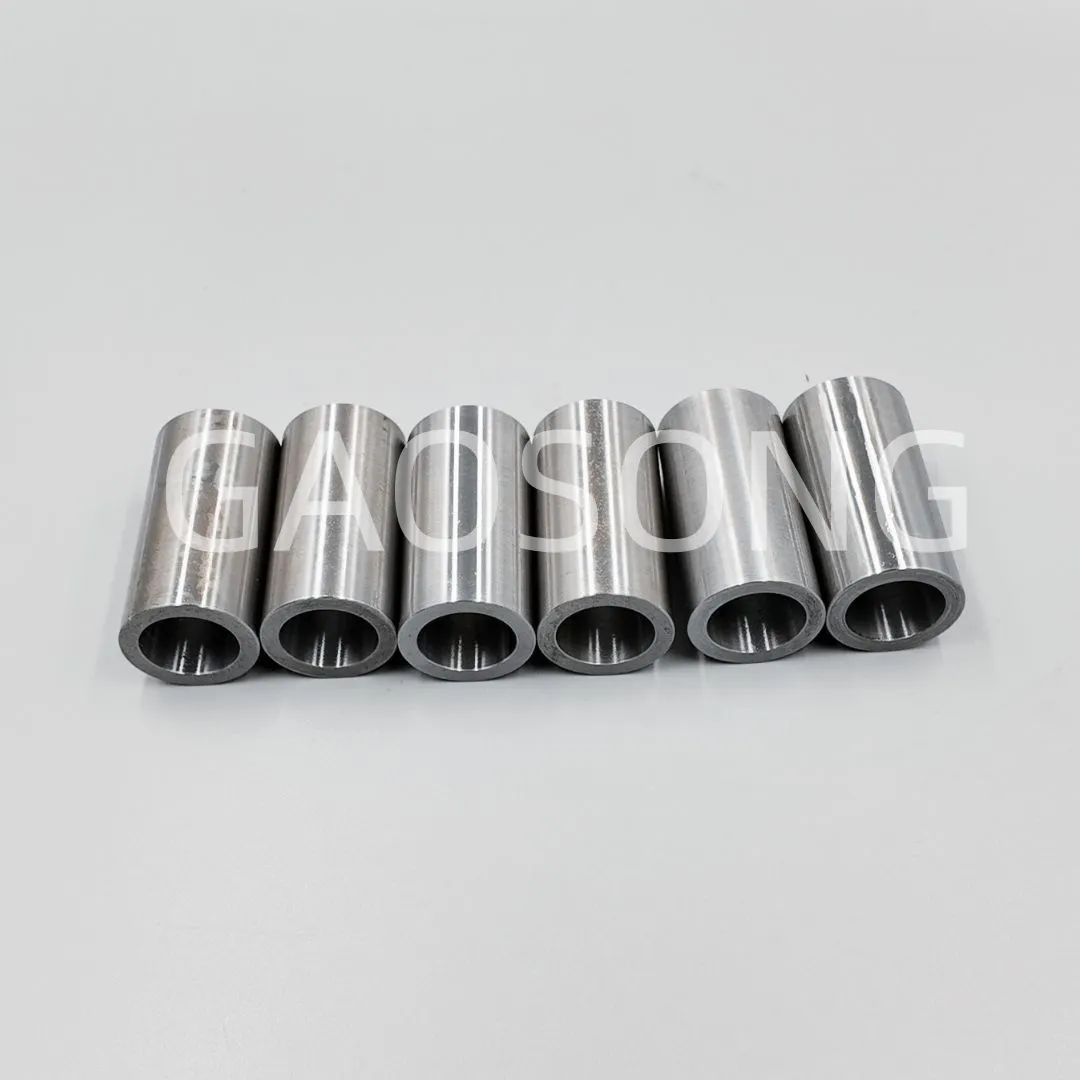 566-54-21910 BUSHING–Komatsu Original Factory
 -
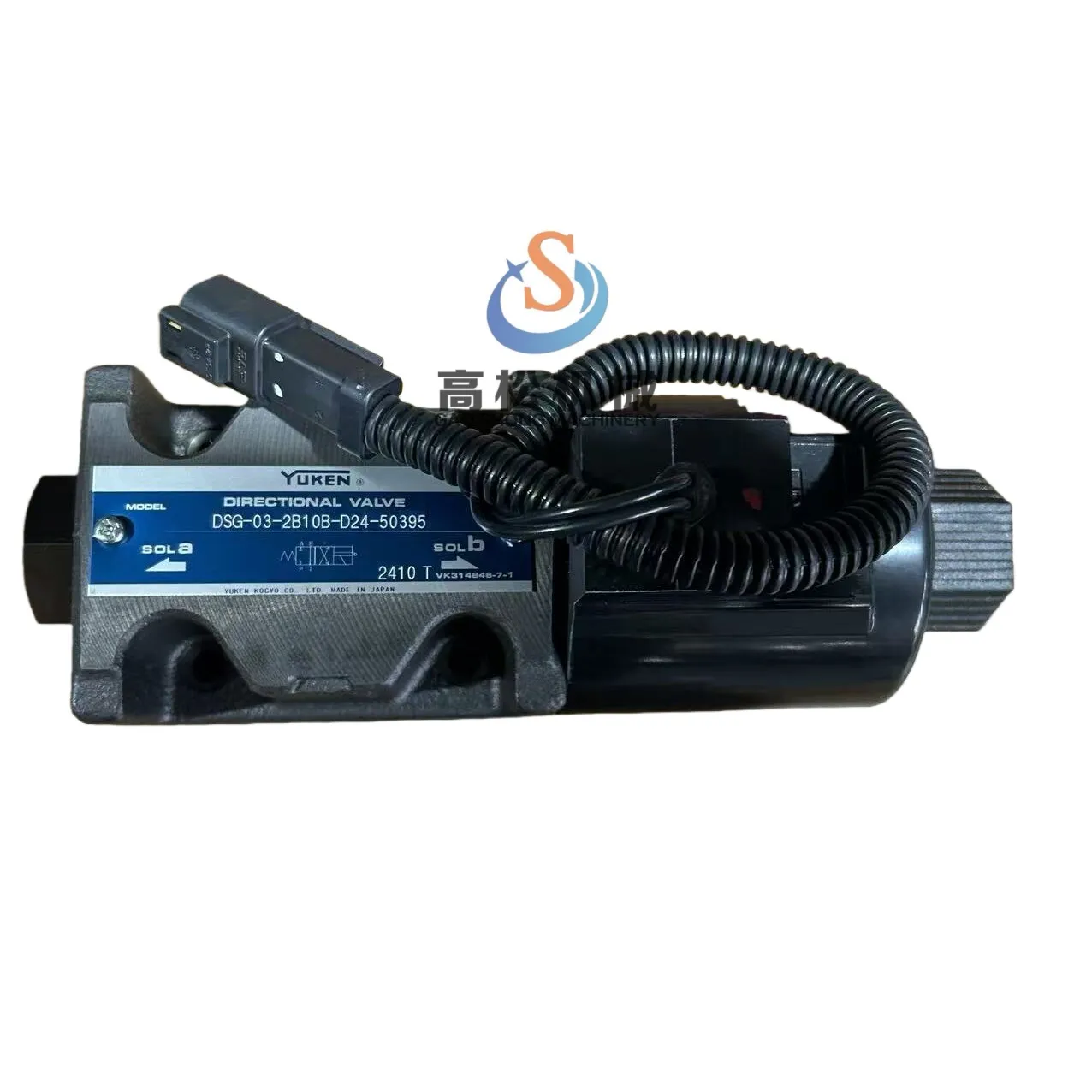 SOLENOID VALVE 561-43-8A881 HD785-7 BRAKE PIPING (PARKING BRAKE VALVE) Solenoid Valve For Komatsu Dump Truck HD785 561-43-8A881 561438A881
 -
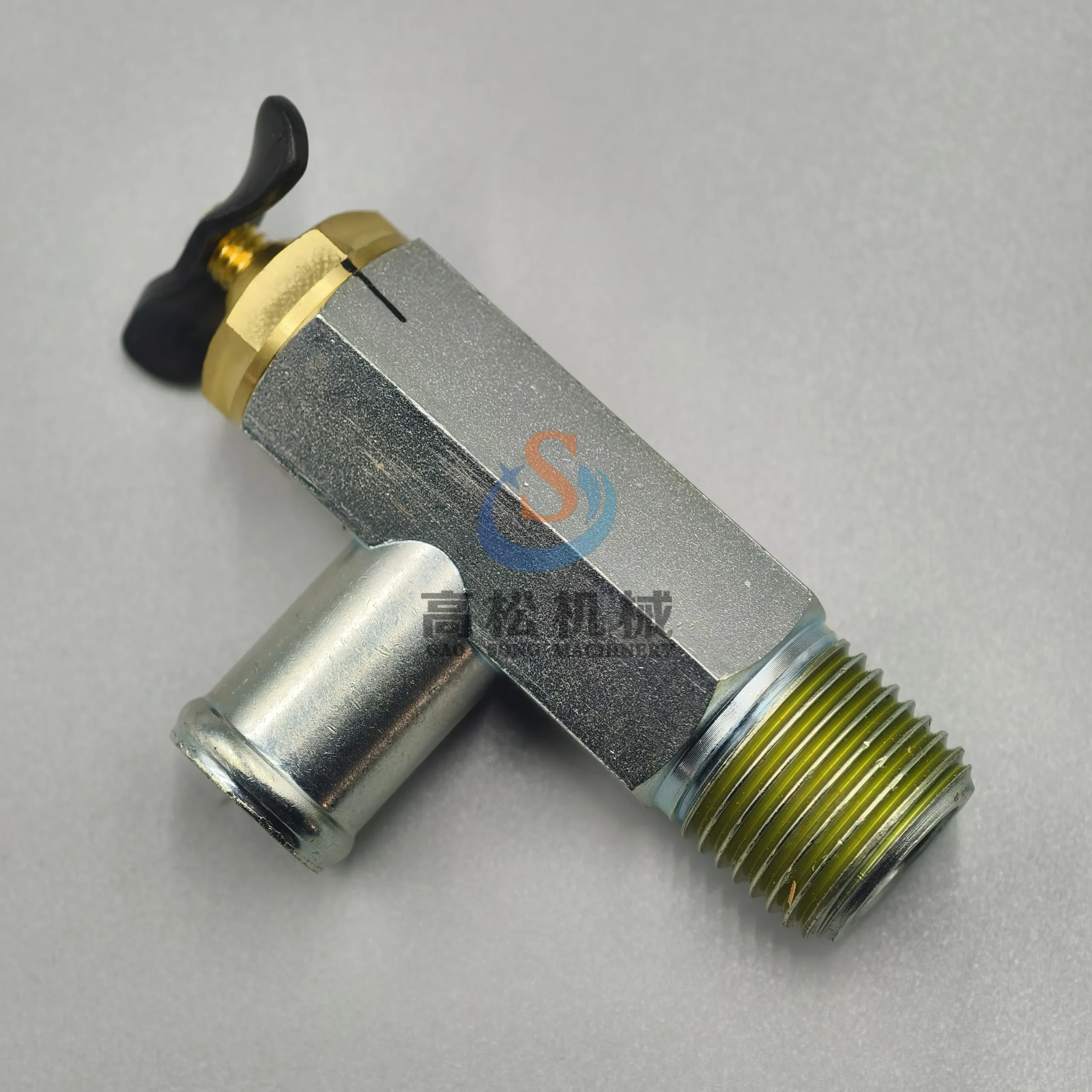 09482-10000 komatsu vavle-D275A/PC750/WA800
 -
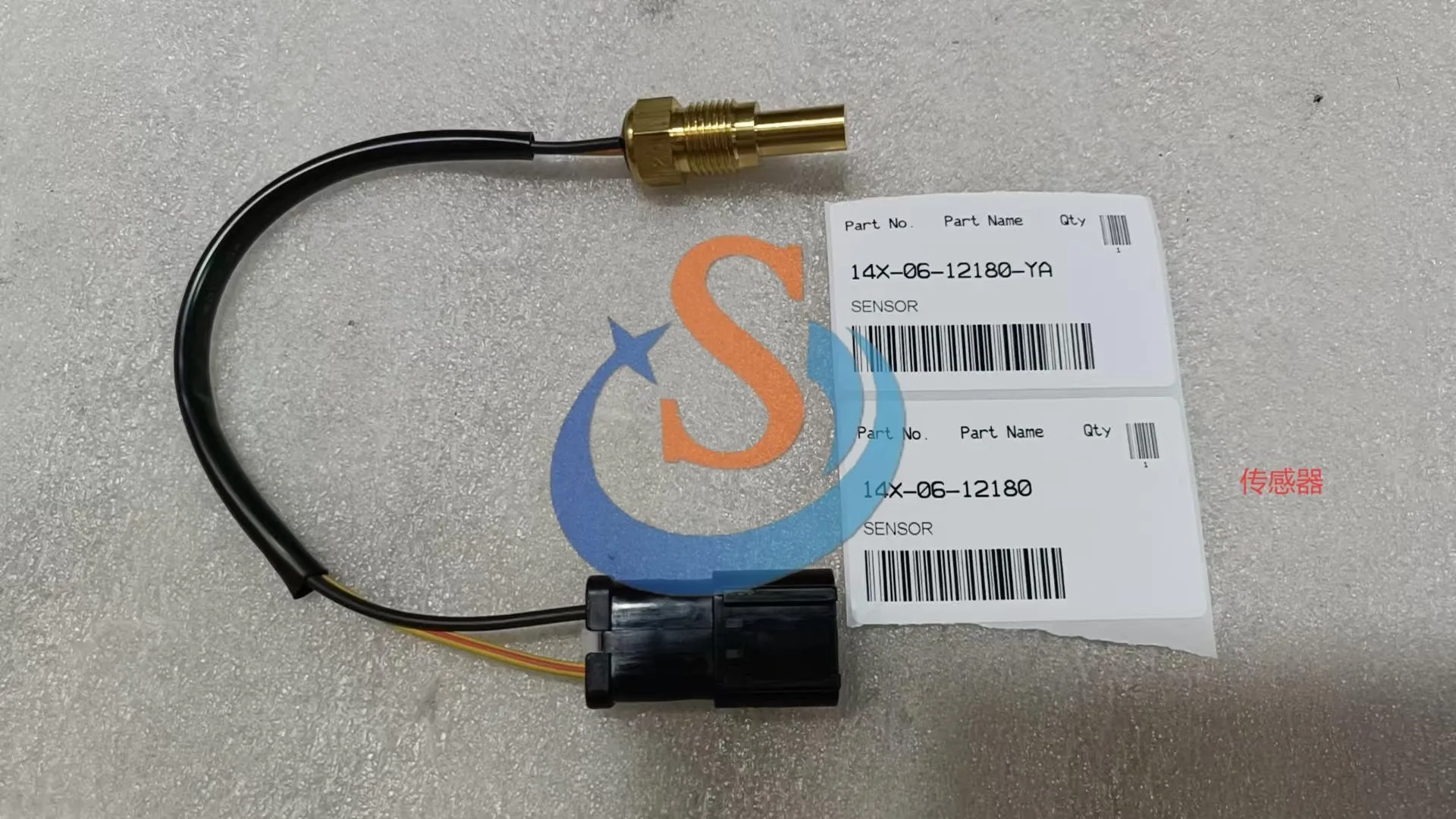 14X-06-12180 SENSOR D65/D85/D155A
 -
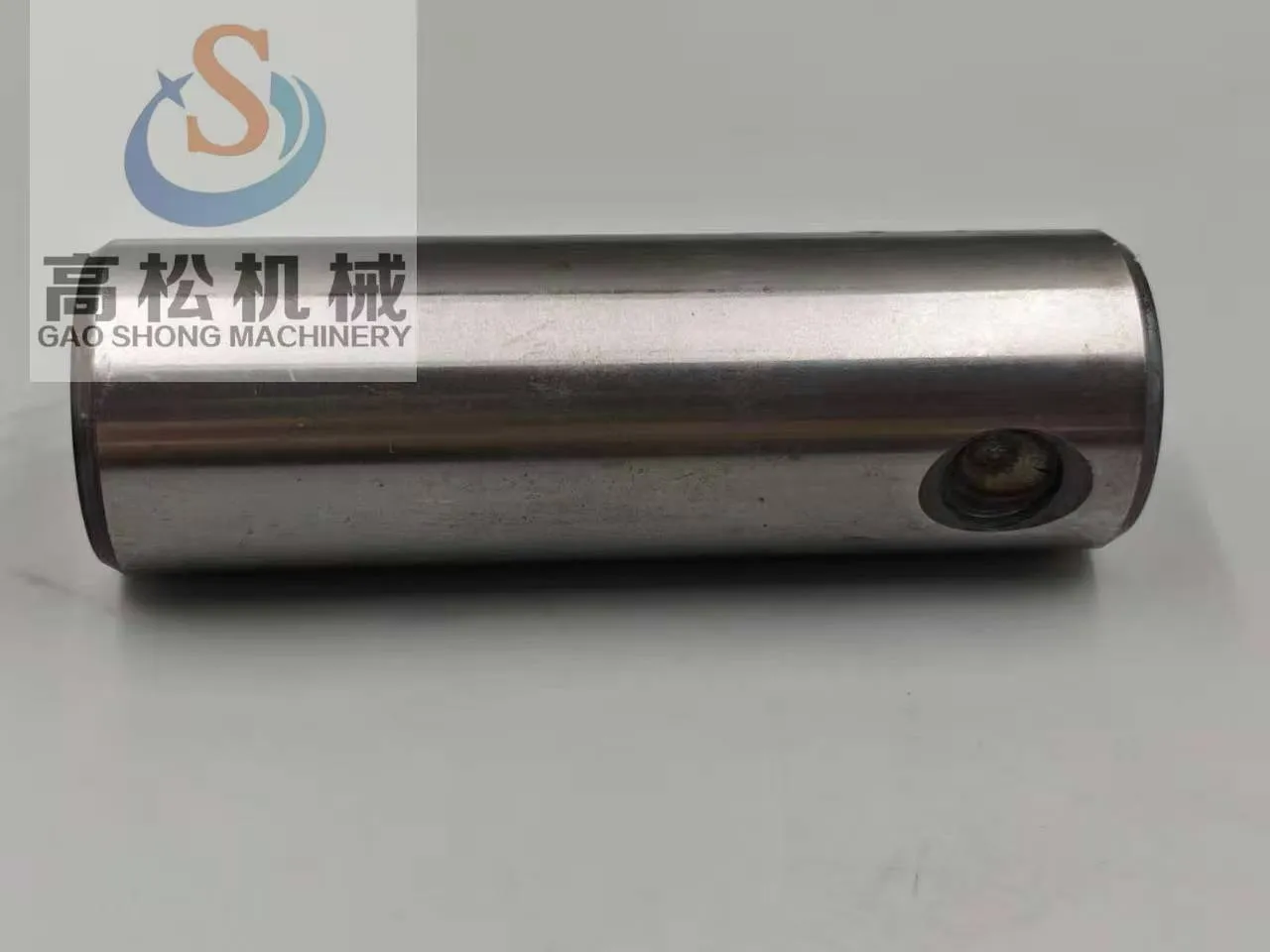 Supply excavator accessories PC1250-11 pin 21N-26-33240
 -
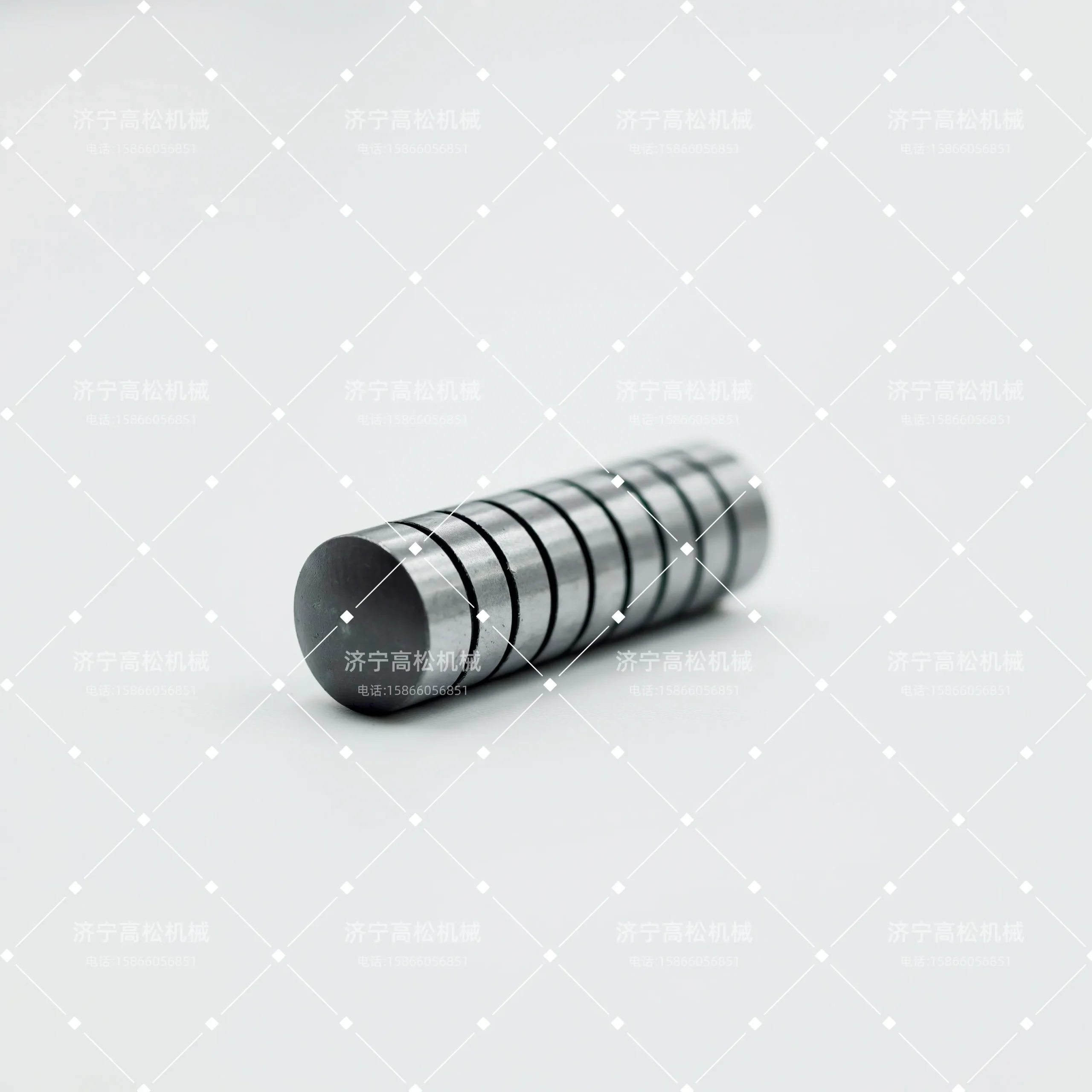 19M-40-11160 Komatsu PISTON
 -
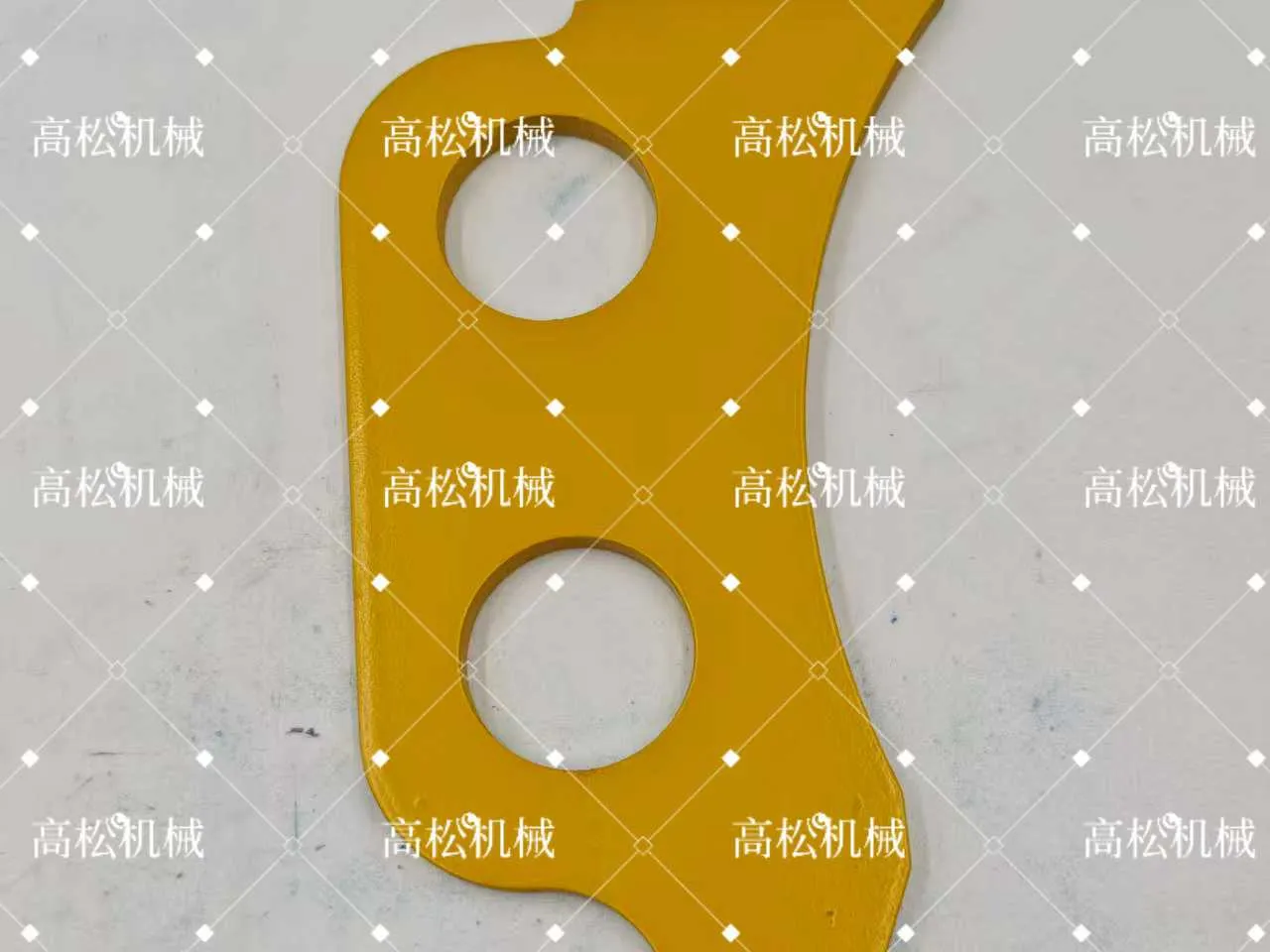 Komatsu Part No. 195-71-74260, Applicable Model: D375A-5, Genuine Komatsu Part
 -
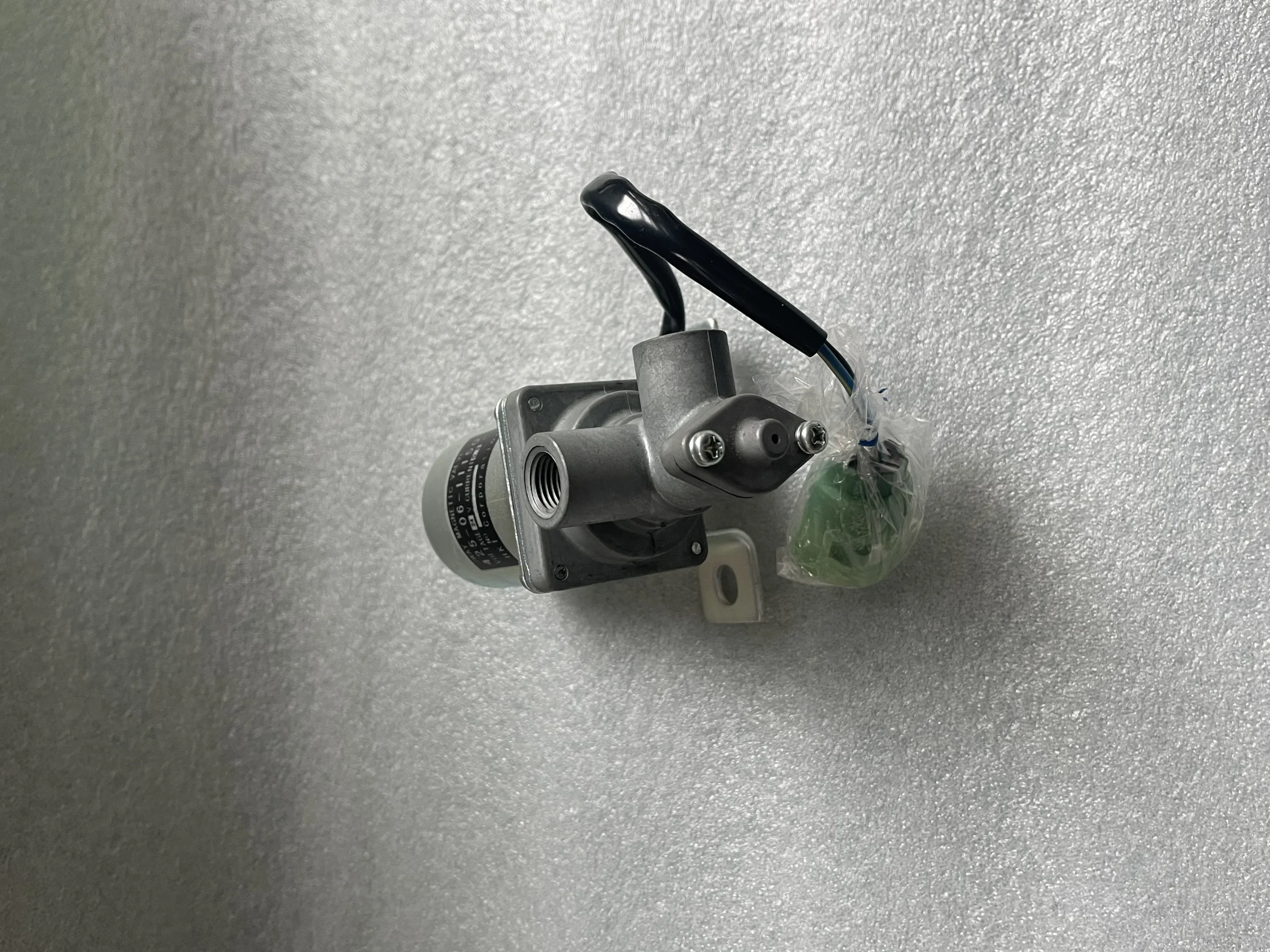 Original New VALVE SOLENOID 425-06-11150 MAGNETIC VALVE for Komatsu GD825A-2E0 WA500-1 WA700-1