
- Chinese
- French
- German
- Portuguese
- Spanish
- Russian
- Japanese
- Korean
- Arabic
- Irish
- Greek
- Turkish
- Italian
- Danish
- Romanian
- Indonesian
- Czech
- Afrikaans
- Swedish
- Polish
- Basque
- Catalan
- Esperanto
- Hindi
- Lao
- Albanian
- Amharic
- Armenian
- Azerbaijani
- Belarusian
- Bengali
- Bosnian
- Bulgarian
- Cebuano
- Chichewa
- Corsican
- Croatian
- Dutch
- Estonian
- Filipino
- Finnish
- Frisian
- Galician
- Georgian
- Gujarati
- Haitian
- Hausa
- Hawaiian
- Hebrew
- Hmong
- Hungarian
- Icelandic
- Igbo
- Javanese
- Kannada
- Kazakh
- Khmer
- Kurdish
- Kyrgyz
- Latin
- Latvian
- Lithuanian
- Luxembou..
- Macedonian
- Malagasy
- Malay
- Malayalam
- Maltese
- Maori
- Marathi
- Mongolian
- Burmese
- Nepali
- Norwegian
- Pashto
- Persian
- Punjabi
- Serbian
- Sesotho
- Sinhala
- Slovak
- Slovenian
- Somali
- Samoan
- Scots Gaelic
- Shona
- Sindhi
- Sundanese
- Swahili
- Tajik
- Tamil
- Telugu
- Thai
- Ukrainian
- Urdu
- Uzbek
- Vietnamese
- Welsh
- Xhosa
- Yiddish
- Yoruba
- Zulu
- Kinyarwanda
- Tatar
- Oriya
- Turkmen
- Uyghur






OEM AND ORIGINAL KOMATSU ELEMENT 207-26-73150
Let's cut straight to it. When you see 'OEM AND ORIGINAL KOMATSU ELEMENT ' in a parts listing, what's your first thought? For many, it's confusion, and honestly, that's fair. In this business, those terms get thrown around so loosely they've almost lost meaning. I've seen buyers pay a premium for a box stamped with the Komatsu logo, only to find the internal filter media is subpar, failing way before the genuine part would. The key isn't just the label; it's understanding the supply chain behind it. A true OEM part for Komatsu doesn't just fit; it's manufactured to the exact material specs, pressure tolerances, and performance curves that Komatsu's engineers signed off on. The is a perfect case study—a critical hydraulic or fuel element for several mid-range excavators. The aftermarket is flooded with copies, but the failure pattern is always the same: increased particulate bypass, leading to accelerated pump wear. That's the hidden cost.
The OEM Reality Within the Komatsu System
Here's where it gets practical. Being an OEM supplier inside Komatsu's network, like the role Jining Gaosong plays, isn't about slapping a label on a generic part. It's about being part of a certified production stream. For an element like the , it means the pleat count, the end cap adhesive, the bypass valve spring rate—all of it is documented and auditable. I've visited factories that supply both the official line and the so-called OEM-quality aftermarket. The difference often comes down to batch testing frequency and the rejection rate for marginal units. The original Komatsu element will have a tighter statistical process control. The third-party sales arm of a company like Gaosong exists precisely because accessing this official channel directly can be a logistical nightmare in certain regions, creating those parts supply challenges they mention.
I recall a project in Southeast Asia where we had a fleet of PC300s all using aftermarket Komatsu elements. We started seeing erratic hydraulic response. Swapped out valves, checked pumps—the usual costly diagnostics. Finally, on a hunch, we tore down one of the aftermarket filters and compared it to a genuine we air-freighted in. The difference in the filter paper's resin treatment was visible; the aftermarket one was almost chalky. It was degrading and shedding micro-fibers into the system. That was a $15,000 lesson in component-level causation. The machine downtime cost far outweighed the savings on the filter.
So, when a supplier says they are an OEM product supplier within the Komatsu system, you need to drill down. Do they have the documentation for the specific part number? Can they trace the production batch? For a critical wear item like this, that traceability is your insurance. It's not just paperwork; it's a record of the material pedigree.
Decoding Original – More Than a Part Number
Original implies it came from Komatsu's own parts distribution. But in the real world, the line blurs. A part produced by an authorized OEM factory on Tuesday might be packaged for Komatsu's global network. On Wednesday, the same production line might run the same spec part, but it gets packaged in a neutral box for the supplier's own stock. Is Wednesday's part not original? Technically, no, by Komatsu's branding definition. But materially and functionally? It's identical. This is the gray area where reputable third-party companies operate. They help bridge the gap when the official channel is slow, expensive, or simply non-existent in a market.
The risk is in the might. I've been burned assuming consistency. One shipment of OEM elements from a trusted source was perfect. The next, the gasket material felt different—harder, less pliable. It turned out the factory had switched gasket suppliers without updating the spec sheet for the non-Komatsu-bound batches. It caused minor leaks on a few units. Not catastrophic, but annoying and damaging to client trust. It taught me that original spec and original part are different beasts. The former requires constant vigilance from the supplier.
This is why a company's stated role matters. Jining Gaosong Construction Machinery Co., Ltd. explicitly states its dual role: an OEM supplier and a third-party sales company. This honesty is useful. It tells me they likely have access to the proper production but are also pragmatic about moving inventory outside the branded system to solve supply issues. For a buyer, the question becomes: are you buying from their OEM-supplier hat or their third-party-sales hat? The price and packaging will differ, but the core component should be the same if they are managing their supply chain correctly.
Field Failures and the Diagnostic Trap
Let's talk about what happens when the wrong element gets installed. The isn't a cabin air filter; it's protecting a high-precision hydraulic system. A failure here is rarely sudden. It's a slow degradation. You'll see increased system noise, a slight drop in operational efficiency, maybe the machine feels a bit sluggish. Most mechanics won't first blame a new filter. They'll suspect pump wear, valve spool scoring, or fluid contamination. You end up on a wild goose chase, replacing expensive major components, only to have the problem resurface in a few hundred hours.
I have a rule now: for any recurring hydraulic issue, the very first thing I do is install a verified genuine filter element, purge the system, and run it. It's a cheap diagnostic. More than half the time, it stabilizes the system. If it does, you know the root cause was particulate bypass from a failing or inferior element. The original Komatsu element is designed with a very specific micron rating and dirt-holding capacity that matches the system's contamination control strategy. An off-spec element might filter too coarsely or, paradoxically, too finely, causing premature clogging and bypass.
We once had a machine that kept tripping a pressure sensor. The local mechanic replaced the sensor twice. We flew in and, before doing anything else, cut open the installed Komatsu element —a non-OEM part. The inner wire mesh support was deformed, partially collapsing and intermittently restricting flow. The genuine part uses a different grade of steel for that mesh. It was a $50 part causing thousands in downtime and incorrect repairs.
Sourcing and the Trust Equation
So how do you source reliably? It's a mix of relationship and forensic buying. A website like takematsumachinery.com is a starting point. Its stated mission to solve parts supply challenges in certain countries rings true. In Africa, South America, parts of Asia, getting a genuine part from an official dealer can take months. Companies that can provide OEM-spec parts from within the system are vital for keeping equipment running.
But you can't just order online and hope. The conversation matters. When I contact a supplier, I ask specific questions: Is this element from the same production line as the Komatsu-boxed ones? Can you provide the material certification for the filter media? What's the lead time, and is the stock physically in your warehouse? Their willingness and speed in answering these questions tells me more than any website copy. A supplier who understands the technical nuance of the —maybe mentioning its application in the PC228 or its compatibility with a specific hydraulic oil grade—immediately gains credibility.
Price is a signal, but not always the right one. A price too low is an obvious red flag. But a price just 10-15% below the dealer's quote? That's often the sweet spot for a legitimate OEM-spec part sold through a parallel channel. You're paying for the part, not the branded packaging and the multi-layered dealer markup. I've built relationships with a handful of suppliers who operate this way. They're not the cheapest, but they're transparent. They'll tell me, This batch is from our OEM line, or This is a high-grade aftermarket alternative we've tested; here's the data. That honesty is worth its weight in gold.
Conclusion: The Practical Verdict
Wrapping this up, the dichotomy of OEM AND ORIGINAL for the Komatsu element is less about absolute truth and more about practical assurance. If you need full warranty compliance and are in a region with good dealer support, buy the original Komatsu-boxed part. No debate.
For the vast majority of situations, especially in challenging markets, sourcing from a reputable, technically competent supplier within the OEM ecosystem is the smarter play. It balances cost, availability, and reliability. The goal is to get the correct component with the right material properties into your machine. Whether it arrives in a Komatsu box or a plain brown one is often secondary.
Companies like Jining Gaosong fill a crucial niche. By acknowledging they operate on both sides of the fence—as an OEM supplier and a third-party solver—they reflect the messy reality of global heavy equipment support. Your job as a buyer or mechanic is to ask the right questions to ensure which hat they're wearing for your particular order. For the , don't just buy a part number. Buy the engineering and the quality control behind it. Everything else is just packaging.
Related Products
Related Products
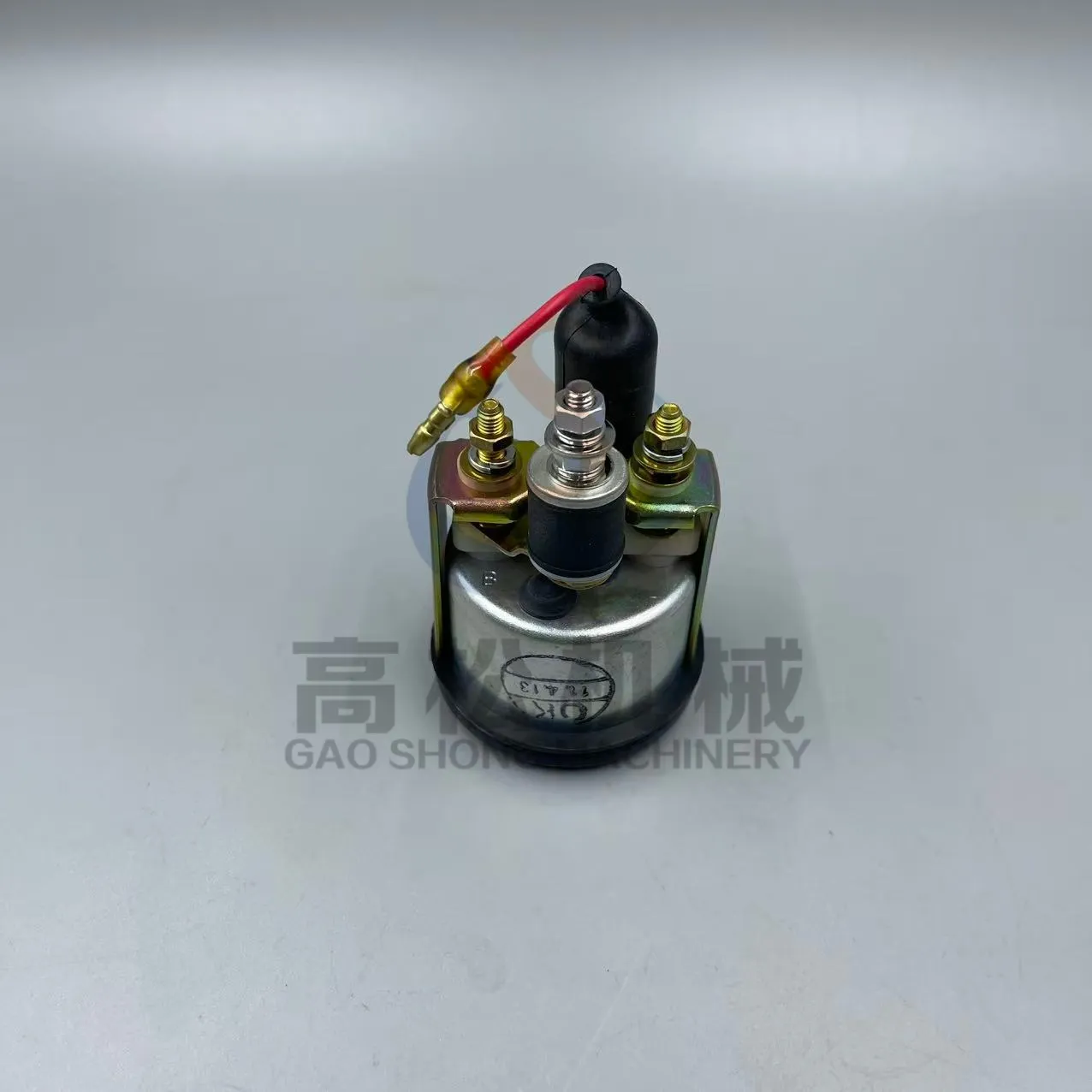
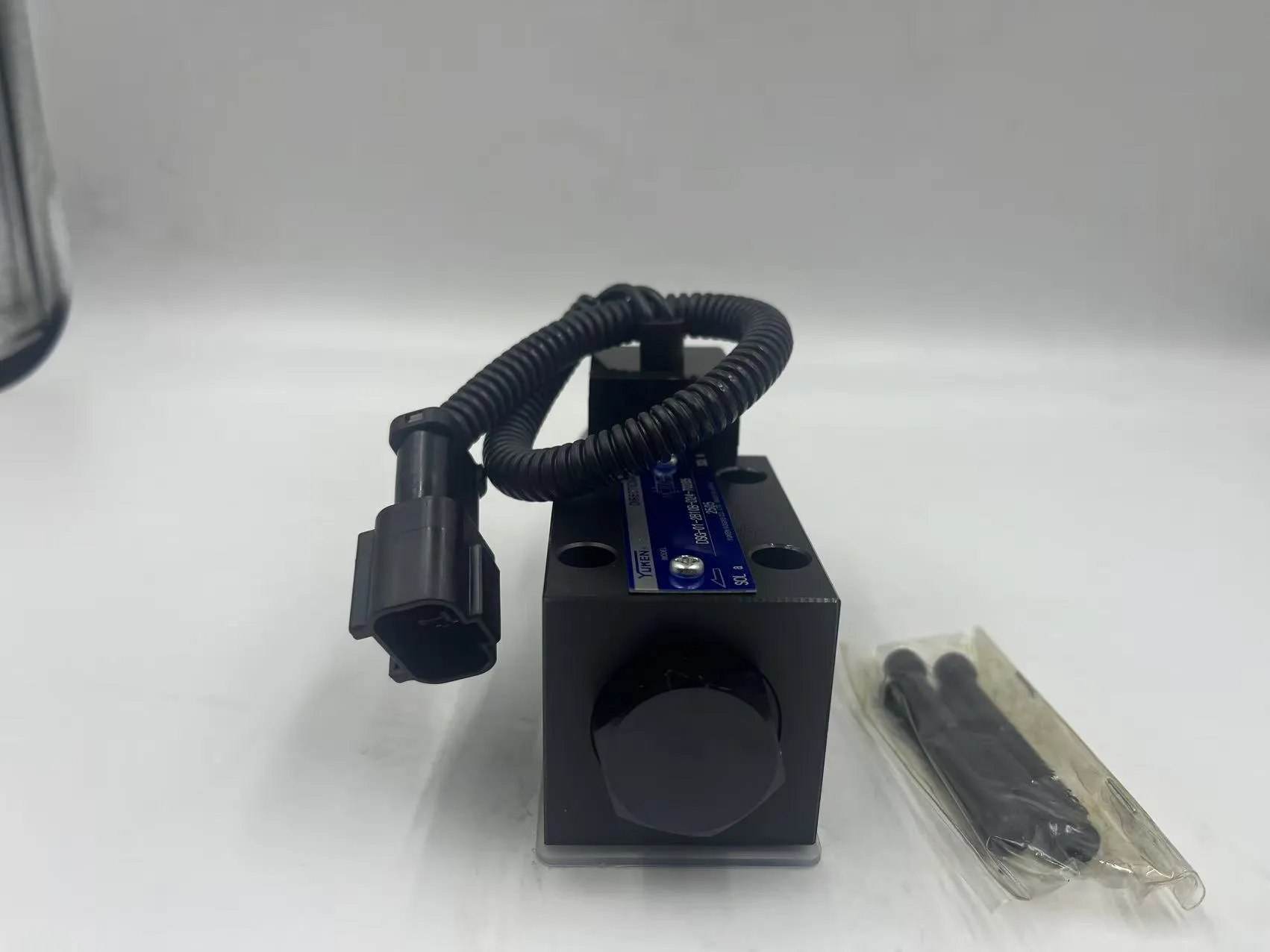
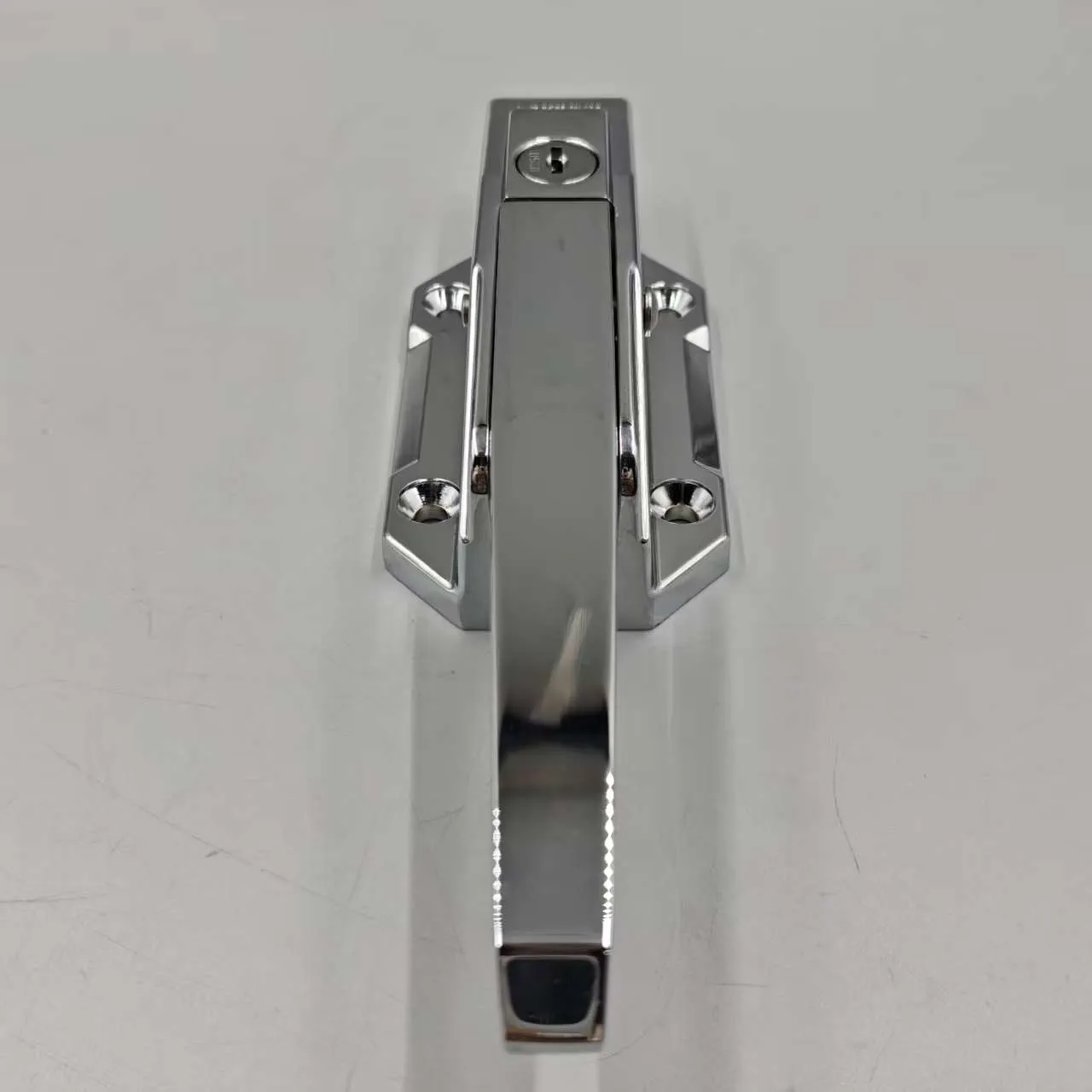
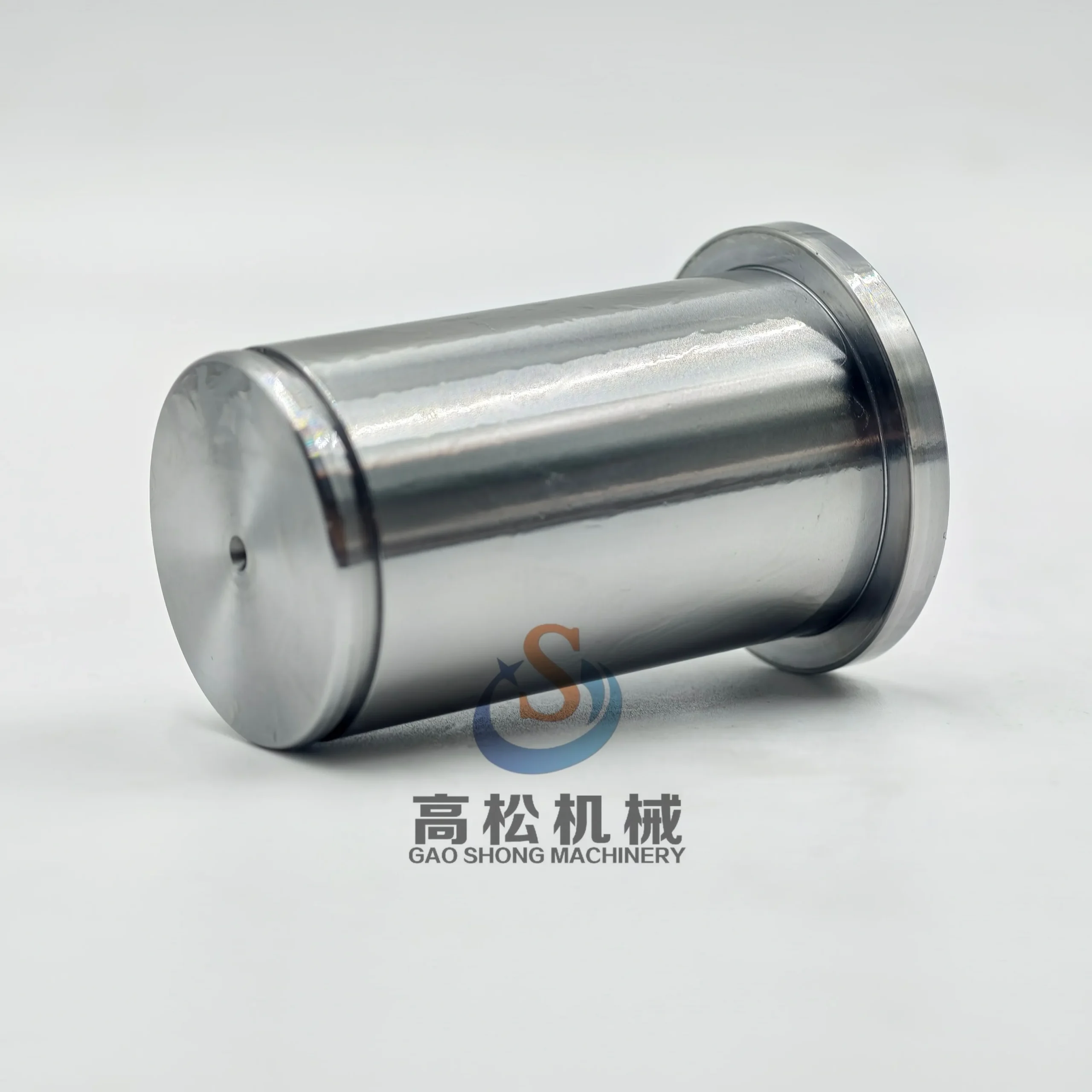

Best Selling Products
Best Selling Products-
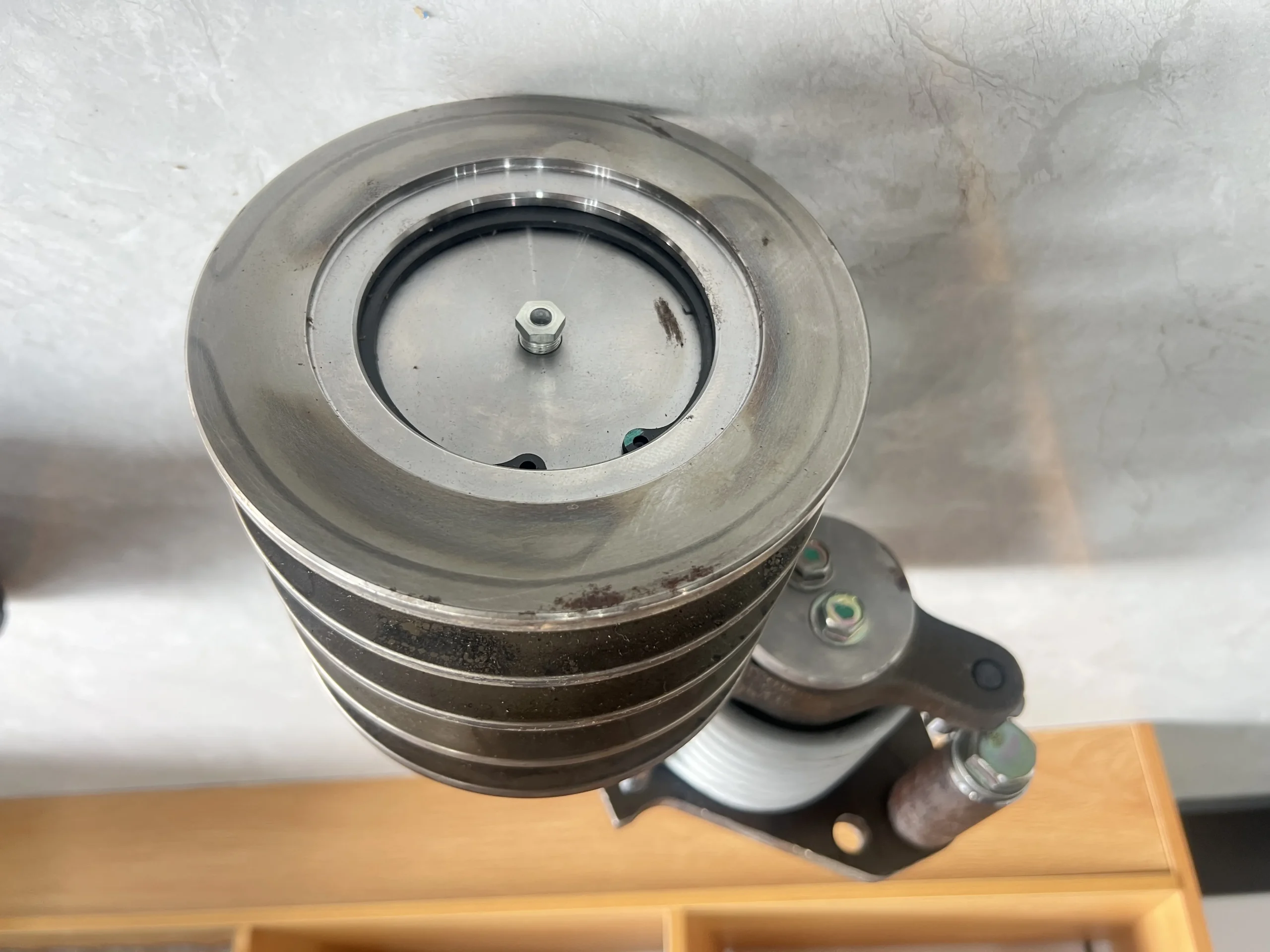 6240614500 TENSION PULLEY ASS’Y-Komatsu Original Factory
 -
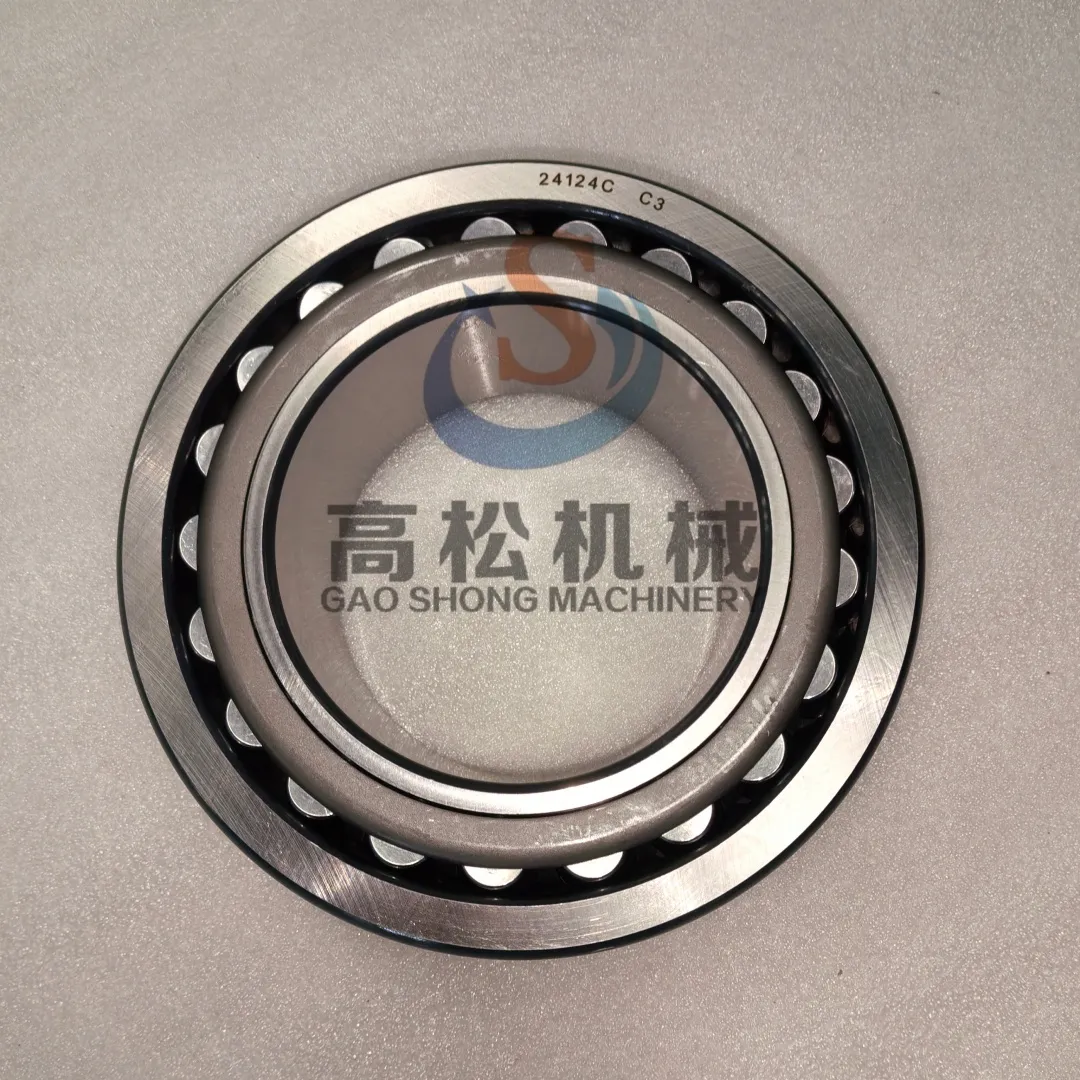 170-09-13250 Bearing for komatsu Dozer D85P-21 D85P-18 D85E-21 D85A-21
 -
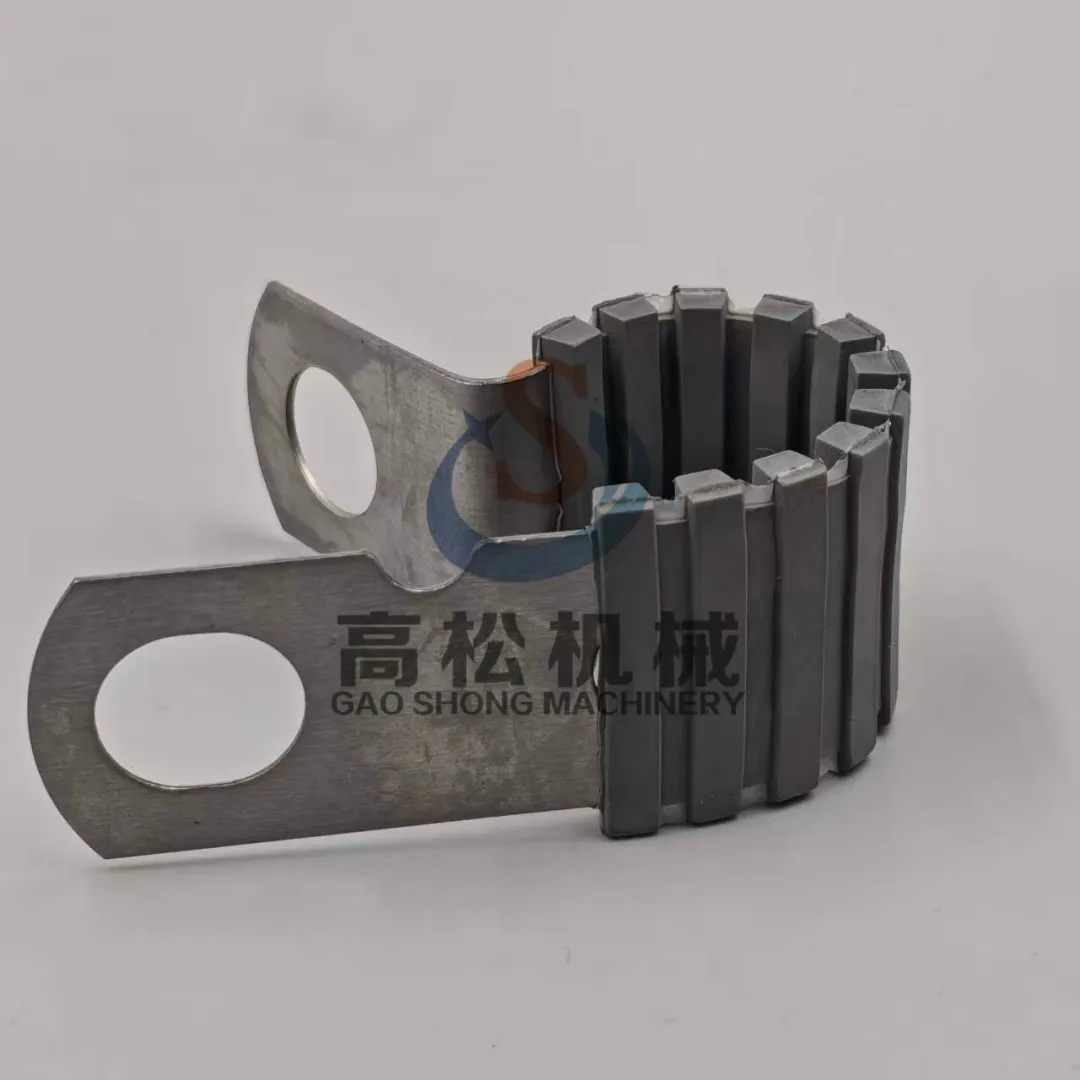 600-051-2180Spare part 600-051-2180 Clip (Komatsu)
 -
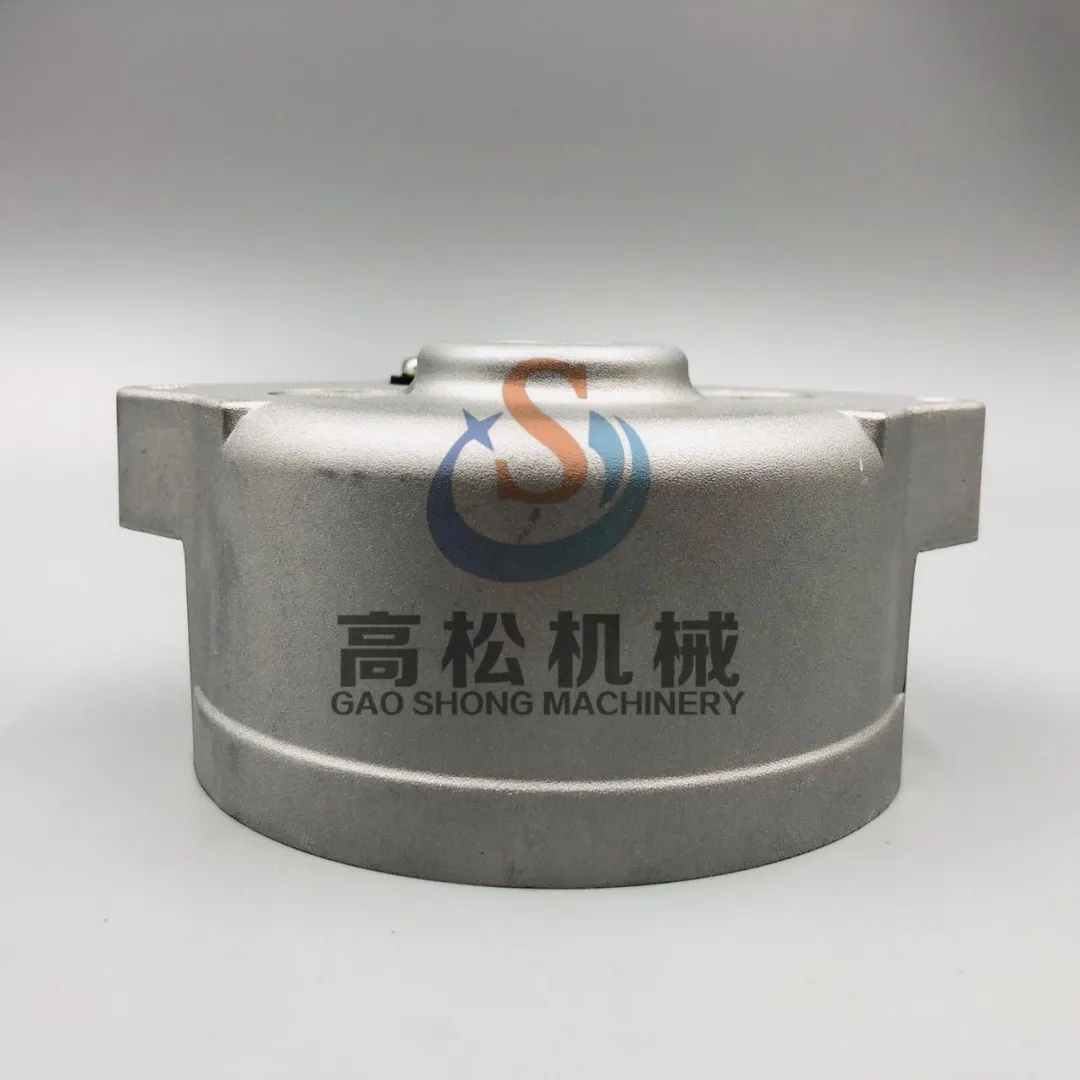 Komatsu KD0-23700-0130 Bracket
 -
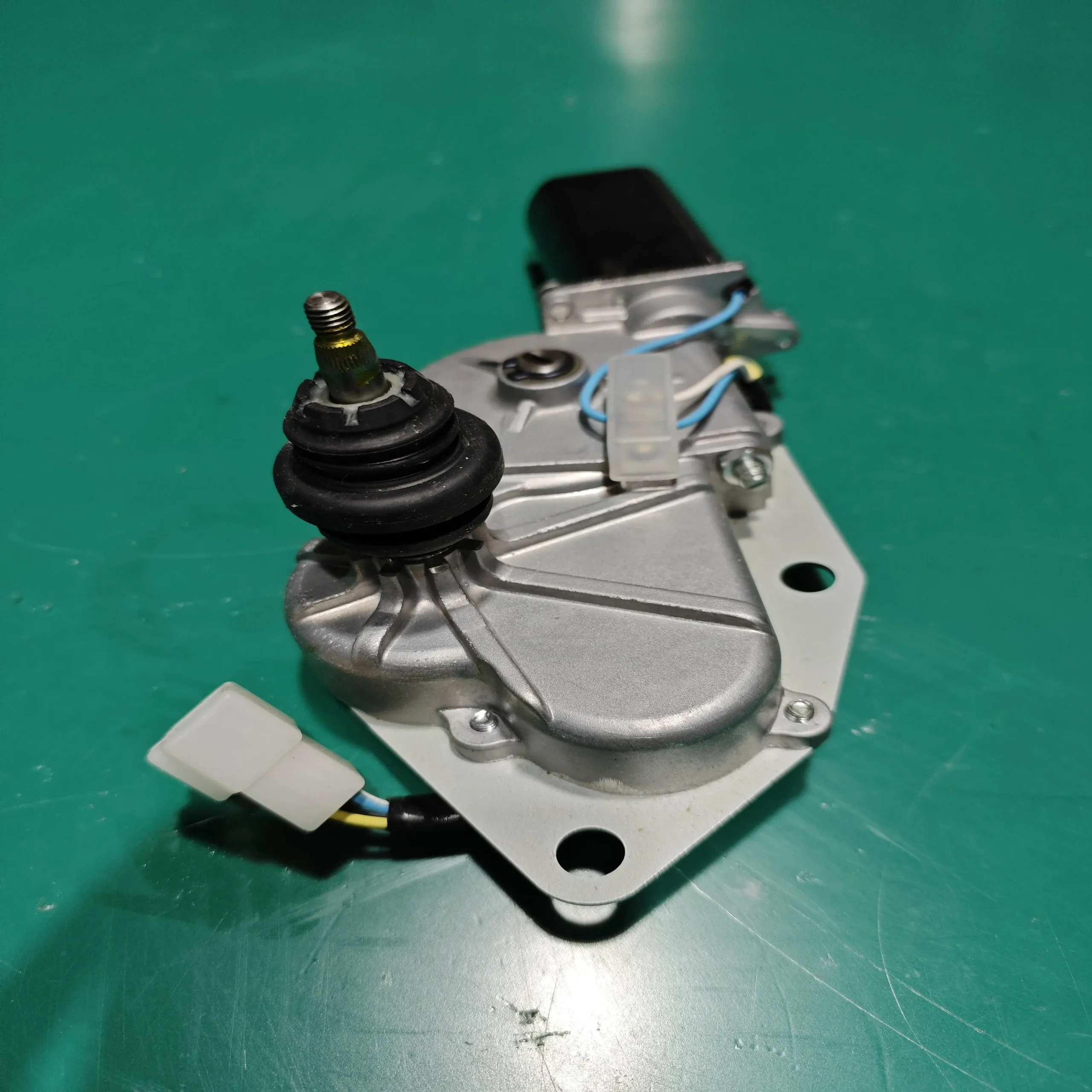 23B-951-2610 Komatsu WIPER MOTOR
 -
 561-03-81550 High Quality Parts For Komatsu Hd465/hd785, High…
 -
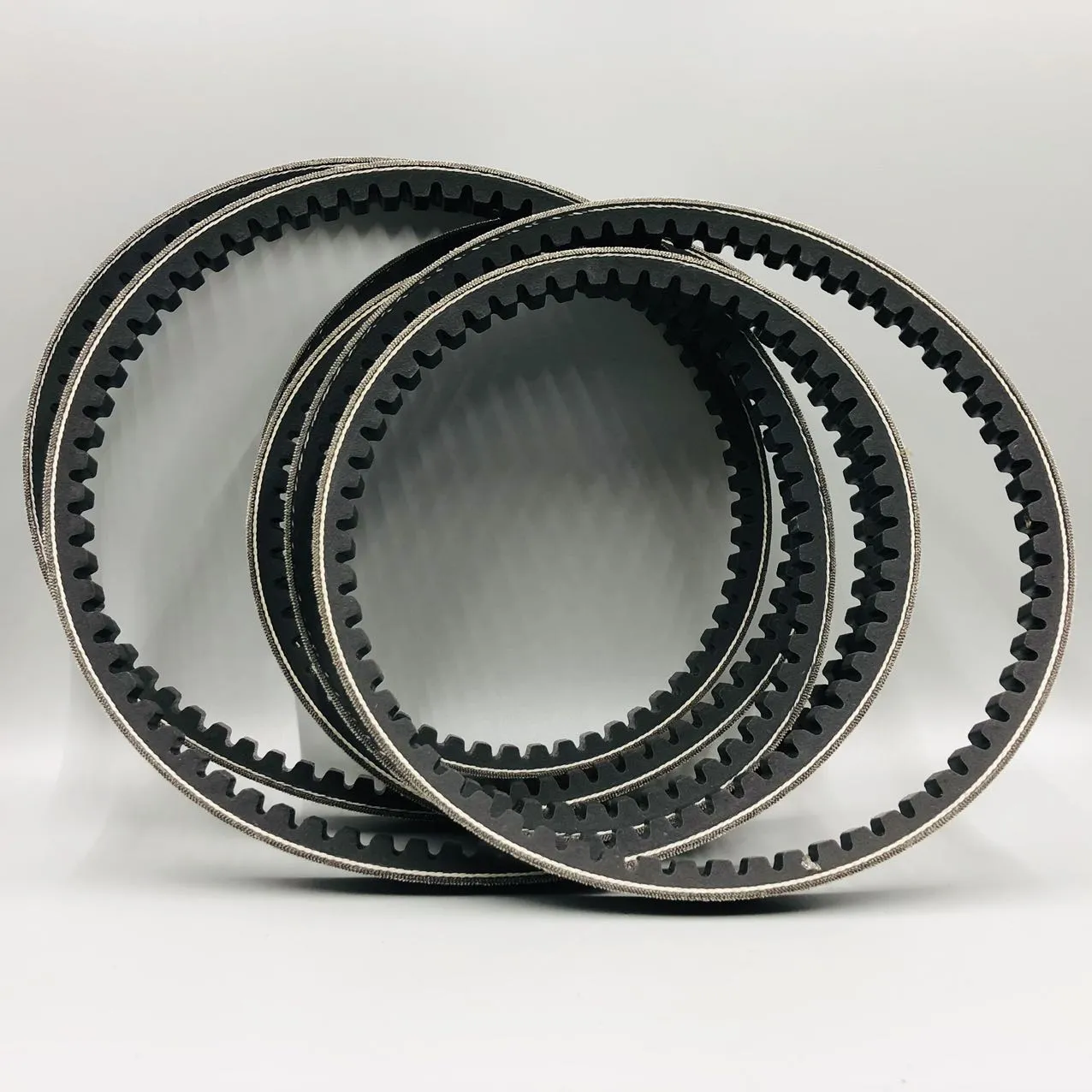 Komatsu mechanical belt6219-61-3420
 -
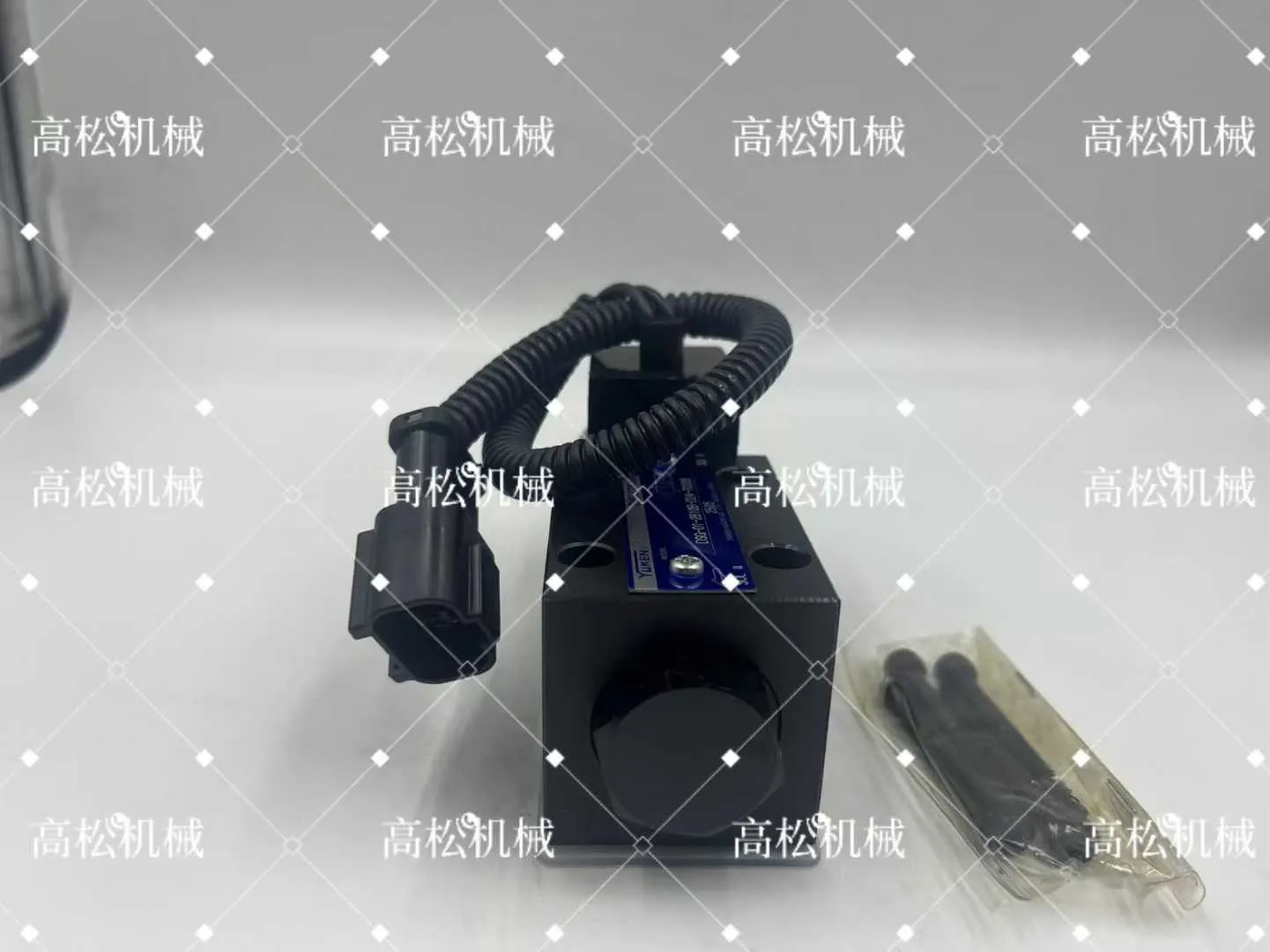 23W-60-28230 Valve Assembly, Komatsu. Applicable Model: WA600-3. In stock.
 -
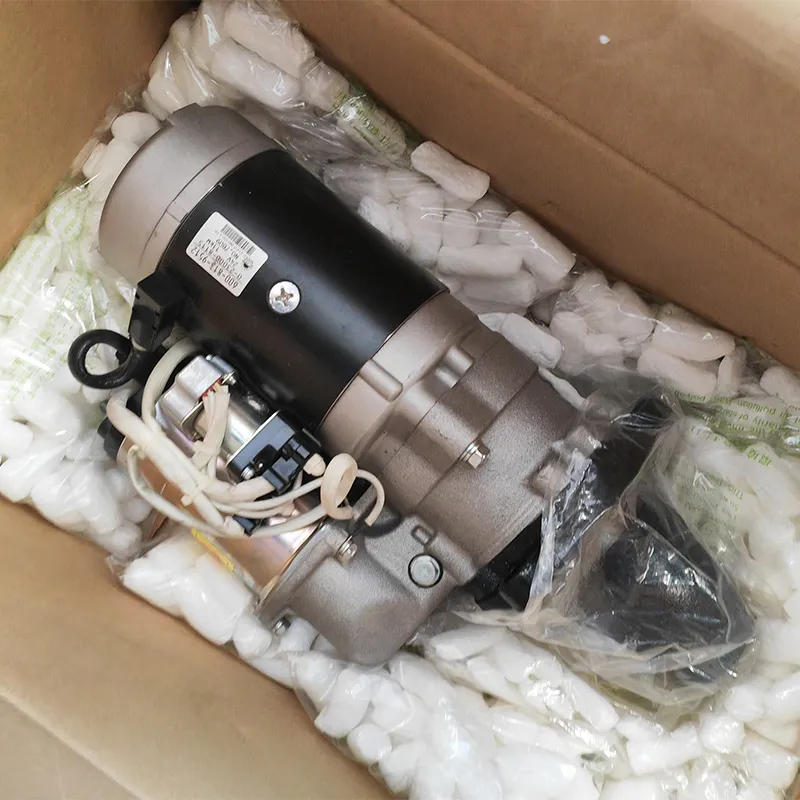 600-813-9512 Original komatsu Starter Motor for PC1250-8 D375-6 WA600-8
 -
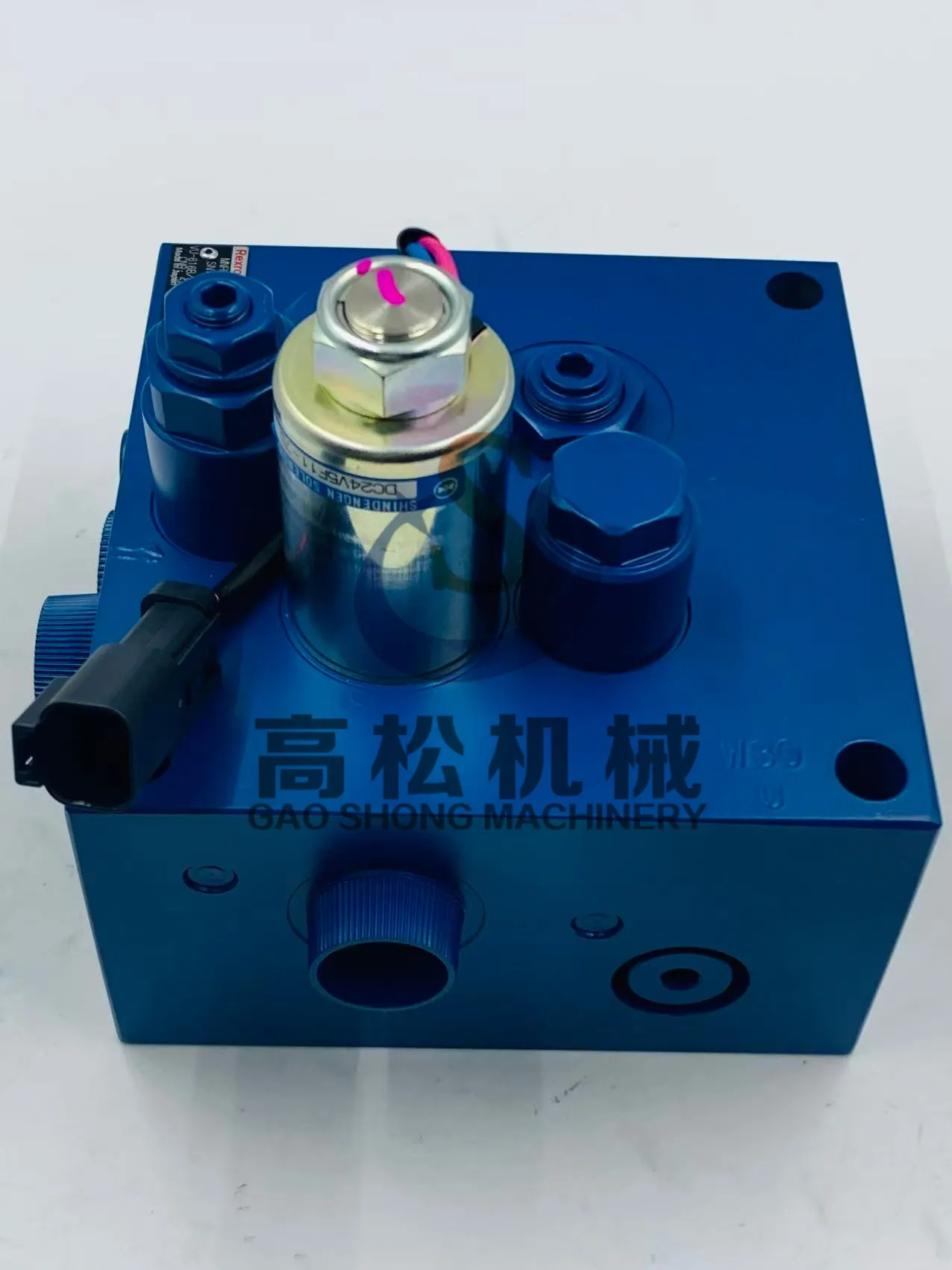 Komatsu HM300 Valve Assembly 56D-43-37101
 -
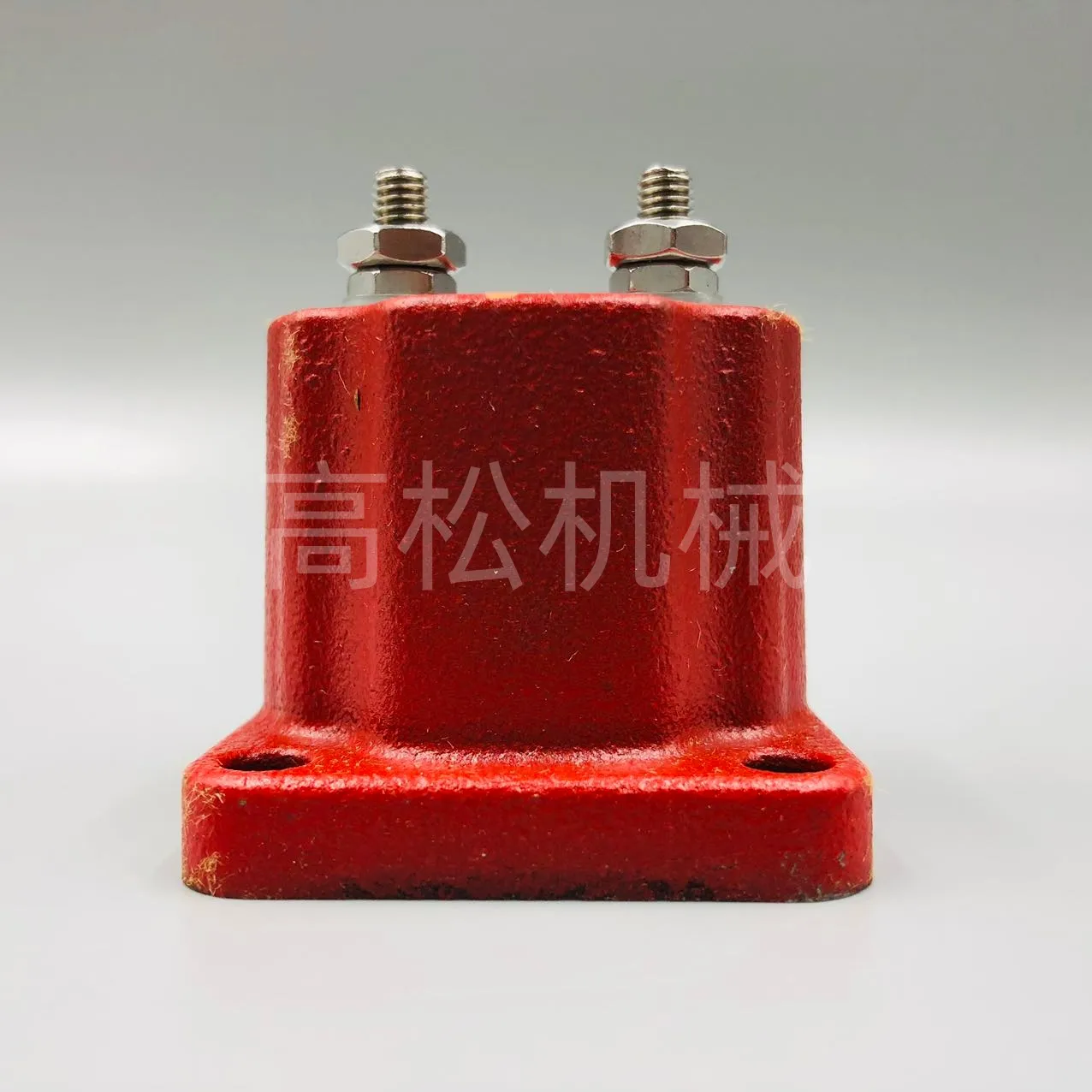 6560-51-1510 • SOLENOID-Komatsu Original Factory
 -
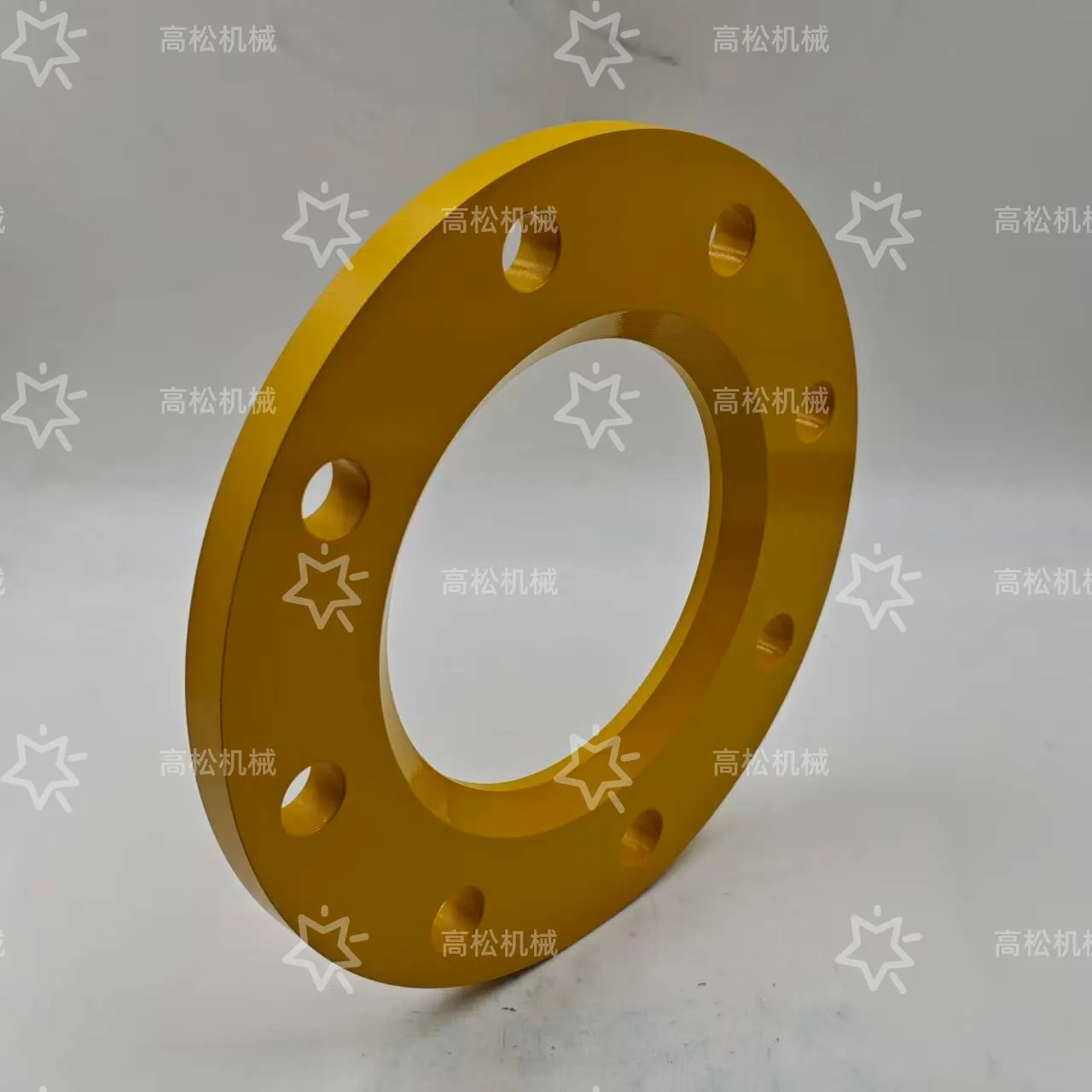 41E-70-15221 Komatsu Edge
Related Search
Related Search- OEM AND ORIGINAL KOMATSU COVER 206-54-21711
- filter solar komatsu
- komatsu fg25 nissan engine
- komatsu 4d95 engine for sale
- OEM AND ORIGINAL KOMATSU WIRING HARNESS 208-06-71812
- Komatsu undercarriage
- OEM AND ORIGINAL KOMATSU VALVE 6211-61-2111
- OEM AND ORIGINAL KOMATSU COVER 198-27-45540
- Komatsu water pump
- komatsu pc1250 parts manual