
- Chinese
- French
- German
- Portuguese
- Spanish
- Russian
- Japanese
- Korean
- Arabic
- Irish
- Greek
- Turkish
- Italian
- Danish
- Romanian
- Indonesian
- Czech
- Afrikaans
- Swedish
- Polish
- Basque
- Catalan
- Esperanto
- Hindi
- Lao
- Albanian
- Amharic
- Armenian
- Azerbaijani
- Belarusian
- Bengali
- Bosnian
- Bulgarian
- Cebuano
- Chichewa
- Corsican
- Croatian
- Dutch
- Estonian
- Filipino
- Finnish
- Frisian
- Galician
- Georgian
- Gujarati
- Haitian
- Hausa
- Hawaiian
- Hebrew
- Hmong
- Hungarian
- Icelandic
- Igbo
- Javanese
- Kannada
- Kazakh
- Khmer
- Kurdish
- Kyrgyz
- Latin
- Latvian
- Lithuanian
- Luxembou..
- Macedonian
- Malagasy
- Malay
- Malayalam
- Maltese
- Maori
- Marathi
- Mongolian
- Burmese
- Nepali
- Norwegian
- Pashto
- Persian
- Punjabi
- Serbian
- Sesotho
- Sinhala
- Slovak
- Slovenian
- Somali
- Samoan
- Scots Gaelic
- Shona
- Sindhi
- Sundanese
- Swahili
- Tajik
- Tamil
- Telugu
- Thai
- Ukrainian
- Urdu
- Uzbek
- Vietnamese
- Welsh
- Xhosa
- Yiddish
- Yoruba
- Zulu
- Kinyarwanda
- Tatar
- Oriya
- Turkmen
- Uyghur






OEM AND ORIGINAL KOMATSU DAMPER ASSY 14X-12-11103
Let's cut through the noise on this one. When you see 'OEM AND ORIGINAL KOMATSU DAMPER ASSY 14X-12-11103' listed, the immediate assumption is it's a genuine part straight from Komatsu's line. But in the trenches, that 'AND' does a lot of heavy lifting—it can mean the supplier is offering both an aftermarket/OEM-spec version and the true original, or it's a phrasing meant to blur the lines. The 14X-12-11103 for certain excavator swing drives isn't a part you gamble with; a poor-quality damper leads to shock transfer you'll feel in the cab and eventually in your repair bills.
The Core Confusion: OEM-Spec vs. Original
Here's the practical breakdown. A true original Komatsu damper assy comes in Komatsu packaging, with the Komatsu stamp, and a price that makes you wince. It's sourced through Komatsu's official channels. An 'OEM product' within the Komatsu system, however, is a different animal. This is where a company like Jining Gaosong Construction Machinery Co., Ltd. operates. They are, as stated on their site https://www.takematsumachinery.com, an OEM product supplier within Komatsu's network. This typically means they manufacture components to Komatsu's engineering drawings and quality standards, often for the aftermarket or for regions where the official supply chain is strained.
The quality can be excellent—indistinguishable from the 'original' in form, fit, and function—because it's often made on the same lines. But it's not the part you'd get if you walked into a Komatsu dealer in Tokyo. The distinction matters for warranty claims on the machine itself and for absolute traceability. For most field repairs, the OEM-spec part is the smart economic choice, provided the supplier is vetted.
I learned this the hard way years back, trying to save a few hundred on a damper for a PC360. The non-OEM-spec copycat failed within 400 hours. The vibration prematurely wore the splines on the shaft. The total rebuild cost eclipsed the savings ten times over. That's when you start valuing suppliers who are transparent about their position in the ecosystem.
Why Suppliers Like Gaosong Exist
Jining Gaosong explicitly notes they help solve parts supply challenges in certain countries. This isn't marketing fluff. If you've operated in Southeast Asia or Africa, you know the official part can be on a 12-week backorder, crippling a machine. Their role as a third-party sales company for Komatsu allows them to bridge that gap with OEM-spec parts, keeping fleets running.
Their model is crucial. They aren't just another aftermarket brand; they are integrated into the system. When you order the 14X-12-11103 from them, you're likely getting a part produced under the Komatsu technical umbrella, not reverse-engineered. The difference is in the metallurgy of the rubber bonding and the precision of the internal damping orifices. A copycat gets the shape right but misses the dynamic response.
We used their components for a fleet of PC300s in a mining support role. The lead time was 10 days versus 70. We pulled one of their dampers at 5000 hours for inspection alongside a known original. The wear patterns, rubber degradation, and bushing play were virtually identical. That's the test. It convinced us to standardize for non-warranty machines.
Spotting the Real Deal in Documentation
You can't always trust the box. The real check is in the documentation and physical details. An OEM-spec part from a legitimate supplier will have consistent machining marks, proper casting logos (often the Komatsu 'K' is omitted or altered due to licensing, but the part number is crisp), and a certificate of conformity that references the Komatsu spec sheet. The original will have the full Komatsu part tag.
For the damper assy 14X-12-11103, pay close attention to the rubber composition. The original has a specific shore hardness that feels firm but not brittle. Inferior parts use cheaper rubber that cracks or takes a set quickly under constant torsion. Also, check the bolt hole alignment. We've received parts where the holes were off by a millimeter, requiring reaming—a sure sign of a low-tier imitation, not an OEM-spec product.
Suppliers like Takematsu Machinery (their website portal) usually provide material certs on request. If they hesitate, that's a red flag. Their company intro stating they are an OEM product supplier within the Komatsu system gives you the leverage to ask for that proof. Use it.
Application Nuances and Common Pitfalls
This damper isn't universal. The 14X-12-11103 fits specific serial number ranges of machines like the PC300-7, PC350-7. Installing it on an older -6 model might work physically, but the damping rate could be off, leading to chatter. Always cross-reference the machine S/N, not just the model.
The installation torque is another pitfall. It's not just 'tight.' The manual specifies a staged torque sequence for the mounting bolts, often around 250 N·m final, with a thread locker. Over-torquing distorts the housing, causing it to bind. I've seen mechanics use an impact gun and call it good. The damper then fails in a few hundred hours, and they blame the part. It's a process failure.
When sourcing, always confirm if the kit includes the necessary bolts and washers. Some OEM-spec kits do, some don't. The original Komatsu kit almost always includes them. This is a practical detail that causes downtime—you have the damper but need to chase down Grade 10.9 flange bolts.
The Verdict on Value and Reliability
So, back to the keyword: OEM AND ORIGINAL KOMATSU DAMPER ASSY 14X-12-11103. In a perfect world with unlimited budget and time, you always choose the original. In the real world of downtime costs and supply chain gaps, a verified OEM-spec part from a system-integrated supplier like Jining Gaosong Construction Machinery Co., Ltd. is the next best thing. It's a calculated risk that, with due diligence, approaches zero.
Their value proposition on https://www.takematsumachinery.com is accurate: they solve supply challenges. They aren't selling mystery parts. For this damper, the failure mode of a bad part is too expensive to risk on unknown brands. But the OEM-spec tier is a viable, professional alternative.
Final thought: always keep the old part. If the new damper assy fails prematurely, having the old one to compare wear and to send back for analysis is your only recourse. A reputable supplier will want to see it. If they don't, you know what you're dealing with. For critical damping components, that's the discipline that separates a working machine from a profitable one.
Related Products
Related Products

Best Selling Products
Best Selling Products-
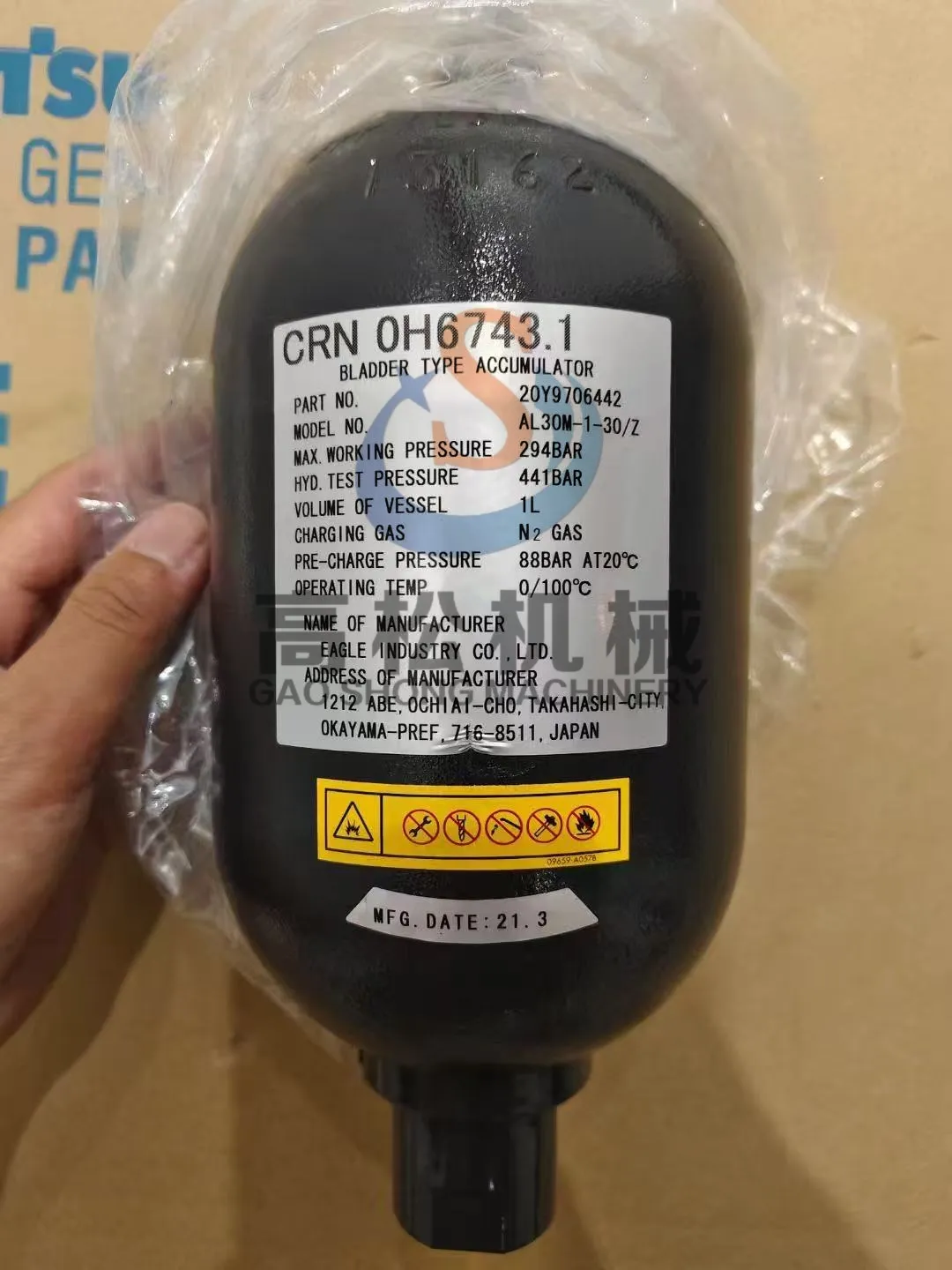 20Y-970-6442 Komatsu Accumulator Assembly
 -
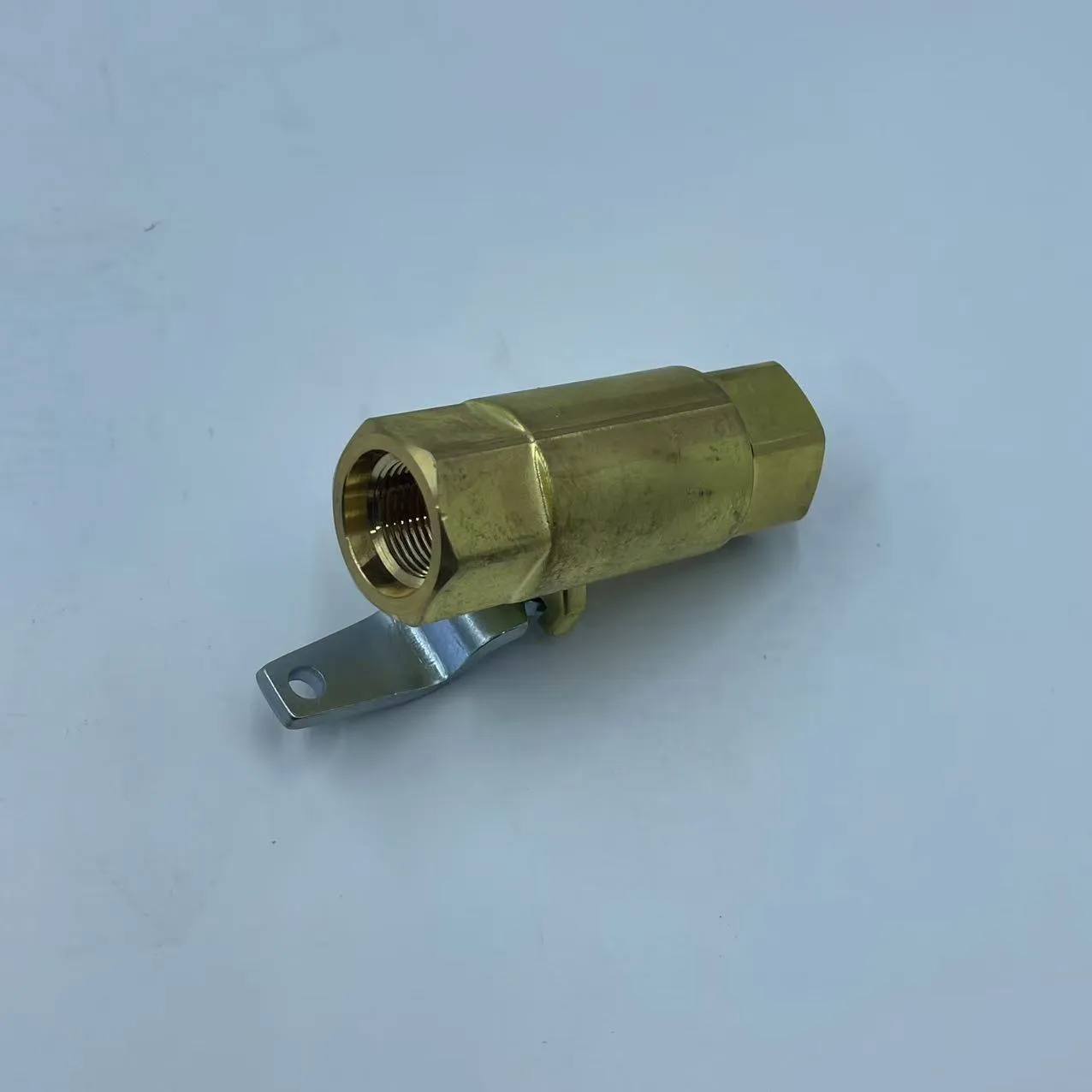 Komatsu Excavator PC200 Valve 20Y-62-15651
 -
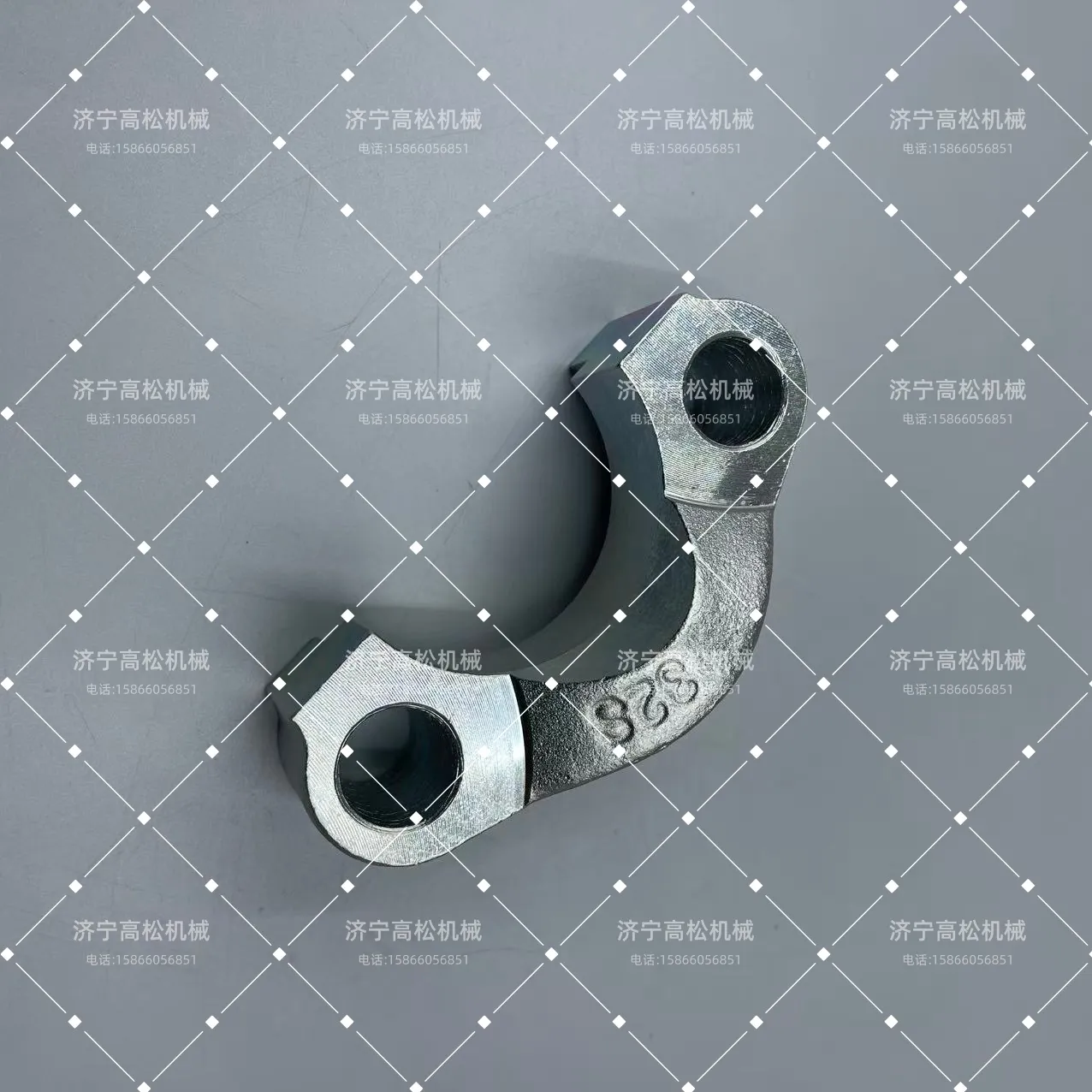 07371-52080 Komatsu FLANGE | AGA Parts
 -
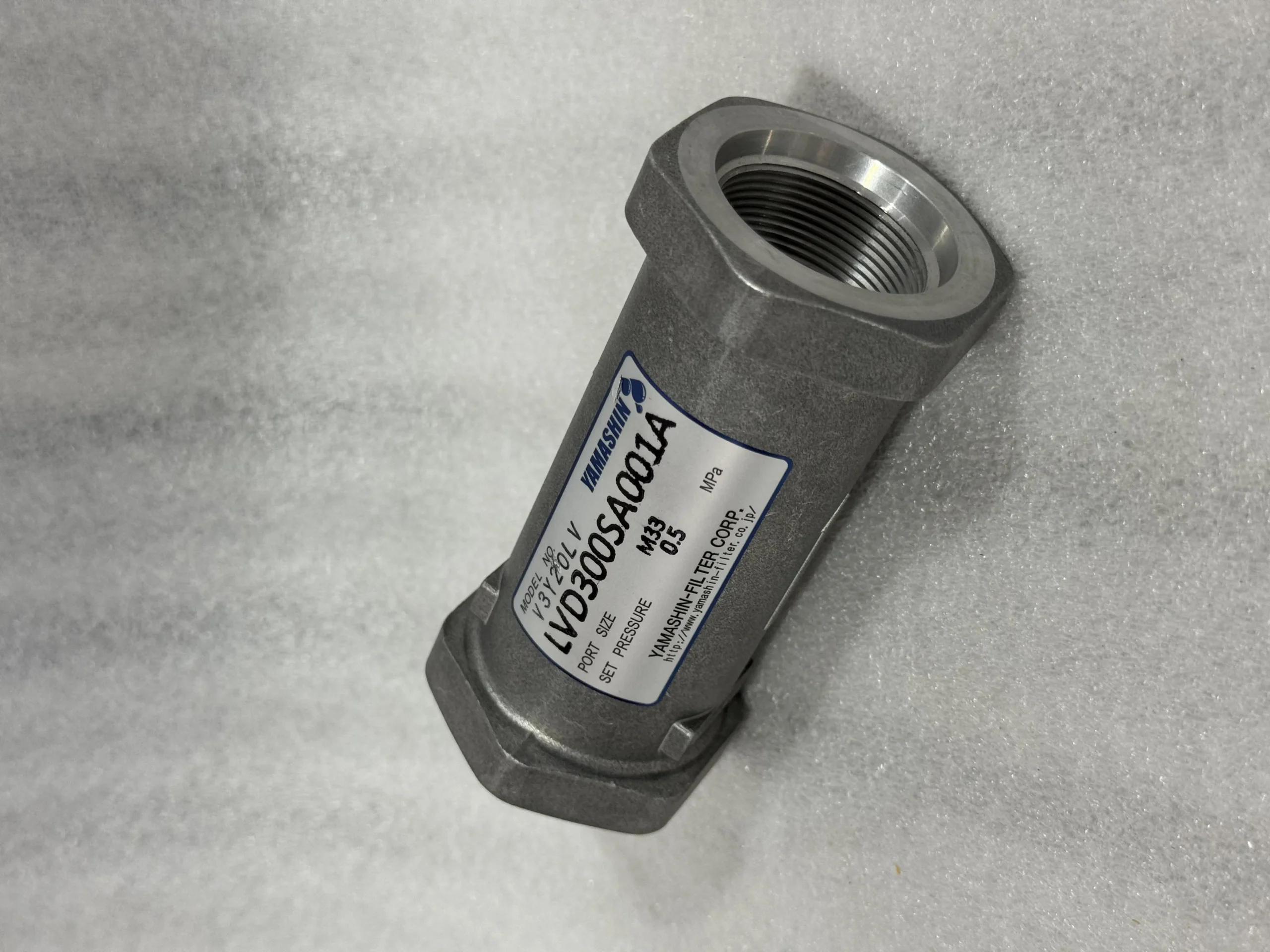 D155A-6 Radiator Valve Assembly 20S-62-16160
 -
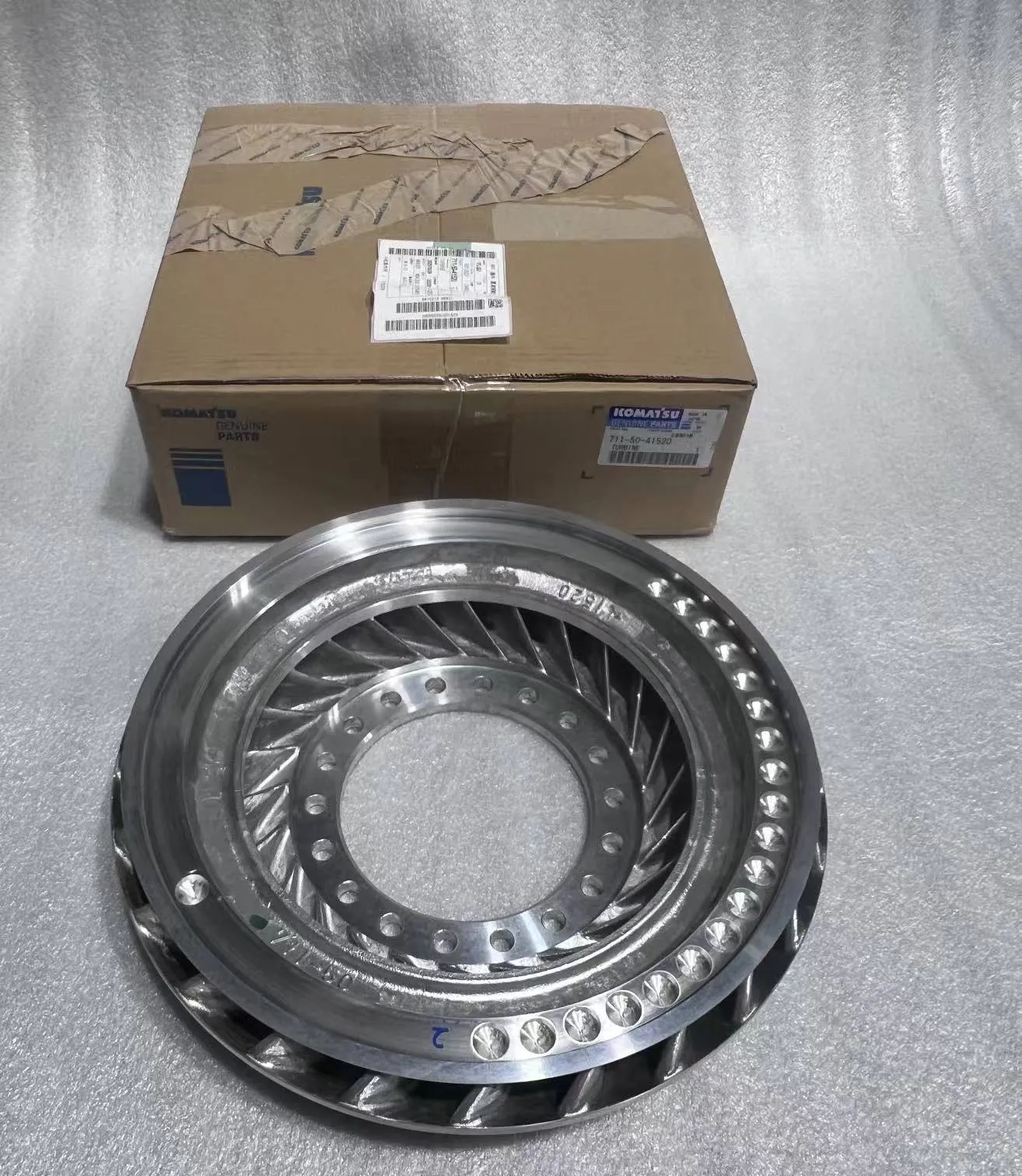 711-50-41520 Komatsu TURBINE
 -
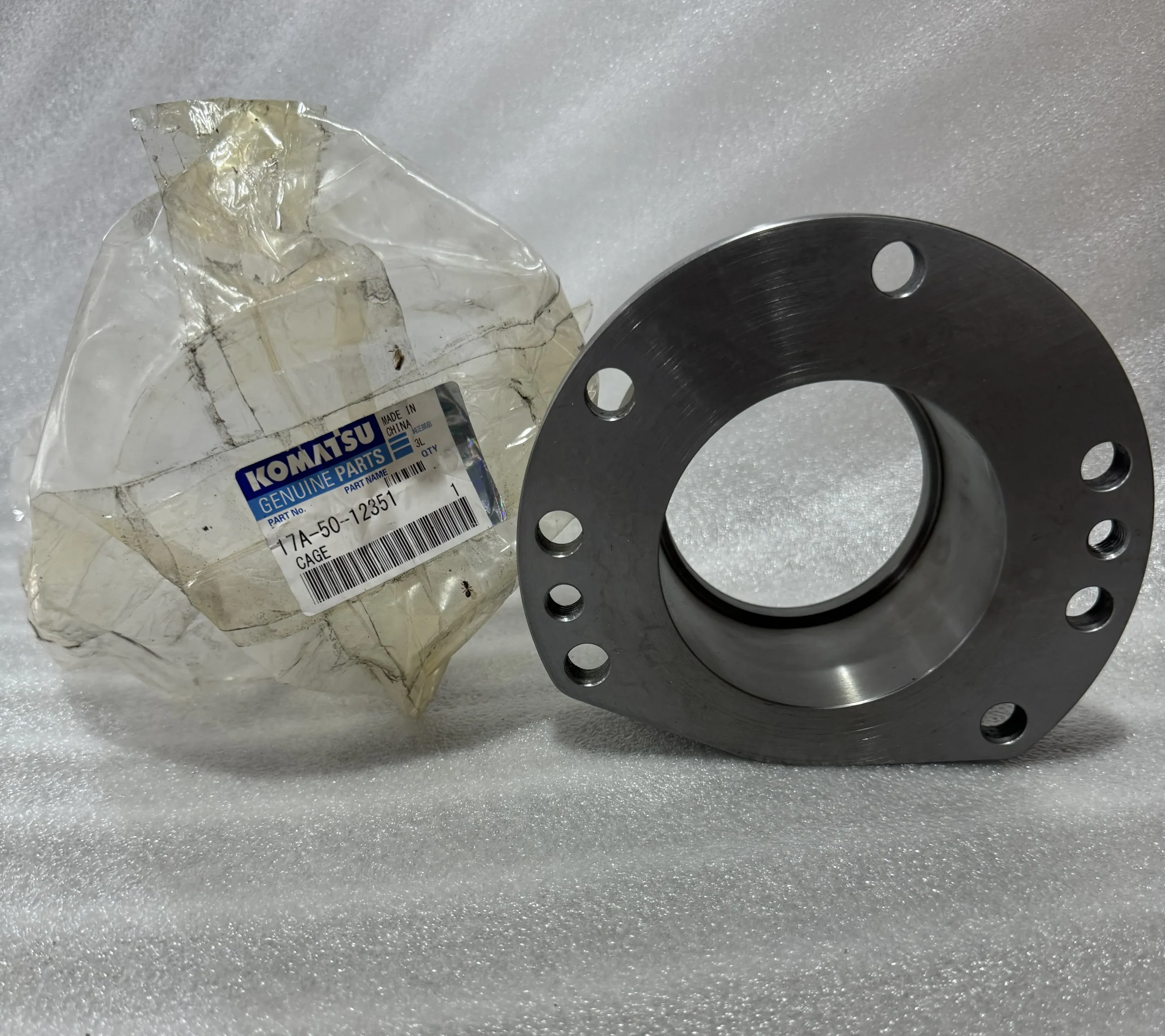 D155AX-3 Bearing Housing 17A-50-12351
 -
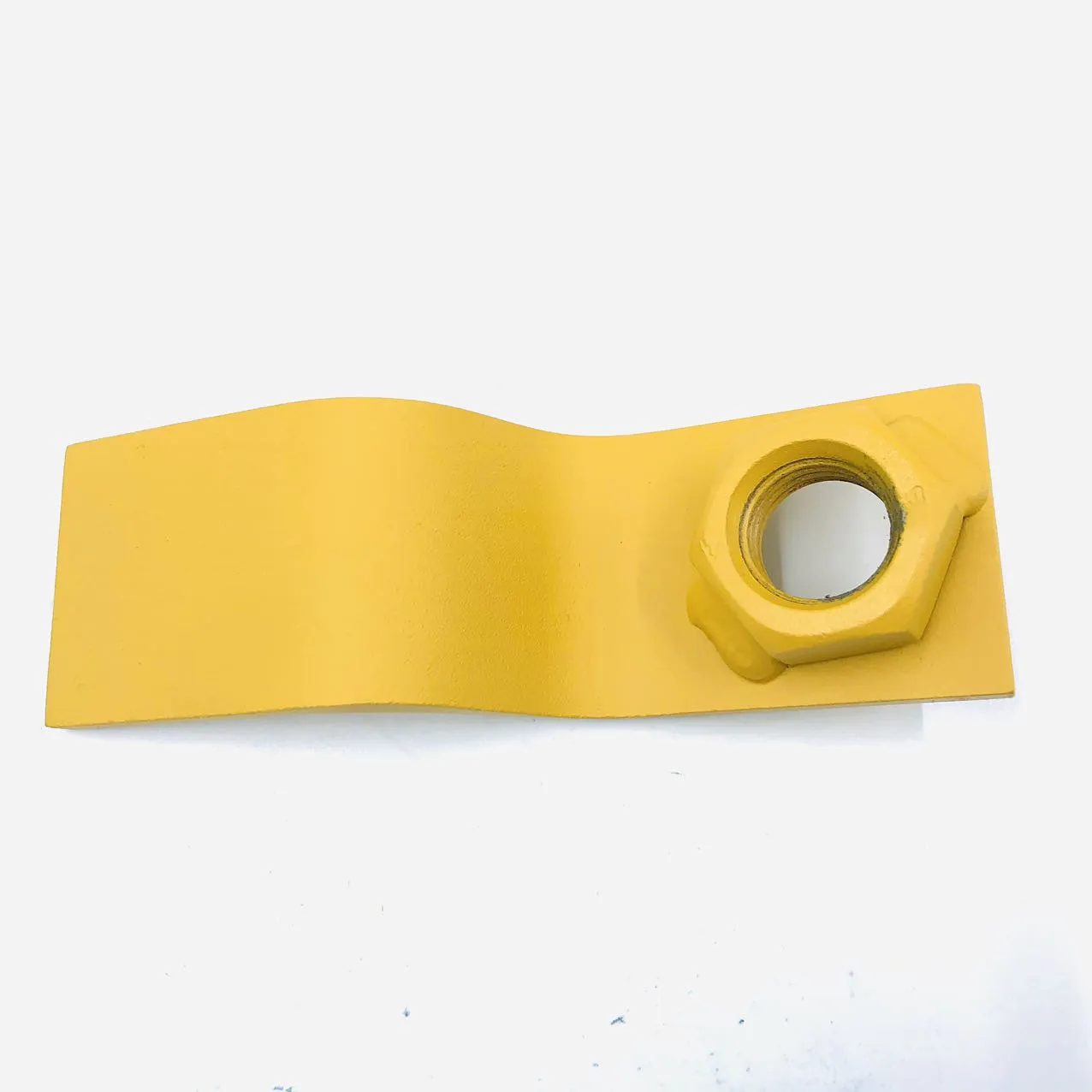 21T-00-67330 Plate -Komatsu.
 -
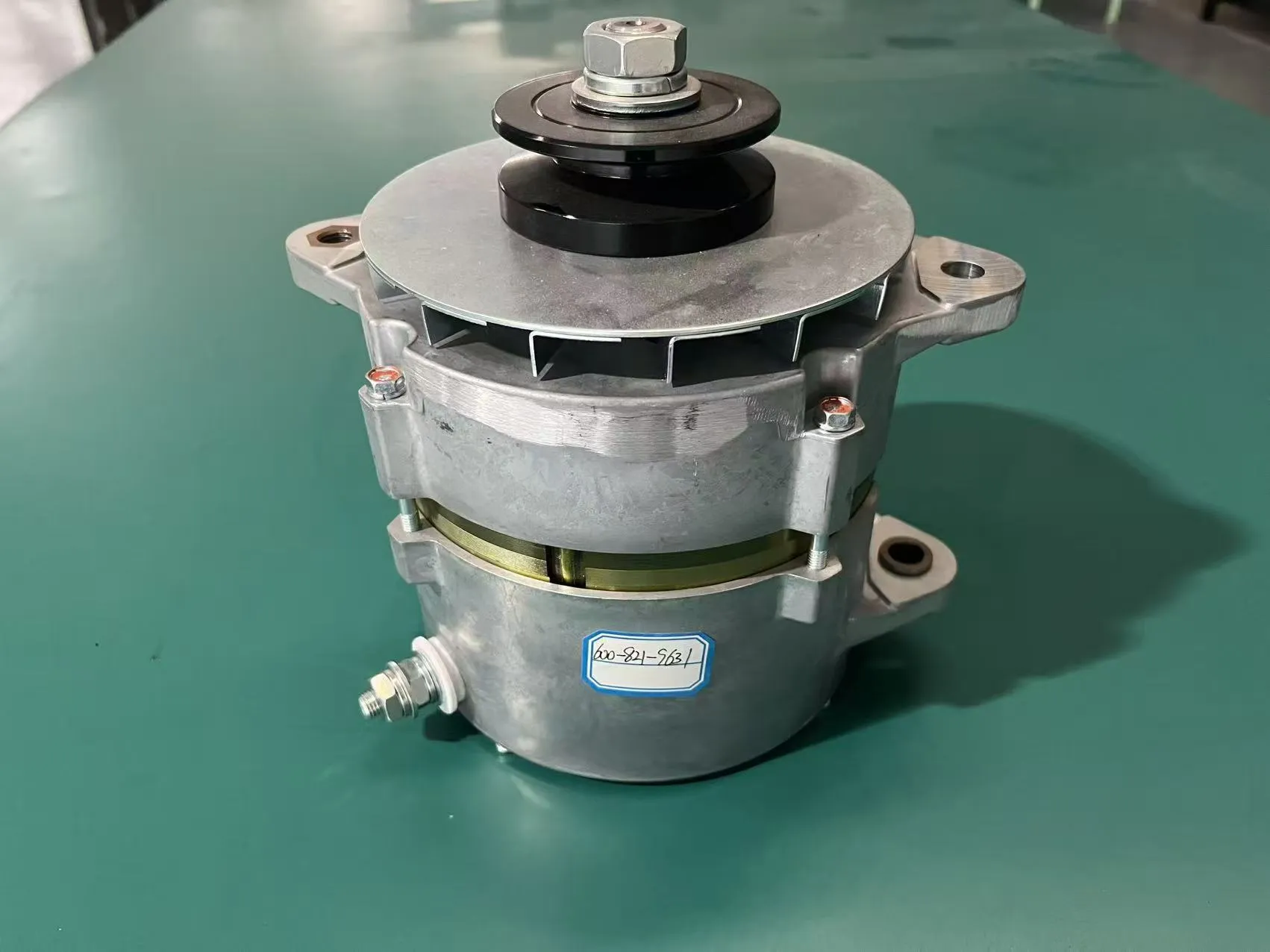 600-821-9631 Komatsu SA12V140 ALTERNATOR
 -
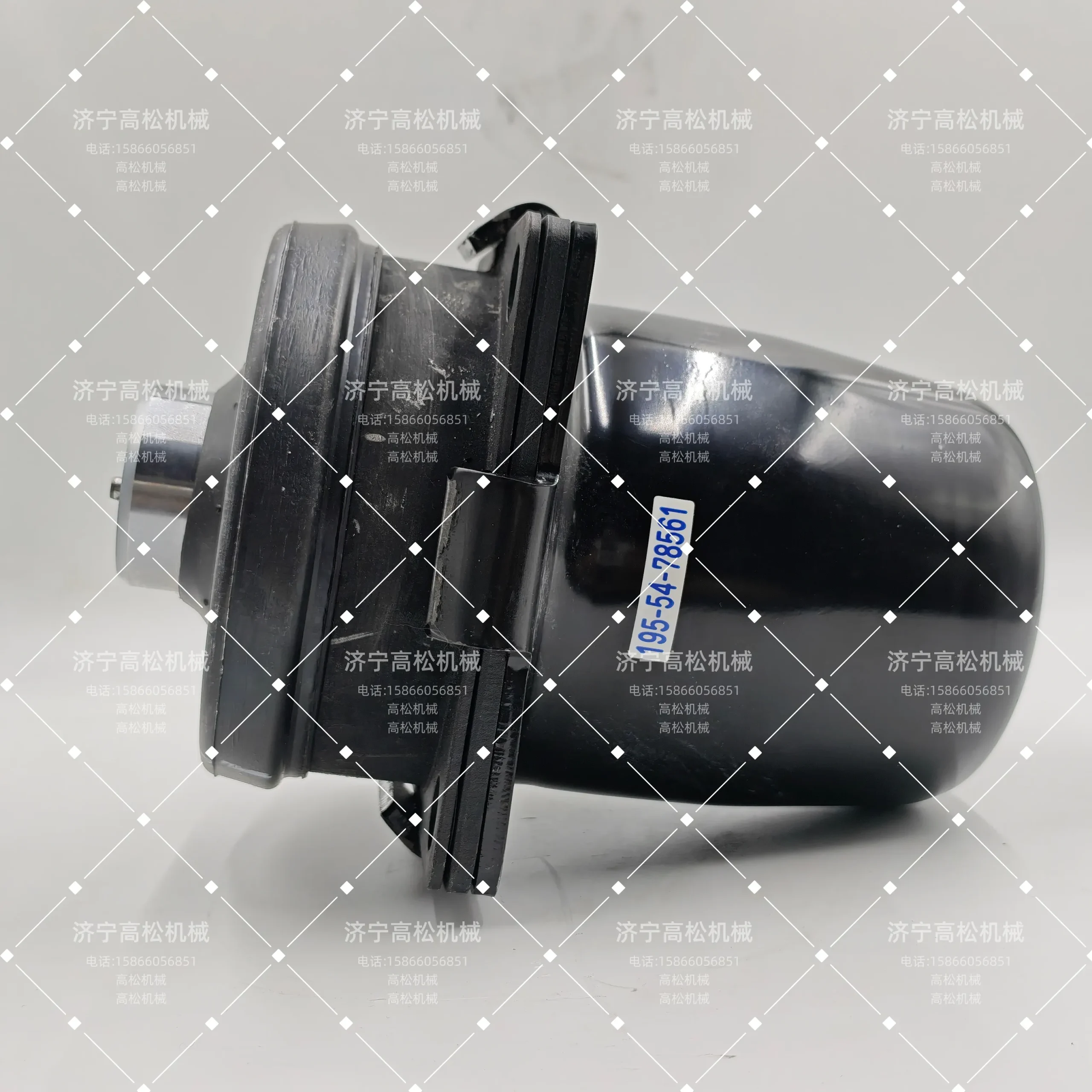 Komatsu Shock Absorbers 195-54-78412 195-54-78561 for D375A-6
 -
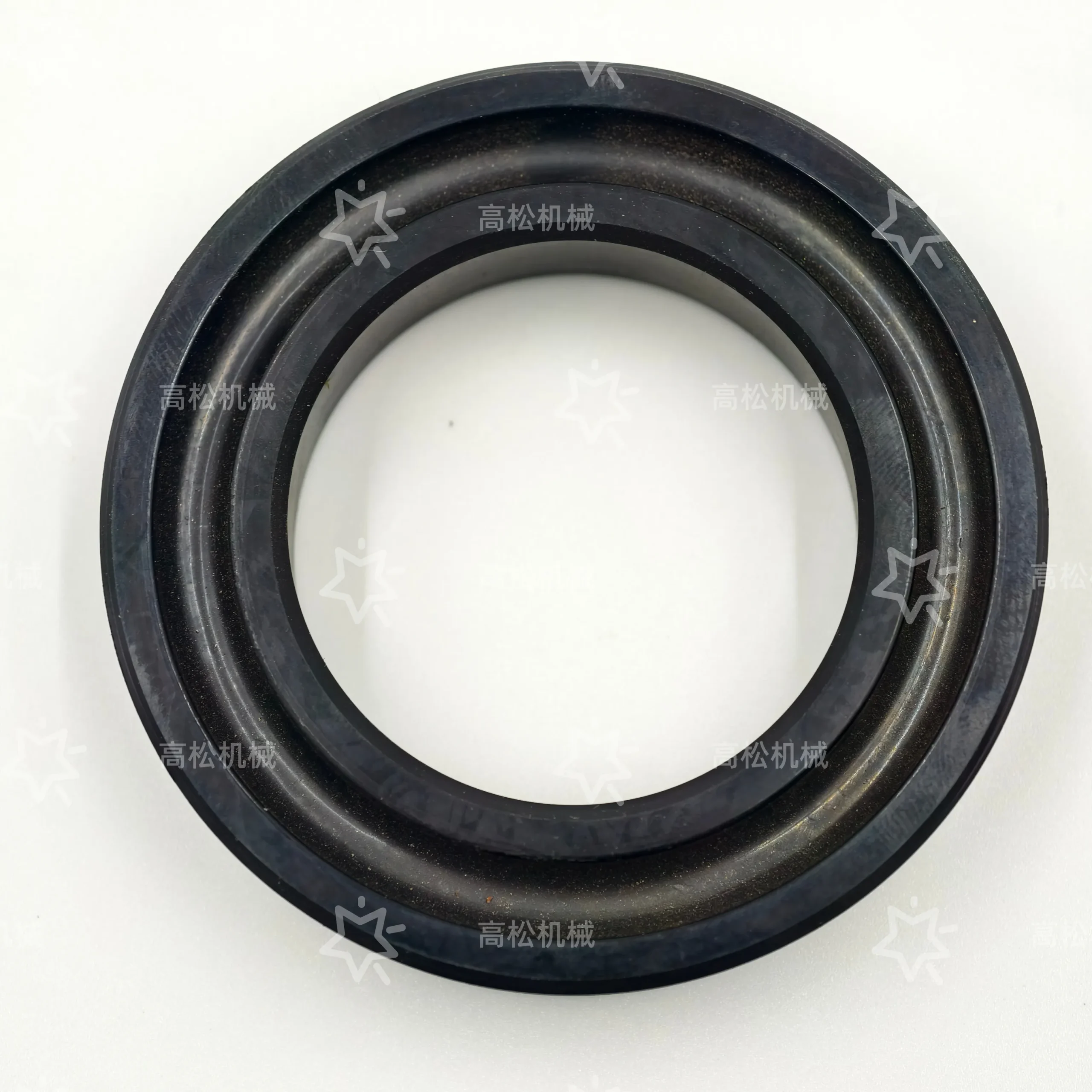 09370-00070 – U-PACKING fits Komatsu
 -
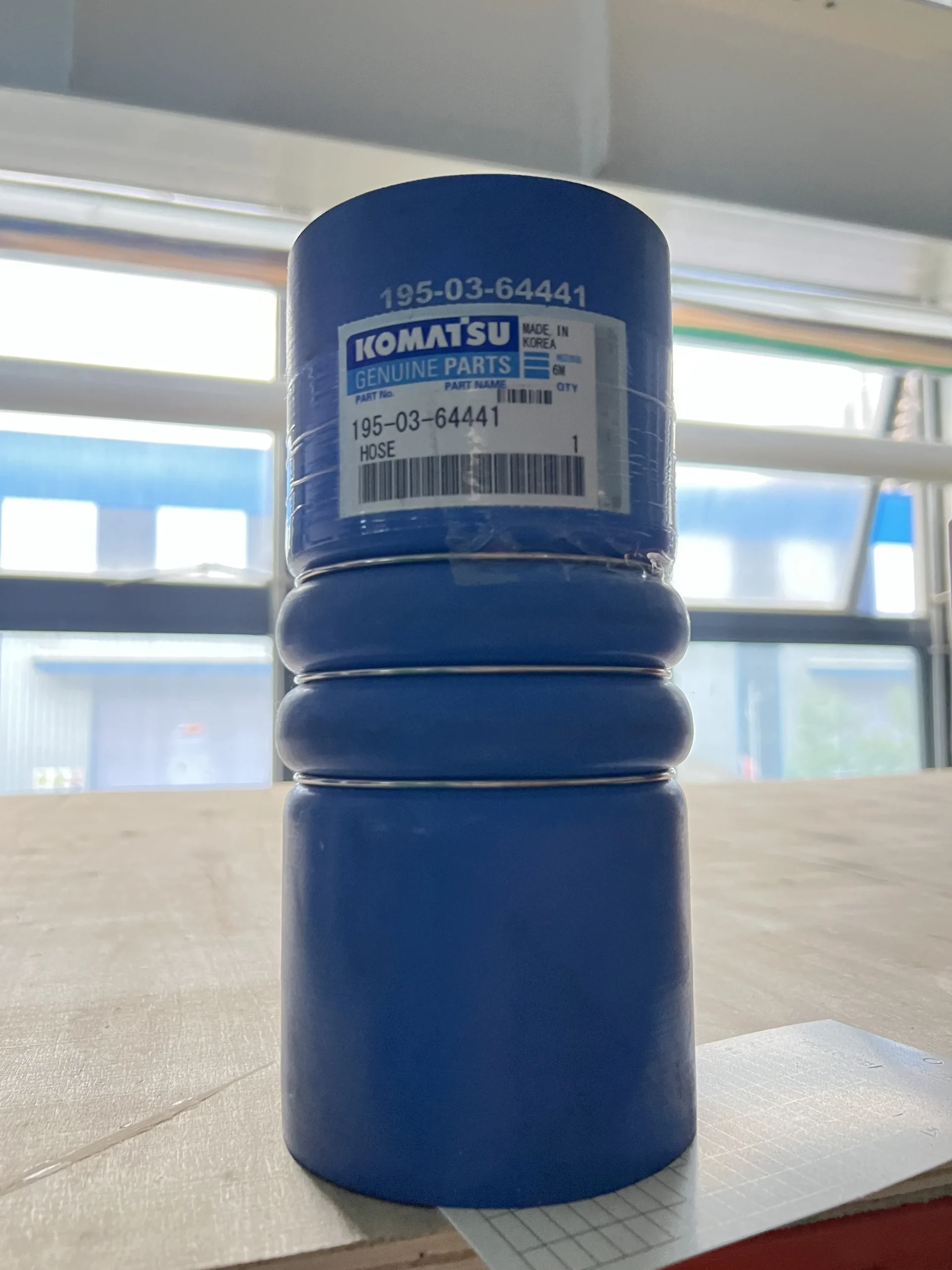 Intercooler Air Hose 195-03-64441 for Komatsu D375A-5
 -
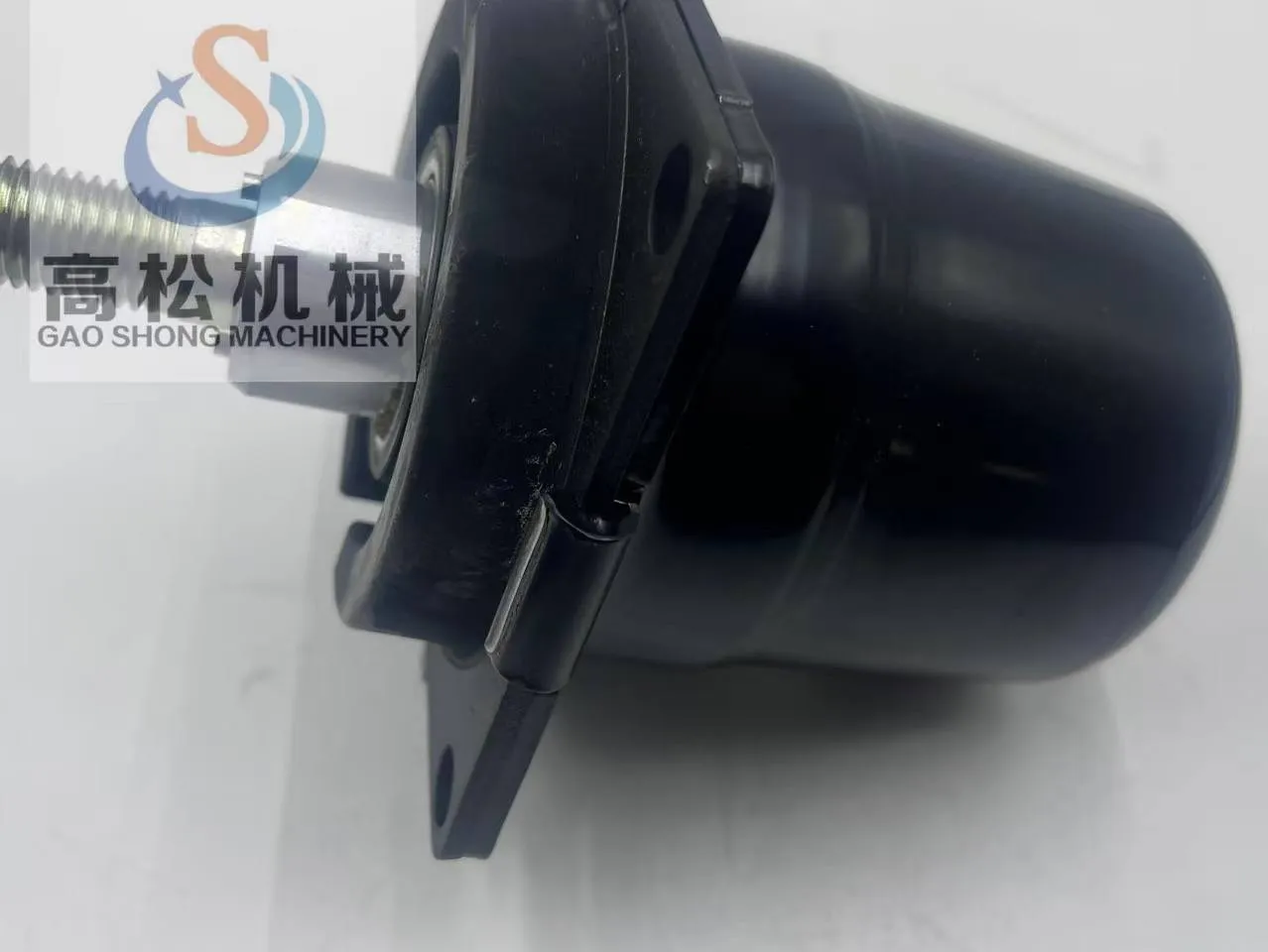 D275 /D375/D475 Cab Cushion 195-54-78410 195-54-78561