
- Chinese
- French
- German
- Portuguese
- Spanish
- Russian
- Japanese
- Korean
- Arabic
- Irish
- Greek
- Turkish
- Italian
- Danish
- Romanian
- Indonesian
- Czech
- Afrikaans
- Swedish
- Polish
- Basque
- Catalan
- Esperanto
- Hindi
- Lao
- Albanian
- Amharic
- Armenian
- Azerbaijani
- Belarusian
- Bengali
- Bosnian
- Bulgarian
- Cebuano
- Chichewa
- Corsican
- Croatian
- Dutch
- Estonian
- Filipino
- Finnish
- Frisian
- Galician
- Georgian
- Gujarati
- Haitian
- Hausa
- Hawaiian
- Hebrew
- Hmong
- Hungarian
- Icelandic
- Igbo
- Javanese
- Kannada
- Kazakh
- Khmer
- Kurdish
- Kyrgyz
- Latin
- Latvian
- Lithuanian
- Luxembou..
- Macedonian
- Malagasy
- Malay
- Malayalam
- Maltese
- Maori
- Marathi
- Mongolian
- Burmese
- Nepali
- Norwegian
- Pashto
- Persian
- Punjabi
- Serbian
- Sesotho
- Sinhala
- Slovak
- Slovenian
- Somali
- Samoan
- Scots Gaelic
- Shona
- Sindhi
- Sundanese
- Swahili
- Tajik
- Tamil
- Telugu
- Thai
- Ukrainian
- Urdu
- Uzbek
- Vietnamese
- Welsh
- Xhosa
- Yiddish
- Yoruba
- Zulu
- Kinyarwanda
- Tatar
- Oriya
- Turkmen
- Uyghur






OEM AND ORIGINAL KOMATSU CUSHION 198-54-61832
You see that part number, , and immediately think it's straightforward—either it's a genuine Komatsu cushion or it isn't. That's the first mistake. In the trenches, especially when dealing with older models or regions with supply chain hiccups, the line between OEM and original gets blurry. I've watched too many guys order a part with that stamp, expecting a box from Komatsu, only to get something that looks right but feels... off. The real conversation isn't about the label; it's about the pedigree of the manufacturing source and whether the part will hold up under a 20-ton bucket. That's where the practical knowledge kicks in.
The Part Number Isn't the Whole Story
Let's break down . It's a cushion, likely for a Komatsu excavator's hydraulic system—think PC300, PC400 series maybe. The number is king for cross-referencing, but it's silent on origin. A true original Komatsu part means it came down the official Komatsu production line, with all their QA. An OEM part, however, can be a trickier beast. It might be made by the same factory that supplies Komatsu, but sold through a different channel, or it could be a licensed reproduction. I've sourced from Jining Gaosong Construction Machinery Co., Ltd. before, precisely because they position themselves within that OEM ecosystem. Their claim of being an OEM product supplier within the Komatsu system is the key nuance—it suggests access to the same or approved manufacturing specs, which is often the next best thing when the official pipeline is dry or exorbitantly priced.
The physical tells matter. The original 61832 cushion will have very specific casting marks, a particular finish on the rubber compound, and packaging that's not just about logos but about precise, almost over-the-top protection. The OEM version might have subtle differences: a slightly different shade of black on the rubber, or the steel retaining ring might not have the same machining finish. You learn to spot these by having a genuine one on the bench for side-by-side comparison. It's not always about inferiority; sometimes the OEM part is 95% there at 60% of the cost, and for a machine that's not under warranty, that's a valid calculation.
I recall a job in Indonesia where we were stuck for weeks waiting for an original 61832. The local dealer had none, and air freight was a nightmare. We got an OEM equivalent from a supplier, which frankly, looked impeccable. We installed it with skepticism. It ran for about 1800 hours before showing minor seepage—not a failure, but a performance delta. The original we finally got later ran over 3000 hours before first sign of wear. That's the real-world data: the OEM part bought us critical time and kept the project moving, even if it wasn't a lifetime match.
Why Suppliers Like Gaosong Exist in the Market
The website takematsumachinery.com isn't just another parts store. Their stated role—helping to solve parts supply challenges in certain countries—hits the nail on the head. Komatsu's official network is robust, but it has gaps. Remote mining sites, countries with complex import duties, or simply for machines that are past their prime support lifecycle. That's where third-party sales companies operating with OEM knowledge fill the void. They aren't selling counterfeits; they're providing an alternative supply chain for non-warranty, operational-critical needs.
This model works because of trust built on specification adherence. When I've engaged with such suppliers, the first question is never about price. It's Can you provide the material certification for the nitrile rubber blend? or What's the shore hardness rating on this cushion? A reputable one, which Gaosong aims to be, will have those answers. They understand that for a part like the Komatsu cushion , the dynamic pressure and constant compression cycles demand specific material science. If they start waffling, you walk away.
The challenge, and it's a big one, is variability. One batch from an OEM-aligned factory can be spot-on, the next might have a quality slip if a sub-supplier changed. I've had this happen with a different cushion part. The lesson was to never assume consistency. Even with a reliable supplier, you inspect every single unit before it goes into inventory. Check the mold lines, the integrity of the metal insert bonding, the durometer with a simple pocket tester. It's hands-on, non-negotiable QA.
Installation Pitfalls and Performance Observations
Assuming you have a good part—OEM or original—installation is where you can ruin it. The 61832 isn't a simple plug-and-play. The housing needs to be impeccably clean, free of any scoring. I've seen techs use a mallet to seat it, which is a great way to create a micro-tear that will lead to a premature blowout. You need a proper press and the right mandrel. There's also the lubrication debate. Some manuals say install dry, some old-school guys swear by a thin film of hydraulic fluid. For this part, I follow the Komatsu manual to the letter: a specific assembly grease. Using the wrong lube can cause the rubber to swell or degrade.
Performance monitoring post-installation is crucial. With a new cushion, especially from an OEM source, you monitor hydraulic system heat more closely for the first 50 hours. Listen for a change in the dampening thud sound during cylinder reversal. Any increase in fluid temperature or a softer, mushier sound can indicate the cushion isn't absorbing shock as efficiently. It's these subtle sensory cues that a datalogger won't always catch.
A failure I analyzed once was instructive. A rebuilt PC360 kept blowing the cushion on one stick cylinder. The OEM part was blamed. But after the third failure, we looked deeper. The issue was a slightly bent piston rod, causing off-axis loading that the cushion, whether original or OEM, wasn't designed to handle. It was a $5,000 lesson in systemic diagnosis. The part is often the symptom, not the cause.
The Cost-Benefit Analysis for Fleet Managers
For a fleet of machines, the decision on parts like the becomes a spreadsheet exercise with real-world risk factors. An original Komatsu part might cost $X. A verified OEM part from a supplier like Jining Gaosong might be 0.6X. The calculation involves: machine downtime cost, the criticality of the machine to the project, its remaining lifespan, and the historical reliability of the OEM source.
For a machine in its first 10,000 hours under a maintenance contract, you go original, no question. For a machine with 20,000 hours, working on a low-margin contract, the OEM part is a sensible risk. You might even stock both. Keep one original for the critical machine, and use the OEM parts for the others or as temporary spares. This hybrid approach is common in the field but rarely discussed in glossy procurement guides.
The warranty offered is a telling sign. An original part comes with Komatsu's warranty. An OEM part from a third-party supplier should have its own warranty—often shorter, but it must be there. If a supplier hesitates to put a 6-month or 1000-hour warranty on a critical wear part like a cushion, that's a major red flag. It shows they don't have faith in their own supply chain's consistency.
Looking Ahead: The Evolving Parts Landscape
The market for parts like this is getting more sophisticated, not less. The old binary of genuine vs. aftermarket is outdated. The tiered reality is: 1) Original Factory, 2) Licensed/OEM-Spec Factory, 3) High-Quality Reproduction, 4) Generic Aftermarket. A company positioning itself as an OEM product supplier within the Komatsu system is aiming for Tier 2. Their success hinges on transparency. Can they trace the part back to a specific foundry or mold? That's the new benchmark.
Digital platforms are changing the game. It's easier now to cross-reference specs, read failure reports from other mechanics in forums, and even access Komatsu's own technical bulletins for known issues with certain part batches. This puts more power in the hands of the buyer to verify a supplier's claims. The authenticity isn't just in a hologram sticker anymore; it's in the data trail.
So, back to . It's more than a number. It's a decision point. It represents the practical, sometimes messy, intersection of engineering, logistics, economics, and hands-on mechanical skill. The best advice isn't always buy original or always buy cheap. It's to know your machine, know your supplier's actual capability—not just their website copy—and most importantly, know how to inspect, install, and judge the part's performance in the brutal reality of a working excavator. That's where the real value is determined.
Related Products
Related Products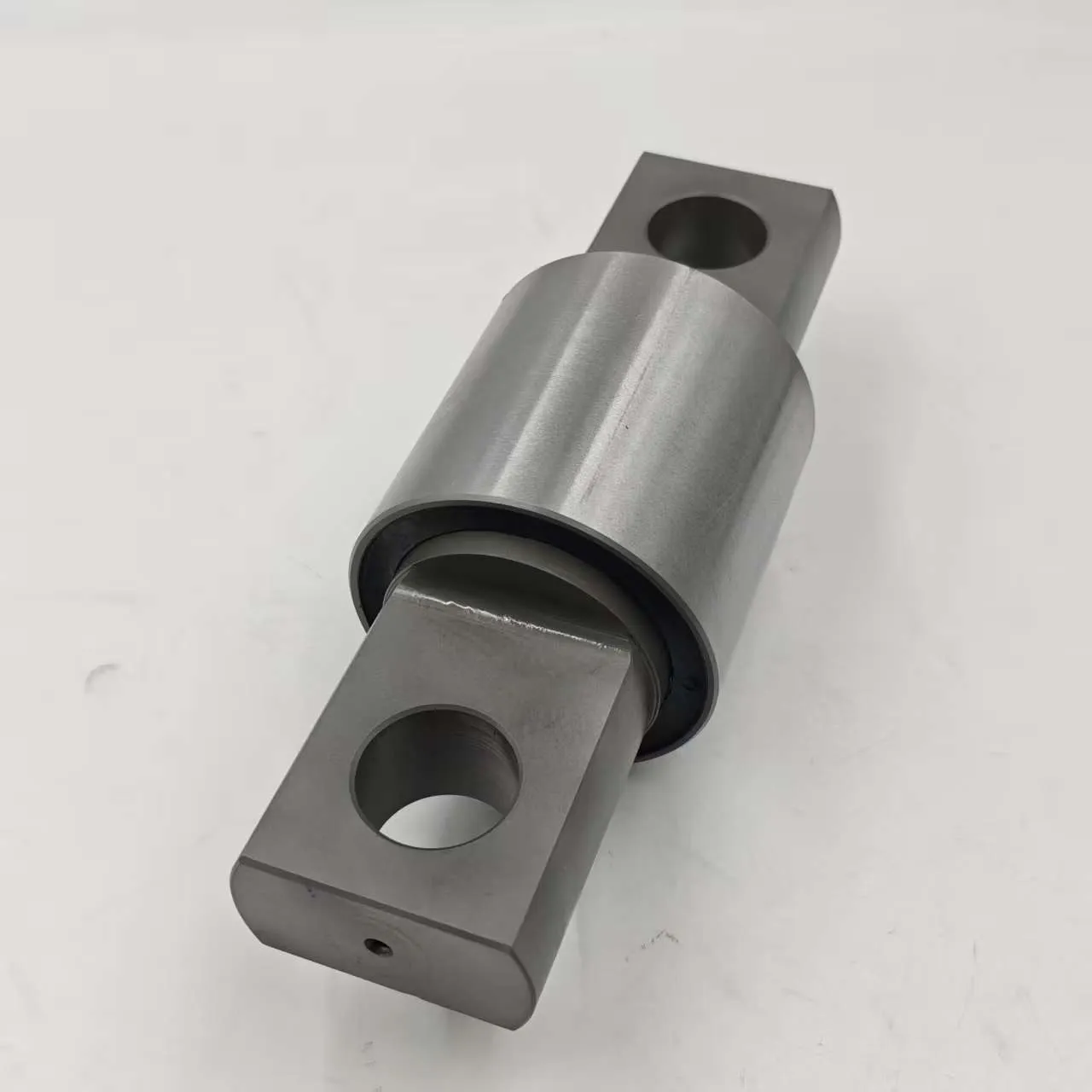
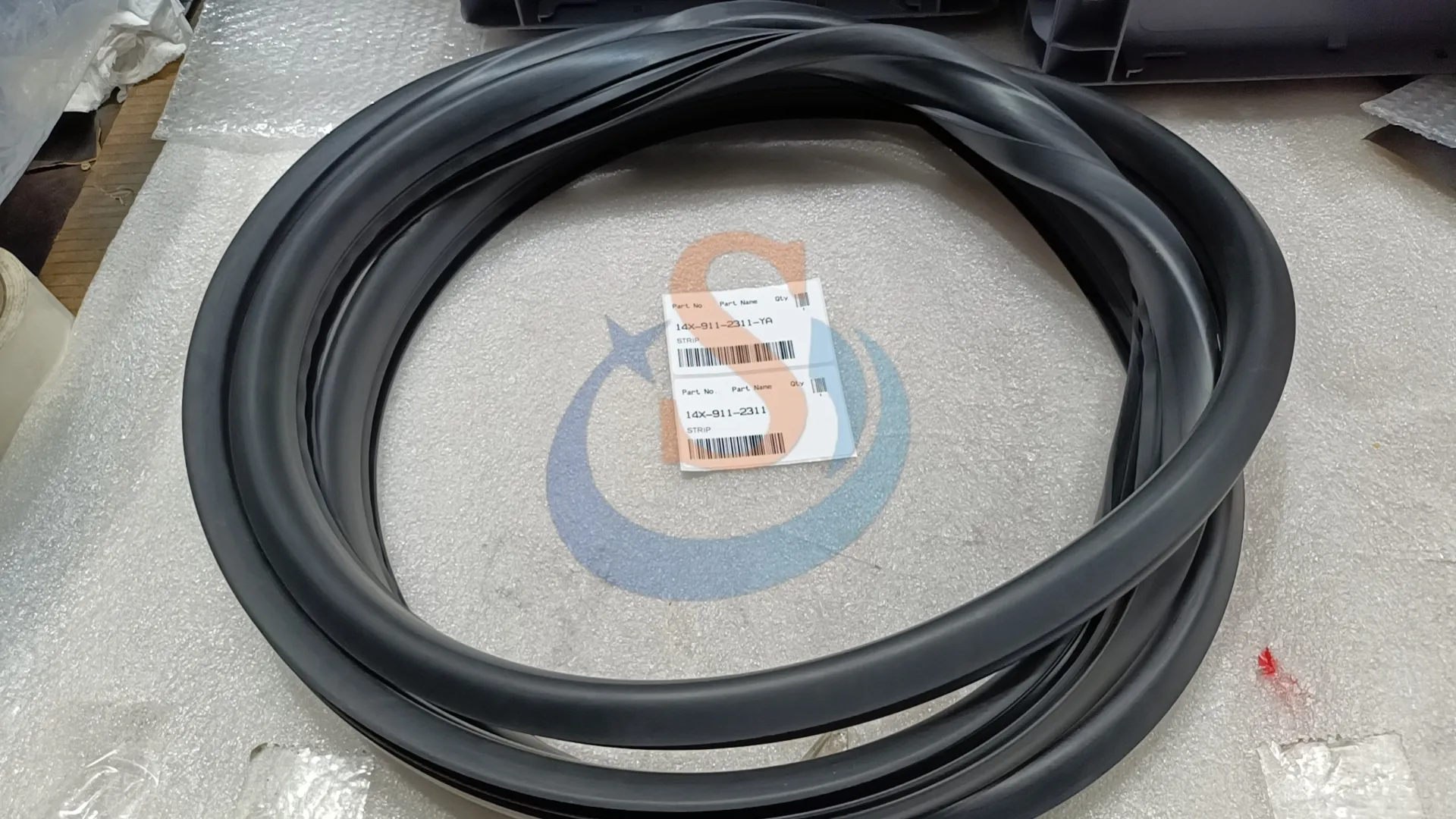
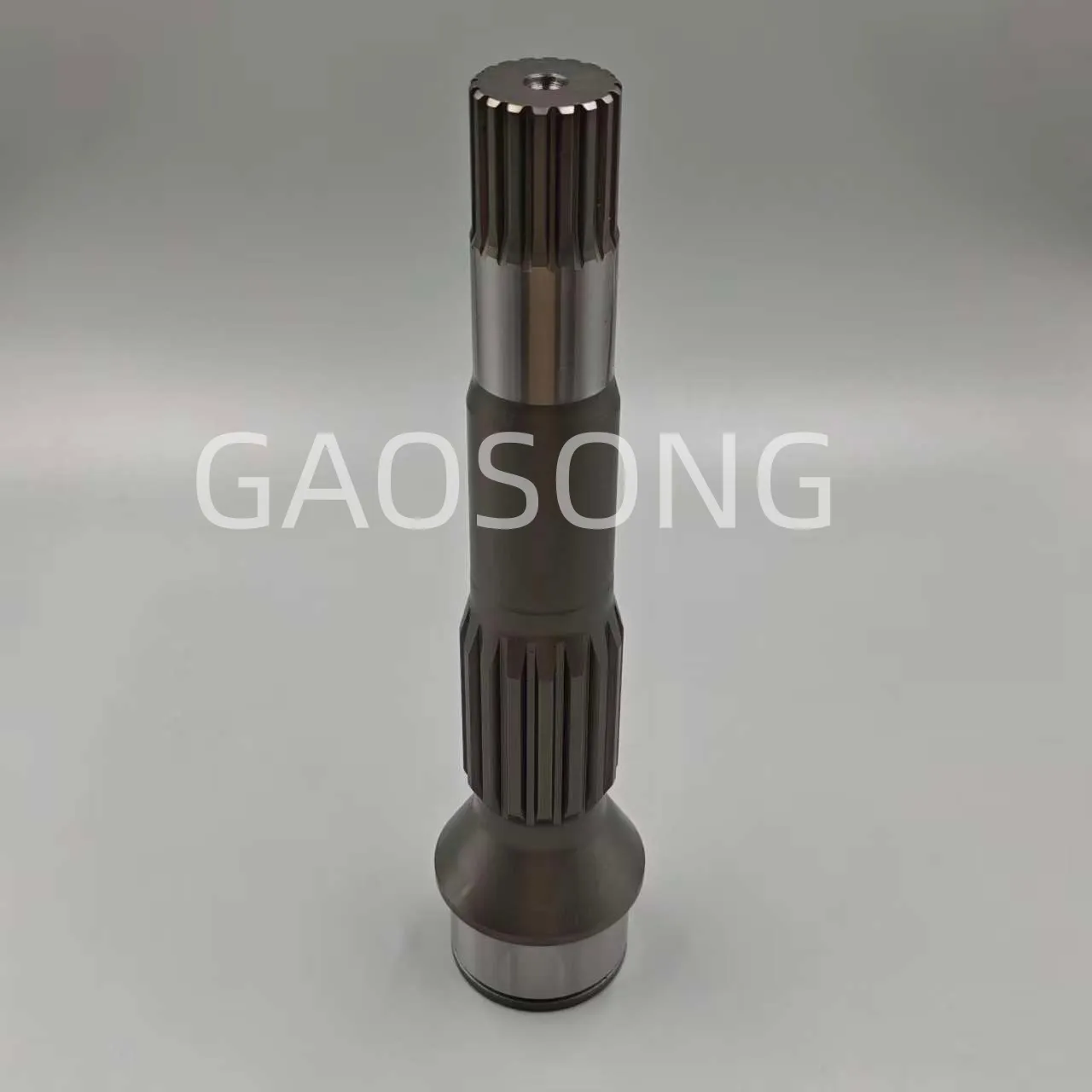

Best Selling Products
Best Selling Products-
 Connector Hose 6156-11-5521 for SAA6D125E Engine, PC400-7 Excavator Spare Part
 -
 6743-11-4931 Komatsu HOSE
 -
 TRUNNION 195-71-51191 – KOMATSU
 -
 07137-04006 • BUSHING-Komatsu Original Factory
 -
208-26-71170 Komatsu CARRIER PC400-7 SWING MACHINERY ASS’Y 400-7 400-8 450-7 490-10 550-8 1250-8
-
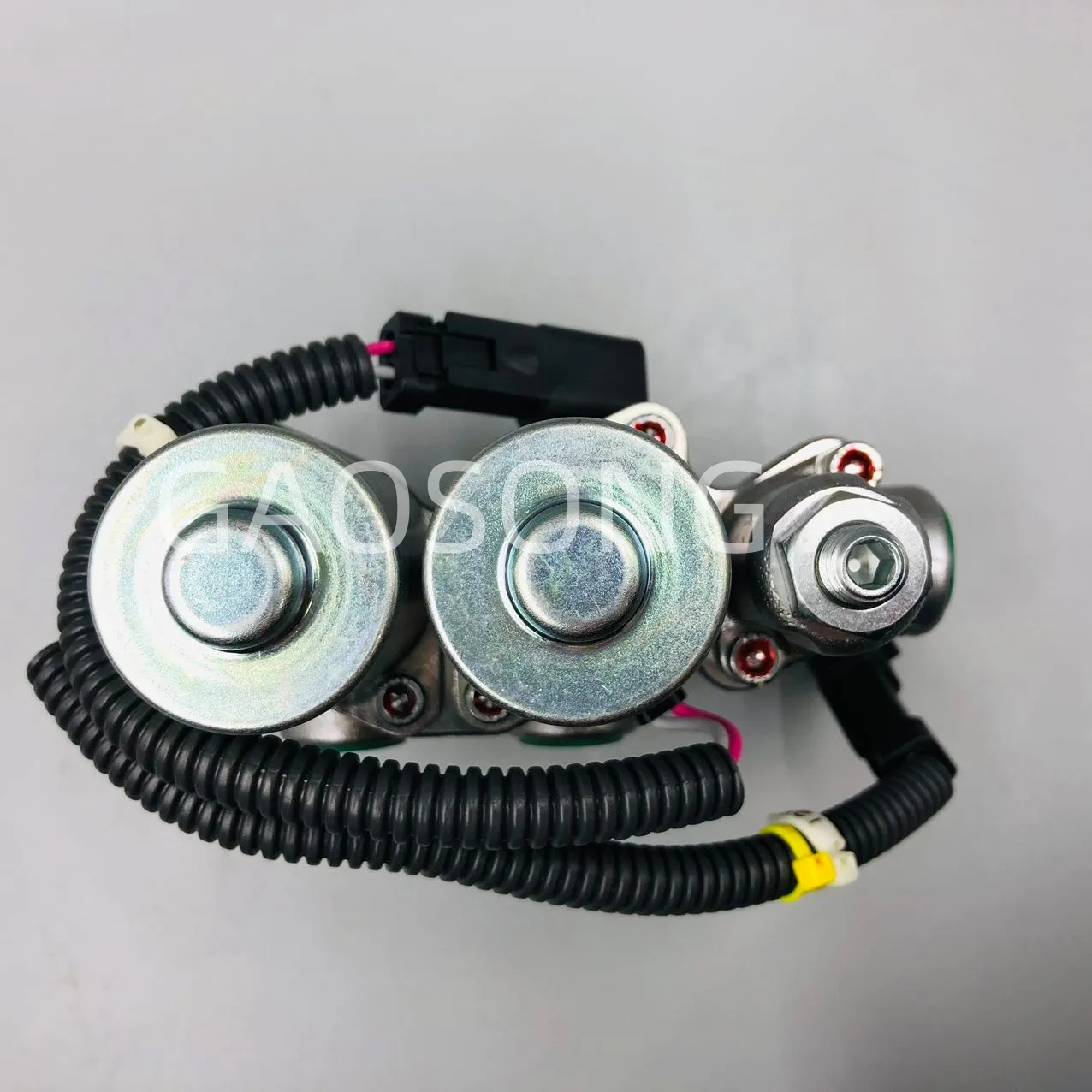 Pc45mr Pc50mr Solenoid Valve 22f-60-31600 Genuine Parts, High…
 -
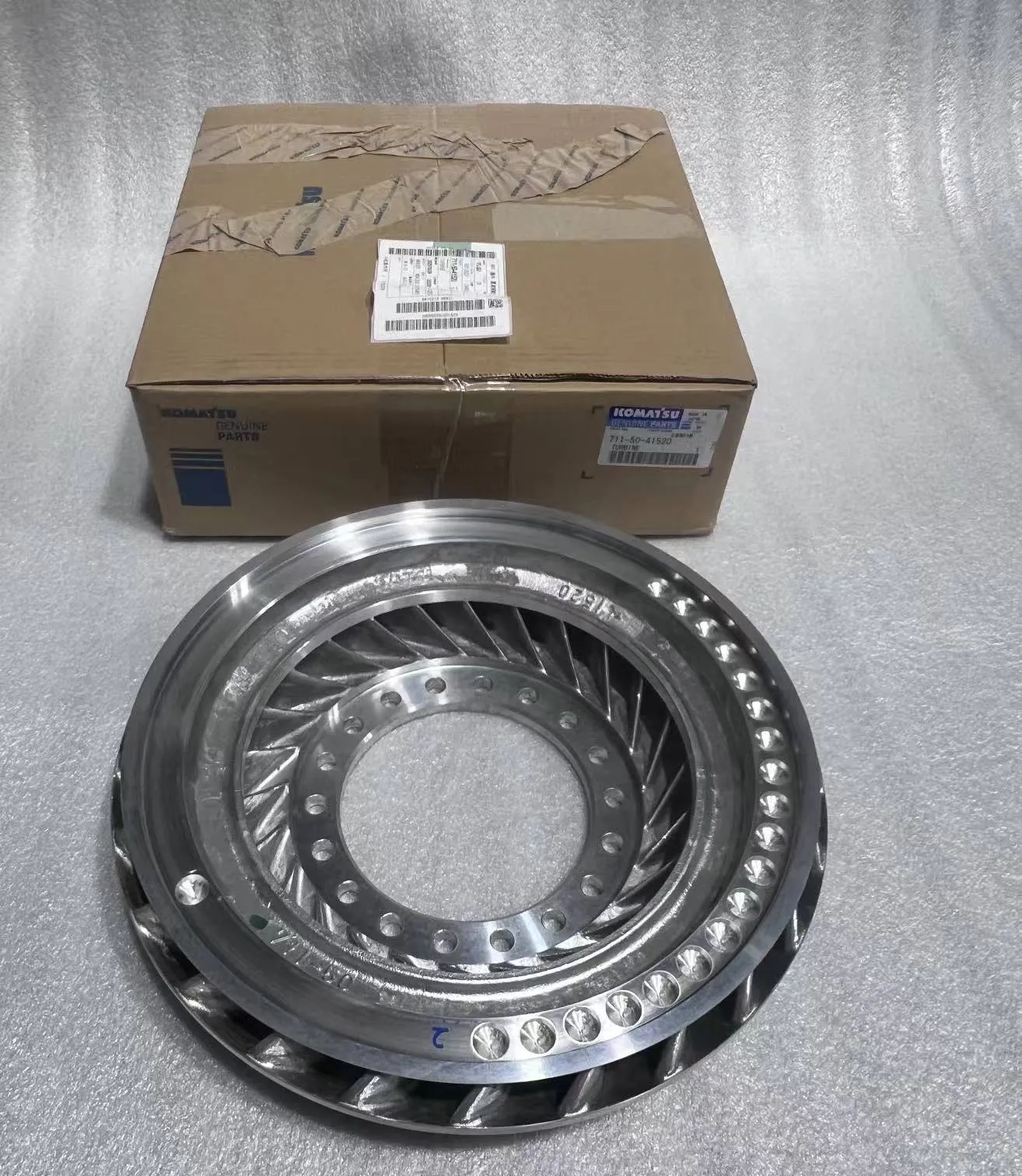 711-50-41520 Komatsu TURBINE
 -
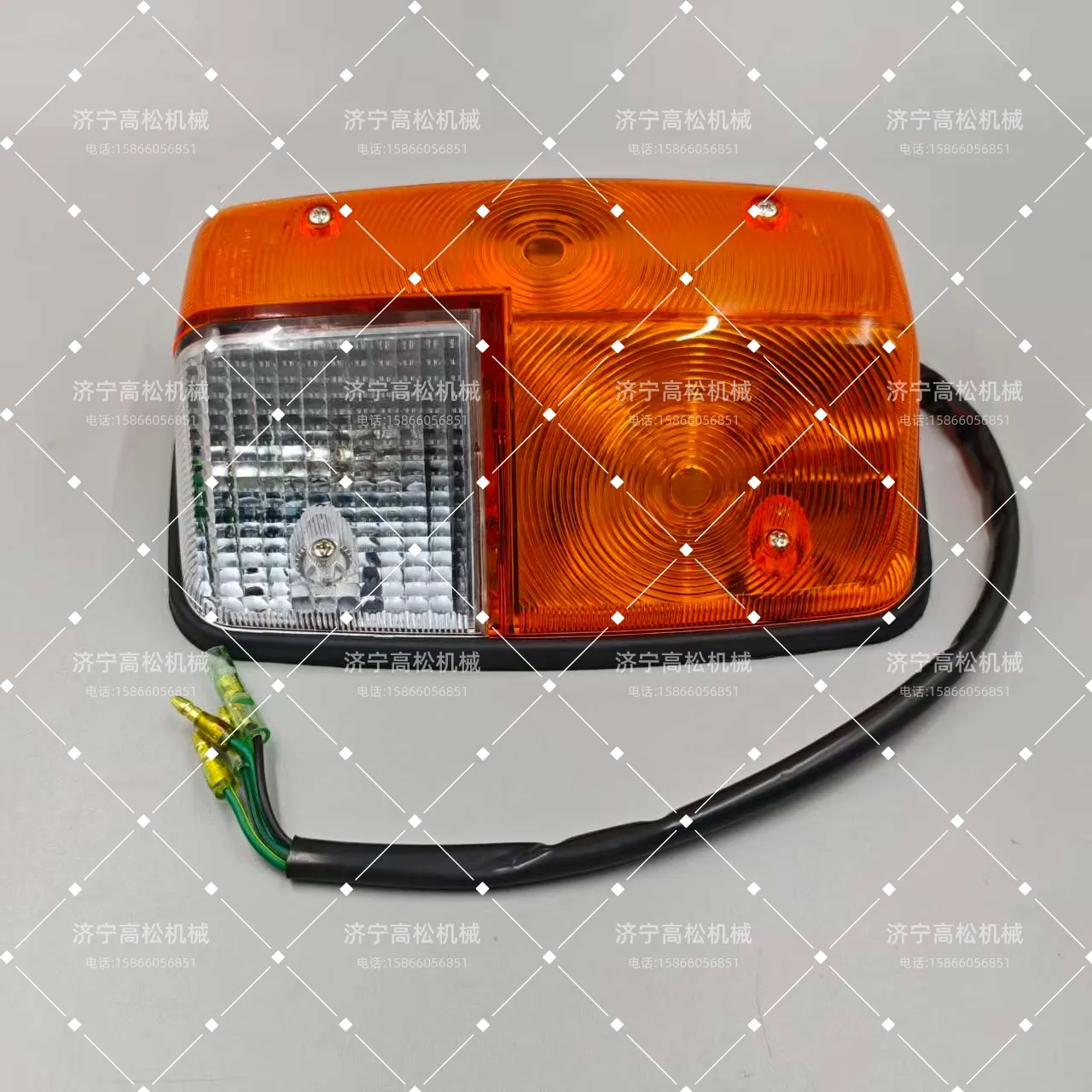 Komatsu WA380-1LC 421-06-13401 LIGHT… — Supply.Parts
 -
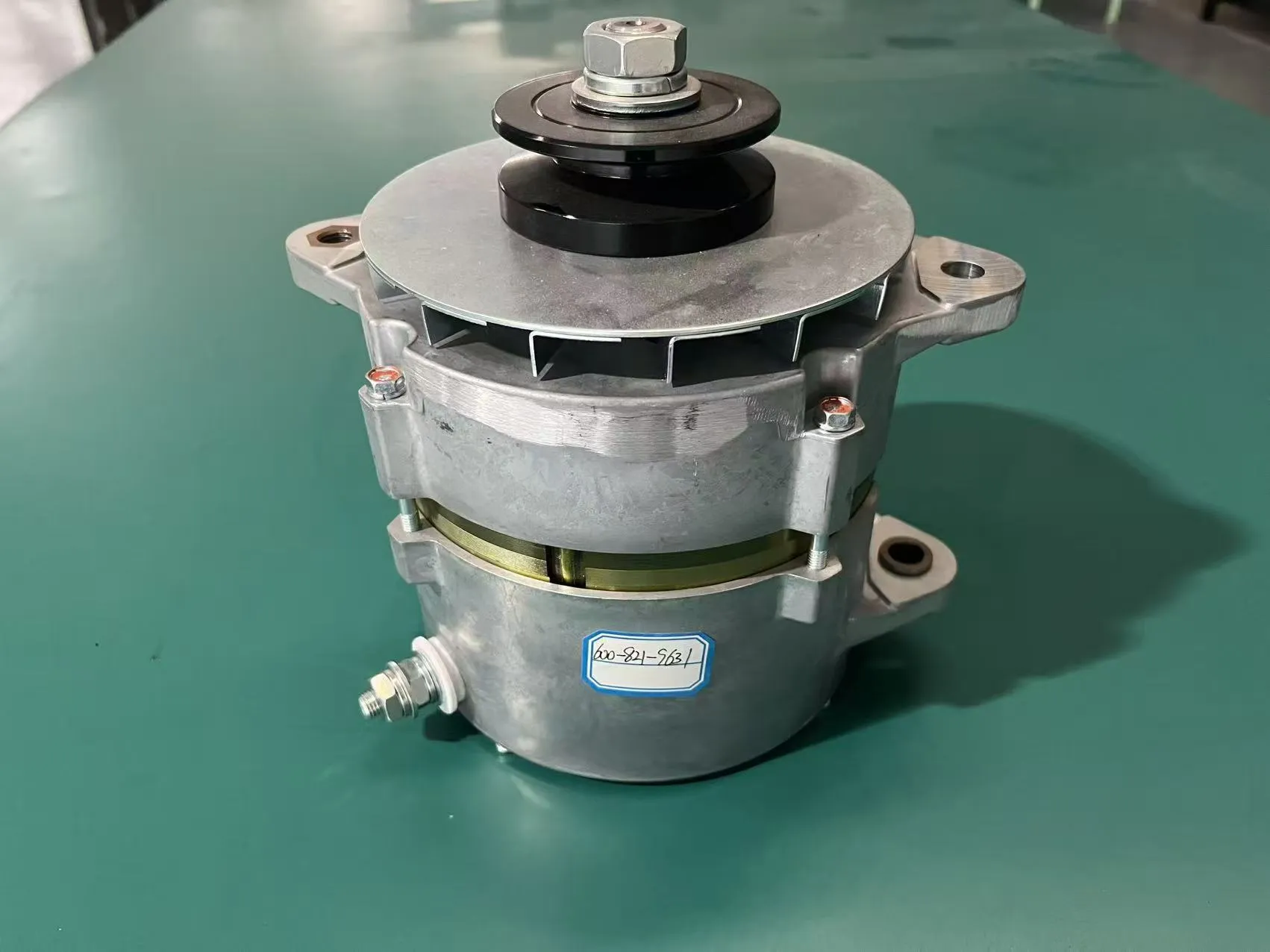 600-821-9631 Komatsu SA12V140 ALTERNATOR
 -
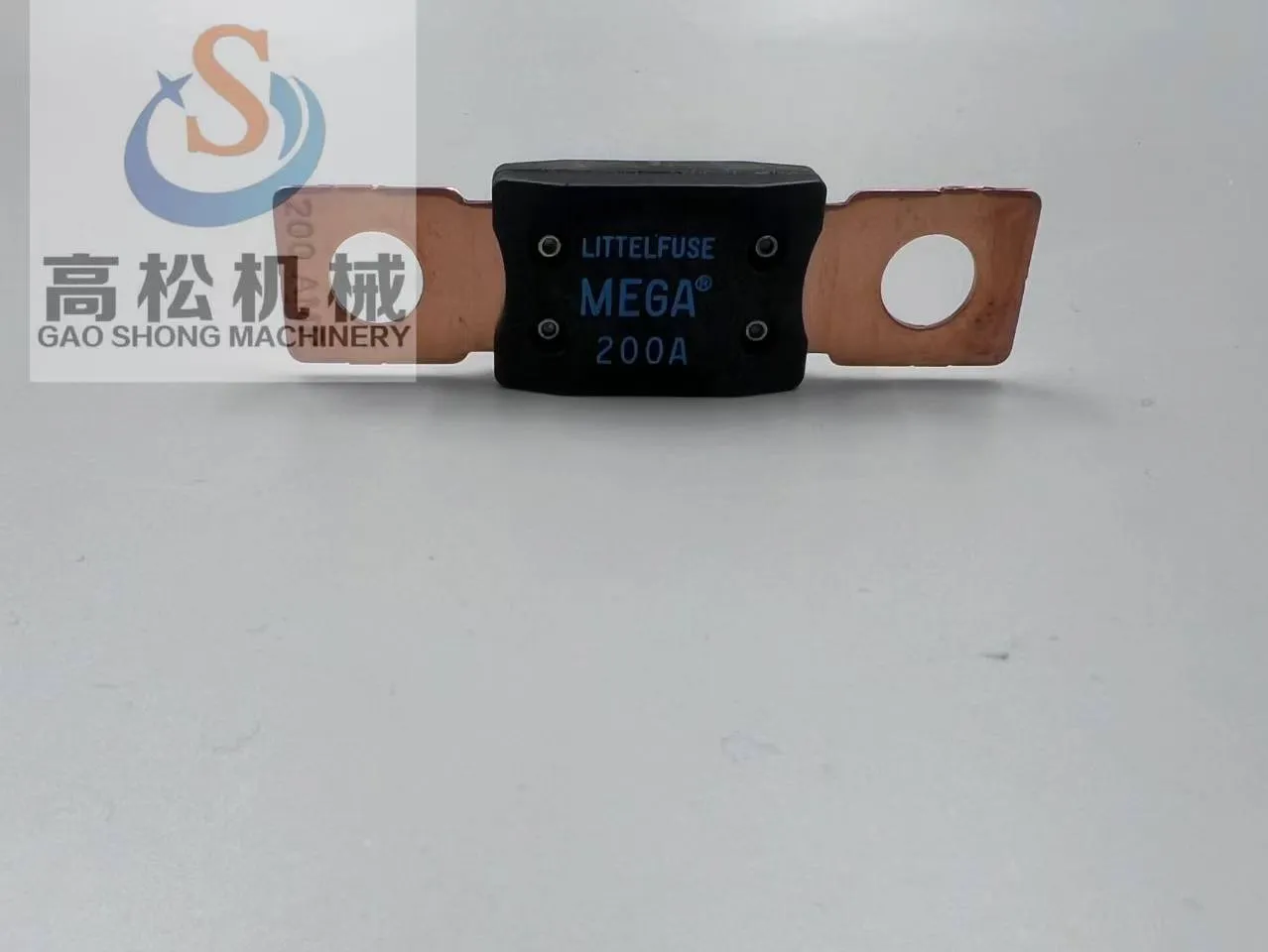 Original original fuse 561-06-81610 for hd785-7 wheel loaders wa500-6 bulldozer parts bulldozer parts ass ‘y
 -
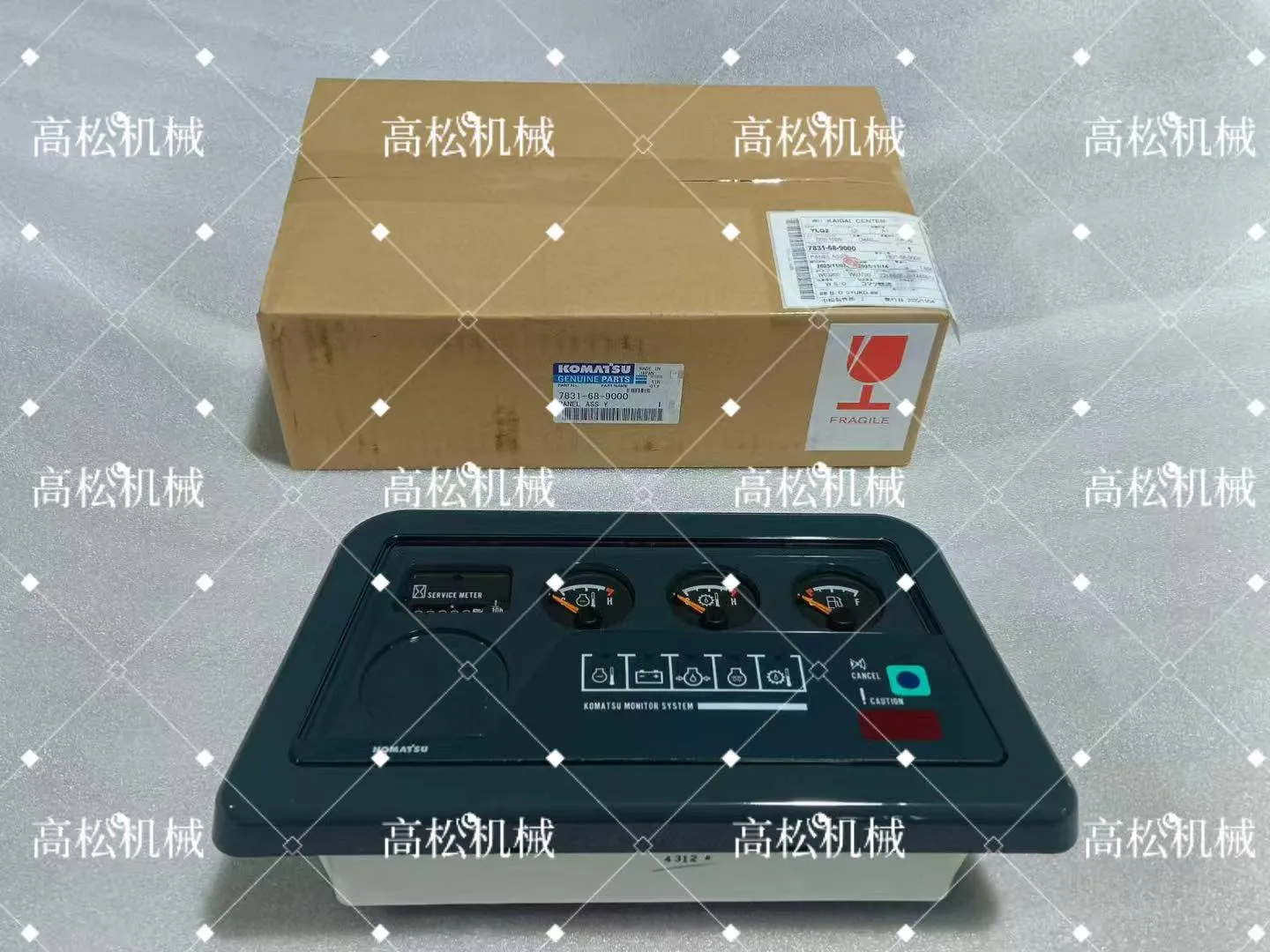 n-stock items. Part No.: 7831-68-9000. Genuine Komatsu panel. Suitable for D155 and D375 models.
 -
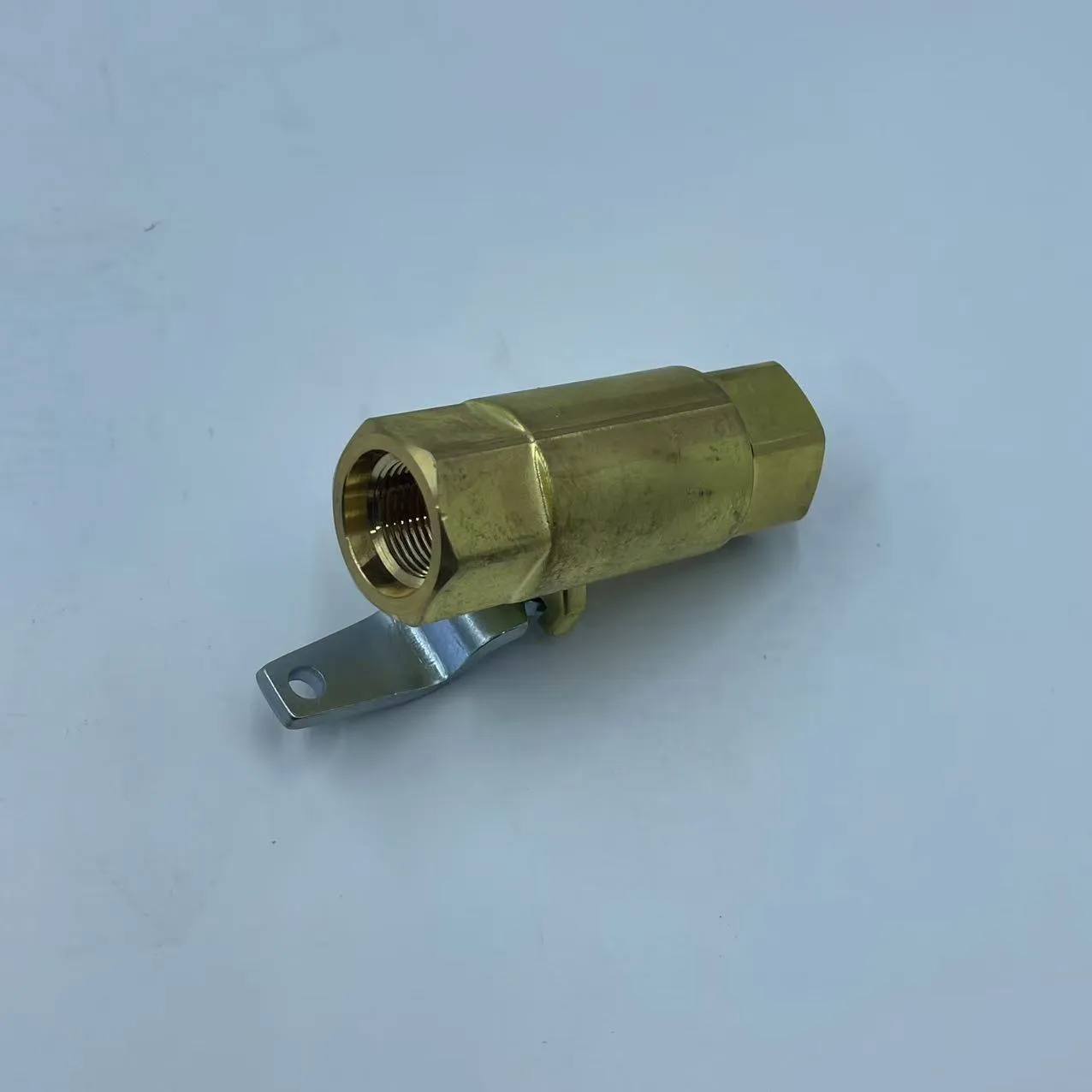 Komatsu Excavator PC200 Valve 20Y-62-15651