
- Chinese
- French
- German
- Portuguese
- Spanish
- Russian
- Japanese
- Korean
- Arabic
- Irish
- Greek
- Turkish
- Italian
- Danish
- Romanian
- Indonesian
- Czech
- Afrikaans
- Swedish
- Polish
- Basque
- Catalan
- Esperanto
- Hindi
- Lao
- Albanian
- Amharic
- Armenian
- Azerbaijani
- Belarusian
- Bengali
- Bosnian
- Bulgarian
- Cebuano
- Chichewa
- Corsican
- Croatian
- Dutch
- Estonian
- Filipino
- Finnish
- Frisian
- Galician
- Georgian
- Gujarati
- Haitian
- Hausa
- Hawaiian
- Hebrew
- Hmong
- Hungarian
- Icelandic
- Igbo
- Javanese
- Kannada
- Kazakh
- Khmer
- Kurdish
- Kyrgyz
- Latin
- Latvian
- Lithuanian
- Luxembou..
- Macedonian
- Malagasy
- Malay
- Malayalam
- Maltese
- Maori
- Marathi
- Mongolian
- Burmese
- Nepali
- Norwegian
- Pashto
- Persian
- Punjabi
- Serbian
- Sesotho
- Sinhala
- Slovak
- Slovenian
- Somali
- Samoan
- Scots Gaelic
- Shona
- Sindhi
- Sundanese
- Swahili
- Tajik
- Tamil
- Telugu
- Thai
- Ukrainian
- Urdu
- Uzbek
- Vietnamese
- Welsh
- Xhosa
- Yiddish
- Yoruba
- Zulu
- Kinyarwanda
- Tatar
- Oriya
- Turkmen
- Uyghur






OEM AND ORIGINAL KOMATSU CUSHION 198-54-61822
When someone searches for 'OEM AND ORIGINAL KOMATSU CUSHION ', they're usually in a bind. A machine is down, pressure's leaking, and they need the right part, fast. But here's the rub: that search term itself shows a common confusion. People often use OEM and Original interchangeably, thinking they mean the same thing—a genuine Komatsu box with the logo. In our world, that's not always the case. OEM can mean a part made for Komatsu by a contracted factory, which is technically original spec, but it might not come in the branded Komatsu packaging if sourced through alternative channels. The cushion is a perfect example to unpack this. It's a critical seal in the main hydraulic circuit of several older PC models, like the PC300-6. When it fails, you don't just lose power; you risk contaminating the whole system. So, picking the right one isn't academic; it's about uptime.
The Anatomy of a Cushion: More Than Just a Ring
Let's talk about the specifically. It's not a simple O-ring. It's a bonded cushion, meaning it has a metal core vulcanized with rubber. The tolerances are tight. I've seen aftermarket versions where the rubber compound is off—maybe too hard. It fits, sure, but it doesn't absorb the pressure pulses the same way. Within six months, you get harmonic vibrations that fatigue nearby hose connections. I learned this the hard way on a customer's site years back. Used a cheaper alternative, and the failure cascade cost more in hoses and labor than ten original cushions would have.
The material is nitrile, but it's a specific grade resistant to the anti-wear additives in Komatsu's preferred hydraulic fluid. A generic NBR compound might swell or crack over time. That's the kind of detail you only get from the OEM spec sheets or from a supplier deeply embedded in that system. This is where a company like Jining Gaosong Construction Machinery Co., Ltd. positions itself. They operate as an OEM product supplier within the Komatsu system. In practice, this often means they have access to production from the same factories that feed Komatsu's parts network, but perhaps without the final branding step. It's a crucial distinction from a pure third-party reverse-engineered part.
Another point often missed is the lot coding. A genuine or true OEM-sourced Komatsu cushion will have traceable batch codes. This isn't for show. If there's a material defect found in a specific production run, Komatsu can issue a recall or a technical service bulletin. With a no-name part, you're on your own. I always check for that faint, laser-etched code near the metal core. No code? Immediate red flag.
Sourcing Realities and the Gray Market Challenge
Now, the term original in an online listing is practically meaningless without verification. I've ordered parts advertised as original Komatsu that arrived in plain white boxes with poorly photocopied spec sheets. The is a high-failure item, so the market is flooded with copies. Some are decent, most are junk. The real challenge in certain regions isn't availability—it's authenticity and supply chain continuity. This is the gap that third-party sales companies aligned with Komatsu aim to fill.
Takematsu Machinery's site explicitly states they help solve parts supply challenges in certain countries. This resonates. I've dealt with projects in Southeast Asia and Africa where the official distributor network is thin or non-existent. Lead times for a simple cushion could be 12 weeks. A supplier functioning as a third-party sales company for Komatsu can leverage different logistics channels to get OEM-quality parts into these markets faster. They aren't just selling a widget; they're providing access to a system.
But caution is still needed. OEM product supplier within the Komatsu system implies a formal relationship. It's worth asking for documentation—a manufacturer's certificate of conformity or a letter of authorization. Any reputable supplier should be able to provide something, even if it's sanitized to protect commercial agreements. If they get defensive, walk away. The price point is also a tell. If it's 40% below the known market rate for a genuine part, it's almost certainly not from the OEM pipeline.
Field Application and Failure Modes
Installing the seems straightforward, but there's nuance. The bonded surface must be absolutely clean and free of nicks. I use a plastic pry tool, never a screwdriver. The failure mode I see most often isn't the cushion itself failing, but it being installed over a tiny burr on the valve body seating surface, which then cuts it during the first pressure cycle. The mechanic blames the part, but it was a prep issue. That's why when you source a part, you're also sourcing the technical knowledge that should come with it.
A good supplier will have or can get the installation diagram (the breakdown from the Komatsu technical manual) for that specific part number. Jining Gaosong, given their stated role, should have direct access to these resources. It's a service as valuable as the part itself, especially for older models where manuals are scarce. I recall a situation where we had a persistent leak on a PC400-5 after a cushion replacement. The issue turned out to be a slightly different torque sequence for the cover plate that wasn't obvious. The supplier was able to fax over (yes, fax) the relevant page from the service manual. That's partnership.
Another practical note: always replace the companion parts. The cushion usually works in tandem with specific seals and back-up rings. If the cushion is worn, those are likely compromised too. An OEM-quality kit will include them. A cheap copy might just give you the cushion, setting you up for a re-do in short order. Check what's actually in the box.
Economic and Operational Verdict
So, is it worth chasing down the true OEM-original path for a Komatsu cushion? For critical hydraulic components like this, absolutely. The cost of machine downtime dwarfs the part price difference. A failed cushion can lead to pump cavitation or valve spool scoring—repairs that run into five figures. Using a verified OEM-source part, even if it doesn't come in the shiny Komatsu box, mitigates that risk substantially.
Companies like the one mentioned understand this calculus. Their value proposition isn't being the cheapest; it's being a reliable conduit for OEM-specification parts into markets where the official pipeline is clogged. For a fleet manager with a dozen aging Komatsu machines, that reliability is everything. It turns a crisis parts search into a routine purchase order.
In the end, the part number is just a code. The real product is confidence—confidence that the part will fit, will perform to spec, and will last the expected service interval. That confidence comes from provenance. It comes from suppliers who are inside the system, not just observers of it. When you find one, you stick with them. Because in this business, the right cushion isn't just a spare part; it's insurance.
Related Products
Related Products

Best Selling Products
Best Selling Products-
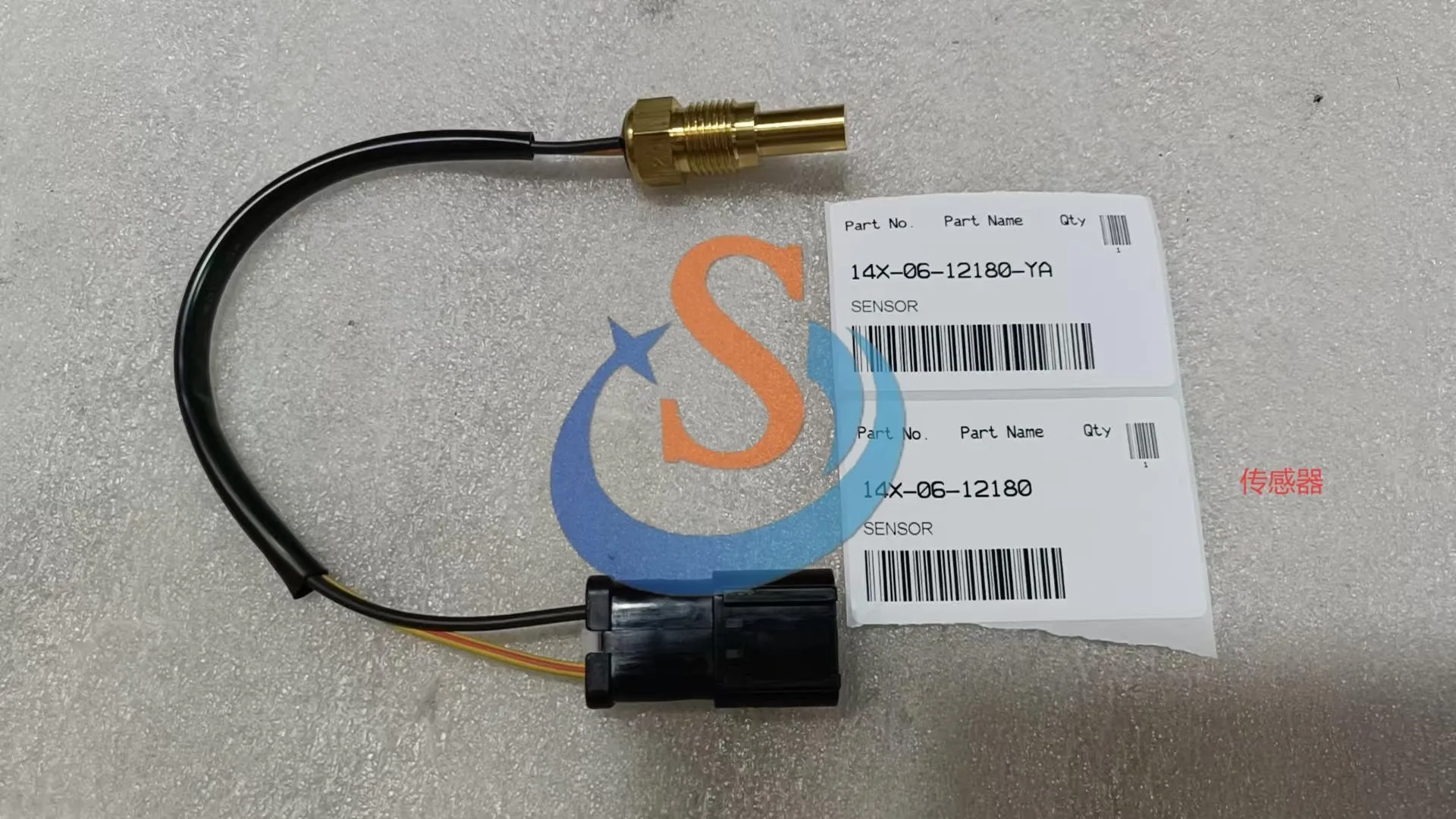 14X-06-12180 SENSOR D65/D85/D155A
 -
 KOMATSU GAUGE 207-01-31150
 -
 207-70-61610• BUSHING Komatsu Original Factory
 -
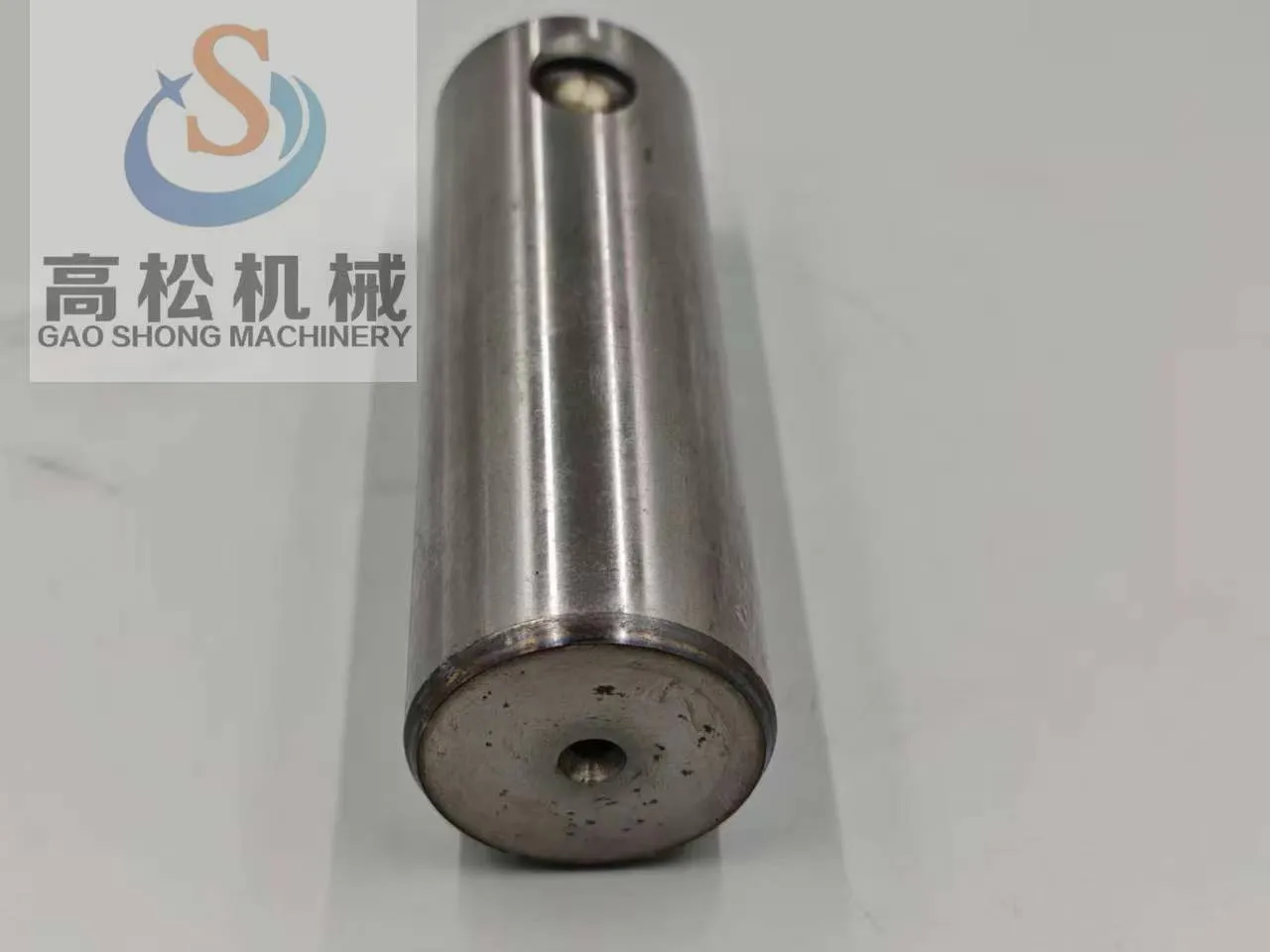 High quality new finger – pin 424-22-12510 for komatsu hm350-2 hm400-2 articulated dump truck
 -
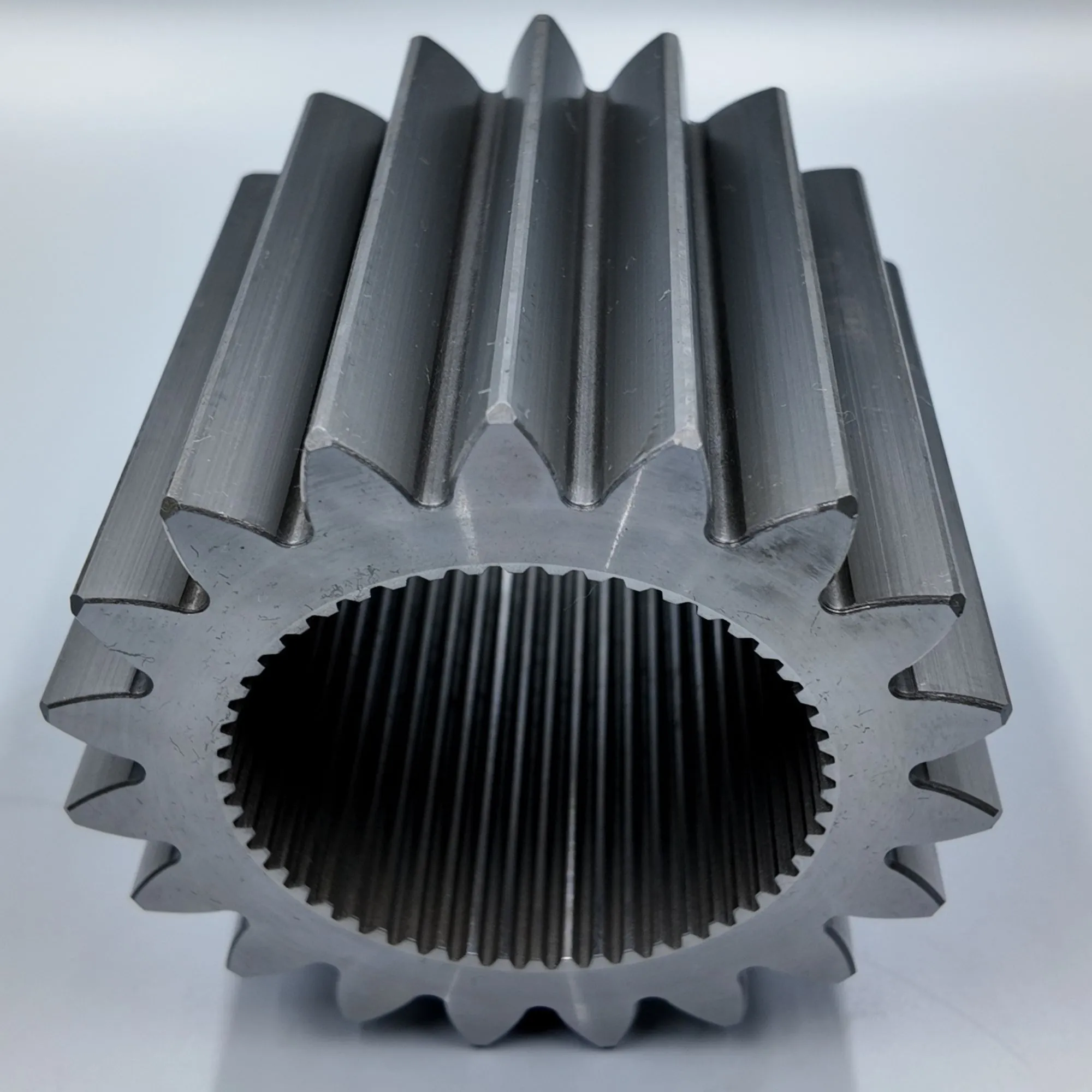 426-22-12421 •• GEAR-Komatsu Original Factory
 -
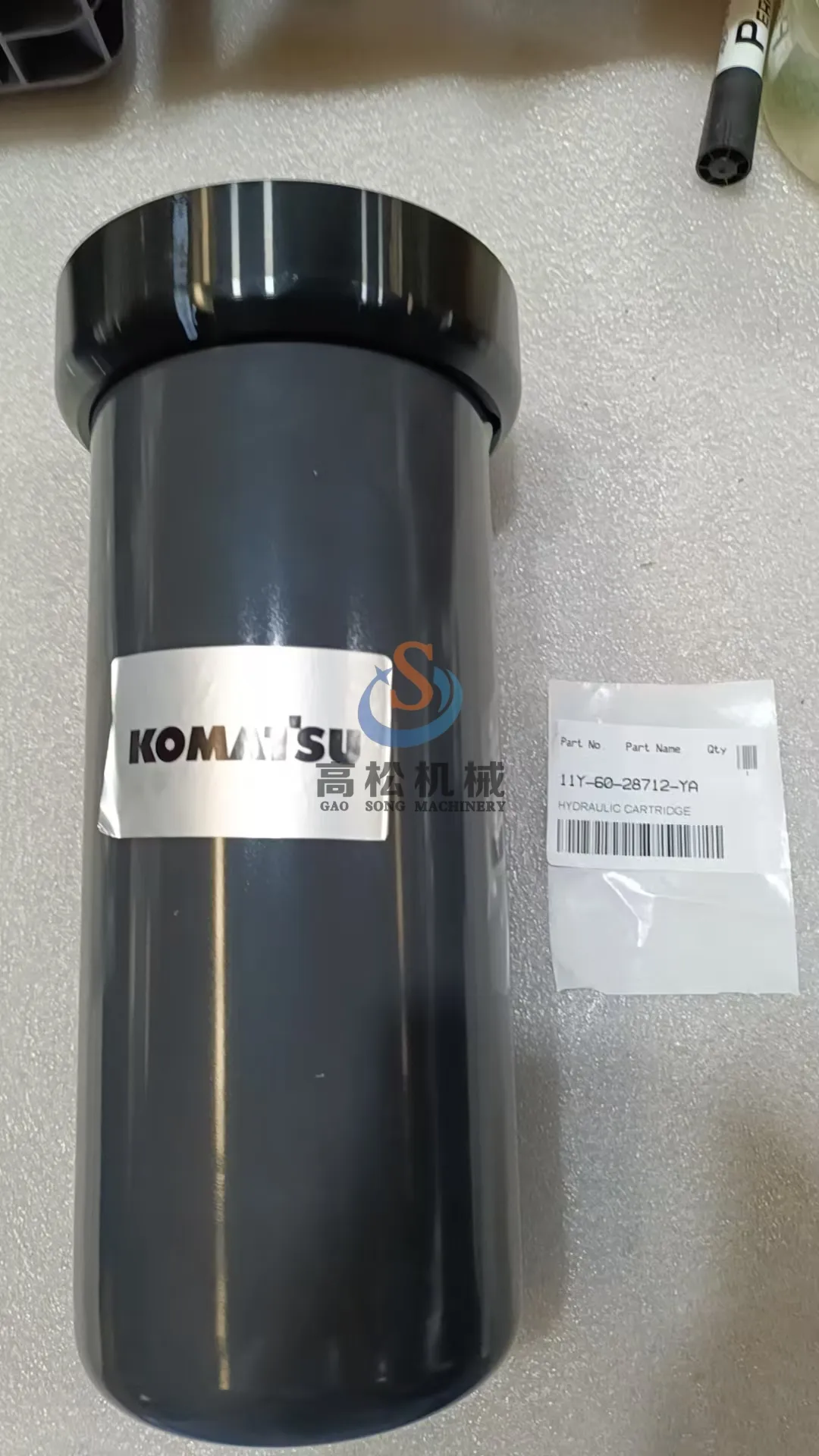 11Y-60-28712 komatsu CARTRIDGE-D37/D61
 -
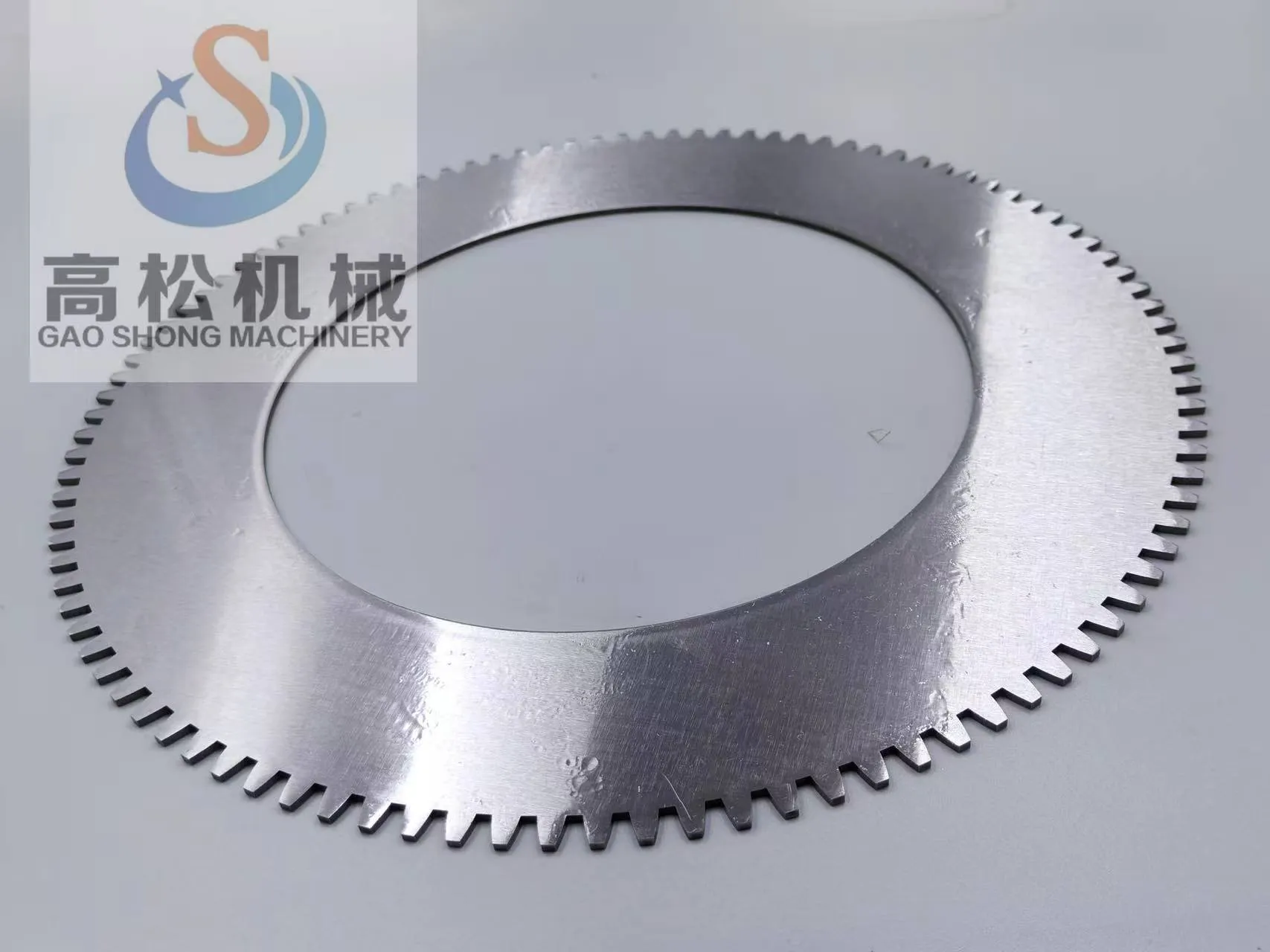 Ring seal gd825a grader 235-22-11550
 -
 SEAL RING 155-15-12811 Dump Truck Transmission Kit D85A-18 NT855
 -
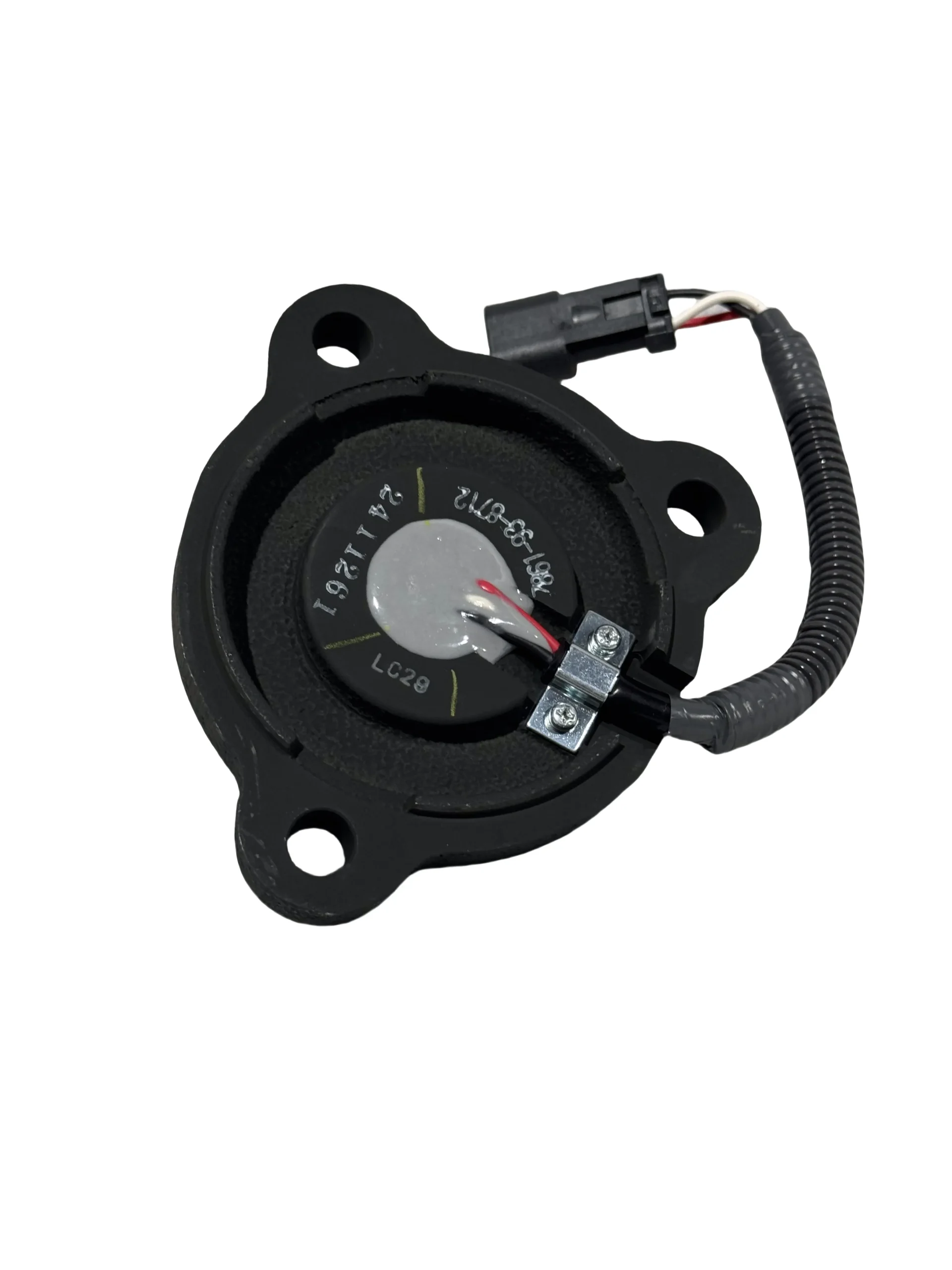 7861-93-8711 Steering Sensor for Komatsu HD785-7
 -
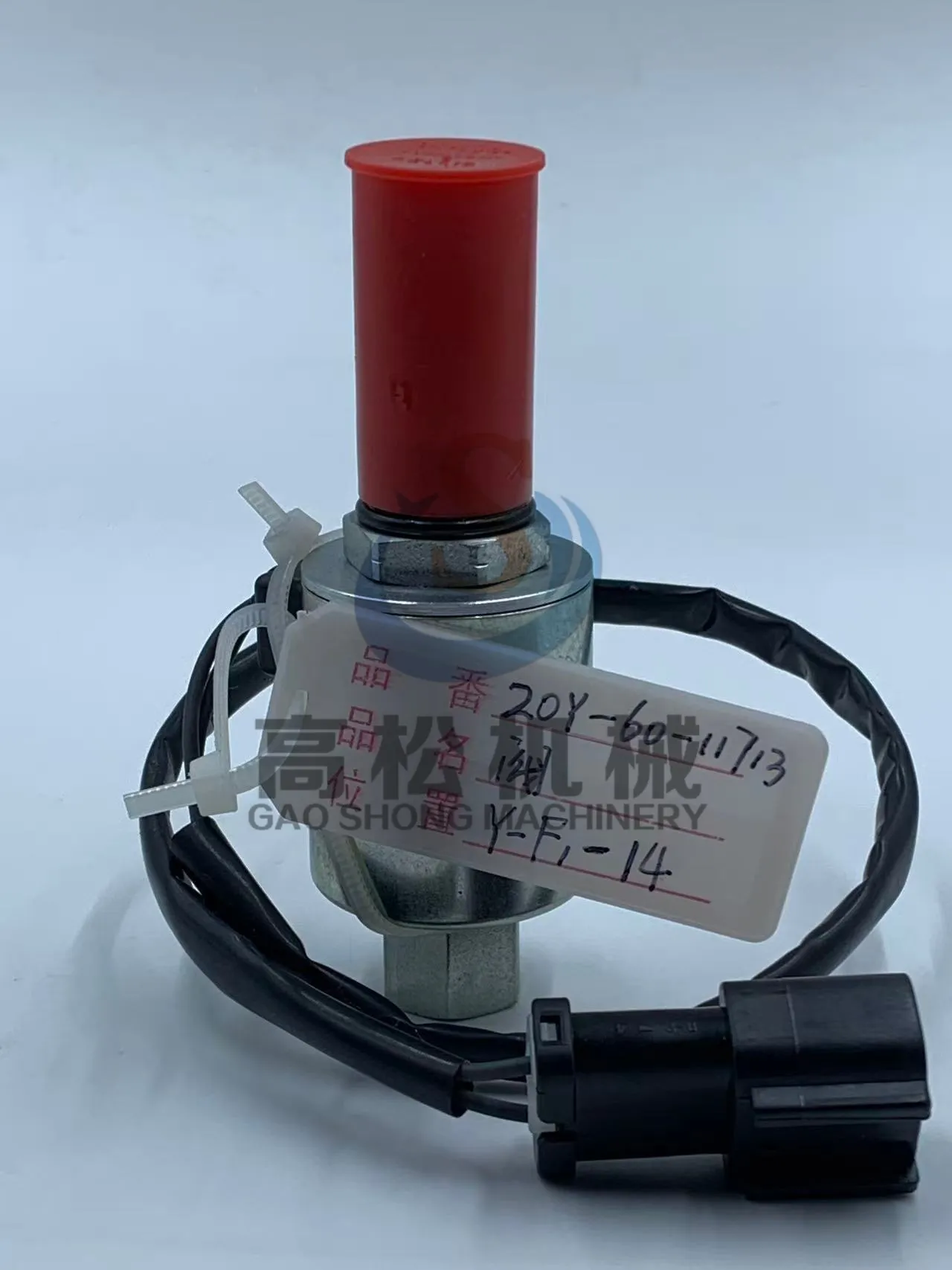 Swing Motor Solenoid Valve 20Y-60-11713
 -
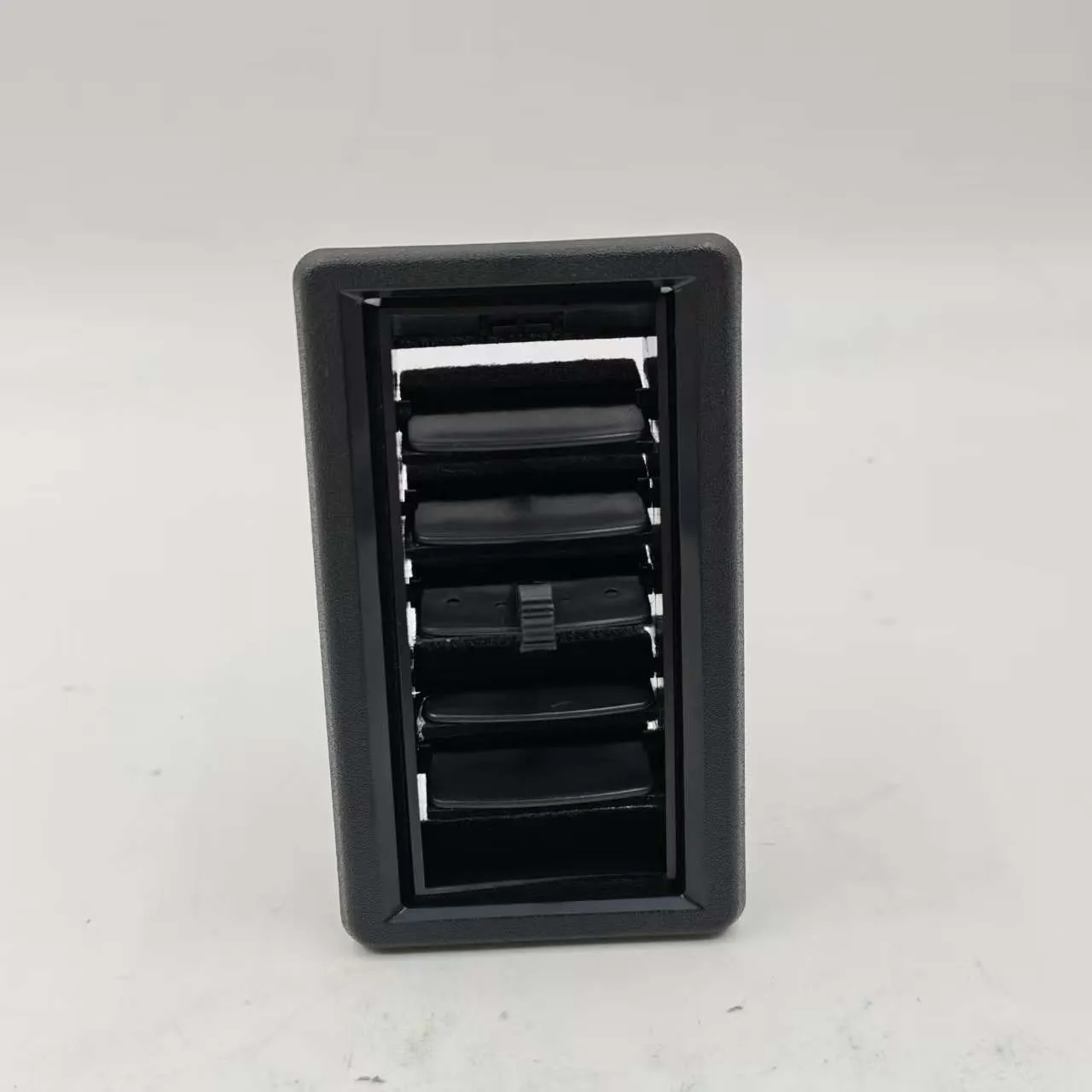 Komatsu Inside cover 17A-54-18270 for Bulldozer D155AX-5
 -
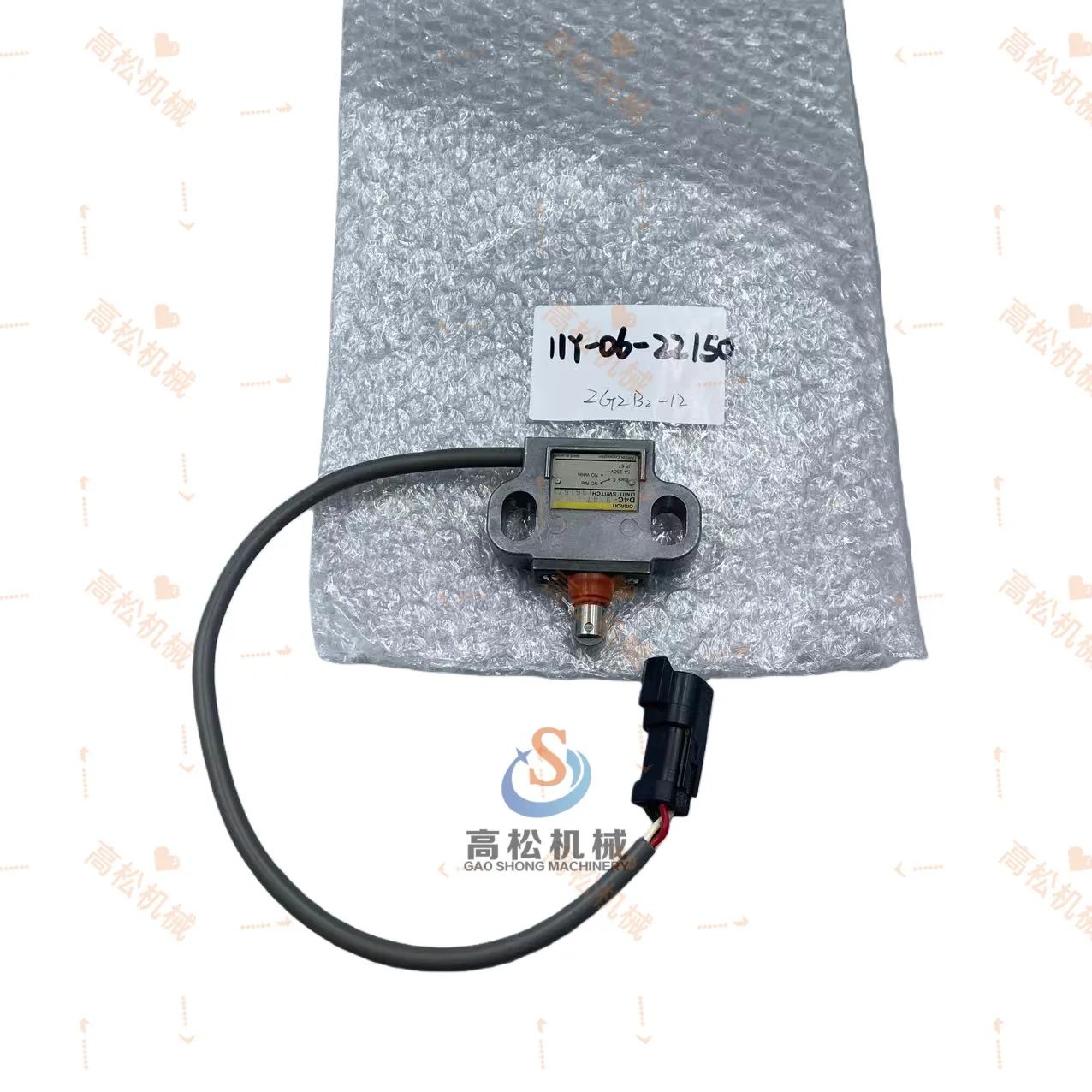 Komatsu original factory switch 11Y-06-22150