
- Chinese
- French
- German
- Portuguese
- Spanish
- Russian
- Japanese
- Korean
- Arabic
- Irish
- Greek
- Turkish
- Italian
- Danish
- Romanian
- Indonesian
- Czech
- Afrikaans
- Swedish
- Polish
- Basque
- Catalan
- Esperanto
- Hindi
- Lao
- Albanian
- Amharic
- Armenian
- Azerbaijani
- Belarusian
- Bengali
- Bosnian
- Bulgarian
- Cebuano
- Chichewa
- Corsican
- Croatian
- Dutch
- Estonian
- Filipino
- Finnish
- Frisian
- Galician
- Georgian
- Gujarati
- Haitian
- Hausa
- Hawaiian
- Hebrew
- Hmong
- Hungarian
- Icelandic
- Igbo
- Javanese
- Kannada
- Kazakh
- Khmer
- Kurdish
- Kyrgyz
- Latin
- Latvian
- Lithuanian
- Luxembou..
- Macedonian
- Malagasy
- Malay
- Malayalam
- Maltese
- Maori
- Marathi
- Mongolian
- Burmese
- Nepali
- Norwegian
- Pashto
- Persian
- Punjabi
- Serbian
- Sesotho
- Sinhala
- Slovak
- Slovenian
- Somali
- Samoan
- Scots Gaelic
- Shona
- Sindhi
- Sundanese
- Swahili
- Tajik
- Tamil
- Telugu
- Thai
- Ukrainian
- Urdu
- Uzbek
- Vietnamese
- Welsh
- Xhosa
- Yiddish
- Yoruba
- Zulu
- Kinyarwanda
- Tatar
- Oriya
- Turkmen
- Uyghur






OEM AND ORIGINAL KOMATSU CUSHION 198-21-32152
When you see a part number like paired with terms like 'OEM' and 'Original Komatsu,' it immediately sets off alarm bells for anyone who's been in the heavy equipment parts game long enough. There's a pervasive, and frankly costly, misconception that these terms are interchangeable. They're not. In my experience, 'OEM' for a Komatsu cushion ring can mean it's produced to the exact blueprint by a factory authorized by Komatsu, but it might not come in the iconic Komatsu yellow box. The 'Original' tag, however, should mean it came off the same line as the parts going into new machines at the Komatsu plant. The confusion between these labels is where a lot of money gets left on the table, or worse, where downtime gets introduced.
The Anatomy of a Cushion: More Than Just a Ring
Let's talk about the specifically. It's not a glamorous part—it's a cushion ring, likely for a Komatsu excavator's undercarriage or a similar shock-absorption point. Its job is brutal: take constant impact, resist abrasion, and do it all while sealed in grime. The failure mode is rarely catastrophic; it's a slow degradation that increases lash, changes the machine's stance, and accelerates wear on pins, bushings, and even the final drives. I've seen machines where operators just ran it until the metal was grinding, thinking it was a 'soft' part. It's not.
The material compound is the real secret. An authentic Komatsu-original cushion has a very specific rubber polymer blend and cord reinforcement. I've held cut-open counterfeits next to genuine ones. The fakes often have a different cord pattern, or the rubber feels either too hard and brittle or too soft and gummy. In cold climates, a subpar compound will crack like an old tire. In high-heat operations, it'll deform and pancake. The OEM-spec ones from a certified supplier should match this exactly, but verifying that is the trick.
I remember a job in a quarry where we had recurring failures on PC300 cushions. We were using a part marketed as 'OEM-equivalent.' The fit was perfect, but they'd wear out in 400 hours. Switched to a source we trusted for genuine OEM-spec parts, and the lifespan jumped back to the expected 1200+ hours. The difference was in the carbon black dispersion and the curing process—things you can't see on the surface. That's the practical reality of the OEM AND ORIGINAL debate.
The Supply Chain Maze and Finding Reliable Partners
This is where the theoretical meets the logistical nightmare. For dealers in many regions, getting a steady supply of genuine Komatsu parts for older models can be a months-long ordeal. Machines sit idle. This gap is what creates the entire ecosystem for third-party and OEM suppliers. The key is finding one that doesn't just sell a generic 'will-fit' but actually has the engineering pedigree and traceability.
This is why operations sometimes turn to companies like Jining Gaosong Construction Machinery Co., Ltd.. Their stated role is instructive: an OEM product supplier within the Komatsu system and a third-party sales company. In practice, this often means they have access to production lines that manufacture to Komatsu's OEM specifications, possibly even for the aftermarket or for specific regional distributions. Their website, takematsumachinery.com, explicitly notes they help solve parts supply challenges in certain countries. That's industry-speak for navigating the official channels' limitations.
I haven't ordered a from them personally, but their model is familiar. The value isn't just in having the part; it's in having the correct part with the correct material certification. A reliable partner in this space should be able to answer specific questions: Which factory produced this? Can you provide the material spec sheet? Is this from the same tooling as the genuine part? If they balk, walk away.
Cost vs. Value: The Real Calculation for Fleets
The upfront price difference between a generic cushion, an OEM-spec one, and a genuine Komatsu boxed part can be 1:3:5. The instinct is to go cheap. But the calculation is wrong if you only look at piece price. You have to factor in the labor to install it (which is the same for all three), and the machine revenue lost if you have to do the job twice—or if premature failure causes collateral damage.
For a critical wear item like a cushion ring, my rule has shifted over the years. For newer machines under warranty, always genuine, no debate. For older workhorses, where operational cost is everything, a verified OEM part from a transparent supplier is the sweet spot. The 'verified' part is crucial. It means checking lot numbers, asking for past performance data, and maybe even buying one to destructively test before committing to a fleet-wide purchase.
We tried a batch of 'original-quality' cushions for a fleet of Dash-5 excavators years ago. The price was tempting. They failed spectaculary—not by wearing out, but by delaminating. The rubber separated from the cord fabric in chunks, causing immediate, severe instability. The downtime and emergency repair costs wiped out any savings from ten years of buying the cheap option. It was a hard lesson in the meaning of 'value.'
Identification and Verification: Trust, But Verify
So, you have a in hand. How do you judge it? First, packaging. Genuine Komatsu parts have specific, high-quality packaging. An OEM part might come in plain white box with a label matching the spec. Second, look for mold markings. Komatsu parts usually have a clear, sharp part number and often a mold cavity code molded in, not just stamped or printed on. The finish should be consistent, without flash or rough edges.
Third, and most telling, is the paperwork. A reputable supplier, whether a direct dealer or a company operating like Jining Gaosong, should provide documentation that traces the part back to its manufacturing source. If they're truly an OEM supplier within the system, they should be proud to share that. I've found that the best suppliers are almost pedantic about their certifications; the dodgy ones get vague when you ask for details.
Finally, build a relationship with a technical contact, not just a salesperson. Ask them about failure modes they've seen. Ask if the compound for the cushion has been updated for higher heat resistance in recent years. Their ability to answer these nuanced, field-level questions is the ultimate test of whether they're moving boxes or supplying engineered solutions.
Closing the Loop: Practical Takeaways
It boils down to this: the part number is a blueprint. 'Original Komatsu' means it was built by Komatsu or its wholly owned subsidiary. 'OEM' should mean it was built to that exact blueprint by a certified partner. The chaos in the market comes from suppliers slapping these labels on parts that are merely 'close enough.'
For fleet managers and equipment owners, the strategy is diligence. Source from entities that clarify their position in the supply chain, like those describing themselves as an OEM product supplier within the Komatsu system. Use the first purchase as a test. Document the installation hour, monitor wear rates, and cut open the old part when you replace it. Look for consistent cord alignment and no air pockets or delamination.
The goal isn't to always buy the most expensive option. It's to buy the correct option with enough confidence that you can sleep at night. In our world, a $200 cushion ring can dictate the profitability of a $300,000 machine. That’s the real weight behind the labels OEM AND ORIGINAL. You learn to respect it after you’ve been burned by ignoring it.
Related Products
Related Products

Best Selling Products
Best Selling Products-
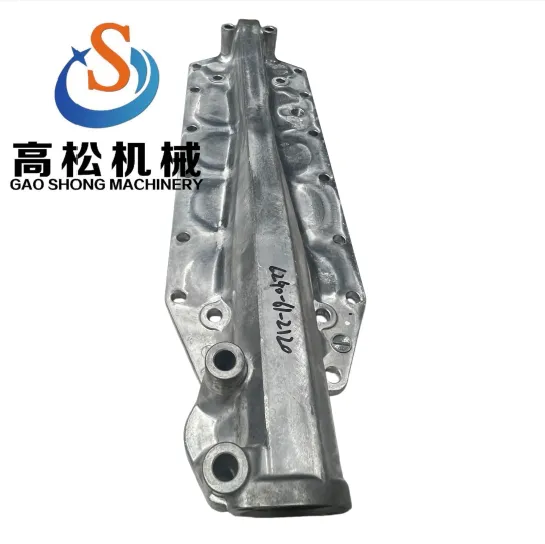 Engine Oil Cooler Cover for Cummins QSK23 SA6D170 Engine 4096006 6240-61-2120 Oil Cooler Cover 6240612120
 -
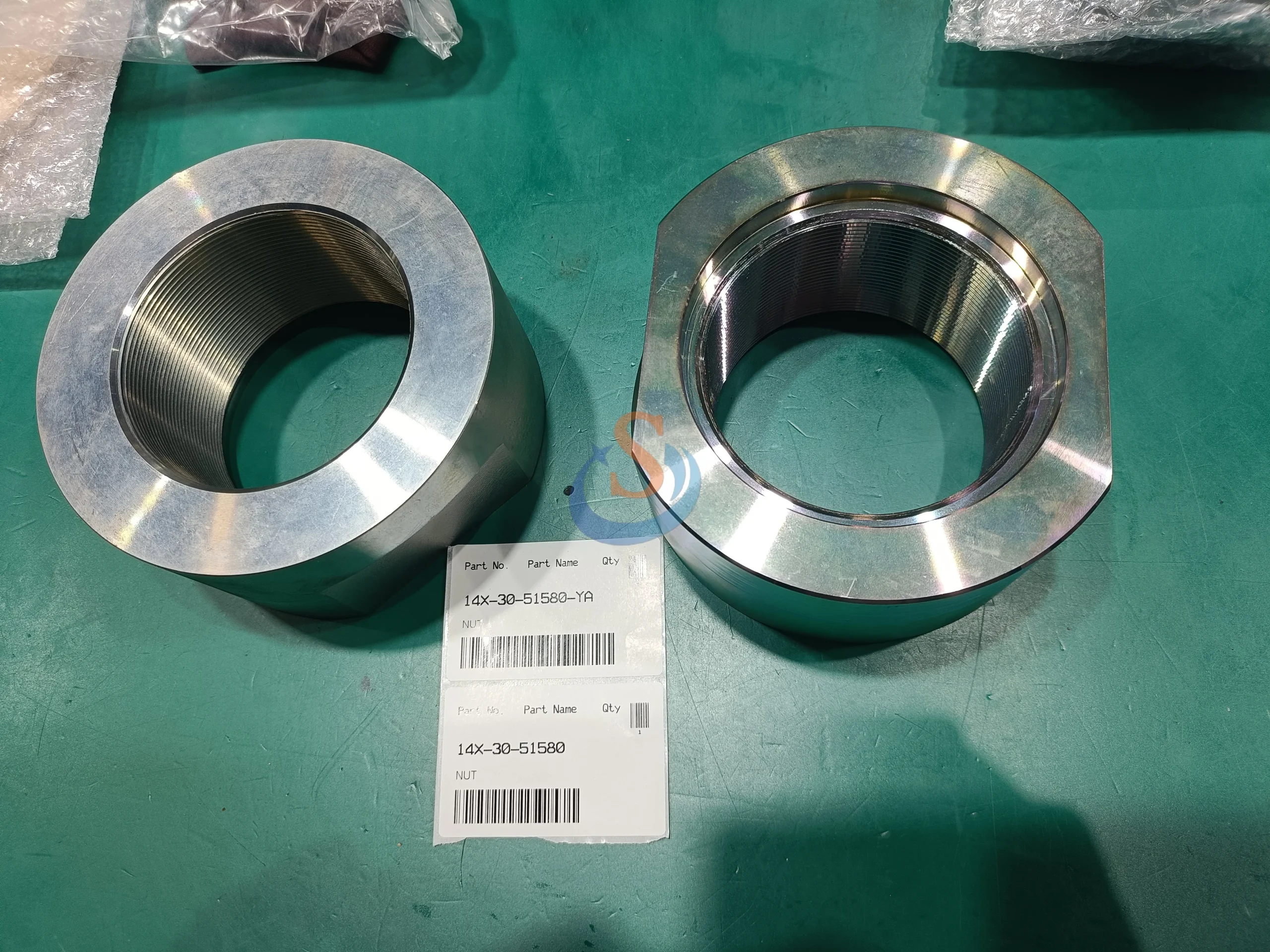 14X-30-51580,NUT,D65EX,D65PX,D65WX
 -
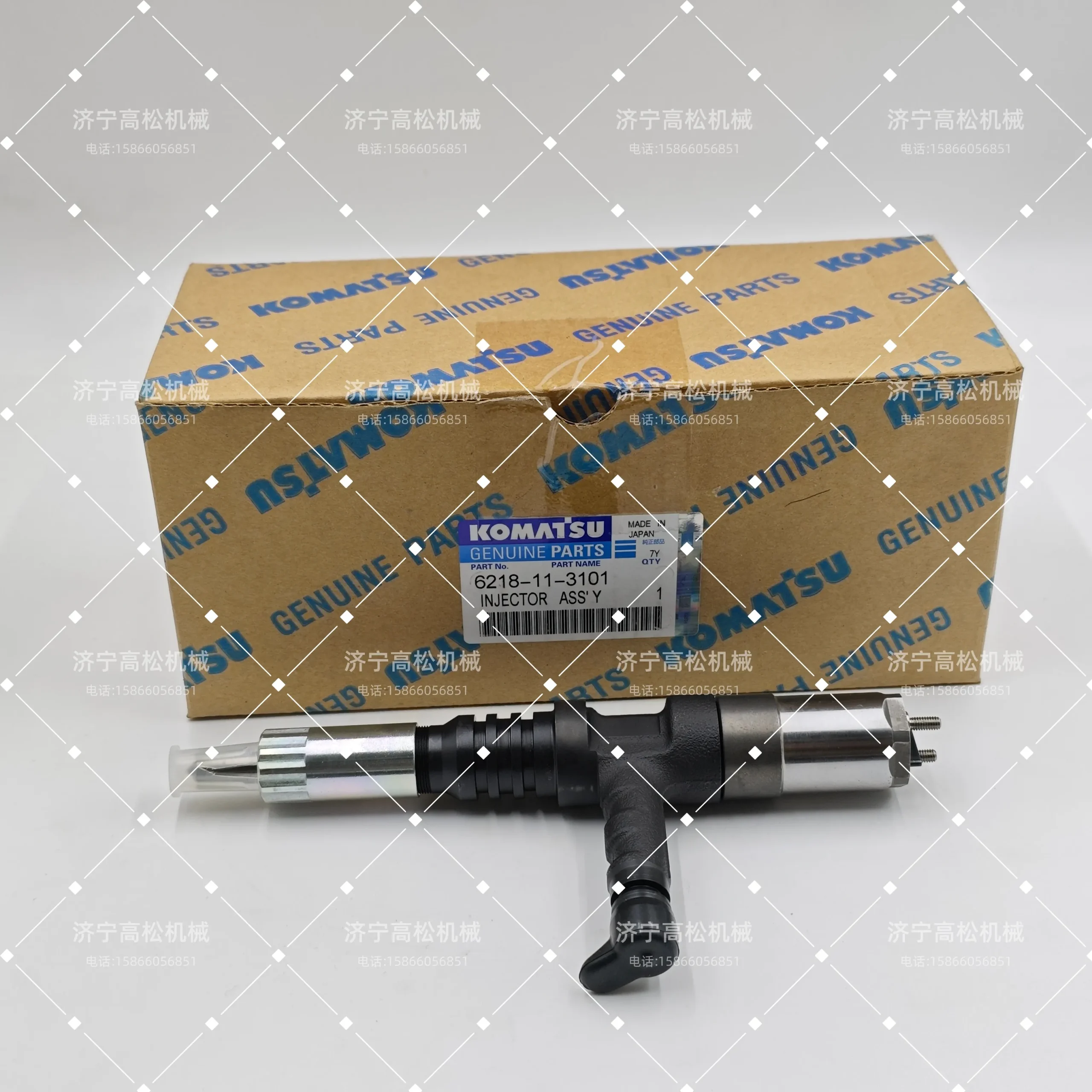 6218-11-3101 Injector Assembly
 -
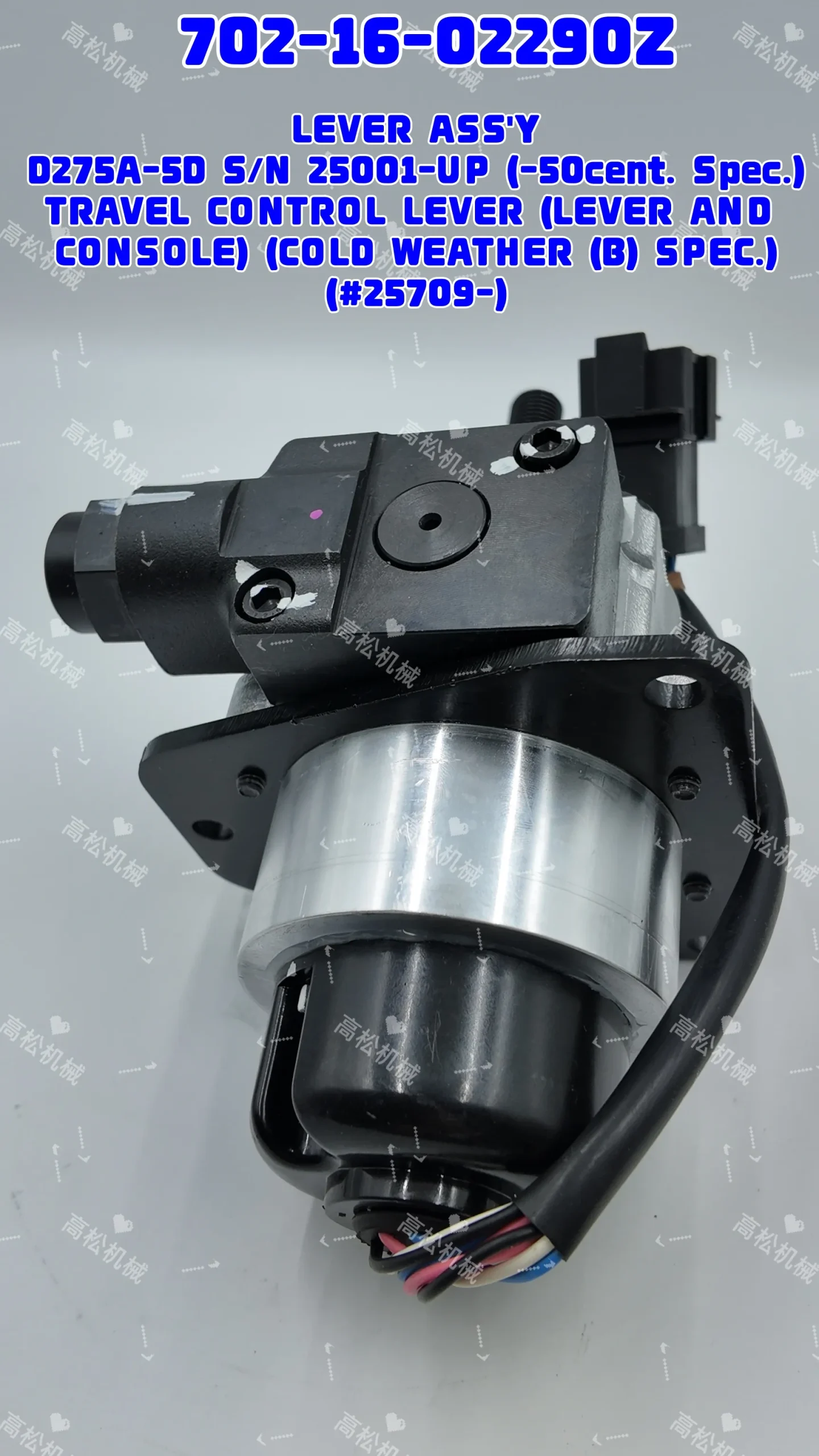 702-16-02290 Original Lever Assy for Bulldozer D275A-5r D65ex-16 D65px D155ax-6 in Stock
 -
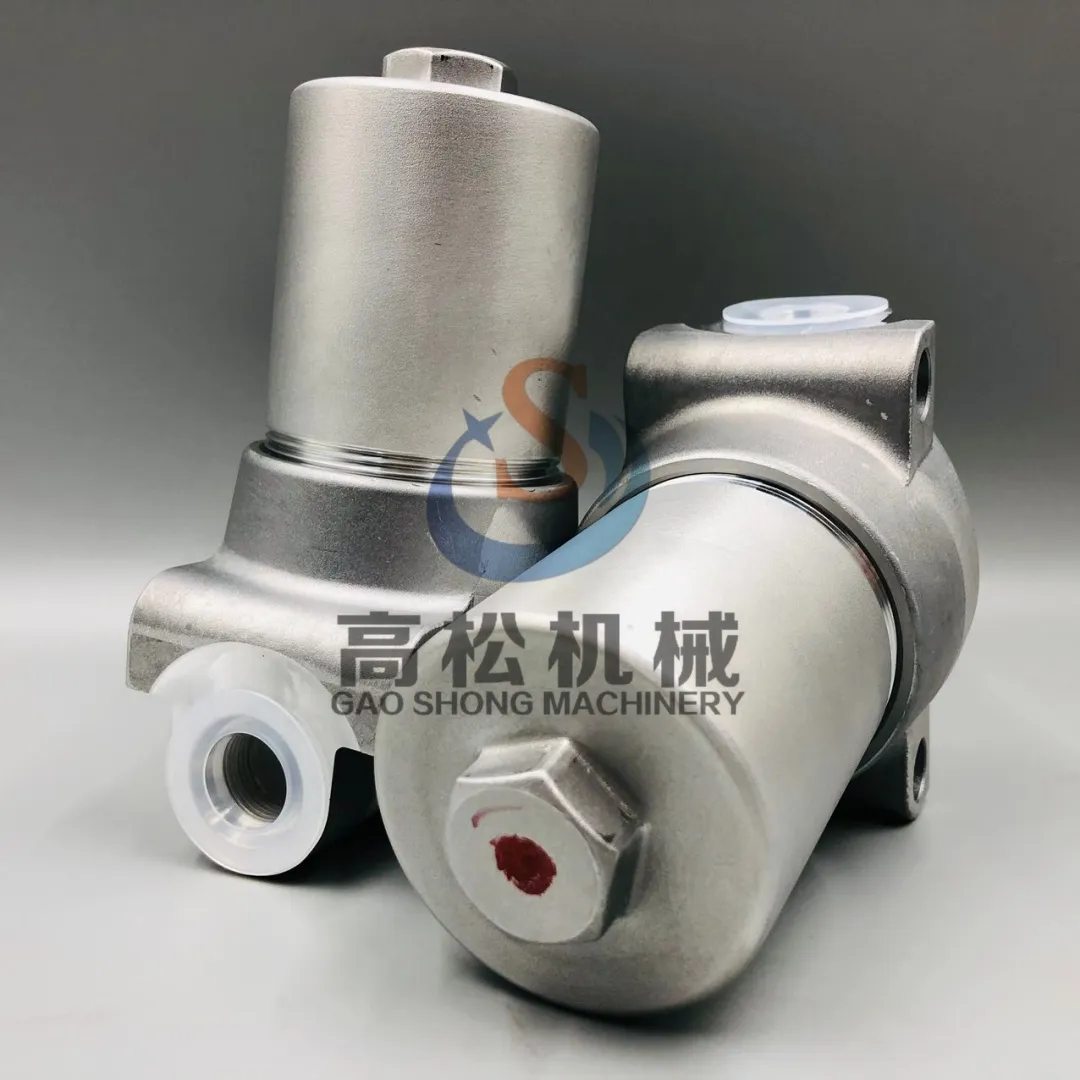 20Y-62-51681Filter Assembly 20Y-62-51681 – KOMATSU
 -
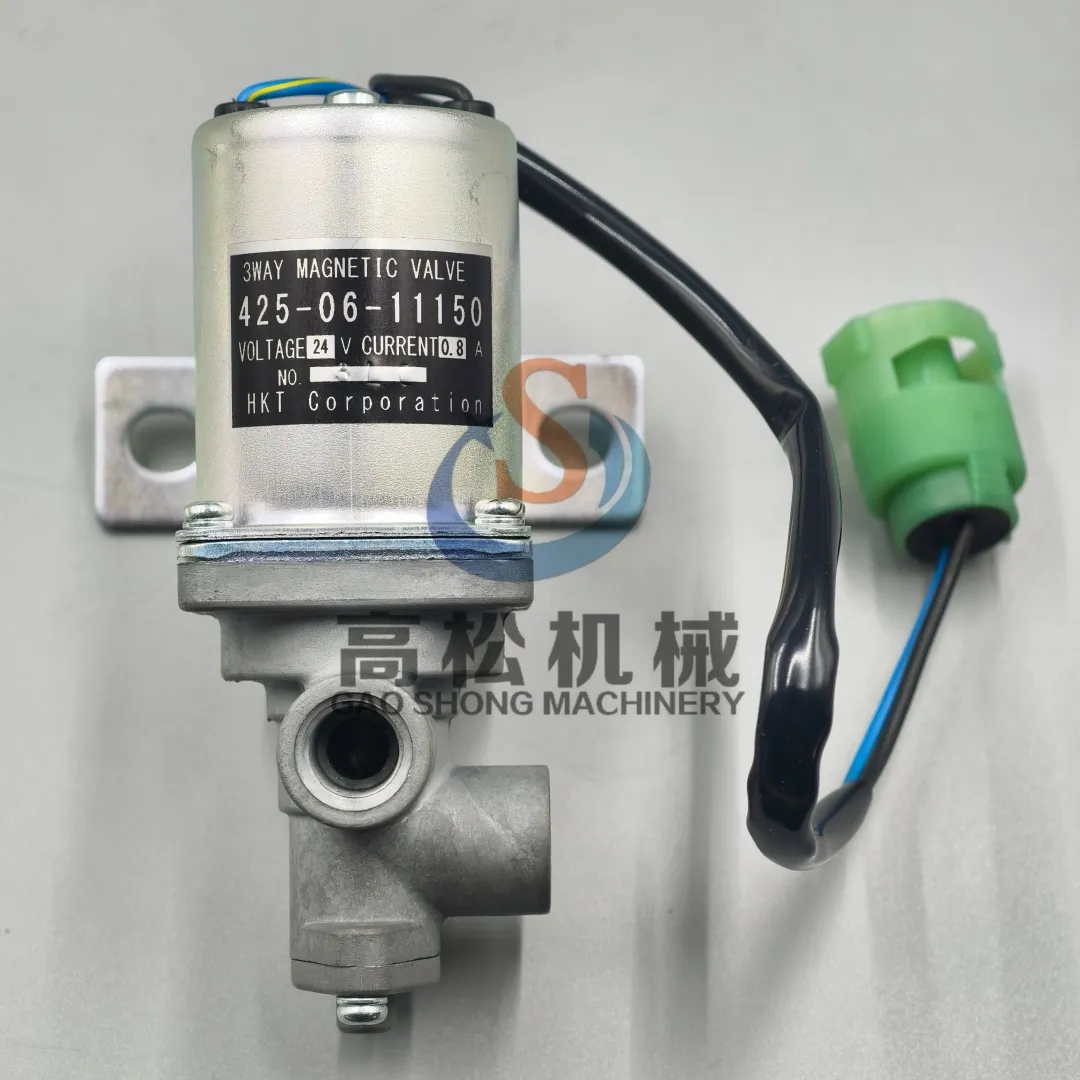 Komatsu Relay 425-06-11150 for Wheel loader WA600-1 12V
 -
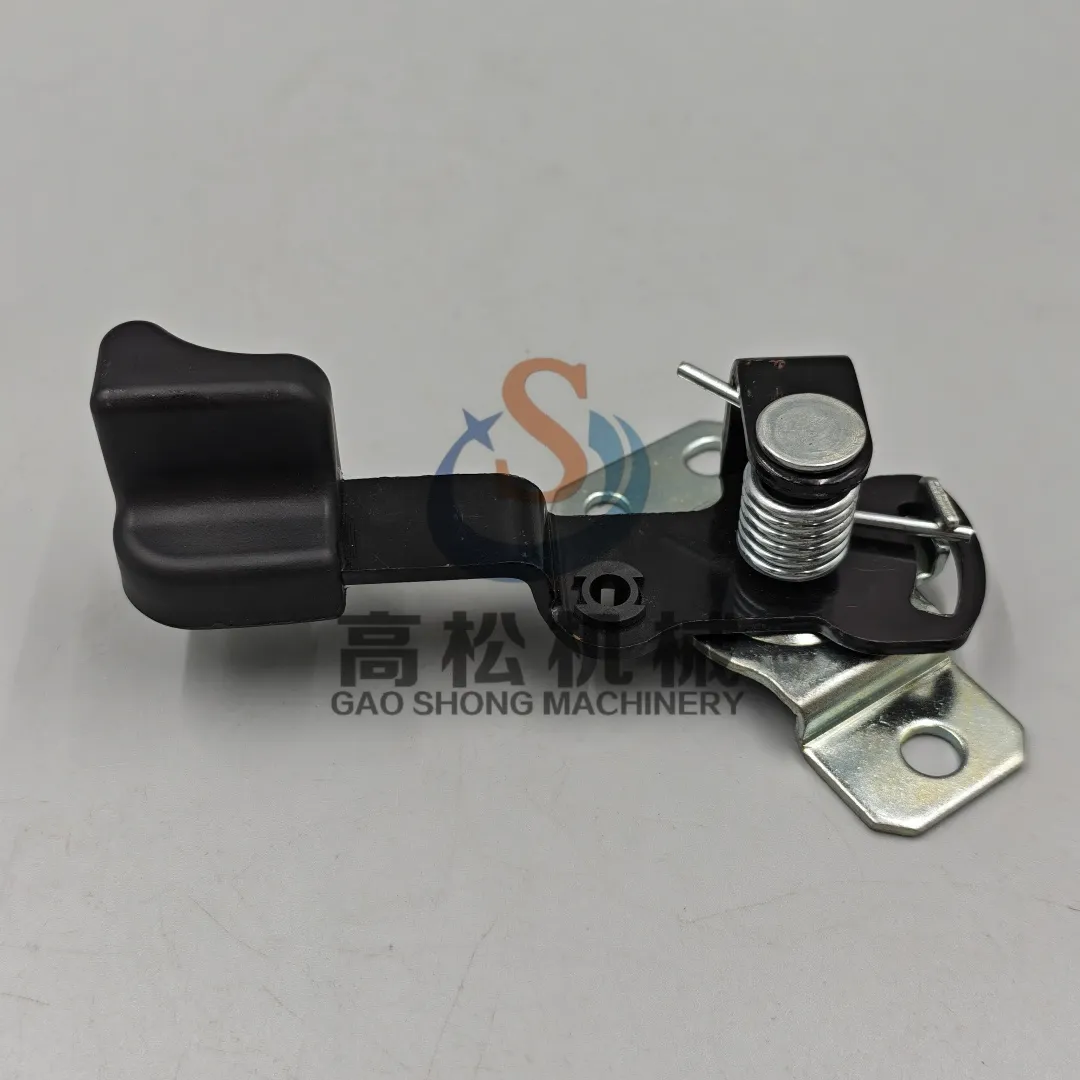 Door Lock Assembly 20Y-54-52820 Latch 20Y-53-12201 Handle Ass’s 20Y-54-52300 for Komatsu PC220-8
 -
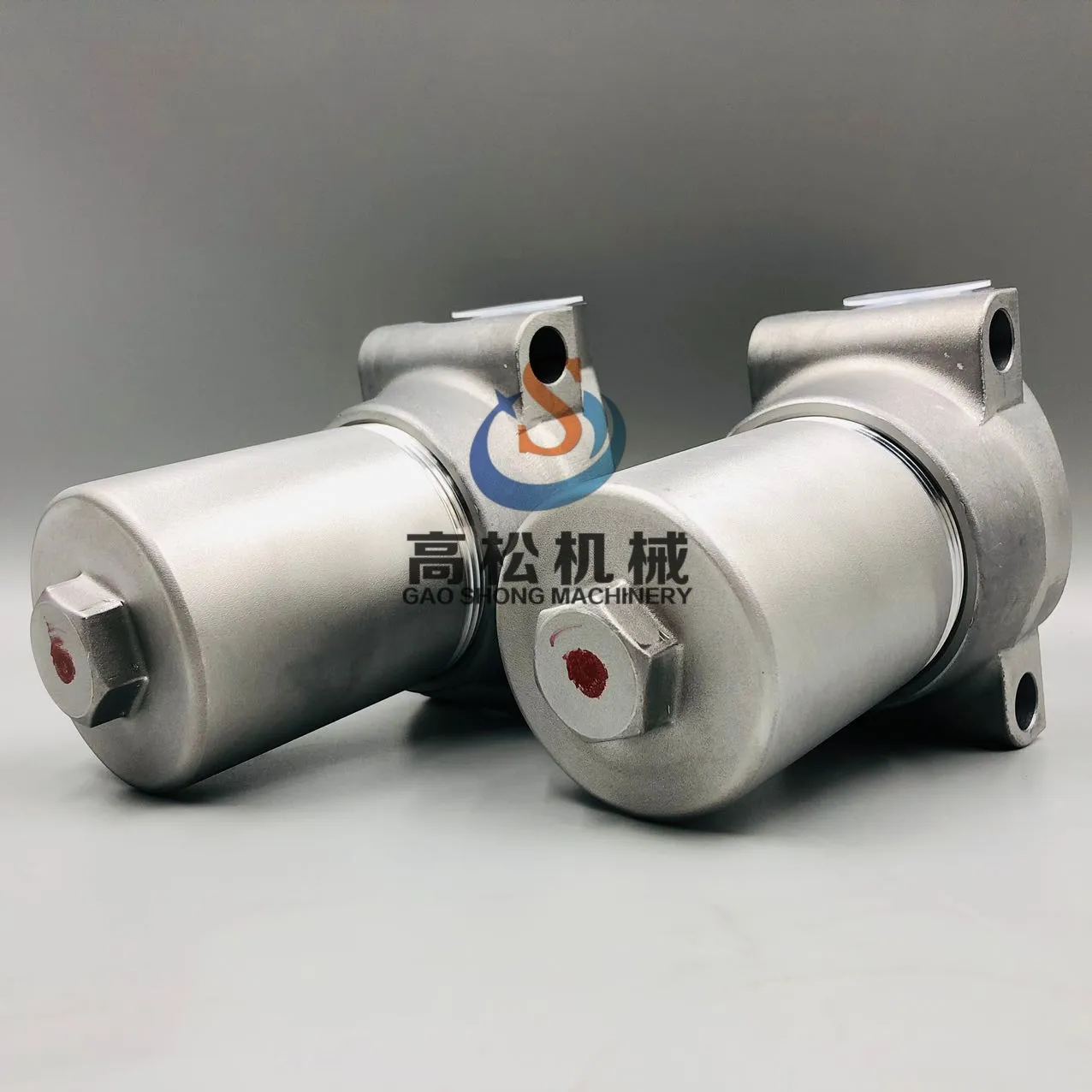 Komatsu Filter 20Y-62-51681 for Crawler excavator PC210LC-8 Filter Assembly 20Y-62-51681
 -
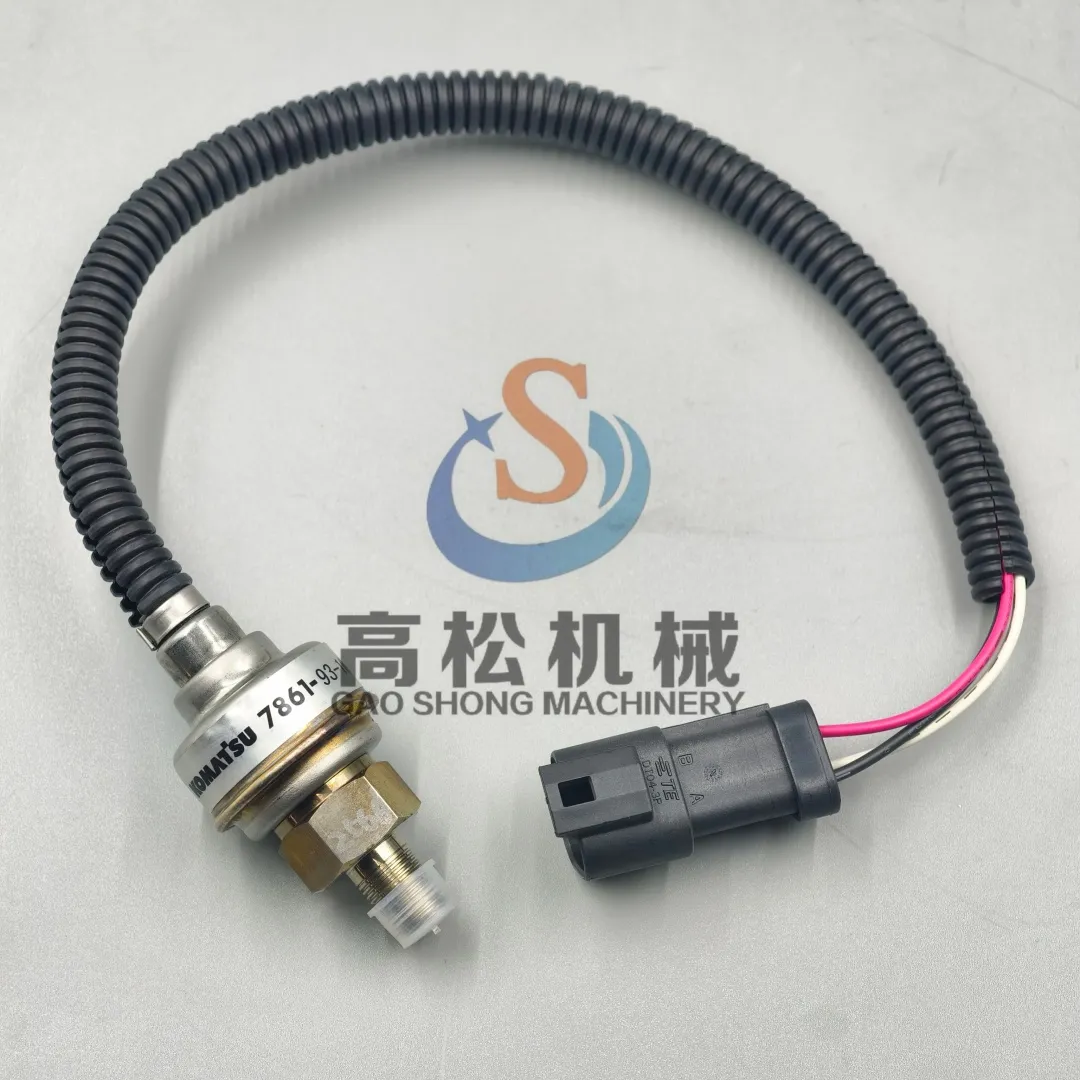 7861-93-1670 Main Pressure Sensor For Komatsu Bulldozers Parts D375 D475
 -
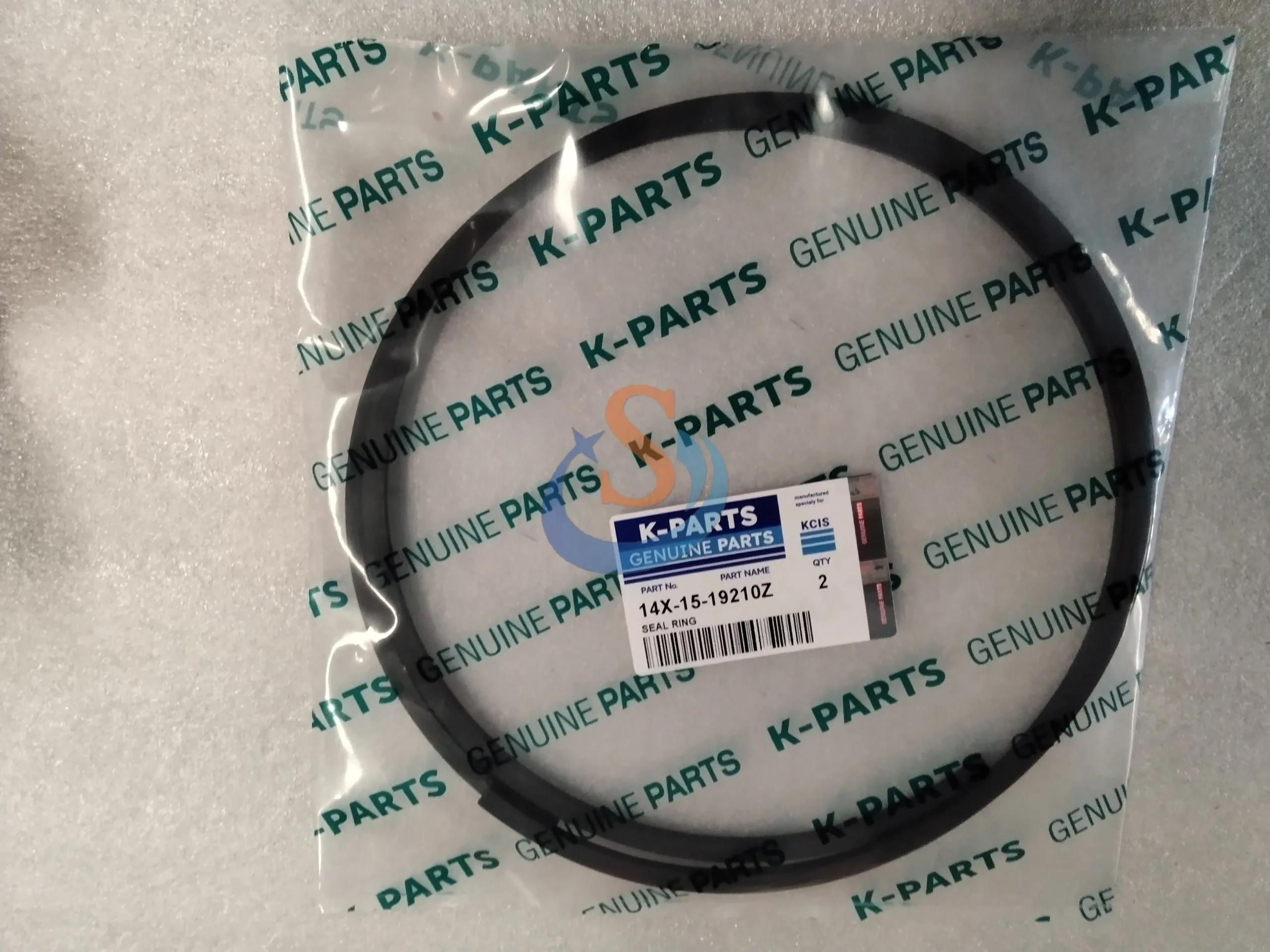 14X-15-19210 SEAL RING D65/WA500/D85
 -
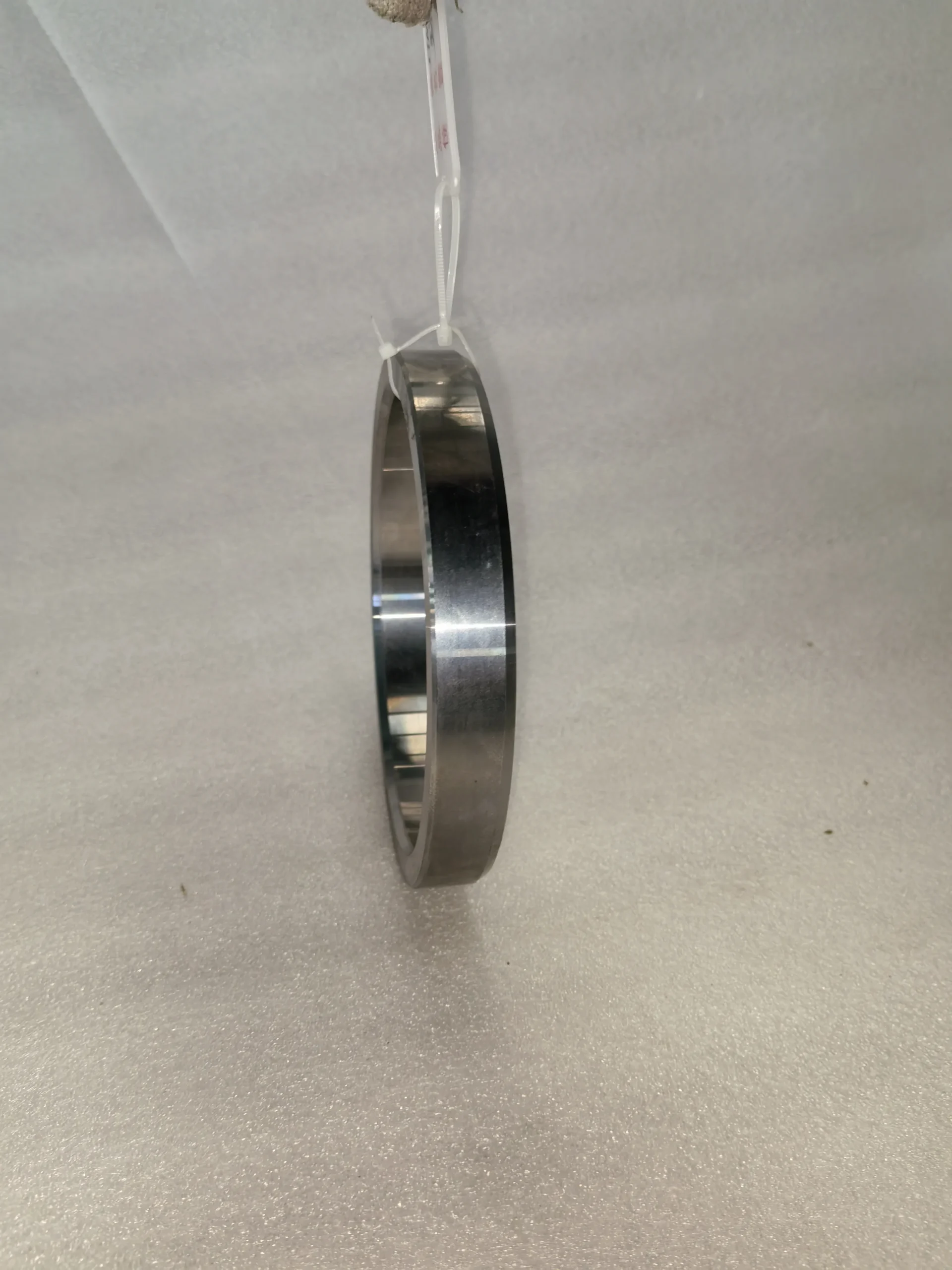 17m5041170-RING-Komatsu Original Factory
 -
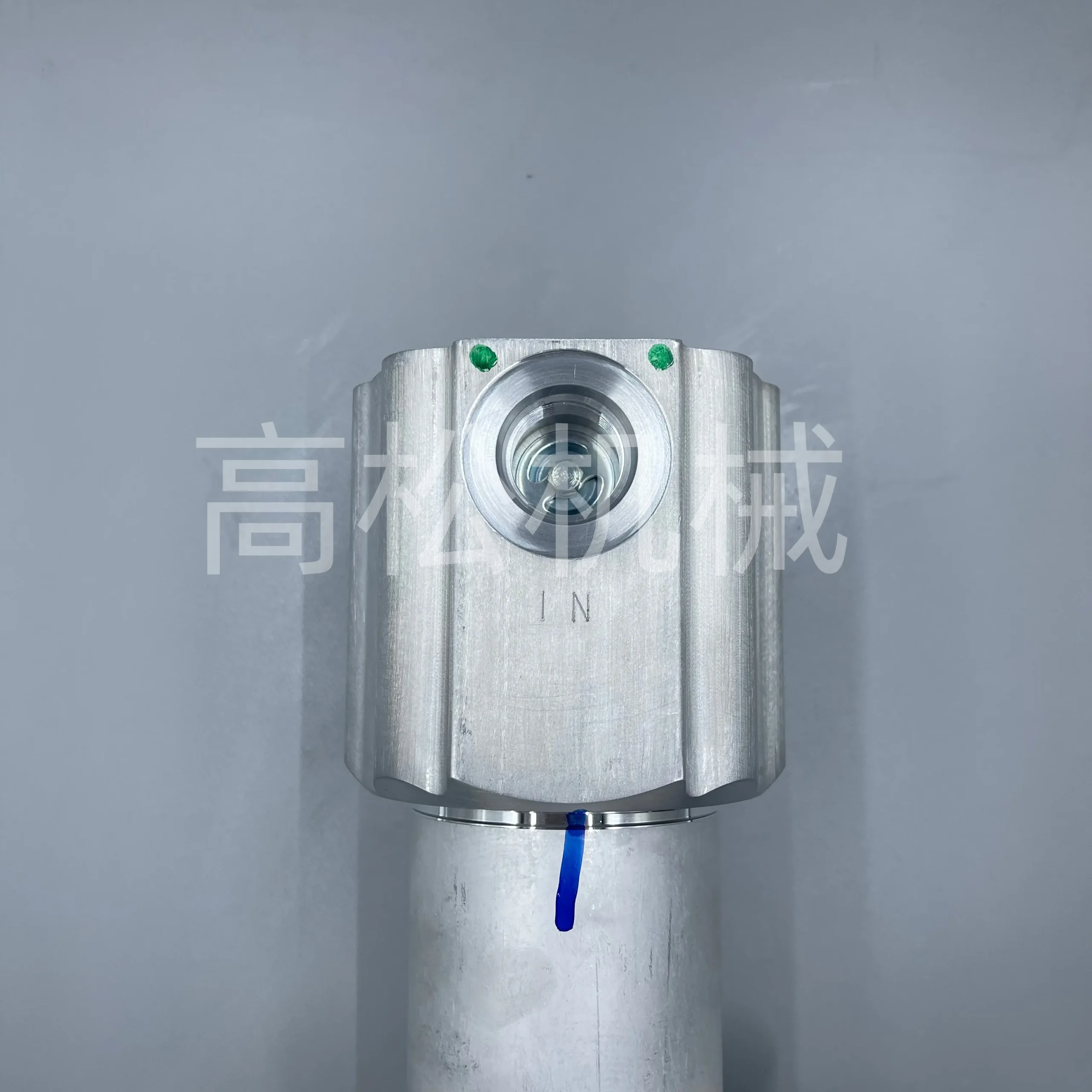 569-43-83911 Filter Assembly–Komatsu Original Factory