
- Chinese
- French
- German
- Portuguese
- Spanish
- Russian
- Japanese
- Korean
- Arabic
- Irish
- Greek
- Turkish
- Italian
- Danish
- Romanian
- Indonesian
- Czech
- Afrikaans
- Swedish
- Polish
- Basque
- Catalan
- Esperanto
- Hindi
- Lao
- Albanian
- Amharic
- Armenian
- Azerbaijani
- Belarusian
- Bengali
- Bosnian
- Bulgarian
- Cebuano
- Chichewa
- Corsican
- Croatian
- Dutch
- Estonian
- Filipino
- Finnish
- Frisian
- Galician
- Georgian
- Gujarati
- Haitian
- Hausa
- Hawaiian
- Hebrew
- Hmong
- Hungarian
- Icelandic
- Igbo
- Javanese
- Kannada
- Kazakh
- Khmer
- Kurdish
- Kyrgyz
- Latin
- Latvian
- Lithuanian
- Luxembou..
- Macedonian
- Malagasy
- Malay
- Malayalam
- Maltese
- Maori
- Marathi
- Mongolian
- Burmese
- Nepali
- Norwegian
- Pashto
- Persian
- Punjabi
- Serbian
- Sesotho
- Sinhala
- Slovak
- Slovenian
- Somali
- Samoan
- Scots Gaelic
- Shona
- Sindhi
- Sundanese
- Swahili
- Tajik
- Tamil
- Telugu
- Thai
- Ukrainian
- Urdu
- Uzbek
- Vietnamese
- Welsh
- Xhosa
- Yiddish
- Yoruba
- Zulu
- Kinyarwanda
- Tatar
- Oriya
- Turkmen
- Uyghur






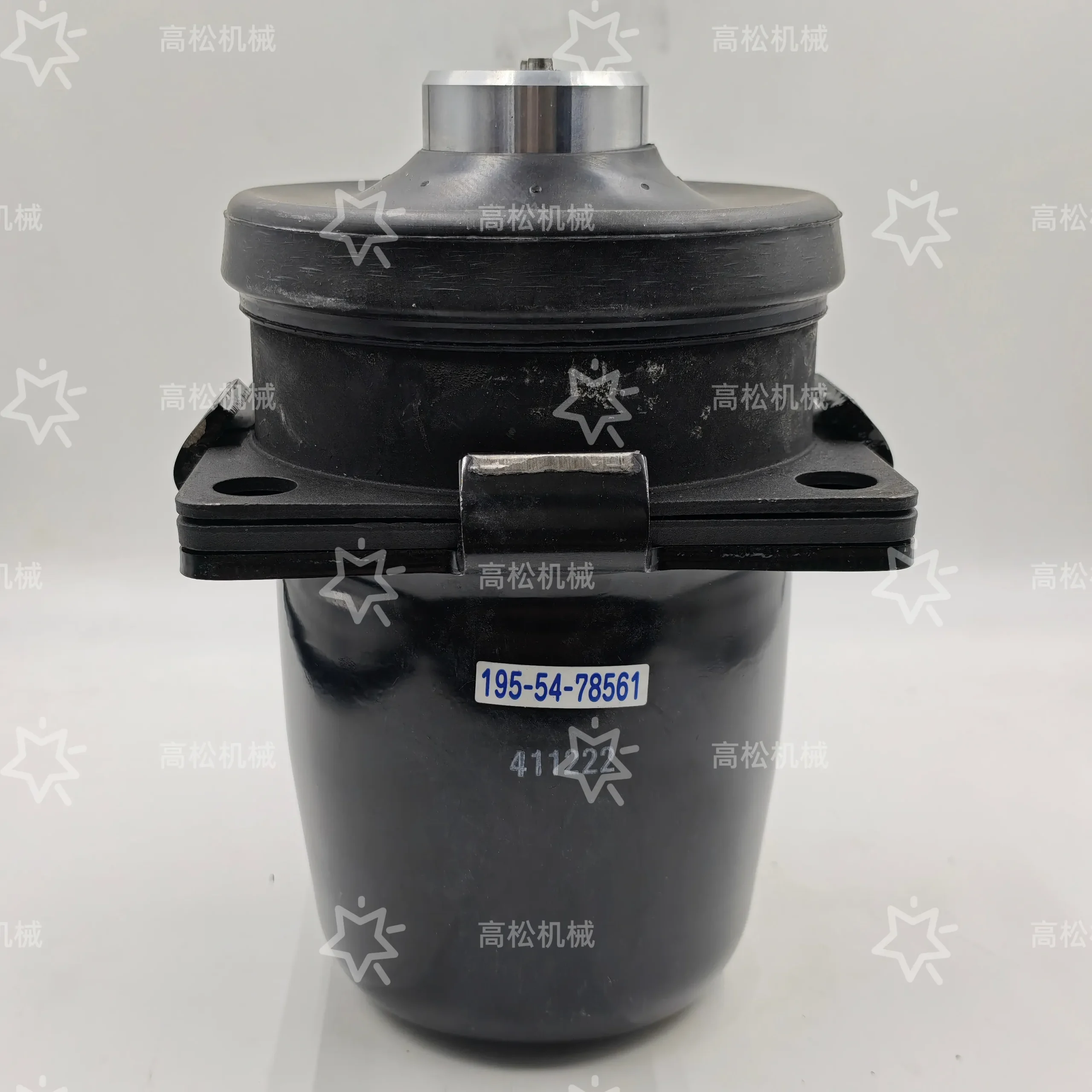
OEM AND ORIGINAL KOMATSU CUSHION 195-54-78561
You see that part number, , and immediately think it's straightforward—either it's a genuine Komatsu cushion or it isn't. That's the first trap. In the field, especially when dealing with older models or regions with fragmented supply chains, the line between OEM and so-called 'original' gets blurry. I've watched too many mechanics and procurement guys get hung up on the label, not the material spec or the performance history. The real conversation should start with application stress and longevity, not just a box with a logo.
The Part Number Isn't the Whole Story
Let's break down . It's a cushion, likely for a Komatsu excavator undercarriage or a linkage point, designed to absorb impact and reduce metal-on-metal wear. The OEM part, direct from Komatsu, comes with a known pedigree and a price to match. But here's the rub: the engineering drawings and material specifications for many such components are not state secrets. Reputable manufacturers within the Komatsu system can and do produce parts to identical specs. This is where a company like Jining Gaosong Construction Machinery Co., Ltd. operates. They position themselves as an OEM product supplier within the Komatsu system, which is a nuanced but critical distinction. It implies access to the technical blueprints and quality protocols, not just reverse engineering.
I recall a job in Southeast Asia where we had a PC300-6 with a worn cushion. The dealer quote for the genuine part had a lead time of 12 weeks and a cost that blew the monthly maintenance budget. We sourced a part from a supplier claiming OEM-grade quality, which visually matched. It failed in under 200 hours. The failure wasn't in the dimensions; it was in the rubber compound's durometer and its resistance to constant oil exposure. It had hardened and cracked. That was a lesson in the difference between dimensional accuracy and material science.
This is why the intro on takematsumachinery.com resonates—they mention solving parts supply challenges in certain countries. That's the daily reality. It's not about choosing cheap over quality; it's about finding a reliable source for quality when the official channel is blocked by distance, time, or cost. The key is whether the supplier's OEM claim is backed by traceable material certificates and batch testing, not just a catalog listing.
Field Verification and Common Pitfalls
So how do you verify? First, forget the packaging. Focus on the part itself. For a cushion like the , check the molding marks. Genuine Komatsu parts often have very specific, crisp mold numbers and date codes. The rubber should have a certain smell and a slight sheen, not dull or chalky. But the most telling test is often during installation. The OEM-spec part should press fit with a predictable resistance. If you're hammering it in or it slides in too easily, the tolerances are off.
I've had better luck with suppliers who are transparent about their role. Jining Gaosong states they are also a third-party sales company for Komatsu. This often means they can source genuine parts too, giving them a direct comparison point. A good test is to ask them directly: For this , what is the difference in material composition between your OEM-grade unit and the one in the Komatsu box? If they can detail the polymer blend or the Shore A hardness, that's a good sign. If they just say it's the same, be wary.
A major pitfall is assuming all aftermarket parts are equal. There's a vast spectrum. At the bottom are purely imitative parts that might last a season. In the middle are quality-manufactured parts that meet or exceed OEM spec but aren't sold through Komatsu channels. At the top is the genuine article. The supplier's description should help you place them on that spectrum. Their claim of being an OEM product supplier within the Komatsu system suggests they are manufacturing against Komatsu's own purchase orders for some components, which places them firmly in that reliable middle-to-high tier.
Cost vs. Uptime: The Real Calculation
Everyone wants to save money. But the calculation for a critical wear component like a cushion is never just purchase price. It's price per operating hour. Let's say the genuine costs $500 and lasts 5,000 hours in a high-impact application. A questionable clone costs $150 but fails at 800 hours, causing secondary damage to the pin and bushing. You've not only paid for two replacements in that 5,000-hour window, you've also incurred double the labor cost and risked machine downtime during a critical project. That downtime can cost thousands per hour.
This is where a partner who understands both the OEM standard and the market realities adds value. Their role isn't to sell you the cheapest option, but the most cost-effective over the machine's lifecycle. For a fleet manager in a region where direct dealer support is slow, having a go-to source for verifiable quality is a strategic advantage. The website https://www.takematsumachinery.com frames their service as helping to solve parts supply challenges. That's the value proposition—reducing uncertainty.
I learned this through a positive experience. We had a fleet of older Dozers in a remote location. For a similar undercarriage component, we worked with a supplier with a similar profile to Gaosong. They provided the OEM-grade part with material test reports. We tracked its service life, and it matched the genuine part's history within a 10% margin. The savings were about 35% off the dealer list price, but more importantly, the parts were on-site in 10 days instead of 16 weeks. That reliability in supply is sometimes worth more than the discount.
Beyond the Part: Documentation and Traceability
For compliance and warranty purposes, paperwork matters. A genuine Komatsu part comes with a pedigree. A professional OEM supplier should provide documentation that gets as close as possible to that. This includes Mill Test Reports (MTRs) for metals or compound analysis for rubber components. For the OEM AND ORIGINAL KOMATSU CUSHION , ask for the certificate of conformity showing it meets Komatsu's MS standard or equivalent.
If a supplier can't or won't provide that, it's a red flag. It means they are either buying from an anonymous foundry or their quality control isn't documented. In today's world, traceability isn't a luxury. If that cushion fails and causes an accident, you need to know where it came from, what batch it was from, and what tests were performed. A reputable company will have this data on file.
This level of detail is what separates a parts salesman from a technical supplier. When you're dealing with a complex assembly, every component's integrity matters. The cushion might seem simple, but its failure can lead to accelerated wear on much more expensive parts like pins, links, and even the main frame. The supplier's mindset should be about protecting your asset, not just moving a product.
Sourcing Strategy and Final Thoughts
So, what's the practical takeaway for someone looking for the ? Don't start your search with the price. Start with the supplier's technical credibility. Look for those who explicitly describe their relationship to the OEM, like the stated position of Jining Gaosong Construction Machinery Co., Ltd.. Scrutinize their website for technical details, not just marketing fluff. A site that lists specifications, applications, and perhaps even installation notes shows a deeper engagement.
Then, engage them with specific technical questions. Ask about lead times, batch testing, and their return policy for defective items. A good supplier will welcome these questions because it shows you're a serious buyer who understands total cost. The goal is to build a relationship with a source you can trust for not just this cushion, but for other critical components.
In the end, the keyword OEM AND ORIGINAL is a signal, not a guarantee. The original is defined by Komatsu's factory. The OEM-grade is defined by conformance to the original's engineered intent. Your job is to find the supplier who can reliably deliver on the latter, with the paperwork to prove it, especially when the former is out of reach. That's how you keep machines running and costs predictable. It's less about the label on the box and more about the integrity behind the part.
Related Products
Related Products

Best Selling Products
Best Selling Products-
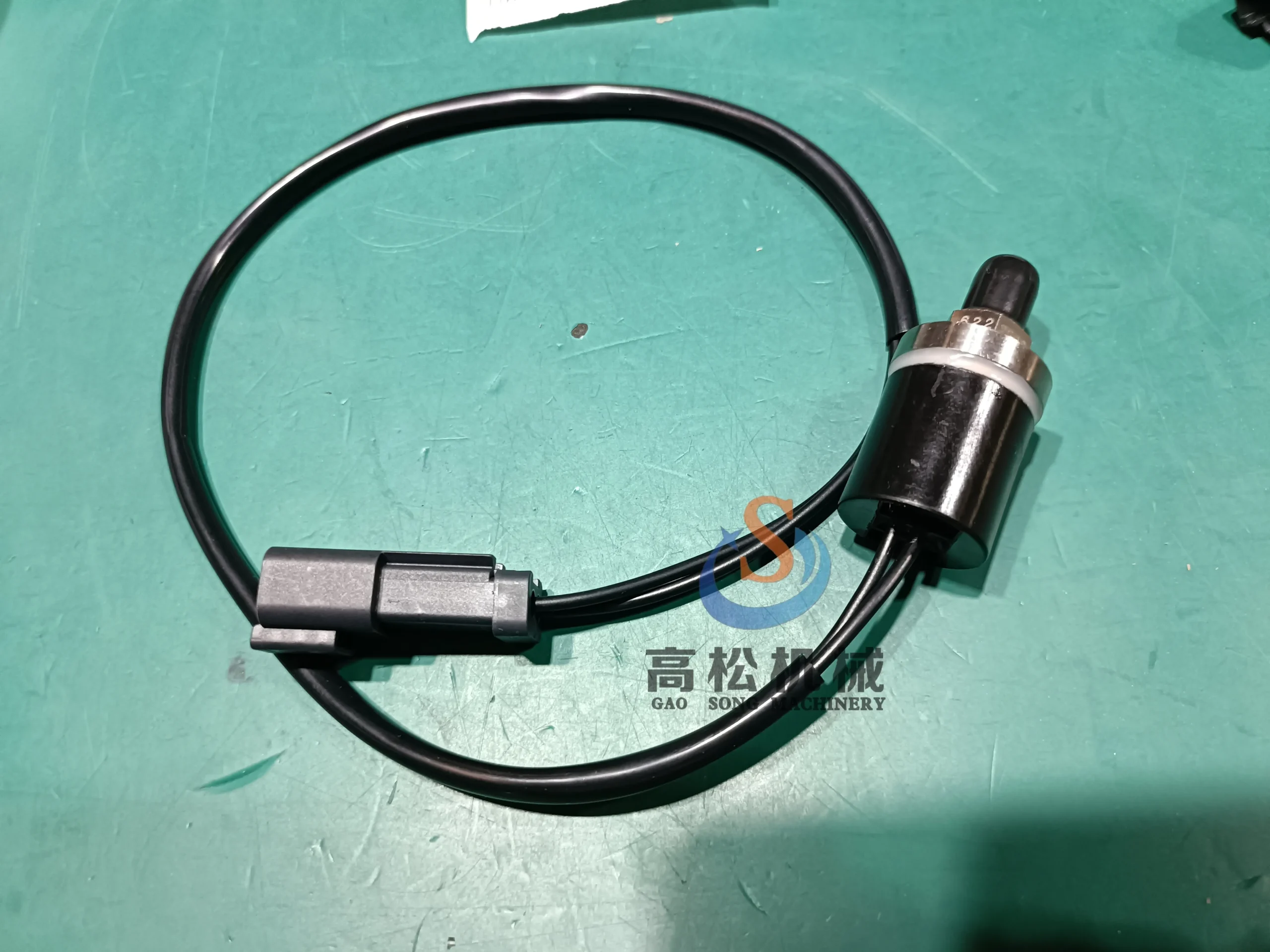 42C-06-15121 komatsu SWITCH-WA380/WA400/WA900
 -
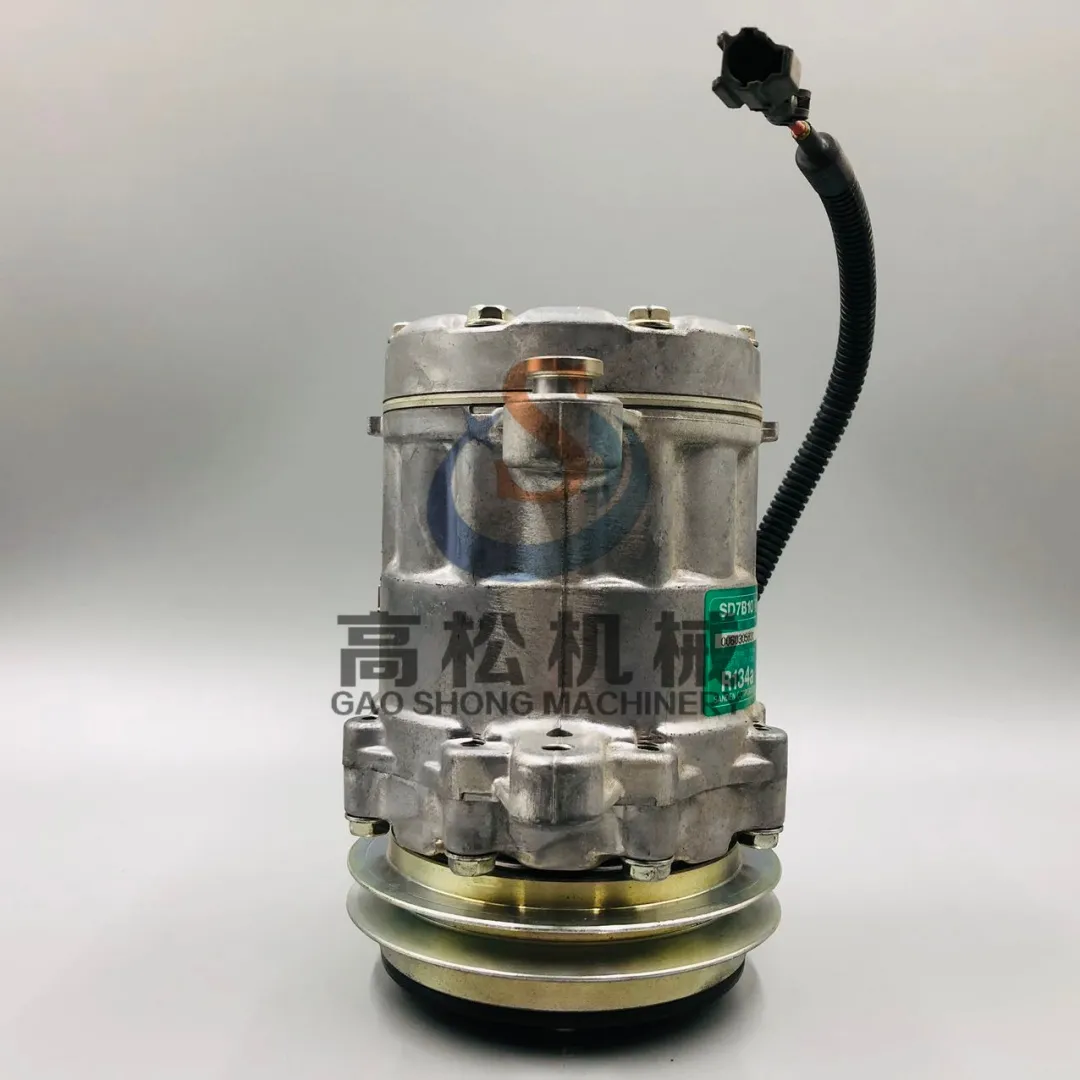 A/C Compressor 22L-979-2200 For Komatsu
 -
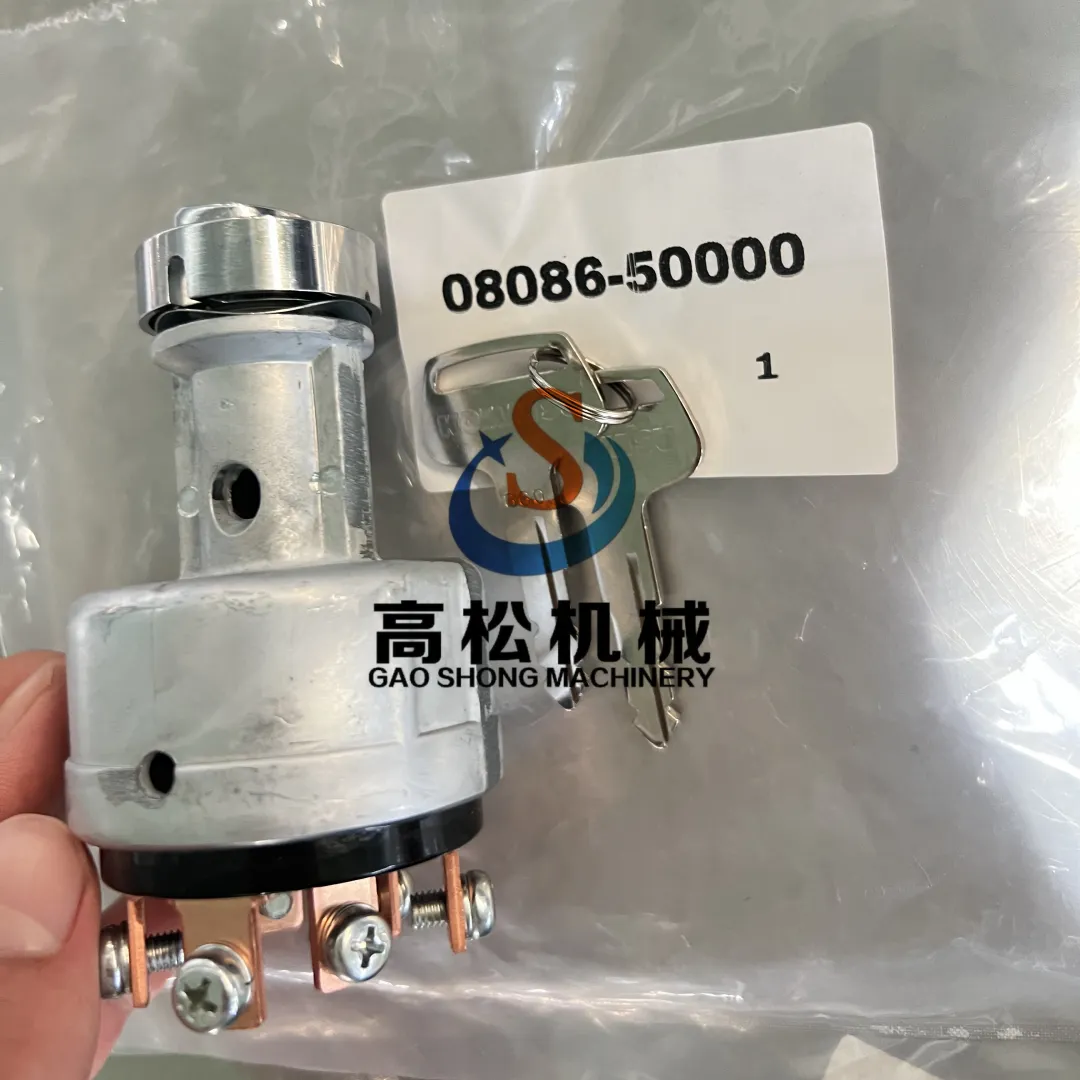 08086-50000Komatsu 08086-50000 Replacement Ignition Switch
 -
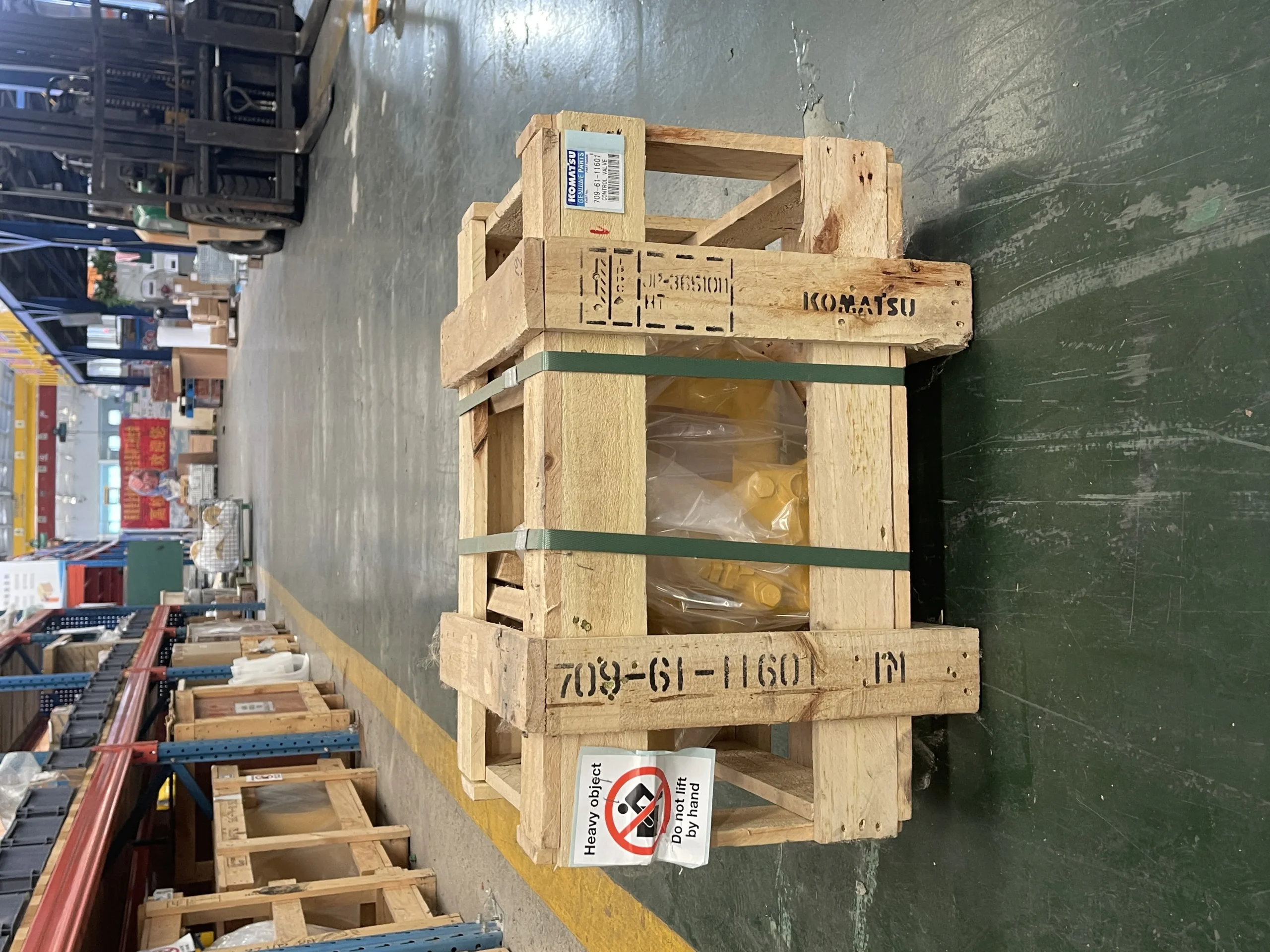 709-61-11601 Valve Assembly for Komatsu D375A-5
 -
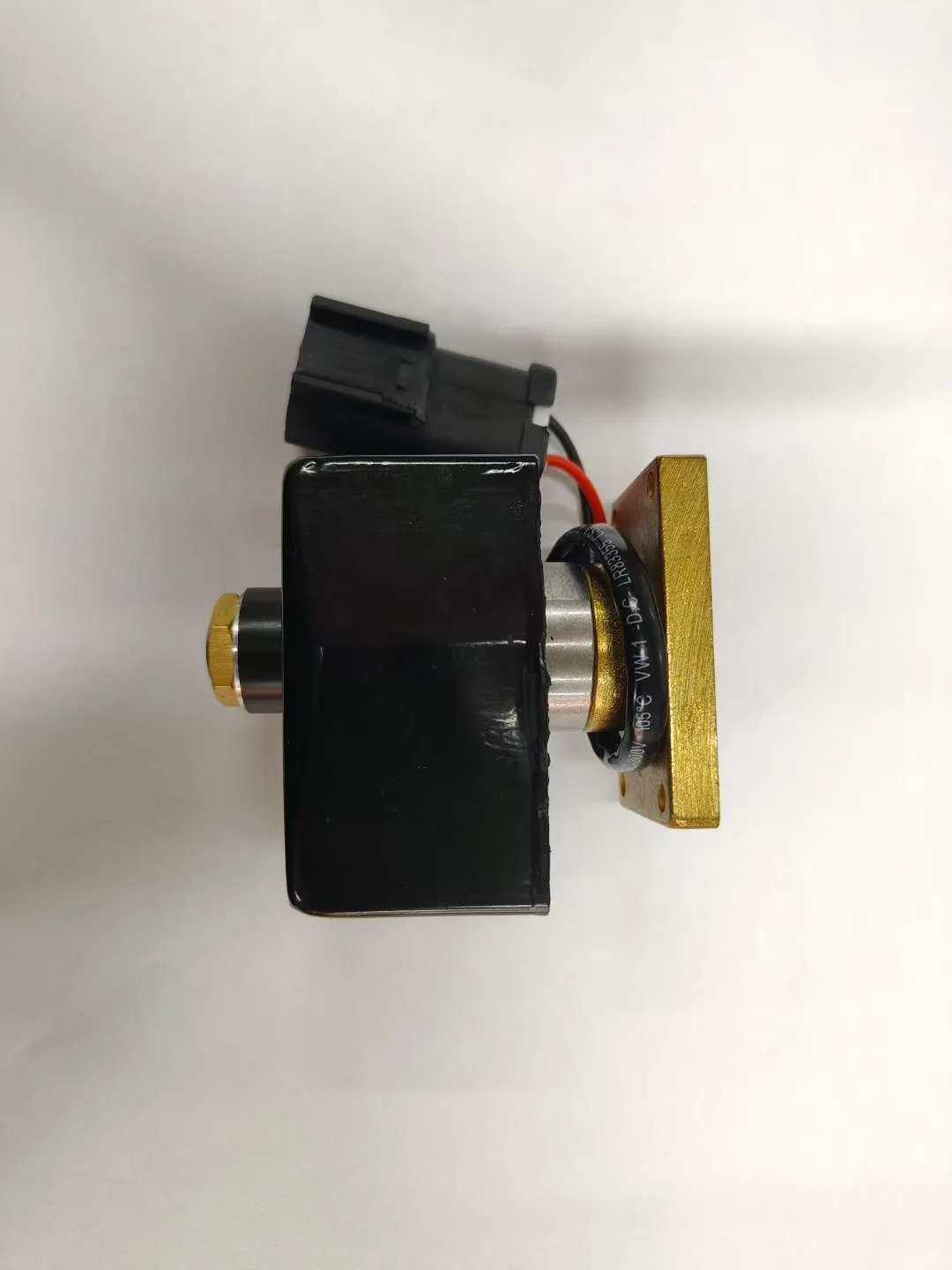 WA470-3 solenoid valve assembly 714-07-16730
 -
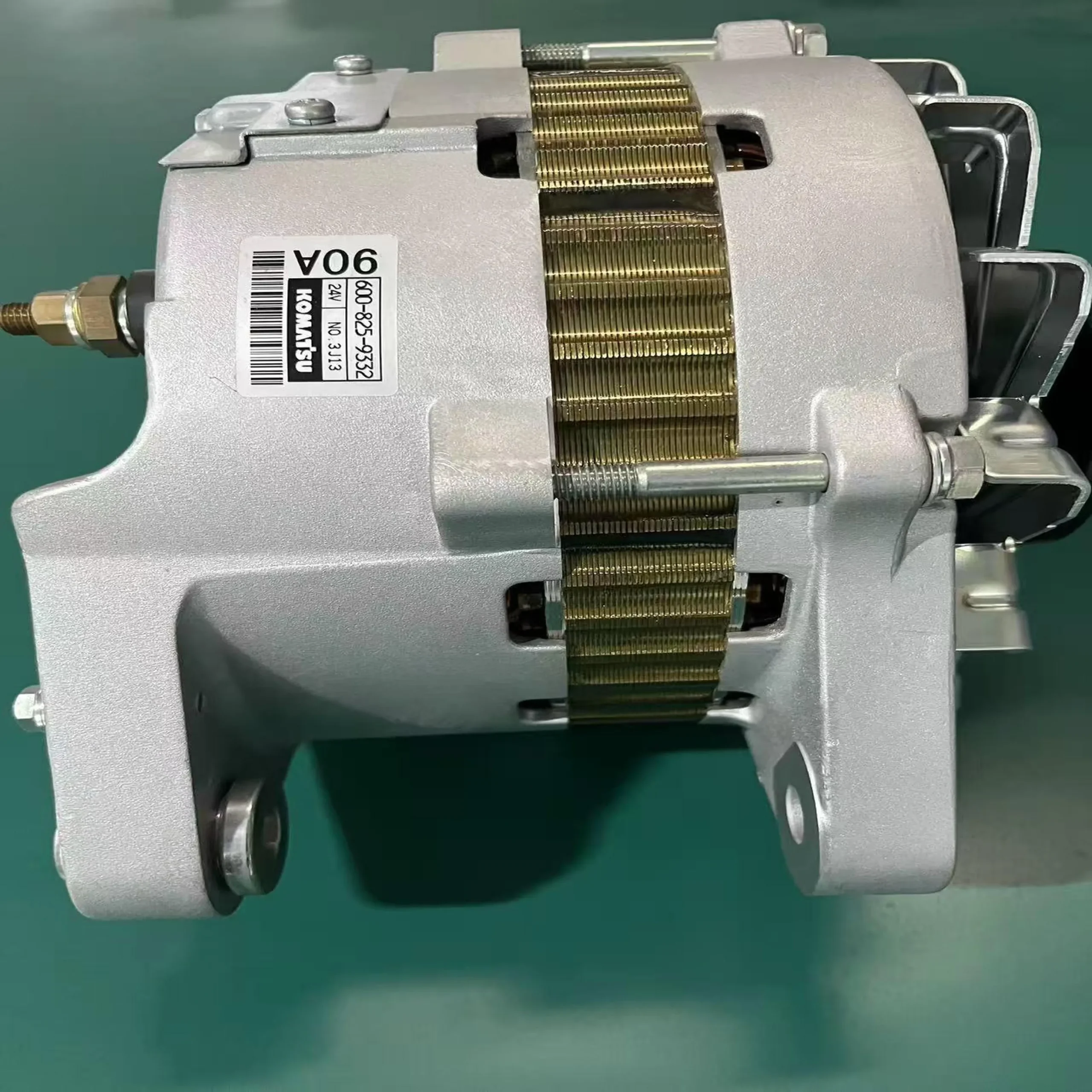 600-825-9332 Komatsu Alternator
 -
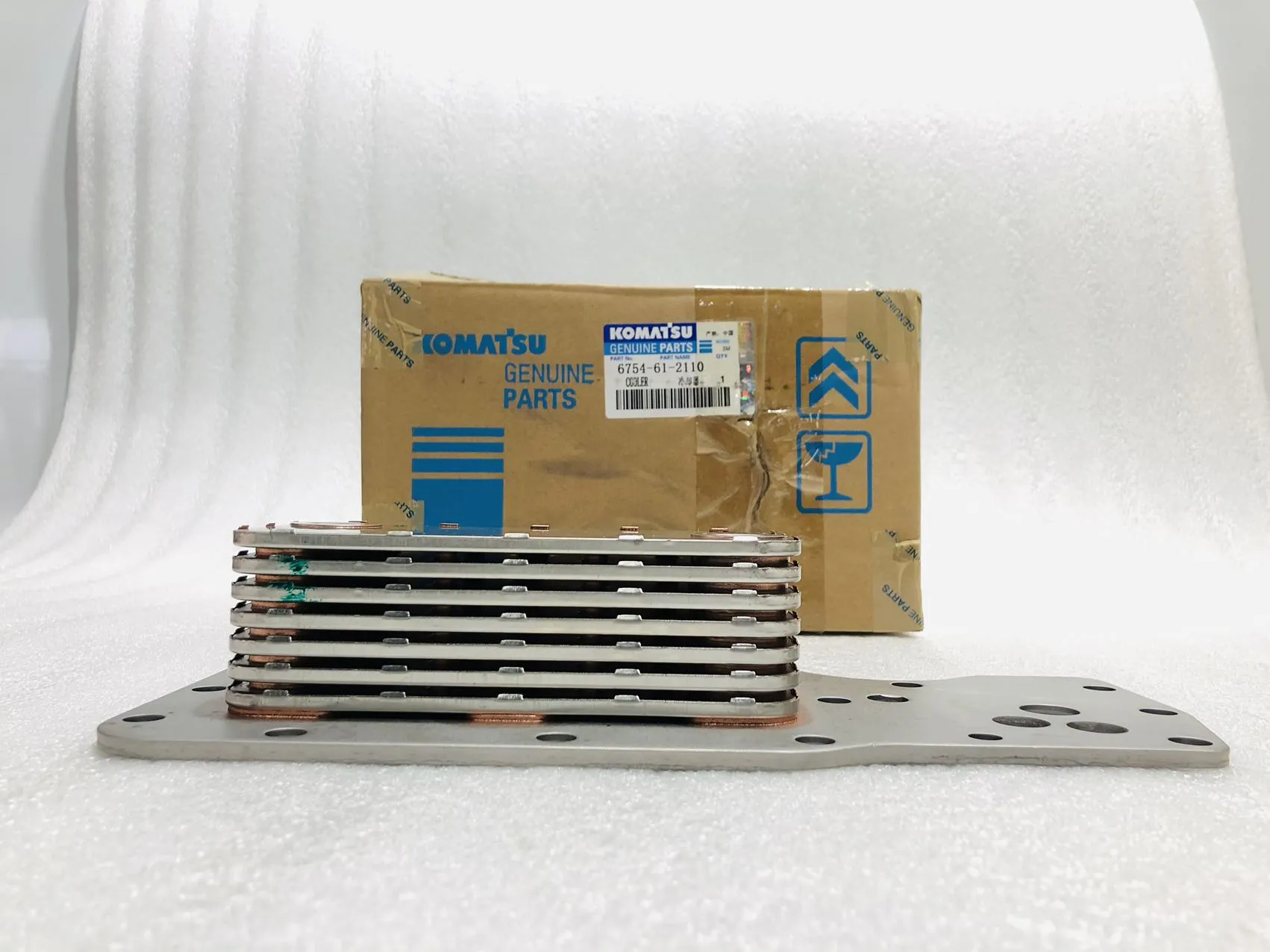 OIL COOLER 6754-61-2110 For Komatsu Engine SAA6D107E PC200-8
 -
 2A8-70-13410 Seal PC500LC-10M0 2A8-70-13420 Seal PC500LC-10R 2A8-70-13680Spacer PC500LC-10M0 2A8-70-13690Spacer PC500LC-10M0 2W71-21380 2WT27-72350
 -
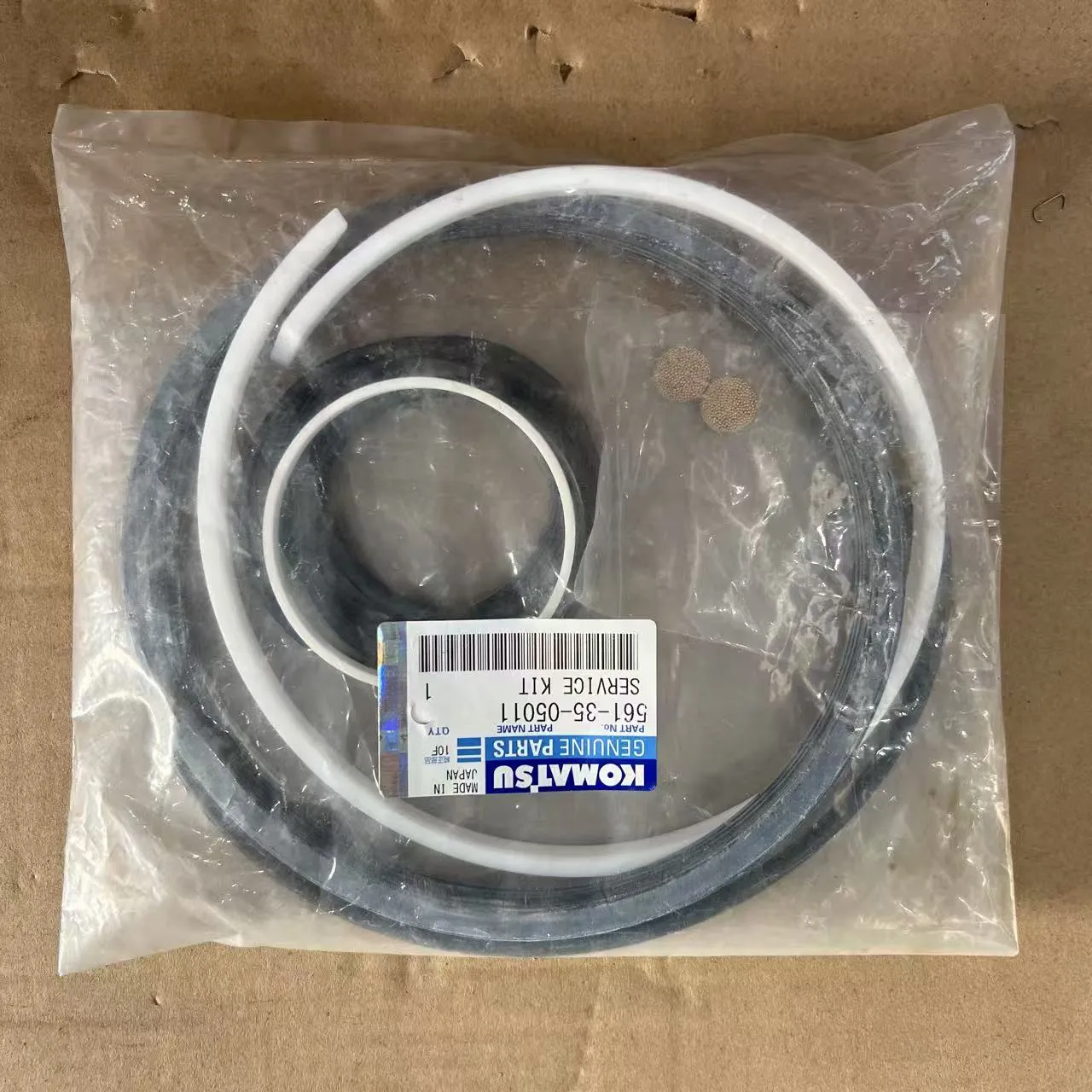 SERVICE KIT – 561-35-05011
 -
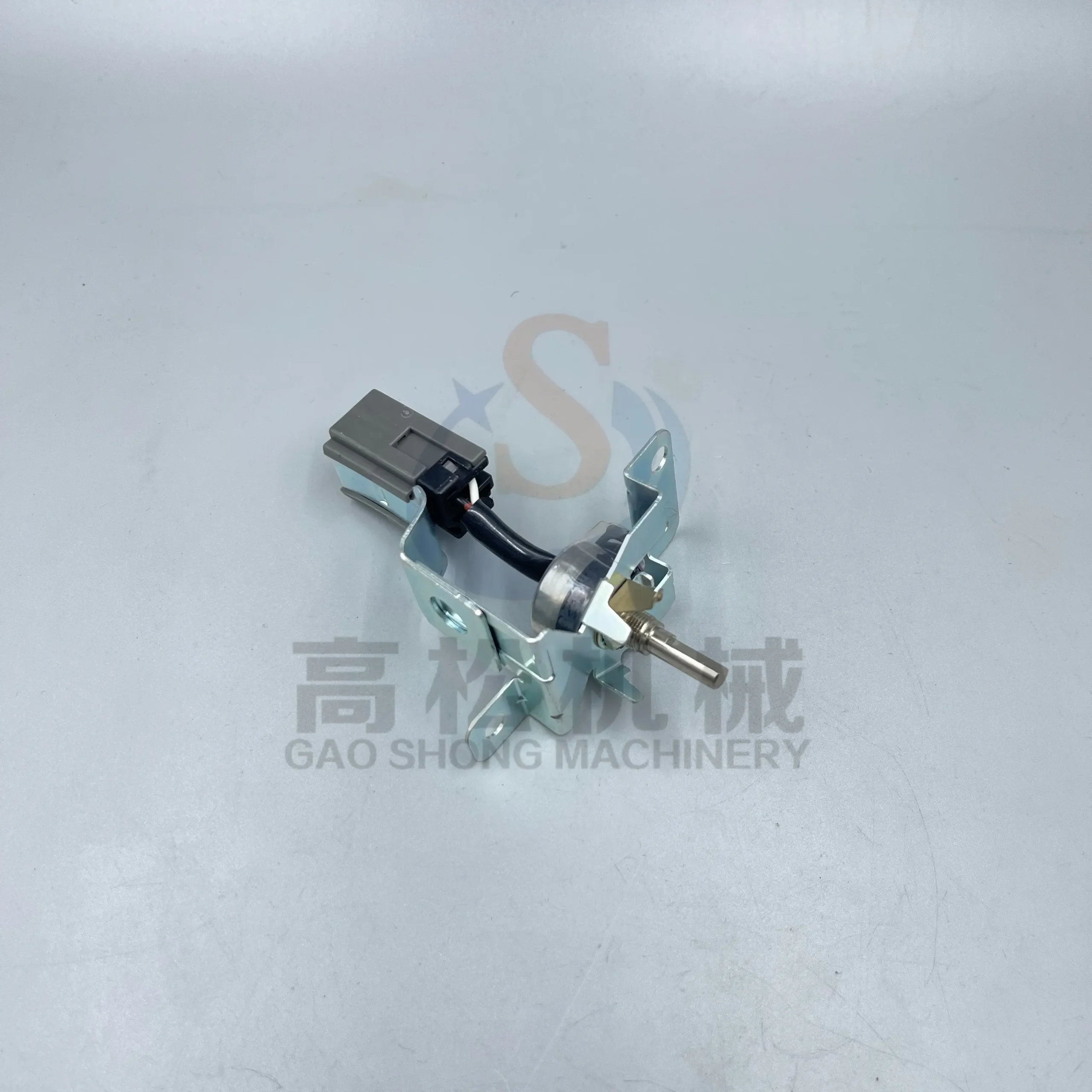 Throttle Knob 22U-06-22420
 -
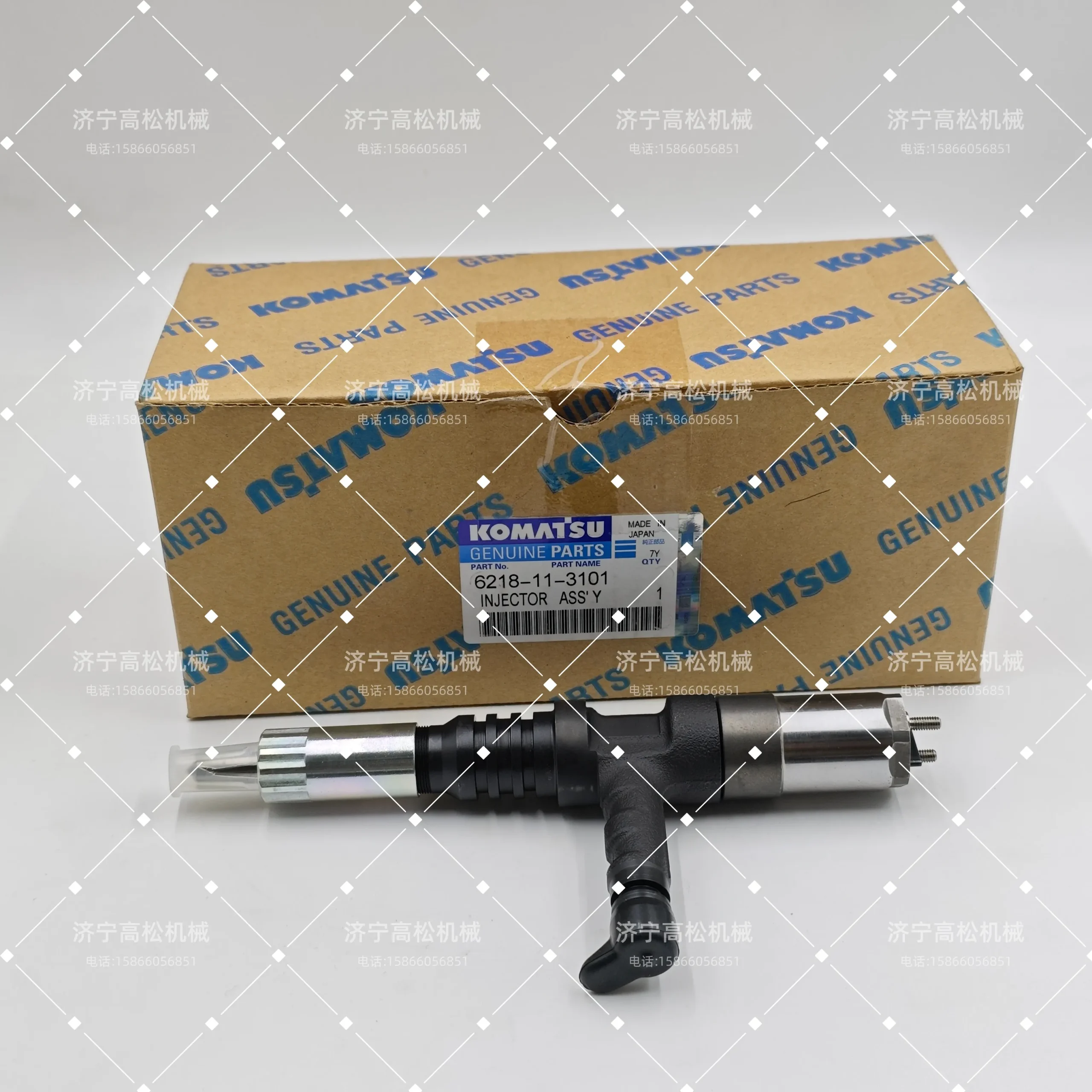 6218-11-3101 Injector Assembly
 -
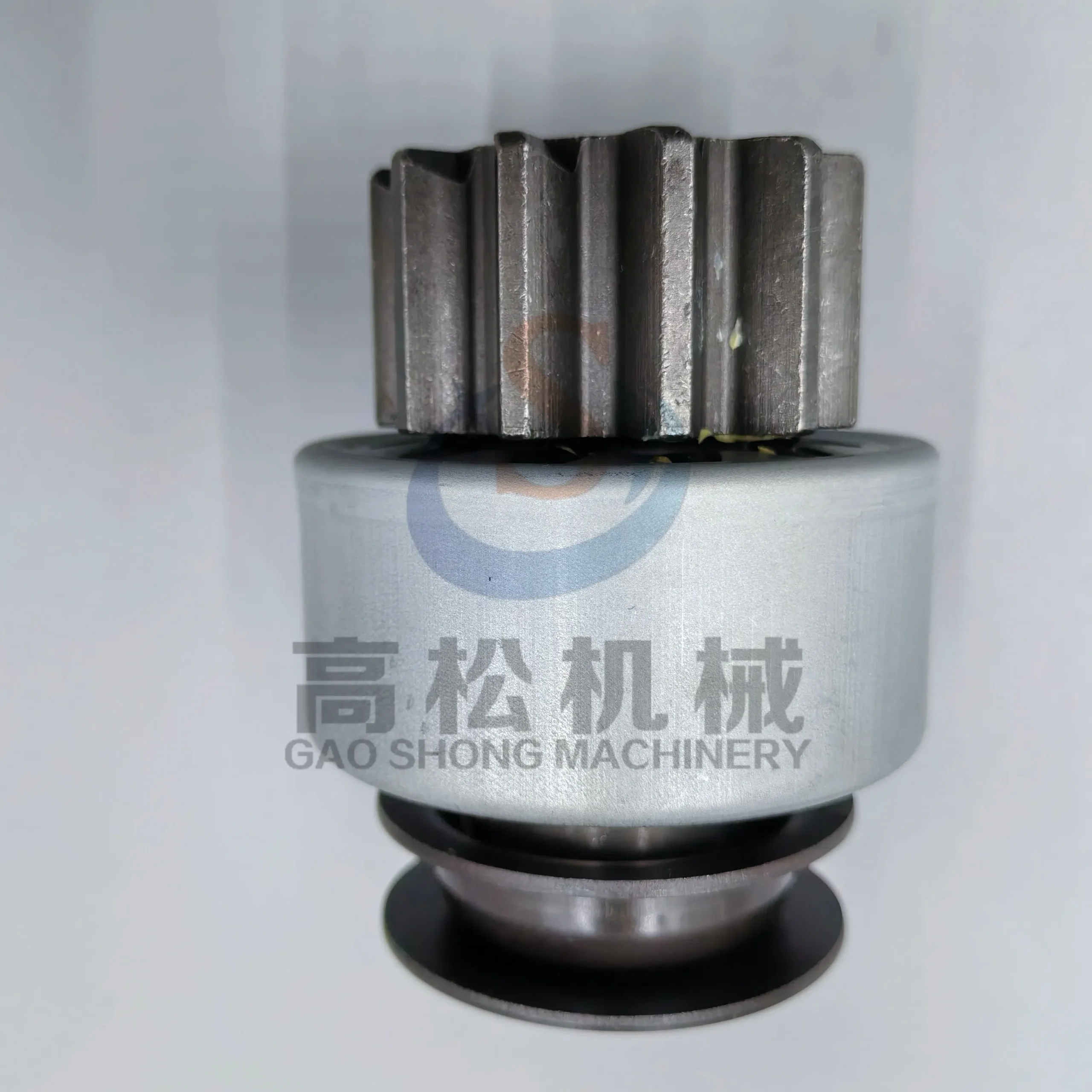 KD0-23500-1024 Komatsu Clutch Assembly
Related Search
Related Search- OEM AND ORIGINAL KOMATSU FILTER ASSY 209-60-79100
- komatsu pc200 6 engine
- 6245-11-8110
- 17M-27-41340
- komatsu d21p parts
- Komatsu hydraulic filter
- OEM AND ORIGINAL KOMATSU COLLAR 426-N42-3920
- komatsu forklift parts online catalog
- OEM AND ORIGINAL KOMATSU PIN 426-70-31960
- OEM AND ORIGINAL KOMATSU UNIVERSAL JOINT 195-20-33000