
- Chinese
- French
- German
- Portuguese
- Spanish
- Russian
- Japanese
- Korean
- Arabic
- Irish
- Greek
- Turkish
- Italian
- Danish
- Romanian
- Indonesian
- Czech
- Afrikaans
- Swedish
- Polish
- Basque
- Catalan
- Esperanto
- Hindi
- Lao
- Albanian
- Amharic
- Armenian
- Azerbaijani
- Belarusian
- Bengali
- Bosnian
- Bulgarian
- Cebuano
- Chichewa
- Corsican
- Croatian
- Dutch
- Estonian
- Filipino
- Finnish
- Frisian
- Galician
- Georgian
- Gujarati
- Haitian
- Hausa
- Hawaiian
- Hebrew
- Hmong
- Hungarian
- Icelandic
- Igbo
- Javanese
- Kannada
- Kazakh
- Khmer
- Kurdish
- Kyrgyz
- Latin
- Latvian
- Lithuanian
- Luxembou..
- Macedonian
- Malagasy
- Malay
- Malayalam
- Maltese
- Maori
- Marathi
- Mongolian
- Burmese
- Nepali
- Norwegian
- Pashto
- Persian
- Punjabi
- Serbian
- Sesotho
- Sinhala
- Slovak
- Slovenian
- Somali
- Samoan
- Scots Gaelic
- Shona
- Sindhi
- Sundanese
- Swahili
- Tajik
- Tamil
- Telugu
- Thai
- Ukrainian
- Urdu
- Uzbek
- Vietnamese
- Welsh
- Xhosa
- Yiddish
- Yoruba
- Zulu
- Kinyarwanda
- Tatar
- Oriya
- Turkmen
- Uyghur






OEM AND ORIGINAL KOMATSU CUSHION 195-21-32362
You see that part number, , and immediately think it's straightforward—either it's a genuine Komatsu cushion or it isn't. That's the first trap. In our line, especially when you're dealing with supply into regions where official channels are thin or priced out of reach, the term 'OEM AND ORIGINAL' becomes a minefield. I've had customers swear they got 'original' from a non-franchised source, only for the seal to fail after 800 hours on a PC300. The reality is, for a component this specific—a cushion ring for a Komatsu excavator swing system—the distinction isn't just about a logo; it's about the compound's durometer, the fabric ply orientation in the rubber core, and the curing process. A true original from Komatsu has a specific feel, a slight blue-green tint to the rubber compound that the aftermarket tries and usually fails to match perfectly. But here's the kicker: within the Komatsu system, there are authorized OEM manufacturers who produce this exact part, under license, to the same prints and material specs. That's where a supplier like Jining Gaosong Construction Machinery Co., Ltd. comes into the picture. They operate in that space, which is crucial for keeping machines running in markets that the main distribution network doesn't prioritize.
The Anatomy of a Cushion and Why Matters
Let's break down why this part is more critical than people assume. It's not a simple washer. The cushion sits in the swing circle, absorbing metal-to-metal impact and dampening oscillation. Its failure doesn't just cause a knock; it transmits shock loads up the gear train, leading to catastrophic damage on the swing motor or even the mainframe. I've seen a failed aftermarket cushion, which was too hard, act like a solid spacer. The result? A hairline crack in the swing bearing race. The repair bill jumped from a few hundred to tens of thousands.
The OEM version has a layered design—nitrile rubber bonded to a woven fabric, then vulcanized. The fabric isn't random; its weave direction controls the compression set. The 'original' from Komatsu ensures a controlled, predictable compression over its service life. Many third-party copies use a cheaper fabric or skip the proper bonding process. Under a microscope, you can see the delamination starting after a few hundred hours of high-torque swinging.
This is where the practical knowledge kicks in. When you source from a company that is an OEM product supplier within the Komatsu system, like the one mentioned, you're not just buying a part. You're buying the assurance that the material batch was tested for its Shore A hardness and tensile strength. I recall a shipment to a mining operation in West Africa where we used their sourced . The machine log showed consistent swing pressure readings for over 5000 hours, which is the true test. It performed identically to the part we pulled from a Komatsu box at a Japanese dealer, but at a cost that made the project viable.
The Supplier Landscape and the Original Paradox
The website https://www.takematsumachinery.com positions itself aptly: an OEM supplier and a third-party sales company. This dual role is key to understanding the market. They aren't a random parts reseller. Being within the Komatsu system implies access to technical bulletins, engineering change notices (ECNs) for this part. For instance, there was a silent revision around 2019 to the fabric type for improved heat resistance in desert operations. A generic aftermarket seller wouldn't know or care. A system OEM supplier would have the updated stock.
However, the 'third-party sales' angle is the practical solution. Komatsu's official supply chain to certain countries can be slow or prohibitively expensive due to tariffs and complex distribution agreements. A company like this helps solve parts supply challenges by leveraging its OEM production access and then distributing through parallel channels. It's a gray area, but one that keeps equipment running. The risk for the buyer is verifying the chain of custody. Is the part coming directly from the OEM production line, or is it a surplus item from another region? The good suppliers are transparent about this.
I learned this the hard way early on. We bought what was advertised as OEM quality from a different vendor. The dimensions were perfect, but the rubber had a faint smell of cheap petroleum, not the distinct odor of high-grade nitrile. It passed the initial fit check, but in operation, it generated excessive heat. The problem? The filler material in the rubber compound was wrong, increasing hysteresis. It didn't fail immediately, but it increased the hydraulic oil temperature in the swing circuit by 15 degrees Fahrenheit, which over time stresses the entire system. That was a lesson in looking beyond the stamping.
Field Verification and Practical Checks
So, how do you verify a part like this without a Komatsu warehouse seal? First, check the packaging. The true OEM-origin parts, even if not in Komatsu-branded boxes, often come in plain white boxes with a specific supplier code and the part number laser-etched, not ink-printed, on the part itself. For , look for a small, circular mold mark—often a series of numbers or a letter—near the inner diameter. This is the mold cavity identifier from the licensed factory.
Second, the physical test. A genuine part has a specific flex. Try to bend it slightly. It should offer resistance but not feel stiff like plastic. It should spring back completely without any permanent deformation. An inferior part will either feel too soft (indicating poor rubber compound) or won't rebound fully (indicating incorrect curing).
Finally, cross-reference with known issues. For example, in older PC300-6 and PC300-7 models, there was a common misdiagnosis where a worn swing gear was blamed, but the root cause was actually a degraded that had flattened beyond its service limit, changing the gear mesh preload. A good supplier will have these field service insights. When browsing their site, you're looking for this depth of context, not just a parts catalog.
Cost vs. Value in the Long Run
The debate always circles back to cost. The price difference between a non-certified aftermarket cushion and one from an OEM supplier within the Komatsu system can be 40-50%. The temptation to go cheap is huge. But let's do the real math. A failed cushion ring leads to downtime. For a mid-sized excavator, that's at least $500-$1000 per day in lost revenue, plus the cost of the secondary damage. A proper OEM-spec part, even at a premium, might last the full recommended service interval of, say, 10,000 hours. A bad one might fail at 2,000 hours. The total cost of ownership is lower with the right part.
This is the value proposition of a company like Jining Gaosong. They aren't selling the cheapest option; they're selling the cost-effective solution for specific market challenges. They provide the bridge between the full Komatsu original price and the risky generic alternative. Their role as a third-party sales company for Komatsu is essentially that of a specialized logistics and quality assurance node for hard-to-reach markets.
In the end, for the part number , the keyword is reliability, not just a label. Whether it arrives in a blue Komatsu box or a plain box from a verified system OEM, the performance on the machine is the final judge. The goal is to get the correct material science and engineering into the machine's swing system, and that requires knowing not just the part number, but the provenance behind it. That's what separates a parts changer from a technician who keeps the machine earning.
Related Products
Related Products

Best Selling Products
Best Selling Products-
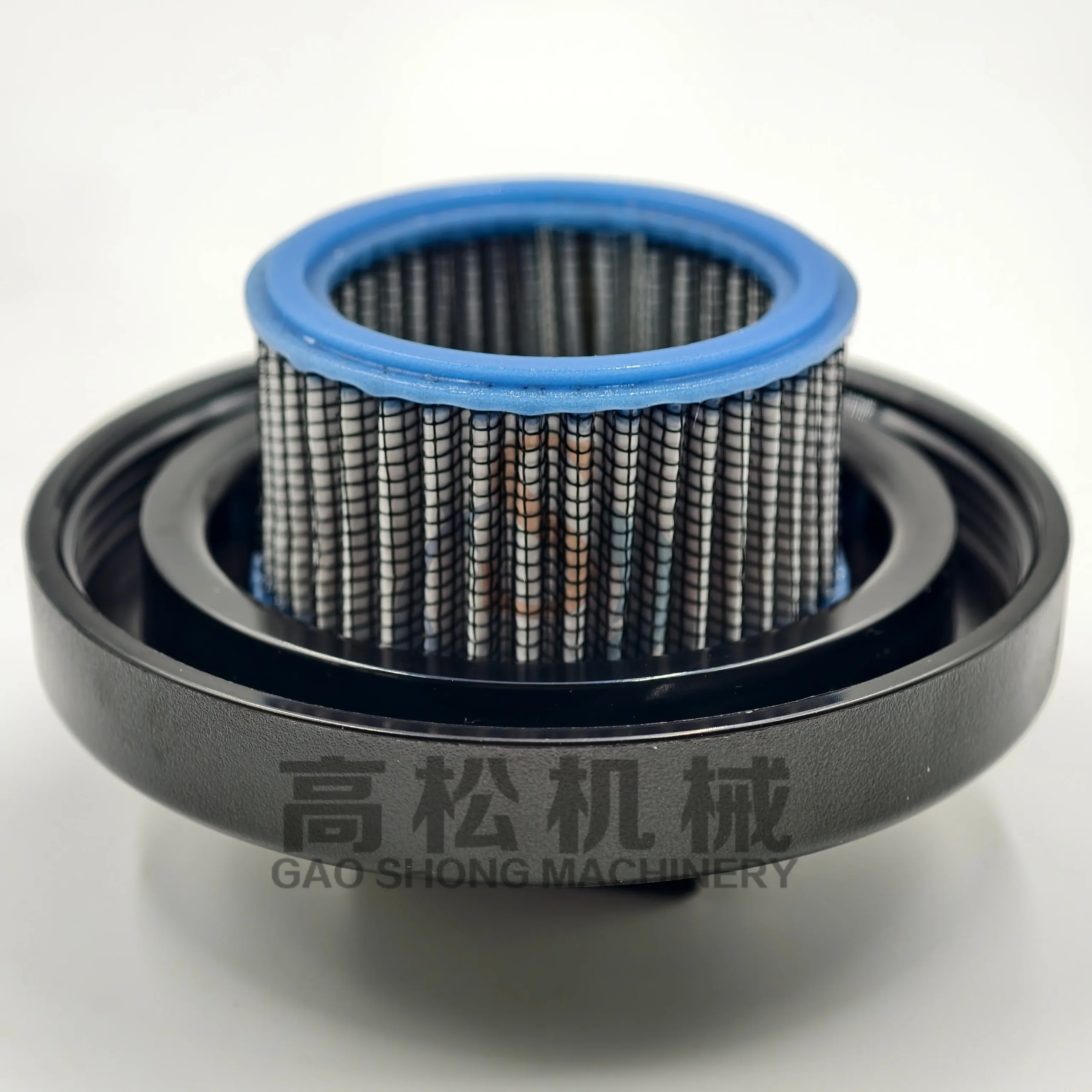 21T-04-31170 Komatsu Cap Assembly
 -
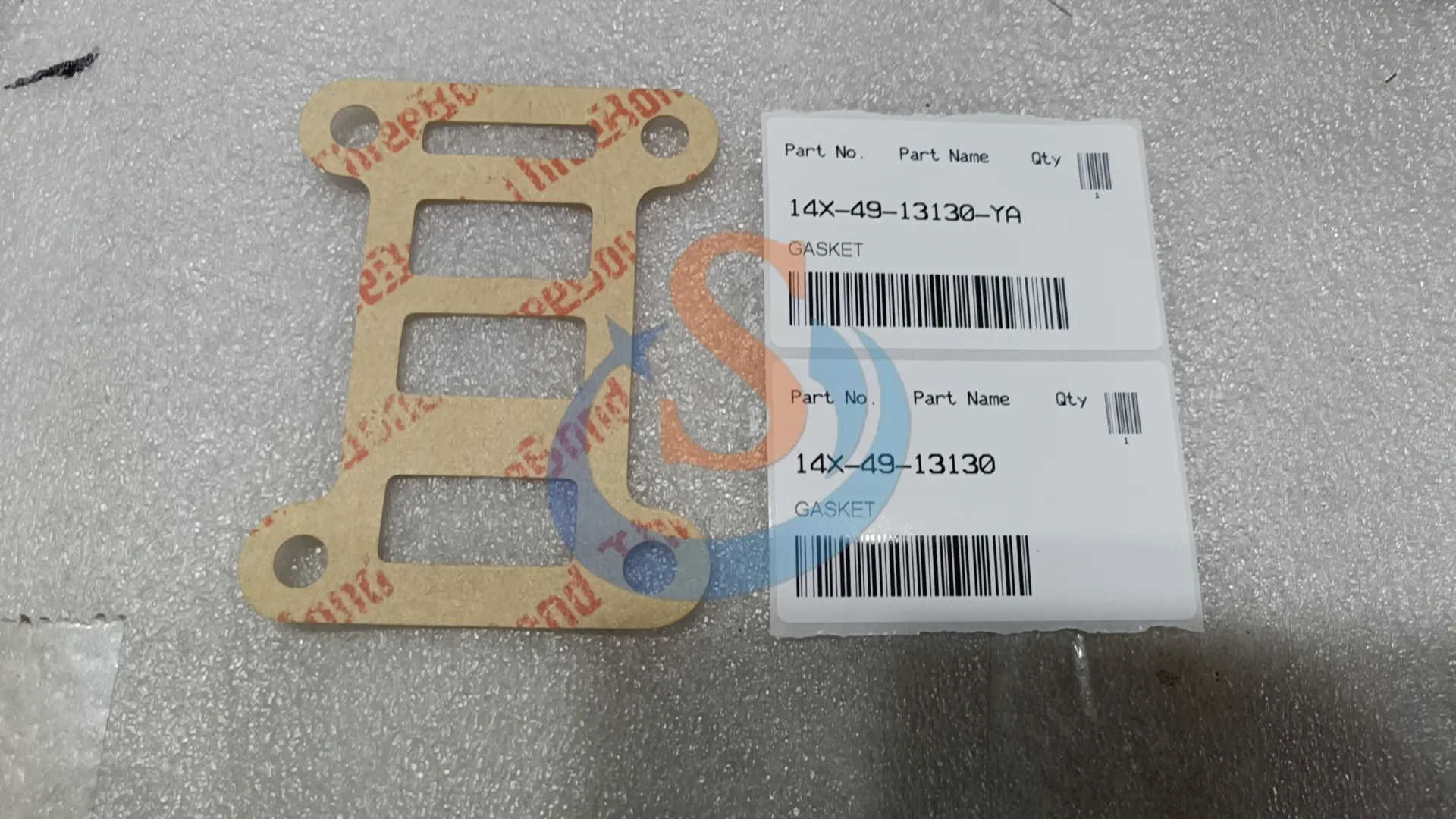 14X-49-13130,GASKET,D85ESS,D155A,D475A
 -
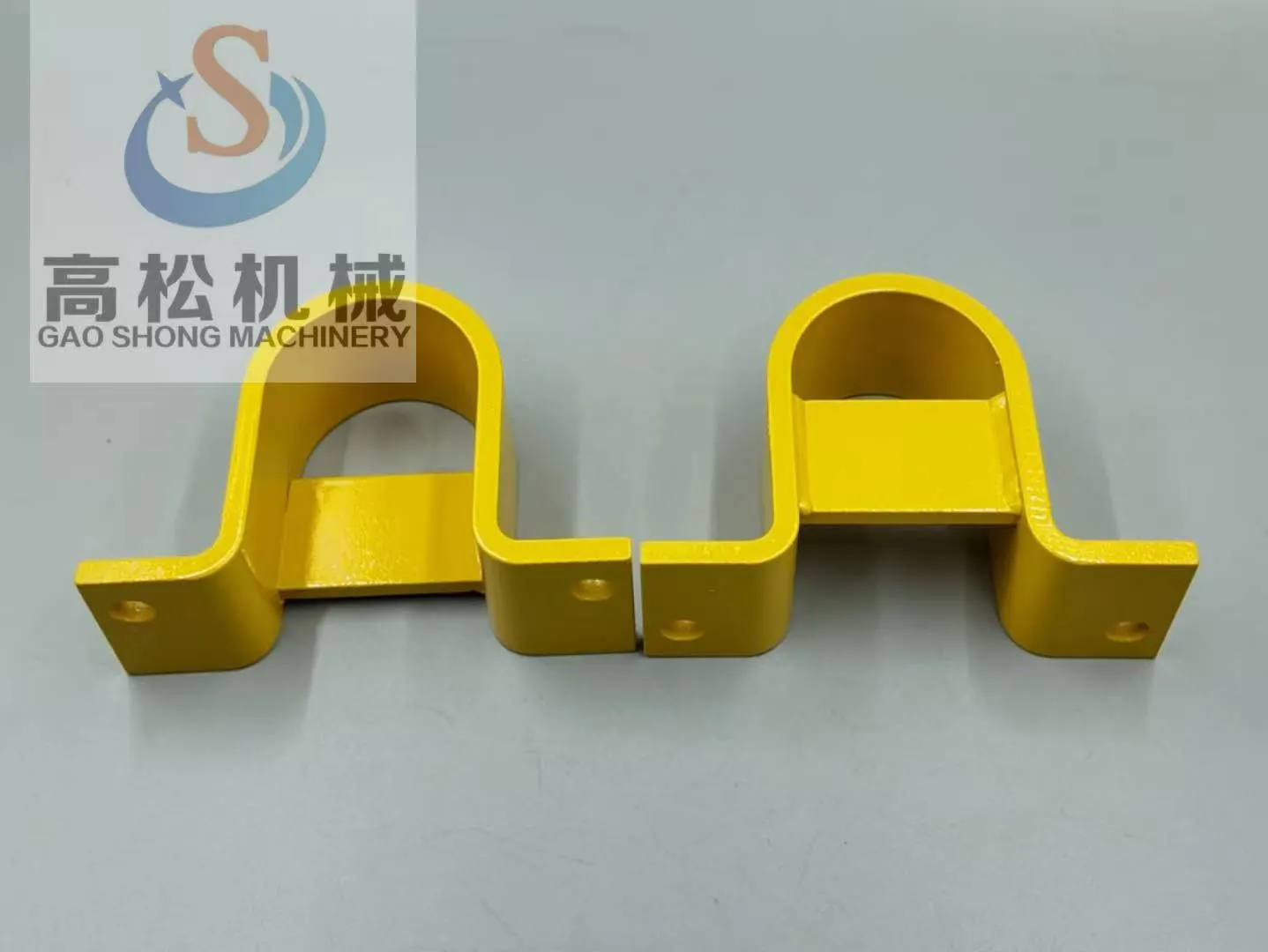 425-04-21430 Compatible models: WA500 Komatsu cover. Large inventory, current spot pricing advantages.
 -
 Seal Ring 195-15-39220 1951539220 For Komatsu Wheel Loaders WA500-6 WA700-1 Komatsu Dump Trucks HD985-5 HD785-7
 -
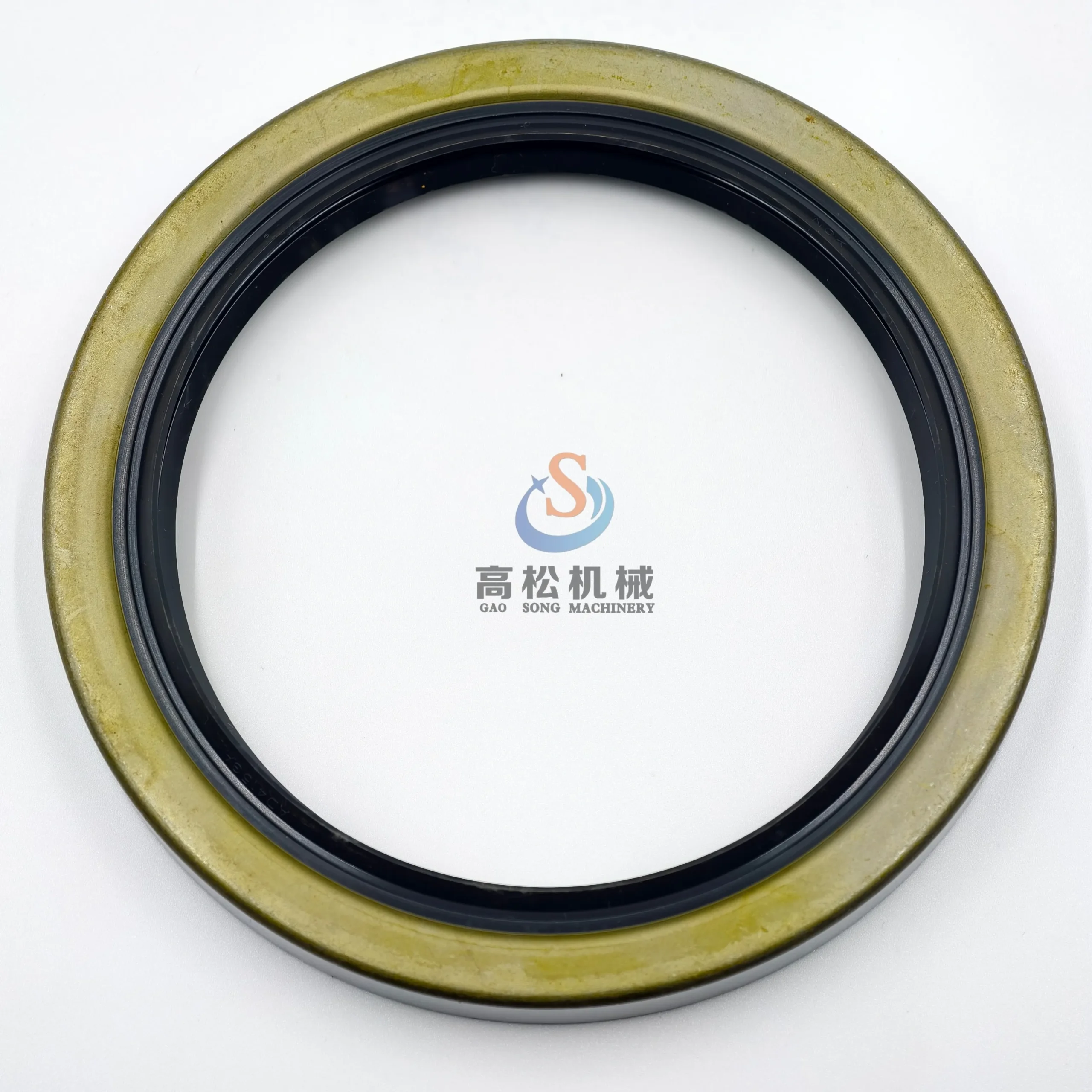 425-20-15740 komatsu-parts SEAL,OIL
 -
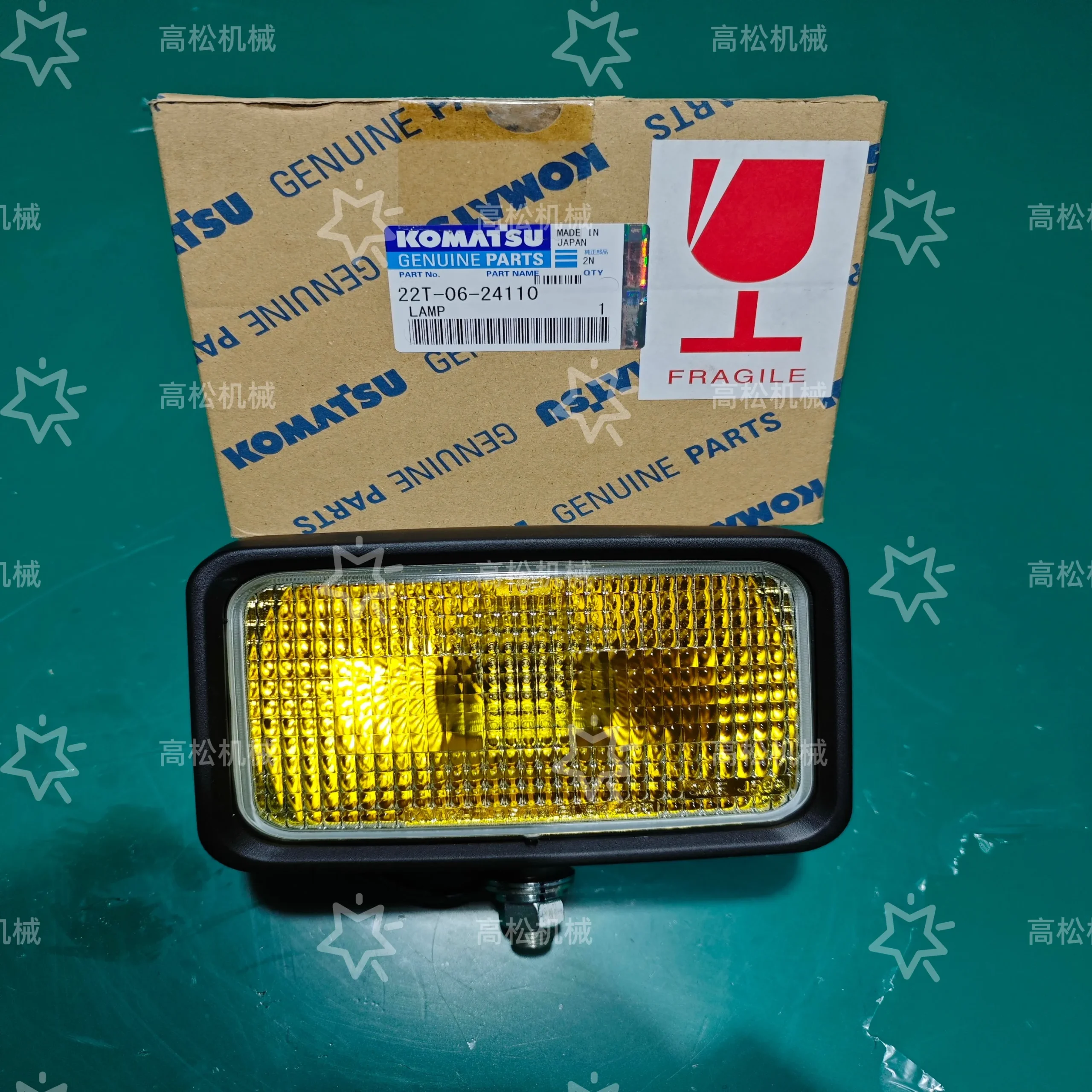 LAMP 22T-06-24110 – KOMATSU
 -
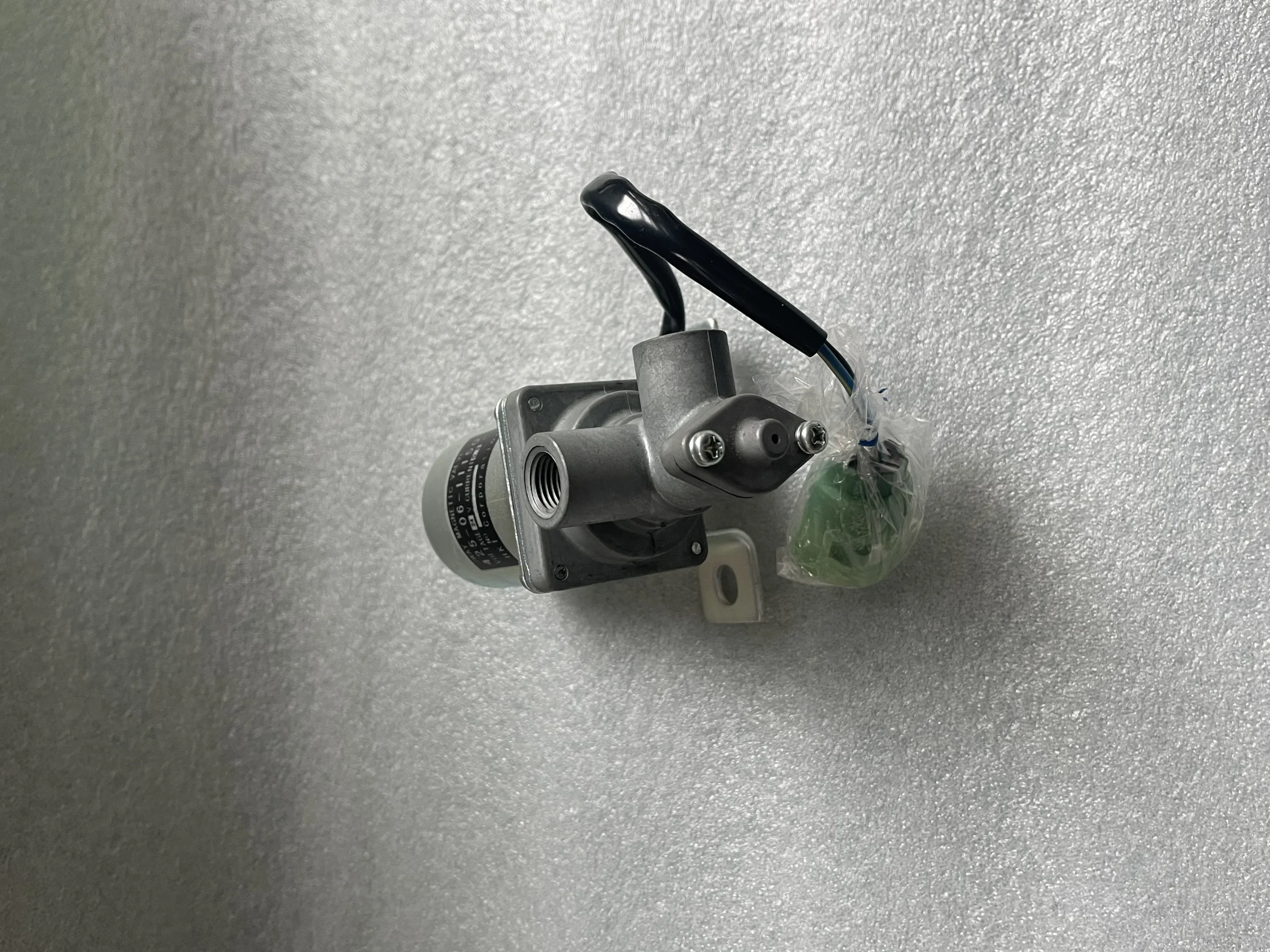 Valve,Parking brake425-06-11150
 -
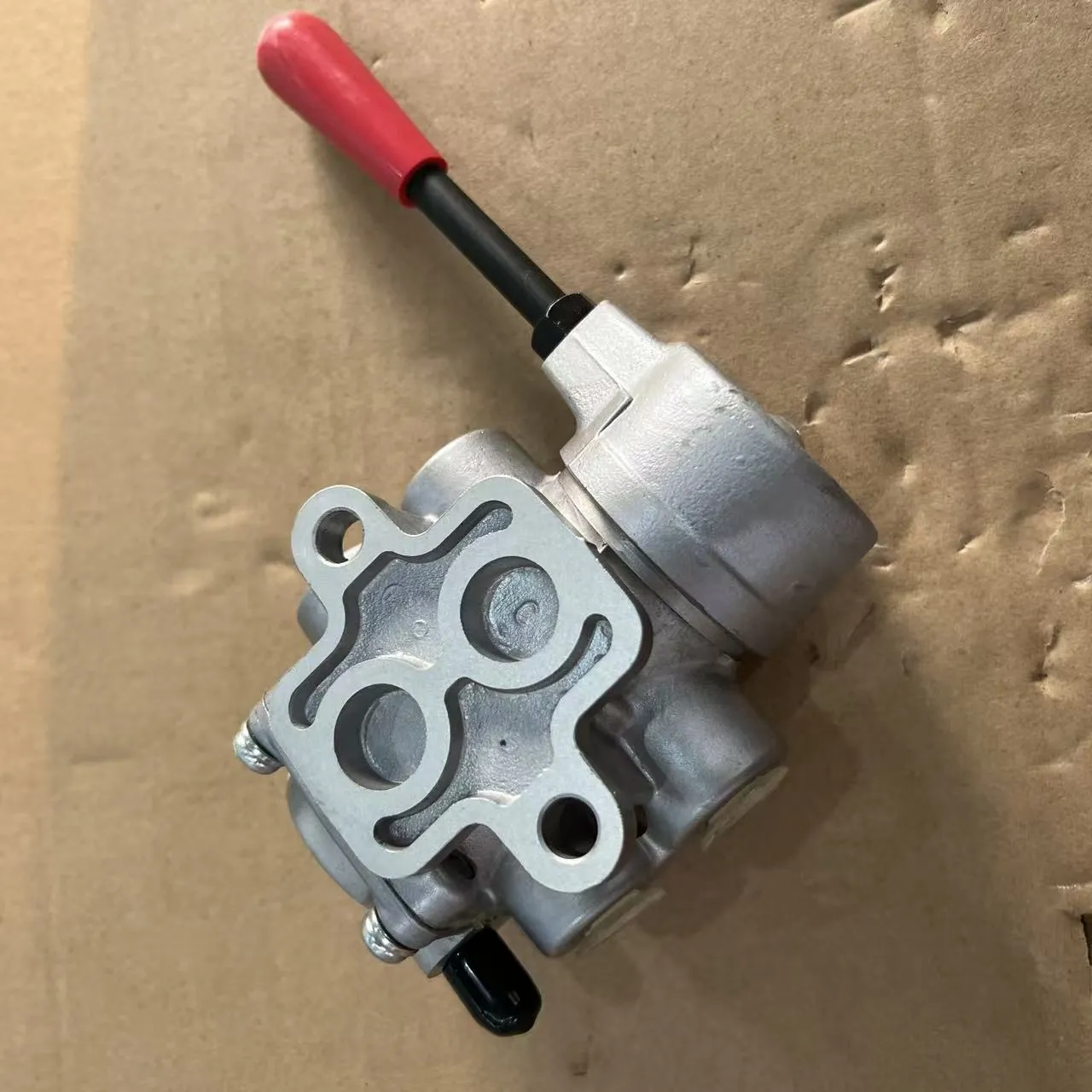 Komatsu 561-87-66102 EMERGENCY BRAKE… — Pricing.Parts
 -
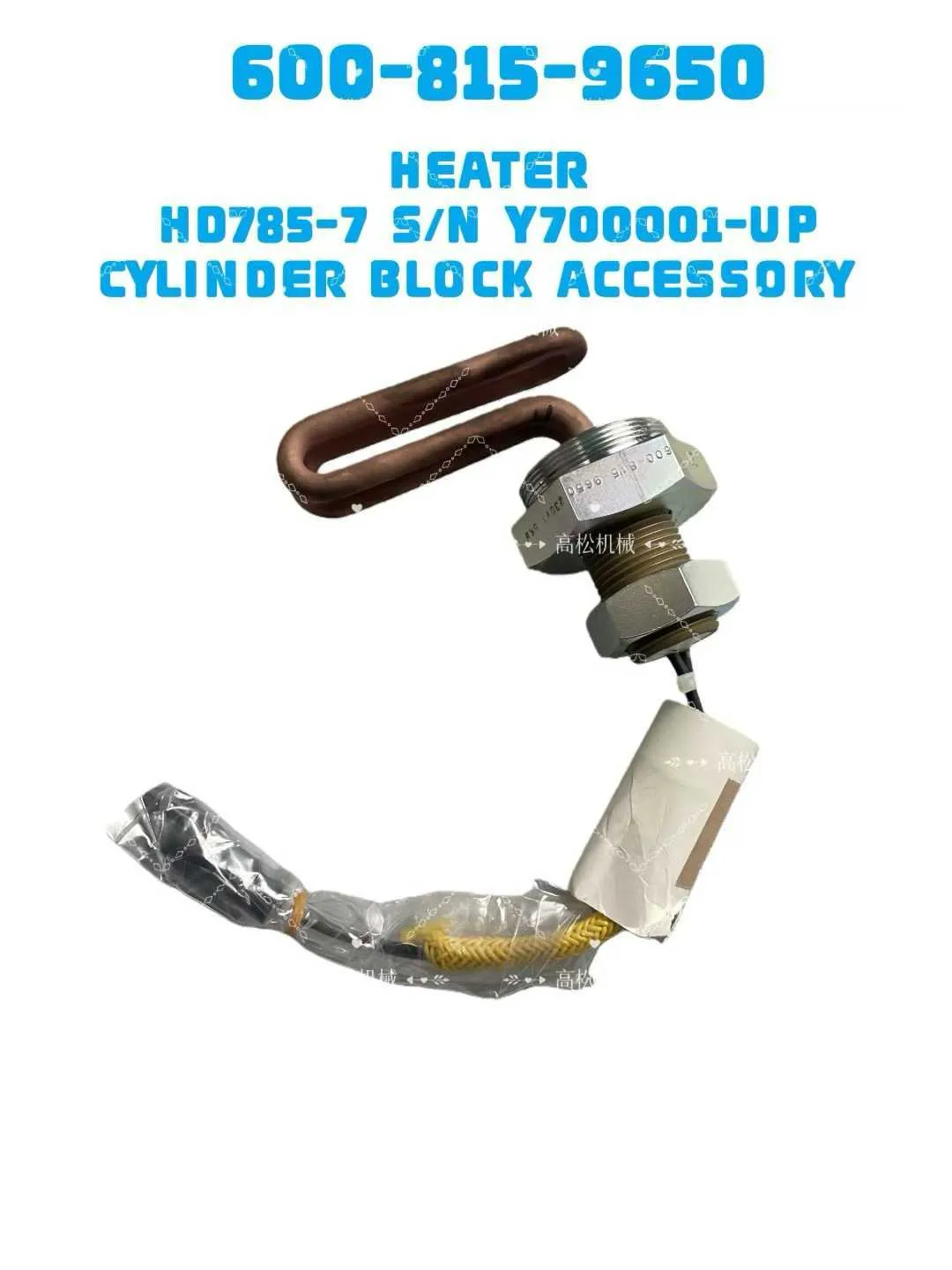 600-815-96504 HEATER HD785-7 5/N Y700001-UP6CYLINDER BLOCK ACCESSORY
 -
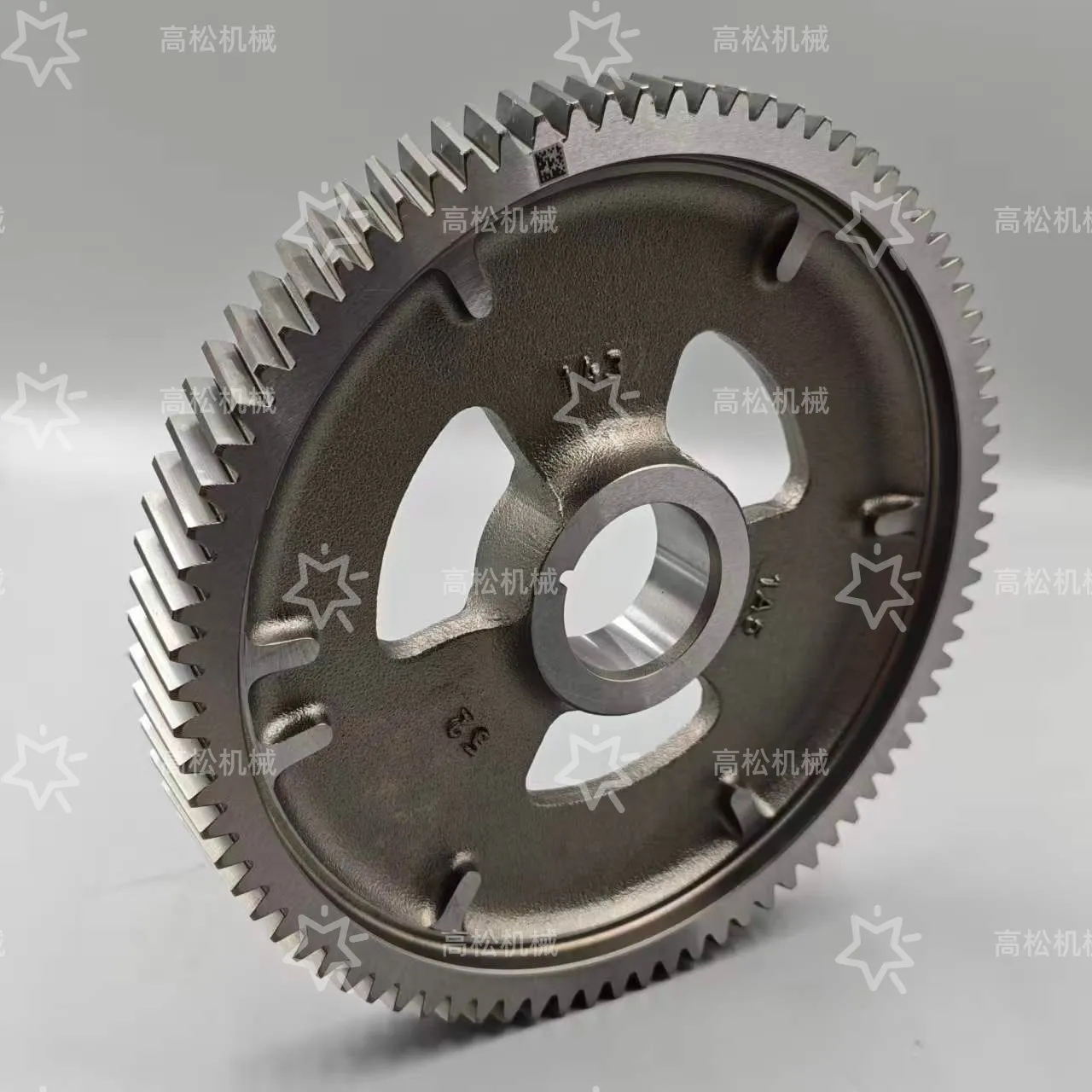 6745-41-1131 GEAR – CAMSHAFT Suitable for komatsu
 -
 6241-K6-9900
 -
 Komatsu 21N-03-32360 Connector, price for original… — Pricing.Parts
Related Search
Related Search- OEM AND ORIGINAL KOMATSU COLUMN ASSY 569-40-83300
- komatsu d475a engine
- OEM AND ORIGINAL KOMATSU PIN 426-N42-3812
- komatsu pc130 hydraulic pump
- komatsu pc200 6 hydraulic pump
- OEM AND ORIGINAL KOMATSU SENSOR 566-88-66143
- komatsu forklift parts dealer
- 6245-11-7111
- Komatsu parts
- OEM AND ORIGINAL KOMATSU BEARING 421-20-15123