
- Chinese
- French
- German
- Portuguese
- Spanish
- Russian
- Japanese
- Korean
- Arabic
- Irish
- Greek
- Turkish
- Italian
- Danish
- Romanian
- Indonesian
- Czech
- Afrikaans
- Swedish
- Polish
- Basque
- Catalan
- Esperanto
- Hindi
- Lao
- Albanian
- Amharic
- Armenian
- Azerbaijani
- Belarusian
- Bengali
- Bosnian
- Bulgarian
- Cebuano
- Chichewa
- Corsican
- Croatian
- Dutch
- Estonian
- Filipino
- Finnish
- Frisian
- Galician
- Georgian
- Gujarati
- Haitian
- Hausa
- Hawaiian
- Hebrew
- Hmong
- Hungarian
- Icelandic
- Igbo
- Javanese
- Kannada
- Kazakh
- Khmer
- Kurdish
- Kyrgyz
- Latin
- Latvian
- Lithuanian
- Luxembou..
- Macedonian
- Malagasy
- Malay
- Malayalam
- Maltese
- Maori
- Marathi
- Mongolian
- Burmese
- Nepali
- Norwegian
- Pashto
- Persian
- Punjabi
- Serbian
- Sesotho
- Sinhala
- Slovak
- Slovenian
- Somali
- Samoan
- Scots Gaelic
- Shona
- Sindhi
- Sundanese
- Swahili
- Tajik
- Tamil
- Telugu
- Thai
- Ukrainian
- Urdu
- Uzbek
- Vietnamese
- Welsh
- Xhosa
- Yiddish
- Yoruba
- Zulu
- Kinyarwanda
- Tatar
- Oriya
- Turkmen
- Uyghur






OEM AND ORIGINAL KOMATSU CUSHION 17M-54-49423
When you see a part number like 17M-54-49423 for a Komatsu cushion, especially with both 'OEM' and 'Original' thrown in, it sets off my internal alarm. In this trade, those terms are a minefield. Everyone claims to have the 'original' part, but the reality is often a spectrum—from genuine Komatsu factory-sealed boxes to high-quality system-OEM parts, down to outright counterfeits with a good paint job. The cushion, specifically this one, is a perfect example. It's not a flashy part, but on a PC200 or similar, a failure here translates directly to downtime and a rough, inefficient machine. I've seen too many folks buy on price alone for this component and pay triple later in labor and machine wear.
The Nuance of OEM Within the Komatsu System
This is where context from a supplier like Jining Gaosong Construction Machinery Co., Ltd. matters. Their site, https://www.takematsumachinery.com, states they are an OEM product supplier within the Komatsu system. That's a specific claim. It doesn't mean they are Komatsu, but it suggests their manufacturing is aligned or approved to produce certain components, likely under license or as a designated secondary source. For a part like the OEM AND ORIGINAL KOMATSU CUSHION 17M-54-49423, this could mean the rubber compound, steel reinforcement, and dimensional tolerances are to Komatsu's engineering spec, but it's coming from a different factory floor. In many cases, this is perfectly fine—it's the same blueprint, just a different stamp.
The problem arises when that nuance is lost in translation or deliberately blurred. A customer might hear OEM and think it's identical to the part in a Komatsu bag. Sometimes it is, functionally. Other times, there might be a material substitution—a different grade of rubber that holds up fine in moderate climates but degrades quickly in extreme heat or constant oil exposure. I've cut open failed cushions that looked right but smelled wrong; the sulfur content in the rubber was off, making it brittle.
So, when Gaosong says they help solve parts supply challenges in certain countries, I read that as them providing a legitimate, traceable alternative where the official distribution chain is weak or prohibitively expensive. They're filling a gap with a product that has a legitimate pedigree, not just slapping a label on a generic cushion. That's a key distinction.
Why the 17M-54-49423 Cushion Isn't Just a Bumper
Let's get into the weeds on this specific part. It's not a simple block of rubber. Its job is to absorb the metal-to-metal impact at the end of the stick cylinder's stroke. A poor-quality cushion fails in two ways: it can crumble and lose its absorption, leading to a loud bang and shock through the structure, or it can become too hard, essentially turning into a solid block and transferring all that force anyway. Both outcomes strain the cylinder mounts, the pins, and even the mainframe over time.
The original Komatsu part has a very specific durometer (hardness) and rebound characteristic. A good system-OEM part will match this. A bad one won't. I remember a batch we tried from a new supplier years ago—the price was 40% lower. They installed fine, but within 200 hours, operators started complaining about a jarring feel. Inspection showed the cushions had already compressed permanently by about 15%, they were 'taking a set.' We replaced them with units from a known system-OEM source, and the problem vanished. The cost savings were erased by the double labor.
This is the real test: performance over time, not just out of the box. A true OEM AND ORIGINAL KOMATSU CUSHION 17M-54-49423 equivalent should last the expected service interval. If you're changing them every 1,000 hours when the genuine part goes 2,500, you've bought the wrong thing, regardless of the label.
Spotting the Differences: A Practical Check
You can't always rely on packaging. Here's what I look for, beyond the obvious part number stamp. First, the mold marks. Genuine and high-quality OEM parts have clean, sharp mold lines and often a cavity number. Fakes are fuzzier. Second, the rubber itself. It should have a slight sheen, a specific density to the touch—not too spongy, not rock hard. There's a smell test too; high-quality nitrile rubber has a distinct, almost neutral smell, while cheap compounds can smell strongly of chemicals or burnt tires.
The metal insert inside is another tell. It should be cleanly cast or forged, with no rust or sharp burrs. I once saw a batch where the insert was painted black to look treated, but the paint chipped off to reveal bare, rust-prone metal. That insert will rust, expand, and split the rubber from the inside out. A supplier with integrity, operating as a real part of the ecosystem, wouldn't let that out the door. Their reputation, like that of Jining Gaosong Construction Machinery Co., Ltd., hinges on being a reliable third-party sales channel within the Komatsu sphere.
Finally, documentation. A legitimate system-OEM supplier can often provide material certifications or traceability back to their manufacturing lot. If you ask for that and get radio silence, you have your answer.
When Original Meets Reality in the Field
The theory is one thing, but the field is another. In some regions, getting a genuine Komatsu part can take weeks. A reliable system-OEM part available now is infinitely better than a perfect part that arrives after the project is dead. This is the practical value of a company positioned as Gaosong is. They're not just selling an alternative; they're providing a solution to the supply chain problem, with a product that should meet the operational need.
I advised a contractor in Southeast Asia who was facing an 8-week lead time for the official 17M-54-49423. His machine was critical for a port project. We sourced what was billed as a system-OEM part from a reputable intermediary. We inspected it closely against the worn original—dimensions matched, weight was identical, markings were clean. He ran it for over 3,000 hours before a routine service change. That's a win. The part wasn't original in the brand-purity sense, but it was original in function and specification.
The failure case is the opposite: the part that looks right but fails fast, with a supplier who disappears. That's what gives the whole aftermarket a bad name. It pushes people to either pay exorbitant prices or roll the dice. A transparent supplier in the middle ground is crucial.
Wrapping It Up: A Matter of Trust and Spec
So, back to the keyword: OEM AND ORIGINAL KOMATSU CUSHION 17M-54-49423. It represents a category, not a single item. Original should speak to the design and performance specification. OEM should speak to the manufacturing provenance. When they come together from a credible source, you get a viable, cost-effective part that keeps machines running.
The landscape is all about finding those credible sources. It's less about the absolute cheapest option and more about total cost of ownership—part price plus labor plus machine uptime. A company that openly states its role as an OEM supplier within the Komatsu system and a third-party sales company is at least starting from a position of transparency. You still have to do your due diligence—ask for details, inspect the first order minutely, and monitor performance.
In the end, for a workhorse component like this cushion, that's the game. It's not glamorous, but getting it right is a mark of real, ground-level professionalism. You learn to read between the lines of the marketing and judge the part in your hands, not just the words on the screen.
Related Products
Related Products
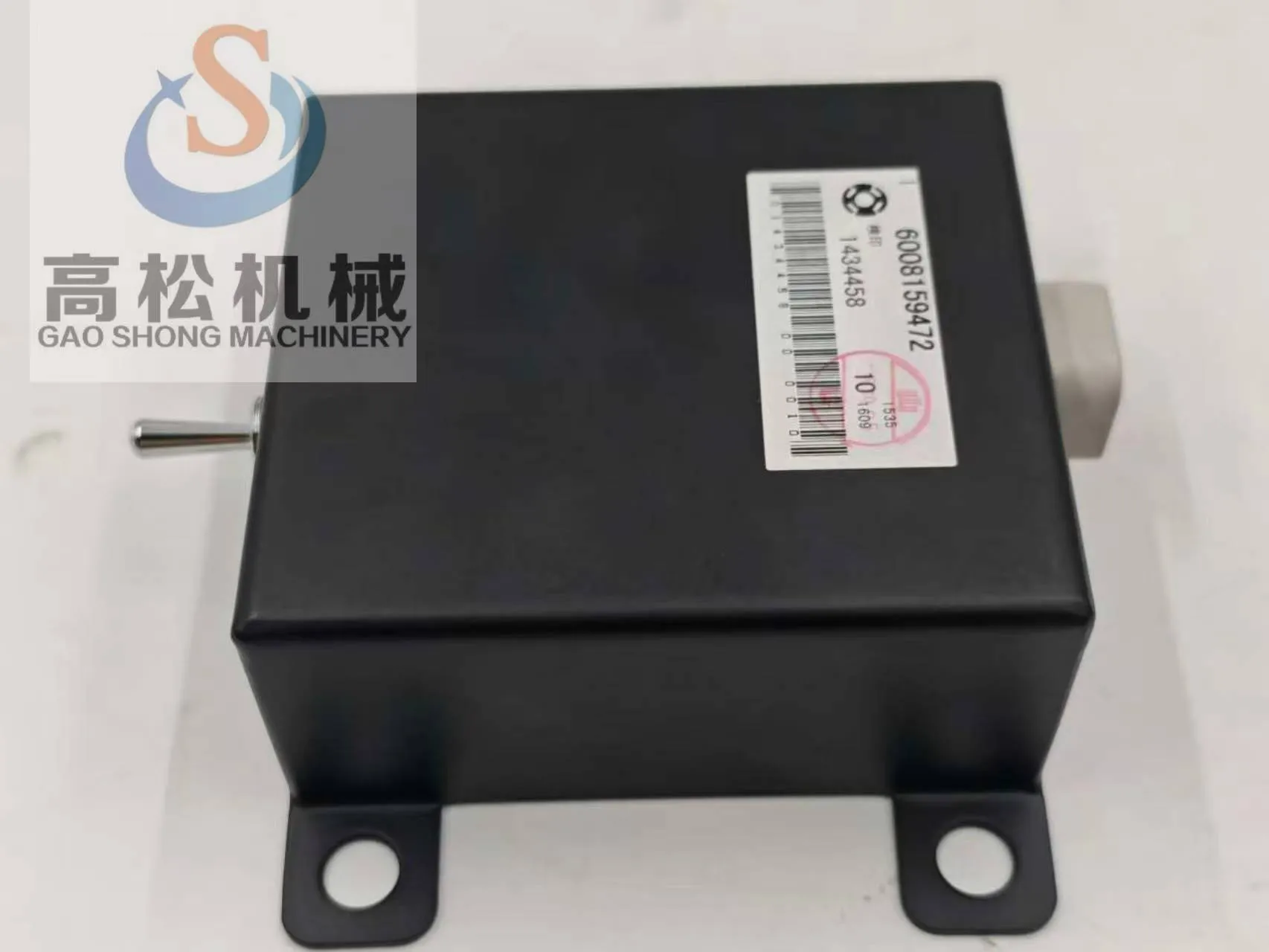
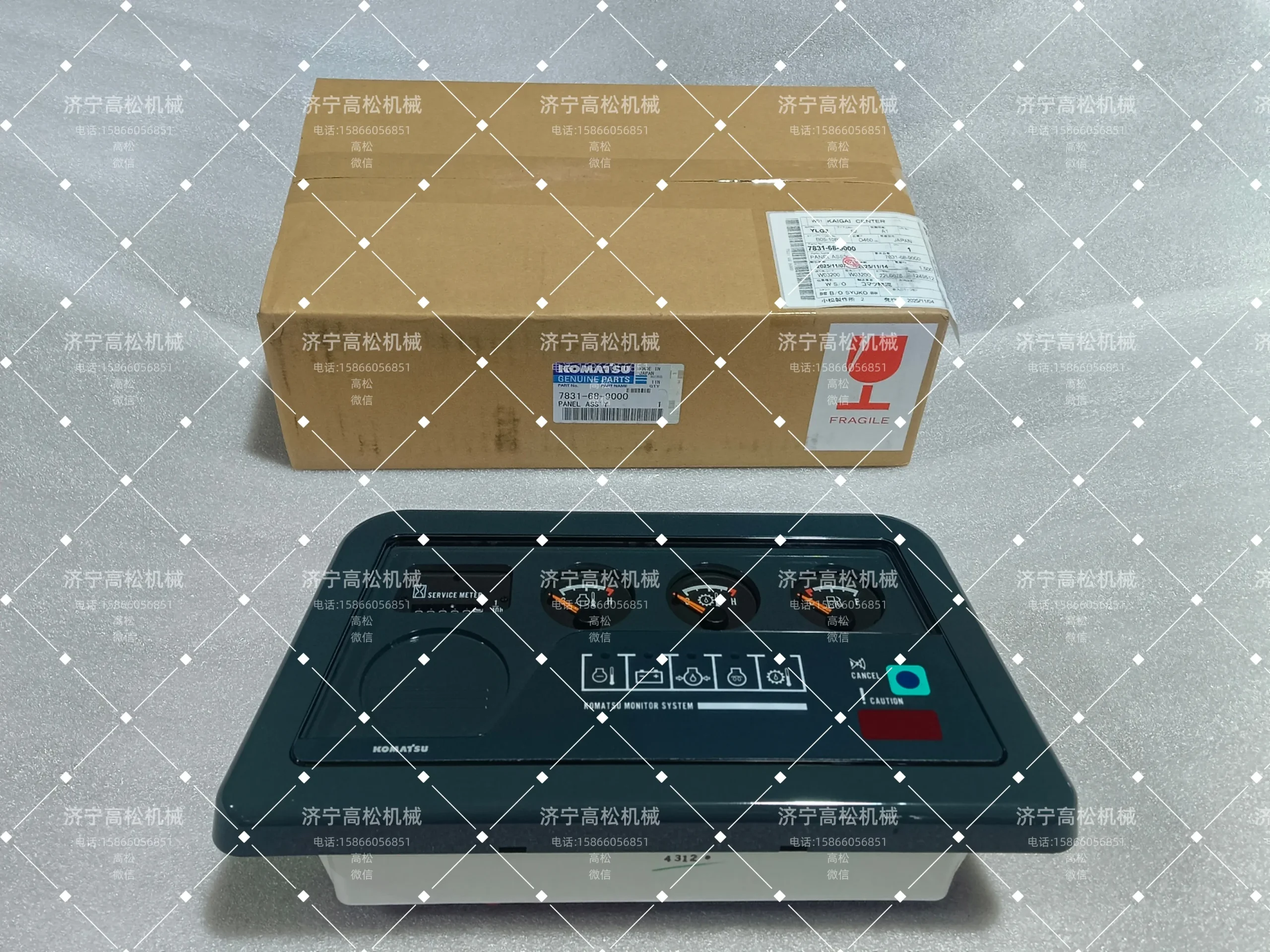
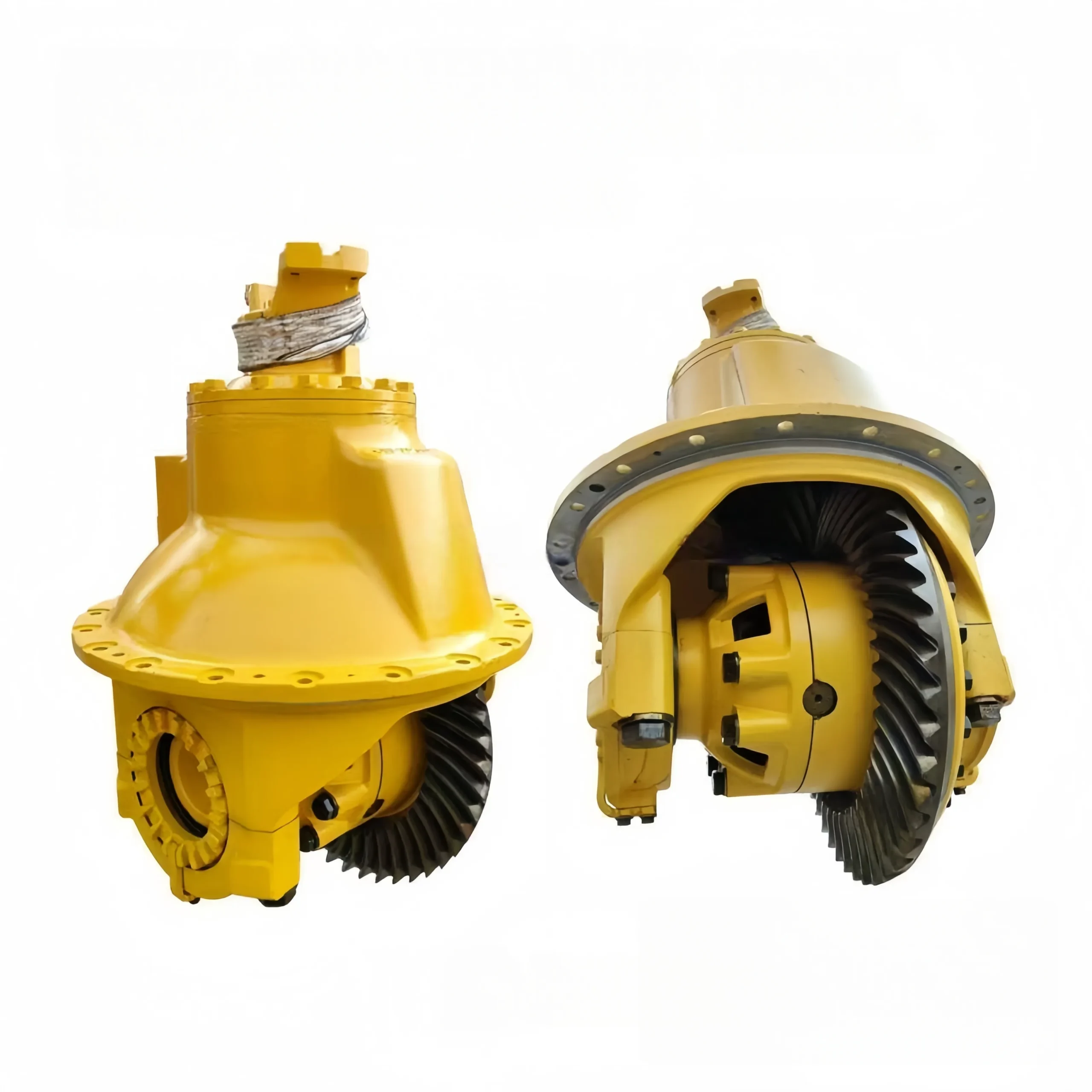
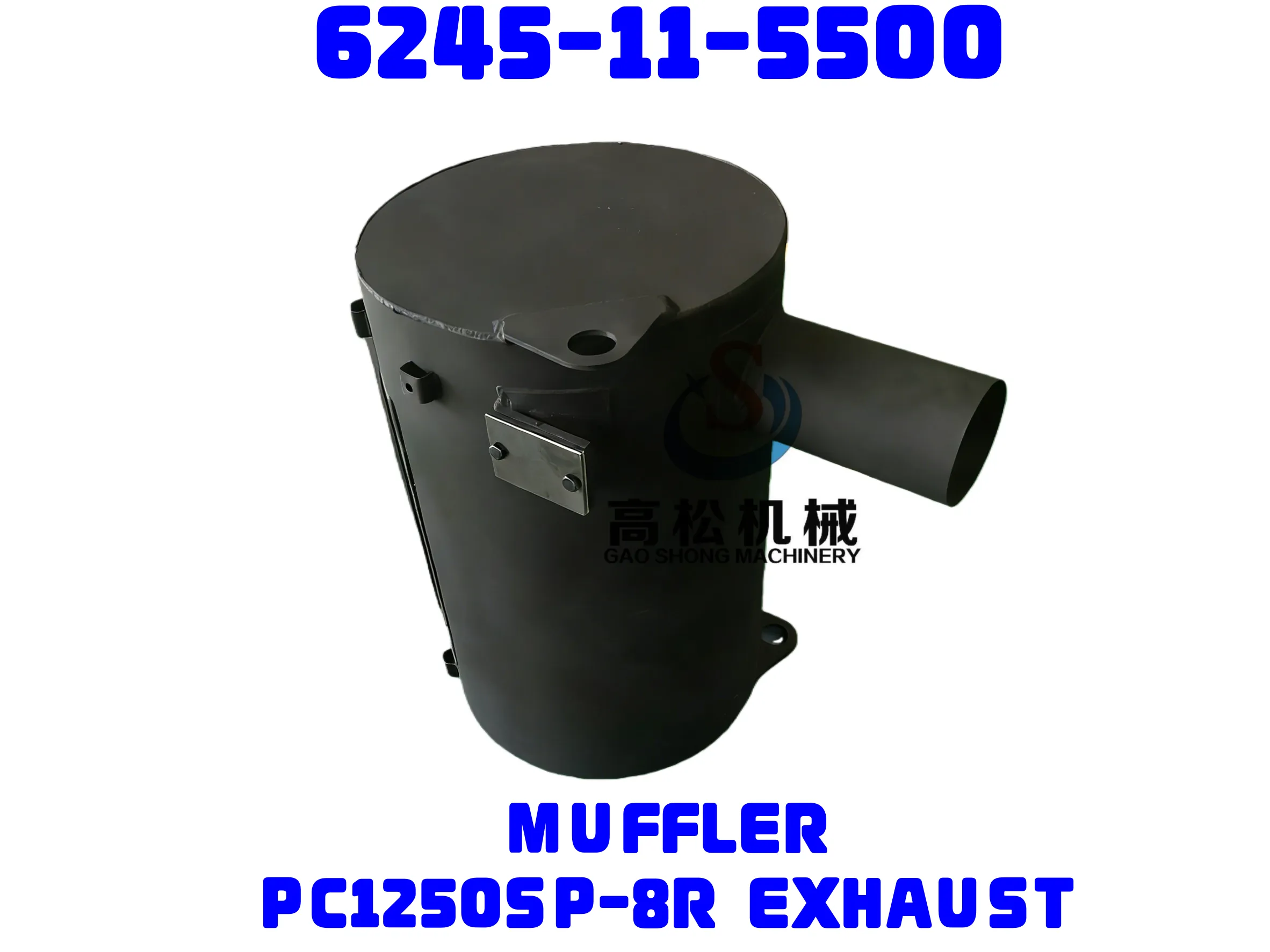

Best Selling Products
Best Selling Products-
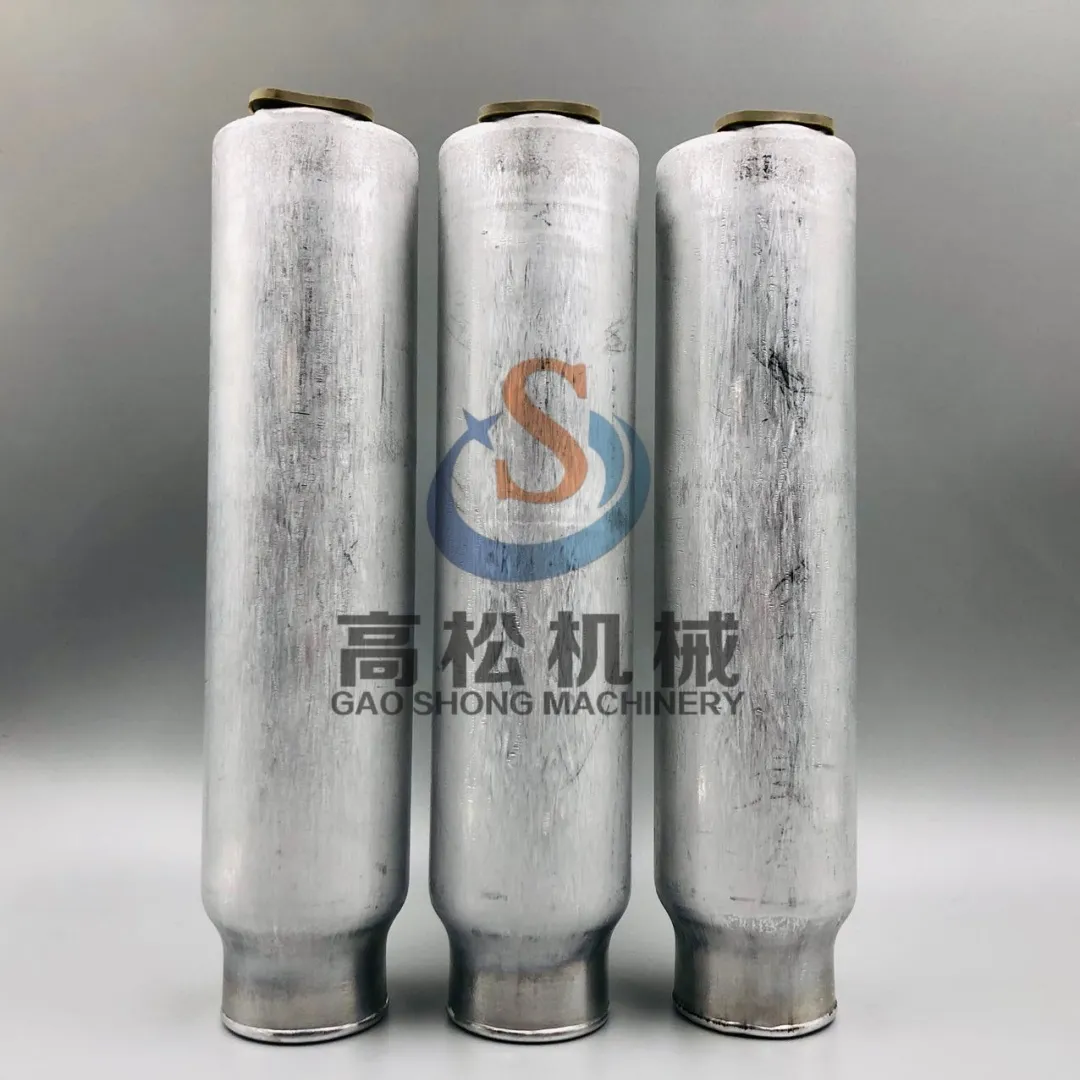 KOMATSU Excavator Receiver Dryer 20Y-979-3120
 -
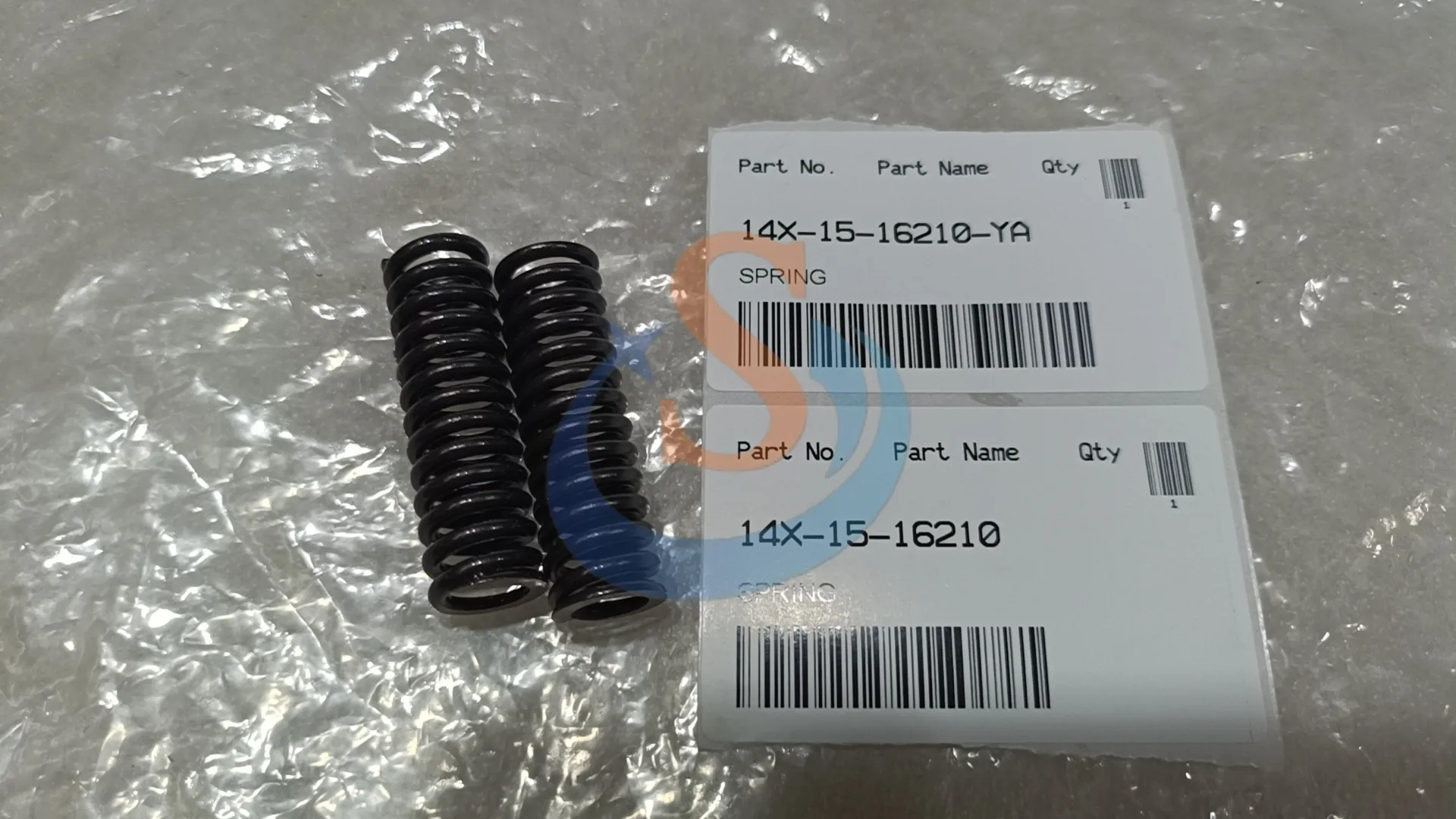 14X-15-16210 komatsu vavle WA400/WA500/WA600
 -
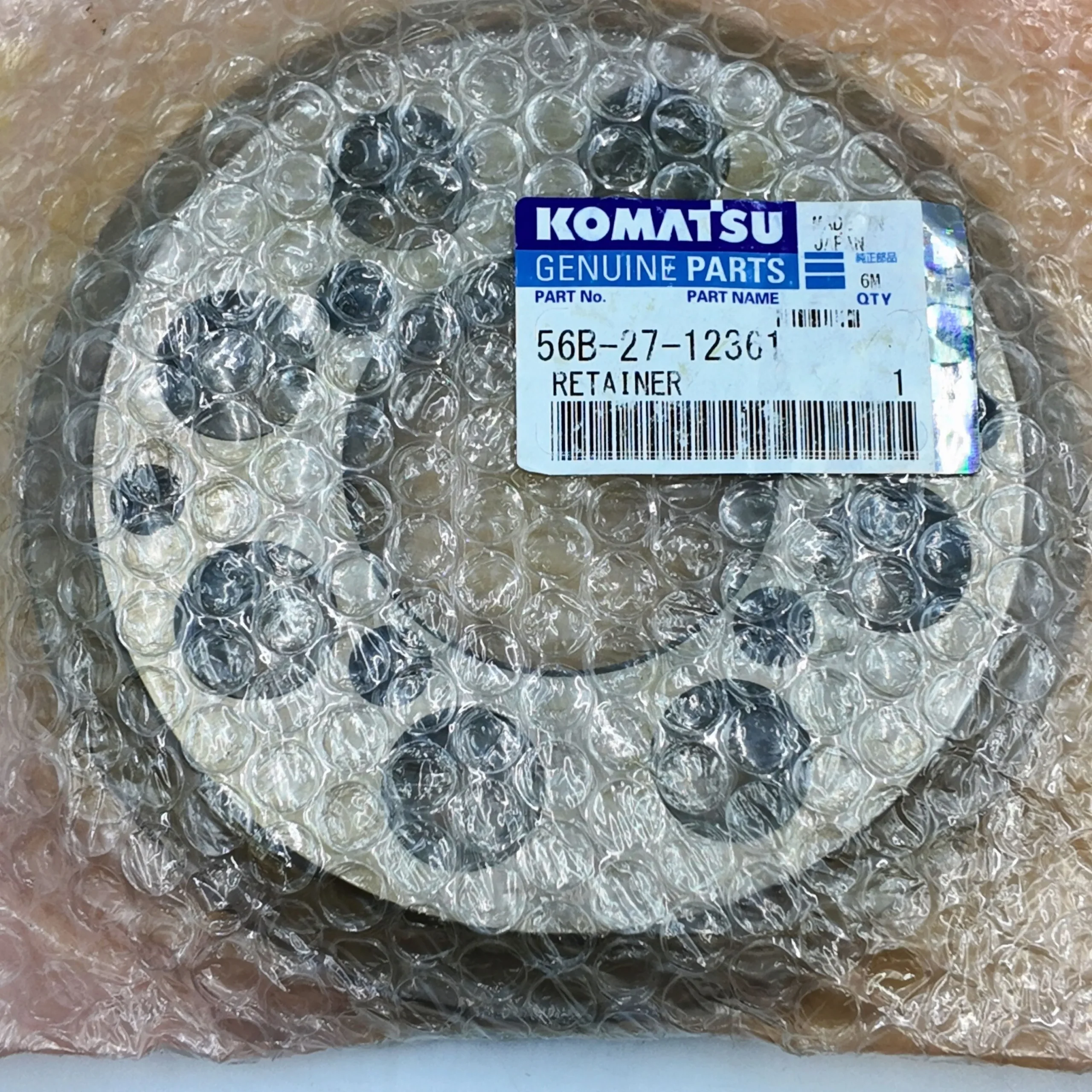 Komatsu Genuine Parts 56B-27-12361 Retainer
 -
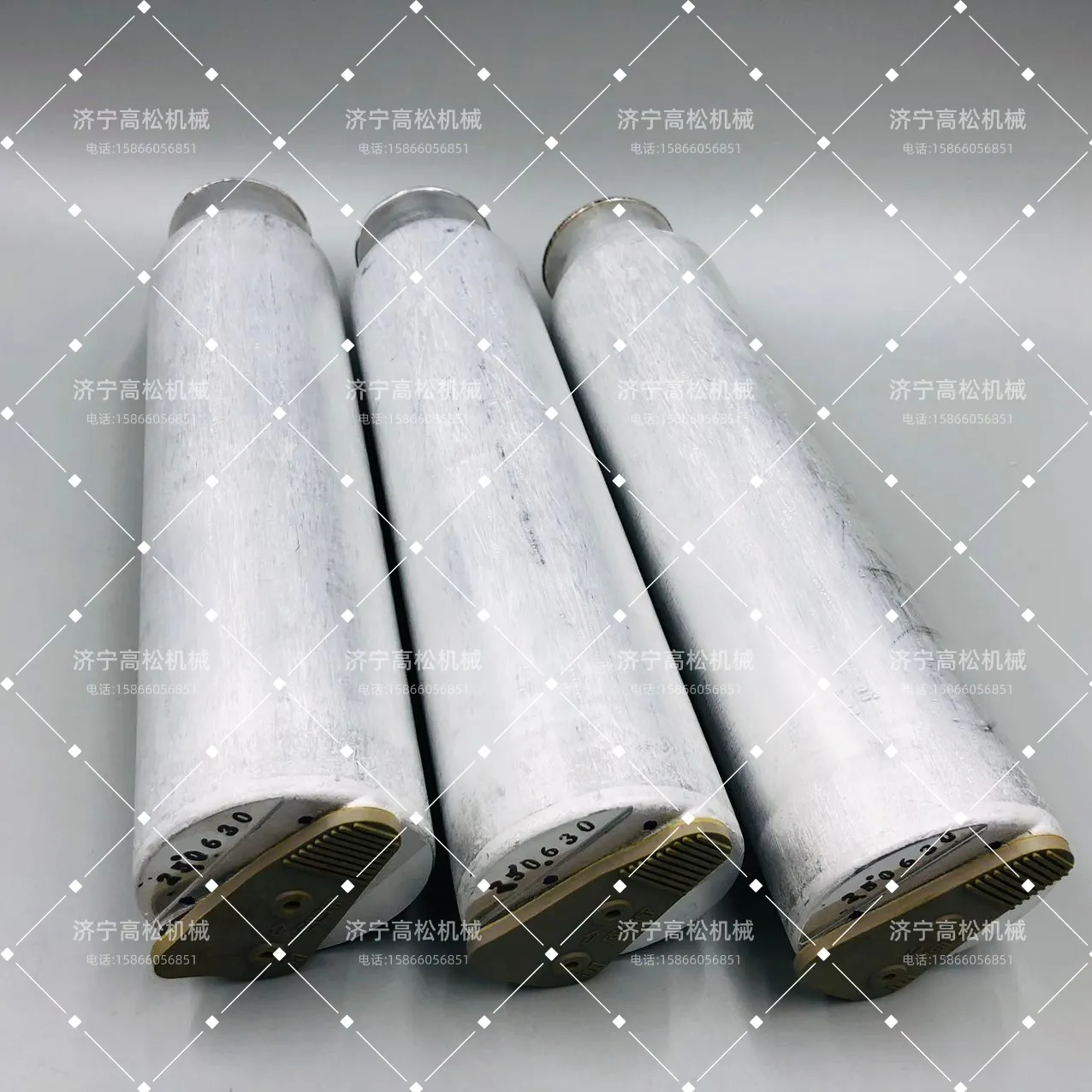 20Y-979-3120 Filter Receiver Drier for Komatsu – COOL MAKER
 -
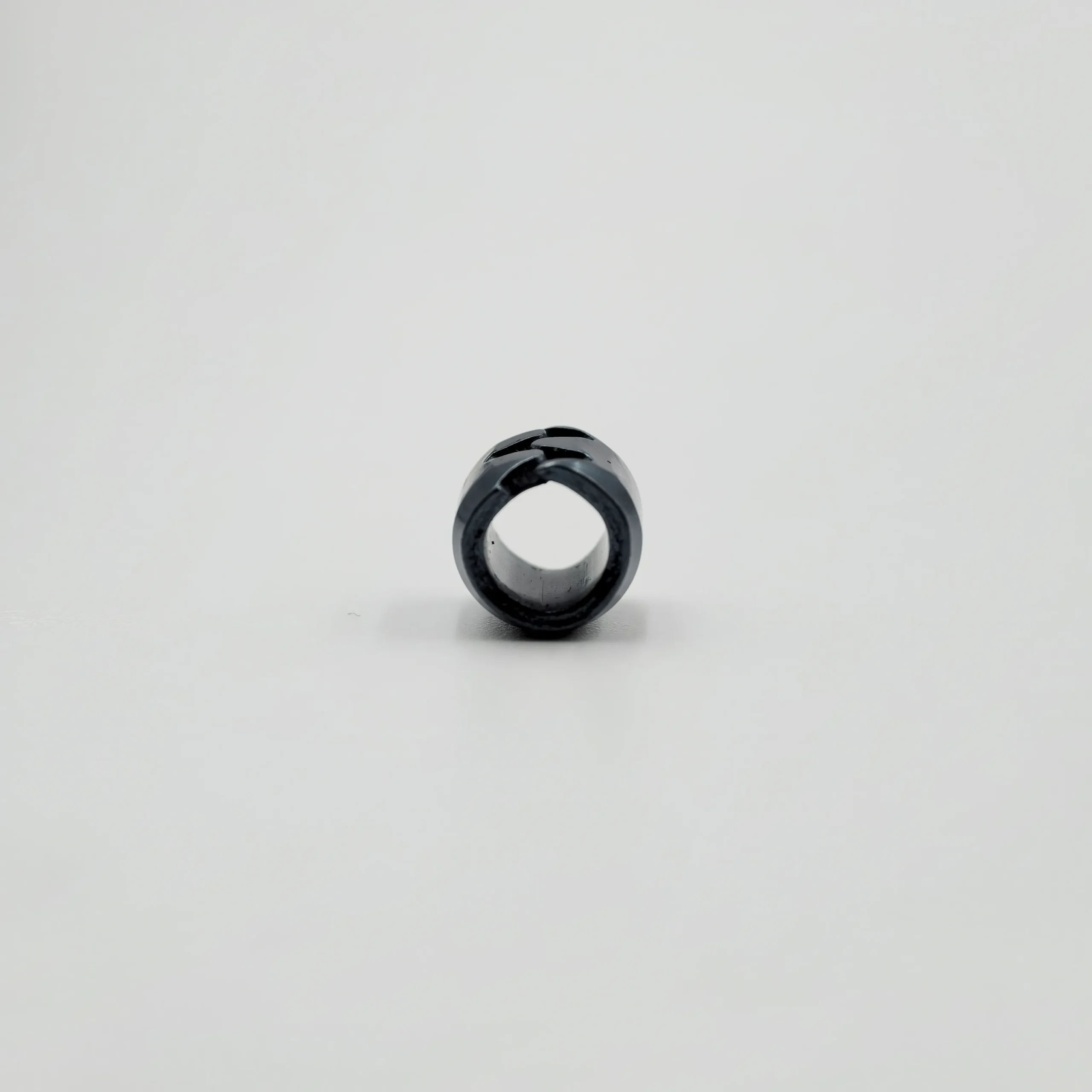 144-70-15251 Komatsu Pin, Dowel
 -
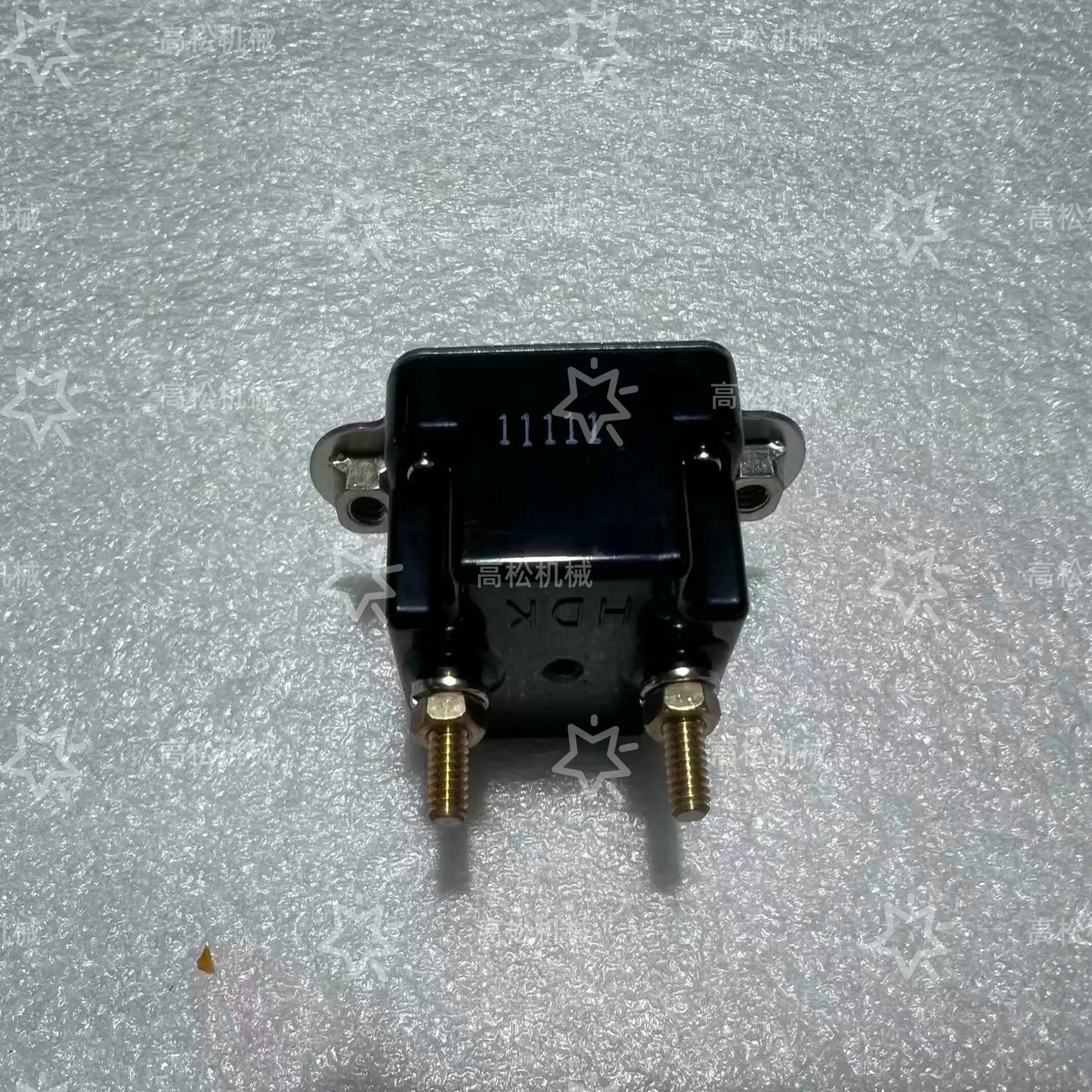 421-06-11440 BREAKER fits KOMATSU
 -
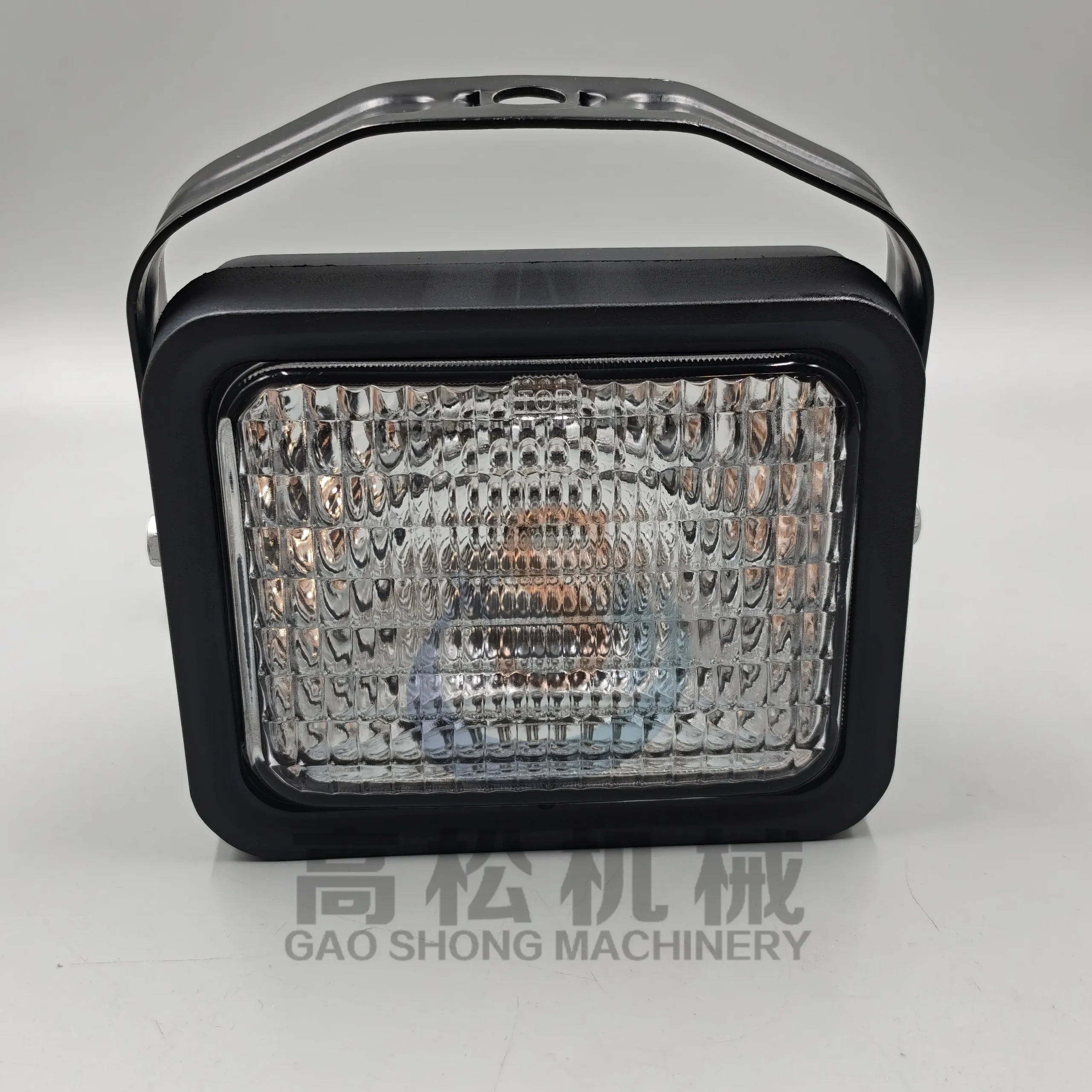 426-56-23360 Komatsu Lamp Assembly
 -
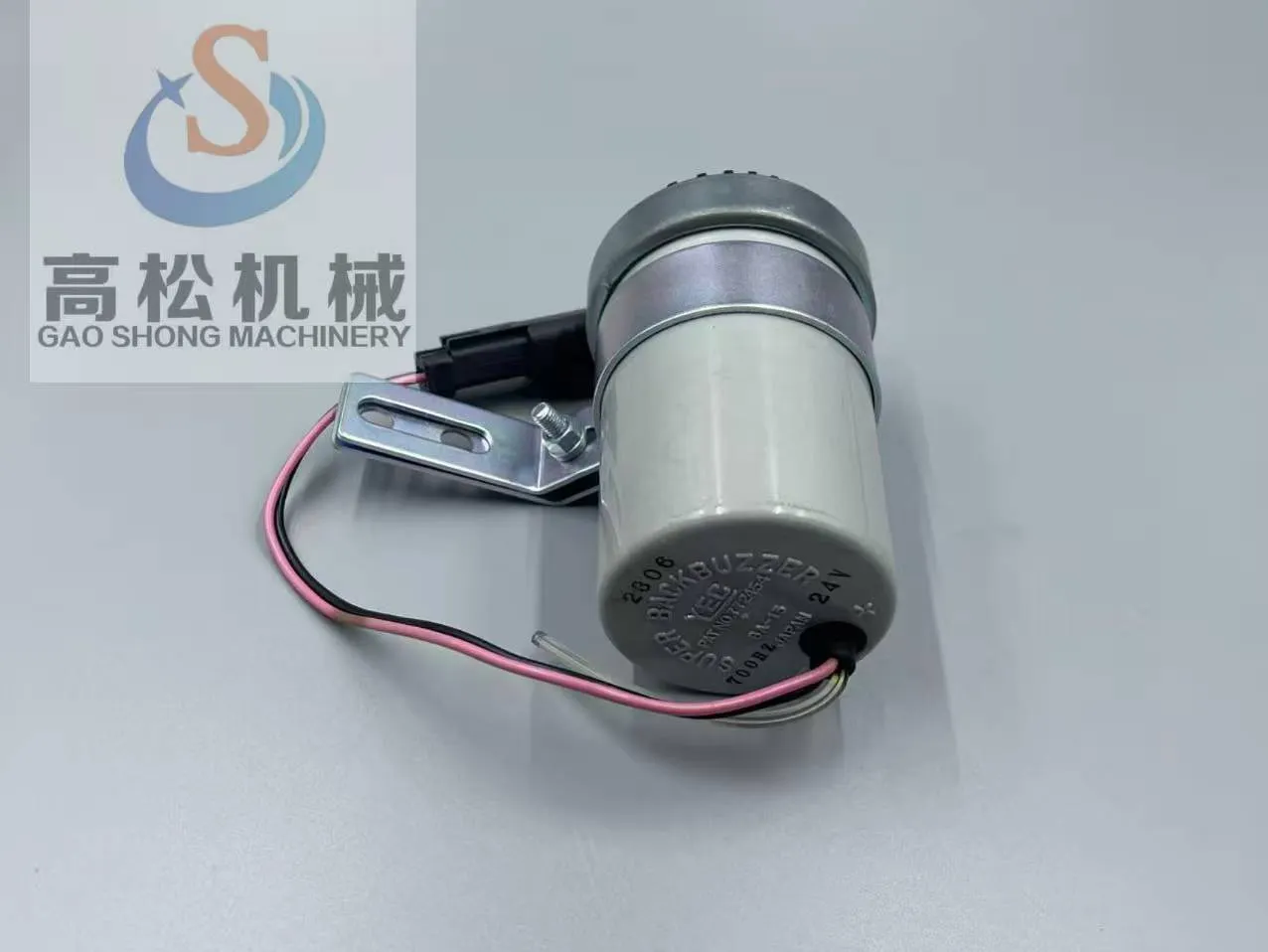 198-06-56570 1980656570 summer for bulldozer D85 D375 D275 D65
 -
 20Y-03-22110-CAP-Komatsu Original Factory
 -
 Komatsu 561-95-8A540 VALVE… — Pricing.Parts
 -
 VALVE ASS’Y21T-68-67940
 -
 Fan Clutch 20Y-01-56130 for Komatsu PC210-10MO Excavator