
- Chinese
- French
- German
- Portuguese
- Spanish
- Russian
- Japanese
- Korean
- Arabic
- Irish
- Greek
- Turkish
- Italian
- Danish
- Romanian
- Indonesian
- Czech
- Afrikaans
- Swedish
- Polish
- Basque
- Catalan
- Esperanto
- Hindi
- Lao
- Albanian
- Amharic
- Armenian
- Azerbaijani
- Belarusian
- Bengali
- Bosnian
- Bulgarian
- Cebuano
- Chichewa
- Corsican
- Croatian
- Dutch
- Estonian
- Filipino
- Finnish
- Frisian
- Galician
- Georgian
- Gujarati
- Haitian
- Hausa
- Hawaiian
- Hebrew
- Hmong
- Hungarian
- Icelandic
- Igbo
- Javanese
- Kannada
- Kazakh
- Khmer
- Kurdish
- Kyrgyz
- Latin
- Latvian
- Lithuanian
- Luxembou..
- Macedonian
- Malagasy
- Malay
- Malayalam
- Maltese
- Maori
- Marathi
- Mongolian
- Burmese
- Nepali
- Norwegian
- Pashto
- Persian
- Punjabi
- Serbian
- Sesotho
- Sinhala
- Slovak
- Slovenian
- Somali
- Samoan
- Scots Gaelic
- Shona
- Sindhi
- Sundanese
- Swahili
- Tajik
- Tamil
- Telugu
- Thai
- Ukrainian
- Urdu
- Uzbek
- Vietnamese
- Welsh
- Xhosa
- Yiddish
- Yoruba
- Zulu
- Kinyarwanda
- Tatar
- Oriya
- Turkmen
- Uyghur






OEM AND ORIGINAL KOMATSU CUSHION 17M-54-49422
Let's cut through the noise. When you see a listing for OEM AND ORIGINAL KOMATSU CUSHION 17M-54-49422, your first thought might be genuine Komatsu part. But in this business, that phrase can be a minefield. It's not always a simple choice between a factory-sealed box from Komatsu and a generic knock-off. There's a whole gray area in between, and understanding it is the difference between a smooth-running machine and a costly downtime saga. I've seen too many guys order what they think is the real deal, only to get a part that fits... but just doesn't last.
The OEM Reality vs. The Original Label
Here's where the confusion starts. OEM stands for Original Equipment Manufacturer. In an ideal world, it means the part is made by the same company that built it for Komatsu in the first place. For a component like the 17M-54-49422 cushion, which is critical for absorbing impact on, say, a PC300-8 excavator's stick, that's what you want. The metallurgy, the rubber compound, the tolerances—all specified by Komatsu.
But the term Original gets slapped on everything. Some suppliers use it to mean compatible with the original, not sourced from the original chain. I once ordered an original 49422 cushion from a local supplier at a too-good-to-be-true price. The packaging looked convincing, even had a Komatsu-style label. It installed fine, but within 200 hours, the damping was gone. The rubber had degraded, not from wear, but from poor formulation. That's a lesson you only learn once.
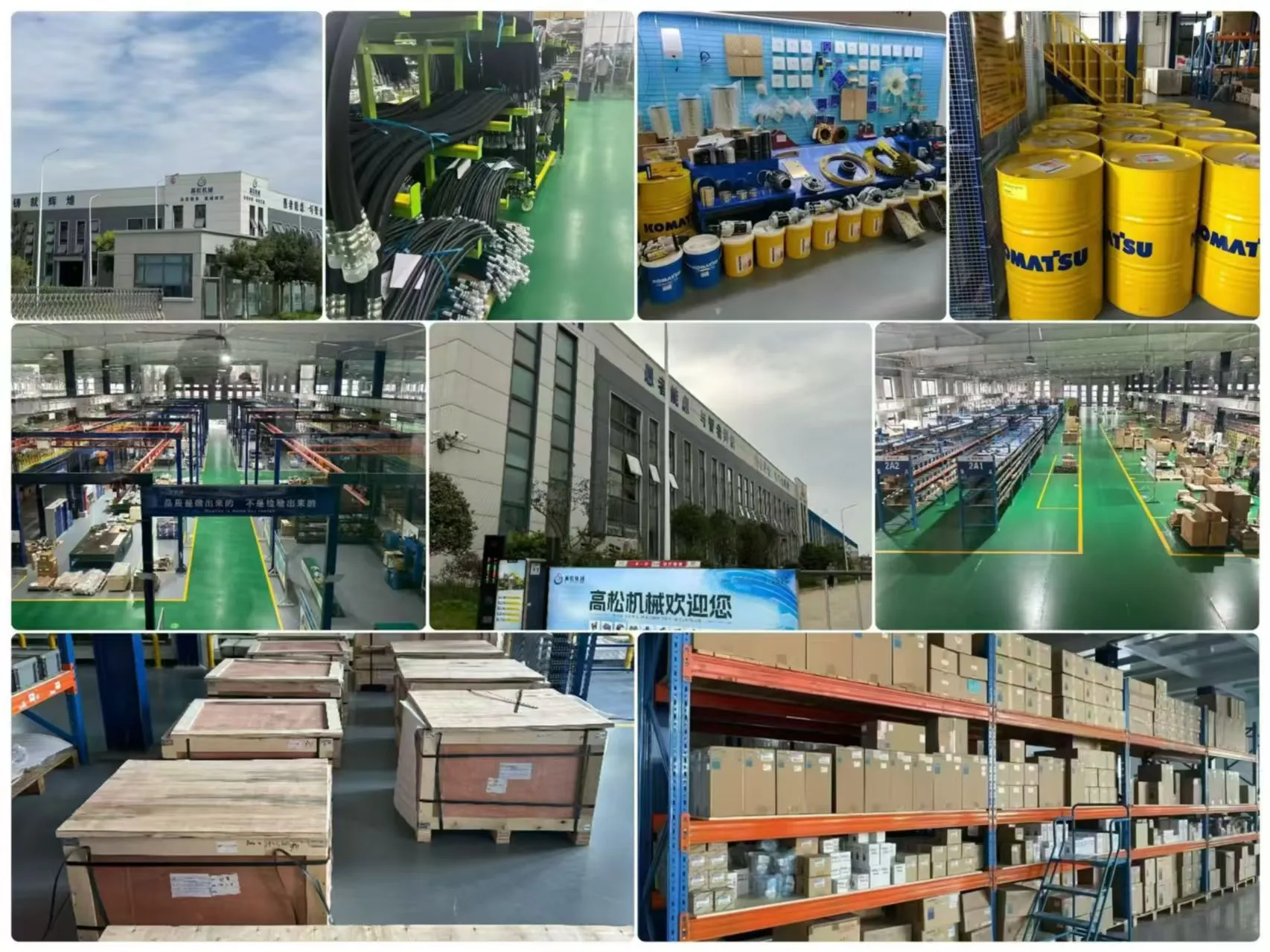
This is precisely why companies like Jining Gaosong Construction Machinery Co., Ltd. position themselves clearly. They state they are an OEM product supplier within the Komatsu system. That wording is key. It suggests a formal relationship, meaning they might be producing or sourcing these components through channels authorized or recognized by Komatsu's supply network, not just reverse-engineering them. It's a different tier of quality from the open market.
Why the 17M-54-49422 is More Than Just a Bushing
If you're not familiar, this isn't a simple spacer. The cushion, part number 17M-54-49422, sits in the linkage. Its job is to take the metal-on-metal bang out of the operation, protecting the pins, bushes, and ultimately the entire front-end structure. A failed cushion doesn't just make a noise; it transmits shock loads directly, leading to accelerated wear on far more expensive components.
I remember a job on a quarry site where they kept blowing stick pins on a PC360. They'd replaced the pins and bushes twice. Finally, we pulled the cushion and it was completely flattened, hardened like plastic. It wasn't even the right part—someone had forced in a similar-sized but softer compound cushion. It was acting like a solid piece of metal, transferring all the force. The fix wasn't just the correct OEM AND ORIGINAL KOMATSU CUSHION 17M-54-49422, but a full inspection of the bore for ovality caused by the hammering.
The takeaway? This part is a wear item, but it's also a protective device. Treating it as a cheap commodity is a fast track to a $15,000 repair bill for a cracked stick. You need the exact material properties Komatsu designed.
Sourcing Challenges and the Role of Specialized Suppliers
In many regions, getting genuine Komatsu parts can be a logistical nightmare. Lead times of 12+ weeks aren't uncommon for specific components. Operations can't wait that long. So the market fills with alternatives. Some are decent, many are terrible. The challenge is finding a reliable source that understands the OEM specification and can deliver a product that meets it, even if it doesn't come in a Komatsu box.
This is the niche Jining Gaosong talks about. As a third-party sales company for Komatsu, they aren't just another parts shop. Their stated goal is helping to solve parts supply challenges in certain countries. From my experience, this often means they have access to production overruns, authorized alternate manufacturing lines, or a deep inventory of system-OEM parts that bypass the official, slower distribution channels. Their website, https://www.takematsumachinery.com, becomes a point of contact for these harder-to-source items.
For a part like the 49422, using such a supplier can be a smart middle ground. You're likely getting a part made to the original prints and material specs, potentially even in the same factory that supplies Komatsu, but without the brand premium and distribution delays. The risk is far lower than going with an unknown compatible brand.
Practical Checks and Installation Notes
Let's say you source a part labeled as our keyword, OEM AND ORIGINAL KOMATSU CUSHION 17M-54-49422. How do you vet it? First, forget the box. Look at the part. The rubber should have a specific durometer (firmness)—it should be tough but have a slight give. Press your thumbnail into it; it should resist but not feel like rock. The metal casing should have clean, sharp machining marks, not casting flash or rough edges. There should be a part number laser-etched or stamped, not a sticker.
During installation, clean the housing bore meticulously. Any grit will act as sandpaper. I prefer a light coating of lithium-based grease on the metal outer surface, not on the rubber. Drive it in evenly with the proper tool—never hammer it in crooked. An uneven seat will cause it to fail prematurely because the load won't be distributed correctly.
The biggest mistake I see? Replacing the cushion but not the corresponding wear parts around it. If the pin and bush are worn, the new cushion will be over-stressed from day one. Always do a full joint inspection. The cushion is the canary in the coal mine for the whole linkage.
Cost vs. Value: A Long-Term Calculation
Yes, a system-OEM part from a supplier like the one mentioned will cost more than a no-name compatible. Maybe 2-3 times more. But let's do the math. A failed cheap cushion leads to, at minimum, another downtime event for replacement, plus the labor cost. At worst, it leads to a damaged pin bore that requires welding, machining, or complete stick replacement. Suddenly, the few hundred dollars you saved turns into thousands lost in repairs and machine availability.
The value proposition from a specialized supplier isn't just the part in a box. It's the assurance that the part conforms to a known standard. It's the reduction in catastrophic failure risk. For a critical wear-and-tear component that's buried deep in the linkage, that assurance is everything. It's not about buying a brand; it's about buying engineering integrity and predictable performance.
So, when you next search for 17M-54-49422, look beyond the keywords. Look for the supplier's provenance. A claim like being an OEM product supplier within the Komatsu system carries more weight than a thousand original labels. It hints at a supply chain understanding that, in my book, translates directly to fewer headaches in the field and more hours on the meter. That's the real bottom line.
Related Products
Related Products

Best Selling Products
Best Selling Products-
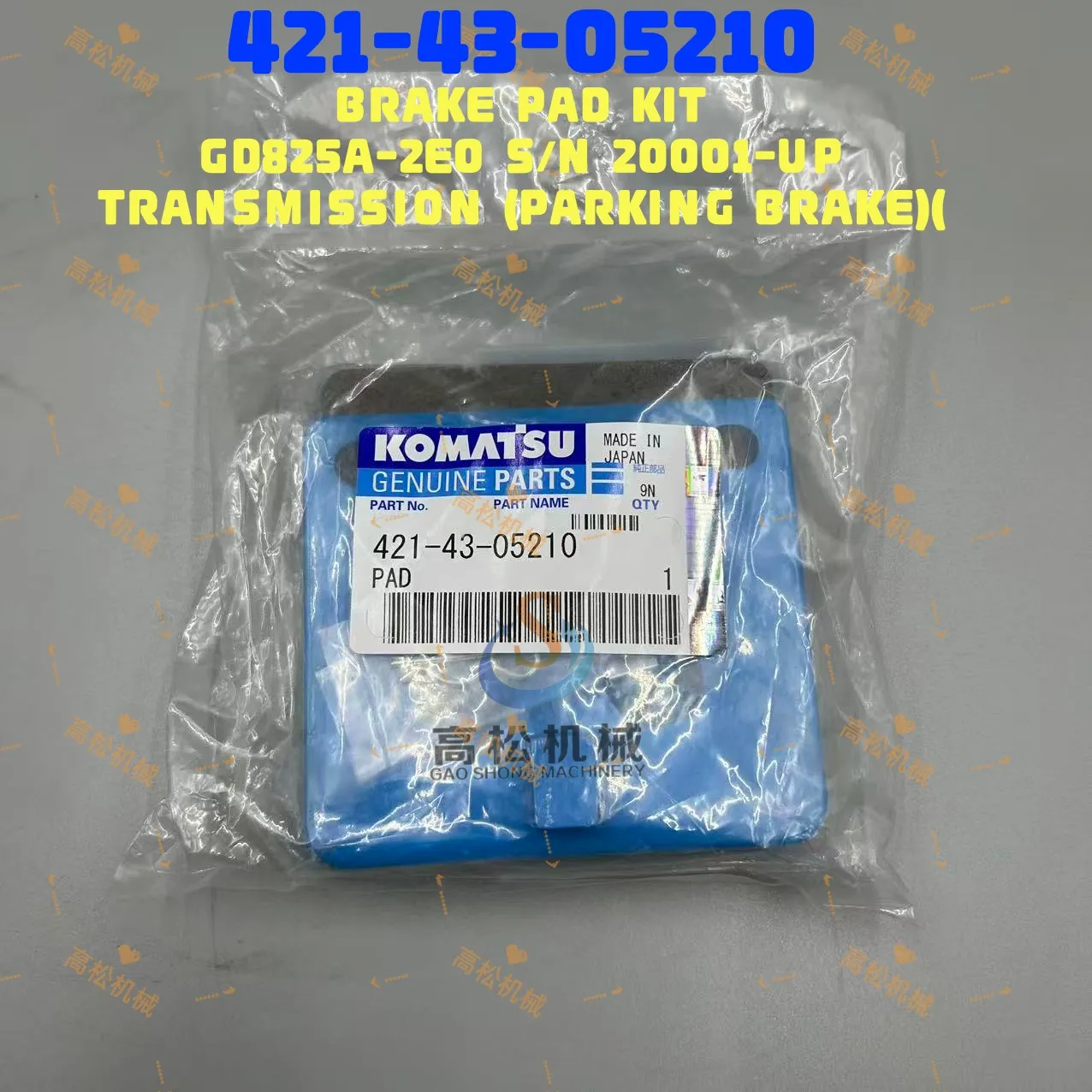 421-43-05210Brake pad kit 421-43-05210 for Komatsu GD825A-2 GD825A-2E0
 -
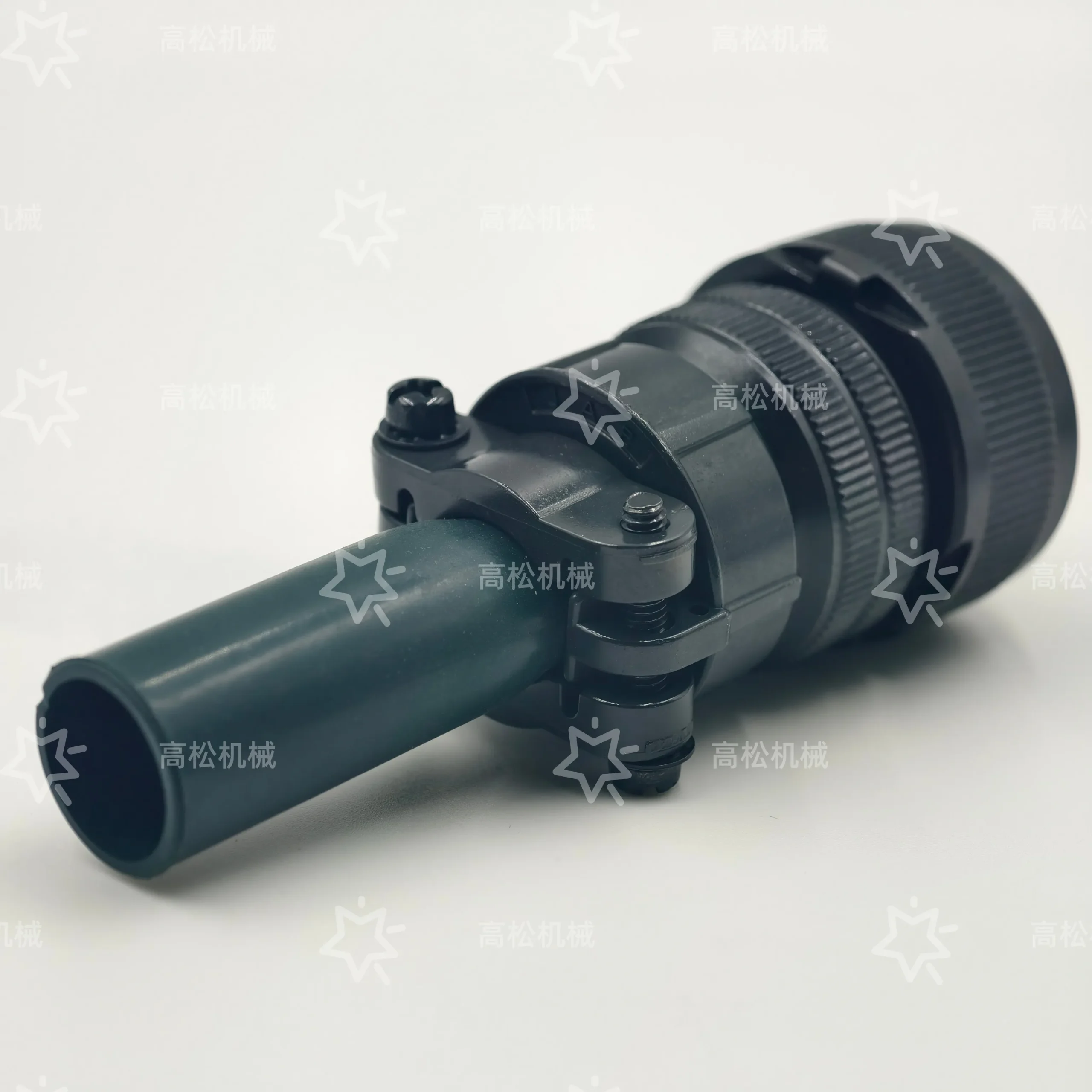 175-06-37871 Komatsu Plug
 -
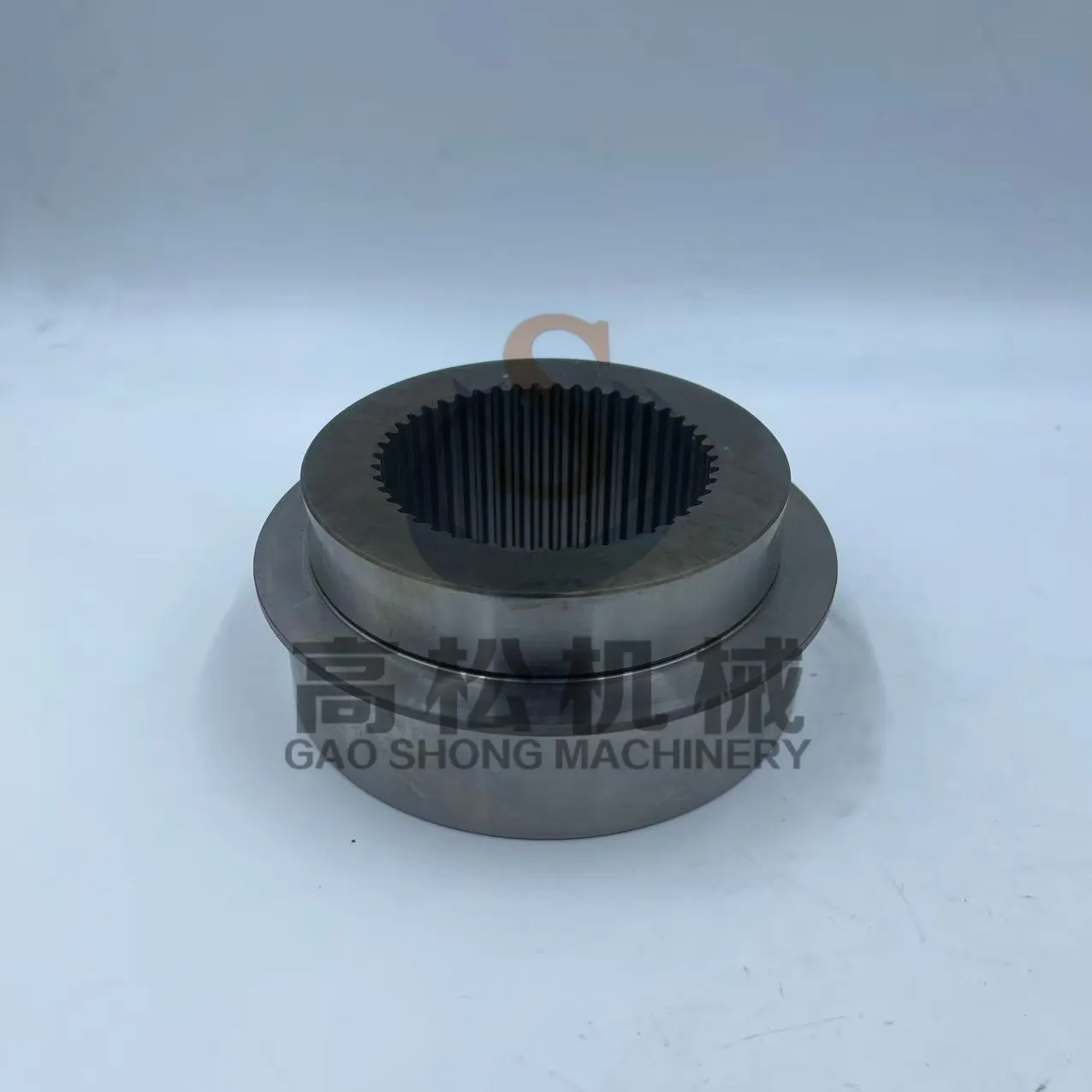 Komatsu 195-15-82570 Spacer
 -
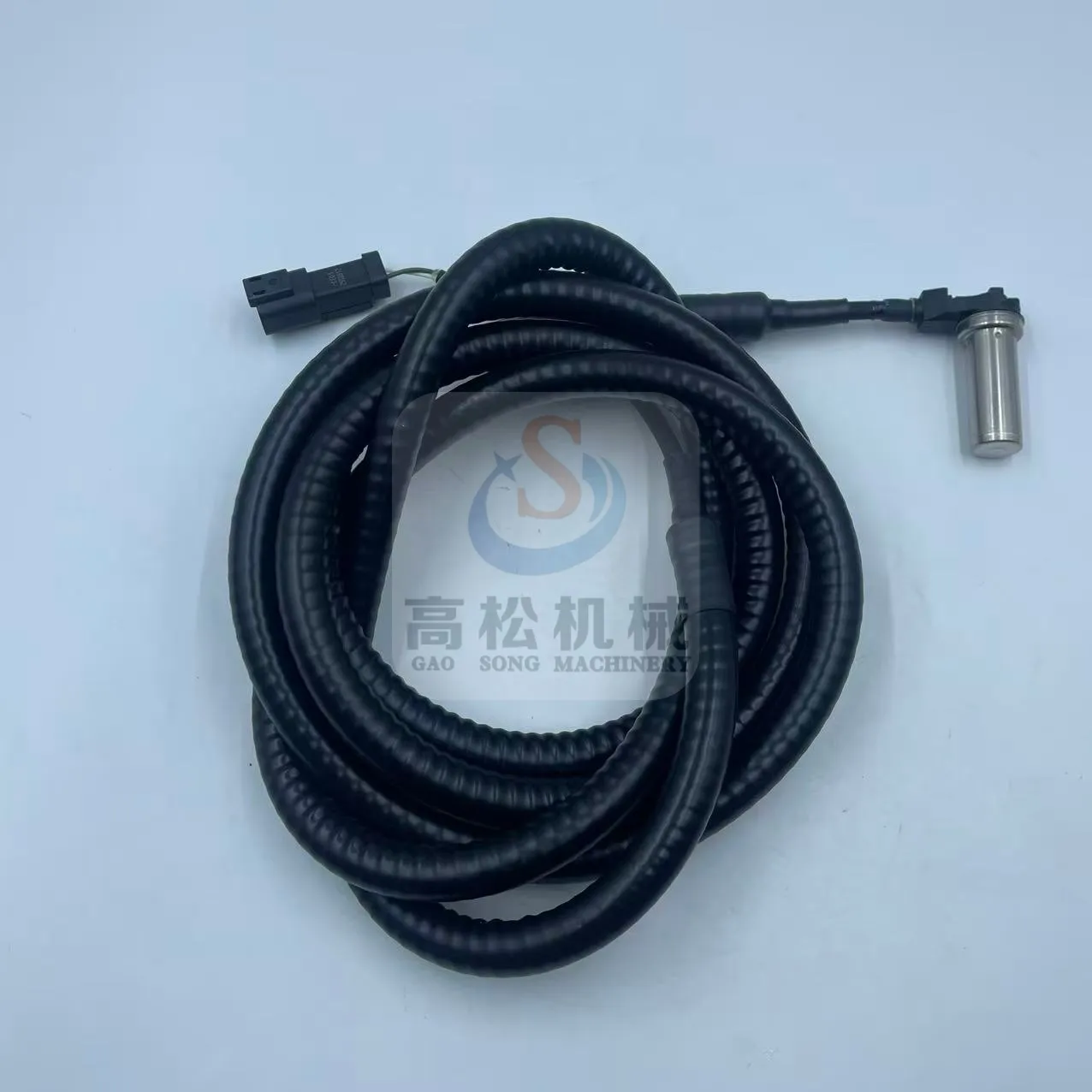 566-88-66143 sensor for Komatsu HD465-7
 -
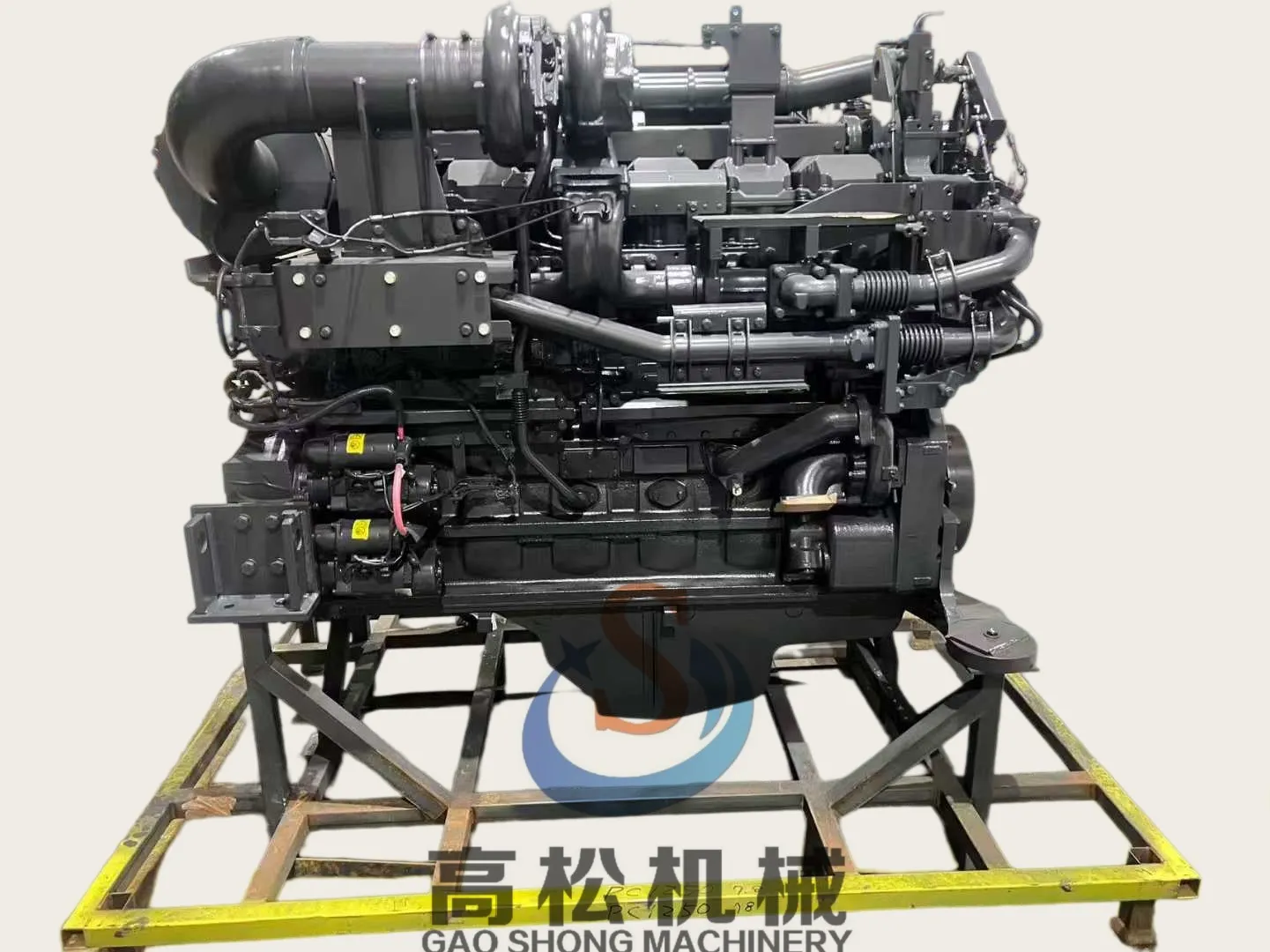 Diesel Engine Motor Engine Assembly Engine Assembly 6D170e-5 PC1250-7 PC1250-8 Complete Engine Assy Parts SAA12/140-3 SAA6D170E-5 SAA6D107E-1 SAA6D114E-3 SAA6D140E-5 SAA6D140E-5 SAA12/140-3
 -
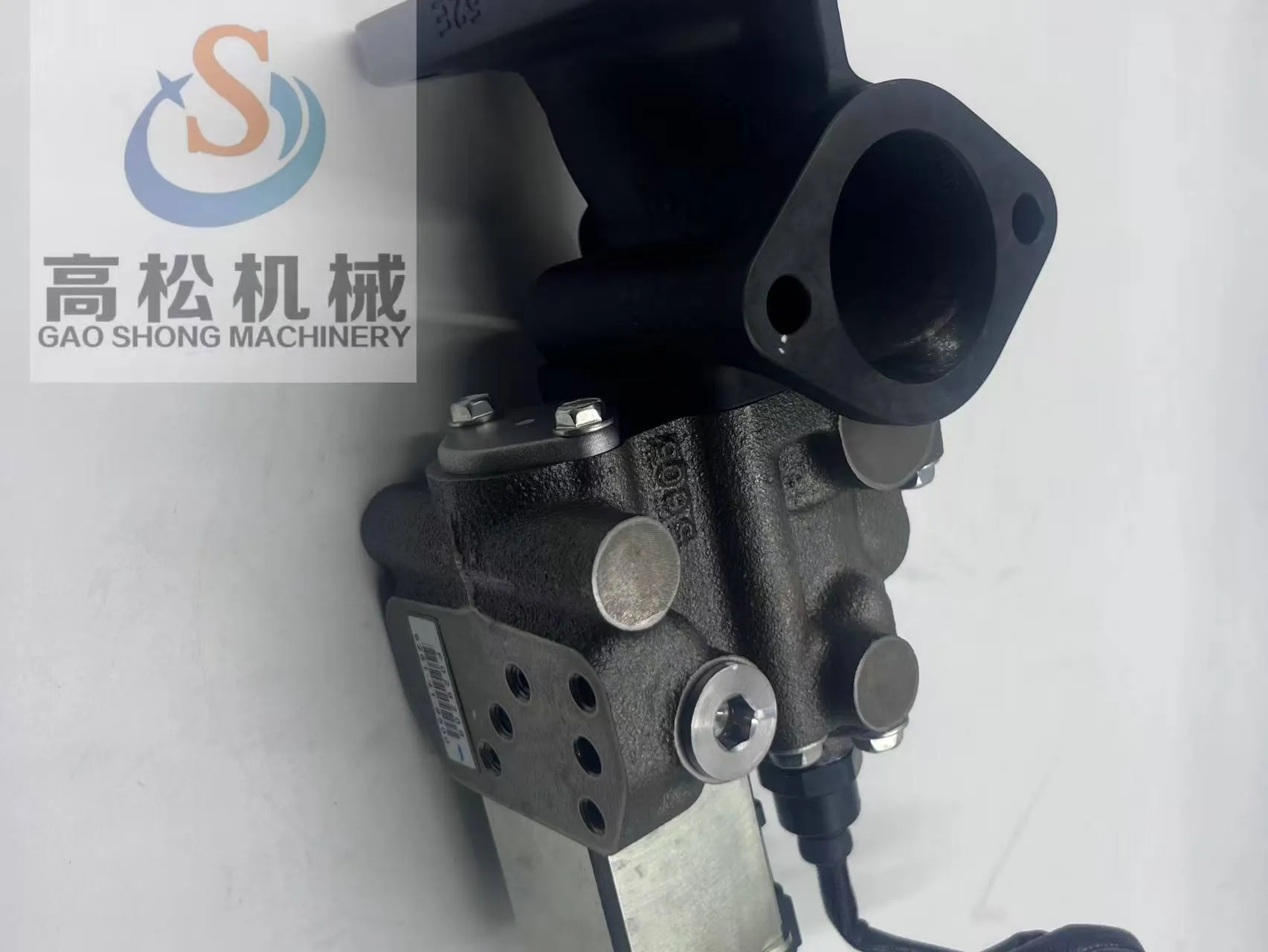 Dump truck HD465-7 valve assembly 6261-41-9500 6261419500
 -
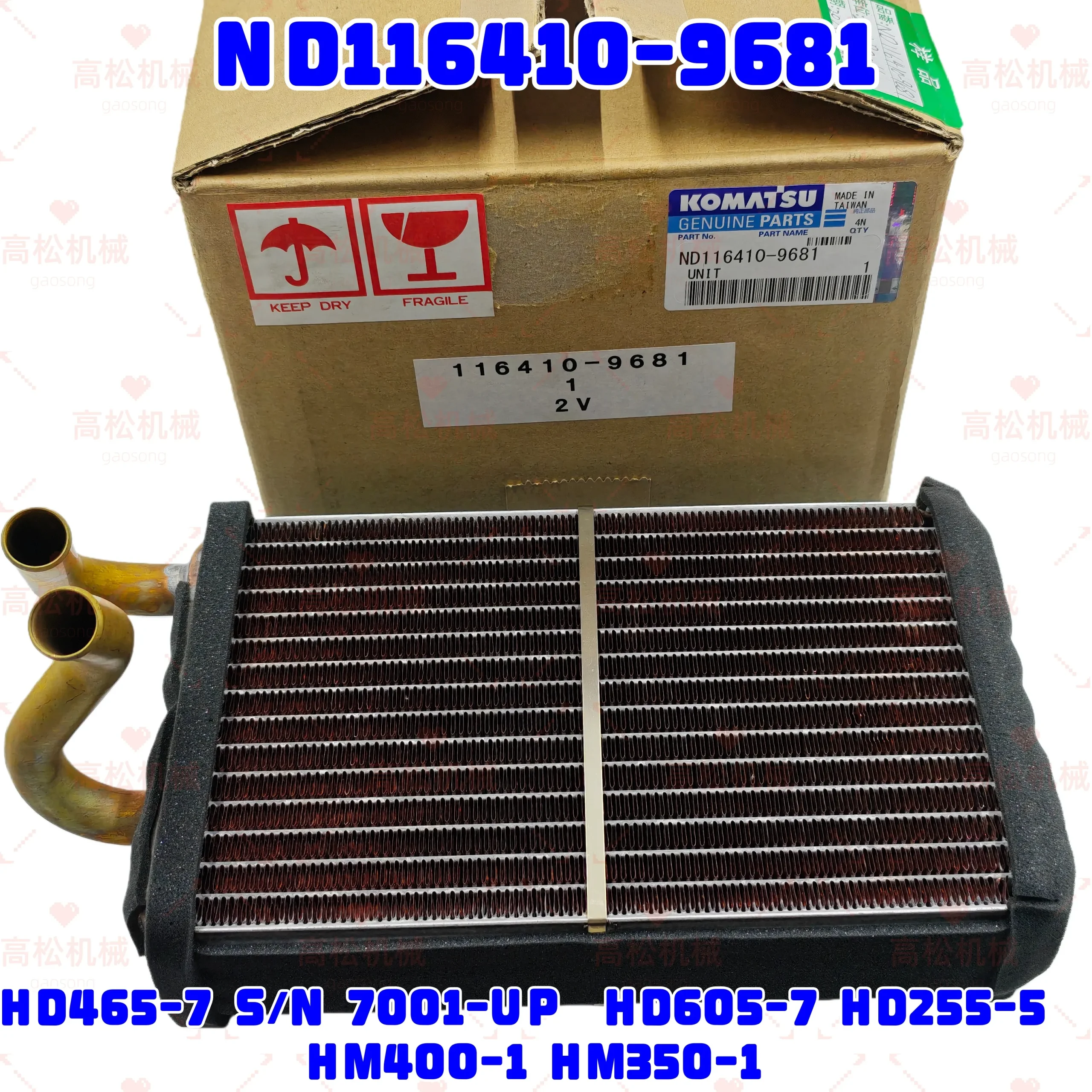 IMIFAFTAbT 702-16-02290 702-16-02210 Lever Assembly Fits for Komatsu D65EX-16 D65PX-16 D65WX-16 D275A-5R D155AX-6 Bulldozer
 -
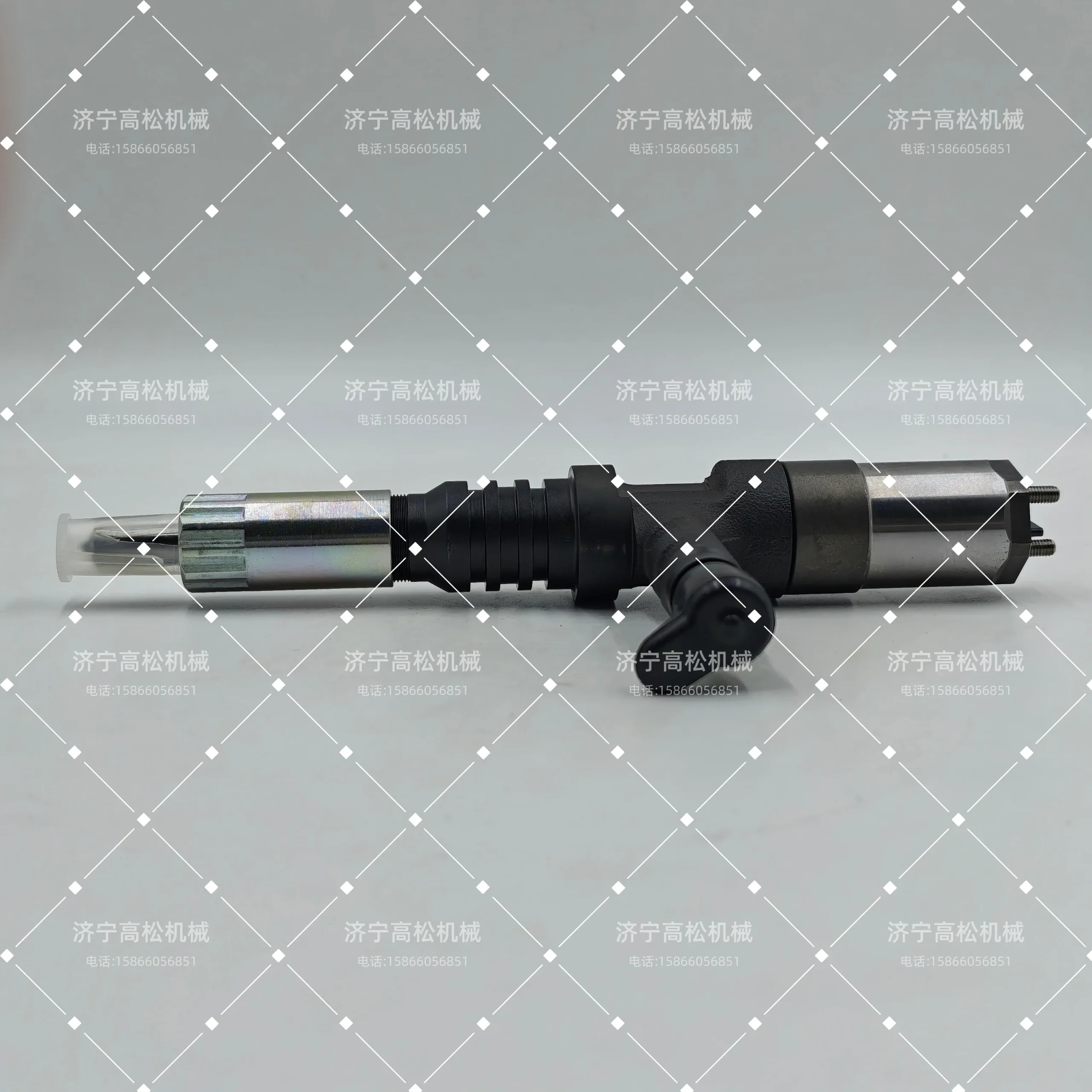 Original Injector Assembly 6218-11-3101 6218-11-3100 for Diesel…
 -
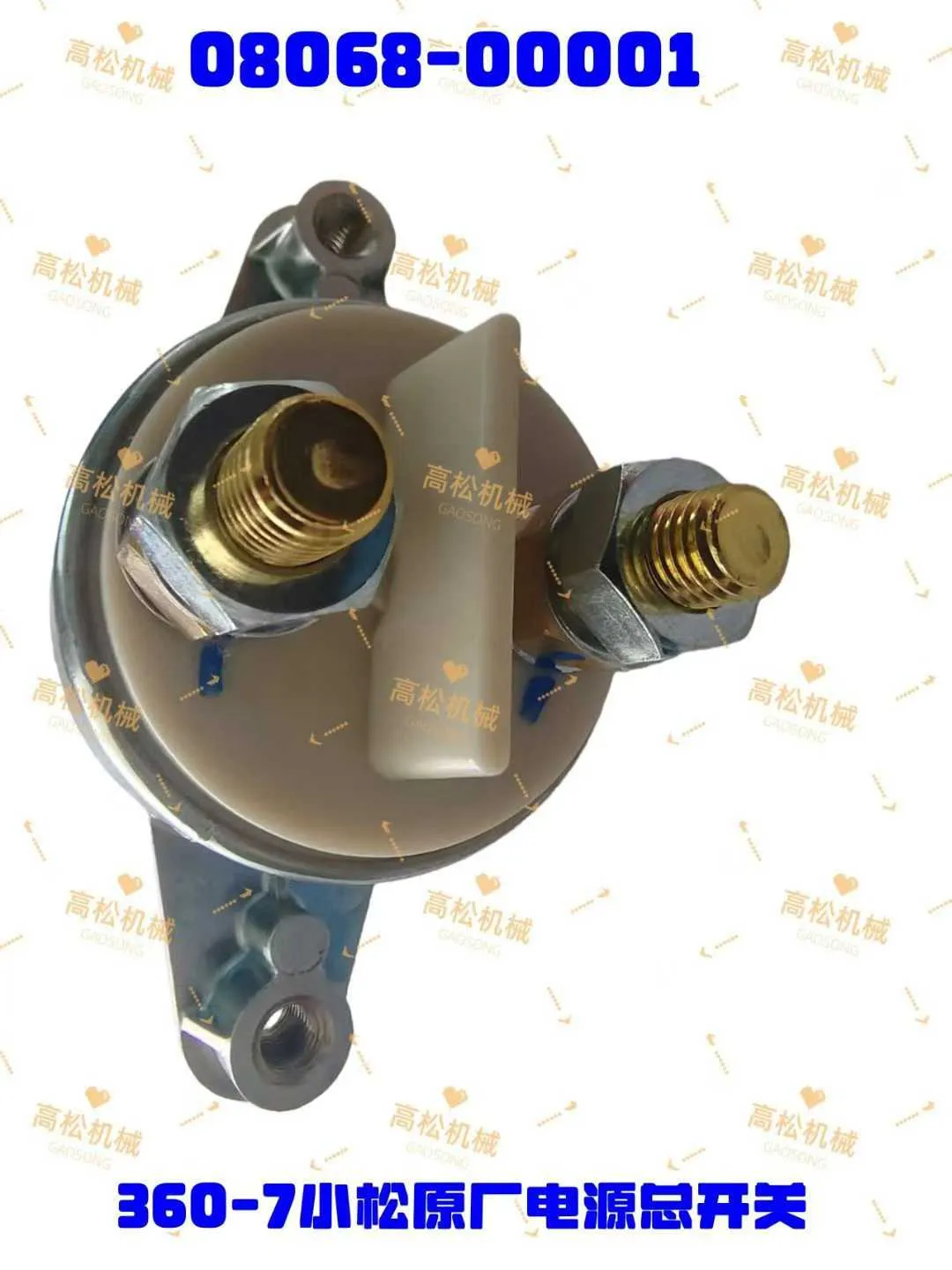 Part Number: 08068-00001 S; Applicable Model: PC360-7
 -
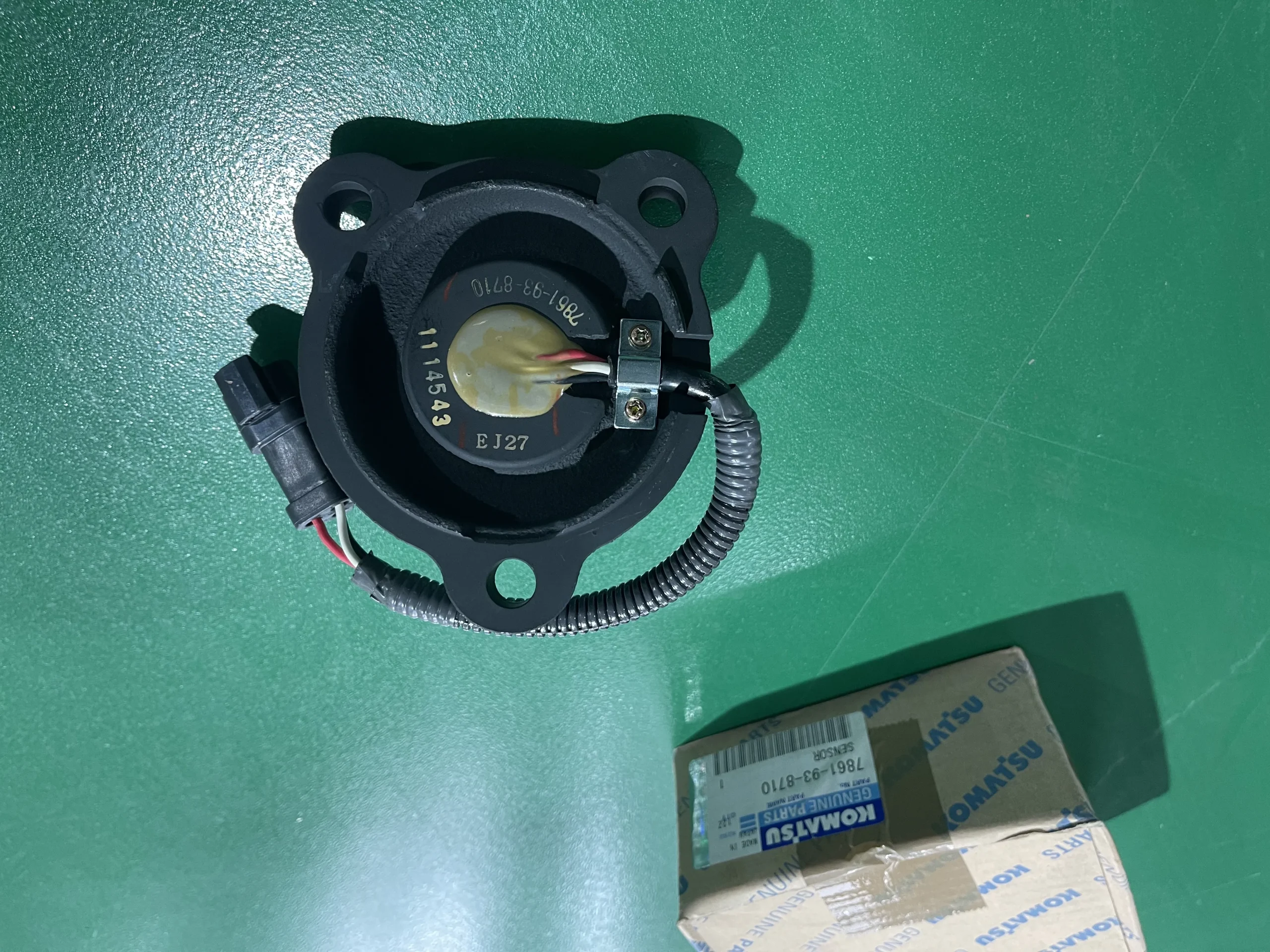 Angle Sensor 7861-93-8710 for Komatsu
 -
 Gear 6745-41-1130 6745411130 6745-41-1131 for excavator PC300 PC350 WA430
 -
 104-15-25480• VALVE Komatsu Original Factory