
- Chinese
- French
- German
- Portuguese
- Spanish
- Russian
- Japanese
- Korean
- Arabic
- Irish
- Greek
- Turkish
- Italian
- Danish
- Romanian
- Indonesian
- Czech
- Afrikaans
- Swedish
- Polish
- Basque
- Catalan
- Esperanto
- Hindi
- Lao
- Albanian
- Amharic
- Armenian
- Azerbaijani
- Belarusian
- Bengali
- Bosnian
- Bulgarian
- Cebuano
- Chichewa
- Corsican
- Croatian
- Dutch
- Estonian
- Filipino
- Finnish
- Frisian
- Galician
- Georgian
- Gujarati
- Haitian
- Hausa
- Hawaiian
- Hebrew
- Hmong
- Hungarian
- Icelandic
- Igbo
- Javanese
- Kannada
- Kazakh
- Khmer
- Kurdish
- Kyrgyz
- Latin
- Latvian
- Lithuanian
- Luxembou..
- Macedonian
- Malagasy
- Malay
- Malayalam
- Maltese
- Maori
- Marathi
- Mongolian
- Burmese
- Nepali
- Norwegian
- Pashto
- Persian
- Punjabi
- Serbian
- Sesotho
- Sinhala
- Slovak
- Slovenian
- Somali
- Samoan
- Scots Gaelic
- Shona
- Sindhi
- Sundanese
- Swahili
- Tajik
- Tamil
- Telugu
- Thai
- Ukrainian
- Urdu
- Uzbek
- Vietnamese
- Welsh
- Xhosa
- Yiddish
- Yoruba
- Zulu
- Kinyarwanda
- Tatar
- Oriya
- Turkmen
- Uyghur






OEM AND ORIGINAL KOMATSU COVER 21N-939-3970
When you see a part number like 21N-939-3970 listed as both OEM and Original, it immediately sets off alarm bells for anyone who's spent time in Komatsu parts procurement. That slash, that AND, it's not just a connector—it's a whole conversation, and frankly, the source of a lot of confusion and costly assumptions in the field. Many buyers see OEM and think it's a direct, sanctioned pipeline from Komatsu, while Original might imply genuine Komatsu-manufactured stock. The reality in the aftermarket, especially in regions with supply chain bottlenecks, is far messier and more interesting.
The Anatomy of a Cover: More Than Just a Gasket
Let's break down 21N-939-3970. This isn't some flashy, high-tech component; it's a cover, likely for a pump or valve assembly on a mid-range Komatsu excavator, maybe a PC200-8 or similar. Its job is simple: keep dirt out and oil in. But its simplicity is deceptive. The failure point is rarely the steel plate itself; it's the integrated gasket or the precision of the bolt holes. An out-of-spec hole pattern means misalignment, leading to seal failure and a slow, expensive hydraulic leak. I've seen machines down for three days because a compatible cover warped under torque, a problem you'd only discover during installation.
This is where the OEM vs. Original debate gets real. A true Komatsu Genuine part has dimensional tolerances measured in microns, and the gasket material is formulated for specific fluid and temperature ranges. An OEM product from a system supplier might meet the blueprint spec but use a slightly different rubber compound. In a temperate climate, you'd never notice. In a Brazilian mine or a Siberian winter, that gasket could harden and crack in six months instead of lasting the expected two-year cycle. The part number is the same, but the context changes everything.
I recall a contractor in West Africa who insisted on only Original parts. He received a shipment of 21N-939-3970 covers from a European supplier, priced at a premium. They failed within months. The issue? They were genuine, but old stock. The rubber had degraded in storage before it even shipped. Original doesn't always mean fresh, and that's a lesson learned with downtime tickets in hand.
The Supplier's Role: Bridging the Gap
This is precisely where companies operating within the Komatsu ecosystem but addressing niche market gaps become critical. Take Jining Gaosong Construction Machinery Co., Ltd.. Their model is telling: an OEM product supplier within the Komatsu system and a third-party sales channel. This dual role is key. It means they have access to the technical specifications and manufacturing pipelines to produce parts that are functionally equivalent to the genuine article, but they also operate with the flexibility to distribute where Komatsu's official network is thin or slow.
Their stated goal of helping to solve parts supply challenges in certain countries isn't just marketing copy. It's the daily reality. For a part like 21N-939-3970, the official lead time might be 12 weeks to a port in South America. A supplier like Gaosong might have it container-loaded in Qingdao in 10 days, because they're producing it concurrently or holding strategic stock for high-wear items. The risk for the buyer is verifying that their OEM claim holds water. Does their 21N-939-3970 have the correct hardness rating? Is it batch-tested?
I've evaluated samples from similar suppliers. The good ones will provide material certifications and, if you push, even coordinate video from the factory floor showing the stamping process. The bad ones just have a glossy brochure. The website takematsumachinery.com often becomes the first point of technical scrutiny—are there exploded diagrams? Do they list compatible serial number ranges? This detail orientation separates parts peddlers from real partners.
Field Verification and Cost of Assumption
Never, ever install a critical cover or seal without a side-by-side comparison if you're trying a new supplier. For the Komatsu cover 21N-939-3970, the test is straightforward but often skipped. 1) Visual: compare casting marks and finish. 2) Dimensional: use calipers on bolt hole centers and recess depth. 3) Material: weigh it. A significant weight difference indicates different steel grade or thickness. 4) Gasket check: press your thumbnail into it. The rebound and texture should feel identical.
We learned this the hard way on a fleet of PC130s. We sourced a batch of OEM covers from a new vendor, lured by a 40% cost saving. They looked perfect. Installed fine. Three months later, we had a rash of hydraulic contamination issues. The root cause? The gasket material was leaching a compound that broke down in the specific hydraulic oil we used, creating a sludge. The cover itself was fine, but the system failed. The total repair cost dwarfed the parts savings. The assumption that OEM meant system-compatible was our error.
Now, our protocol includes a 90-day trial on one machine for non-critical parts, and a fluid compatibility check for anything with seals. For a part numbered 21N-939-3970, it's not just about the part, it's about its interaction with the fluid, the adjacent components, and the operating duty cycle.
Logistics and Provenance Paperwork
Where a part comes from is as important as how it's made. An original Komatsu part will have a traceable chain of custody from the Komatsu factory. An OEM part from a system supplier should have paperwork tracing it back to that certified factory. This is where third-party sales companies add a layer of complexity. They might be sourcing from the same OEM factory as the official network, but the packing list and commercial invoice will be different.
When you order from a platform like Takematsu Machinery, you need to request the manufacturer's certificate of conformity. For a cover, it should specify the steel standard (e.g., JIS SS400 or equivalent) and any coating process. If they're a legitimate OEM product supplier within the Komatsu system, this document should be readily available. If there's hesitation, consider it a red flag. In customs-sensitive countries, this paperwork is what clears the part for import without being flagged as counterfeit.
I've spent hours on the phone with customs brokers because a shipment of 21N-939-3970 covers was held up. The description simply said Machine Cover. That's insufficient. The correct harmonized code and a clear description like Steel Cover for Hydraulic Pump, Komatsu OEM Spec can prevent weeks of delay. A professional supplier understands this and will pre-pack the commercial documentation correctly.
The Bottom Line: Fit, Form, and Function Over Labels
After two decades, I've stopped caring about the label OEM AND ORIGINAL. I care about Fit, Form, and Function (FFF). Does the Komatsu cover 21N-939-3970 bolt on perfectly (Fit)? Does it match the geometric and material design (Form)? Does it perform for the expected service life in the intended environment (Function)? If a supplier like Jining Gaosong can prove FFF through data and samples, then their part is valid, regardless of the semantic dance around the terms.
The aftermarket exists because the official supply chain can't be everywhere at once. A company's role as a third-party sales company for Komatsu solving regional supply challenges is valid only if it maintains technical rigor. It's not about being cheaper; it's about being reliably available without compromising machine integrity.
So, when you next search for 21N-939-3970, look past the title. Ask for the test reports. Ask for the OEM factory audit certificate. Request a physical sample. The right supplier won't balk at these requests; they'll welcome them as a sign you know what you're doing. Because in the end, that cover is holding in $200-per-gallon hydraulic oil, and the machine's uptime depends on it. The label on the box matters far less than the confidence in the contents.
Related Products
Related Products

Best Selling Products
Best Selling Products-
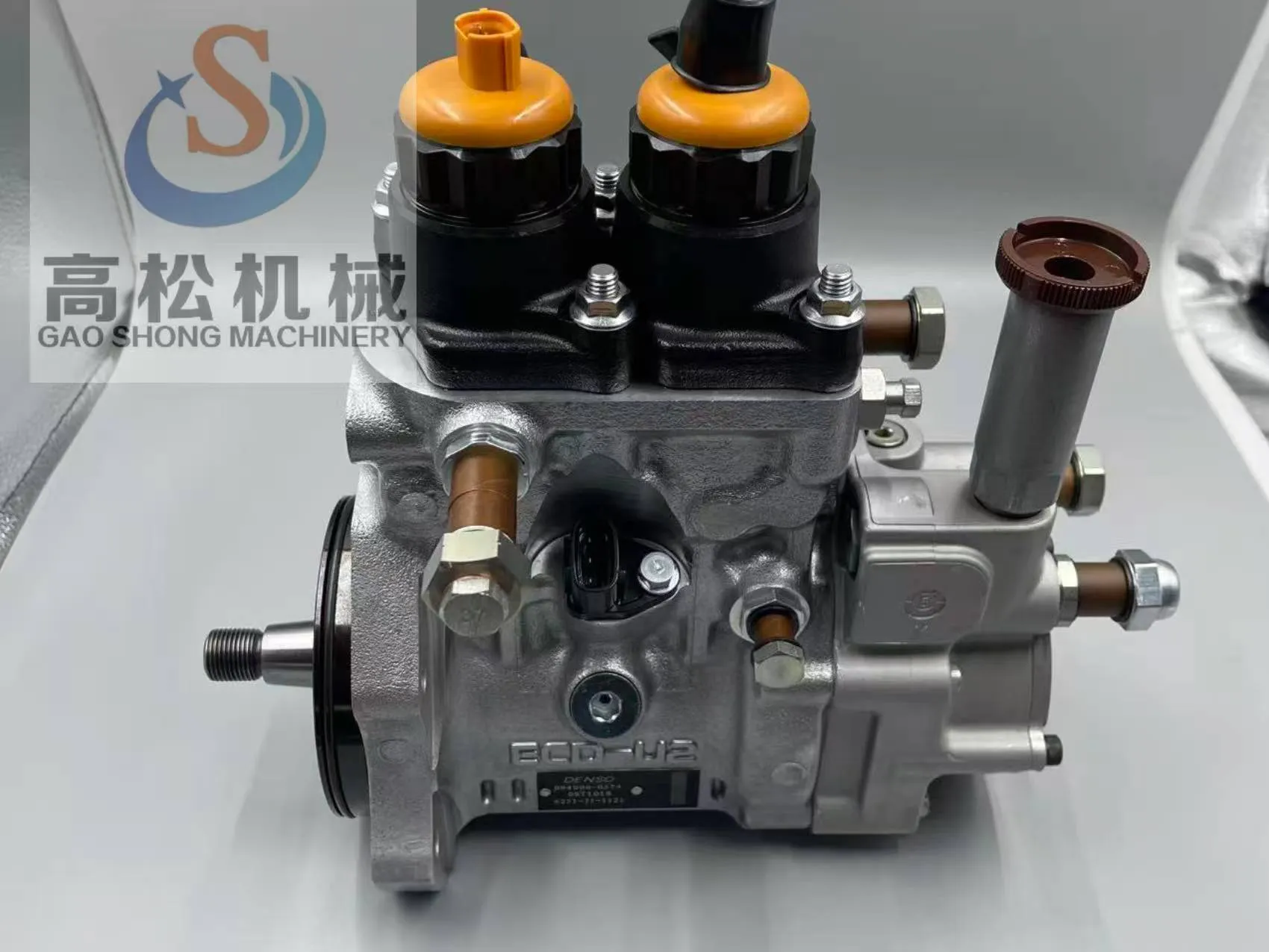 Pc450-8 pc400-8 high pressure fuel pump 6251-71-1121 spare parts for excavators
 -
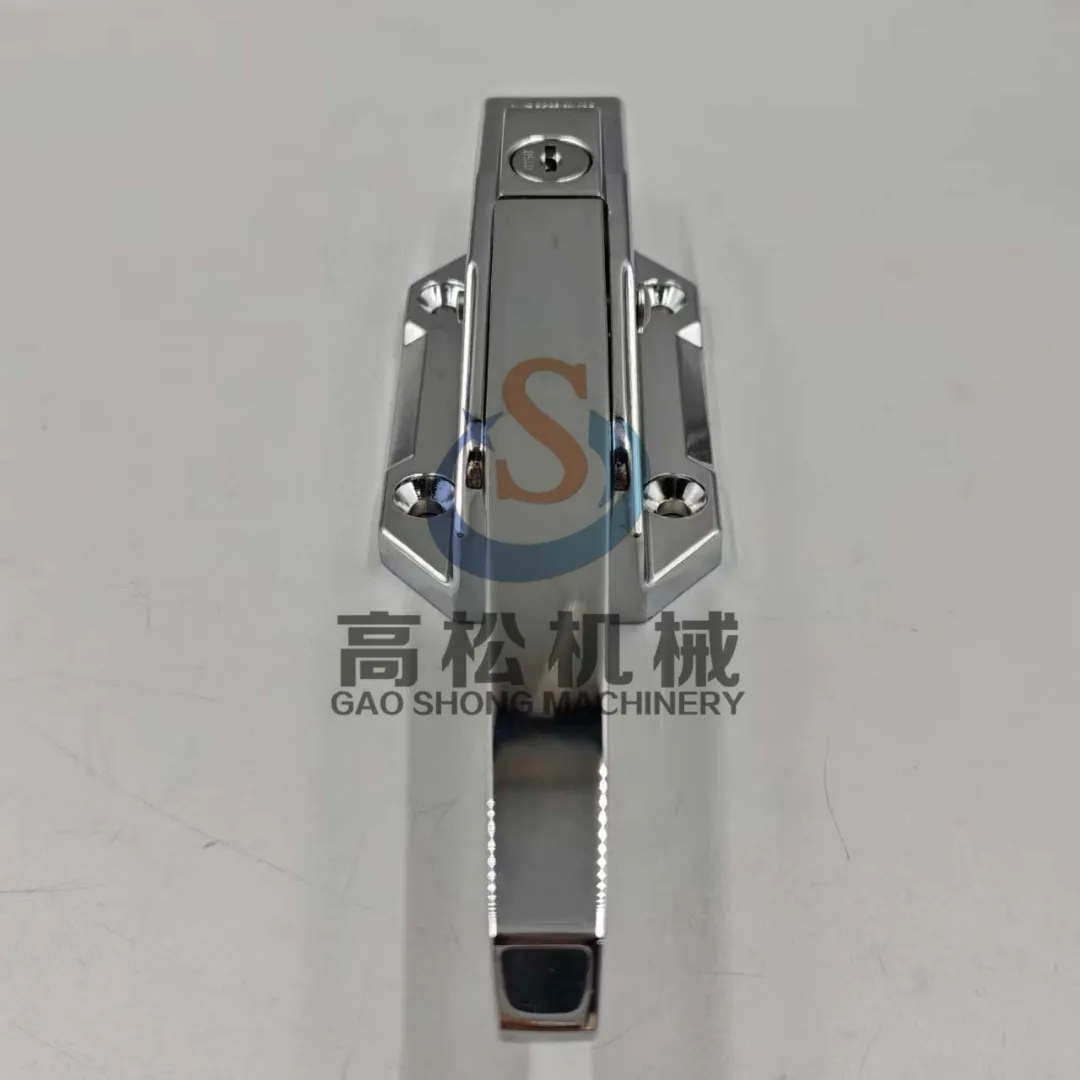 21T-54-35421 Komatsu Handle komatsu original
 -
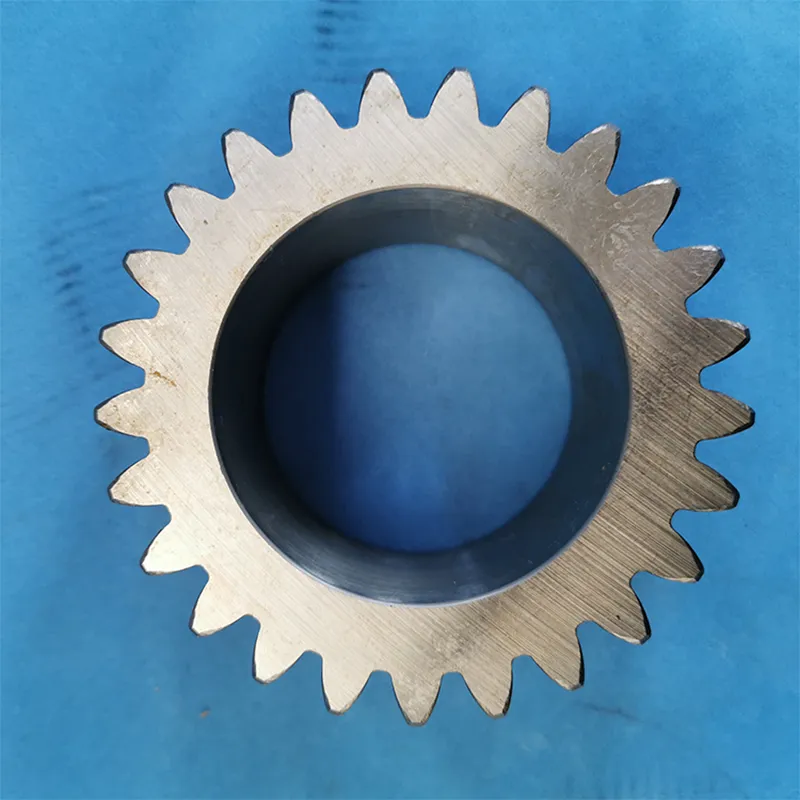 Komatsu original D155A-3 Valve Assembly 17A-49-21100
 -
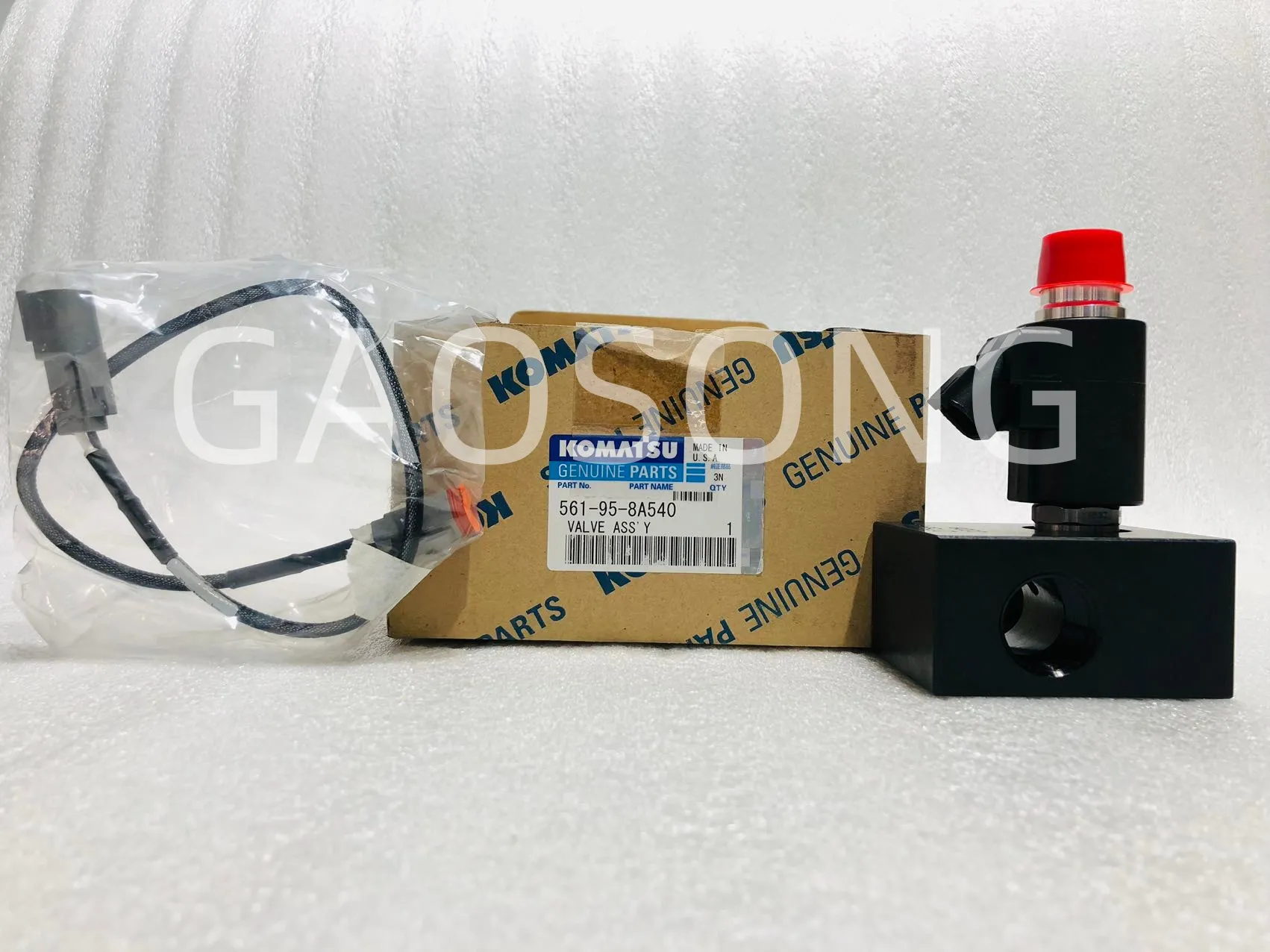 561-95-8A530 • PUMP ASSEMBLY-Komatsu Original Factory
 -
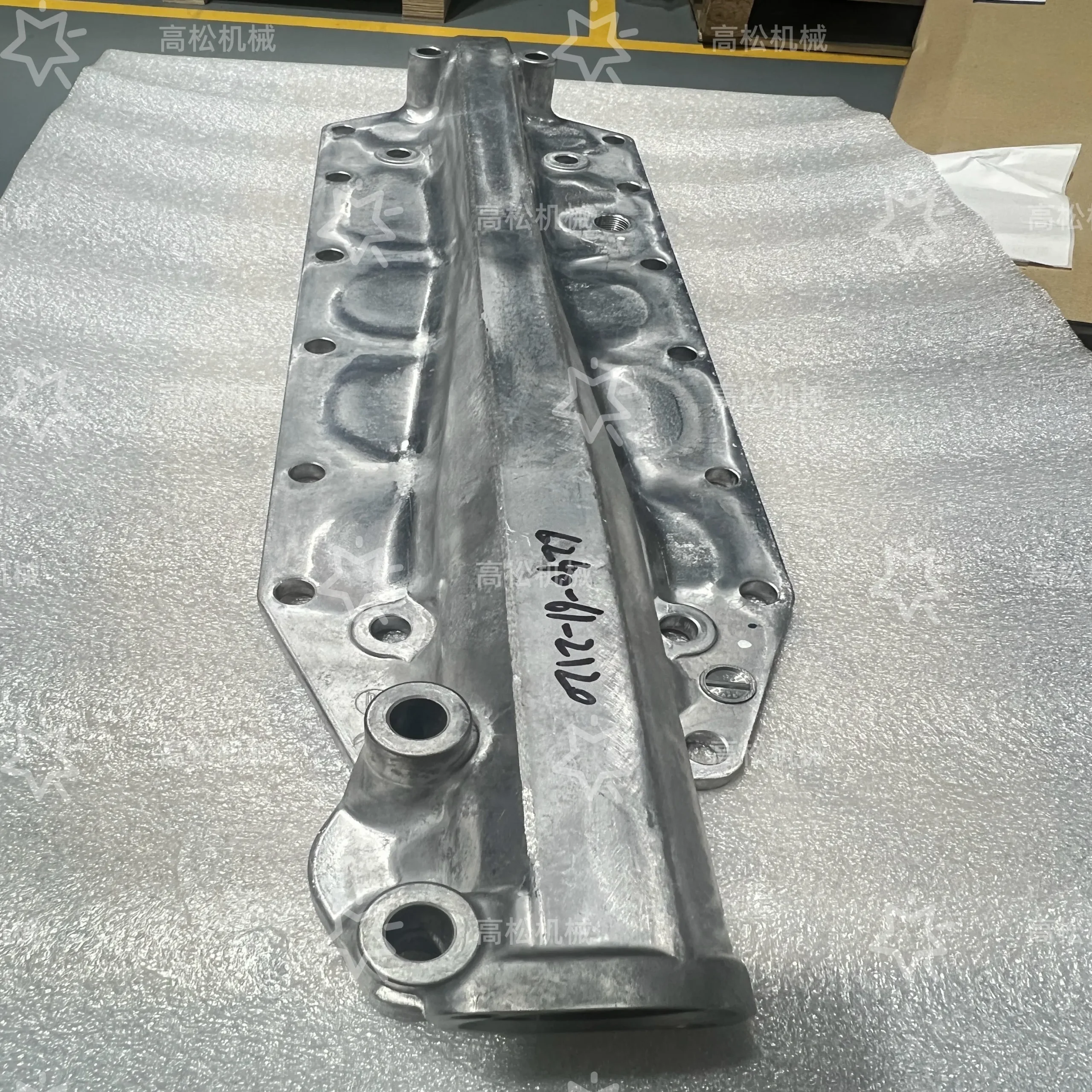 COVER 6240-61-2120 – KOMATSU Part catalog
 -
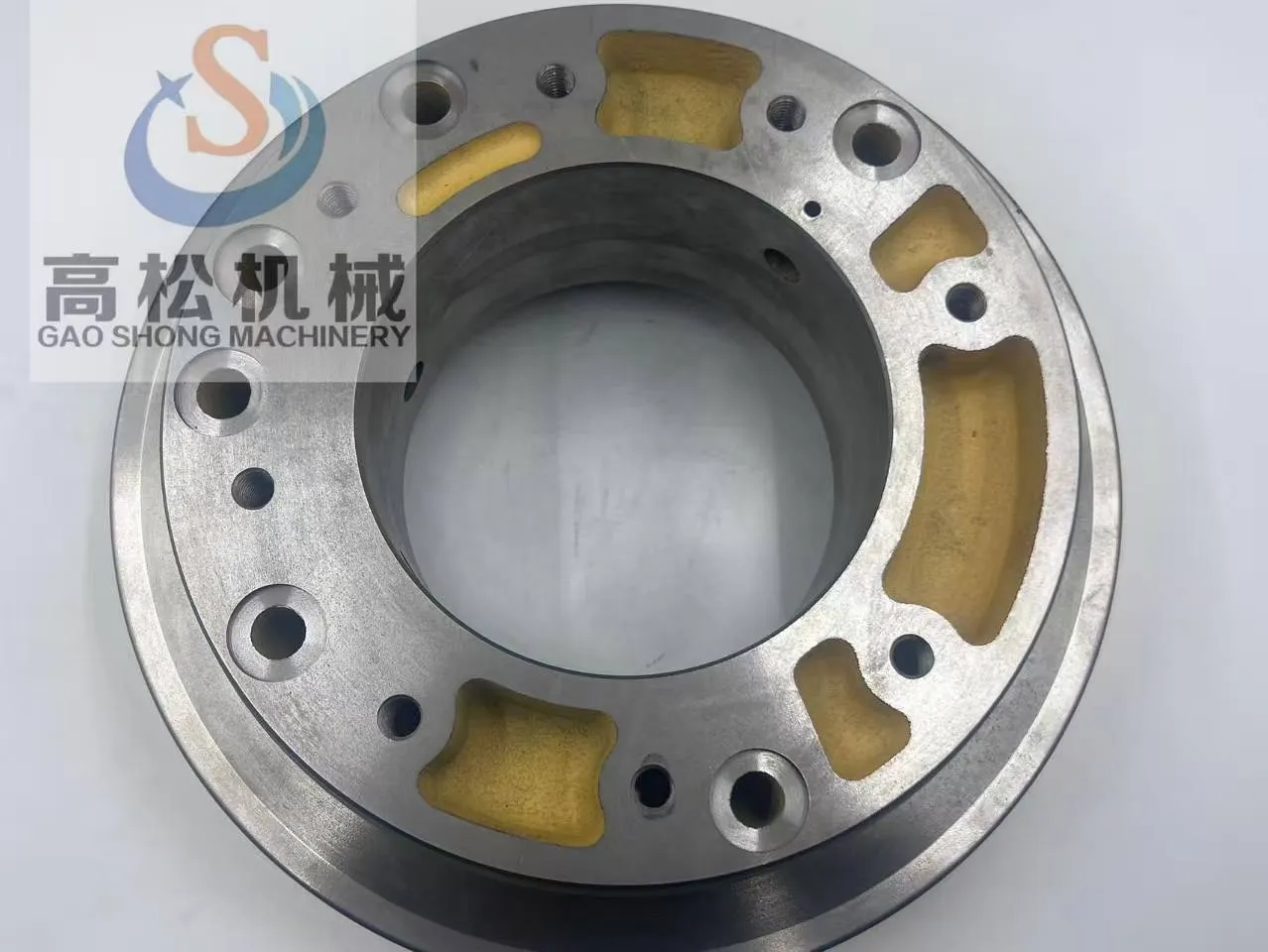 Komatsu D155A-5 cylinder 17A-22-11132
 -
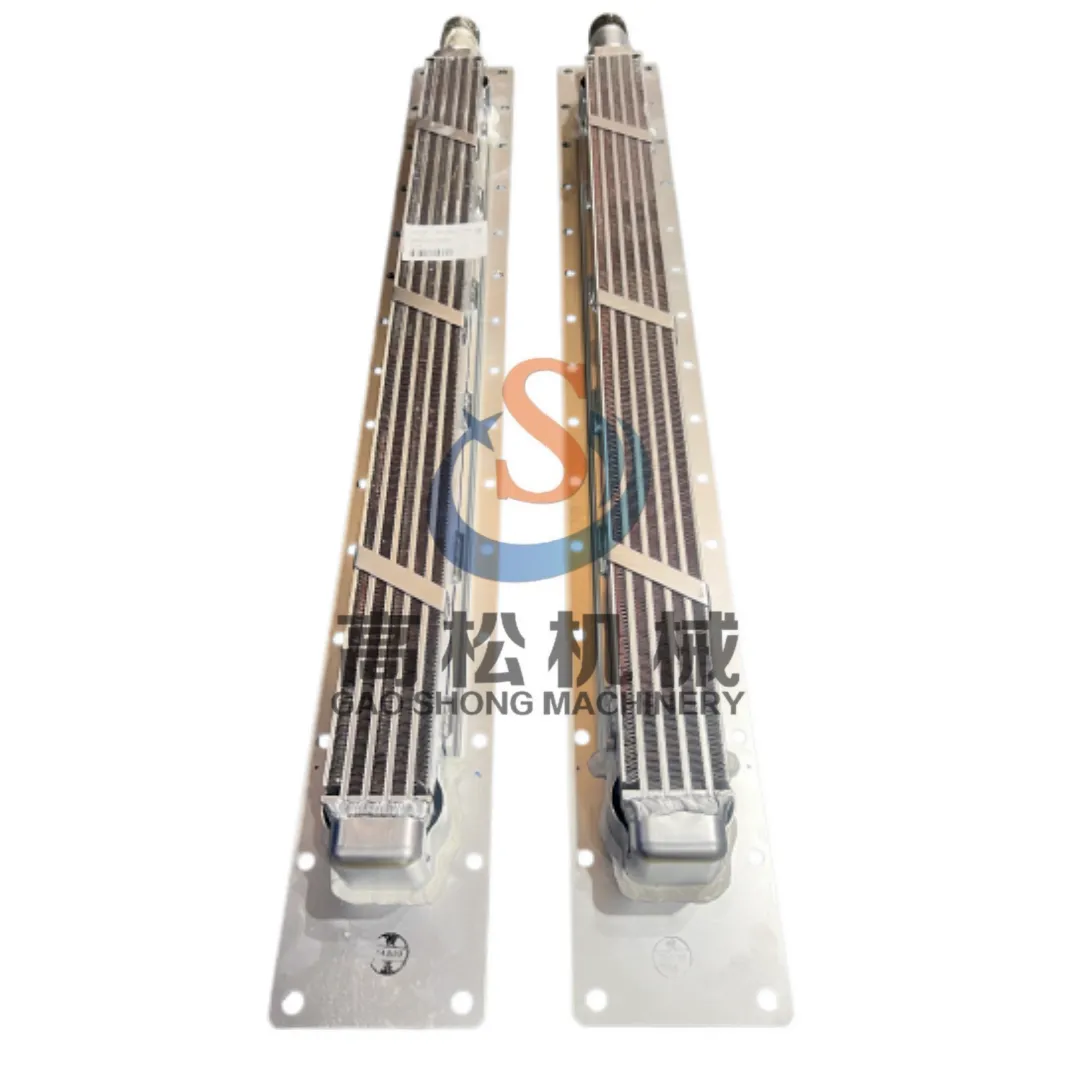 Original Stock Engine Parts Core 6212-61-6121 Is Suitable for Komatsu SA6D140-1 Engine – Image 2 Original Stock Engine Parts Core 6212-61-6121 Is Suitable for Komatsu SA6D140-1 Engine – Image 3 Original Stock Engine Parts Core 6212-61-6121 Is Suitable for Komatsu SA6D140-1 Engine – Image 4 Original Stock Engine Parts Core 6212-61-6121 Is Suitable for Komatsu SA6D140-1 Engine – Image 5 Original Stock Engine Parts Core 6212-61-6121 Is Suitable for Komatsu SA6D140-1 Engine – Image 6 Original Stock Engine Parts Core 6212-61-6121 Is Suitable for Komatsu SA6D140-1 Engine
 -
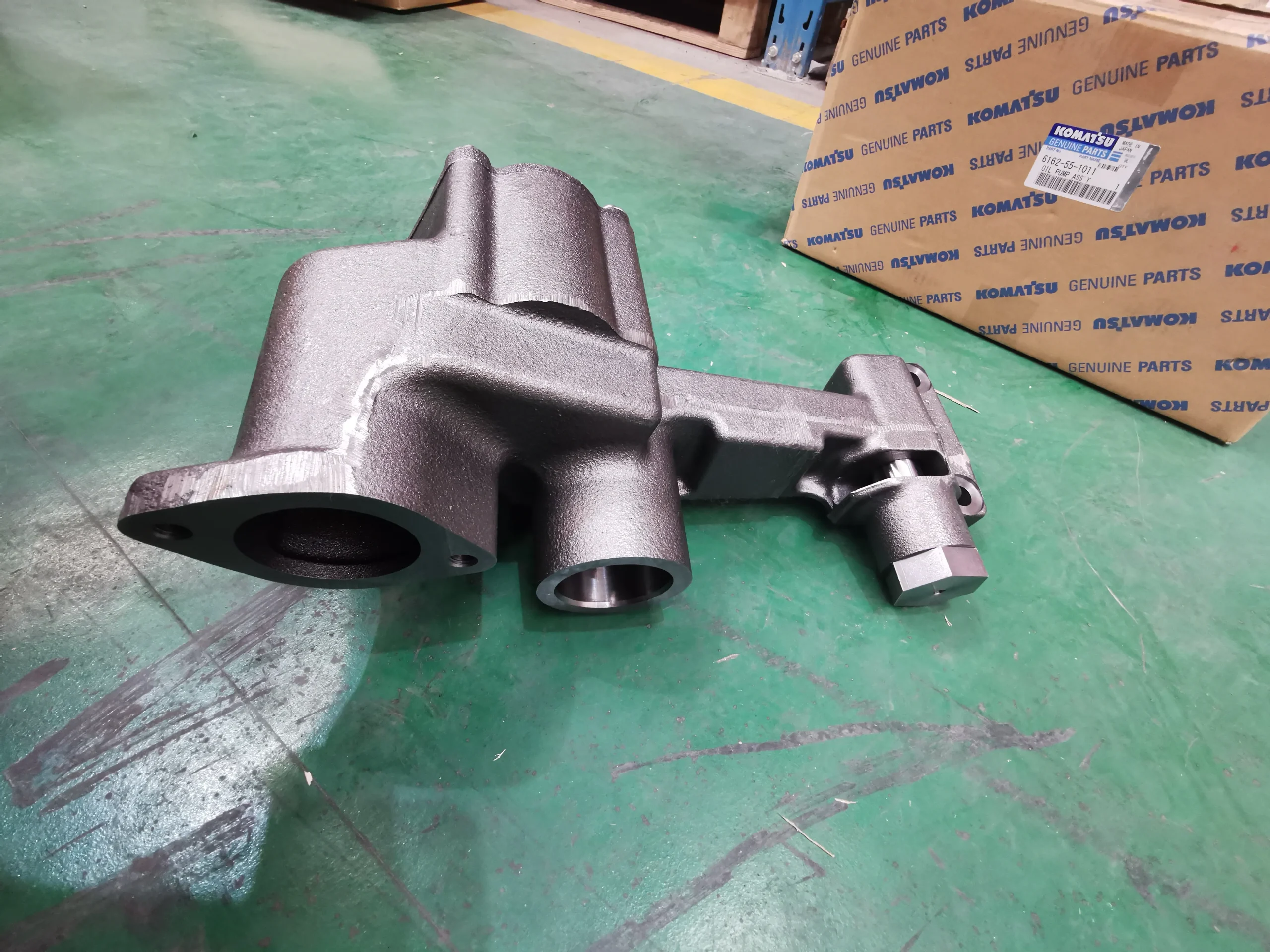 Supply Komatsu S6D170E-2A Oil Pump 6162-55-1011
 -
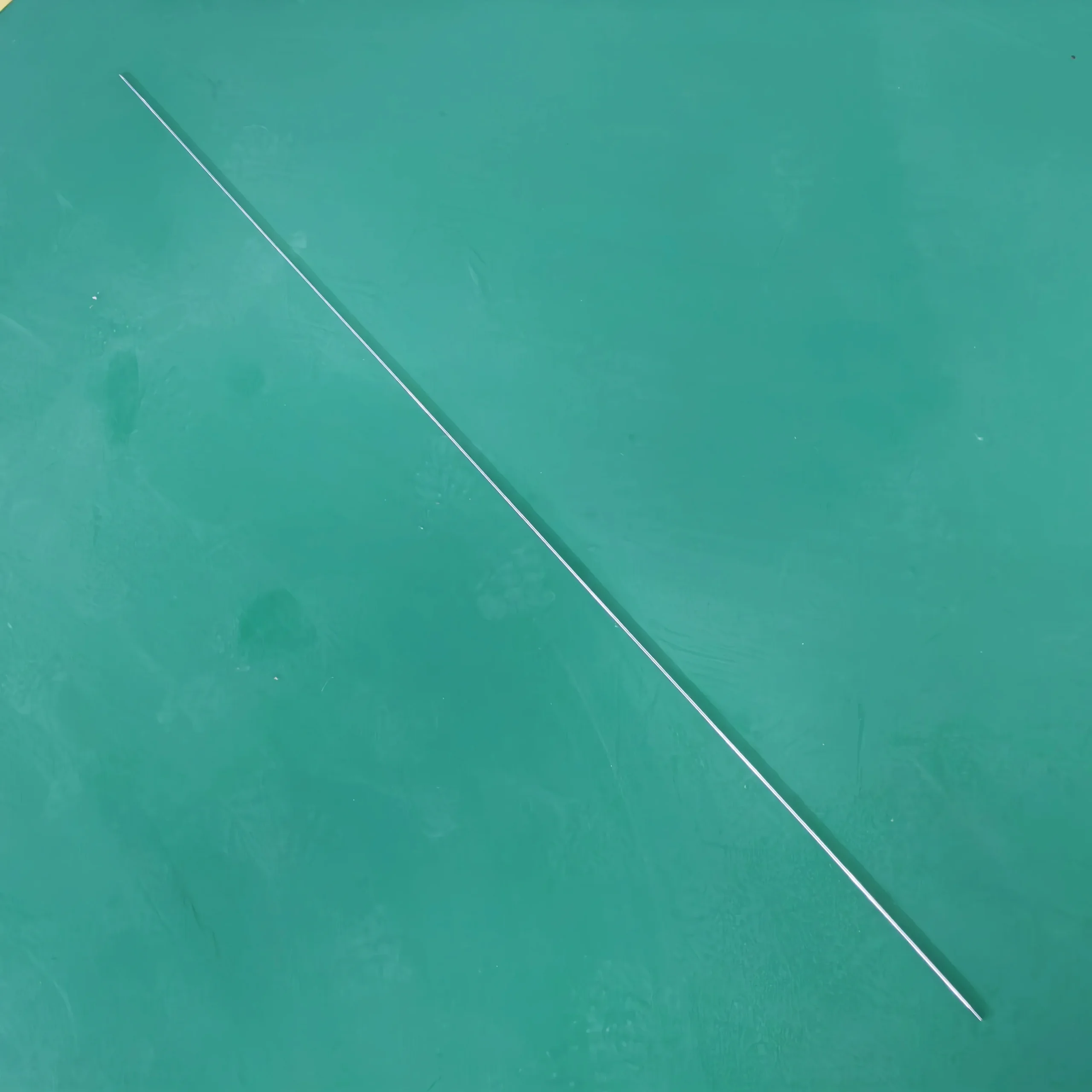 WIRE 21N-25-31130 – KOMATSU
 -
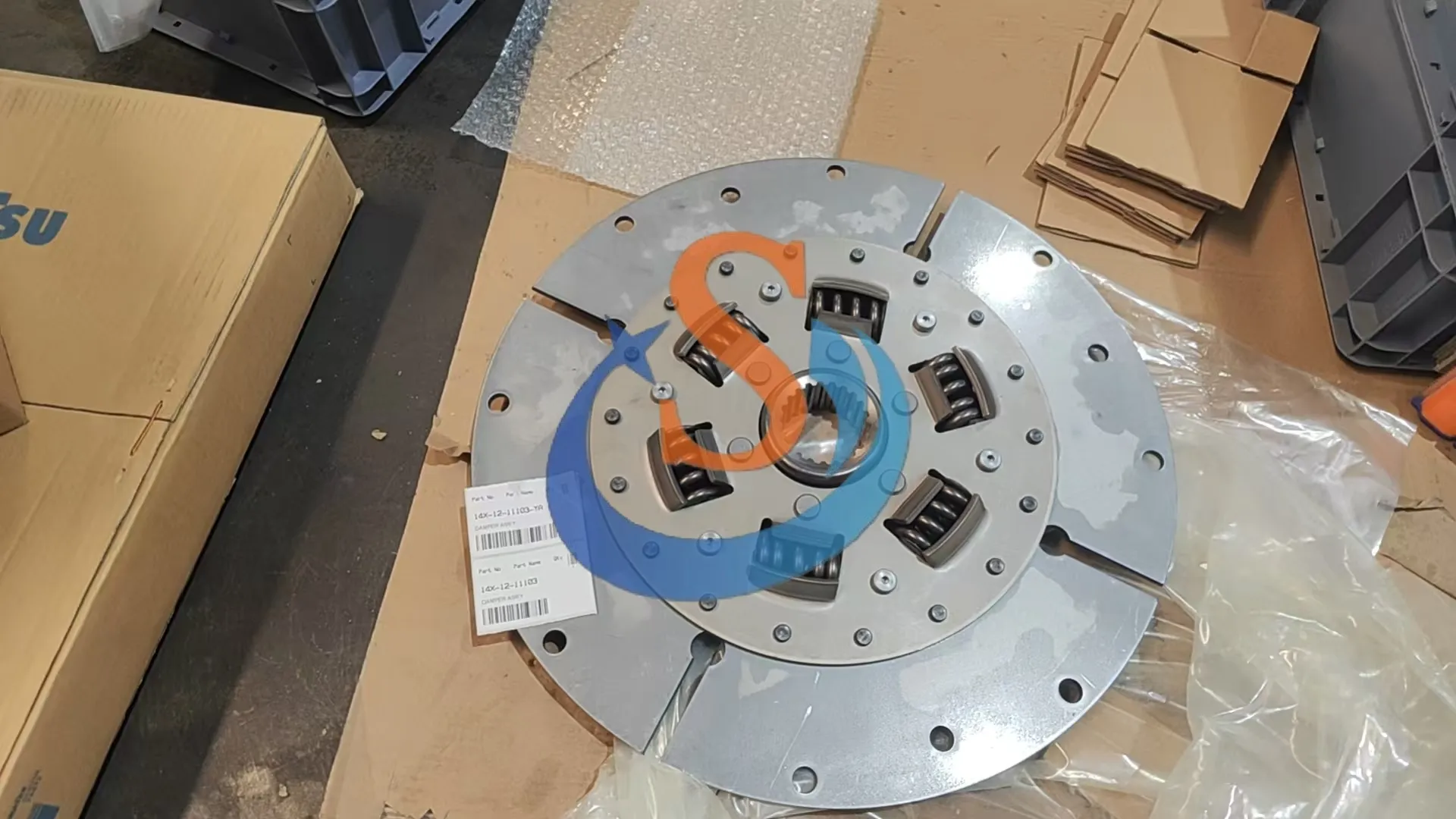 14X-12-11103 Damper Disc ASS’Y D65/D85
 -
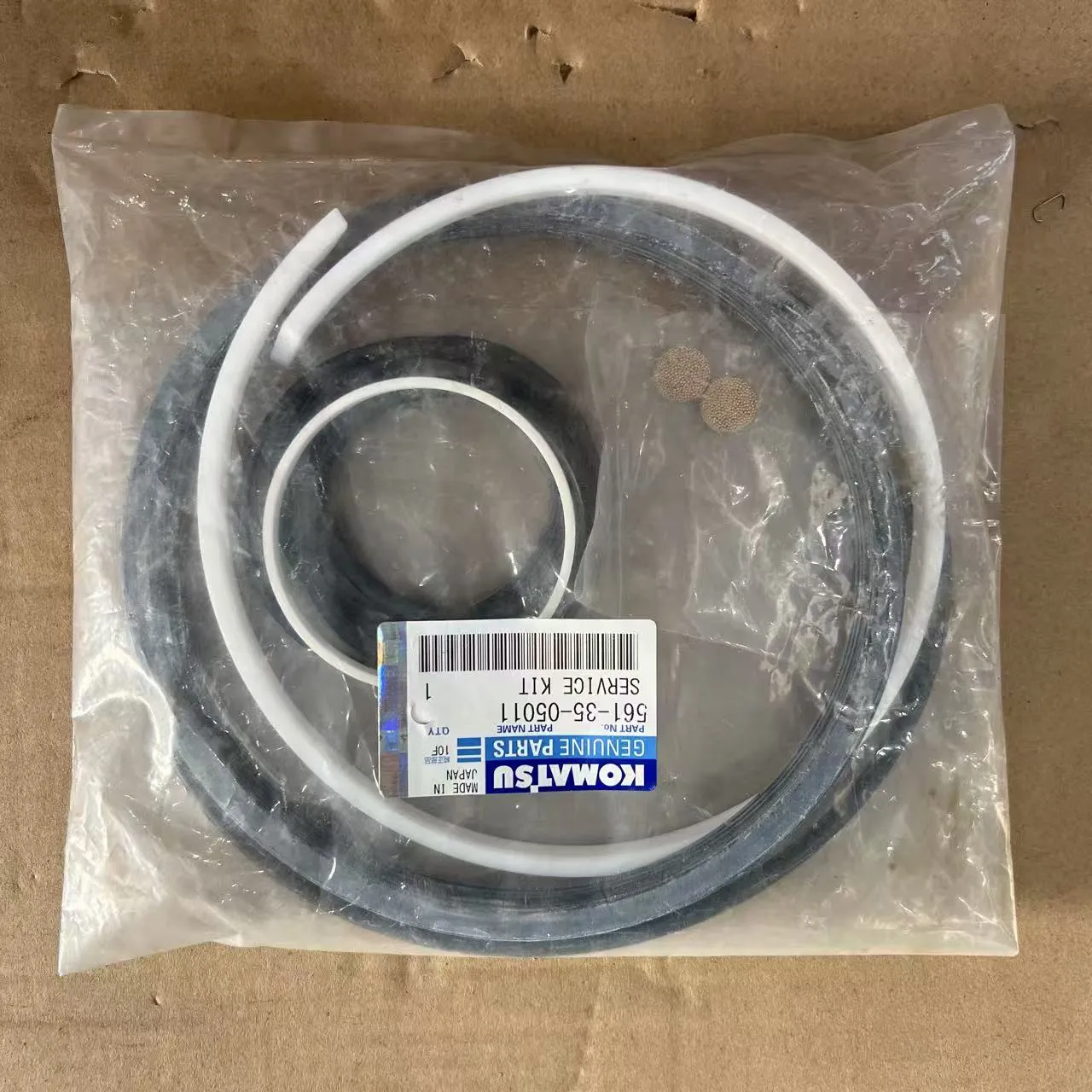 SERVICE KIT – 561-35-05011
 -
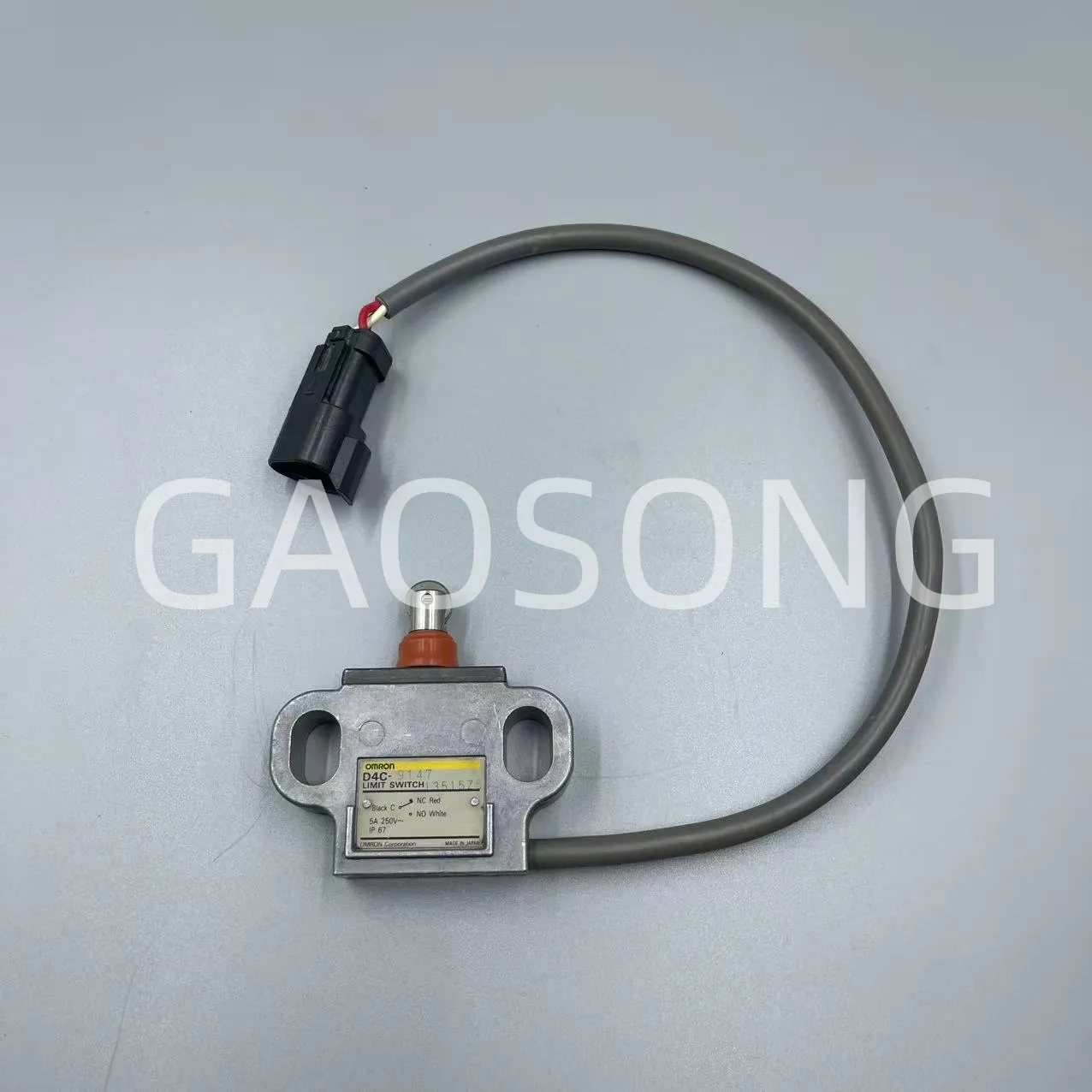 11Y-06-22150 SWITCH-Komatsu Original Factory