
- Chinese
- French
- German
- Portuguese
- Spanish
- Russian
- Japanese
- Korean
- Arabic
- Irish
- Greek
- Turkish
- Italian
- Danish
- Romanian
- Indonesian
- Czech
- Afrikaans
- Swedish
- Polish
- Basque
- Catalan
- Esperanto
- Hindi
- Lao
- Albanian
- Amharic
- Armenian
- Azerbaijani
- Belarusian
- Bengali
- Bosnian
- Bulgarian
- Cebuano
- Chichewa
- Corsican
- Croatian
- Dutch
- Estonian
- Filipino
- Finnish
- Frisian
- Galician
- Georgian
- Gujarati
- Haitian
- Hausa
- Hawaiian
- Hebrew
- Hmong
- Hungarian
- Icelandic
- Igbo
- Javanese
- Kannada
- Kazakh
- Khmer
- Kurdish
- Kyrgyz
- Latin
- Latvian
- Lithuanian
- Luxembou..
- Macedonian
- Malagasy
- Malay
- Malayalam
- Maltese
- Maori
- Marathi
- Mongolian
- Burmese
- Nepali
- Norwegian
- Pashto
- Persian
- Punjabi
- Serbian
- Sesotho
- Sinhala
- Slovak
- Slovenian
- Somali
- Samoan
- Scots Gaelic
- Shona
- Sindhi
- Sundanese
- Swahili
- Tajik
- Tamil
- Telugu
- Thai
- Ukrainian
- Urdu
- Uzbek
- Vietnamese
- Welsh
- Xhosa
- Yiddish
- Yoruba
- Zulu
- Kinyarwanda
- Tatar
- Oriya
- Turkmen
- Uyghur






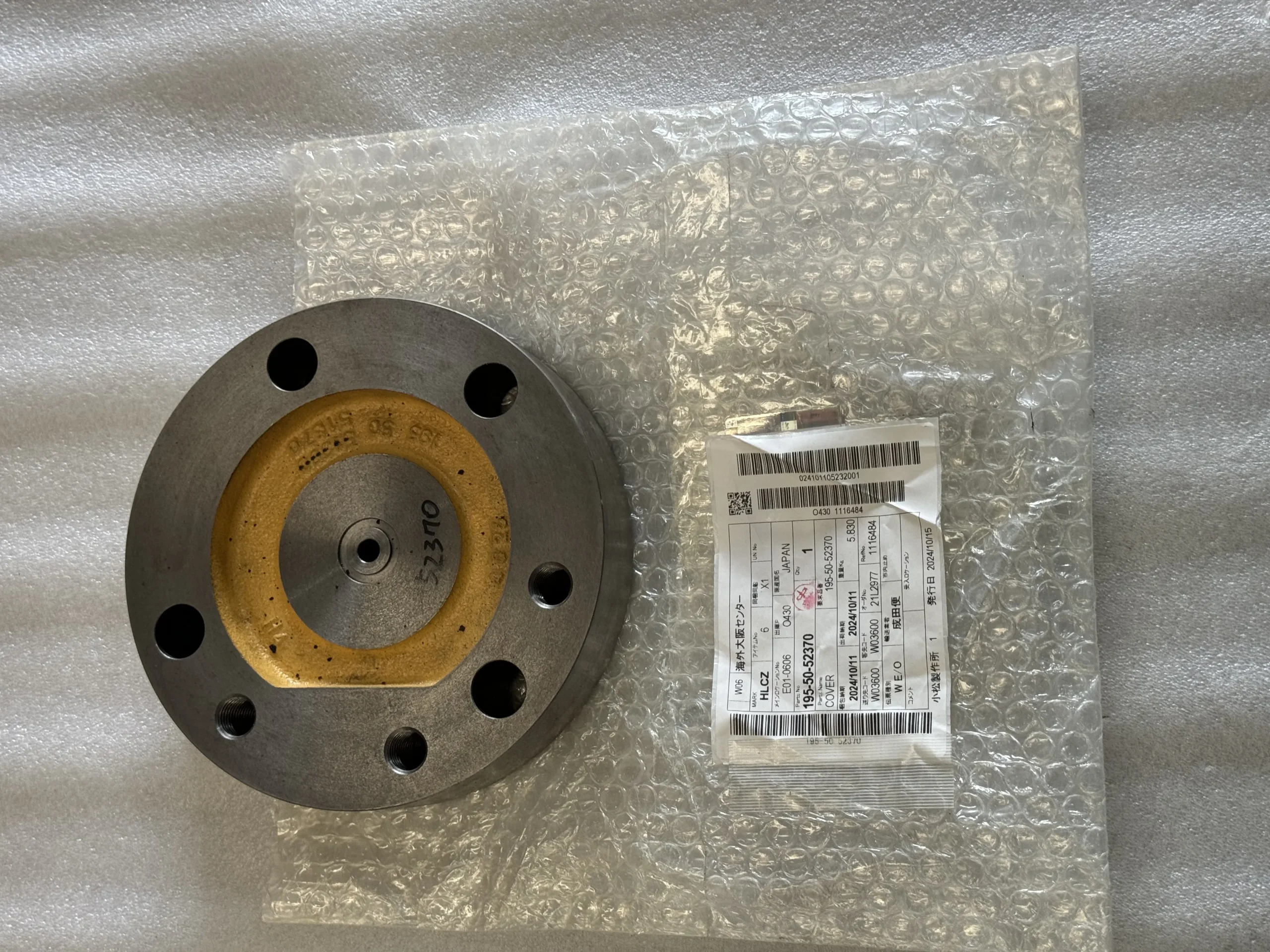
OEM AND ORIGINAL KOMATSU COVER 21N-27-31161
When you see a listing for an OEM AND ORIGINAL KOMATSU COVER 21N-27-31161, the immediate assumption is that it's a genuine part straight from Komatsu. That's the first pitfall. In this line of work, OEM and Original get thrown around so loosely they've almost lost meaning. I've seen suppliers slap OEM on a part that's merely compatible, not manufactured within Komatsu's sanctioned supply chain. The 21N-27-31161 cover, a component for a pump or valve group if I recall correctly, is a perfect example. It's not a high-rotation item like a filter, so availability can be a real headache, pushing people toward whatever is labeled OEM. But the truth is, there's a spectrum. There's the part made by the exact factory that supplies Komatsu, meeting every drawing spec. Then there's the part made to print but maybe with a different batch of steel or a slightly different finishing process. Both might be called OEM. The buyer rarely knows the difference until it's on the machine.
The Gray Zone of Original Supply
My experience with Jining Gaosong Construction Machinery Co., Ltd. (you can find them at https://www.takematsumachinery.com) sheds light on this. They position themselves as an OEM product supplier within the Komatsu system and a third-party sales company. That's a specific and valuable niche. It means they likely have access to the same manufacturing sources Komatsu uses for certain components, the OEM AND ORIGINAL KOMATSU parts in the true sense, but they operate outside the official dealership network to address supply gaps. This is crucial in markets where the official channel is slow, prohibitively expensive, or simply non-existent.
I remember a project in a South American mine where we were stuck waiting 12 weeks for an official 21N-27-31161 cover. Downtime costs were insane. We turned to a supplier like Gaosong. Their claim wasn't just we have a cover. It was we have the cover from the OEM factory. The proof was in the packaging—or lack thereof. It didn't come in a Komatsu box, but the casting marks, the machining tolerances on the bolt holes, and the finish on the sealing surface were identical to the last genuine one we'd installed. The part number, 21N-27-31161, was even cast in the same font and location. That's the kind of detail you only notice when you've handled dozens of them.
This is where the industry's common misconception bites. Many equate non-genuine with inferior. But in cases like this, it's often the same physical object, just arriving via a different logistical and commercial route. The risk isn't in the part's quality, but in the verification. You have to know how to check. Does the supplier understand the application? Can they trace the batch? Gaosong's model works because they specialize in this gray zone, providing what's essentially original equipment without the official branding and its associated cost structure.
Field Verification and the Devil in the Details
Let's talk about the COVER 21N-27-31161 specifically. It's not just a piece of metal. Its primary job is to seal and protect internal components. A failure here means contamination, which leads to pump cavitation or valve spool scoring—expensive failures. I once made the mistake of accepting a high-quality compatible part from a general supplier. It looked right, dimensions were close, but the gasket groove depth was off by about half a millimeter. It seemed trivial. It wasn't. The gasket didn't seat properly, we had a persistent weep of hydraulic fluid, and it took us two teardowns to pinpoint that groove as the culprit. A lesson learned the hard way.
When evaluating a part from a source like Takematsu Machinery's site, the description OEM product supplier within the Komatsu system is the key phrase to scrutinize. It implies a direct relationship with the manufacturing source, not just a warehouse of look-alikes. For a cover, you'd want to ask about the material certification. Is it the same grade of ductile iron? What about the anti-corrosion treatment? Is it phosphate-coated or just painted? An original part will have a consistent, almost baked-on coating. A cheap copy will have paint that chips easily.
The verification process is hands-on. We'd match the weight—a surprising but effective test. Then, check the thickness at non-critical points with calipers. Finally, the most telling: trial-fit it with the original gasket. If it slides on without force and the bolt holes align without needing to pry or elongate, you're probably holding an ORIGINAL KOMATSU part, regardless of the box it came in. This practical, almost tactile knowledge is what separates a parts manager from a procurement clerk.
Navigating Supply Challenges and Supplier Roles
Jining Gaosong's stated mission of helping to solve parts supply challenges in certain countries is exactly the problem they solve. The challenge isn't always that the part doesn't exist; it's that the official pipeline is clogged by bureaucracy, import restrictions, or simply low priority for the region. A company acting as a third-party sales company for Komatsu parts can streamline this. They consolidate orders, use established freight channels, and essentially parallel-import genuine-spec parts. For a component like the 21N-27-31161, which might be a single-line item on a massive factory order, this alternative route is a lifeline.
I've dealt with scenarios where the official distributor quoted a 90-day lead time due to production scheduling at Komatsu. Meanwhile, a supplier operating on this OEM-within-system model had the same cover on a shelf or could get it in 2-3 weeks from their factory partner. The cost was often 15-30% lower, not because the part was cheaper, but because the overhead and distribution margins were trimmed. The risk, of course, is warranty. Komatsu won't honor a warranty on a part they didn't sell directly. But in high-downtime-cost environments, that's a calculated risk many are willing to take, provided the part's provenance is credible.
This model requires deep, trusted relationships. It's not something you stumble into. A supplier's longevity and specialization matter. A broad-line equipment parts dealer probably can't do this. A company focused on the Komatsu ecosystem, like the one mentioned, builds its reputation on reliably delivering the correct spec. Their website might not be flashy, but the value is in their access and knowledge, not in web design.
Cost vs. Value in the Aftermarket
The conversation always circles back to cost. The initial price of an OEM AND ORIGINAL part from an alternative supplier is attractive. But the real value is in total cost of ownership. A true OEM-spec cover will last the designed service interval. A substandard one might fail prematurely, causing secondary damage that costs ten times the part's price to repair. The value proposition of a supplier like Jining Gaosong is that they are supposed to be selling the former, not the latter. They're selling the engineering integrity, not just a piece of metal that fits.
We ran a comparison on a fleet of excavators, using officially sourced covers on half and OEM-spec covers from a trusted third-party on the other half. Over 10,000 operating hours, the failure rate was statistically identical—zero for both batches. The difference was in the logistics cost and downtime avoided. That's the real-world proof. It moved our procurement strategy from always buy official to buy from verified OEM-system sources for non-safety-critical, precision components. The KOMATSU COVER 21N-27-31161 falls squarely into that category.
This isn't to say go with the cheapest option. It's to say understand what OEM AND ORIGINAL actually means in your supplier's context. Demand evidence. Ask for photos of the casting marks, the packaging, even previous shipping manifests. A reputable supplier will provide this because their business depends on being a reliable alternative to the slow or costly official channel.
Concluding Thoughts on Sourcing Strategy
So, when you're searching for a 21N-27-31161, look beyond the keywords. The label OEM AND ORIGINAL KOMATSU is a starting point for inquiry, not a guarantee. The supplier's specific business model is more important. A company that is an OEM product supplier within the Komatsu system is making a very specific claim about its supply chain access. It's worth testing that claim with a small order, with intense inspection upon receipt.
The goal is machine uptime. Whether the part comes in a Komatsu box from a dealer or in a plain box from a company like Jining Gaosong is secondary. What matters is that it's the right part, to the right print, made with the right materials. That's the original intent behind the term Original Equipment Manufacturer. In a global, complex market, sometimes the equipment manufacturer's own system isn't the most efficient way to get their own part. And that's where knowledgeable suppliers fill the gap, turning a potential downtime crisis into a routine maintenance swap.
It comes down to this: trust, but verify. Build relationships with suppliers who demonstrate technical knowledge, not just inventory. Ask them where this cover is made, how they ensure spec, and what their fallback is if there's an issue. Their answers will tell you if you're dealing with a parts peddler or a genuine partner in keeping your machines running. For parts like the 21N-27-31161, that partnership is worth far more than a slight discount.
Related Products
Related Products

Best Selling Products
Best Selling Products-
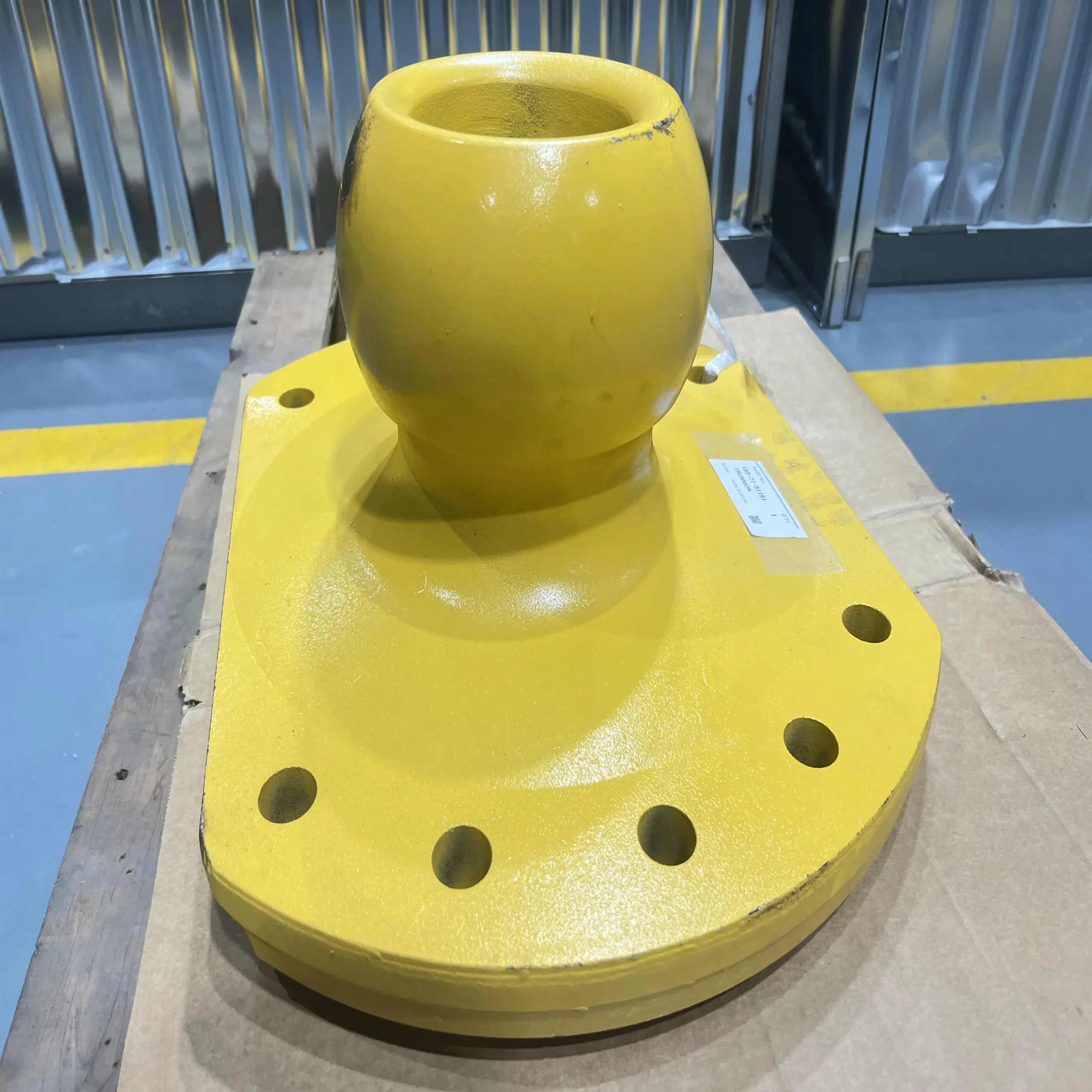 Suitable for Komatsu D375 pin/195-30-62100/195-71-51191/195-71-00342
 -
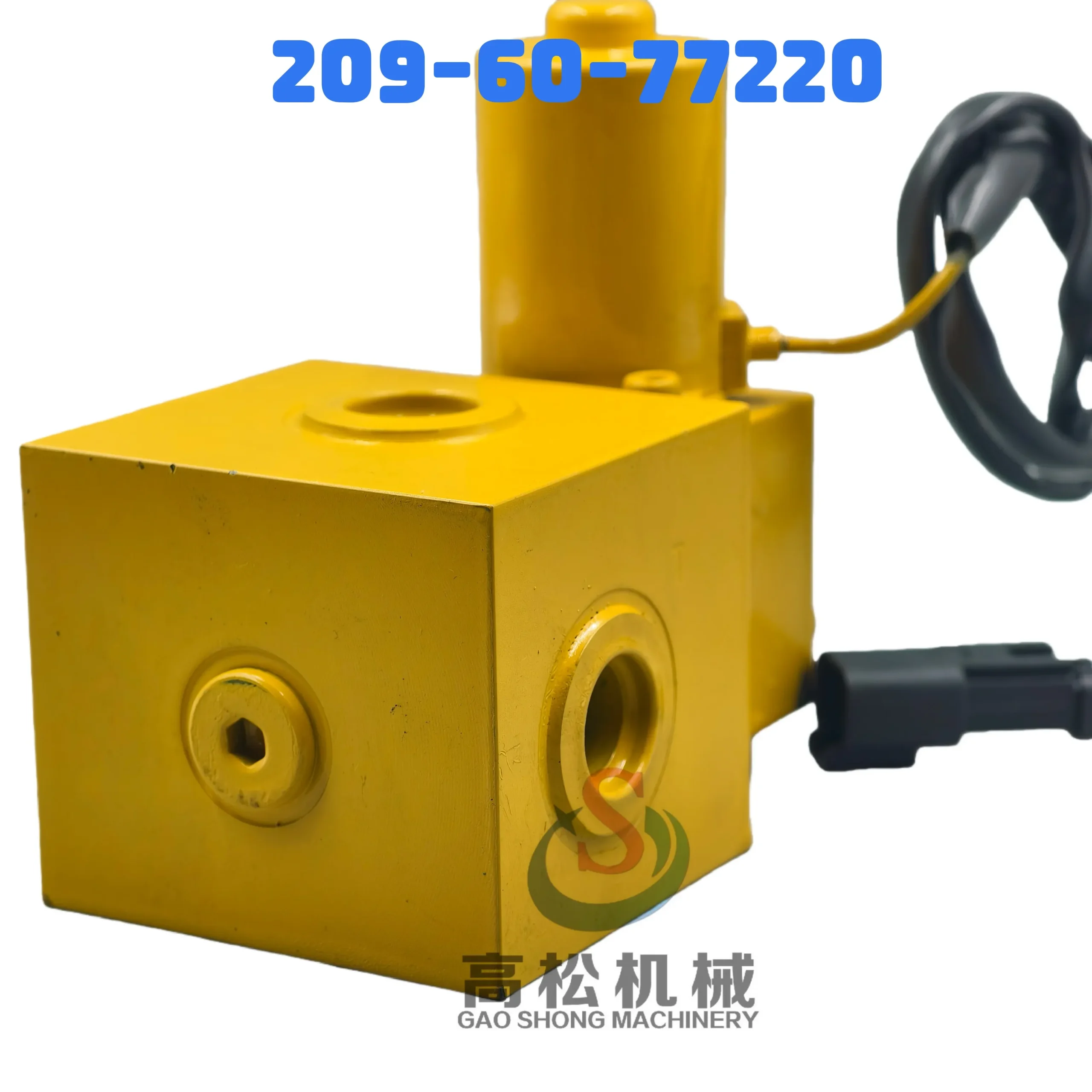 Valve 209-60-77220 for Komatsu
 -
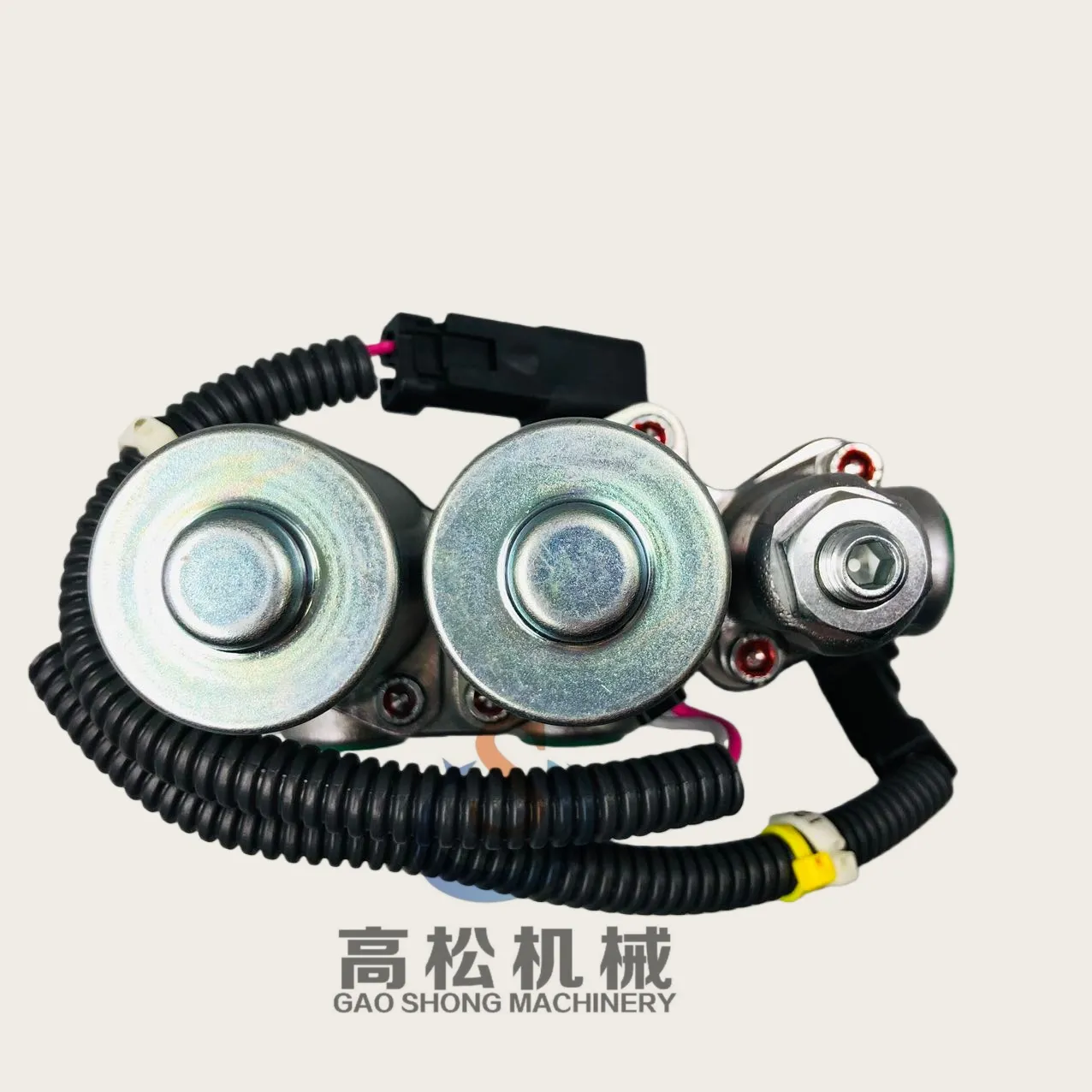 22F-60-31600 22F-60-21201 Electromagnetic valve assembly for PC40MR PC55MR PC56-7 excavator parts
 -
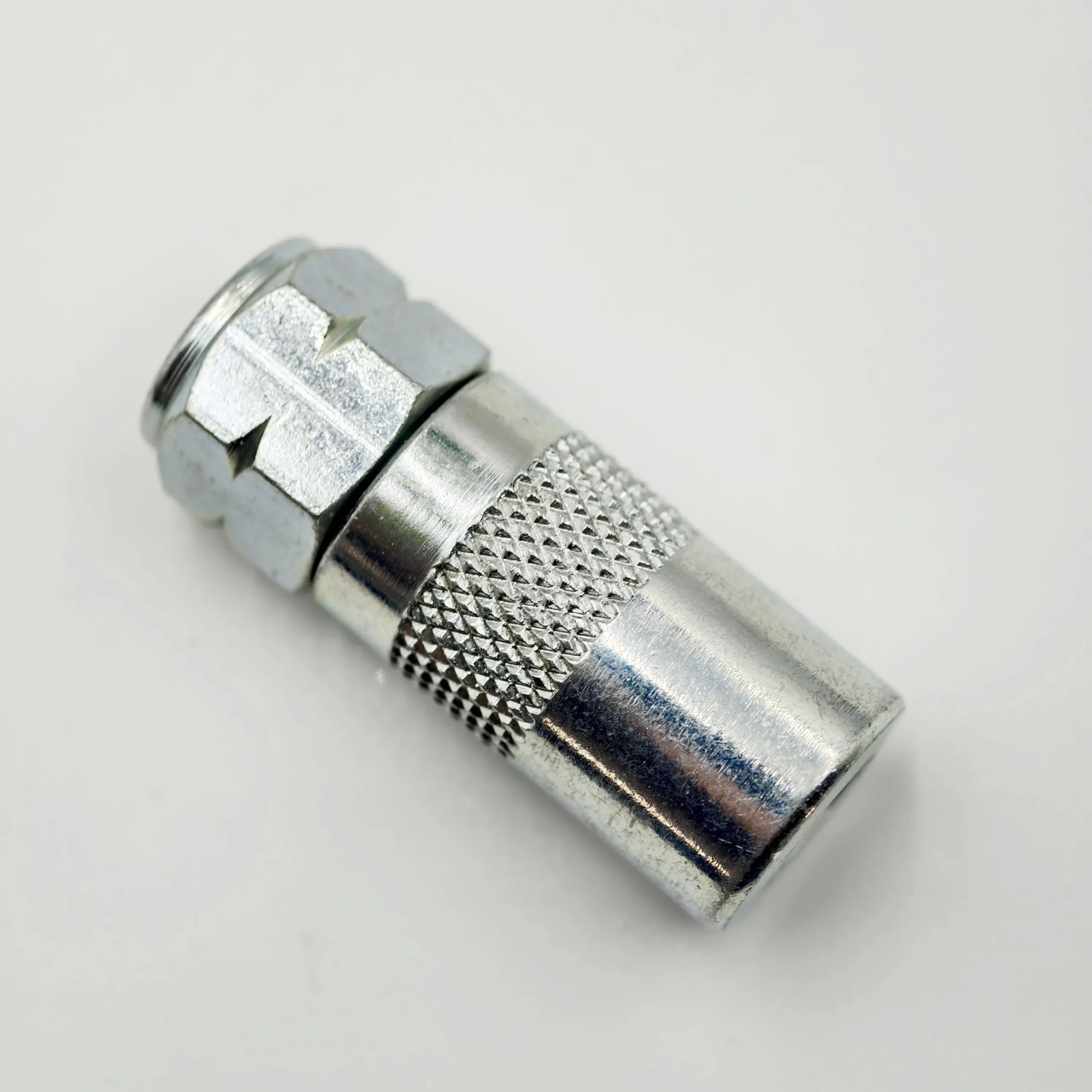 PC600-8/PC2000-8 Coupler 209-68-11640
 -
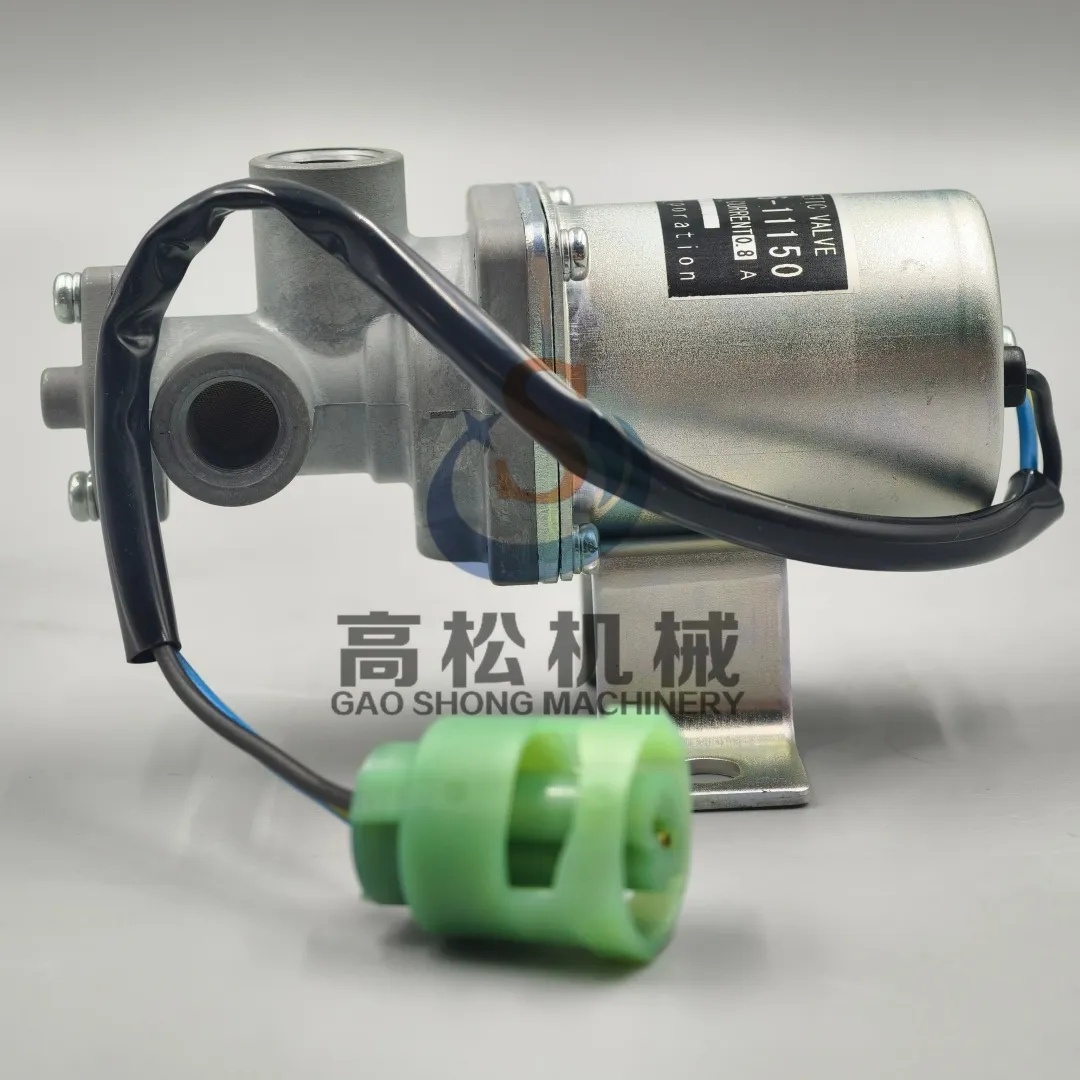 Komatsu Relay 425-06-11150 for Wheel loader WA600-1
 -
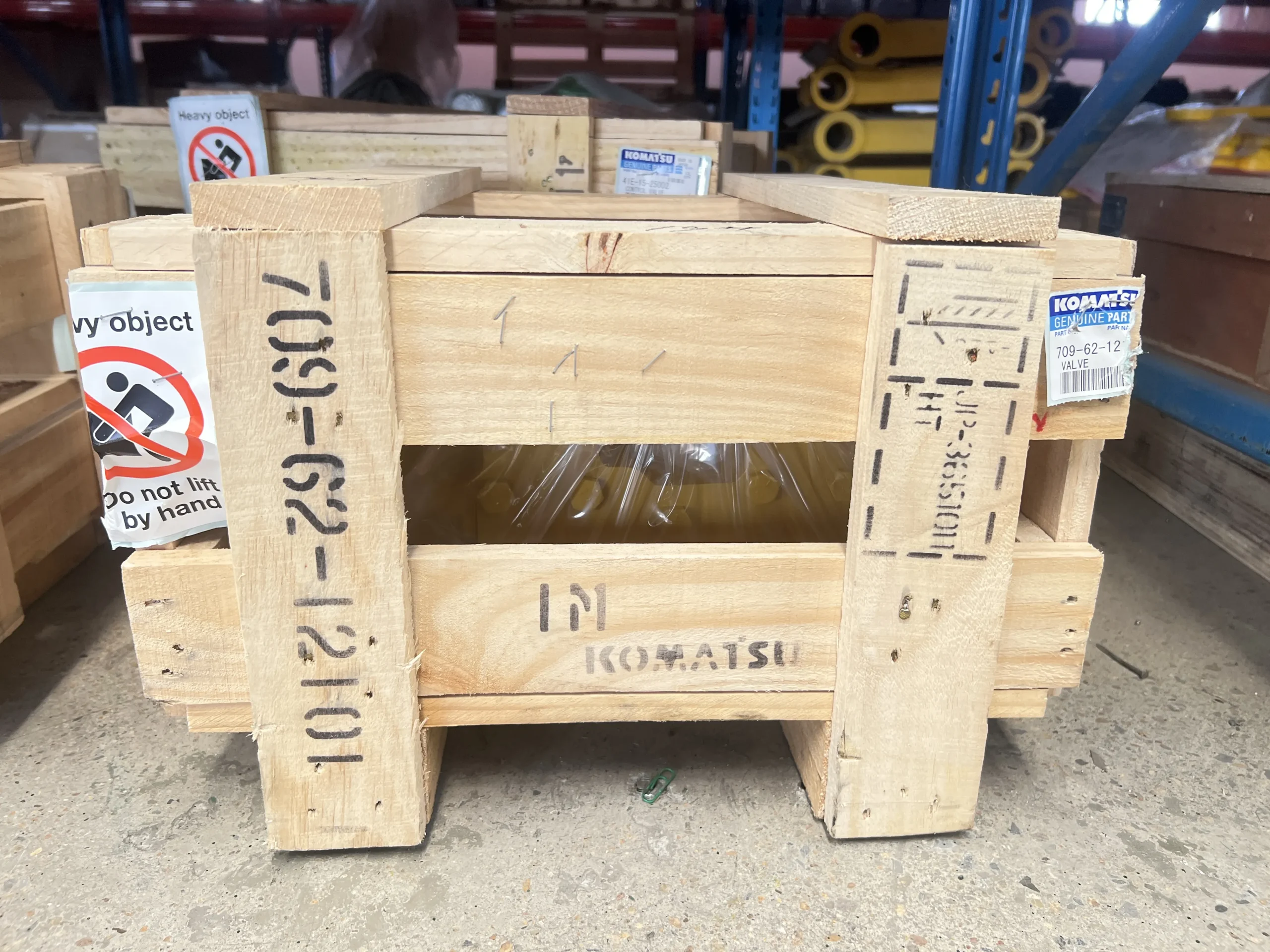 D375A-5E0 Valve Assembly 709-62-12101
 -
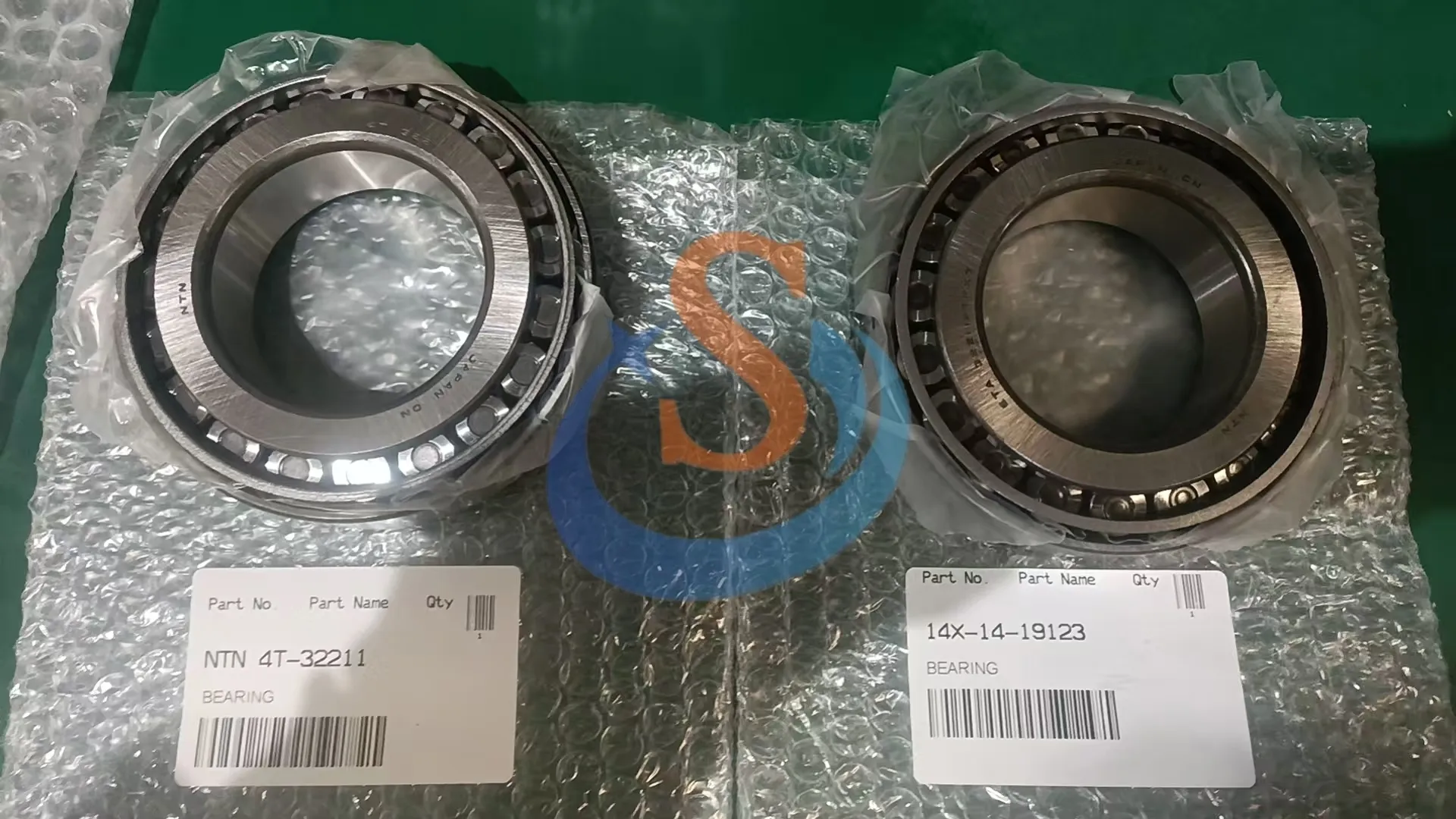 14X-14-19123 BEARING WA380/WA430/WA400
 -
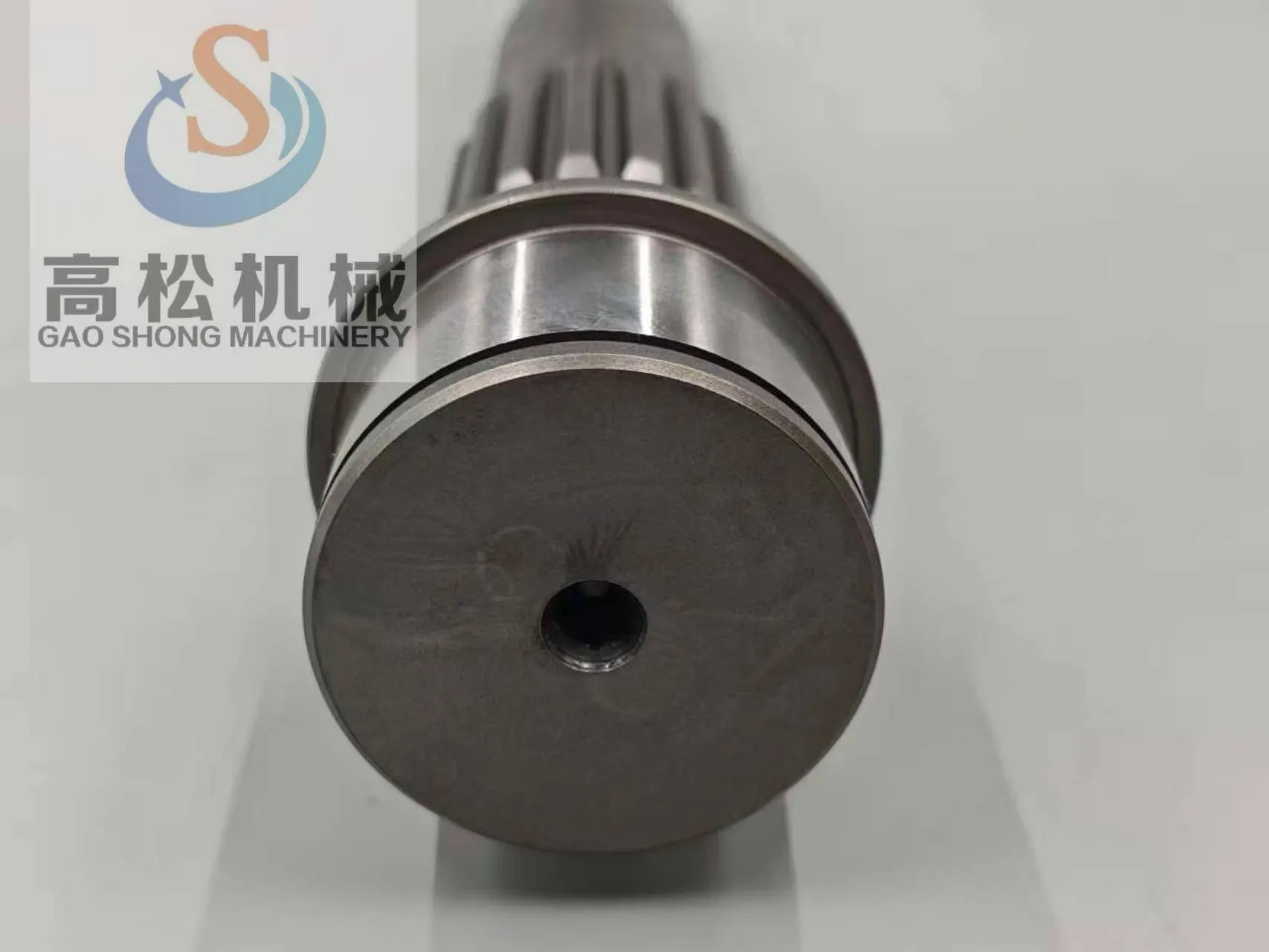 Hydraulic pump original parts 708-2g-12121 708-2g-04153 708-2g-04151 708-2g-03710 708-2g-03910 for pc300-7 excavator
 -
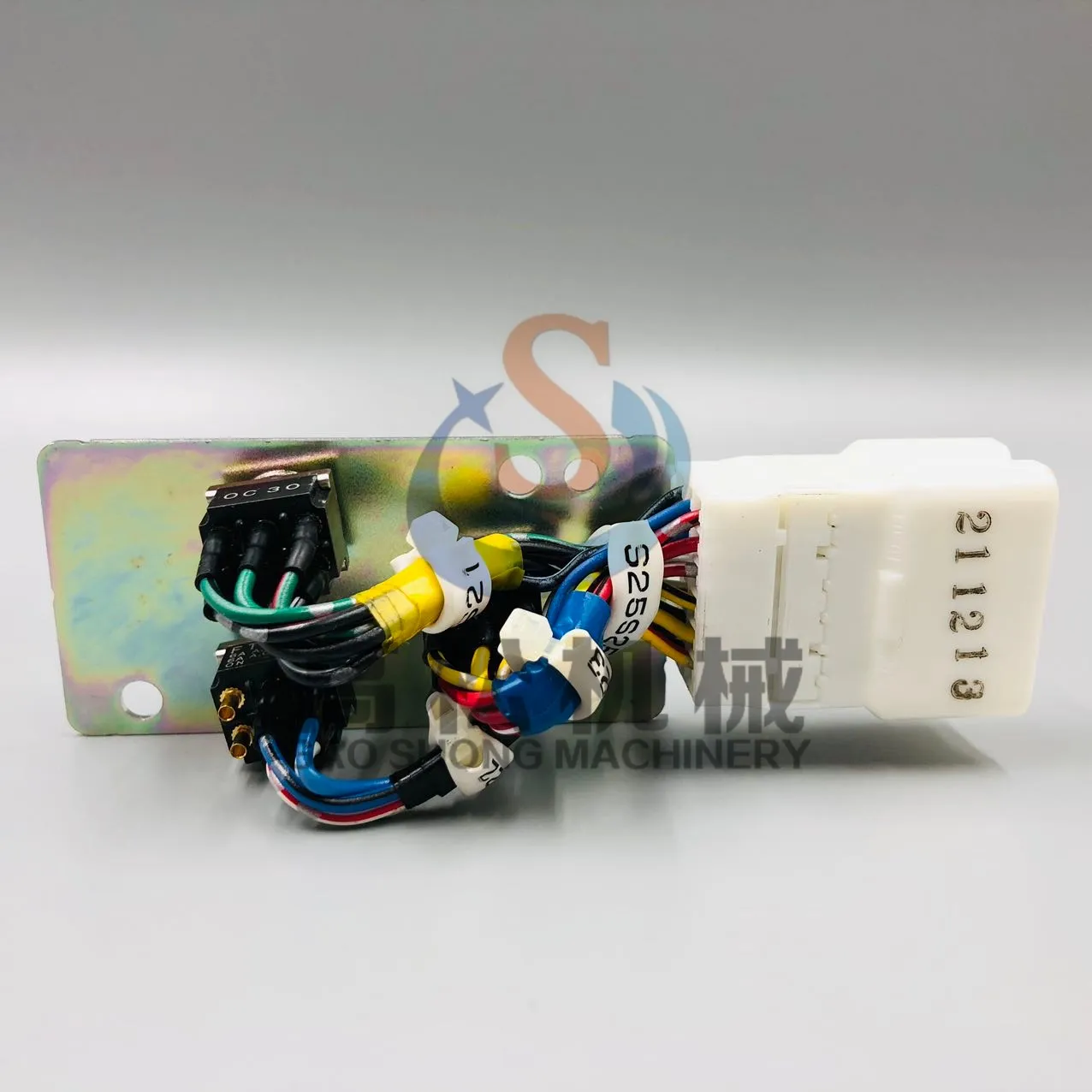 SWITCH ASS’Y 22U-06-22370 – KOMATSU
 -
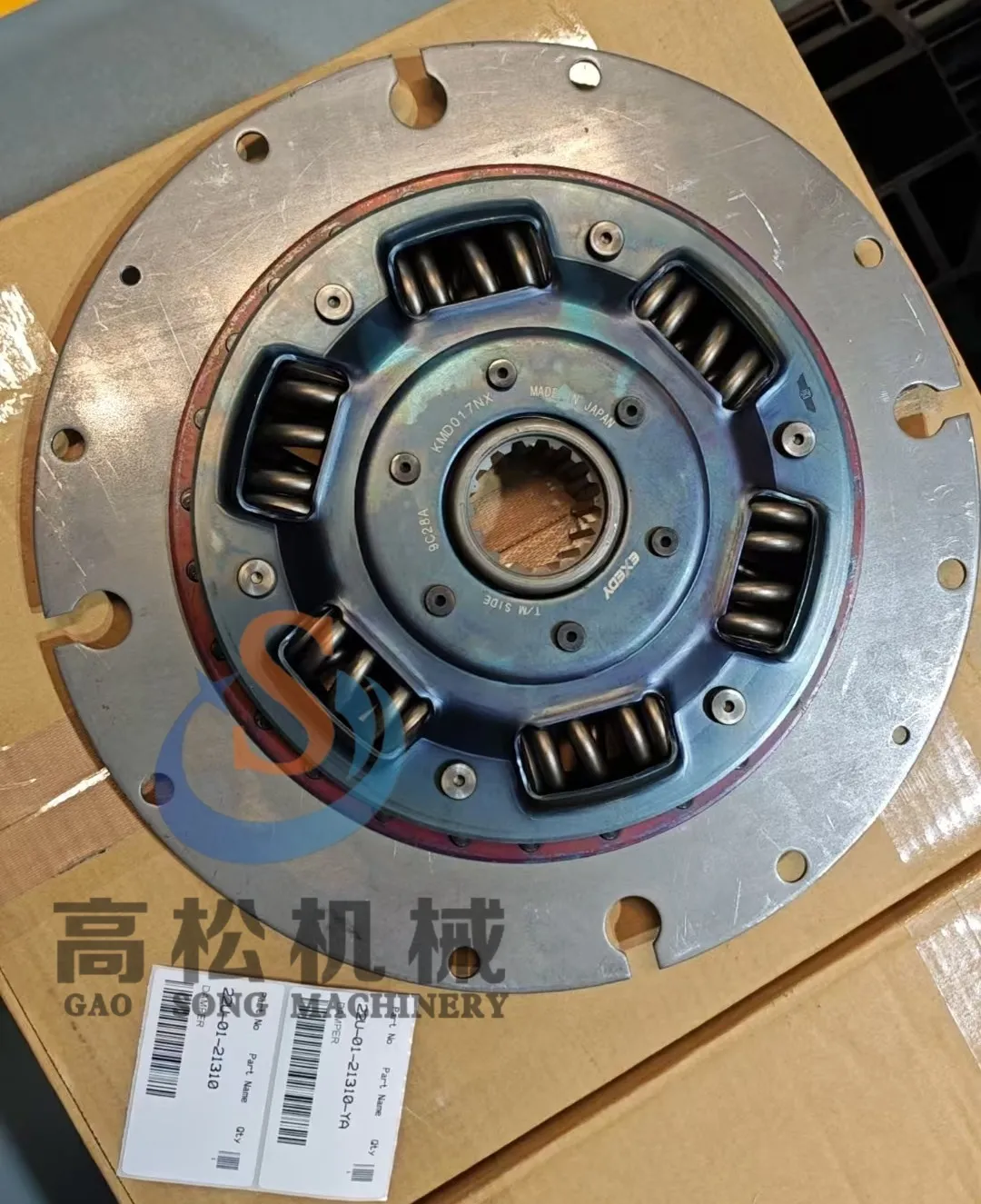 22U-01-21310 komatsu DAMPER-PC230/PC240/PC300
 -
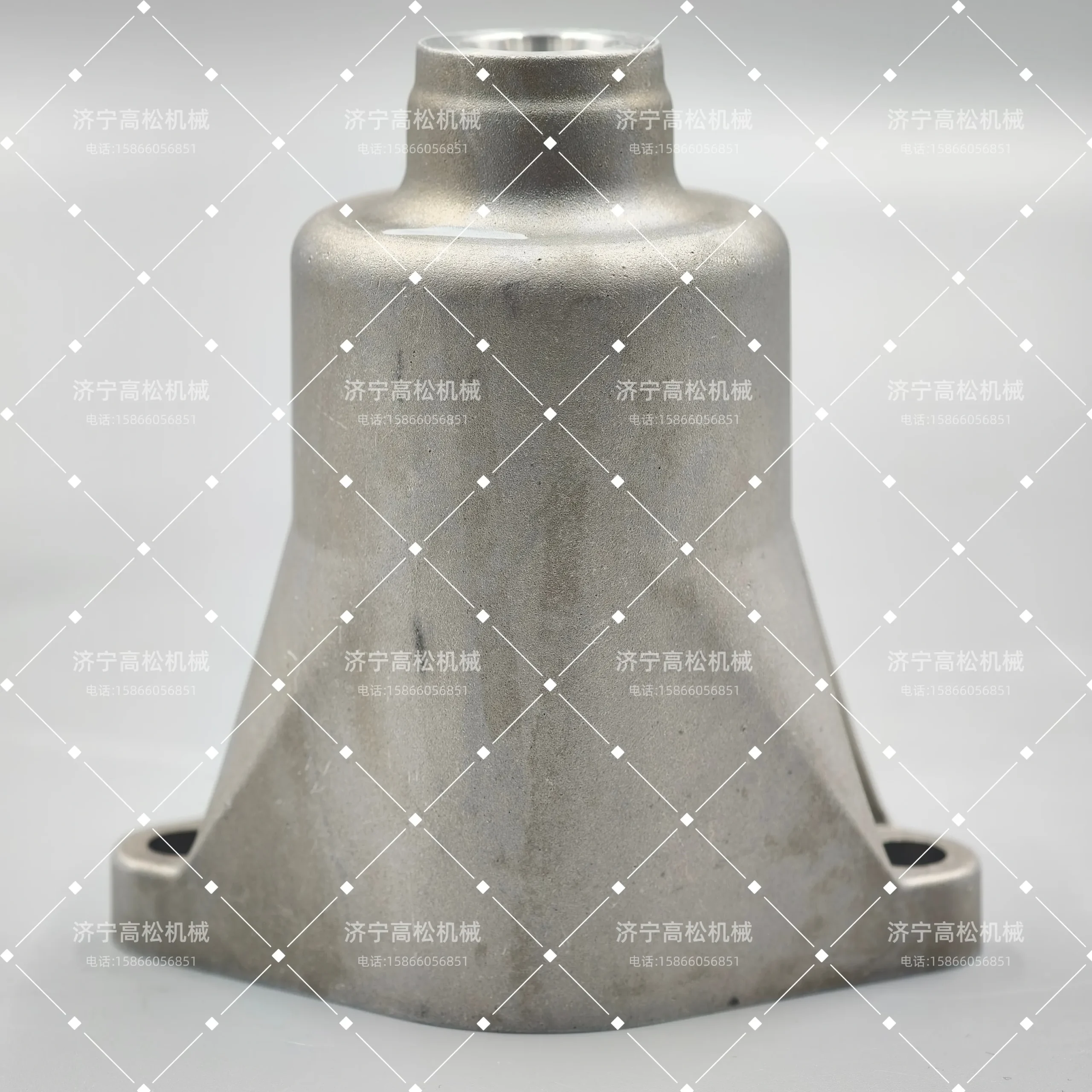 Excavator Valve Case 723-46-15111: Parts Search, High Quality…
 -
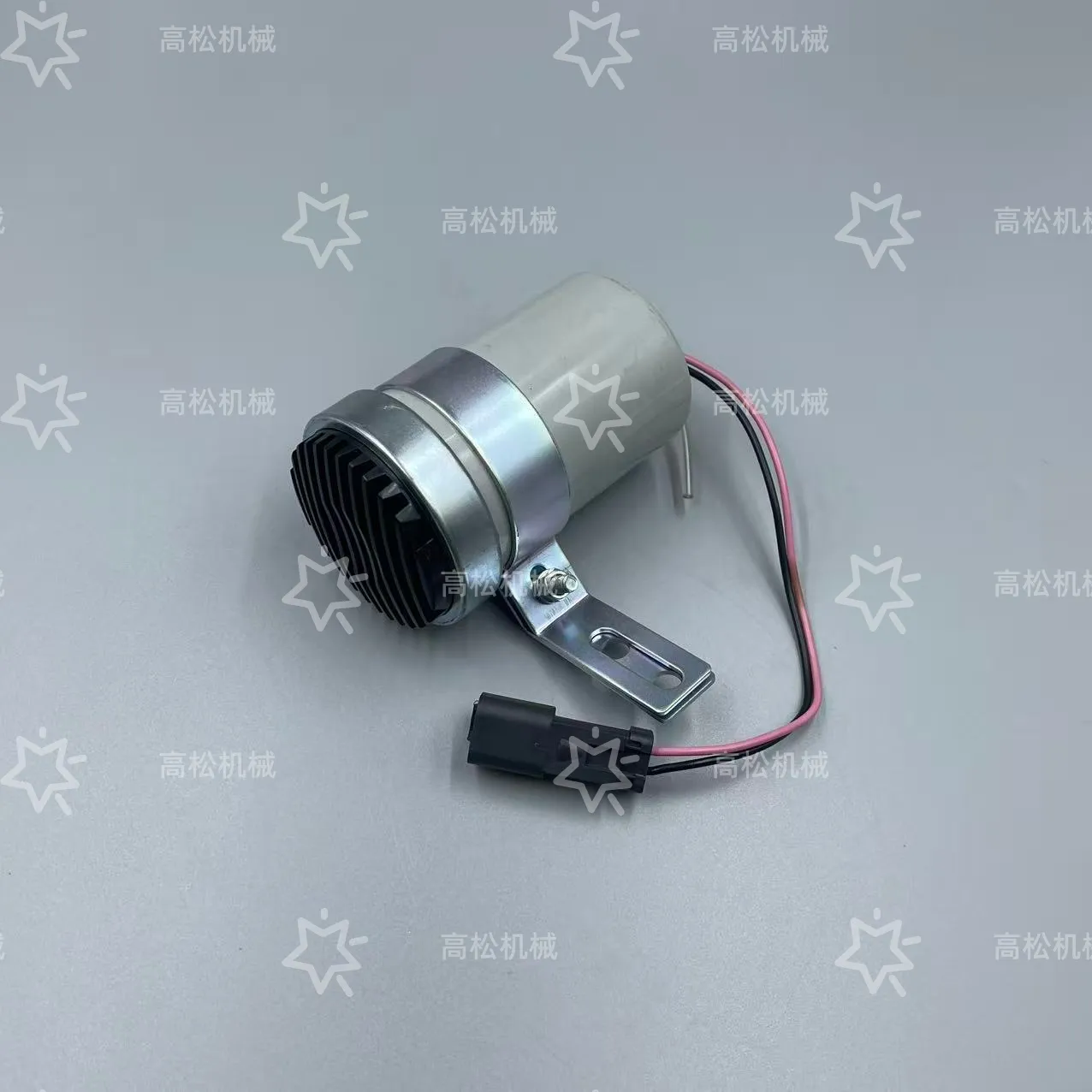 Komatsu Alarm 198-06-56570 for Bulldozer D65PX-15EO