
- Chinese
- French
- German
- Portuguese
- Spanish
- Russian
- Japanese
- Korean
- Arabic
- Irish
- Greek
- Turkish
- Italian
- Danish
- Romanian
- Indonesian
- Czech
- Afrikaans
- Swedish
- Polish
- Basque
- Catalan
- Esperanto
- Hindi
- Lao
- Albanian
- Amharic
- Armenian
- Azerbaijani
- Belarusian
- Bengali
- Bosnian
- Bulgarian
- Cebuano
- Chichewa
- Corsican
- Croatian
- Dutch
- Estonian
- Filipino
- Finnish
- Frisian
- Galician
- Georgian
- Gujarati
- Haitian
- Hausa
- Hawaiian
- Hebrew
- Hmong
- Hungarian
- Icelandic
- Igbo
- Javanese
- Kannada
- Kazakh
- Khmer
- Kurdish
- Kyrgyz
- Latin
- Latvian
- Lithuanian
- Luxembou..
- Macedonian
- Malagasy
- Malay
- Malayalam
- Maltese
- Maori
- Marathi
- Mongolian
- Burmese
- Nepali
- Norwegian
- Pashto
- Persian
- Punjabi
- Serbian
- Sesotho
- Sinhala
- Slovak
- Slovenian
- Somali
- Samoan
- Scots Gaelic
- Shona
- Sindhi
- Sundanese
- Swahili
- Tajik
- Tamil
- Telugu
- Thai
- Ukrainian
- Urdu
- Uzbek
- Vietnamese
- Welsh
- Xhosa
- Yiddish
- Yoruba
- Zulu
- Kinyarwanda
- Tatar
- Oriya
- Turkmen
- Uyghur





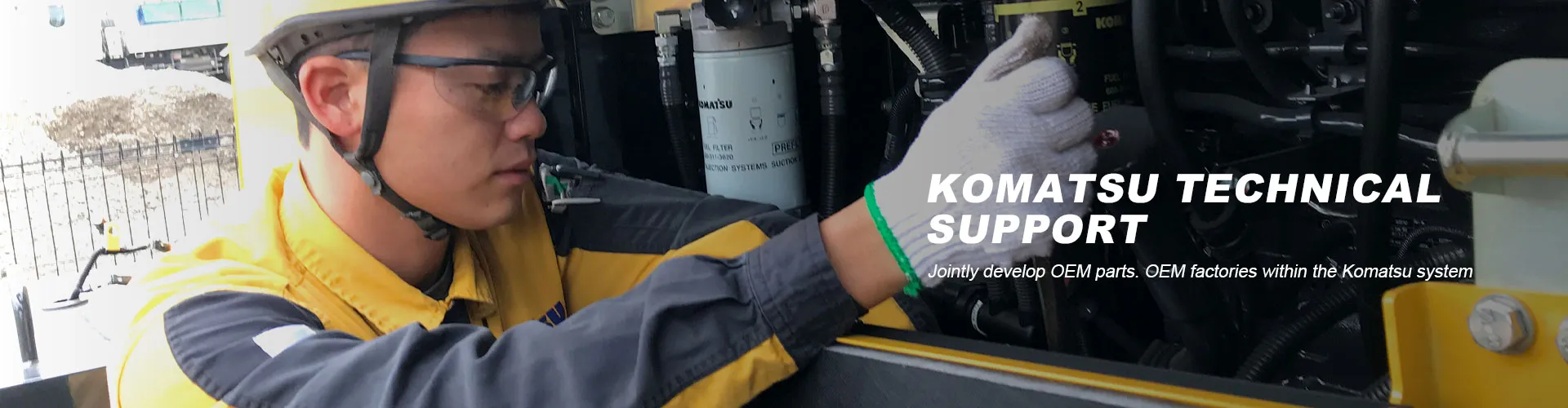
OEM AND ORIGINAL KOMATSU COVER 208-27-61180
You see that part number, , and immediately think it's straightforward: a cover, probably for a pump or valve on a Komatsu excavator. But slap 'OEM AND ORIGINAL' in front of it, and that's where the real conversation starts. In the field, that phrase is a minefield. Everyone claims it, but the reality is often a spectrum, not a binary. I've seen too many guys get burned thinking they're getting a genuine Komatsu boxed part, only to find subtle casting differences or packaging that just feels... off. The truth is, the line between a true Komatsu-original part and a high-grade OEM-spec part from a system supplier can be incredibly thin, and sometimes that's not a bad thing. It comes down to the source, the paperwork, and frankly, the specific machine's downtime pressure.
The Anatomy of a Cover and Why Specs Matter
Let's break down . It's not just a piece of stamped metal. On the models I've worked on, like the PC300 or PC360, this cover sits in a high-vibration area, often dealing with hydraulic oil seepage and constant thermal cycling. An inferior part here won't just leak; it can fatigue crack, sending fragments into places you really don't want them. The OEM specification isn't just about dimensions; it's about the alloy composition, the machining tolerances for the bolt holes, and the integrity of the sealing surface finish. A fraction of a millimeter off, and you're looking at a slow, expensive leak.
I remember a job in Indonesia where we used a non-OEM cover that looked perfect. Passed the visual check, bolt holes aligned. But after about 400 hours, we started seeing a persistent oil film. Tore it down, and found the sealing face had microscopically warped under the engine bay heat—something the genuine Komatsu part, with its specific heat treatment, is designed to resist. That's the hidden cost. The part was cheaper, but the rework labor and secondary contamination? That wiped out any savings.
This is where understanding the OEM ecosystem is key. A company like Jining Gaosong Construction Machinery Co., Ltd. operates within that gray zone. They're not just a reseller; their claim of being an OEM product supplier within the Komatsu system suggests a different level of access. It implies they might have the tooling, the material specs, and the quality protocols that align with the factory's requirements, even if the part doesn't come in the classic yellow-and-black box. That's a crucial distinction from a generic aftermarket fabricator.
Decoding the Supply Chain: System Supplier vs. Aftermarket
The global parts supply chain for Komatsu is complex. There are regions where getting a genuine, boxed part for a 10-year-old machine is a 12-week wait, if you're lucky. This is the gap that companies like Gaosong fill. They mention helping to solve parts supply challenges in certain countries, and that's not marketing fluff. I've been in situations in remote mining sites where the official channel was backlogged, and a reliable system supplier was the only way to get the machine back online in days, not months.
So, how do you vet it? First, documentation. A proper system supplier should be able to provide material certifications and traceability. For a part like the OEM AND ORIGINAL KOMATSU COVER , ask for the casting batch number and the mill test report for the aluminum alloy. If they balk, that's a red flag. Second, physical inspection. Compare the weight and the finish of the machined surfaces. The genuine part has a certain heft and a consistent, fine-brushed finish on non-critical surfaces. Counterfeits often feel lighter and have machining marks or slightly sharper edges.
I'll reference their site, https://www.takematsumachinery.com, not as an endorsement, but as a case study. A supplier positioning itself as both within the OEM system and a third-party sales channel is strategically aiming at this exact pain point. They're not hiding the fact that the part might not be original in the branded sense, but OEM in the specification sense. For many fleet managers, that's an acceptable, pragmatic risk, provided the quality evidence is there.
Field Application and the Fitment Test
All the paperwork means nothing if the part doesn't fit. The true test of any OEM AND ORIGINAL KOMATSU COVER claim is in the installation. With , you need to check for gasket alignment without force. The bolts should thread in by hand for the first few turns. If you have to use a wrench to start them, the hole patterning is off. I've had OEM-spec parts where we had to ream out a hole by half a millimeter—that's not OEM spec, that's a manufacturing defect.
Another detail often missed is the thread locker or sealant pre-applied on certain bolts. The genuine part sometimes comes with a dried, red thread locker on the studs. A system supplier part might not, meaning you, the mechanic, must apply it. It's a small thing, but missing it can lead to bolts loosening over time. It's these tiny procedural nuances that separate a parts changer from a technician who understands the system.
A failed experiment we ran was trying to use a locally fabricated cover for a PC220. We had the dimensions scanned and reverse-engineered. The fit was okay, but the material was wrong—a common commercial-grade aluminum instead of a high-silicon alloy. It cracked from vibration within 200 hours. The cost of the fabrication, plus the downtime, far exceeded just sourcing a proper system-supplier part from the get-go. Lesson learned: metallurgy is not something to guess on.
Cost-Benefit in the Real World
Let's talk money. The genuine Komatsu cover might be priced at X. A premium aftermarket might be 0.6X. A part from a claimed system supplier like Gaosong might come in at 0.8X. The decision matrix isn't just about price. It's about machine criticality, expected remaining life, and downtime cost. For a core machine on a 24/7 mining operation, you might swallow the cost for the boxed original, for the absolute certainty. For a secondary machine or in a cost-sensitive market, the 0.8X option from a verified system supplier becomes very compelling, assuming they've proven their reliability.
The warranty is another grey area. Komatsu's warranty on a genuine part is clear. A system supplier's warranty is only as good as their business longevity and their willingness to cover consequential damages (which they often don't). You're trading some risk protection for cost and availability. This is the constant calculation.
Ultimately, the keyword OEM AND ORIGINAL KOMATSU COVER represents a choice, not an absolute truth. It's a signal that the seller understands the market's demand for quality but also its sensitivity to price and lead time. The onus is on the buyer to interrogate what OEM means in that specific context. Does it mean made in the same factory as Komatsu's line? Or does it mean made to the drawing and material spec Komatsu provided to a licensed supplier? The latter is far more common and, if verified, is often a perfectly viable solution for keeping iron moving.
Conclusion: A Pragmatic Verdict
So, what's the call? After all this, I don't deal in absolutes. For the cover, my approach is tiered. First, check official stock and lead time. If it's prohibitive, I move to trusted system suppliers with transparent documentation. I physically inspect the first unit I order from a new source. I check the fit, the finish, the weight. I install it and monitor it closely for the first 50 hours.
Companies that are upfront about their role, like Jining Gaosong's stated position, are starting from a better place than those who just claim 100% Genuine. They're acknowledging the complexity of the market. The part number is just the beginning of the story. The rest is about supply chain literacy, technical validation, and making a risk-aware decision that balances perfect fidelity with operational reality. In this business, the right part is the one that gets the machine back to work reliably, and sometimes that part comes from within the broader OEM system, not just from the branded box.
Related Products
Related Products
Best Selling Products
Best Selling Products-
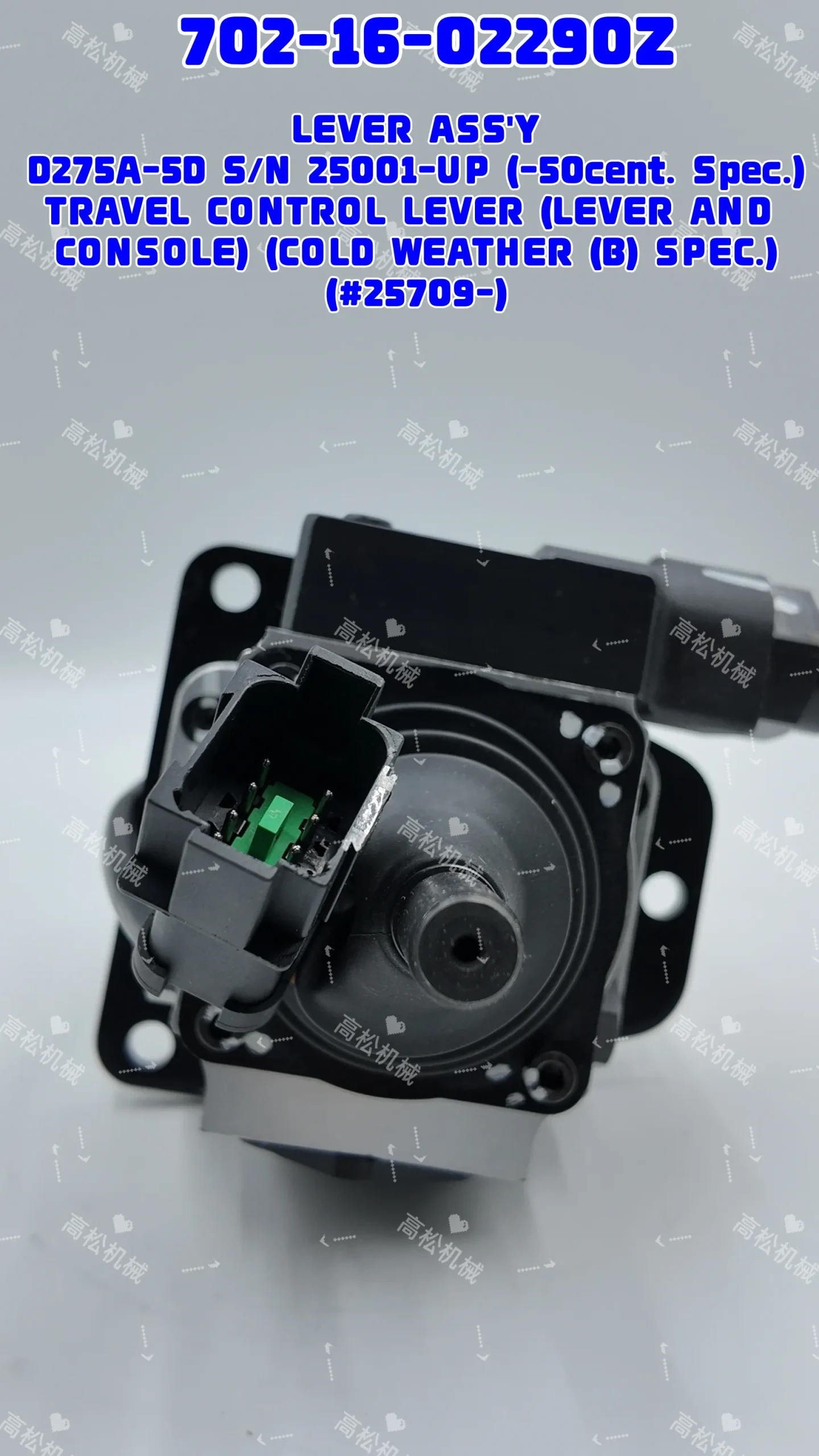 LEVER ASS’Y 702-16-02290 D275A-5D D65PX-15E0 D85EX-15 D65PX-16 D155AX-8 TRAVEL CONTROL LEVER ELECTRIC LEVER FLOOR FRAME
 -
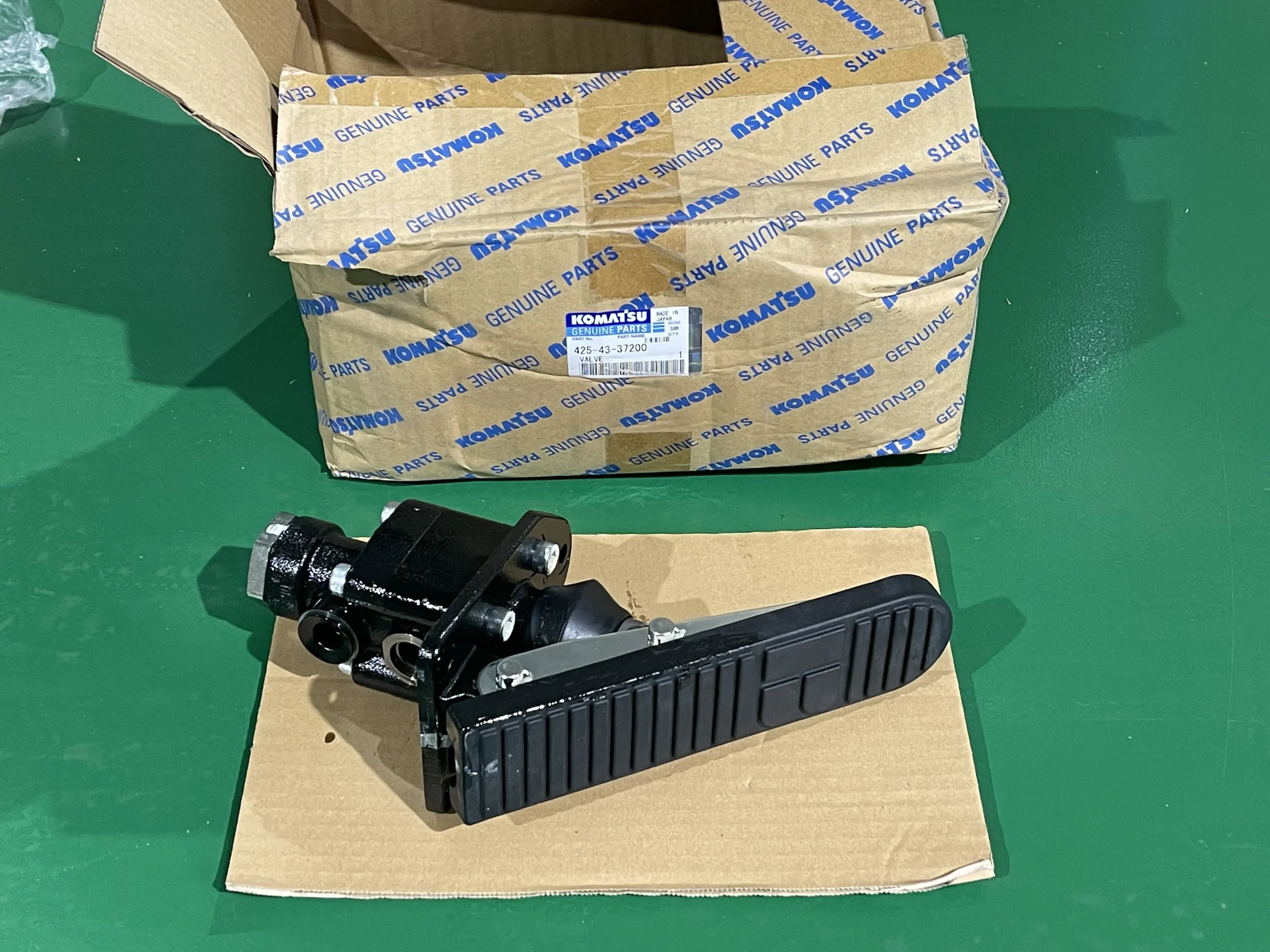 425-43-37200 Komatsu VALVE ASS’Y
 -
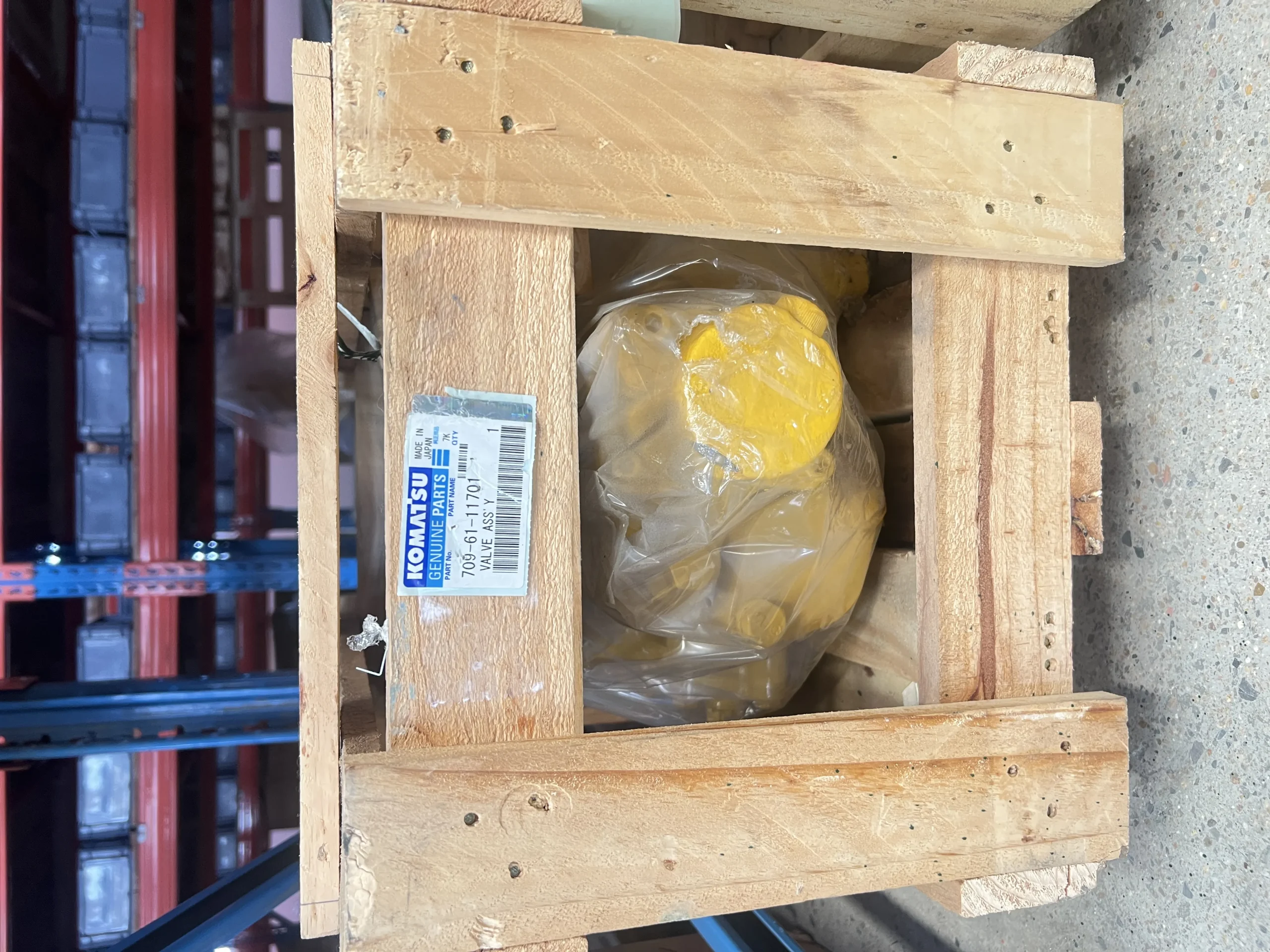 709-61-11701 Valve Assembly for Komatsu D375A-5D
 -
 21N-26-33240Komatsu original factory accessories
 -
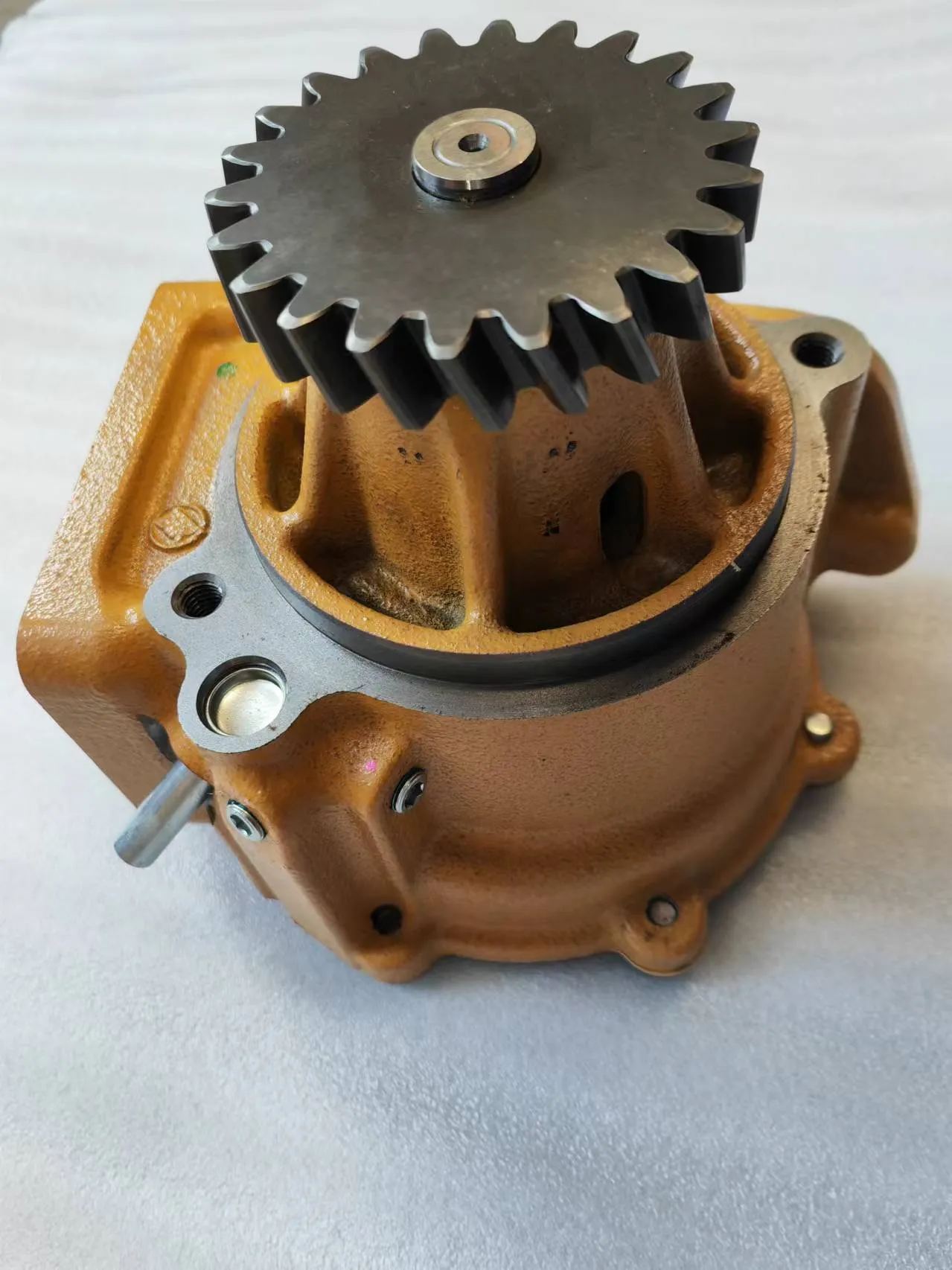 Water Pump Assembly 6219-61-1100 6219-61-1101 6219-61-1102 for Komatsu Engine SA12V140 SAA12V140E SDA12V140 Dump Truck HD785-7
 -
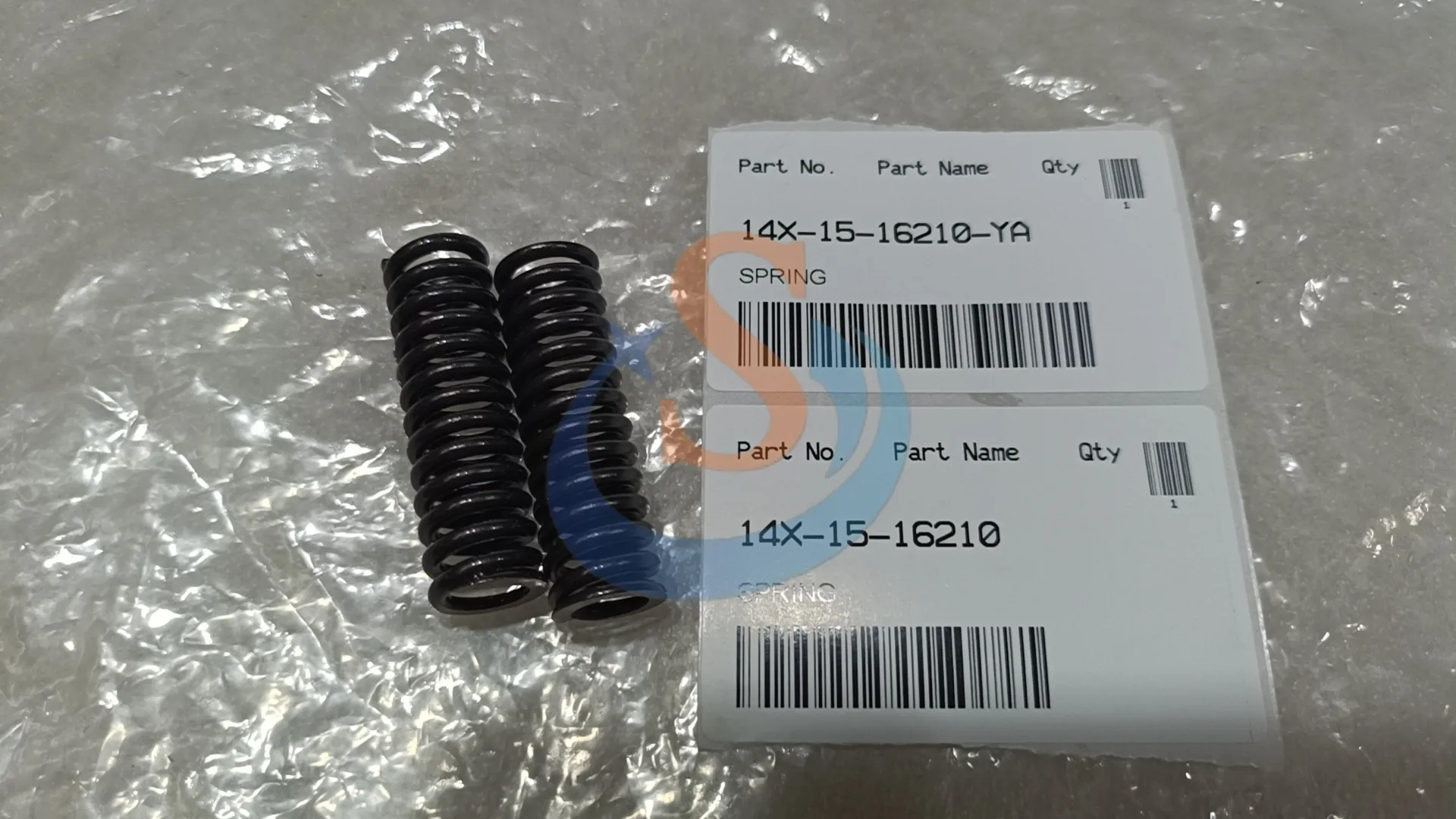 14X-15-16210 komatsu vavle WA400/WA500/WA600
 -
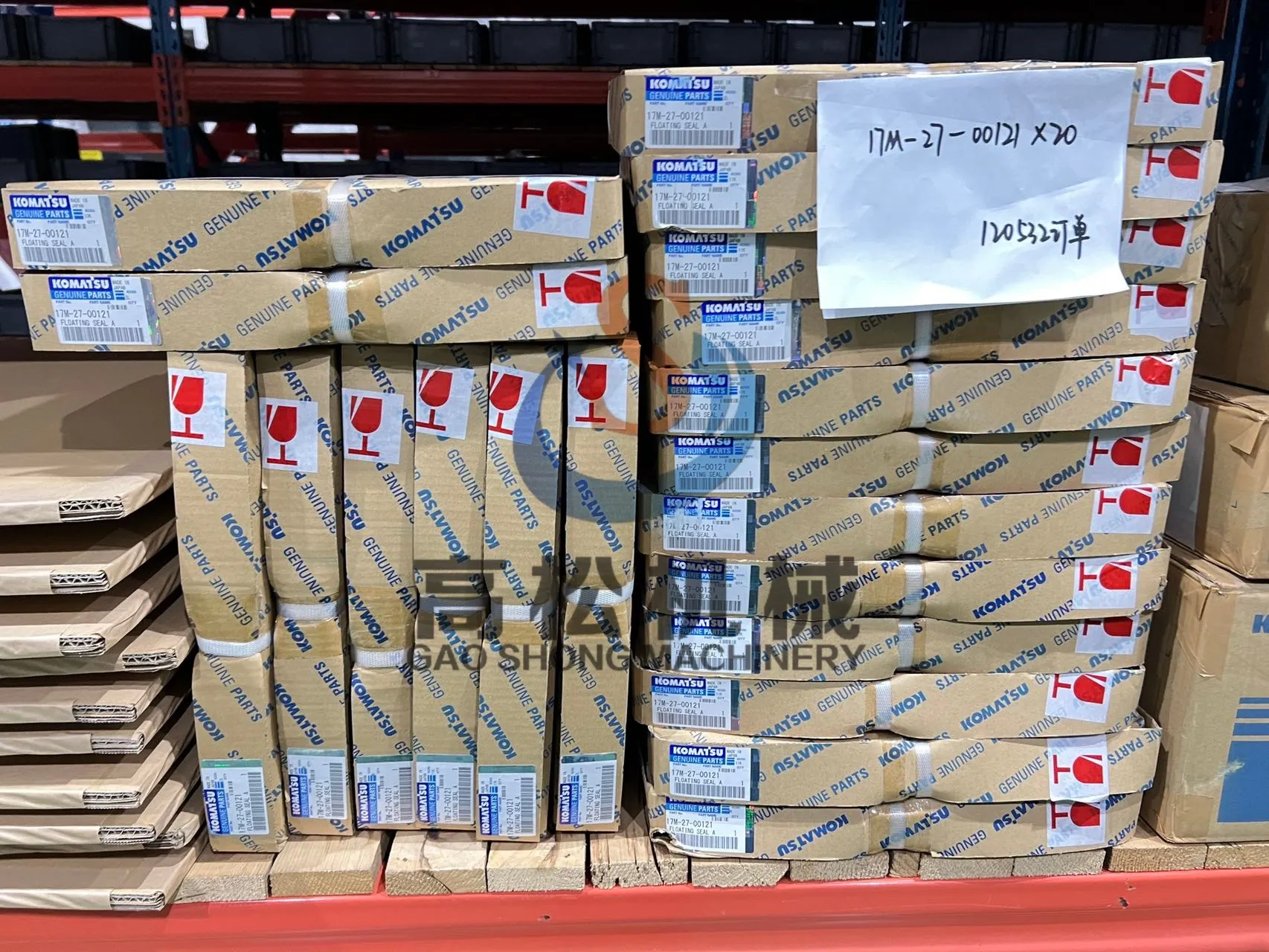 17M-27-00121 FLOATING SEAL ASSY
 -
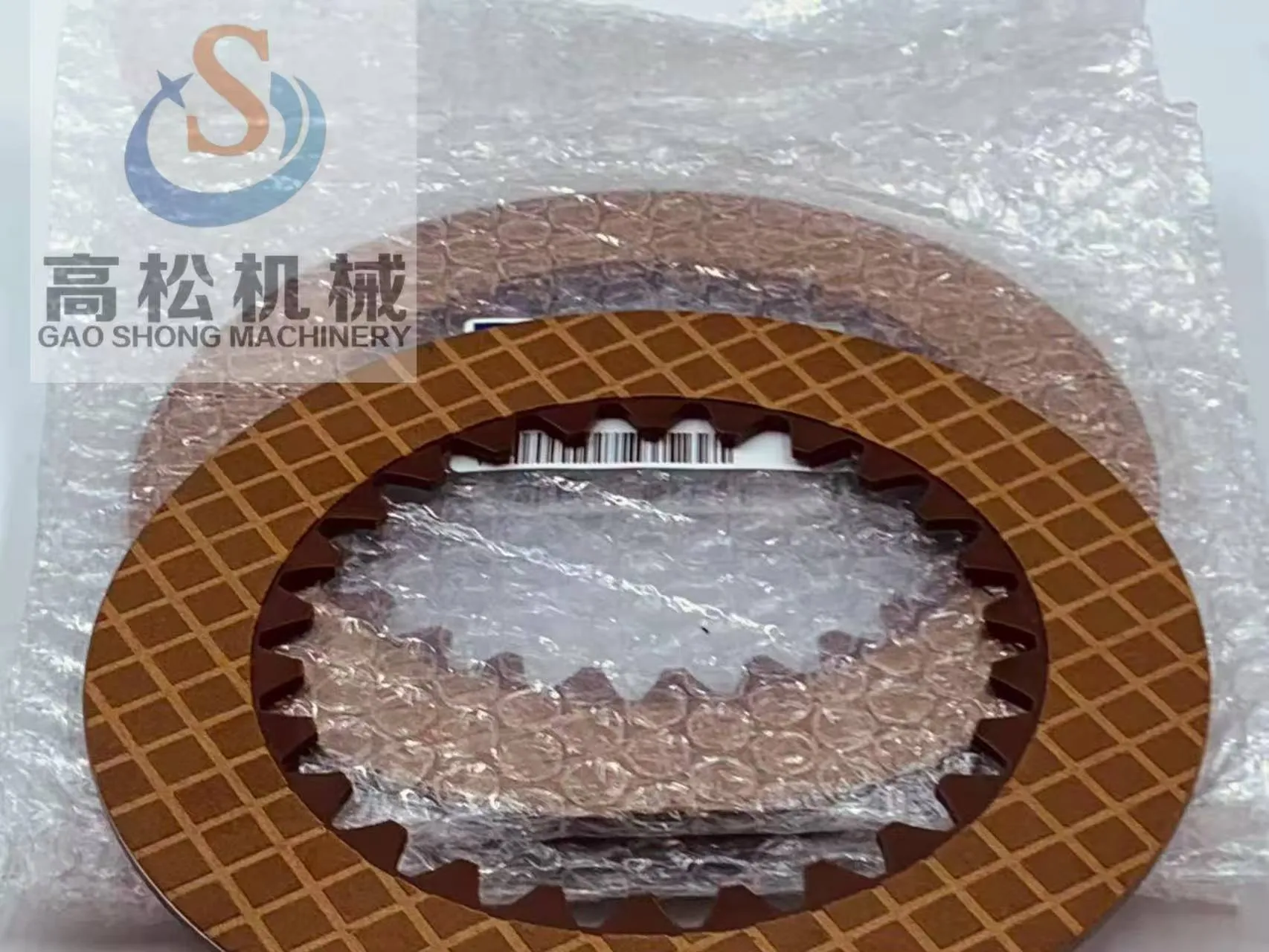 14-07-40010 714-07-48540 421-62-45450 spare parts for front loader wa470-6 hydraulic transformer and coupling transmission 714-07-49731
 -
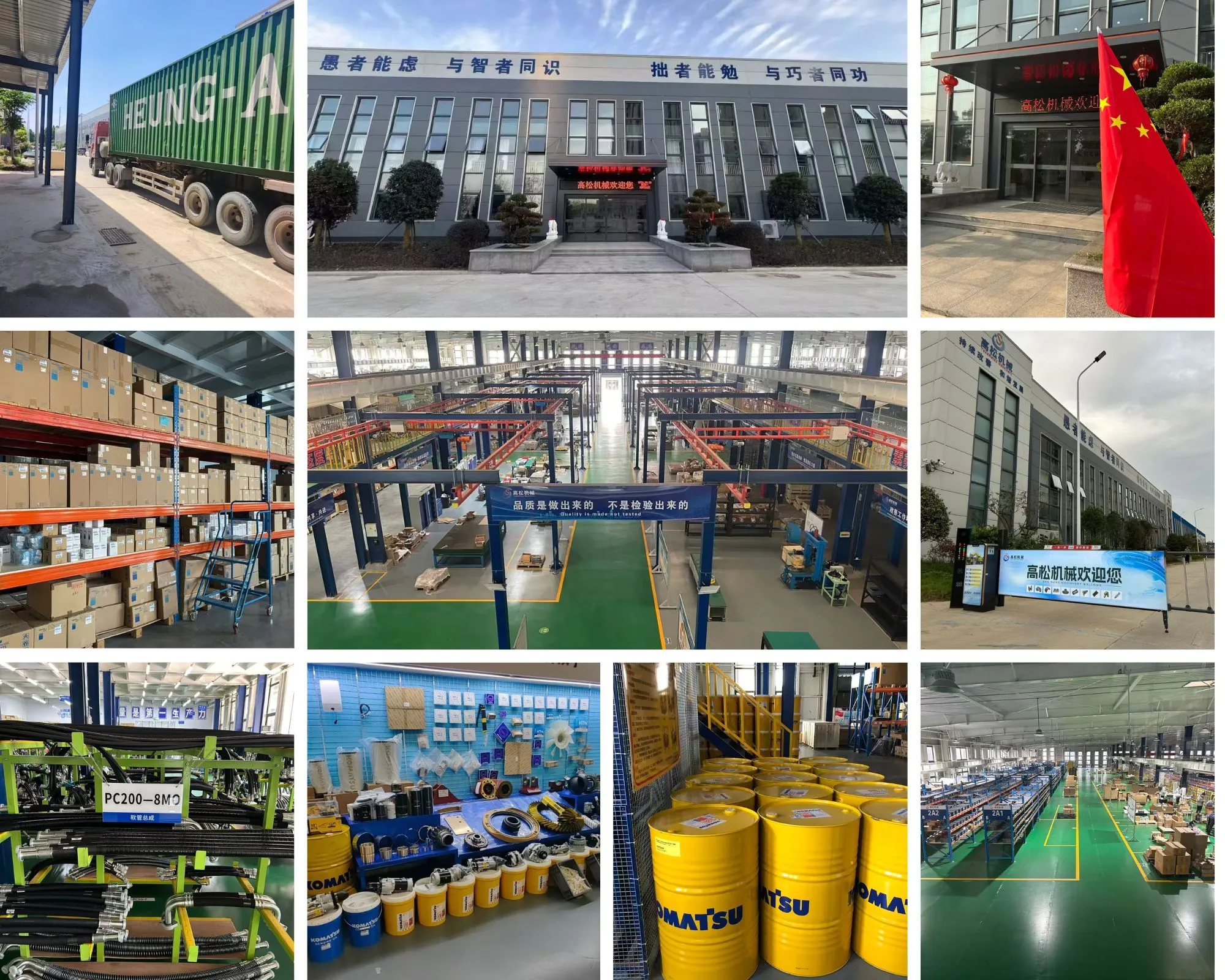 6693-22-5600 Komatsu Valve Assembly
 -
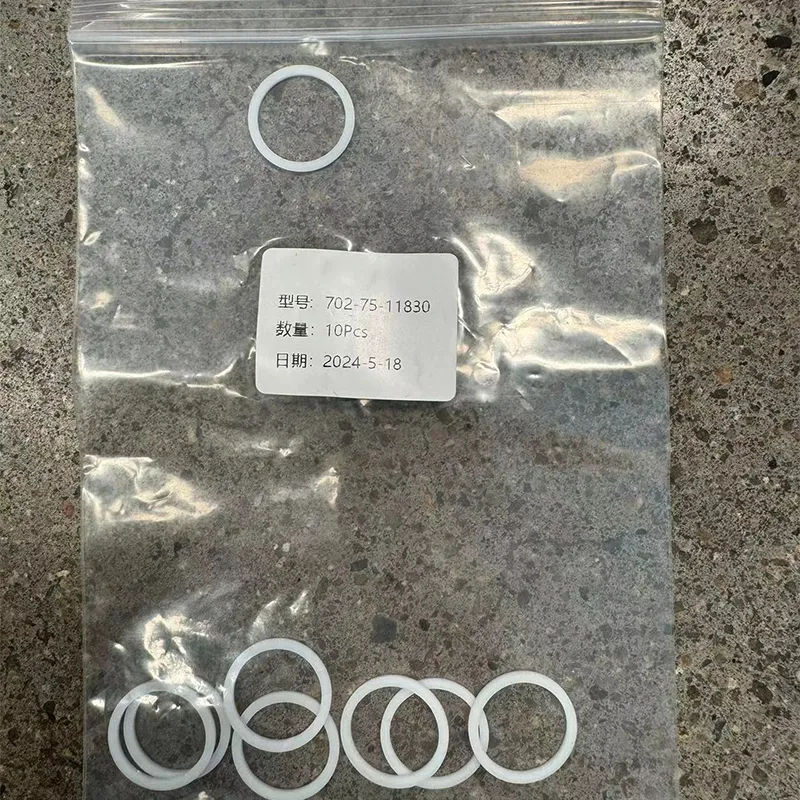 Original komatsu PC360LC-10 Ring 702-75-11830
 -
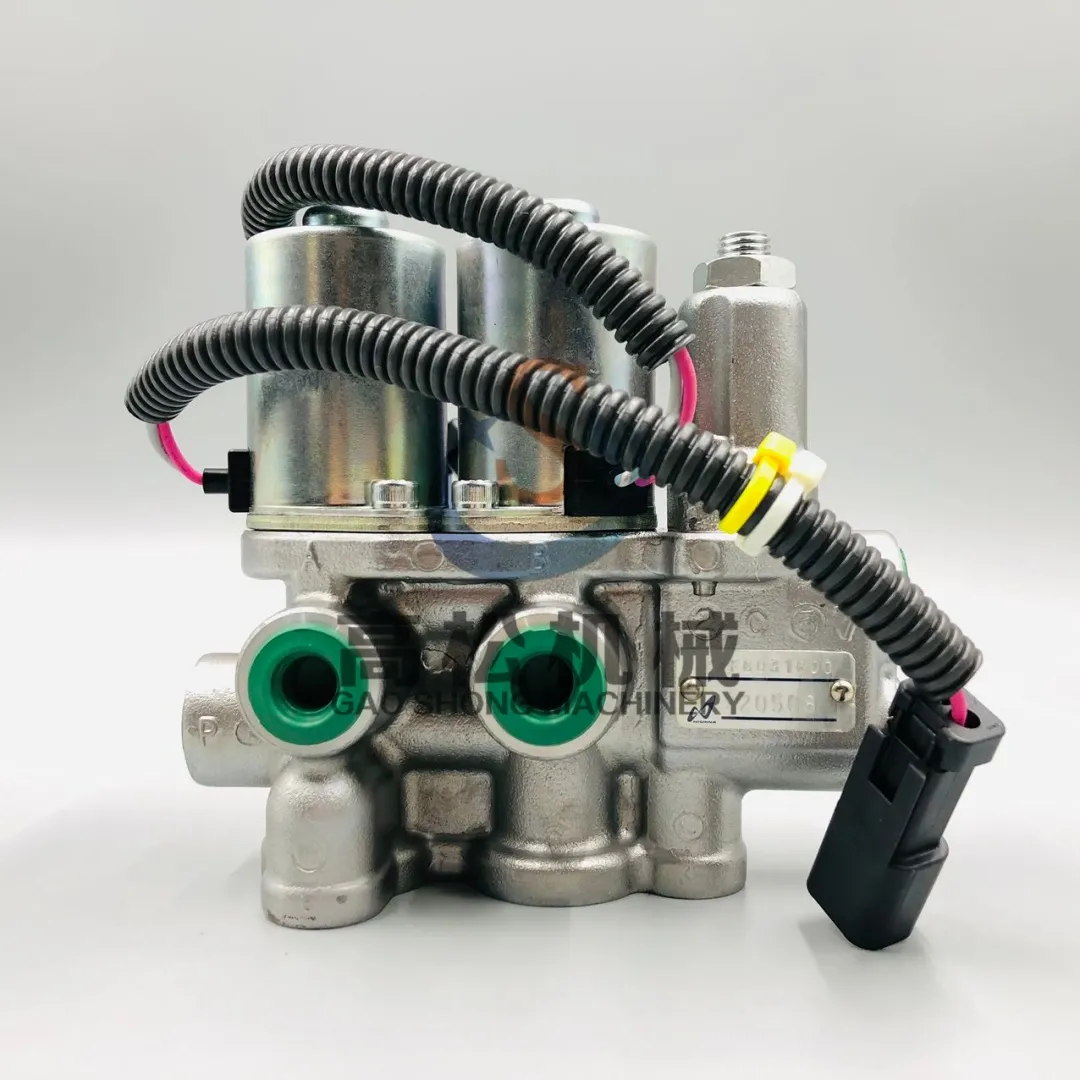 22F-60-31600 Solenoid Valve Ass’y for Komatsu PC18MR-3 PC35MR-3 PC45MR-3 PC55MR-3
 -
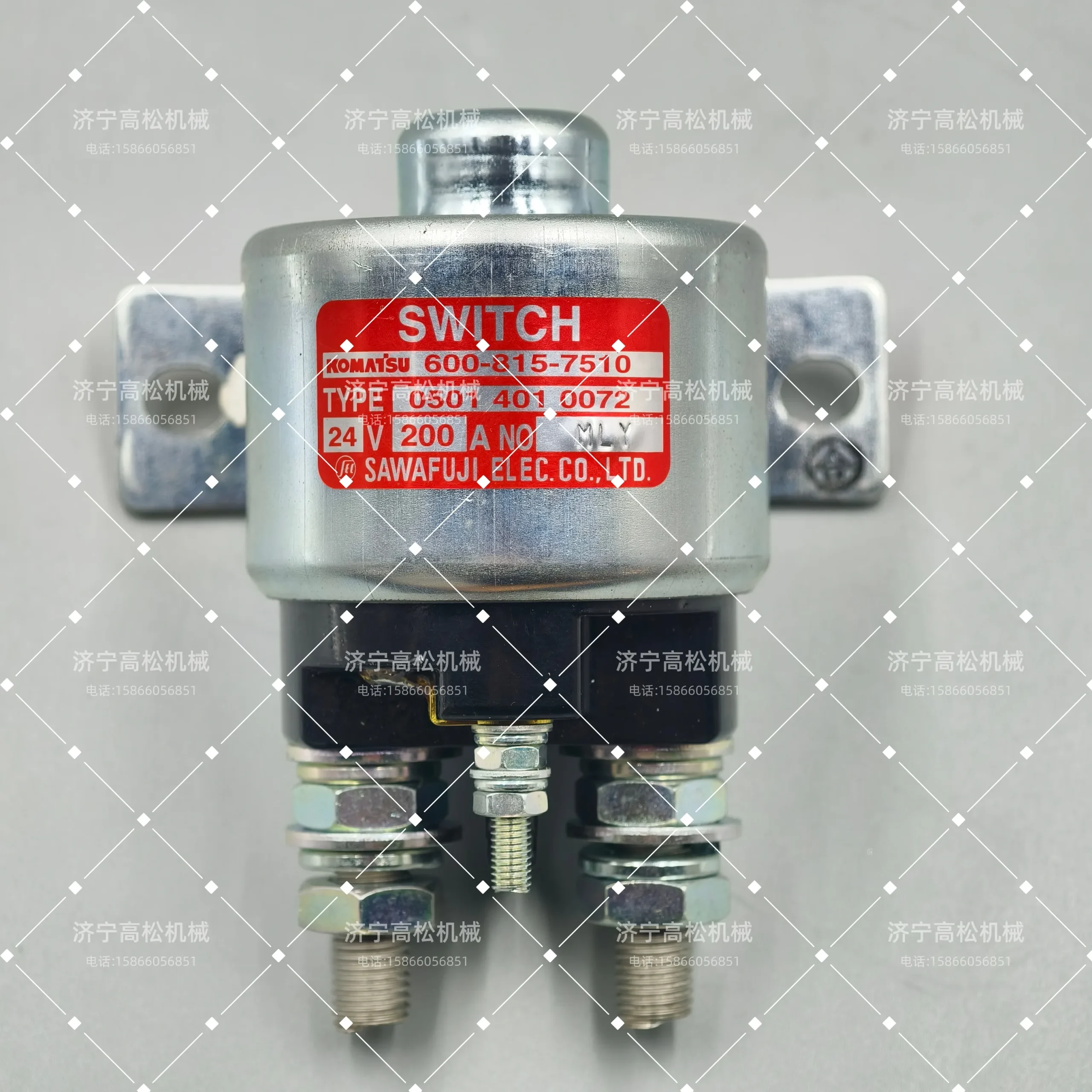 Accessories D375A-5 Switch Heater 600-815-7510 …
Related Search
Related Search- komatsu excavator parts for sale
- OEM AND ORIGINAL KOMATSU WIRING HARNESS 427-06-22431
- komatsu pc35mr 2 hydraulic pump
- OEM AND ORIGINAL KOMATSU COVER 206-54-21711
- 6245-71-5181
- komatsu wb140 parts manual
- OEM AND ORIGINAL KOMATSU SHAFT 21N-27-31340
- 425-20-15740
- 56B-50-12150 PLATE-Komatsu Original Factory
- OEM AND ORIGINAL KOMATSU CUSHION 198-54-61822