
- Chinese
- French
- German
- Portuguese
- Spanish
- Russian
- Japanese
- Korean
- Arabic
- Irish
- Greek
- Turkish
- Italian
- Danish
- Romanian
- Indonesian
- Czech
- Afrikaans
- Swedish
- Polish
- Basque
- Catalan
- Esperanto
- Hindi
- Lao
- Albanian
- Amharic
- Armenian
- Azerbaijani
- Belarusian
- Bengali
- Bosnian
- Bulgarian
- Cebuano
- Chichewa
- Corsican
- Croatian
- Dutch
- Estonian
- Filipino
- Finnish
- Frisian
- Galician
- Georgian
- Gujarati
- Haitian
- Hausa
- Hawaiian
- Hebrew
- Hmong
- Hungarian
- Icelandic
- Igbo
- Javanese
- Kannada
- Kazakh
- Khmer
- Kurdish
- Kyrgyz
- Latin
- Latvian
- Lithuanian
- Luxembou..
- Macedonian
- Malagasy
- Malay
- Malayalam
- Maltese
- Maori
- Marathi
- Mongolian
- Burmese
- Nepali
- Norwegian
- Pashto
- Persian
- Punjabi
- Serbian
- Sesotho
- Sinhala
- Slovak
- Slovenian
- Somali
- Samoan
- Scots Gaelic
- Shona
- Sindhi
- Sundanese
- Swahili
- Tajik
- Tamil
- Telugu
- Thai
- Ukrainian
- Urdu
- Uzbek
- Vietnamese
- Welsh
- Xhosa
- Yiddish
- Yoruba
- Zulu
- Kinyarwanda
- Tatar
- Oriya
- Turkmen
- Uyghur






OEM AND ORIGINAL KOMATSU COVER 206-54-21711
When you see a part number like , especially with the terms 'OEM' and 'Original Komatsu' attached, it sets off a specific chain of thought for anyone who's been in heavy equipment parts long enough. There's an immediate assumption of quality and authenticity, but the reality in the supply chain is rarely that black and white. I've seen too many guys get tripped up thinking 'OEM' on a listing automatically means it came off the same line as the part in a Komatsu factory box. That's the first misconception to clear up. In my experience, the landscape for a component like this cover involves a nuanced ecosystem of licensed manufacturers, system suppliers, and, frankly, a lot of mislabeled inventory floating around.
The Nuance Behind the Label
Let's break down this OEM AND ORIGINAL KOMATSU COVER designation. 'Original Komatsu' is straightforward—it refers to parts distributed through Komatsu's official channels, often in branded packaging. 'OEM' (Original Equipment Manufacturer) is where it gets fuzzy. For a part like the , the OEM could be Komatsu itself, or more commonly, a contracted factory that manufactures this specific cover to Komatsu's exact drawings and material specs. This factory might also sell the same physical part, from the same production run, without the Komatsu logo or packaging. That's a genuine OEM part, but it's not 'Original Komatsu' in the channel sense. The performance is identical, but the paperwork and pedigree differ. This distinction is crucial for procurement and warranty considerations.
I recall a project in Southeast Asia where a mine was desperate for the cover. The official channel had a 12-week lead time, which was a non-starter. We sourced what was presented as an OEM equivalent from a known supplier. The part fit perfectly, matched the metallurgy, and has been running for three years now without issue. Was it from the same foundry Komatsu uses? Probably. Did it have a Komatsu part sticker? No. The client saved nearly 40% and avoided weeks of downtime. This is the practical reality of the market.
However, the risk is in the 'gray' area. Some suppliers will label aftermarket parts as 'OEM quality,' which is a marketing term, not a certification. For a critical cover, a slight variance in casting quality or bolt hole tolerance can lead to premature failure or sealing issues. You develop an eye for it—the finish on the metal, the crispness of the casting numbers. The genuine OEM product, whether branded or not, has a certain consistency. It's this hands-on vetting that separates a parts professional from an order-taker.
The Role of System Suppliers in Filling Gaps
This is where entities like Jining Gaosong Construction Machinery Co., Ltd. come into the picture. Operating as https://www.takematsumachinery.com, they position themselves within this complex ecosystem. Their stated role as an OEM product supplier within the Komatsu system aligns with the model I described earlier. They likely have a formal or informal agreement to manufacture components to spec. Their secondary role as a third-party sales company for Komatsu is interesting—it suggests they also help distribute genuine parts outside of the primary network, specifically to solve parts supply challenges in certain countries.
I haven't personally ordered the from them, but I've evaluated similar suppliers. The value proposition is clear: they can potentially offer the OEM-spec part with shorter logistics chains to regions where Komatsu's main distribution is thin. The trust factor hinges on transparency. Do they clarify the exact origin of the part? Is it their own OEM production, or are they reselling genuine surplus? A reliable supplier will have that information and provide supporting documentation, like material certificates or dimensional reports.
The challenge for buyers is verification. When a company like this claims to solve supply challenges, the proof is in the consistency of supply and the quality of the landing part. I've had mixed results. One time, a shipment of linkage covers from a similar system supplier was perfect. Another time, for a different machine model, the hardness of the metal was slightly off, which we only caught because we tested it. It underscores that even within the 'system,' due diligence never stops. You can't just trust the label on the website.
Practical Sourcing and Failure Points
Sourcing the Komatsu Cover isn't just about finding a seller; it's about understanding the application and failure mode. This cover isn't a decorative item. It's typically a structural or protective cover on an undercarriage or engine component. If it fails, it can lead to contamination ingress or worse. In one instance, a failed aftermarket cover on a hydraulic system allowed dirt to score a cylinder rod. The cost of the cover was trivial; the cost of the resulting repair was five figures.
When evaluating a source, I ask specific questions: Can you provide the batch number? What is the standard lead time from your factory floor? Have there any running changes to this part number? The answers, or lack thereof, tell you everything. A supplier who just emails back a PDF catalog isn't engaged in the technical reality. A good one might say, We updated the gasket surface finish on that cover last quarter to address a minor seepage issue reported in high-vibration applications. That shows depth.
We also tried a cost-saving experiment once with a local machine shop to fabricate a similar cover from a different material. It was a failure. The vibration characteristics were wrong, leading to fatigue cracks around the mounting points within 200 hours. It was a lesson in why certain parts, even seemingly simple ones, are best sourced from specialists who understand the entire engineering context. The OEM AND ORIGINAL spec exists for a reason.
Building a Reliable Supply Chain
For a fleet manager or parts specialist, the goal isn't to buy the cheapest or the most expensive cover. It's to build a resilient, transparent supply chain. This means developing relationships with a tier of suppliers. The official Komatsu dealer is your first port of call for warranty work and critical repairs. But for planned maintenance or in regions with logistical hurdles, a verified system supplier becomes an essential partner.
A company like Jining Gaosong, if they are what they claim, fits into that second tier. Their website, Takematsu Machinery, should be a starting point for a conversation, not the end of it. The real test is in placing a small, non-critical order first. Inspect the part minutely. Compare it side-by-side with a known genuine part. Check the packaging, the documentation, and most importantly, track its performance in the field over time.
This process is messy and non-linear. It involves dead ends, occasional disappointments, and, when you find a good source, a sense of real relief. It's about accumulating these small, practical data points—their lead time is accurate, their packaging prevents damage, their technical support understands the application—until you have a mental map of who to call for what. The part number is just an entry point into this whole operational discipline.
Concluding Thoughts on Authenticity and Value
So, what's the takeaway on the OEM AND ORIGINAL KOMATSU COVER debate? It's context-dependent. For a machine under full factory warranty, you go Original Komatsu every time. For a fleet of older machines where uptime is the only metric that matters, a verified OEM part from a transparent system supplier offers tremendous value. The key is verification and relationship.
The market is full of noise. Suppliers will use every keyword possible. Your job is to drill past the marketing—past the 'OEM,' past the 'Original'—and get to the facts of manufacture, material, and consistent supply. It's a hands-on, detail-obsessed task. You learn to trust your calipers and your gut feeling from inspecting hundreds of parts more than any product description.
In the end, whether the cover comes from Komatsu's main warehouse or from a company like Jining Gaosong, the proof is on the machine. Does it fit? Does it last? Does it perform identically? If you've done your homework on the supplier, the answer should be yes, and you've saved your operation time, money, and headache. That's the real professional's goal, not just checking off a part number.
Related Products
Related Products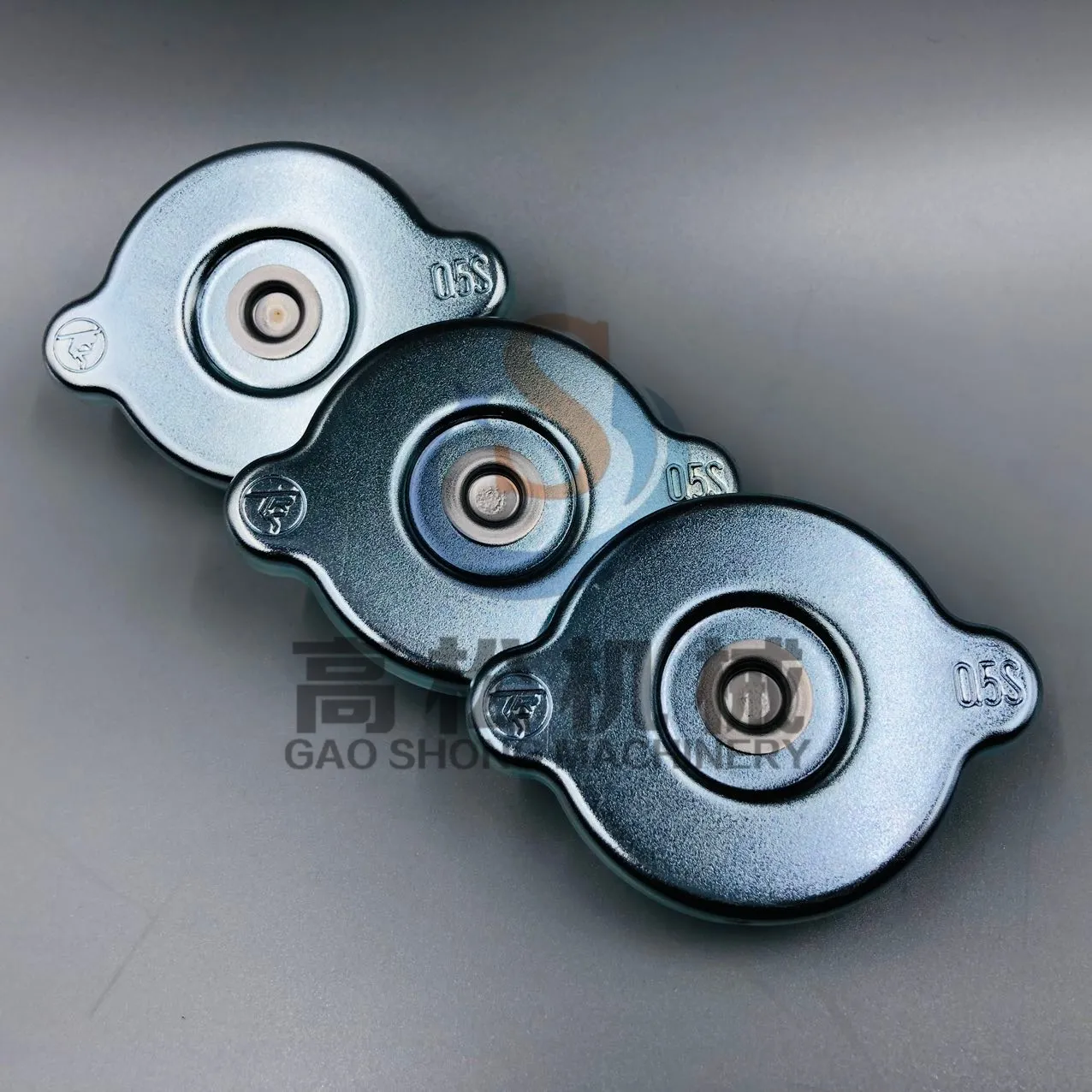

Best Selling Products
Best Selling Products-
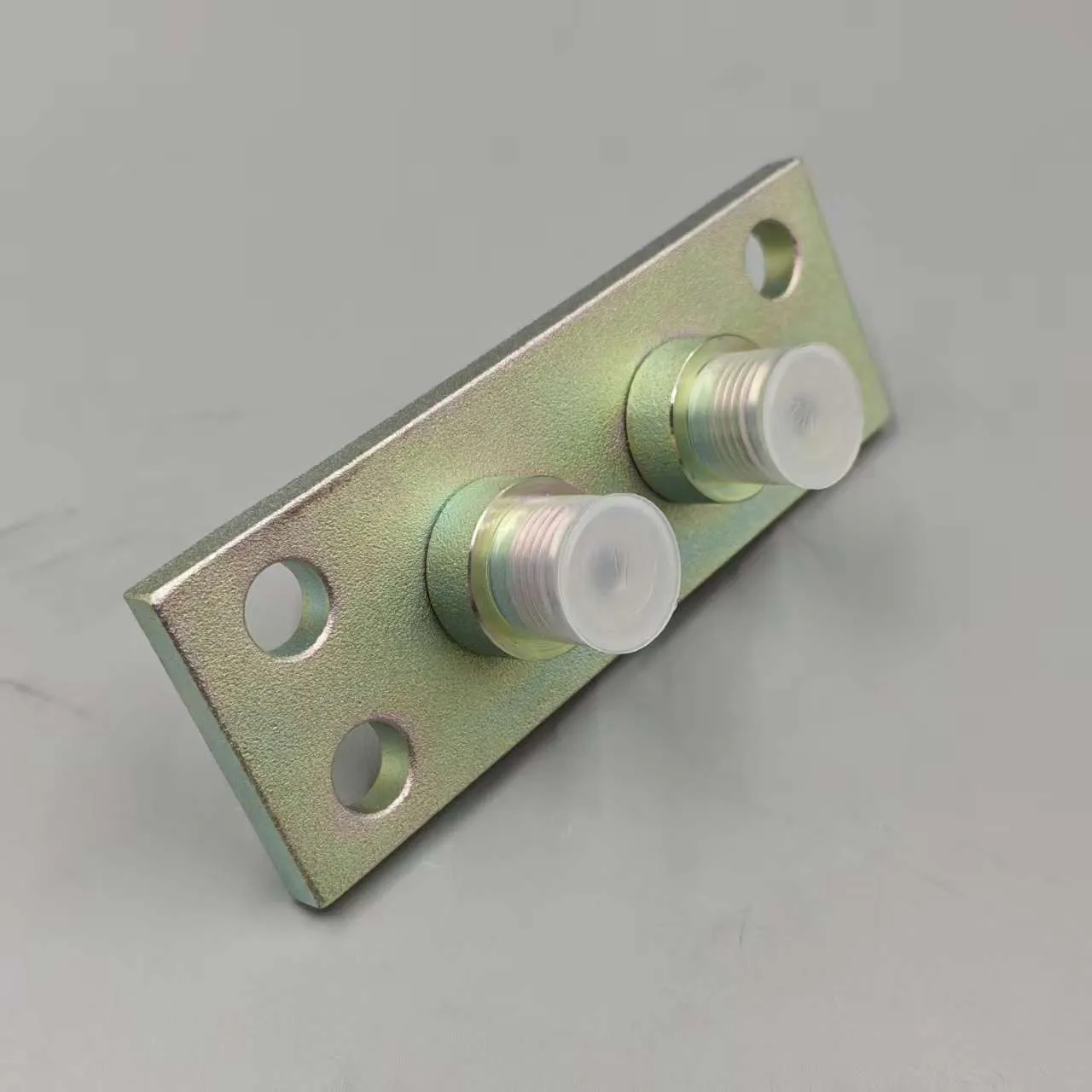 14Y-62-31411 BRACKET KOMATSU parts D60P, D65E, D65EX, D65P, D65PX, D65WX, D85E, D85ESS
 -
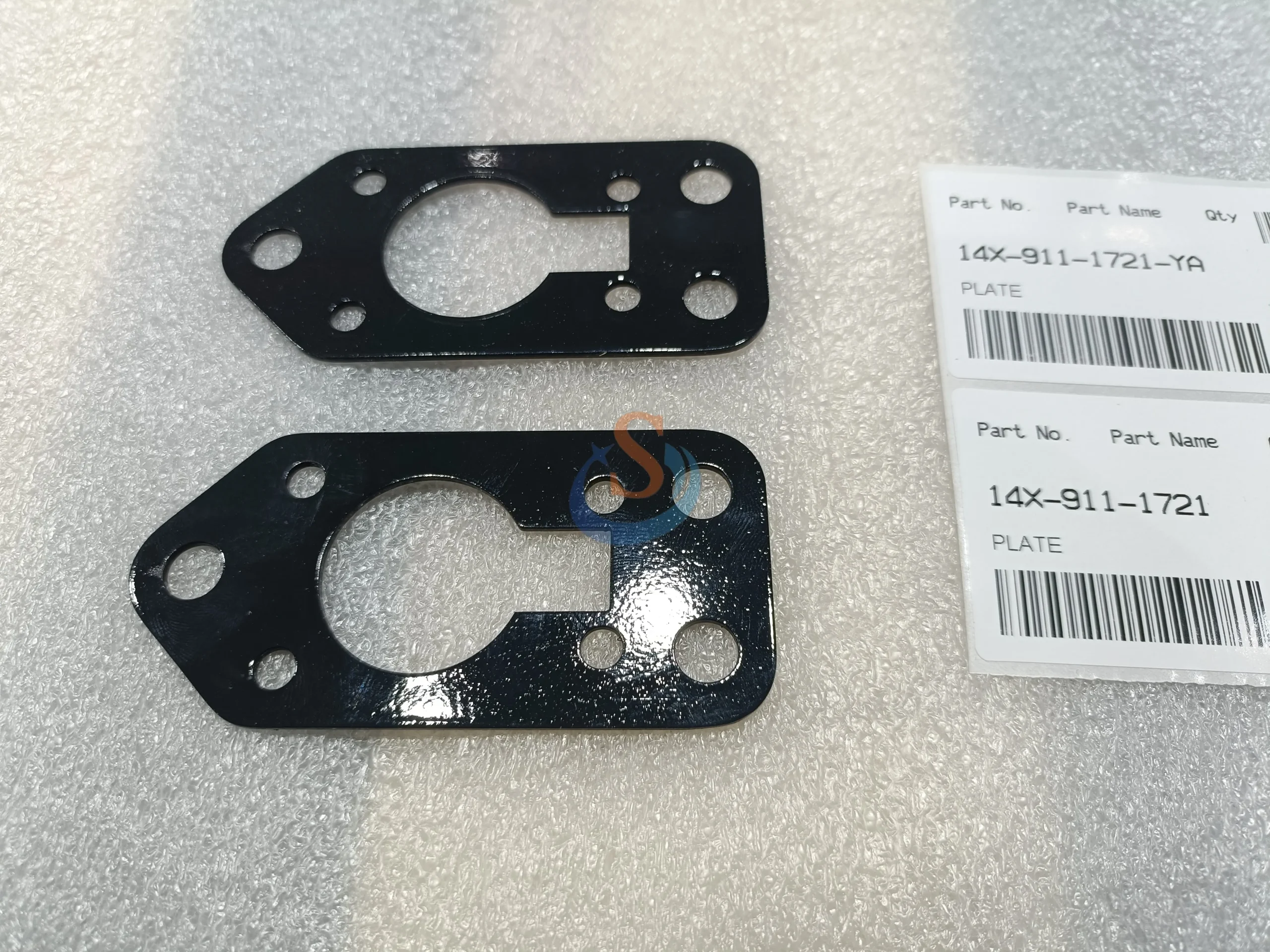
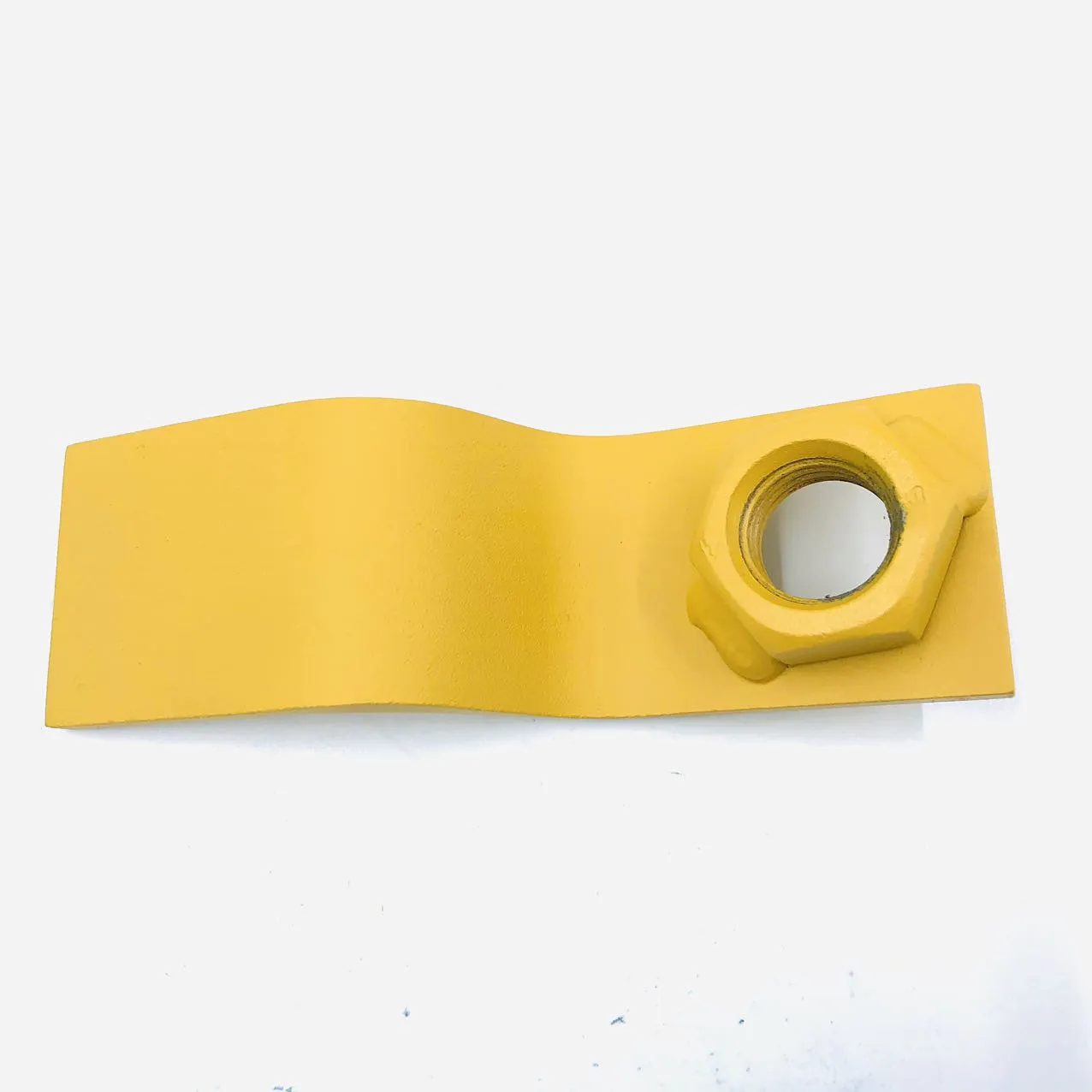 21T-00-67330 Plate -Komatsu.
 -
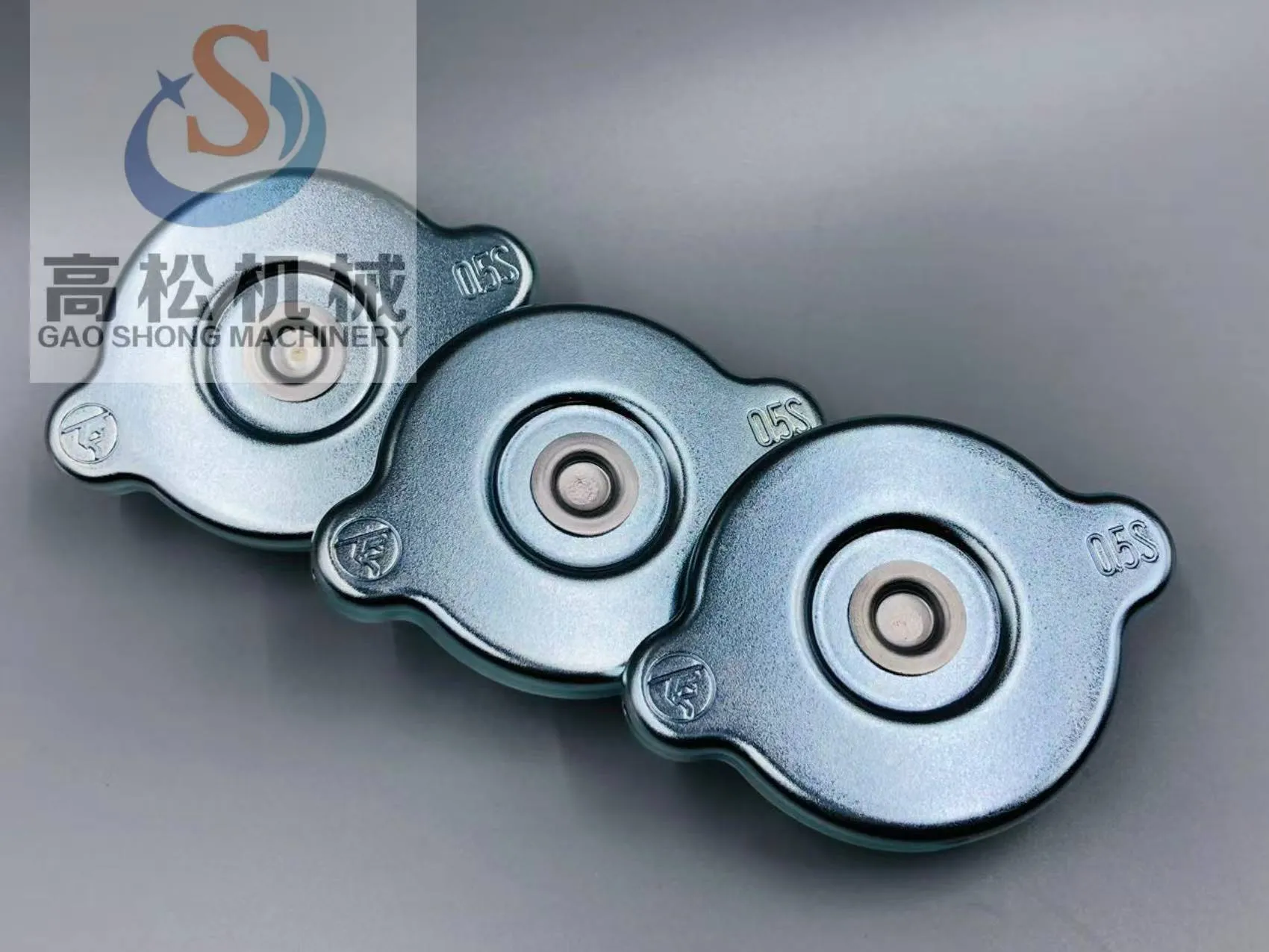 Cap of excavator radiator 20y-03-22110 for pc200-8 pc200-7
 -
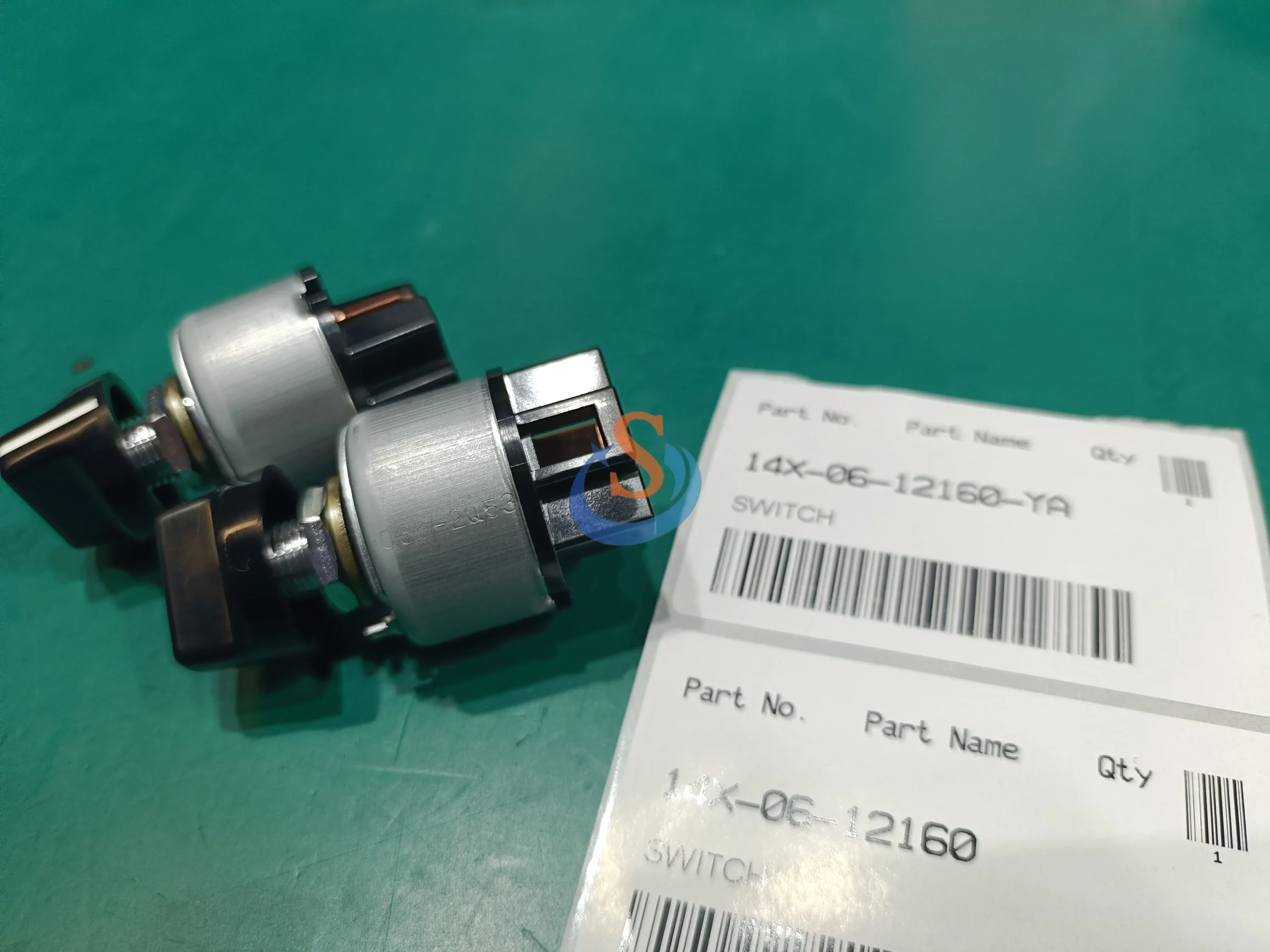 14X-06-12160 SWITCH D475A/D375A
 -
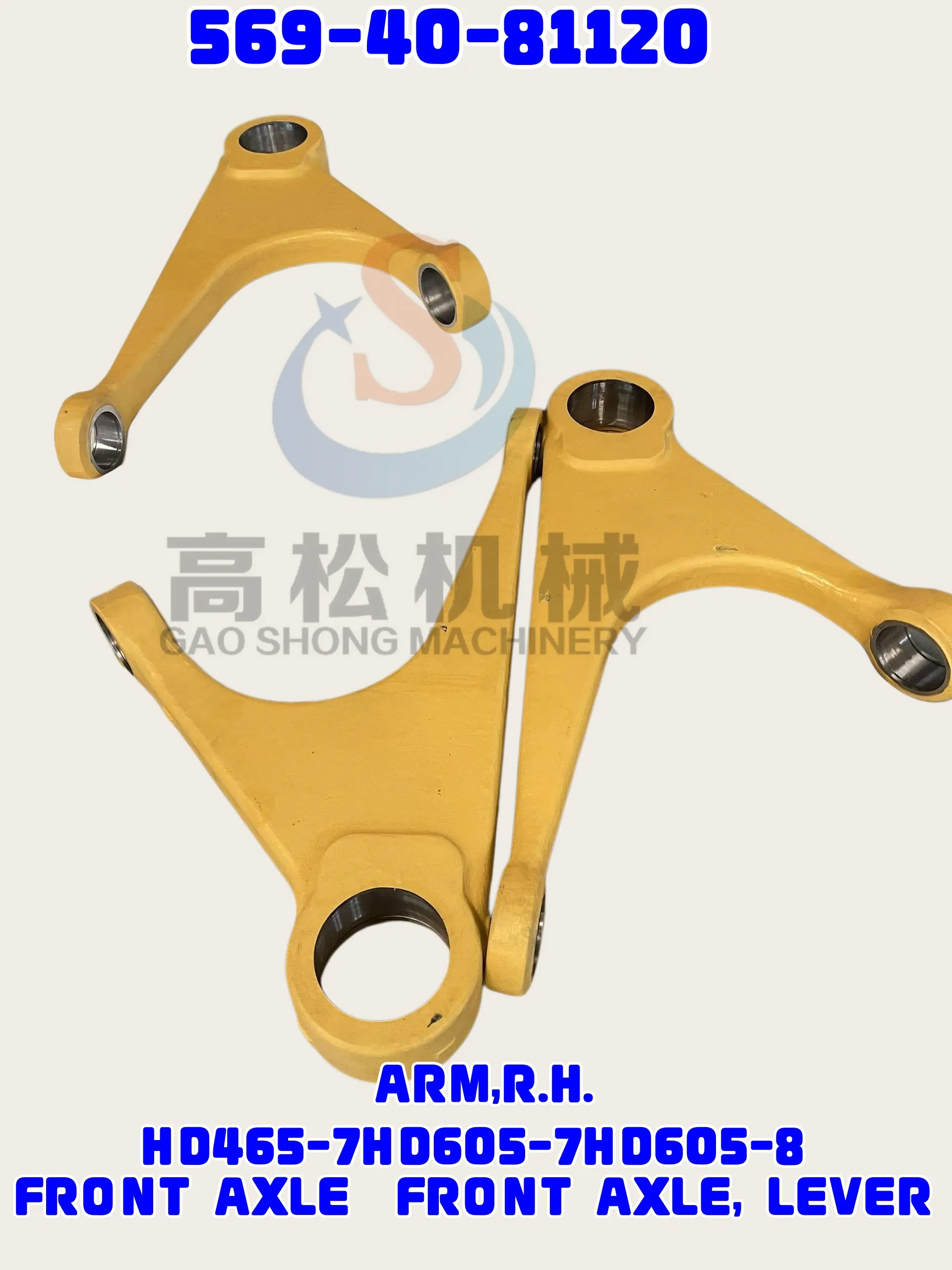 HD465-7 komatsu-part-569-40-81120 ARM,R.H. HD605-7 HD465-7 HD605-7E HD605-7E1 HD465-8 HD465-7R FRONT AXLE (R.H.) (KNUCKLE AND ARM LEVER)
 -
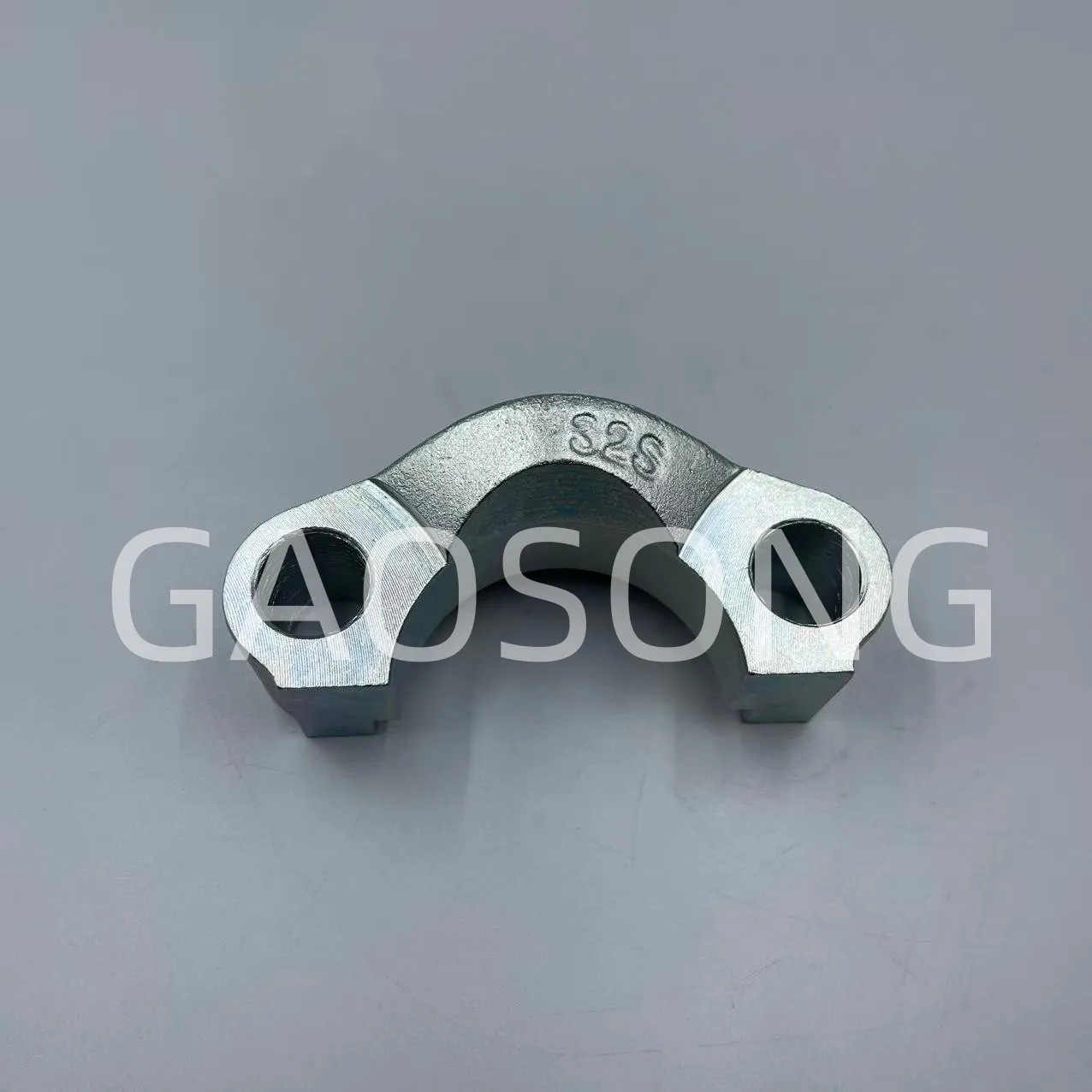 707-40-28020 • SPACER-Komatsu Original Factory
 -
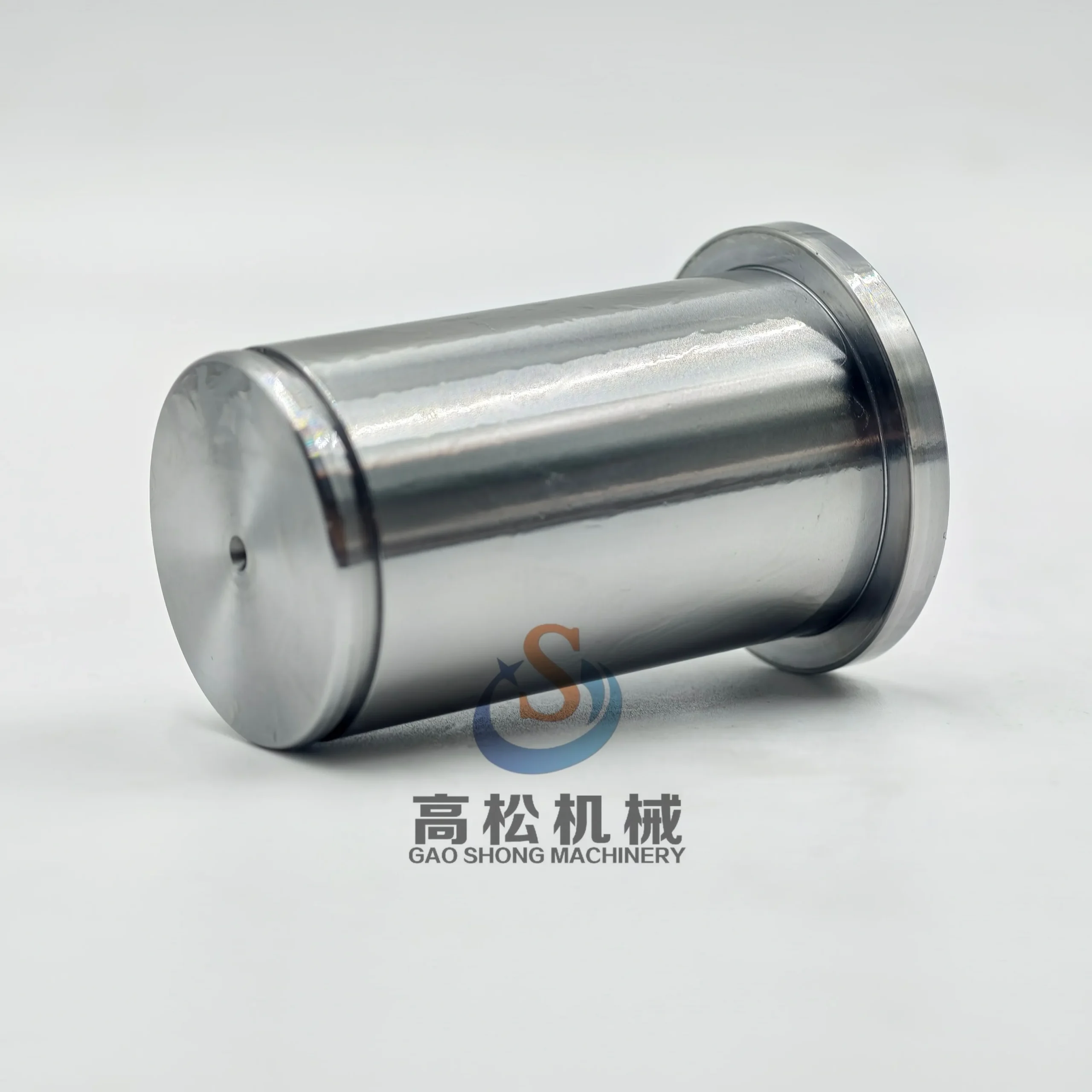 komatsu parts 21N-26-33240 Pin PC1250-11 SWING MACHINERY AND MOTOR, FRONT
 -
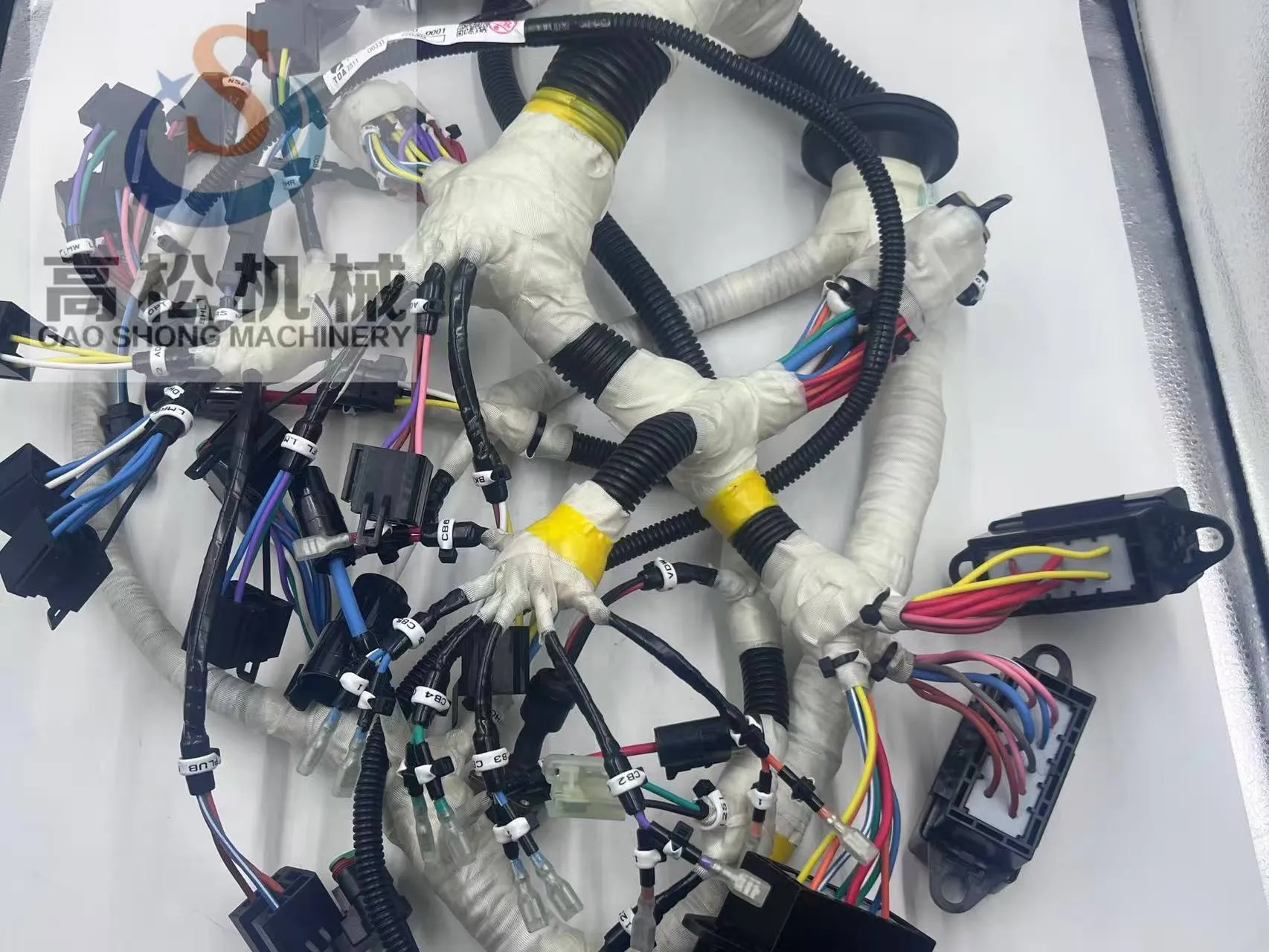 D375A-6Wiring harness 195-06-84641
 -
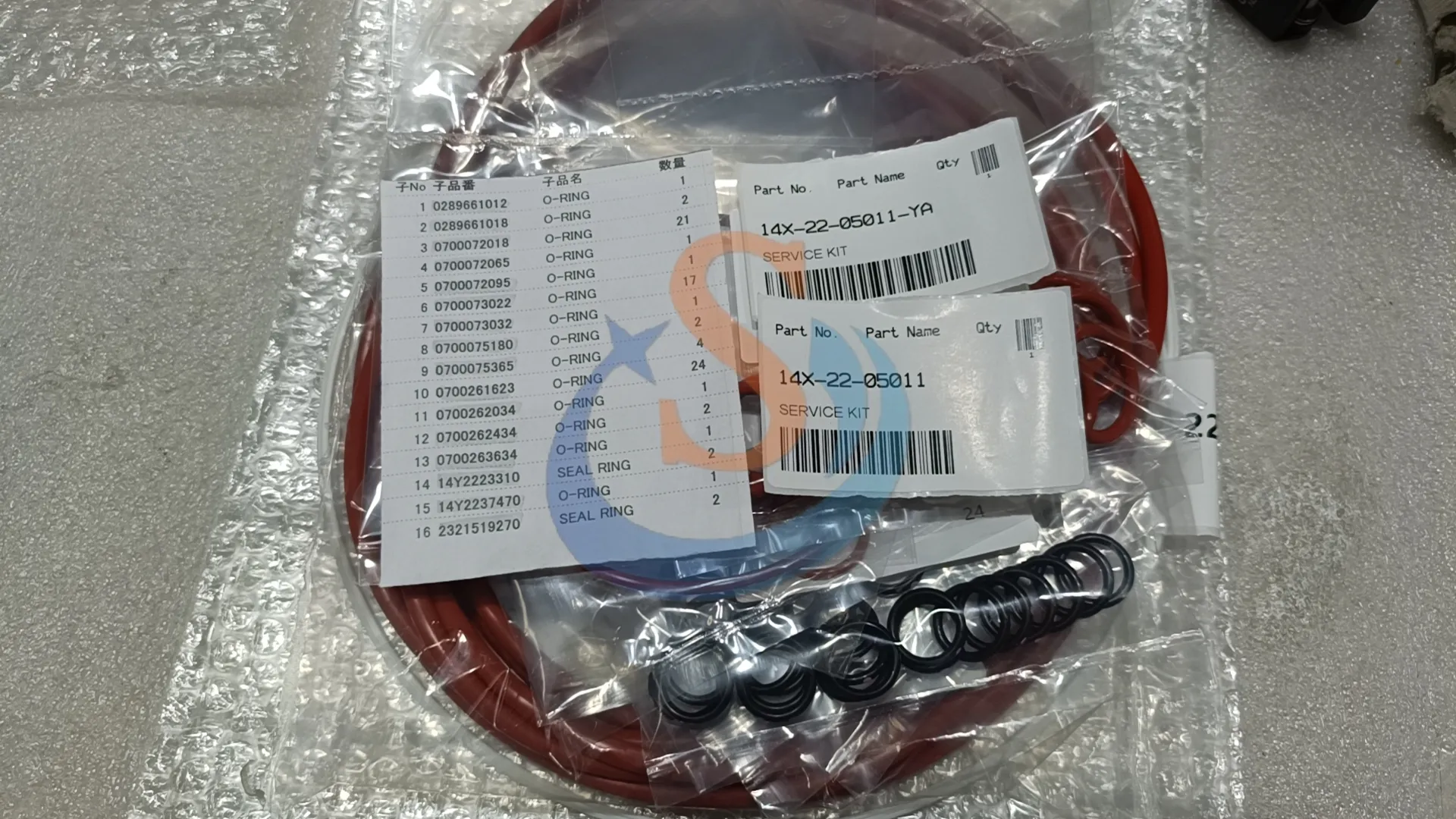 14X-22-05011,SERVICE KIT,D65PX,D65EX,D65WX
 -
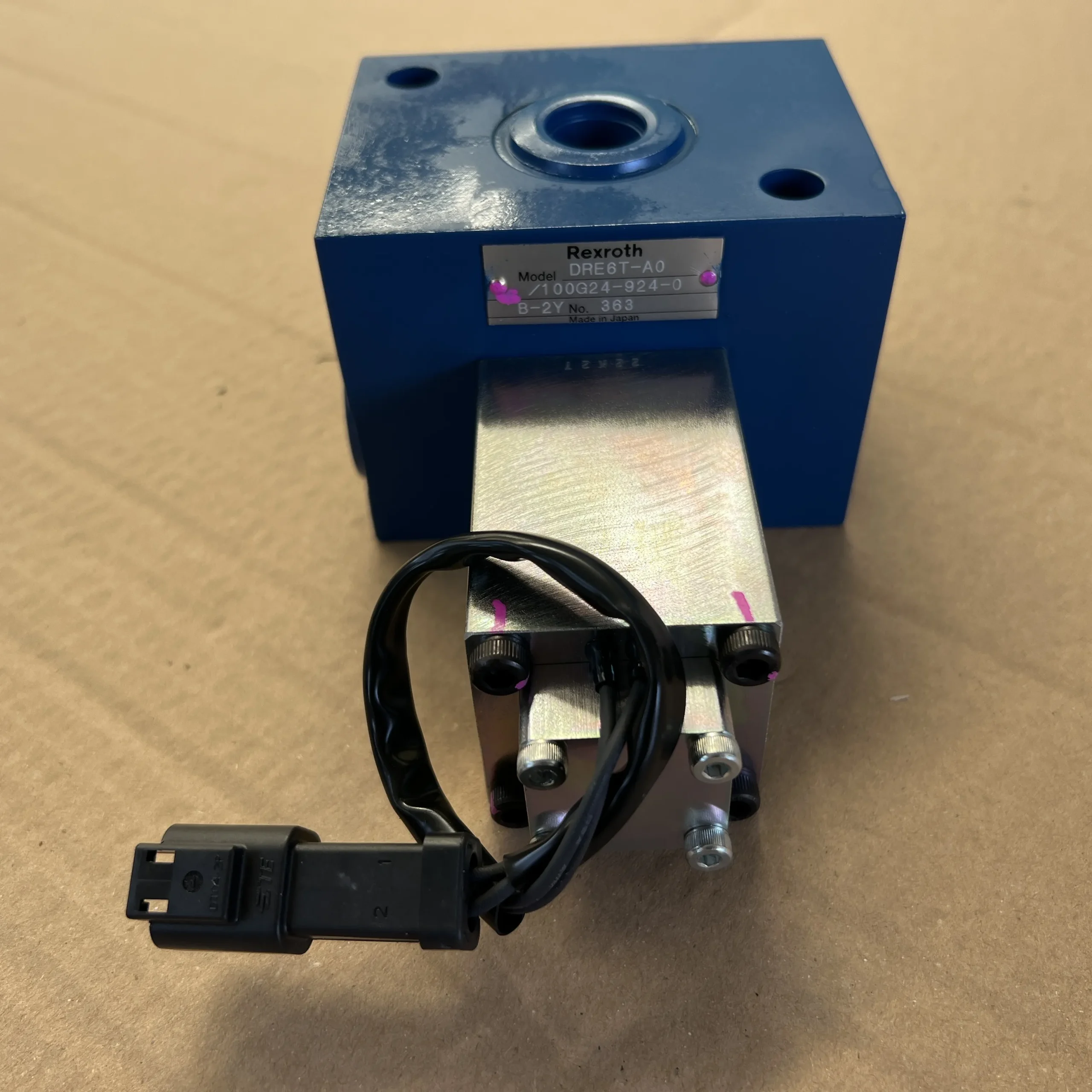 HD465-7 Proportional Solenoid Valve 569-43-83171
 -
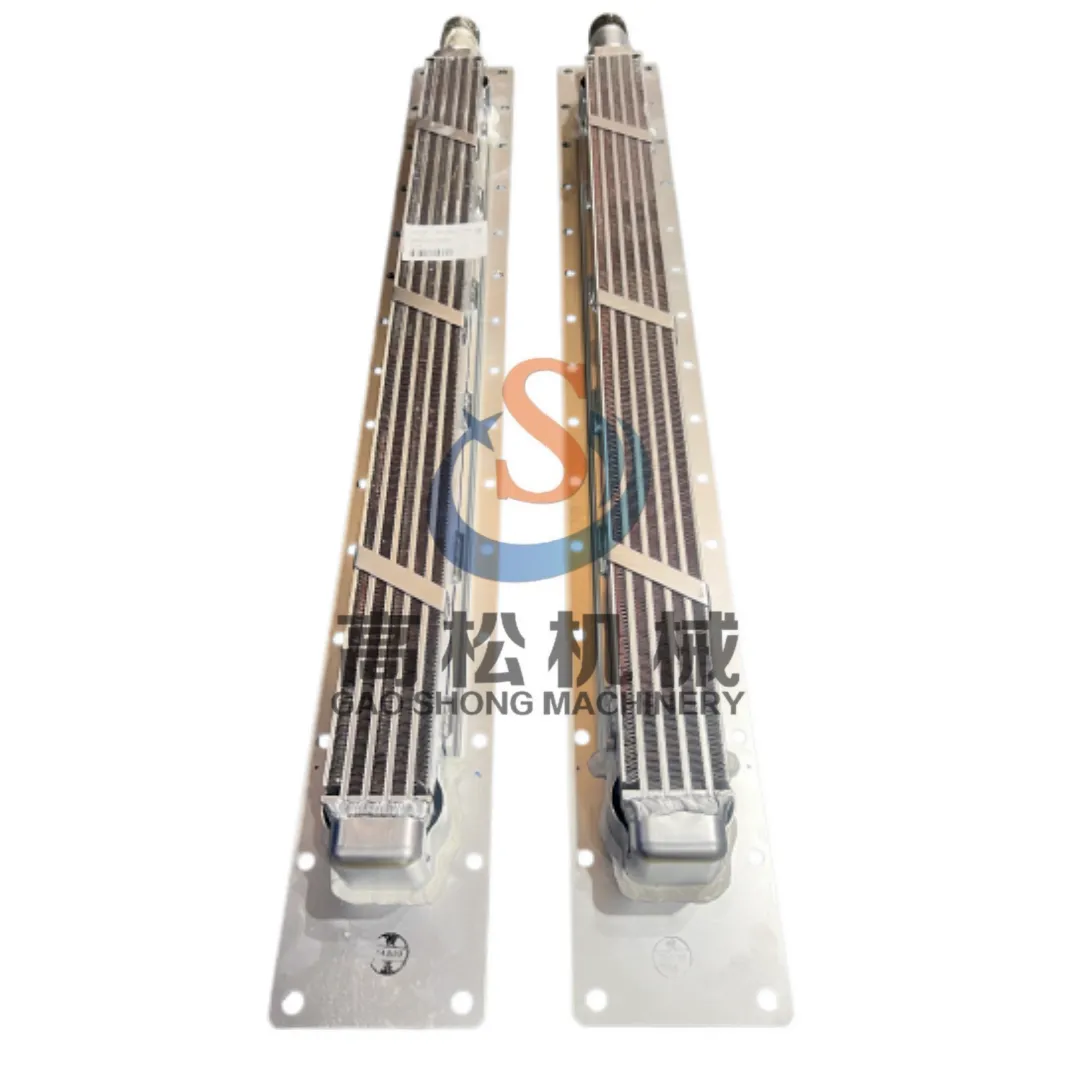 Original Stock Engine Parts Core 6212-61-6121 Is Suitable for Komatsu SA6D140-1 Engine – Image 2 Original Stock Engine Parts Core 6212-61-6121 Is Suitable for Komatsu SA6D140-1 Engine – Image 3 Original Stock Engine Parts Core 6212-61-6121 Is Suitable for Komatsu SA6D140-1 Engine – Image 4 Original Stock Engine Parts Core 6212-61-6121 Is Suitable for Komatsu SA6D140-1 Engine – Image 5 Original Stock Engine Parts Core 6212-61-6121 Is Suitable for Komatsu SA6D140-1 Engine – Image 6 Original Stock Engine Parts Core 6212-61-6121 Is Suitable for Komatsu SA6D140-1 Engine
 -
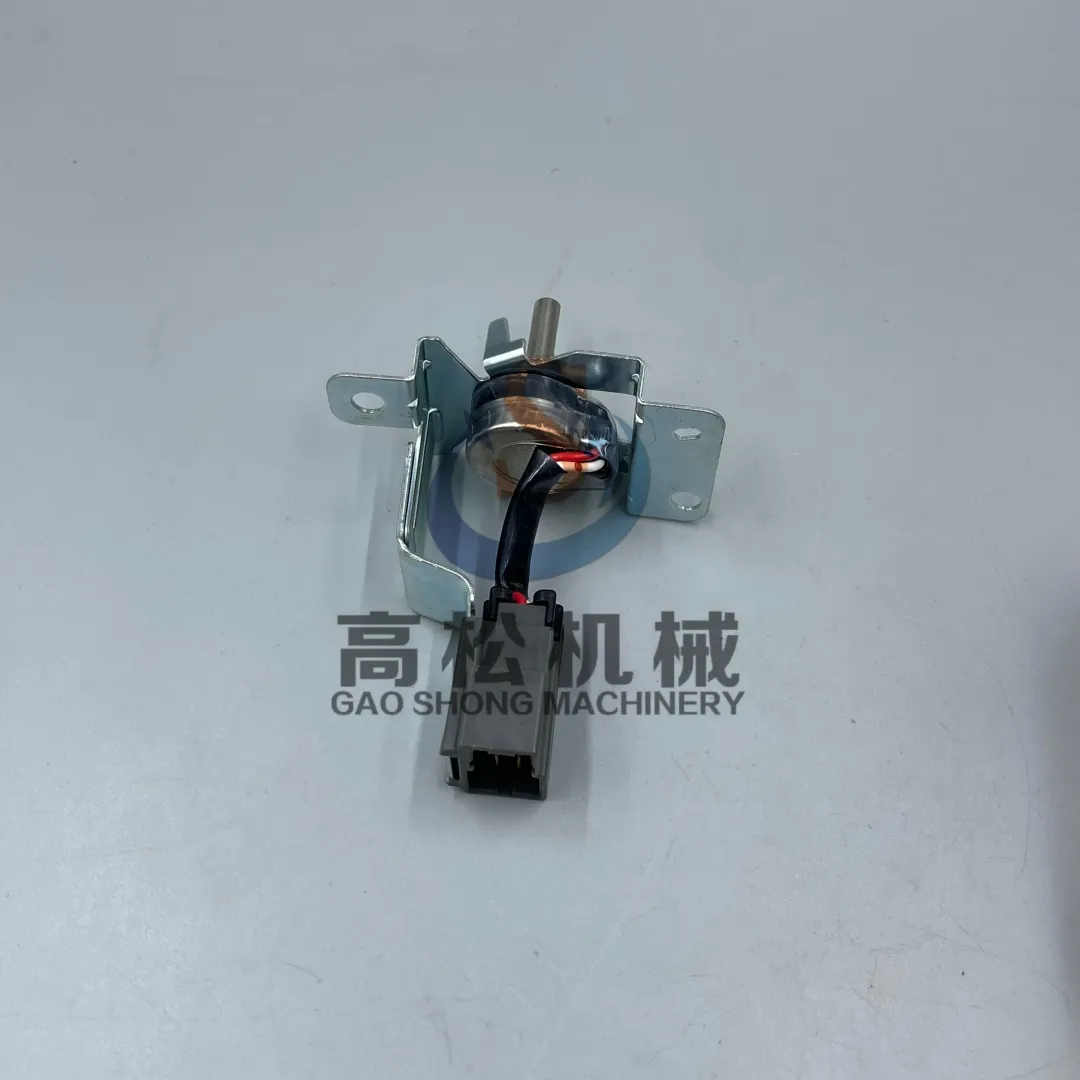 Komatsu original throttle knob 21T-26-11270 stop washer
Related Search
Related Search- komatsu pc210 engine
- OEM AND ORIGINAL KOMATSU VALVE 569-43-83171
- Komatsu machinery parts
- OEM AND ORIGINAL KOMATSU PIN 561-40-81510
- OEM AND ORIGINAL KOMATSU VALVE ASSY 419-43-27401
- OEM AND ORIGINAL KOMATSU CUSHION 198-54-61822
- komatsu mini excavator parts
- Komatsu brake parts
- OEM AND ORIGINAL KOMATSU CUSHION 195-54-78561
- Komatsu oil pump