
- Chinese
- French
- German
- Portuguese
- Spanish
- Russian
- Japanese
- Korean
- Arabic
- Irish
- Greek
- Turkish
- Italian
- Danish
- Romanian
- Indonesian
- Czech
- Afrikaans
- Swedish
- Polish
- Basque
- Catalan
- Esperanto
- Hindi
- Lao
- Albanian
- Amharic
- Armenian
- Azerbaijani
- Belarusian
- Bengali
- Bosnian
- Bulgarian
- Cebuano
- Chichewa
- Corsican
- Croatian
- Dutch
- Estonian
- Filipino
- Finnish
- Frisian
- Galician
- Georgian
- Gujarati
- Haitian
- Hausa
- Hawaiian
- Hebrew
- Hmong
- Hungarian
- Icelandic
- Igbo
- Javanese
- Kannada
- Kazakh
- Khmer
- Kurdish
- Kyrgyz
- Latin
- Latvian
- Lithuanian
- Luxembou..
- Macedonian
- Malagasy
- Malay
- Malayalam
- Maltese
- Maori
- Marathi
- Mongolian
- Burmese
- Nepali
- Norwegian
- Pashto
- Persian
- Punjabi
- Serbian
- Sesotho
- Sinhala
- Slovak
- Slovenian
- Somali
- Samoan
- Scots Gaelic
- Shona
- Sindhi
- Sundanese
- Swahili
- Tajik
- Tamil
- Telugu
- Thai
- Ukrainian
- Urdu
- Uzbek
- Vietnamese
- Welsh
- Xhosa
- Yiddish
- Yoruba
- Zulu
- Kinyarwanda
- Tatar
- Oriya
- Turkmen
- Uyghur






OEM AND ORIGINAL KOMATSU COVER 198-27-45540
When you see that part number, , for a Komatsu cover, the immediate assumption is you're buying a genuine part. But in this business, that's where the real conversation starts. The term OEM AND ORIGINAL KOMATSU COVER gets thrown around so loosely it's become almost meaningless without context. Is it a part from Komatsu's own factory? Is it from a licensed OEM within their system? Or is it just a good copy? I've seen too many guys get burned paying original prices for something that might fit but won't last. The distinction isn't just academic; it's about downtime, safety, and total cost.
The OEM Reality Within the Komatsu Ecosystem
This is the part most people outside the direct supply chain miss. Komatsu doesn't forge every single cover plate in-house. They have a network of certified manufacturers who produce to exact specifications. These are the true OEMs. A company like Jining Gaosong Construction Machinery Co., Ltd. operates in this space. They're not just a reseller; they're an integrated supplier. When you source a OEM AND ORIGINAL KOMATSU COVER from such a source, you're getting a part produced under Komatsu's engineering and quality protocols. It's functionally and legally original, just not necessarily assembled at the main Komatsu plant. This is crucial for supply in regions where official distribution is thin.
The practical benefit? Consistency. I've ordered these covers for PC300 and PC360 excavator applications, and the bolt patterns, thickness, and paint finish are spot-on. There's no filing or drilling required, which is the first red flag with a non-OEM part. The packaging might be simpler—a plain box versus the branded Komatsu box—but the metallurgy is there. It's the difference between a part that's a component of the machine and one that's merely a replacement.
Where the confusion—and sometimes deliberate obfuscation—happens is with the term original. Some suppliers use it to mean fits the original, not is the original. That's why you must dig. Asking Are you a certified producer for Komatsu? is better than asking Is this original? The answer from a place like Jining Gaosong, which states it's an OEM product supplier within the Komatsu system, carries a different weight. It implies a contractual and technical relationship.
Field Failures and the Cost of Good Enough
Let me give you a real scenario. A site manager opted for a cheaper, non-OEM cover for a Komatsu dozer. It was a guard covering a hydraulic valve bank. The part looked fine, maybe a slight color difference. It lasted eight months. Then it cracked around a stress point we hadn't even considered—a point where the original design had internal ribbing for rigidity. The failure wasn't catastrophic, but it let mud and debris into a critical area, leading to valve contamination and two days of downtime for cleaning and replacement. The savings on the part were wiped out ten times over.
This is the hidden detail with a proper OEM AND ORIGINAL KOMATSU COVER. The engineering accounts for vibration harmonics, thermal expansion, and impact resistance specific to that machine's operation. A pattern-made copy replicates the shape but often not the material grade or the internal geometry. For a simple dust cover, maybe it's fine. For a structural guard or a cover sealing a pressurized area, it's a gamble.
We learned to inspect even OEM-sourced parts upon arrival. Check the casting marks. A true OEM part will often have a faint Komatsu part number cast somewhere, or at least a batch code that traces back. The finish should be even, with no rough, sharp edges. The paint should be the same phosphate-rich, corrosion-resistant primer. If it feels lighter or tinny, that's a bad sign. This hands-on check is your final quality gate.
The Role of Third-Party Suppliers in Solving Actual Problems
This is where companies like the one mentioned, Jining Gaosong, show their value beyond just having stock. Their stated role as a third-party sales company for Komatsu, helping solve parts supply challenges in certain countries, isn't just marketing. I've been in situations in remote projects where the official channel quoted a 12-week lead time for a simple cover. A supplier embedded in the OEM network can often tap into parallel production lines or regional warehousing to cut that to 2-3 weeks. They're not magicians; they're just plugged into a different node of the supply web.
Their website, https://www.takematsumachinery.com, becomes a tool in this case. It's not about flashy graphics. It's about whether you can find the exact part number, see clear photos of the actual product (not a CAD drawing), and get a coherent technical specification. Can you contact them and get a clear answer on the part's origin? This is from our OEM line for Komatsu is a valid and professional answer. Yes, it's original quality is not.
The trust is built on transparency. When they say they are within the Komatsu system, it should mean they are subject to Komatsu's audit and quality standards for that component. This is the backbone of the relationship. It allows them to legitimately supply the OEM AND ORIGINAL KOMATSU COVER without it being a grey-market item. For the end user, it's a lifeline when the primary distribution channel is blocked or prohibitively slow.
Navigating Price vs. Provenance
Price is always the elephant in the room. A genuine Komatsu-boxed part from a dealer is the most expensive. An OEM part from a system supplier like Gaosong comes in at a meaningful discount, often 20-35% less. A pure aftermarket copy might be 60% cheaper. The decision matrix isn't straightforward. For a machine under warranty, you might be forced to use the dealer part. For an older machine in a harsh environment, the OEM part is the sweet spot—original performance without the brand premium.
I've made the mistake of going for the cheapest option on non-critical covers, thinking it's just a piece of metal. But even a poorly fitted cover can cause abnormal wear on mounting brackets or allow ingress that leads to bigger issues. Now, my rule is this: if the part seals a system (hydraulic, fuel, air) or protects a critical component, it's worth sourcing from an OEM-aligned supplier. The part number might fall into either category depending on its application, which you need to verify on the machine's diagram.
Always request documentation. A proper supplier can provide material certificates or at least traceability to a manufacturing batch. If they balk at that, it's a red flag. The invoice should clearly state the part number and, ideally, the origin (e.g., OEM for Komatsu). This isn't bureaucracy; it's your record for future claims and for understanding your machine's maintenance history.
Final Take: It's About Specificity, Not Just a Label
So, when you're next searching for an OEM AND ORIGINAL KOMATSU COVER , move past the keywords. Your query should really be: Who manufactured this specific instance of the part I am about to buy? The legitimacy comes from the supply chain path, not the adjective attached to the listing. A supplier that openly states its position within the Komatsu ecosystem, like Jining Gaosong does, is providing you with the necessary context to make an informed decision.
The industry is moving this way. The binary of genuine vs. aftermarket is outdated. The middle layer—certified OEM production—is where a lot of the reliable supply exists, especially for aging fleets. It fills the gap left by official channels focusing on new models.
In the end, it comes down to risk management. Paying a slight premium over the absolute cheapest option for a part with verifiable OEM provenance is cheap insurance. You're buying predictability. And in equipment management, predictability—knowing that a cover will fit, seal, and last for its intended service interval—is everything. That's what you're actually looking for when you type in that part number.
Related Products
Related Products

Best Selling Products
Best Selling Products-
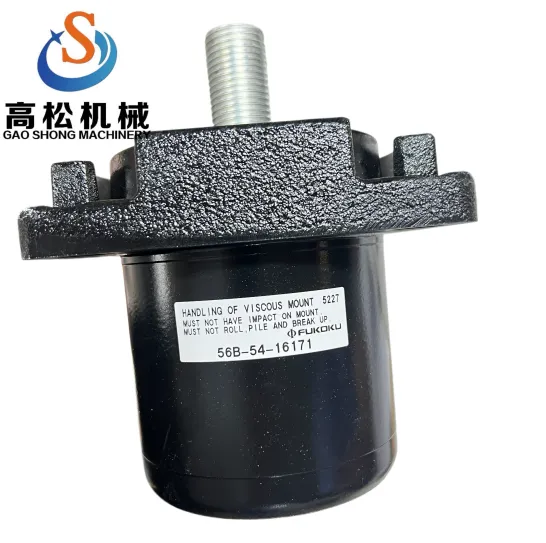 Komatsu 56B-54-16171 Cabin Mount viscous mount
 -
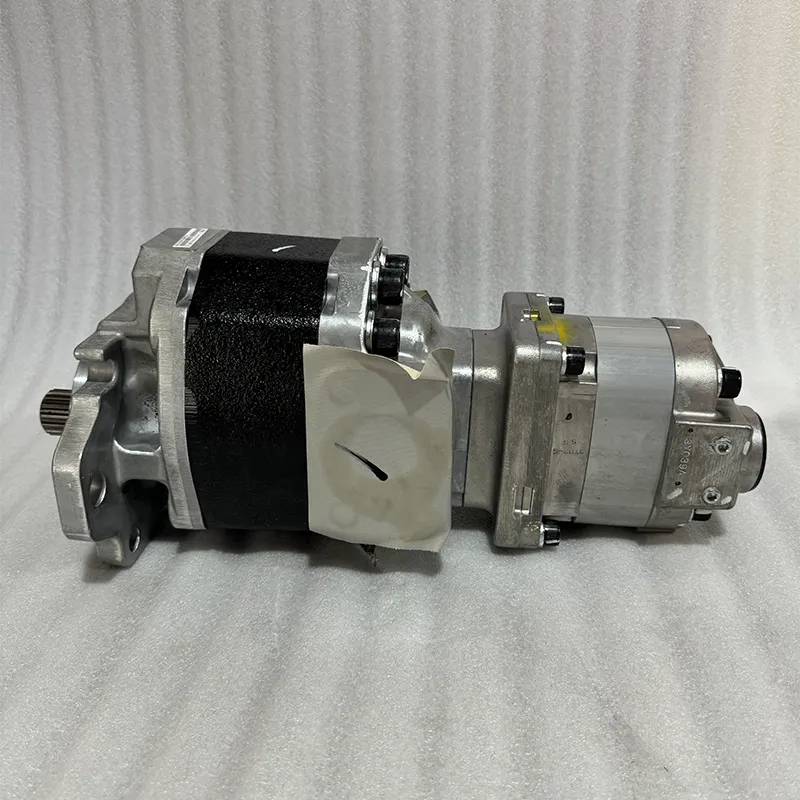 Original komatsu HD605-7R Gear Pump 705-95-05140
 -
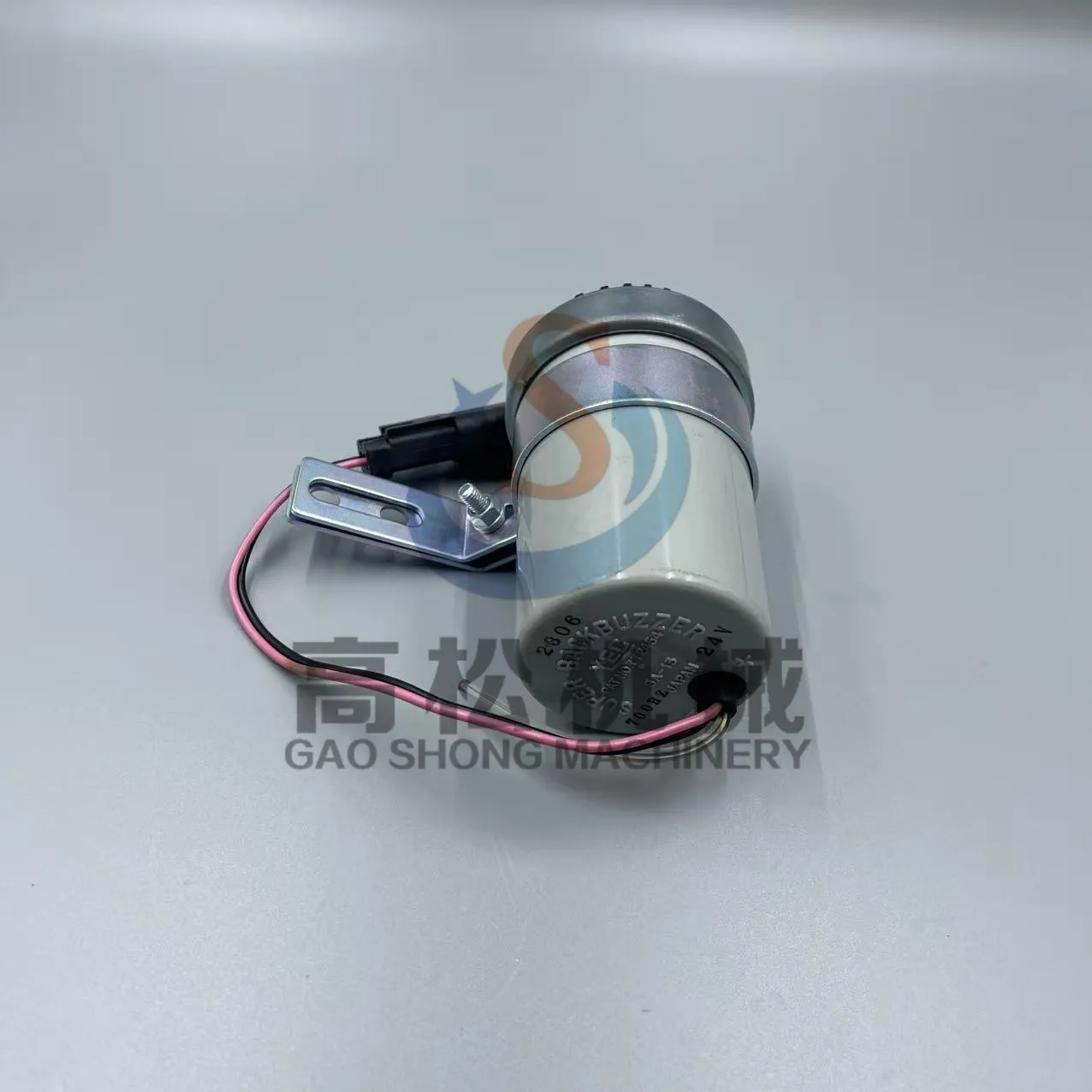 BUZZER 198-06-56570 – KOMATSU
 -
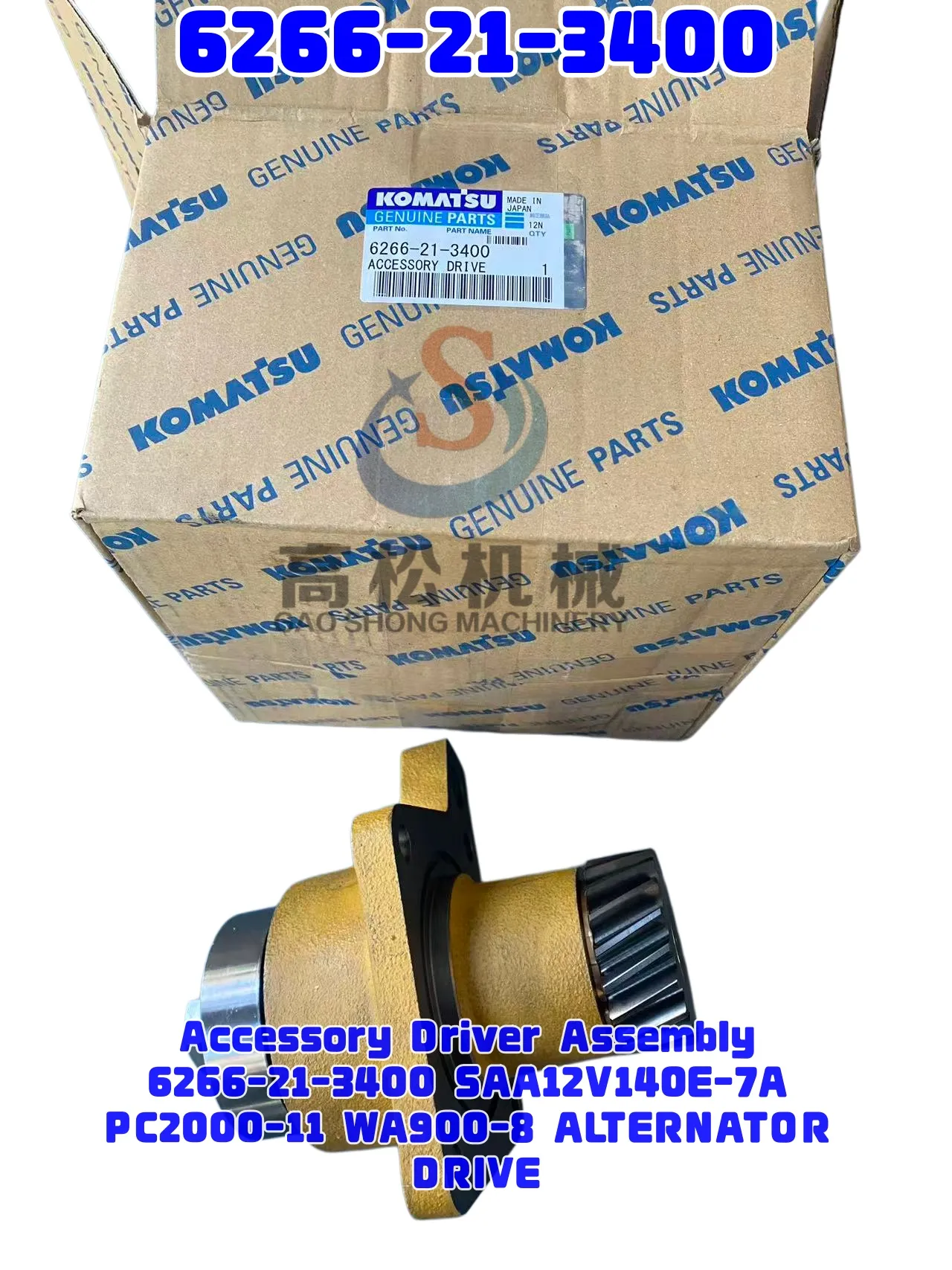 komatsu-part-6266-21-3400 Accessory Driver Assembly SAA12V140E-7A S/N 800001-UP (For PC2000-11) ALTERNATOR DRIVE Accessory Driver Assembly SAA12V140E-7 S/N 800004-UP (For WA900-8) ALTERNATOR DRIVE (#800004-)
 -
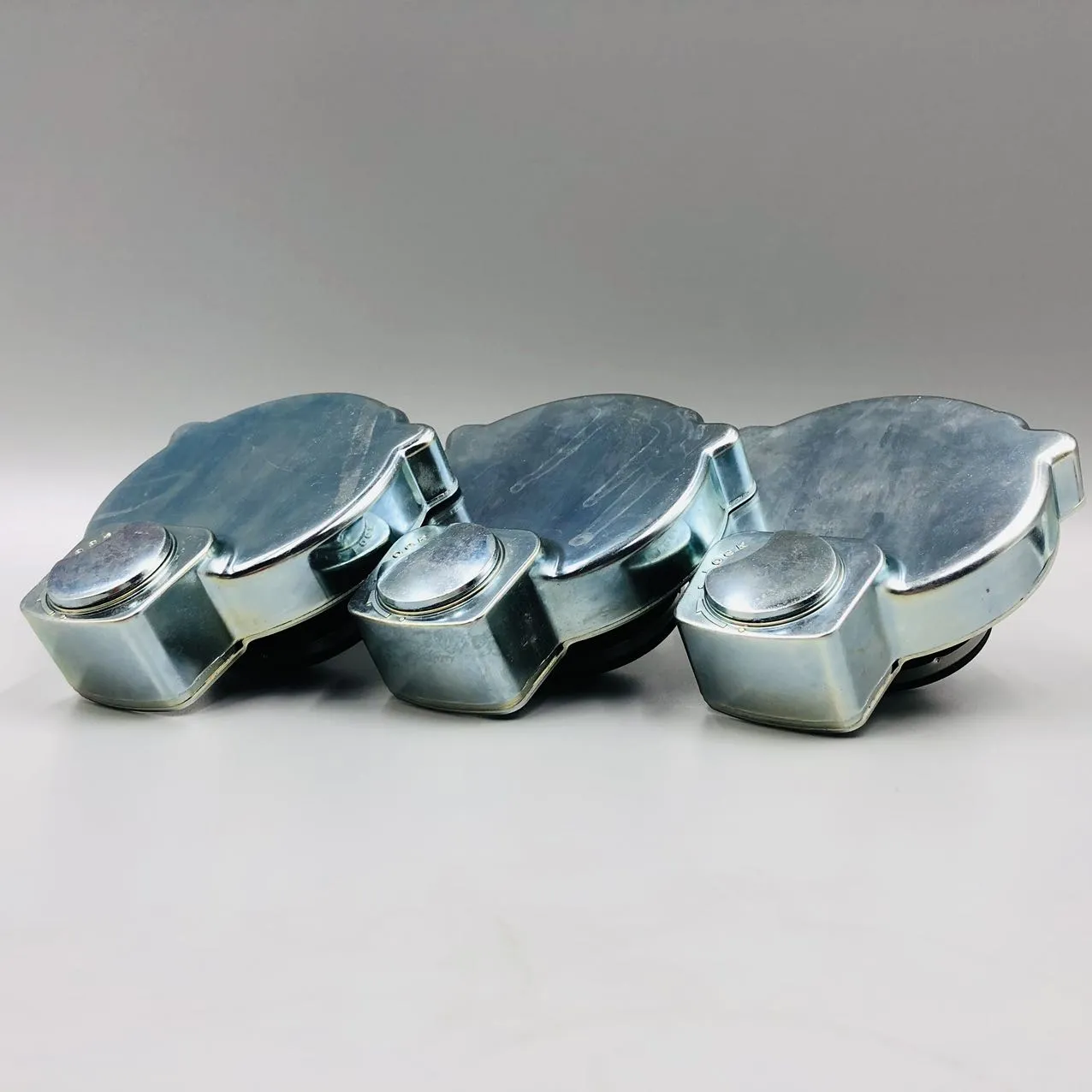 Hydraulic Oil Tank Cap 17A-60-11310 For Komatsu
 -
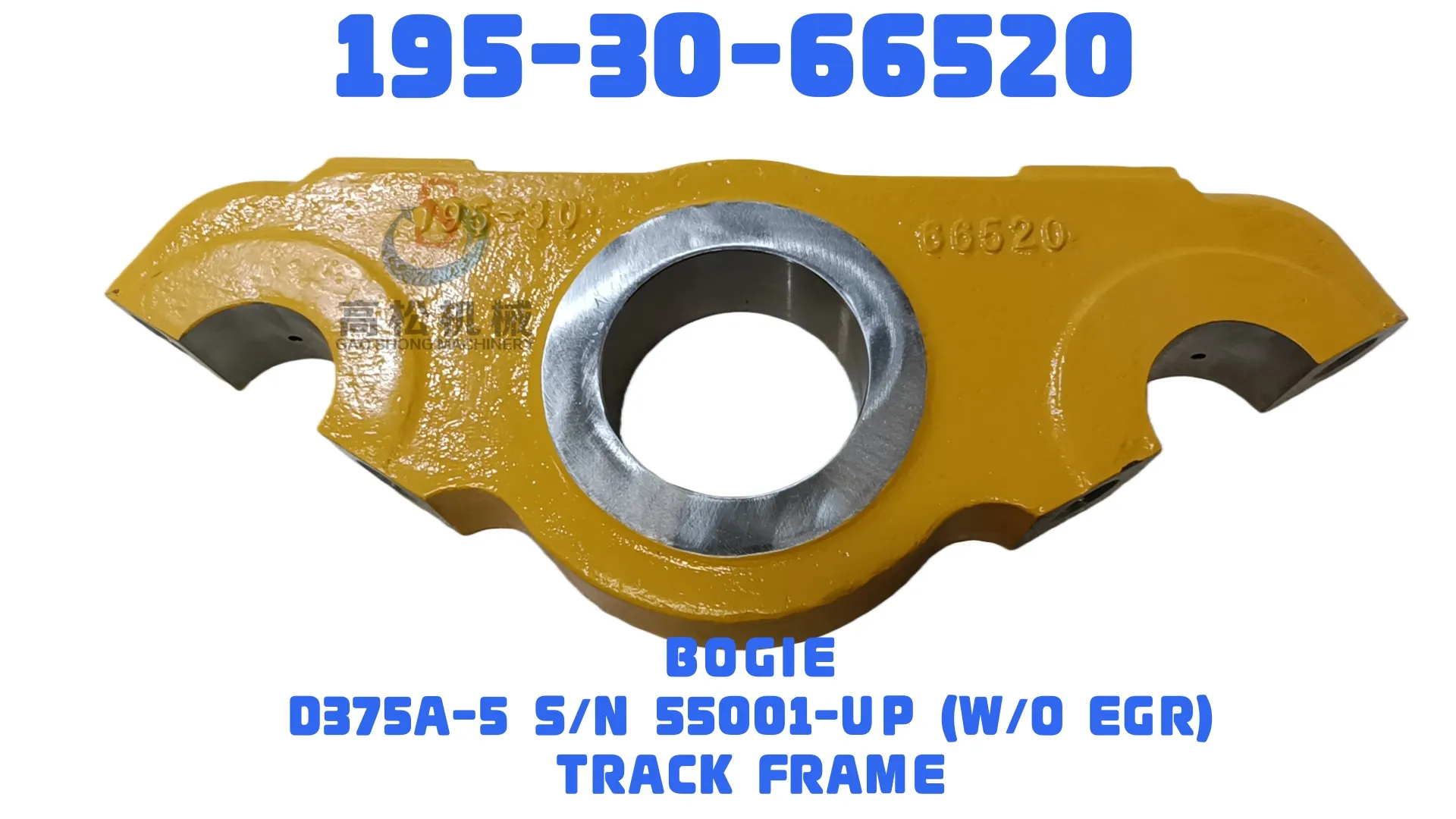 Komatsu Bogie Assembly, 195-30-66520 D375A-5 and D375A-5D TRACK FRAME, BOGIE
 -
Komatsu PC220-8, PC350-8, PC450-8 excavator filter assemblies 20Y-62-51681 (20Y62-51681, 20Y-625168) (pilot filters
-
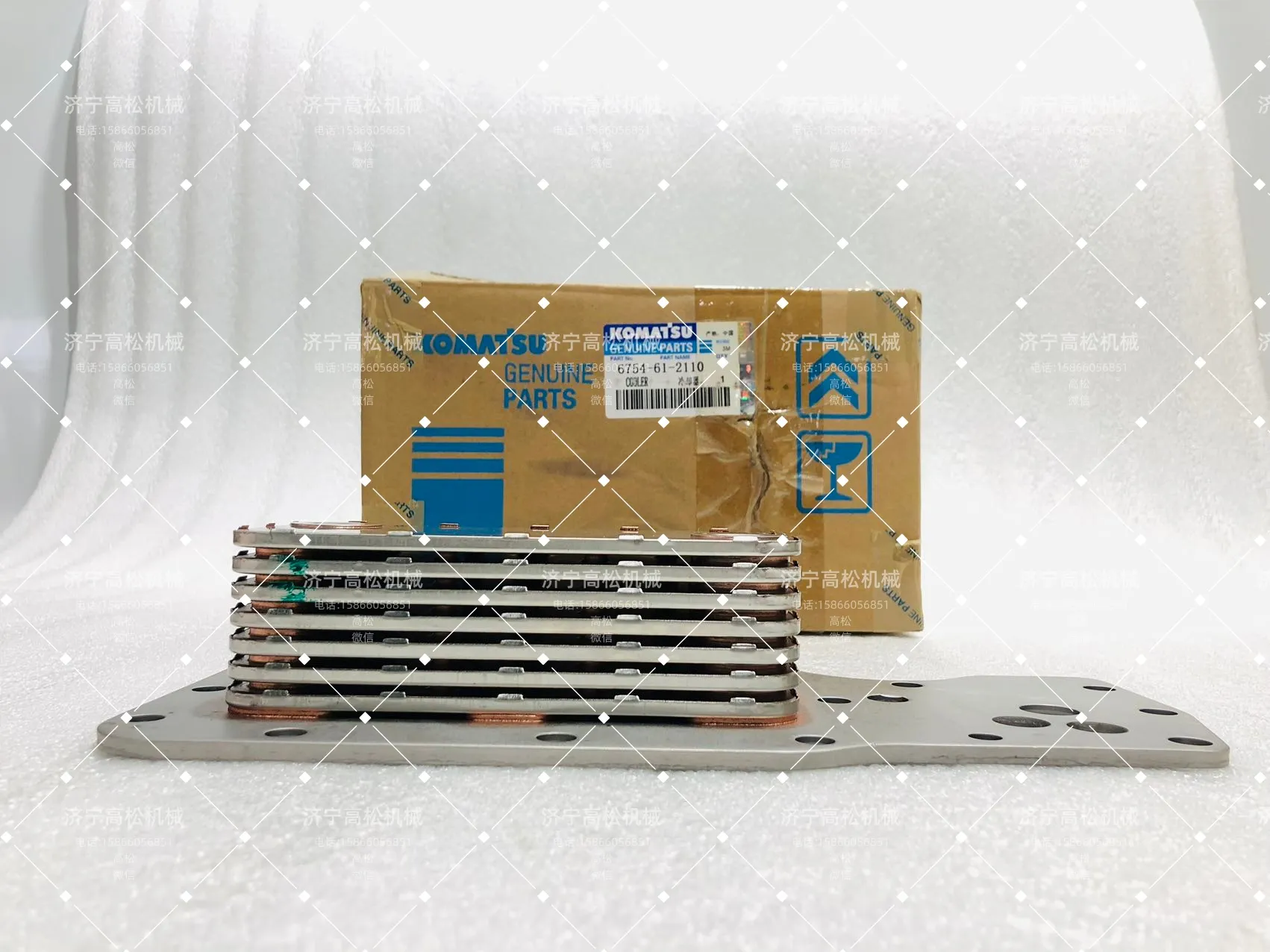 6754-61-2110 komatsu:core CORE, COOLER
 -
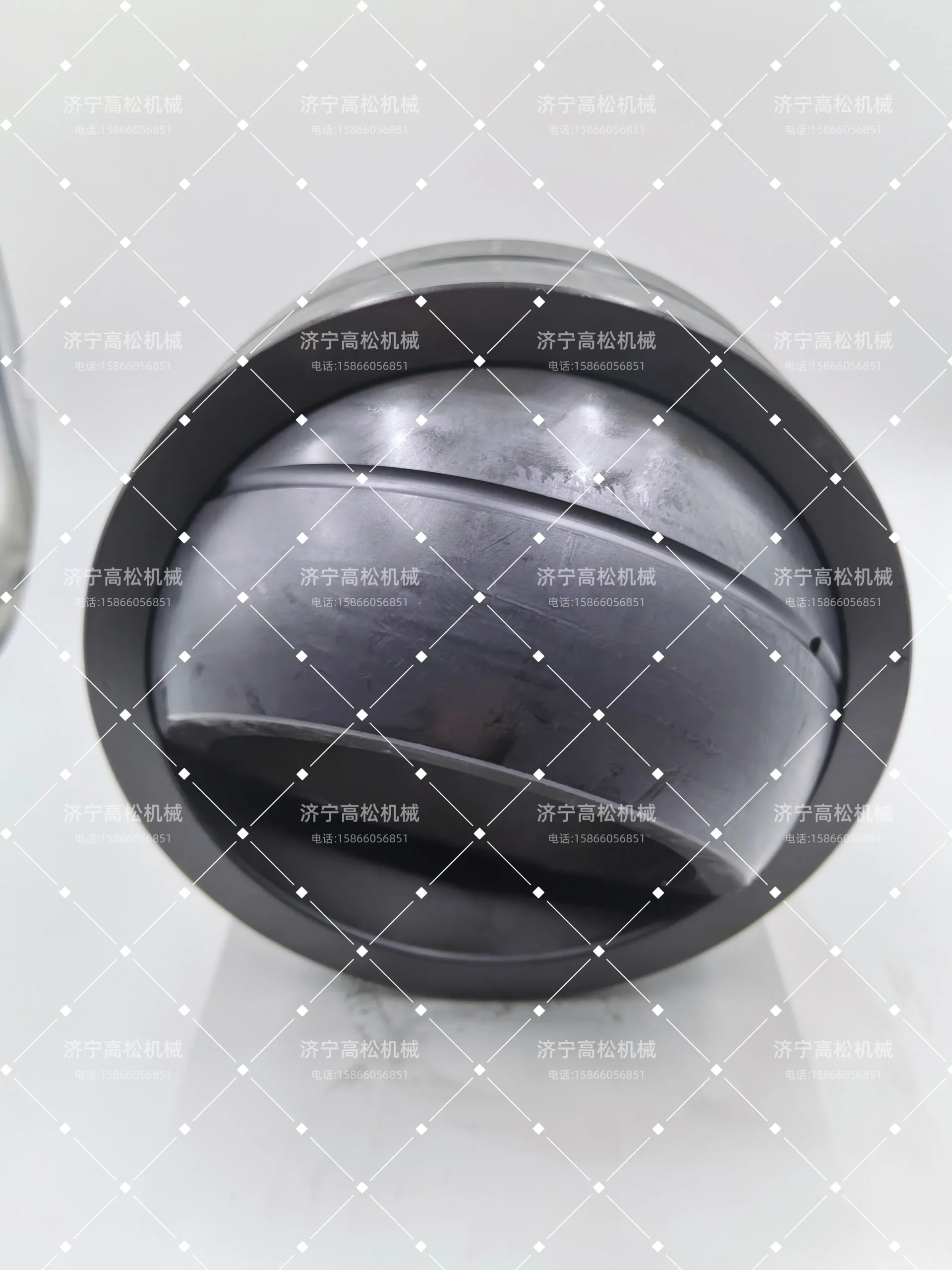 707-46-14010 Spherical Bearing for Komatsu Equipment…
 -
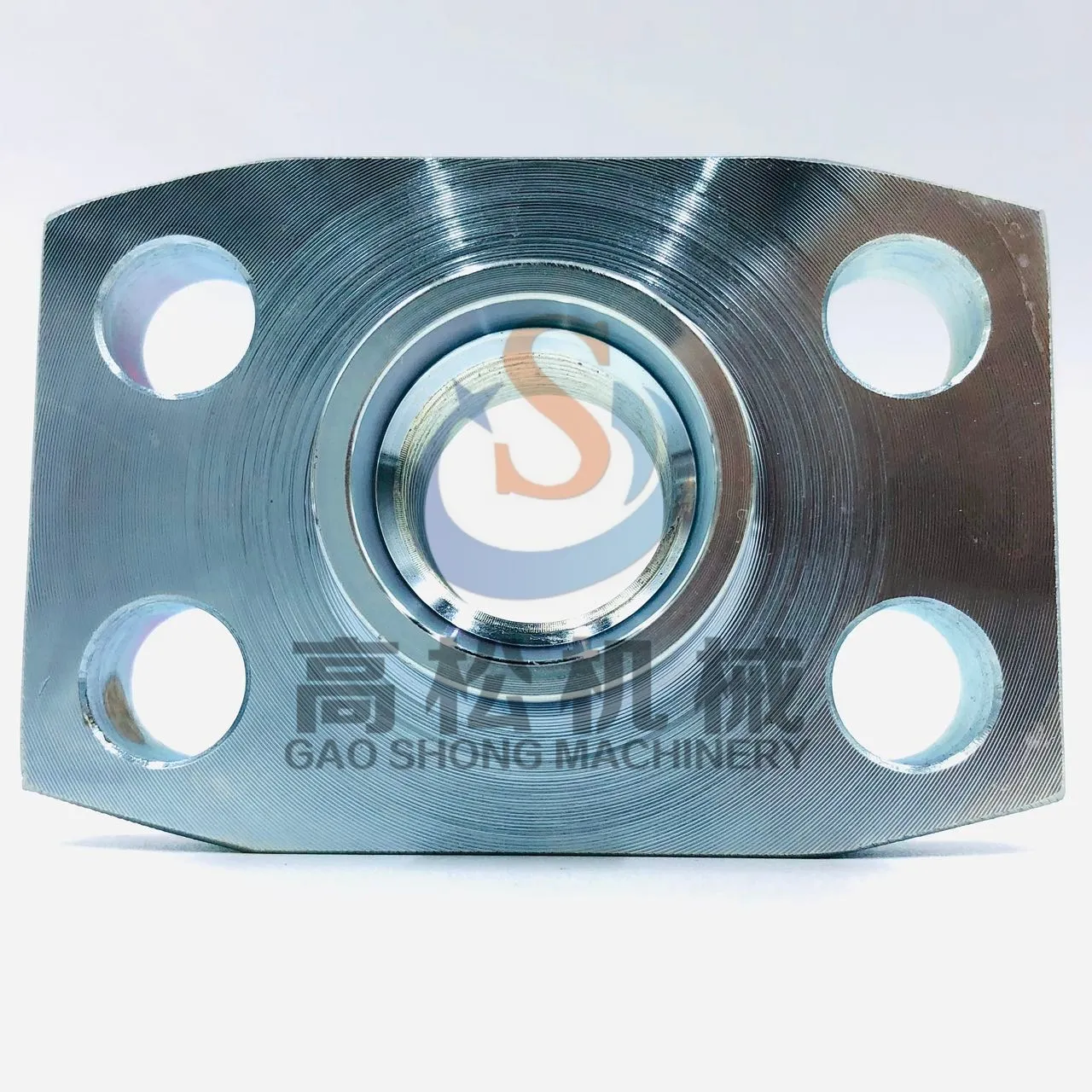 Komatsu excavator PC1250 flange 21N-38-12310
 -
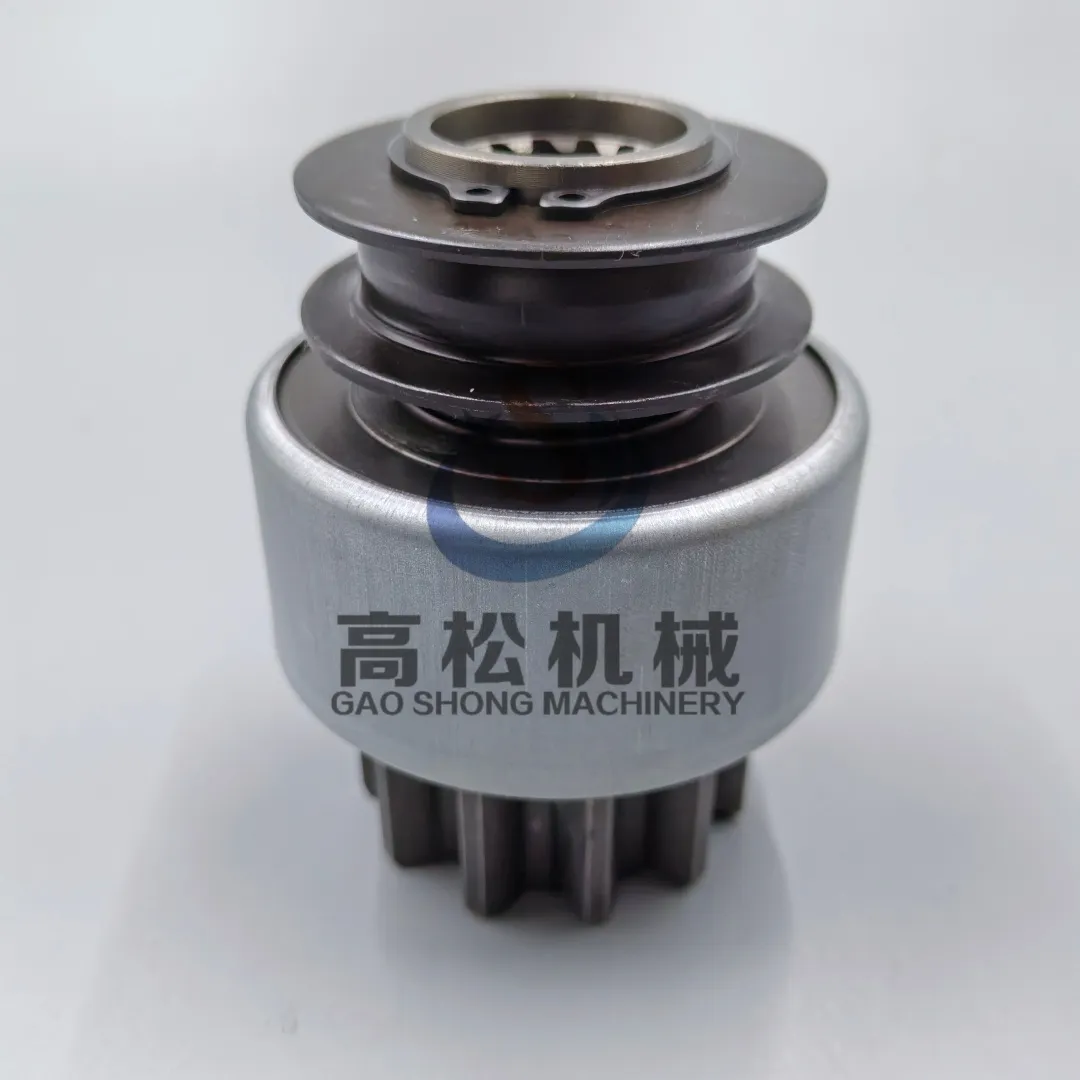 KD0-23500-1024 Komatsu CLUTCH ASS’Y
 -
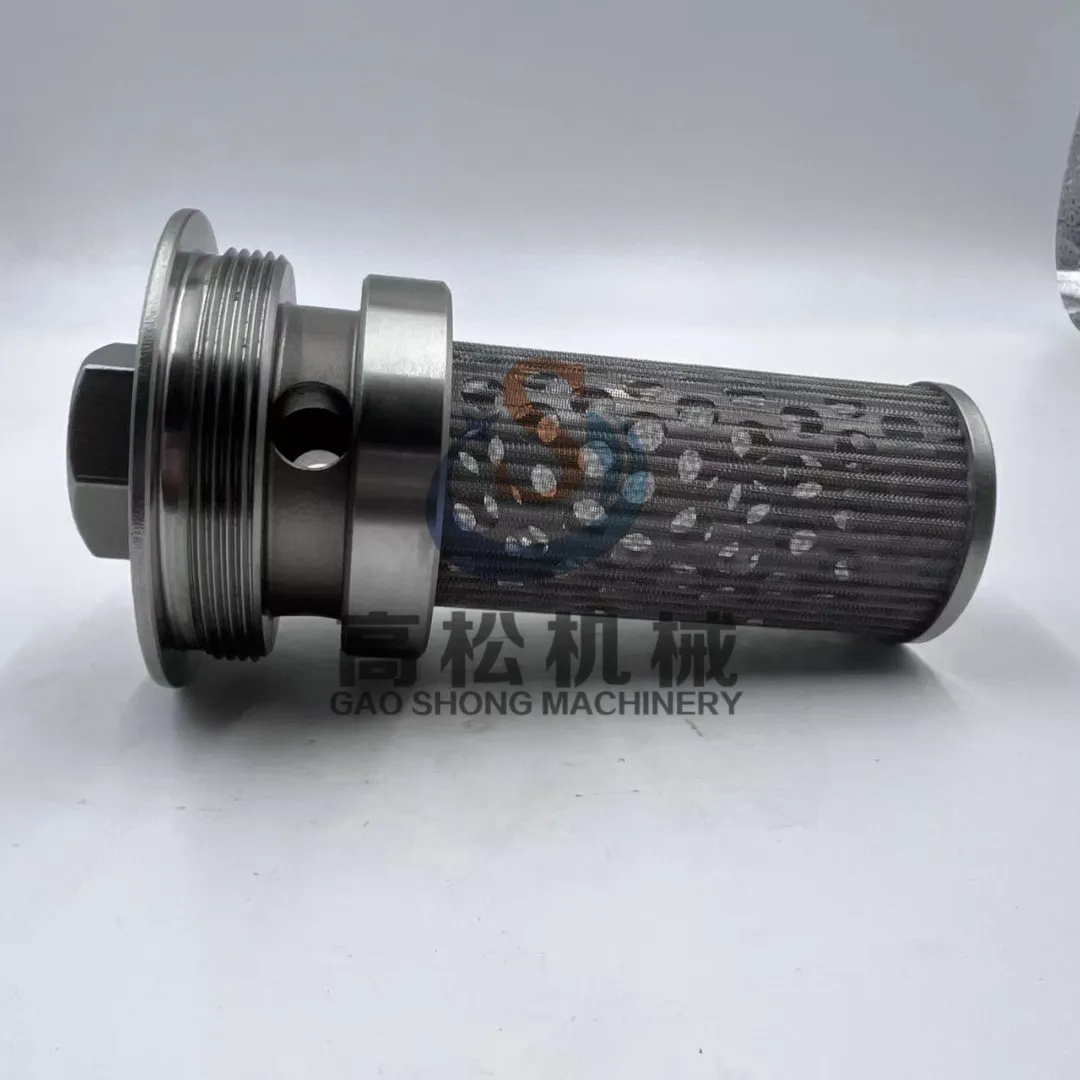 Komatsu 195-04-11150 Strainer 195041150