
- Chinese
- French
- German
- Portuguese
- Spanish
- Russian
- Japanese
- Korean
- Arabic
- Irish
- Greek
- Turkish
- Italian
- Danish
- Romanian
- Indonesian
- Czech
- Afrikaans
- Swedish
- Polish
- Basque
- Catalan
- Esperanto
- Hindi
- Lao
- Albanian
- Amharic
- Armenian
- Azerbaijani
- Belarusian
- Bengali
- Bosnian
- Bulgarian
- Cebuano
- Chichewa
- Corsican
- Croatian
- Dutch
- Estonian
- Filipino
- Finnish
- Frisian
- Galician
- Georgian
- Gujarati
- Haitian
- Hausa
- Hawaiian
- Hebrew
- Hmong
- Hungarian
- Icelandic
- Igbo
- Javanese
- Kannada
- Kazakh
- Khmer
- Kurdish
- Kyrgyz
- Latin
- Latvian
- Lithuanian
- Luxembou..
- Macedonian
- Malagasy
- Malay
- Malayalam
- Maltese
- Maori
- Marathi
- Mongolian
- Burmese
- Nepali
- Norwegian
- Pashto
- Persian
- Punjabi
- Serbian
- Sesotho
- Sinhala
- Slovak
- Slovenian
- Somali
- Samoan
- Scots Gaelic
- Shona
- Sindhi
- Sundanese
- Swahili
- Tajik
- Tamil
- Telugu
- Thai
- Ukrainian
- Urdu
- Uzbek
- Vietnamese
- Welsh
- Xhosa
- Yiddish
- Yoruba
- Zulu
- Kinyarwanda
- Tatar
- Oriya
- Turkmen
- Uyghur






OEM AND ORIGINAL KOMATSU COVER 198-27-45530
You see that part number, , and immediately think it's straightforward—just a Komatsu cover. But that's where the first trap is. In the field, especially when dealing with older models or supply chain gaps, the distinction between an OEM AND ORIGINAL KOMATSU COVER becomes the core of the conversation. Many assume OEM means inferior, a cheap copy. That's not always true, and understanding the nuance is what separates a costly downtime from a smooth operation.
The Part Number Isn't Just a Code
Take . It's not a generic engine cover; it's specific. From my experience, this fits certain Komatsu excavator models, acting as a protective shield for hydraulic components. The original tag means it came off the Komatsu production line, with the stamp, the exact alloy composition, and the packaging. But here's the thing: when you're in a remote site and the dealer says it's a 12-week backorder, that original part is just a concept. You need a physical solution.
This is where a company like Jining Gaosong Construction Machinery Co., Ltd. enters the picture. They operate in that crucial space. Their site, takematsumachinery.com, states they're an OEM product supplier within Komatsu's system. That wording is key. It doesn't say they are Komatsu. It suggests they manufacture to Komatsu's specifications, under license or agreement, for certain components or markets. For a part like this cover, it could mean they're producing the same item, from the same blueprints, but perhaps for distribution in regions where Komatsu's direct logistics are thin.
I've ordered what was listed as an OEM before. The first thing you do is check the casting marks. The original will have the Komatsu logo and part number cast cleanly. The OEM one I received from a similar supplier had the part number, but a different manufacturer code—a small, raised set of initials. The dimensions were perfect, the bolt holes aligned, and the powder coating was actually thicker than the last genuine one I'd seen. It performed identically. That was a good OEM experience.
When Original is the Only Option (And When It's Not)
There are absolutely cases where you must have the original. If it's a safety-critical structural component, or if you're dealing with a warranty claim where using non-original parts voids coverage, you have no choice. But for a cover? A protective, non-pressurized shield? The calculus changes. The primary function is to keep dirt and debris out. An OEM part that meets the material spec (like the same grade of steel or aluminum) does that job.
I recall a project in Southeast Asia where we needed several of these covers after a minor site incident. The local Komatsu dealer quoted a price and a lead time that would have halted work. We sourced what was billed as an OEM AND ORIGINAL KOMATSU COVER from a third-party supplier. The paperwork said OEM, the part looked right. We installed it. Two years later, it's still there, no corrosion, no fit issues. The cost was about 60% of the dealer's quote. That's the practical reality Gaosong and similar companies address—solving supply challenges without compromising on functional integrity.
The risk, of course, is in the grey market. A part that's just compatible or replacement, not OEM, might use thinner gauge metal or poor-quality paint that flakes off, letting moisture in. That's the failure you fear. The trick is vetting the supplier. A clear statement like Gaosong's, claiming direct OEM supplier status within the Komatsu system, carries more weight than a generic parts reseller. It implies a formal relationship, which usually means access to technical drawings and material specs.
Material and Process: The Devil's in the Details
Let's talk about what makes this cover. It's likely a stamped or cast piece, treated for corrosion resistance. An original part will use Komatsu's specified primer and topcoat. A good OEM supplier will replicate that process. A bad one will skip the primer or use a cheap electrostatic paint that chips on impact. You can tell sometimes by the finish. The original has a certain toughness to it; you can't easily scratch it with a key.
I made a mistake once, early in my career, going for the absolute cheapest option on a similar cover. It arrived, and just from handling it, it felt lighter. The paint had an orange-peel texture. We installed it, and within six months, rust was bleeding from the bolt holes. The failure wasn't catastrophic, but it was a constant eyesore and required replacement. That was a lesson: the few dollars saved upfront cost double in labor and downtime later. Now, I look for suppliers who are transparent about their process. If a company's website, like https://www.takematsumachinery.com, explicitly positions itself as solving parts supply challenges, it's often a sign they understand the operational stakes, not just the sale.
Another detail is the packaging and documentation. Original parts come with a Komatsu parts sheet. Good OEM parts will have a similar, if not identical, spec sheet, sometimes with the supplier's name on it. The lack of any documentation is a huge red flag.
The Supplier's Role: More Than a Warehouse
Jining Gaosong's description is telling: an OEM product supplier within the Komatsu system, and we are also a third-party sales company for Komatsu. This two-part role is significant. It means they might handle both lines: genuine Komatsu parts (the third-party sales bit) and their own OEM-produced parts. For a buyer, this can be ideal. You can call them, explain your situation—I need a , original preferred, but if the lead time is crazy, what's your OEM alternative?—and get a straight comparison.
Many pure resellers can't do that. They only have one channel. A supplier embedded in the system has more flexibility and, crucially, more technical knowledge. They can tell you if the OEM version for this particular cover has any slight variation, maybe a reinforced lip on a later revision. That kind of insight is gold. It turns a transaction into a consultation.
Their mission to solve parts supply challenges in certain countries rings true. I've been in those countries. The official distribution network is sparse. You rely on companies that have built bridges back to the manufacturing source. They aren't just selling a OEM AND ORIGINAL KOMATSU COVER ; they're selling a solution to a machine that's sitting idle.
Practical Verification Before You Buy
So, you're considering an OEM part from a supplier like this. What do you do? First, request material certification if possible. For a cover, a simple MDS (Material Data Sheet) for the steel or coating can be a good sign. Second, ask for photos of the actual part, not just a catalog image. Look for the casting marks, the finish. Third, and this is old-school, ask for a sample if you're doing a large order. The feel and weight don't lie.
I always cross-reference the part number on the supplier's site. If they list with a clear OEM or Genuine dropdown option, that's professional. It shows they distinguish between the two. Beware of sites that list one SKU with ambiguous description. The transparency of Gaosong's stated business model would make me more inclined to trust their categorization.
Finally, gauge their response time and technical answers. Ask them, What's the difference between your OEM and the original for this cover? If they hesitate or give a marketing spiel, be cautious. If they say something specific like, The original uses a zinc-phosphate primer, our OEM uses an epoxy primer with equivalent salt-spray test results, you're likely dealing with expertise. That's the difference between a parts clerk and a partner who understands the machinery these parts go onto.
Related Products
Related Products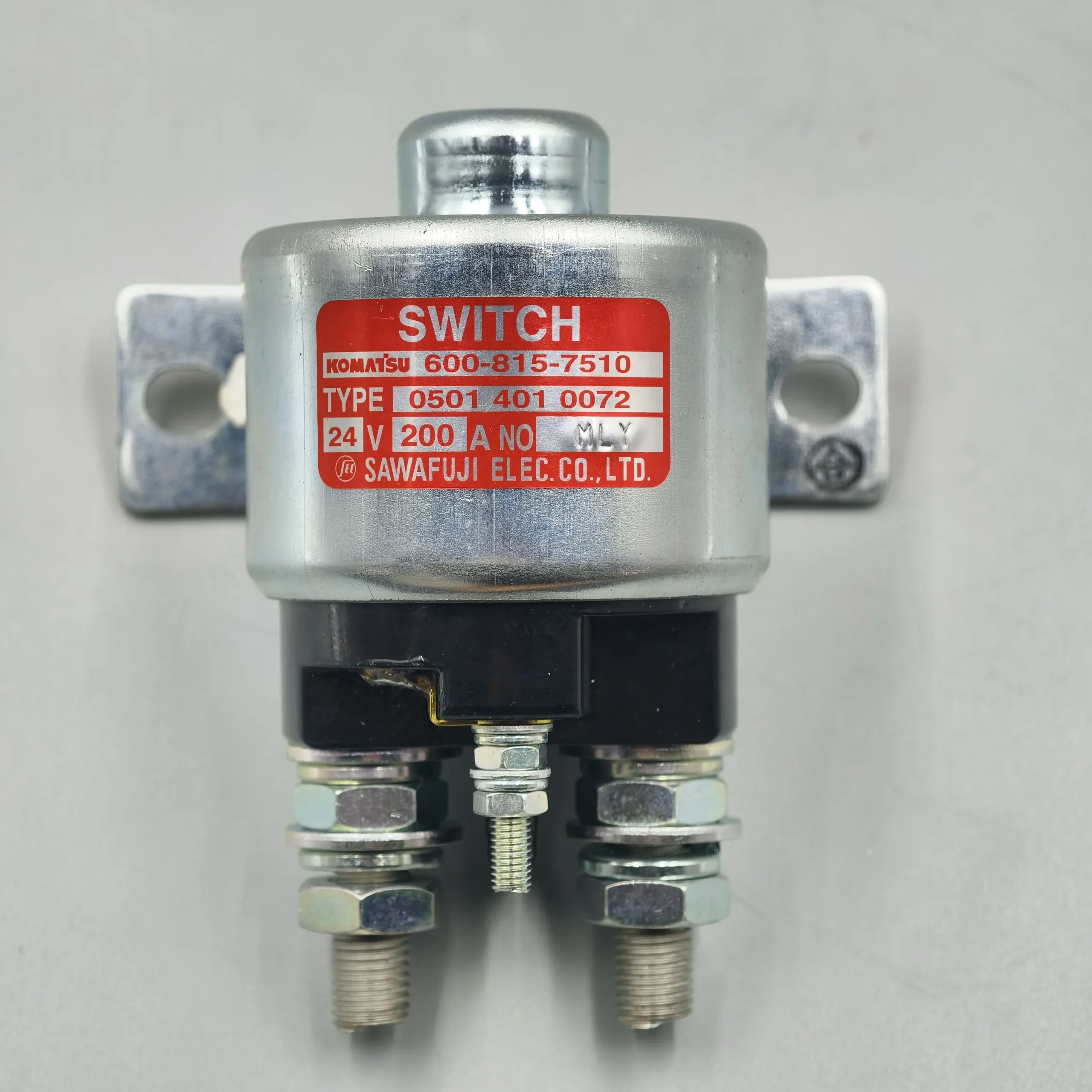
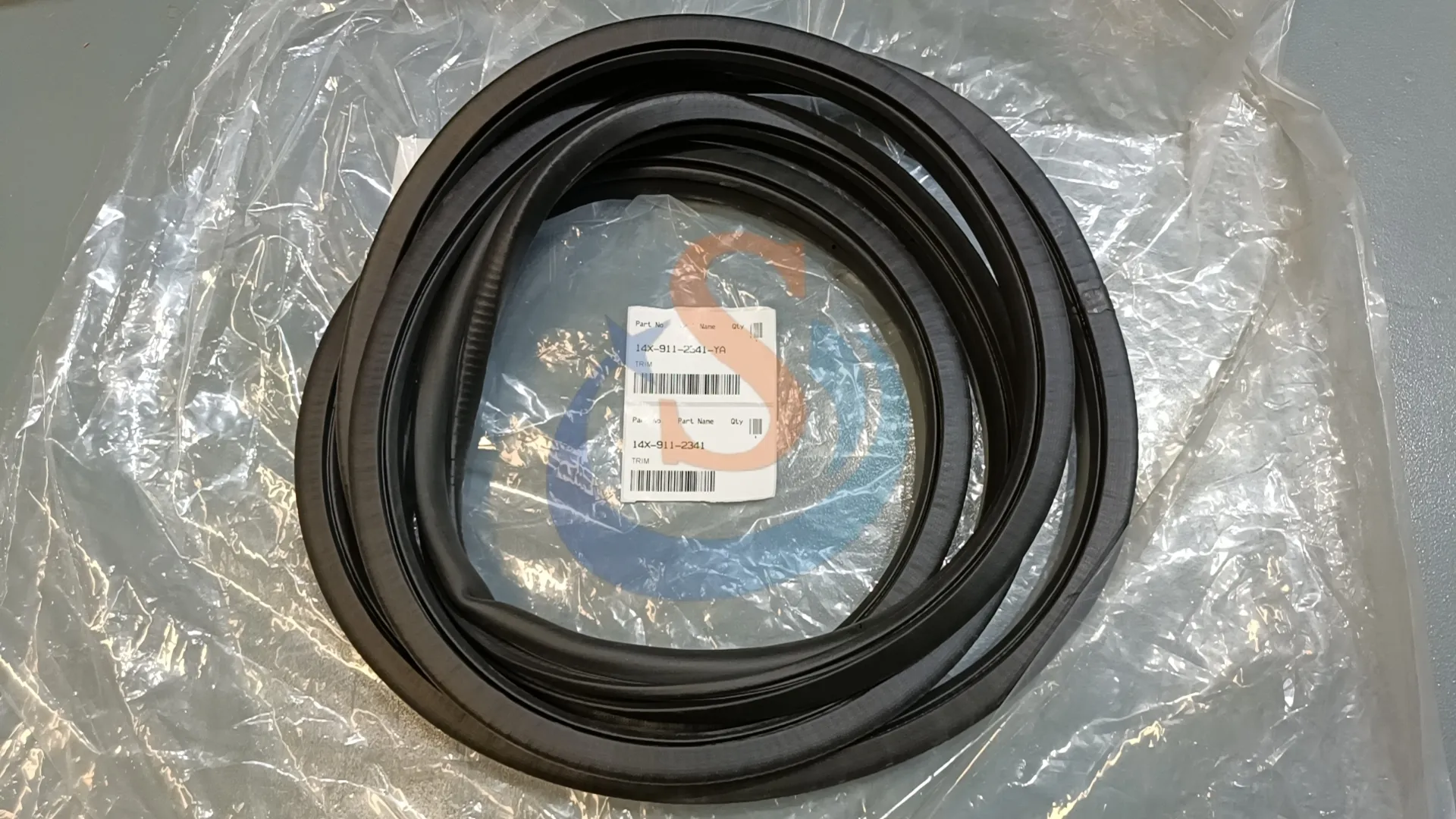
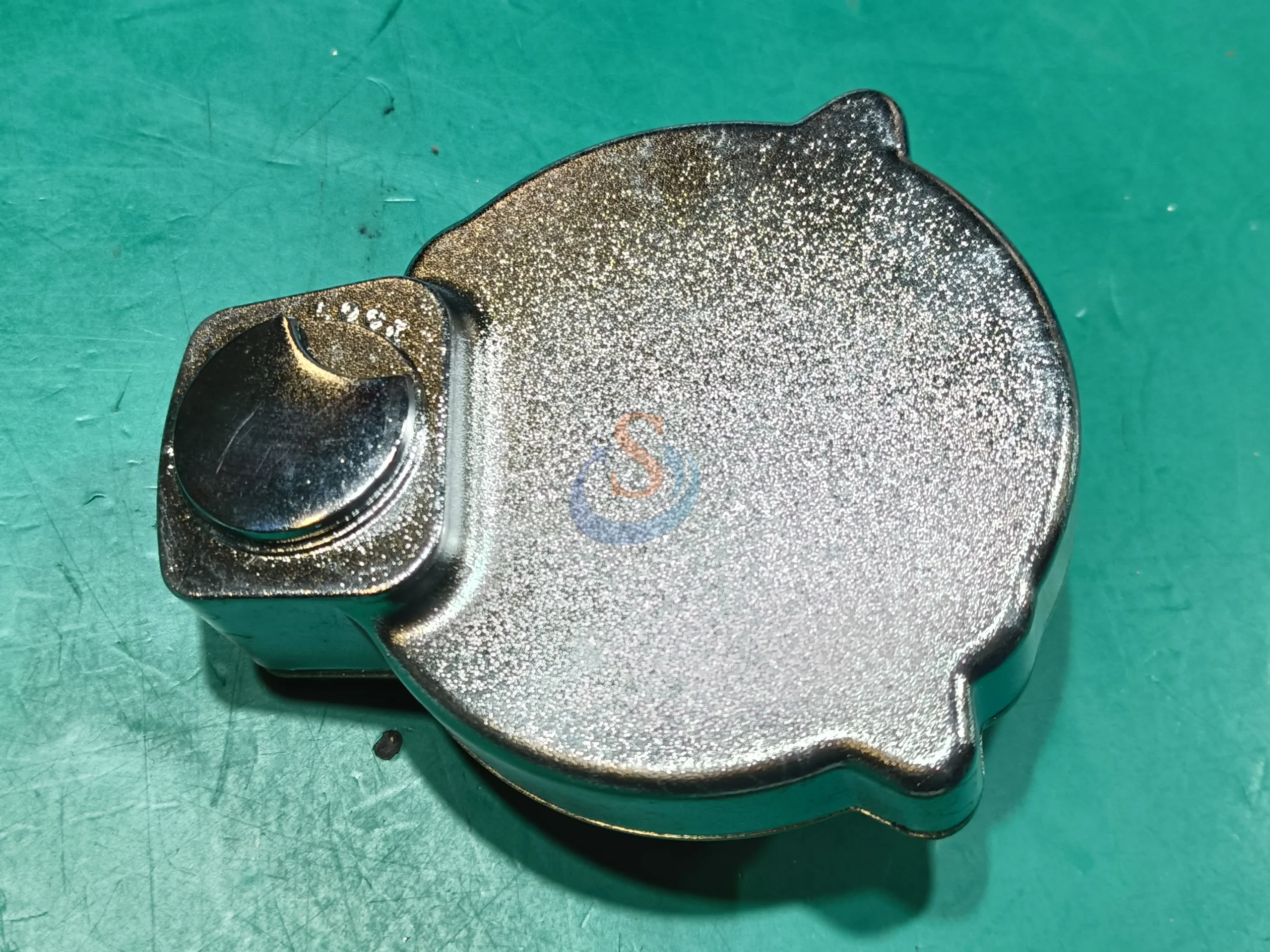
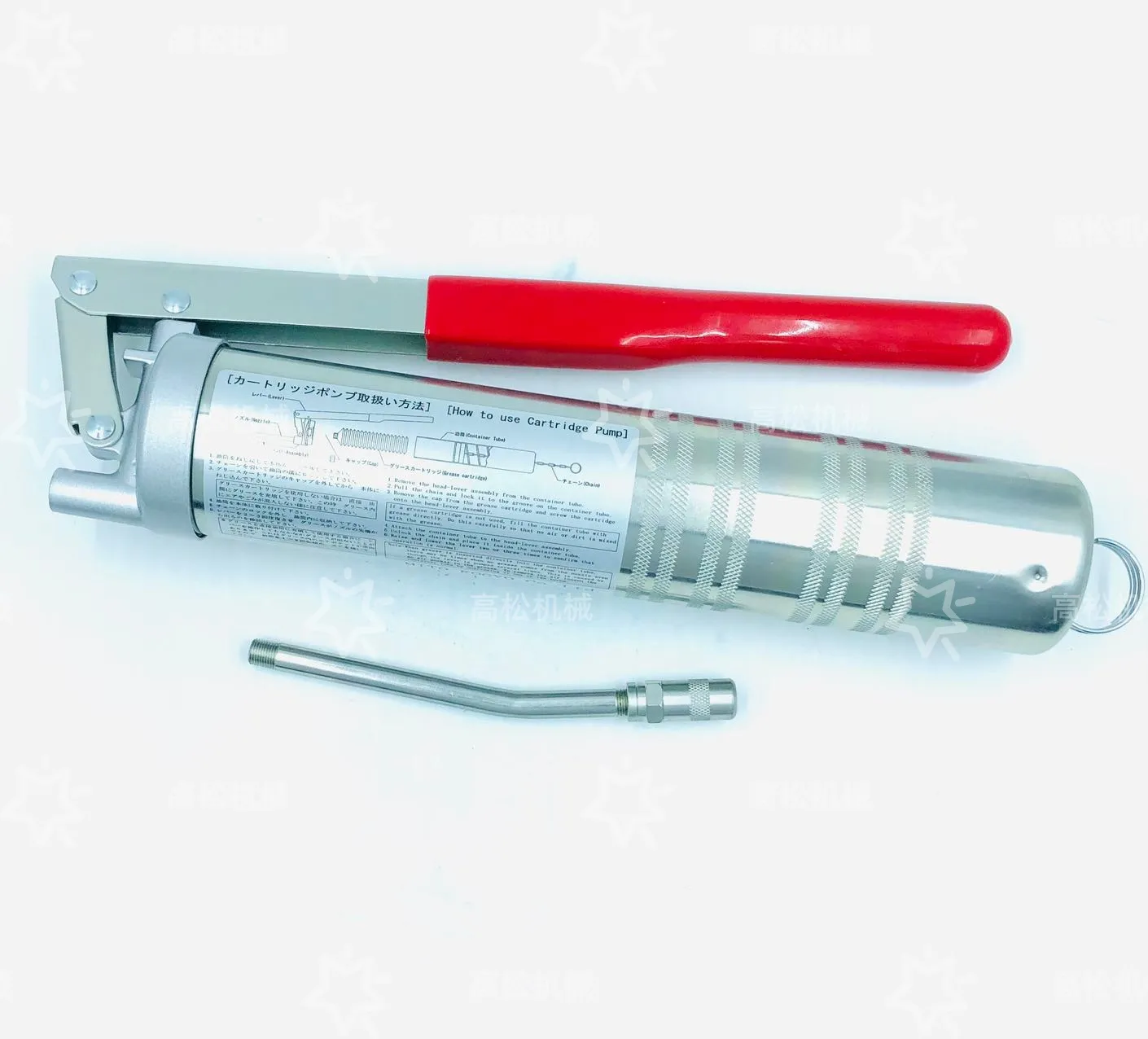

Best Selling Products
Best Selling Products-
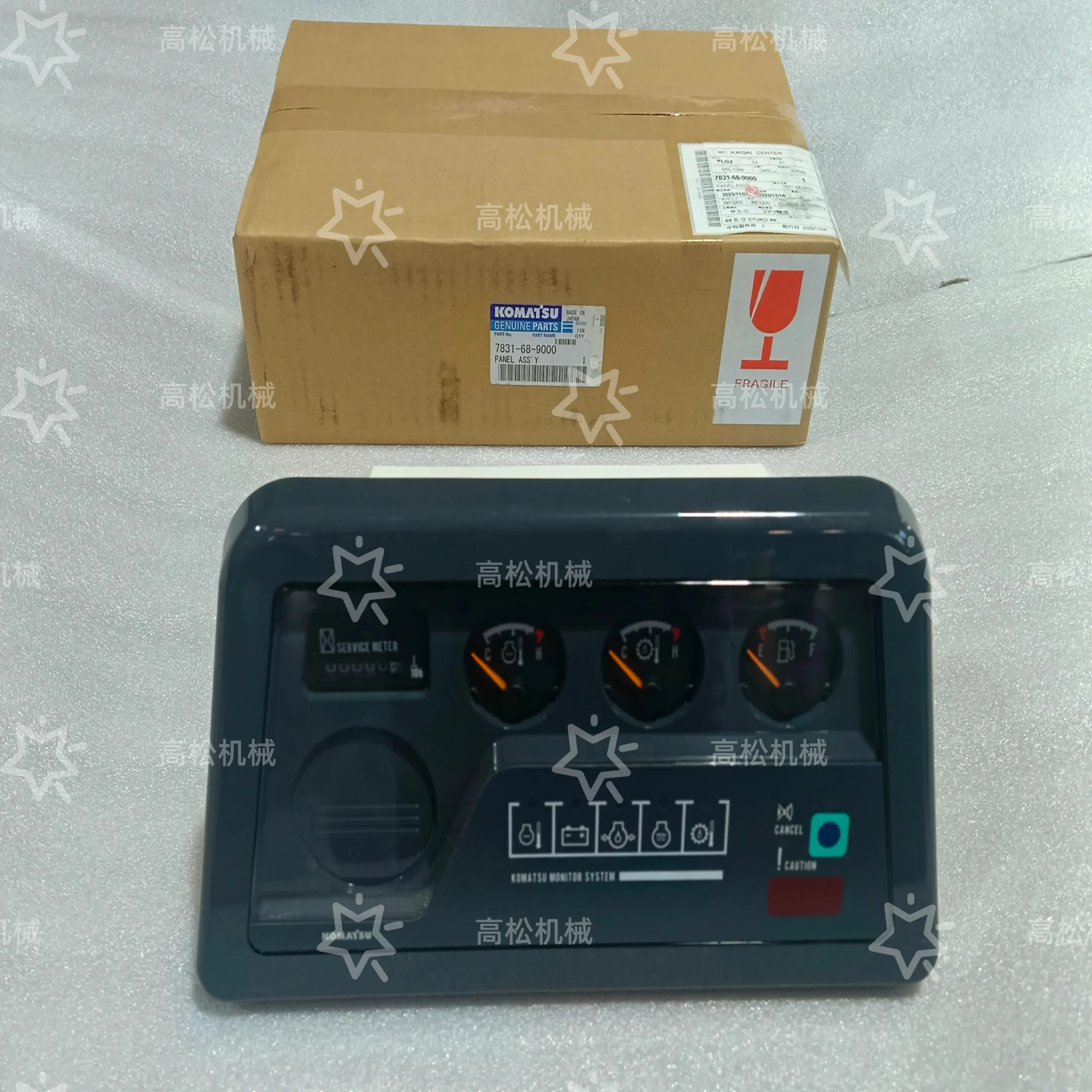 Original New Stock Panel 7831-68-9000 Instrument Panel Assembly Suitable for Komatsu D375A-3/5 Bulldozer
 -
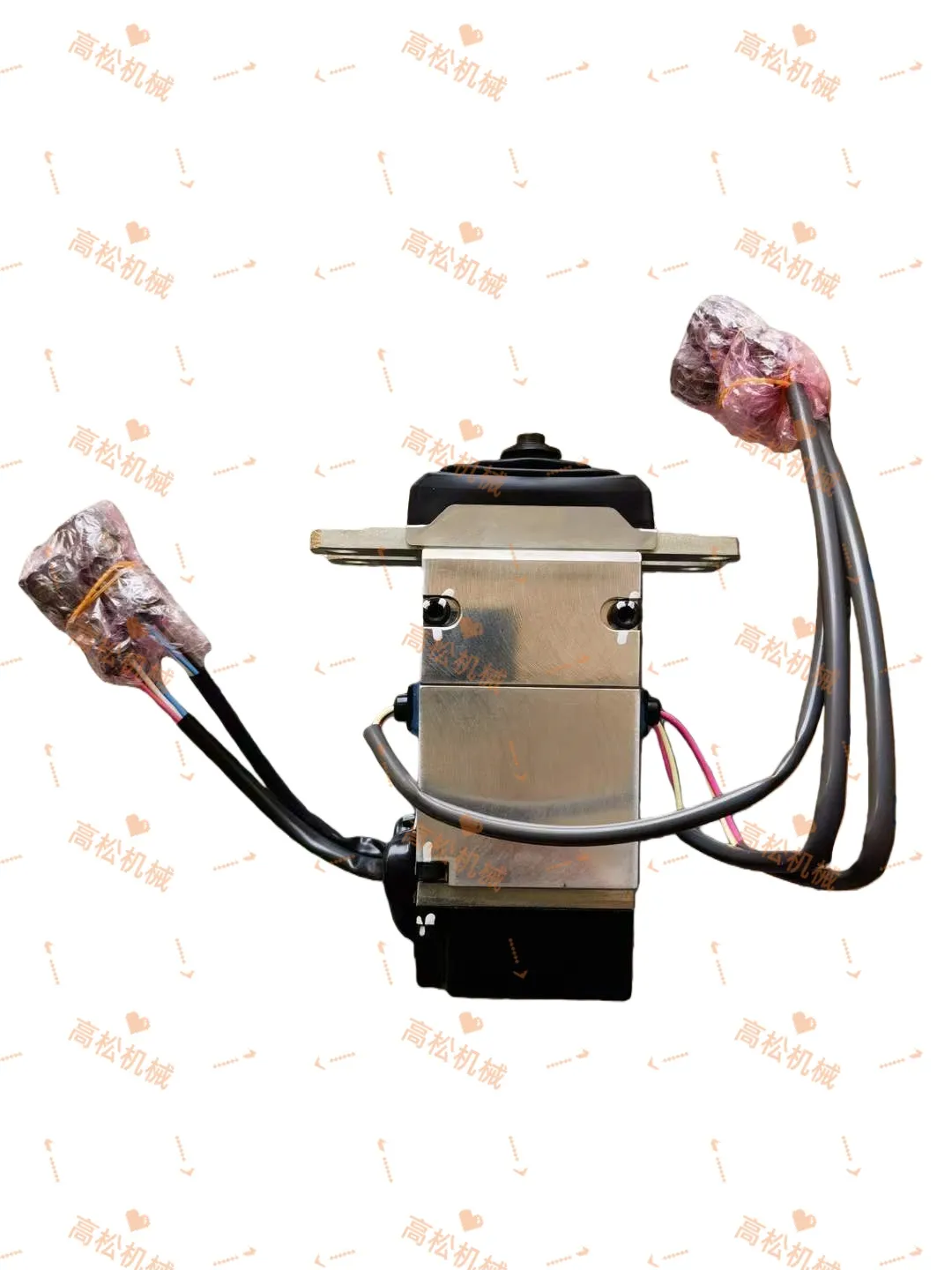 komatsu-part-702-16-02144 Lever Assembly D155A-6R D155AX-8E0 D475A-5E0 D85MS-15 D85EX-15E0 D65PX-18 D155AX-7 LEVER AND CONSOLE FLOOR FRAME TRAVEL CONTROL LEVER ROPS CAB, PCCS (PALM COMMAND CONTROL SYSTEM) LEVER
 -
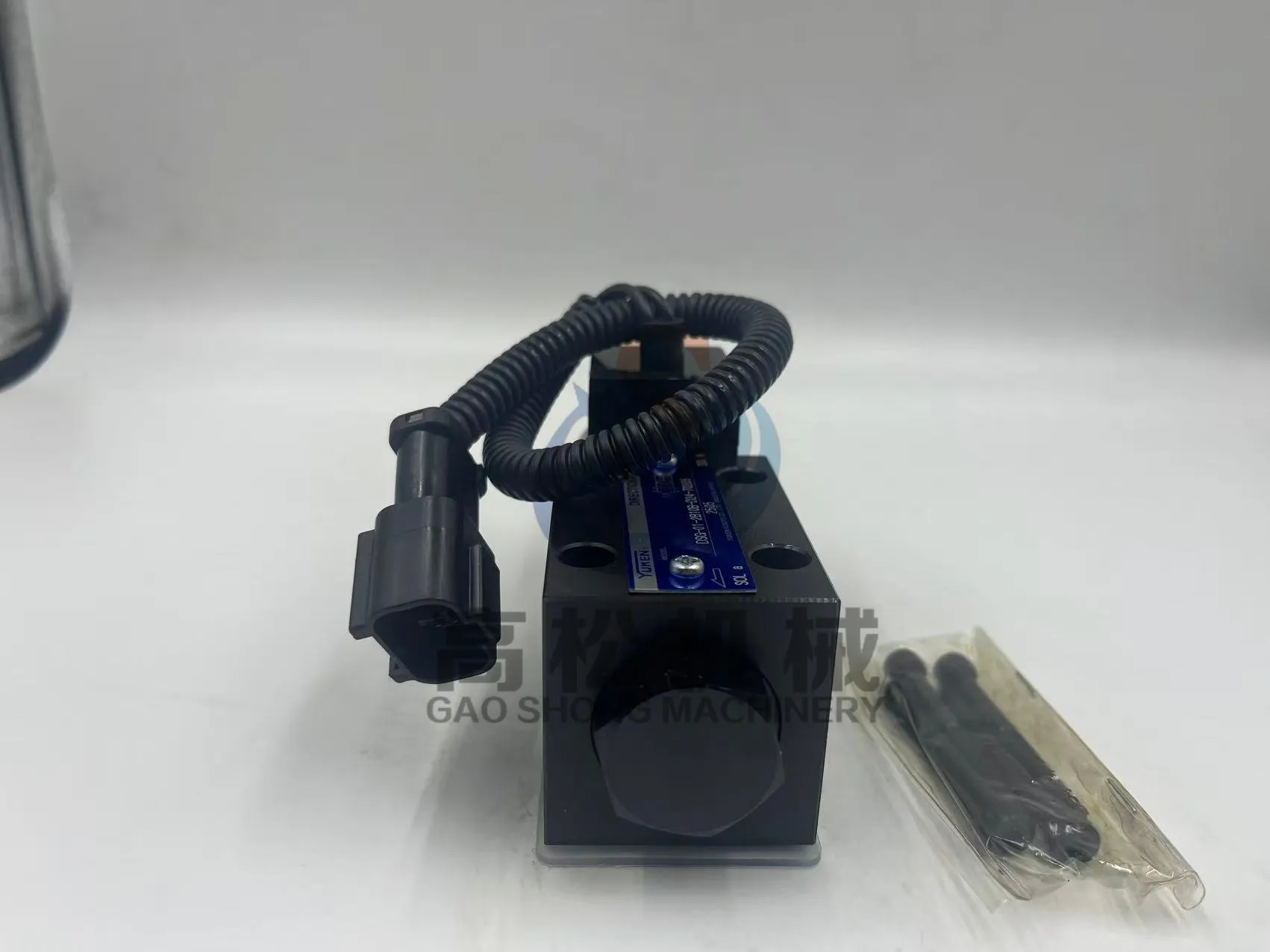 VALVE ASS’Y 23W-60-28230 – KOMATSU
 -
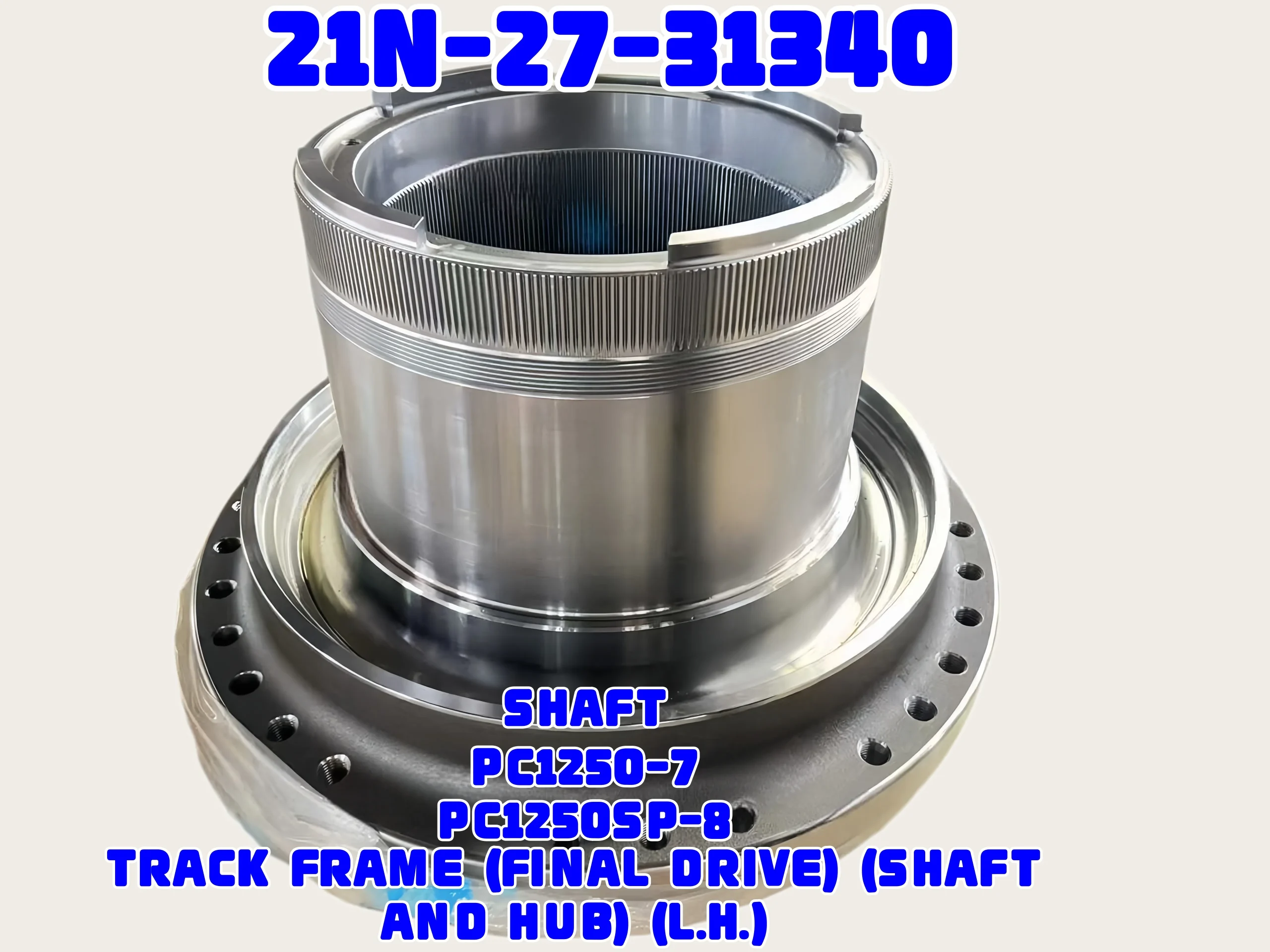 komatsu-part-21N-27-31340 SHAFT PC1250-7 PC1250LC-8 PC1250-8R PC1250-11 TRACK FRAME, FINAL DRIVE L.H. TRACK FRAME, FINAL DRIVE R.H. FINAL DRIVE ASSEMBLY, SHAFT AND HUB, L.H., R.H.
 -
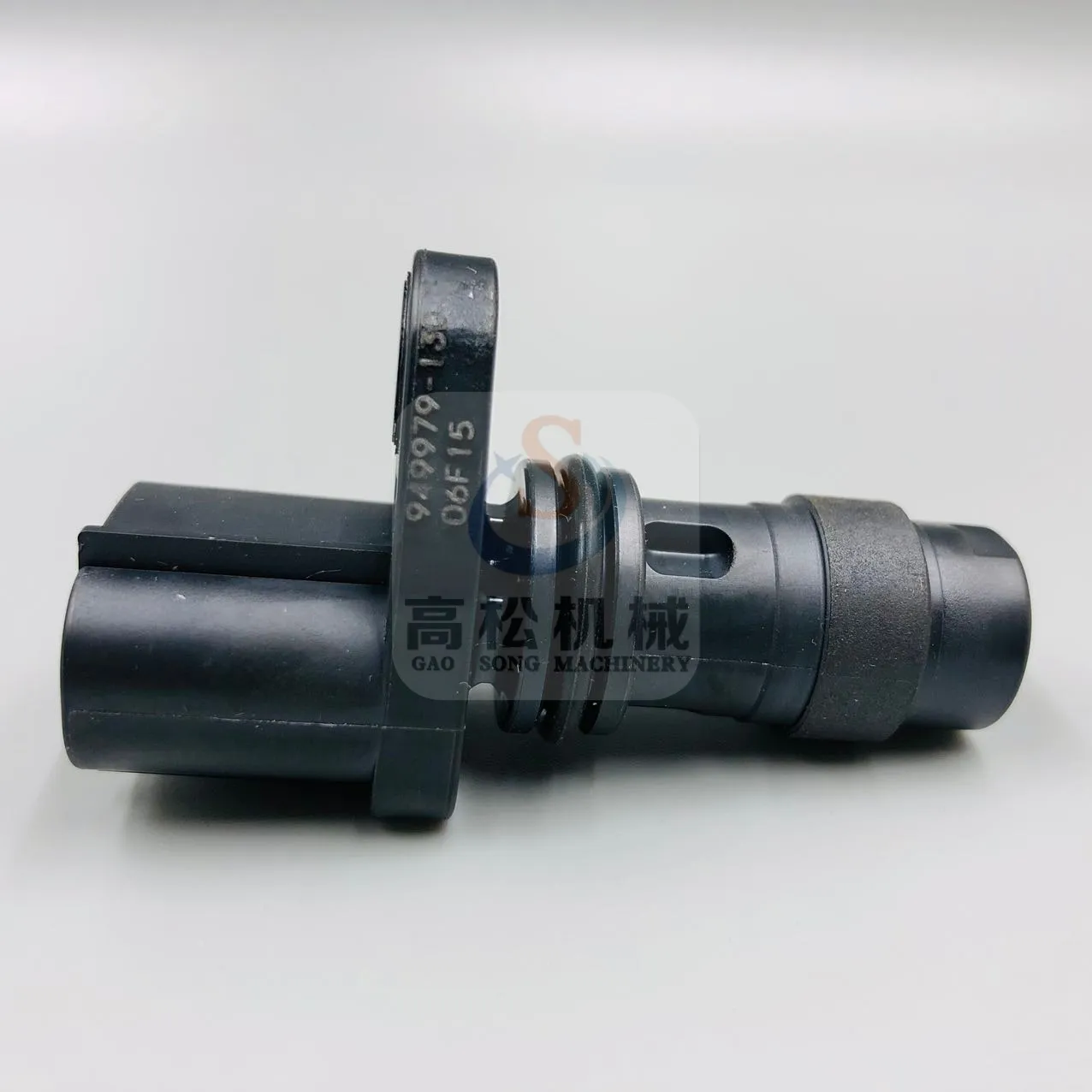 ND949979-1300 fuel pump sensor for Komatsu PC2000-8
 -
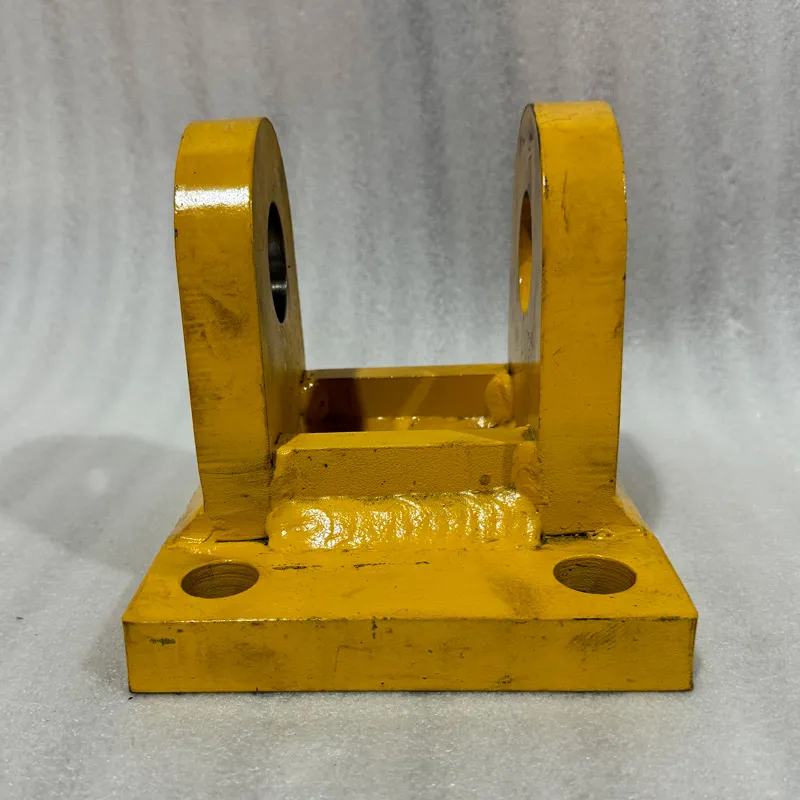 Original komatsu GD661A-1 Pull Rod 238-46-11810
 -
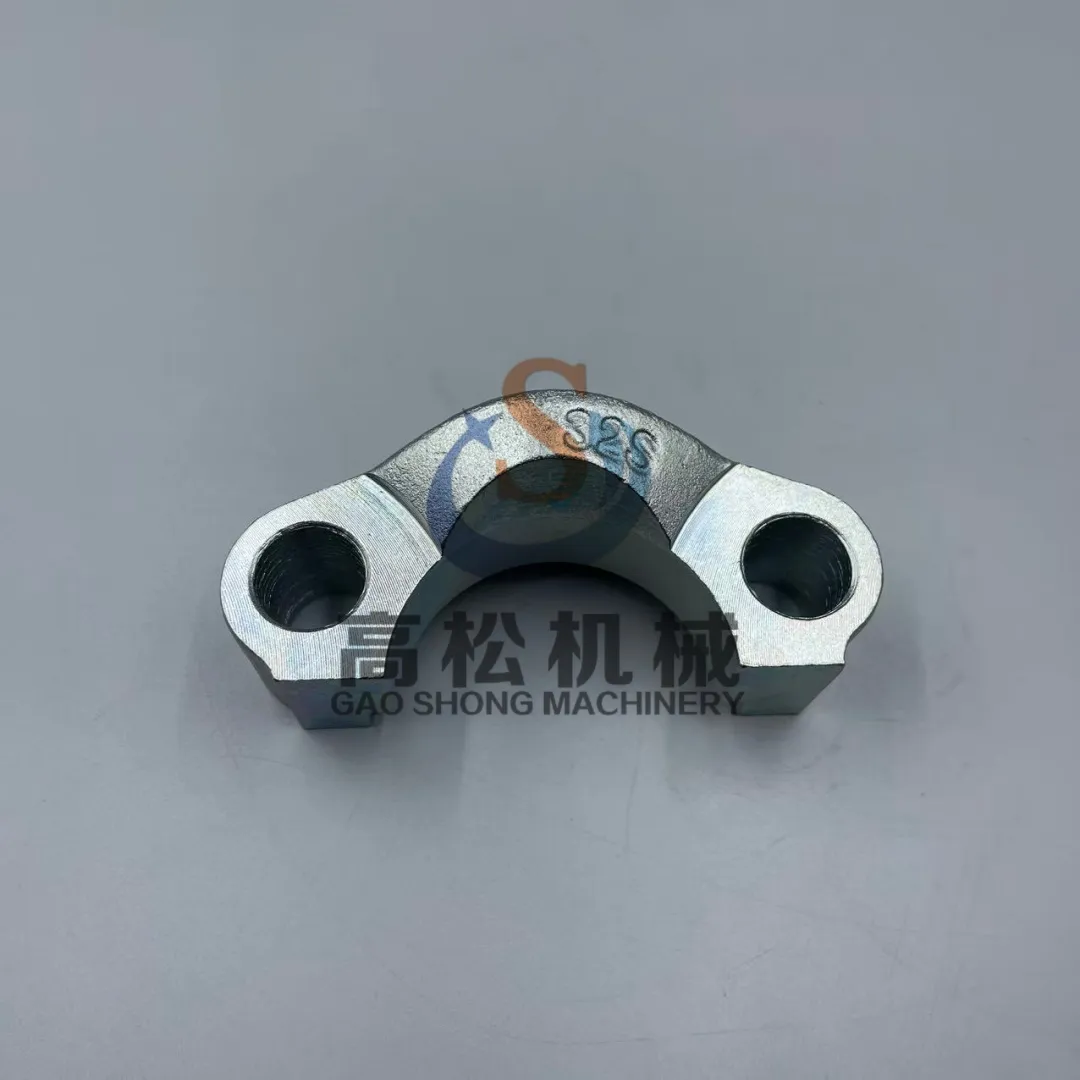 FLANGE 07371-52080 – KOMATSU Part
 -
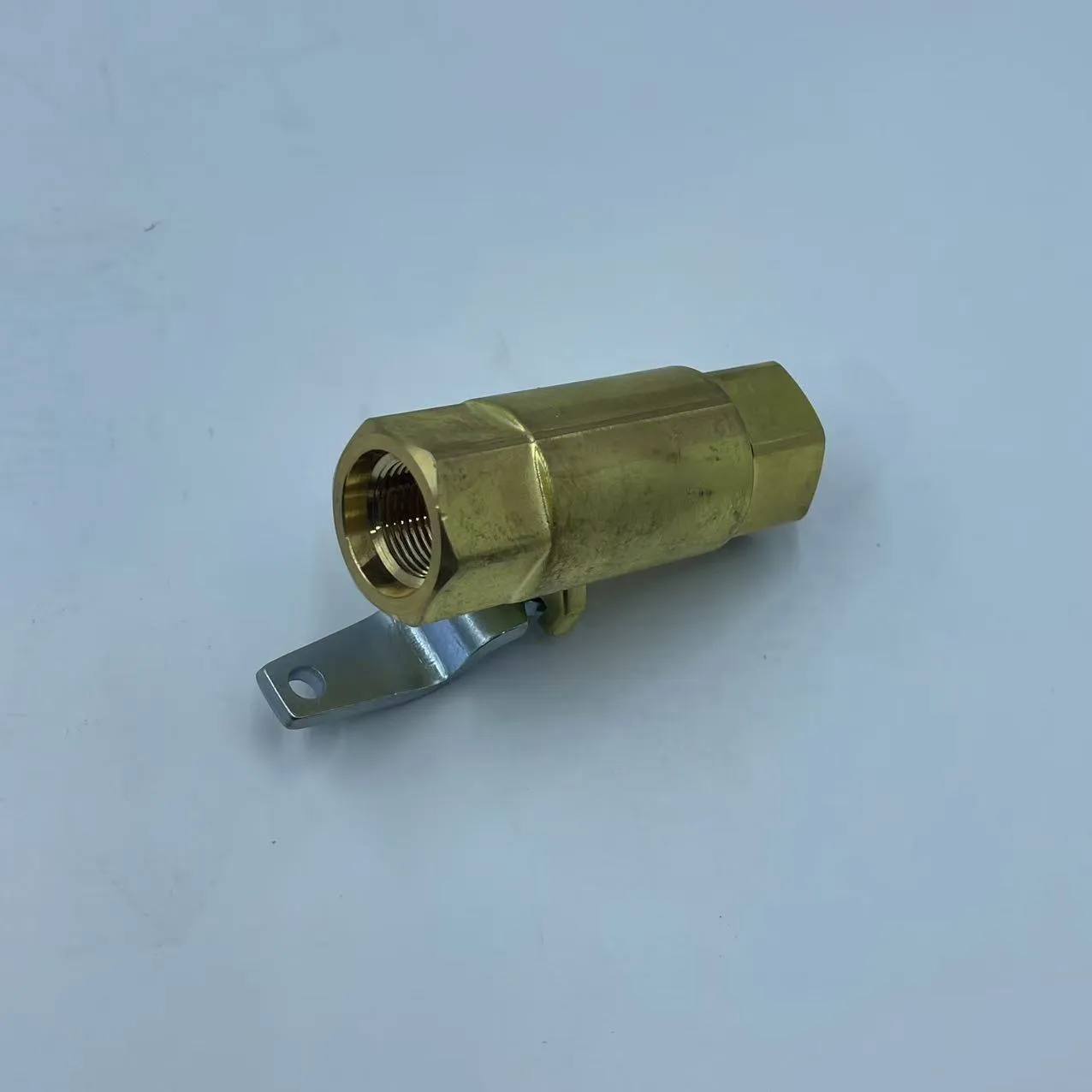 Komatsu Excavator PC200 Valve 20Y-62-15651
 -
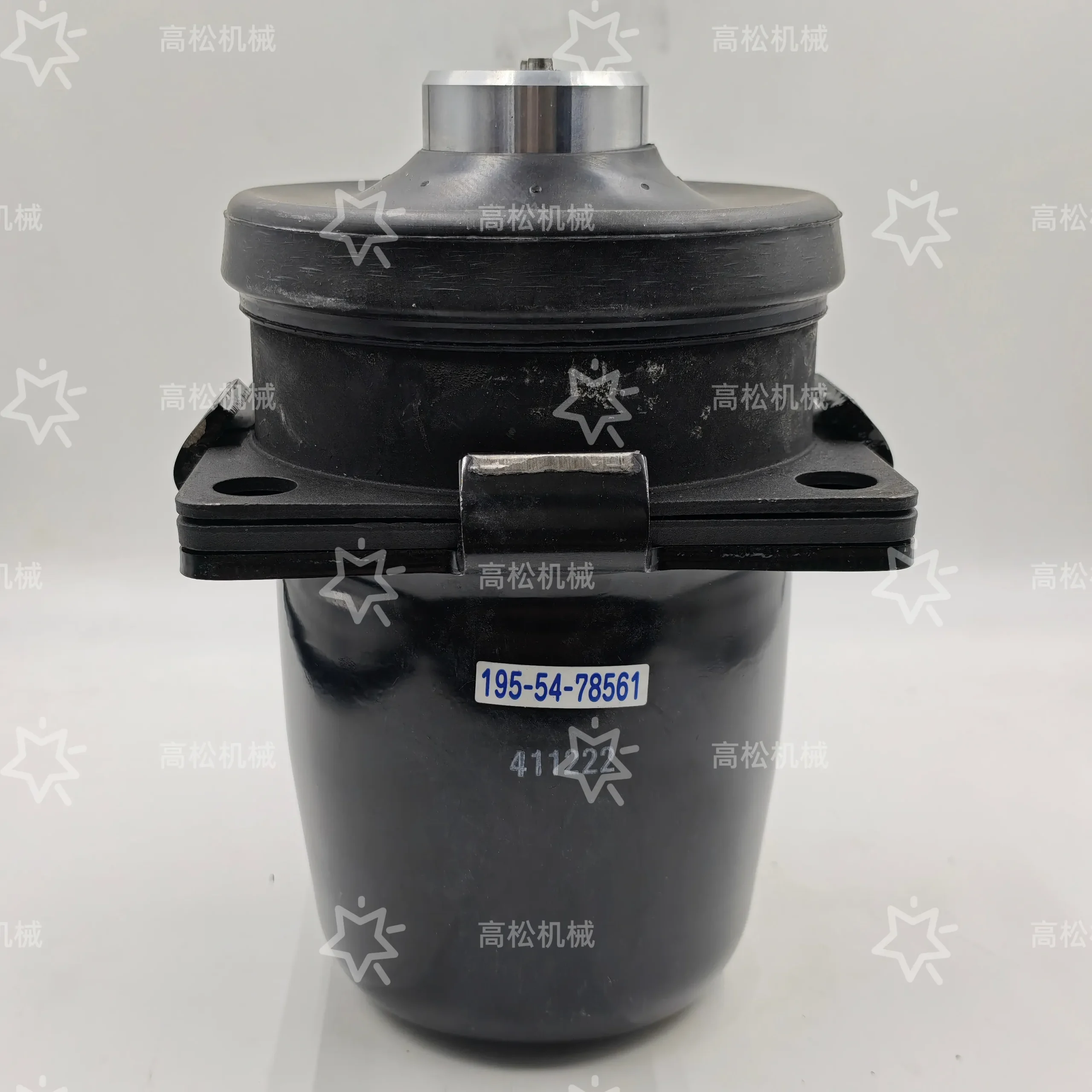 Komatsu D375 bulldozer buffer 195-54-78561
 -
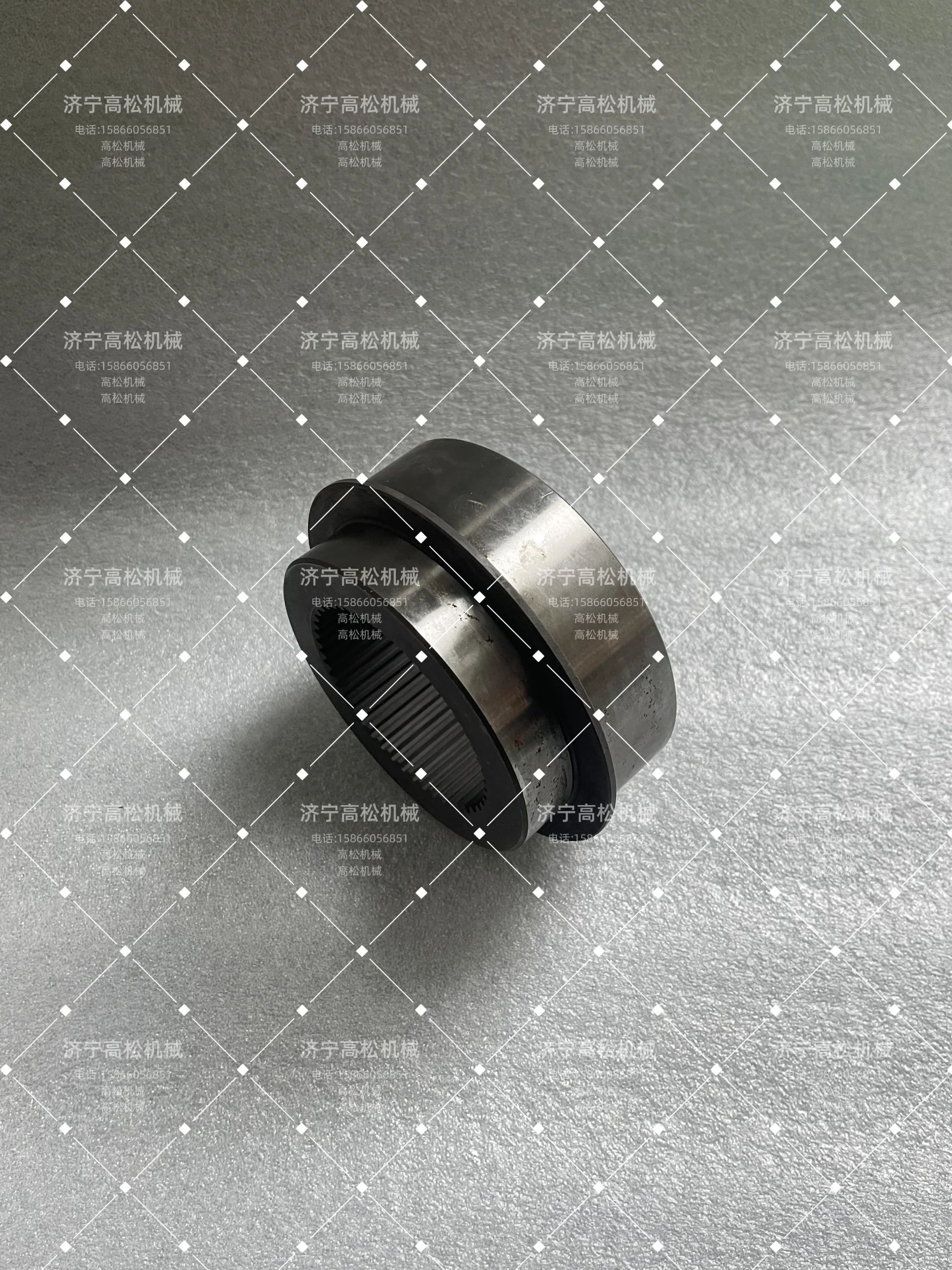 195-15-82570 Komatsu Spacer
 -
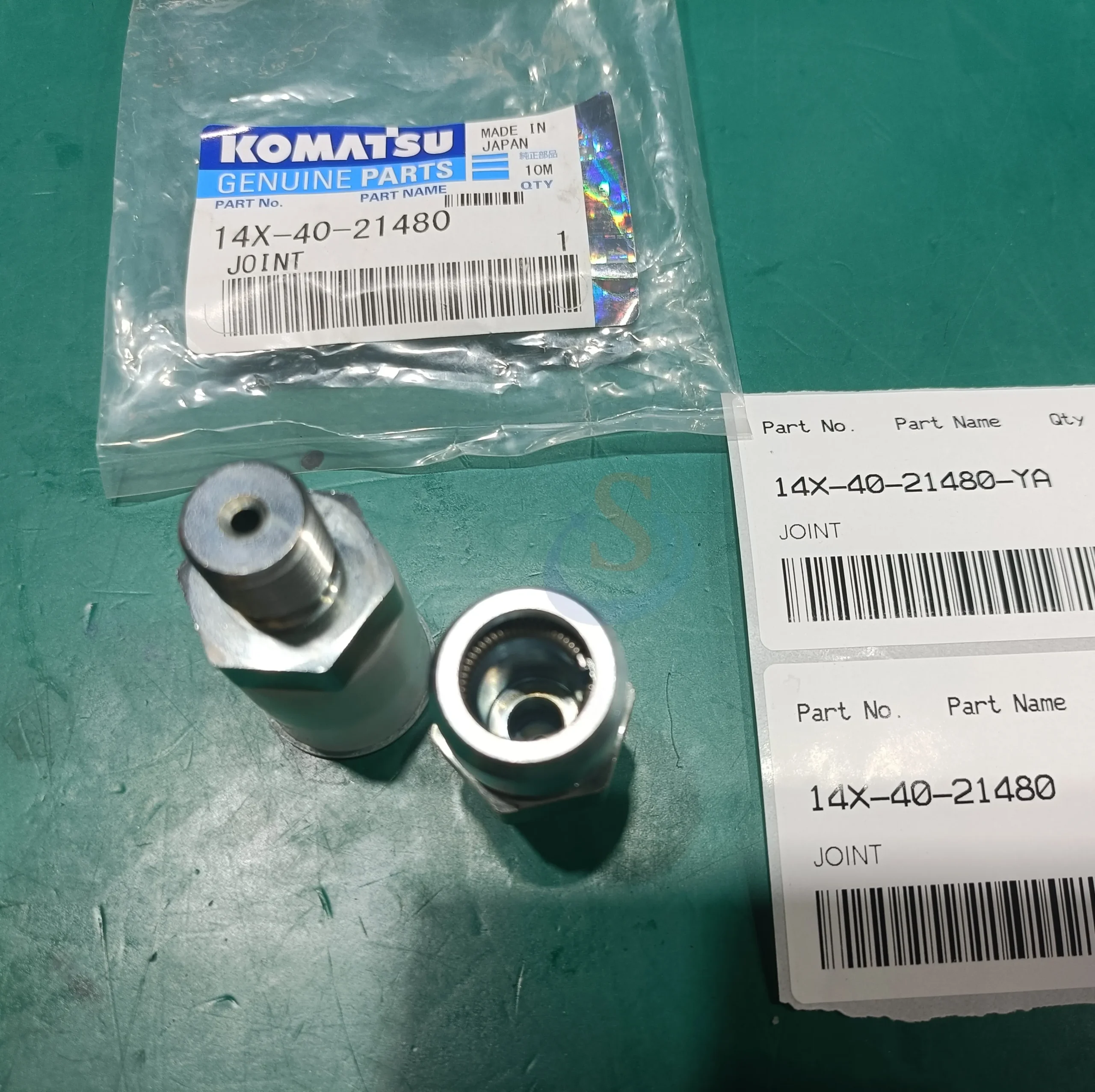 14X-40-21480,JOINT,D65P,D85E,D65E
 -
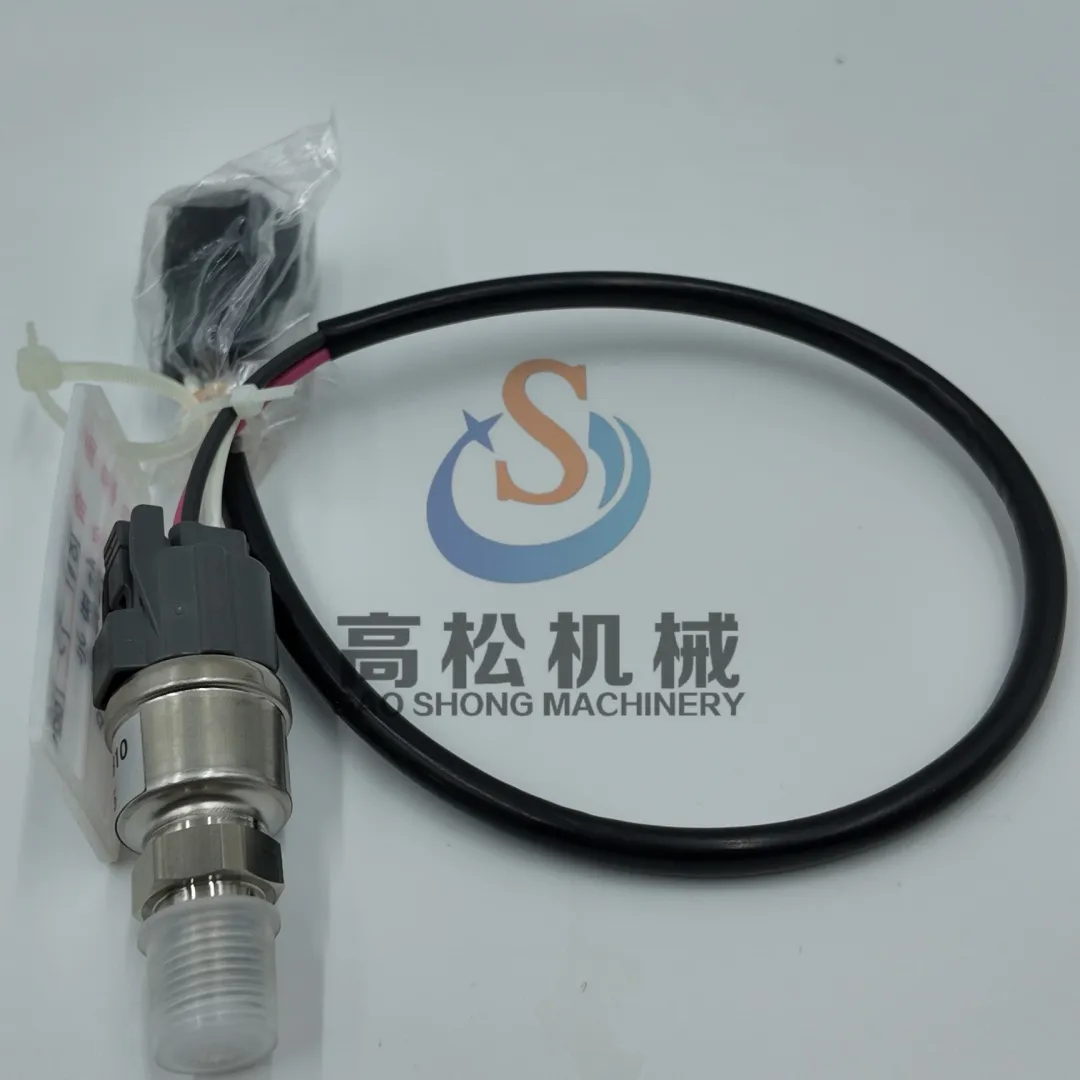 7861-93-1680 Pressure Sensor For Komatsu WA1200 SDA12V140E
Related Search
Related Search- OEM AND ORIGINAL KOMATSU PIN 427-S95-3461
- OEM AND ORIGINAL KOMATSU BUSHING 428-70-11895
- komatsu wa200 parts manual
- parts book komatsu pc200 7
- s6d170 komatsu engine
- OEM AND ORIGINAL KOMATSU WIRING HARNESS 569-15-55820
- OEM AND ORIGINAL KOMATSU VALVE 6211-61-2111
- OEM AND ORIGINAL KOMATSU COVER 17M-27-41480
- Komatsu sensor
- 195-15-00110