
- Chinese
- French
- German
- Portuguese
- Spanish
- Russian
- Japanese
- Korean
- Arabic
- Irish
- Greek
- Turkish
- Italian
- Danish
- Romanian
- Indonesian
- Czech
- Afrikaans
- Swedish
- Polish
- Basque
- Catalan
- Esperanto
- Hindi
- Lao
- Albanian
- Amharic
- Armenian
- Azerbaijani
- Belarusian
- Bengali
- Bosnian
- Bulgarian
- Cebuano
- Chichewa
- Corsican
- Croatian
- Dutch
- Estonian
- Filipino
- Finnish
- Frisian
- Galician
- Georgian
- Gujarati
- Haitian
- Hausa
- Hawaiian
- Hebrew
- Hmong
- Hungarian
- Icelandic
- Igbo
- Javanese
- Kannada
- Kazakh
- Khmer
- Kurdish
- Kyrgyz
- Latin
- Latvian
- Lithuanian
- Luxembou..
- Macedonian
- Malagasy
- Malay
- Malayalam
- Maltese
- Maori
- Marathi
- Mongolian
- Burmese
- Nepali
- Norwegian
- Pashto
- Persian
- Punjabi
- Serbian
- Sesotho
- Sinhala
- Slovak
- Slovenian
- Somali
- Samoan
- Scots Gaelic
- Shona
- Sindhi
- Sundanese
- Swahili
- Tajik
- Tamil
- Telugu
- Thai
- Ukrainian
- Urdu
- Uzbek
- Vietnamese
- Welsh
- Xhosa
- Yiddish
- Yoruba
- Zulu
- Kinyarwanda
- Tatar
- Oriya
- Turkmen
- Uyghur






OEM AND ORIGINAL KOMATSU COVER 195-27-44351
When you see that part number, , pop up in a search or on a quote, the immediate assumption is it's a genuine Komatsu part. But that's where the real conversation starts. The term 'OEM AND ORIGINAL' gets thrown around so loosely in our industry, especially for covers, guards, and those seemingly simple structural components. For a cover like this, often for a pump or valve assembly on a mid-range excavator, the difference between a true original and a licensed OEM product can be a three-fold price gap and a world of nuance in fitment. I've seen guys order what they thought was an 'original' only to find the bolt holes are off by a millimeter or the gauge of the steel feels different. It's not always about quality being bad—sometimes it's just... different. And that difference matters on a machine that's running 12 hours a day.
The OEM Reality in the Komatsu Ecosystem
Let's be clear about OEM within Komatsu's world. Komatsu doesn't forge every single bracket and cover themselves. They have a network of approved manufacturers who produce to exact specifications, and these parts are packaged in Komatsu boxes with the Komatsu part number. That's the 'original'. Then you have companies like Jining Gaosong Construction Machinery Co., Ltd. which operate in a specific space. As they state, they are an 'OEM product supplier within the Komatsu system'. This is key. It often means they are, or were, part of that authorized manufacturing network. The part, say this , might come off the same production line but be sold through a different channel, without the Komatsu logo and paint. The material spec and tolerances should be identical. The challenge is verifying that lineage.
I recall a shipment of side engine covers for a PC300 where the supplier claimed this exact OEM status. The parts looked perfect, but the powder coating was slightly less resistant to heat fade. Were they from the same factory but a different batch? Or a different factory using 'approved' drawings? It's these subtle tells. A company like Gaosong, by positioning themselves as both an insider supplier and a third-party solution, is explicitly navigating this grey area. They're not a random aftermarket shop; they're leveraging their position within the system to address supply gaps, which is a real pain point in many markets.
This is why their role as a 'third-party sales company for Komatsu, helping to solve parts supply challenges in certain countries' isn't just marketing fluff. If you're in a region where official distribution is slow or non-existent, waiting six weeks for an 'original' Komatsu cover can mean a machine down for six weeks. A reliable OEM-alternative from a known entity in the system becomes the pragmatic, operational choice. You're trading the brand stamp for availability and a lower cost, with an assumed level of quality parity.
Dissecting the Original Claim
So, what makes an original original for a part like this? Beyond the box, it's traceability. A genuine will have a specific finish, often a Komatsu-standard yellow dichromate coating on certain bolts or a precise texture on the steel. The OEM version from a system supplier might have a standard zinc plating. Functionally identical, cosmetically different. The risk with non-system 'OEM' parts is material substitution. Instead of SPHC steel, you get a cheaper mild steel that dents easier. For a cover, that might not be catastrophic, but it speaks to longevity.
I learned this the hard way early on. We needed a hydraulic tank cover for a Dash-8 model. Got a great price on an 'OEM' part. It fit, but within a year, it had stress-cracked near a welded bracket. The genuine part we finally sourced was clearly a different alloy, more flexible. The failure wasn't immediate, which is the insidious part. It wasted more in labor for the second replacement than the initial price difference saved. Now, when I evaluate a supplier, I ask for material certifications or even a sample to compare heft and finish against a known-good part.
This is where a supplier's transparency matters. A site like takematsumachinery.com is useful if it provides that technical clarity. Do they specify material grades? Do they acknowledge the differences, or do they blur the lines? An honest intermediary will tell you, This is our in-system OEM product, equivalent to the original in fit and function, with the following minor variations. That builds trust. The blanket claim This is the same as Komatsu is usually a red flag.
Practical Sourcing and Fitment Checks
When the lands in your yard, don't just throw it on the machine. The first check is always a visual and tactile comparison with the old part, if you have it. Lay them side by side. Check the bend radii, the flange widths. Then, do a dry-fit. Never force it. I've had OEM covers where the holes aligned perfectly but the contour was slightly off, causing a tension fit that would eventually fatigue. A few taps with a rubber mallet are okay; needing a pry bar is not.
Another practical note: hardware. Often, these covers don't come with bolts. The original Komatsu part might, but the OEM version frequently doesn't. You need to check the thread pitch and length. Reusing old, stretched bolts on a new cover is a shortcut to a failure. It's a small detail, but it's the kind of thing that separates a parts clerk from a mechanic. The listing should specify cover only or cover with hardware. If it's silent, assume you need to source bolts separately.
For a company like Jining Gaosong, their value-add in the sourcing process should be technical support. Can you call or email with a specific machine serial number range to confirm compatibility for this cover ? The part number might span multiple models with slight revisions. A good supplier will have that cross-reference data and warn you, For serial numbers after XXXX, you need a shim plate. That's the kind of service that turns a transaction into a partnership.
The Cost-Benefit Analysis for Fleets
For a single machine owner, the calculus might lean toward the safety of the genuine part. For a fleet manager running 20 Komatsu excavators, the equation changes dramatically. If the OEM alternative from a credible system supplier is 40% cheaper and has a proven track record of fitment, the savings are massive. The key is 'proven track record.' You might trial it on one, less-critical machine. Monitor it for a few hundred hours. Does it vibrate? Does it show premature wear or corrosion?
We did this with crawler link guards from a similar supplier. Ran them on three machines for 2000 hours alongside machines with genuine guards. The wear patterns were nearly identical. That gave us the confidence to roll them out fleet-wide, saving tens of thousands annually. The cover is a similar candidate. It's a protective component, not a precision hydraulic gear. The risk of an OEM failure is usually downtime and replacement cost, not cascading mechanical damage.
This is the niche that Jining Gaosong Construction Machinery Co., Ltd. fills. They aren't selling cheap knock-offs; they're offering a value-oriented, supply-chain-efficient version of system parts. For fleets in countries with fragmented official support, this isn't just an option—it's a operational necessity. Their challenge is maintaining consistent quality across batches, which is the true test of any manufacturing partner, inside or outside the official system.
Beyond the Part Number: The System View
Ultimately, dealing with parts like this isn't about a single transaction. It's about understanding your position in the global parts ecosystem. The OEM AND ORIGINAL KOMATSU dynamic is a feature of that system, not a bug. Komatsu protects its brand and dealer network with genuine parts, but tacitly acknowledges the need for alternative supply chains through its licensed partners. As a buyer, your job is to map that landscape.
Does the supplier have a physical address, a traceable history? Can they provide references from other fleet operations? For a cover, the stakes are moderate. But this relationship becomes crucial when you're sourcing more critical components later. Starting with a straightforward part like the is a good litmus test for a new supplier. It's low-risk enough to be a trial, but complex enough to reveal their capabilities in logistics, quality control, and support.
So, when you next see that part number, don't just see a cover. See a test case. See an entry point into a parallel supply chain that, when vetted properly, can provide immense value. The goal isn't to always buy the cheapest, or always buy the branded. It's to buy the right part for your operational and financial reality from the most competent source available. Sometimes, that's the original in the Komatsu box. Often, especially for components like this cover, it's the OEM product from a system-savvy company that understands the machine as well as the market.
Related Products
Related Products

Best Selling Products
Best Selling Products-
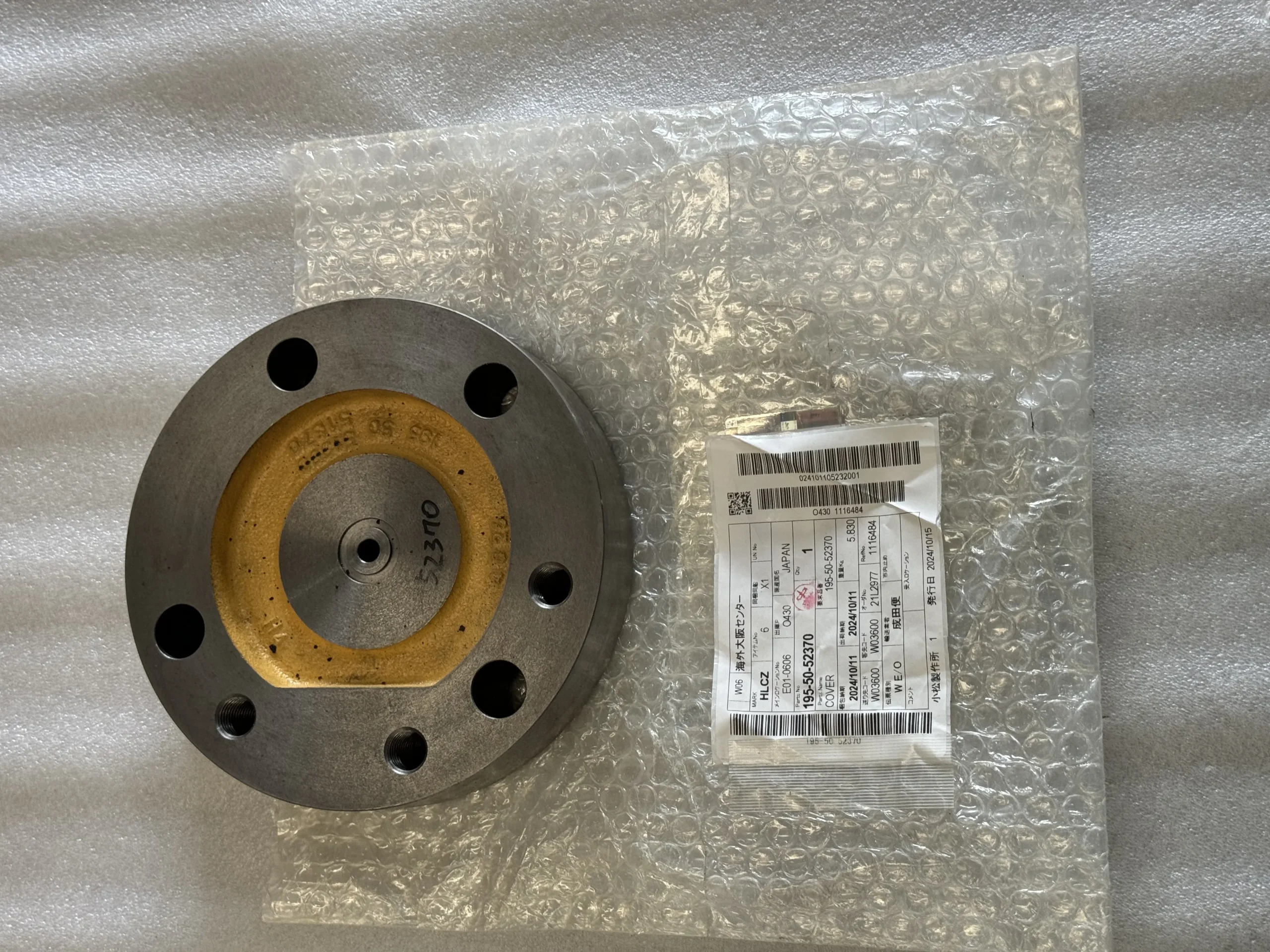 D375A-5 Cover 195-50-52370
 -
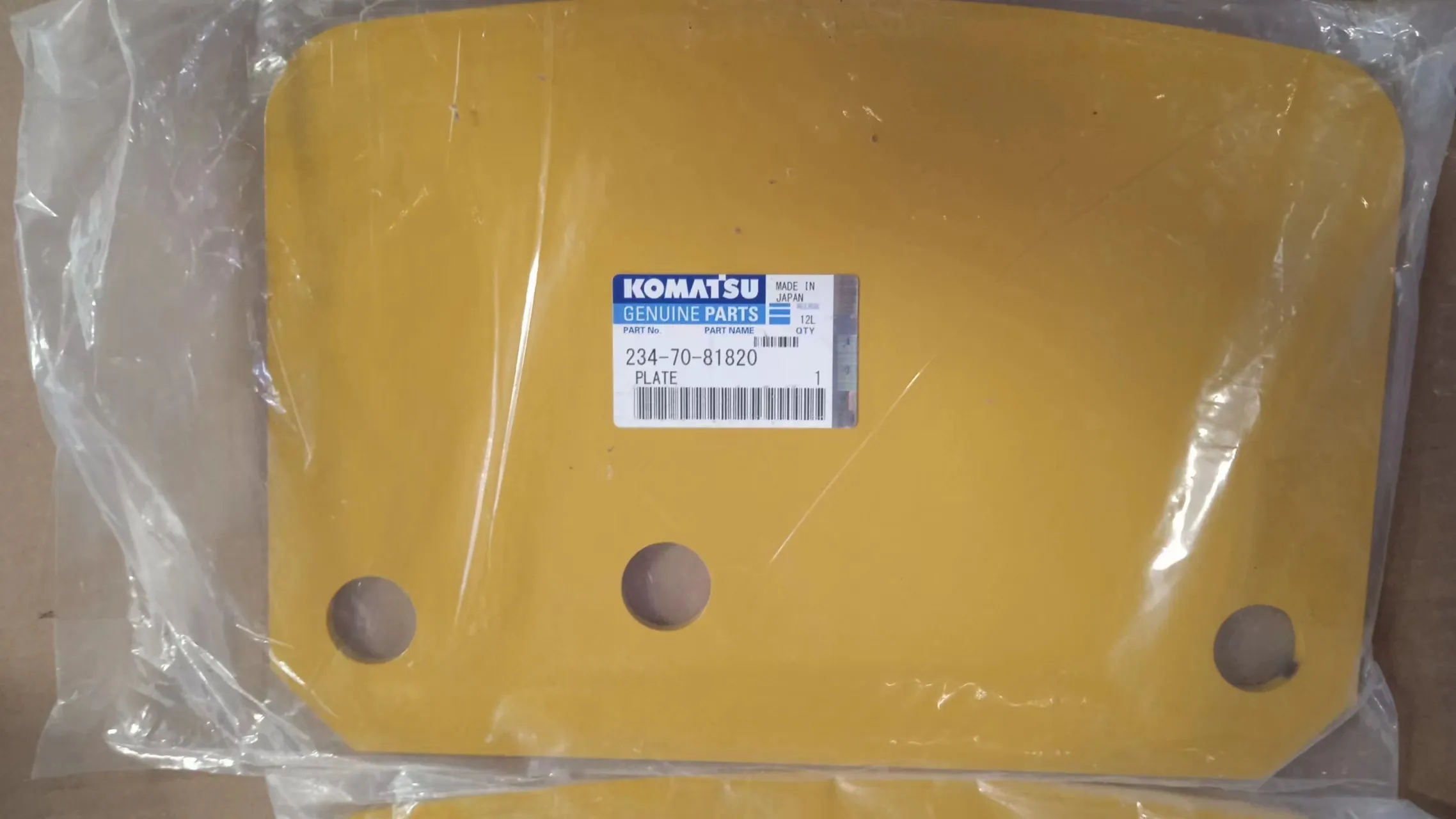 GD705-5 metal plate 234-70-81820
 -
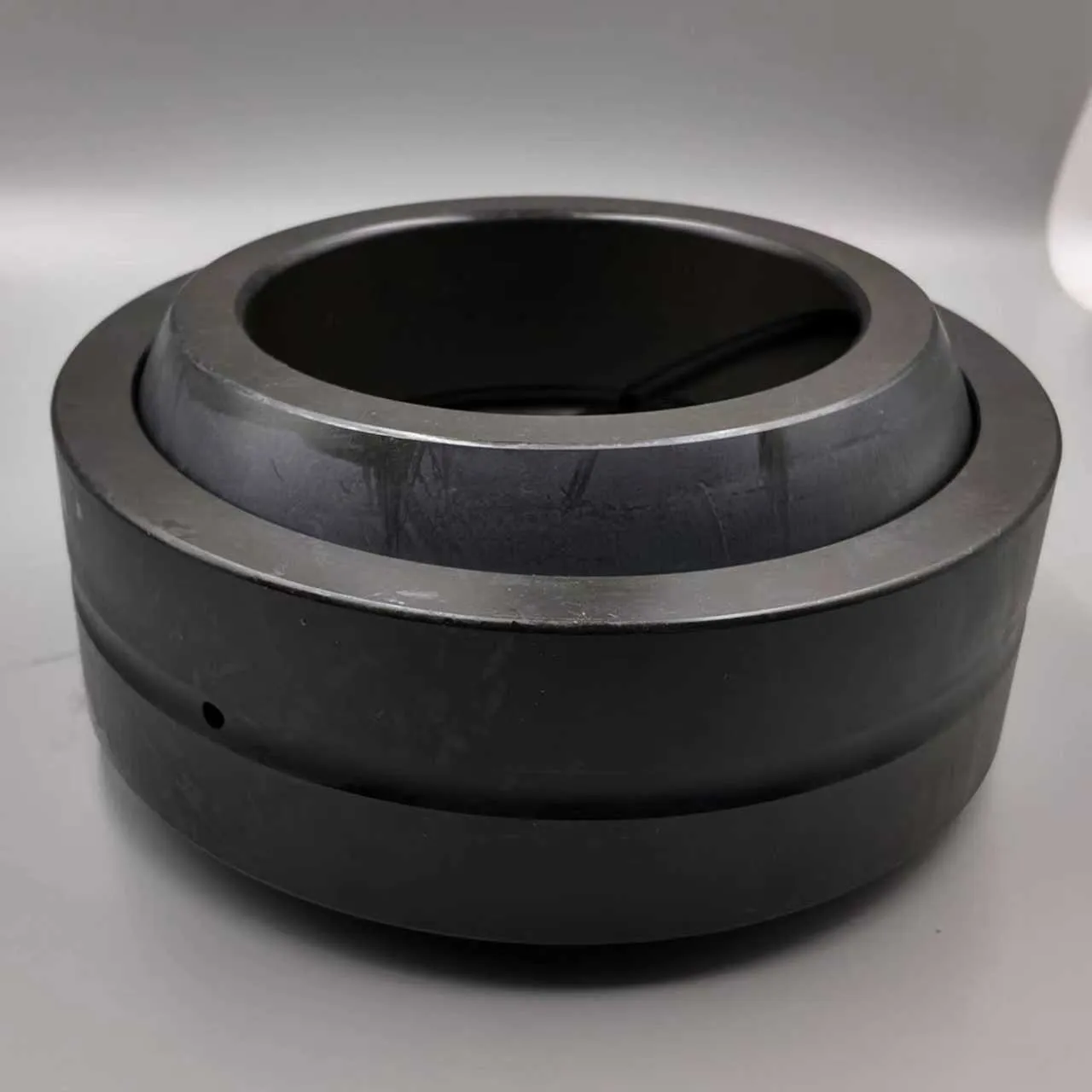 707-46-14010 • BUSHING-Komatsu Original Factory
 -
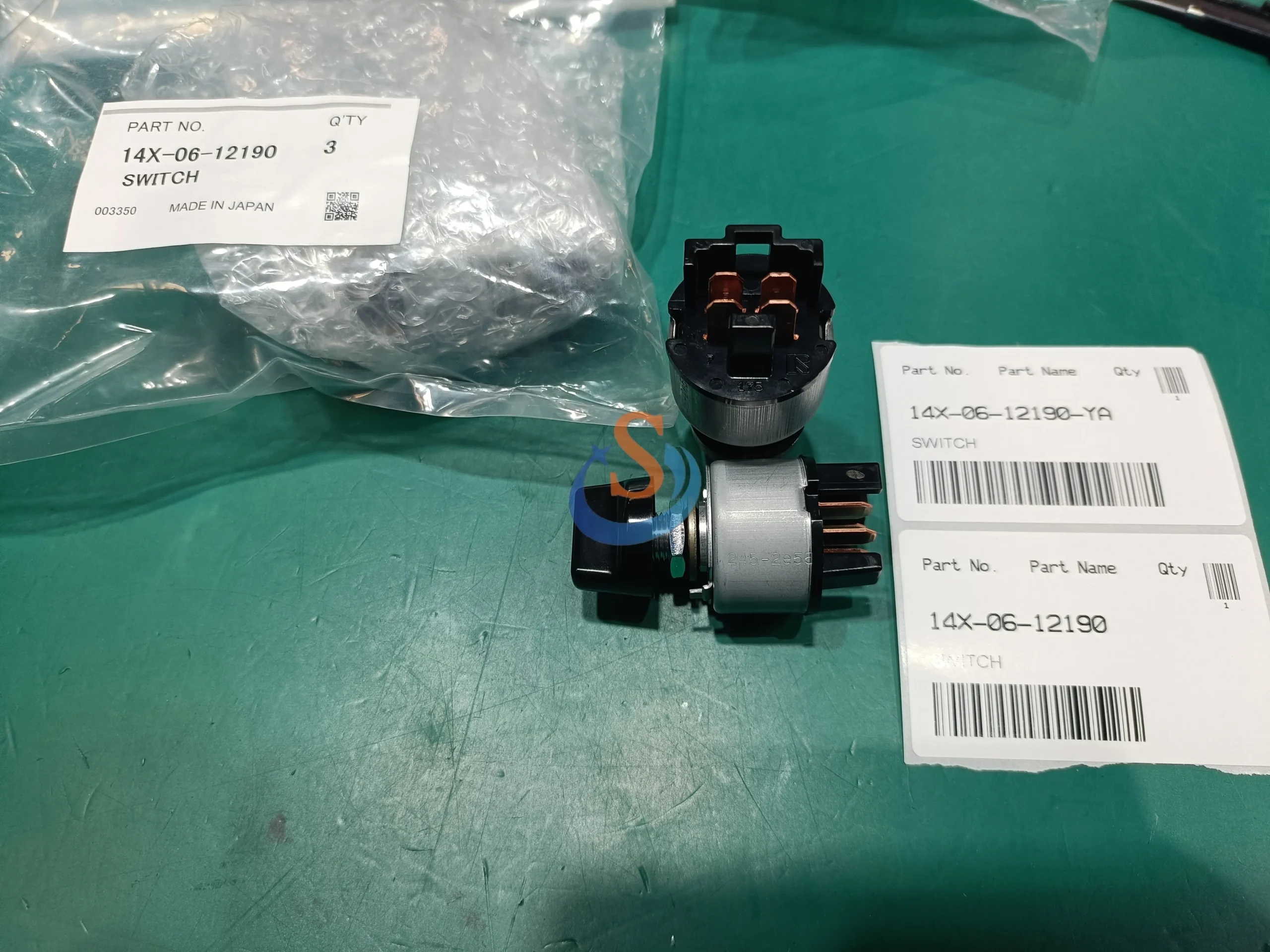 14X-06-12190 SWITCH D375A/D475A
 -
 WIRE 21N-25-31130 – KOMATSU
 -
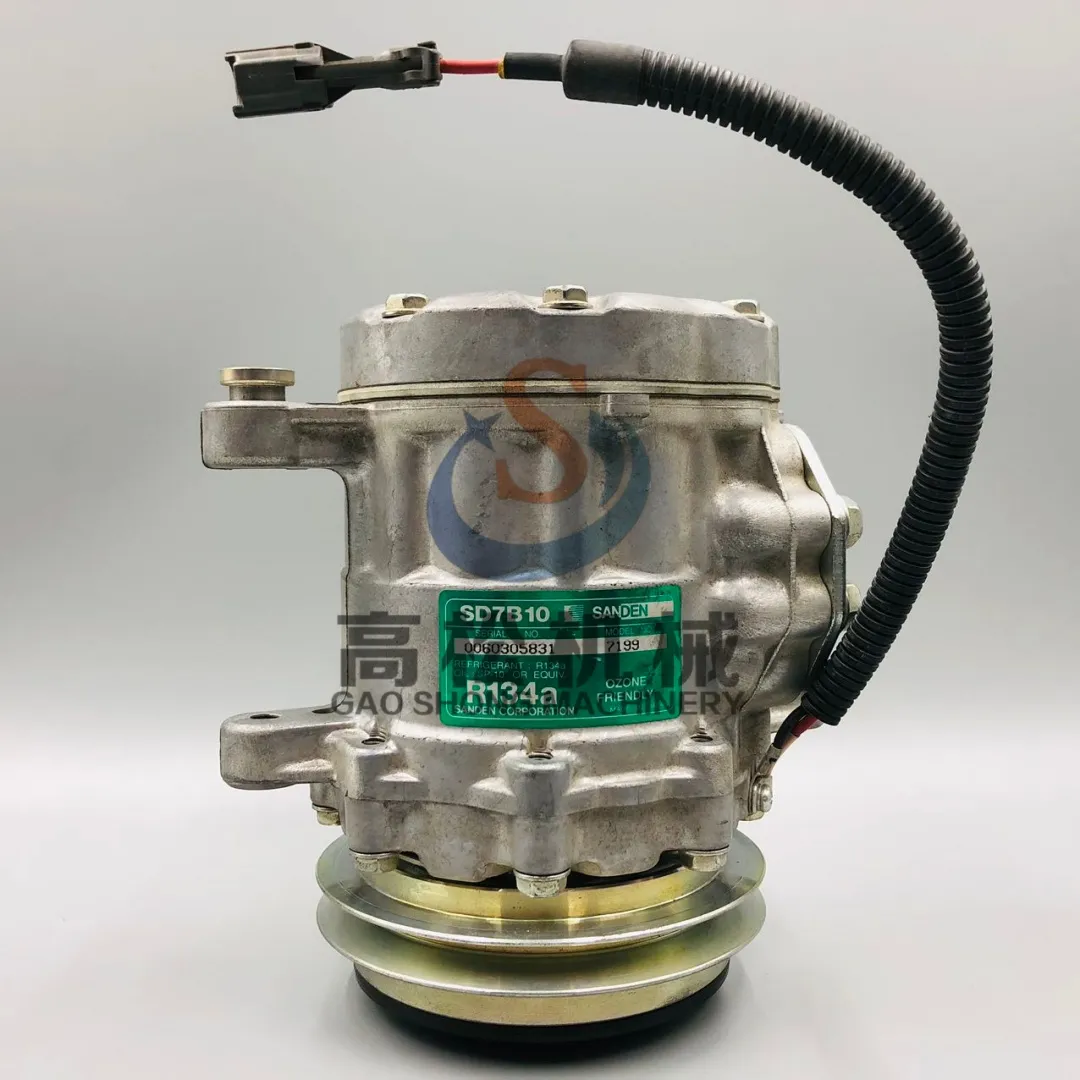 Disong 22L-979-2200 AIR CONDITIONER COMPRESSOR 22L-979-2200 for Excavator PC56-7
 -
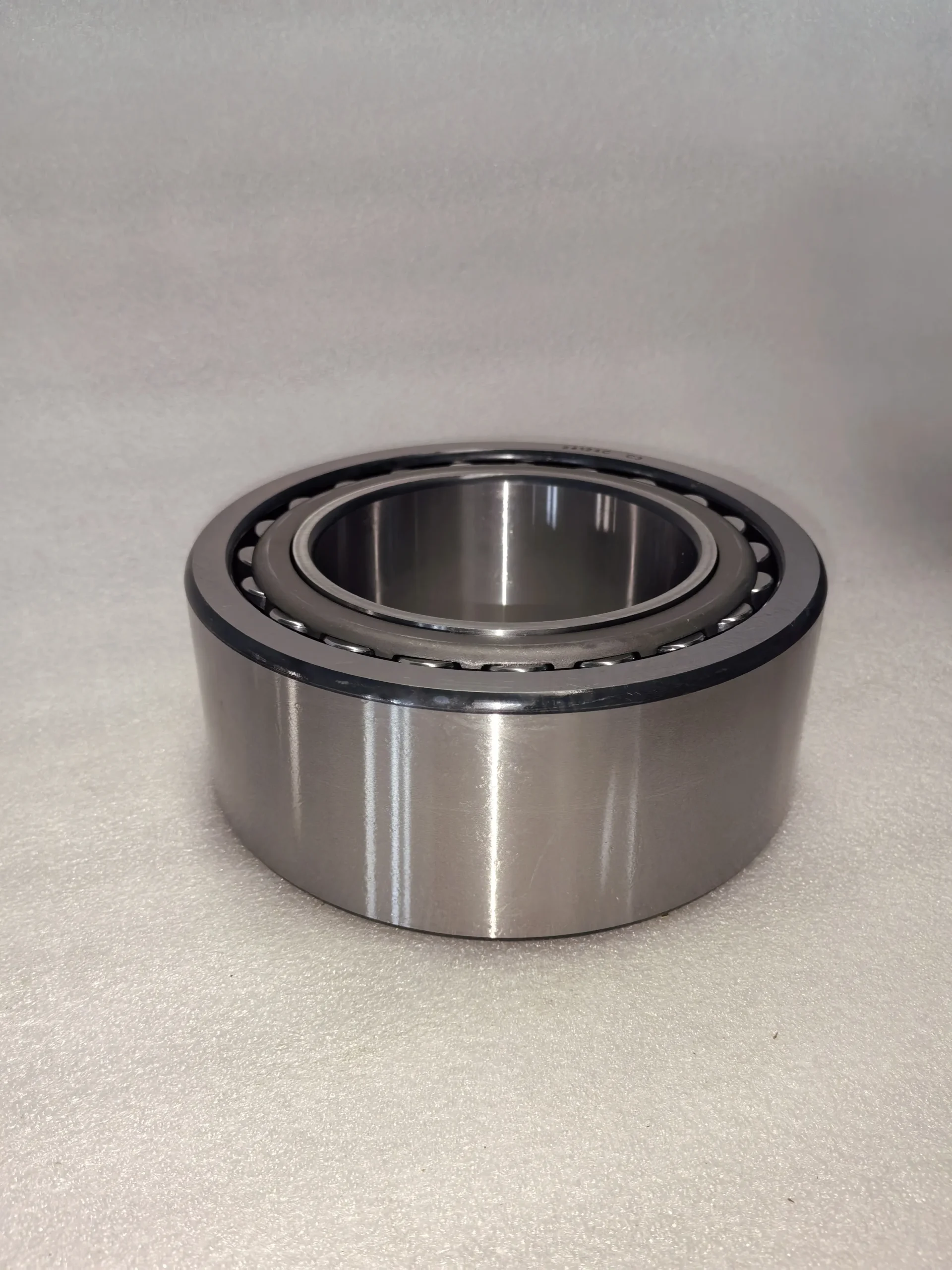 170-09-13250 Komatsu Bearing – Komatsu
 -
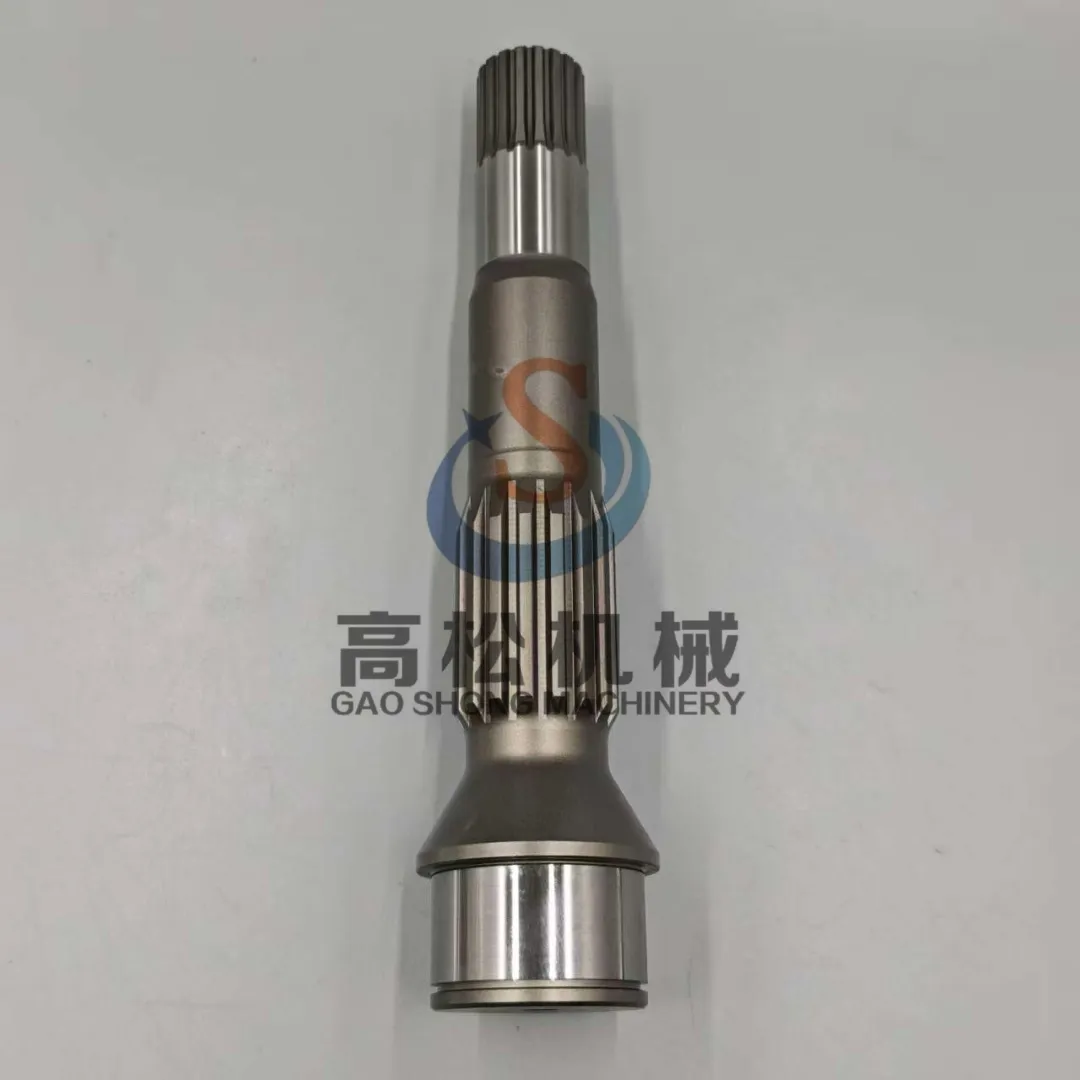 708-2G-12121 Shaft Drive L Fits Komatsu PC300-7 PC360-7 PC350-7 HPV140 Pump
 -
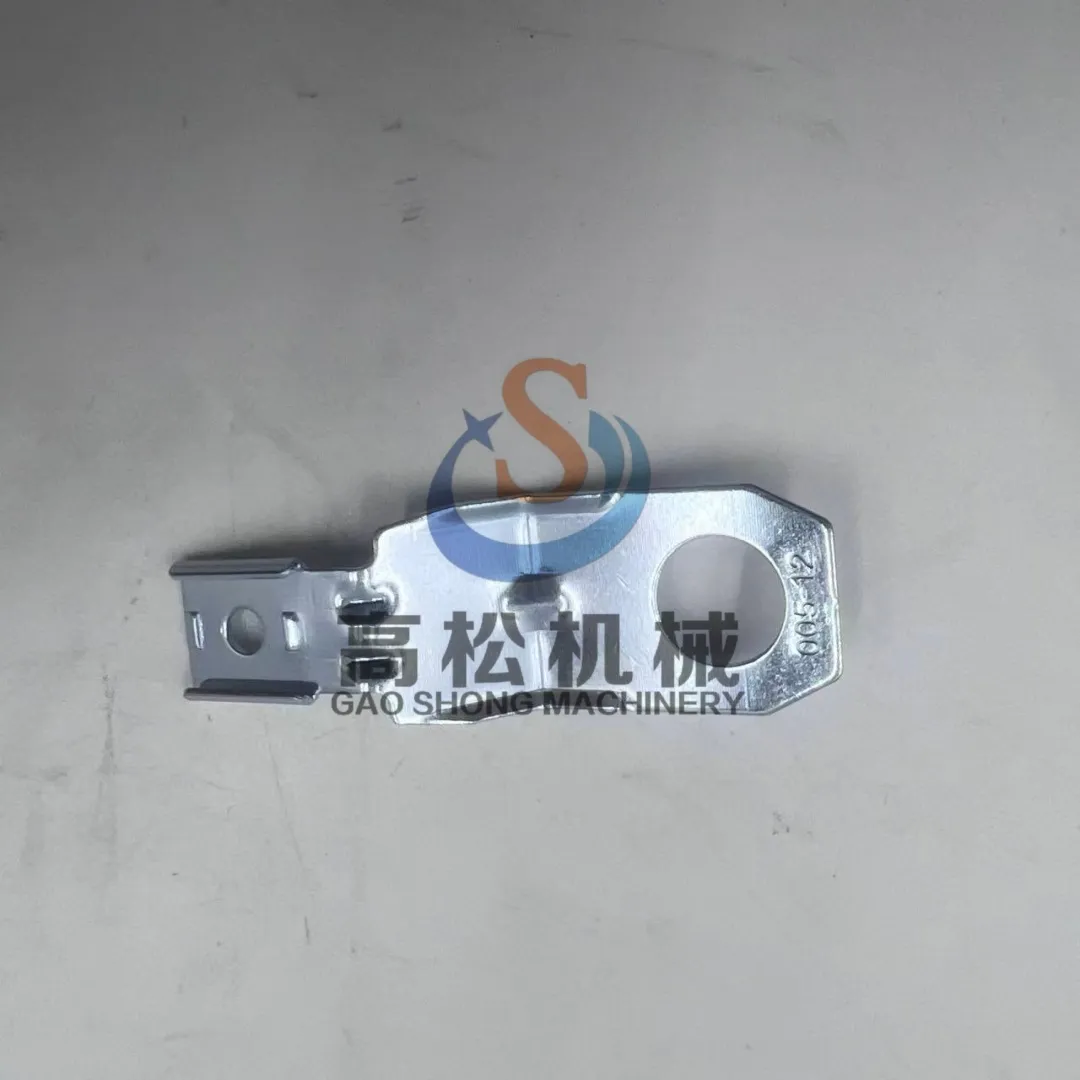 193-21012 CLIP,(WITHOUT ACCUMULATOR) – Komatsu
 -
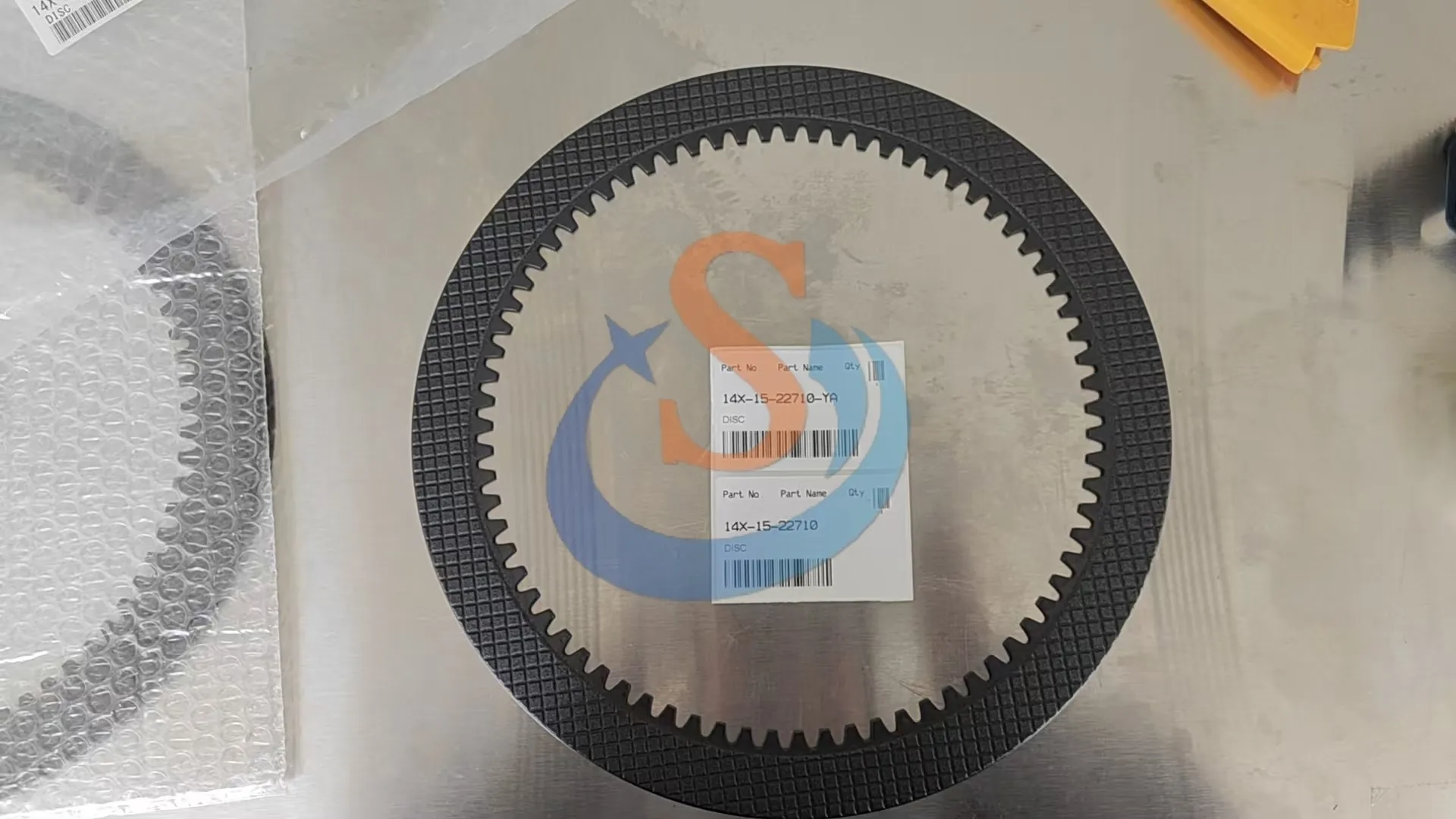 14X-15-22710,DISC,D65WX,D85ESS
 -
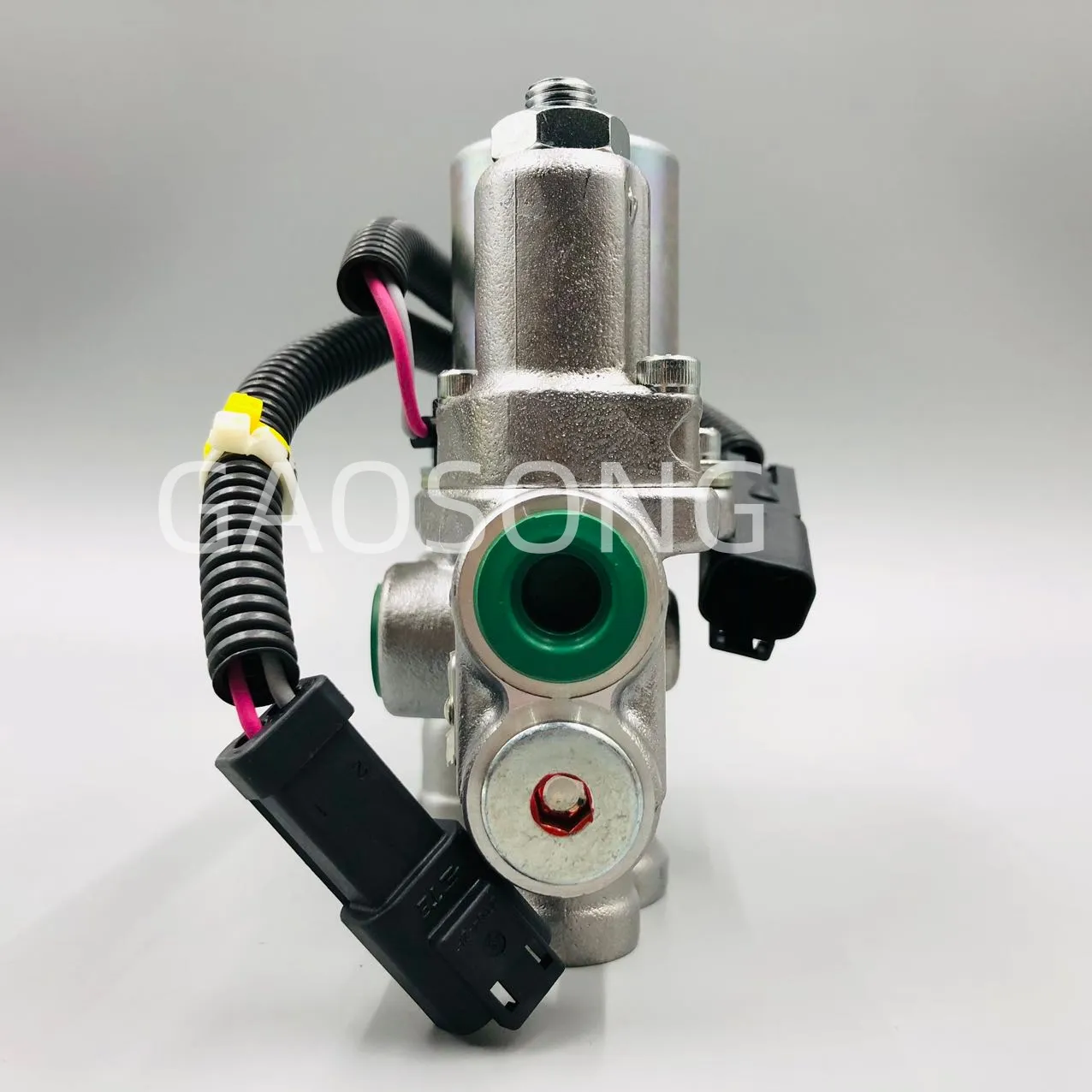 22F-60-31600 VALVE ASS’Y,(SEE FIG.Y1681-01A0).-Komatsu Original Factory
 -
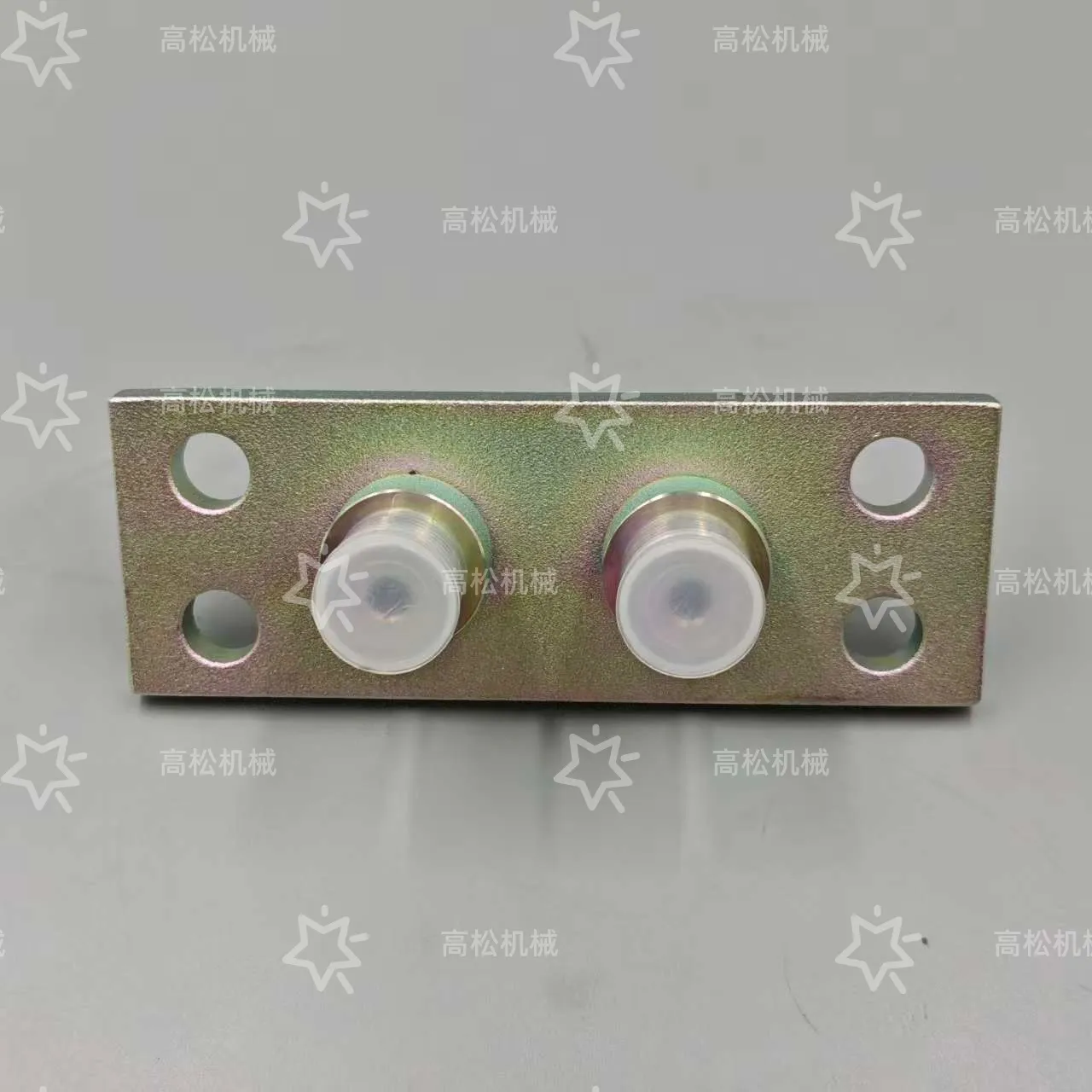 14Y-62-31411 BRACKET made to fit KOMATSU