
- Chinese
- French
- German
- Portuguese
- Spanish
- Russian
- Japanese
- Korean
- Arabic
- Irish
- Greek
- Turkish
- Italian
- Danish
- Romanian
- Indonesian
- Czech
- Afrikaans
- Swedish
- Polish
- Basque
- Catalan
- Esperanto
- Hindi
- Lao
- Albanian
- Amharic
- Armenian
- Azerbaijani
- Belarusian
- Bengali
- Bosnian
- Bulgarian
- Cebuano
- Chichewa
- Corsican
- Croatian
- Dutch
- Estonian
- Filipino
- Finnish
- Frisian
- Galician
- Georgian
- Gujarati
- Haitian
- Hausa
- Hawaiian
- Hebrew
- Hmong
- Hungarian
- Icelandic
- Igbo
- Javanese
- Kannada
- Kazakh
- Khmer
- Kurdish
- Kyrgyz
- Latin
- Latvian
- Lithuanian
- Luxembou..
- Macedonian
- Malagasy
- Malay
- Malayalam
- Maltese
- Maori
- Marathi
- Mongolian
- Burmese
- Nepali
- Norwegian
- Pashto
- Persian
- Punjabi
- Serbian
- Sesotho
- Sinhala
- Slovak
- Slovenian
- Somali
- Samoan
- Scots Gaelic
- Shona
- Sindhi
- Sundanese
- Swahili
- Tajik
- Tamil
- Telugu
- Thai
- Ukrainian
- Urdu
- Uzbek
- Vietnamese
- Welsh
- Xhosa
- Yiddish
- Yoruba
- Zulu
- Kinyarwanda
- Tatar
- Oriya
- Turkmen
- Uyghur






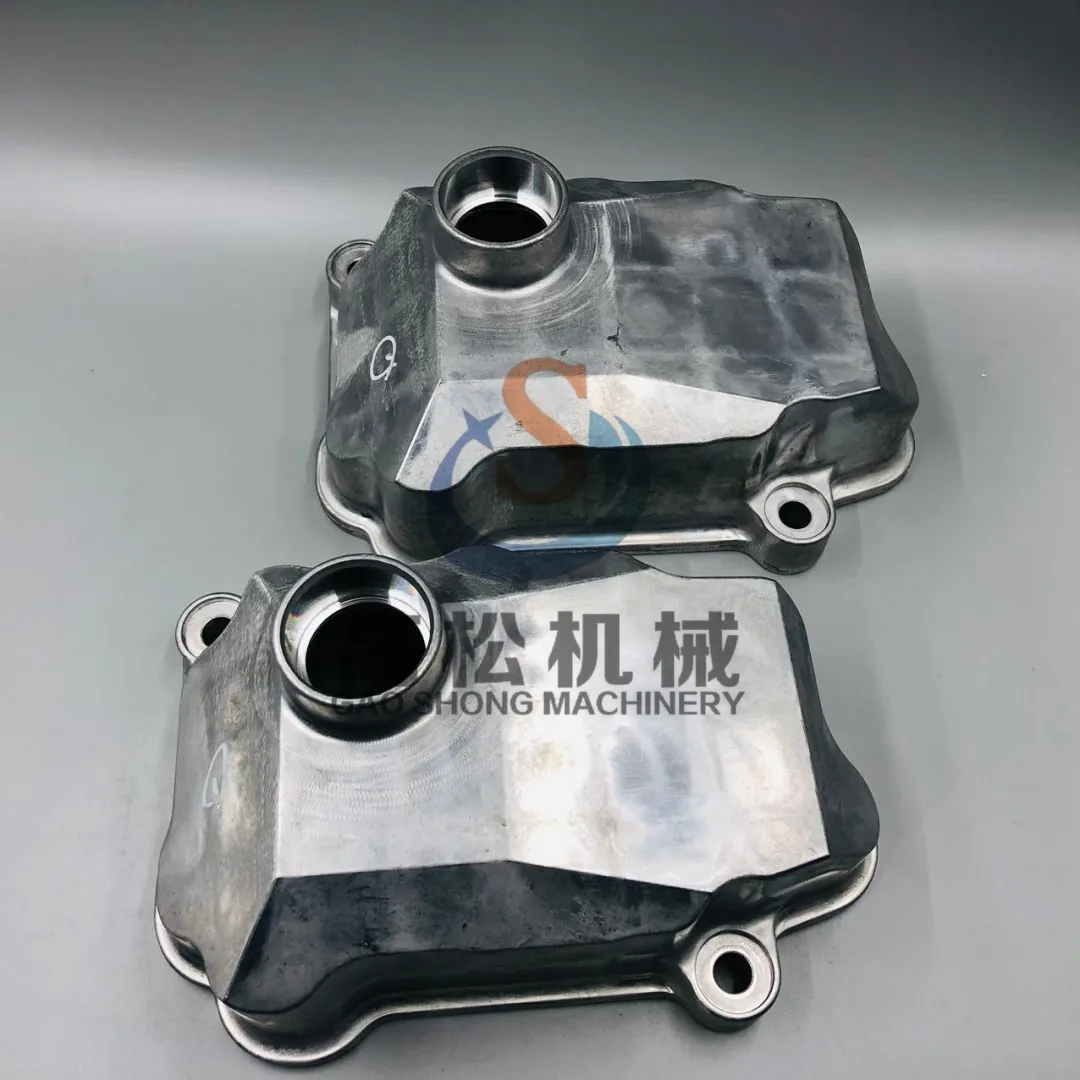
OEM AND ORIGINAL KOMATSU COVER 195-27-44341
When you see a part number like listed with both OEM and Original Komatsu, it immediately sets off alarms for anyone who's been sourcing parts for a while. The terminology itself is a minefield. In my experience, many buyers, especially those new to dealing with Komatsu equipment, assume OEM means it's made by Komatsu. That's the first and most costly mistake. Komatsu doesn't typically label its genuine parts as OEM. That term, in the aftermarket, usually points to a licensed or pattern manufacturer. So, when a supplier conflates the two, you have to dig deeper. It's not necessarily a scam, but it's a clear sign you need to ask more questions about origin, certification, and the actual supply chain behind that cover.
The Reality of the Cover
The Komatsu cover is a specific guard or shield, often for a pump or valve assembly on older models. Its simplicity is deceptive. A genuine one has precise stamping, a specific grade of steel that resists vibration cracking, and a finish that holds up to fluid exposure. The aftermarket versions? They look identical in photos. I've held both in my hands. The OEM-spec part might have a slightly rougher casting edge or a different shade of yellow—not deal-breakers for a non-critical guard. But if its function is to seal or align, those microns matter. We tried a batch of OEM labeled ones on a PC300-6, and the bolt holes were off by maybe 1mm. Not much, but enough to require reaming, which compromises the part's integrity and wastes an hour of mechanic time. That's the hidden cost.
This is where a company's stated role becomes critical. Take Jining Gaosong Construction Machinery Co., Ltd.. Their pitch is interesting: an OEM product supplier within the Komatsu system and a third-party sales company. Visiting their site, takematsumachinery.com, you get a clearer picture. They're positioned to handle the awkward gap—when the official channel is slow, expensive, or non-existent for a region. For a part like the , which might be phased out or on backorder in some territories, such a supplier isn't just convenient; they're necessary. Their claim of being an OEM product supplier within the Komatsu system suggests they might produce ancillary parts under license, which is common for non-core components like covers and guards. It adds a layer of credibility compared to a pure pattern parts maker.
The challenge is verification. How do you, as a buyer, confirm that? You ask for documentation: material certificates, dimensional reports, or even a traceable batch number. A reputable supplier like the one mentioned should be able to provide some proof of lineage, even if it's not the full Komatsu factory pack. If they hesitate, that tells you everything. I've learned to ask, Is this part from Komatsu's OEM network, or is it your own production to original specs? The answer dictates the price I'm willing to pay and the application I'll use it for.
Case Study: A Failed Direct Replacement
Let me give you a concrete example from a few years back. A client needed a urgently for a repair in a remote site. The official dealer quoted a 12-week lead time. We sourced an Original Komatsu Quality part from a different supplier, not Gaosong. It arrived fast, looked perfect, even had a convincing label. Installed it. Three weeks later, we got a call: the cover had cracked radially from a bolt hole. Failure analysis pointed to brittle, high-carbon steel—wrong material for something that needs slight flex. It was a pattern part, likely reverse-engineered without proper metallurgy specs. The downtime cost eclipsed the part's savings tenfold. This is the risk.
After that, our protocol changed. For non-critical covers, we might risk a verified OEM alternative. For anything that sees stress or is part of a sealing surface, we push harder on the genuine route or seek suppliers with a transparent OEM relationship. This is why the model of a company that is both an OEM supplier and a third-party seller is compelling. In theory, they should have access to the proper technical specifications that a pure reverse-engineerer wouldn't. Their business, as described on their site helping solve parts supply challenges in certain countries, depends on reliability. If they sell junk, that model collapses quickly in the niche construction market.
So, for the , I'd approach a supplier like Jining Gaosong with specific technical questions. Not just is it genuine? but what is the Rockwell B hardness? Can you share the SPCC grade sheet data? Their response—speed, detail, willingness—is the real test. A pattern parts seller will ghost you or give generic assurances. A true insider in the OEM network will either have the data or get it, because their production line uses those specs.
Decoding Supplier Claims and Practical Advice
The phrase OEM and Original Komatsu on a listing is, frankly, messy SEO. It's trying to catch both search streams. As a professional, you ignore the marketing and focus on the substance. When I look at Takematsu Machinery's site, their dual-role claim is their key differentiator. It means they might supply the exact same part through two pipelines: one to Komatsu (or its first-tier assemblers) and another to the aftermarket. For a simple cover, this is highly plausible. Komatsu often sources these non-critical items from external specialist manufacturers anyway.
My practical advice? First, cross-reference the part number. Is still active in Komatsu's system? If it's obsolete, your only real choices are aftermarket or NOS (New Old Stock). An OEM supplier is then your best bet. Second, define the part's criticality. Is it a cosmetic guard or a structural cover? Your risk tolerance changes. Third, engage the supplier with technical language. Ask about the coating process—is it powder coat or dip-paint? The former is more durable and often used by OEMs.
Don't be afraid to order a single sample first. Fit it, check the hole alignment, test the paint adhesion with a solvent. Compare the weight to a known-genuine part; density differences can signal material substitution. This due diligence is what separates a parts manager from an order clerk. It's also what builds a relationship with a useful supplier in the long run. If a company like Jining Gaosong consistently passes these checks, you've found a valuable resource, especially for stranded or legacy models.
The Bigger Picture: Sourcing in a Fragmented Market
This whole discussion around a single cover highlights the fragmentation in heavy equipment parts. The official network can't or won't serve every need globally, especially for older machines. That creates space for companies that operate in the gray zone between genuine and aftermarket. Their value isn't just in price, but in availability and sometimes even in quality that matches or exceeds the original, if they are a dedicated specialist manufacturer.
The key is transparency. A good supplier will tell you, This is our production, to Komatsu drawing number XYZ, here's our cert. A bad one will just say OEM quality and hope you don't ask. The website for Jining Gaosong Construction Machinery Co., Ltd. explicitly states their role in solving supply challenges. That's a signal they're targeting informed buyers who understand the complexity, not just those shopping on price alone. They're presenting themselves as a solution to a systemic problem, not just another parts shop.
In the end, for part number and thousands like it, there's no one-size-fits-all answer. You balance urgency, cost, criticality, and source credibility. The supplier's stated identity as part of the OEM ecosystem is a major data point, but it's not a guarantee. It's a starting point for a technical conversation. That conversation, backed by hands-on verification, is the only way to navigate this market successfully. It's messy, imperfect, and requires judgment—exactly why a purely algorithmic, AI-generated buying guide would fail miserably here.
Related Products
Related Products

Best Selling Products
Best Selling Products-
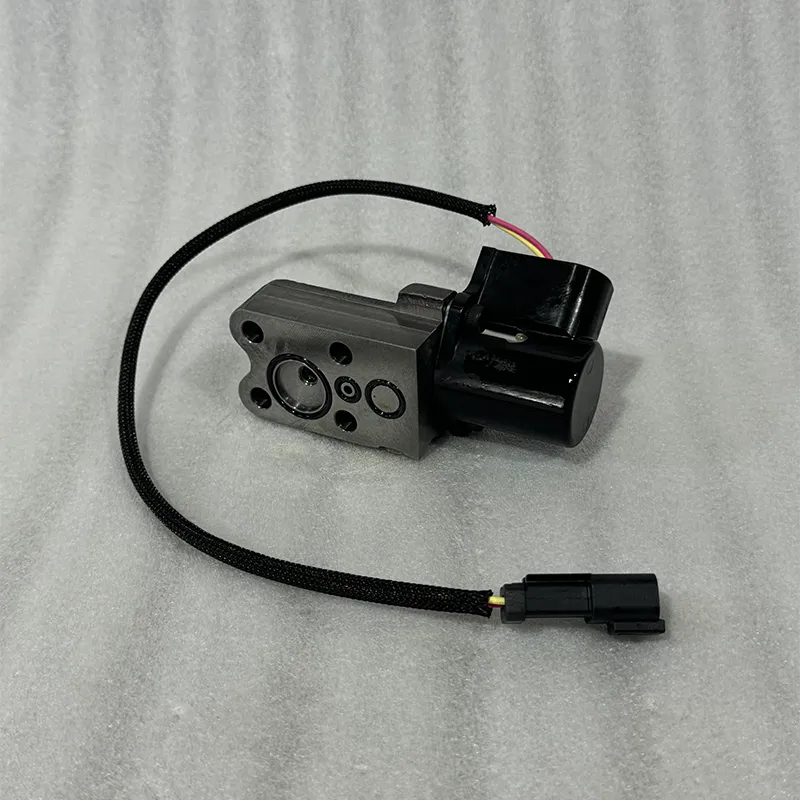 Original komatsu PC2000-8 Pilot Valve 708-7S-01330
 -
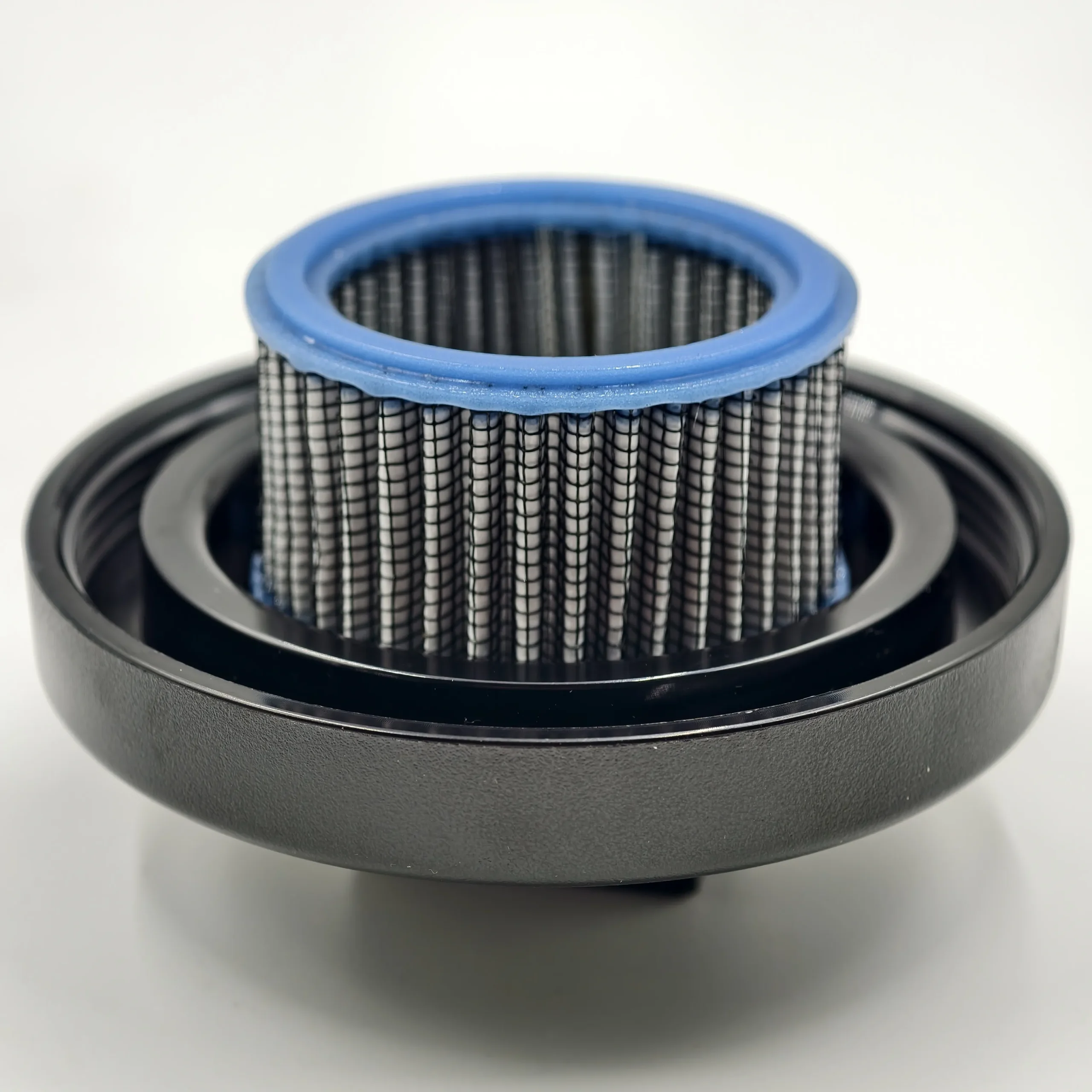 21T-04-31170 Komatsu Cap Assembly
 -
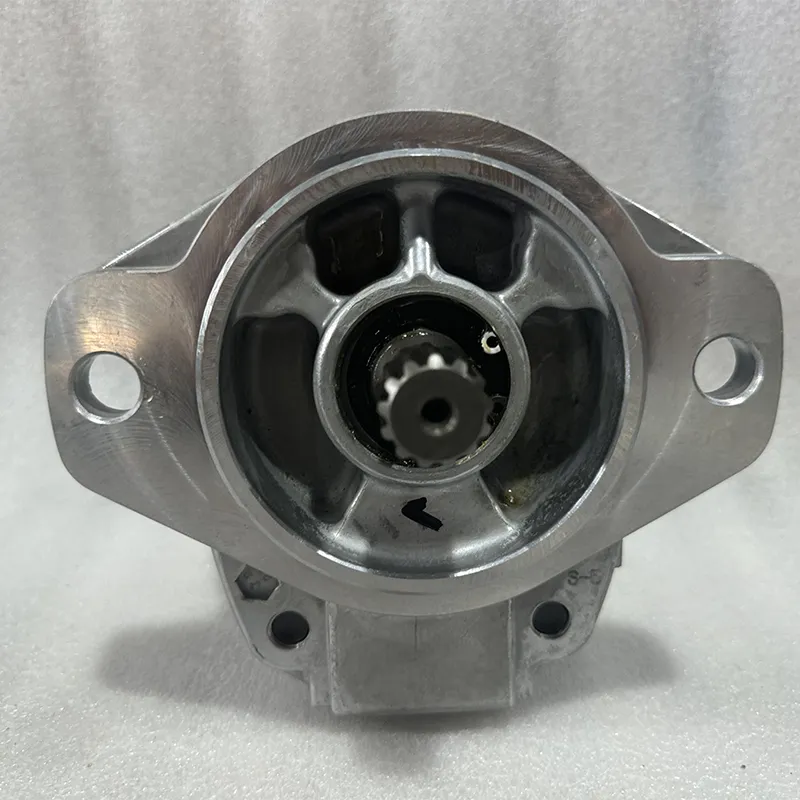 Original komatsu GD825A-2 Pump Assembly 705-61-22010
 -
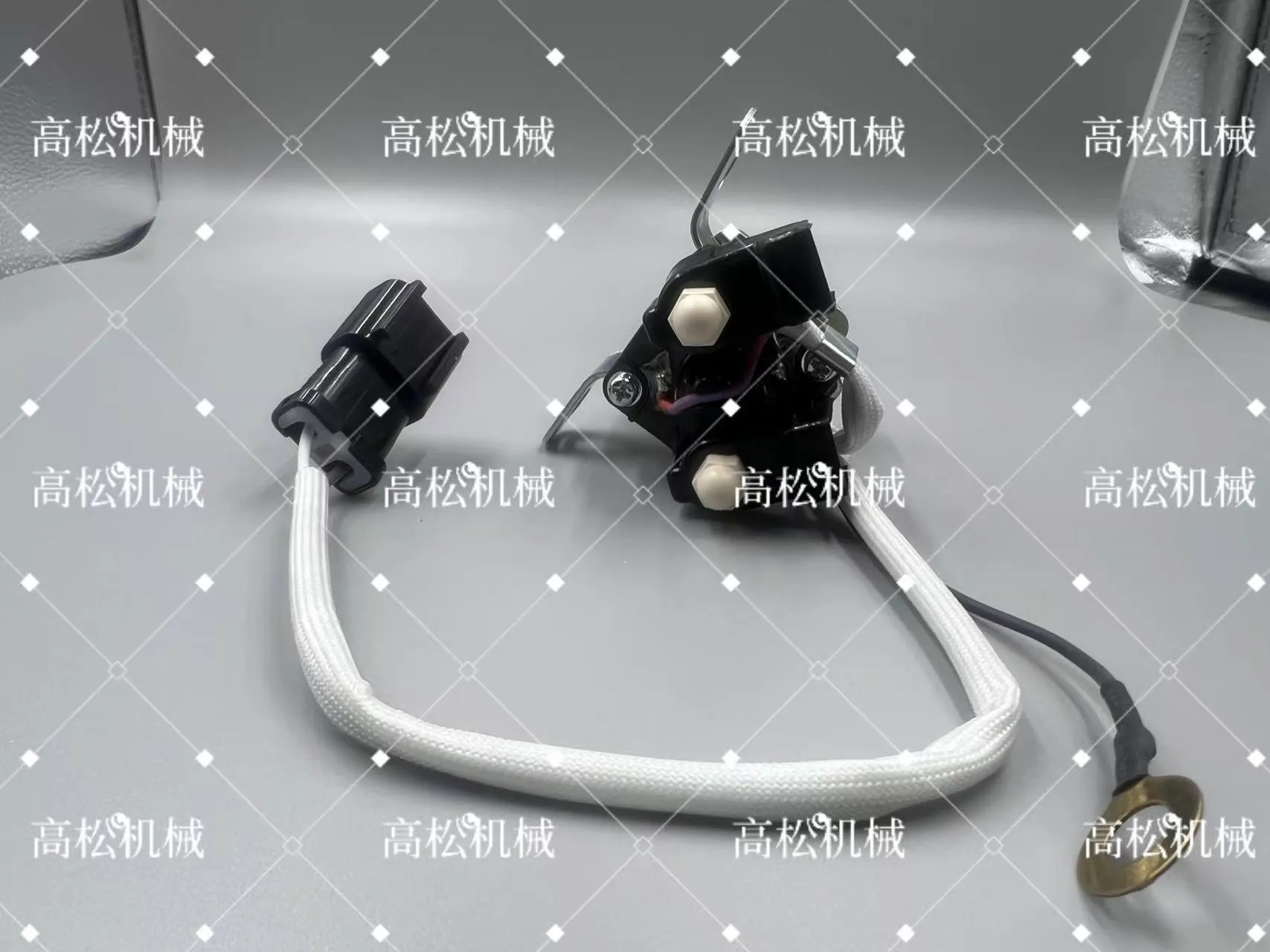 600-815-8941 Safety Relay for Komatsu PC60-7 PC200-6 PC200-8 PC138US-8 PC130-7
 -
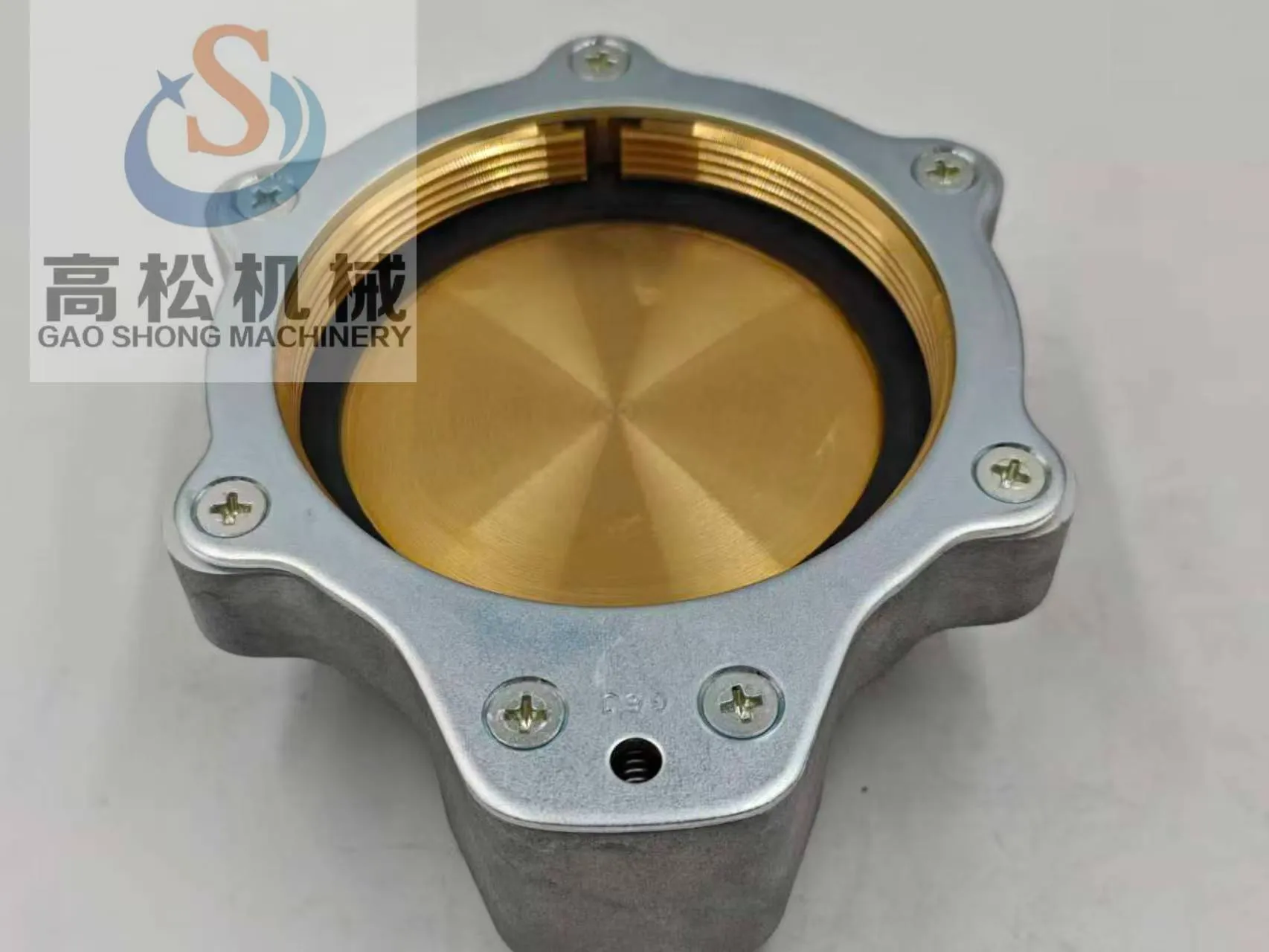 Original new water tank lid 07093-20000 lid suitable for bulldozer komatsu d85 d275
 -
 56D-15-19250 RING
 -
 PC1250-8 Connector 21N-68-32320 For Auto Grease
 -
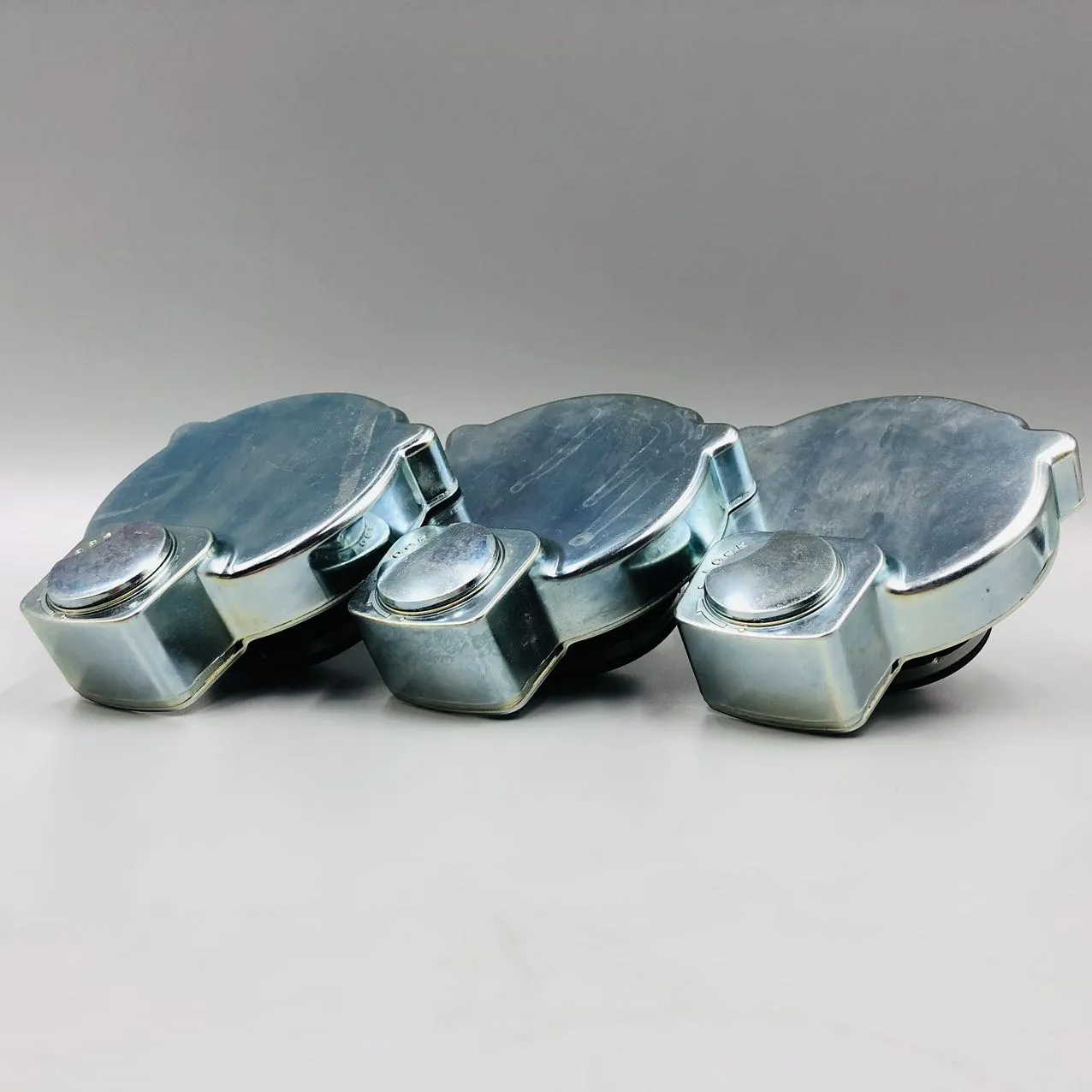 Hydraulic Oil Tank Cap 17A-60-11310 For Komatsu PC200-6 PC220-6 Parts
 -
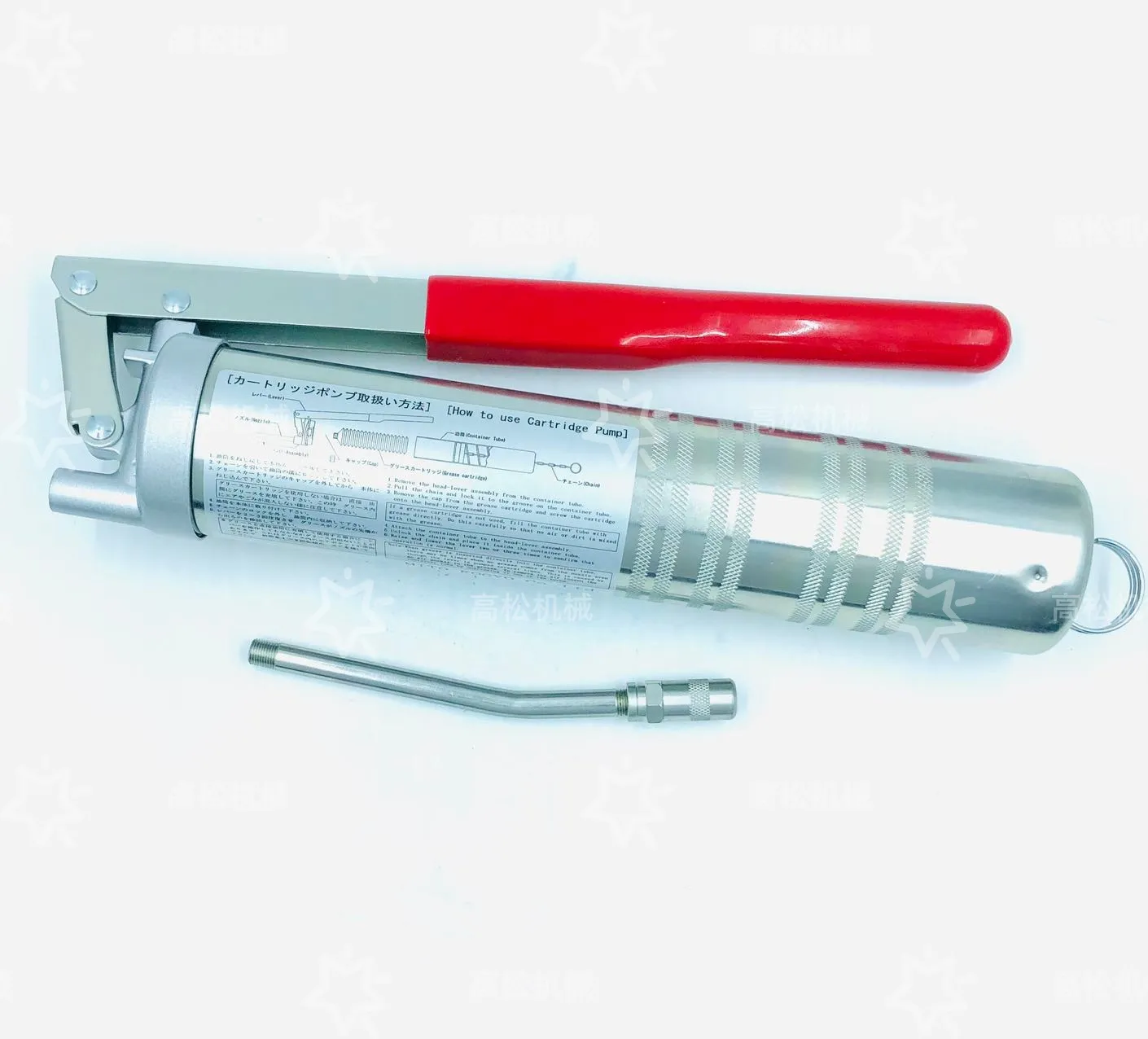 HM400 GREASE PUMP 07952-70014 07952-70004 For Komatsu Original
 -
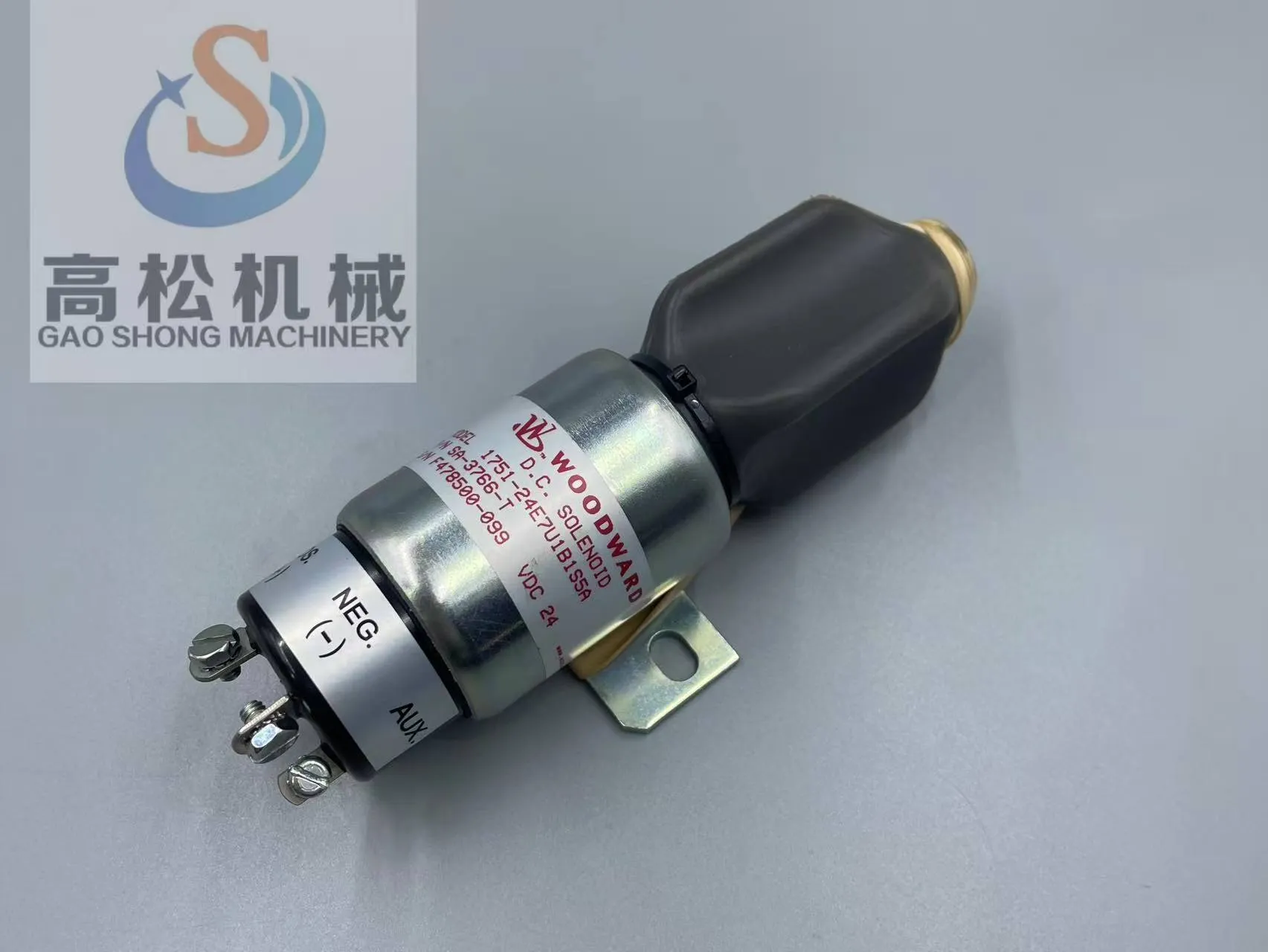 12v high quality electromagnetic stop valve for excavators pc75uu-3, pc78us-5, pc60-7e, pc78uu-6 with 4d95 engine (part number 600-815-7550)
 -
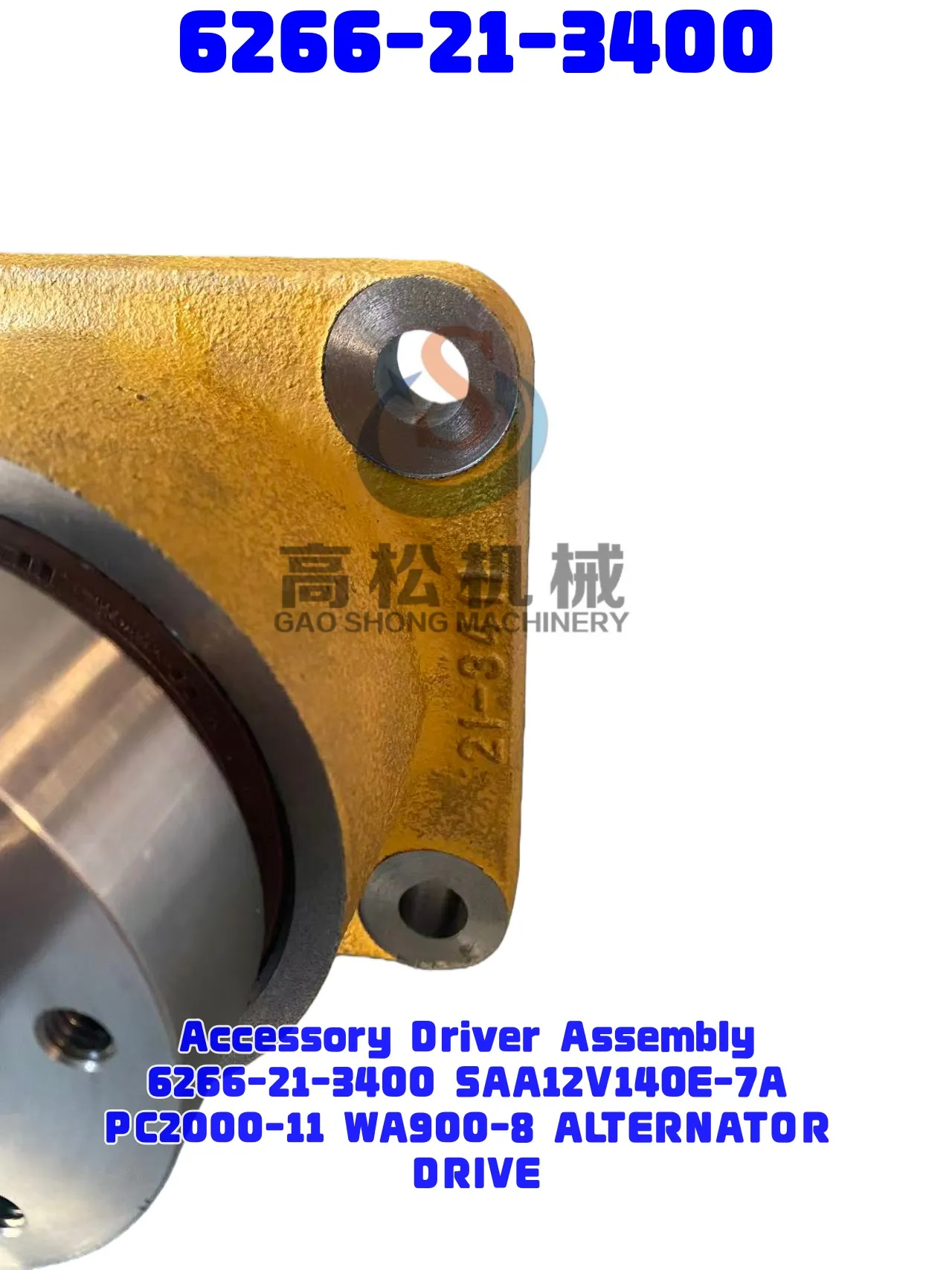 Water Pump 6154-61-1102 6251-61-1105 6251-61-1111 For Komatsu S6D125E PC400-6 PC450-6 New Aftermarket Parts
 -
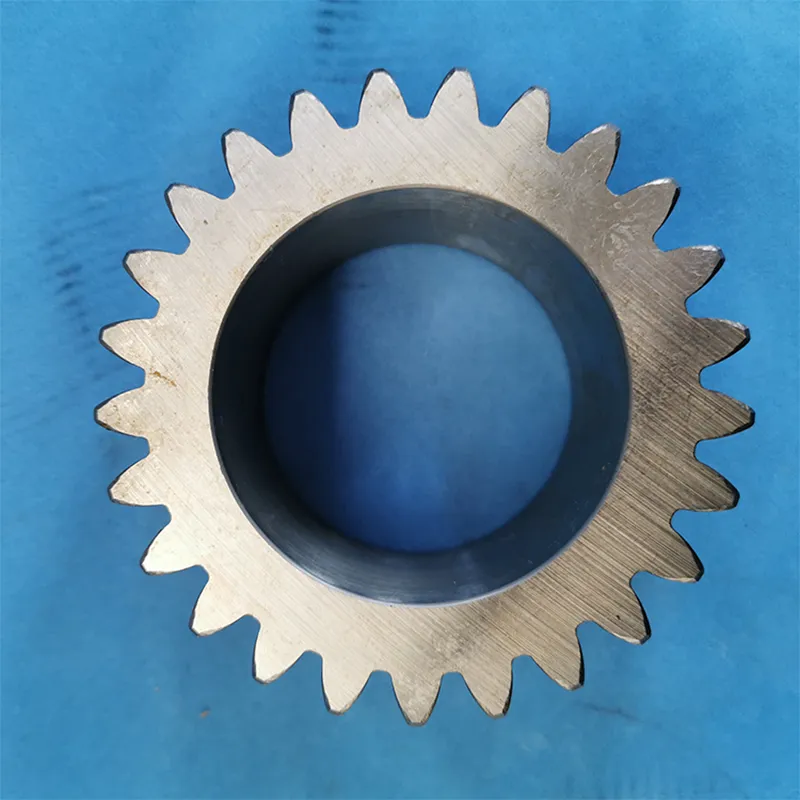 Komatsu original D155A-3 Valve Assembly 17A-49-21100